
Guides · Season extension · Published November 10, 2026
Cold Frames in Winter: Fresh Greens All Season Long
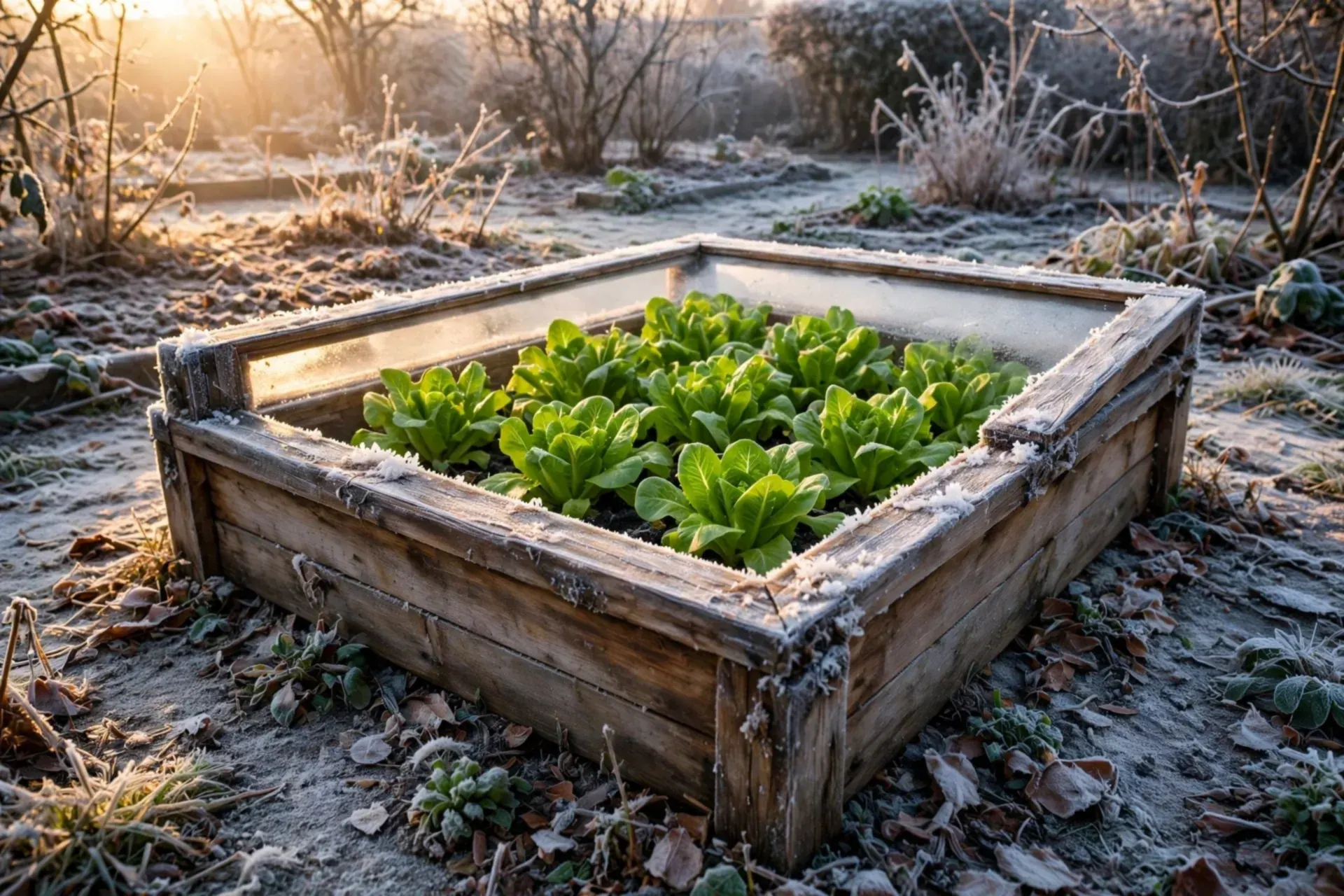
A cold frame is the simplest machine in the garden: a bottomless box with a glass or clear lid, set on the soil. No power, no parts to break. Yet that box changes the season. Inside it, spinach stays green under snow, lettuce keeps giving leaves weeks after the open beds have quit, and spring starts early in the same spot. The trick is using it with honest expectations: a frame buys you a modest handful of degrees and shelter from the wind, and in winter gardening that handful is the whole ballgame. This guide covers the real numbers, the crops that genuinely grow under glass in the cold months, and the daily habit — venting — that separates a working frame from a cooked one.
What a cold frame can — and cannot — do
| The honest numbers | What it means for you |
|---|---|
| Inside runs about 5–10°F warmer than outside on average | Weeks to months of extra season, spring and fall |
| Sunny days spike far higher | Vent when the inside passes about 85°F — even in winter |
| Cold nights inside drift near the outside temperature | Most crops want nights above roughly 25°F inside; add a floating row cover layer below that |
| Wind and driving rain stay out | Leaves stay clean and unshredded — half the quality battle |
Temperature guidance follows university extension advice (Vermont and Iowa State extension services).
Step 1 — Site it with the sun
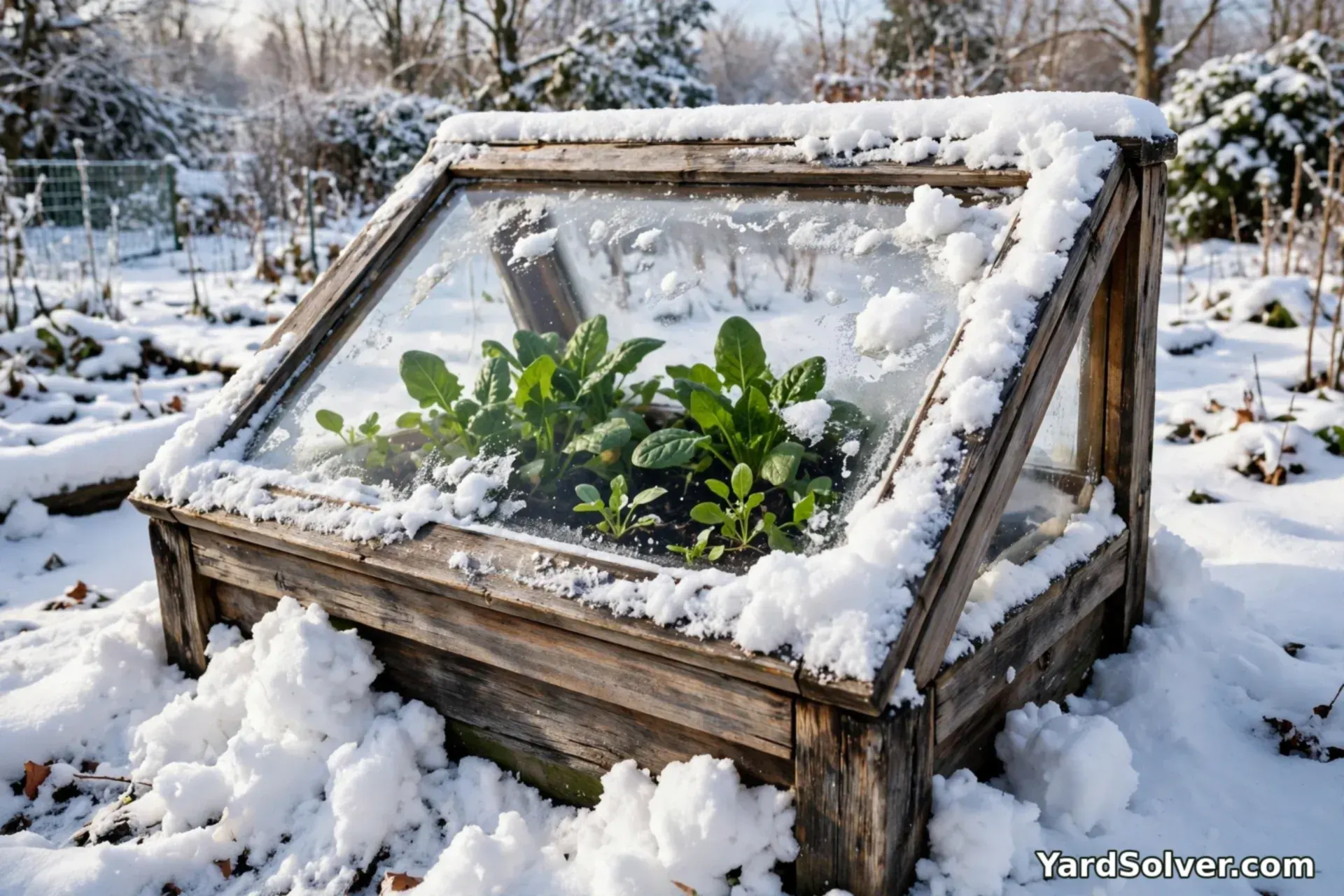
Winter sun is low and weak, so the frame's whole job starts with catching all of it. Put the frame where it gets unshaded sun all day, with the lid sloping down toward the south so the glass faces the light and sheds rain. Against a house or garage wall is ideal if the wall does not shade it — the building blocks the north wind and gives back a little stored heat at night. Where exactly the shadows fall in December is easy to get wrong from memory, so check the spot with the Sun & Shadow Calculator before you commit the frame to it. Keep it close to the kitchen door, too. A frame you pass daily gets vented, watered and picked; a frame at the far fence gets forgotten, and a forgotten frame in a sunny week is a slow cooker.
What to grow in it
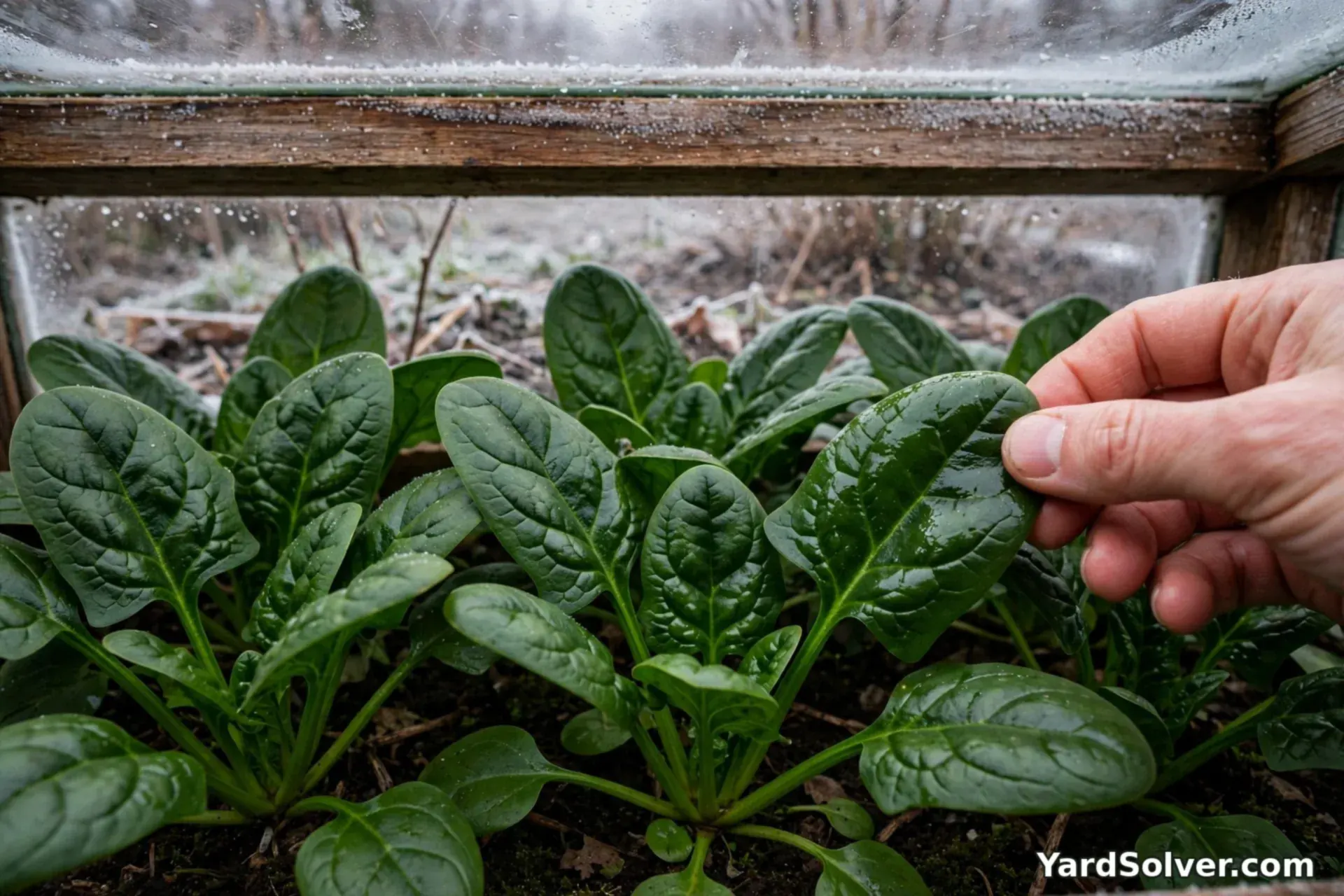
Grow the crops that already like the cold. Spinach is the champion — it prefers cool weather, tolerates real frost, and under glass it keeps producing deep green leaves when the open garden is frozen solid. Mâche (corn salad) is even hardier and grows slowly all winter. Lettuce is the workhorse: sow it thick, cut the outer leaves or shear a row for salad, and it keeps coming back. Asian greens, arugula, claytonia and green onions round out the cast. Sow the winter crop in late summer or early fall, timed from the Planting Calendar, so plants are well grown before the dark weeks — winter under glass is mostly about keeping grown plants alive and picking them slowly, not about fast growth. Growth nearly stops in the darkest month, then restarts as the days lengthen, and the same plants give you the first salads of spring.
Step 2 — Vent on sunny days, even in January
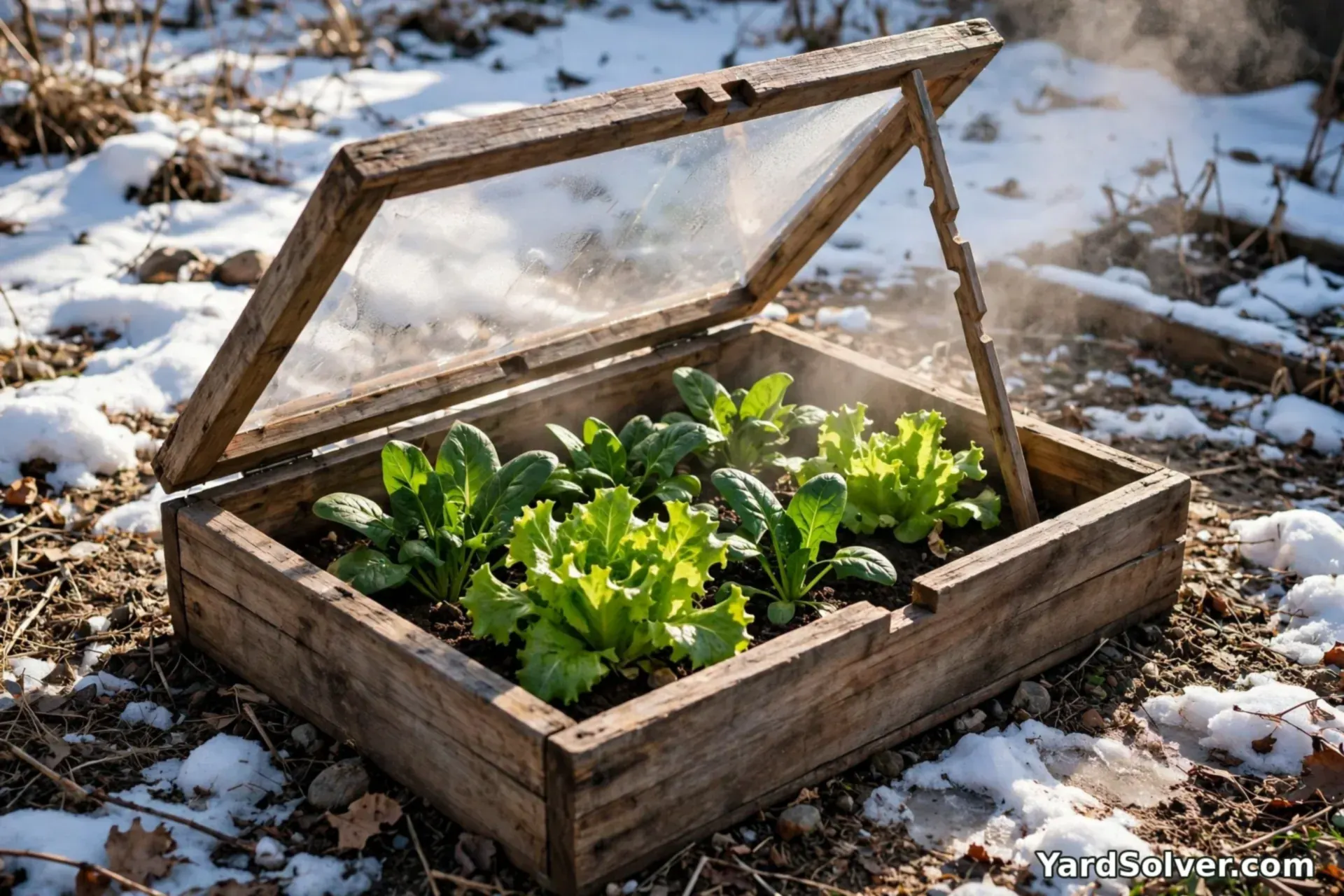
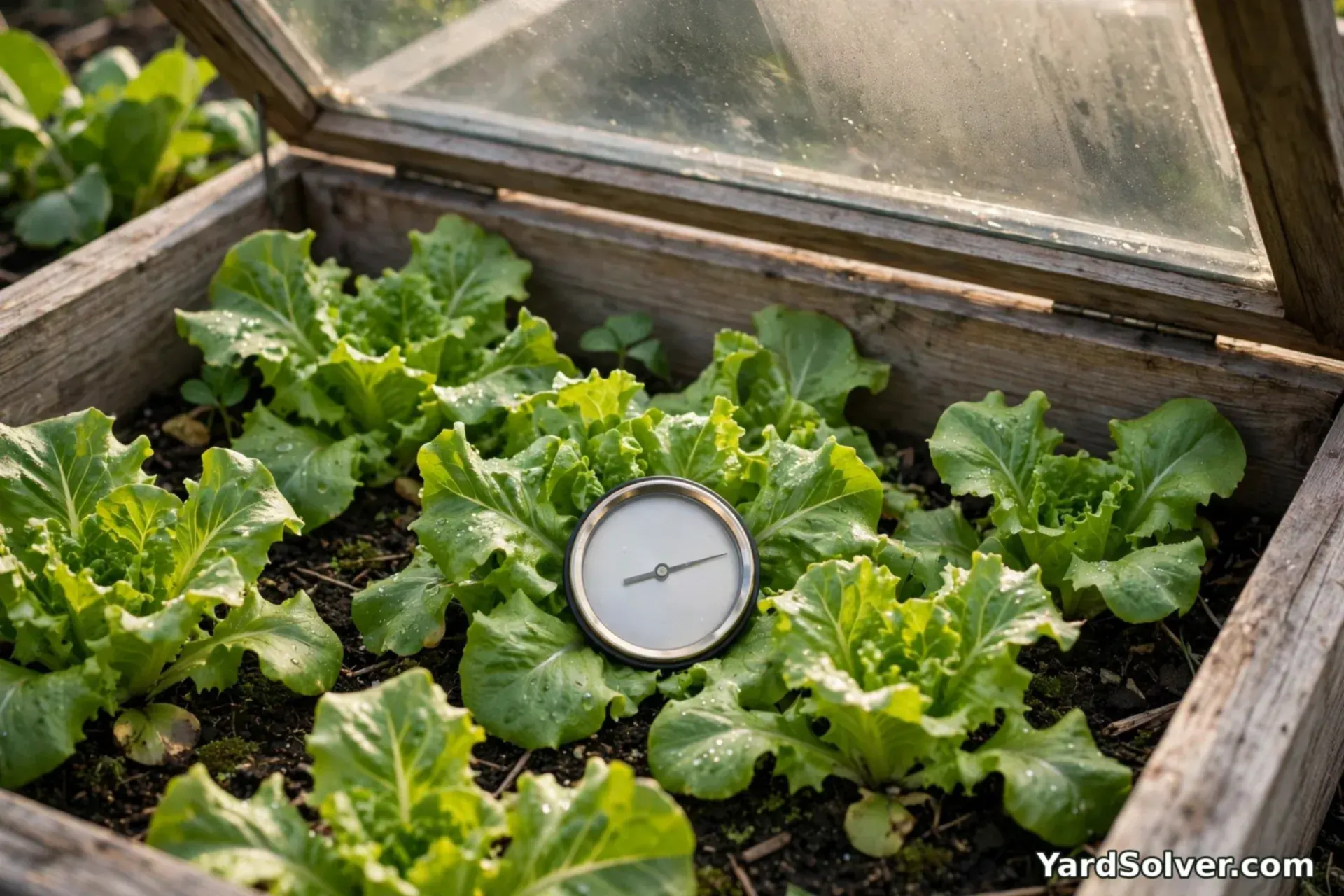
This is the habit that makes or breaks a cold frame. Glass over a small air space heats fast, and on a bright day the inside can cook tender leaves while the air outside is still freezing. Extension guidance is plain: vent when the inside climbs past about 85°F, and on sunny days when it is above 40°F outside, expect to prop the lid. A stick, a brick or a notched prop does the job — open a crack on mild days, wide on bright ones, and close it again by mid-afternoon so the soil banks some heat for the night. Automatic vent openers exist and are worth it if your days are away from home. What you must not do is seal the frame shut for a week and hope. Heat kills in an afternoon; cold, for these crops, mostly just slows things down.
Step 3 — Add a second blanket on hard nights
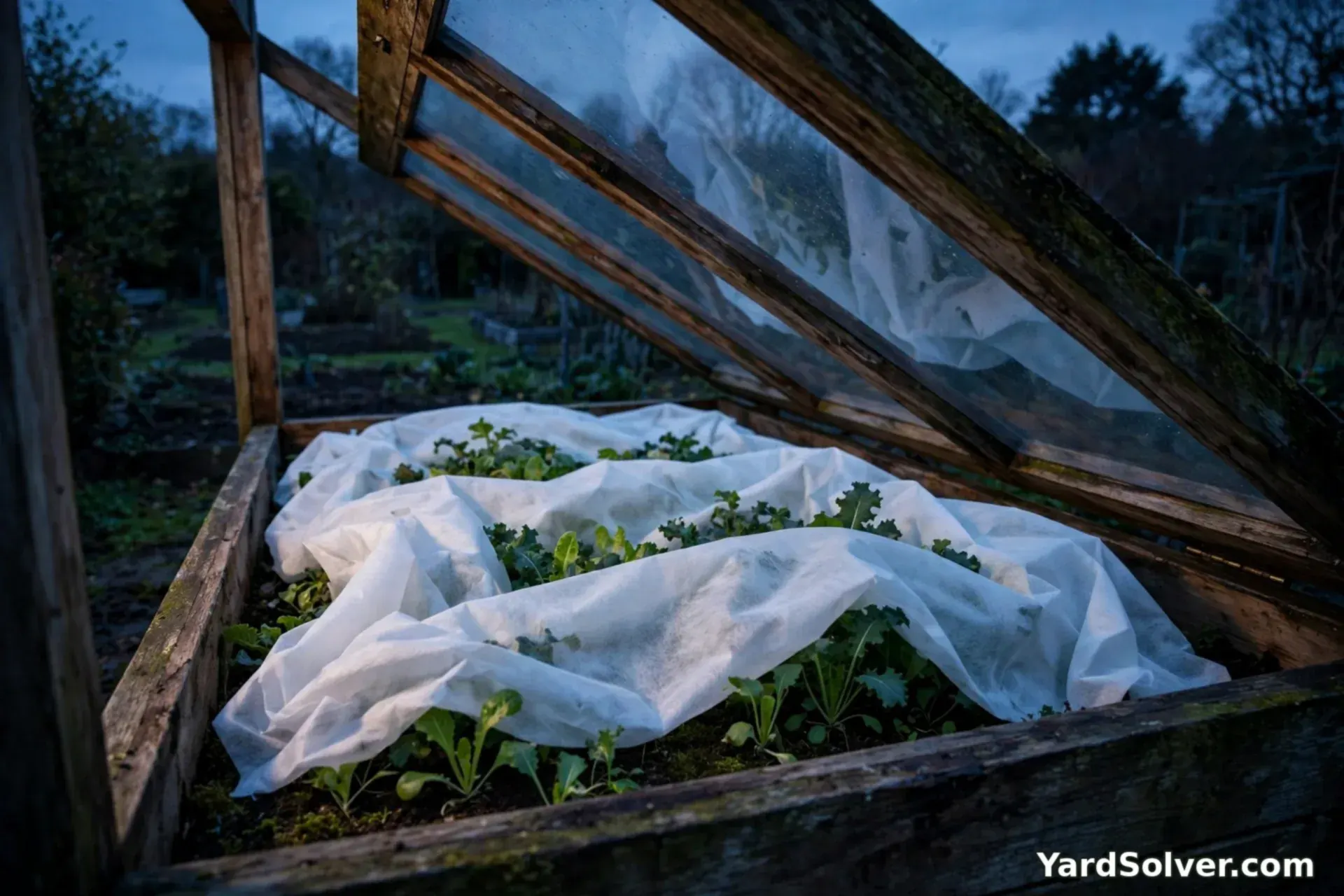
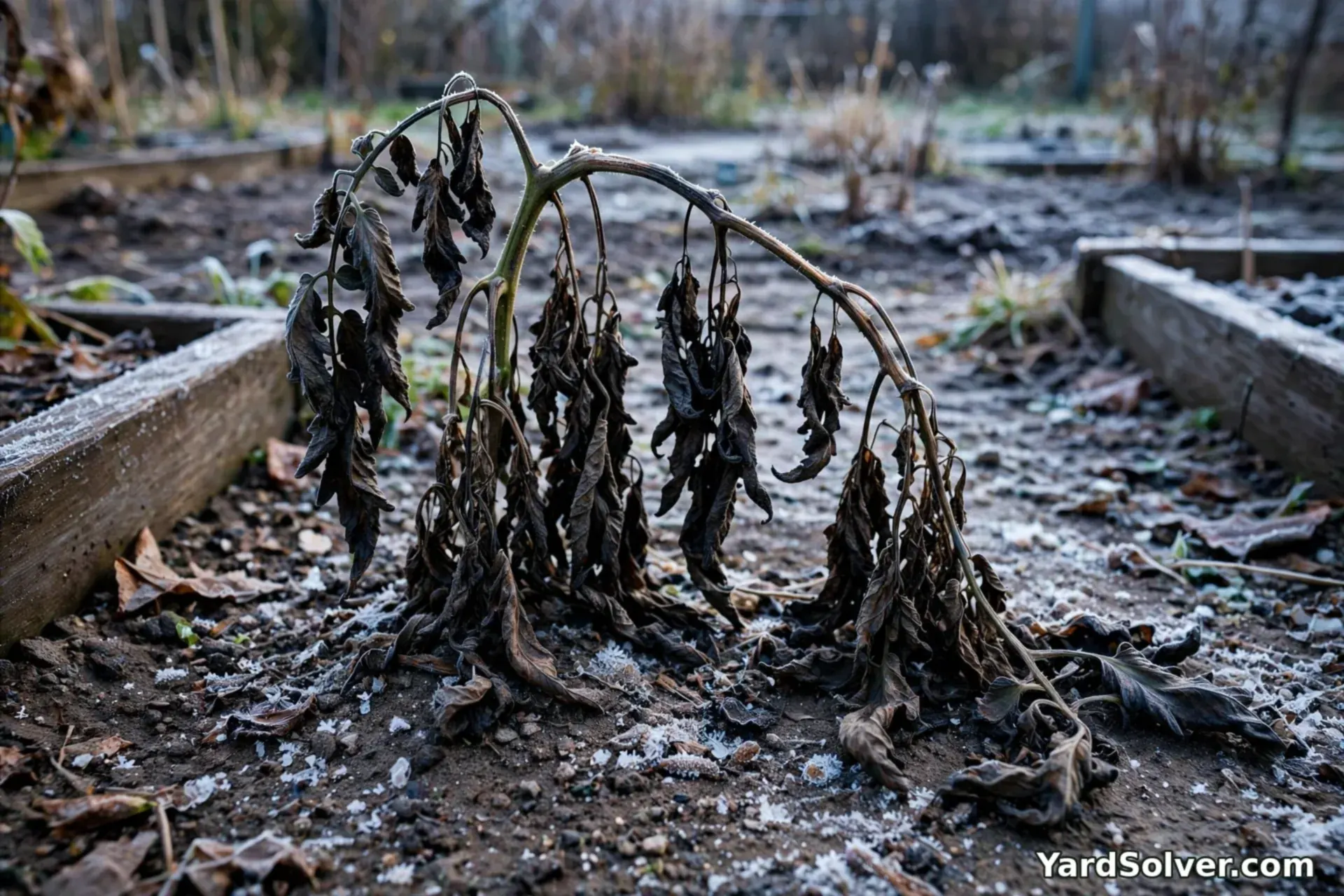
When a serious cold snap is coming — the kind that pushes the inside of the frame down toward the mid-20s — drape a layer of floating row cover directly over the plants inside the frame before you close the lid. Two layers of protection handle nights that one layer cannot, and most winter greens come through fine. An old blanket over the outside of the lid on the very worst nights adds one more cushion; take it off in the morning so the light gets in. Water lightly on a mild morning when the soil dries an inch down — the lid sheds all the rain, so the plants depend on you — but keep it restrained, because cold wet soil rots crowns faster than cold dry soil ever harmed a leaf.
Cold frame or low tunnel?
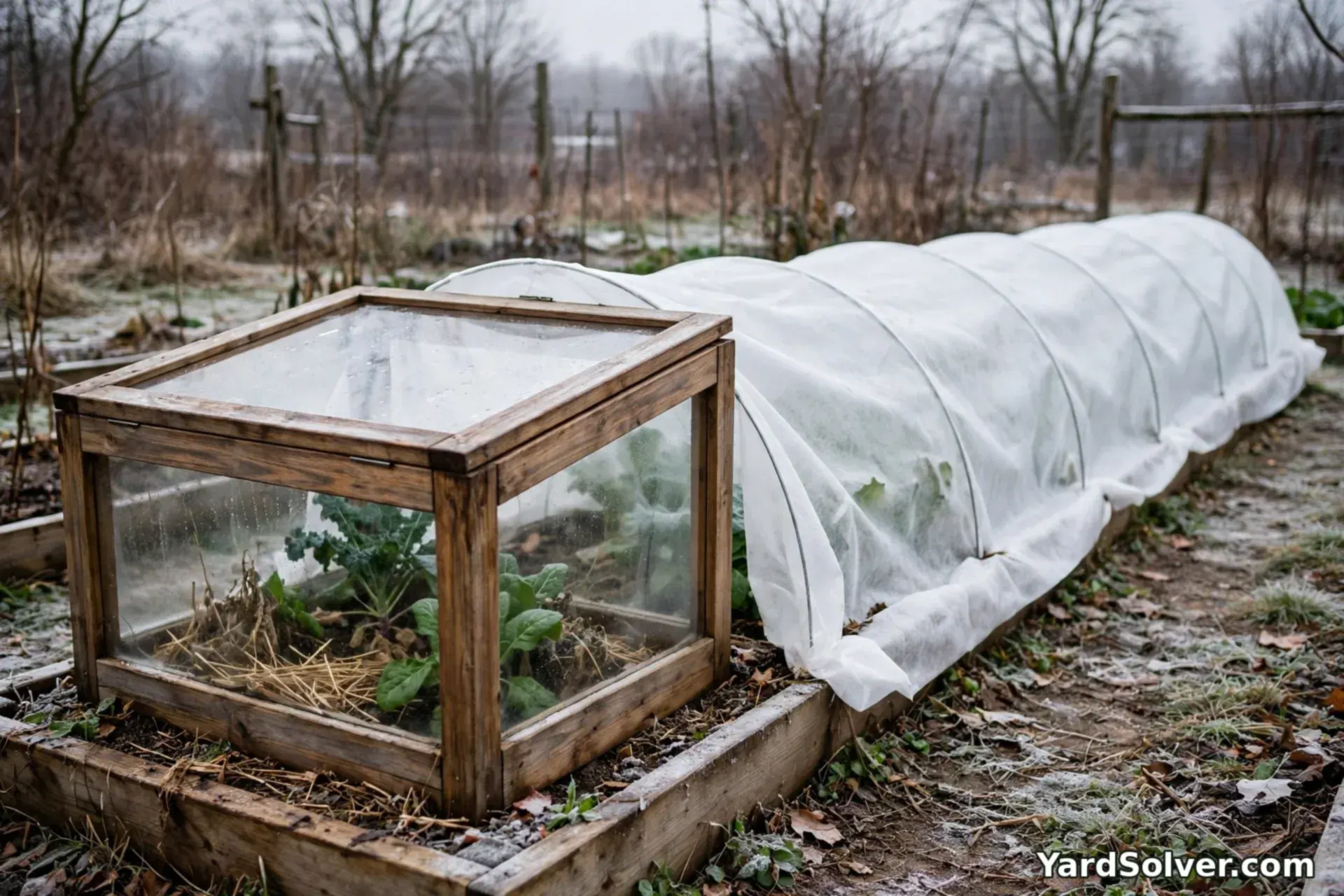
The low tunnel — hoops over a bed with fabric or plastic laid over them — is the frame's bigger, cheaper cousin. It covers a whole bed for the price of one frame panel, and for protecting rows of kale or carrots in the ground it is hard to beat. But the cover lifts in wind, sags under snow, and opening it daily for picking is a small wrestling match. The frame wins on everything fiddly: precise venting, easy harvest with one hand, a lid that stays put in a storm. The honest answer for most gardens is both — tunnels over the big beds, one solid frame by the door for the winter salad you actually eat from every week.
Keep going
The champion crop: Spinach in the Plant Library — varieties and sowing dates for fall and spring.
The workhorse: Lettuce — cut-and-come-again growing for the frame and the open bed.
Time the fall sowing so plants are grown before the dark weeks: the Planting Calendar. And check the frame's spot catches winter sun with the Sun & Shadow Calculator.
Questions people ask
How much warmer is a cold frame than outside?
On average about 5 to 10°F warmer inside than out, according to university extension guidance — with much bigger gains on sunny days, which is exactly why venting matters. At night and through long cloudy cold snaps the inside drifts close to the outside temperature, so a cold frame stretches the season by weeks to months; it does not create a heated greenhouse climate.
What grows best in a cold frame in winter?
The cold-loving leafy crops: spinach and mâche are the hardiest, lettuce is the reliable workhorse, and Asian greens, arugula, claytonia and green onions all do well. Grow them for cut-and-come-again leaves rather than big heads in the darkest weeks. Tender crops — tomatoes, peppers, basil, cucumbers — will die in an unheated frame no matter how sunny it looks at noon.
Do I need to water plants in a cold frame in winter?
Yes, but far less than in summer. The lid sheds rain, so everything under it depends on you; check the soil weekly and water on a mild morning when it feels dry an inch down. Winter growth is slow, so the soil stays moist a long time — soggy is a bigger risk than dry, and wet soil plus cold nights is what rots crowns.
Cold frame or low tunnel — which is better?
They solve the same problem at different scales. A cold frame is rigid, precise and easy to vent and harvest from — best for a small patch of salad greens near the kitchen door. A low tunnel covers a whole bed for a fraction of the cost, but the cover lifts off in wind, sags under snow and is fussier to open daily. Many gardeners run both: tunnels over the big beds, one good frame for the winter salad.
Comments & ratings
No comments yet.
Be the first to share your experience.