
Guides
Garden Guides
Step-by-step guides written the YardSolver way: do the job in order, know exactly what you need, and print the checklist before you start. Every guide links to the calculator that finishes its maths.
Newest guides
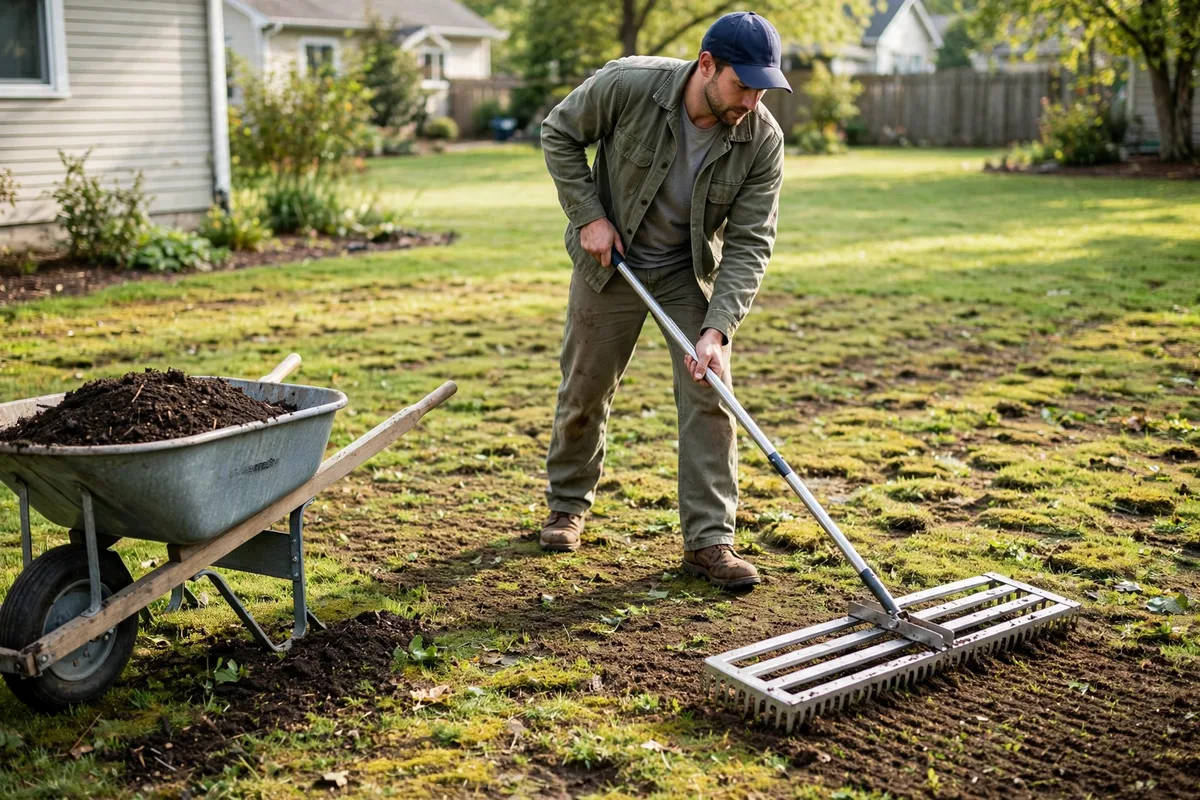 Lawn careHow to Level a Bumpy Lawn: Topdressing, Lift-and-Relay and Soil AmountsA bumpy lawn is rarely a grass problem. It is a soil-level problem wearing a grass disguise. Topdressing for shallow unevenness, lift-and-relay for deep hollows, and how much soil to order.
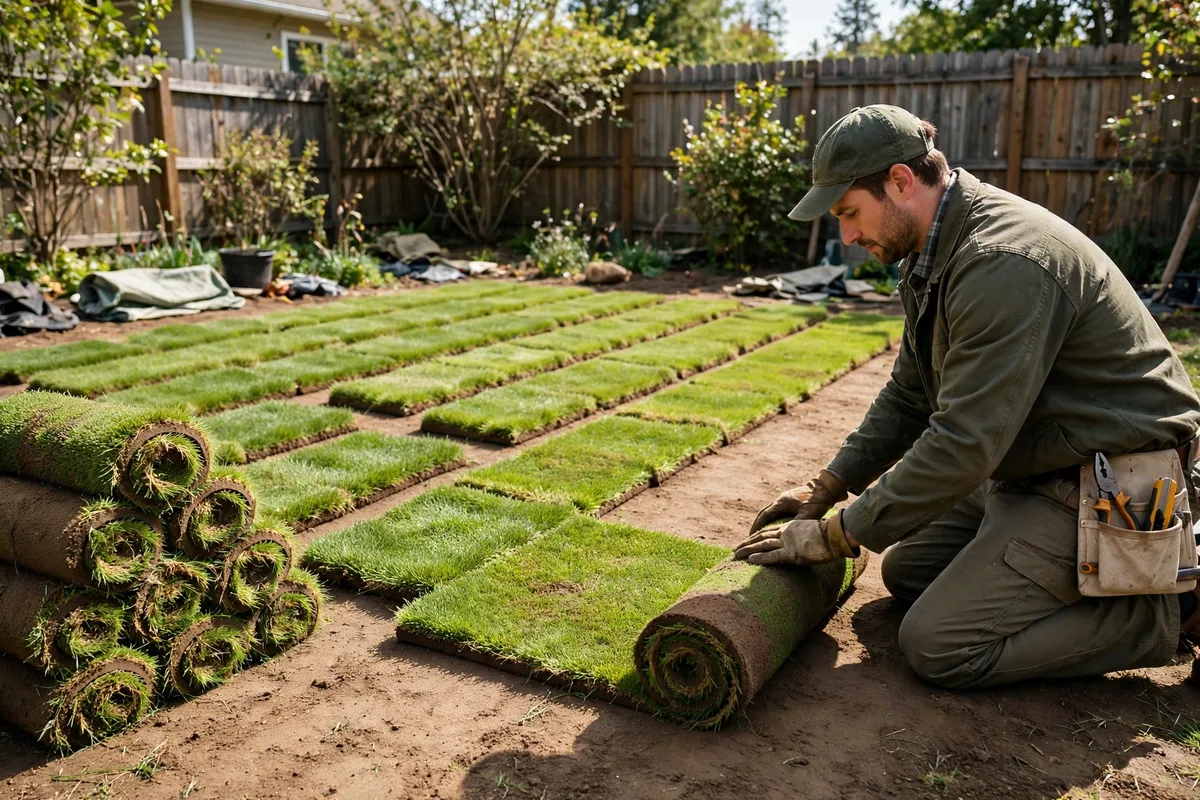 Lawn careHow to Lay Sod: Step-by-Step Prep, Laying Pattern and Watering ScheduleSod is the fastest honest lawn there is, a month of patience compressed into a weekend. Measure and order, prepare and grade the soil, then lay in a tight staggered pattern and water to a schedule.
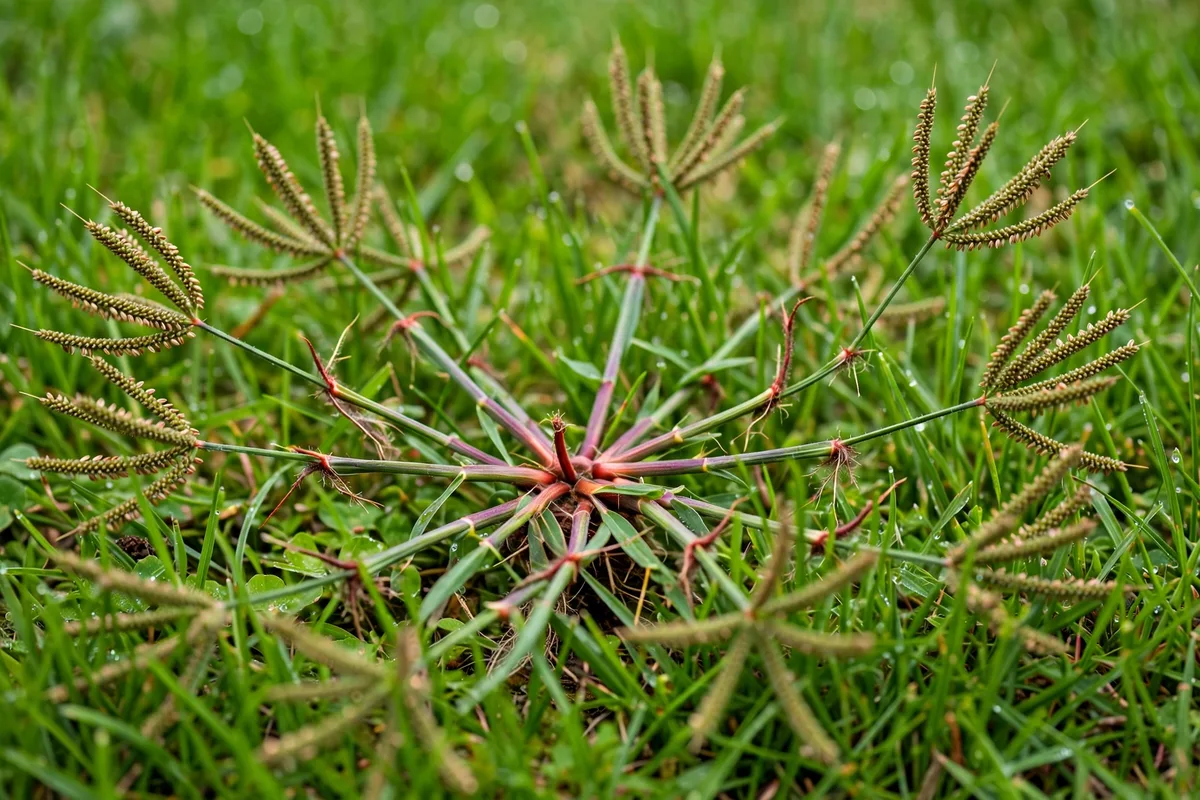 Lawn careCrabgrass: How to Identify It, Kill What's Up and Stop It Coming BackCrabgrass is the most hated lawn weed in North America for one simple reason: one plant makes 150,000 seeds that wait in your soil for years. Identify it, kill what is up, and stop it coming back.
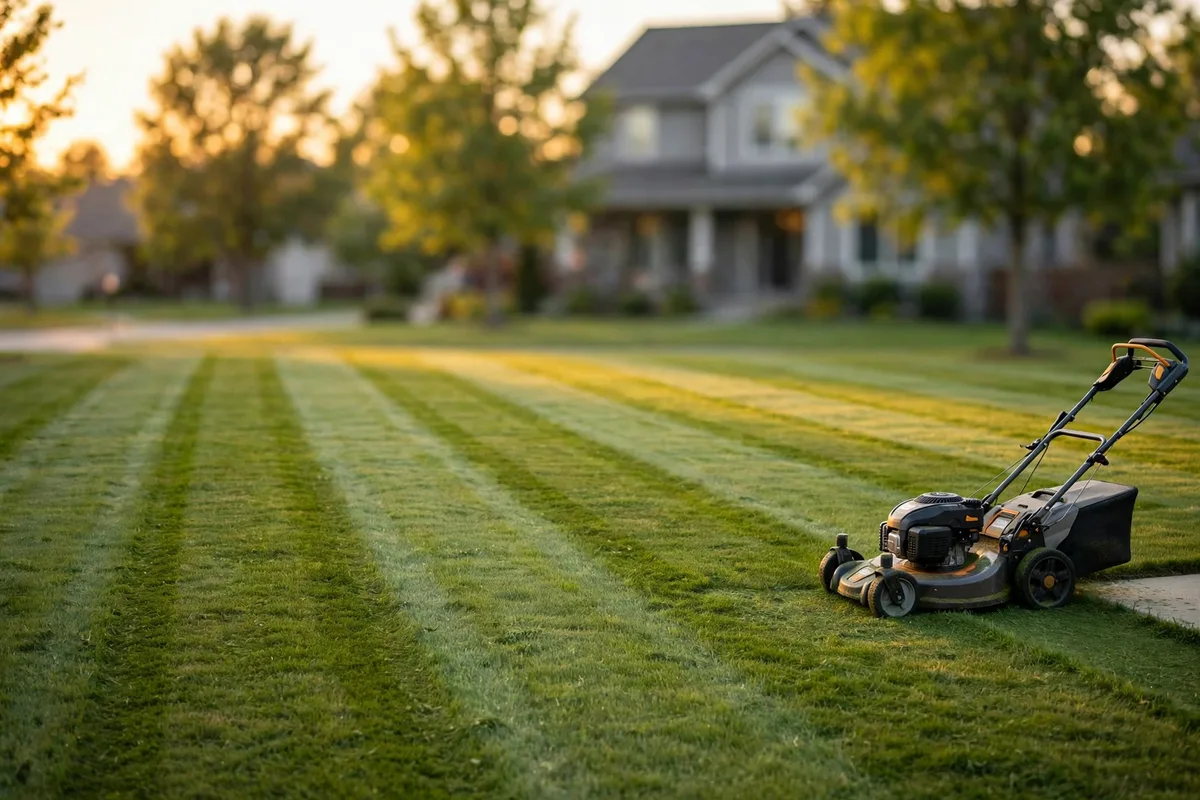 Lawn careHow Often to Mow (and How High): Mowing Heights by Grass Type + the One-Third RuleOf everything you do to a lawn, mowing is the most frequent, and the most quietly destructive when it is done wrong. The one-third rule and the height chart by grass type, in inches and millimetres.
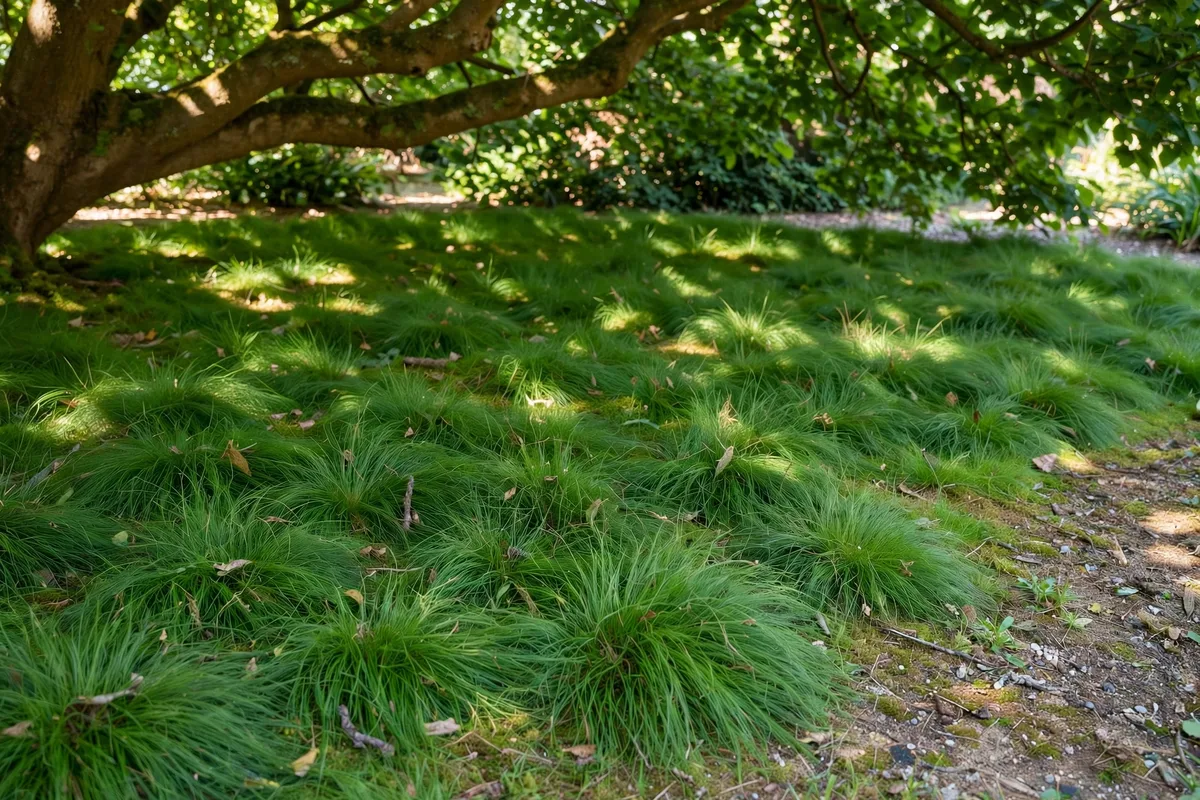 Lawn careBest Grass Seed for Shade: What Actually Grows Under Trees (and When to Stop Trying)Every garden centre sells a bag labelled for shade, and every spring somebody sows it under a maple. Start with a measurement, then the two or three species that genuinely earn the label, and know when to stop trying.
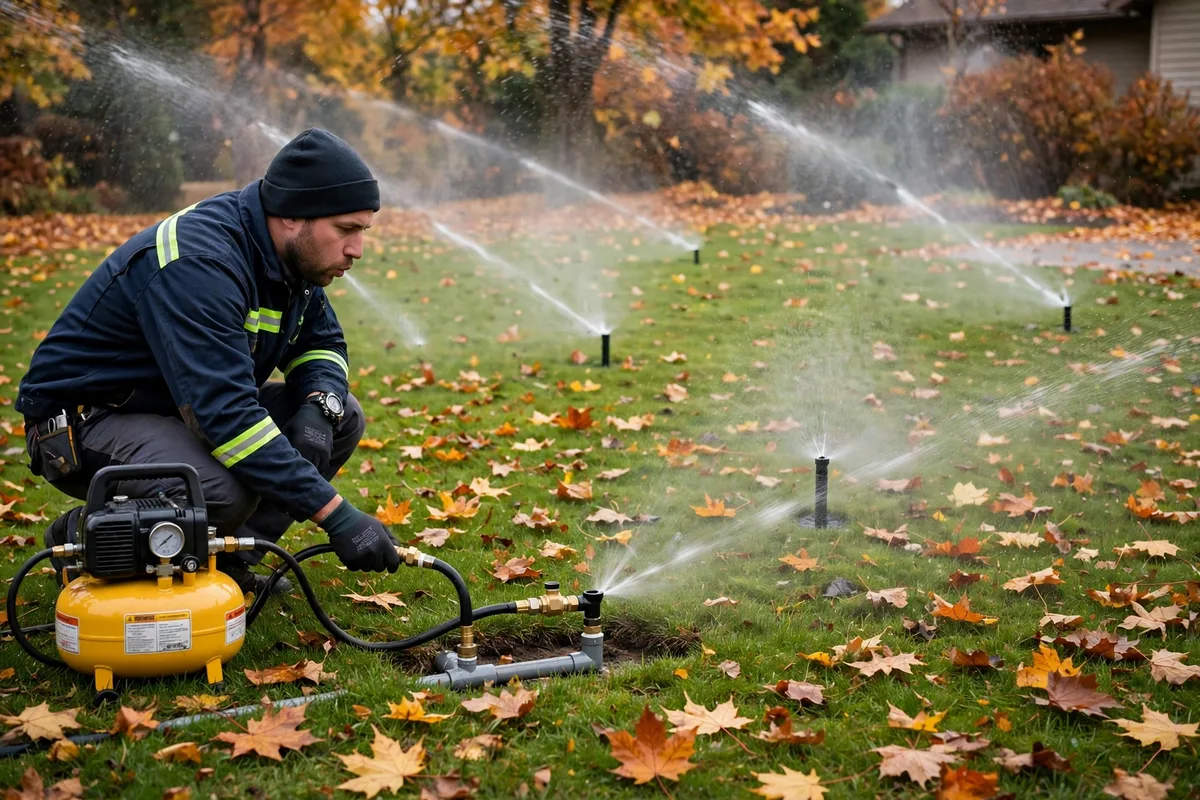 Lawn careHow to Winterize a Sprinkler System: The Blow-Out Method, Step by Step (With Safe Pressures)An in-ground sprinkler system ends the season full of water, and one freeze can crack it. Shut the water off, drain what gravity will drain, then blow it out zone by zone at a safe pressure.
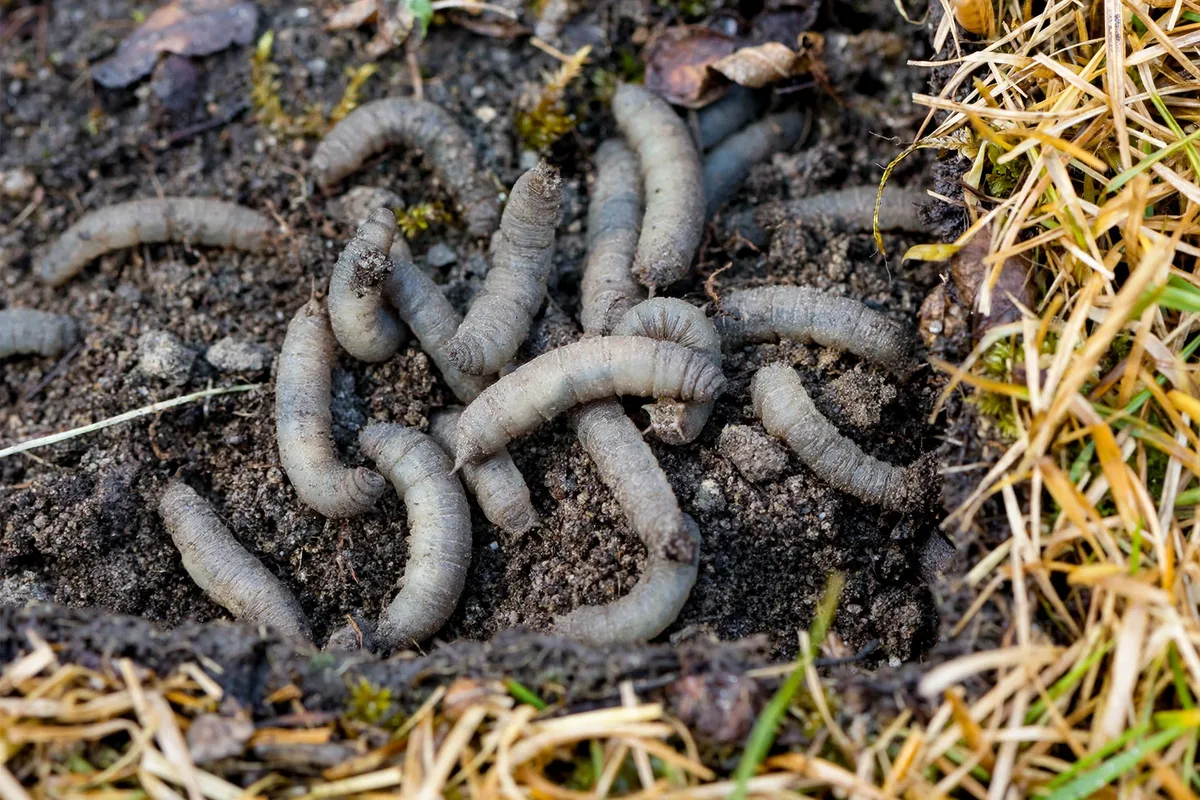 Lawn careLeatherjackets in Your Lawn: The Crane-Fly Larvae Eating Your Roots (UK & Europe Guide)The signs arrive together in autumn: irregular yellow patches that no amount of watering revives. Leatherjackets, the larvae of crane flies, are eating your grass roots, and nematodes are the only homeowner control that works.
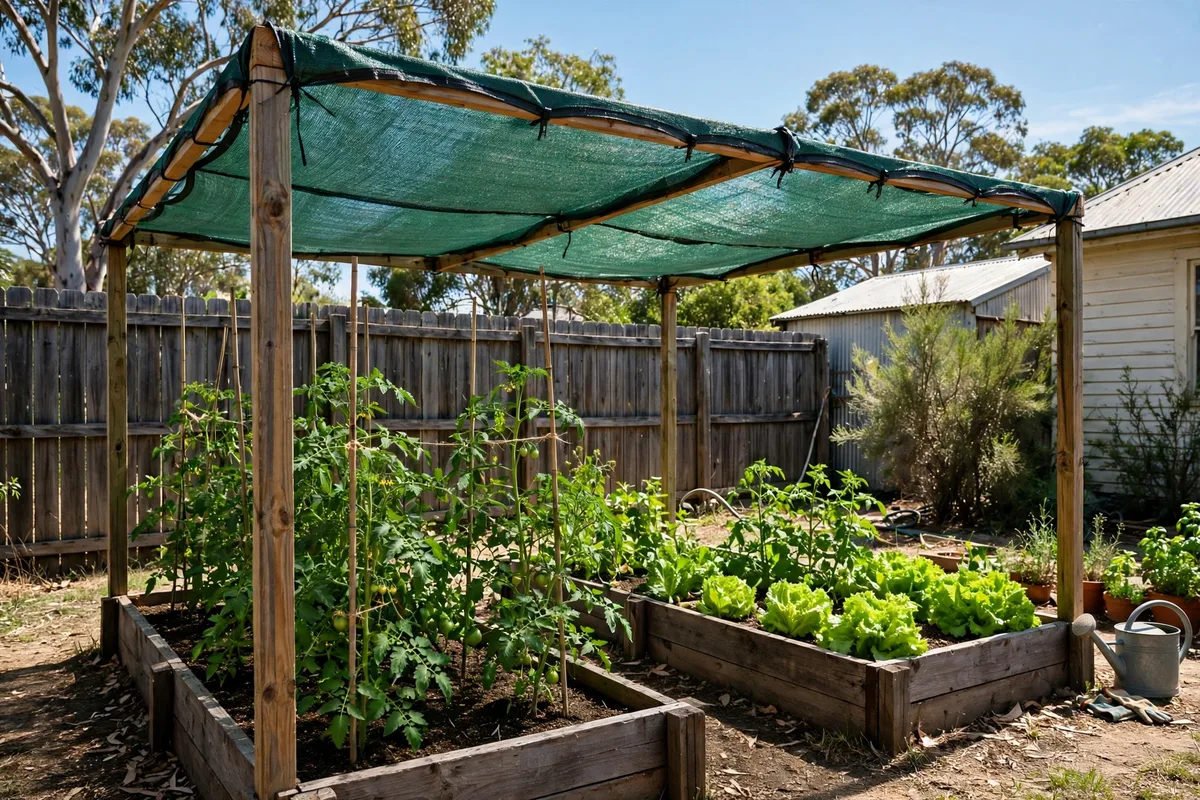 Raised beds and growing projectsShade Cloth for the Vegetable Garden: 30%, 50% or 70% — and How to Put It UpThere is a week in every hot summer when the vegetable garden stops growing and starts merely surviving. The percentage on the label is the share of light the cloth blocks. Pick it by crop, then hang it with an air gap.
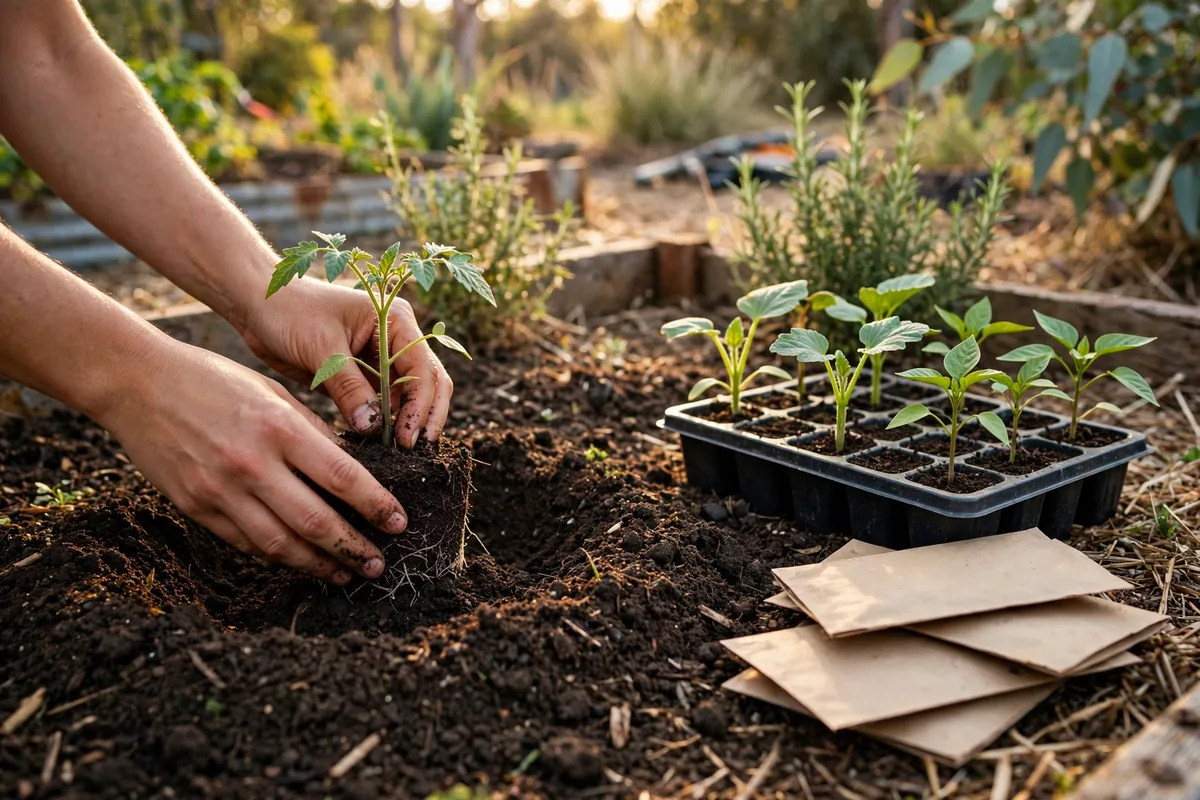 Seed starting and springWhat to Plant in November in Australia: Summer Vegetables by Climate ZoneNovember in Australia is late spring with summer already visible, and what to plant depends entirely on your climate zone. The November list, zone by zone: tropical, subtropical, arid, warm temperate and cool temperate.
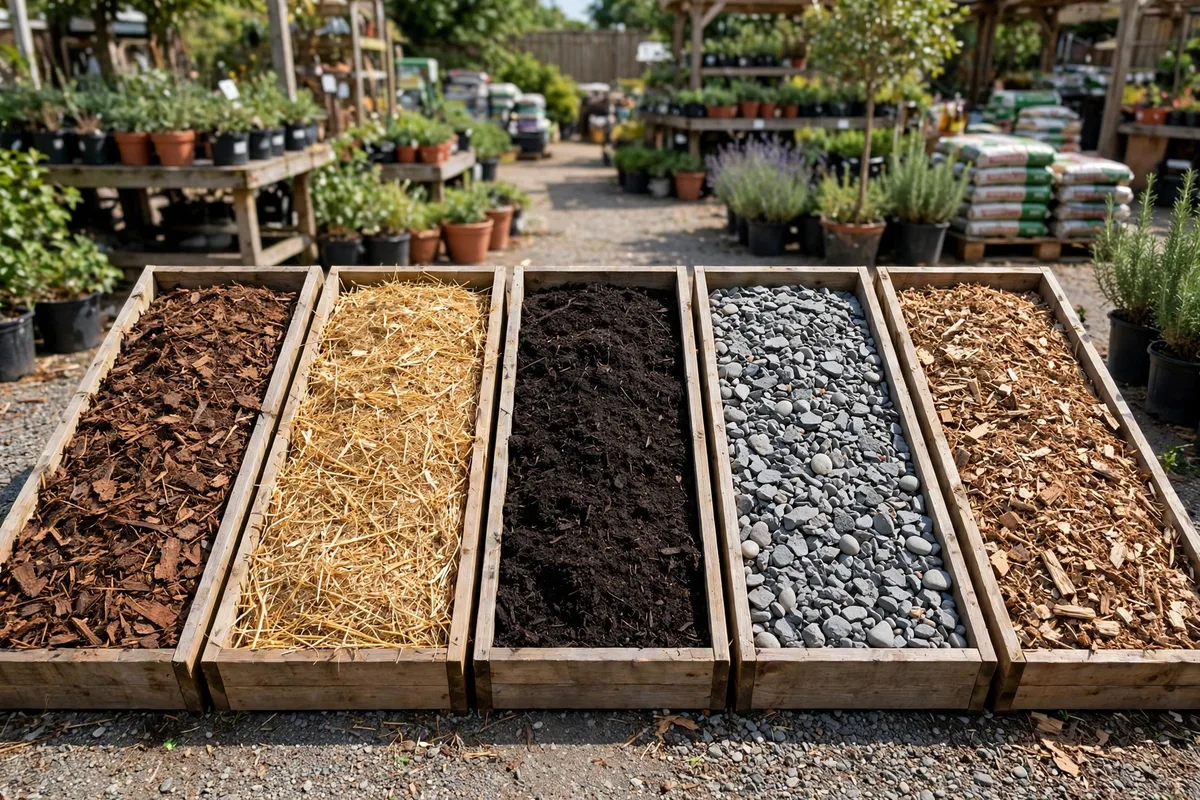 Plant problems and fixesMulch Types Compared: Bark, Straw, Compost, Stone, Rubber — Which Mulch for Which JobMulch is the highest-return hour in gardening. It holds soil moisture, smothers weed seedlings, and feeds the soil. Bark, straw, compost, stone and rubber compared, each one's honest strengths and failures, matched to the job.
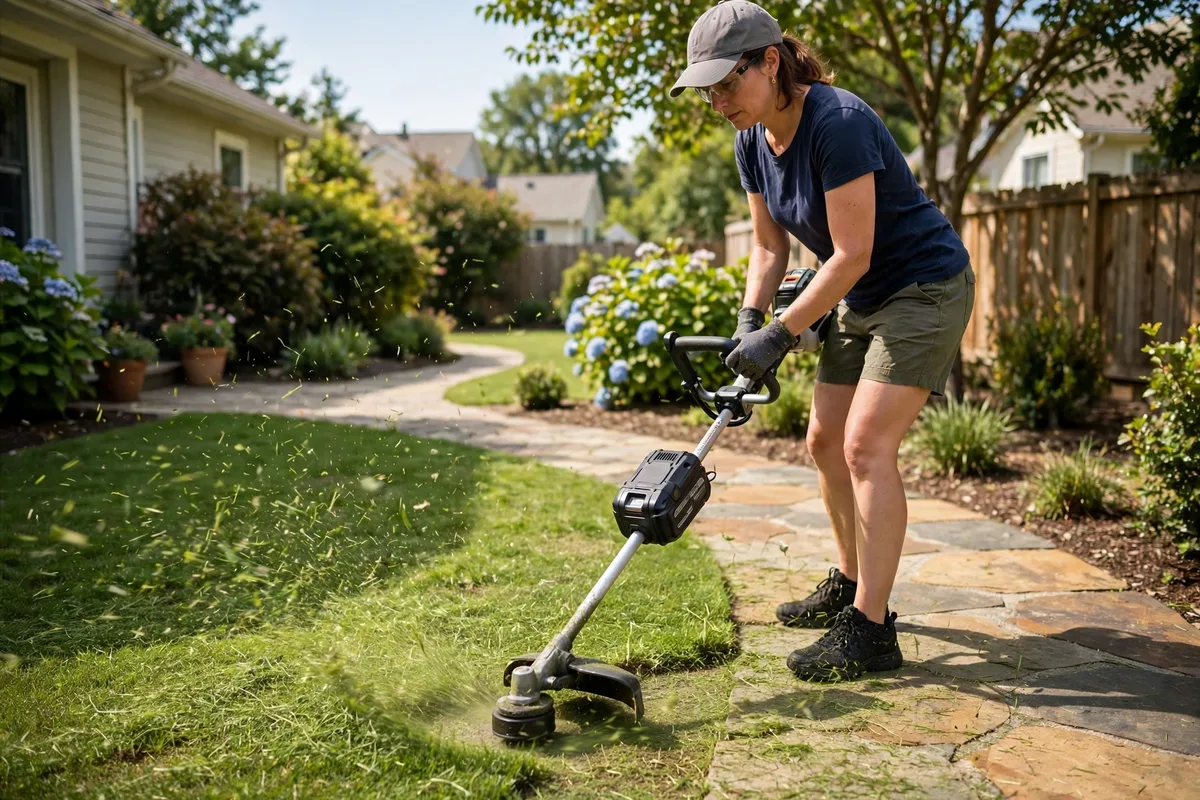 Lawn careBest Cordless String Trimmers: Battery Trimmers & Edgers for Every Yard SizeThe string trimmer is the tool that finishes every mow, and it is where battery power has quietly won. The picks by yard size: the 56V flagships for large yards, the convertible trimmer-edger combos, and the 40V and 80V value platforms.
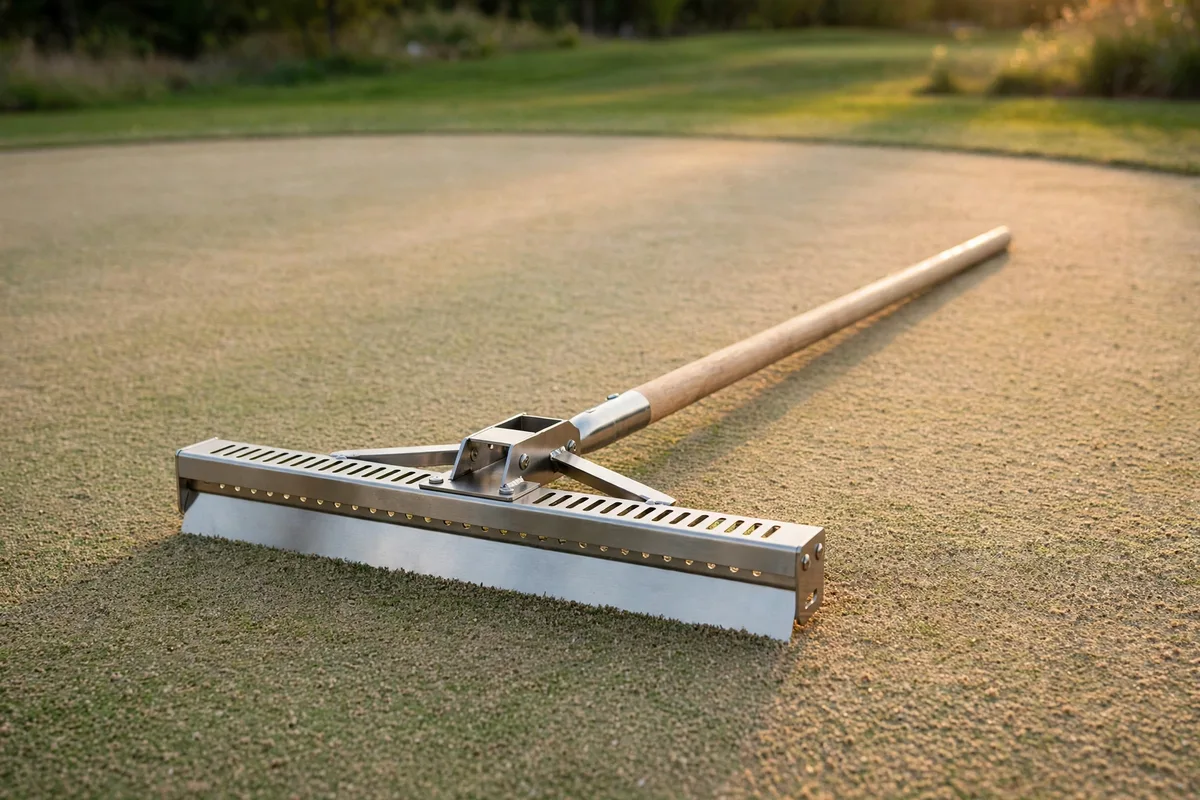 Lawn careBest Lawn Levelling Rakes (Lawn Lutes): Width, Weight and Material, ComparedA lawn levelling rake, a lawn lute, is the least complicated tool in this section: a flat, wide head that bridges humps and fills hollows. Width, weight and material, compared: 30, 36 and 48 inches, and which suits your lawn.
Getting started
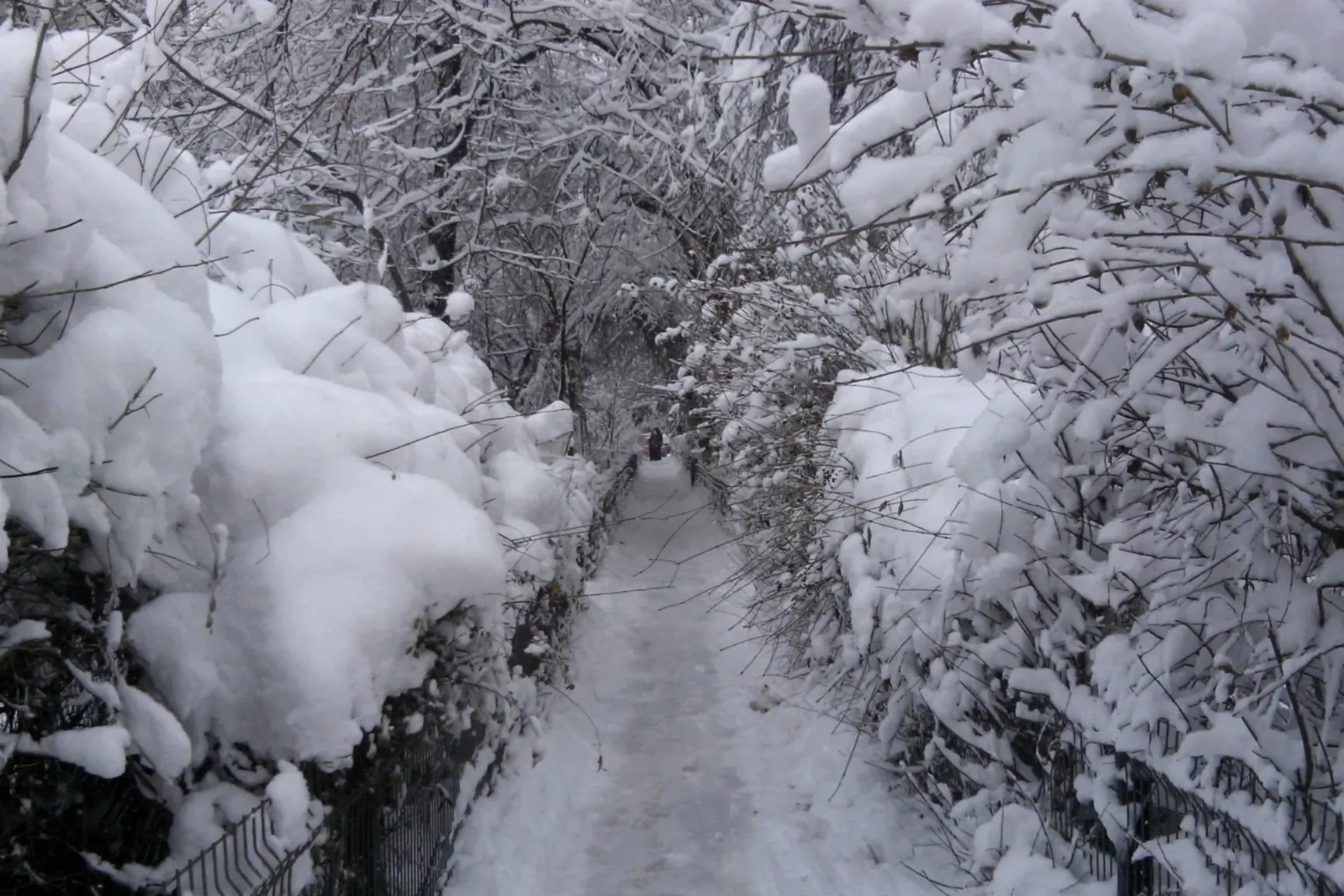 Getting startedHardiness Zones Explained: USDA vs Canada (and What They Don't Tell You)What USDA and Canadian hardiness zones actually measure, why their numbers differ, and what a zone can never tell you about your own garden.
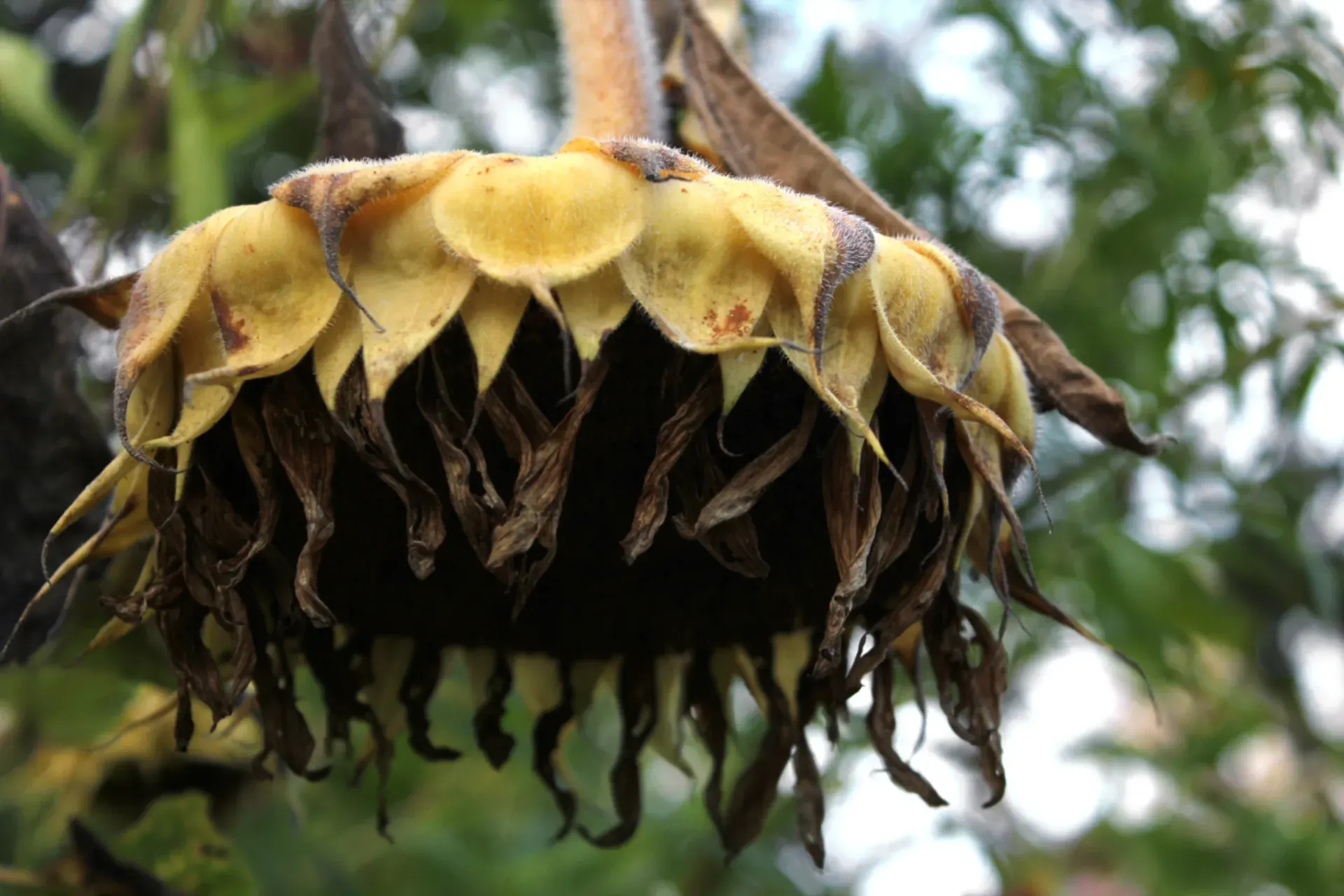 Getting startedGardening Mistakes for Beginners: 12 Errors and FixesThe 12 mistakes that stall a first garden — daily sprinkles, crowded beds, tired soil, early planting — each with the simple fix that gets the harvest moving again.
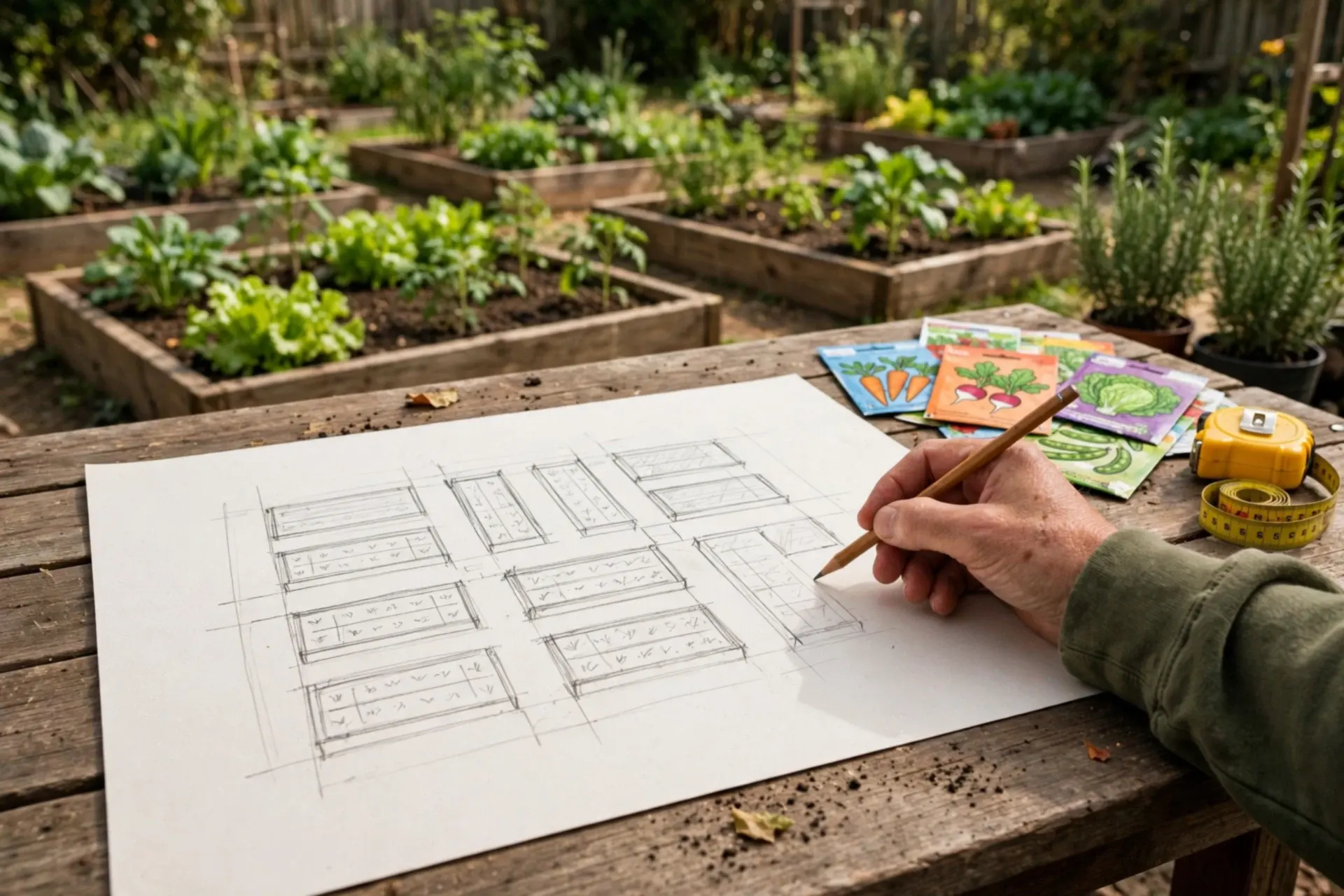 Getting startedHow to Plan a Vegetable GardenPlan your first vegetable garden on paper before you dig: measure the space, check the sun, start small, group crops by family, leave paths you can reach across — then build it free in the planner.
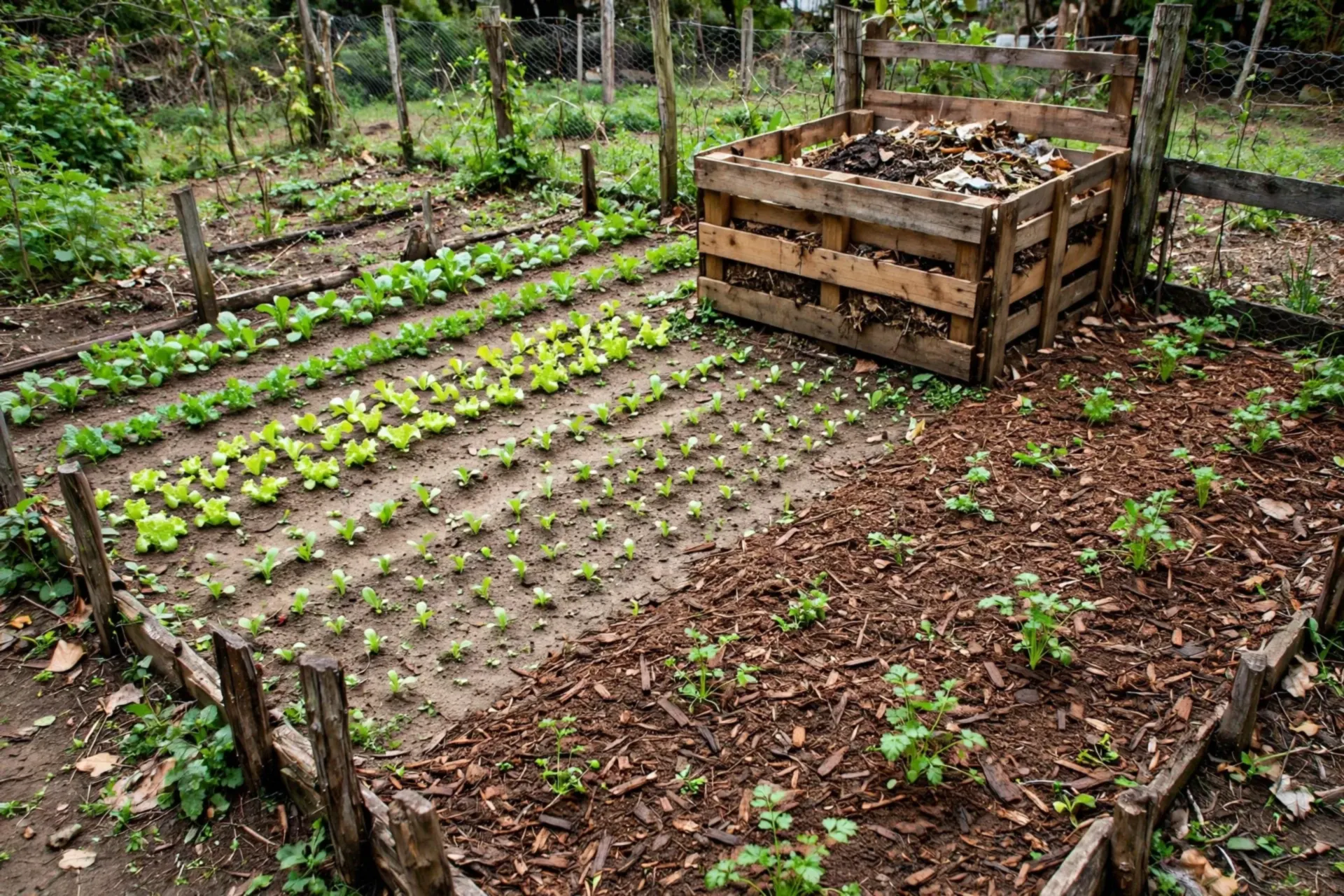 Getting startedBudget Gardening TipsGarden for less without gardening worse: the seed-versus-seedling math, free soil and compost routes, cheaper watering, and the few corners you should never cut.
Fall and winter
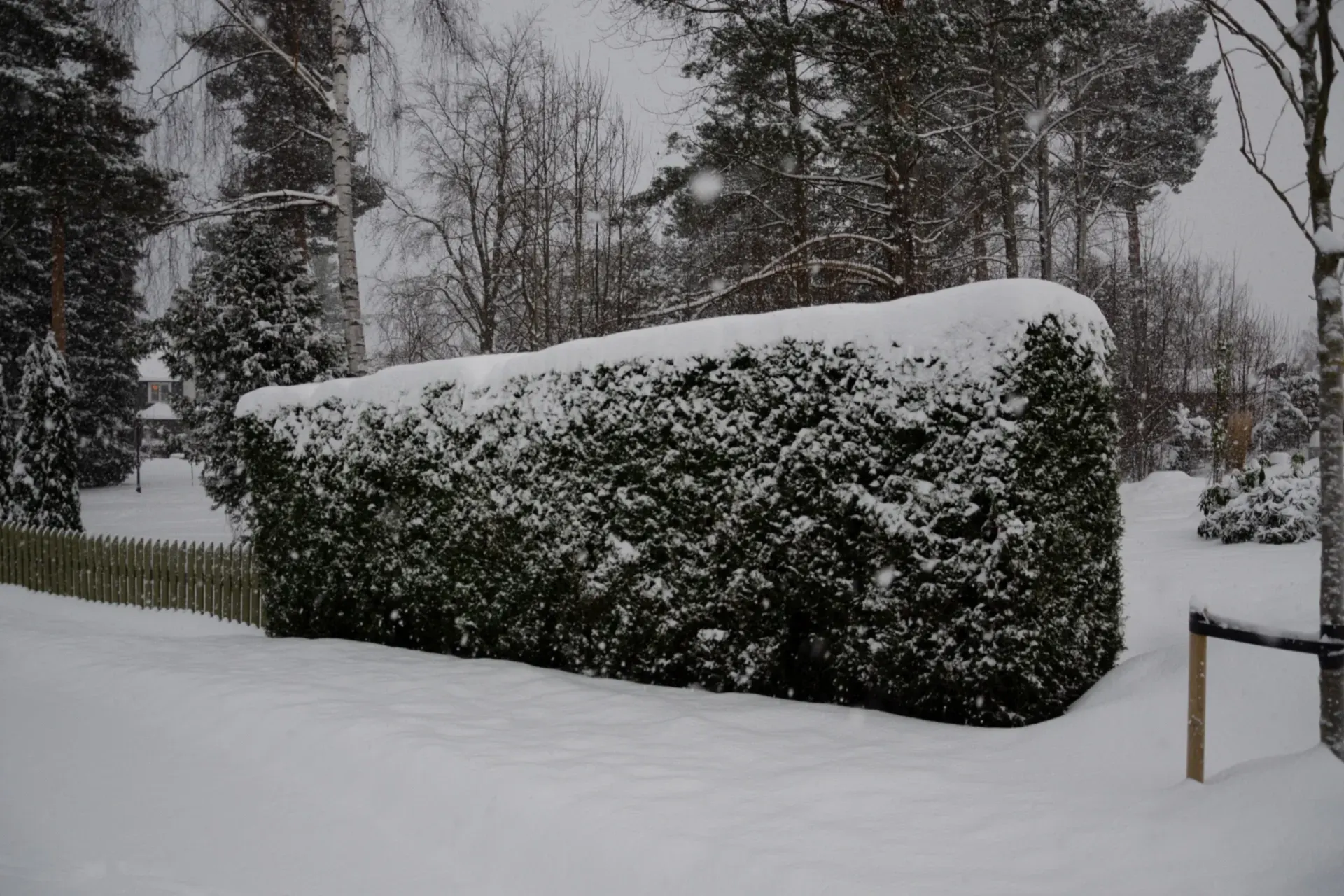 Fall and winterWinter Burn on Evergreens: How to Prevent It (and What Helps After)Winter burn on evergreens is thirst, not cold. The water, mulch and burlap-screen routine that prevents it — and what actually helps once the tips turn brown.
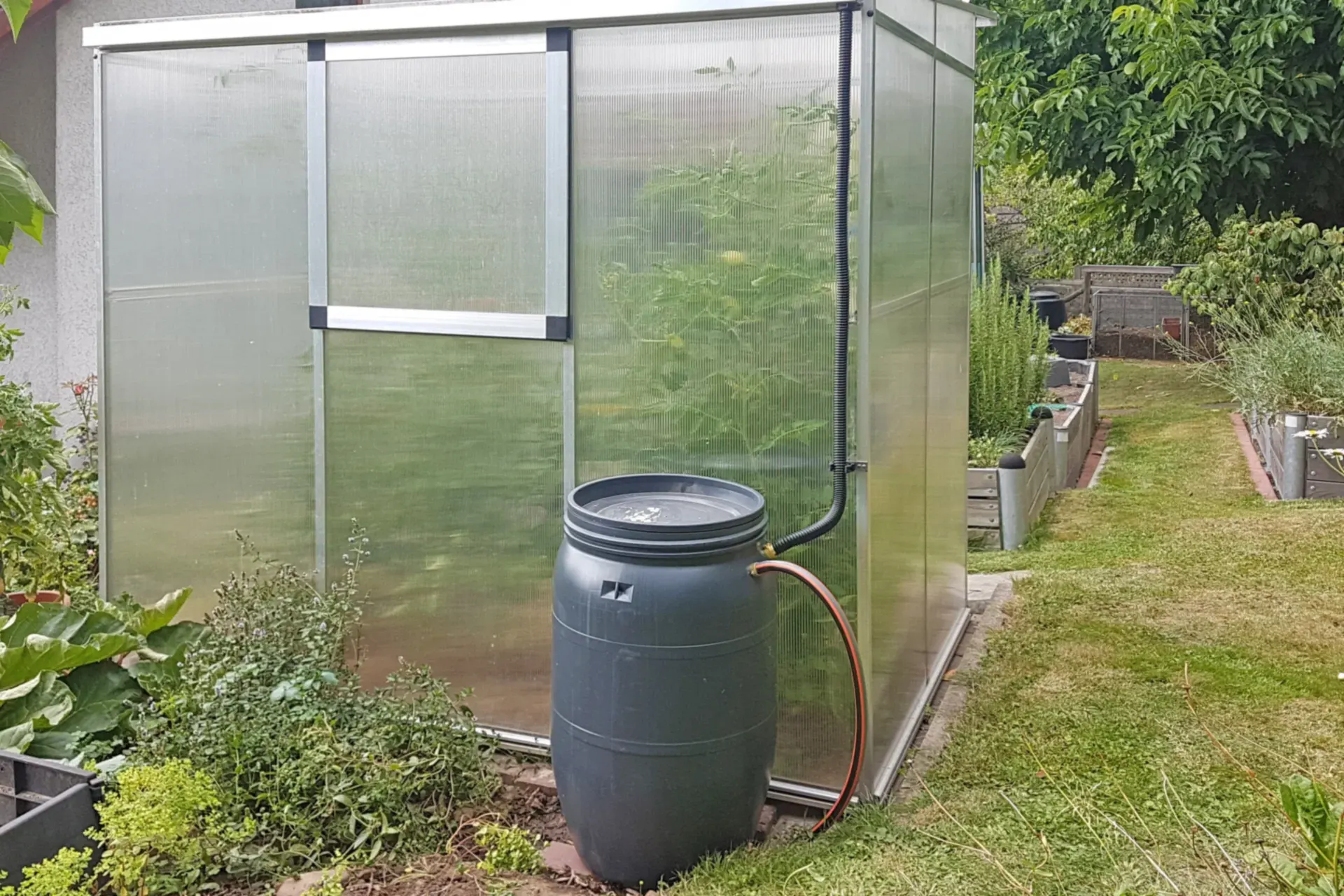 Fall and winterHow to Winterize a Rain Barrel Before the First Hard FreezeDrain it dry, disconnect the diverter, drain the hoses and scrub it clean — the full routine that gets a rain barrel through the first hard freeze uncracked.
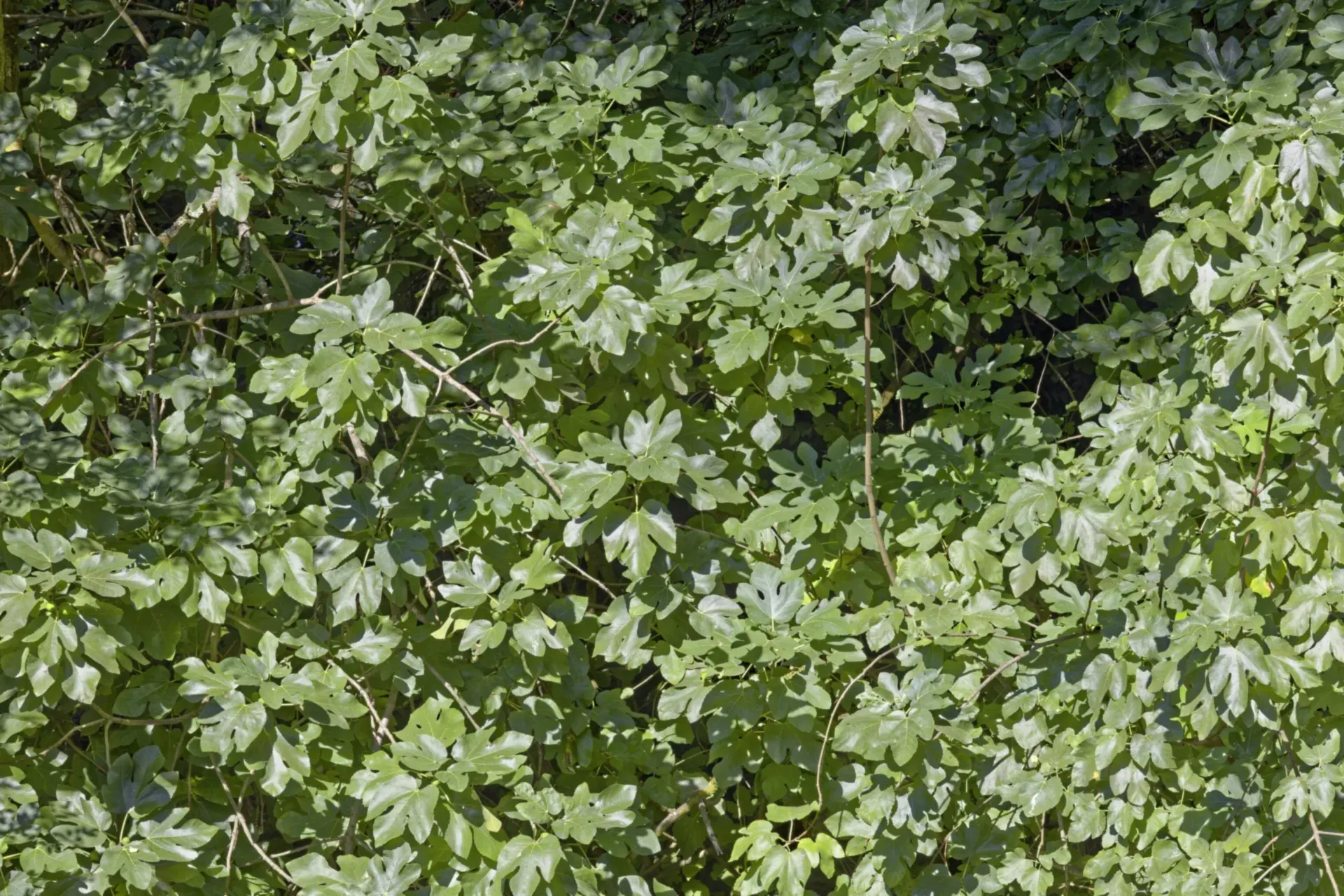 Fall and winterHow to Overwinter a Fig Tree in a Cold Climate: Garage, Wrap or BuryGarage for pots, cage-and-insulate or trench for in-ground trees: how to carry a fig tree through a cold winter, plus winter watering and the spring wake-up.
 Fall and winterHow to Bring Plants Indoors for Winter (Without the Bugs)Bringing plants indoors for winter without the bugs: when nights drop below 50 °F, inspect, wash, treat and quarantine plants the right way.
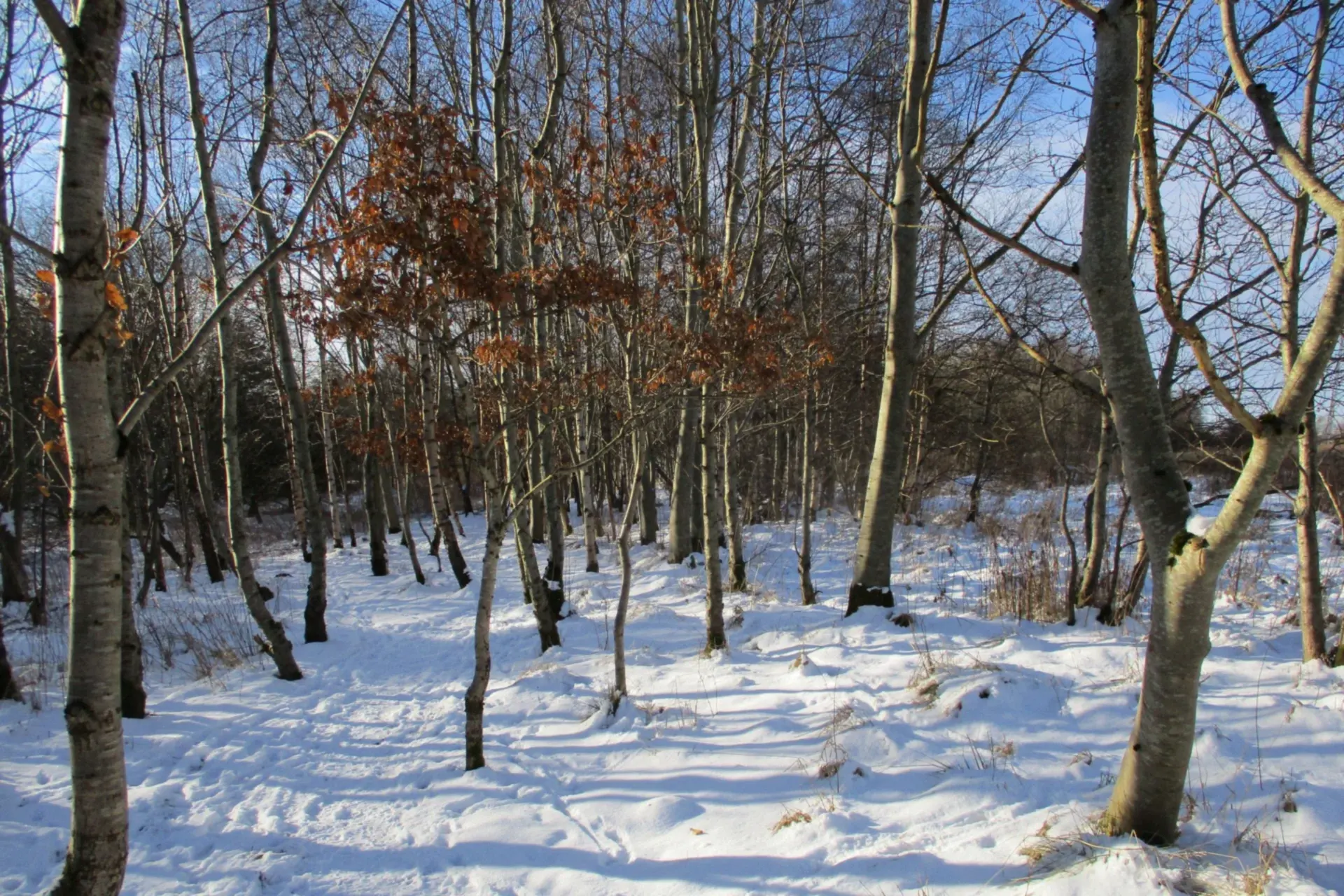 Fall and winterHow to Protect Young Trees in Winter: Guards, Wrap & MulchProtect young trees in winter with deep watering, a hardware-cloth guard, white wrap against sunscald and a proper mulch donut before the freeze.
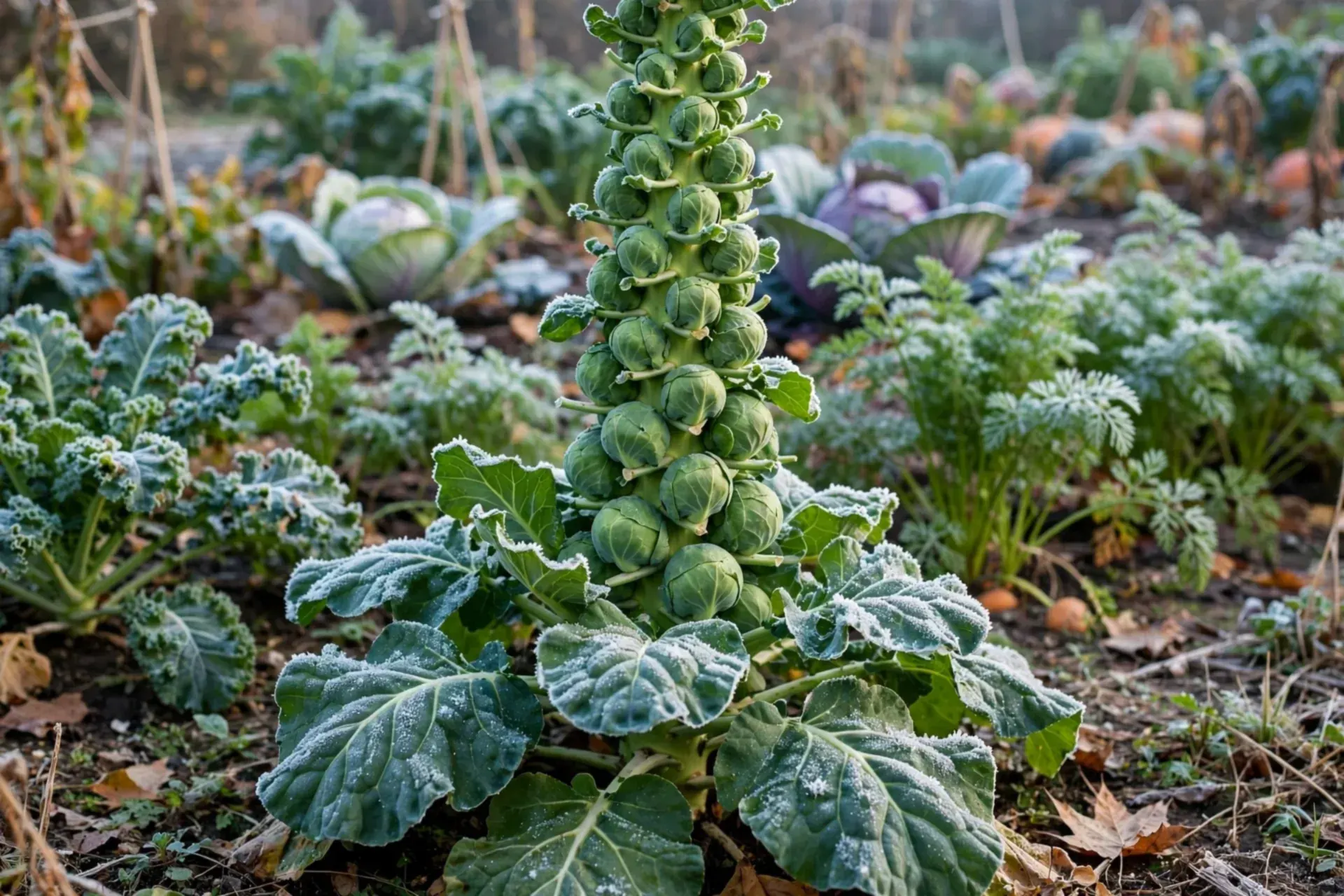 Fall and winterBrussels Sprouts After Frost Taste Sweeter — Here Is WhyA light frost turns the plant’s starch to sugar — its own antifreeze. Why frosted sprouts win, how cold the stalks stand (about 20°F), and picking 1–2 inch sprouts from the bottom up.
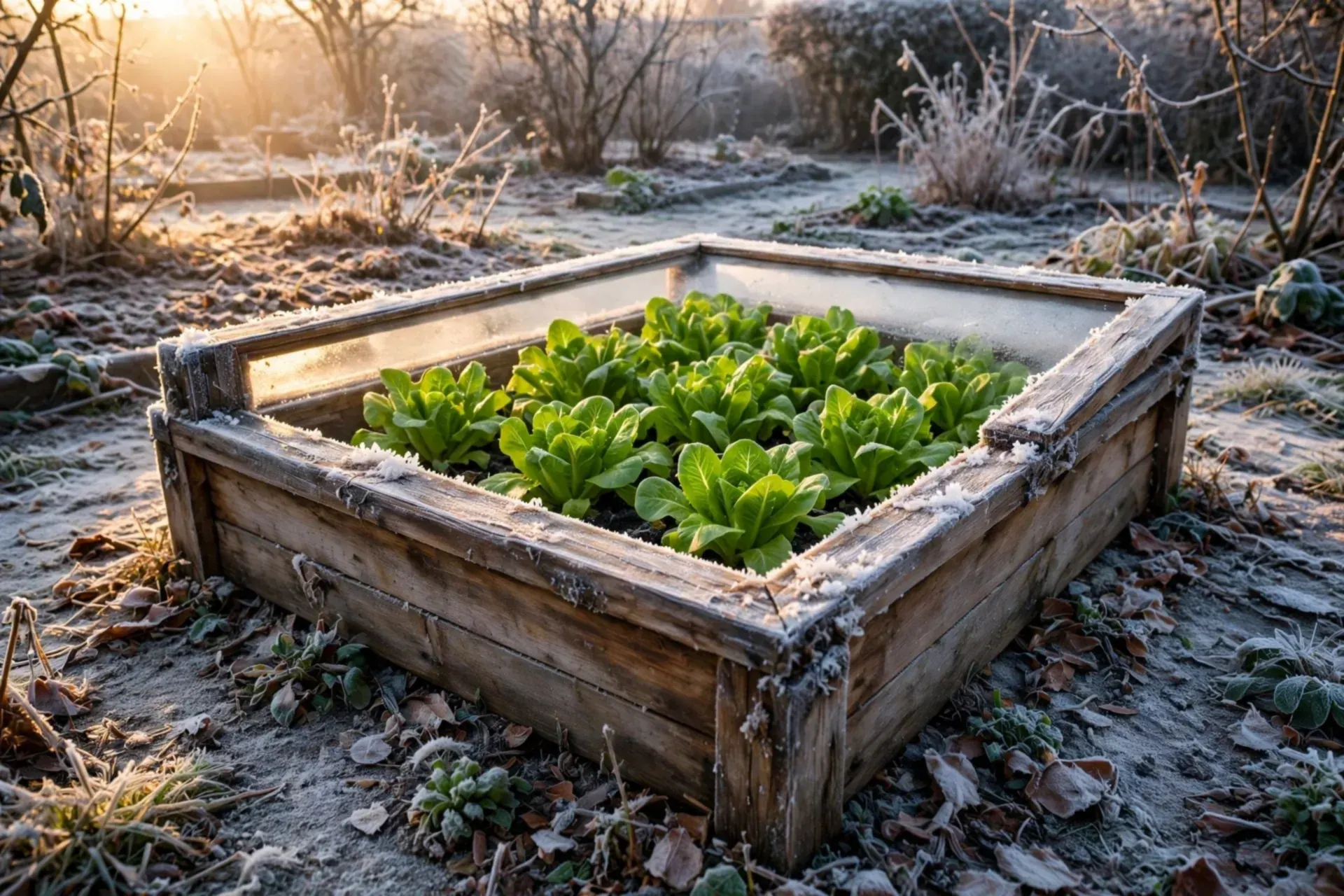 Fall and winterCold Frames in Winter: Fresh Greens All Season LongInside runs 5–10°F warmer, spinach and lettuce keep giving, and the one habit that matters is venting past 85°F. Plus: cold frame or low tunnel?
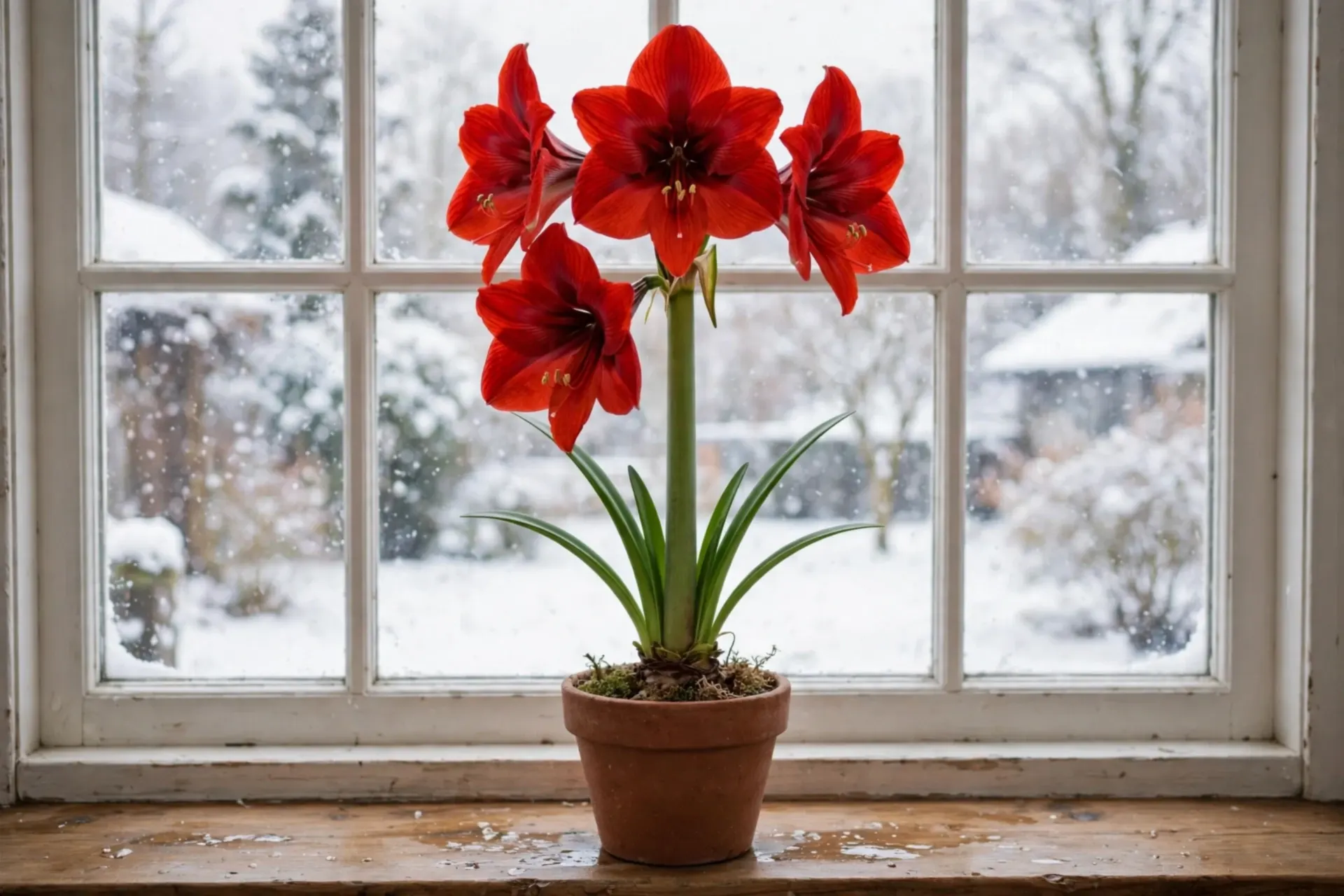 Fall and winterForce Amaryllis Bulbs Indoors for Winter BloomsPot a big bulb 8 to 10 weeks before the bloom date, top third above the soil, feed the leaves all summer — and never skip the cool, dark fall rest that makes it rebloom.
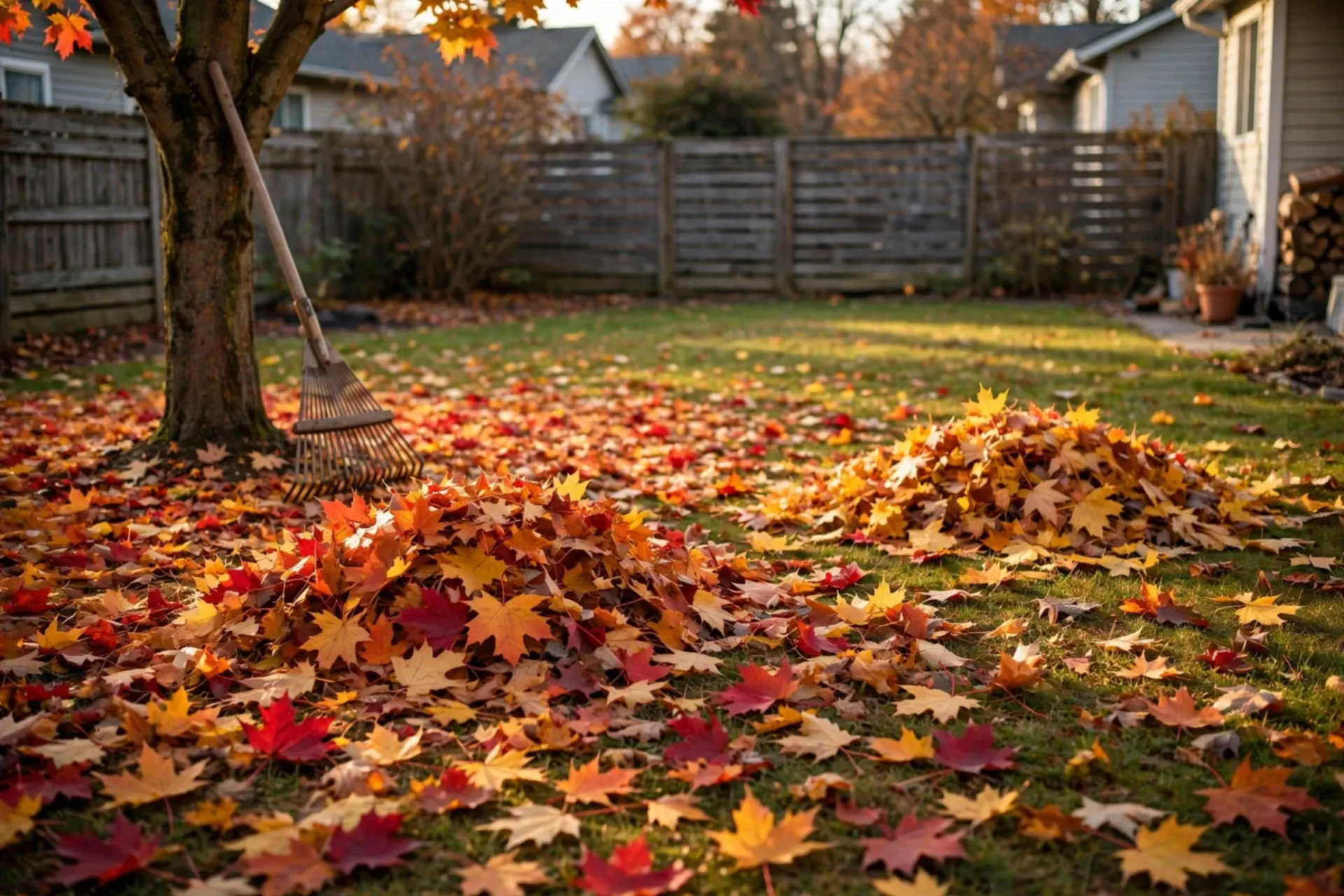 Fall and winterWhat to Do With Fallen Leaves: Leaf Mold, Mulch, CompostFour good answers for the pile: mulch-mow the thin layer into the lawn, shred the rest for beds, bin the surplus for leaf mold, or compost at 3 parts leaves to 1 part greens.
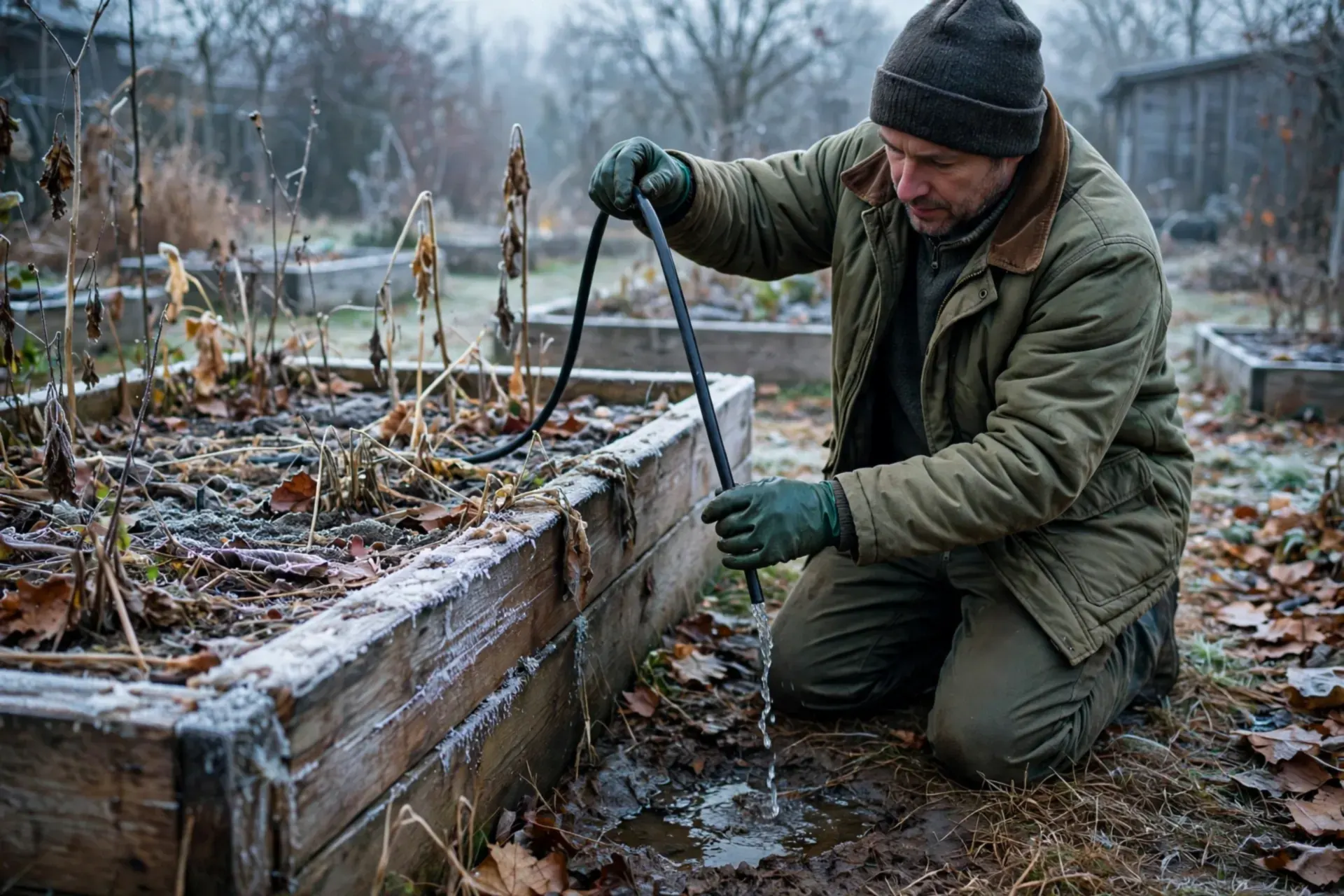 Fall and winterHow to Winterize Drip Irrigation Before the First FreezeOne autumn hour before the first hard freeze: shut off, drain the lines, blow out at 30 psi or less, and bring the timer and filter indoors.
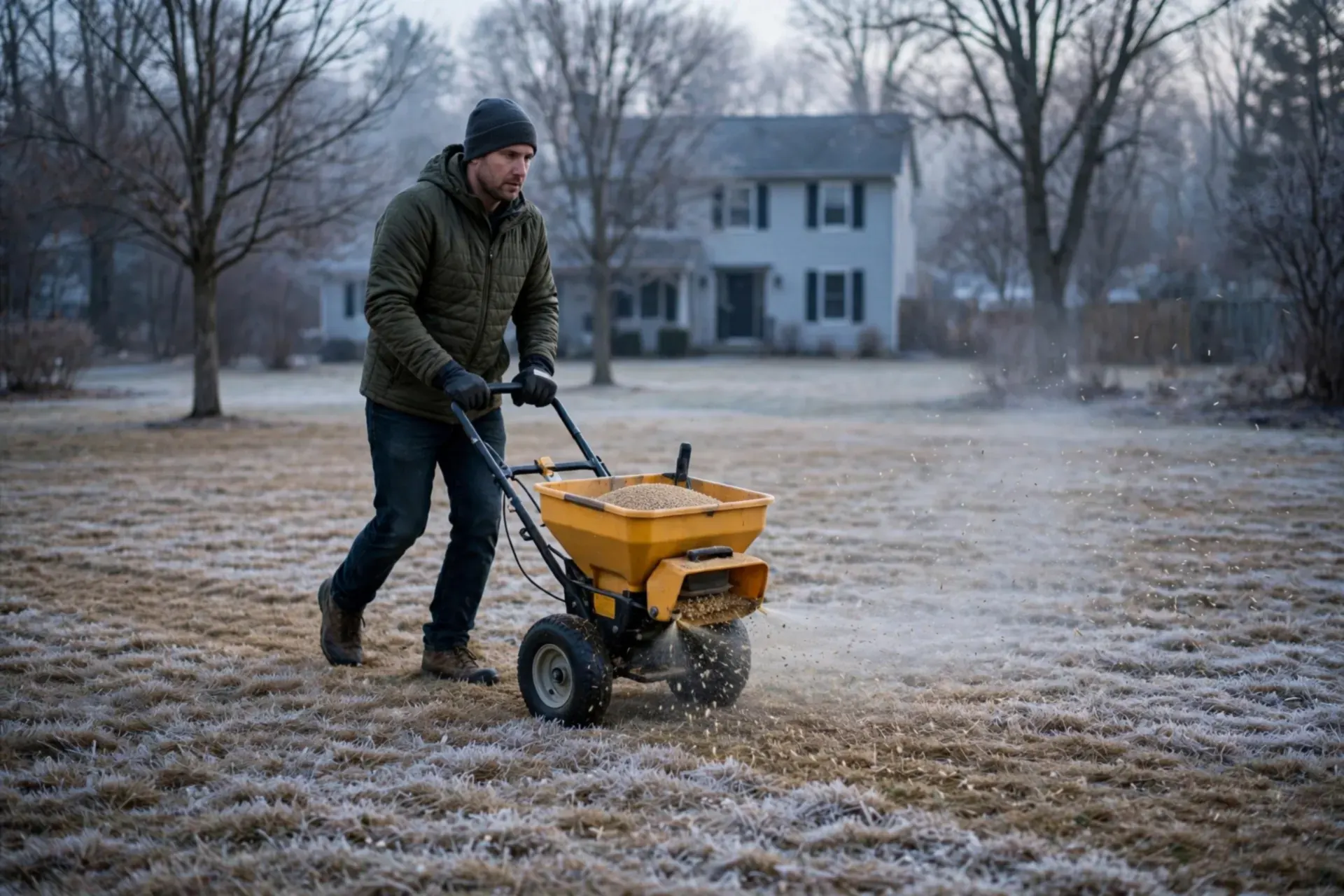 Fall and winterDormant Seeding: Plant Grass Seed in Winter for SpringSeed spread on soil colder than 40°F sleeps all winter and sprouts before spring seeding starts. The temperature rule, the rates, and the spring product to skip.
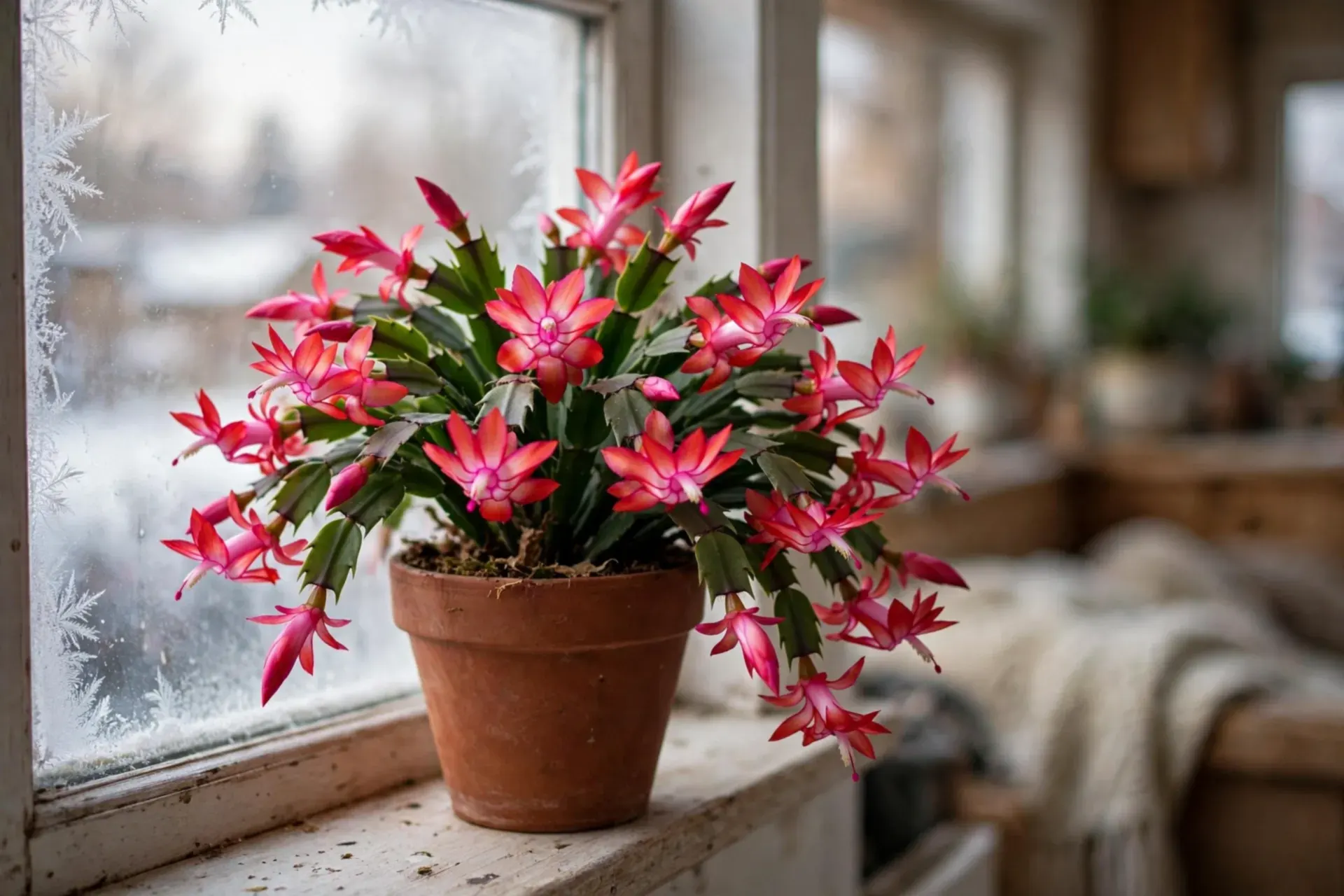 Fall and winterChristmas Cactus Not Blooming? The Cool, Dark FixHealthy, green and flowerless? It never got the autumn signal. Twelve to fourteen hours of darkness plus 50–55°F nights for six weeks is the whole fix.
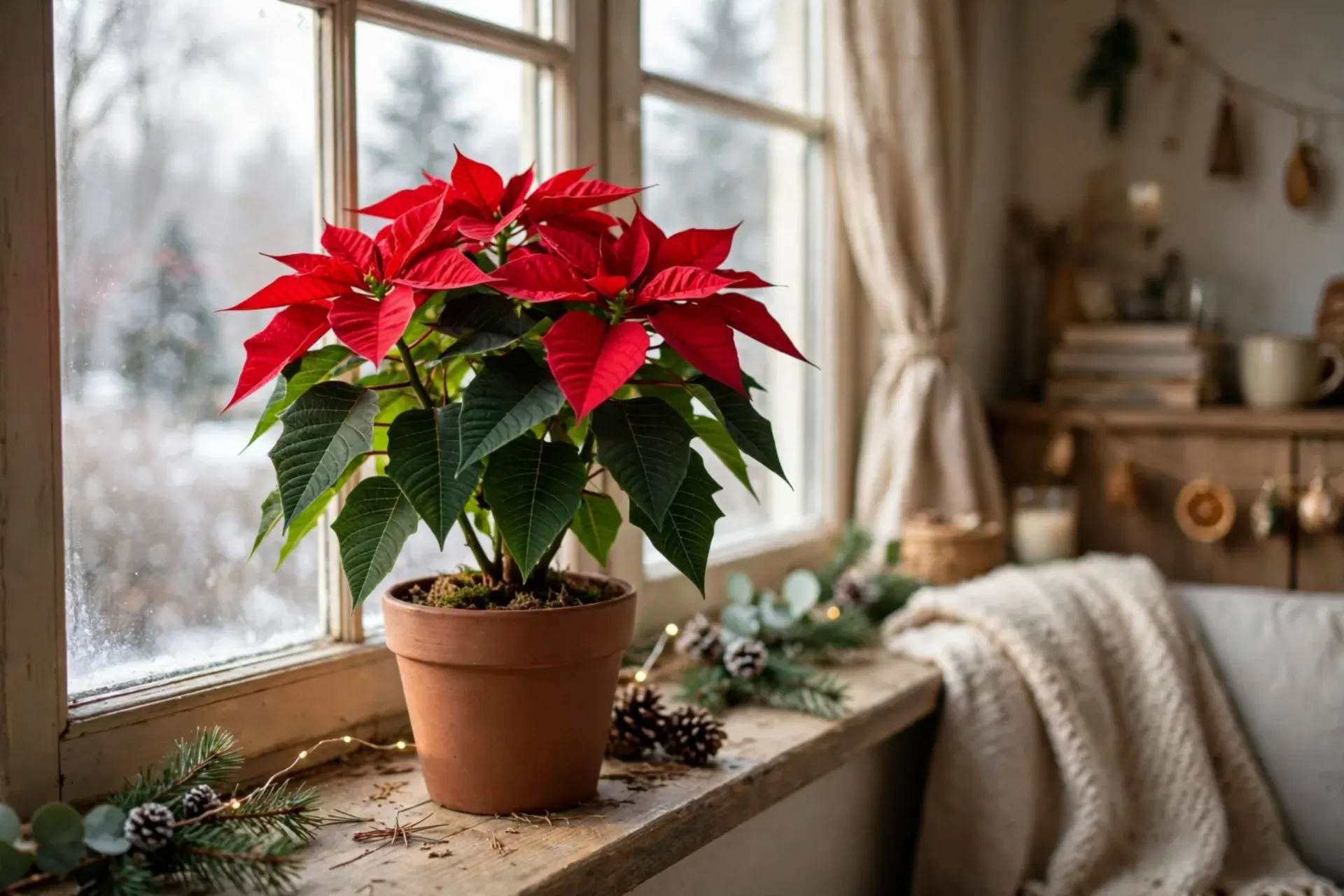 Fall and winterPoinsettia After Christmas: Keep It Alive and Rebloom ItDo not bin it in January: the month-by-month calendar, the spring cut-back to 4–6 inches, and the October 1 long-nights trick that turns it red again.
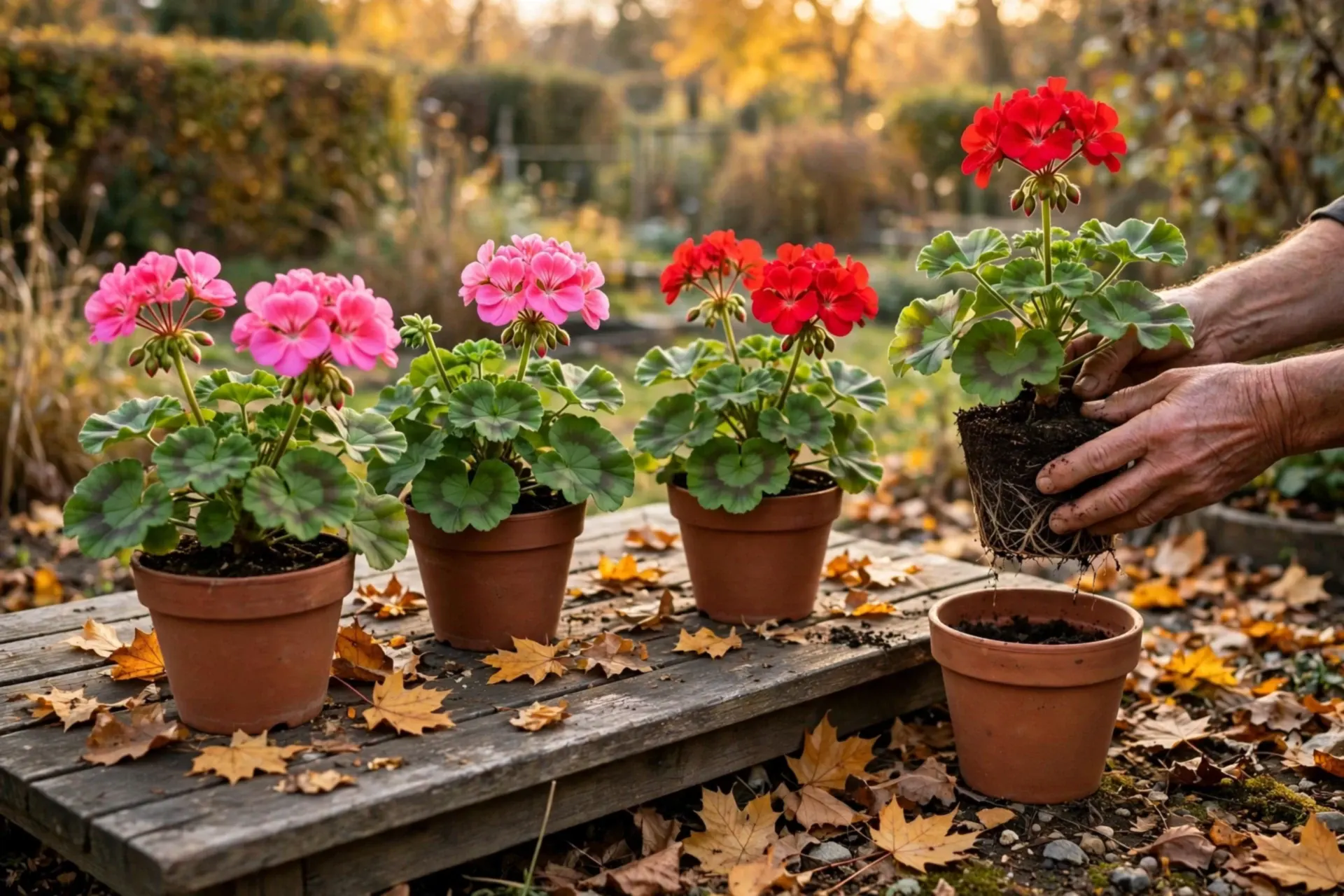 Fall and winterOverwintering Geraniums: 3 Ways, Including Bare-RootYour geraniums are perennials, not annuals: keep them potted, take cuttings, or store them bare-root in paper bags — and have bigger plants next spring.
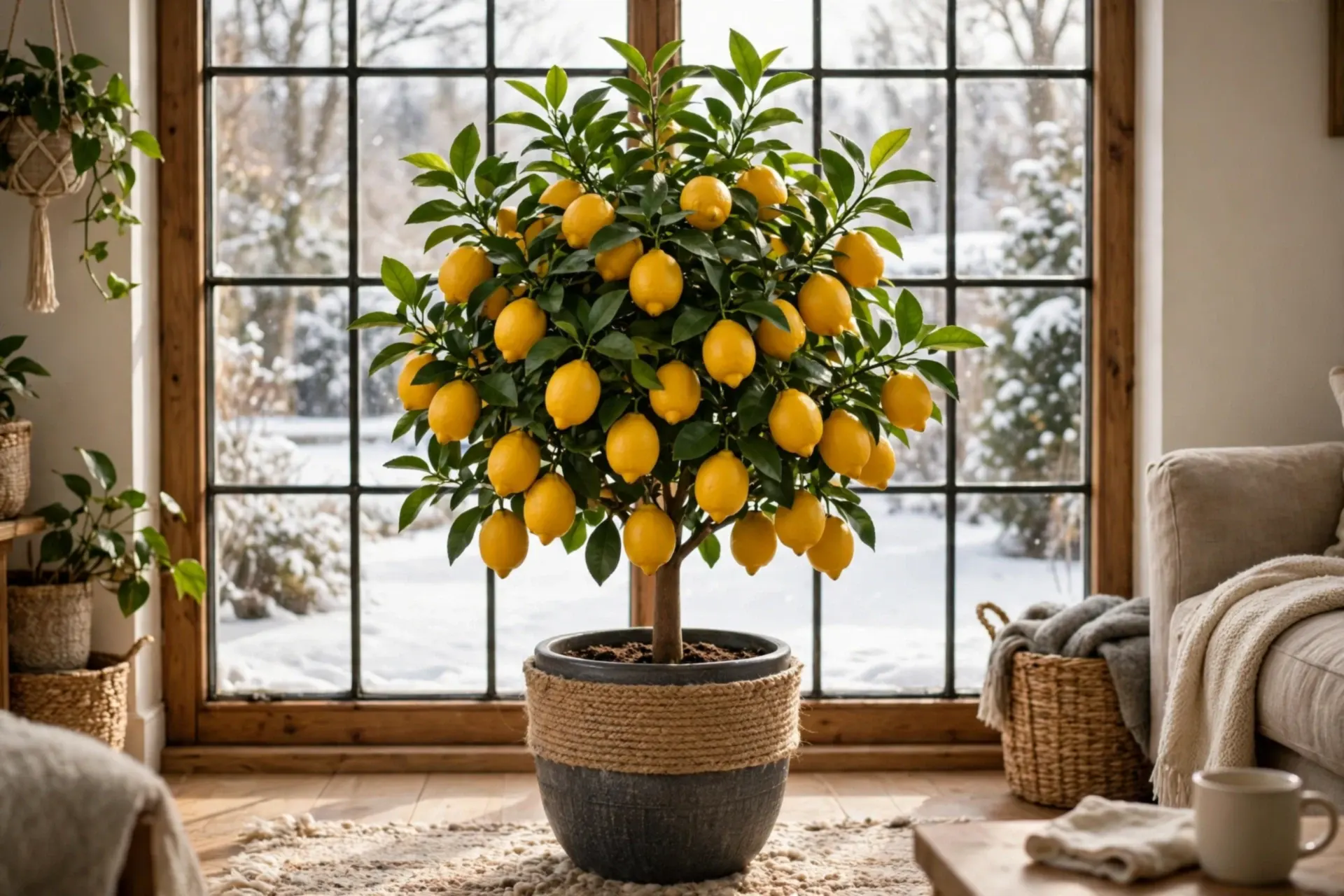 Fall and winterBringing a Lemon Tree Indoors for Winter, Step by StepNights near 50°F are the signal: the pest wash, the gentle light change, the brightest cool spot — and how to stop the winter leaf drop.
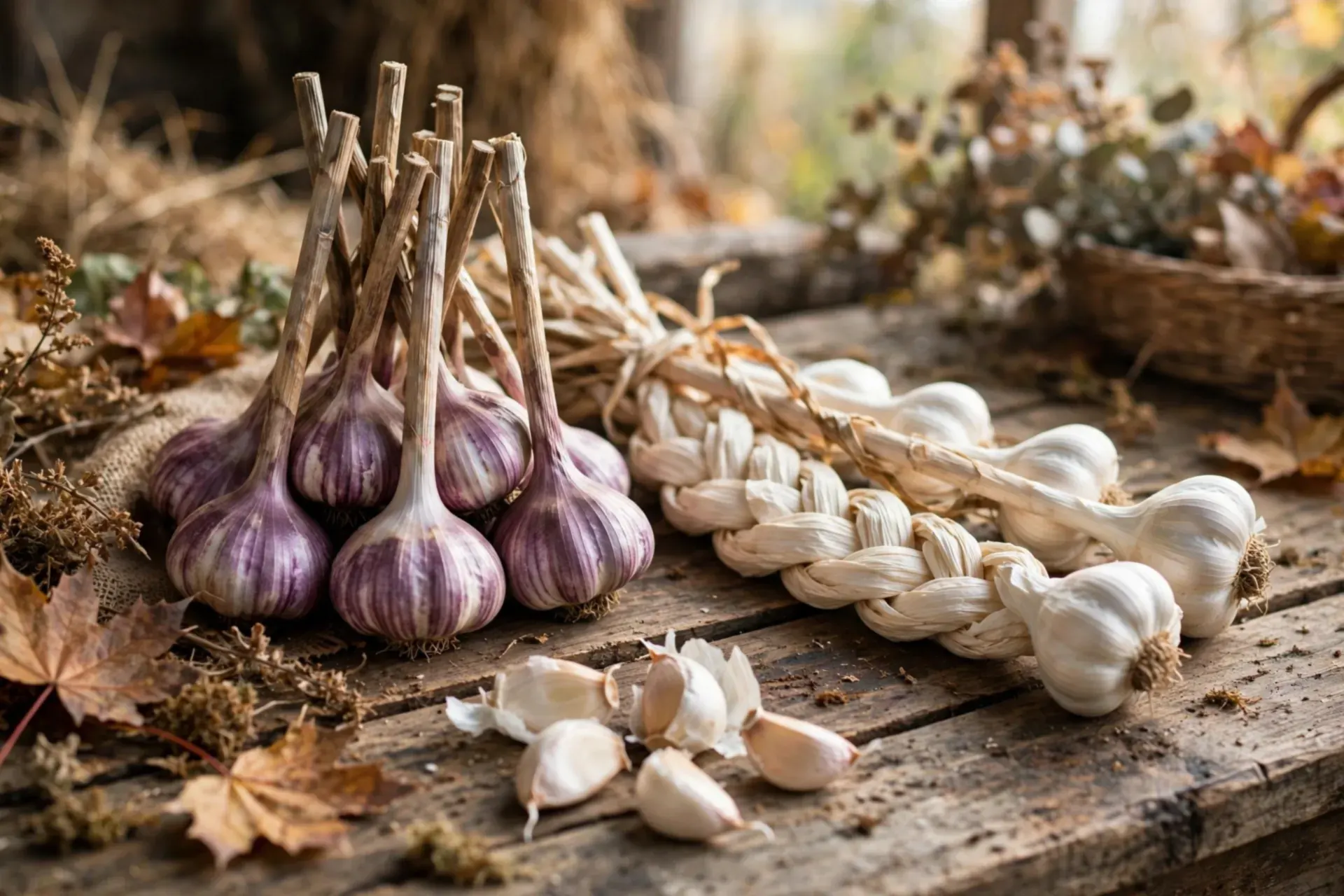 Fall and winterHardneck vs Softneck Garlic: Which Should You Grow?Your winter cold decides: hardneck for zones 3 to 7 with scapes and big cloves, softneck for mild winters and storage that lasts most of a year.
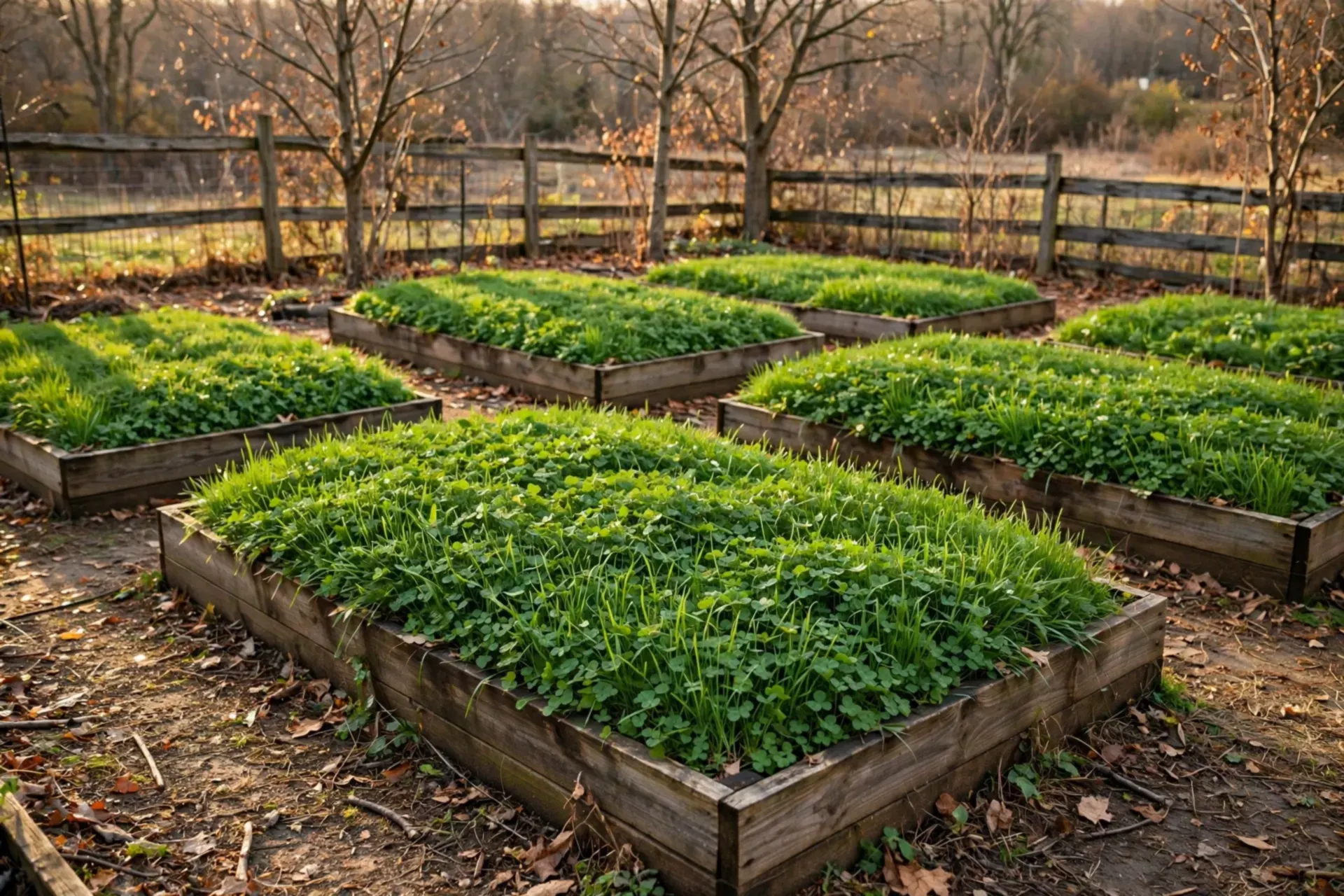 Fall and winterWinter Cover Crops Compared: Rye, Clover, Vetch, OatsFour cover crops, four different jobs: which one smothers weeds, which one banks nitrogen, what winter does to each — and the seeding rate per 100 square feet.
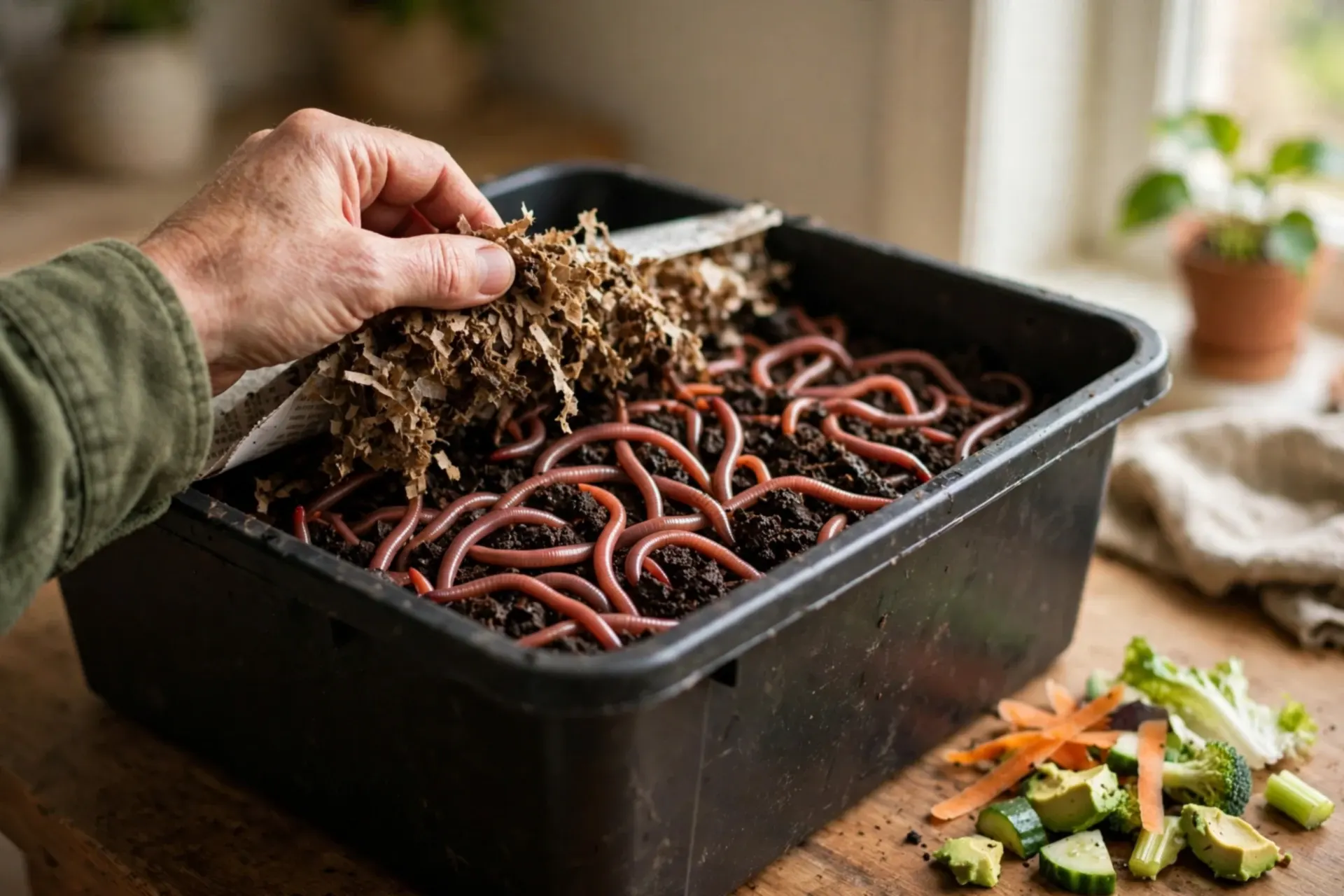 Fall and winterIndoor Worm Bin: Vermicomposting Through WinterA tote, damp newspaper and a pound of red wigglers keep composting all winter while the outdoor pile sleeps: setup, buried feedings, and the spring castings harvest.
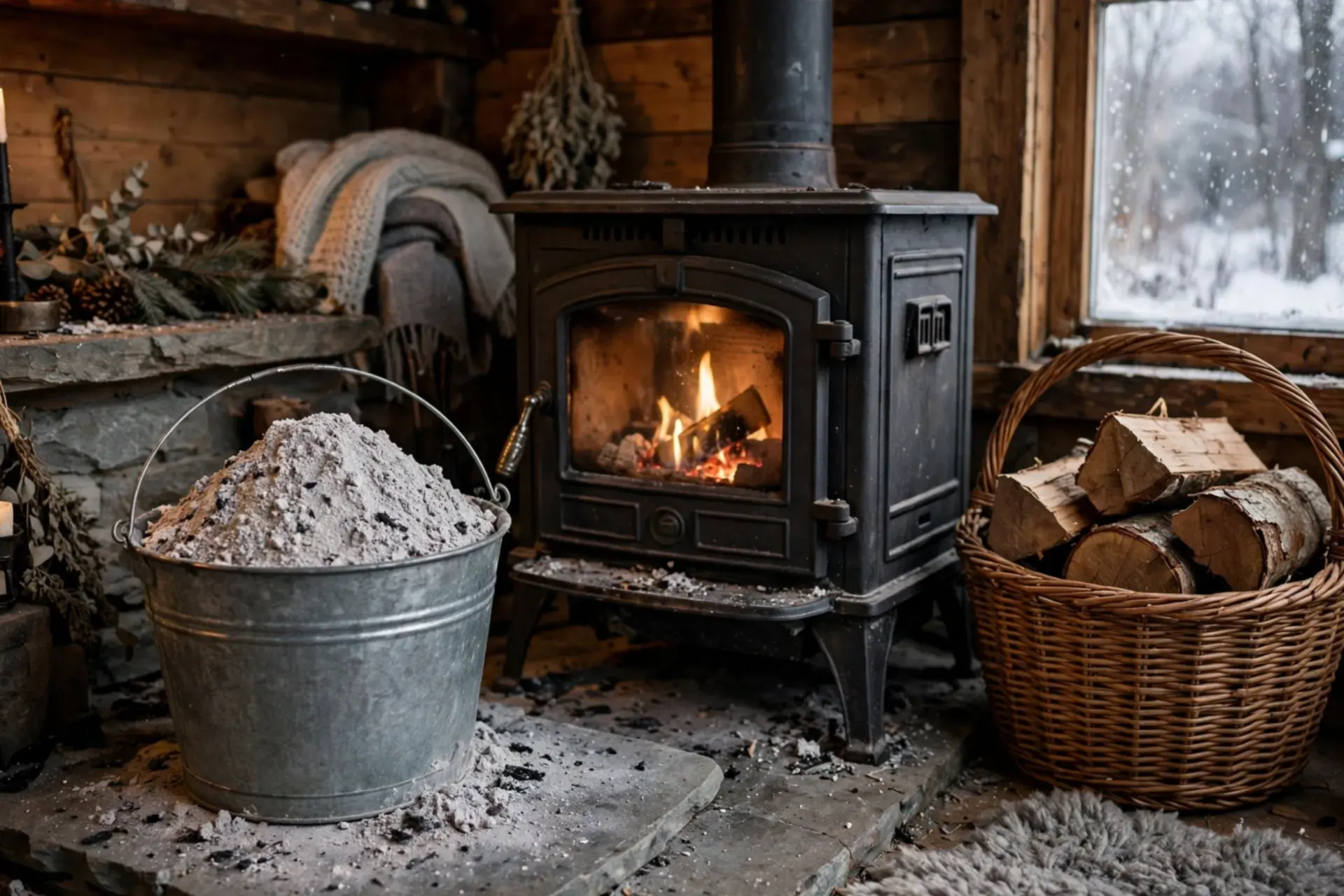 Fall and winterWood Ash in the Garden: Who Loves It, Who Hates ItFree potash and fast lime in one bucket — if your soil is acidic. The rates, the plants that thrive on it, and the ones (blueberries, potatoes) it must never touch.
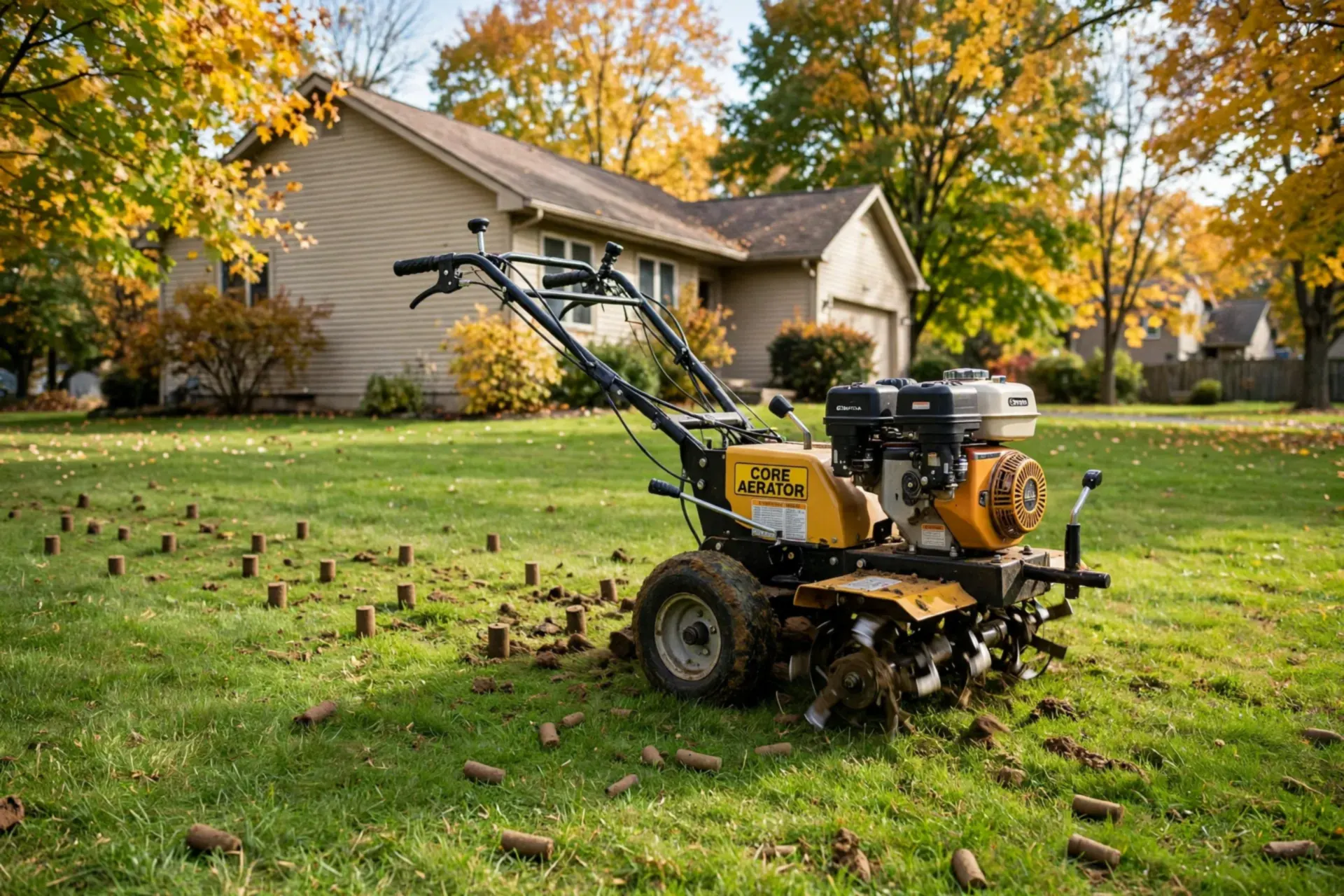 Fall and winterHow to Aerate Your Lawn: Core vs Spike, Timing by GrassThe job that comes before overseeding: core vs spike, the plug depth and spacing that actually fix compaction, and the right month for your grass type.
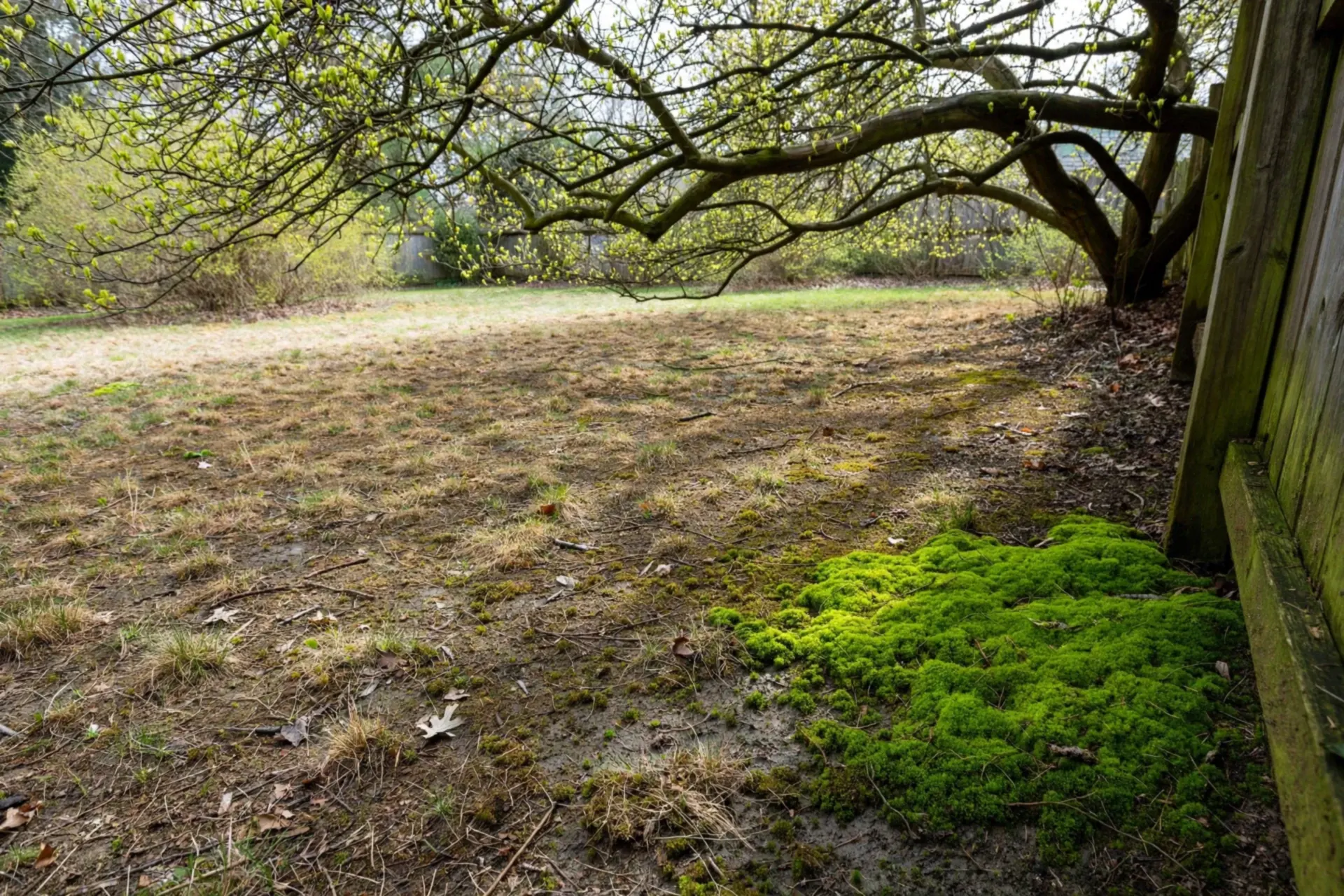 Fall and winterMoss in Your Lawn: Causes and the Permanent FixMoss moves into ground the grass gave up: read the patch, test the soil, fix shade, compaction and drainage — then overseed so grass wins for good.
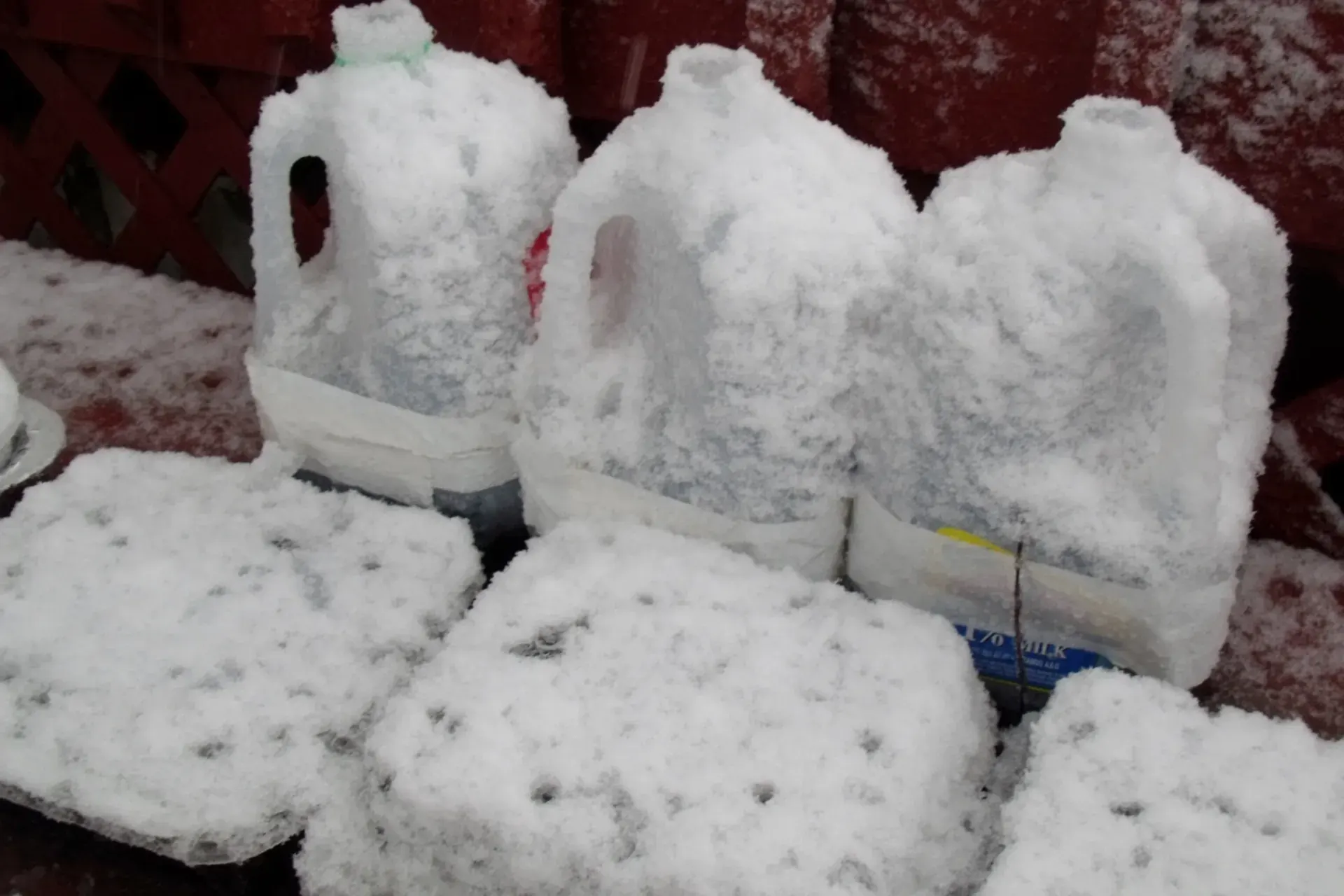 Fall and winterWinter Sowing: Start Seeds Outdoors in WinterThe complete method: sow hardy seeds in simple containers, set them in the snow, and transplant seedlings that never needed hardening off — which seeds, which tubs, what timing.
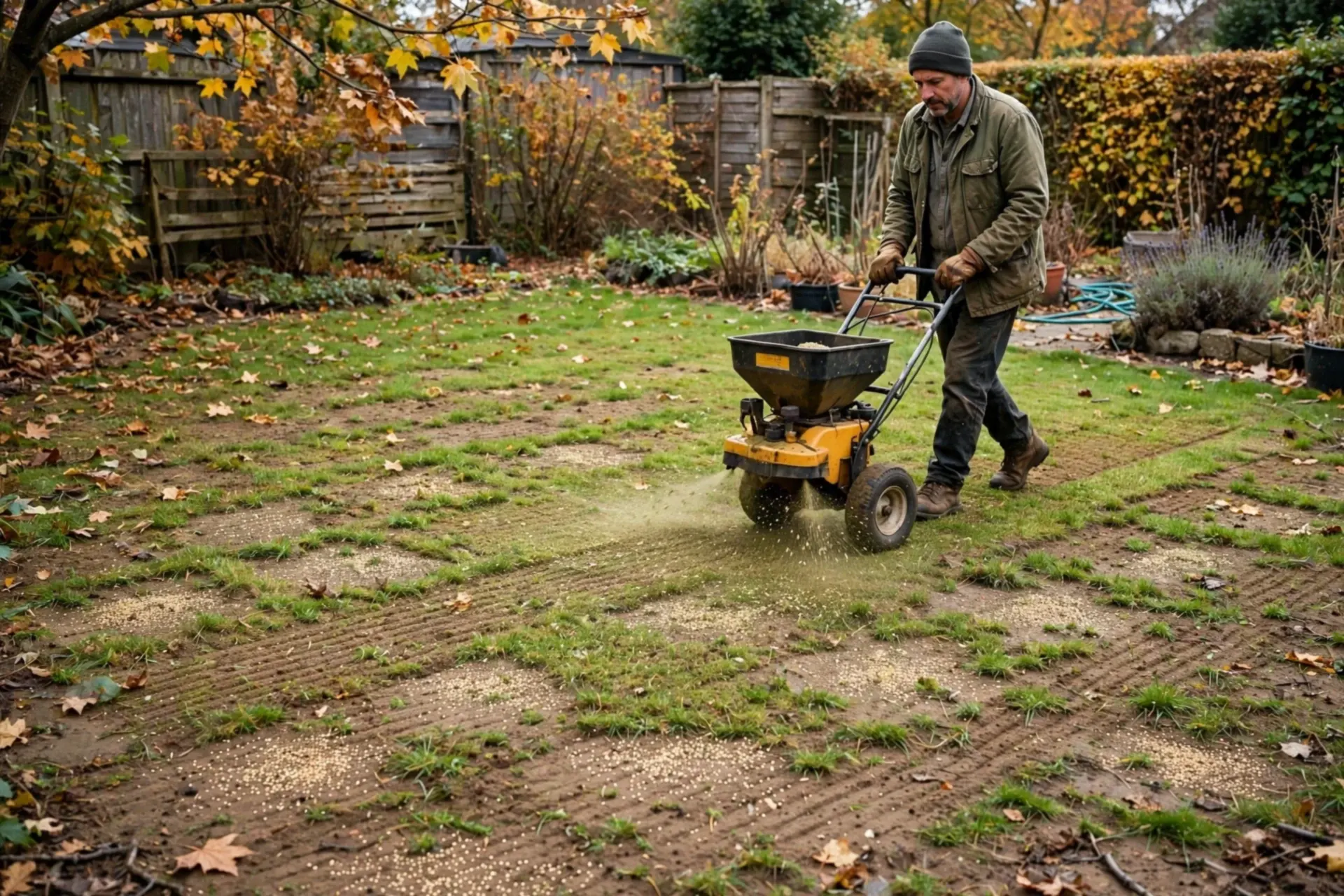 Fall and winterHow to Overseed Your Lawn (Timing, Rates and the Moisture Rule)The cheapest lawn renovation, failing for two free reasons: seed on thatch, and seed allowed to dry. The late-summer window, the half-rate rule, a dusting of compost — and keeping it damp until it is up.
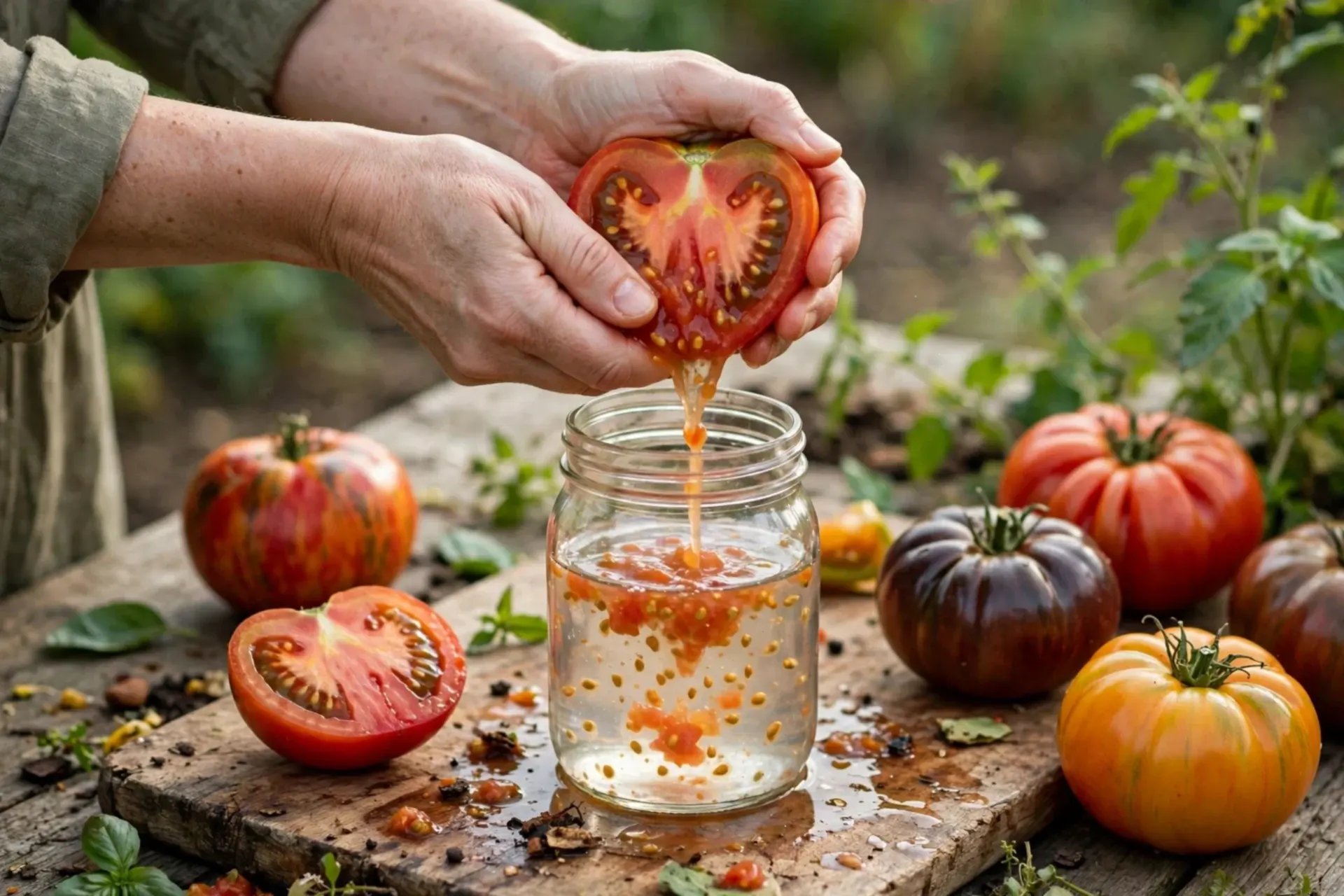 Fall and winterHow to Save Tomato Seeds (Ferment, Rinse, Dry, Store)Next year's whole tomato row is inside one ripe heirloom — if you clean the seed the way nature does: the 2–3 day ferment, the sink test, a week of drying, and storage that keeps it good for years.
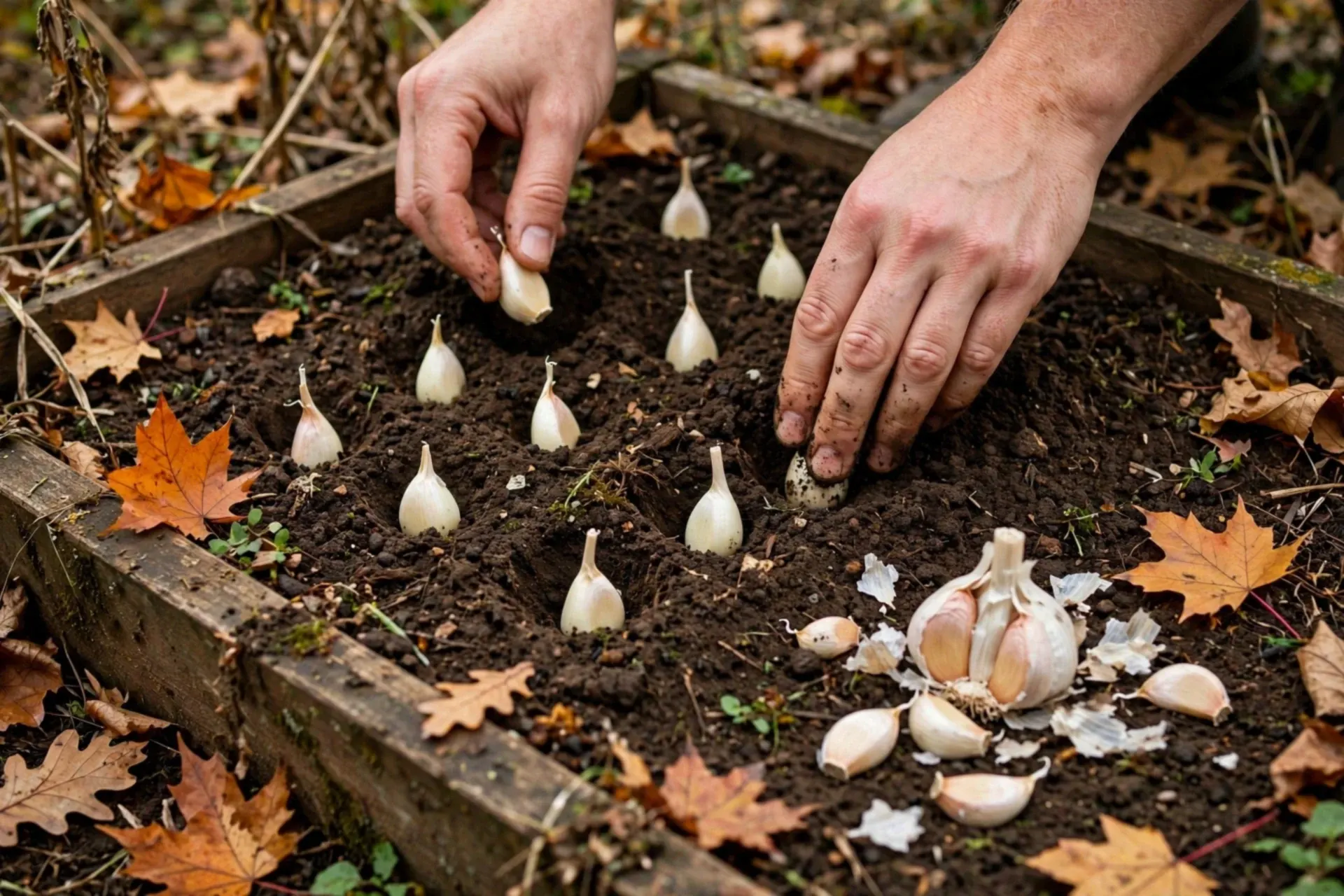 Fall and winterHow to Plant Garlic in Fall, Step by StepPlant garlic in fall for a summer harvest: when to plant, hardneck vs softneck, exact depth and spacing, how much mulch — with a printable checklist and materials calculators.
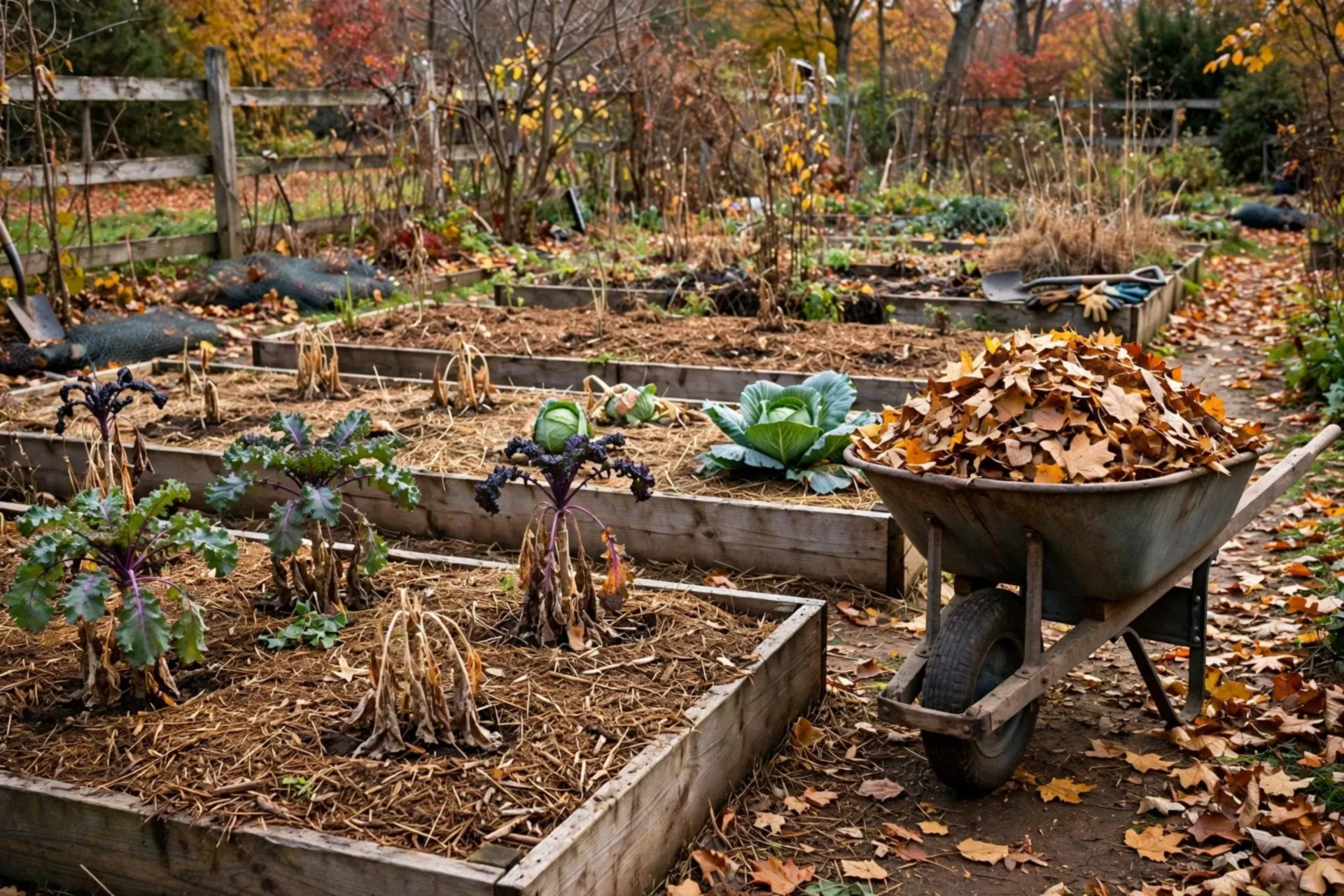 Fall and winterPutting Your Garden to Bed: The Fall Cleanup ChecklistThe complete fall garden cleanup, in the right order: what to pull, what to leave standing, mulching, watering evergreens and tool care — with a printable checklist.
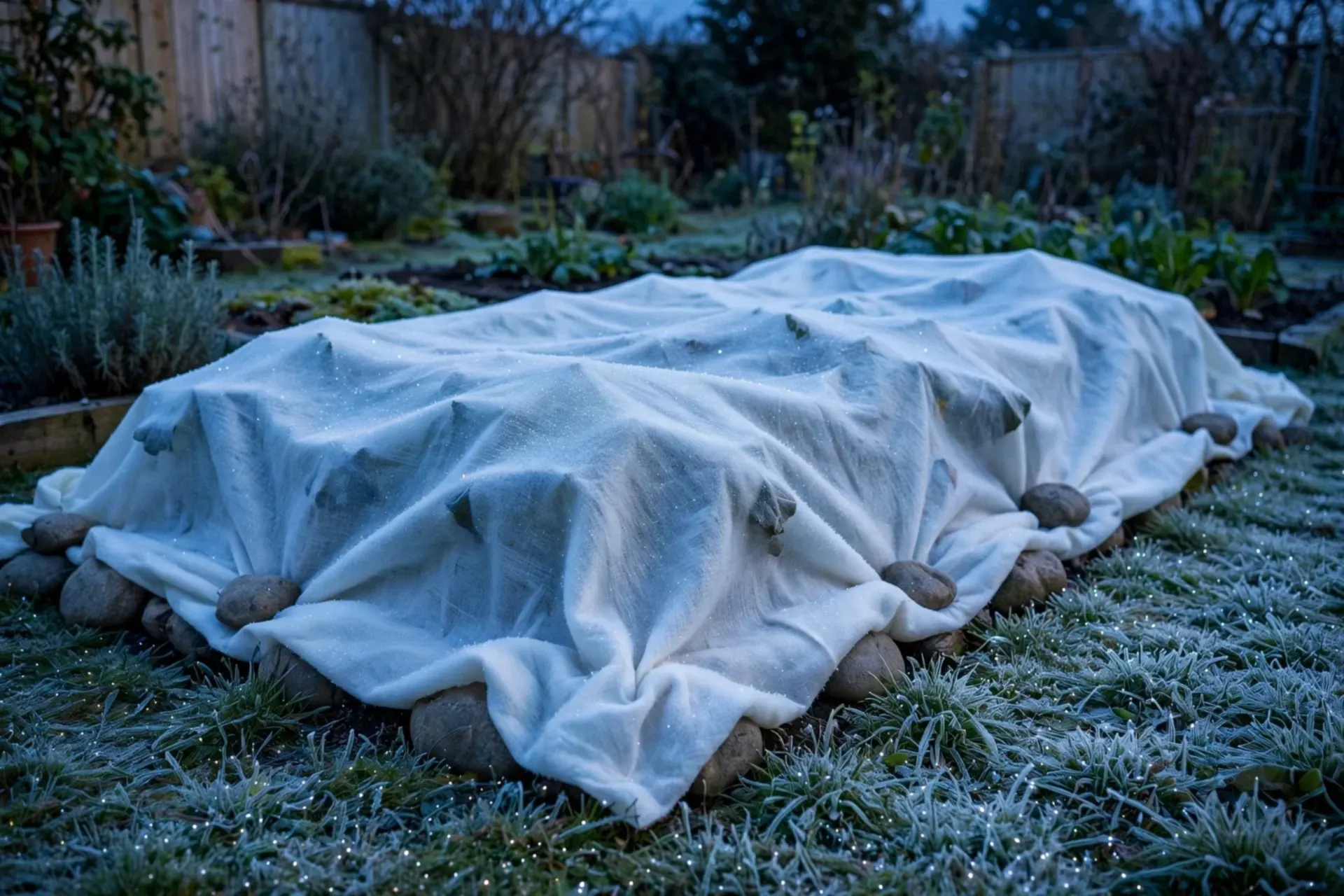 Fall and winterHow to Protect Plants From FrostSave tender plants on frost nights: which plants to cover, what to cover them with, why watering first helps, and the evening-morning routine that works.
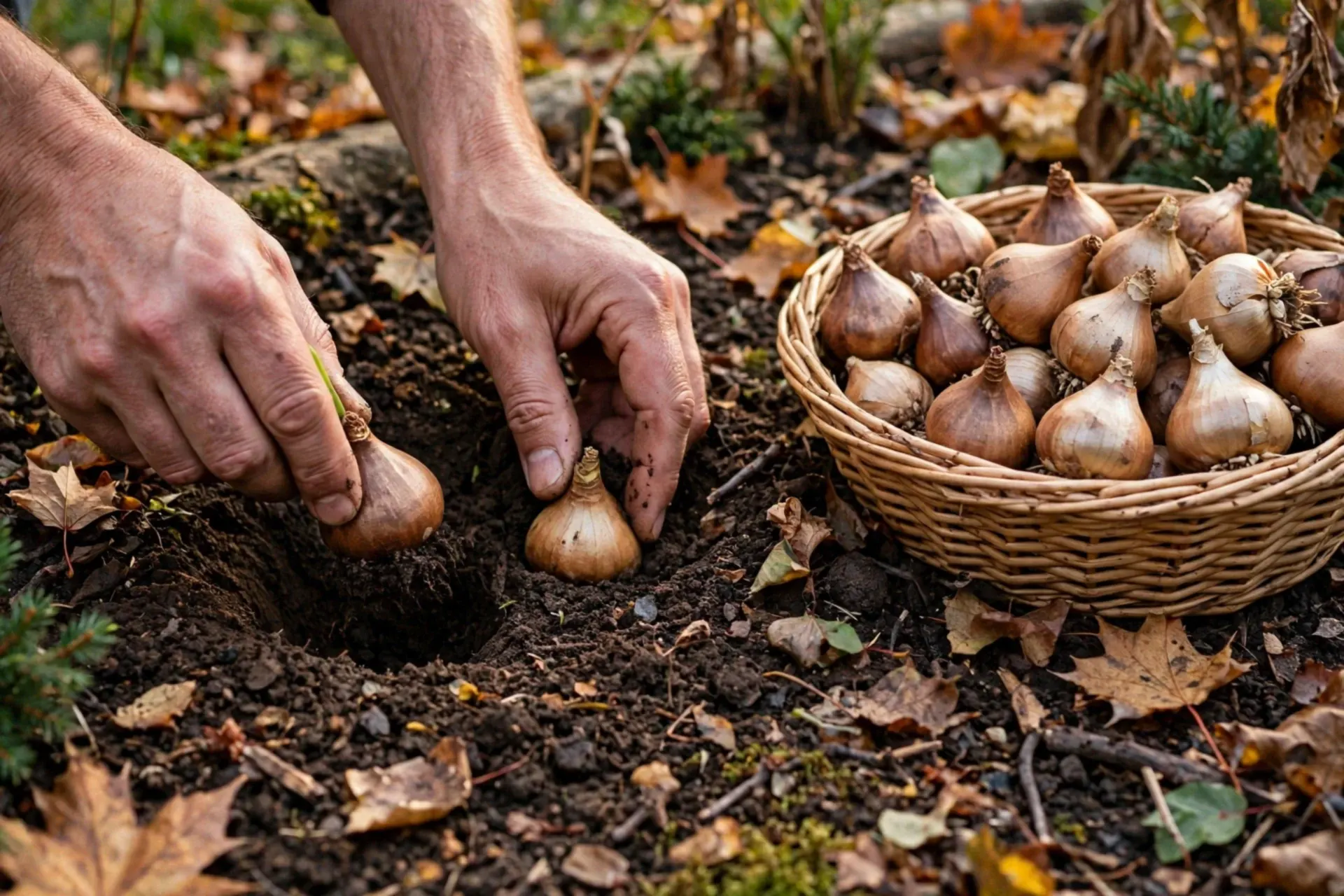 Fall and winterPlanting Spring Bulbs in Fall (with depth chart)Tulips, daffodils, crocus and alliums planted right: the 3-times depth rule with a chart by bulb, spacing, squirrel defence and the exact planting steps.
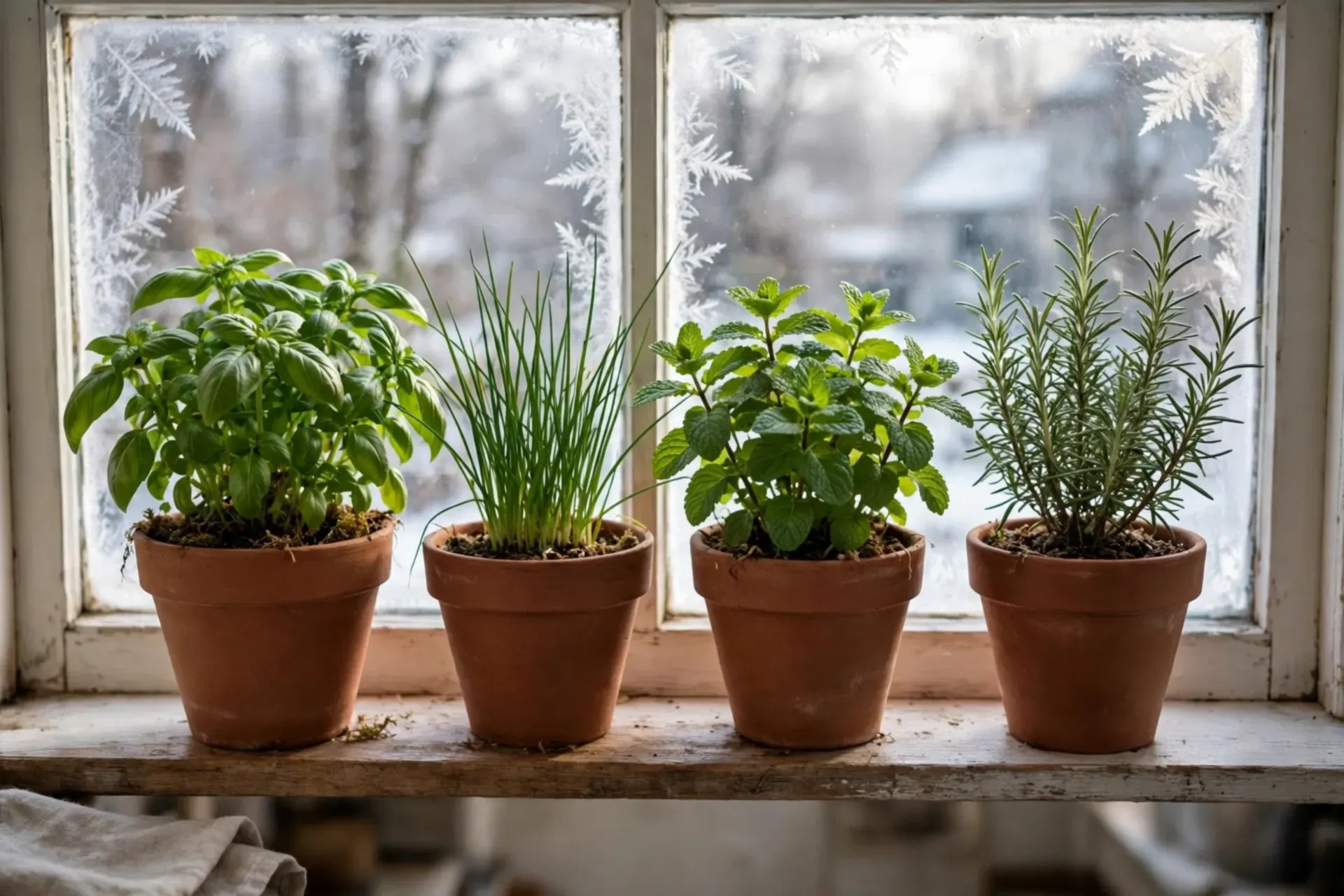 Fall and winterHow to Grow Herbs Indoors in WinterFresh basil, chives, mint and more all winter: which herbs actually thrive indoors, the light rule that decides success, watering and harvesting done right.
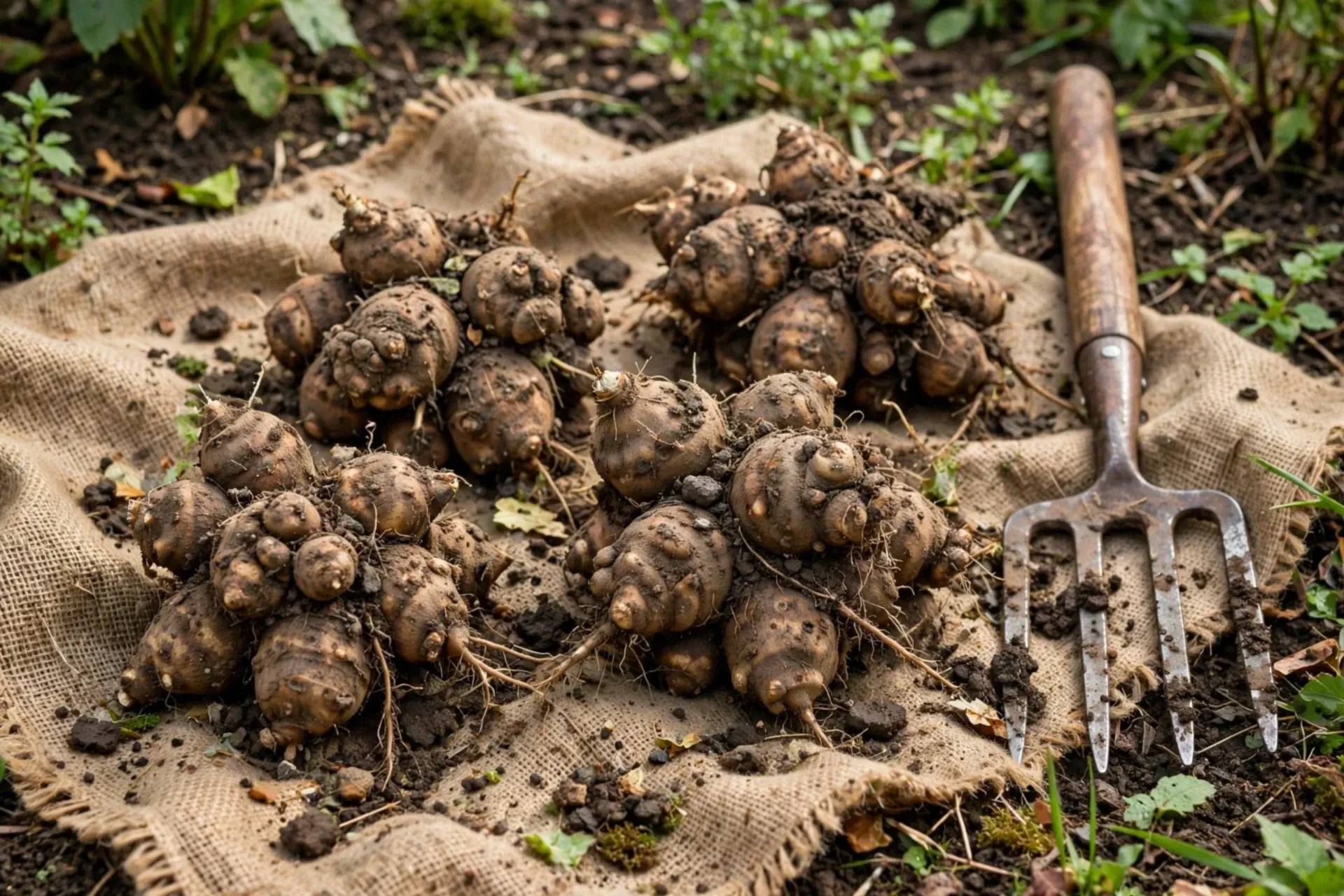 Fall and winterHow to Store Dahlia Tubers Over WinterDahlias cannot survive frozen ground. Dig them after the first frost, cure them right and store them at the right temperature — the complete step-by-step.
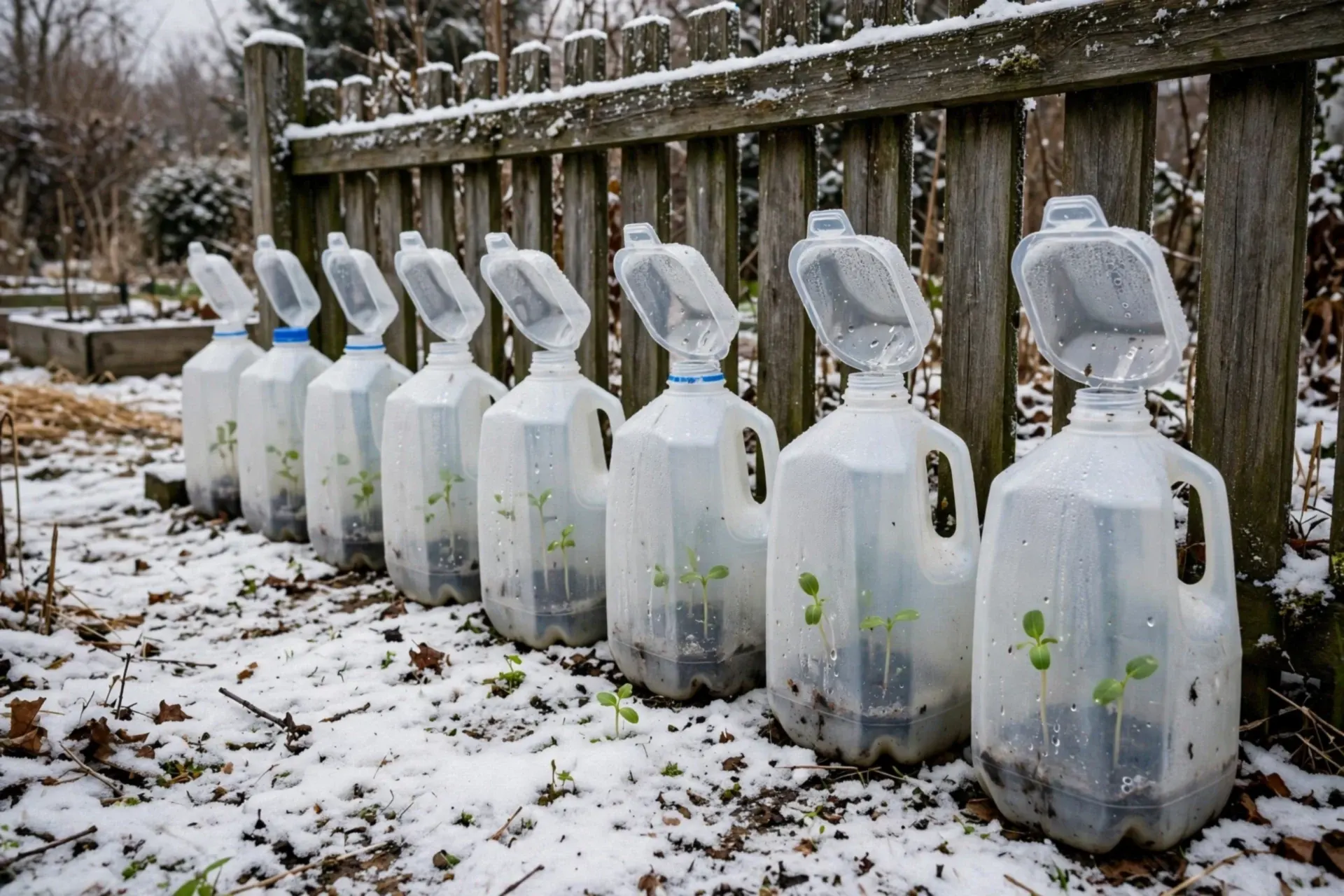 Fall and winterWinter Sowing in Milk Jugs, Step by StepStart seeds outdoors in winter in recycled milk jugs: what to sow, how to build the jugs, and the spring routine — hardy seedlings with no lights and no windowsill.
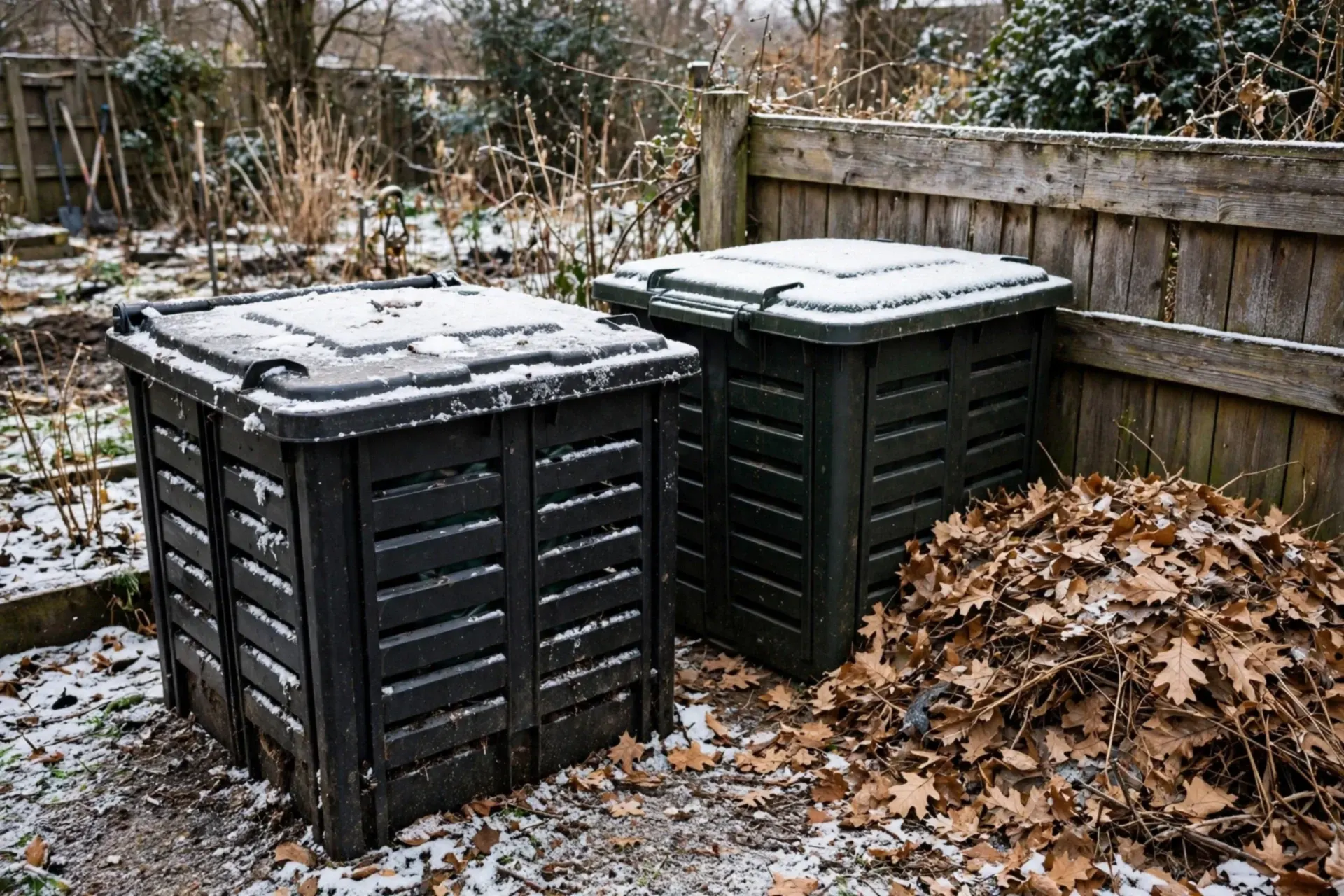 Fall and winterComposting in Winter: What Actually WorksYes, you can compost all winter. How a pile behaves in the cold, the dry-leaves trick that makes it work, what to keep adding, and how to restart it fast in spring.
Seed starting and spring
Seed starting and springWhat to Plant in November in Australia: Summer Vegetables by Climate ZoneNovember in Australia is late spring with summer already visible, and what to plant depends entirely on your climate zone. The November list, zone by zone: tropical, subtropical, arid, warm temperate and cool temperate.
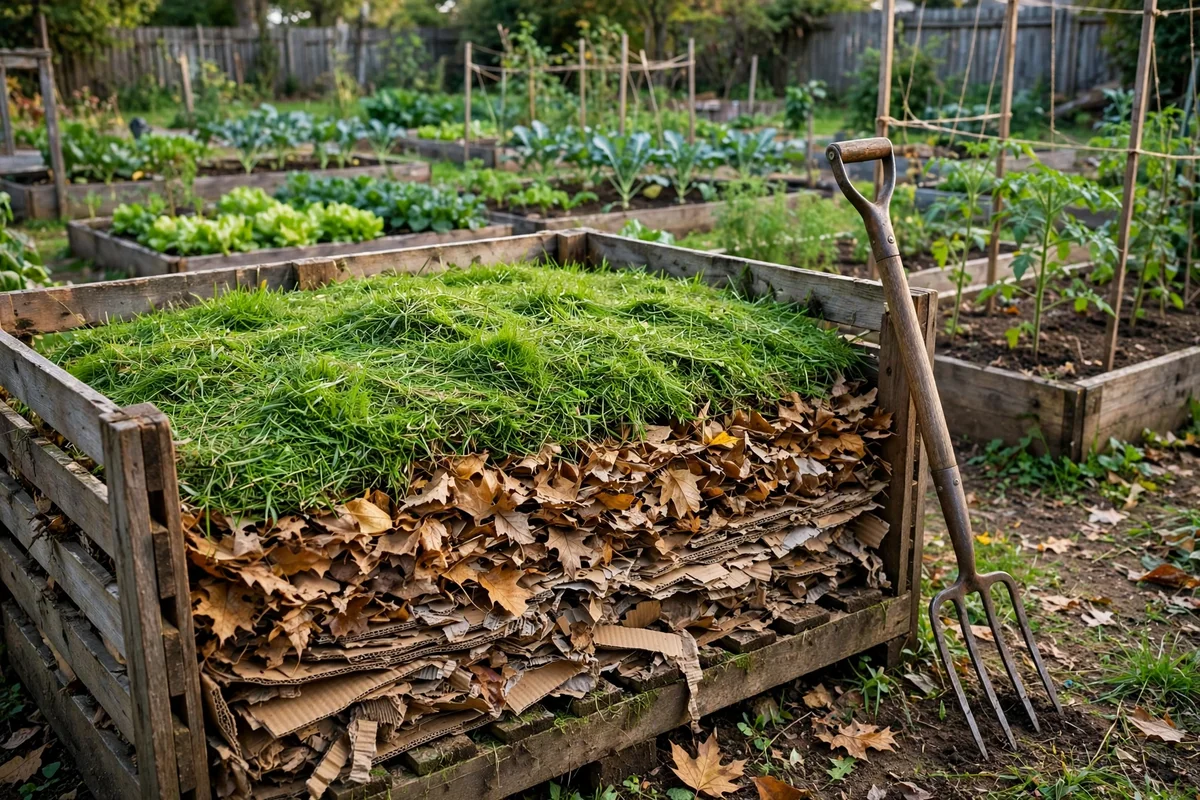 Seed starting and springCompost Greens to Browns Ratio: Hit 30:1 Without Any MathThe ideal greens to browns ratio is 30:1 carbon to nitrogen, but nobody composts by the gram. Bucket-for-bucket mixes for grass clippings, food scraps and coffee grounds, the C:N chart for.
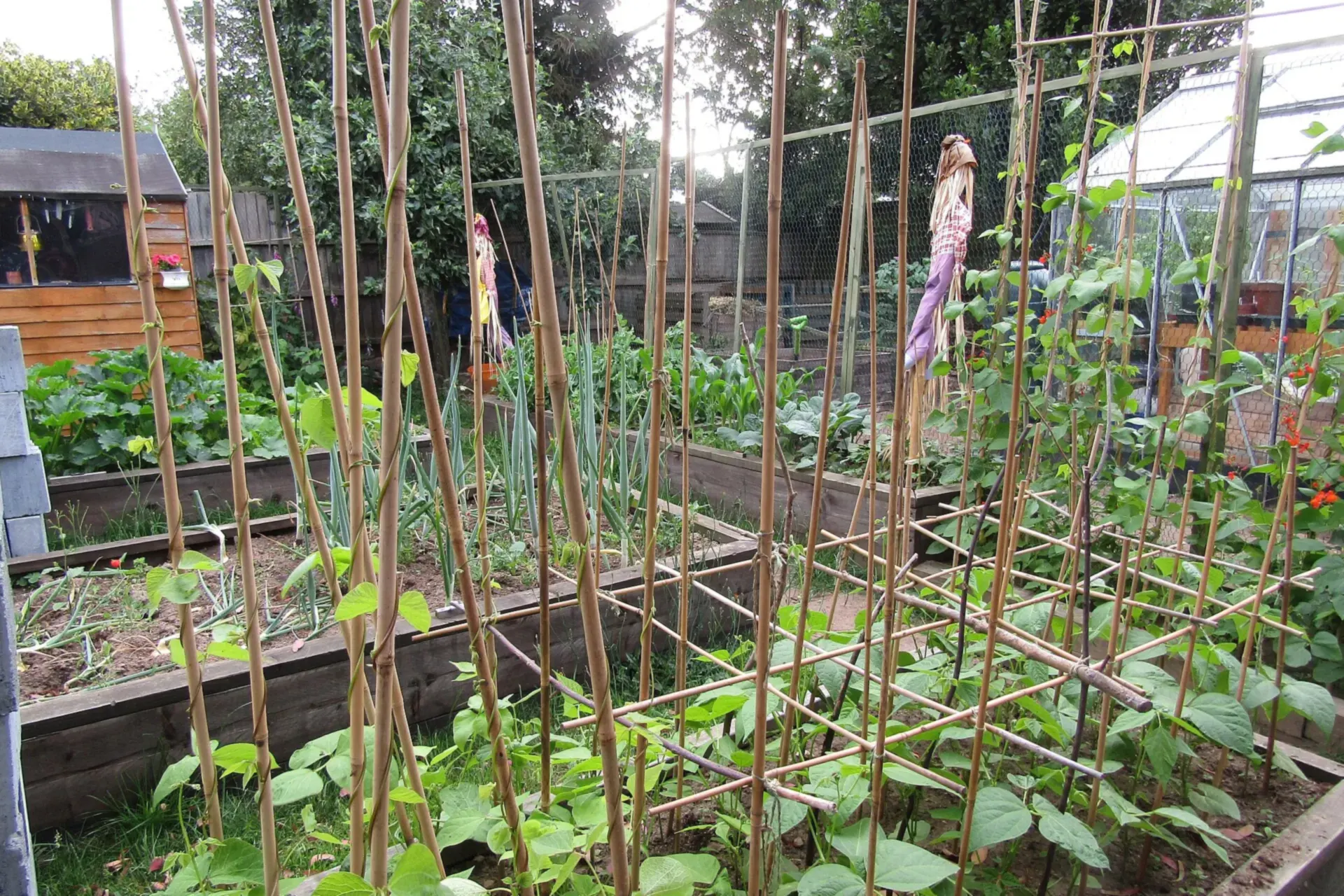 Seed starting and springCrop Rotation Basics: The Four-Year Plan That Keeps Soil HonestNever grow the same family in the same bed two years running: the seven plant families, the classic four-year cycle, and the free planner that lays the rotation over your own beds.
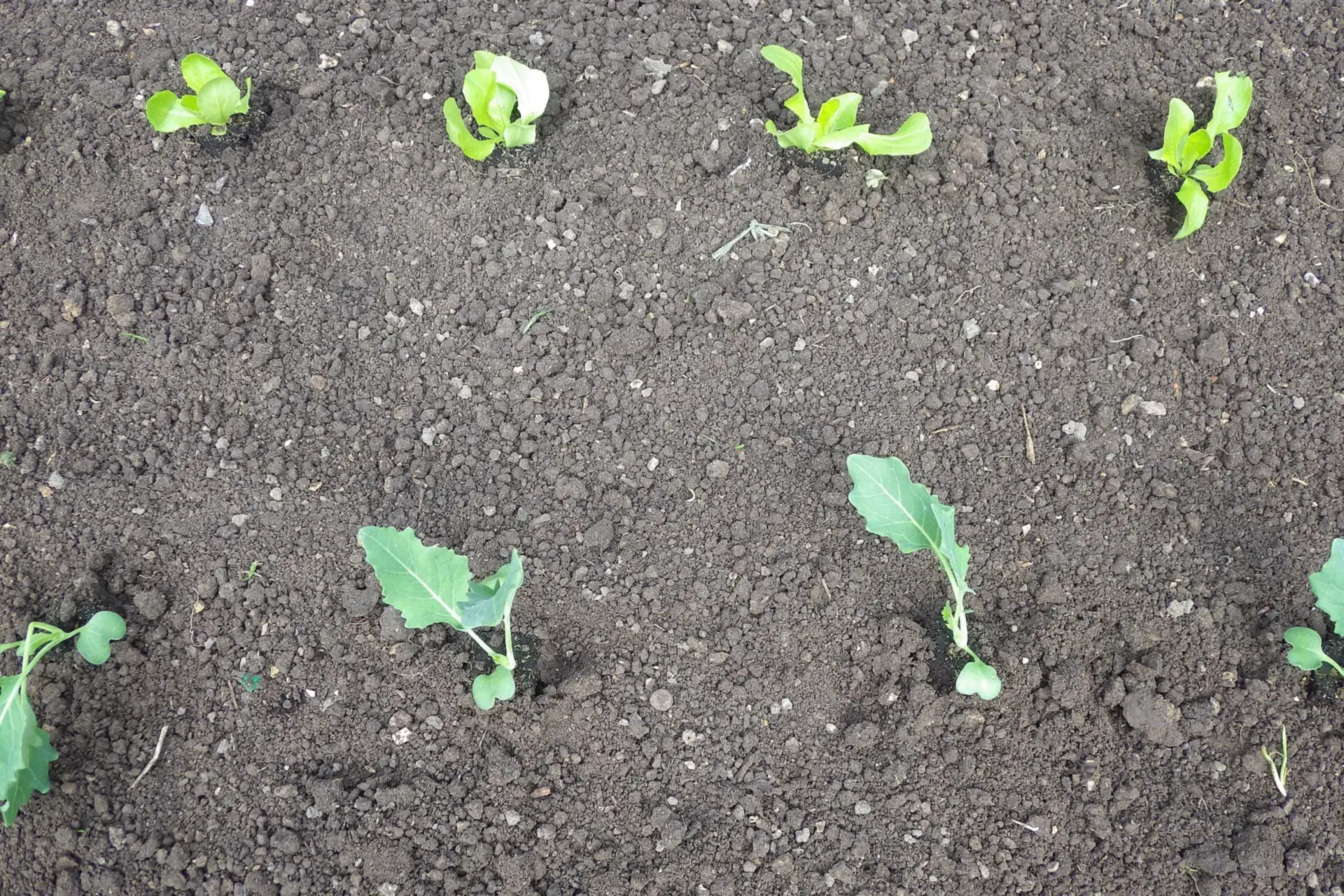 Seed starting and springSuccession Planting: Small Sowings, All Season LongSow little and often so lettuce, radishes, beans and peas crop for months instead of one giant glut — the intervals for each crop, the last-sowing calculation, and the calculator that dates every repeat sowing.
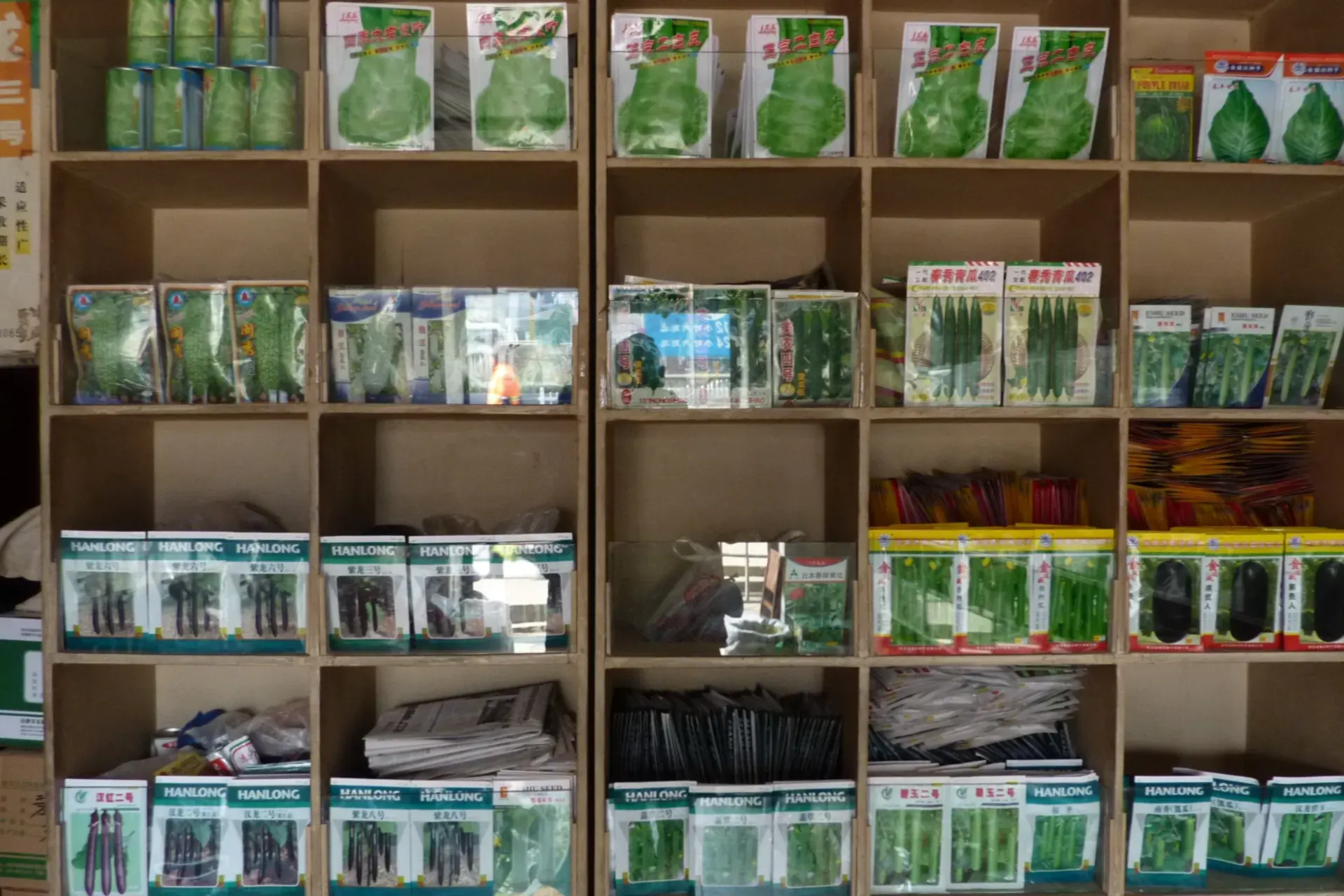 Seed starting and springHow to Read a Seed Packet: Every Line DecodedEvery line of the packet decoded — timing, days to maturity, spacing, sowing depth and germination — the shorthand that turns a seed packet into a full instruction sheet.
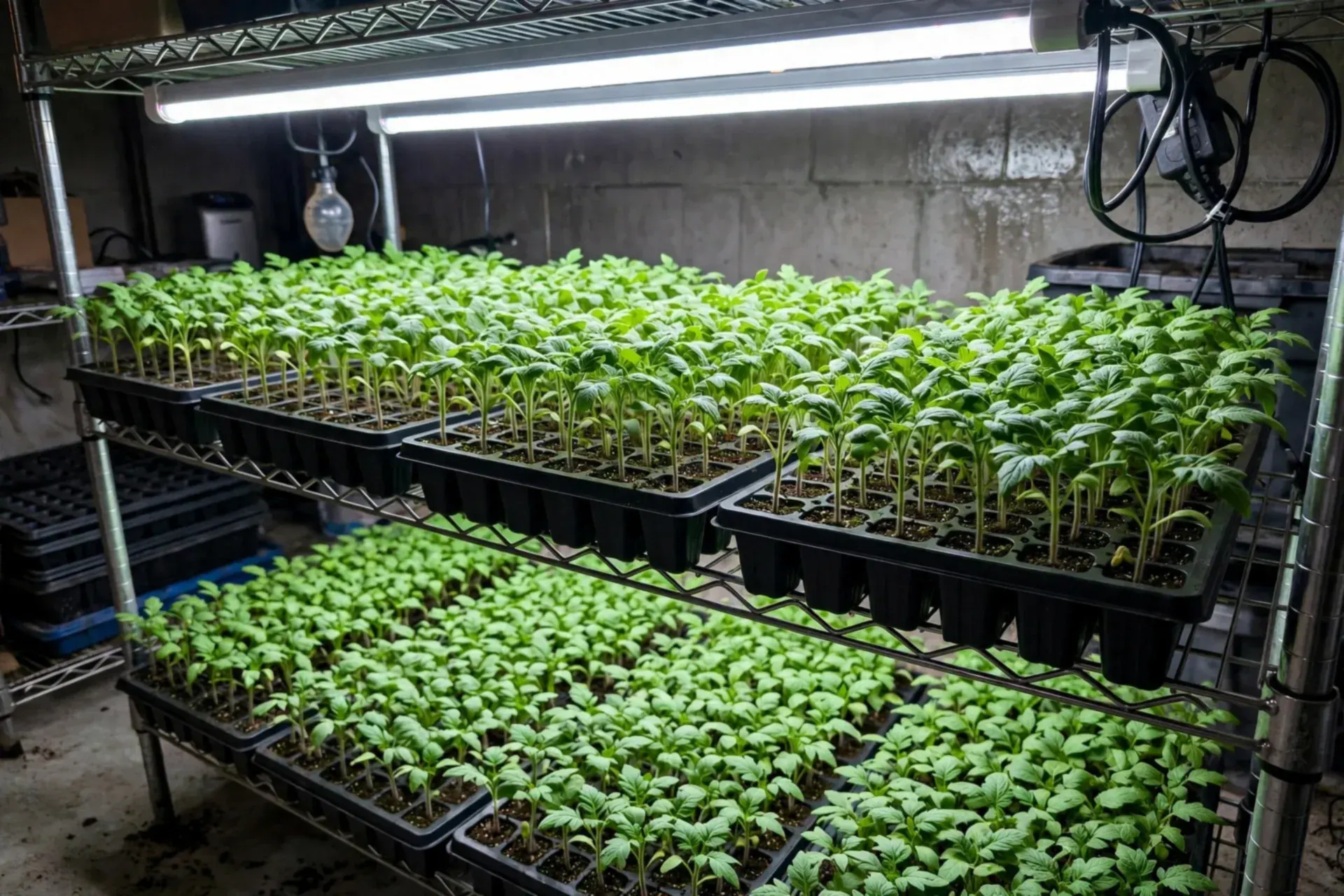 Seed starting and springGrow Lights for Seedlings: LED vs Fluorescent GuidePanels, shop lights or tubes? Hang tubes 2–4 inches above the tops, run 14–16 hours on a timer, and raise the light as they grow — stocky seedlings, no legginess.
 Seed starting and springAre Old Seeds Still Good? The Paper Towel TestTen seeds, a damp paper towel and a few days give a real germination percentage — then sow, sow thicker, or replace.
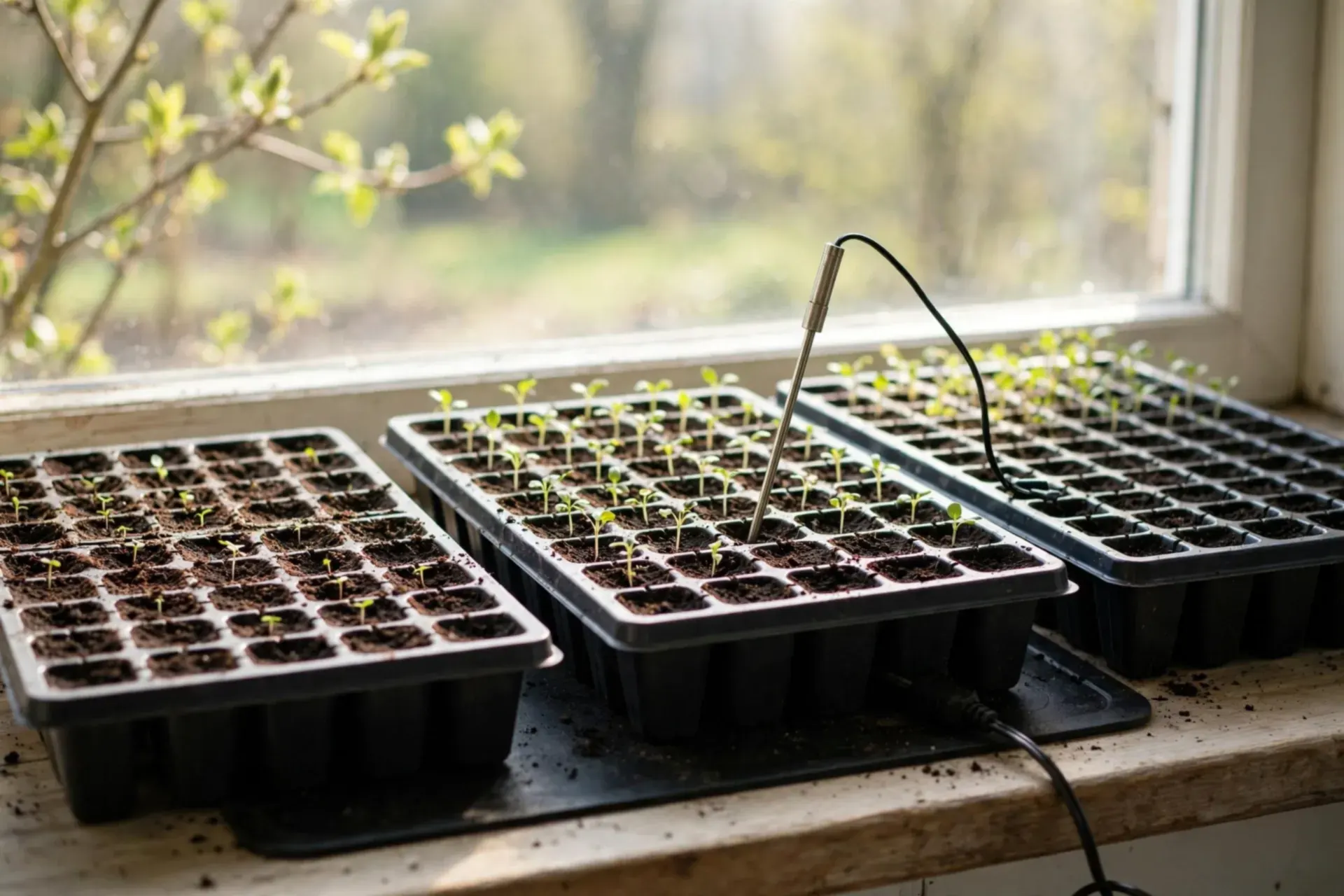 Seed starting and springSeed Germination Temperature Chart: 30 VegetablesThe coldest, best and too-hot soil temperatures for 30 vegetables, plus the days to sprout — measure the soil, not the air.
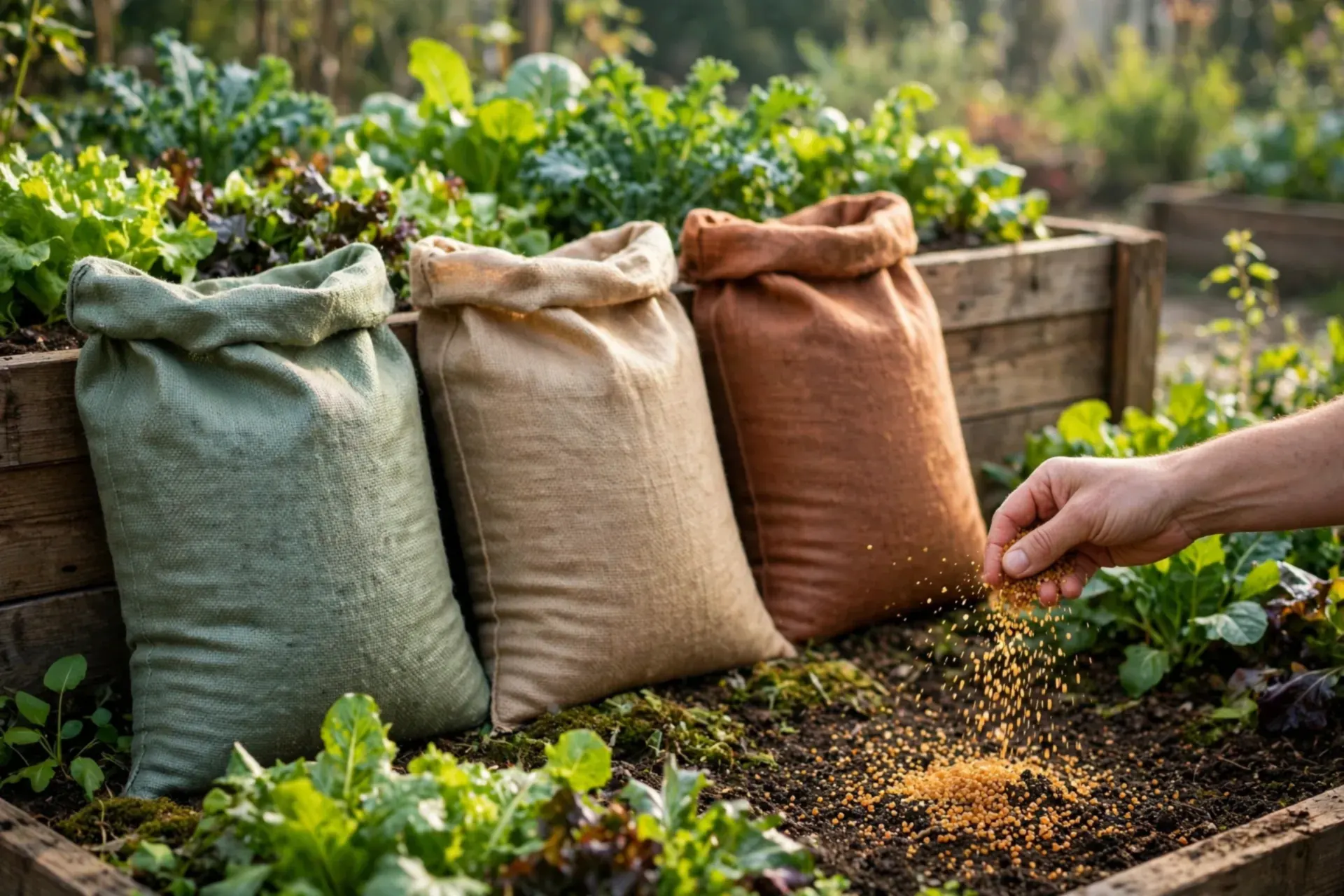 Seed starting and springFertilizer Numbers Explained: What NPK Really MeansThe three numbers on every bag are percentages by weight — nitrogen, phosphate, potash. Read any bag in ten seconds and work out the dose your beds need.
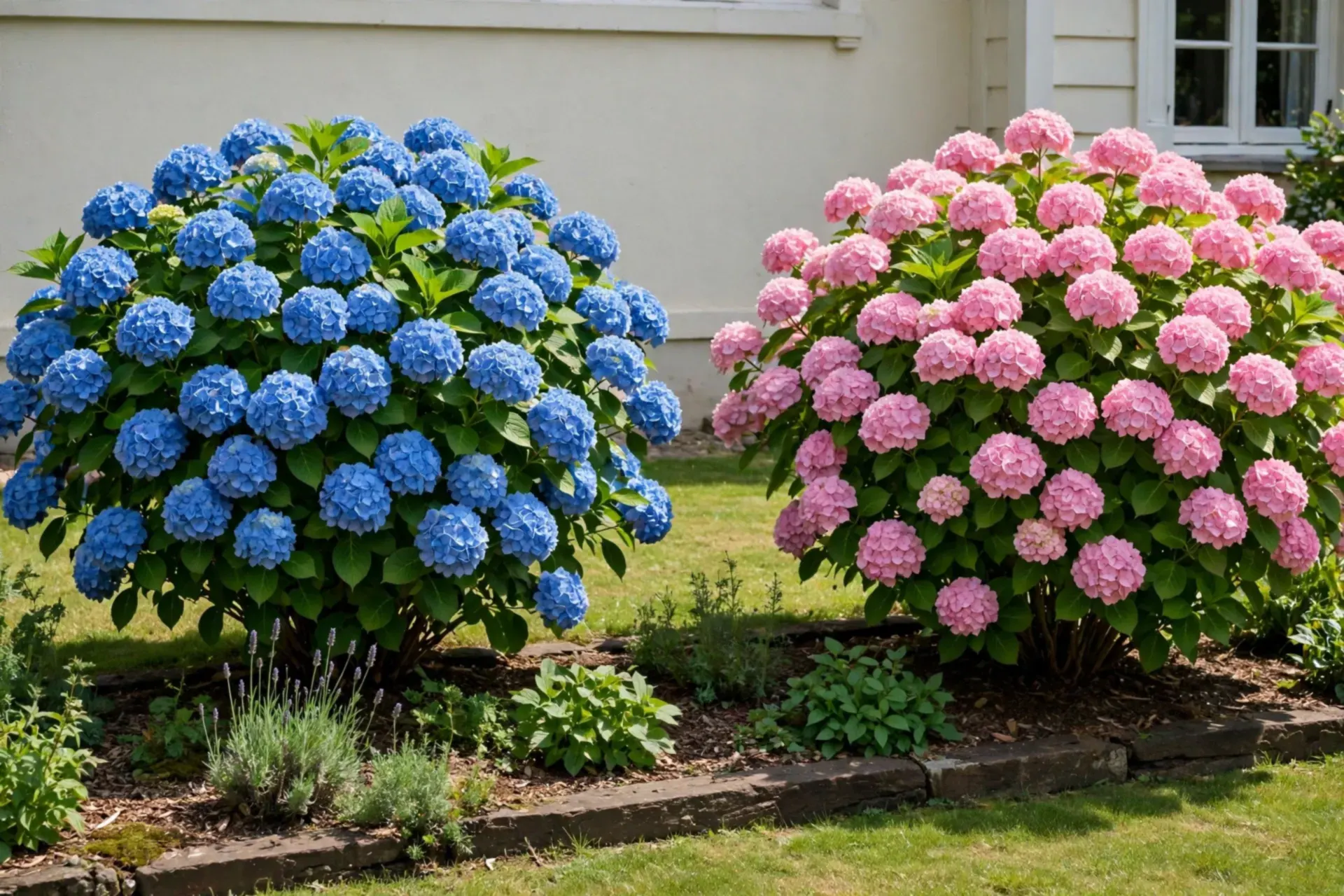 Seed starting and springWhen to Prune Hydrangeas: Old Wood vs New Wood GuidePrune in the wrong week and next year's flowers go out with the clippings. The type-by-type chart: who blooms on old wood, who on new, and the safe dates for each.
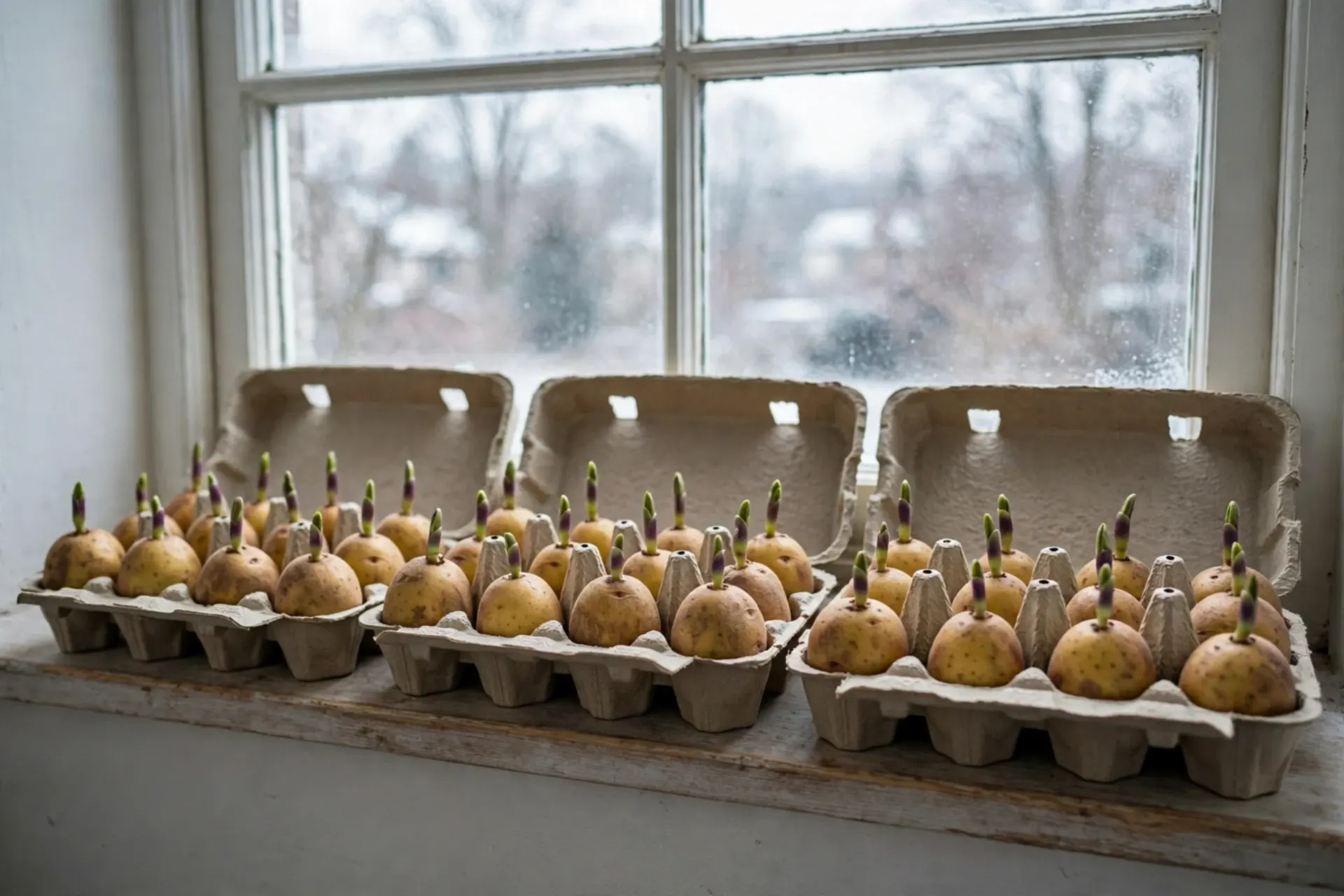 Seed starting and springChitting Potatoes: Sprout Seed Potatoes Before PlantingEgg cartons on a cool bright sill, 4 to 6 weeks before planting: short, dark, sturdy sprouts that survive planting and emerge days sooner.
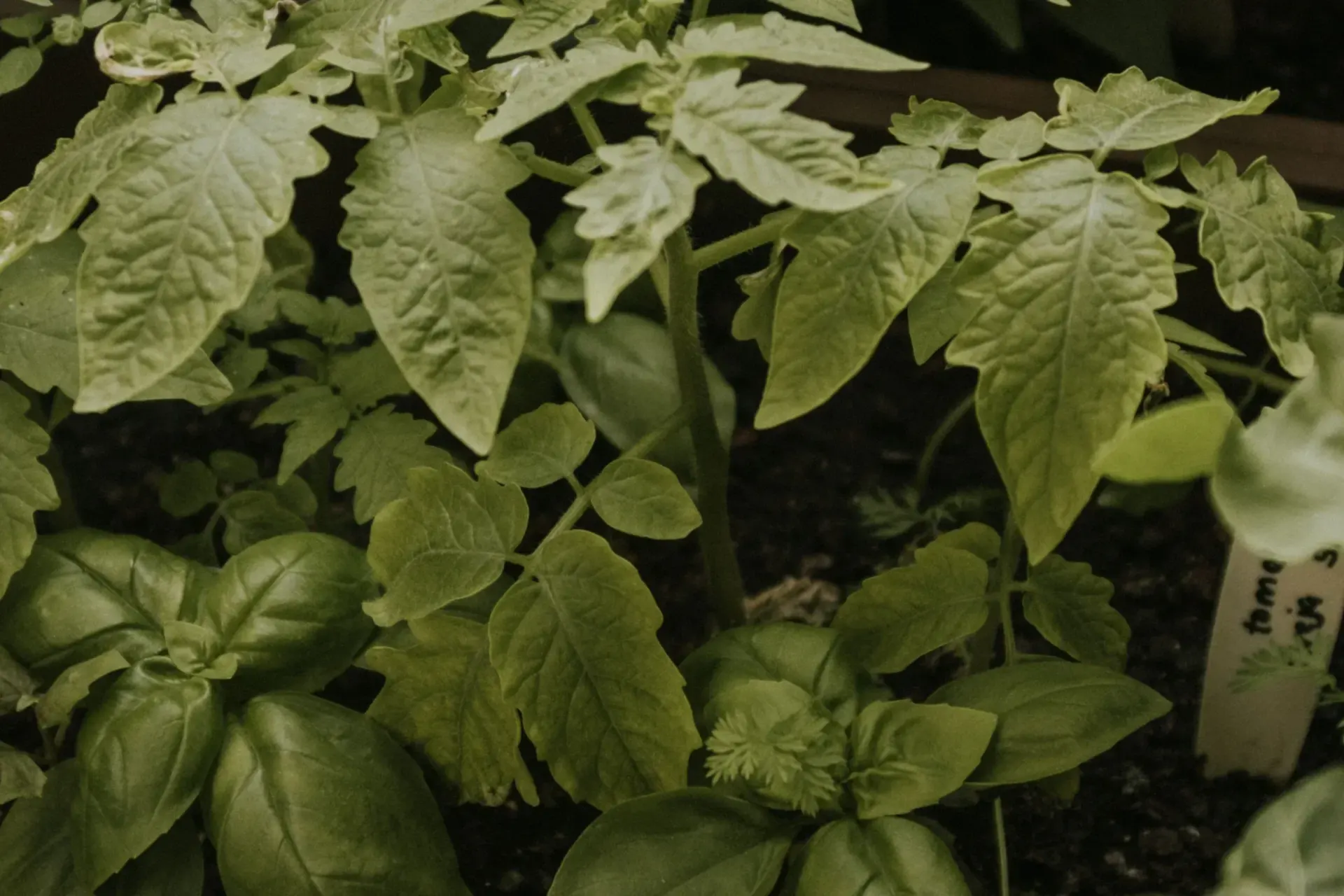 Seed starting and springCompanion Planting Chart: Best and Worst CombinationsThe complete chart for 17 vegetables — good companions, plants to keep apart, and an honest evidence grade for every pairing, from proven mechanisms to folklore.
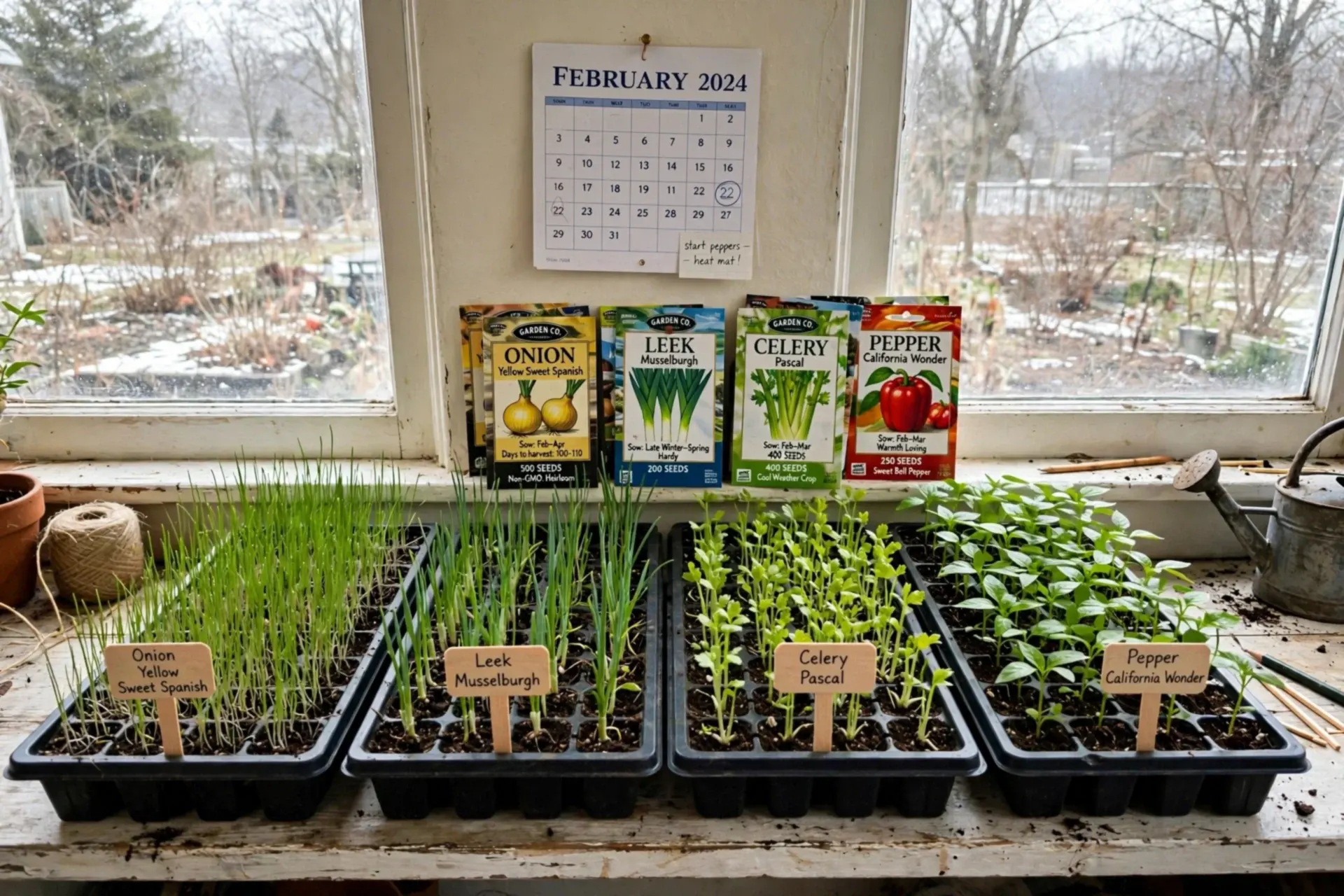 Seed starting and springWhat Are the Earliest Seeds to Start Indoors?The first seeds of the year: onions, leeks and celery at 10-12 weeks before your last frost, then peppers, eggplant and slow herbs at 8-10 weeks — the earliest-first order with a by-zone start-month table.
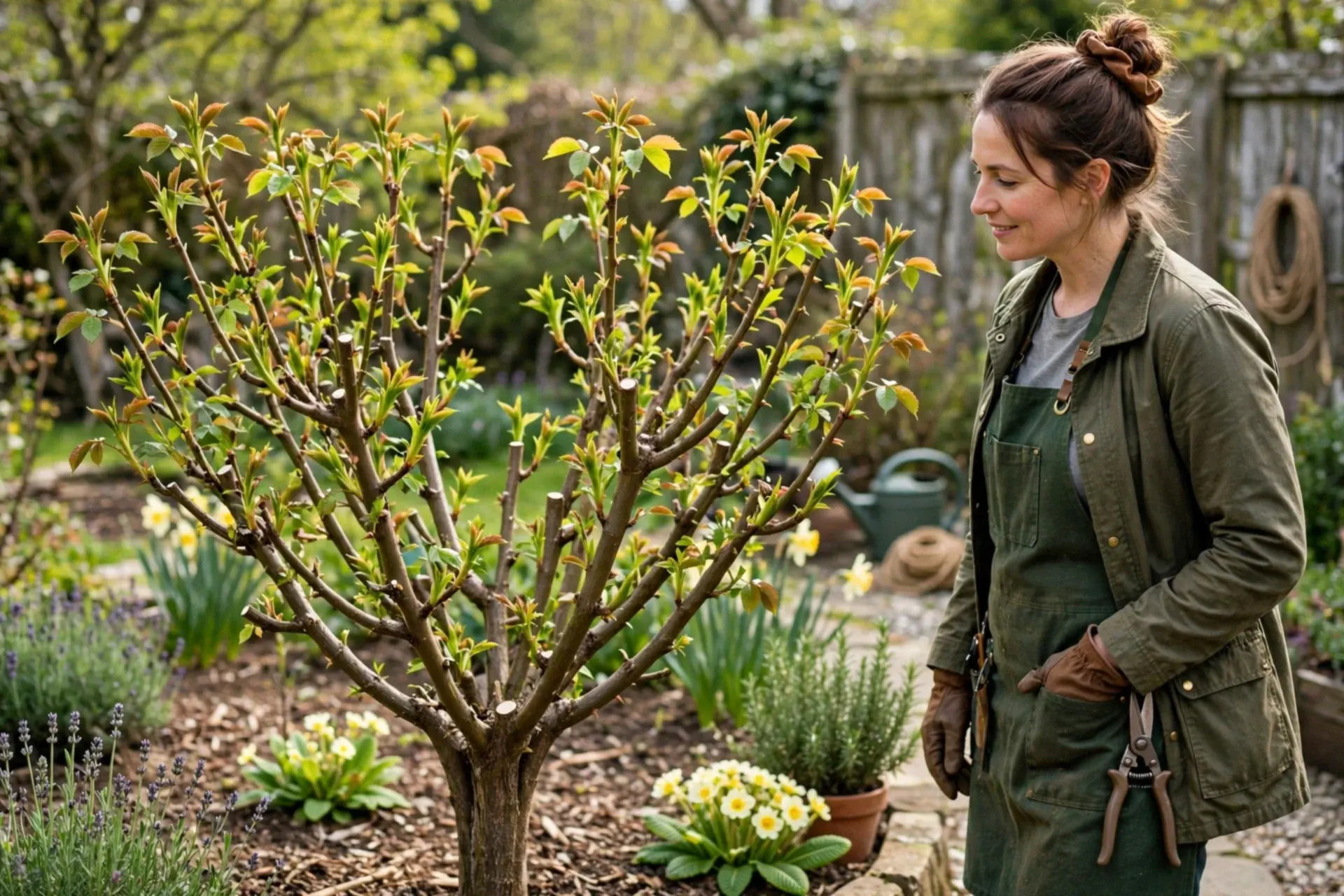 Seed starting and springHow to Prune Roses, Step by StepThe prune that produces flowers instead of a thicket: timing for each rose type, the three-Ds first pass, opening the centre, and the 45-degree cut above an outward bud — with a printable checklist.
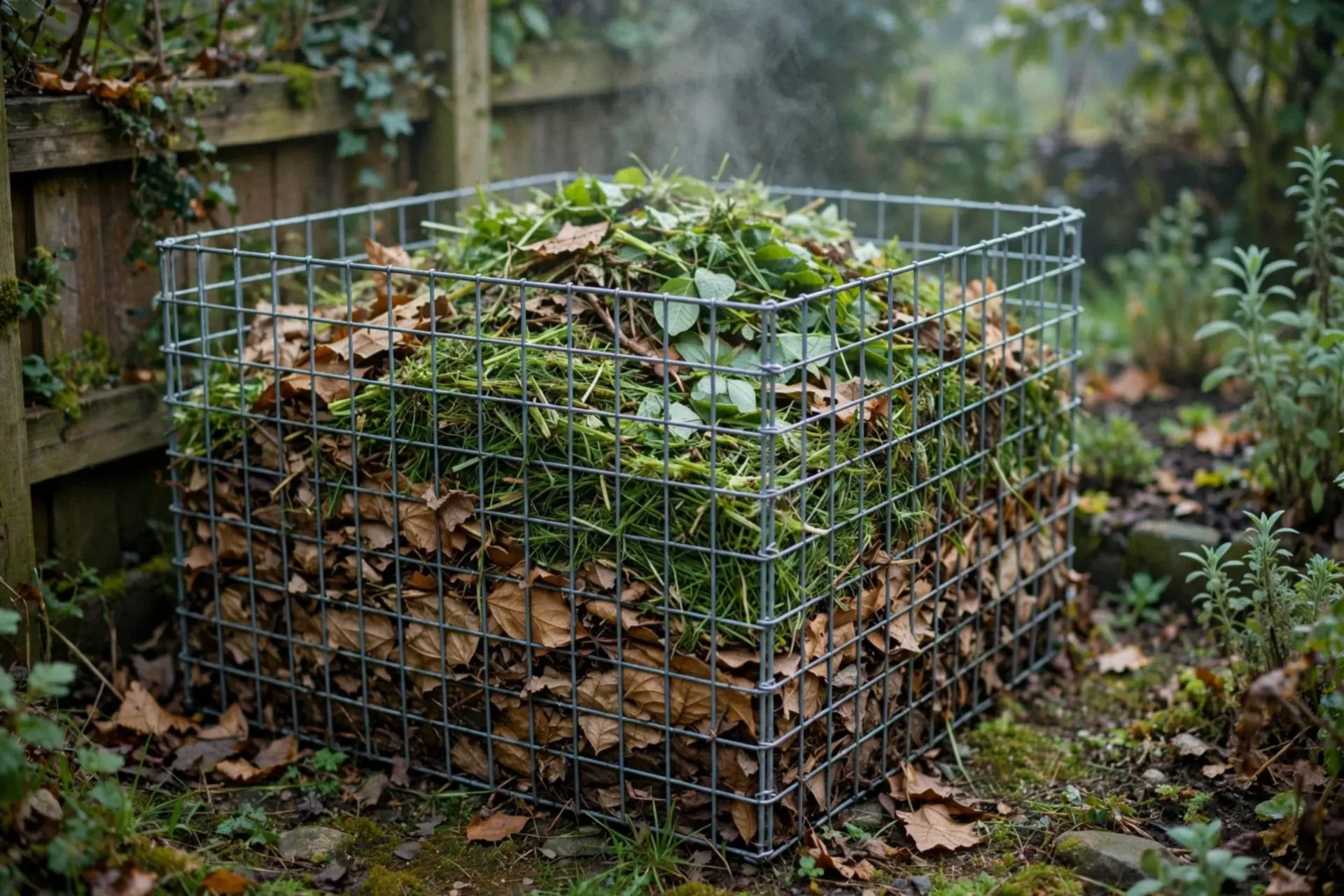 Seed starting and springHow to Start Composting for Beginners (The Simple First Pile)No chemistry degree, no smell, no arguments about ratios: the siting, the brown base, the 3-to-1 layering habit, the wrung-out-sponge test — and how to know the day it is done.
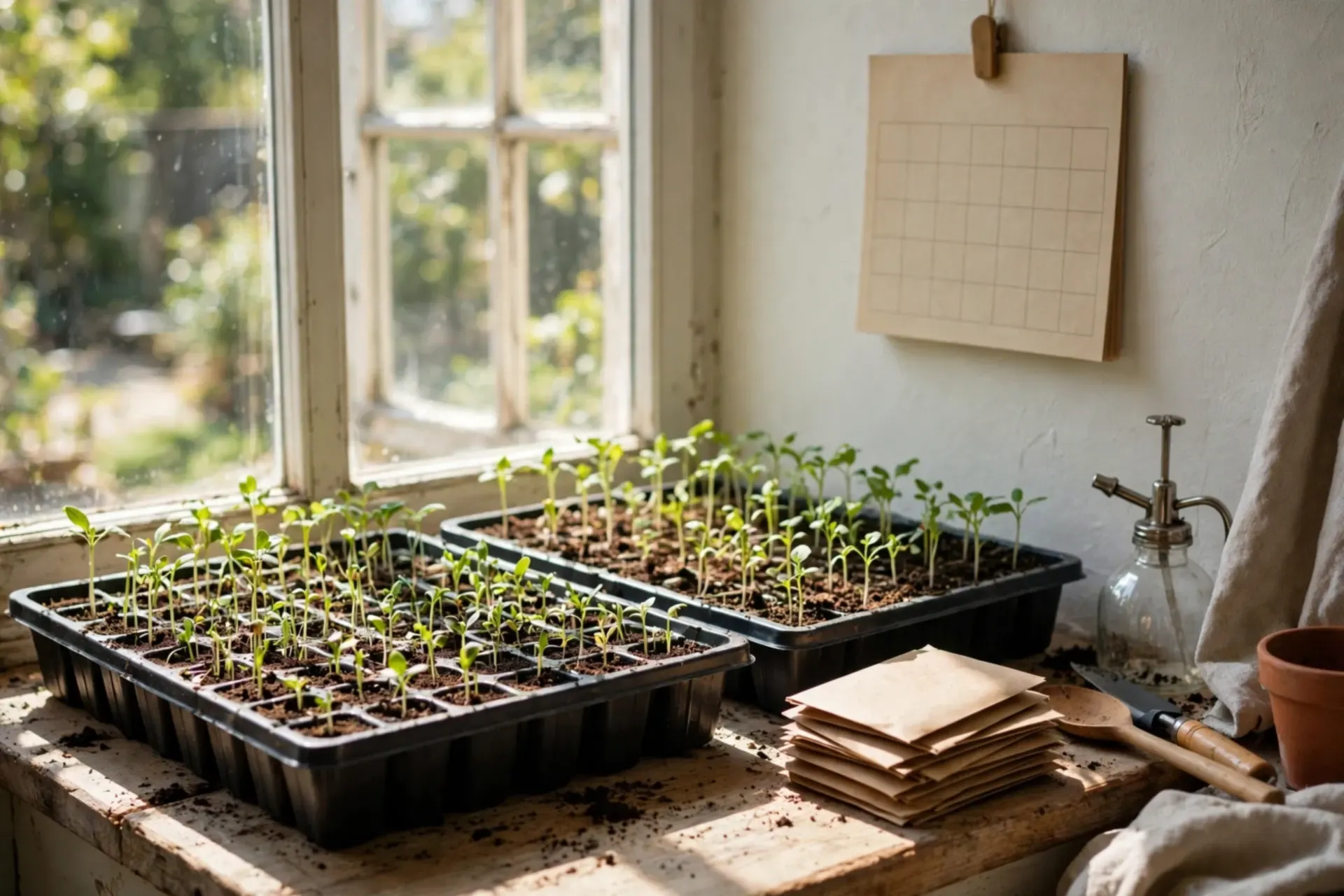 Seed starting and springWhen to Start Seeds Indoors (chart by plant)Count back from your last frost date: how many weeks before it to start tomatoes, peppers, onions, greens and more indoors — plus why starting too early backfires.
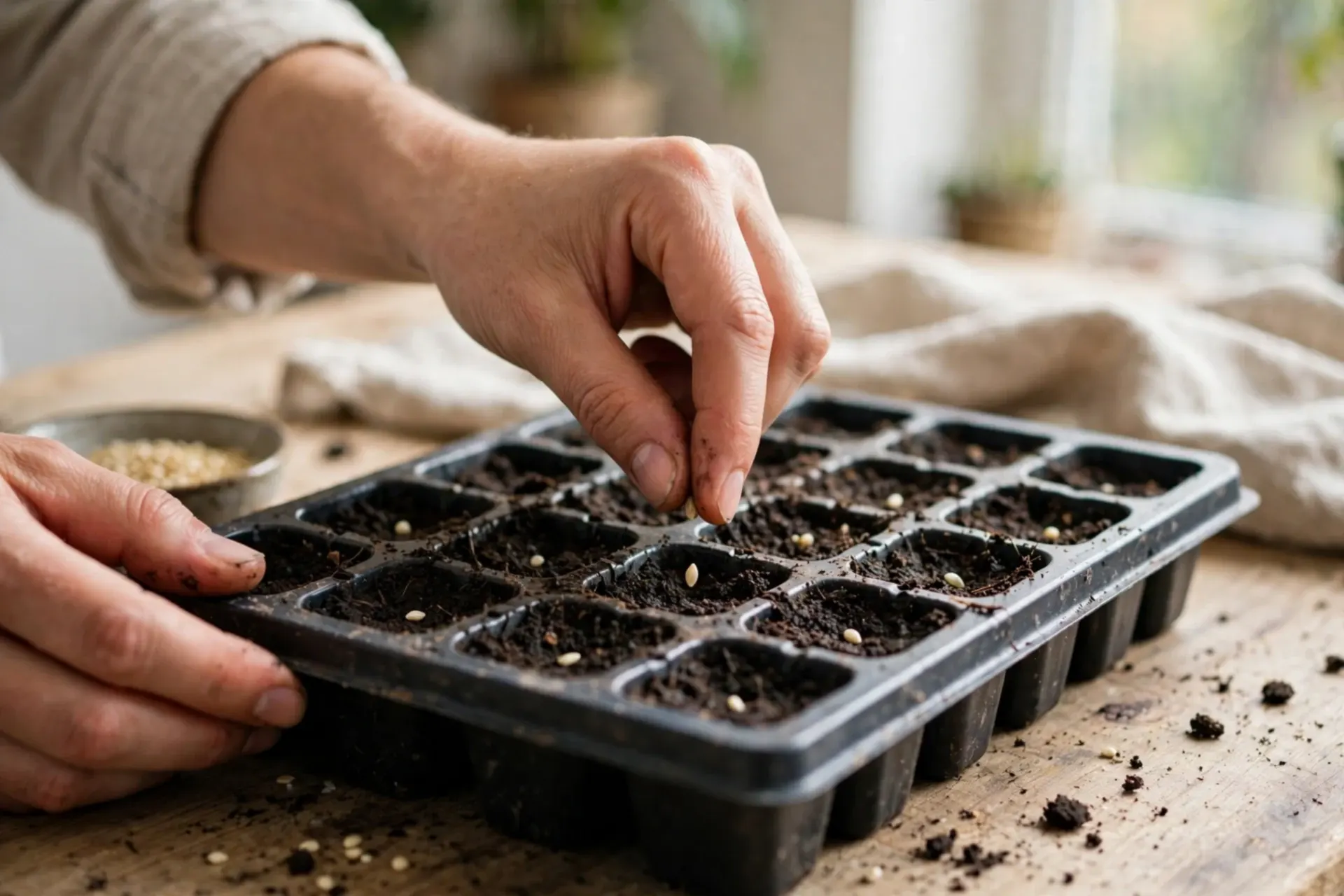 Seed starting and springHow to Start Tomato Seeds IndoorsStart tomato seeds indoors 6-8 weeks before your last frost: depth, warmth for germination, the light rule that prevents leggy plants, and potting up — the full routine.
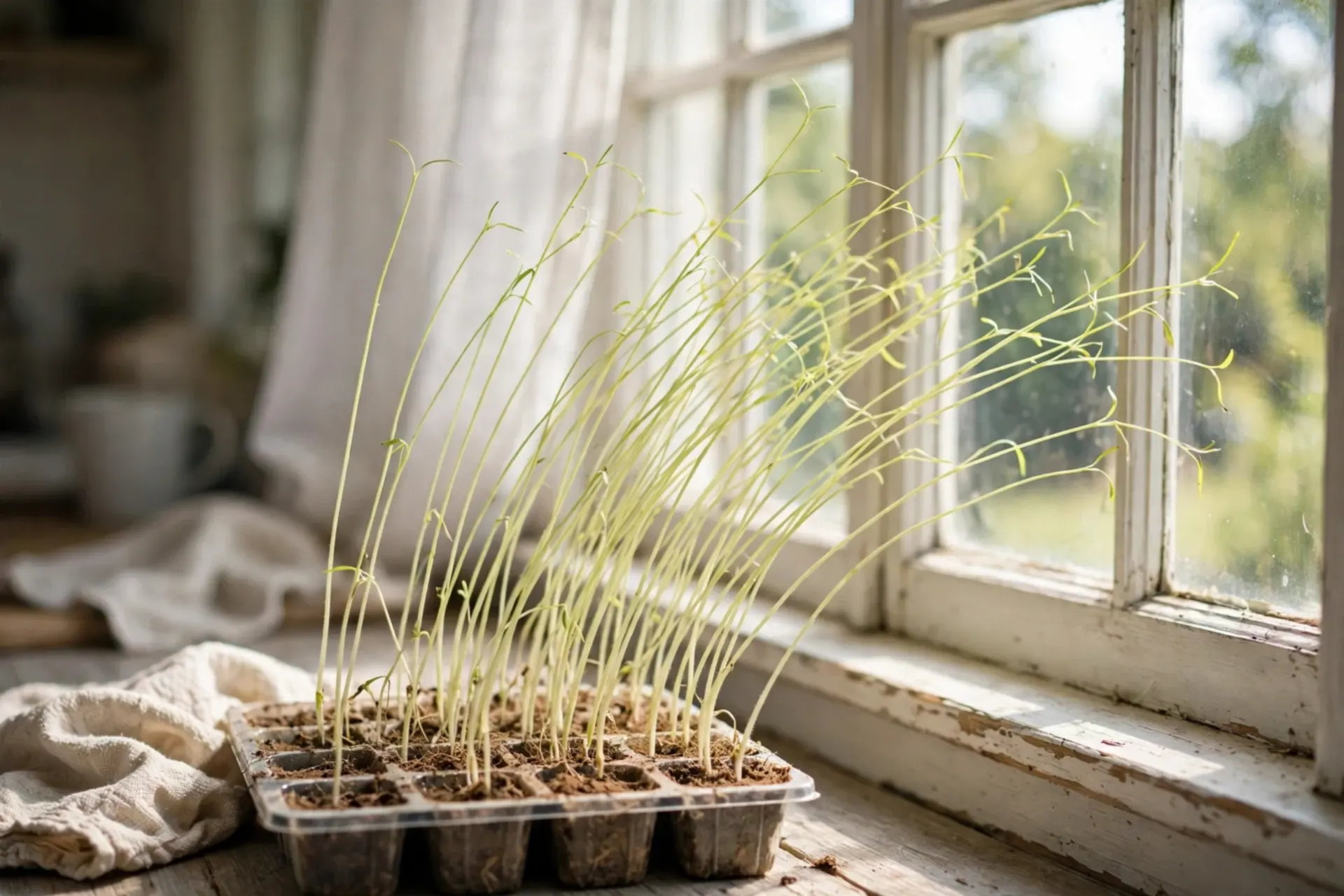 Seed starting and springWhy Are My Seedlings Leggy? Causes and FixesTall, thin, floppy seedlings are almost always reaching for light. Diagnose the cause, fix the setup today, and learn which leggy seedlings can still be saved.
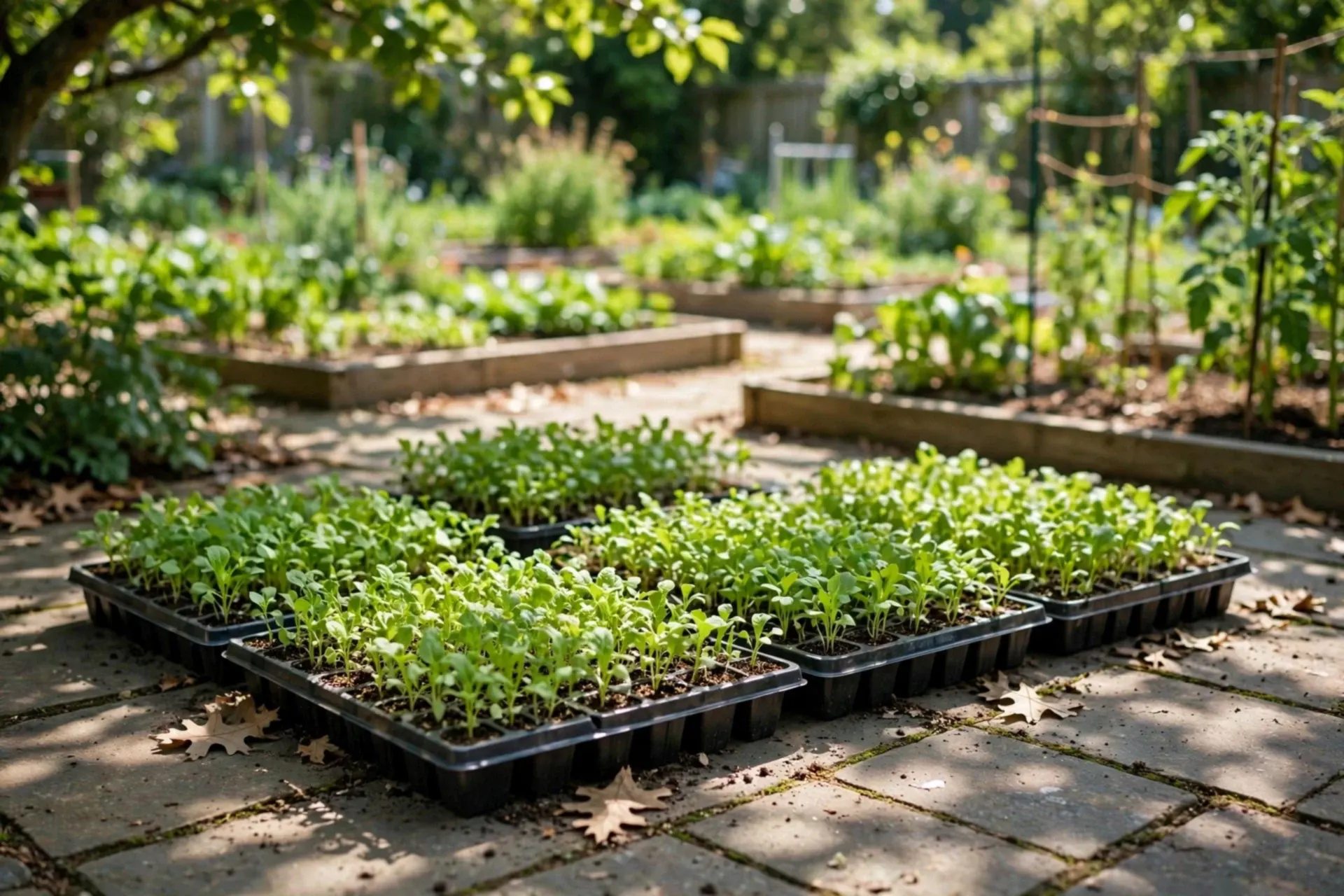 Seed starting and springHow to Harden Off SeedlingsIndoor seedlings sunburn, wilt and stall if planted straight out. The day-by-day hardening-off schedule that moves plants outside without the transplant shock.
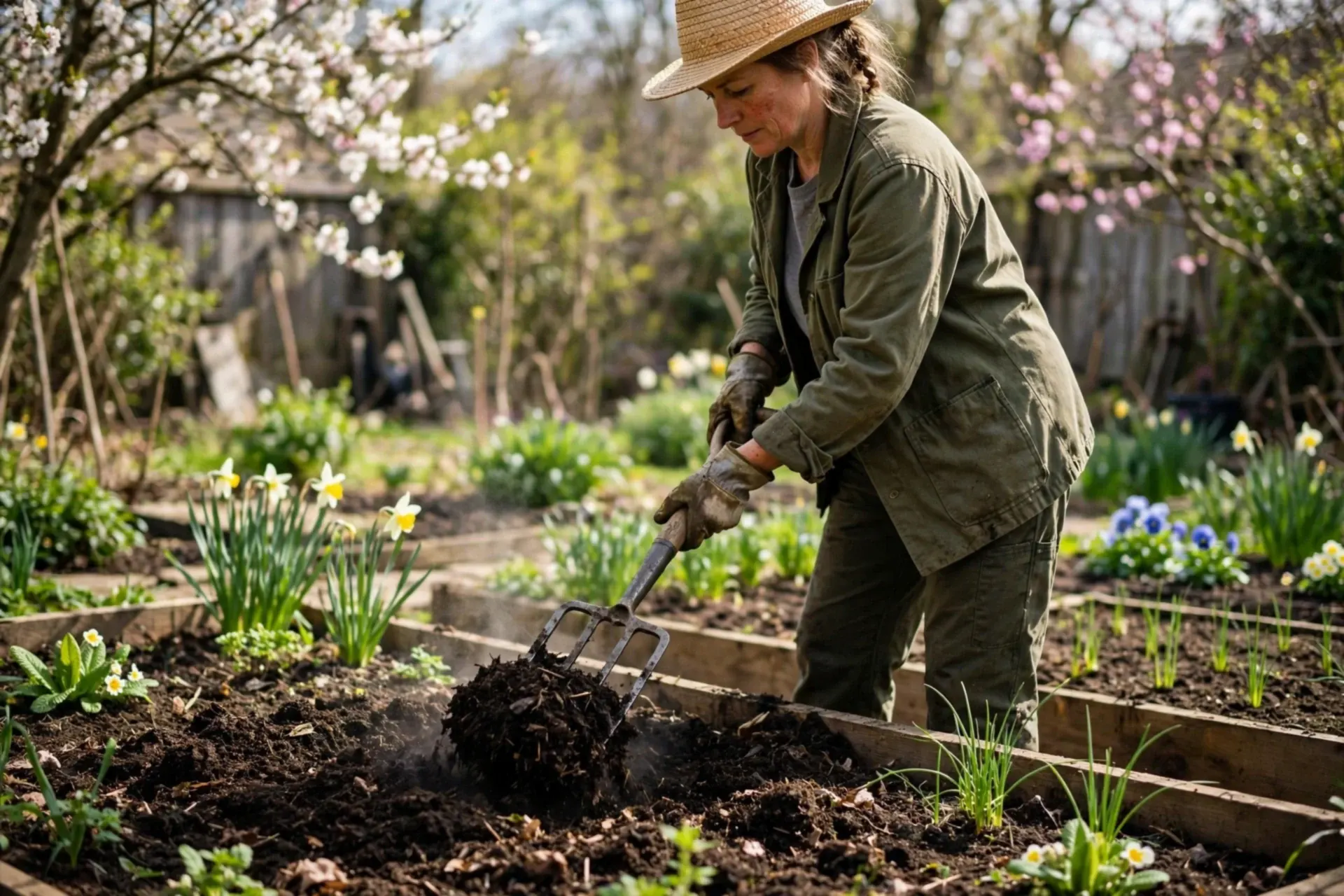 Seed starting and springHow to Prepare Garden Soil in SpringSpring soil prep done right: the squeeze test that tells you when soil is ready, how much compost to add, when NOT to dig, and setting beds up for the season.
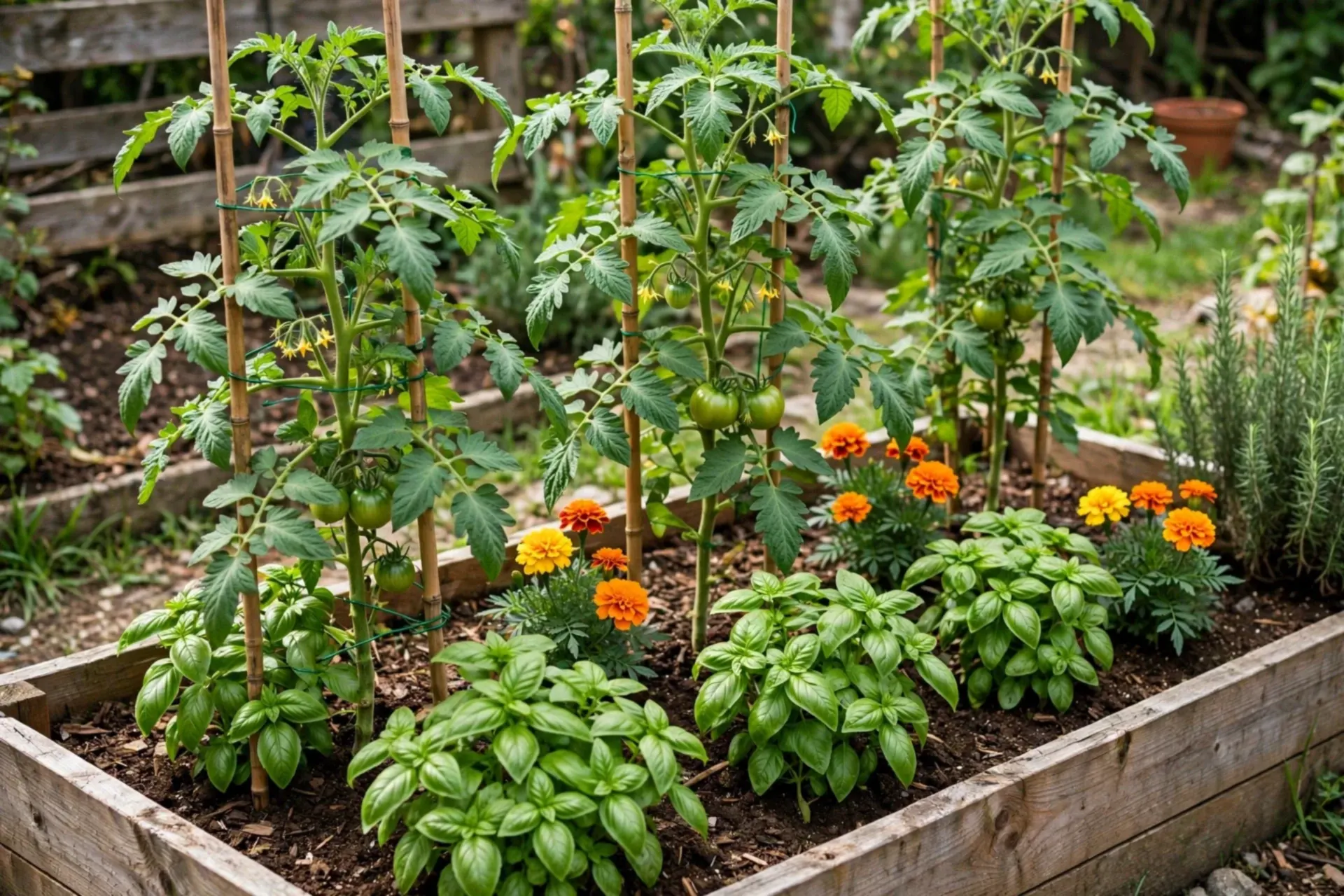 Seed starting and springCompanion Planting Basics (with chart)Companion planting without the folklore overload: the pairings with real mechanisms behind them, the chart for common vegetables, and the combinations genuinely worth avoiding.
Raised beds and growing projects
Raised beds and growing projectsShade Cloth for the Vegetable Garden: 30%, 50% or 70% — and How to Put It UpThere is a week in every hot summer when the vegetable garden stops growing and starts merely surviving. The percentage on the label is the share of light the cloth blocks. Pick it by crop, then hang it with an air gap.
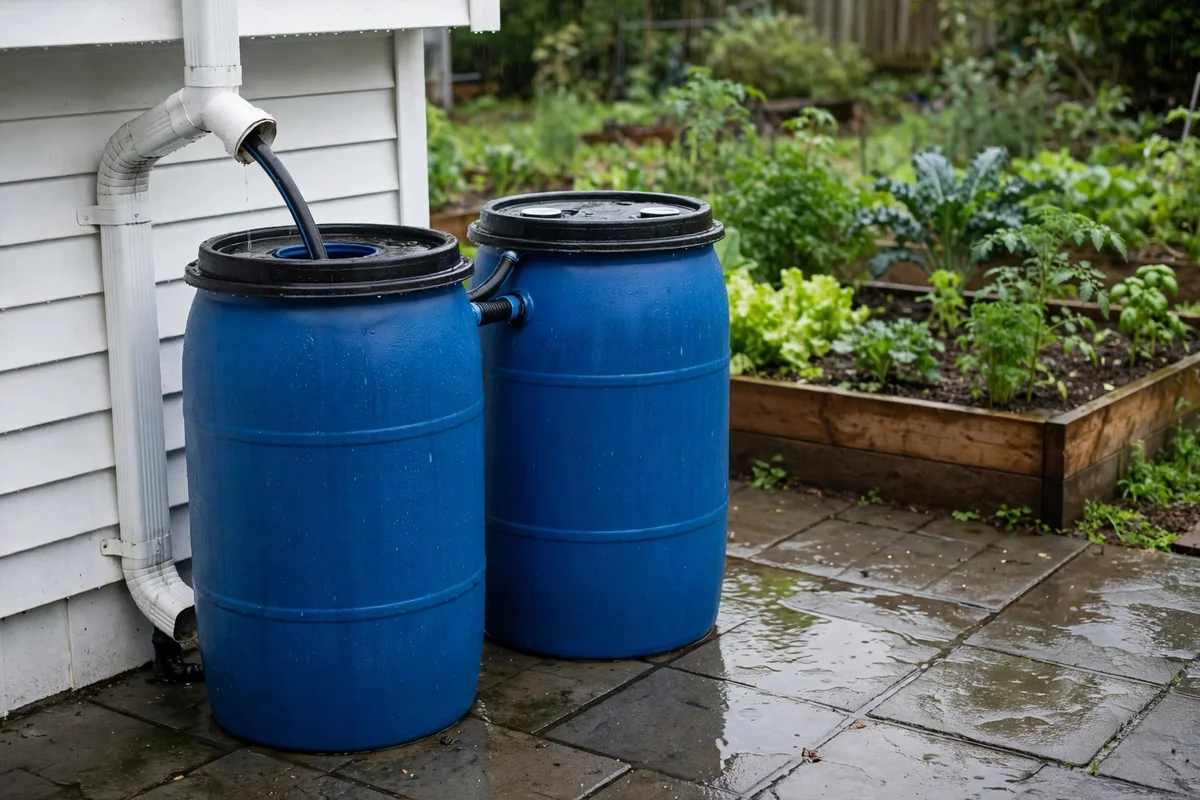 Raised beds and growing projectsWhat Size Rain Barrel Do I Need? Size It by DownspoutWhat size rain barrel do you need? One inch of rain on just 500 sq ft of roof makes 265 usable gallons, so a single 55-gallon barrel overflows in a light shower. The downspout sizing chart.
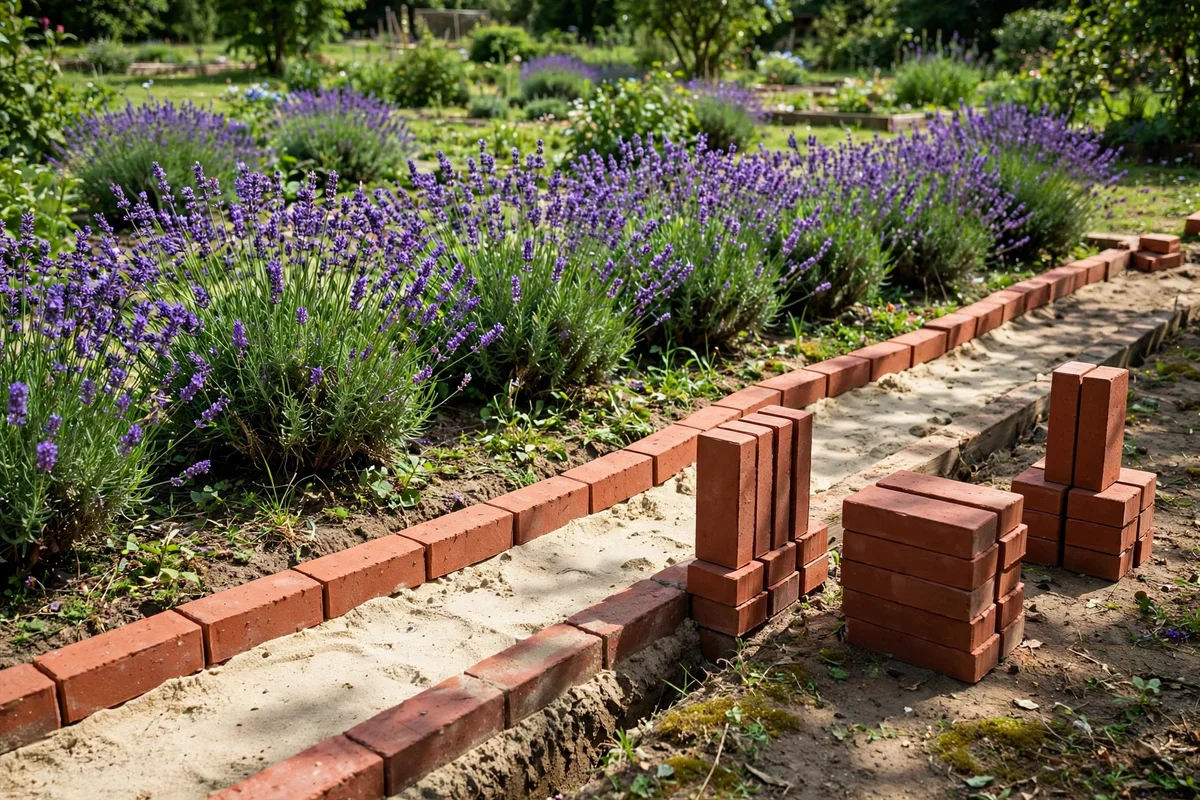 Raised beds and growing projectsHow Many Bricks Do I Need for Garden Edging? It Depends How the Brick SitsThe same 24-foot border needs 36 bricks laid flat or 110 standing upright — verified counts per foot for flat, on-edge, sawtooth and upright edging, plus the sand bed underneath.
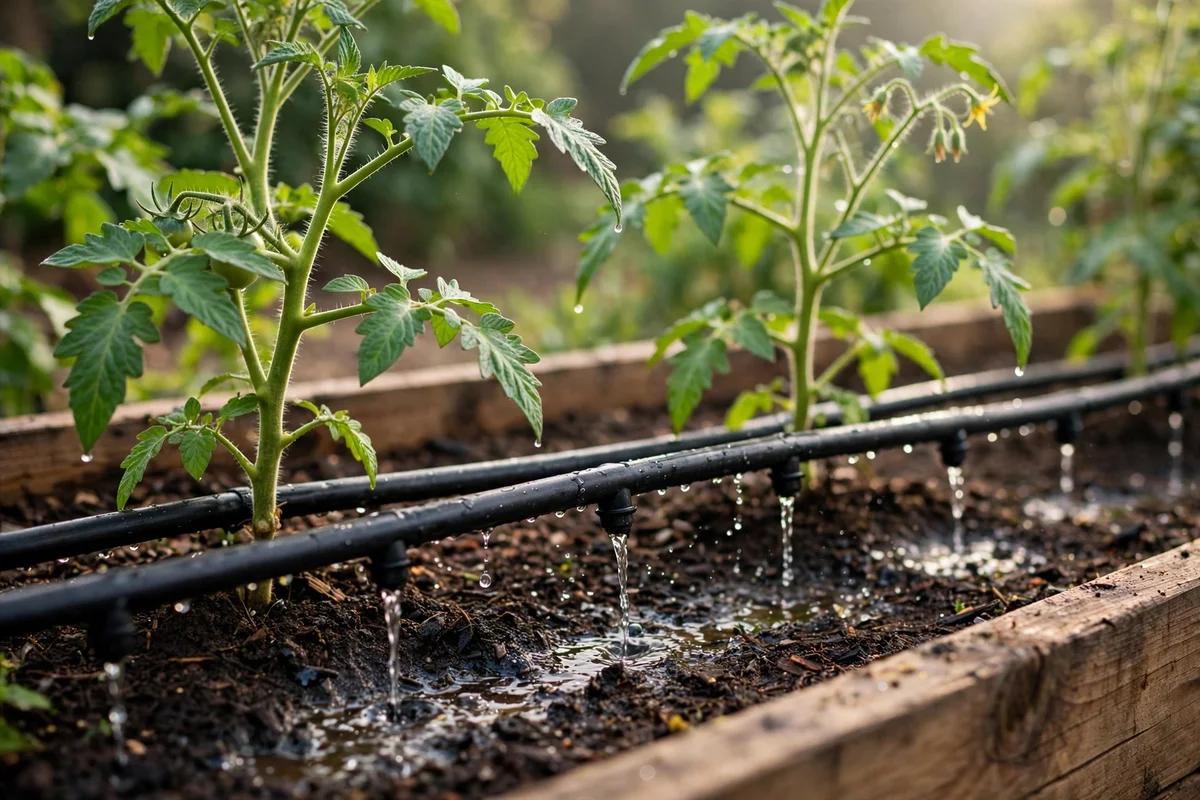 Raised beds and growing projectsDrip Irrigation Run Times by Plant: 12 VegetablesHow long should drip irrigation run? Per-plant answers instead of guesses: gallons per week, emitters per plant and exact timer minutes for tomatoes, peppers, cucumbers and 9 more.
 Raised beds and growing projectsHow Much Water Does a Vegetable Garden Use Per Week?One inch of water on one square foot is 0.623 gallons. Worked out for real gardens: weekly gallons per bed, the whole season's total, what it costs at typical water rates, and how many.
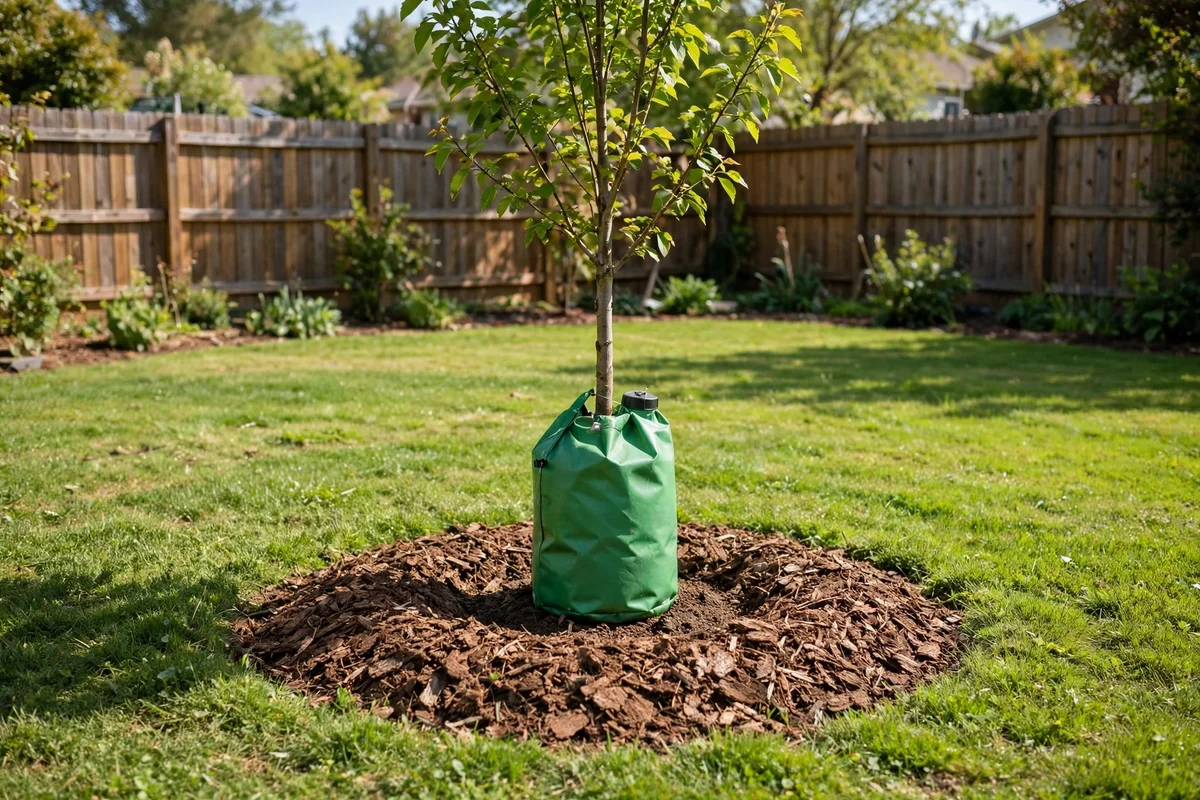 Raised beds and growing projectsHow Much Water Does a New Tree Need? The Three Rules, One AnswerNew tree watering guides give three different numbers. Here is why they actually agree, plus the chart nobody publishes: gallons per week by trunk size, and how long the hose, bucket.
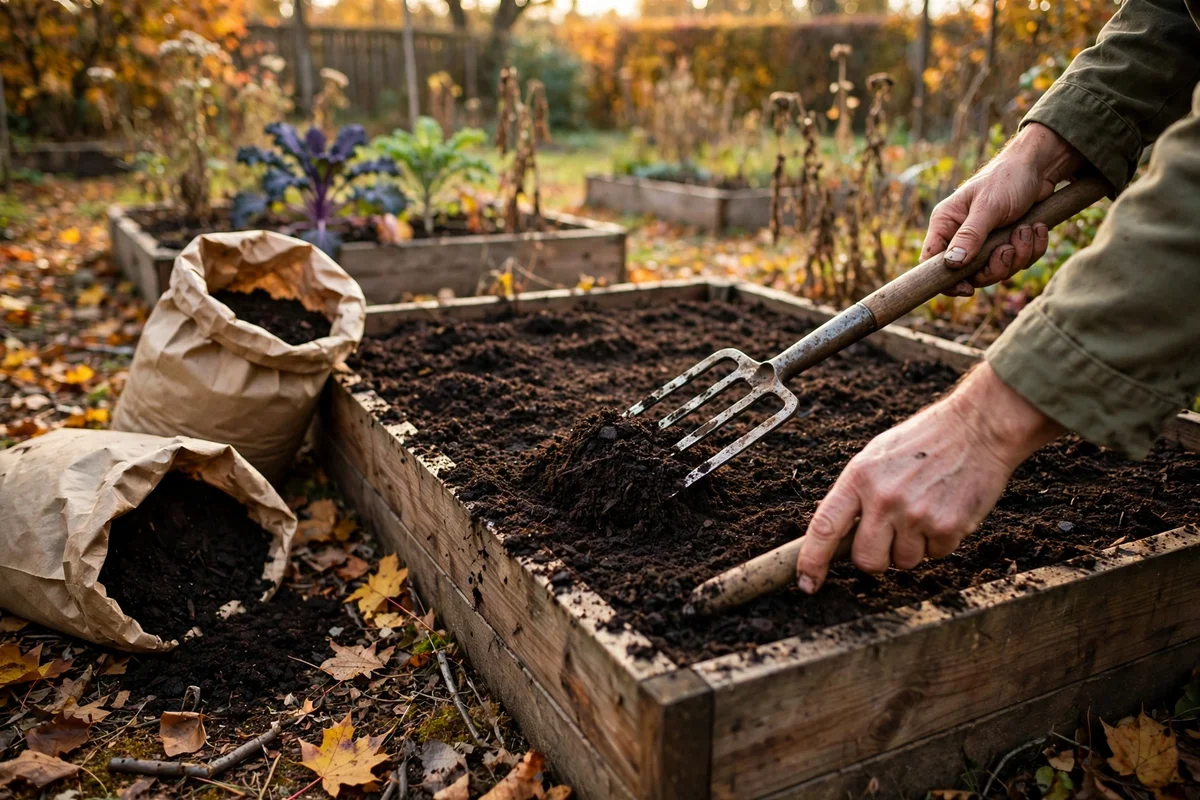 Raised beds and growing projectsRaised Bed Soil Dropped? Exactly How Much Top-Up to Add, by Bed SizeRaised bed soil settles 2 to 4 inches in year one. Measure the drop and read off exactly what to buy: cubic feet, cubic yards and bag counts for 4×4, 4×8, 4×10, 4×12 and 2×8 beds at 1 to 4.
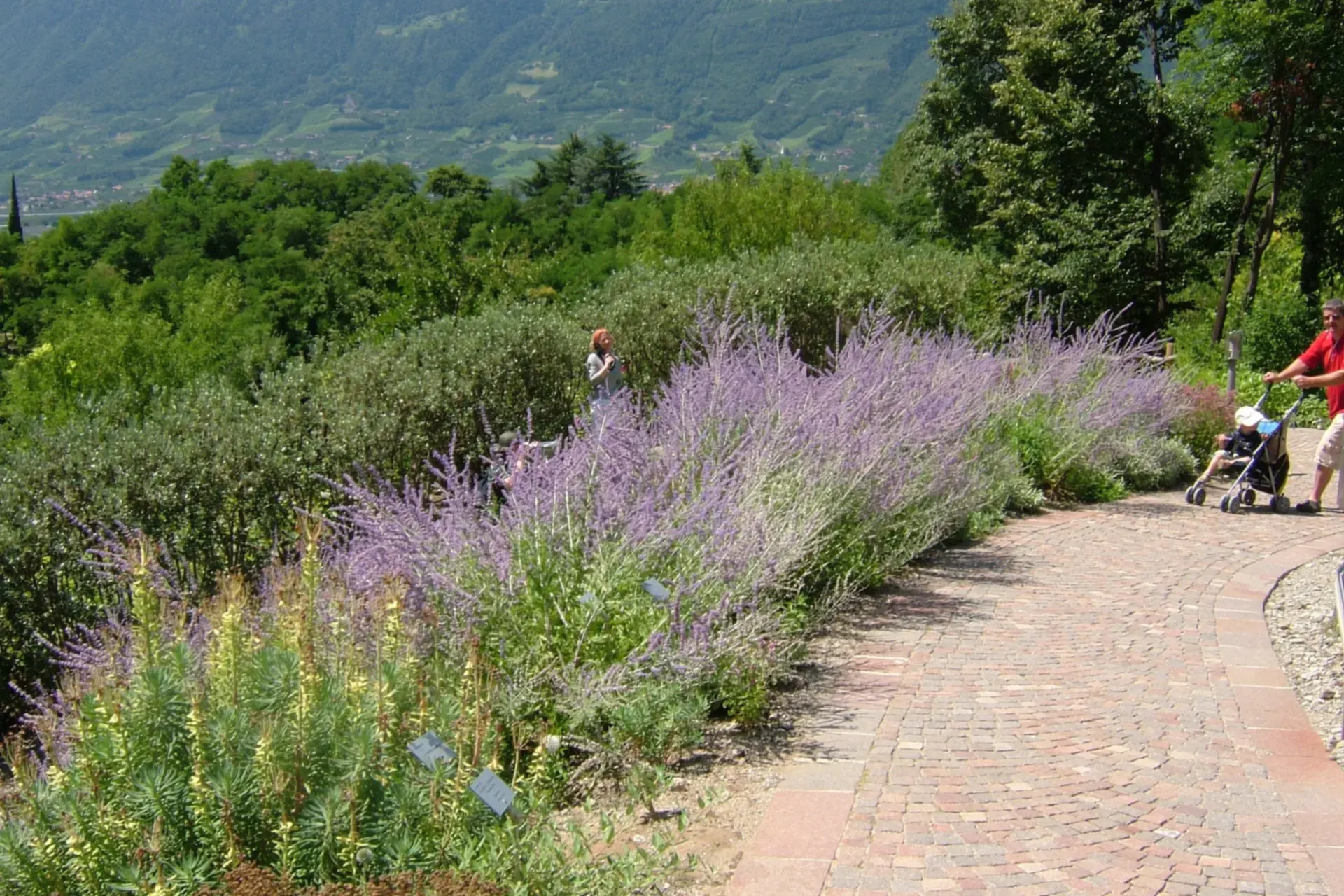 Raised beds and growing projectsHow to Divide Perennials: When, How, and a Chart for Common PlantsWhen to divide, how to split hostas, daylilies and iris step by step, and a timing chart for common garden plants — free plants from the clumps you already own.
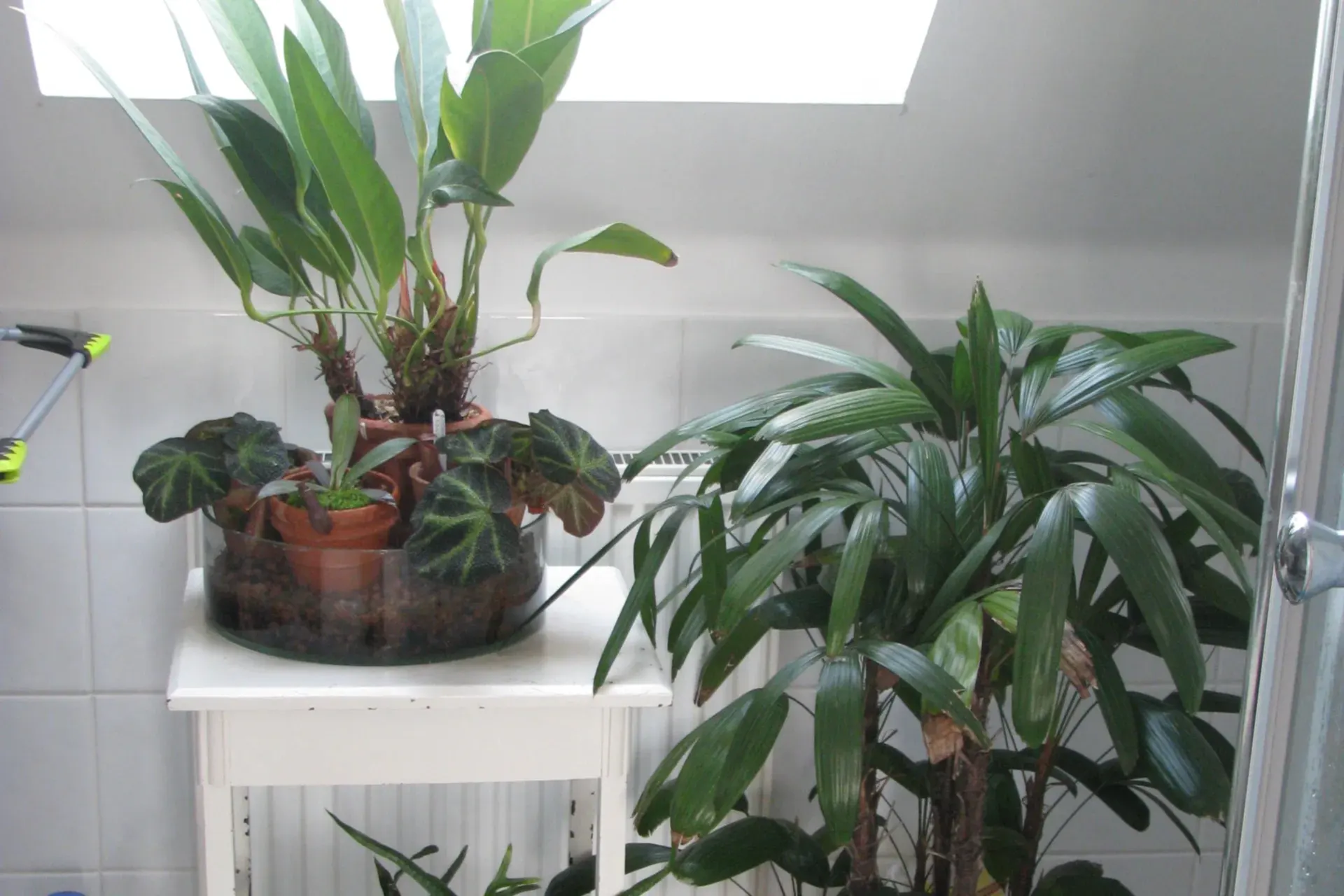 Raised beds and growing projectsHow to Increase Humidity for Houseplants: What Actually WorksHow to increase humidity for houseplants that works: measure first, group plants, set pebble trays right, and use a humidifier at 40–50% all winter long.
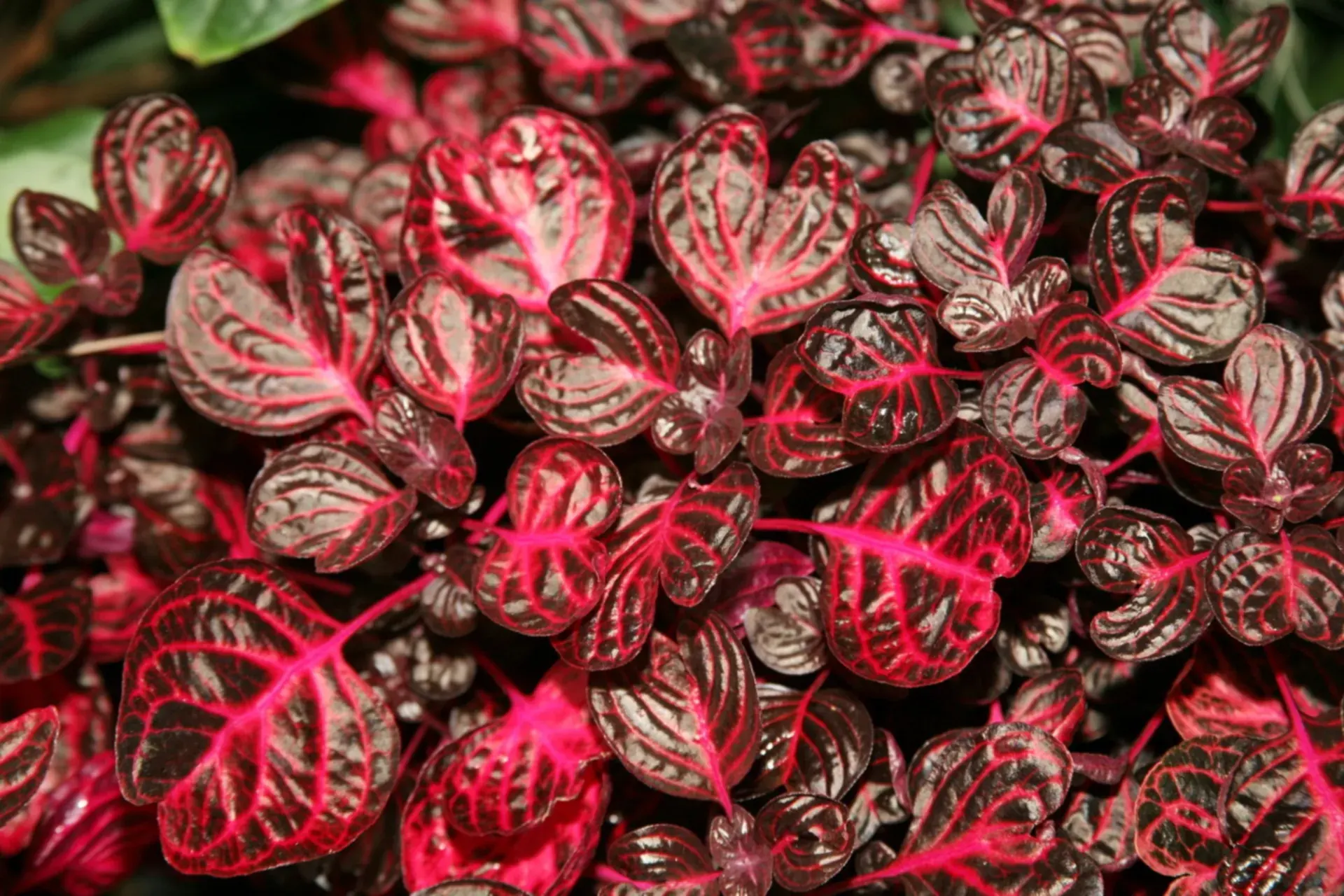 Raised beds and growing projectsHow to Grow Amaranth: A Beginner's Step-by-Step GuideGrow amaranth step by step: Amaranth is two crops in one plant.
 Raised beds and growing projectsHow to Grow Broccoli Rabe: A Beginner's Step-by-Step GuideGrow broccoli rabe step by step: Broccoli rabe — also called rapini — is a fast, leafy green with small broccoli-like buds, thin stems and leaves that are all edible.
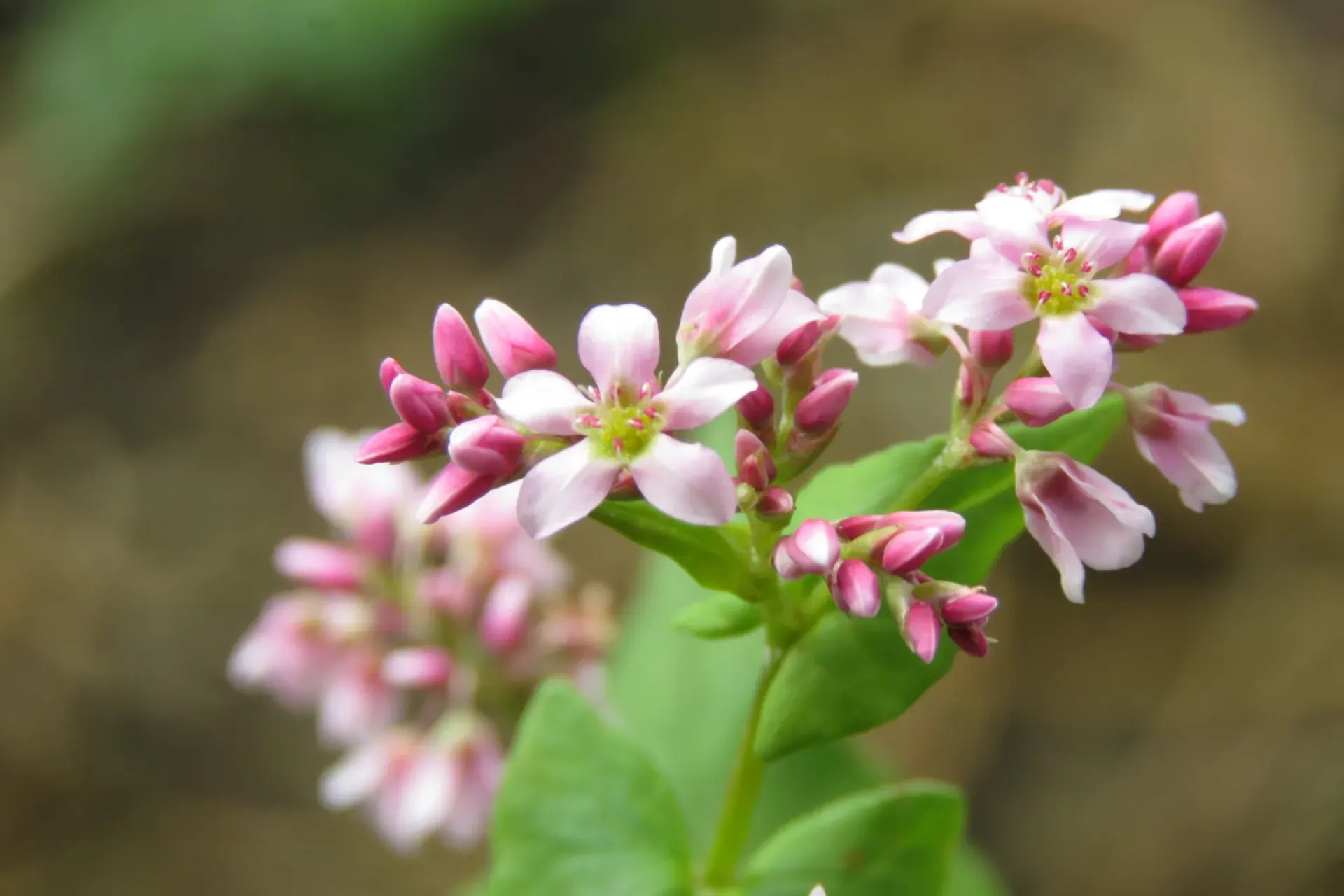 Raised beds and growing projectsHow to Grow Buckwheat: A Beginner's Step-by-Step GuideGrow buckwheat step by step: Buckwheat is the classic summer smother crop: sow it after frost, and in 30–40 days it is covered in white flowers that bees adore.
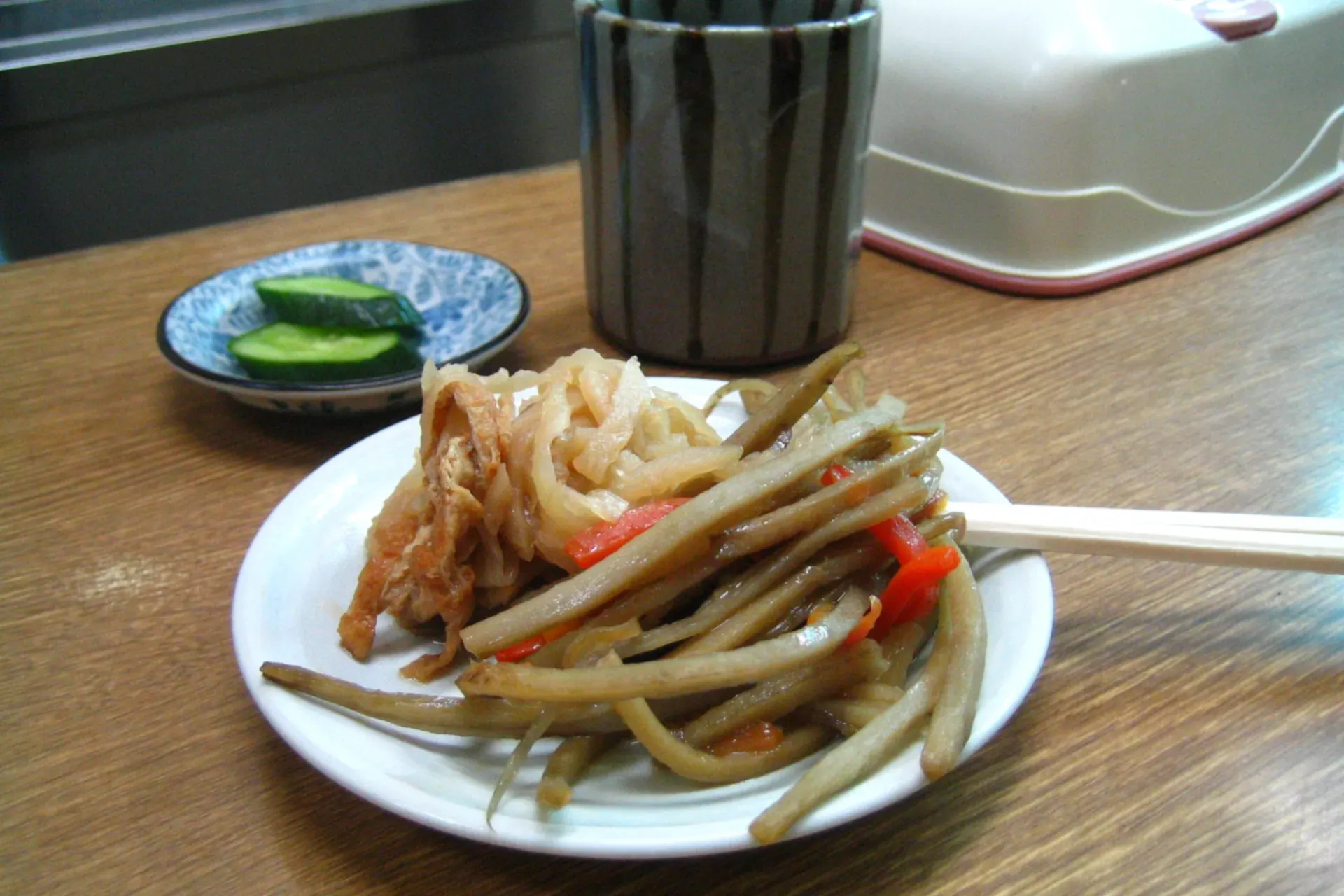 Raised beds and growing projectsHow to Grow Burdock: A Beginner's Step-by-Step GuideGrow burdock step by step: Burdock — gobo in Japanese cooking — is grown for its long, sweet, earthy root, a staple of Japanese and Korean kitchens.
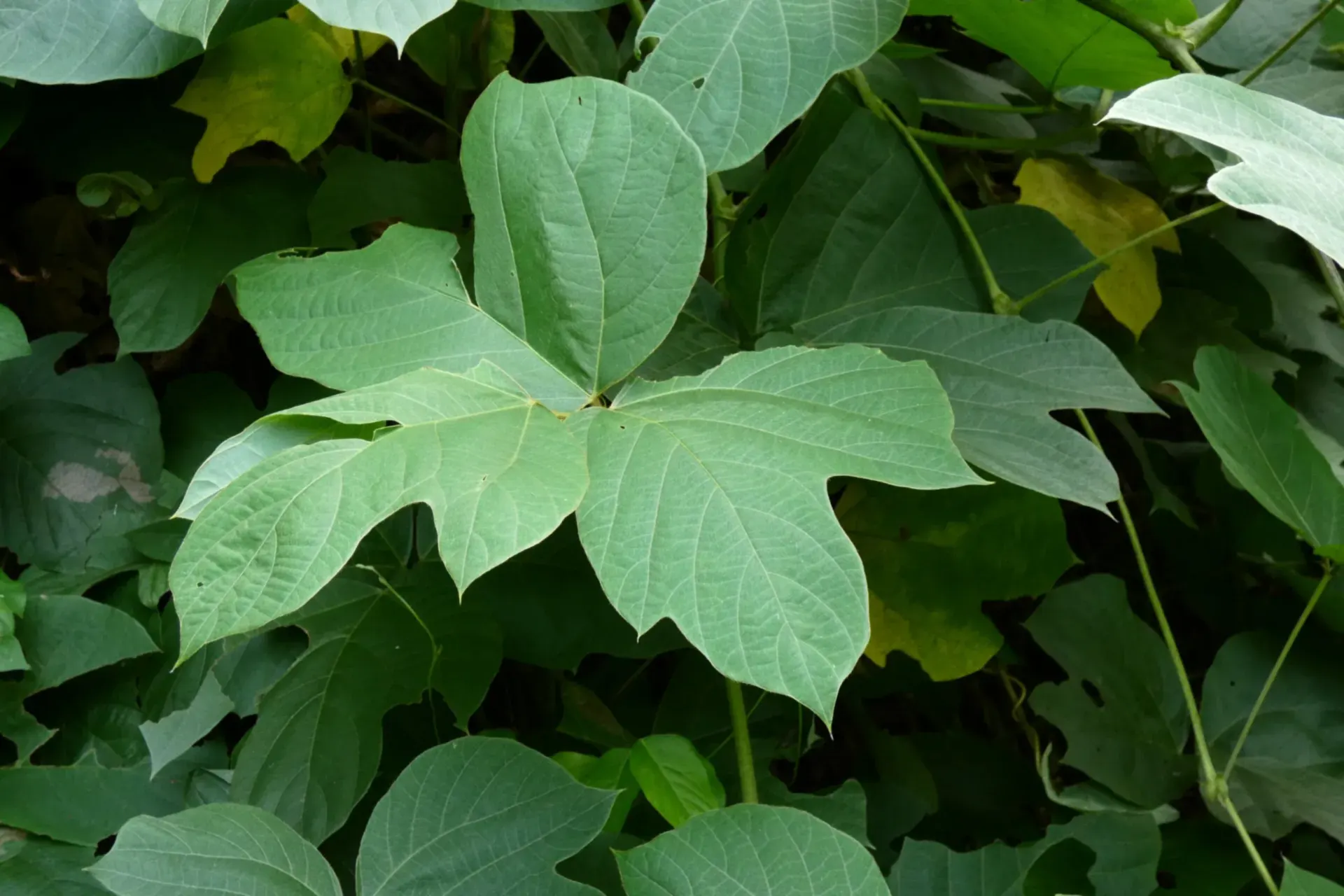 Raised beds and growing projectsHow to Grow Jicama: A Beginner's Step-by-Step GuideGrow jicama step by step: Jicama is a vine from Mexico that grows a crisp, sweet, juicy root — like a cross between an apple and a water chestnut — eaten raw in salads and slaws.
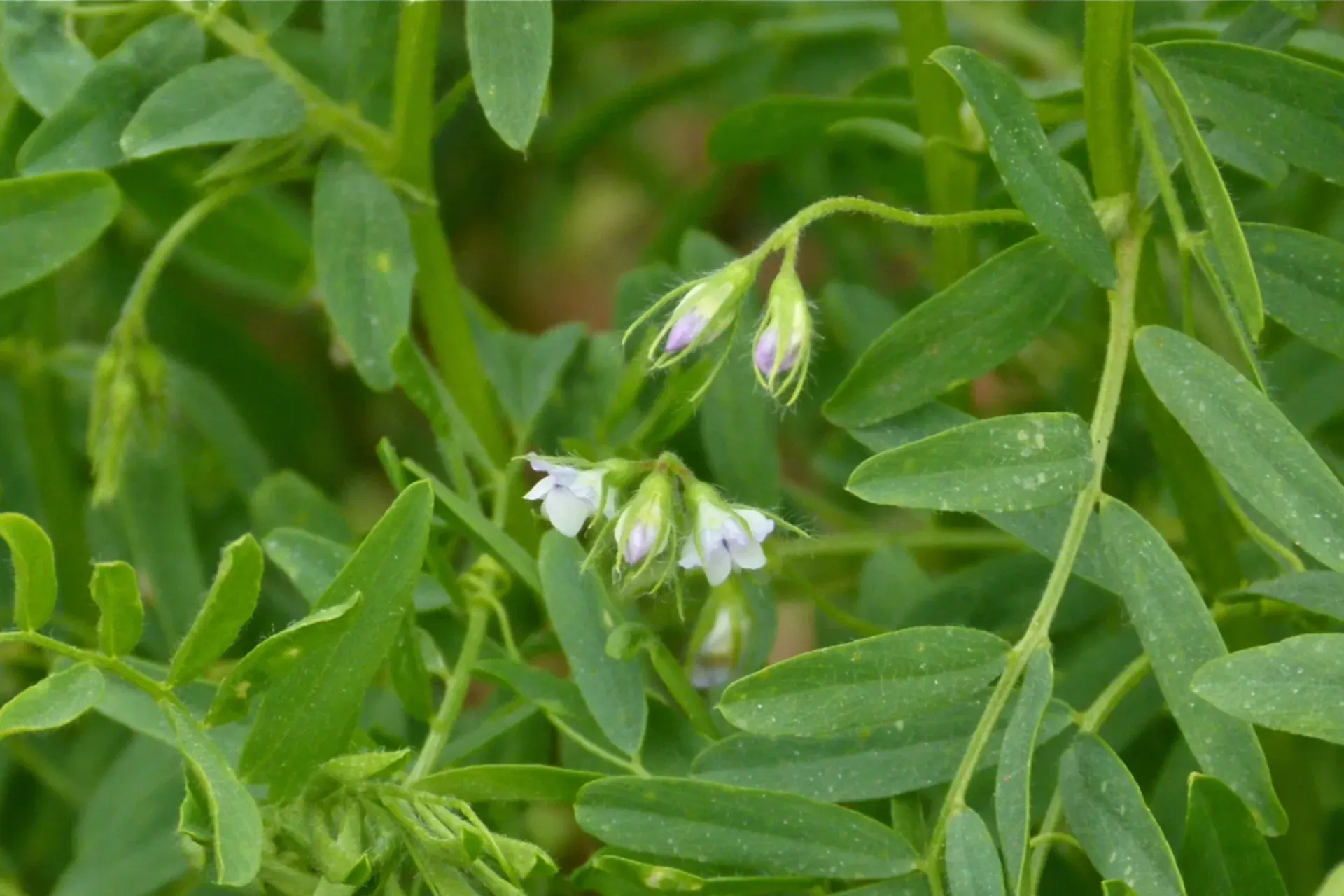 Raised beds and growing projectsHow to Grow Lentils: A Beginner's Step-by-Step GuideGrow lentils step by step: Lentils are a cool-season pulse — the same little lens-shaped seeds you cook — and they are one of the easiest protein crops a home gardener can grow.
 Raised beds and growing projectsHow to Grow Oats: A Beginner's Step-by-Step GuideGrow oats step by step: Oats are the friendliest grain for a home garden — and the friendliest cover crop.
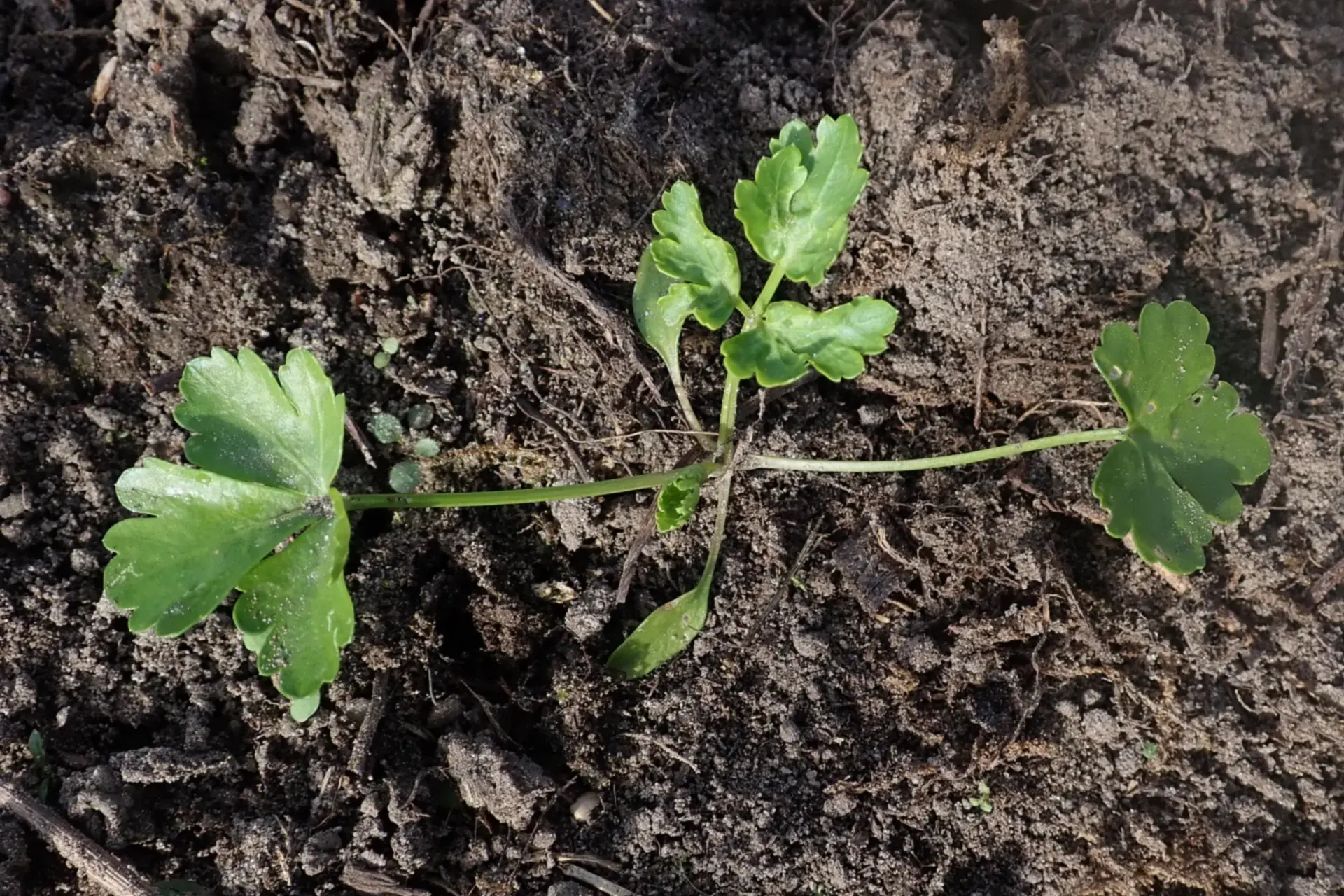 Raised beds and growing projectsHow to Grow Parsley Root: A Beginner's Step-by-Step GuideGrow parsley root step by step: Parsley root — Hamburg parsley — is a parsnip-like white root with a fresh parsley flavour, used in soups and stews across Central Europe.
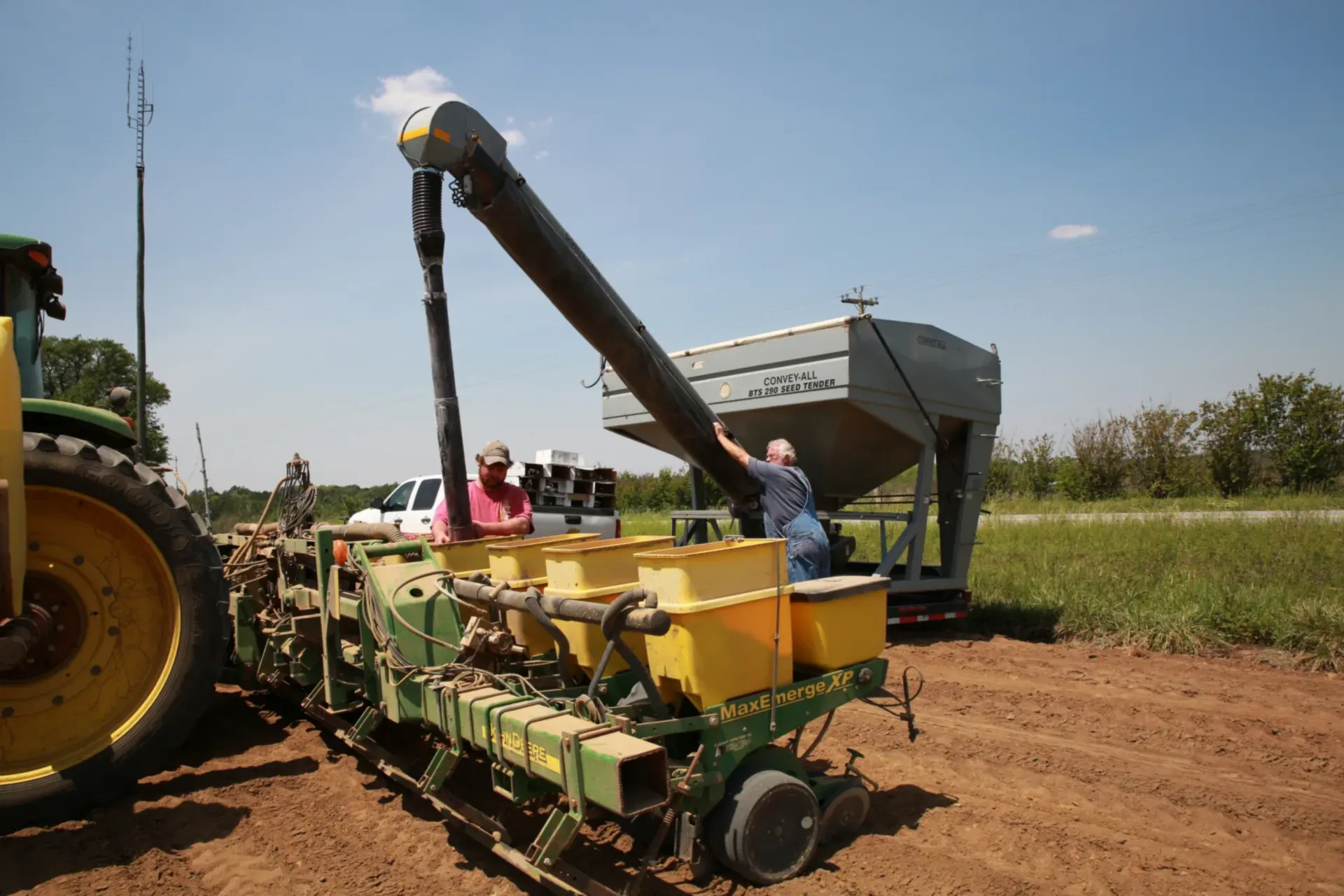 Raised beds and growing projectsHow to Grow Peanuts: A Beginner's Step-by-Step GuideGrow peanuts step by step: Peanuts are a warm-season legume with a trick no other vegetable has: after the yellow flowers are pollinated, the stalks bend down and push the young pods into.
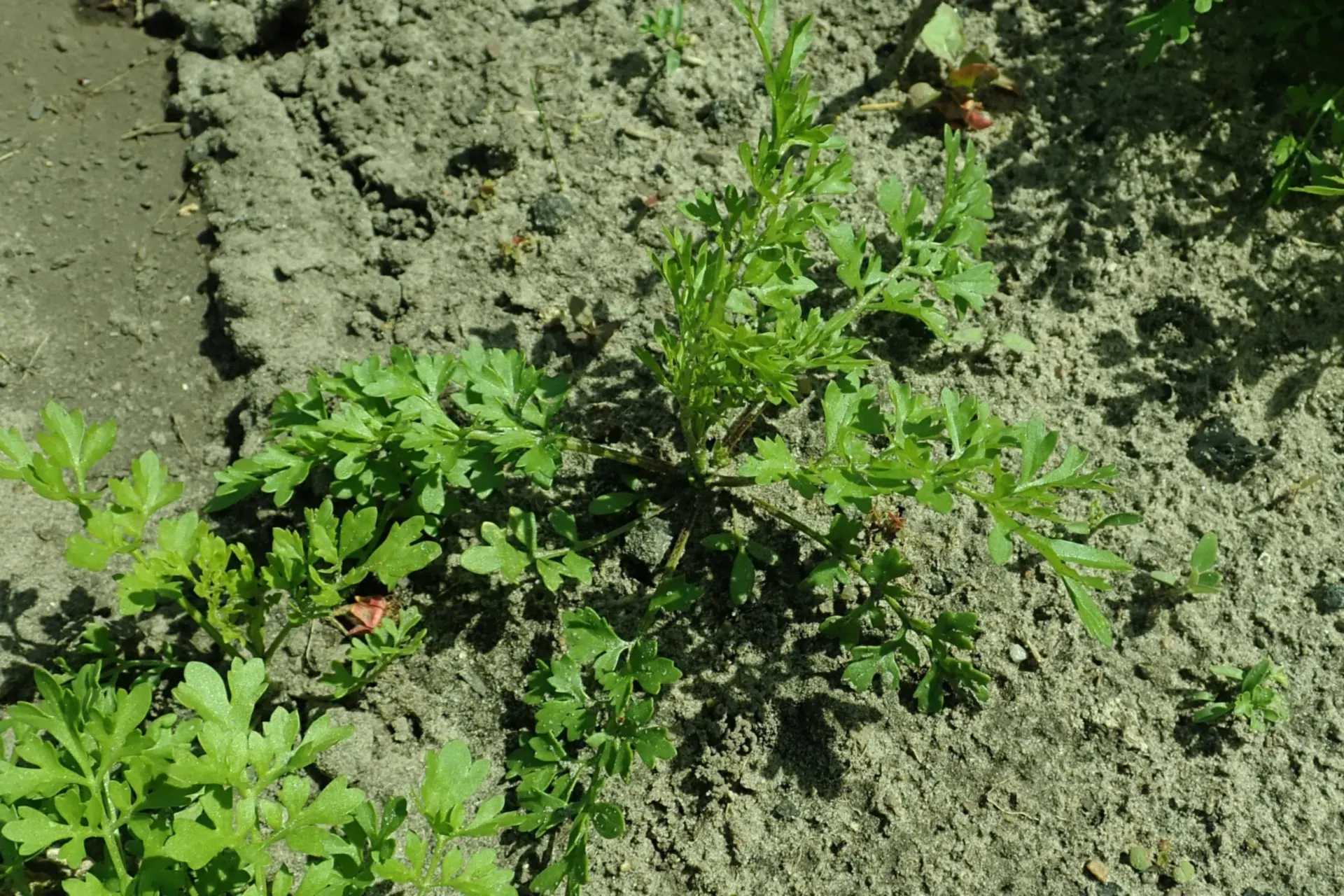 Raised beds and growing projectsHow to Grow Persian Cress: A Beginner's Step-by-Step GuideGrow persian cress step by step: Persian cress is garden cress — Lepidium sativum — grown for its peppery baby leaves, one of the fastest crops there is: sow it and you can be eating it in.
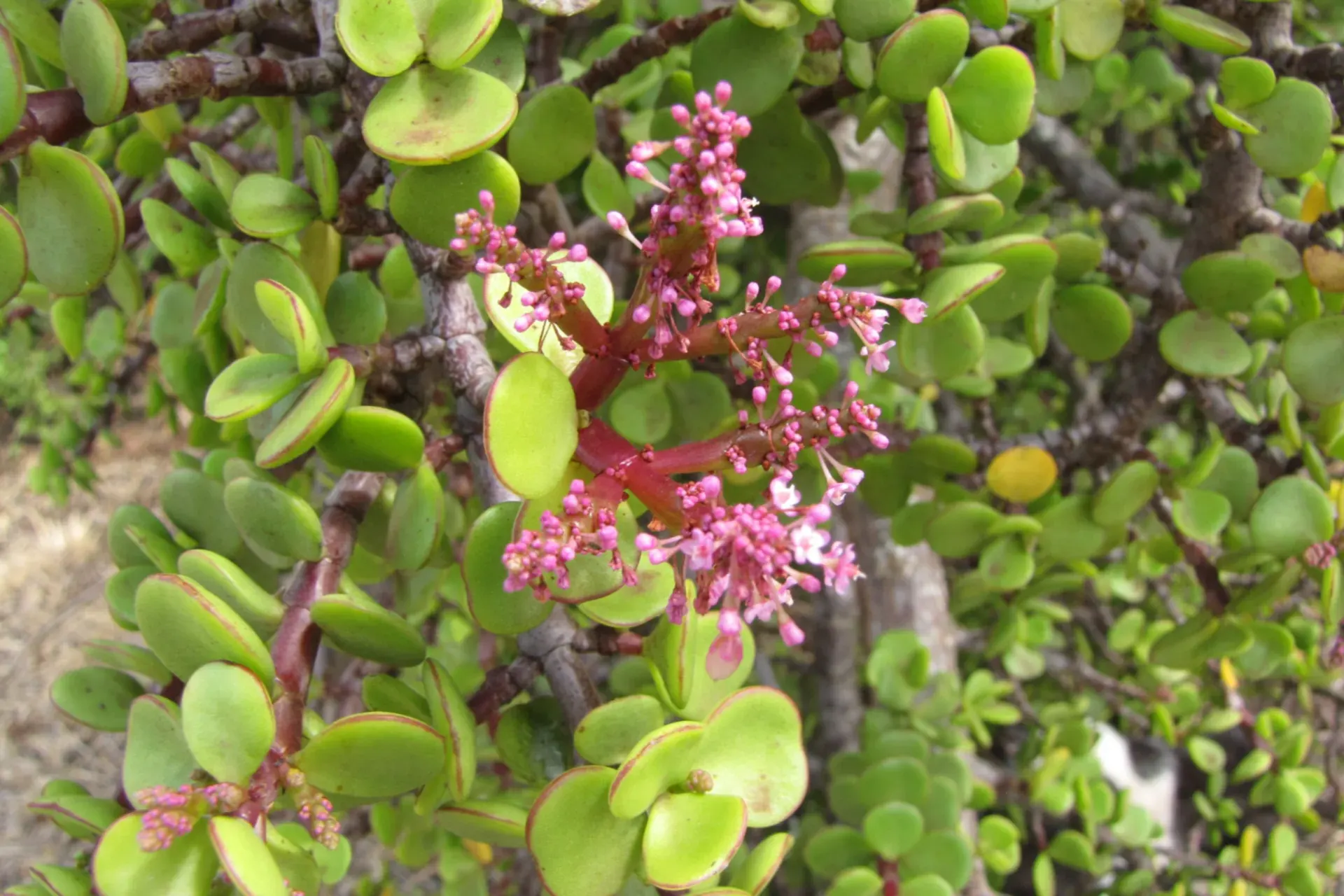 Raised beds and growing projectsHow to Grow Purslane: A Beginner's Step-by-Step GuideGrow purslane step by step: Purslane is a heat-loving succulent green with thick, juicy leaves and a lemony crunch — and it is unusually rich in omega-3 fatty acids for a leafy vegetable.
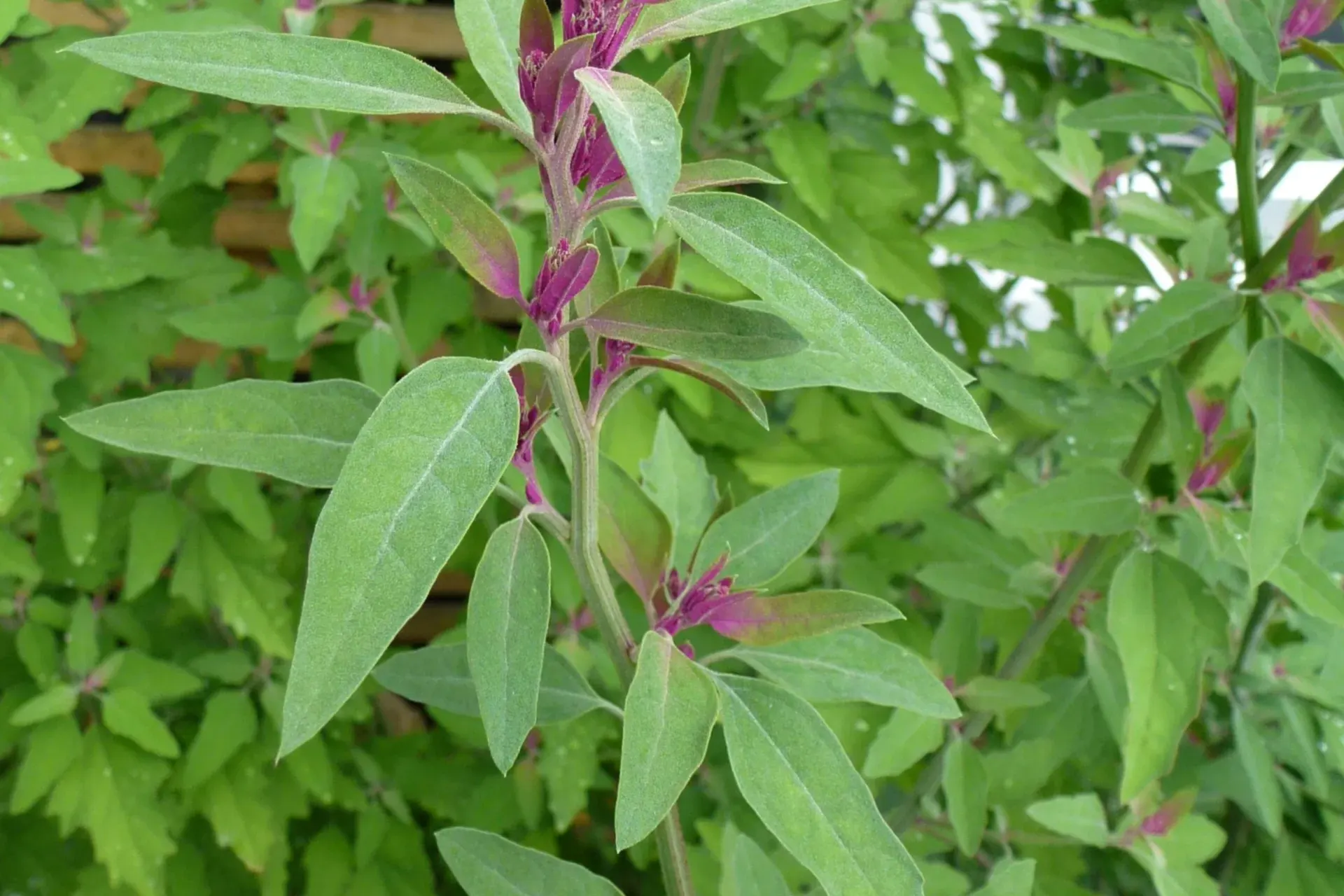 Raised beds and growing projectsHow to Grow Quinoa: A Beginner's Step-by-Step GuideGrow quinoa step by step: Quinoa is the Andean grain that is really a seed — a complete protein with all nine essential amino acids — and it grows like a tall, handsome relative of.
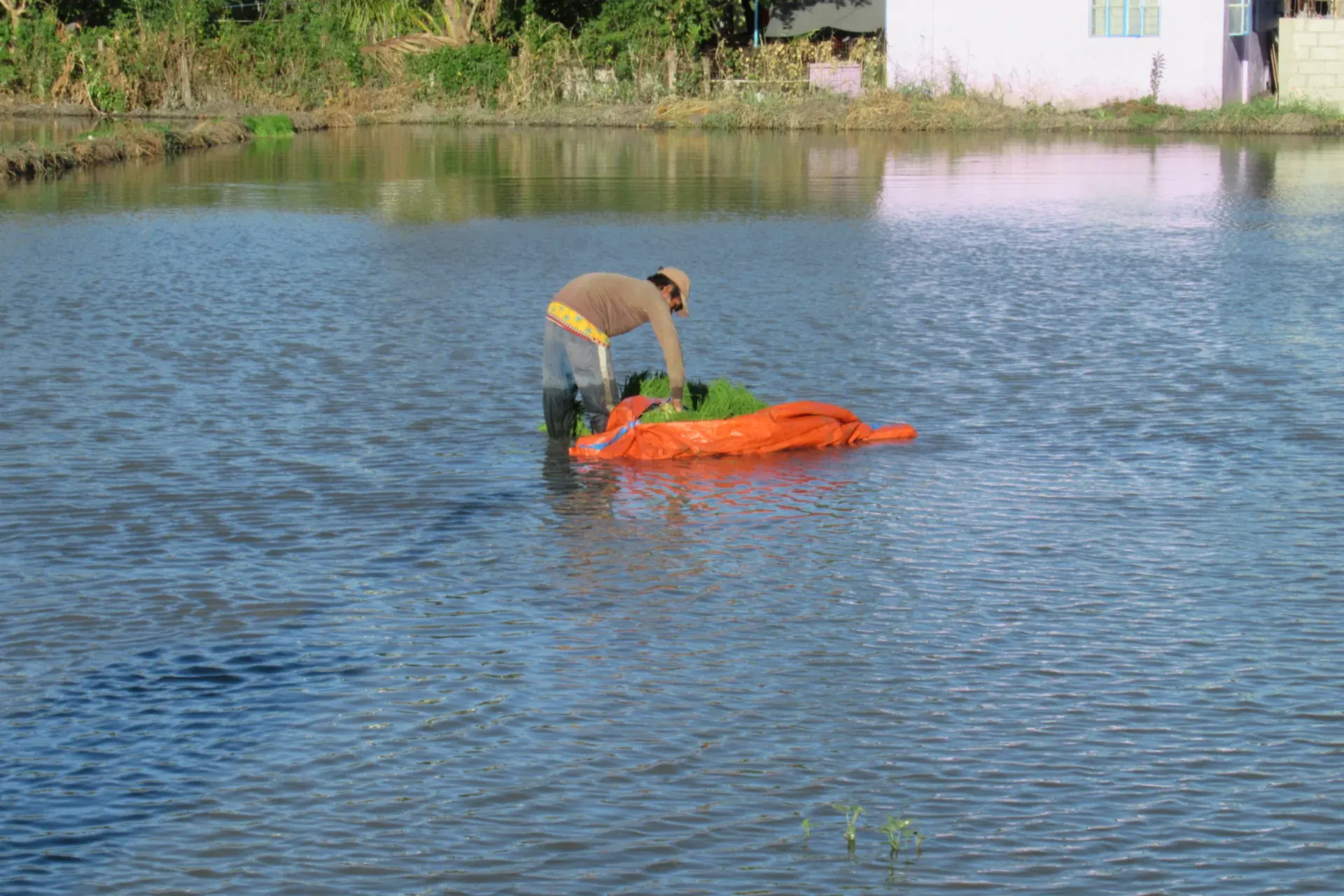 Raised beds and growing projectsHow to Grow Rice: A Beginner's Step-by-Step GuideGrow rice step by step: Rice at home is an experiment, not a staple harvest — and that is exactly the point.
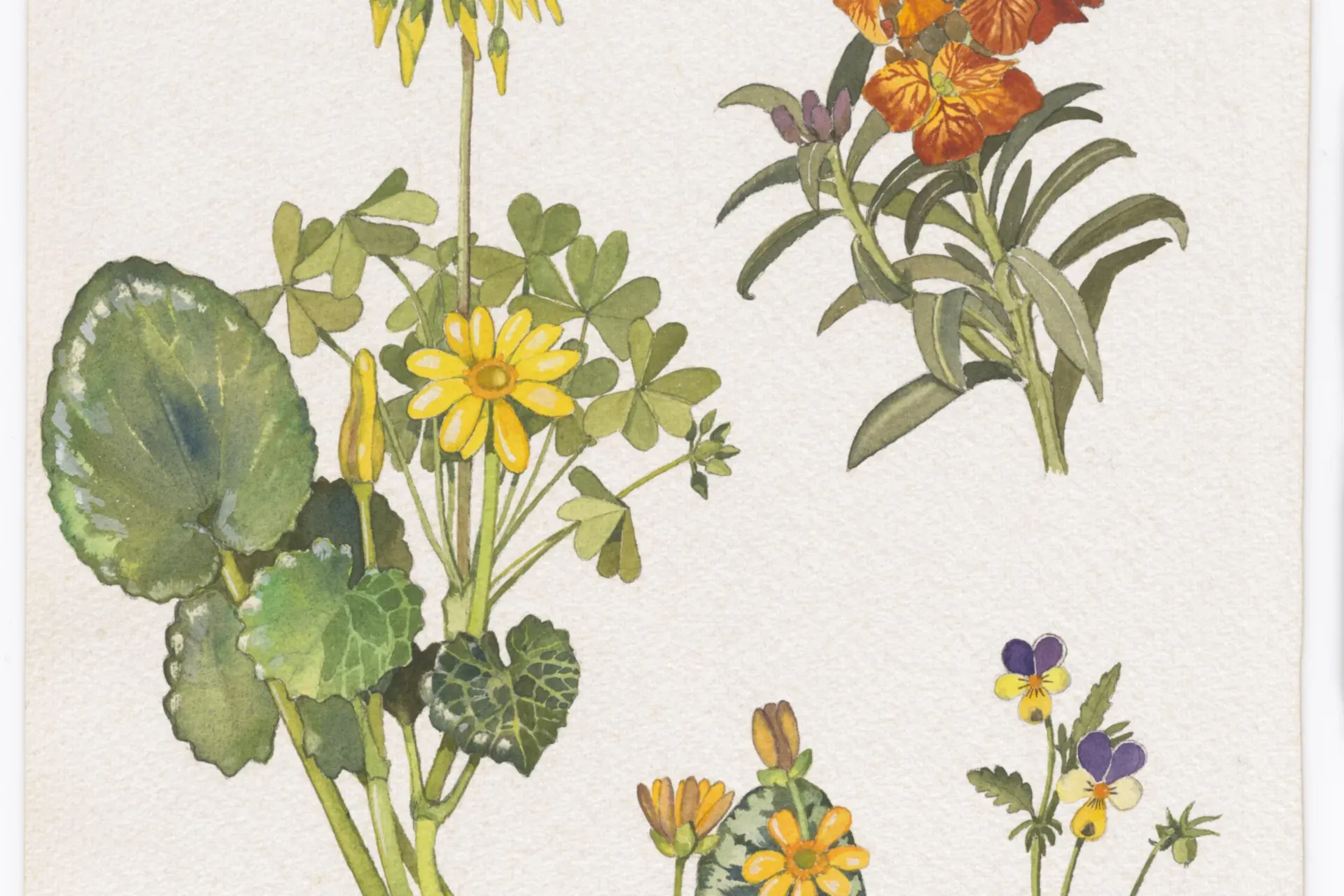 Raised beds and growing projectsHow to Grow Sorrel: A Beginner's Step-by-Step GuideGrow sorrel step by step: Sorrel is a hardy perennial with sharp, lemony leaves that brighten soups, salads and sauces — the classic French sorrel soup is made from little else.
 Raised beds and growing projectsHow to Grow Sugar Cane: A Beginner's Step-by-Step GuideGrow sugar cane step by step: Sugar cane is a tropical giant — a grass that grows 8–12 ft tall from stem cuttings, not seed, and stores sweet juice in its stalks.
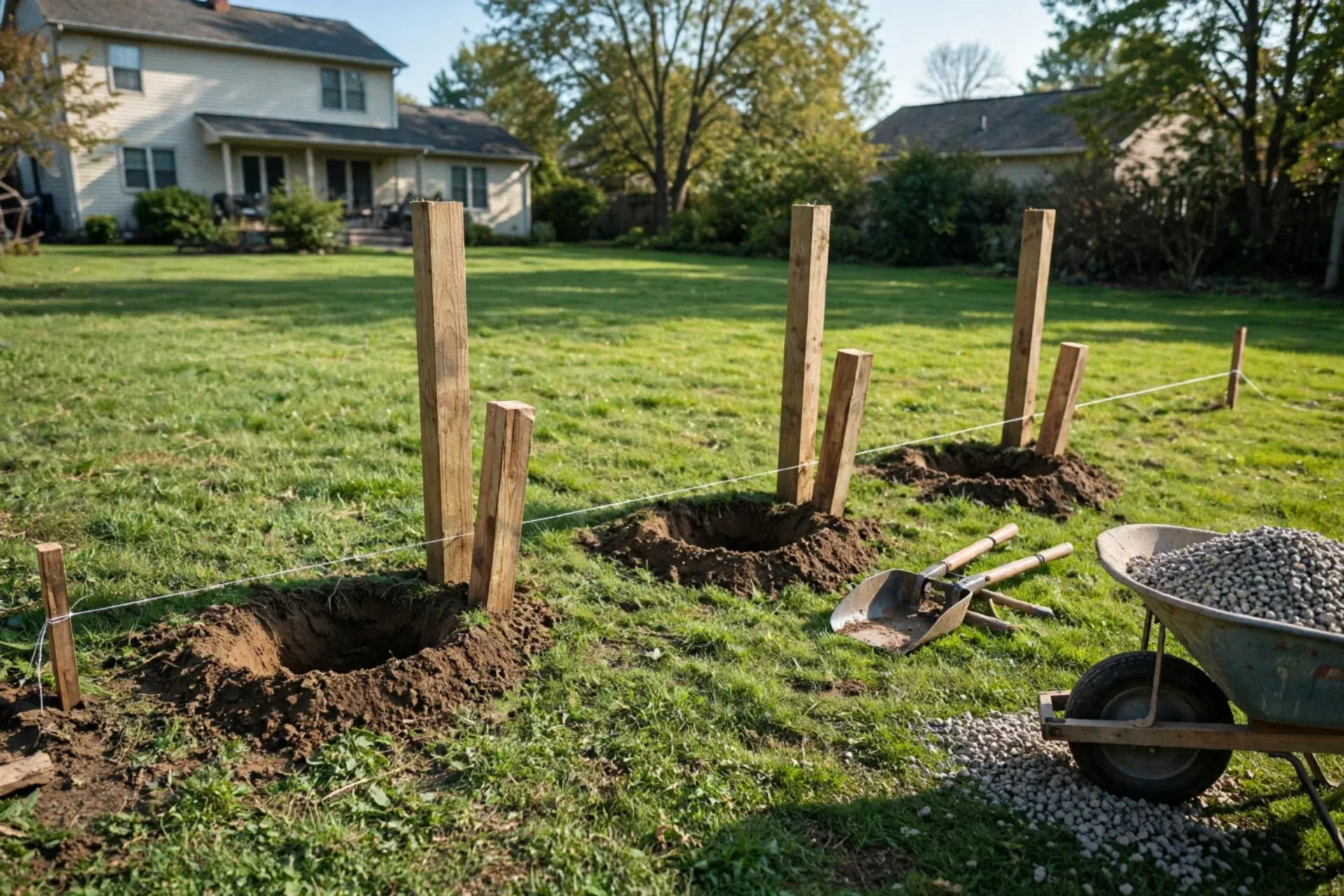 Raised beds and growing projectsHow Deep Should Fence Posts Be? Depth, Gravel, the Frost-Line RuleBury a third of the post, land the bottom below the frost line, add 6 inches of gravel — and dig gate posts 6 inches deeper. The depth table for 4, 5, 6 and 8 ft posts.
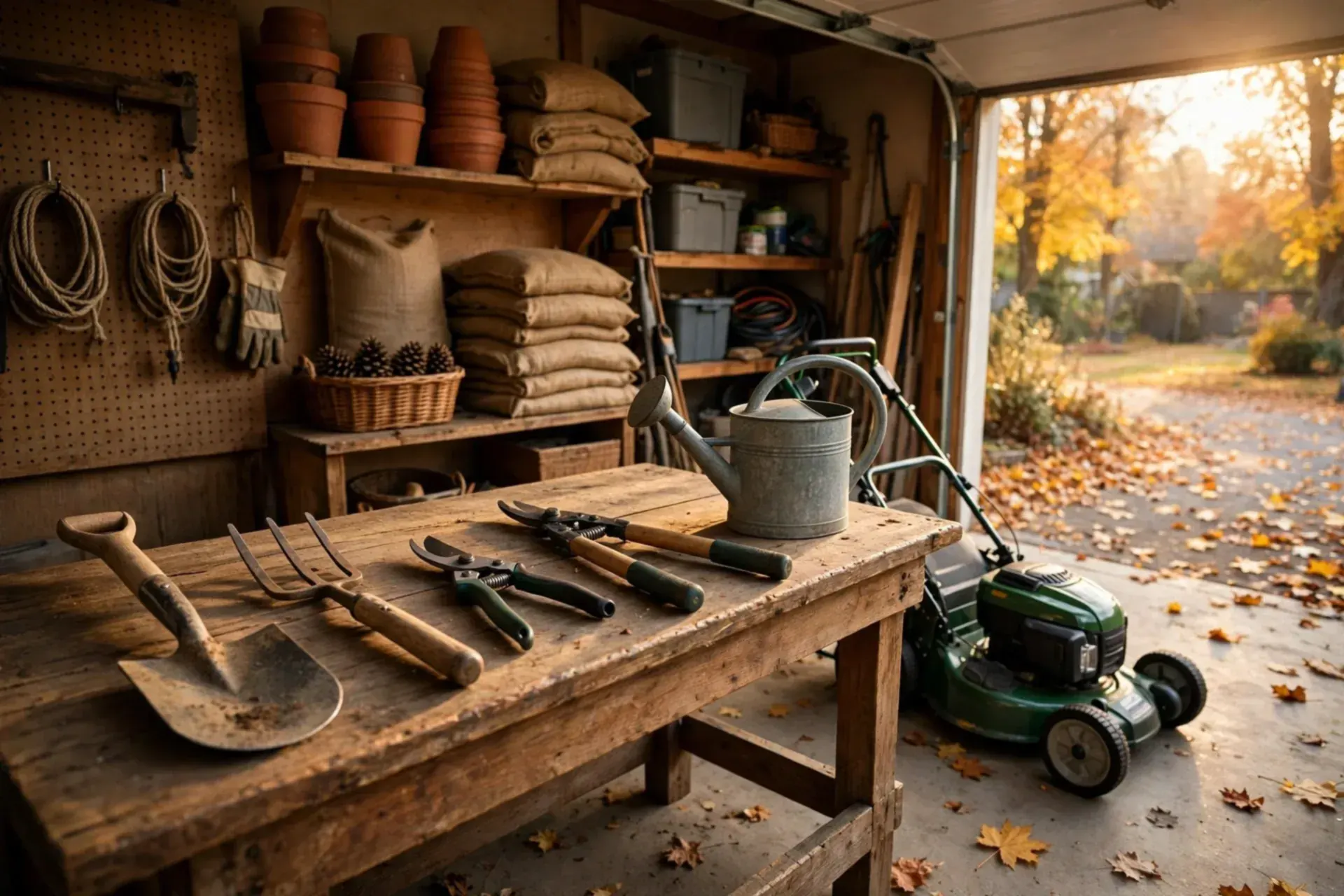 Raised beds and growing projectsWinterize Garden Tools and Your Mower in One AfternoonSix steps in one afternoon: scrub clean, sharpen every edge, oil metal and wood, settle the mower fuel, scrape the deck, store it all dry.
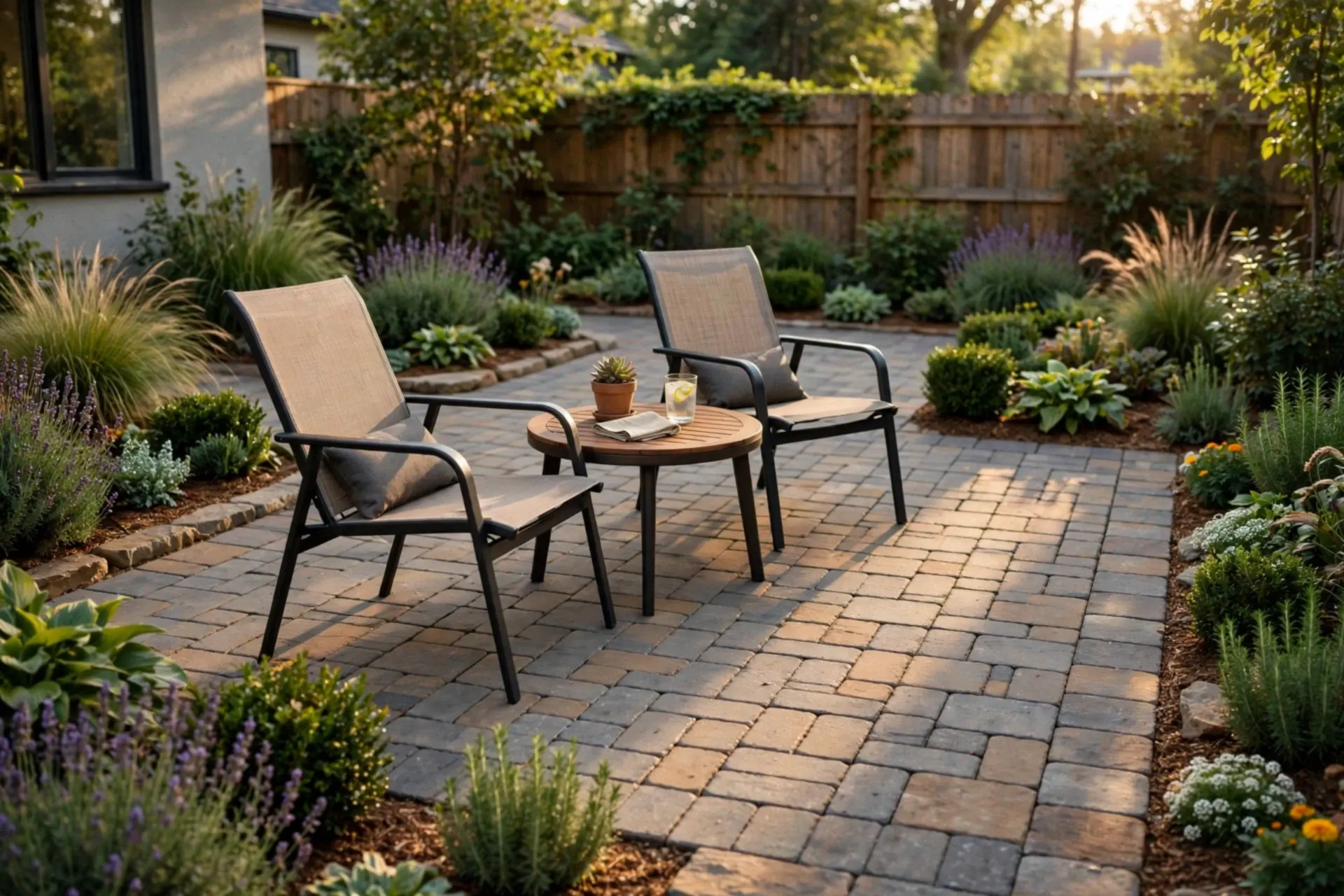 Raised beds and growing projectsPaver Patio Base: How Deep, and How Much Gravel & SandThe patio is a gravel job with a pretty top: dig about 7½ inches, compact 4 inches of gravel in lifts, screed exactly 1 inch of sand, then lay.
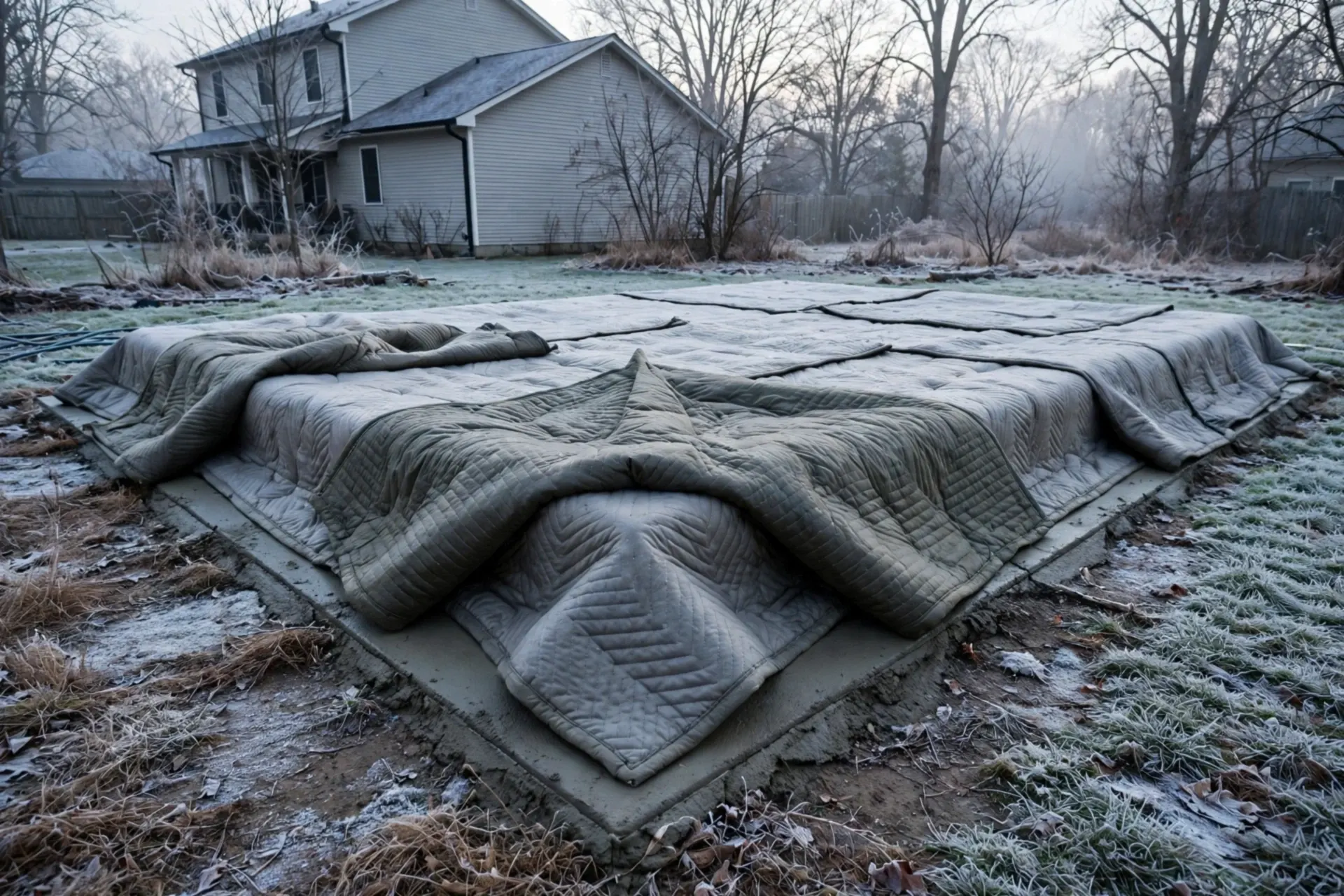 Raised beds and growing projectsPouring Concrete in Cold Weather: Rules That Save a SlabNever on frozen ground, a warm mix ordered for the cold, and blankets holding the slab above 50 degrees for days — the rules that keep a late pour strong.
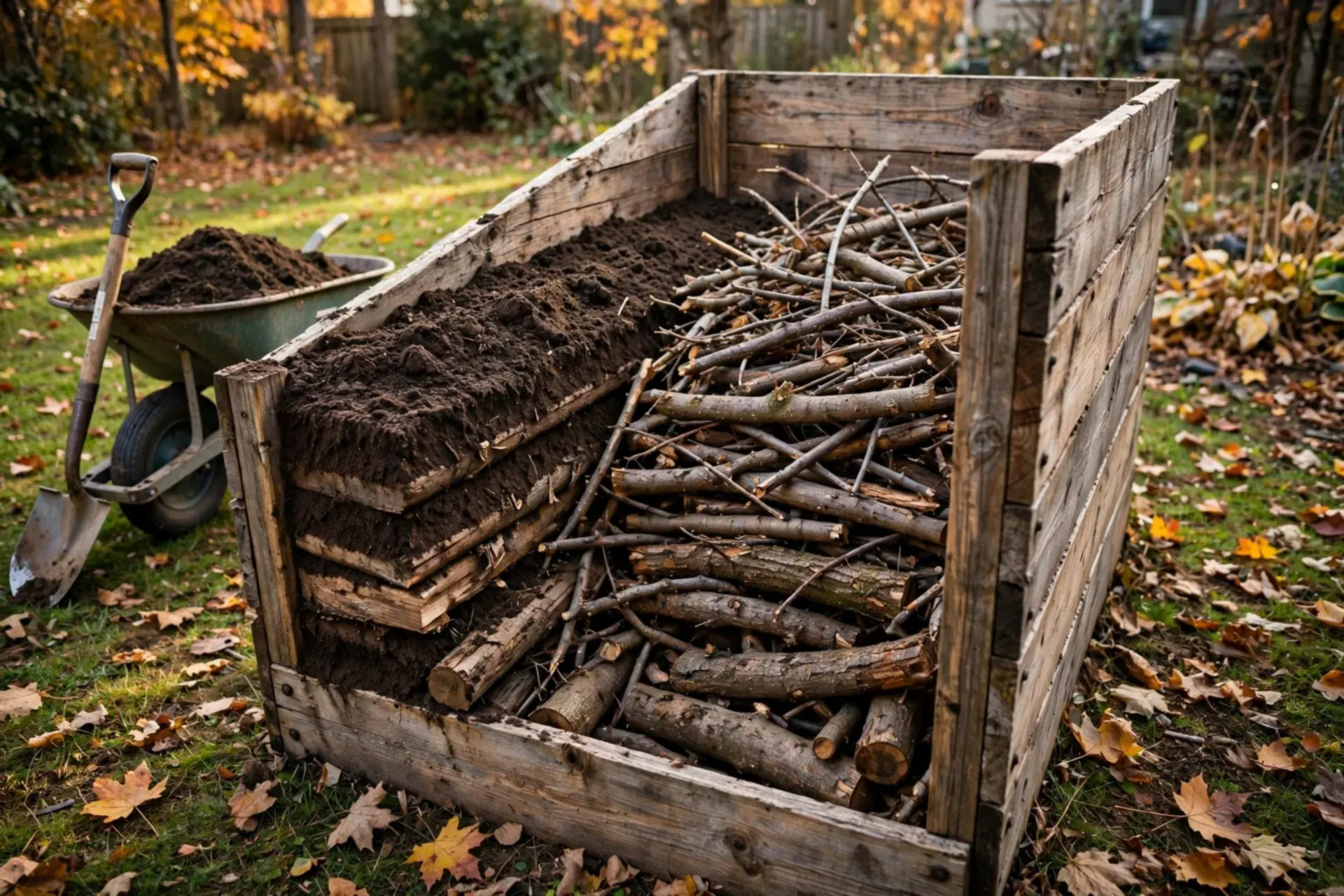 Raised beds and growing projectsHugelkultur Raised Beds: Fill a Bed for Half the SoilLogs and branches fill the bottom half of a deep bed; you only buy soil for the top. The layers, the woods to avoid, and the saving worked out in bags.
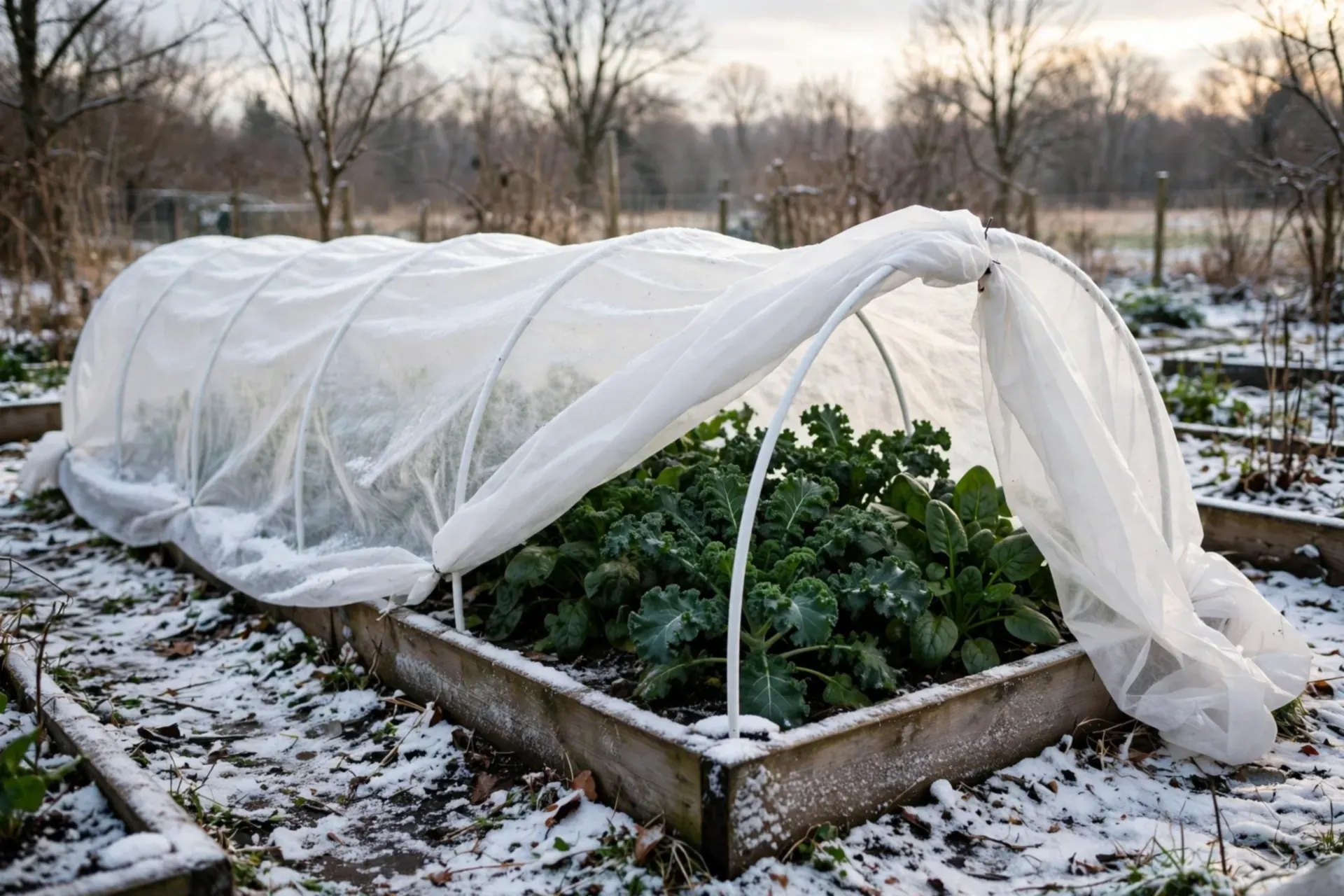 Raised beds and growing projectsBuild a Low Tunnel: Grow Vegetables All Winter LongHoops every 3 to 4 feet, fabric for fall, fabric plus plastic for deep winter — and kale and spinach stay pickable all season.
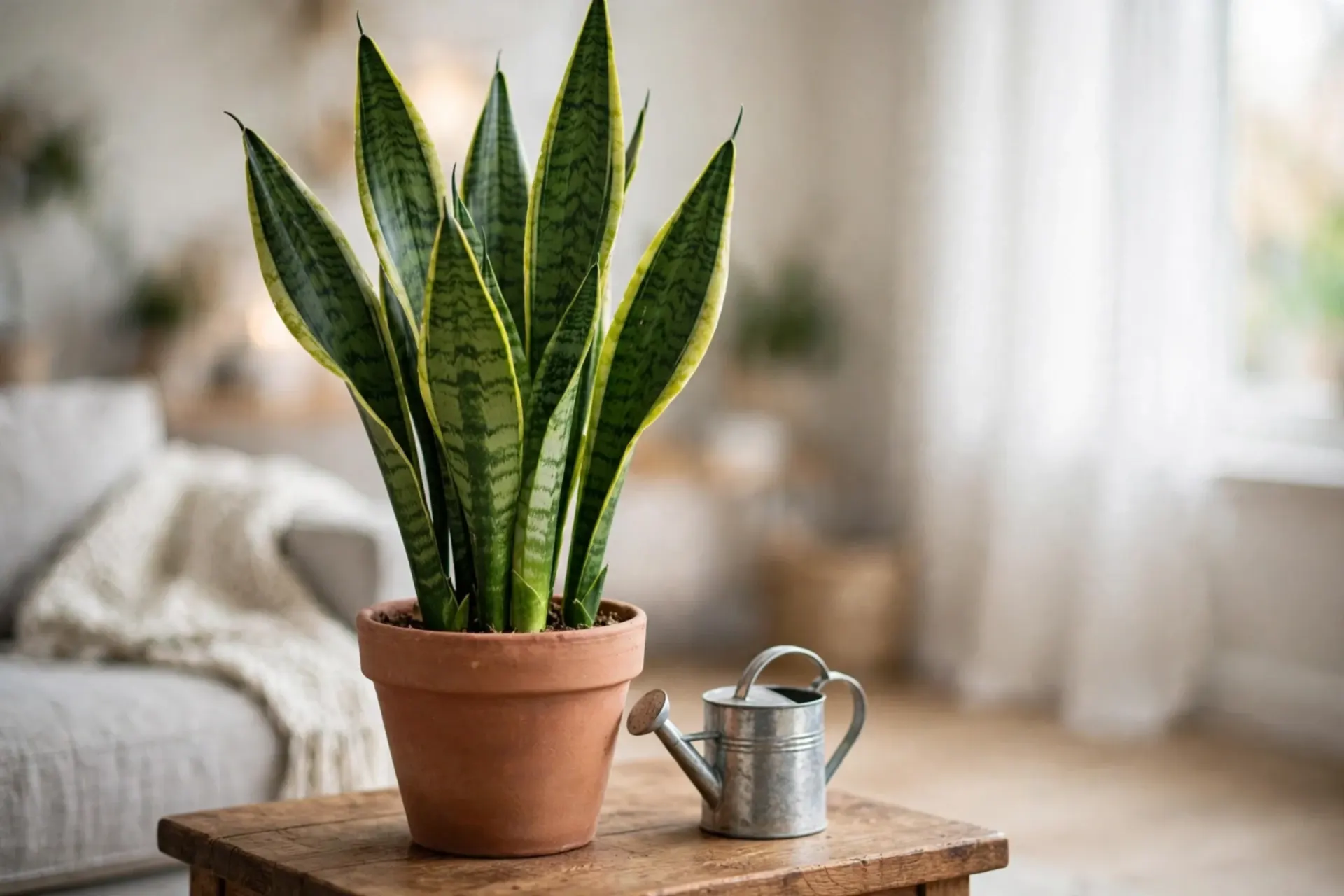 Raised beds and growing projectsHow Often to Water a Snake PlantThe full schedule by season, light and pot size, the 3 dryness tests that overrule the calendar, and exactly how much to pour per pot.
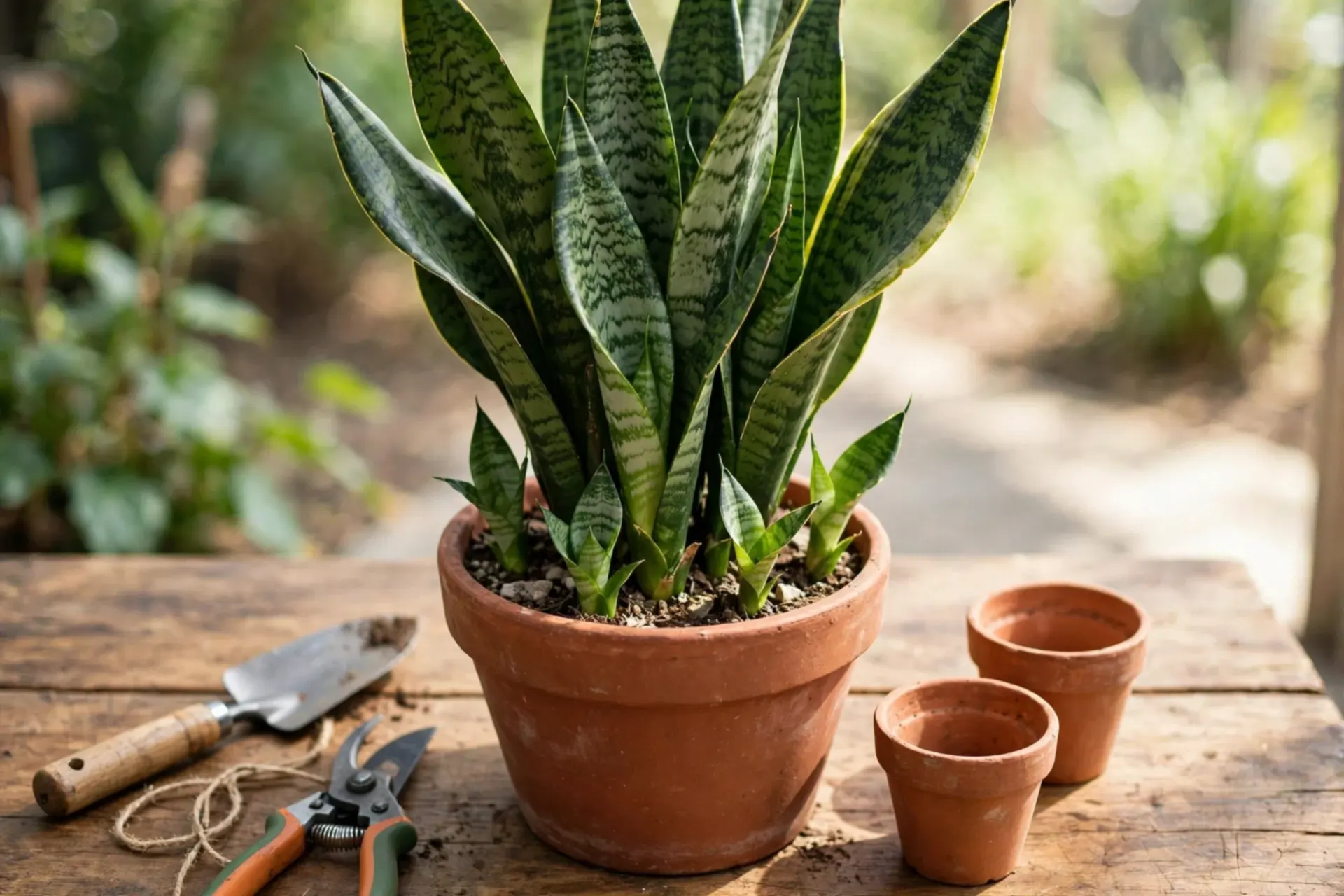 Raised beds and growing projectsHow to Propagate Snake PlantsDivision, leaf cuttings in soil and in water — with honest timelines and the variegation warning that saves your yellow edges.
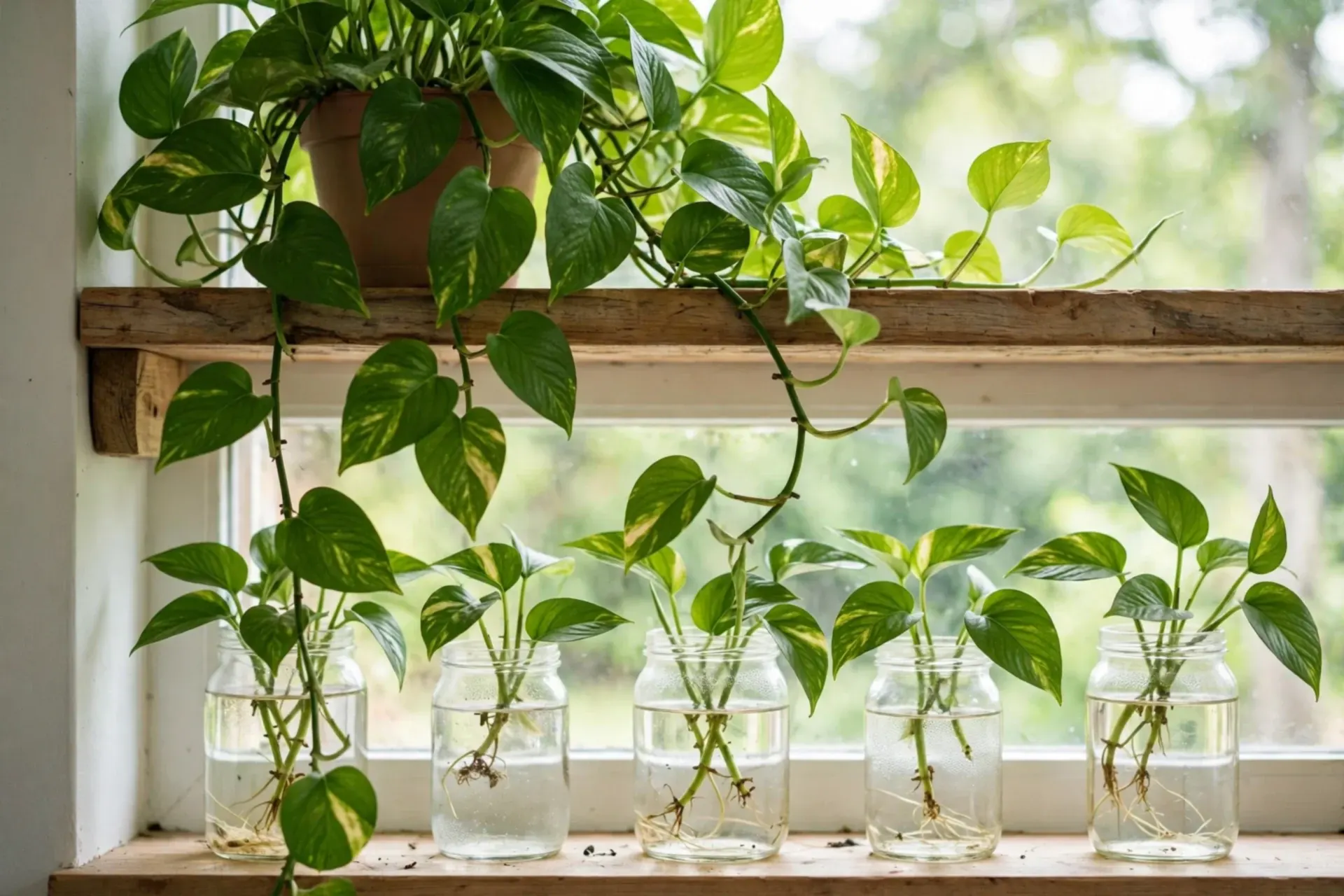 Raised beds and growing projectsHow to Propagate PothosFind the node, root cuttings in water or soil on a day-by-day timeline — and plant them back to fix a leggy, bare-topped plant.
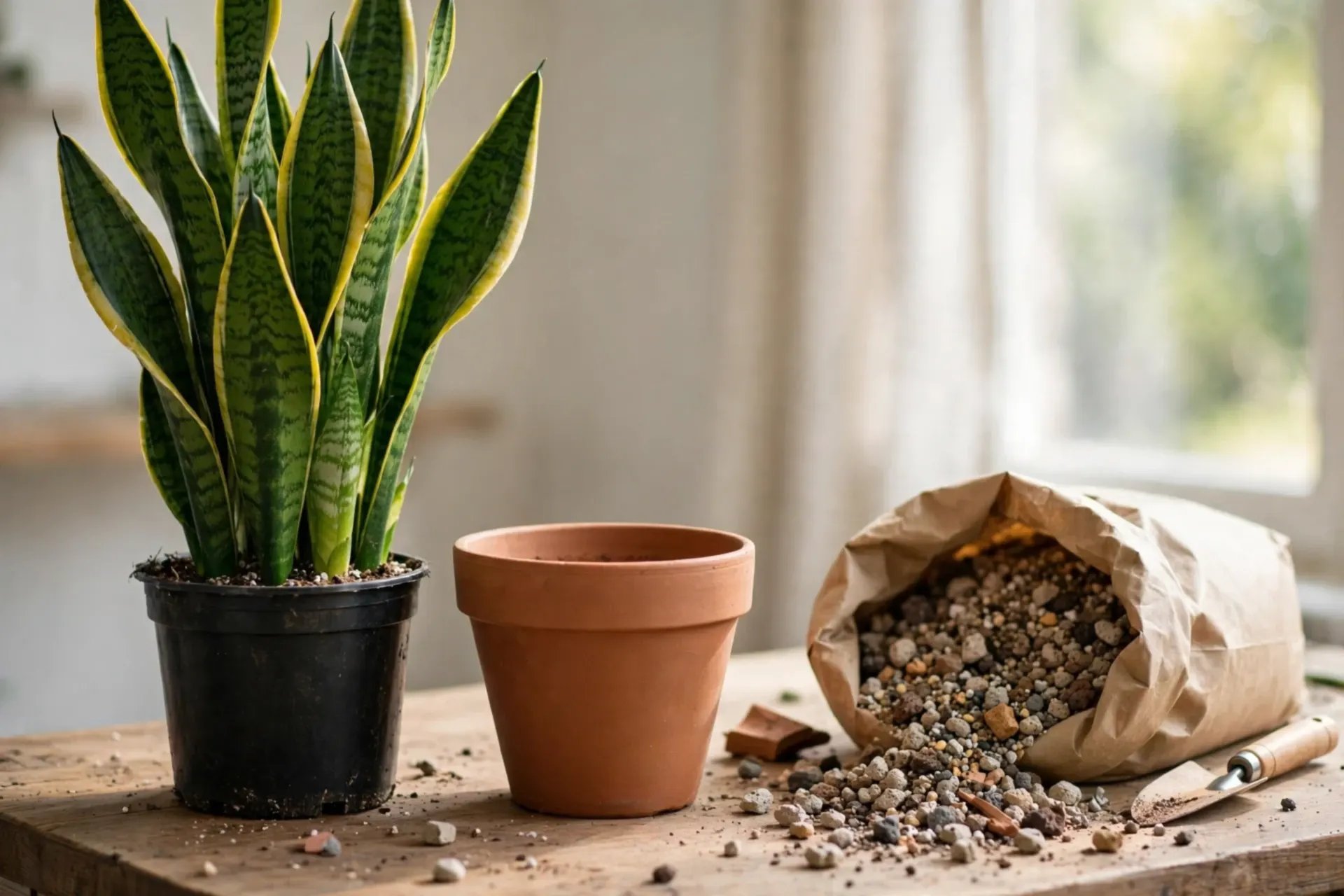 Raised beds and growing projectsHow to Repot a Snake PlantThe 5 rootbound signs, one size up into gritty mix, the root check — and the 5–7 day no-water rule afterwards.
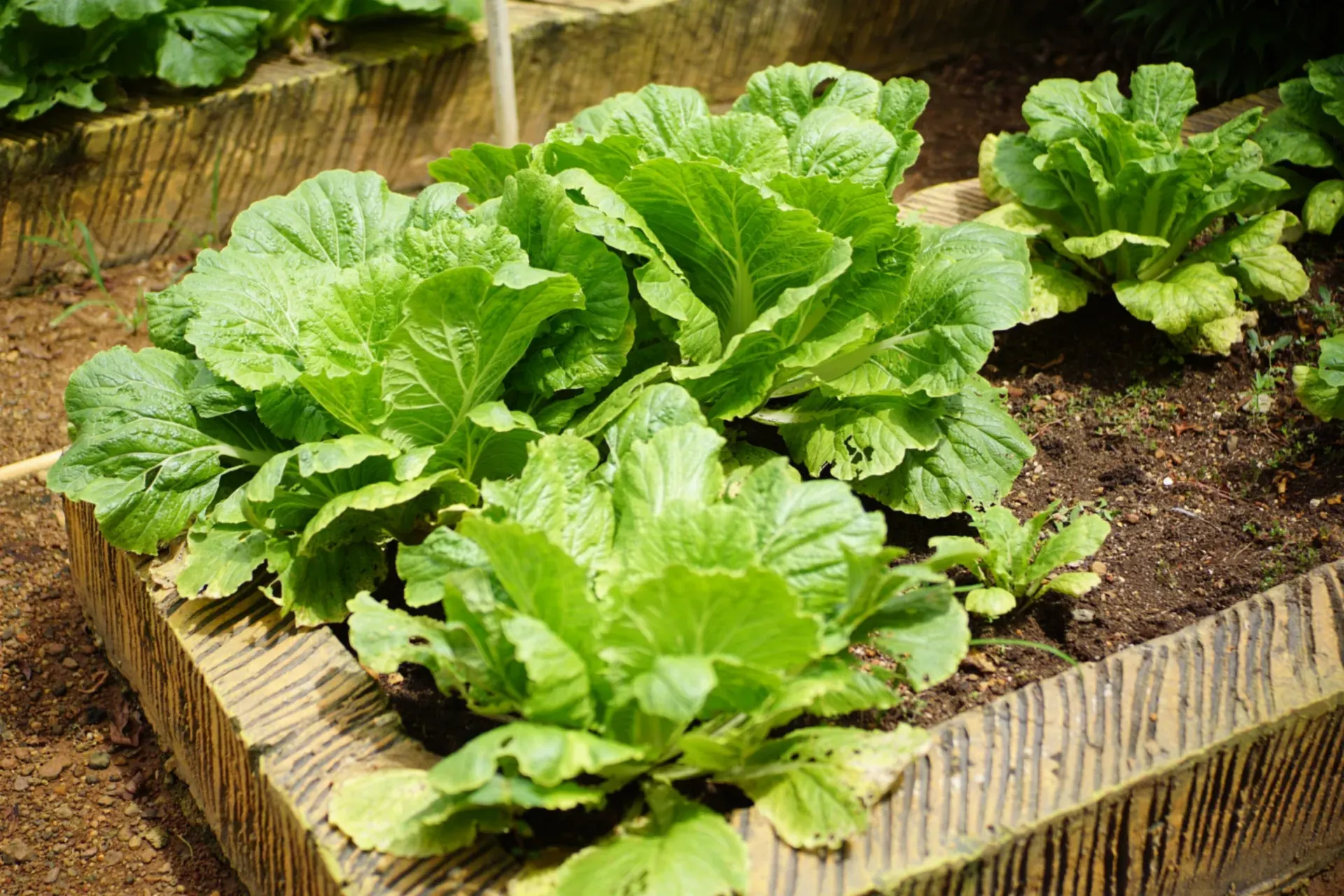 Raised beds and growing projectsVegetables to Grow in Small Spaces: 15 CropsThe 15 vegetables that earn their square foot: each with the space it needs, the smallest container it accepts, and how many plants a small household actually uses.
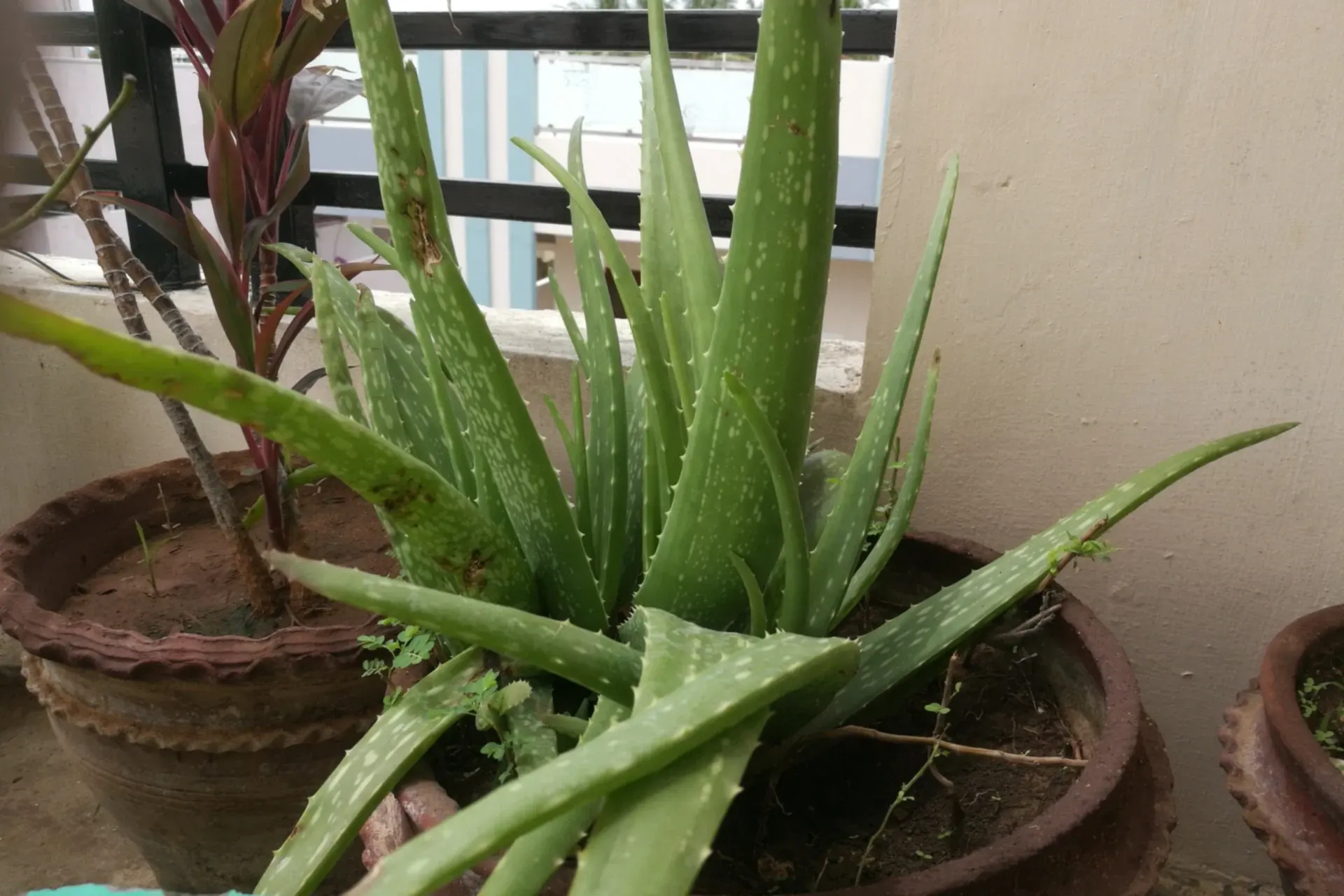 Raised beds and growing projectsHow to Grow Aloe Vera: The Complete Beginner's GuideThe succulent almost everyone kills with kindness: start with a pup, gritty soil, crown-level planting, and the soak-and-dry watering rule that keeps aloe alive for decades.
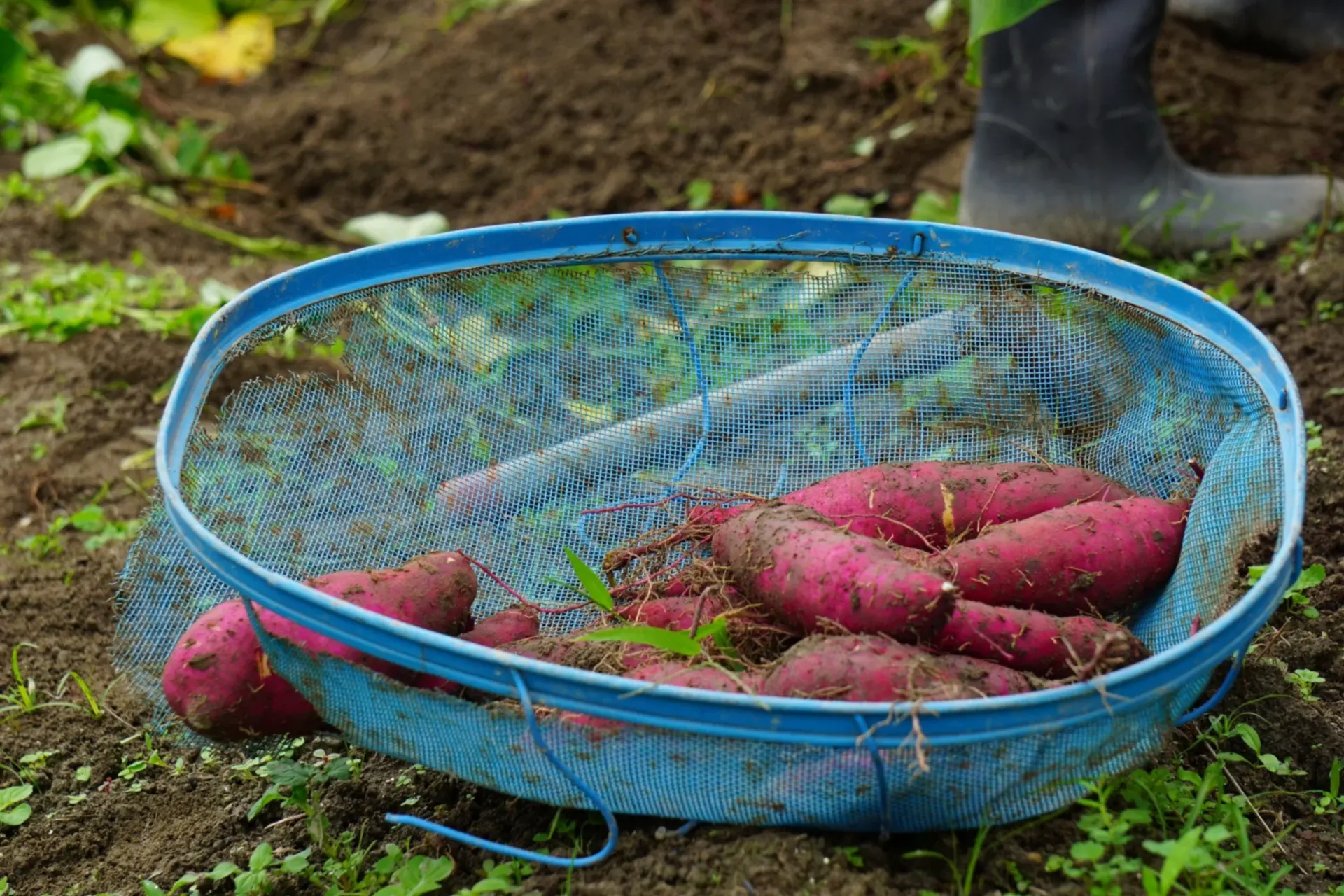 Raised beds and growing projectsHow to Grow Sweet Potatoes: The Complete Beginner's GuideFrom a sprouting tuber to a cured harvest: grow your own slips, plant on warm ridges, feed lightly, dig before frost — and cure for real sweetness.
 Raised beds and growing projectsHow to Grow Sunflowers: The Complete Beginner's GuidePick the right height, sow direct after frost, stake the giants, foil the birds — and harvest heads full of seed at the end of summer.
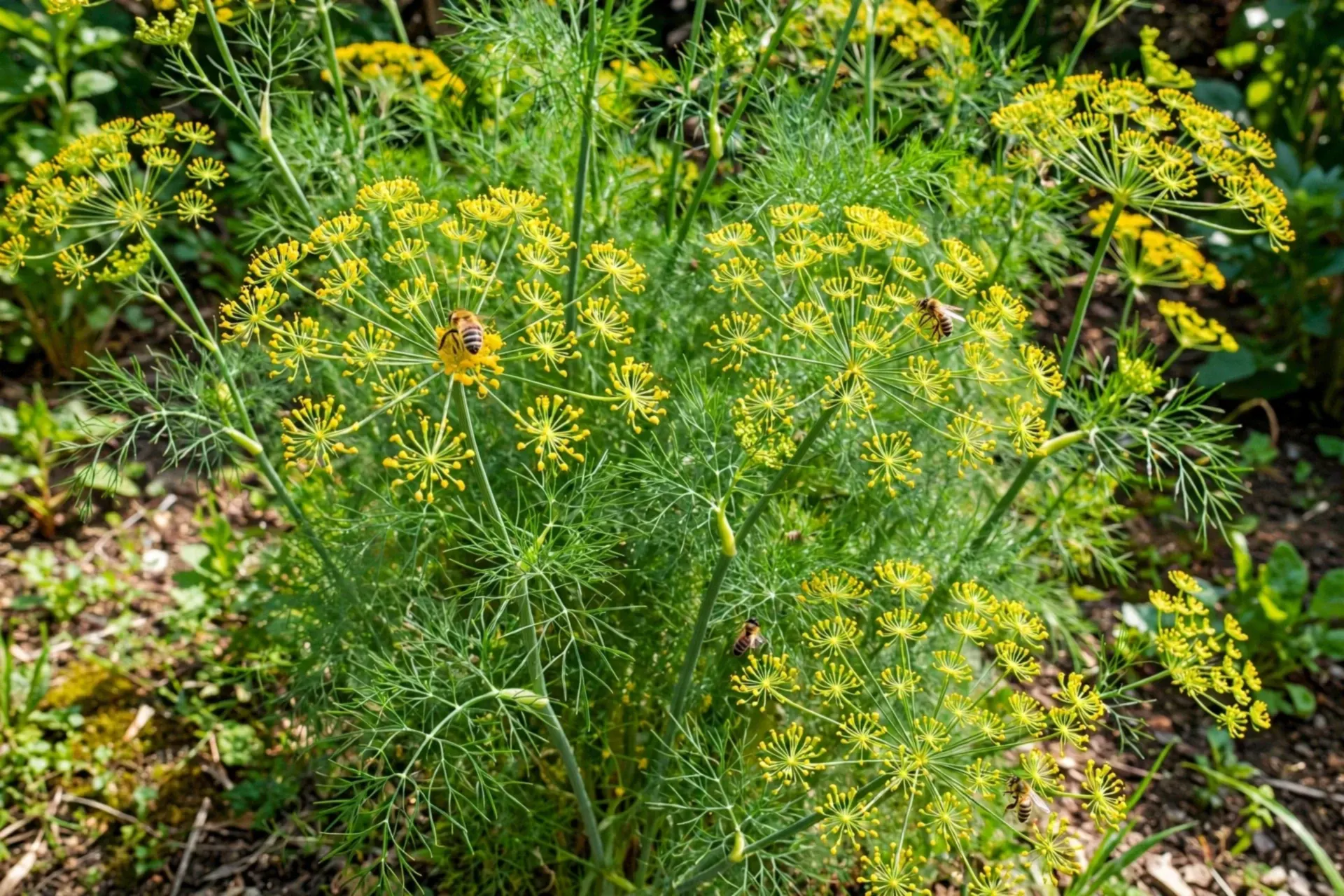 Raised beds and growing projectsHow to Grow Dill: The Complete Beginner's GuideFeathery fronds all season: sow direct, succession-sow every few weeks, harvest before flowering — and let a plant or two seed next year's crop.
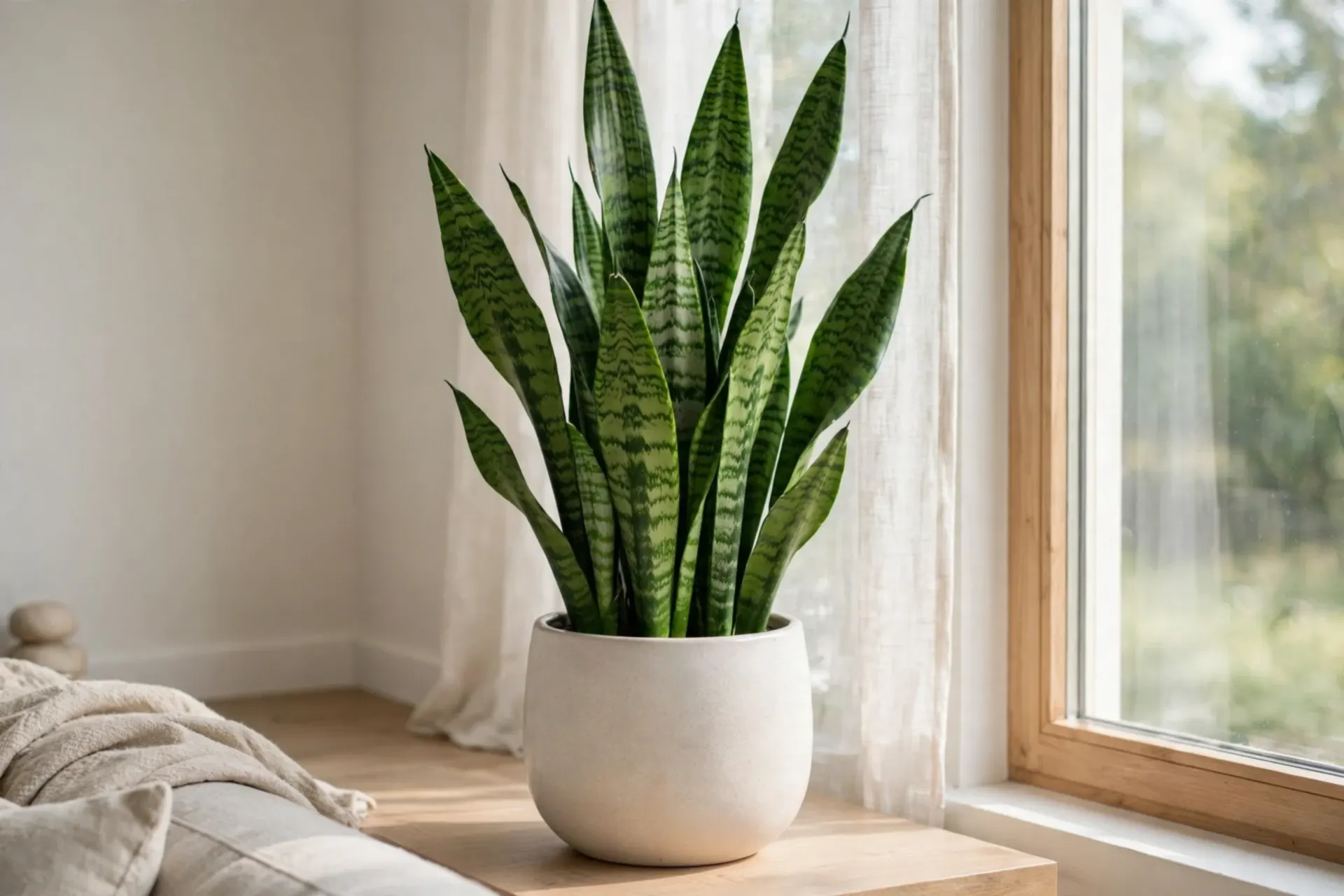 Raised beds and growing projectsHow to Grow Snake Plants Indoors: The Complete Beginner's GuideThe near-unkillable houseplant, done right: gritty soil, a snug heavy pot, honest light — and watering so rare it feels like neglect.
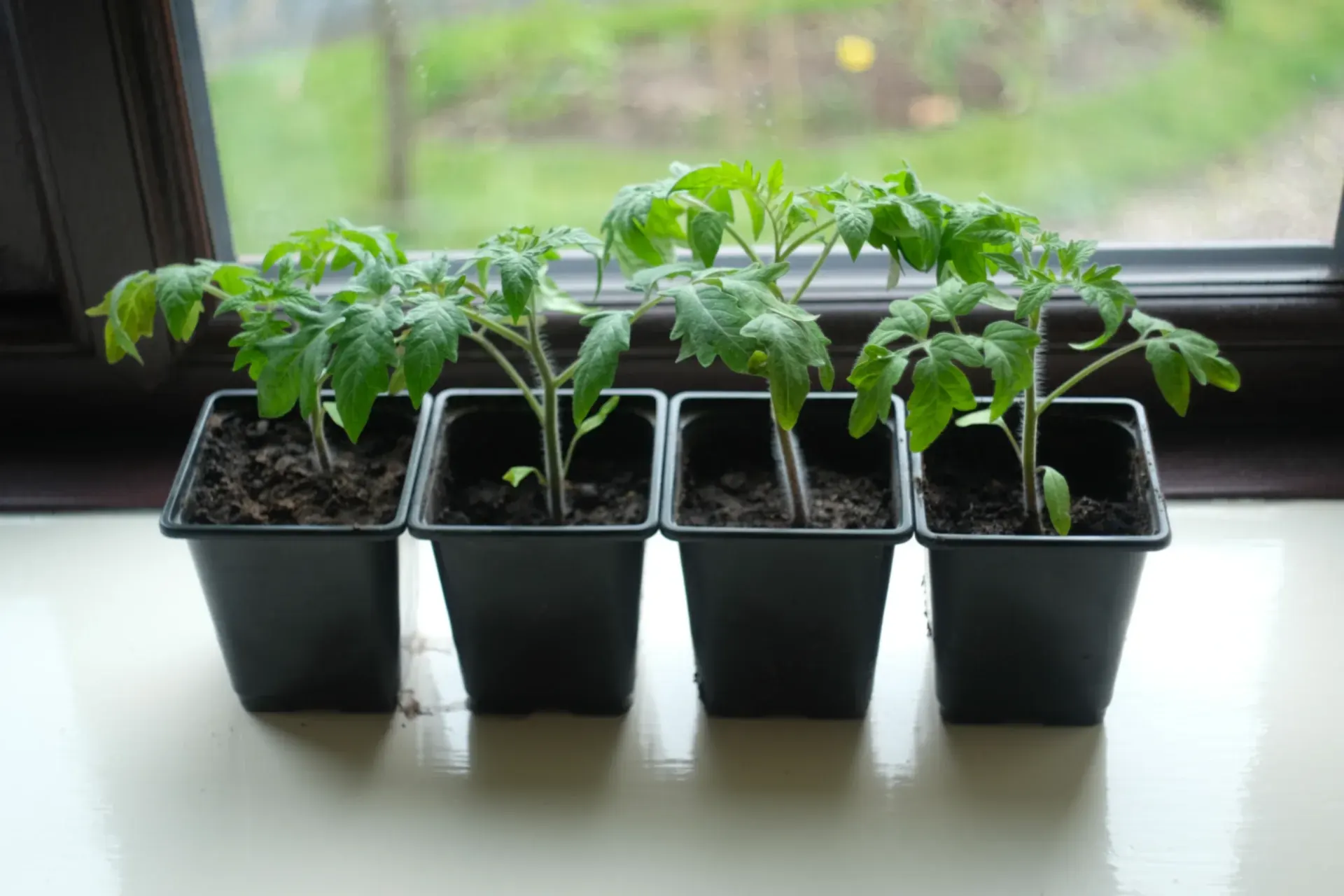 Raised beds and growing projectsBest Vegetables to Grow in ContainersThe best vegetables for pots, sized honestly: a gallon chart for 12 crops, the mix that works, and the watering and feeding rhythm that keeps containers thriving.
 Raised beds and growing projectsBalcony Garden Ideas for ApartmentsBalcony layouts by size and direction: honest sun counts, weight and railing rules, and the best crops for every balcony from 3 hours of sun to 8.
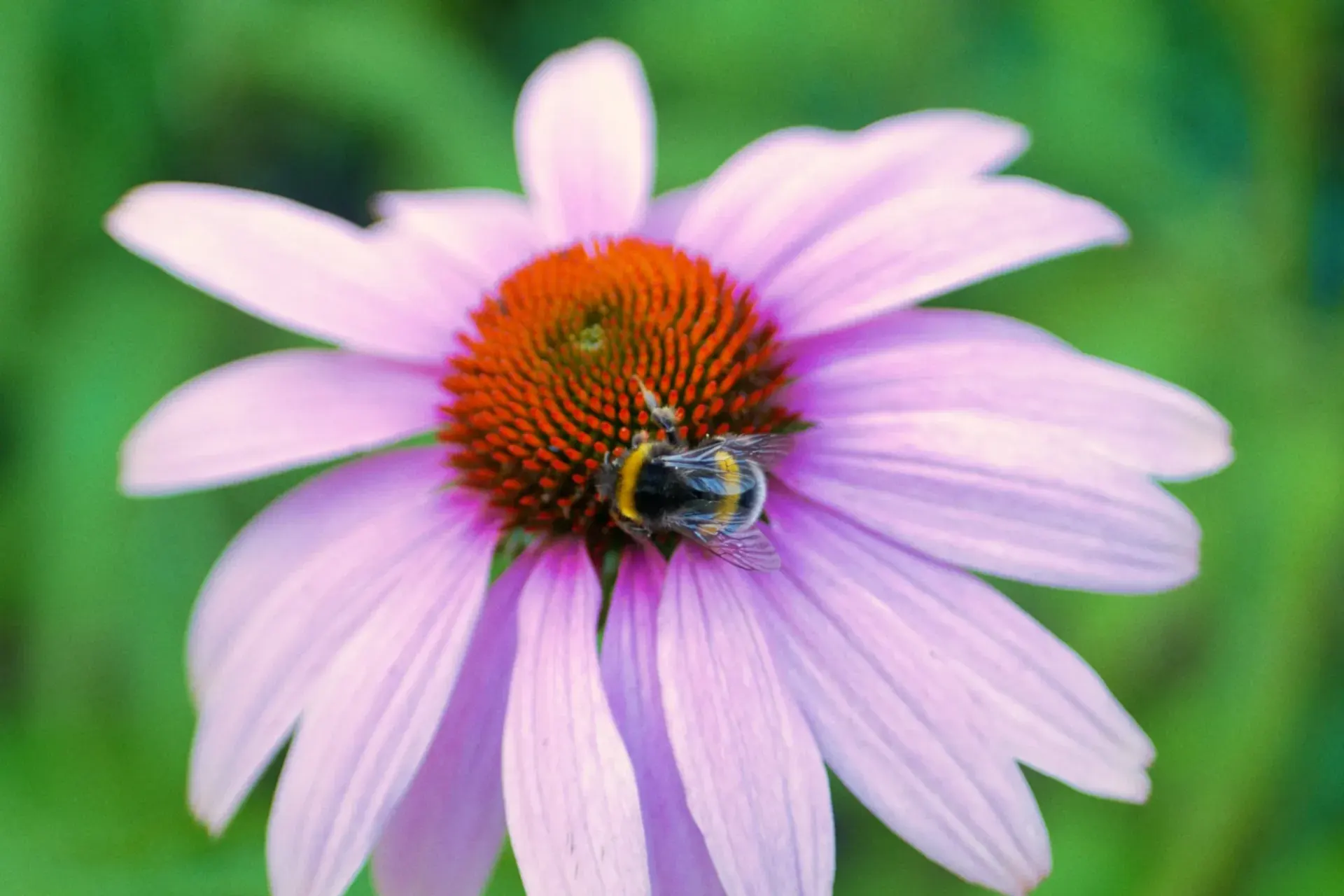 Raised beds and growing projectsNative Plants: Benefits and How to Grow ThemWhy native plants mean less work and better harvests: how to choose species for your US or Canadian region, a seasonal starter list, and first-year care.
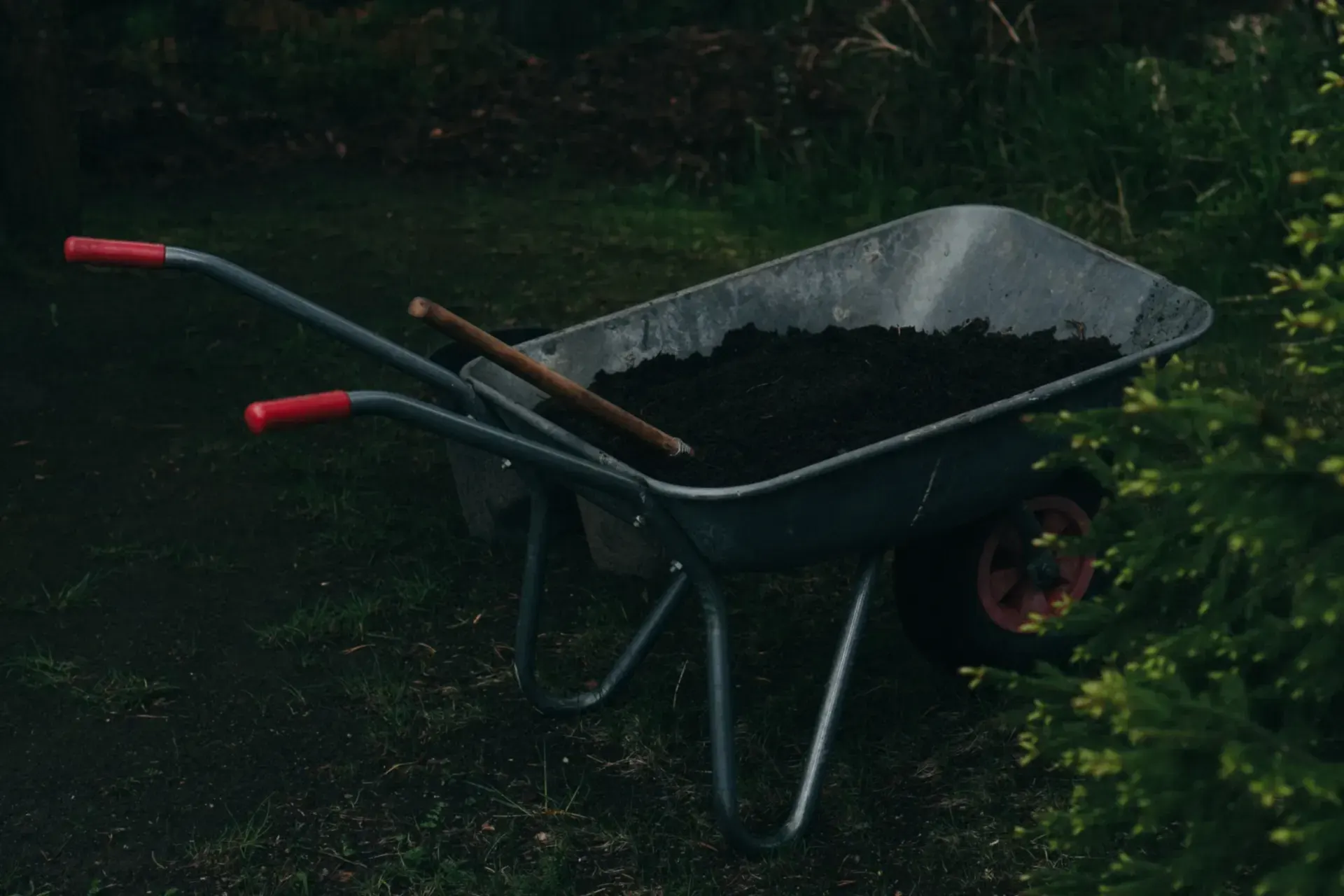 Raised beds and growing projectsHow Much Soil Do I Need for a Raised Garden Bed?The worked answers for every standard bed: cubic feet, cubic yards and bag counts at 6 to 18 inches deep, the two soil mixes worth filling with, and when bulk beats bags.
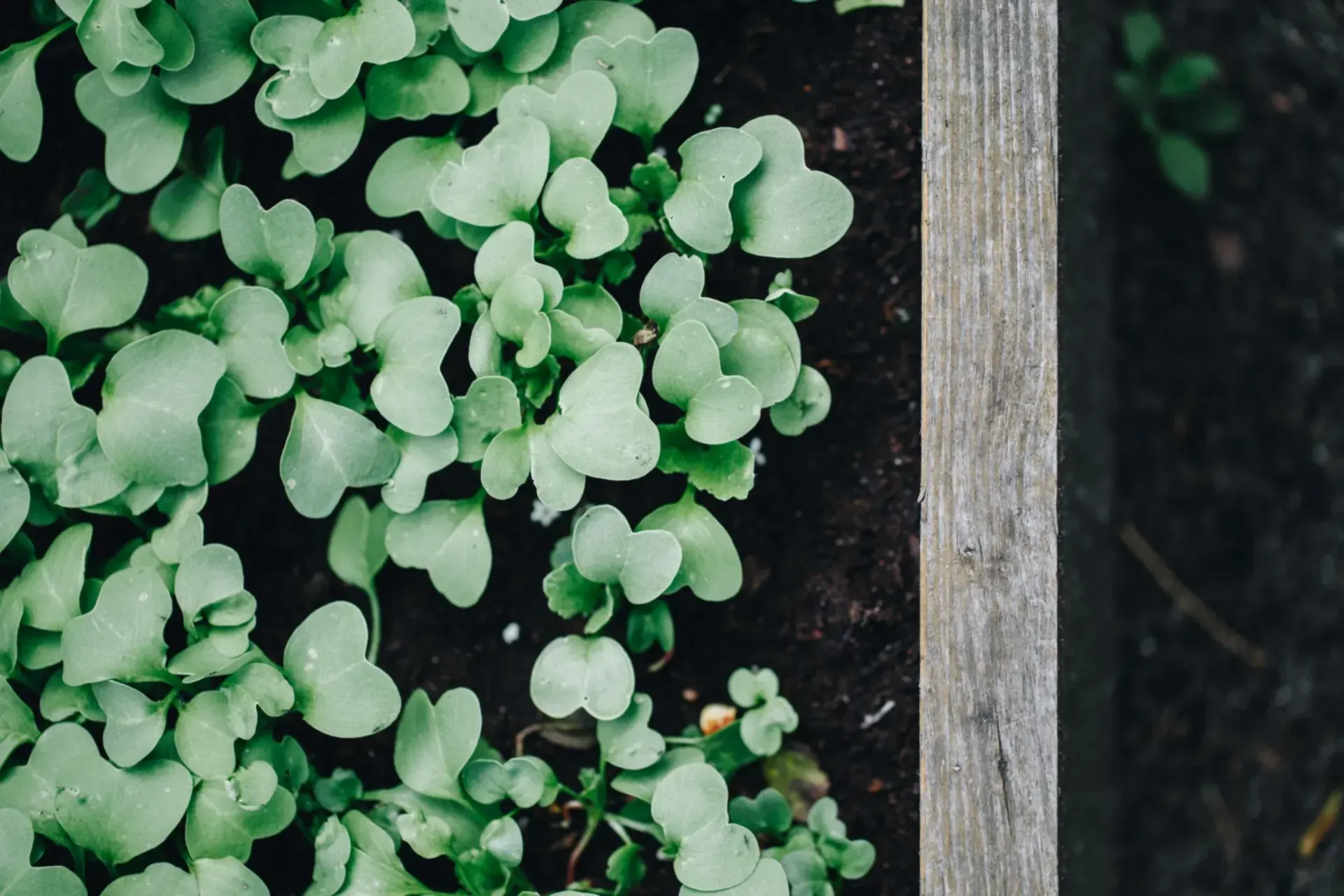 Raised beds and growing projectsVegetable Plant Spacing Chart: How Far Apart to Plant VegetablesStandard spacings for 24 vegetables in one printable chart: in-row and between-row distances, plants per square foot, and the thinning notes that make them work.
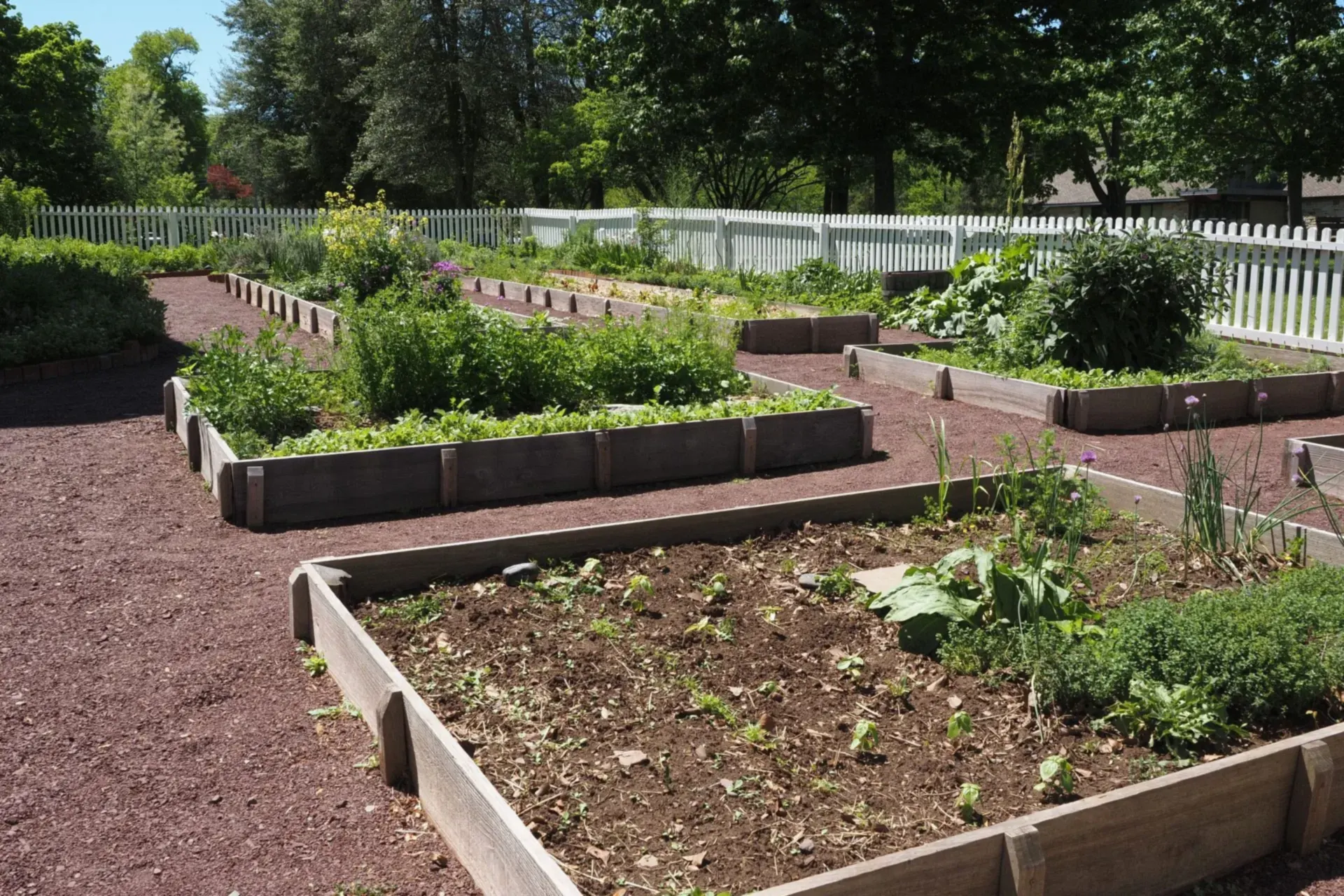 Raised beds and growing projectsRaised Bed Garden Layout: How Many Vegetables Can You Grow?Three complete bed plans with exact plant counts — a 4×8 holding 146 plants, a 4×4 salad-and-salsa bed and a 2×8 trellis bed — tall crops north, every plant counted.
 Raised beds and growing projectsDrought-Tolerant Plants: Grow More Green with Less WaterLow-water vegetables, herbs and flowers that thrive on a fraction of the watering: zoning by thirst, deep-and-rare watering, and the first-year rule that makes the label true.
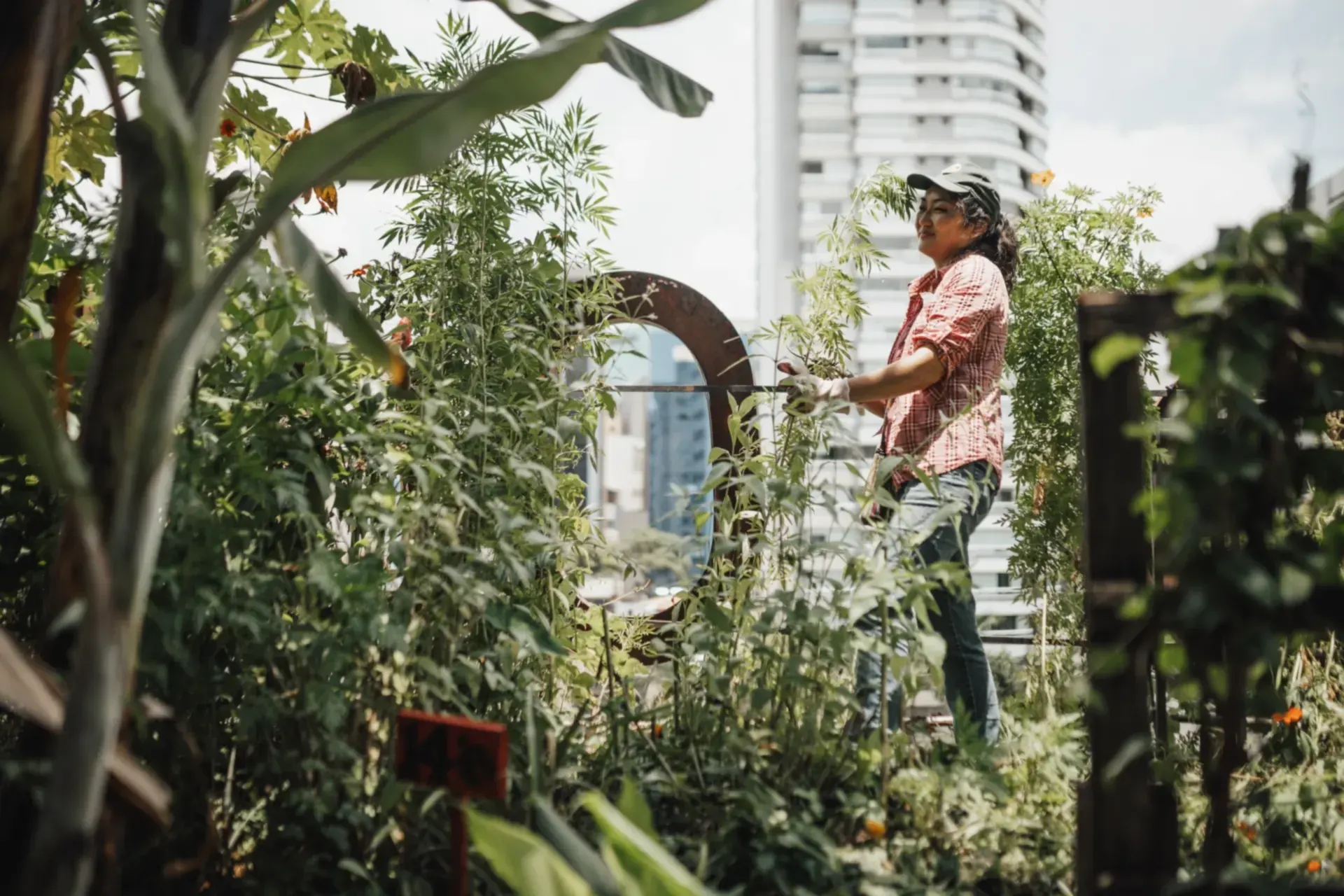 Raised beds and growing projectsRooftop Vegetable Gardening: An Urban Farming Starter GuideGrow food on a roof, honestly: written permission and weight checks first, lightweight grow bags, wind-proofing, and the crops that thrive in the best sun in the city.
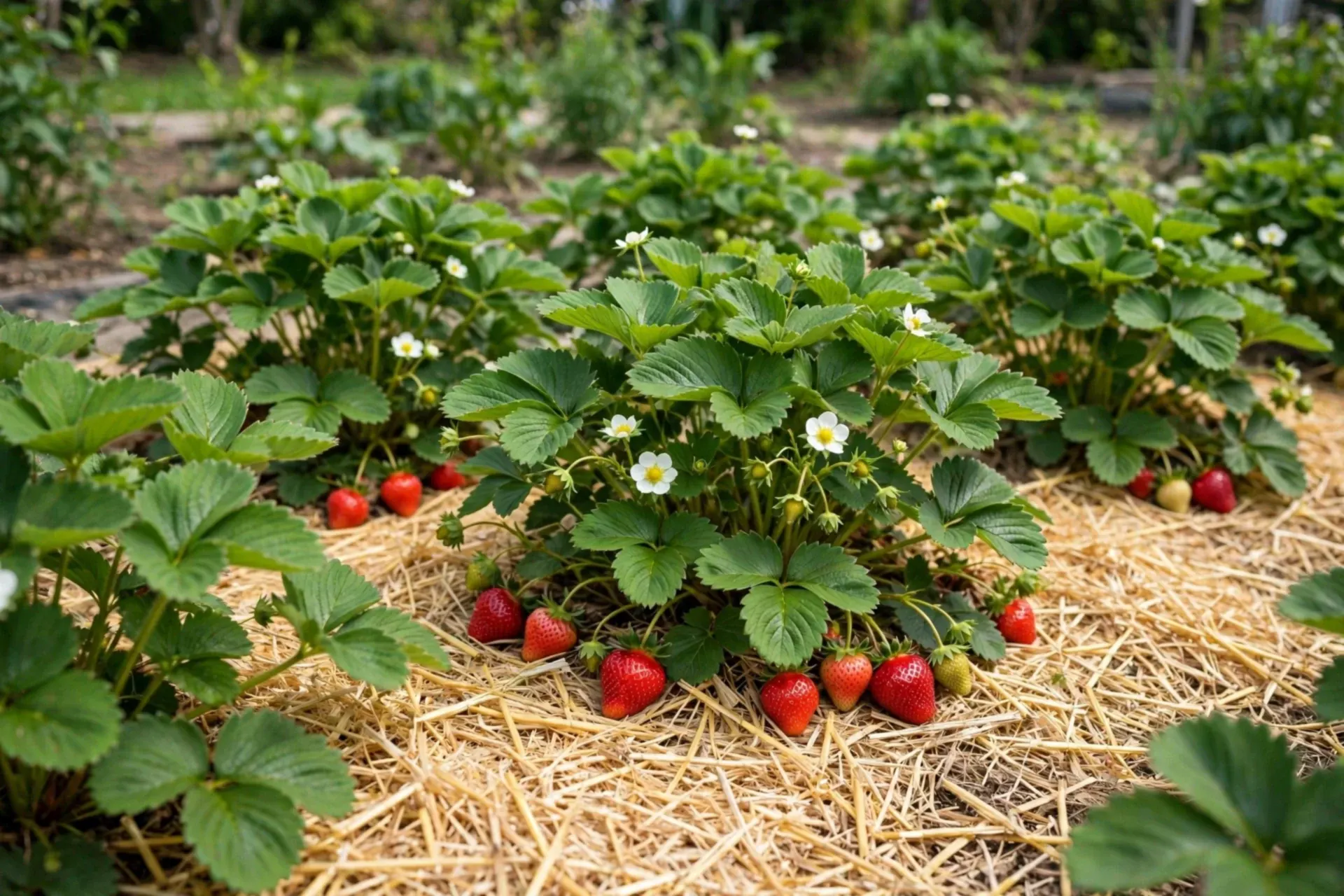 Raised beds and growing projectsHow to Grow StrawberriesGrow strawberries in beds or rows: June-bearing, everbearing and day-neutral explained in plain words, crowns planted at exactly the right depth, runners, mulch, winter care and renewal.
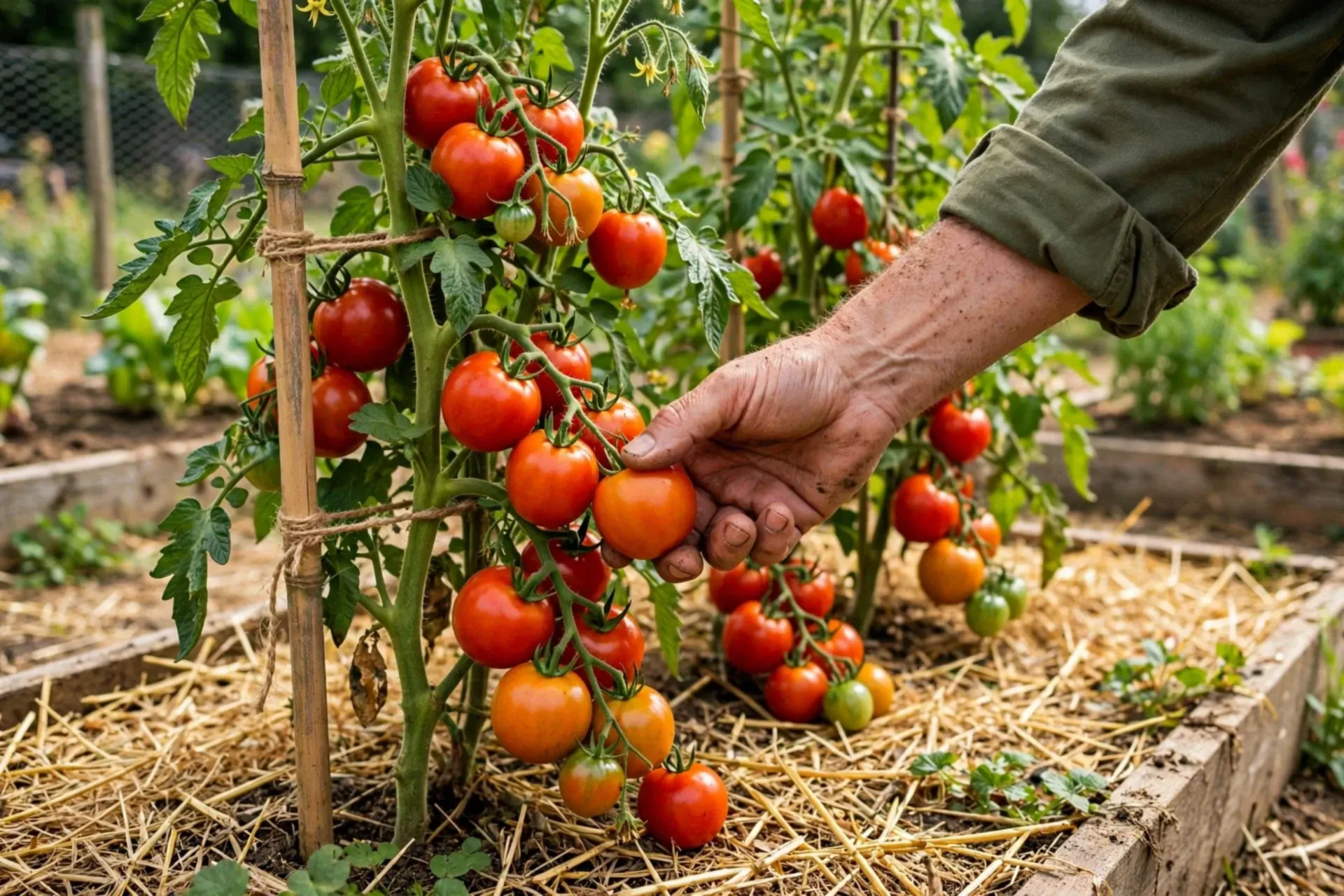 Raised beds and growing projectsHow to Grow Tomatoes: The Complete Beginner's GuideGrow tomatoes from seed to harvest: determinate vs indeterminate in plain words, deep transplanting, supports, watering that prevents blossom end rot, pruning and ripening.
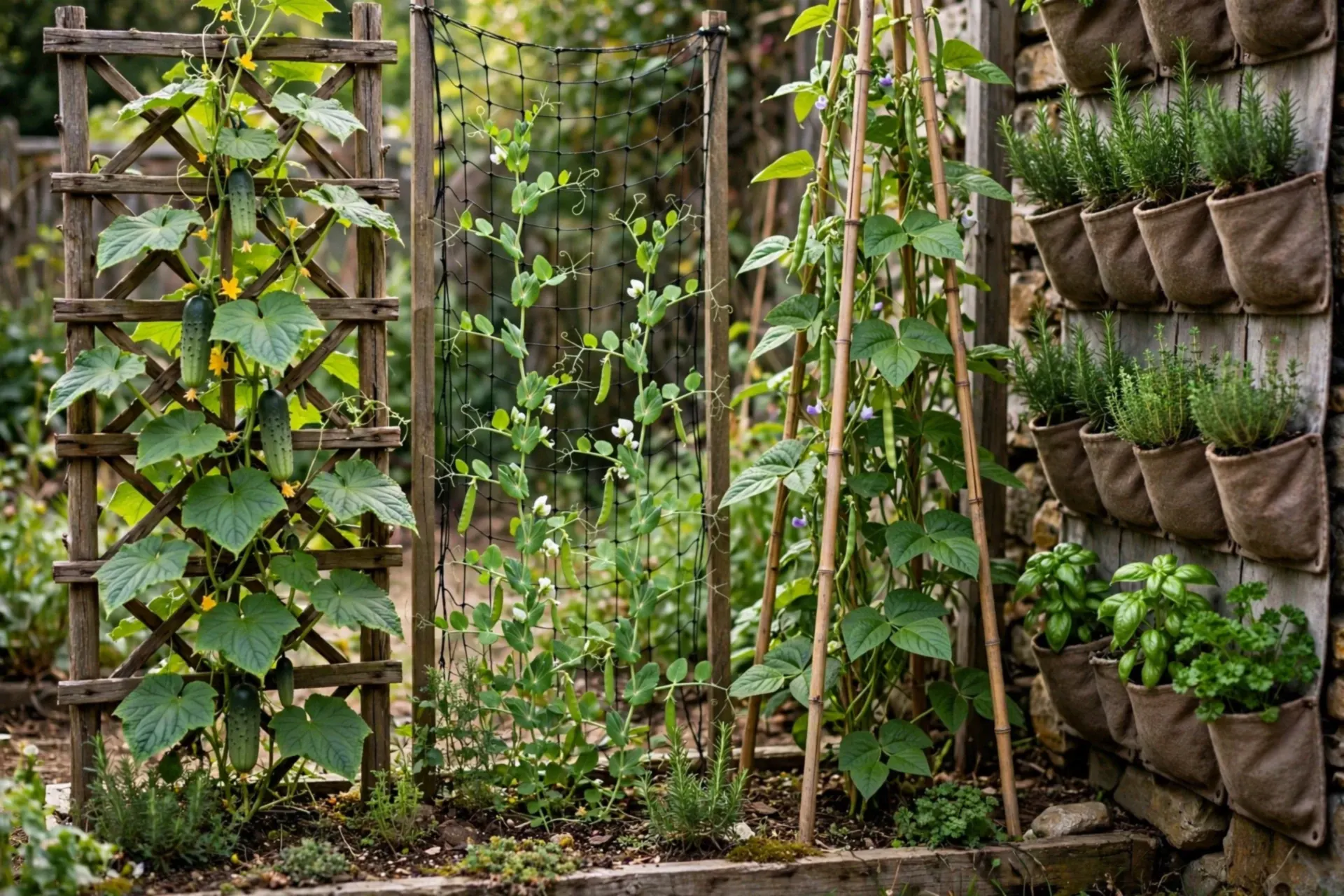 Raised beds and growing projectsVertical Gardening IdeasWhen the ground runs out, grow up: trellises, obelisks, wall pockets and railing planters, the crops that love to climb, and the supports that keep them safe.
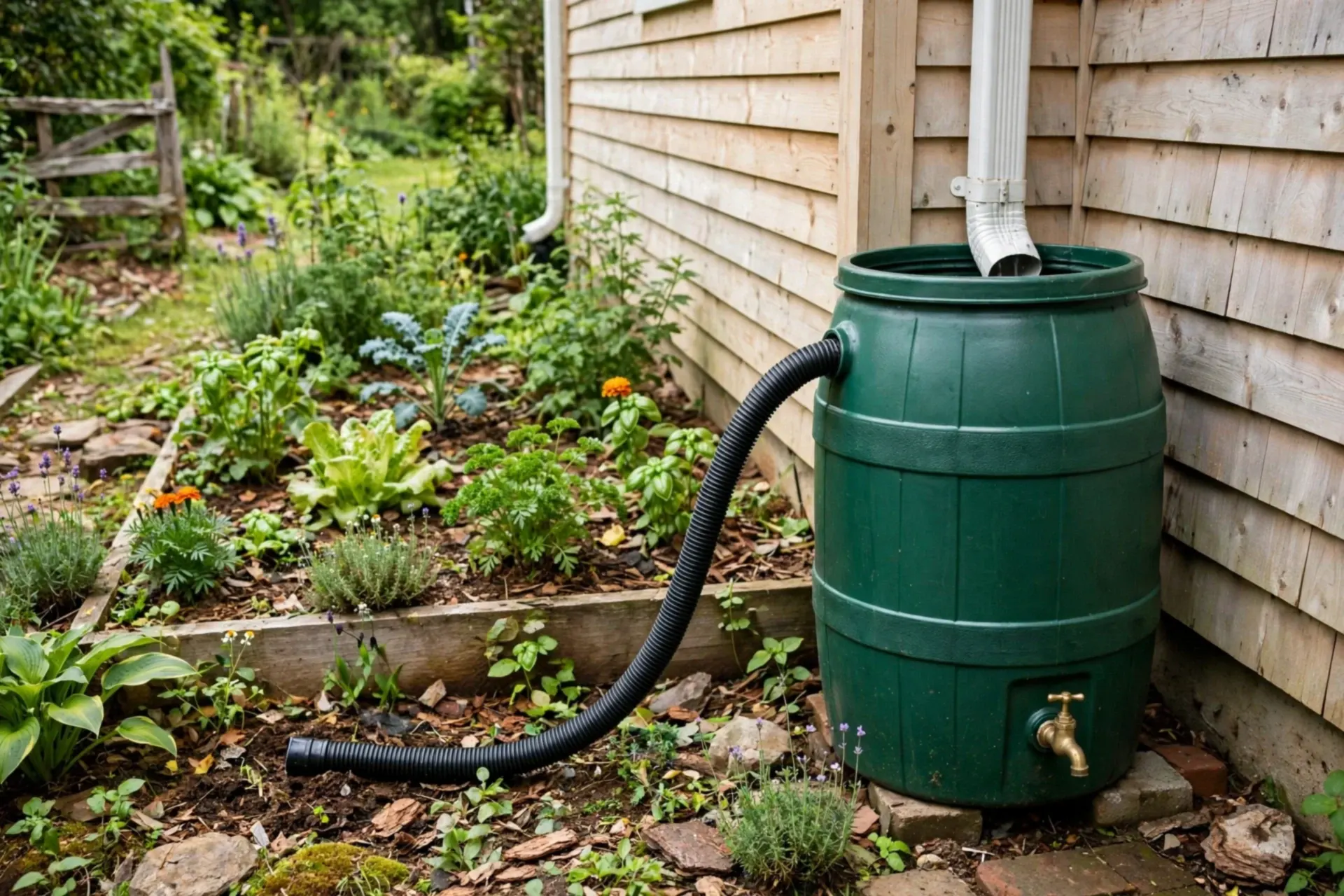 Raised beds and growing projectsRainwater Harvesting for BeginnersHarvest the rain your roof already collects: a rain barrel set up step by step, the simple math of roof runoff, mosquito and overflow basics, and how to use every drop.
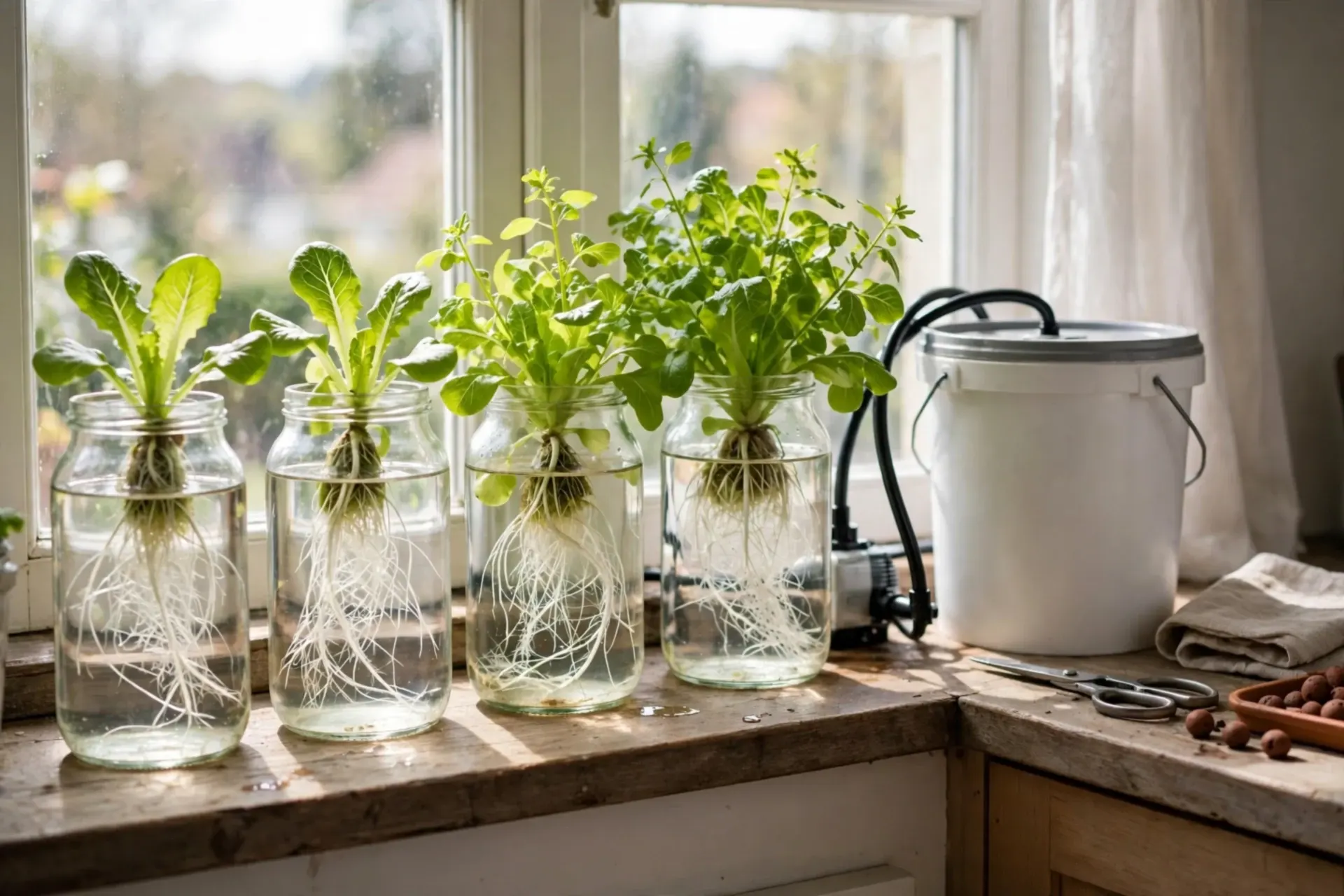 Raised beds and growing projectsIndoor Hydroponics for BeginnersHydroponics without the hype: the three simple systems a beginner can actually run, what grows well in them, what it really costs versus soil, and the failures to expect.
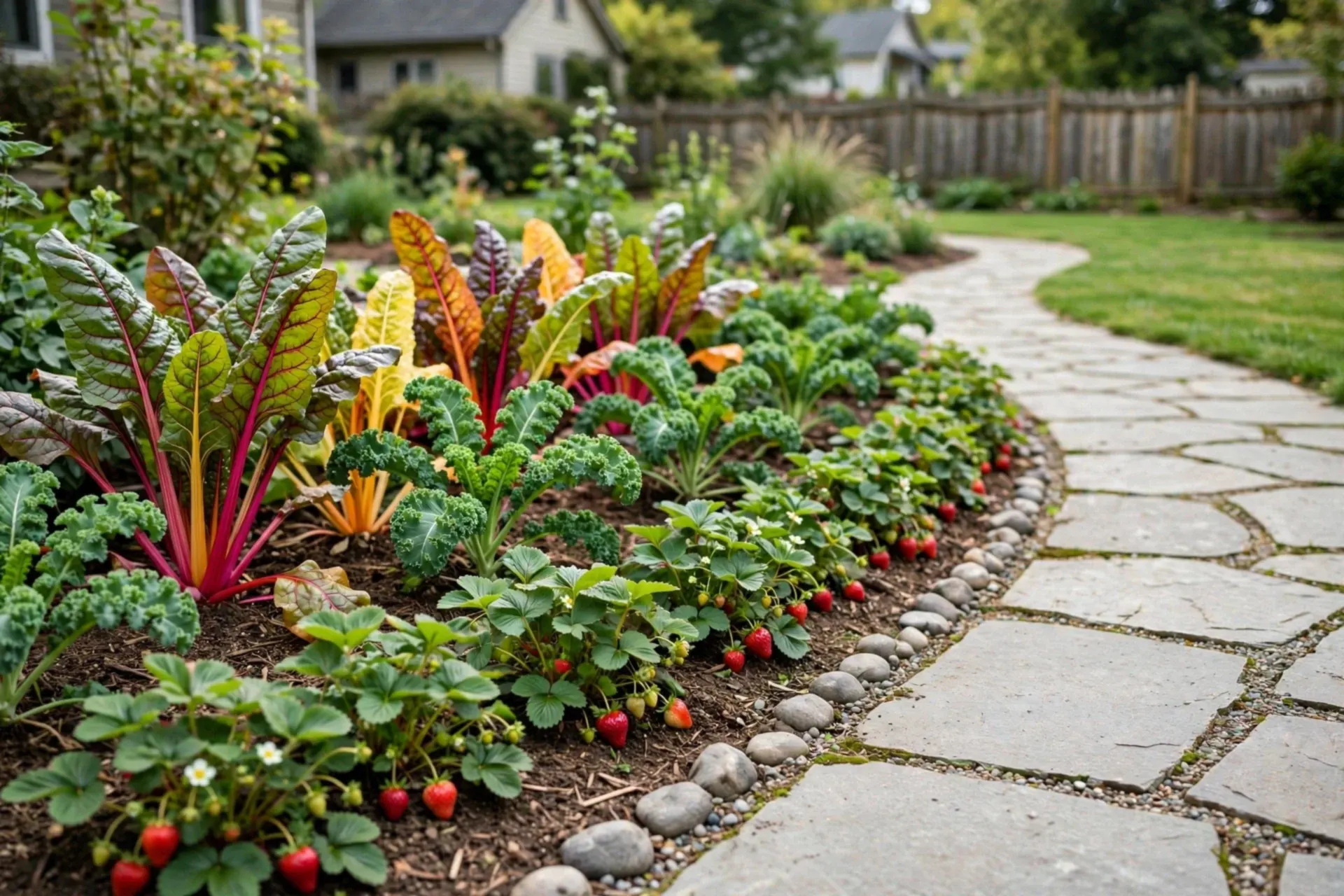 Raised beds and growing projectsEdible Landscaping IdeasVegetables in the front yard, beautifully: the best-looking edibles to grow, the structure that keeps beds looking deliberate, and the honest maintenance it asks for.
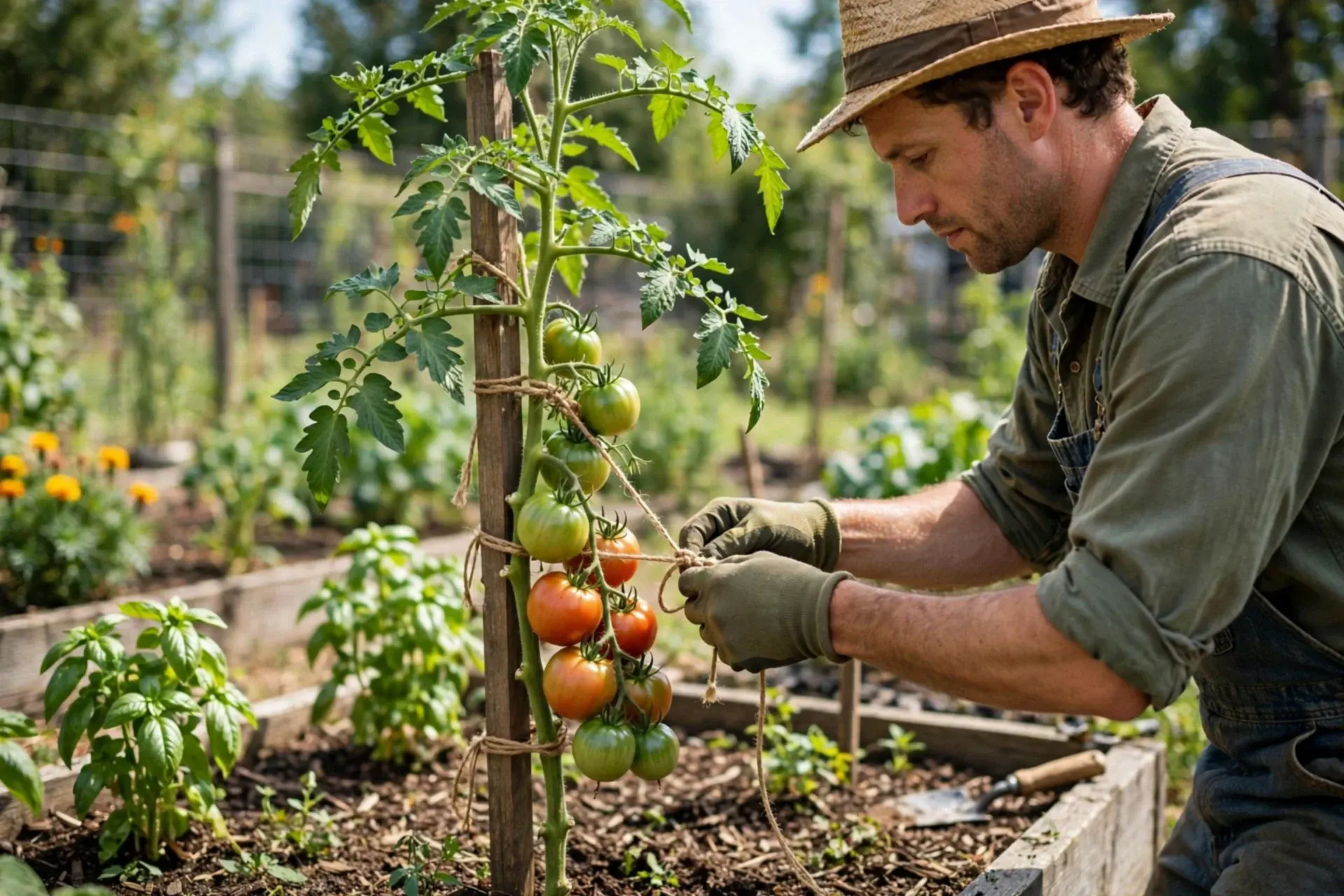 Raised beds and growing projectsHow to Prune Tomato Plants (Suckers, Stems and When to Stop)Pruning that buys airflow and earlier fruit instead of costing you the harvest: the determinate rule, finding the sucker, the weekly pinch, and how many stems to keep — with a printable checklist.
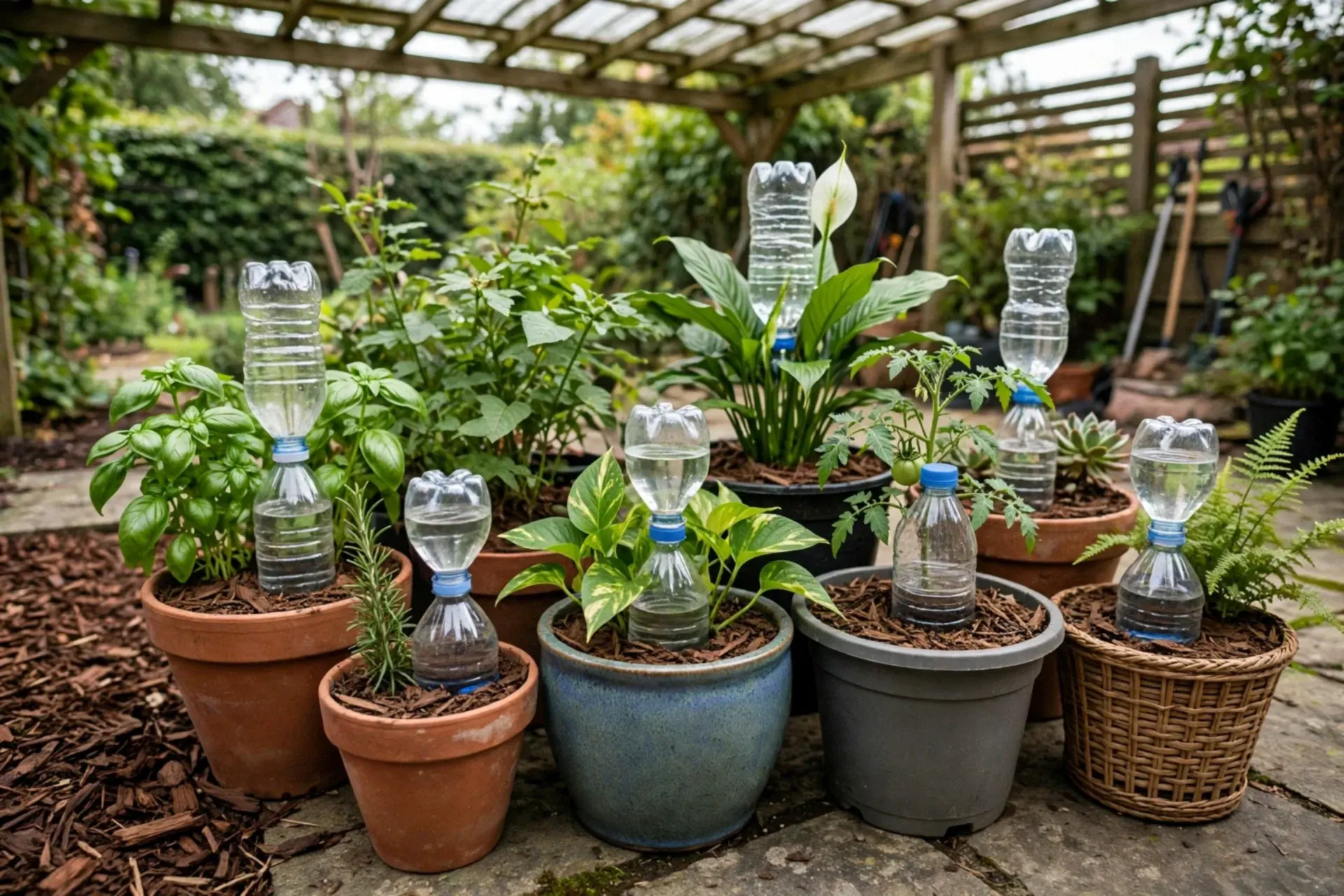 Raised beds and growing projectsHow to Water Plants While on Vacation (From a Weekend to Three Weeks)Come home to a garden, not a casualty list: triage the pots into shade, the deep-soak-and-mulch send-off, wick systems that actually work, timers for the beds — and the two-day test that decides everything.
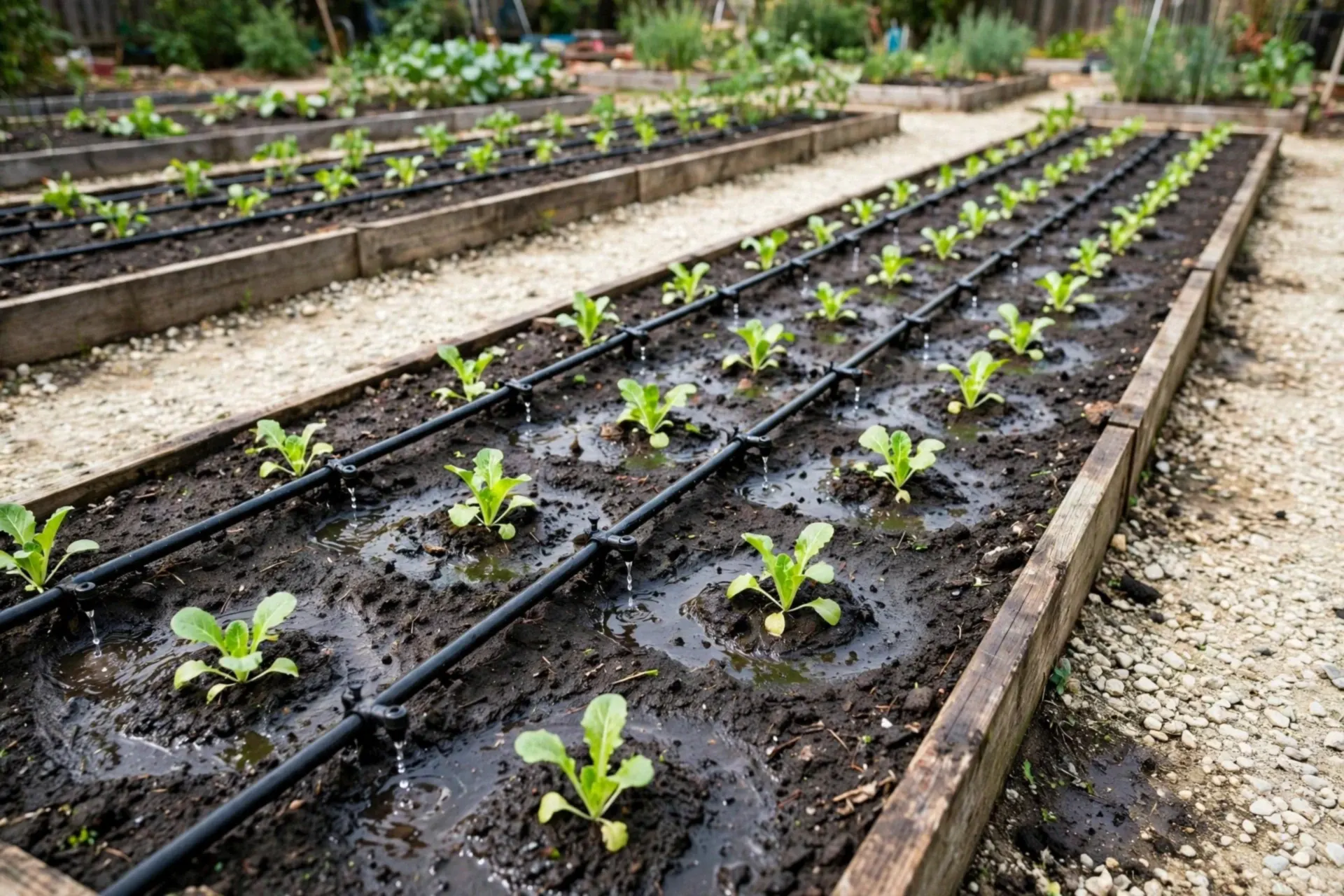 Raised beds and growing projectsHow to Set Up Drip Irrigation for Beds and RowsWater at the roots, dry leaves, no weeded paths: the bucket test that sizes your system, the four-part header in the right order, emitters placed per plant, and the deep schedule that grows deep roots.
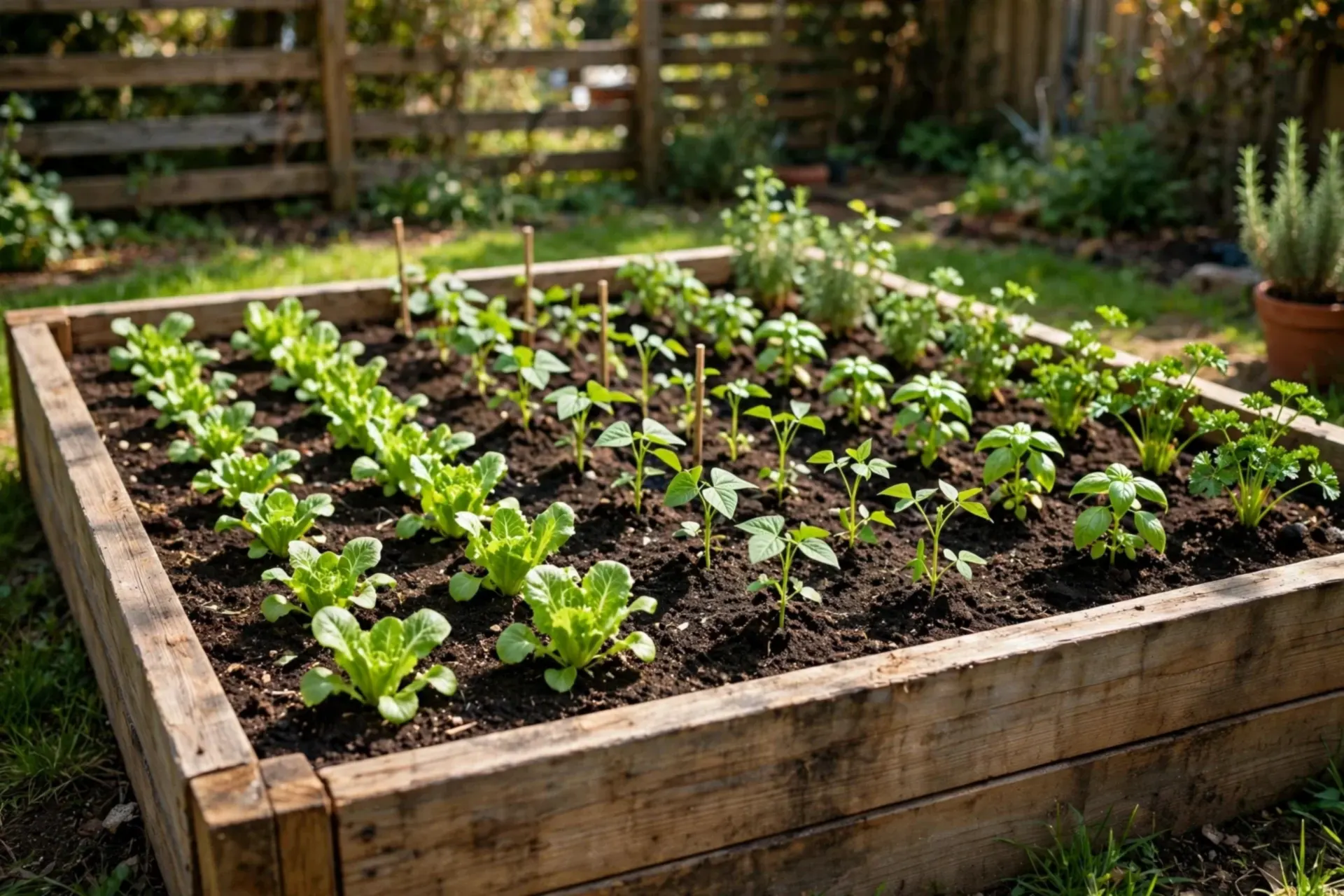 Raised beds and growing projectsRaised Bed Gardening for BeginnersNew to raised beds? The beginner's path: the best size, where to put it, how much soil it really takes, what to plant first, and the mistakes that waste a first season.
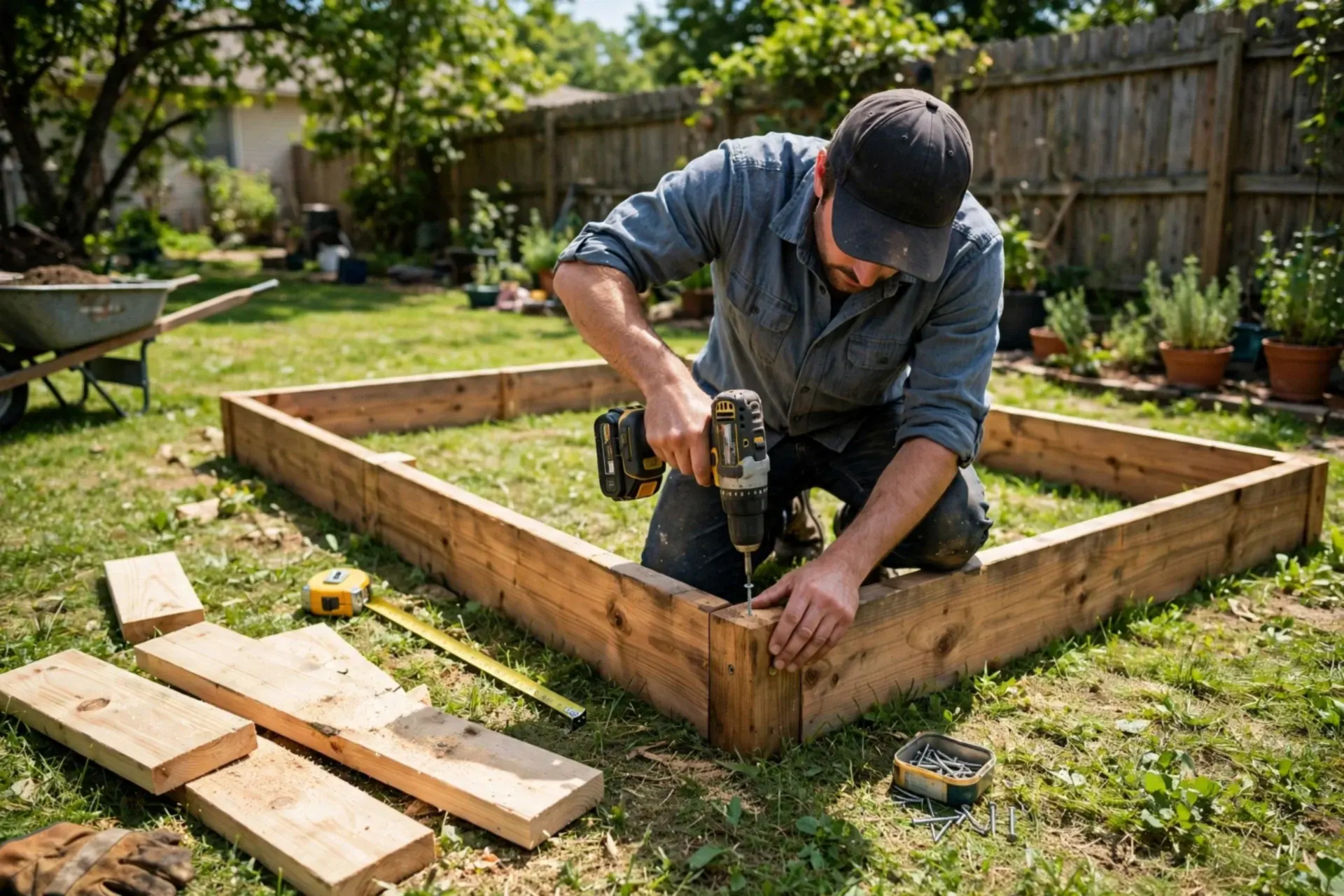 Raised beds and growing projectsHow to Build a Raised Bed (DIY steps)Build a sturdy 8x4 raised bed in an afternoon: the exact board list, corner method that stops bowing, levelling, filling — plus the soil quantity most people get wrong.
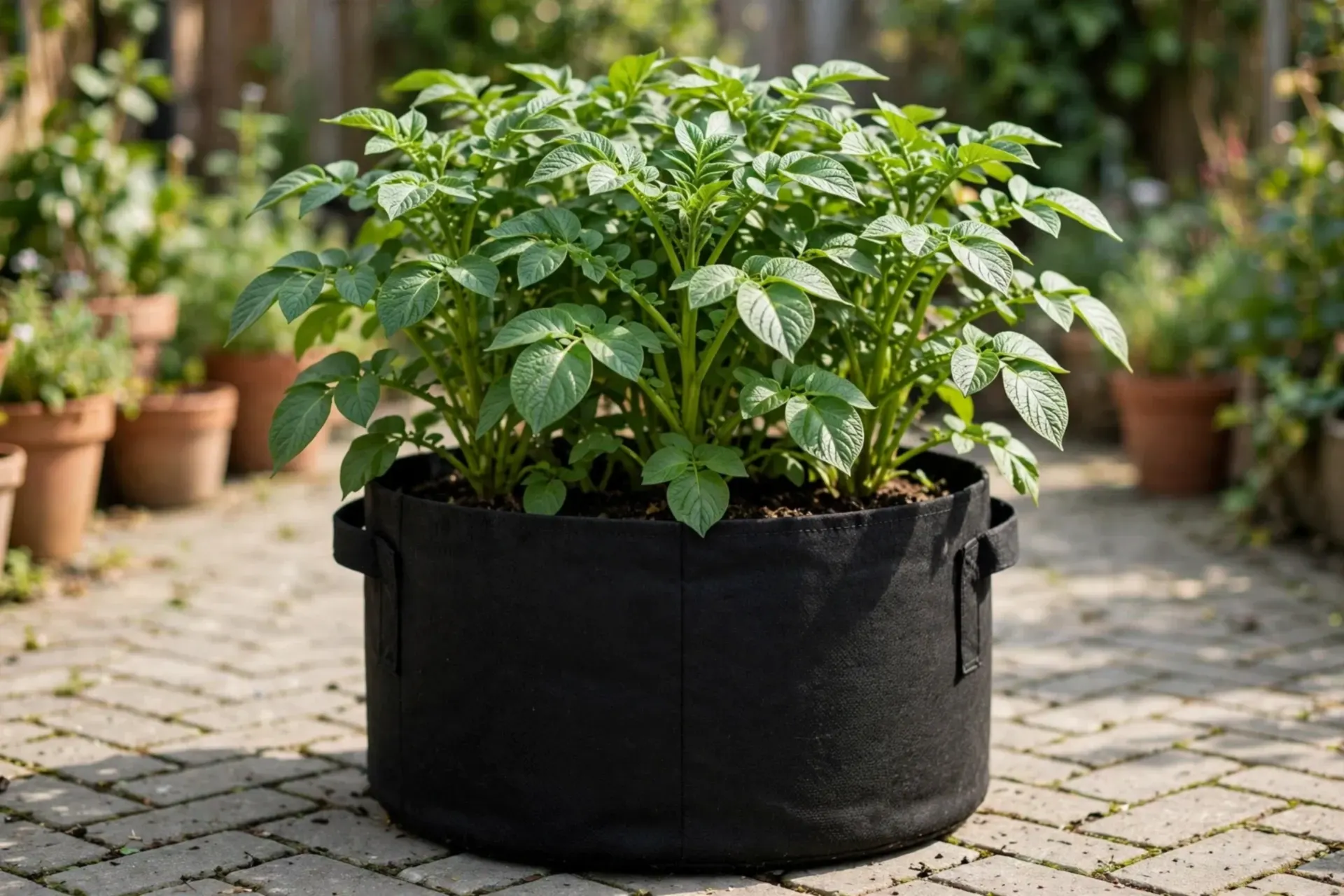 Raised beds and growing projectsHow to Grow Potatoes in BagsGrow potatoes on a patio in a bag or bucket: which bag, how deep to plant seed potatoes, the hilling-up routine, watering, and harvesting by tipping the bag out.
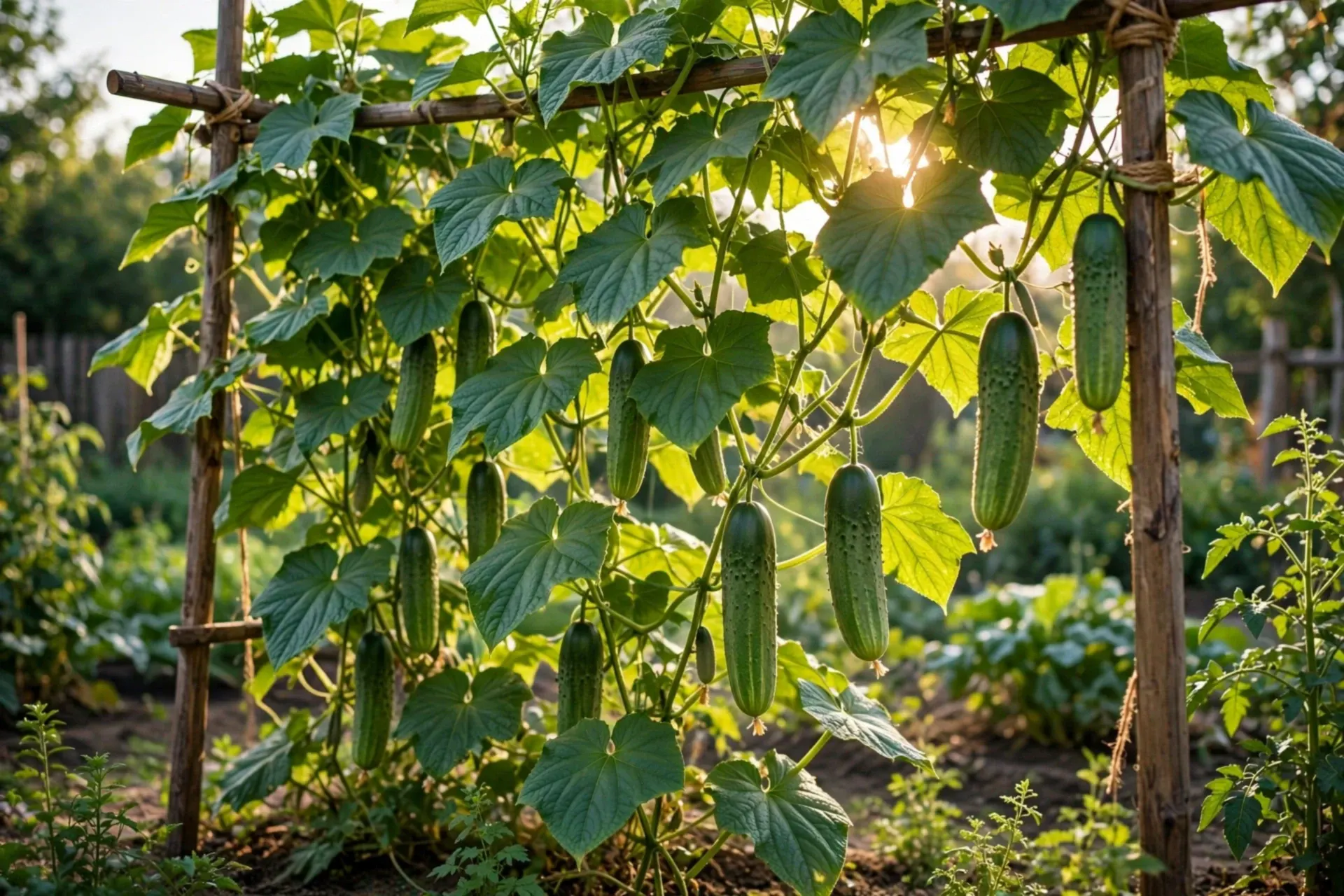 Raised beds and growing projectsHow to Grow Cucumbers VerticallyTrain cucumbers up a trellis or netting: spacing, when to start guiding vines, tying and pruning basics, and why vertical fruit stays straighter and healthier.
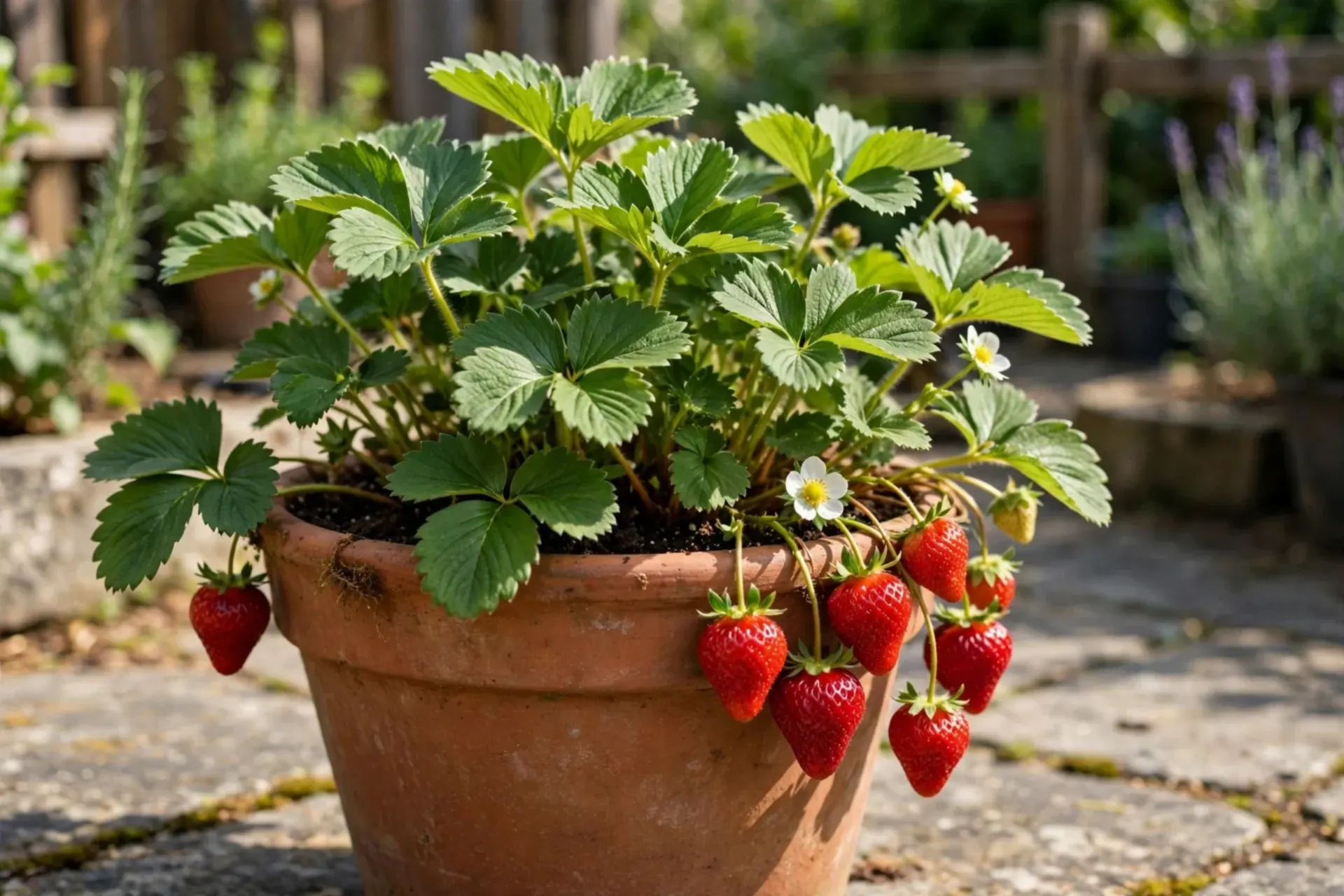 Raised beds and growing projectsHow to Grow Strawberries in PotsStrawberries thrive in pots: the right pot size per plant, June-bearing vs everbearing choice, watering and feeding rhythm, runner control, and winter care for perennial pots.
Plant problems and fixes
Plant problems and fixesMulch Types Compared: Bark, Straw, Compost, Stone, Rubber — Which Mulch for Which JobMulch is the highest-return hour in gardening. It holds soil moisture, smothers weed seedlings, and feeds the soil. Bark, straw, compost, stone and rubber compared, each one's honest strengths and failures, matched to the job.
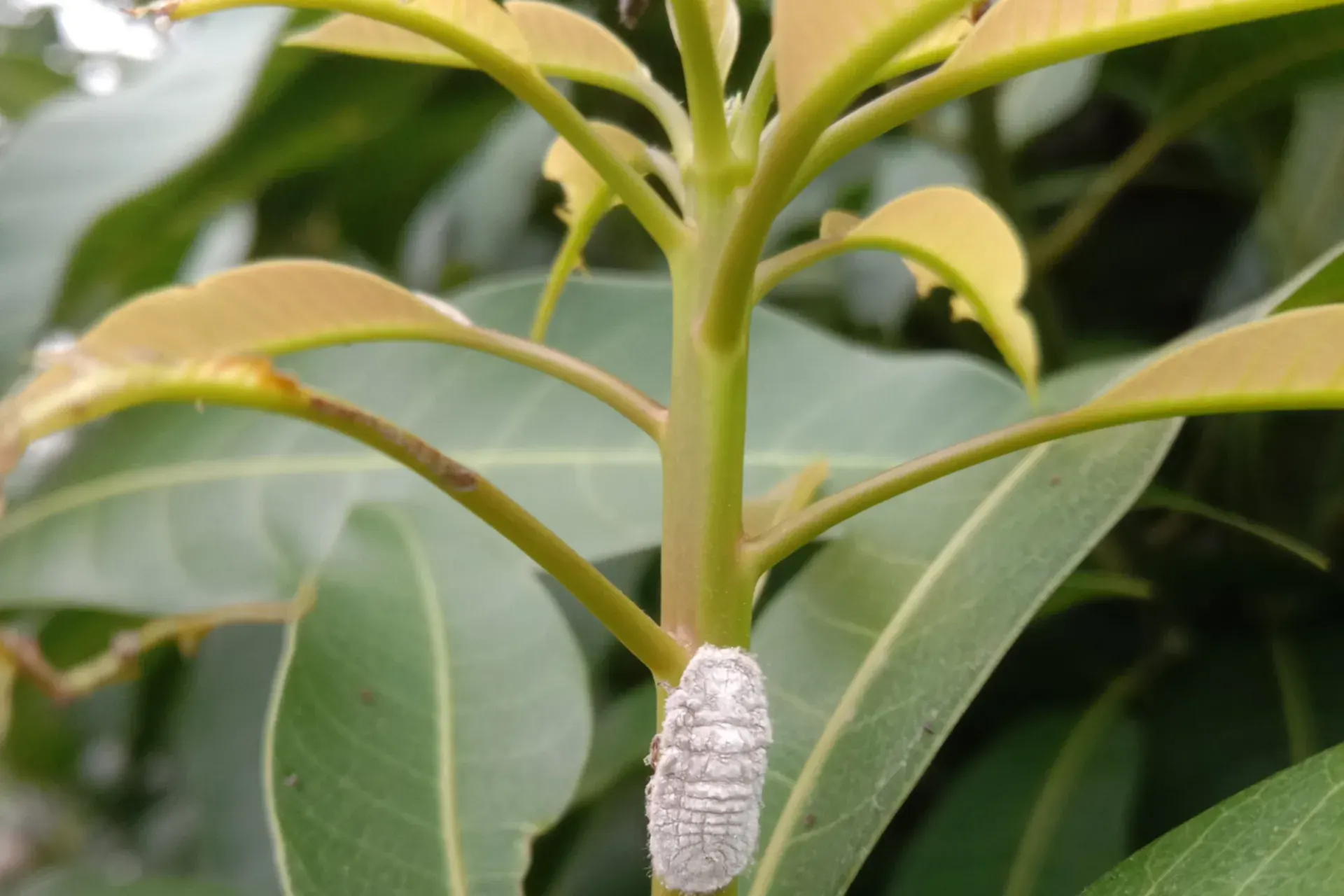 Plant problems and fixesHow to Get Rid of Mealybugs: The Repeat-Until-They're-Gone MethodHow to get rid of mealybugs for good: isolate the plant, dab with rubbing alcohol, wash, spray, and repeat weekly on houseplants until two clean checks.
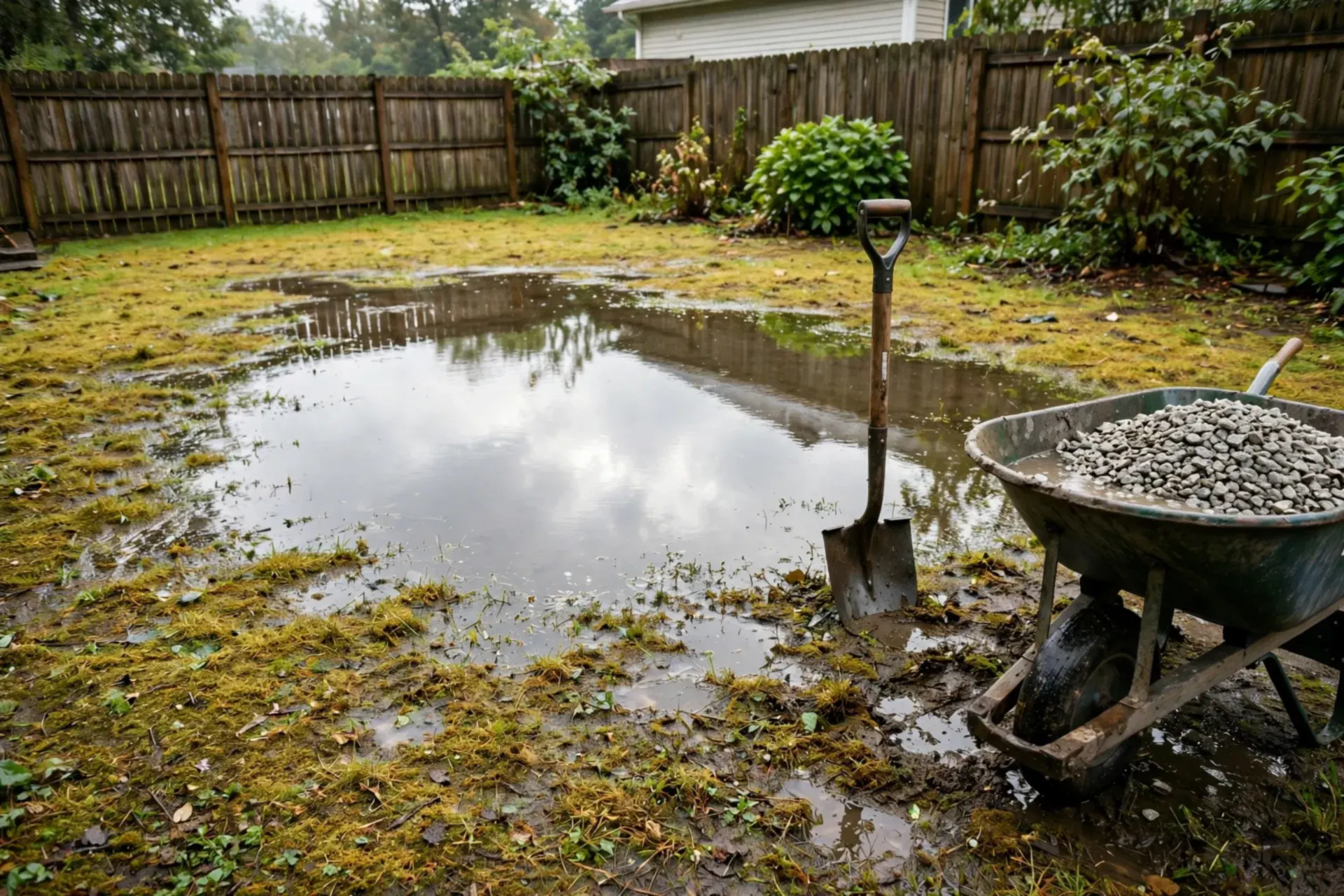 Plant problems and fixesSoggy Yard? How to Fix Drainage With a French DrainStanding water needs a way out: a trench on a 1 percent slope, fabric, washed stone and a pipe — with the gravel tonnage for a 50-foot run worked out.
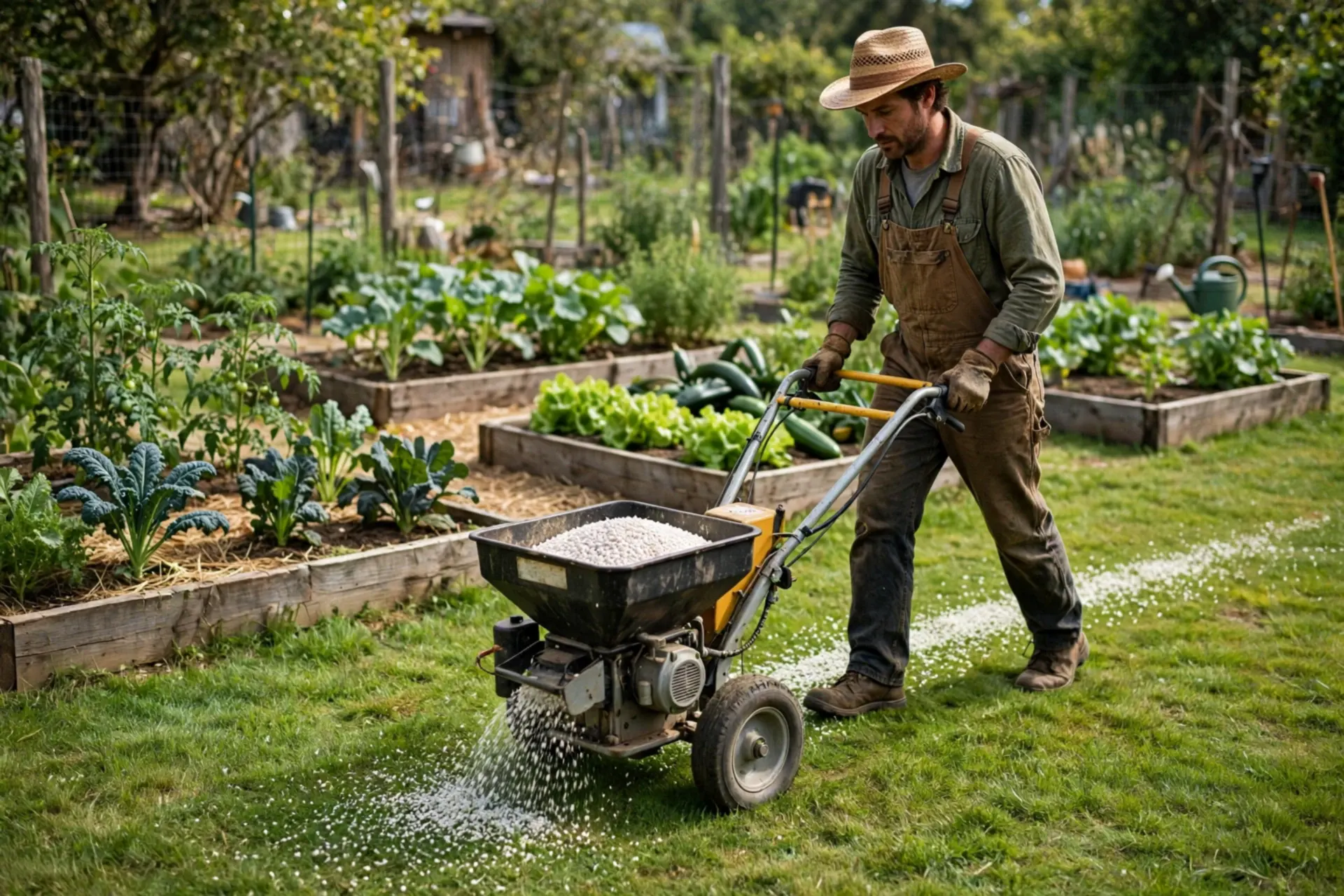 Plant problems and fixesHow to Raise Soil pH: Lime Rates for Lawns and BedsAcid soil locks the pantry. Test first, take the rate for your soil type — 20 lb on sand, up to 100 on clay — spread in fall, and let lime do its slow work.
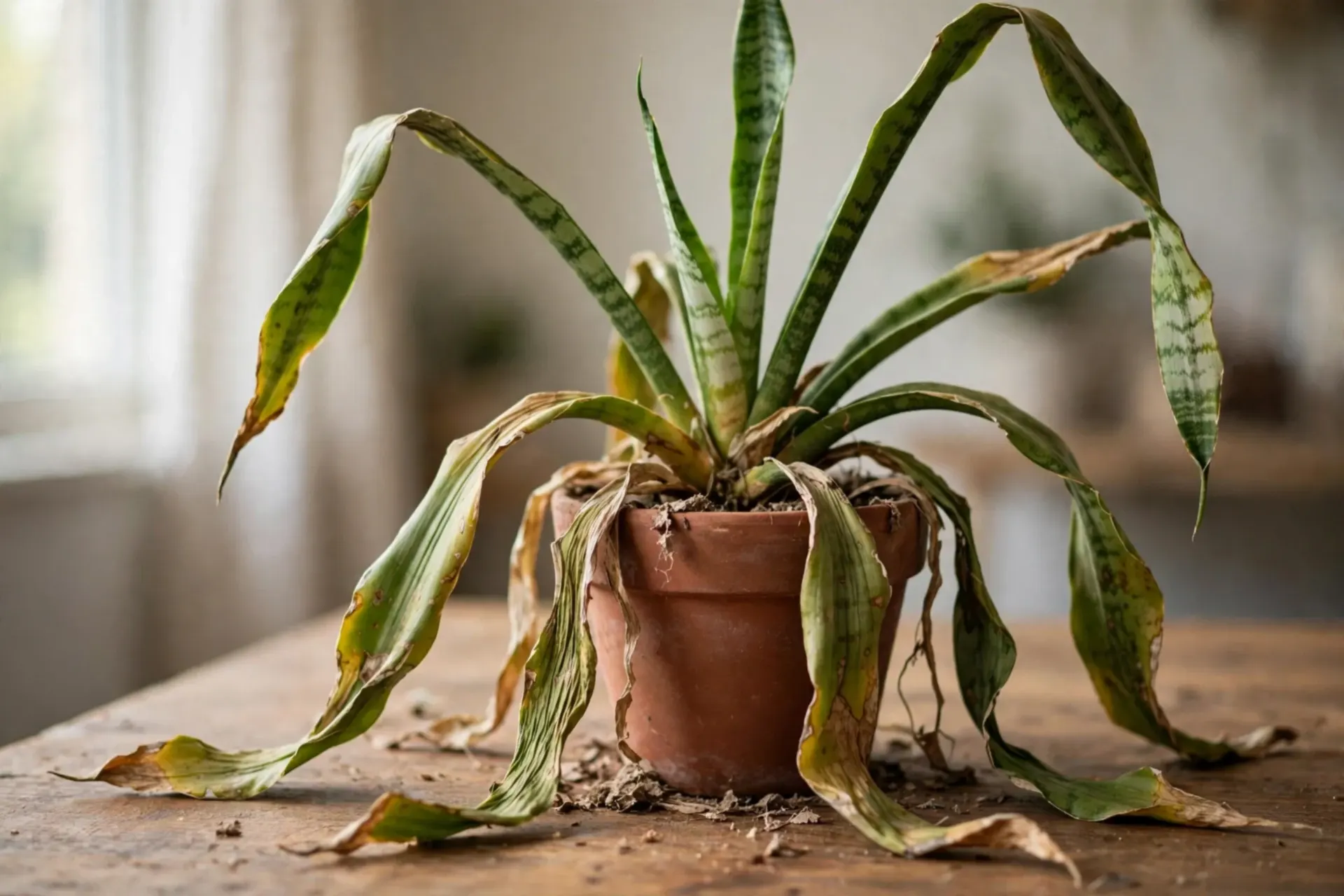 Plant problems and fixesWhy Is My Snake Plant Dying?Mushy leaves mean rot, not thirst. The 30-second diagnosis table and the timed rescue: unpot, cut, callus, repot dry.
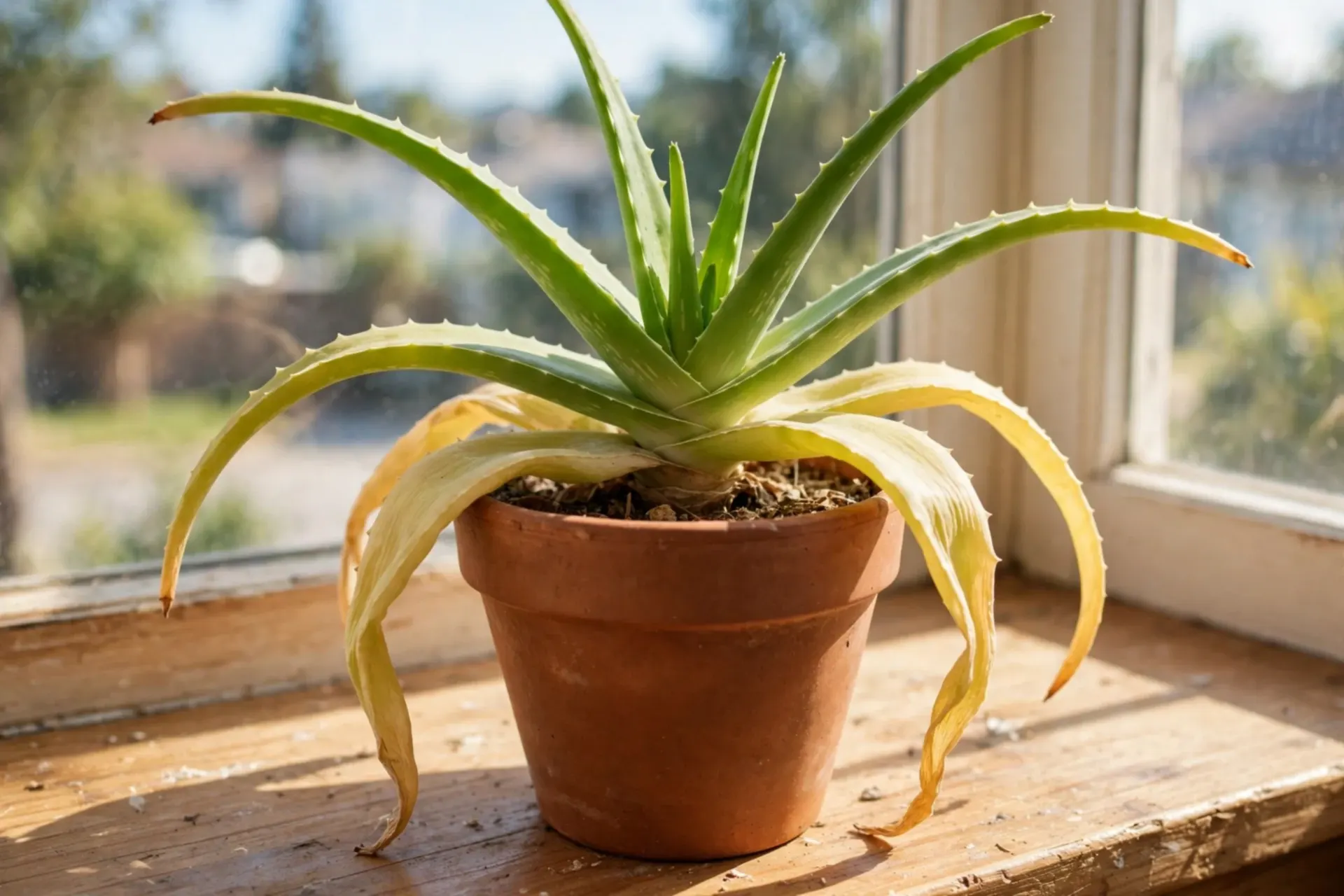 Plant problems and fixesWhy Is My Aloe Vera Turning Yellow?Where the yellow sits names the cause: rot, thirst, scorch, cold, rust. Seven causes, each matched to its fix.
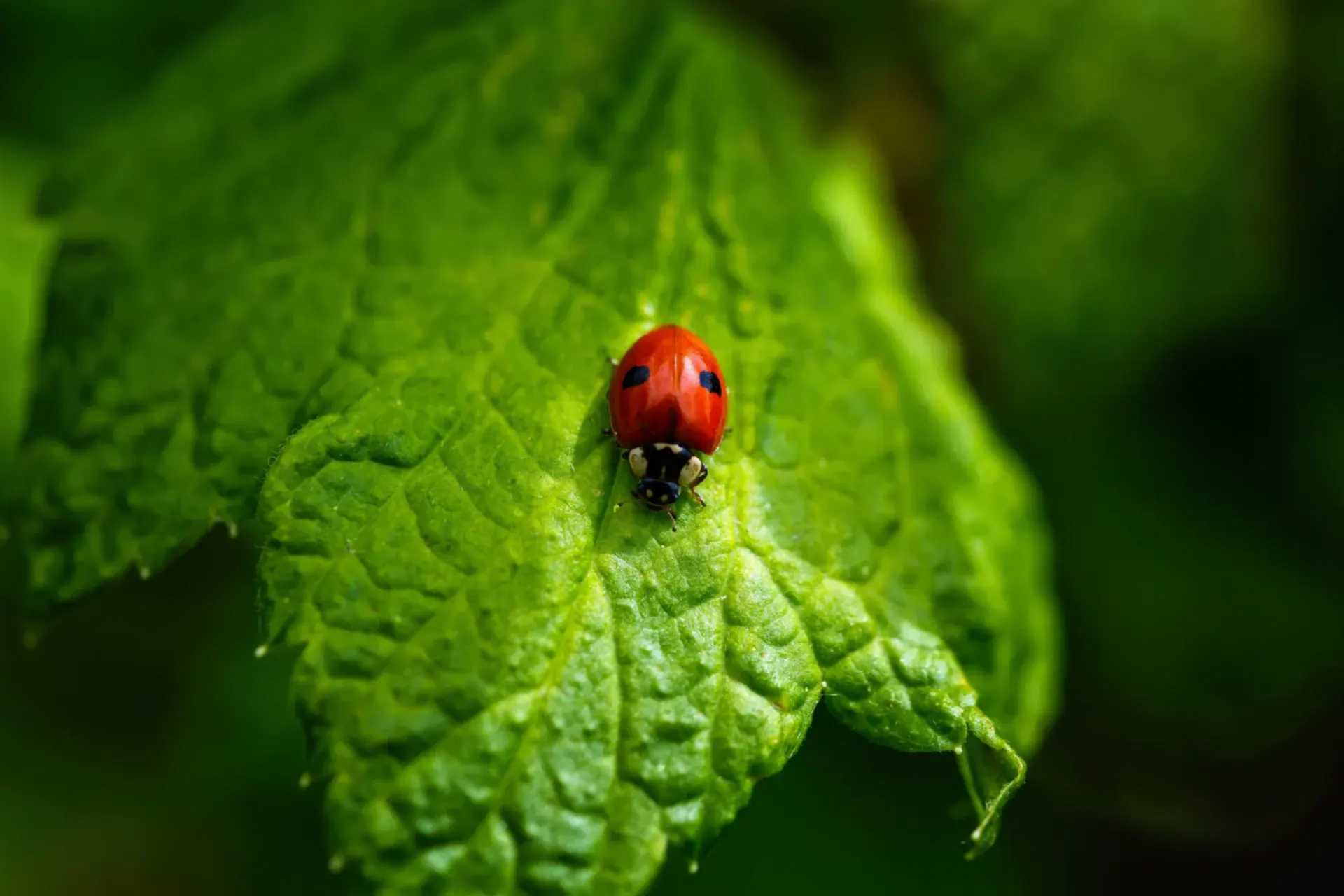 Plant problems and fixesNatural Pest Control Without ChemicalsThe prevention-first system: identify, prevent, block, remove, recruit allies — and organic sprays used honestly, last. No chemicals, no miracles, just order.
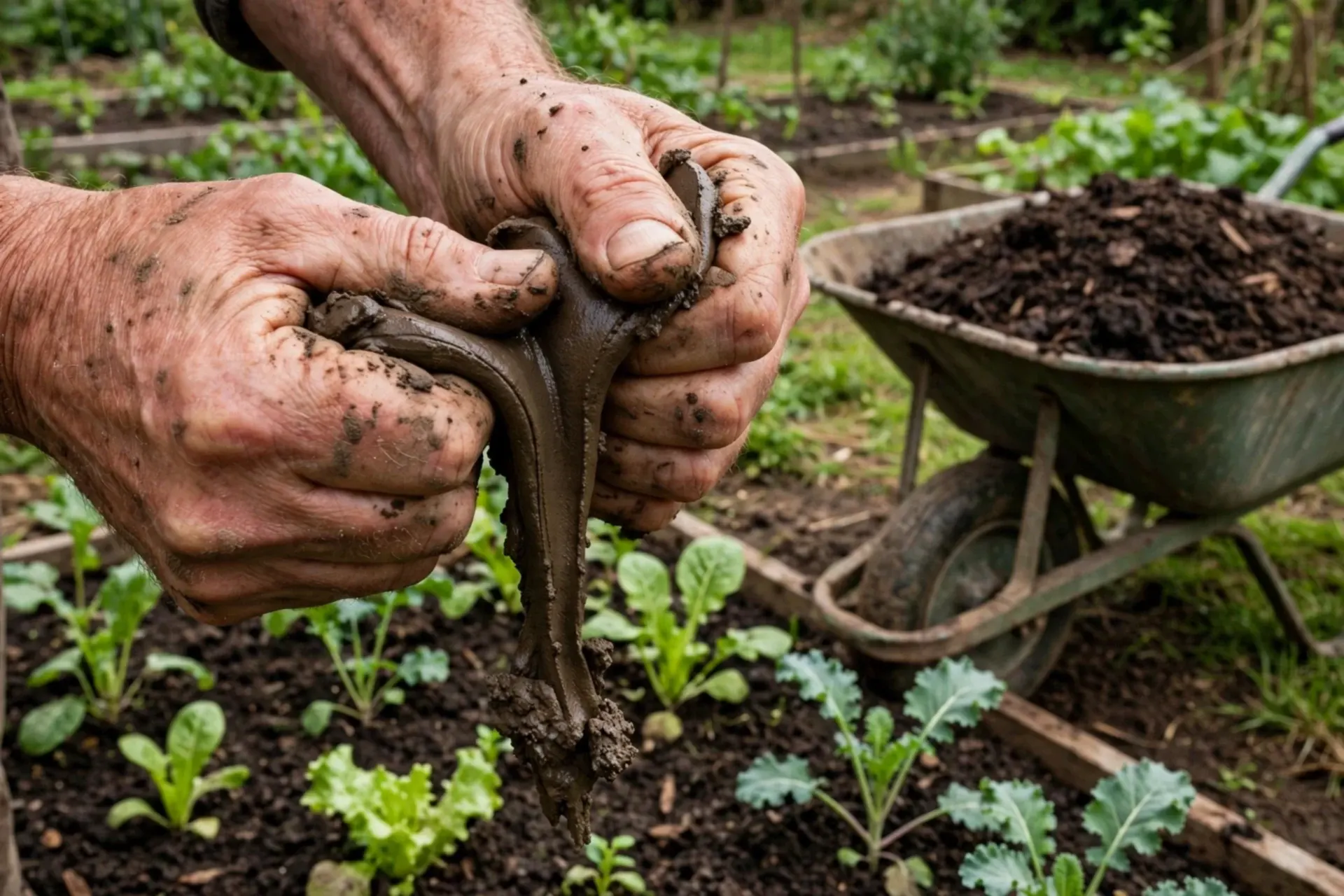 Plant problems and fixesHow to Fix Clay Soil: The Step-by-Step That Actually WorksClay soil is not fixed by sand or gypsum — it is fixed by organic matter, timing and patience. The ribbon test, the right amendment amounts, and the two famous shortcuts that make clay worse.
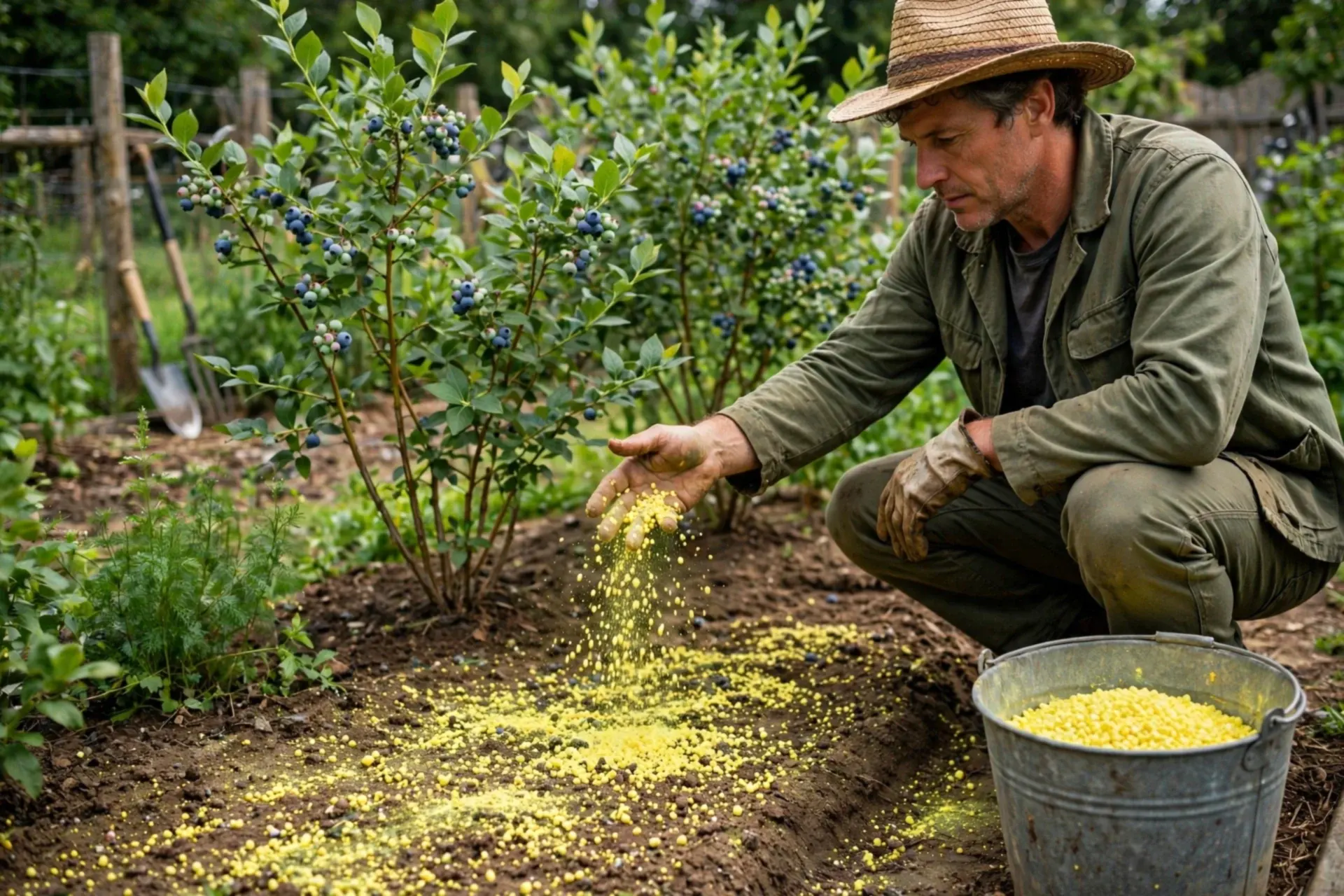 Plant problems and fixesHow to Lower Soil pH: Make Soil More Acidic, Step by StepElemental sulfur lowers soil pH — slowly, through soil bacteria, at rates set by your soil texture. Exact amounts per 100 sq ft by soil type, the timing that makes it work, and the faster products with real risks.
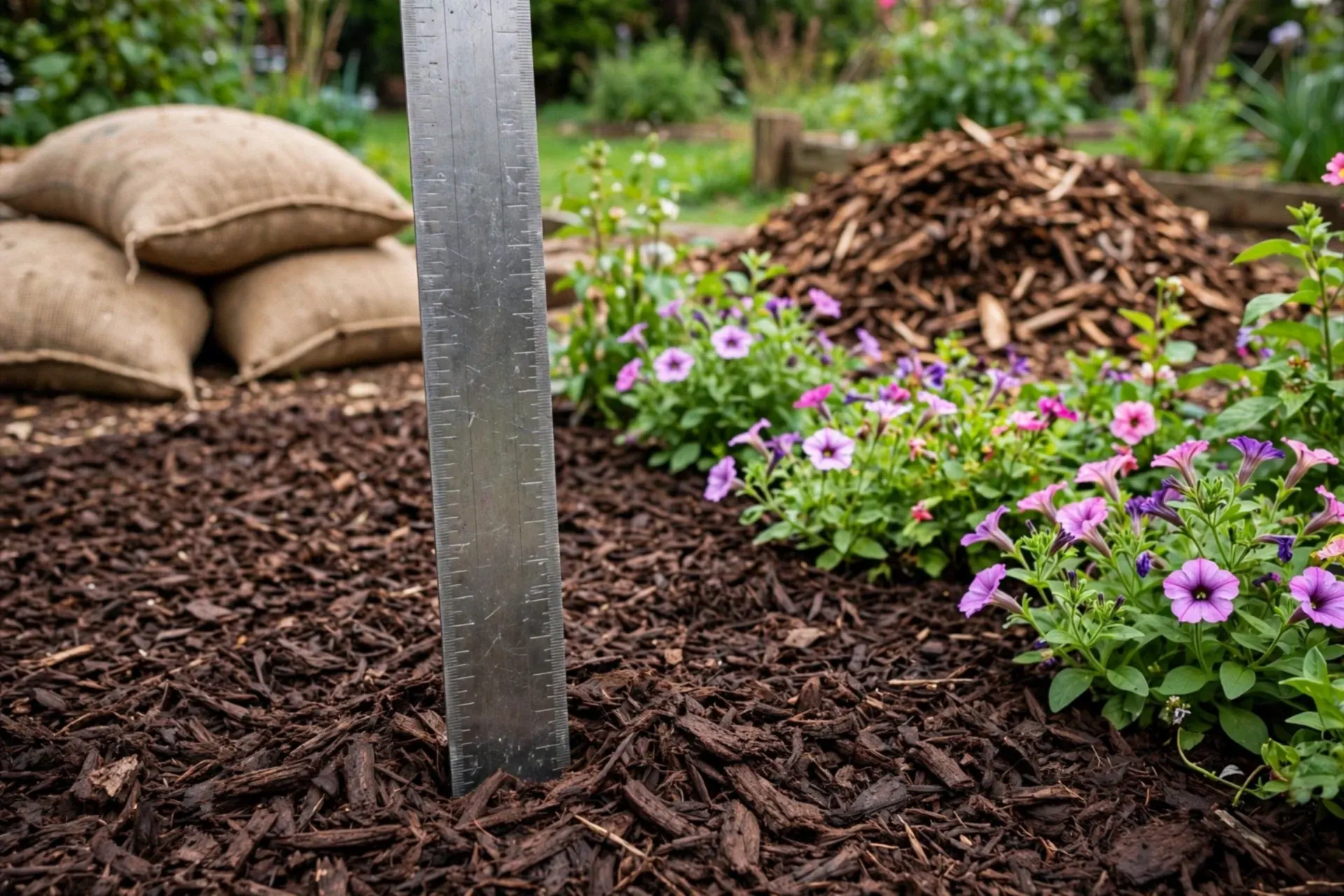 Plant problems and fixesHow Deep Should Mulch Be? Depths by Plant, and How Much to BuyMost beds want 2-3 inches of mulch — deeper is not better. Exact depths by mulch type and plant, the coverage maths per bag and per cubic yard, and the trunk mistake that kills trees slowly.
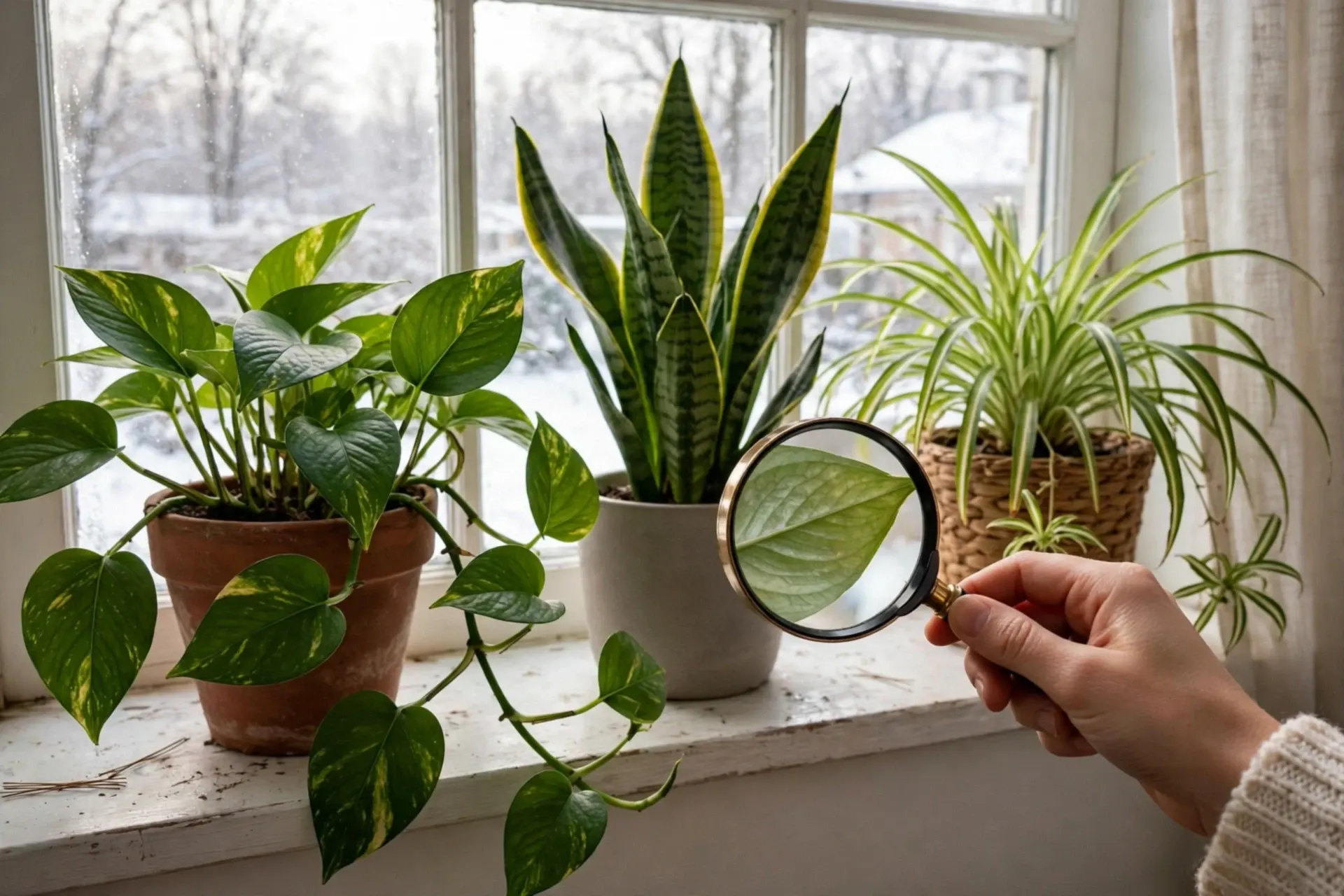 Plant problems and fixesWinter Houseplant Pests: Spider Mites, Mealybugs & ScaleFine webs, white fluff or sticky leaves on your houseplants this winter? Identify spider mites, mealybugs and scale, then work the treatment ladder: quarantine, shower, alcohol swab, soap spray.
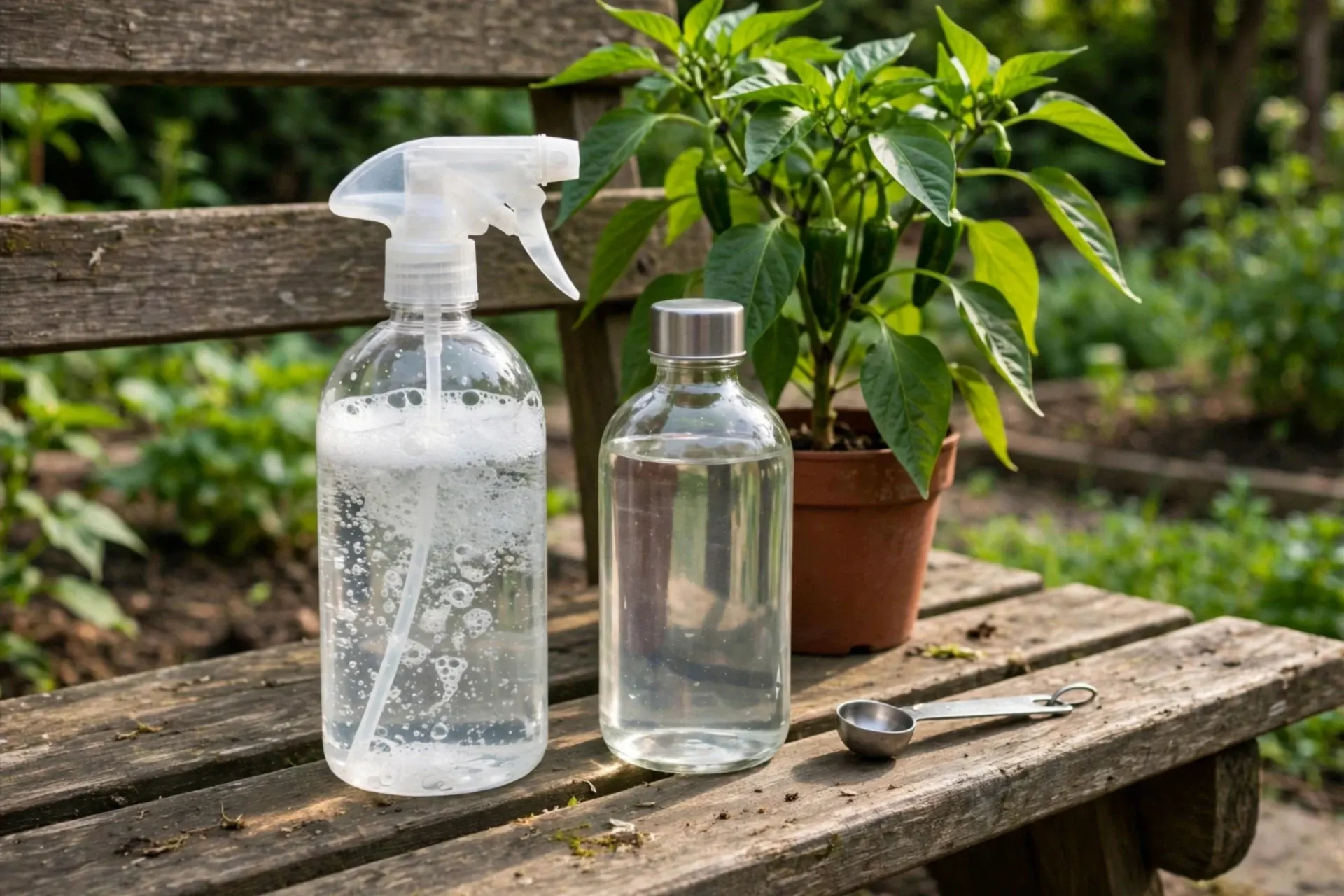 Plant problems and fixesHow to Make Insecticidal Soap Spray (That Won't Burn Your Plants)The real insecticidal soap recipe: pure castile soap at the right strength, why dish detergent is not soap and burns leaves, the test-spray routine, and what it kills — soft-bodied pests, on contact only.
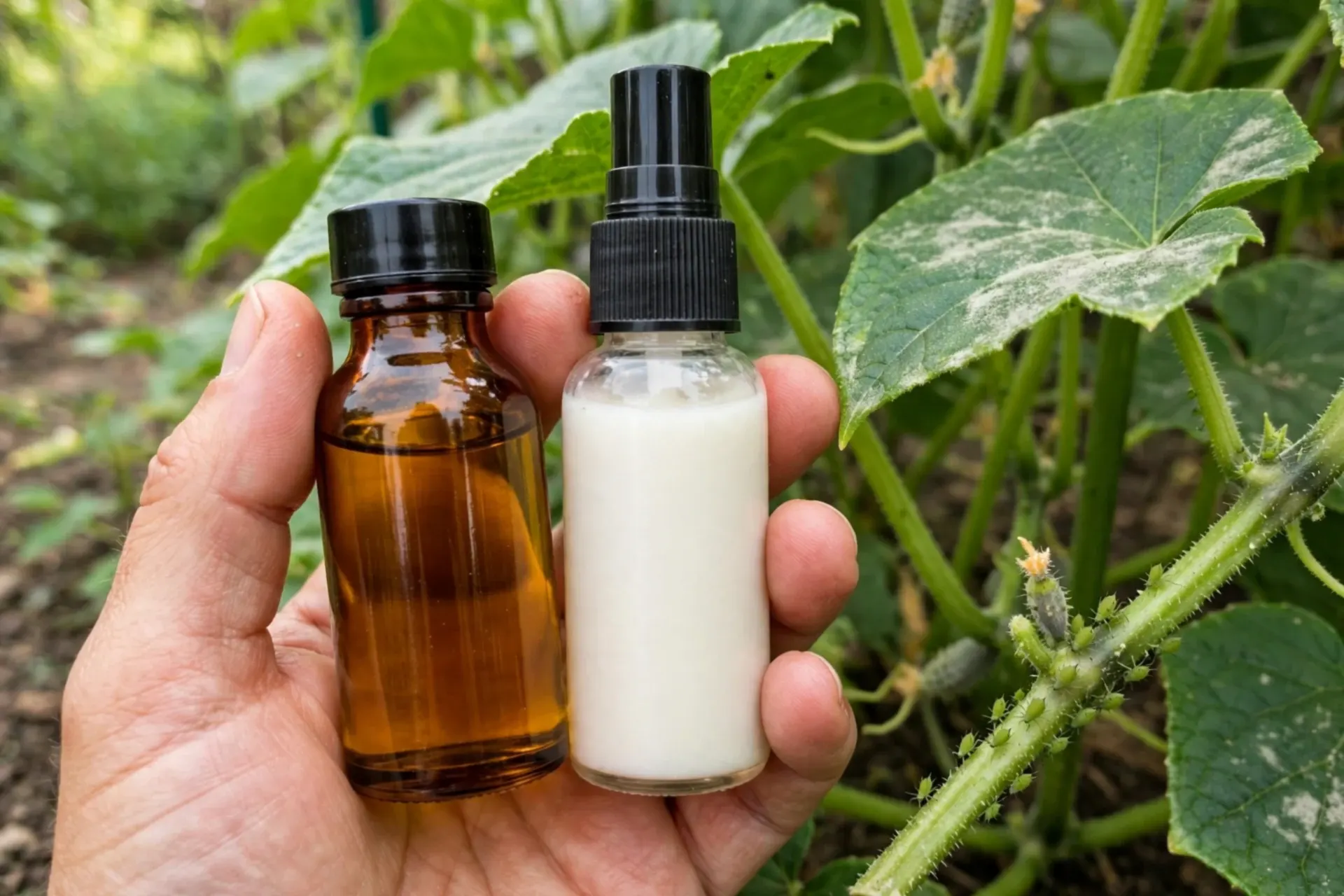 Plant problems and fixesNeem Oil Spray: How to Mix It, When to Spray, What It Actually ControlsNeem oil, honestly: how azadirachtin actually works, the emulsifier trick that makes it mix, exact ratios, evening-only application, the bee rules, and the list of things neem does not do.
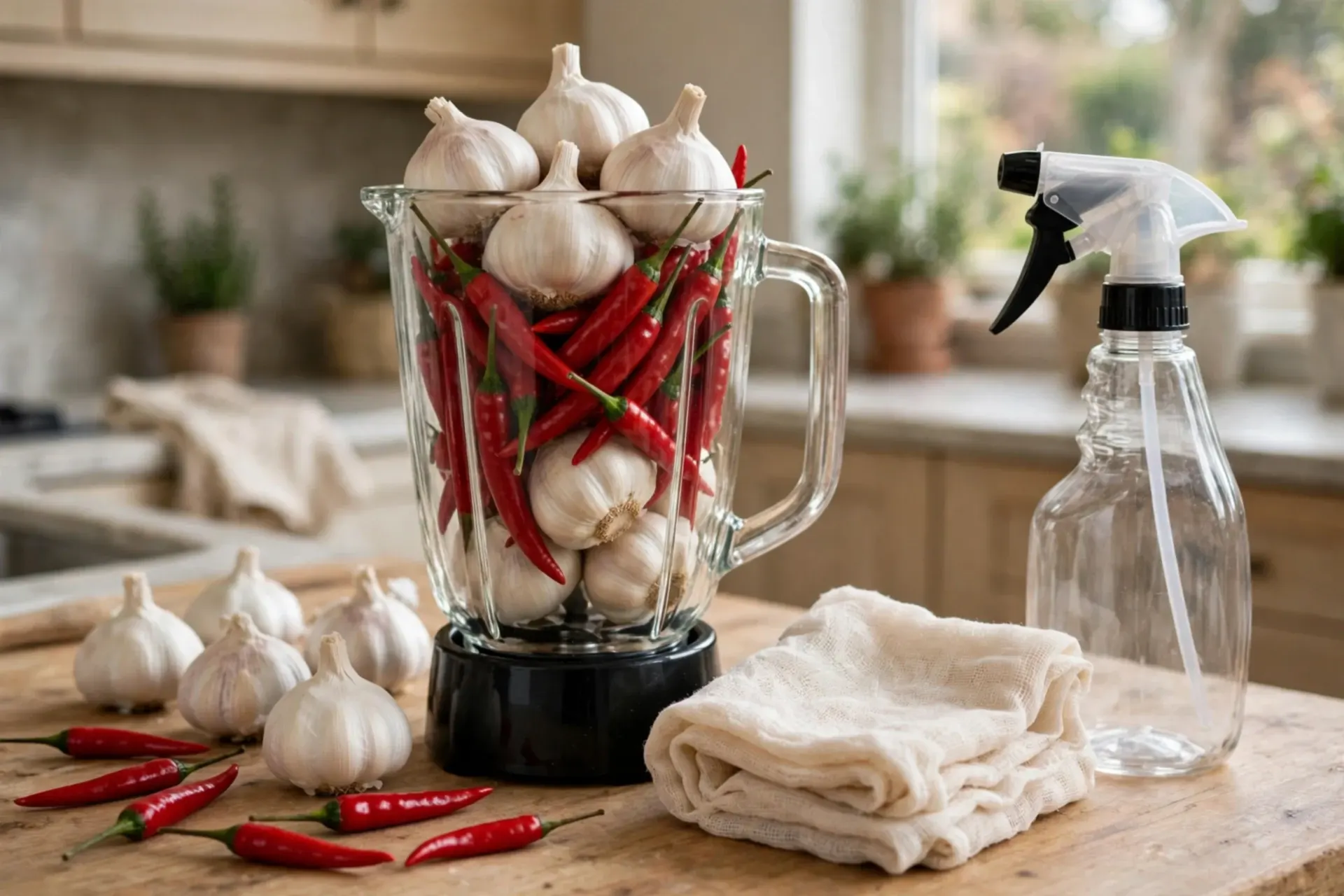 Plant problems and fixesGarlic & Chili Pepper Sprays: Repellents, Not CuresHomemade garlic and chili sprays, honestly rated: what they genuinely do (repel and deter), what they cannot do (clear an infestation), both recipes, and the reapplication reality.
 Plant problems and fixesChemical Pesticides, Explained HonestlyChemical pesticides without the scare stories or the sales pitch: contact vs systemic, pyrethrins vs pyrethroids, pre-harvest intervals, bee safety, storage — and why the label is the law.
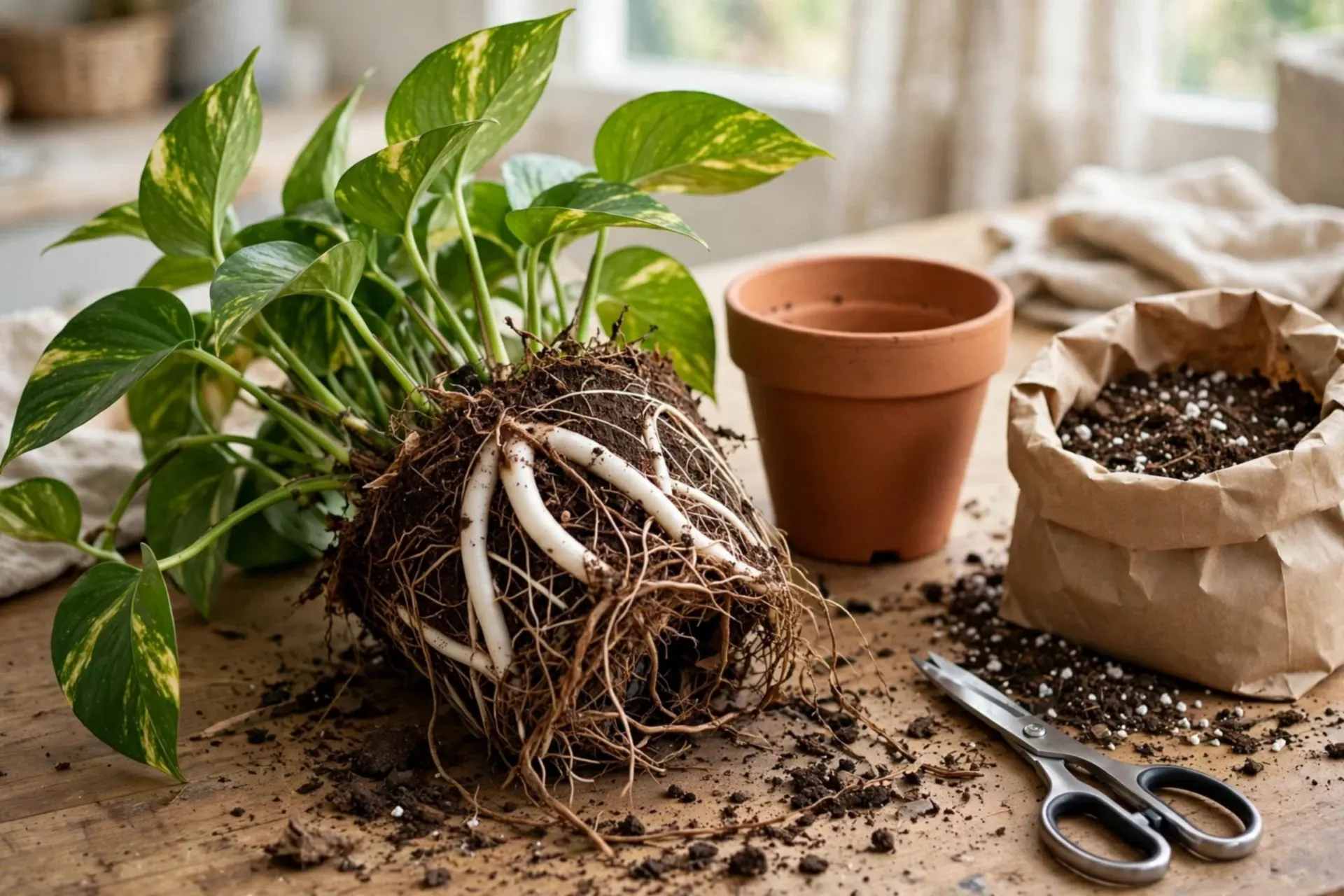 Plant problems and fixesOverwatered Plant Rescue: Root Rot Signs, and How to Save the PlantWilting in wet soil, yellowing leaves, a sour smell from the pot? Diagnose overwatering and root rot, then rescue step by step: stop, unpot, inspect, trim, repot — and know honestly when a plant is gone.
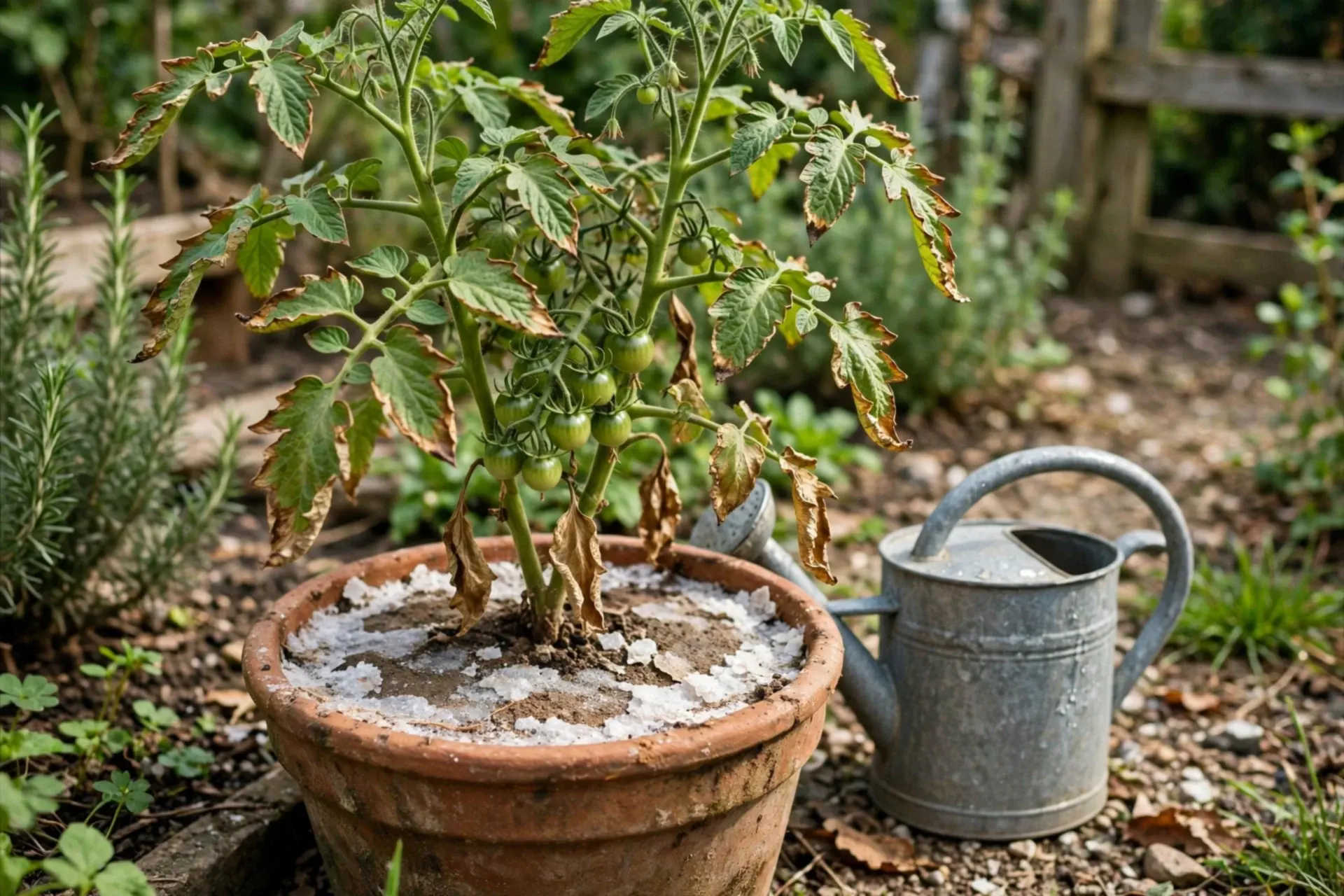 Plant problems and fixesFertilizer Burn: Spot It, Flush It, Save the PlantCrispy leaf edges right after feeding? Spot fertilizer burn, tell it apart from drought and scorch, flush the salts out step by step, and know which plants can be saved — and which cannot.
 Plant problems and fixesGarden Remedies Fact-Check: Epsom Salt, Baking Soda, Vinegar & Milk SprayFour famous kitchen remedies, checked fairly: what each one genuinely does, what it does not do, and where it quietly harms — Epsom salt, baking soda, vinegar and milk spray, without mockery or miracles.
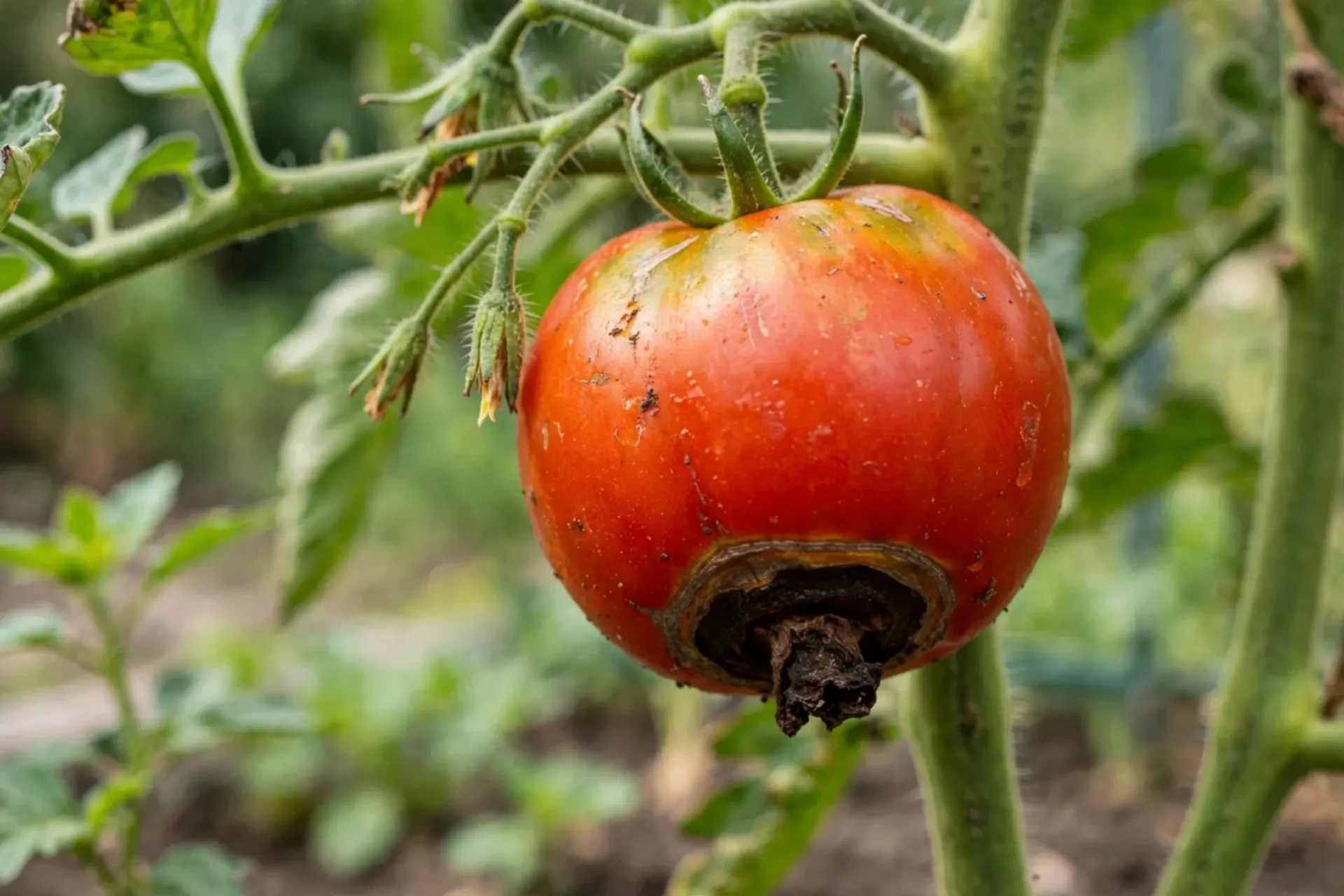 Plant problems and fixesBlossom End Rot on Tomatoes: Causes and the Real FixThat black, sunken patch on the bottom of your tomatoes is blossom end rot — a calcium-delivery problem, not a disease. What actually causes it, what fixes it, and what is a waste of money.
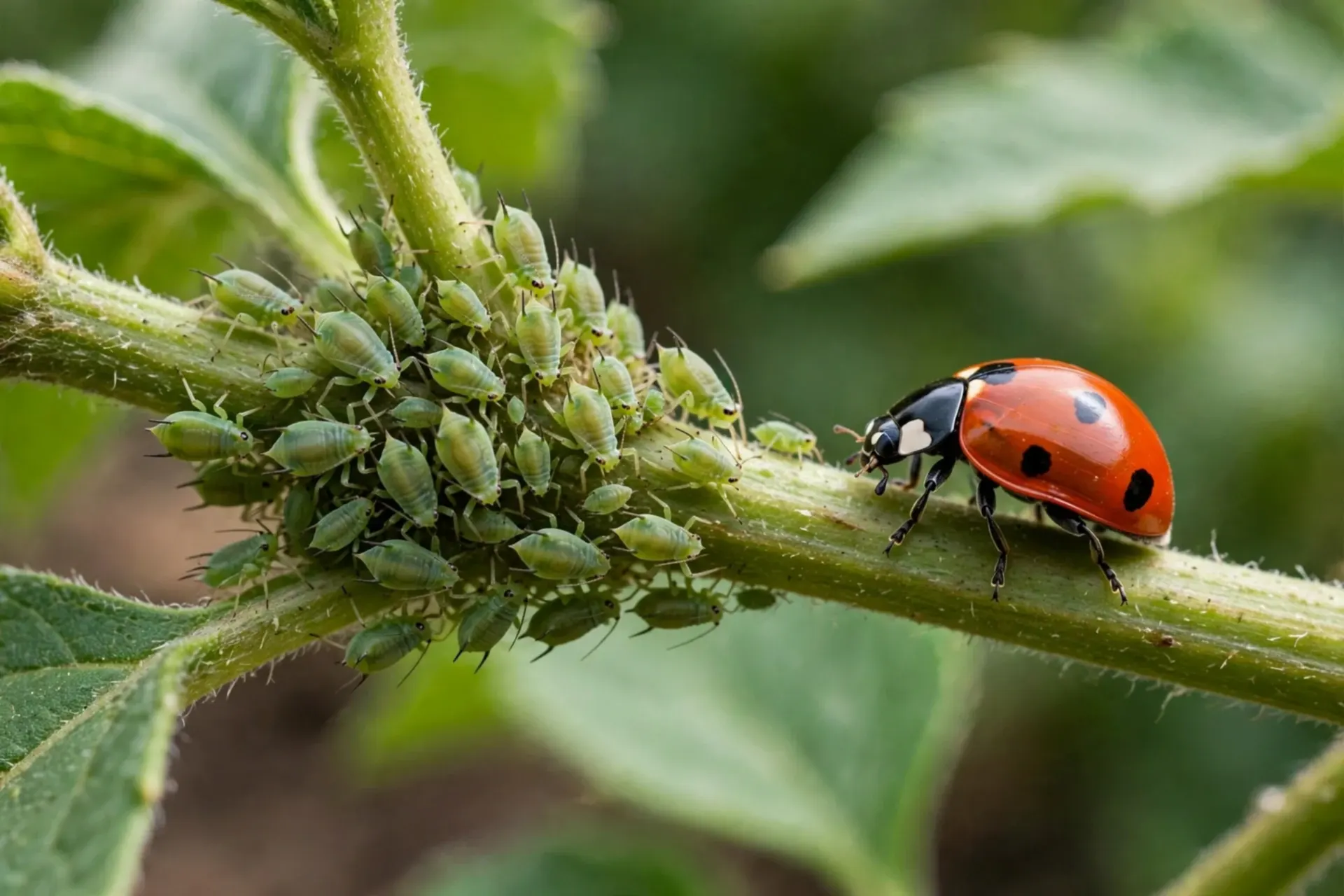 Plant problems and fixesHow to Get Rid of Aphids on Plants (Without Nuking Your Garden)Aphids cluster on soft new growth and under leaves — and they multiply astonishingly fast. The ladder of control that works: water, soap, predators, and the habit that causes most outbreaks.
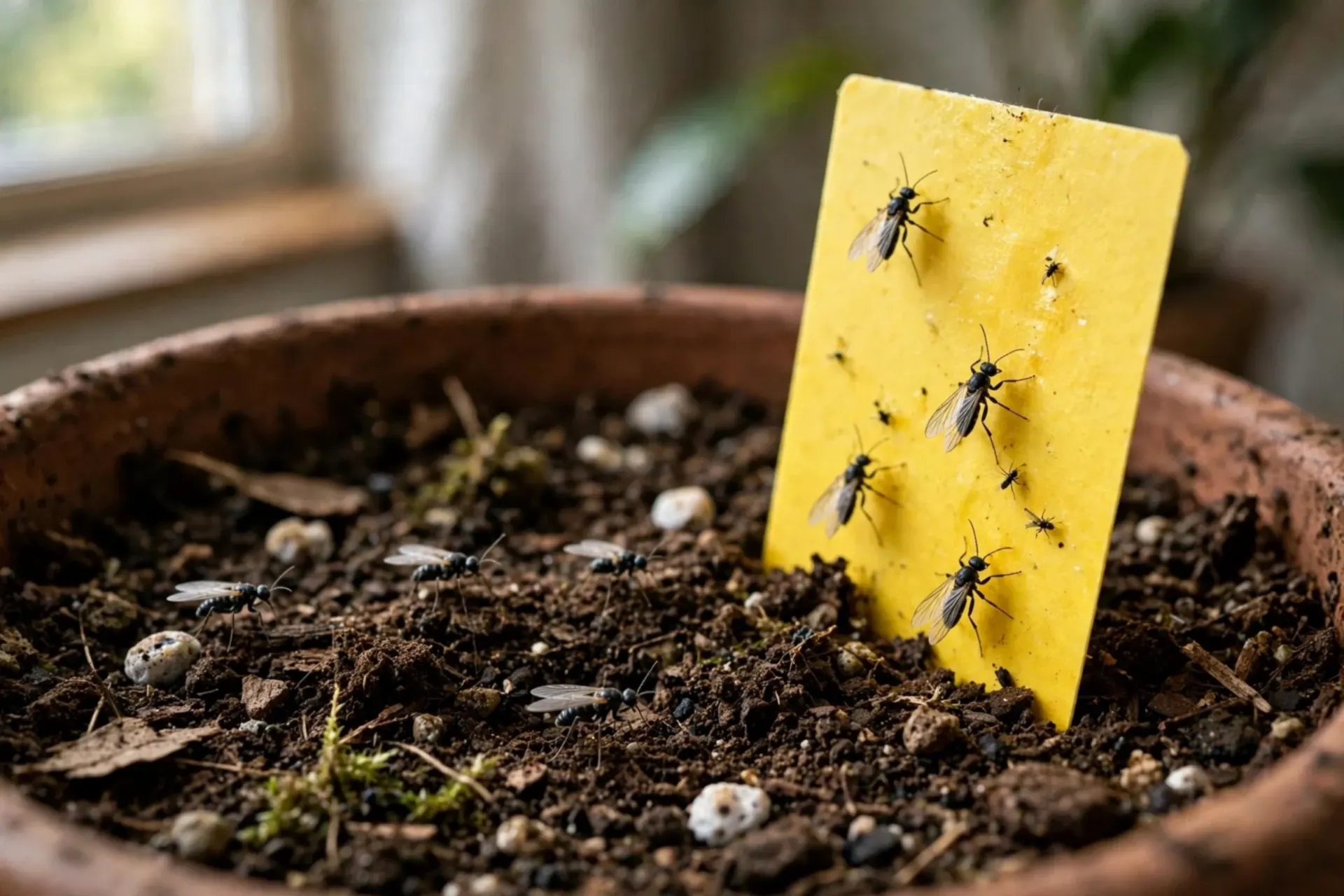 Plant problems and fixesHow to Get Rid of Fungus Gnats (for Good, Not Just Fewer)Tiny black flies around houseplants and seed trays breed in wet potting mix, and their larvae nibble seedling roots. Break the whole life cycle: dry the surface, trap the adults, treat the mix.
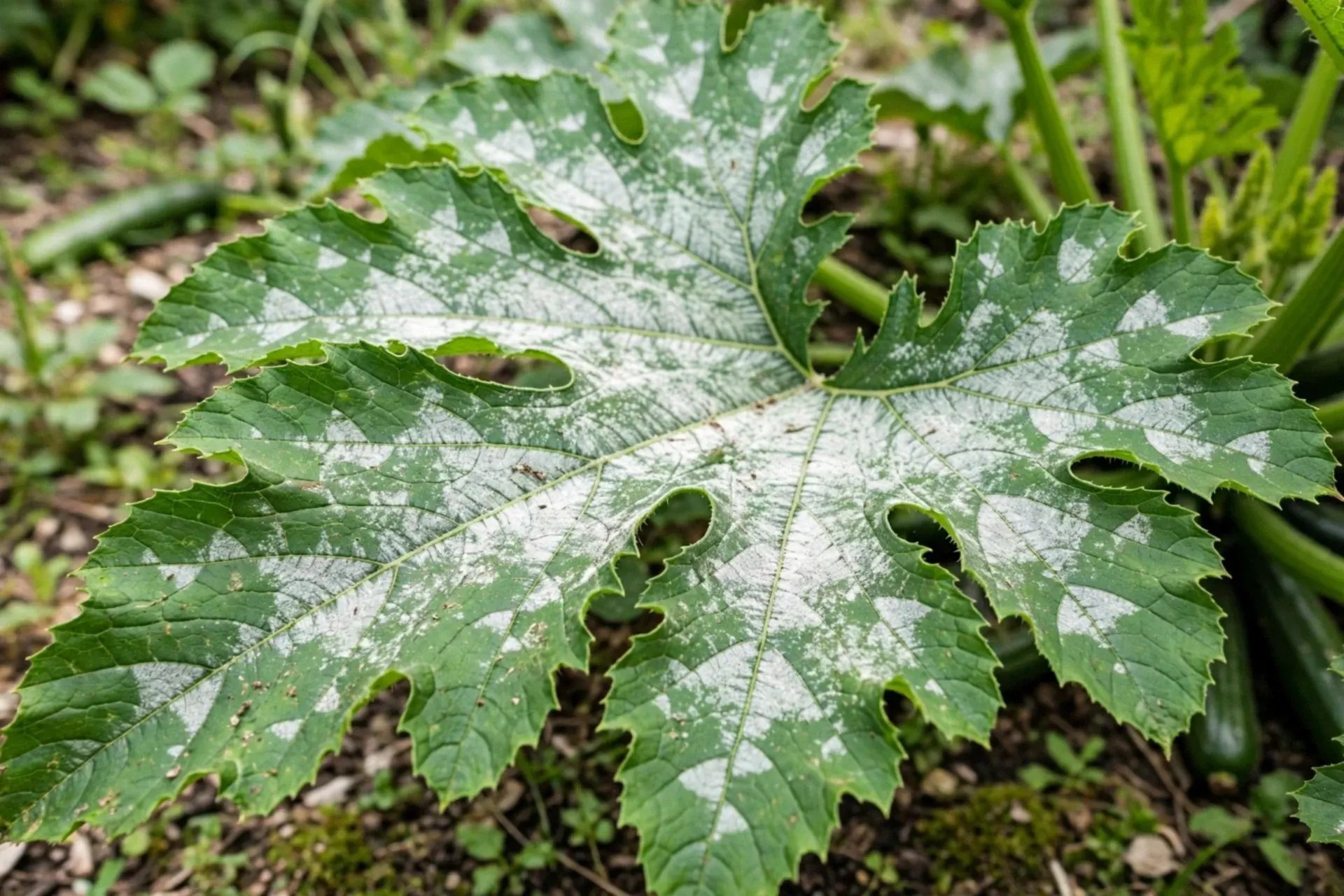 Plant problems and fixesHow to Get Rid of Powdery Mildew (and Stop It Coming Back)White powdery patches on zucchini, cucumber, pea and rose leaves are powdery mildew. What it is, the treatments that actually work, and the spacing and watering habits that prevent it.
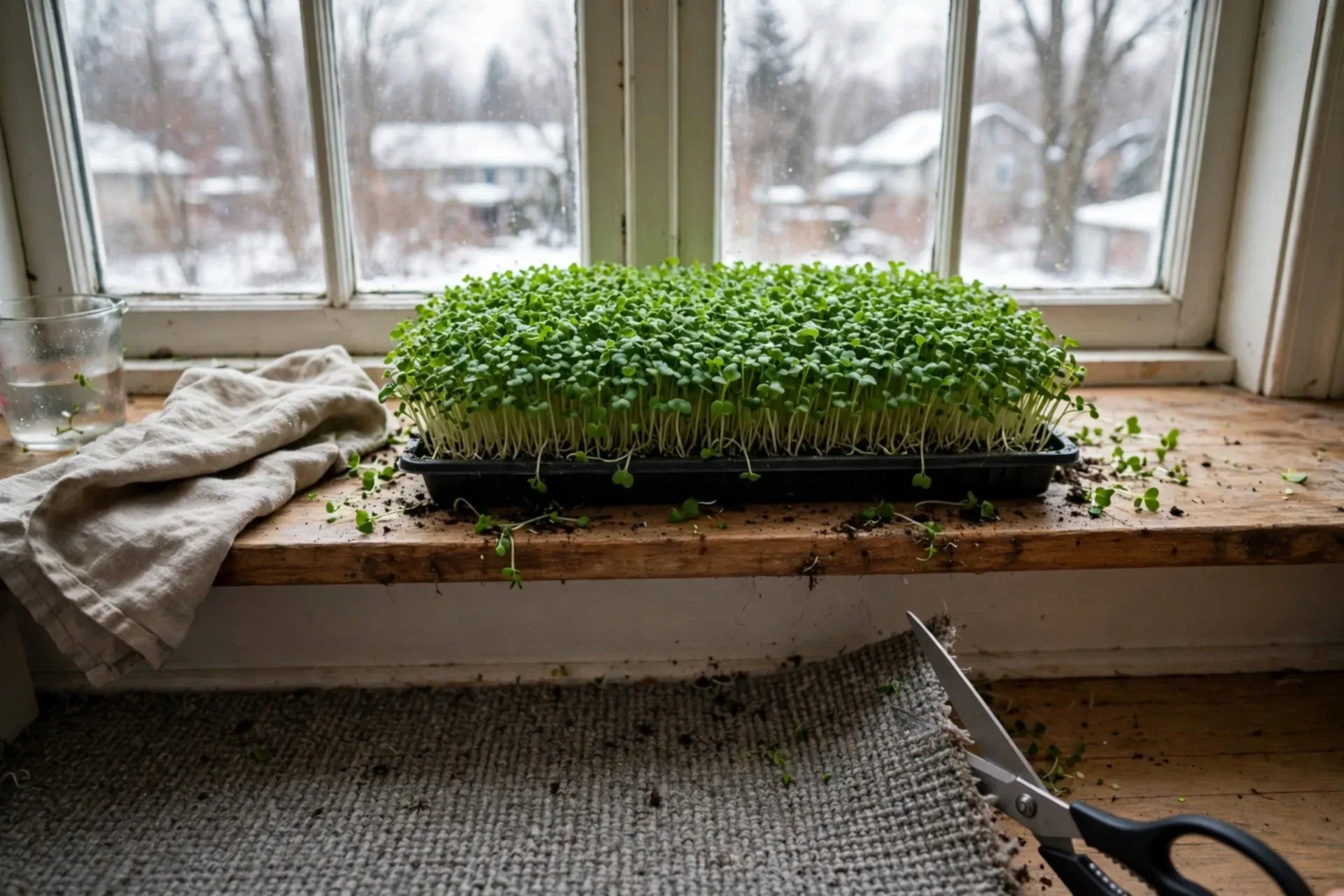 Plant problems and fixesHow to Grow Microgreens Indoors (Harvest in 7–14 Days)Microgreens are the fastest crop you own: sow thickly in a shallow tray, a few days of darkness, then light — and cut fresh greens in one to two weeks, in the middle of winter.
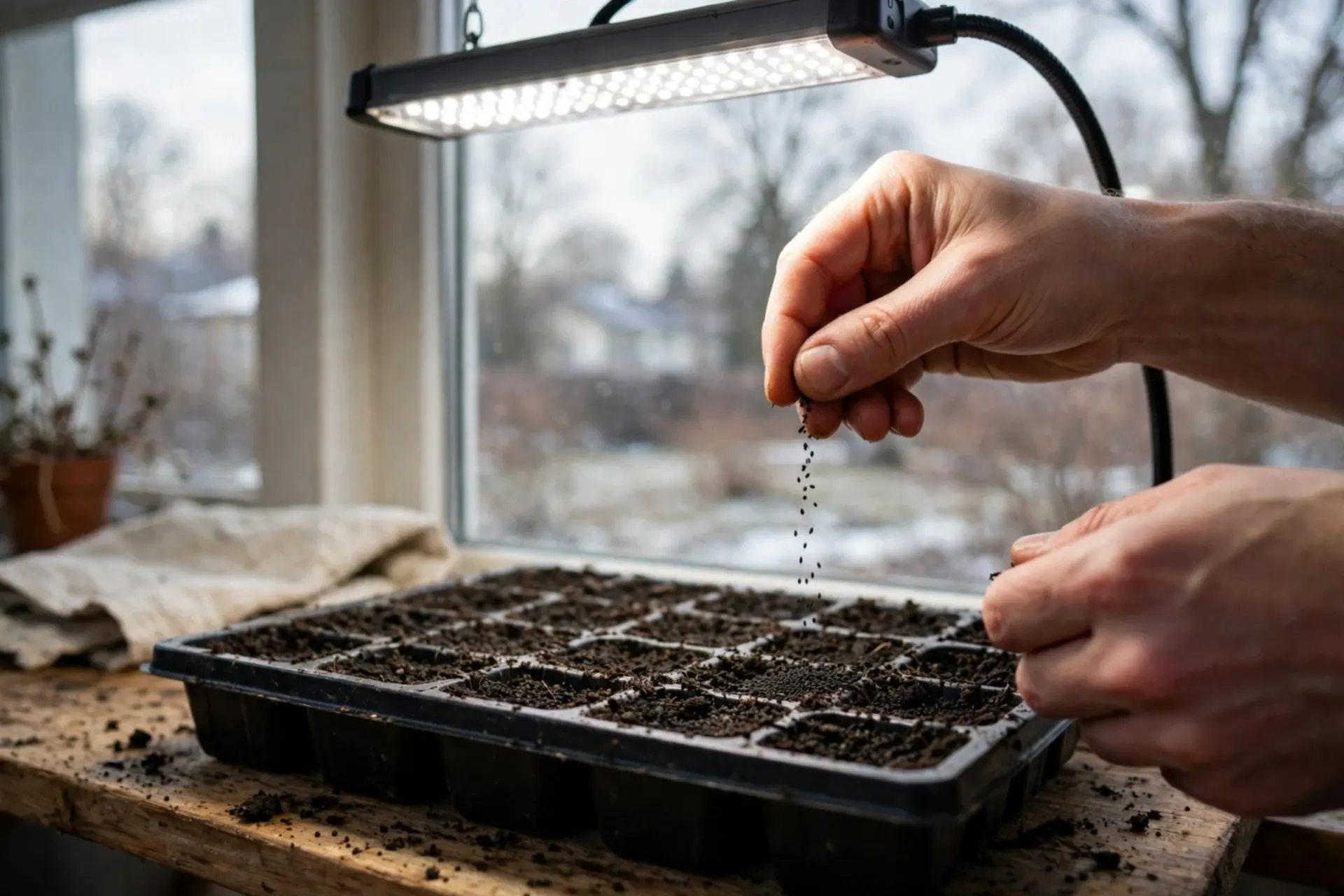 Plant problems and fixesHow to Grow Onions From Seed (Start in Winter, Harvest in Summer)Onions from seed must start indoors in late winter, and the variety must match your day length — the two facts that decide everything. The full routine from tiny black seed to cured bulbs.
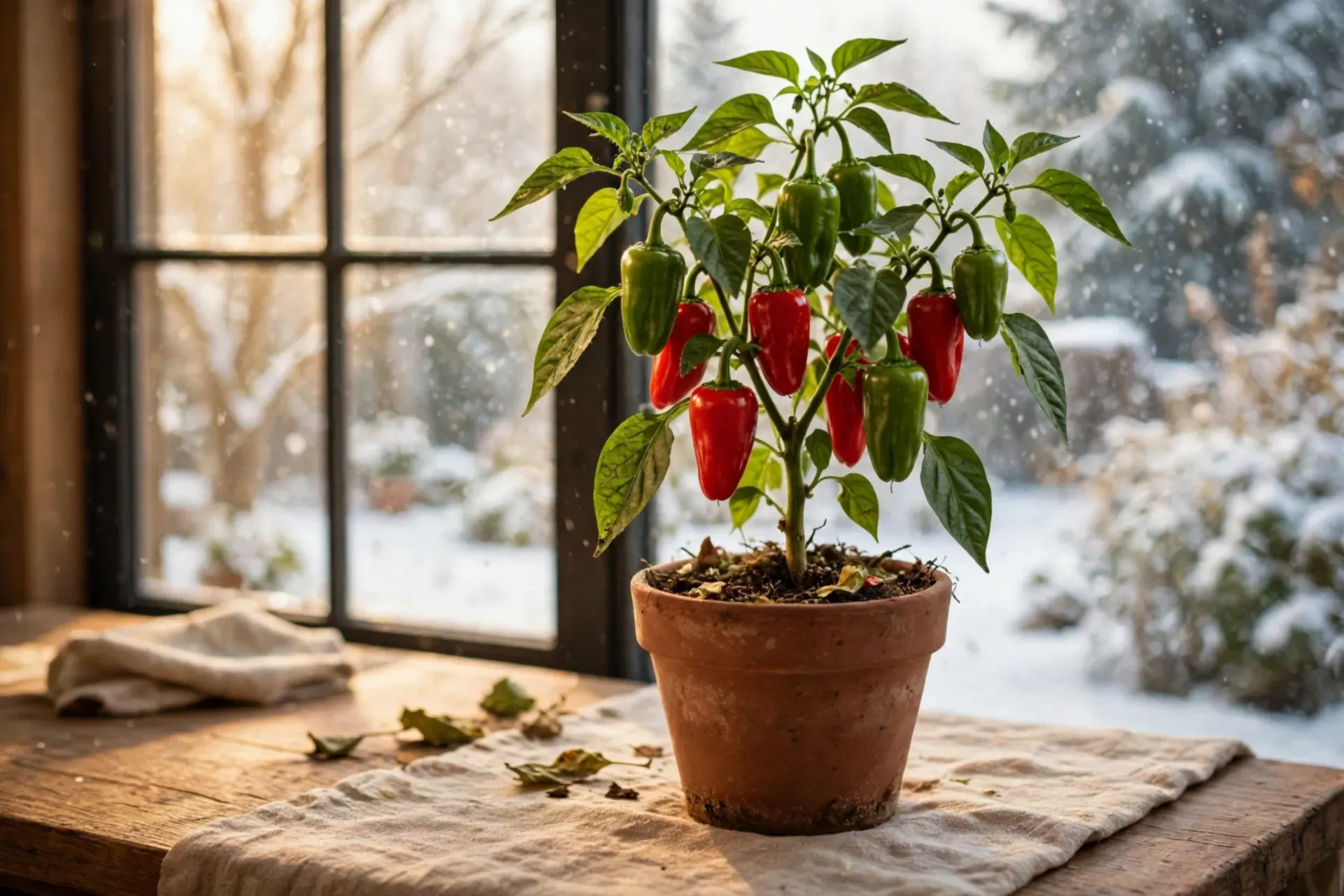 Plant problems and fixesHow to Overwinter Pepper Plants Indoors (and Wake Them in Spring)Peppers are perennials that frost kills. Bring a healthy plant indoors before the first frost, prune it to a skeleton, keep it barely ticking over — and start next season months ahead.
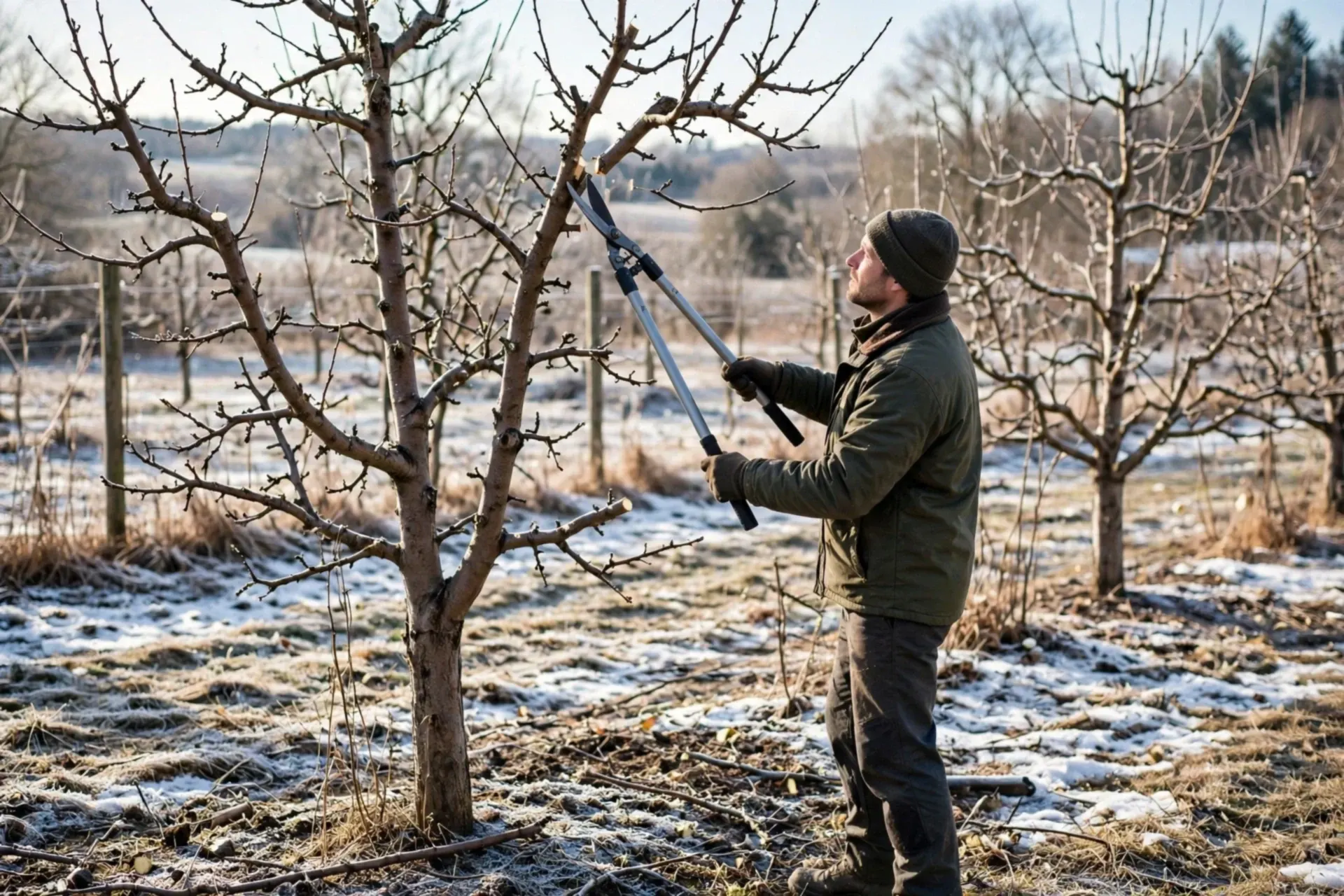 Plant problems and fixesHow to Prune Fruit Trees in Winter (Without Ruining Next Year's Fruit)Winter is the classic pruning season: the tree is dormant, the structure is visible, and disease pressure is low. The 3 Ds first, then shape — plus what never to cut and when to call an arborist.
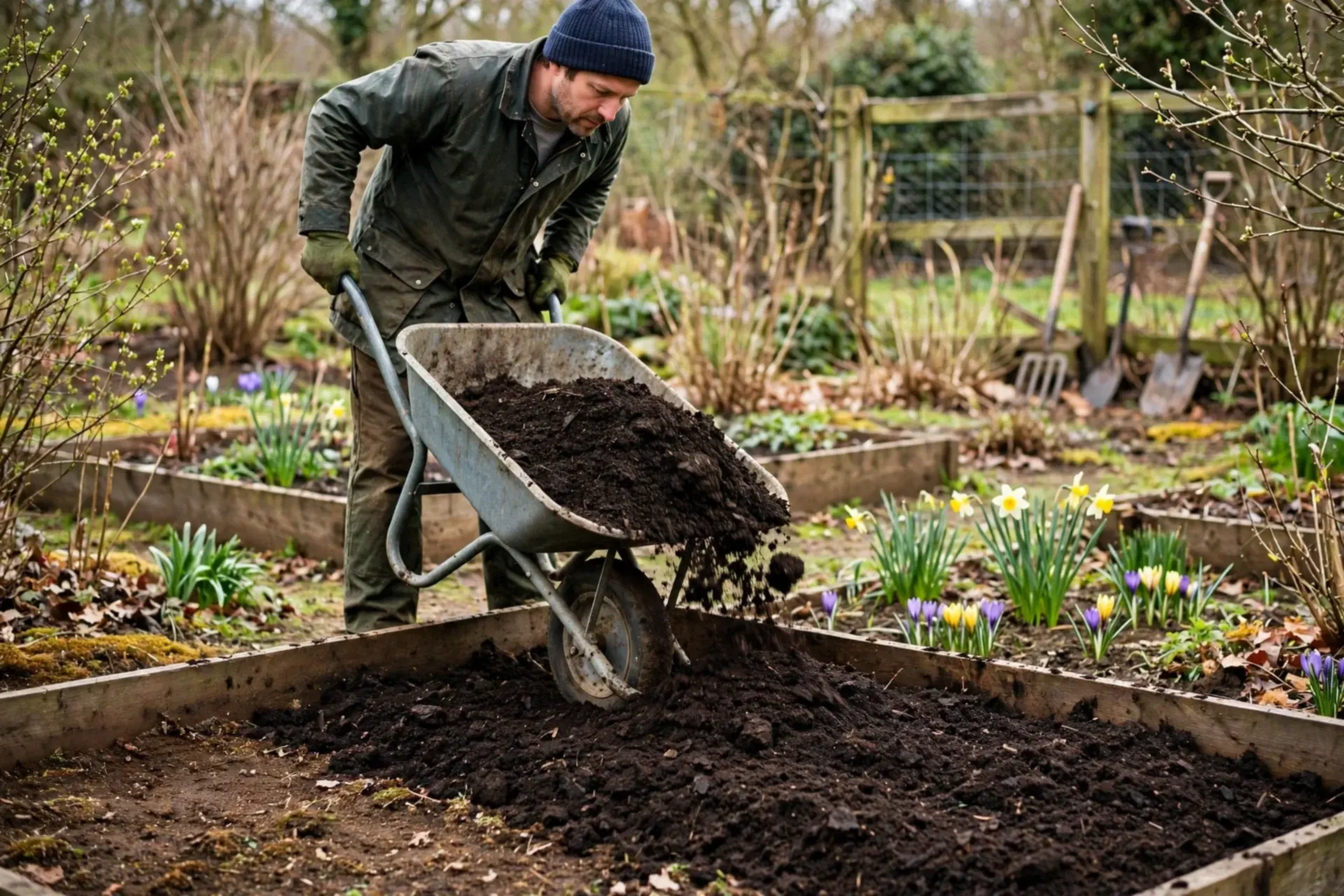 Plant problems and fixesHow to Refresh Raised Bed Soil in Spring (Amounts Included)Raised beds sink and tire every year as organic matter breaks down. The spring refresh: measure the drop, loosen without turning, top up with the right mix, and feed — with the quantities worked out.
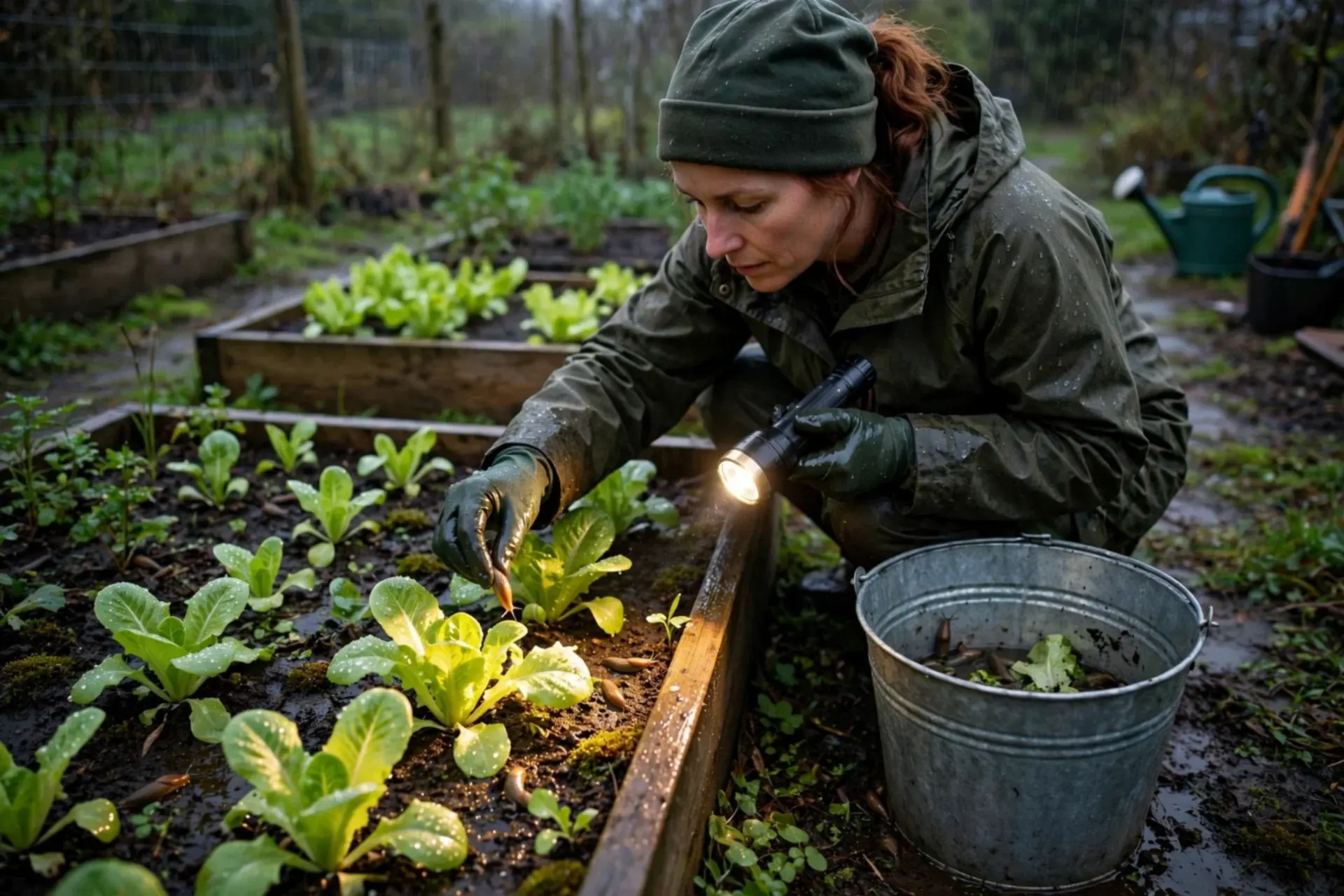 Plant problems and fixesHow to Stop Slugs and Snails Eating Your Plants (What Actually Works)Seedlings vanish overnight while prized remedies fail in trials. The honest slug plan: remove shelter, hunt at night, trap, use iron-phosphate bait correctly — and skip the eggshell folklore.
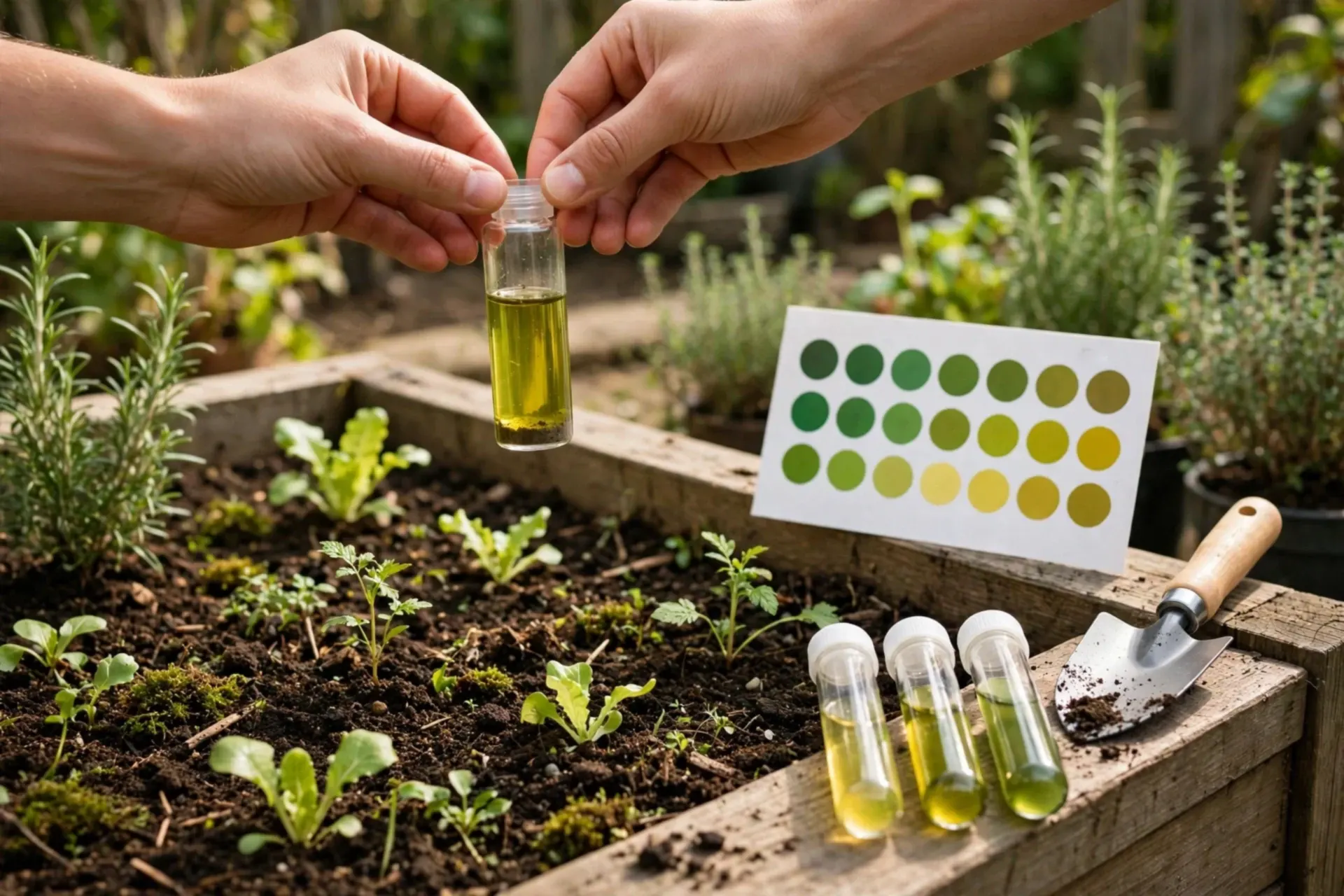 Plant problems and fixesHow to Test Your Garden Soil (pH and Nutrients), Step by StepEvery 'why won't it grow' mystery ends at a soil test. How to take a proper sample, what a lab test tells you that a home kit can't, and how to act on the numbers without wasting money.
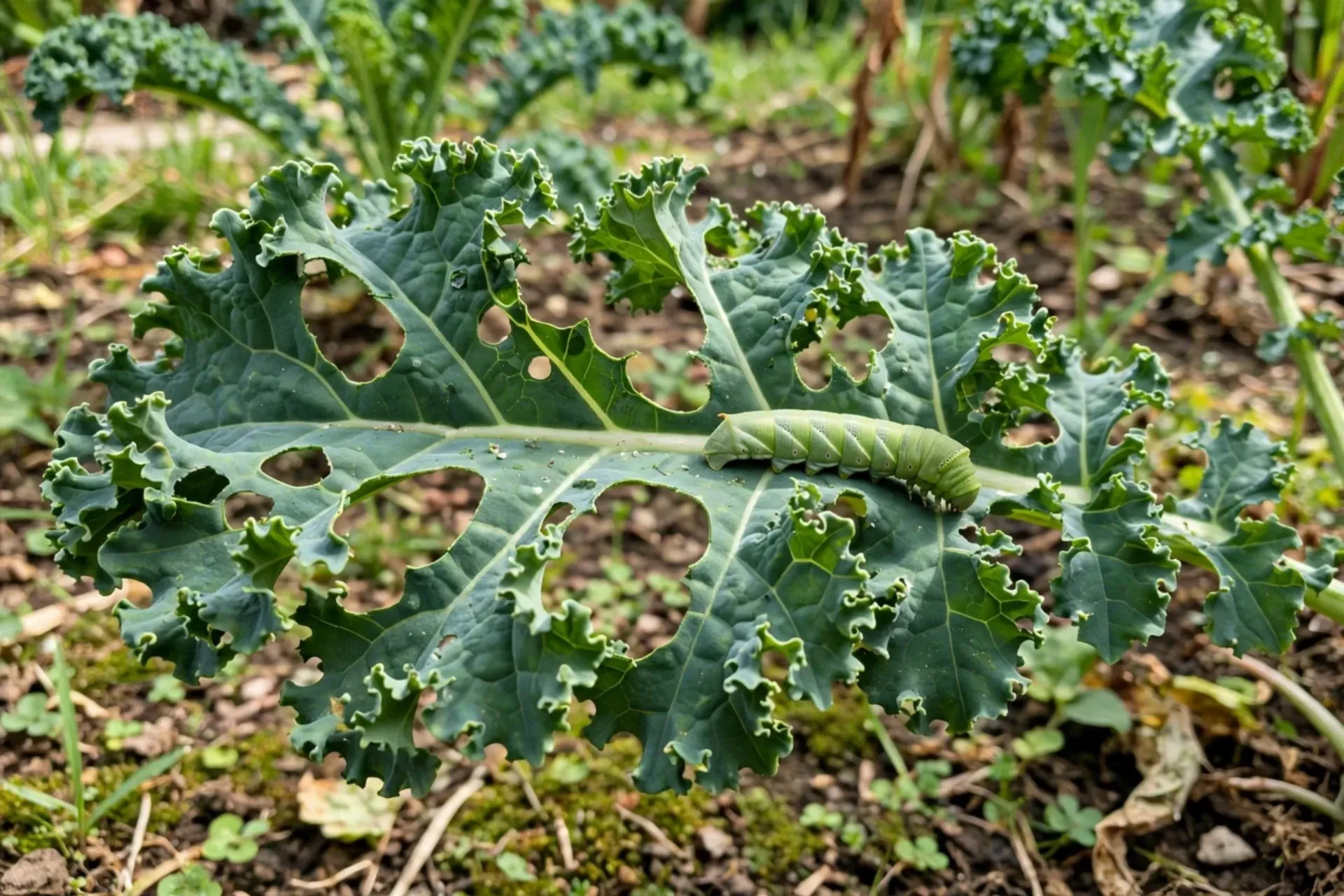 Plant problems and fixesWhat Is Eating My Plant Leaves? Identify the Culprit by the DamageHoles in leaves but nothing in sight? The damage pattern is a fingerprint: slime trails, shotgun holes, skeletonized leaves and clean-cut seedlings each name a different culprit — and a different fix.
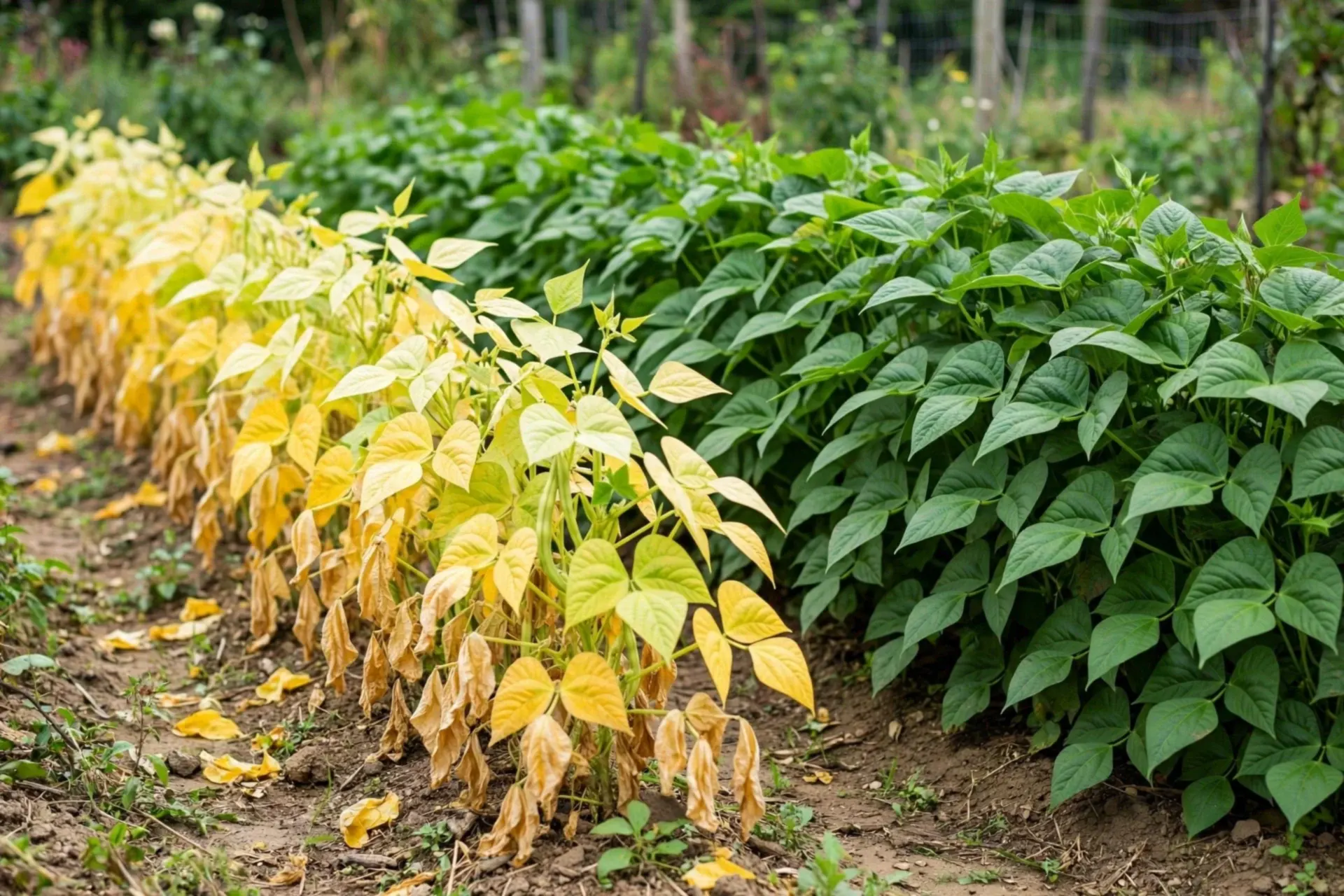 Plant problems and fixesWhy Are My Bean Leaves Turning Yellow? Nitrogen, Water or VirusYellow bean leaves have four usual causes, and each shows a different pattern: even pallor, marbling between veins, mosaic distortion, or wilt in wet soil. Sort the pattern, then apply the right fix.
 Plant problems and fixesWhy Are My Carrots Forked and Stunted? (And How to Grow Straight Ones)Forked carrots are not bad luck: the young taproot hit something — a stone, a lump of fresh manure, heavy soil, or a transplanting. Diagnose this harvest, then prepare the next bed so roots run straight.
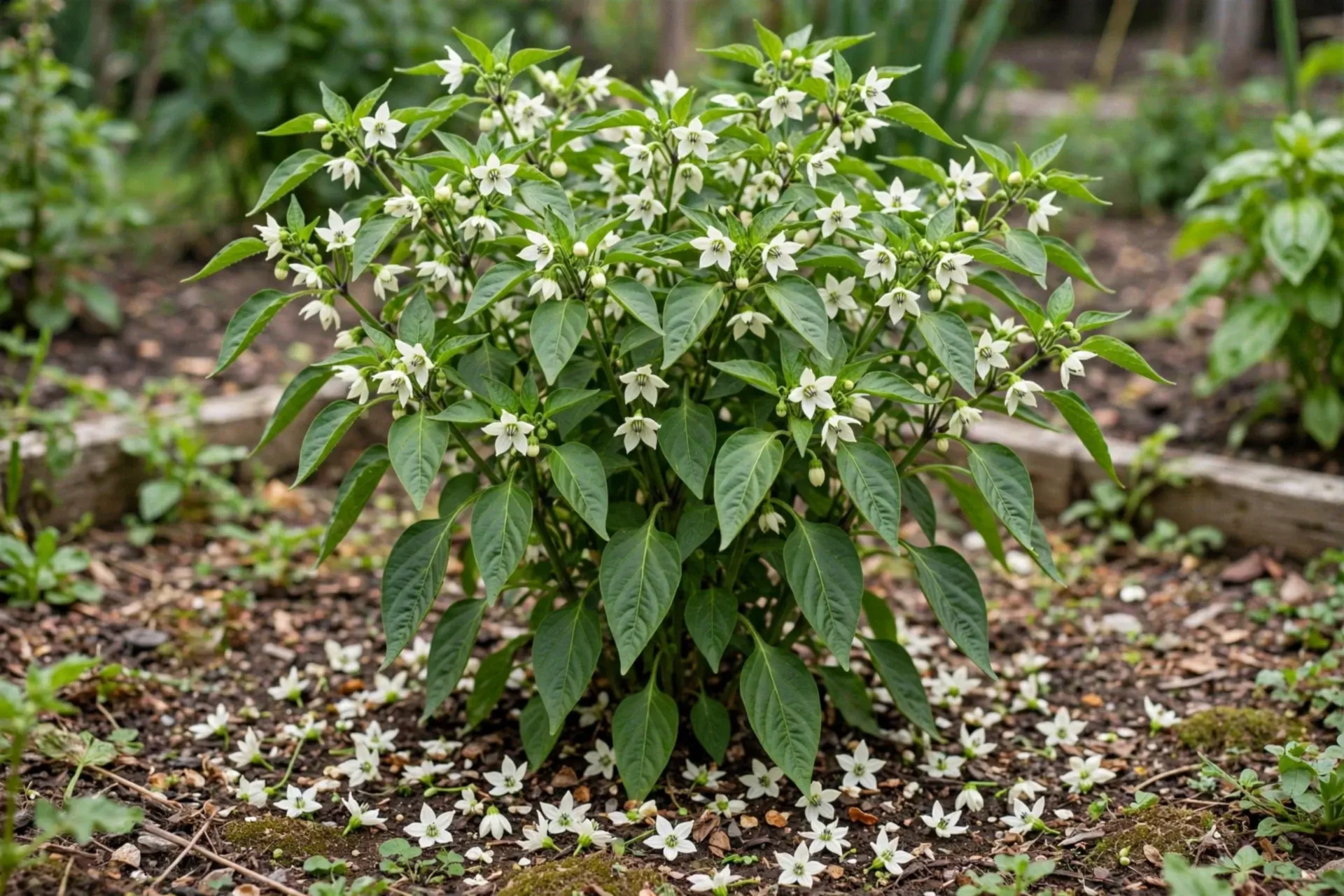 Plant problems and fixesWhy Are My Peppers Not Producing Fruit? Flowers Fall, Nothing SetsPepper plants full of flowers but no fruit are usually reacting to temperature, not disease: hot days and warm nights make blossoms drop. Sort the cause, then fix feed, water and pollination.
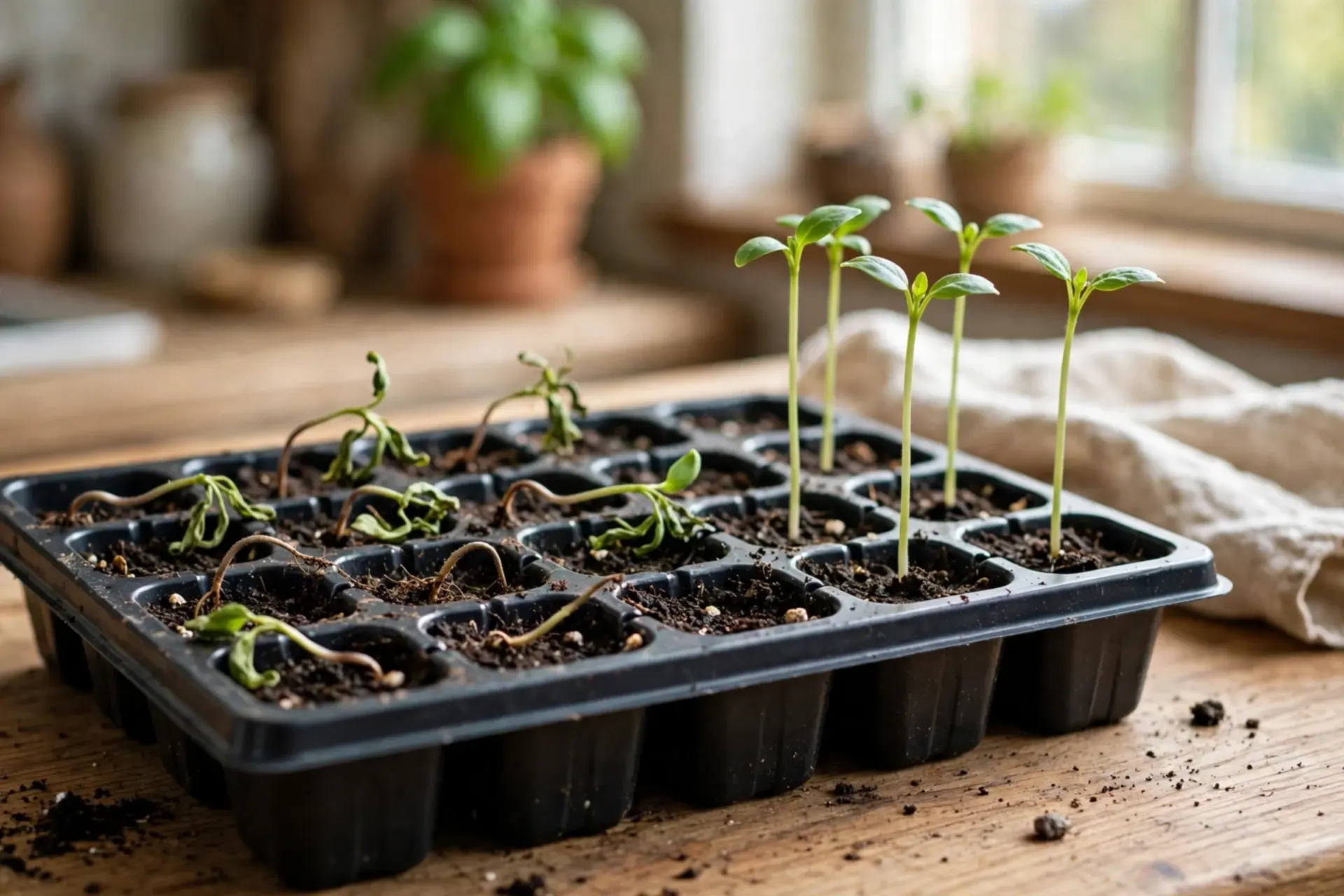 Plant problems and fixesWhy Are My Seedlings Dying? Damping Off, Explained and StoppedSeedlings that fall over at the soil line are killed by damping off — a fungus that thrives in warm, wet, still air. Here is how to save the survivors and stop it happening next tray.
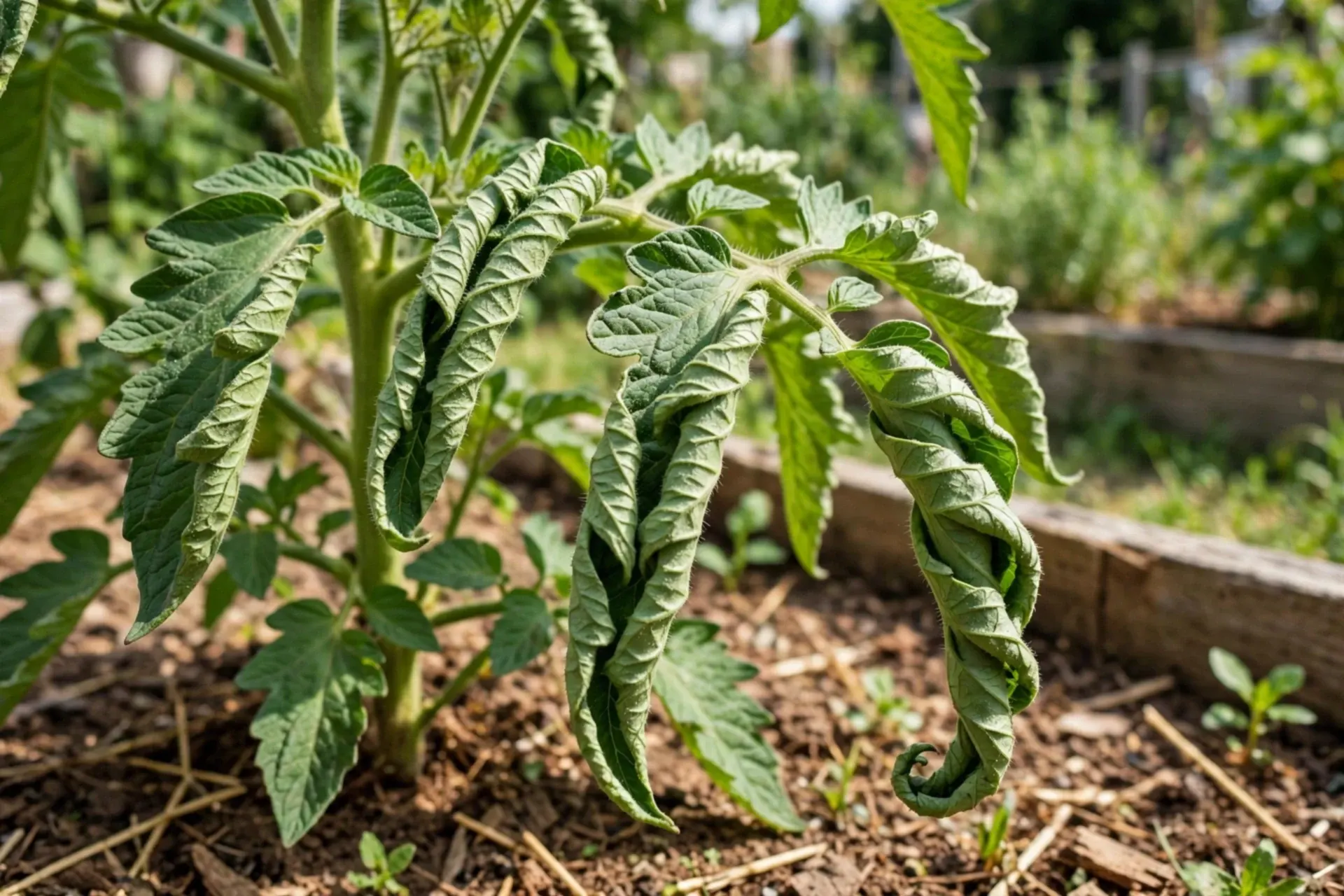 Plant problems and fixesWhy Are My Tomato Leaves Curling? Harmless vs Serious, SortedTomato leaves curl for at least five reasons — most are harmless weather responses, two are not. Match your curl pattern to the cause and learn the few cases that need action.
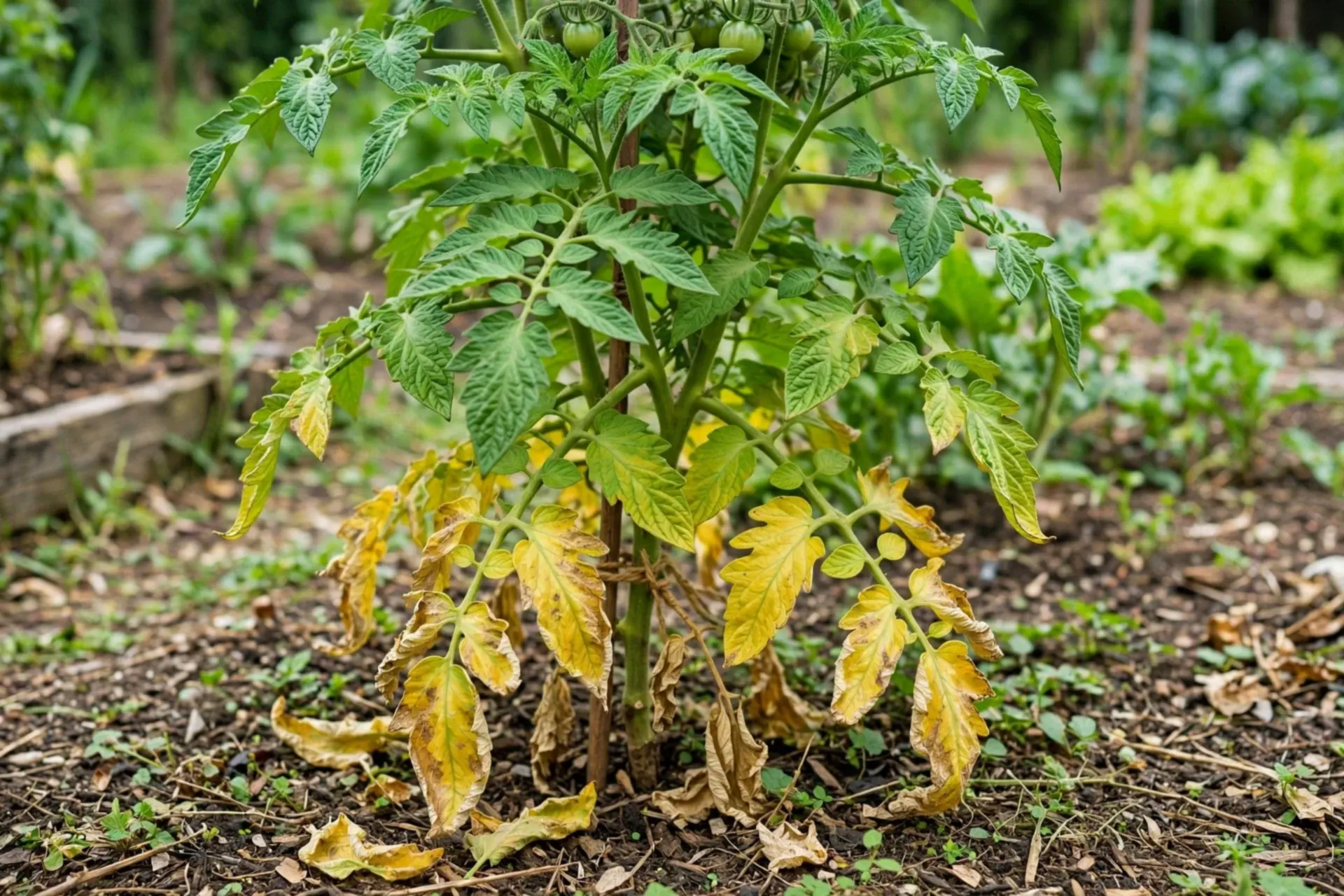 Plant problems and fixesWhy Are My Tomato Leaves Turning Yellow? A Pattern-by-Pattern DiagnosisYellow tomato leaves have several different causes — and the pattern tells you which one. Diagnose by where the yellowing starts, fix what is fixable, and learn the signs that mean pull the plant.
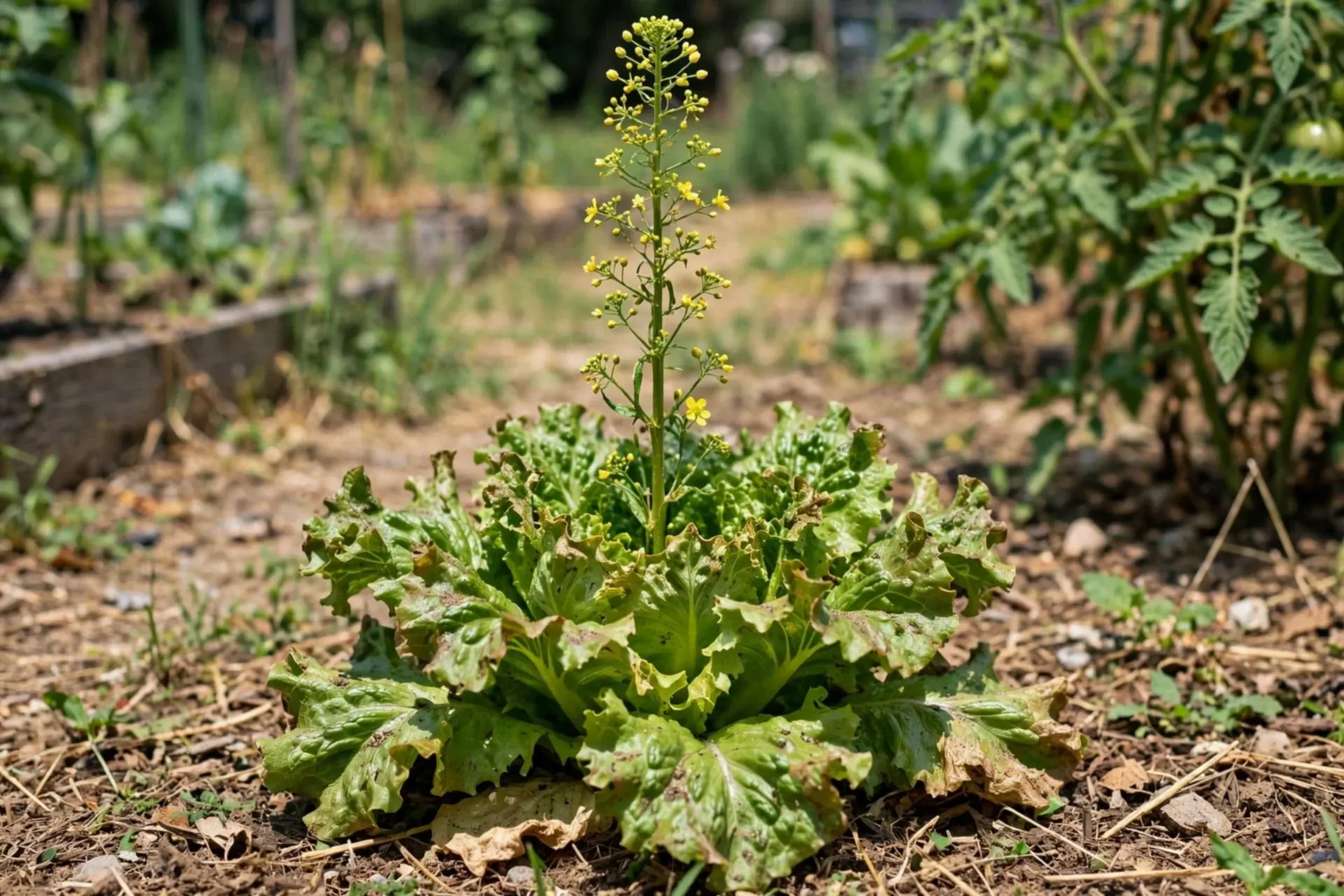 Plant problems and fixesWhy Is My Lettuce Bolting (and Turning Bitter)? Causes and PreventionLettuce bolts — shoots up a flower stalk and turns bitter — when heat, long days and stress tell it the season is over. It cannot be unbolted, but the next sowings can be saved: succession, shade, variety.
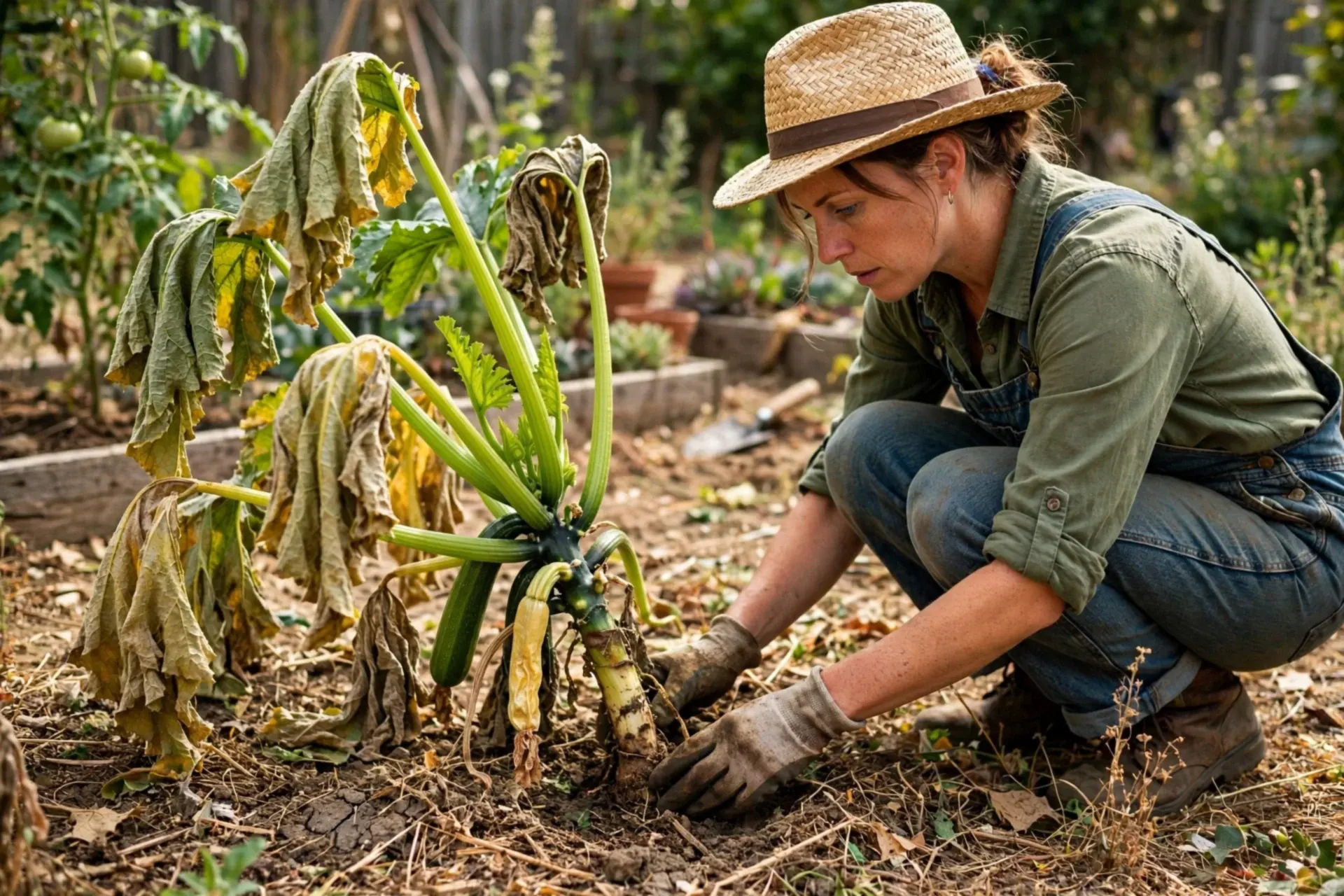 Plant problems and fixesWhy Is My Zucchini Plant Dying? Borer, Mildew, Rot — Sorted by SignsA zucchini that collapses mid-season is usually one of four culprits: vine borer in the stem, powdery mildew, water stress, or stem rot. Diagnose by the signs, then apply the fix that matches.
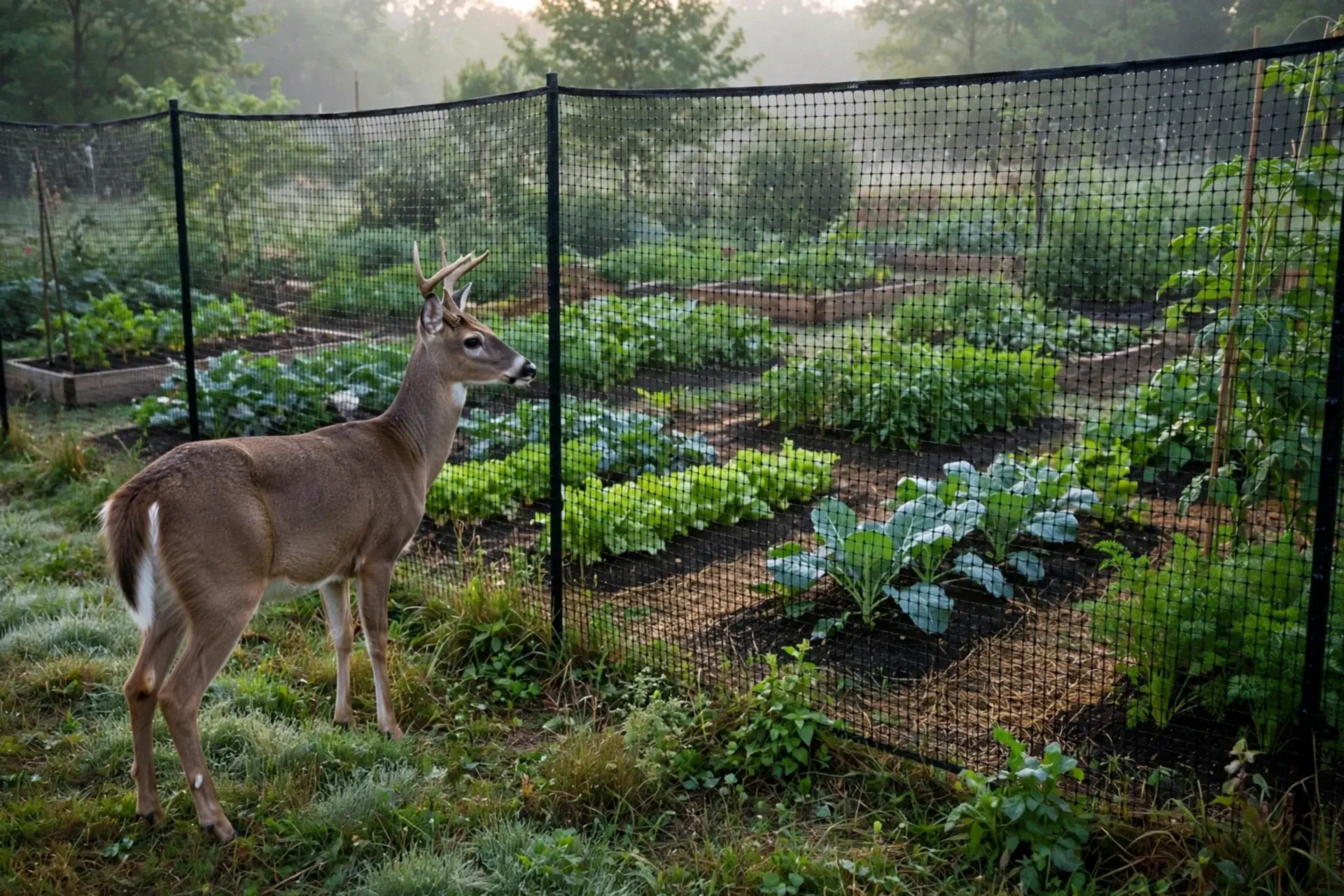 Plant problems and fixesHow to Keep Deer Out of the Garden (What Actually Works)One deer eats 5–10 pounds of garden a night and teaches its fawns your address. The honest ladder: the fence that ends it, netting for prize plants, repellents on rotation, and borders deer dislike.
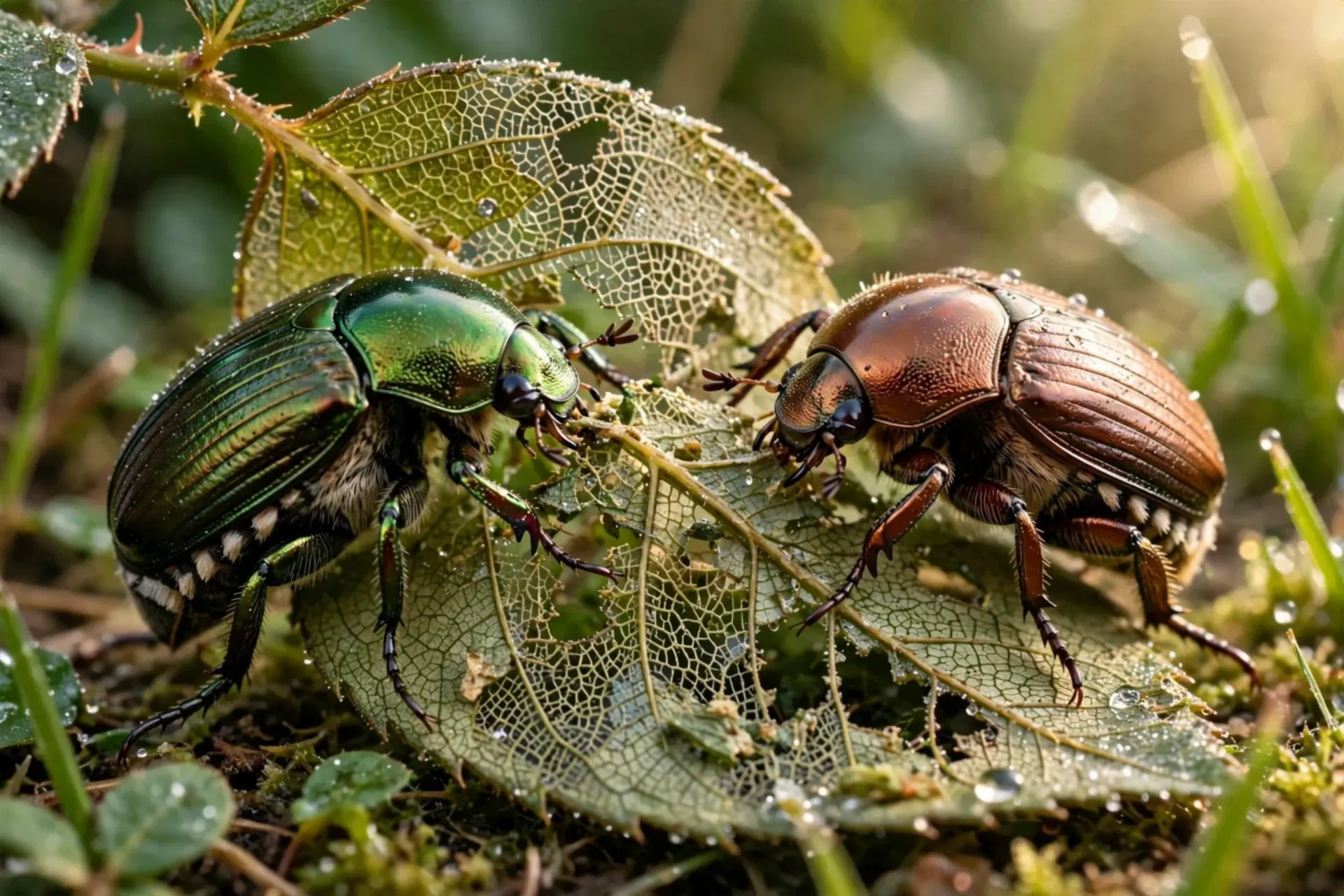 Plant problems and fixesHow to Get Rid of Japanese Beetles (Adults Now, Grubs Next)Six weeks of metallic beetles can lace every rose leaf — unless you fight both halves of their year: the morning bucket round, netting for the favourites, honest trap advice, and grub control in the lawn.
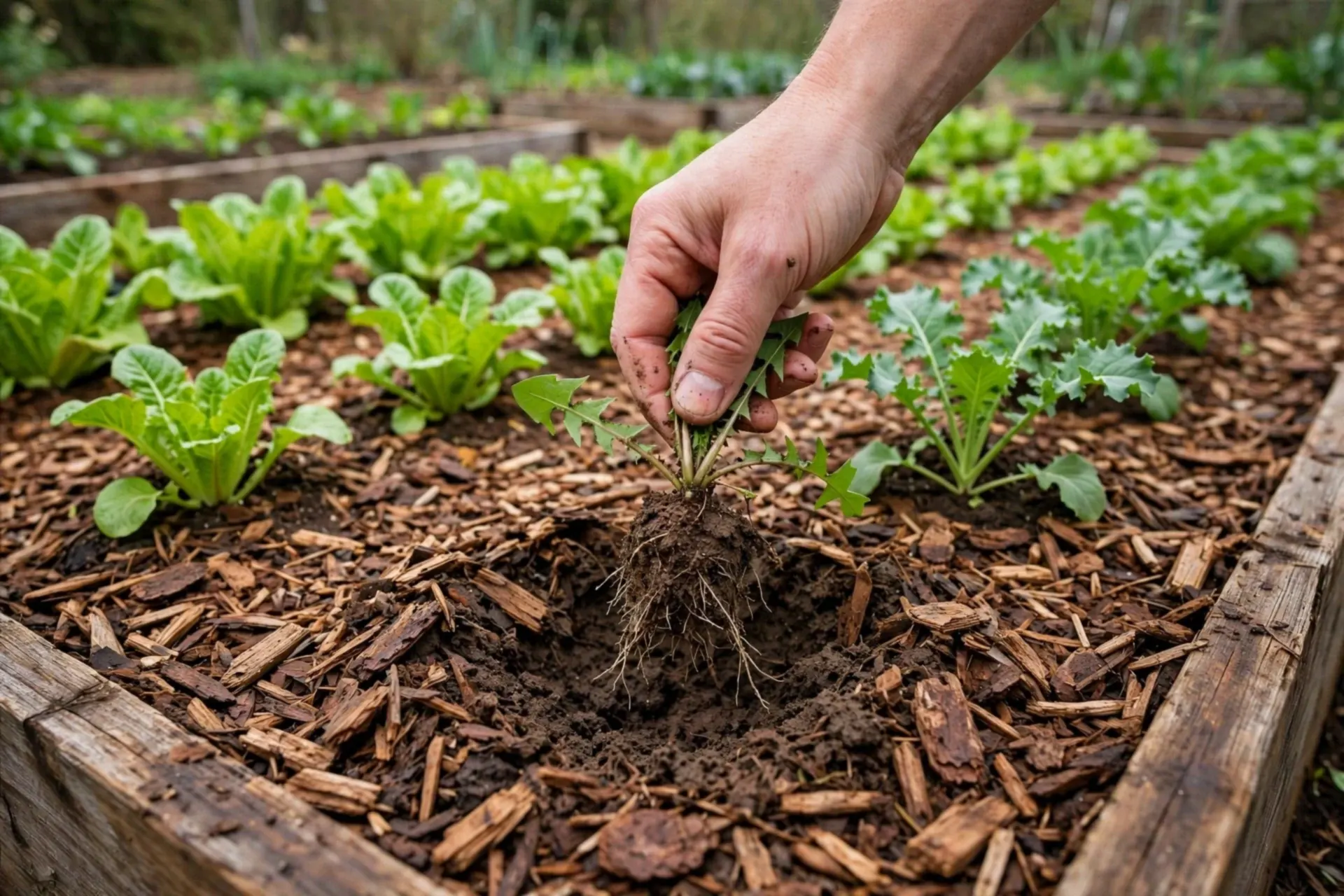 Plant problems and fixesHow to Get Rid of Weeds Naturally (Without Chemicals)Annual weeds and dandelions are different wars. The matched methods: pulling after rain, the shallow hoe, mulch at the depth that actually blocks light, cardboard smothering, and never letting anything seed.
Lawn care
Lawn careHow to Level a Bumpy Lawn: Topdressing, Lift-and-Relay and Soil AmountsA bumpy lawn is rarely a grass problem. It is a soil-level problem wearing a grass disguise. Topdressing for shallow unevenness, lift-and-relay for deep hollows, and how much soil to order.
Lawn careHow to Lay Sod: Step-by-Step Prep, Laying Pattern and Watering ScheduleSod is the fastest honest lawn there is, a month of patience compressed into a weekend. Measure and order, prepare and grade the soil, then lay in a tight staggered pattern and water to a schedule.
Lawn careCrabgrass: How to Identify It, Kill What's Up and Stop It Coming BackCrabgrass is the most hated lawn weed in North America for one simple reason: one plant makes 150,000 seeds that wait in your soil for years. Identify it, kill what is up, and stop it coming back.
Lawn careHow Often to Mow (and How High): Mowing Heights by Grass Type + the One-Third RuleOf everything you do to a lawn, mowing is the most frequent, and the most quietly destructive when it is done wrong. The one-third rule and the height chart by grass type, in inches and millimetres.
Lawn careBest Grass Seed for Shade: What Actually Grows Under Trees (and When to Stop Trying)Every garden centre sells a bag labelled for shade, and every spring somebody sows it under a maple. Start with a measurement, then the two or three species that genuinely earn the label, and know when to stop trying.
Lawn careHow to Winterize a Sprinkler System: The Blow-Out Method, Step by Step (With Safe Pressures)An in-ground sprinkler system ends the season full of water, and one freeze can crack it. Shut the water off, drain what gravity will drain, then blow it out zone by zone at a safe pressure.
Lawn careLeatherjackets in Your Lawn: The Crane-Fly Larvae Eating Your Roots (UK & Europe Guide)The signs arrive together in autumn: irregular yellow patches that no amount of watering revives. Leatherjackets, the larvae of crane flies, are eating your grass roots, and nematodes are the only homeowner control that works.
Lawn careBest Cordless String Trimmers: Battery Trimmers & Edgers for Every Yard SizeThe string trimmer is the tool that finishes every mow, and it is where battery power has quietly won. The picks by yard size: the 56V flagships for large yards, the convertible trimmer-edger combos, and the 40V and 80V value platforms.
Lawn careBest Lawn Levelling Rakes (Lawn Lutes): Width, Weight and Material, ComparedA lawn levelling rake, a lawn lute, is the least complicated tool in this section: a flat, wide head that bridges humps and fills hollows. Width, weight and material, compared: 30, 36 and 48 inches, and which suits your lawn.
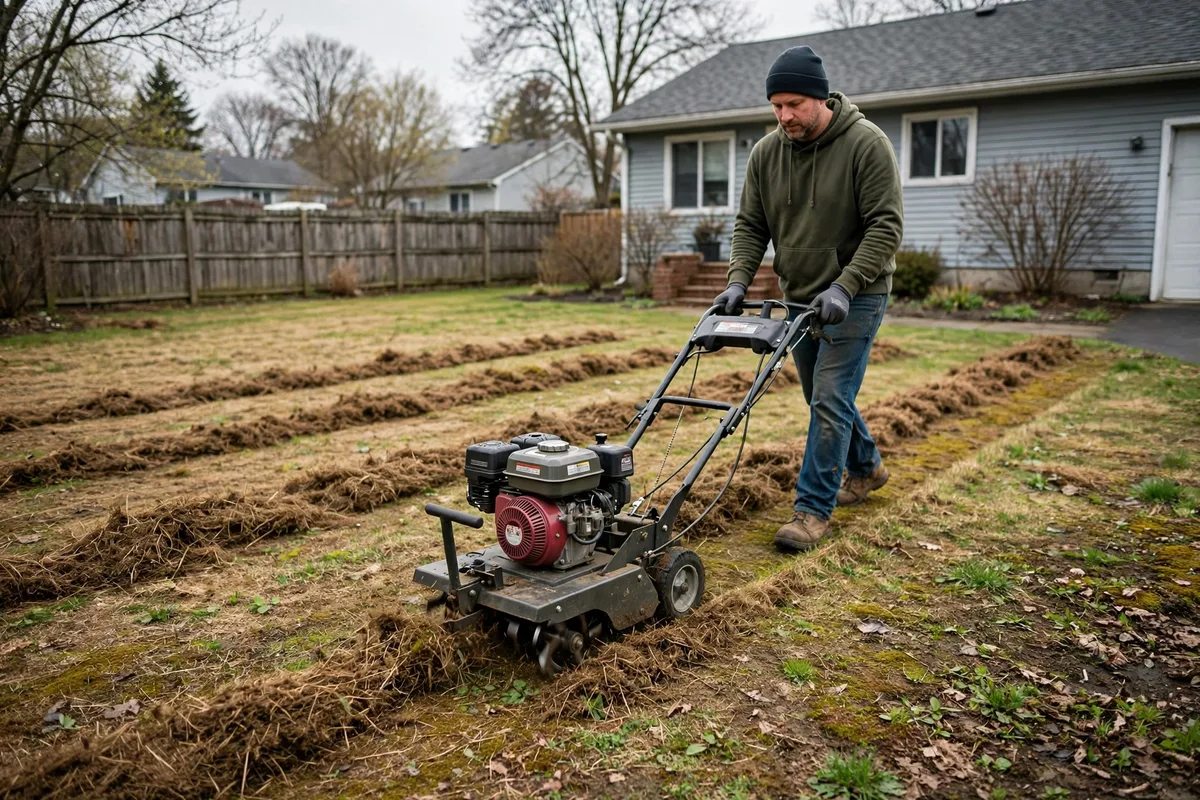 Lawn careHow to Dethatch a Lawn: Signs, Timing and StepsThatch over half an inch thick blocks water, air and fertiliser from reaching the roots. Learn the signs, the simple wedge test, the best timing, and how to bring a matted lawn back.
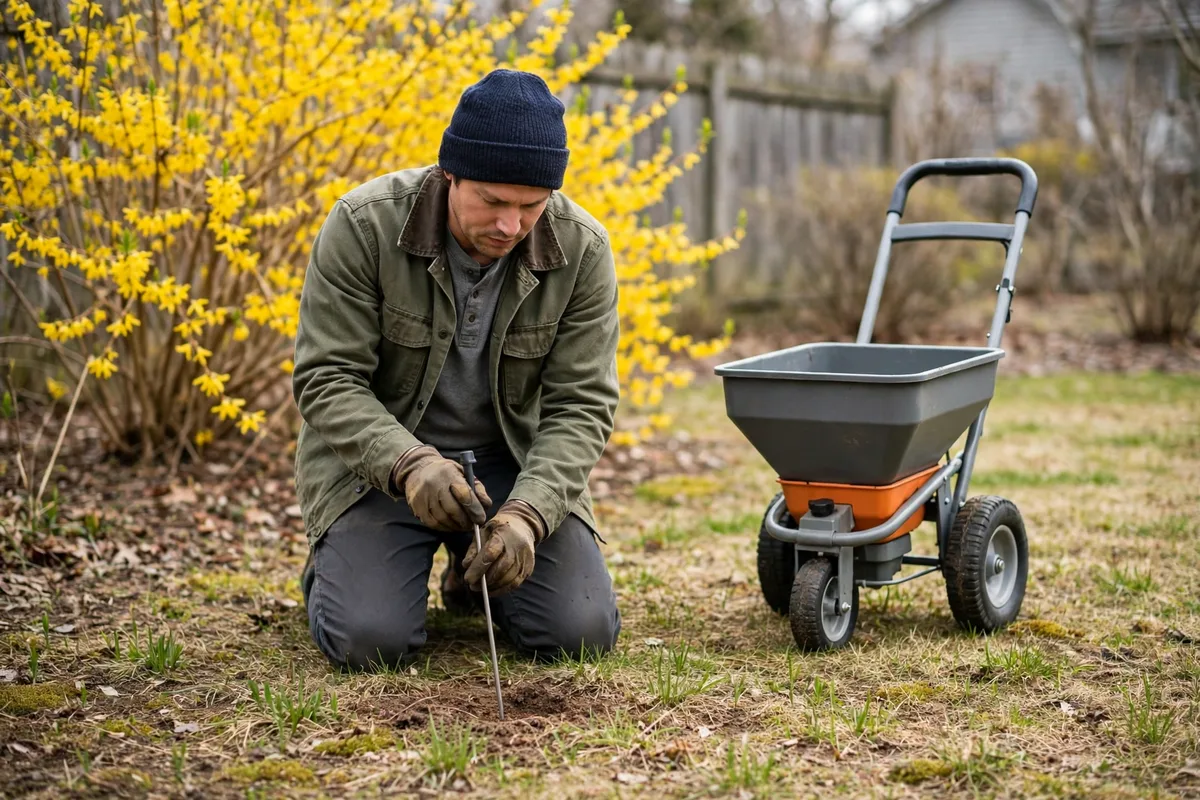 Lawn careWhen to Apply Pre-Emergent in Spring: The Soil-Temperature RuleSpread it too early and the barrier fades before the last crabgrass germinates; too late and the weeds are already up. The soil-temperature rule that gets the timing right.
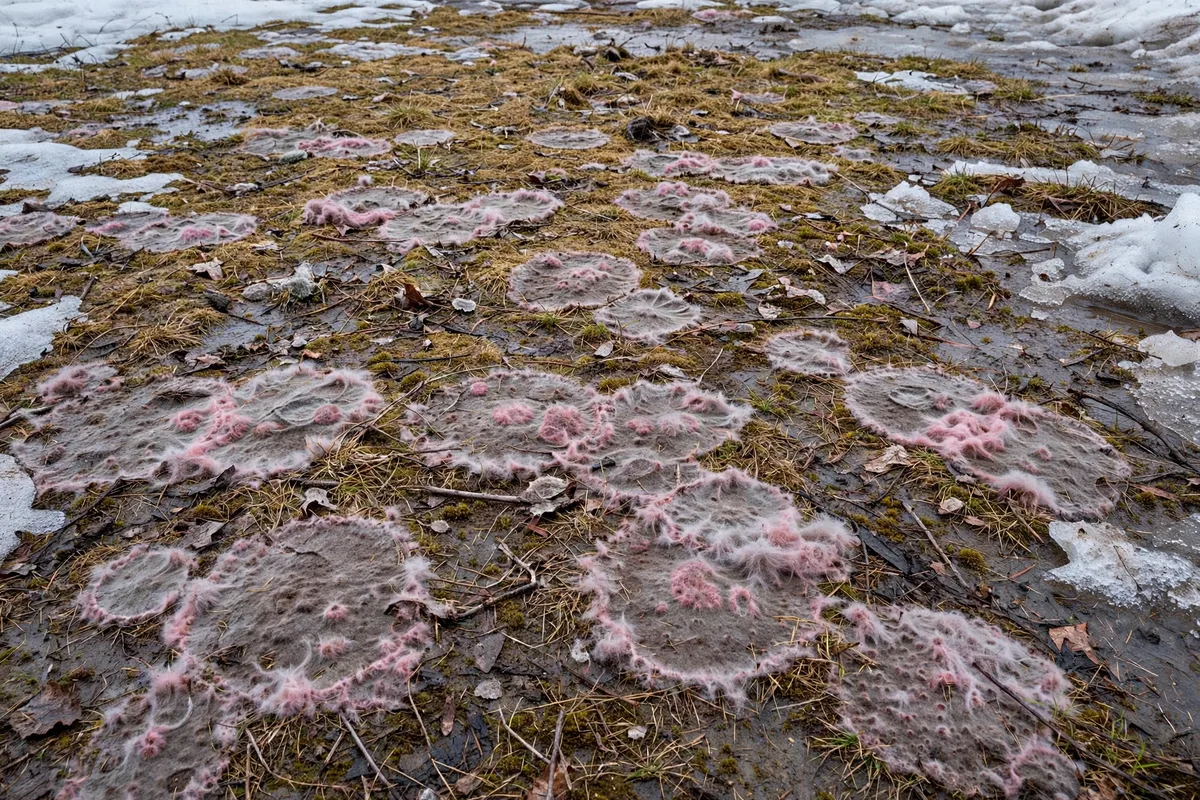 Lawn careSnow Mold: What It Is, How to Fix It and Prevent ItAfter the snow melts, grey and pinkish matted patches show where a fungus worked under the snow all winter. Rake it out, help the grass recover, and prevent it next year.
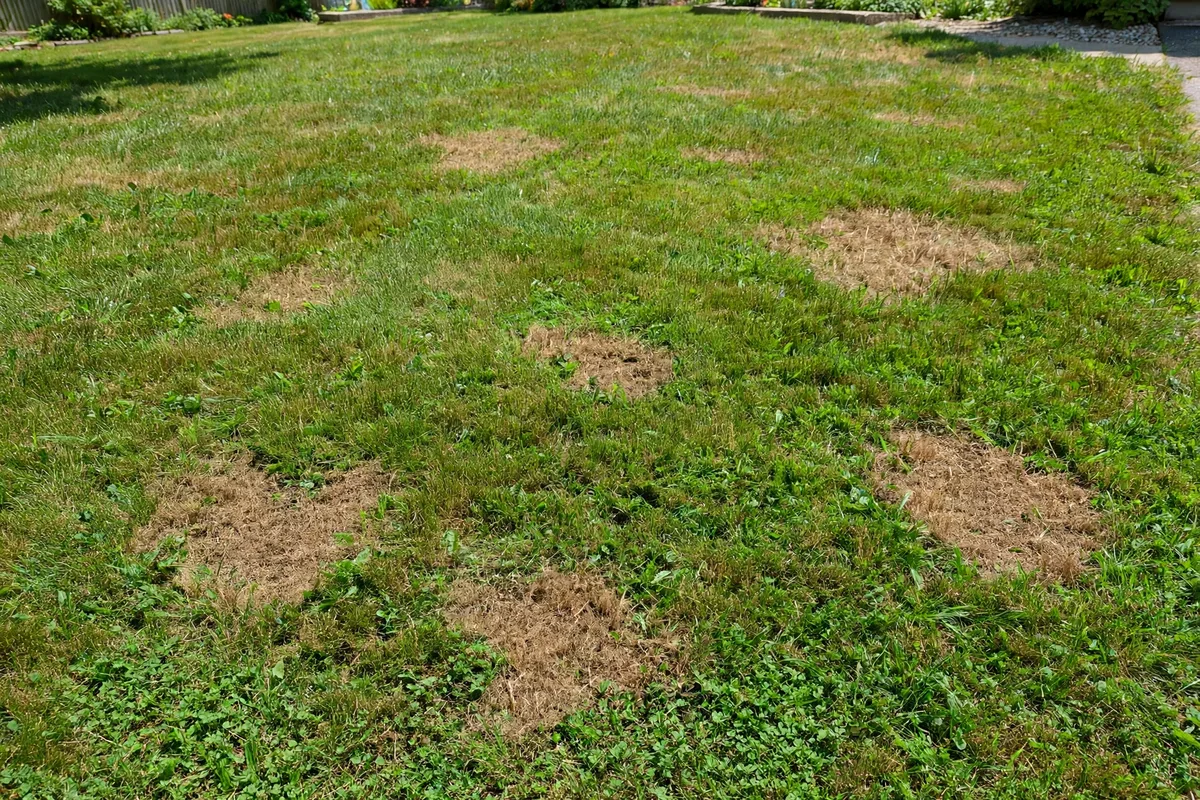 Lawn careBrown Spots in Lawn: 7 Causes and How to Tell Them ApartBrown spots are a symptom, not a diagnosis, and the fix for one cause wastes money on another. Seven causes, and how to tell them apart by the pattern.
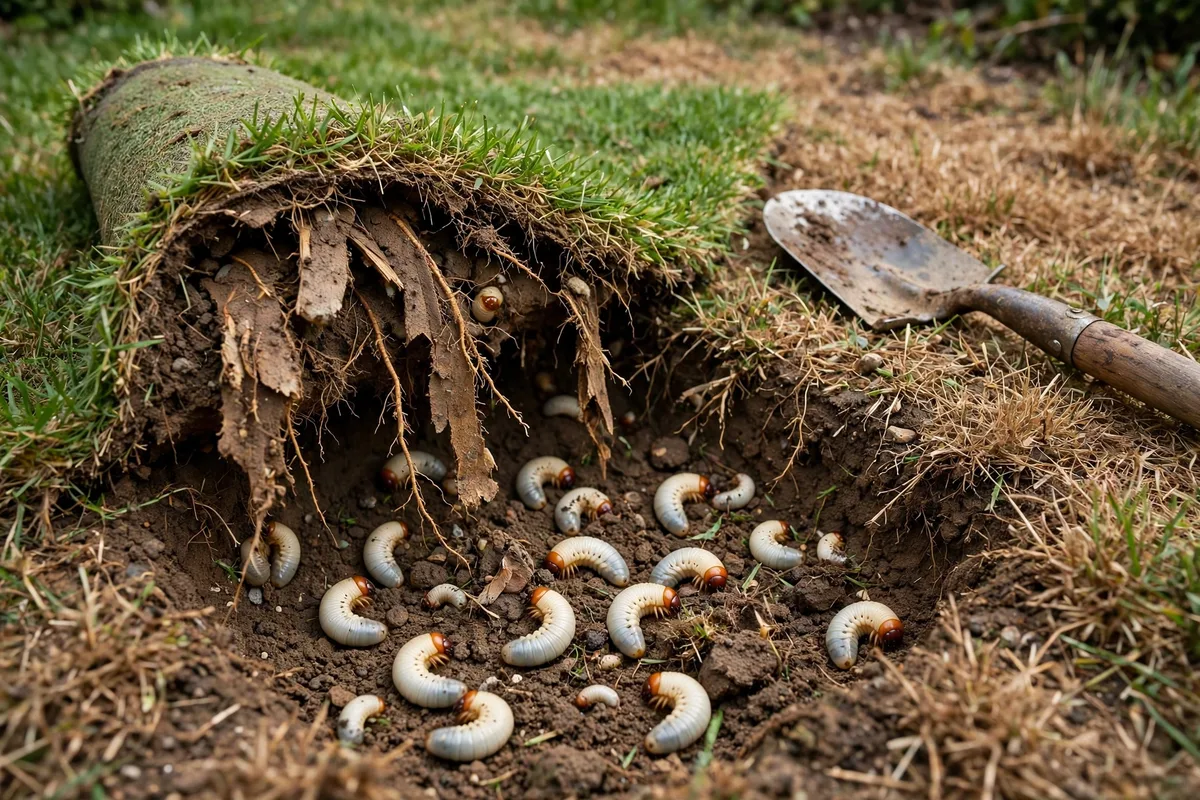 Lawn careLawn Grubs: Signs of Damage and Treatment WindowsWhite, C-shaped grubs eat grass roots until the turf lifts like a carpet. The signs of damage, the tug test, and the only treatment windows that work.
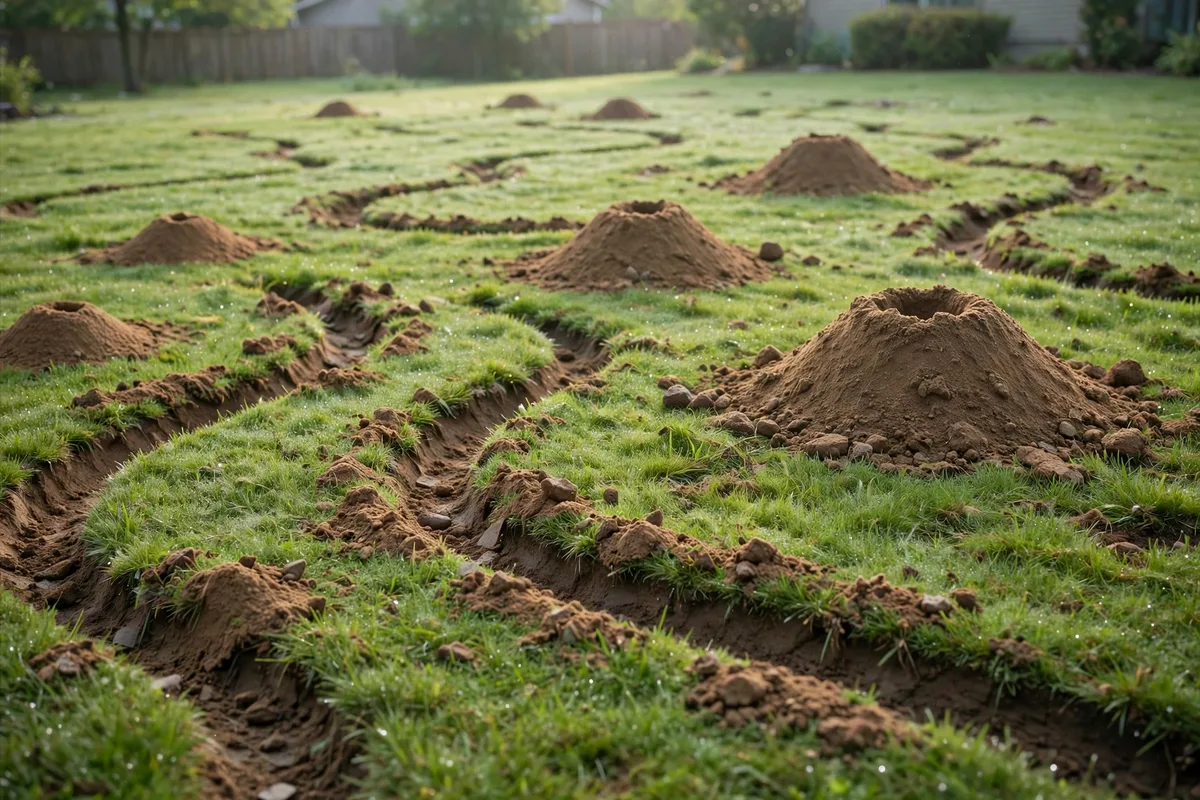 Lawn careHow to Get Rid of Moles in Your Yard (Without Poison)One mole can turn a lawn into ridges and volcano-shaped molehills overnight. How to get rid of moles without poison, and how to repair the tunnels behind them.
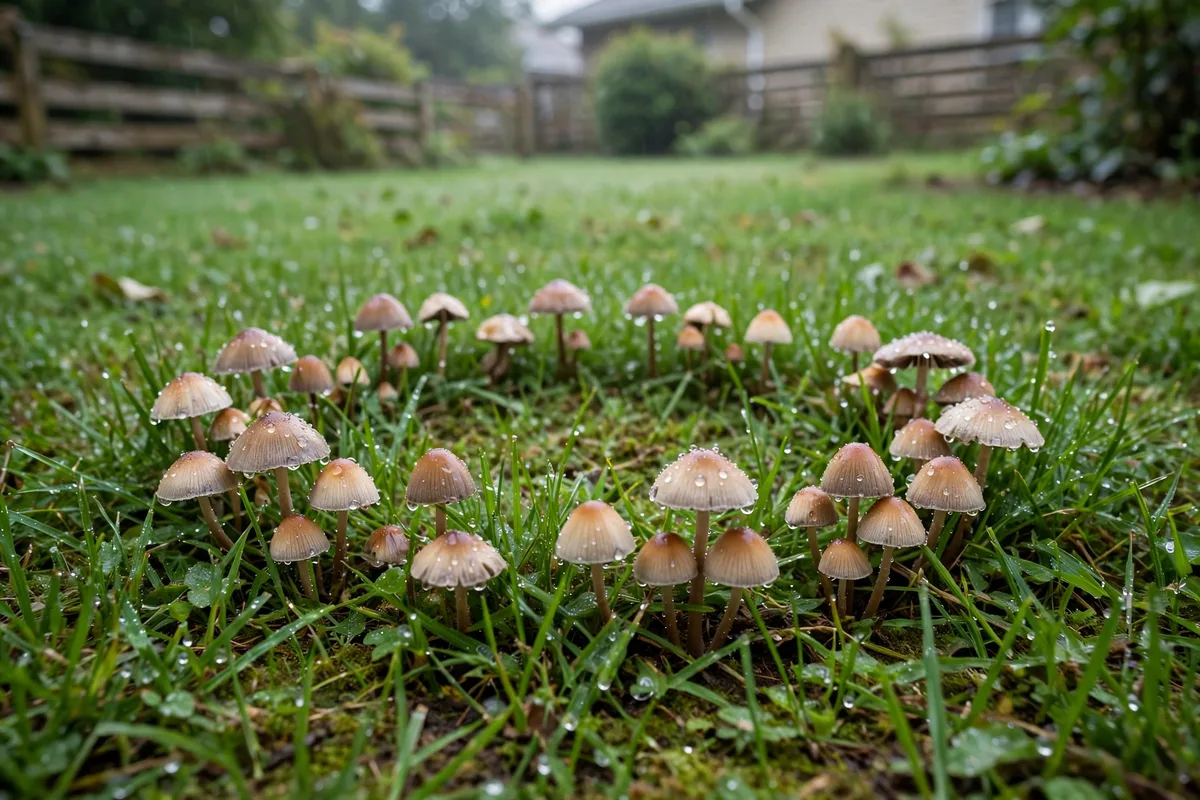 Lawn careMushrooms in Lawn: Why They Grow and What to DoMushrooms appear after a wet week, sometimes in a neat ring, and they are a sign of what is rotting below. Why they grow, when to worry, and what to do.
 Lawn careDog Urine Spots on Lawn: Fix Them and Stop New OnesRound yellow-brown spots are a fertilizer burn in miniature, not a mystery disease. How to fix the dead patches and stop new ones, without banning the dog from the lawn.
 Lawn careRobot Lawn Mower: How It Works, Costs and Who It SuitsA robot mower is not a small mower with a remote control; it clips a few millimetres every day instead of one big weekly cut. How it works, what it costs, and who it suits.
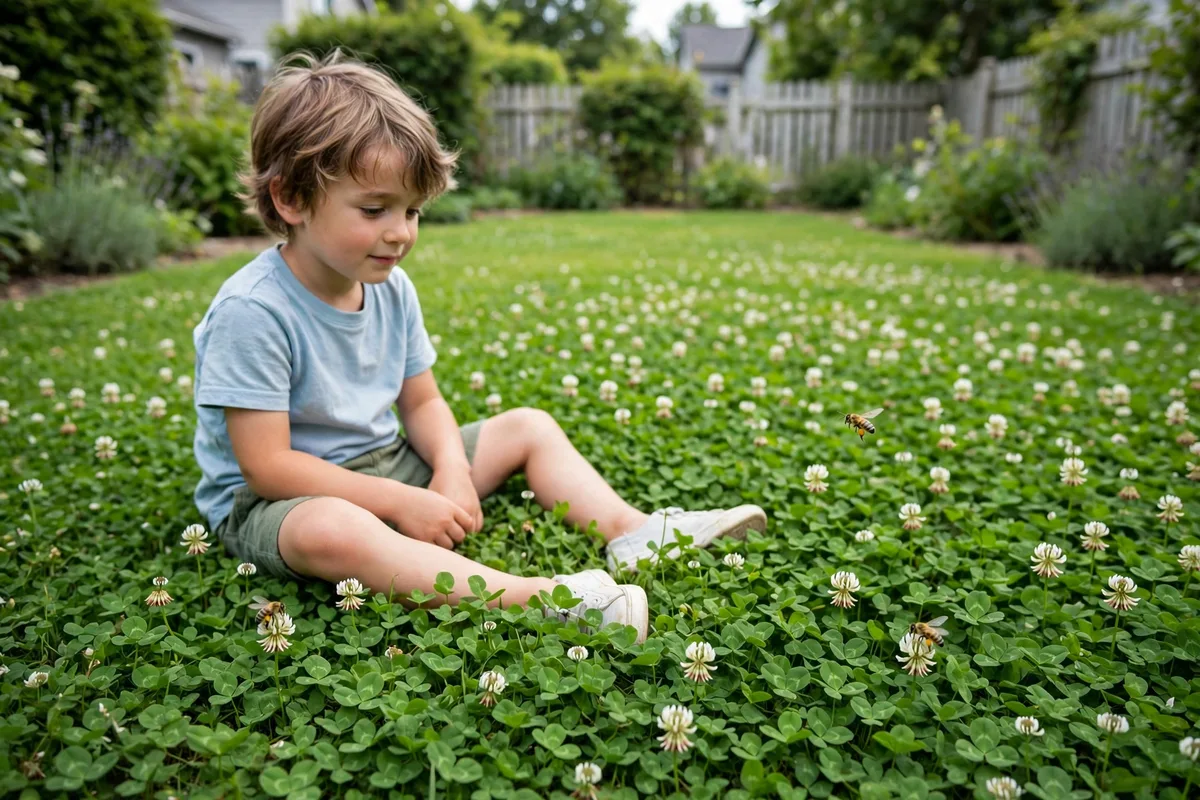 Lawn careClover Lawn: Microclover, Thyme and No-Mow OptionsClover has gone from weed to headliner, and the reasons are practical, not fashionable. Microclover, thyme and no-mow options compared, including the nitrogen a clover lawn makes itself.
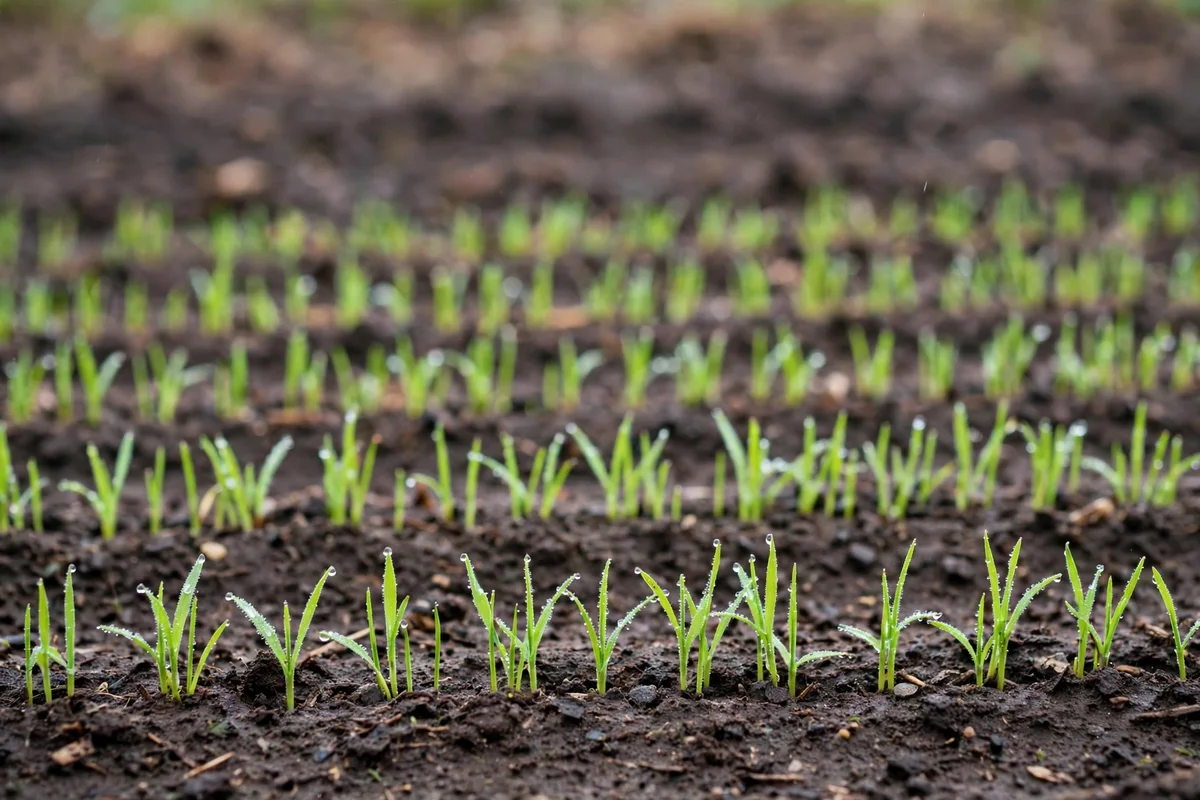 Lawn careHow Long Does Grass Seed Take to Germinate? Times by TypeHow long does grass seed take to germinate? Ryegrass sprouts in 5 to 10 days; Kentucky bluegrass can take a full 30. The germination chart by grass type, the soil temperatures that actually.
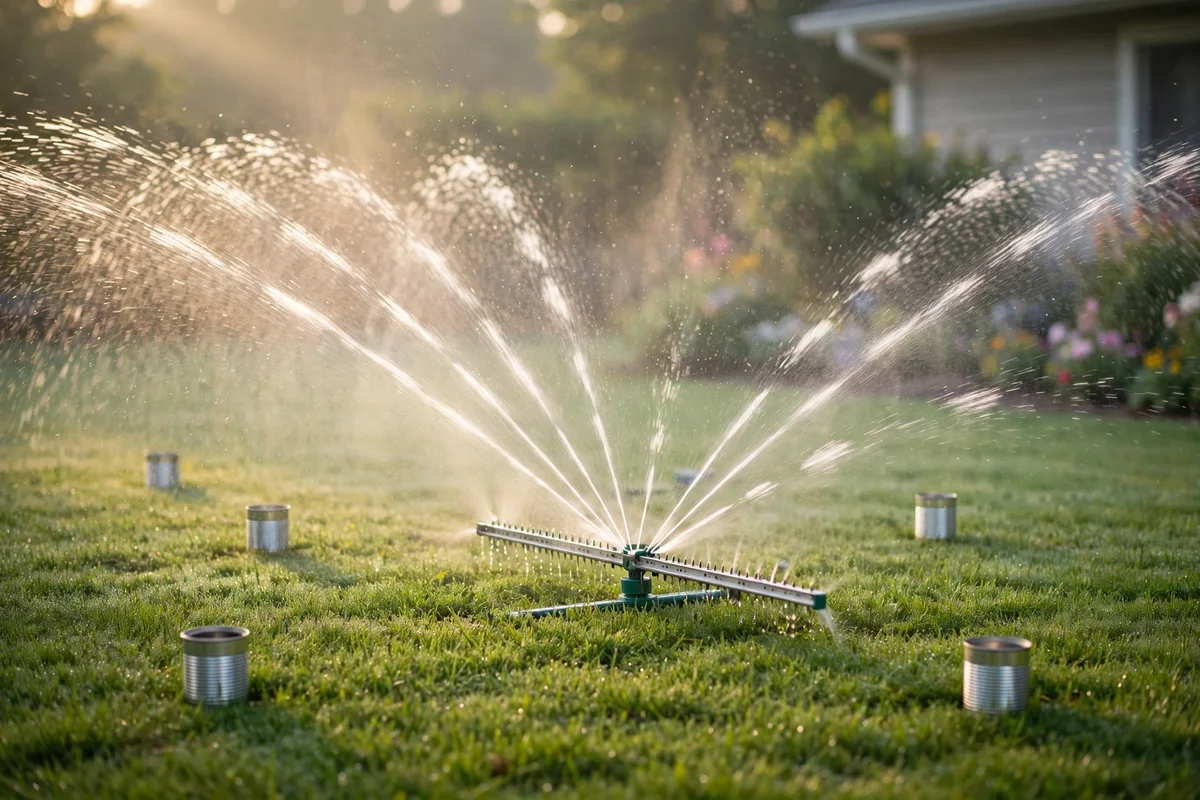 Lawn careHow Long to Run Sprinklers for 1 Inch: Minutes by SprinklerHow long to run sprinklers for 1 inch of water depends entirely on the head: 34 minutes for fixed spray heads, 2 hours for rotors. The full minutes chart by sprinkler type and soil, the.
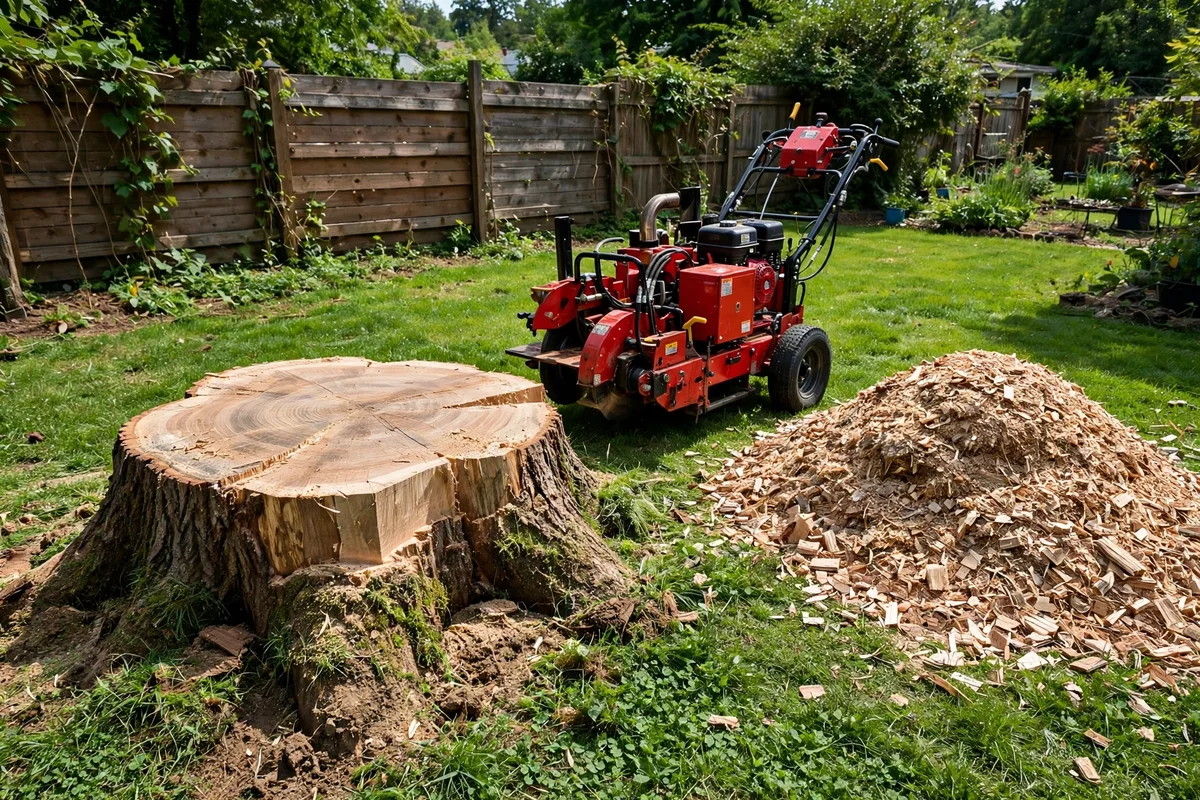 Lawn careTree Stump Removal Cost: Grinding Prices & DIY RentalTree stump removal cost in 2026: grinding runs $2 to $5 per inch of diameter, but a $100 to $150 minimum charge decides most real bills. The per-inch price chart, grinding vs full removal.