
Guides · Garden basics · Published November 15, 2026
Mulch Types Compared: Bark, Straw, Compost, Stone, Rubber — Which Mulch for Which Job
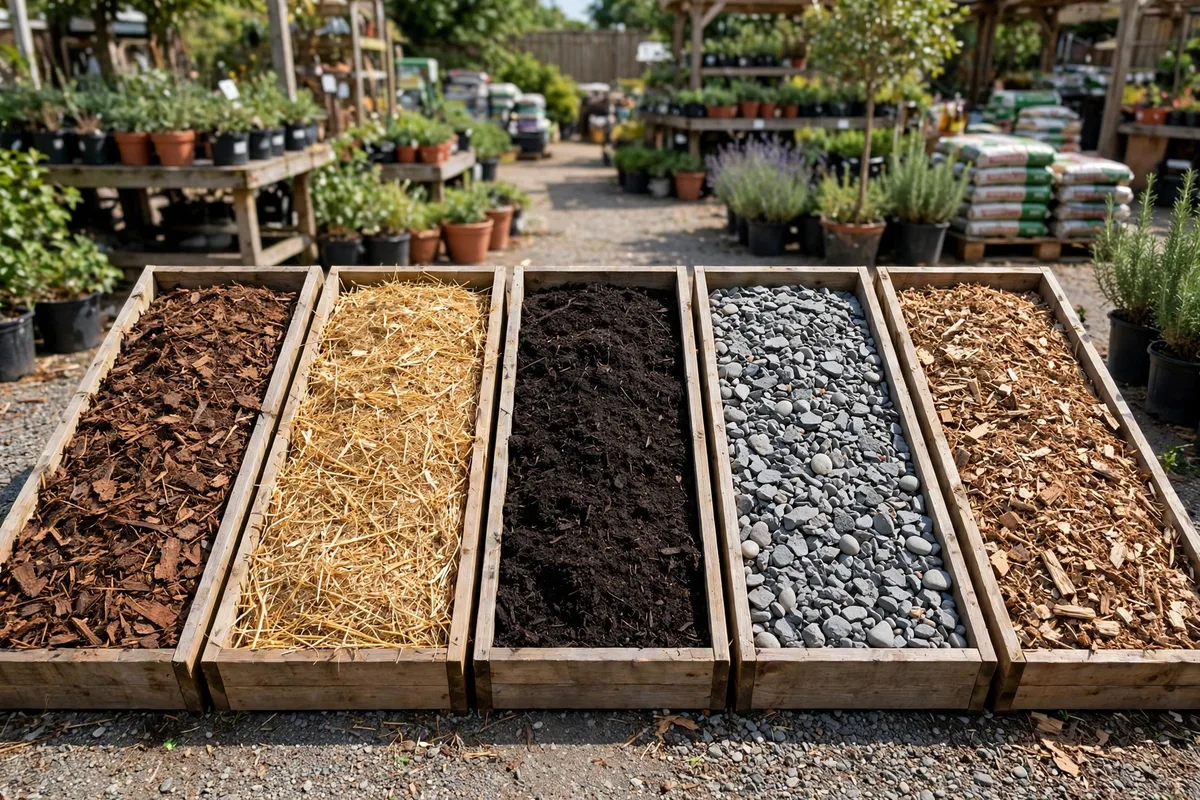
Mulch is the highest-return hour in gardening — it holds soil moisture, smothers weed seedlings, steadies soil temperature and ends the mud-splash that spreads disease onto leaves. But 'mulch' is a job description, not a product, and the wall of bags at the garden centre contains materials with almost nothing in common: some feed the soil as they rot, some are practically permanent, and one of them should never go near a vegetable bed. This comparison of the main types of mulch — bark, straw, compost, stone and rubber — gives each its honest strengths and failures, so you can match the material to the job instead of to the colour.
The comparison at a glance
| Mulch | Best jobs | Lasts | Feeds soil? | Watch out for |
|---|---|---|---|---|
| Bark & wood chips | Shrub and flower beds, trees, paths | 1–3 years | Slowly, yes | Fresh chips on the surface are fine; dug-in fresh wood can rob nitrogen — keep it on top |
| Straw | Vegetable beds, strawberries, potatoes | One season | Yes, fast | Hay is not straw — hay carries seed; buy straw, ideally seed-free |
| Compost | Vegetable beds, roses, anything hungry | One season | Yes — it is fertiliser as much as mulch | Thin layers only (it is rich); may carry weed seed if home-made and cold-composted |
| Stone & gravel | Mediterranean and alpine beds, paths, pots | Practically permanent | No | Heats up in sun, impossible to weed by hand once soil mixes in, wrong for most vegetables |
| Rubber | Play areas (its one defensible use) | Many years | No | Can leach zinc and chemicals, heats up, smells in hot sun — keep it out of food gardens |
Regional staples deserve their place in the table even though they travel badly. Pine straw is the American Southeast's default — light, cheap, and slightly acidifying, which azaleas and blueberries love. In Australia, sugar-cane mulch and lucerne are the vegetable-bed standards: they break down fast in the heat, feed as they go, and are sold everywhere for good reason. In the UK and Europe, autumn hands you the raw material free — fallen leaves rotted down into leaf mould are a first-class mulch and soil conditioner that costs nothing but patience.
Step 1 — Match the mulch to the job, not the other way round
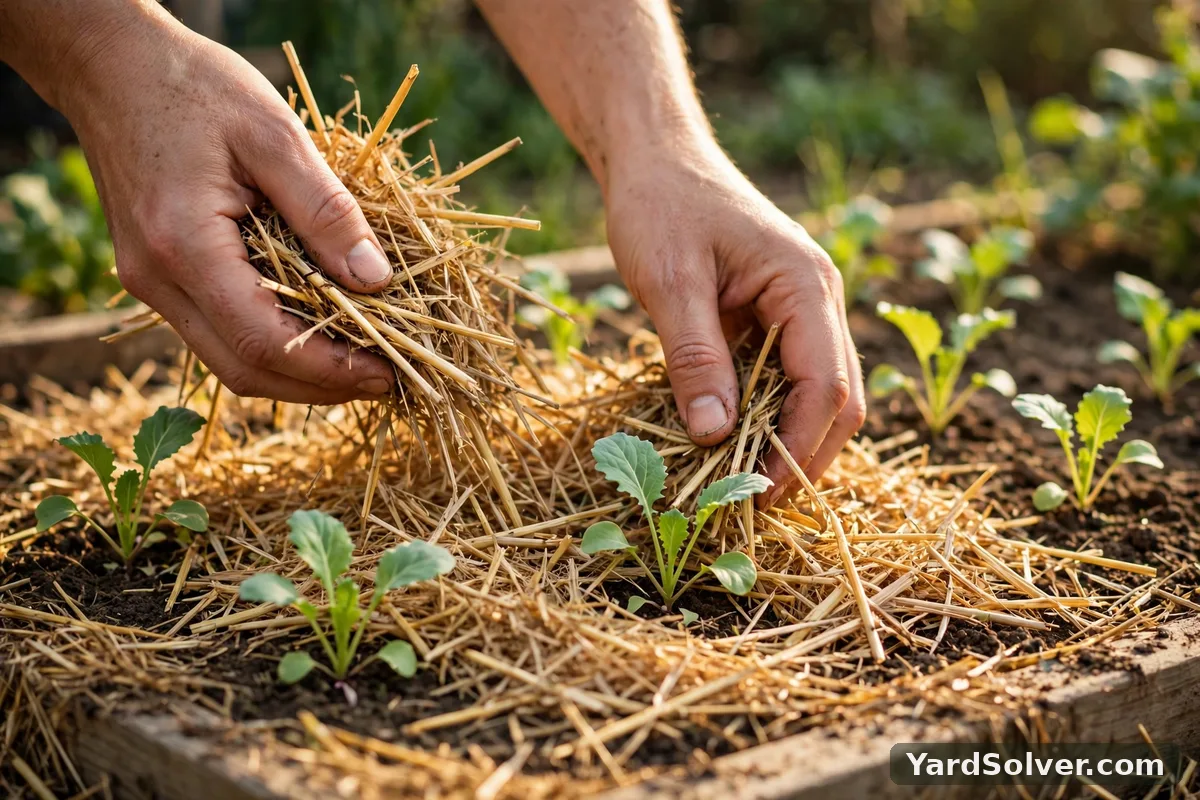
Vegetable beds want straw, compost or lucerne — materials that can be pulled back for planting, rot down harmlessly at season's end, and feed the soil of a bed that is dug every year. Shrub and flower beds want bark or wood chips: long-lived, tidy, and happy to sit undisturbed for two years. Trees want wood chips in a wide, shallow ring — never a volcano piled against the trunk, which rots bark and invites disease. Paths and permanent dry plantings are stone's legitimate home. And rubber's honest entry is short: a soft-fall surface under play equipment, full stop.
Step 2 — How much to buy (and how deep)
Depth is the other half of this decision, and it has its own dedicated page on this site — How Deep Should Mulch Be — because the numbers differ by material: roughly 5–10 cm for bark and chips, a looser 7–10 cm for straw, a modest 3–5 cm for compost. Whatever the type, run your bed area and chosen depth through the Mulch Calculator before you shop: it returns bags or bulk volume, and the gap between a guessed order and a calculated one is routinely a second trip to the store or a pile of surplus bags in the garage. November readers take note: in Australia this is mulch month — a fresh 7–10 cm layer before summer is the single best heat-and-water insurance a bed can get — while northern readers top up in autumn to protect soil structure through winter rain.
Step 3 — The free mulches: compost and leaves
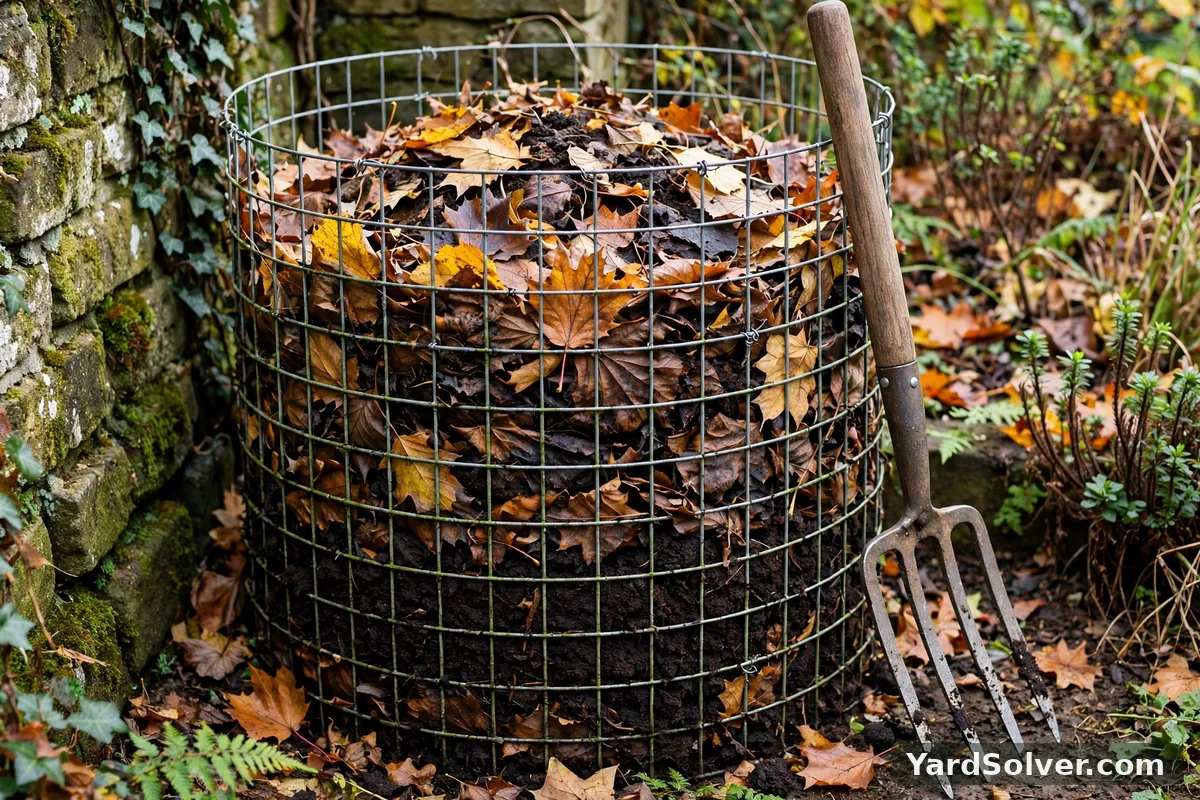
The two best mulches for a working garden are the ones you make. Compost spread as a mulch feeds while it covers — the only material that is simultaneously mulch and fertiliser — and the Compost Calculator works out how your heap's output maps onto your beds. Fallen leaves, shredded and rotted into leaf mould, are the woodland floor's own recipe; our guide to What to Do With Fallen Leaves covers the shredding, storing and timing. A garden that mulches with its own compost and leaves has quietly opted out of the bag wall altogether — which is the comparison's real conclusion: buy bark for the ornamental beds if you like its look, but grow the rest.
Keep going
Chosen your material? The depth rules by type are in How Deep Should Mulch Be, and the Mulch Calculator turns your beds and depth into an exact order.
Mulching sits inside the bigger season plan — beds, feeding and planting dates — which the Garden Planner builds from your own frost dates and space.
Questions people ask
Which mulch is best for a vegetable garden?
Straw, compost, or (in Australia) lucerne and sugar-cane mulch. They suppress weeds and hold moisture for the season, then rot down harmlessly and feed the soil when the bed is dug — exactly what an annually worked bed needs. Avoid rubber entirely and stone in beds you dig.
Does bark mulch rob nitrogen from the soil?
Only where fresh wood is dug into the soil — soil microbes borrow nitrogen while breaking it down at the mixing layer. Spread on the surface as mulch, the effect is confined to the top few millimetres and does not measurably starve established plants; it is one of gardening's most persistent half-truths.
Is rubber mulch safe for gardens?
It has one defensible use — soft fall under play equipment. In planting beds it can leach zinc and other compounds, heats up strongly in sun, and can smell in hot weather. Keep it out of vegetable gardens and anywhere food is grown.
Comments & ratings
No comments yet.
Be the first to share your experience.