
Guides · Companion planting · Published October 31, 2026
Companion Planting Basics
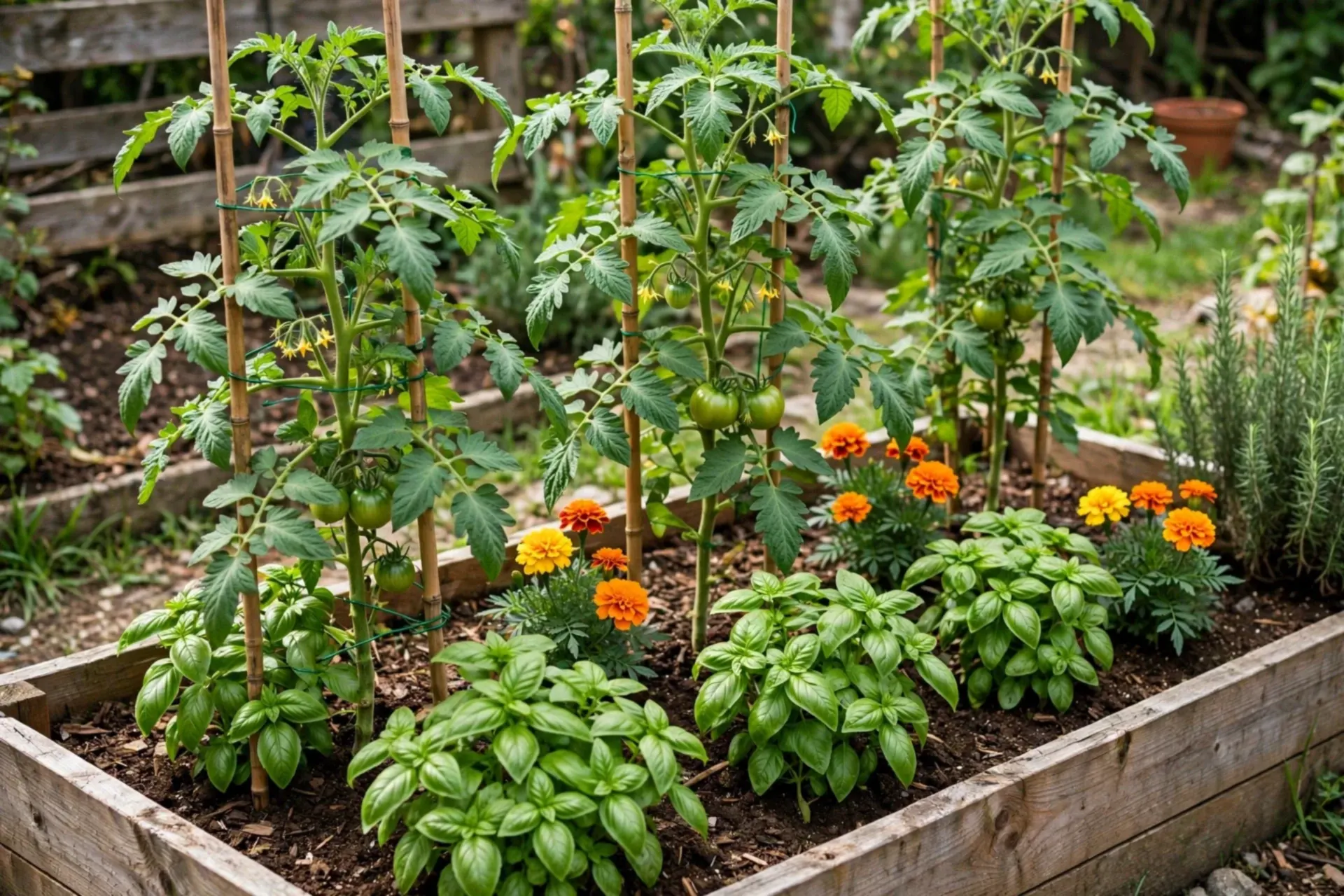
Companion planting is simply choosing neighbours on purpose. Some pairings work through plain, understandable mechanisms — shade, scent, roots, flowers for helpful insects. Others on the internet are folklore repeated for decades. This guide keeps the pairings with a real reason behind them, gives you the chart, and is honest about the limits.
The chart: good neighbours, poor neighbours
- Tomatoes: good with basil, marigolds, carrots, lettuce · keep away from potatoes (shared diseases) and fennel
- Beans and peas: good with carrots, cucumbers, corn, radishes · keep away from onions, garlic and the whole allium family
- Cucumbers: good with beans, peas, radishes, sunflowers · keep away from potatoes and strong aromatic herbs right alongside
- Carrots: good with onions and leeks (each confuses the other's fly), lettuce, tomatoes · keep away from dill and parsnips crowding
- Cabbage family: good with onions, potatoes, celery, aromatic herbs · keep away from strawberries and climbing beans competing
- Lettuce and greens: good with almost everything — the universal gap-filler under tall crops
- Potatoes: good with beans, cabbage, marigolds · keep away from tomatoes, cucumbers and squash (disease and competition)
Step 1 — Use the four real mechanisms
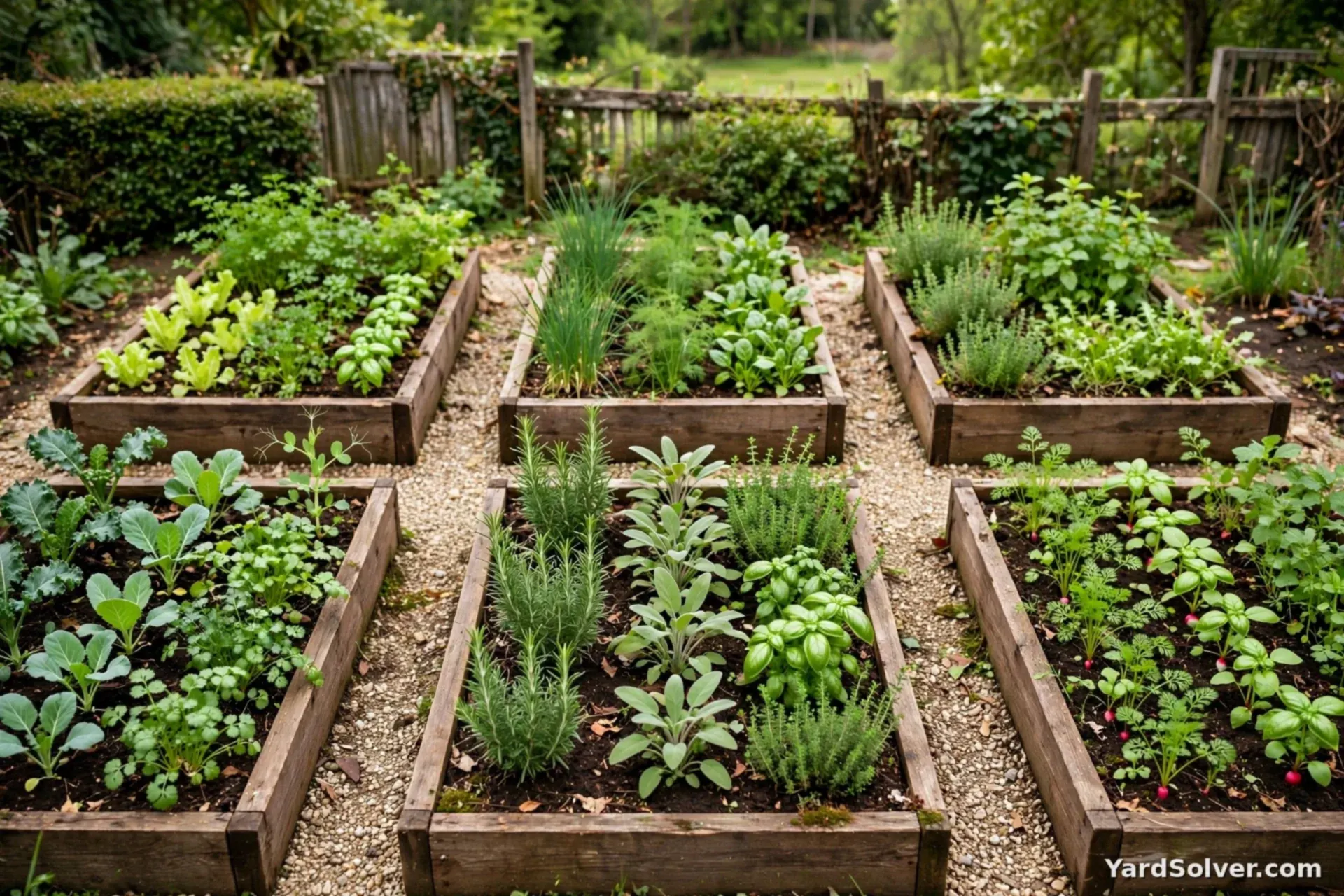
Companion effects come from: (1) structure — tall corn or sunflowers shading lettuce in high summer, trellis crops sheltering wind-tender plants; (2) scent — onions and carrots confusing each other's pest flies, aromatic herbs muddling pest searches; (3) soil — beans and peas leaving nitrogen behind for the next crop, roots feeding at different depths; (4) flowers — marigolds, nasturtiums and herbs feeding the ladybirds and hoverflies that eat aphids, and nasturtiums acting as a sacrificial magnet for them.
Step 2 — Plant the famous trio (and understand it)
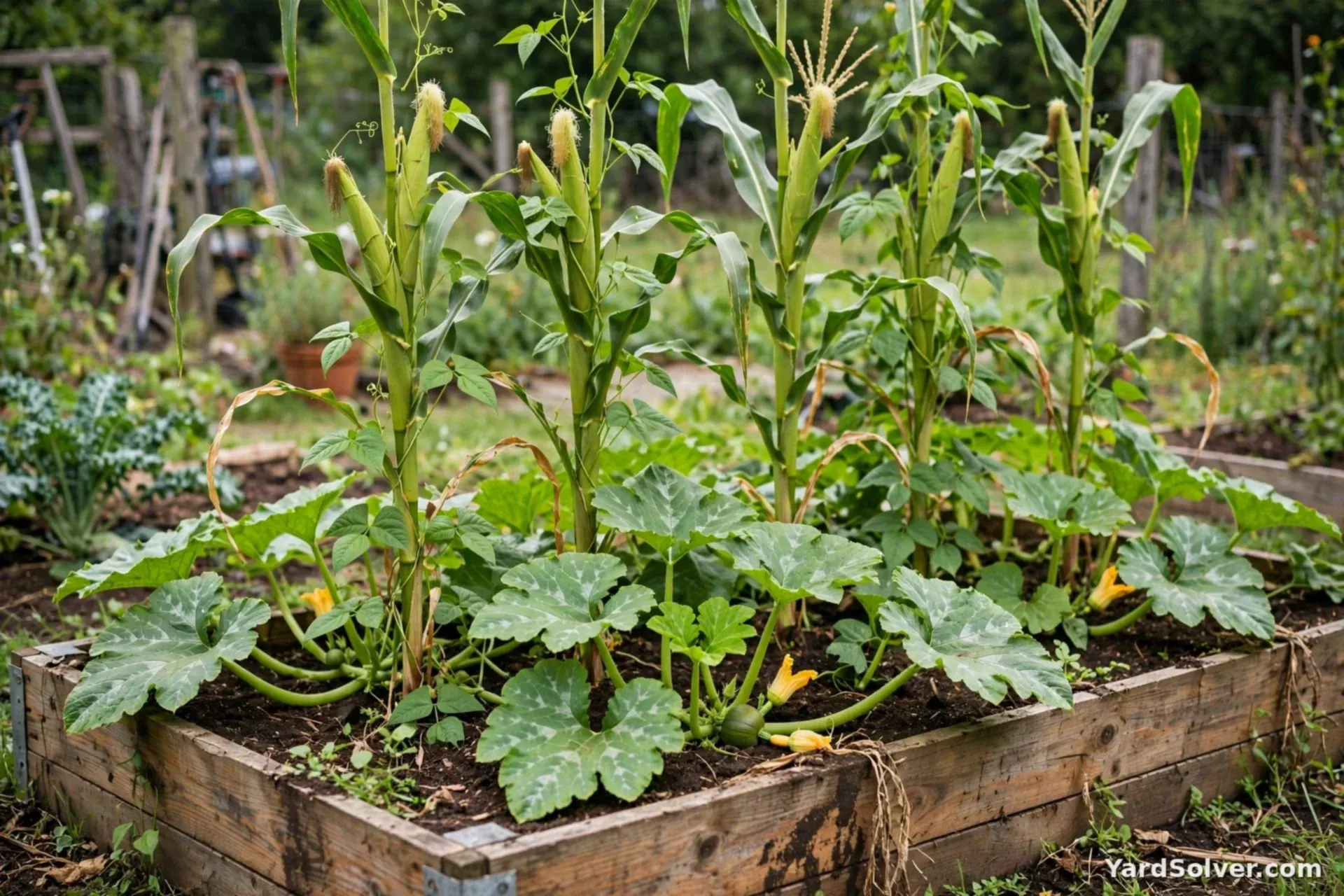
The "three sisters" — corn, beans, squash — is the classic designed system: corn provides the trellis, beans climb it and add nitrogen, squash leaves shade the soil and hold moisture. It works because each plant does a different job. Design your own groupings the same way: one tall, one climber or feeder, one ground-cover. Spacing still rules — check the Plant Spacing Calculator before squeezing companions in.
Step 3 — Respect the few genuine feuds
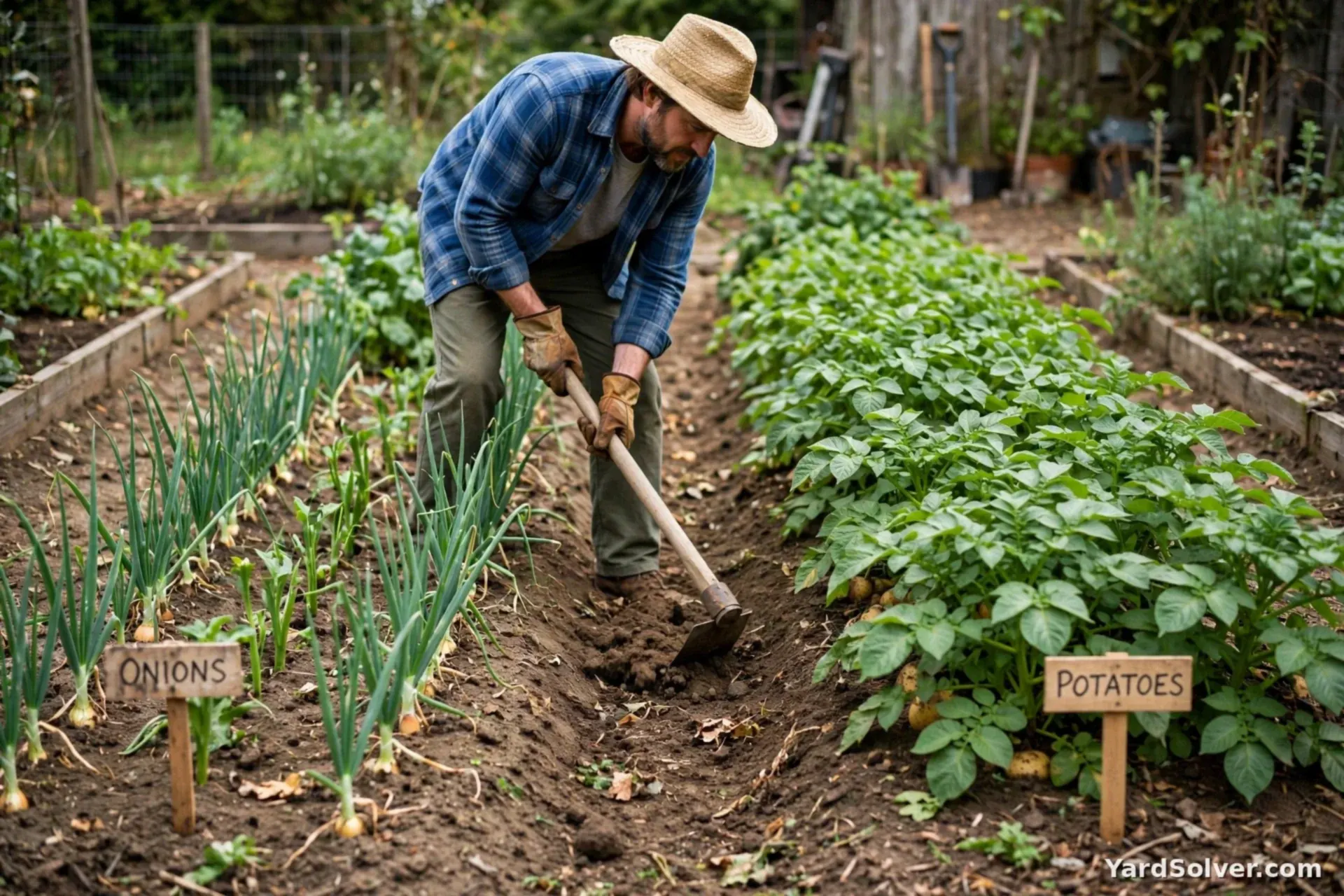
Most "bad companion" claims are weak, but a few are worth obeying: onions/garlic beside beans and peas (stunting is widely reported); tomatoes beside potatoes (they share blight and other diseases — a spacing rule as much as a chemistry one); fennel beside almost anything (it inhibits many crops and belongs in its own pot); and any pairing that crowds — competition for light and water is the feud that definitely exists.
Step 4 — Add flowers on purpose
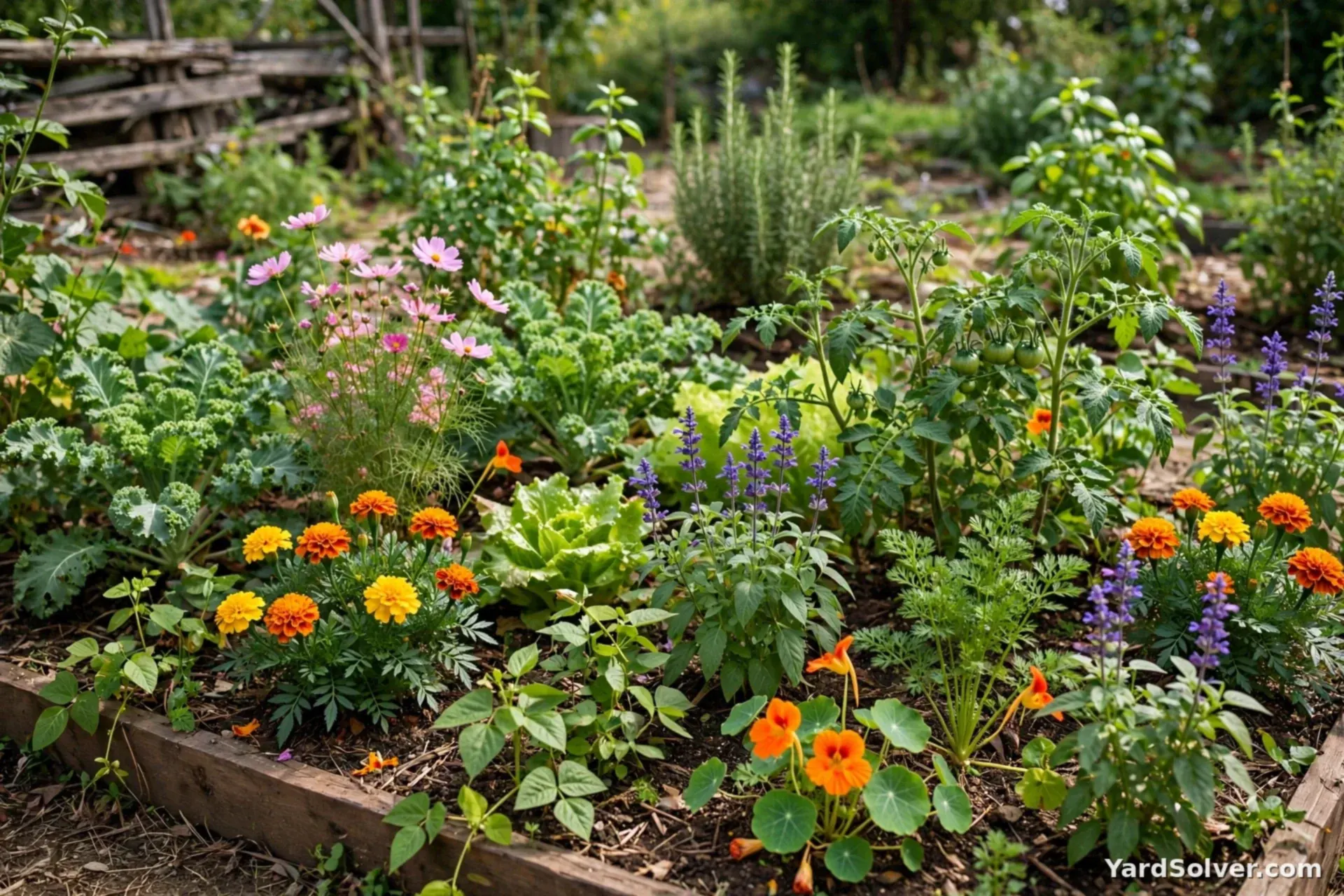
A vegetable bed with no flowers is missing its workforce. Marigolds among tomatoes, nasturtiums near squash and cucumbers, and a few herbs allowed to flower bring in pollinators and pest-eating insects all season. This is the highest-value companion move of all — and it makes the garden beautiful, which is not a small thing.
Step 5 — Keep perspective: companions nudge, basics decide
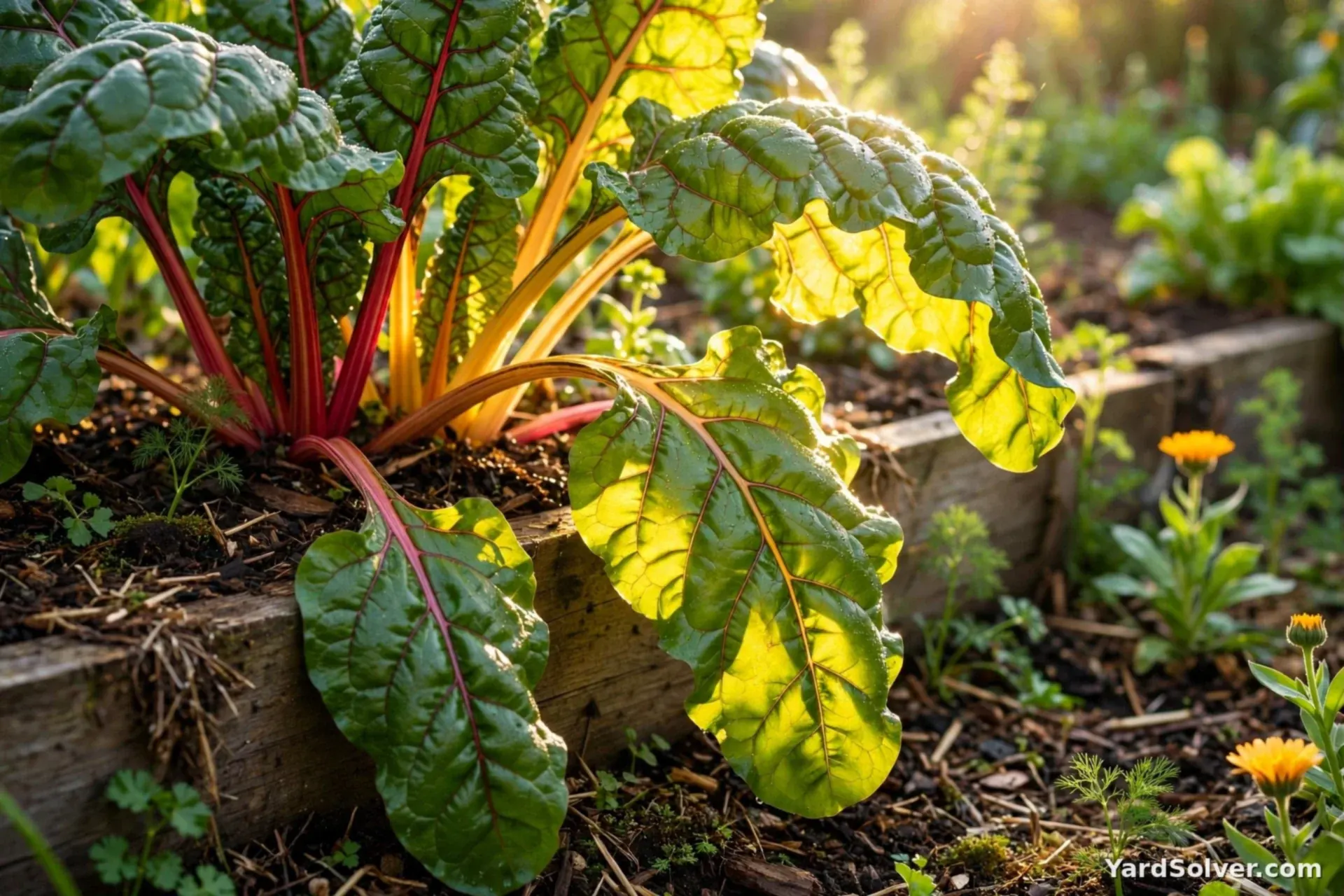
No pairing rescues a plant in the wrong sun, in starved soil, or unwatered. Get the fundamentals right — soil preparation, correct spacing, dates from the Planting Calendar — then let companions add their quiet few percent. Gardeners who master the basics first get the most from every chart, including this one.
Keep going
Plan the bed: Best Vegetables to Grow in a Small Garden · How to Prepare Garden Soil in Spring.
Questions people ask
Does companion planting actually work?
Some of it, through ordinary mechanisms: shade, scent confusion, nitrogen from legumes, flowers feeding pest-eating insects, roots at different depths. Treat it as a helpful nudge, never magic — charts never override sun, space and water.
What is the most famous mistake?
Onions and garlic right beside beans and peas — the allium family is widely reported to stunt legumes. Keep the two families in different parts of the bed.
Why marigolds with tomatoes?
French marigold roots suppress certain harmful nematodes, and the flowers feed beneficial insects — one classic pairing with a real mechanism behind it.
The full chart
Every pairing in this guide, graded honestly and extended to 17 vegetables — good companions, plants to keep apart, and the evidence behind each call: Companion Planting Chart.
Comments & ratings
No comments yet.
Be the first to share your experience.