
Guides · Small gardens · Published October 31, 2026 · Updated November 8, 2026
Vegetables to Grow in Small Spaces: 15 Crops That Earn Their Rent
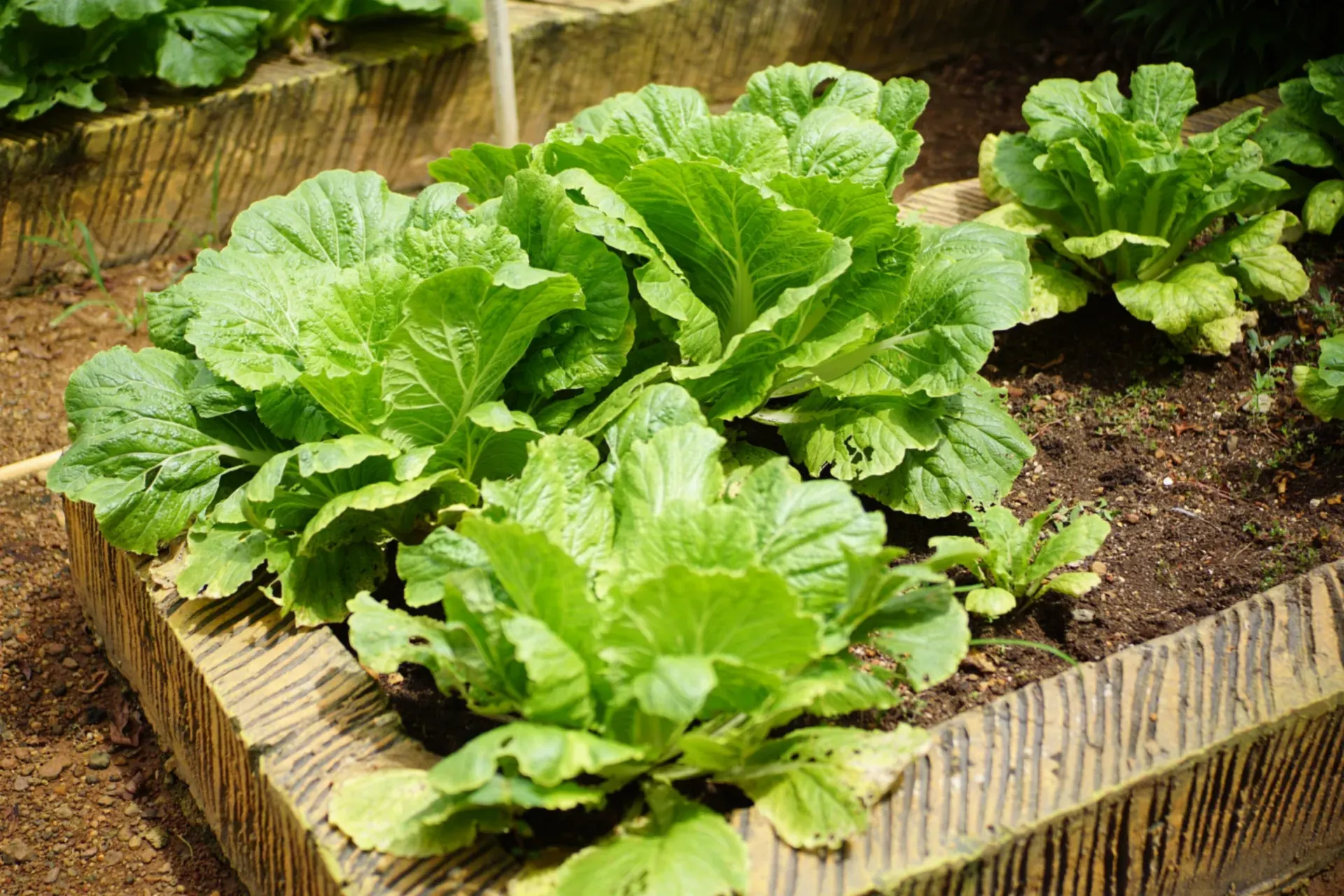
In a small garden, space is money — and the vegetables to grow in small spaces are the ones that pay rent: crops that produce again and again, grow upward instead of outward, or finish fast and hand their spot to the next planting. This is the complete small-space list: 15 vegetables, each with the ground it needs, the container it accepts, and the number of plants that actually feeds a household — plus the beloved space-hoggers to leave to the farmers' market. Whether your "garden" is one 4 × 4 bed, a sunny patio of pots, or a balcony (see Balcony Garden Ideas), the same picks apply — only the container column changes.
Vegetables for small spaces, at a glance
- The 15, in order of rent-paying: lettuce, climbing beans, cherry tomatoes, kale, radishes, peppers, zucchini, spinach, spring onions, carrots, bush beans, herbs, cucumbers (trellised), beets, Swiss chard
- Every pick lists its price in space: the ground it needs, the container it accepts, and how many plants a small household actually uses
- The strategy underneath: three layers (up, middle, ground), cut-and-come-again crops, and a new sowing the day a patch is picked
- Skipped on purpose: sweet corn, roaming pumpkin and squash vines, and melons — cheap at the market, ruinous in square feet
Step 1 — Think in three layers, not one floor plan
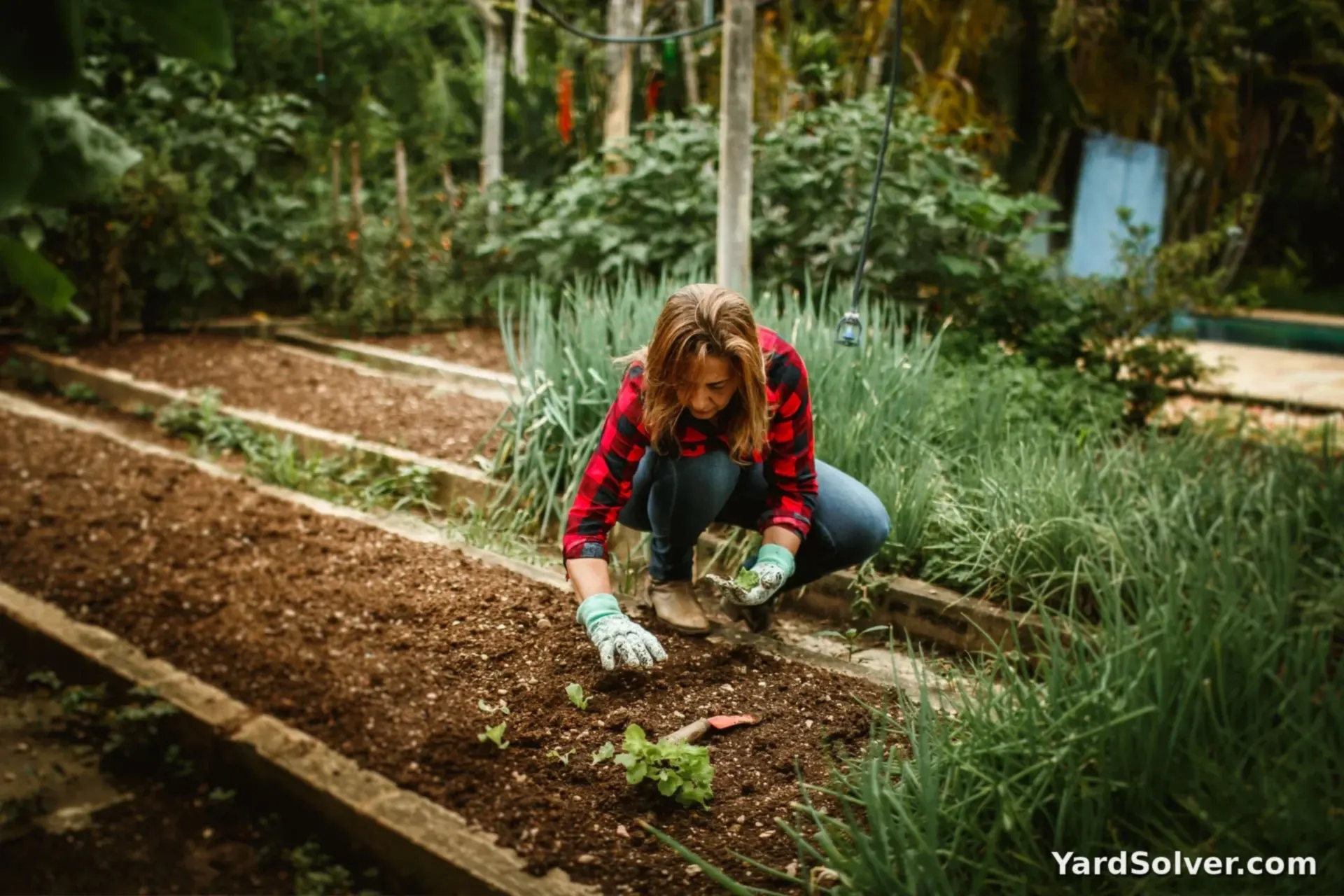
A small garden has three storeys. Up: trellis and stakes for beans, peas, cucumbers and tomatoes. Middle: bushy plants — peppers, bush beans, herbs. Ground: leaves and roots filling the gaps. Plant all three layers and the same bed can carry double the food. See How to Grow Cucumbers Vertically for the trellis method, and lay your own three layers out in the Garden Planner before a single seed is sown.
Step 2 — The 15 vegetables for small spaces — space, container, count
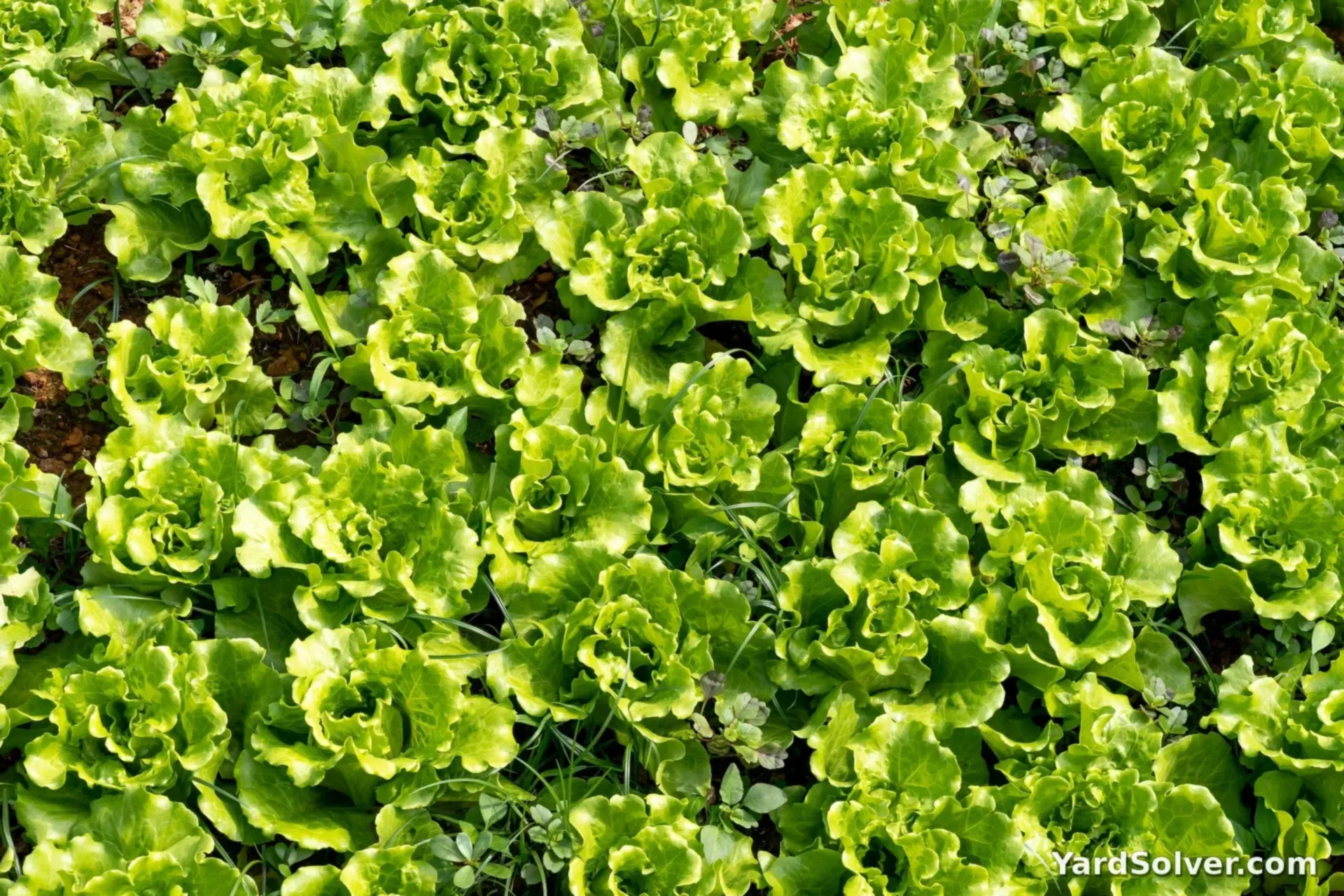
One cabbage takes 4 months to give you one cabbage. The same patch of leaf lettuce gives pickings every week for a season. Every crop below was chosen on that test — and each row gives its honest price: the ground it occupies, the smallest container it accepts, and a realistic plant count for a household that cooks. Spacing in the ground follows our Vegetable Plant Spacing Chart; pot sizes follow the container guide. Run any row's numbers through the Plant Spacing Calculator for your exact bed.
| Vegetable | Space it needs | Smallest container | Plants to grow |
|---|---|---|---|
| Lettuce (leaf types) | 6–8 in (15–20 cm) each way | Wide shallow bowl, 1 gal | 6–10, sown in waves |
| Climbing beans | A trellis strip, 3–4 in apart | 5 gal with support | 8–12 up one trellis |
| Cherry tomatoes | 1 sq ft, grown up a stake | 5 gal (7–10 kinder) | 1–2 plants |
| Kale | 12–18 in (30–45 cm) | 3–5 gal | 2–3 plants |
| Radishes | 1–2 in, in any gap | Any wide pot | A short row every 2 weeks |
| Peppers | 18 in (45 cm) | 3–5 gal | 2–3 plants |
| Zucchini | 3–4 sq ft for ONE plant | 10 gal (a stretch) | 1 plant — truly |
| Spinach | 4–6 in (10–15 cm) | Wide shallow bowl | A 2-ft row, spring + fall |
| Spring onions | 1–2 in, tucked anywhere | Any pot with depth | A bunch of 20 |
| Carrots | 2–3 in, deep soil | 12 in (30 cm) deep pot | 16–25 per square foot |
| Bush beans | 4–6 in (10–15 cm) | 3–5 gal | 8–10 per patch |
| Herbs (basil, parsley, cilantro) | In every leftover gap | 1–2 gal each | 1–2 pots each kind |
| Cucumbers (trellised) | 1 sq ft, straight up | 5 gal with support | 1–2 plants |
| Beets | 3–4 in (8–10 cm) | Deep 3 gal | 9–16 per square foot |
| Swiss chard | 8–12 in (20–30 cm) | 3 gal | 2–3 plants |
Space is the ground footprint per plant at final spacing; containers are the minimum for a content plant — bigger is always kinder. Counts assume a small household eating the crop fresh in season.
Step 3 — Use succession sowing to keep every inch working
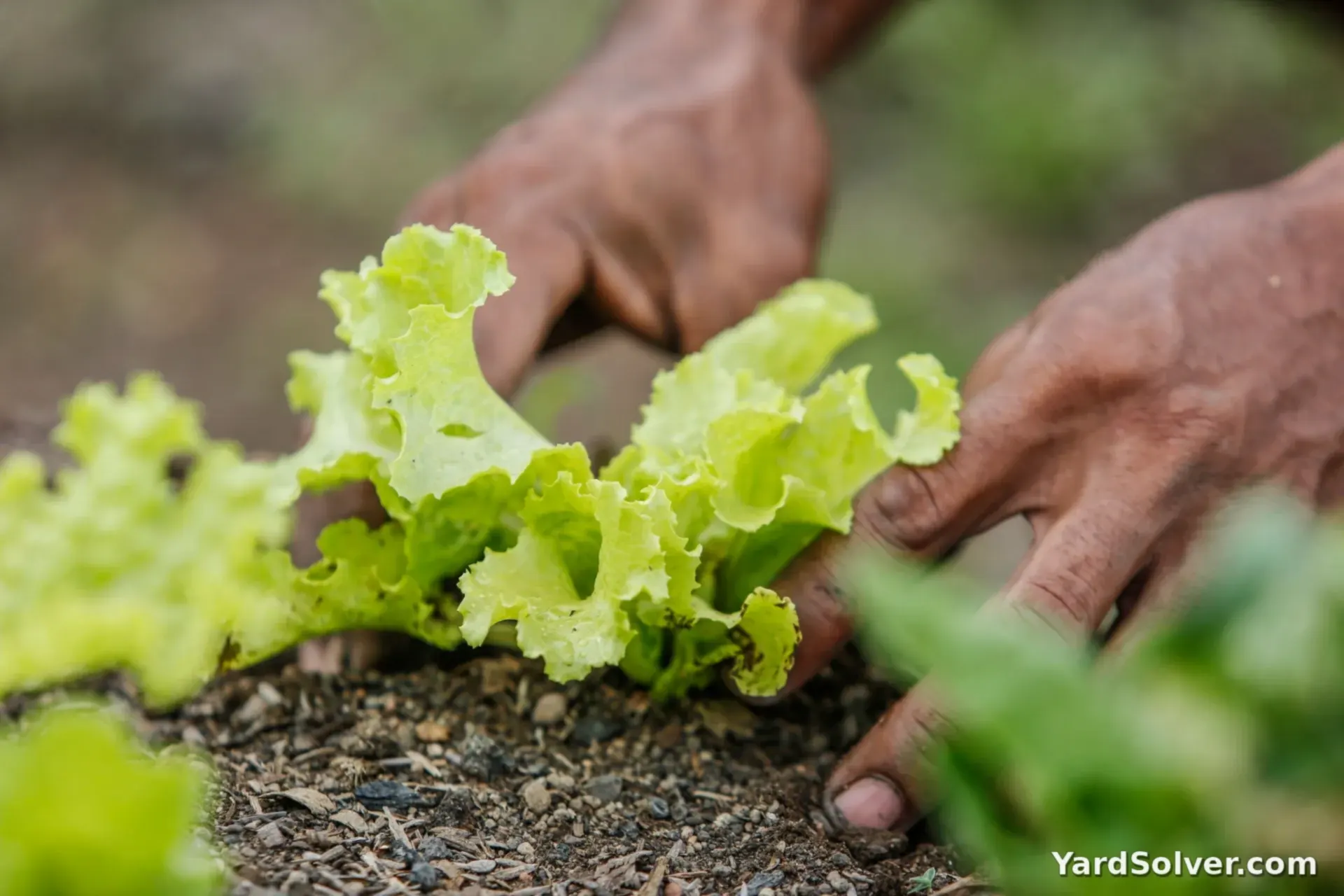
Fast crops (radish, lettuce, spinach, bush beans) finish in 30–60 days. The day a patch is harvested, sow or transplant the next thing into it. Check dates on the Planting Calendar, stretch sowings with the Succession Sowing planner, and size quantities with the Seed Calculator so you sow enough — not a packet's worth — for a small bed.
Step 4 — Grow up: trellis the north edge
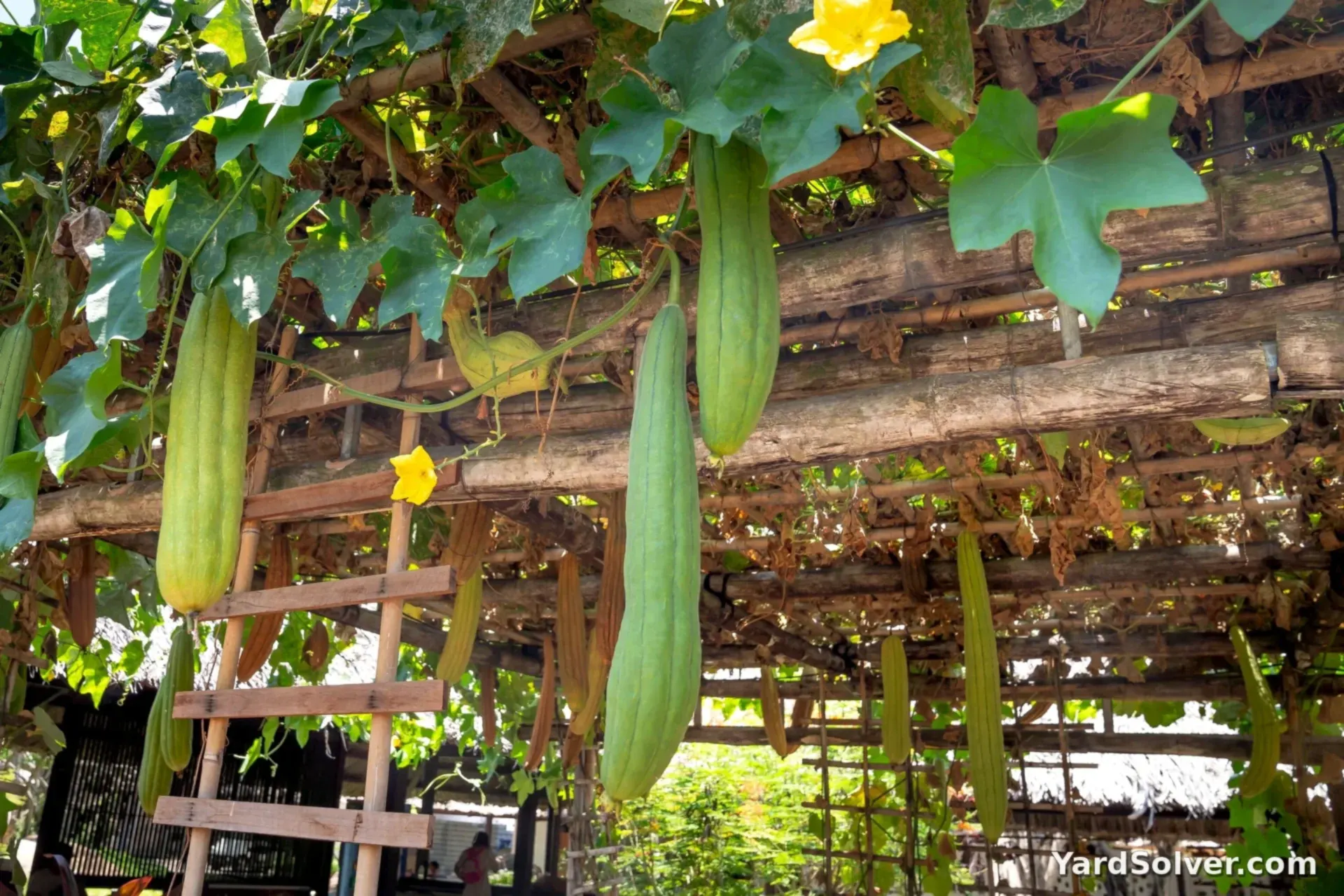
Put the trellis along the north side of the bed (in the northern hemisphere) so climbers do not shade everything behind them. Beans, peas and cucumbers on one trellis free the whole sunny floor for the middle and ground layers. Spacing numbers for each crop are in the Plant Spacing Calculator — and if your small space is a roof rather than a bed, the same layering logic runs the Rooftop Vegetable Gardening layout.
Step 5 — Skip the space-hoggers (buy them instead)
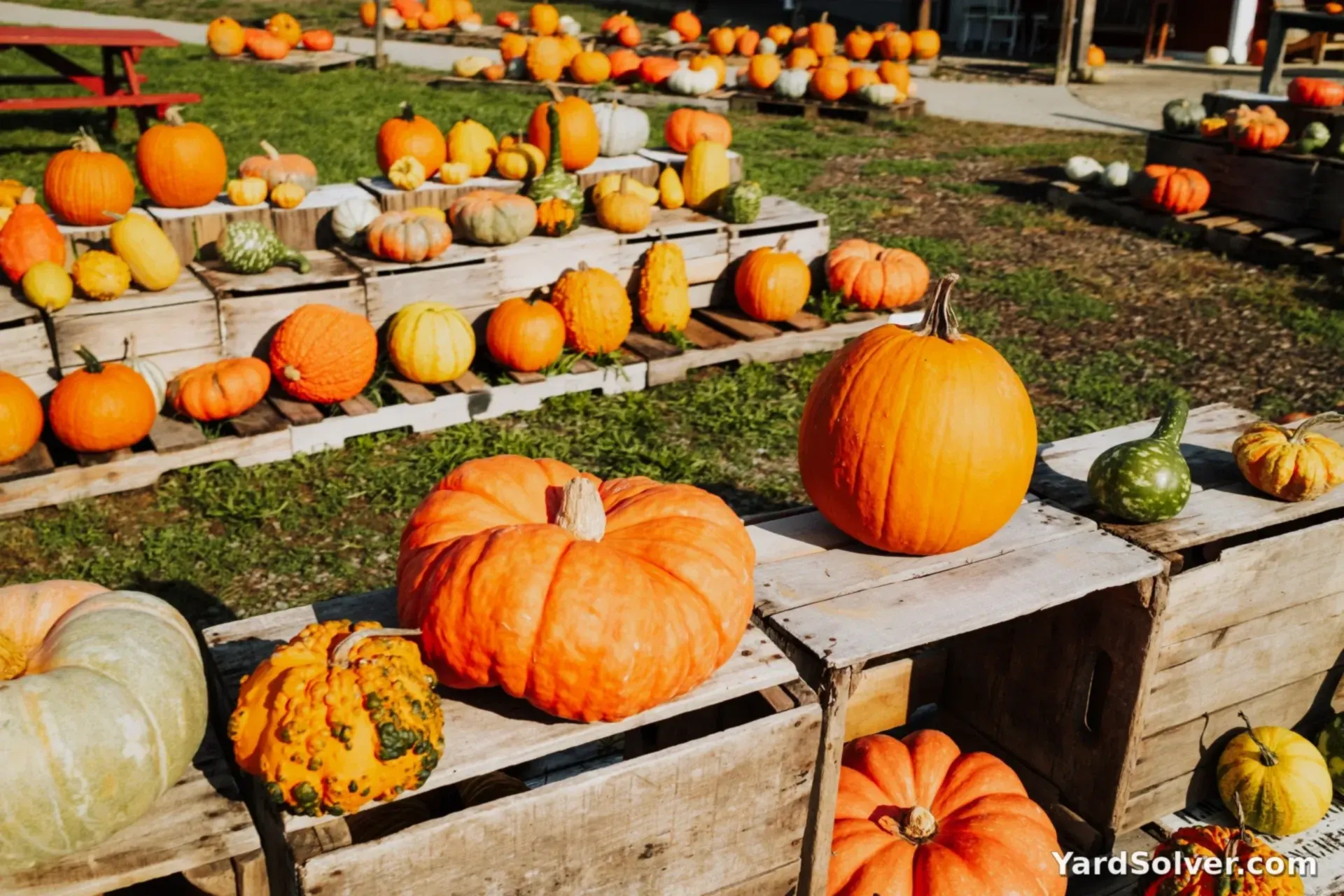
Sweet corn needs a whole block planted together to pollinate, then pays an ear or two per plant. Pumpkins and winter squash roam 10 feet or more. Melons sprawl and ripen few fruit in short seasons. All three are cheap at the market in season — spend your square feet on what is expensive or tastes nothing like the store version: tomatoes, herbs, salad leaves and beans. For one exception that earns its corner, see How to Grow Potatoes in Bags — the crop leaves the bed entirely and grows in a bag on the patio. And if you are growing up a wall or fence instead, Vertical Gardening Ideas is the deep dive.
Keep going
Growing in pots? Best Vegetables to Grow in Containers sizes every crop's pot in gallons.
A balcony instead of a bed? Balcony Garden Ideas lays out layouts by size and sun.
The earners' best friend: How to Grow Potatoes in Bags — the crop that leaves the bed entirely.
Questions people ask
What vegetable gives the most food for the least space?
Cut-and-come-again lettuce and salad leaves are hard to beat: one small patch, picked leaf by leaf, produces salads for months from spring to fall. Zucchini is the opposite shape of champion — one plant takes about 3–4 square feet but can produce more courgettes than a family can eat.
Can I grow tomatoes in a small garden?
Yes — choose the type by space. A determinate (bush) tomato stays compact in a large pot or a corner of a bed. An indeterminate tomato needs one square foot of ground but grows UP a stake or string, giving the biggest harvest per square foot of any tomato. Cherry types are the most forgiving and productive for beginners.
How many plants fit in a 4 × 4 foot bed?
A realistic mixed 4 × 4 (about 1.2 × 1.2 m): 1 trellised tomato or cucumber on the north edge, 2 peppers, a square of 9–16 carrots or beets, 4–6 lettuce, and a trellis strip of beans or peas — layered, that one bed can carry 25 or more productive plants. Run your own layout through the Plant Spacing Calculator before planting.
What should I NOT plant in a small garden?
Space-hungry, one-harvest crops: sweet corn (needs a block of many plants to pollinate and gives an ear or two each), pumpkins and winter squash that roam 10 feet or more (unless grown vertically), and sprawling melon vines. Buy those at the market and spend your square feet on repeat producers.
Comments & ratings
No comments yet.
Be the first to share your experience.