
Guides · Basics · Published November 11, 2026
Hardiness Zones Explained: USDA vs Canada (and What They Don't Tell You)
Every perennial, shrub and tree you buy carries a zone number on its tag, and that number decides more purchases than any other line in the garden centre. Used properly it is genuinely useful. Used the way most of us first use it — as a general verdict on what will grow — it quietly misleads, because a hardiness zone answers exactly one narrow question, and gardeners keep asking it five others. Worse, North America runs two different zone systems, American and Canadian, whose numbers look interchangeable and are not. Here is what hardiness zones actually measure, how the two systems differ, and the things no zone will ever tell you.
One number, one question
A hardiness zone answers exactly one question: is this perennial likely to survive my winter? Not will it flower well, not will it fruit, not when do I plant it — just, does it stand a fair chance of coming through the cold season alive. Everything else a plant needs lives outside the number. And there are two systems in North American use, built on different evidence:
| System | Based on | Scale | Published by |
|---|---|---|---|
| USDA | Average annual extreme minimum winter temperature only | 13 zones (1–13), each split a/b in 5 °F steps | USDA (2023 map) |
| Canada | A blend of seven variables: winter minimum, summer maximum, frost-free period, rainfall, snow cover, wind and elevation | Zones 0–9 with a/b subzones | Natural Resources Canada (updated July 2025 on 1991–2020 data — many communities moved up half to a full zone) |
Same word, same style of number, different arithmetic. Step 3 below is about what happens when the two get mixed up.
Step 1 — Find your zone, in the right system
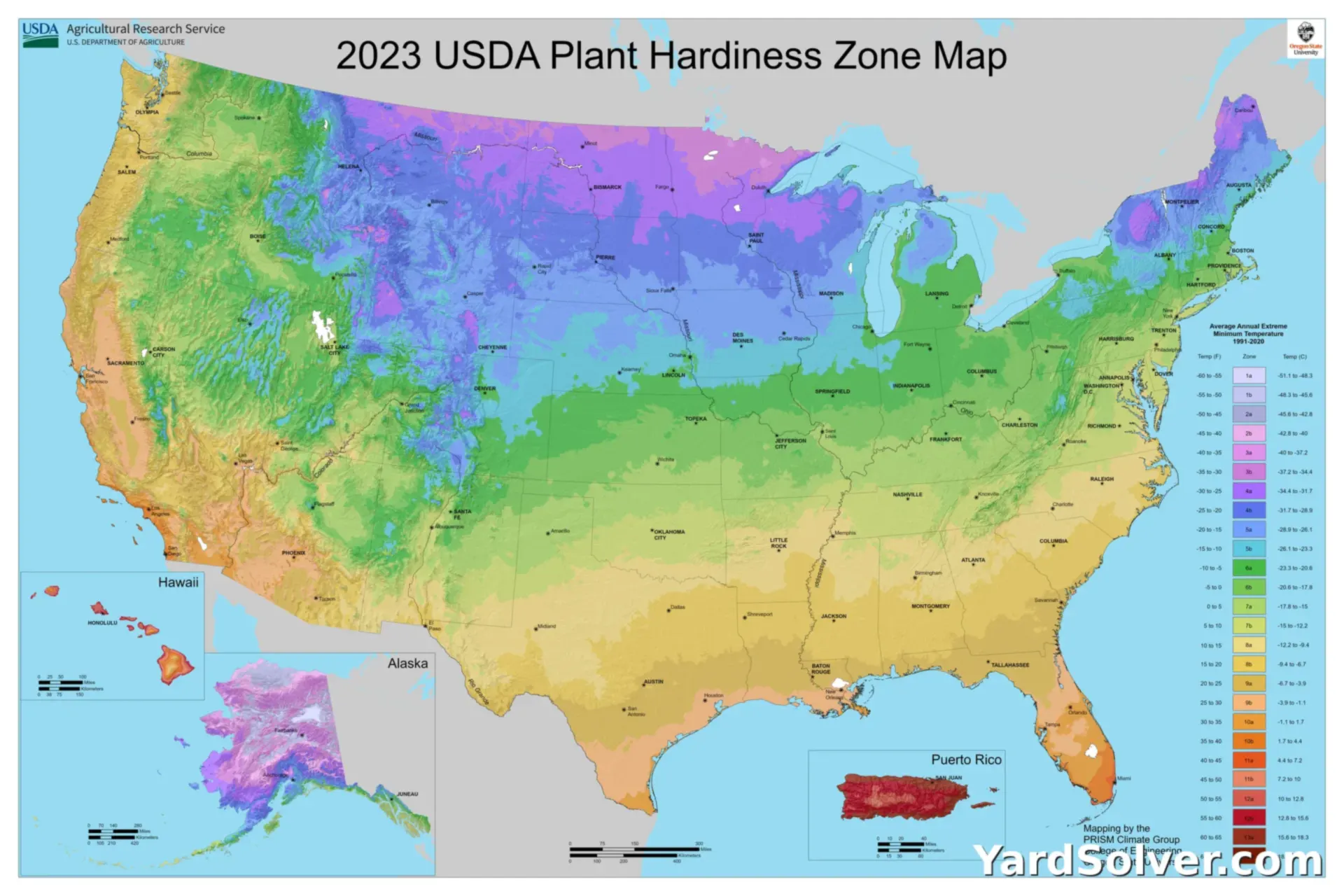
In the United States, look your zone up on the USDA Plant Hardiness Zone Map by ZIP code — the current map is the 2023 edition, built from the coldest night of an average winter over the thirty years before it. In Canada, use the Plant Hardiness of Canada site, searching by your community or postal code, which returns your Canadian zone and subzone from the national map updated in July 2025. Write the number down with its letter and its system — "6a, Canadian" is a complete answer; "about a 6" is how mistakes start. Gardeners near the border should hold both numbers: your Canadian zone for Canadian catalogues and tags, your USDA zone for American ones, converted by the caution in Step 3, never by assumption.
Step 2 — Read a plant tag properly
A tag that says "hardy to zone 5" means the plant is expected to survive winter in zone 5 and everywhere warmer — zones 6, 7, 8 and up are all fine; it is zone 4 and colder where the gamble starts. The number is a floor, not a target. The little letter matters too: each zone is split into an a half and a b half, 5 °F apart, so 5a is a full step colder than 5b, and a plant rated 5b going into a 5a garden is already at the edge of its rating before your own weather gets a say. Cold-hardy fruit shows how far the system reaches when a plant is truly tough: a haskap is hardy to zone 2, surviving winters most border perennials never see. And read the tag's system, not just its number — a tag printed for the American market is speaking USDA even if you are reading it in Ontario.
The USDA scale — what the numbers mean in degrees
| USDA zone | Average winter low °F | °C |
|---|---|---|
| 3 | −40 to −30 °F | −40 to −34 °C |
| 4 | −30 to −20 °F | −34 to −29 °C |
| 5 | −20 to −10 °F | −29 to −23 °C |
| 6 | −10 to 0 °F | −23 to −18 °C |
| 7 | 0 to 10 °F | −18 to −12 °C |
| 8 | 10 to 20 °F | −12 to −7 °C |
| 9 | 20 to 30 °F | −7 to −1 °C |
Each full zone is a 10 °F band of average coldest-night temperature; the a/b halves split it into 5 °F steps. Remember it is an average — a colder-than-average winter tests every plant at the edge of its rating.
Step 3 — Don't mix the two systems up
This is the confusion this page exists to end: Canadian and USDA zone numbers are NOT interchangeable. Because Canada's map blends in snow cover, wind, summer heat and the length of the frost-free season, the same garden carries a different number in each system — as a rough pattern, the USDA number is often about one lower than the Canadian number for the same place, so a Canadian 6 is frequently a USDA 5. But "often" and "roughly" are doing real work in that sentence: the gap is not a fixed conversion, it shifts from place to place, and treating minus-one as a rule will eventually kill a plant that cost you money. The safe habits are simple. Buy from sellers in your own system when you can. When a tag, book or website is American — and most of the internet is — read its zones as USDA and check your own USDA number alongside your Canadian one. And when a plant is borderline, believe the more cautious reading.
Step 4 — Know what zones ignore
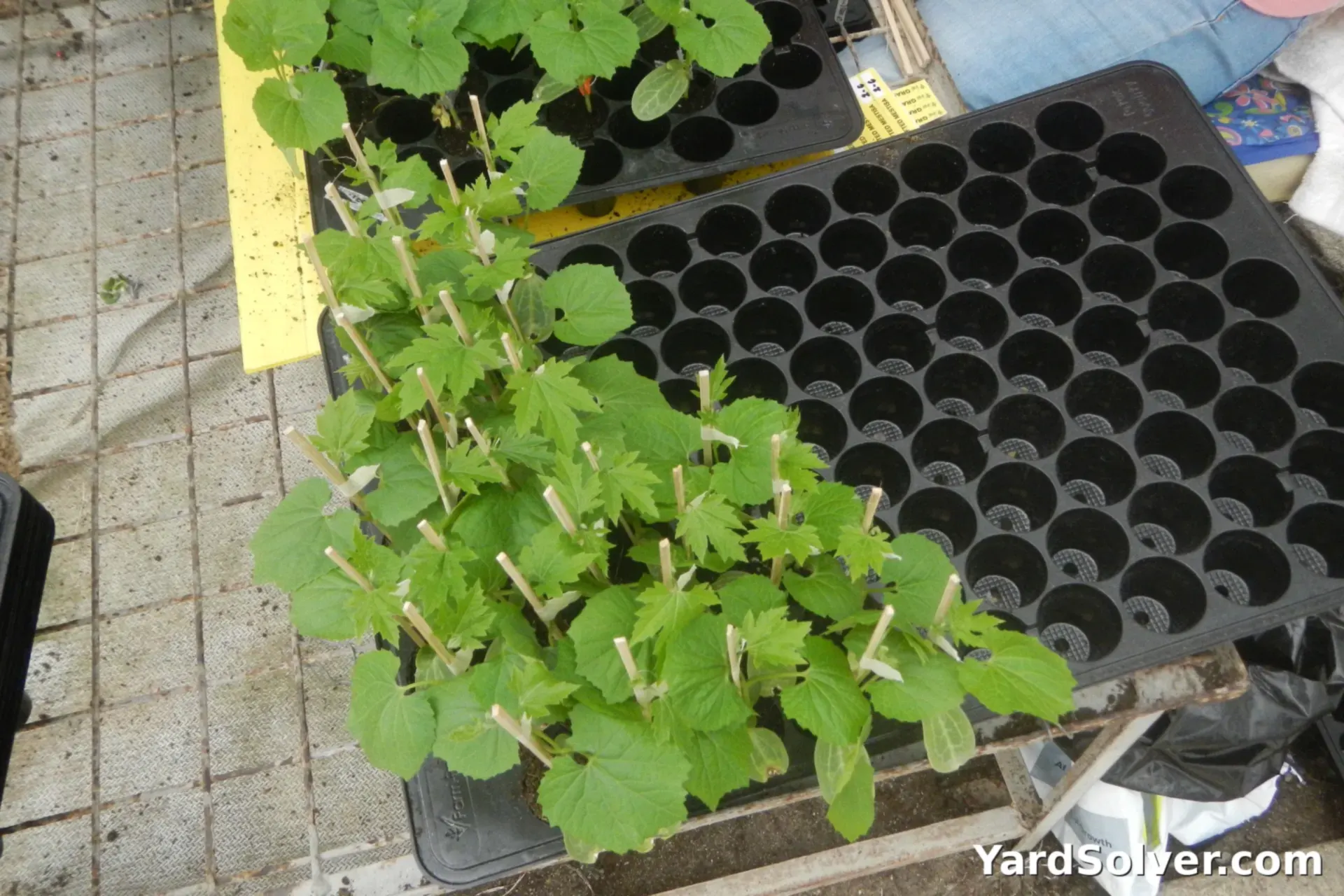
The biggest silence in the system: zones say nothing about frost dates. A zone is built from the coldest night of winter; it cannot tell you when your last spring frost falls or your first fall frost lands, and those two dates — not the zone — run the entire annual and vegetable garden. Tomatoes do not care that you are zone 6; they care whether frost is finished. That is what the Planting Calendar is for, and it, not the zone map, is the tool to open in seeding season. Zones are equally silent about summer heat (a plant can be winter-hardy for you and still fail in your August), drought, snow cover and wind — Canada's system folds some of these in, the USDA's does not, which is one more reason the numbers differ. A zone rating is a winter-survival estimate. Treating it as a full growing guide is asking one number to do six jobs.
Step 5 — Work your microclimate
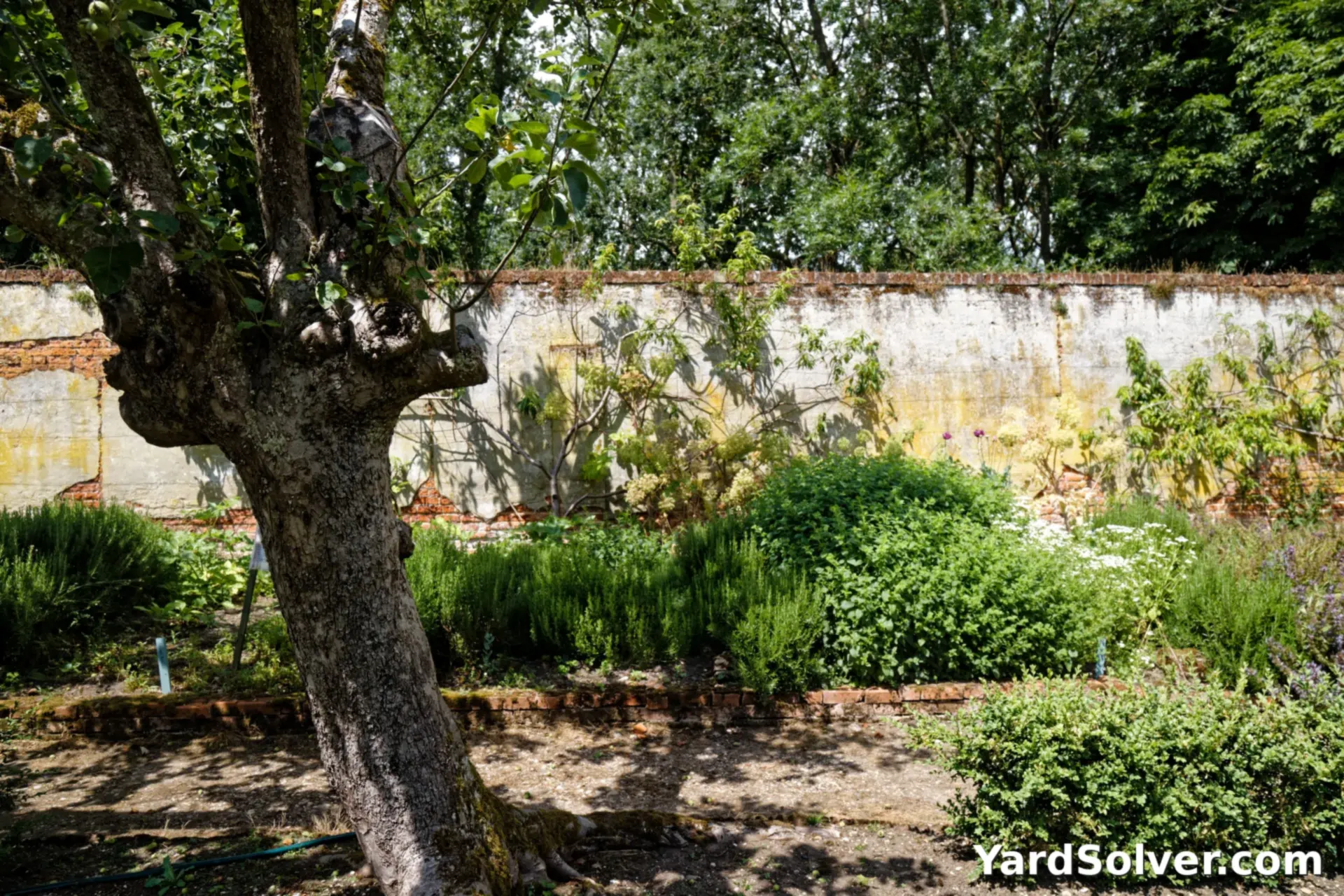
The map gives your district one number, but your yard has several climates in it, and the differences are big enough to use. A bed against a sunny south-facing wall borrows stored heat all night and can carry a plant rated a half zone — sometimes a full zone — warmer than you are. The bottom of a slope does the opposite: cold air drains downhill and pools there on still nights, making a frost pocket that freezes first and thaws last, while a windy, exposed corner strips the snow blanket that insulates roots further north. Fences, hedges and buildings make shelter; pavement and stone make warmth. This is where borderline plants belong — the tender experiment against the wall, the reliable workhorses like blueberries in the open. The Sun & Shadow Calculator helps you map which corners of the yard actually get the sun and shelter you think they do, season by season.
Step 6 — Use the zone, then check the calendar
Put the two tools together and they cover the year between them. The zone decides what perennials, shrubs and trees you buy — the plants that must live through your winters. The calendar decides when everything gets planted — the sowing, transplanting and last-chance dates that frost controls. Note both numbers where you will see them in the garden centre: your zone in its system, and your two frost dates. Gardeners who work that way stop losing plants to a misunderstanding — the zone was never wrong, it was just only ever answering its one question.
Keep going
Put the numbers to work: the Planting Calendar for your frost dates · the Garden Planner to lay out what survives where.
Questions people ask
Are Canadian and USDA hardiness zones the same?
No. The USDA system is built on one variable — the average annual extreme minimum winter temperature — while Canada's blends seven, including snow cover, wind and the frost-free period. The same place carries different numbers in each system; the USDA number is often roughly one lower than the Canadian one, but not reliably, so never convert by a fixed rule.
What does the a or b in 5b mean?
Each zone is split into two halves, a and b, 5 °F apart. Zone 5a runs from −20 to −15 °F and 5b from −15 to −10 °F. The b half is the warmer half, so a plant rated hardy to 5b planted in a 5a garden is already beyond its rating on an average winter night.
Do hardiness zones matter for vegetables?
Hardly at all. Zones describe winter survival, and annual vegetables do not live through winter — they run on your last spring frost, your first fall frost, and the frost-free days between them. Use the Planting Calendar for vegetables; save the zone number for perennials, shrubs, trees and fruit.
My zone changed on the new map — is my garden warmer?
Partly. Canada's July 2025 update, built on 1991–2020 climate data, moved many communities up half to a full zone, and the USDA's 2023 map shifted many American zones warmer too. The maps changed because the thirty-year averages changed — your coldest individual nights can still match the old map, so treat a borderline plant as borderline for a few winters yet.
Comments & ratings
No comments yet.
Be the first to share your experience.