
Plant Library · Fruit & Melons
🫐 How to Grow Haskap
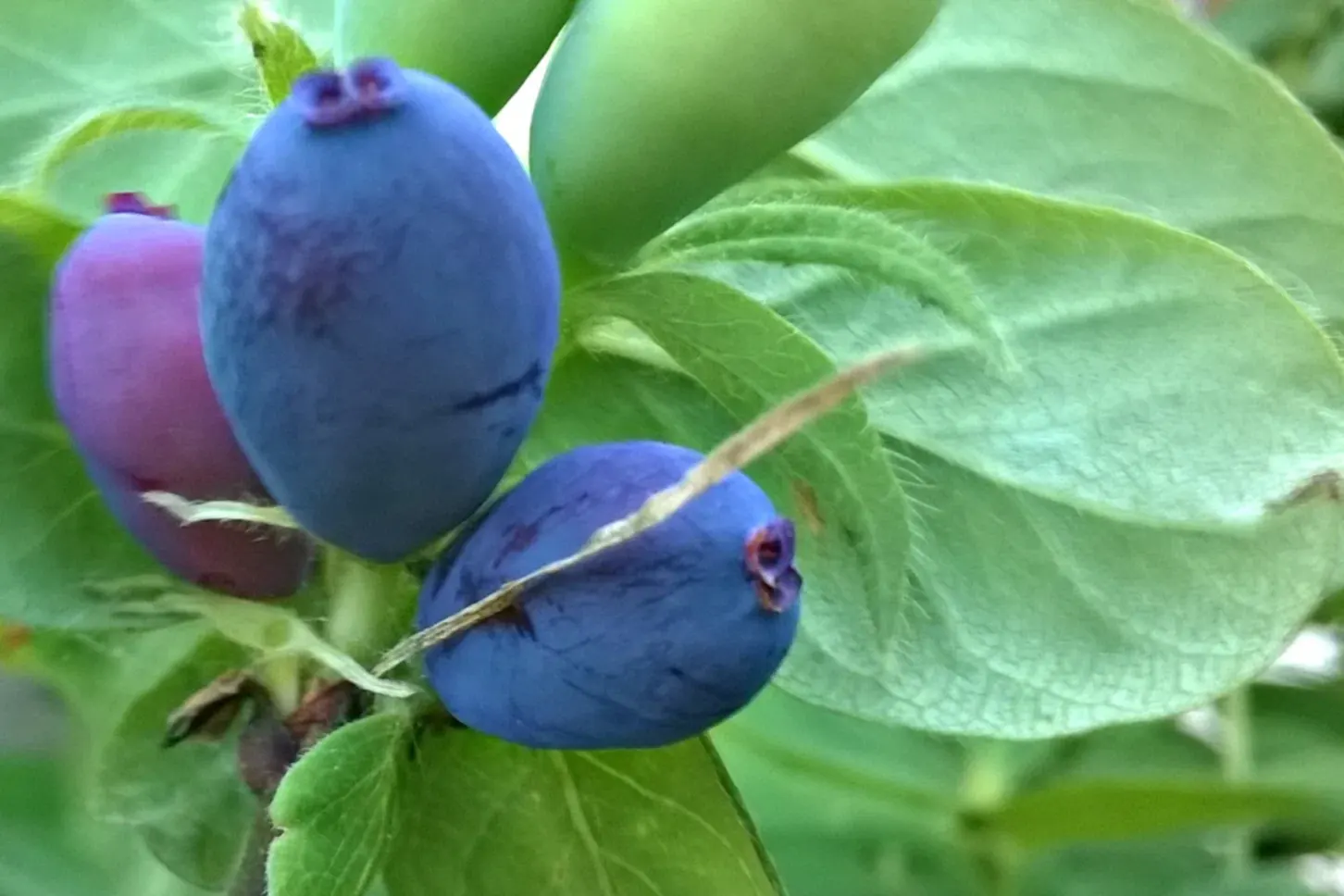
Haskap is the hardy northern berry that ripens first: plant two different varieties that bloom together, set them a little deeper than they grew in the pot, and this zone 2–7 bush will crop in June on ordinary garden soil — no acid soil required.
Grow Haskap with us — step by step
Everything for this plant is written step by step below — what to do, and exactly when. Read it through first if you like: you can grow it entirely on your own with that guide. Or start with us here — tell us your planting day and we lay out your personal schedule on this page, every next step on its own day, counted from your planting date. No guessing, no forgetting.
Step 1 — today: Start your Haskap today — plant 1–2 in deeper than the nursery line, spaced 48–60 in apart — and water in well.
Haskap at a glance
Spacing: 48–60 in · Planting depth: 1–2 in deeper than it grew in the pot
Sun: Full sun
Water: Steady moisture while young; mulch well
Harvest: June to early July, from year 2–3
Timing counts from your average last spring frost — get your own dates in the Planting Calendar. Guidance follows standard extension-service practice for Canada and the US.
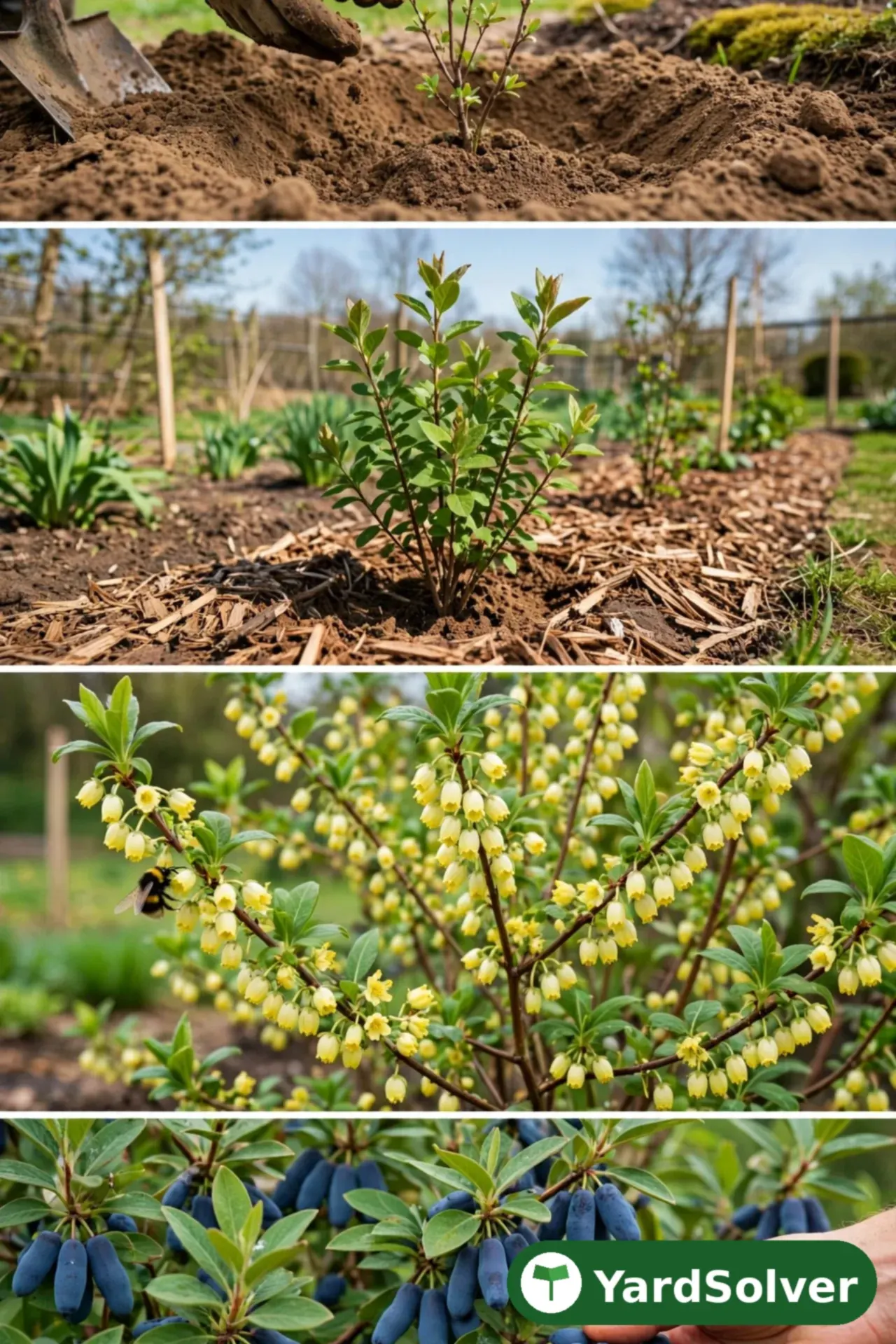
How to plant and grow haskap, step by step
Step 1 — Time it right
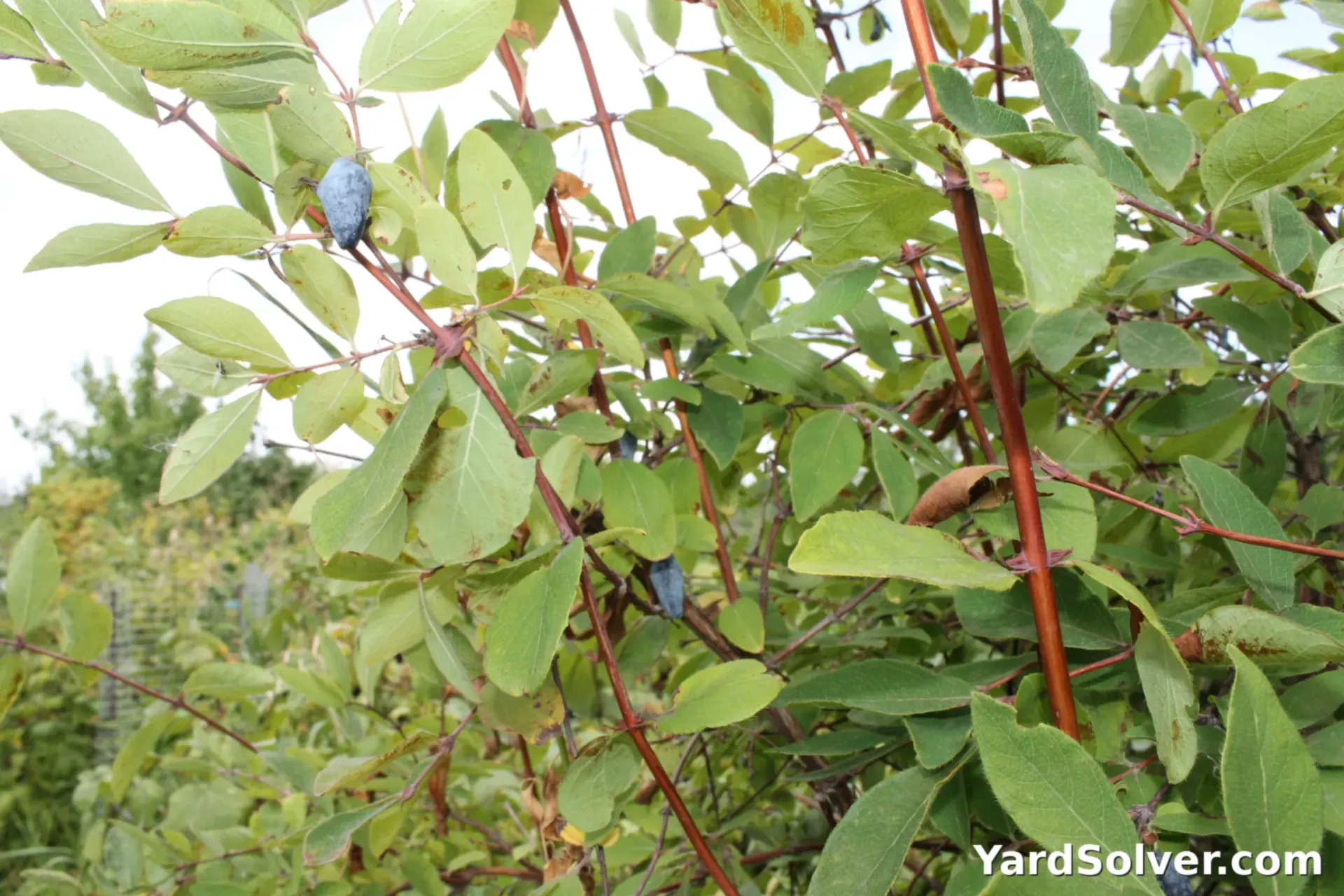
Plant haskap in spring or early fall, while the soil can still be worked and the bush has time to settle its roots before the ground freezes hard. Timing counts from your average last spring frost for spring planting — the Planting Calendar turns that into real dates for your garden — but haskap is forgiving: this is among the hardiest fruit bushes you can buy, happy in zones 2–7.
That hardiness extends to the flowers, which is haskap's party trick. It blooms very early, when frosts are still routine, and the blossom simply shrugs them off — spring frosts that would wipe out an apple crop leave haskap flowers unharmed. In a cold climate, that reliability is worth more than a few extra berries in a good year.
Step 2 — Prepare the spot
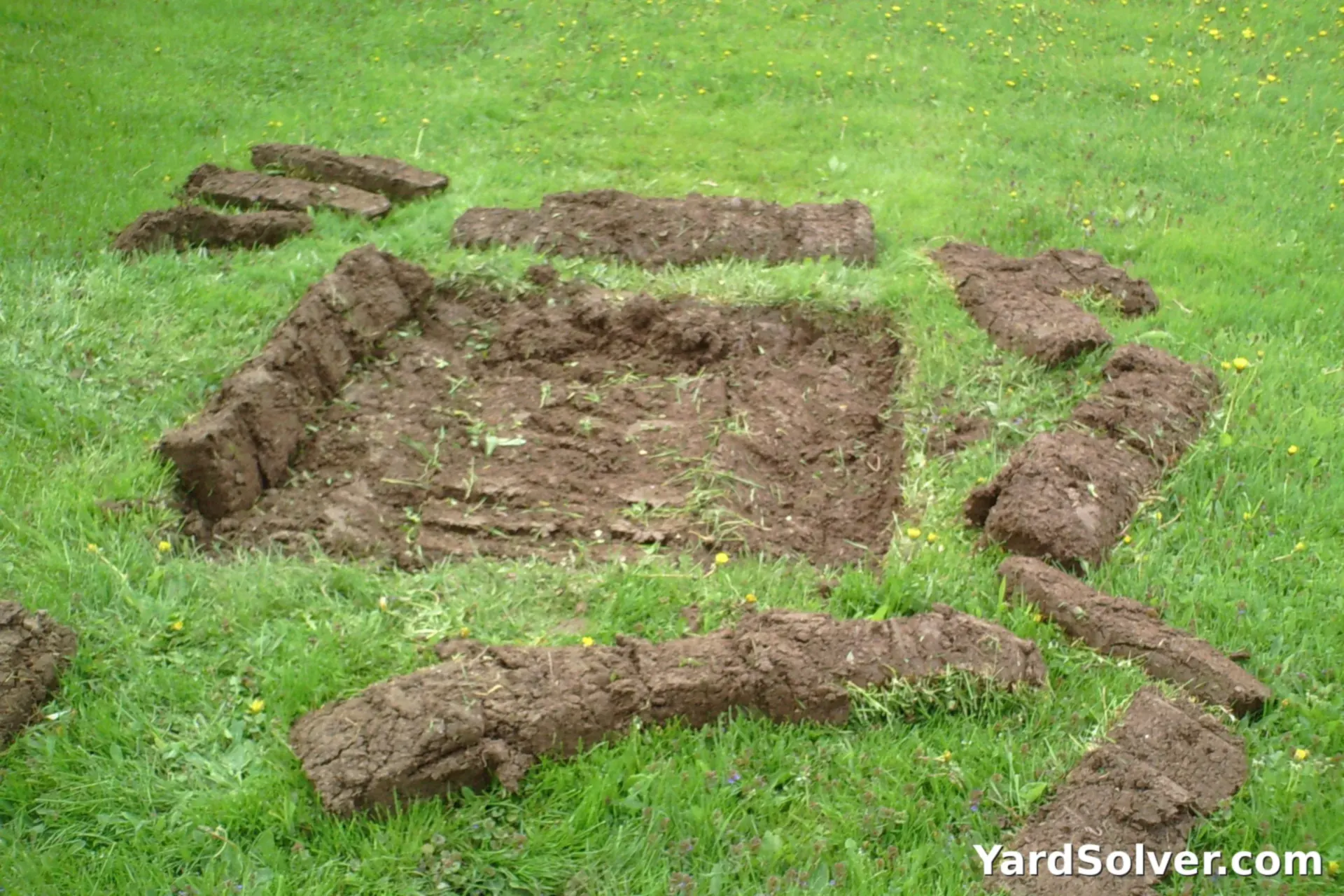
Sun: Full sun. Pick a sunny, reasonably drained spot and work compost into the soil before planting. Here haskap parts company with its famous cousin: unlike blueberries, it does not need acid soil. Ordinary garden soil suits it, roughly pH 5.5–7, which makes haskap the easy blue berry for gardeners whose soil will never be blueberry soil.
Dig the planting area over, break up heavy clumps, and mix the compost through rather than leaving it in a rich pocket at the bottom of the hole — roots should meet improved soil in every direction. Work out how much material a new fruit bed needs with the Garden Mix Calculator or the Raised Bed Soil Calculator if you are planting into a raised bed.
Step 3 — Plant out
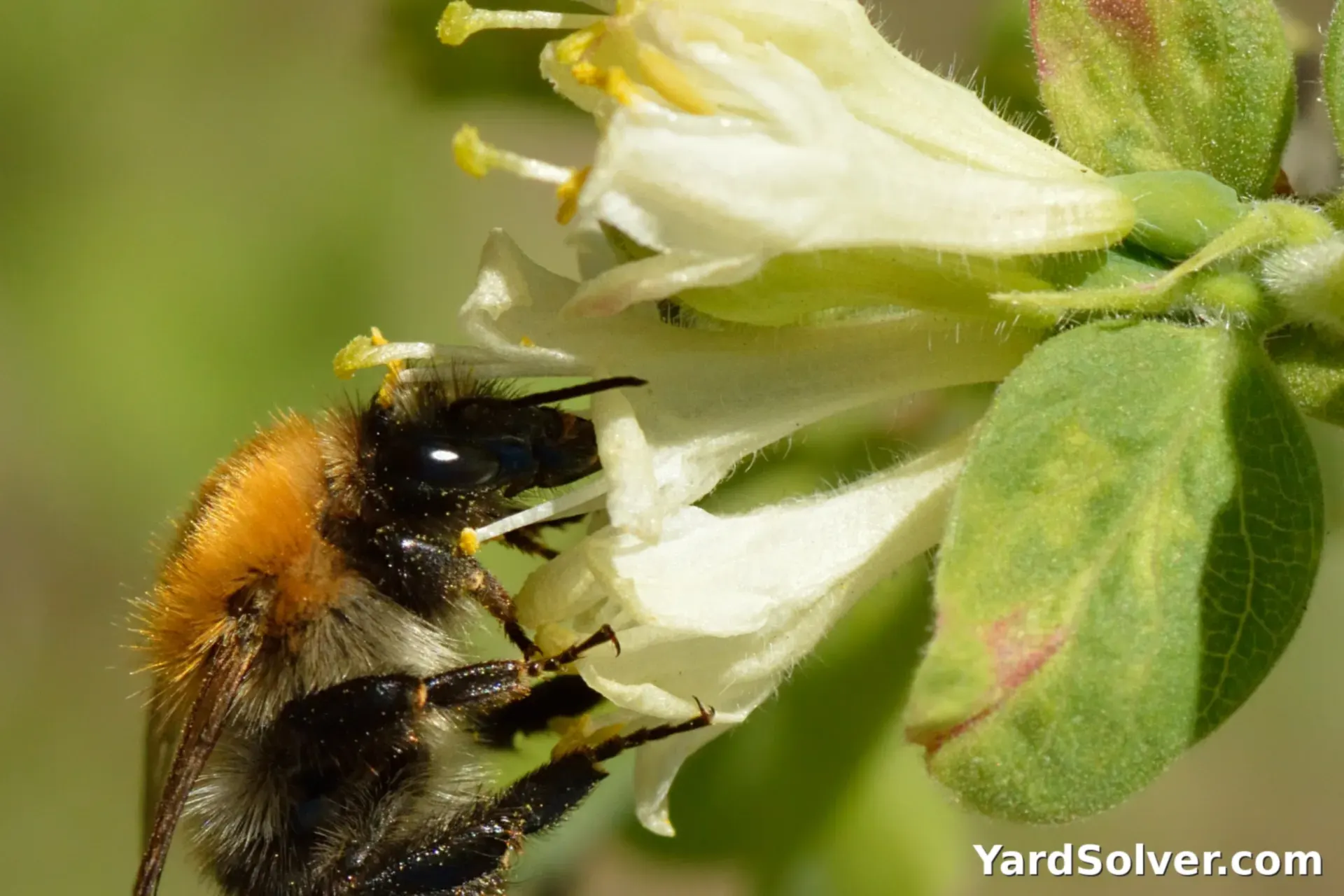
First, the golden rule, because it decides whether you ever pick a berry: plant two different haskap varieties that bloom at the same time. Haskap is not self-fertile in any useful way — one bush alone flowers beautifully and sets almost nothing. A matched pair, cross-pollinated mainly by bumblebees working the small yellow-white blossom, crops on both bushes. Check the varieties table below for partners that overlap.
Second, plant deep. Set each bush 1–2 in deeper than it grew in the pot, following University of Saskatchewan guidance — burying a little stem encourages the bush to send up strong new shoots from below ground. Space bushes 48–60 in apart, firm the soil around the roots, and water in well. Use the Plant Spacing Calculator to lay out a longer row.
Step 4 — Water and feed
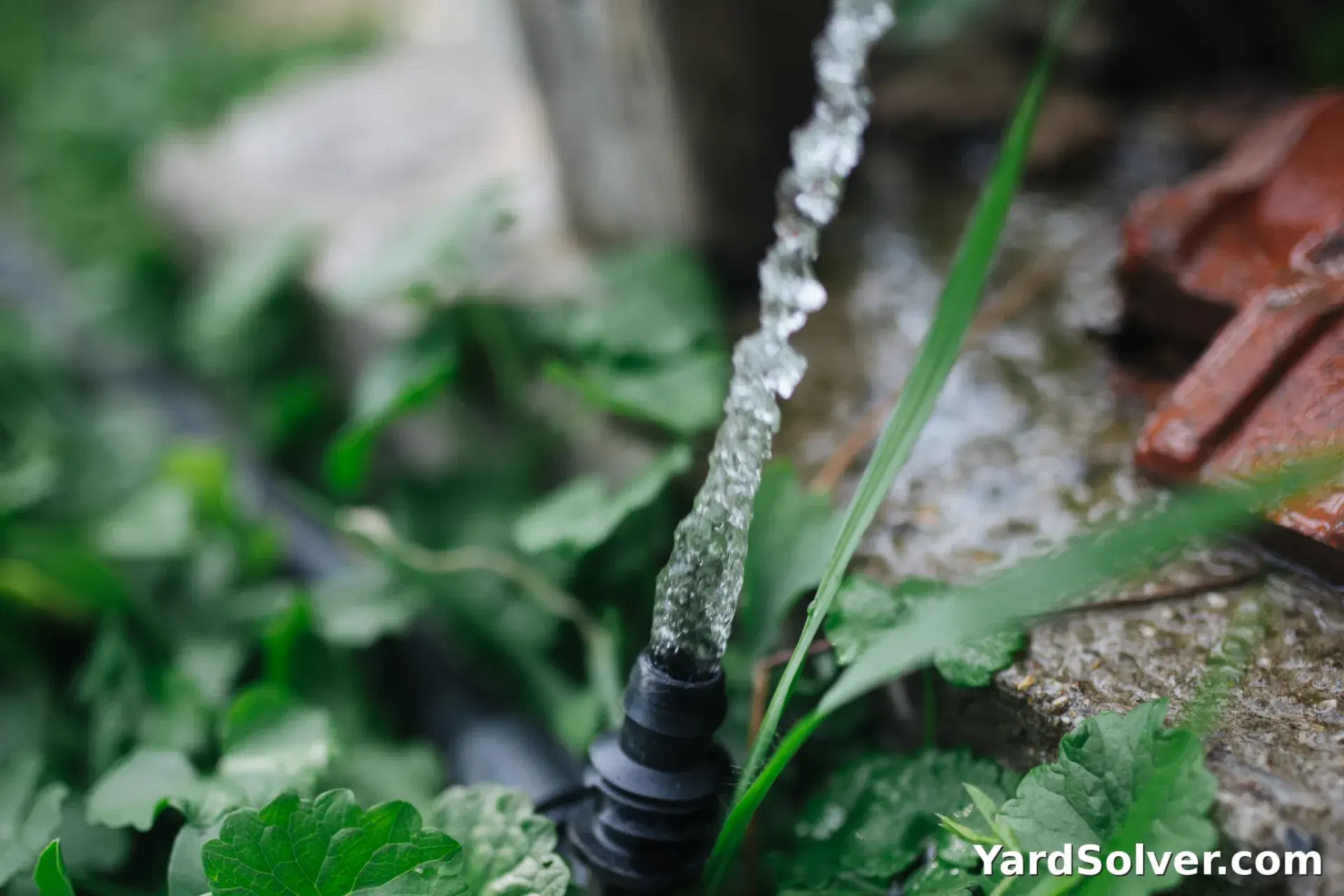
Water: Steady moisture while young; mulch well. Haskap roots are shallow, so the soil around a young bush dries faster than you expect. Water steadily through the first years, especially in dry spells, and spread a wide mulch around the bush to hold that moisture in — keeping the mulch a little clear of the stems themselves.
Feed lightly in spring, as growth starts. Haskap is not a hungry plant and heavy feeding buys leaves, not berries. The Fertilizer Calculator turns a bed or row size into the right amount of a balanced feed, so a small fruit row does not get a field-sized dose.
Step 5 — Care and the problems to watch for
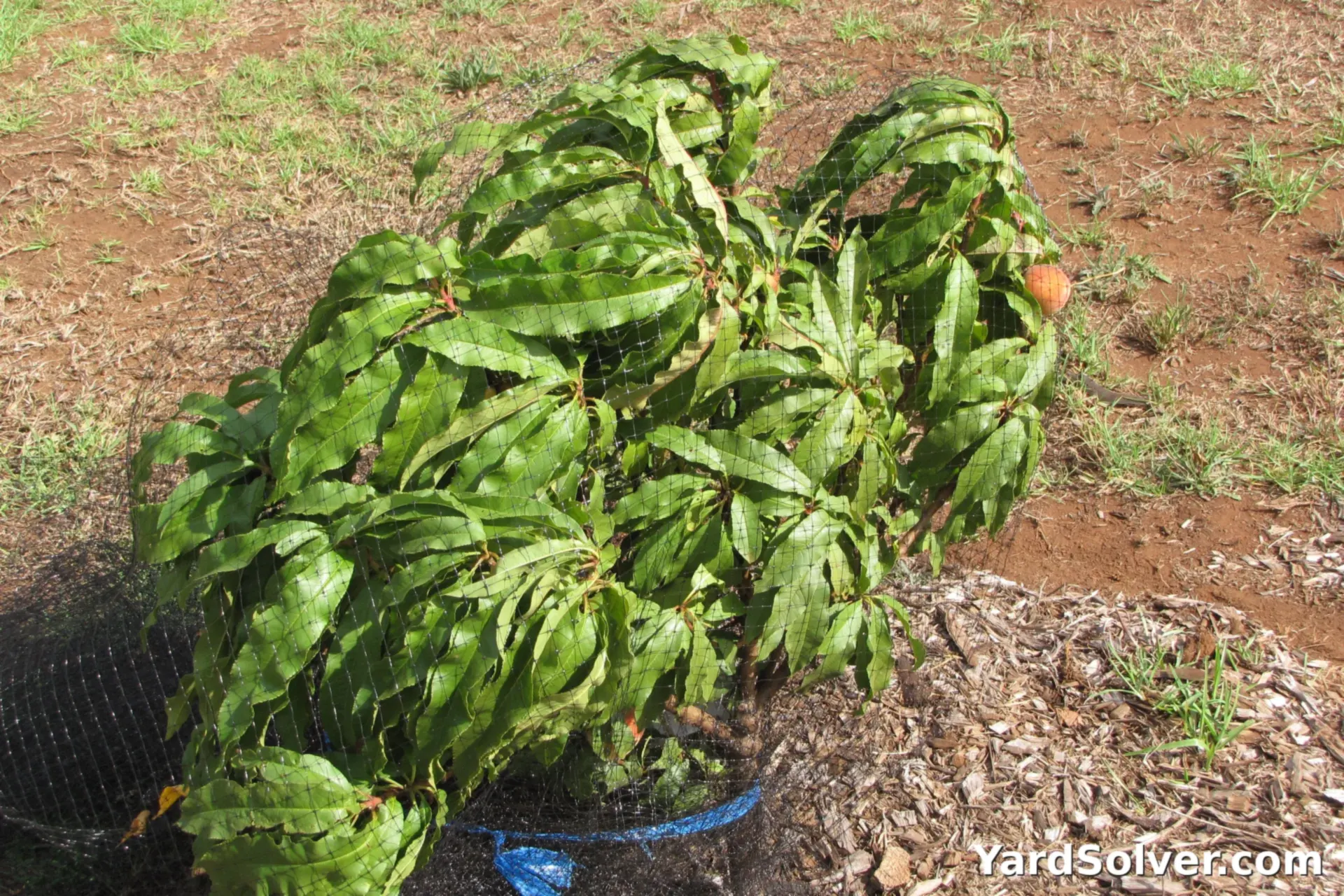
Haskap has remarkably few problems — few pests bother it, and disease is rarely an issue in a sunny, open site. The one certain problem has wings. Birds find ripening haskaps quickly, and a bush can be stripped in a day, so drape netting over the bushes as the berries colour and pin it down so birds cannot get underneath it.
Pruning asks for patience in the opposite direction: do almost none for the first years, while the bush builds its framework. Later, on a mature bush, take out the oldest, least productive wood at the base from time to time so light and air reach the centre and younger stems take over. That is the whole routine — this is a low-work bush.
Step 6 — Harvest
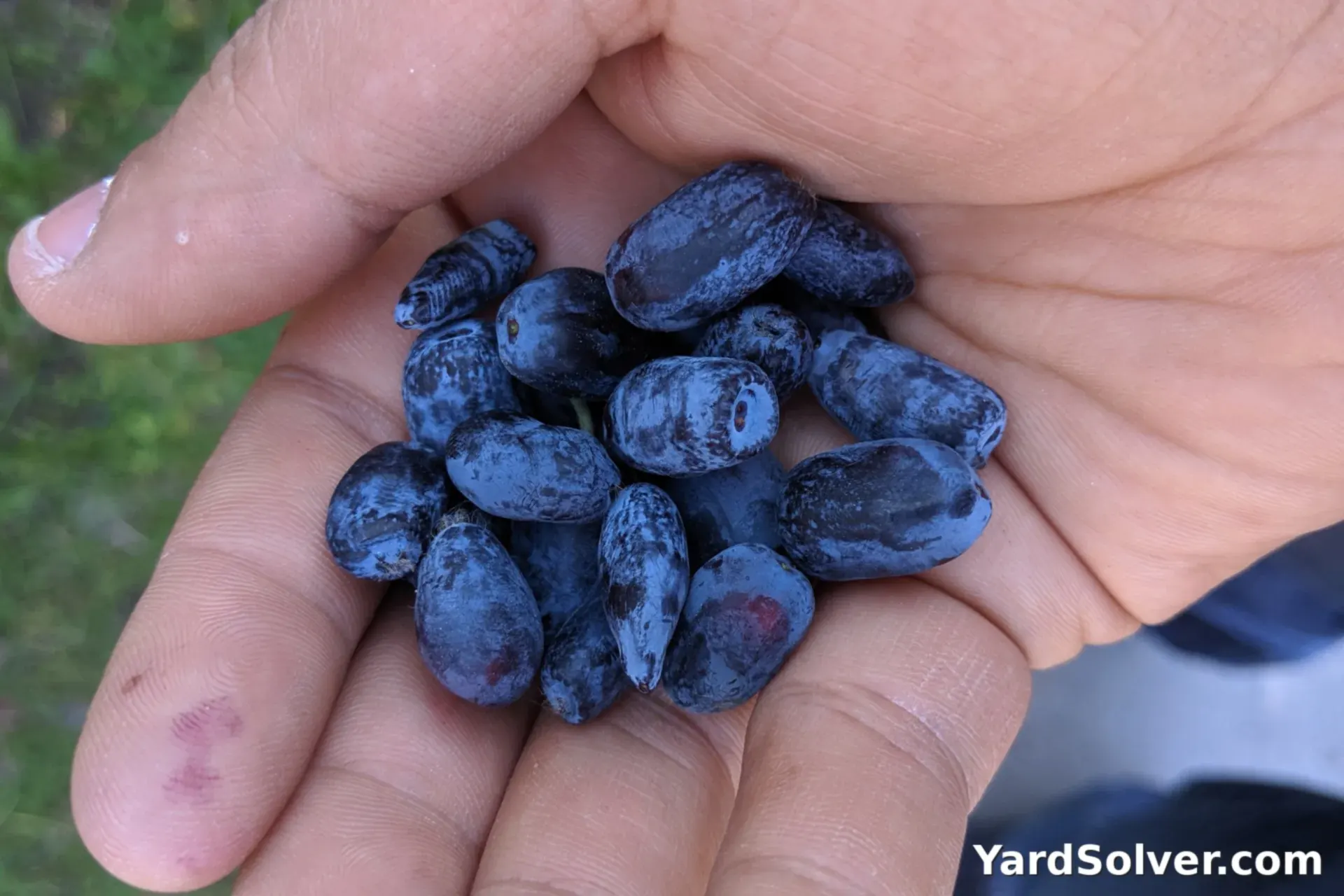
Ready in: June to early July, from year 2–3. Haskap is the first berry of the year, often ripe while strawberries are still flowering. The trap is judging ripeness by the skin: the berries turn deep blue before the inside is ready, and a blue-but-unripe haskap is sour enough to put you off the fruit entirely.
Wait until the flesh is deep red-purple right through — cut or bite one open and look — and taste before you pick the bush. Ripe berries come away easily: pick them by hand, or spread a sheet under the bush and shake the branches gently so ripe fruit falls and unripe fruit stays. Eat them fresh, freeze them, or cook them as you would blueberries.
📅 Your personal Haskap schedule
Counted from your planting day — not a generic calendar. Day 0 is the day the seed went in the ground or the young plant went out.
Varieties worth growing
| Variety | Ripens | Why gardeners like it |
|---|---|---|
| Tundra | Early | Mild, sweet-tart fruit bred for commercial picking |
| Borealis | Early to mid | Big, rich berries; needs a pollinator partner |
| Indigo Gem | Mid | Heavy crops of smaller, tangy berries |
| Aurora | Mid | Large sweet berries; a good pollinator partner for Borealis |
| Honey Bee | Early | Grown mainly as a pollinator for Borealis and Tundra |
Good for you — and take care
Benefits
- Deep-blue fruit rich in vitamin C
- Rich in anthocyanins, the natural pigments that give the berries their deep blue colour
- Among the earliest fruit of the year — ripe in June
- Very winter-hardy, suited to zones 2–7
Take care
- Eat only named edible haskap cultivars — berries of other honeysuckle species can be poisonous
- Birds strip ripe bushes fast, so net as the berries colour
- Unripe berries are sour and astringent — wait until the flesh is deep red-purple throughout
A little history — and one good fact
Haskap is a circumpolar boreal shrub, native around the northern forests of Asia, Europe and North America. It has long been grown in Japan, especially on Hokkaido, where the name haskap comes from the Ainu name for the fruit, and in Russia. Canada's breeding program at the University of Saskatchewan, led by Dr Bob Bors since the late 1990s, crossed those traditions and turned a wild northern berry into a proper prairie fruit for home gardens and farms.
Fun fact: Its flowers can take spring frosts that would destroy apple blossom — one reason it crops so reliably in cold climates.
Keep going
Guides: How to Protect Young Trees in Winter · Putting Your Garden to Bed
Calculators: Garden Mix Calculator · Fertilizer Calculator · Plant Spacing Calculator
More fruit & melons: Blueberry · Raspberry · Strawberry · Lingonberry · Goji Berry
← Back to the Plant Library · Get your personal planting dates
Questions people ask
Does one haskap bush give fruit?
No — not in any useful amount. Haskap needs two different varieties that bloom at the same time growing near each other. One bush alone flowers well and sets almost nothing, because bumblebees have no compatible pollen to carry to it. Plant a matched pair and both bushes crop.
When do haskaps ripen?
In June to early July — they are usually the first berry of the year. Do not trust the blue skin alone: it colours before the inside is ripe. Wait until the flesh is deep red-purple right through, and taste one; a ripe haskap is sweet-tart, an unripe one is sour and astringent.
How cold can haskap take?
A great deal — haskap is grown in zones 2–7 and is among the hardiest fruit bushes sold. Established bushes shrug off deep prairie winters, and even the very early flowers can take spring frosts that would destroy apple blossom.