
Guides · Plant problems · Published November 1, 2026
How to Stop Slugs and Snails Eating Your Plants
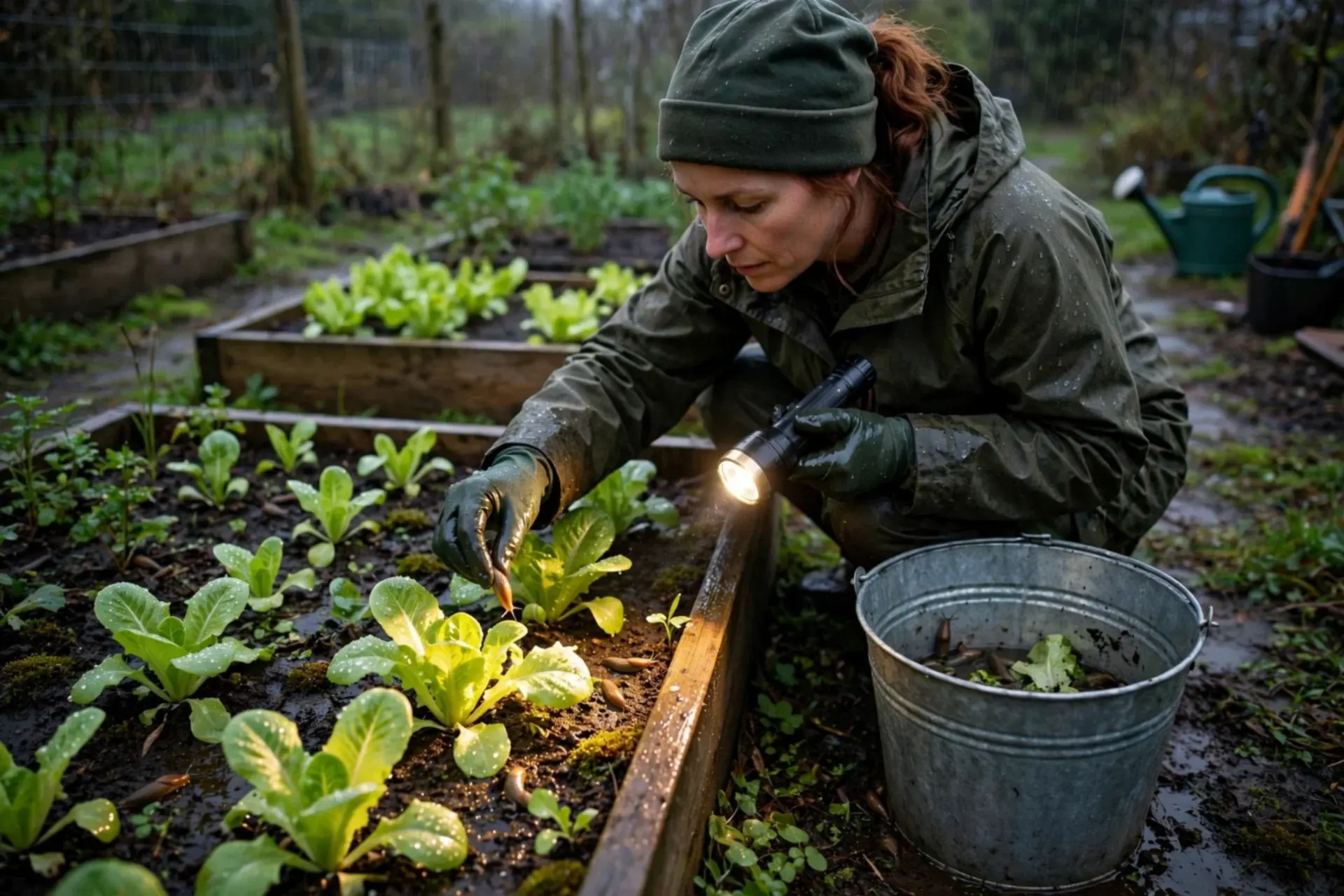
Few garden losses sting like seedlings that were perfect at dusk and are slime and stumps by morning. Slugs and snails are the top garden pest across cool, damp climates — and the internet's favourite remedies for them range from genuinely effective to pure folklore. This guide ranks the defences by what testing and experience actually support, so your effort lands where it works: habitat first, hunting second, and folklore honestly labelled.
And snails? Everything on this page applies to snails too — they work the same night shift, shelter in the same damp places, and are stopped by the same defences. The differences are small: snails carry their shelter with them, so they range a little further from cover and climb better — up stems, into pots raised off the ground, and over low barriers — which makes copper tape on pots and raised beds worth more against snails than against slugs. If your damage is on a seedling in a pot rather than in open ground, suspect a snail first.
Signs the night shift is slugs and snails
- Silvery slime trails on leaves, soil and paths — the signed confession
- Ragged holes in soft leaves, whole seedlings eaten to the ground overnight, worst after rain
- Daytime refuges full of suspects: under pots, boards, stones and dense mulch near the beds
- Damage peaks in spring and autumn, on mild damp nights; hot dry spells send them into hiding
Step 1 — Make the neighbourhood worse for slugs
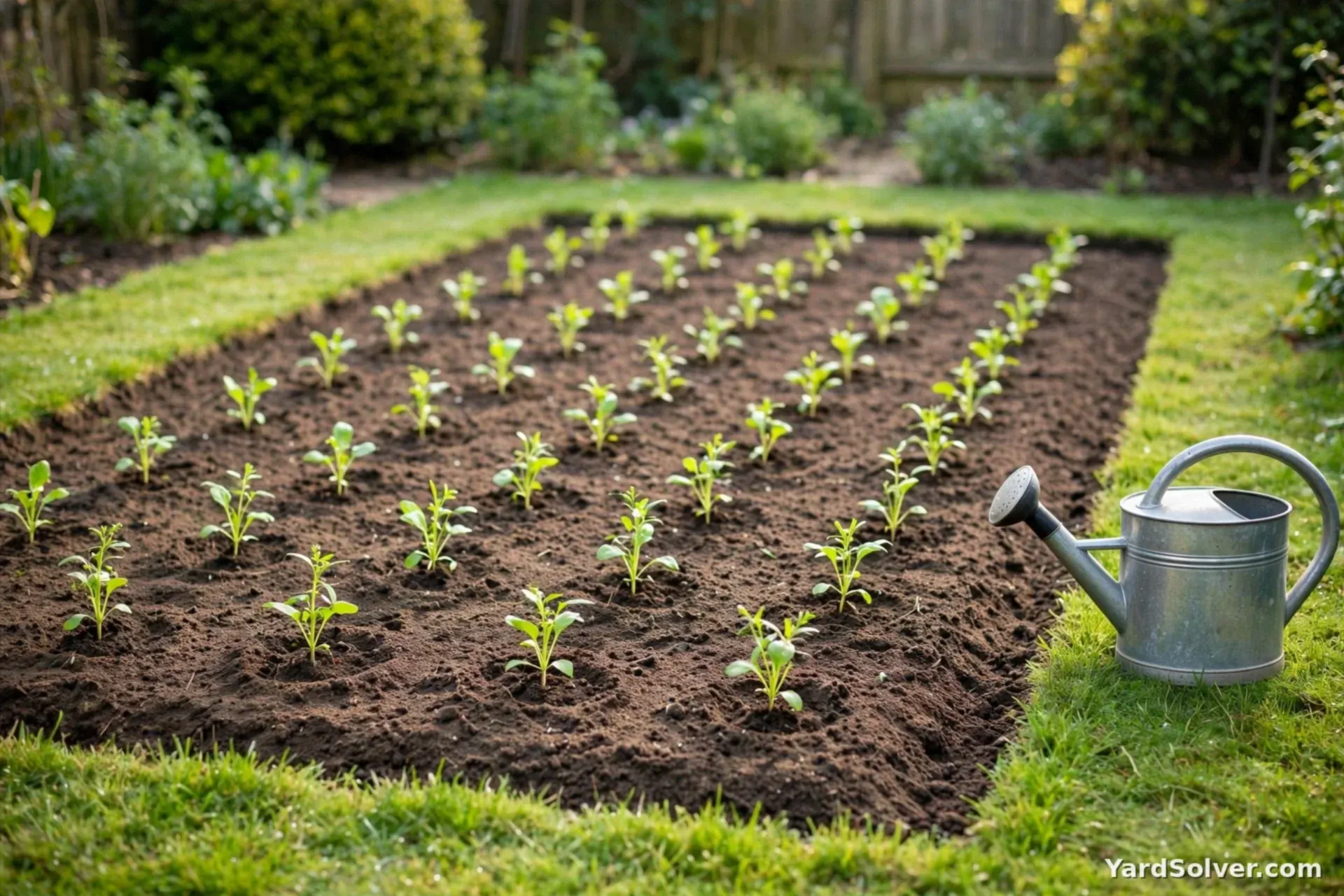
Slugs need daytime shelter close to food. Move pots, planks, stones and debris piles away from seedling beds, keep grass edges trimmed, and space plants so soil surfaces dry. Water in the morning rather than the evening so the surface is dry when the night shift clocks on. There is a real tension with mulch — it shelters slugs, but it also protects soil and holds moisture; the workable compromise is a thinner mulch layer near vulnerable seedlings, thickening up once plants are established (amounts via the Mulch Calculator).
Step 2 — Hand-pick at night: boring, unmatched
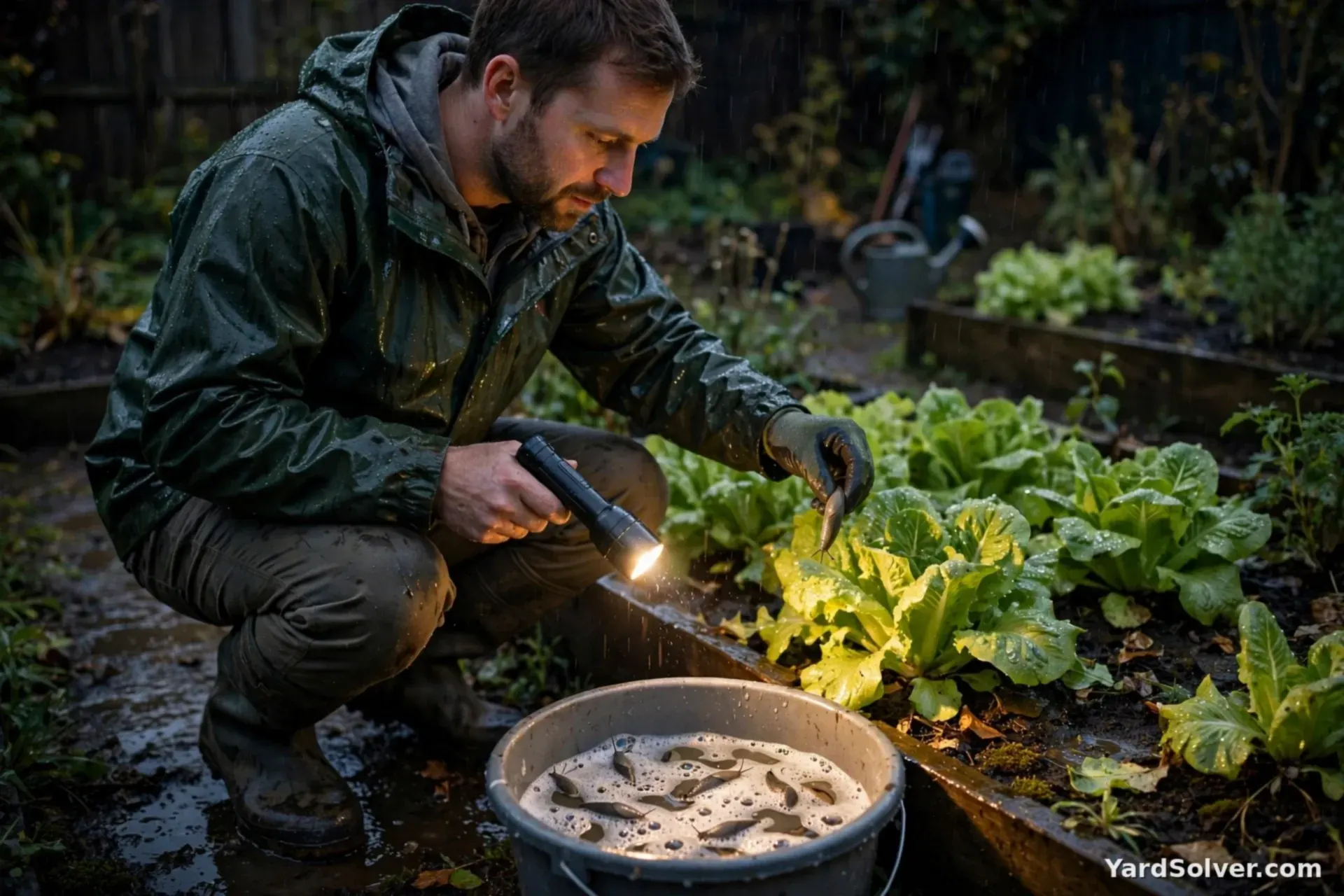
On small gardens this is the most effective control there is. Go out with a torch and a bucket of soapy water on damp evenings and collect them from plants and their refuges. Ten minutes after rain can clear a bed's population dramatically; repeat through the worst weeks and damage visibly falls. It is not glamorous, and nothing else on this page beats it.
Step 3 — Traps that genuinely catch
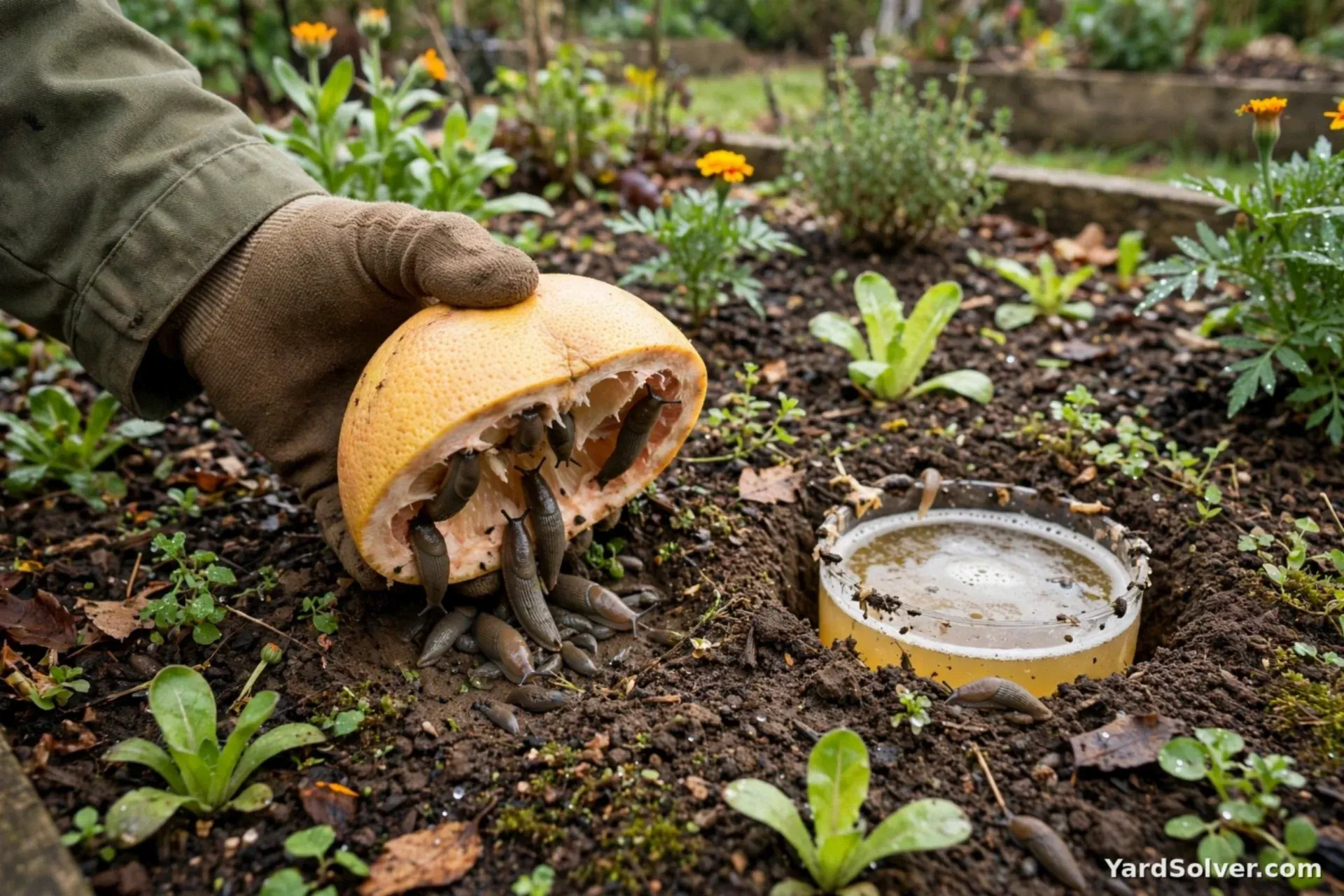
Beer traps (a jar sunk to its rim, part-filled with beer) drown slugs in real numbers — empty and refill them every few days, and place them a little away from the seedlings you are protecting, since they attract from a radius. Board and grapefruit-half traps work the quieter way: slugs shelter under them by day, and you collect the tenants each morning. Both methods support Step 2 rather than replacing it.
Step 4 — Bait honestly: iron phosphate, used properly
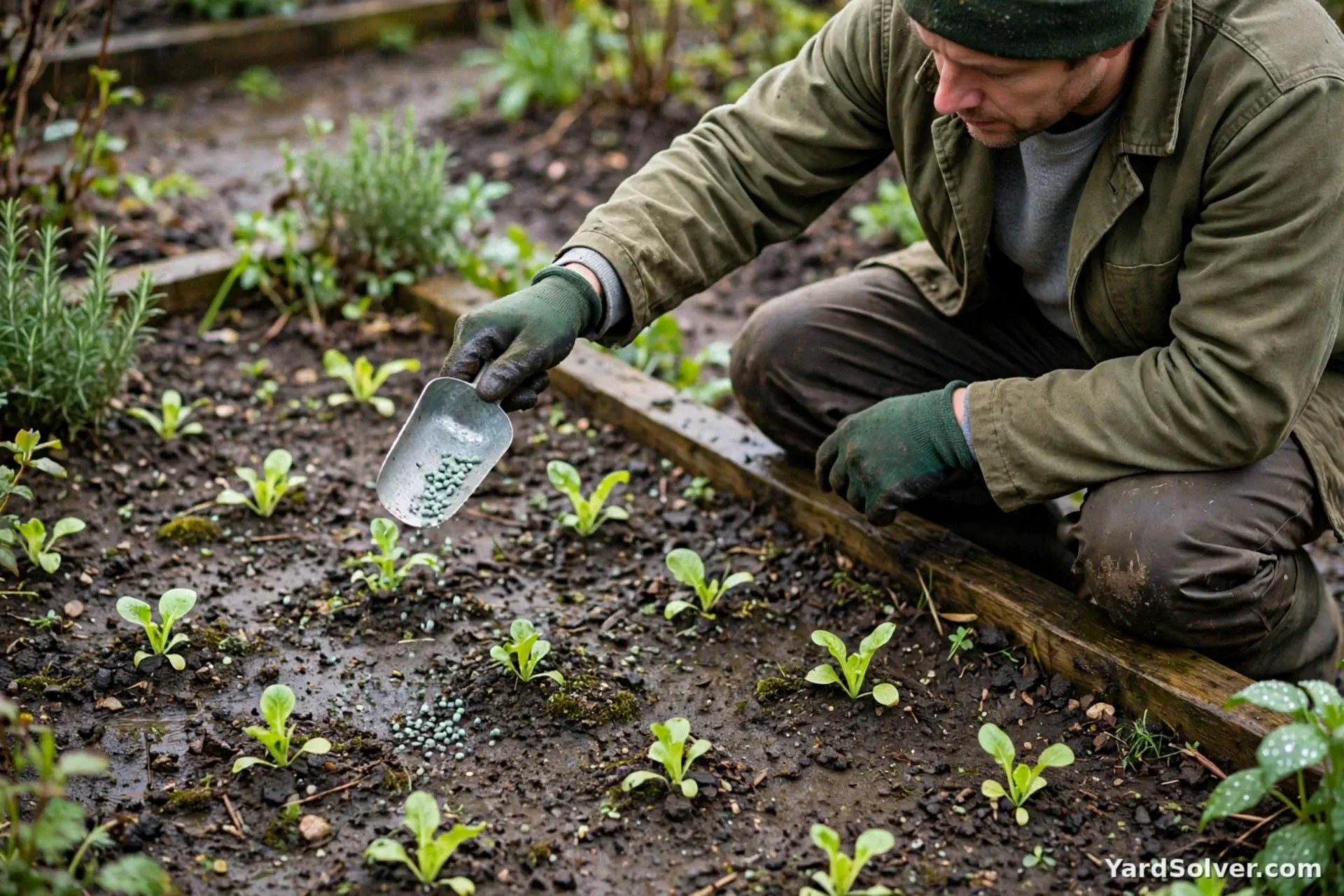
Where bait is needed, choose iron phosphate pellets and apply them at the label rate, scattered thinly — this is the lower-toxicity option, breaking down into iron and phosphate in the soil, and considered far safer around pets, birds and hedgehogs than the older metaldehyde baits (which are banned for outdoor use in some countries and worth avoiding anywhere). More pellets than the label says does not mean more protection; timing matters more — apply ahead of forecast damp spells and around new plantings.
Step 5 — The barrier truth, and the allies
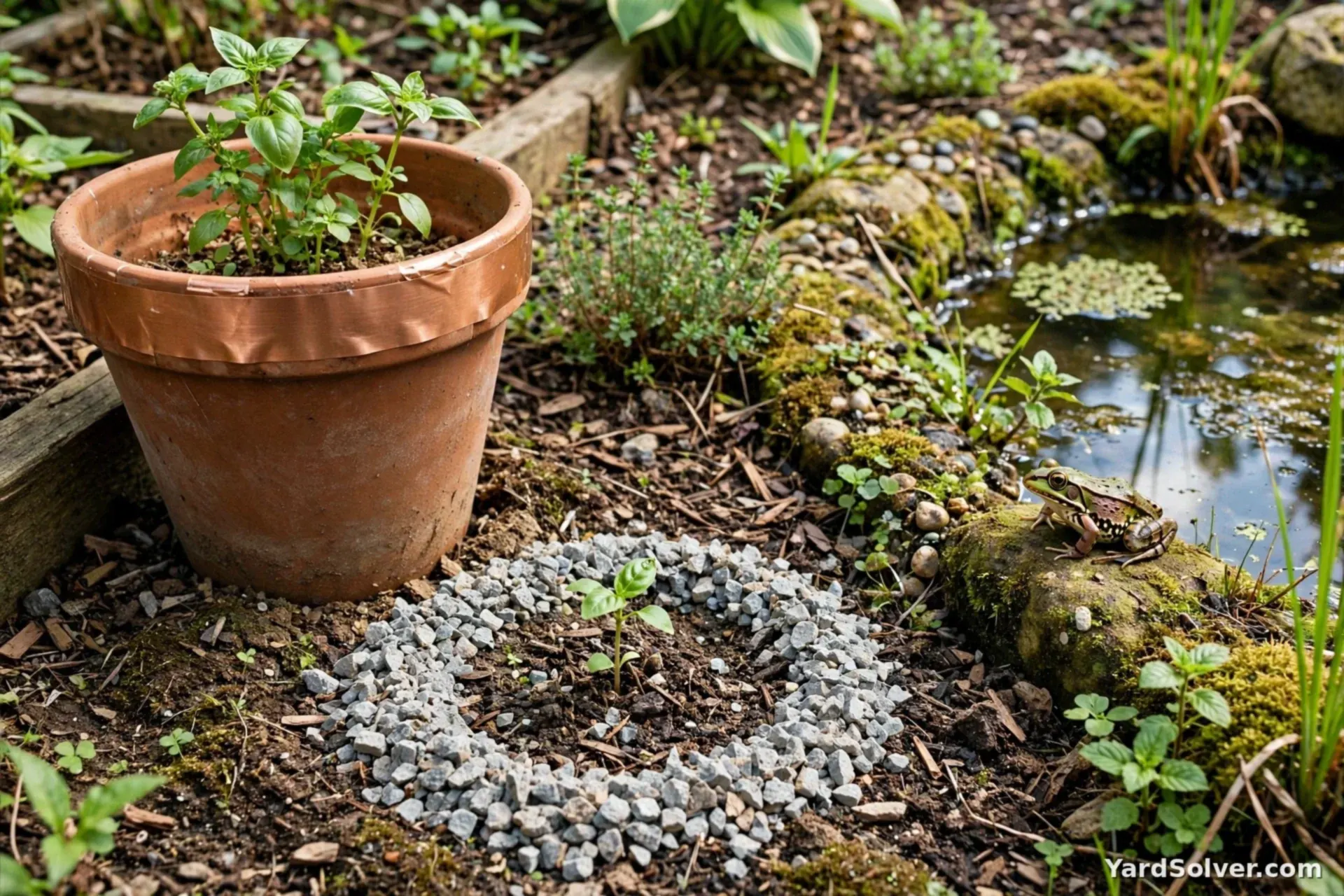
Here is the honest part: gritty barriers — crushed eggshells, sharp sand, coffee grounds — perform poorly in controlled trials, because slugs glide over them on mucus when sufficiently motivated; copper tape around pots and bed rims has mixed but better evidence, and is worth it for prized containers. Your reliable allies are wild: frogs, toads, ground beetles, slow worms and thrushes all eat slugs in quantity. Ground cover for beetles, a small pond if you can, and no broad insecticides keep that free patrol on duty.
Keep going
Not sure it is slugs? Work the patterns in What Is Eating My Plant Leaves?. The soft targets slugs love most are profiled in the Plant Library, and planting them in the open, airy way described in Companion Planting Basics helps too.
Questions people ask
Do crushed eggshells around plants stop slugs?
Controlled trials say mostly no. Slugs cross sharp, gritty barriers far more easily than the folklore suggests, riding on their own mucus. A ring of eggshells does no harm and adds calcium eventually, but as a slug defence it should not be what you rely on.
Are slug pellets safe for pets and wildlife?
It depends on the pellet. Iron phosphate products are considered the lower-toxicity choice and break down into soil nutrients, though no bait should be left where pets can eat it in quantity. Metaldehyde baits are genuinely hazardous to pets and wildlife and are banned outdoors in some countries — avoid them entirely.
Why are slugs so much worse some years?
Mild, wet winters and damp springs let far more slugs and eggs survive, and populations boom. In a bad year, lean harder on the unglamorous steps — habitat clearing, nightly picking through the seedling weeks, and iron phosphate timed before wet spells — rather than searching for a stronger product.
Comments & ratings
No comments yet.
Be the first to share your experience.