
Guides · Seedlings · Published October 31, 2026
How to Harden Off Seedlings
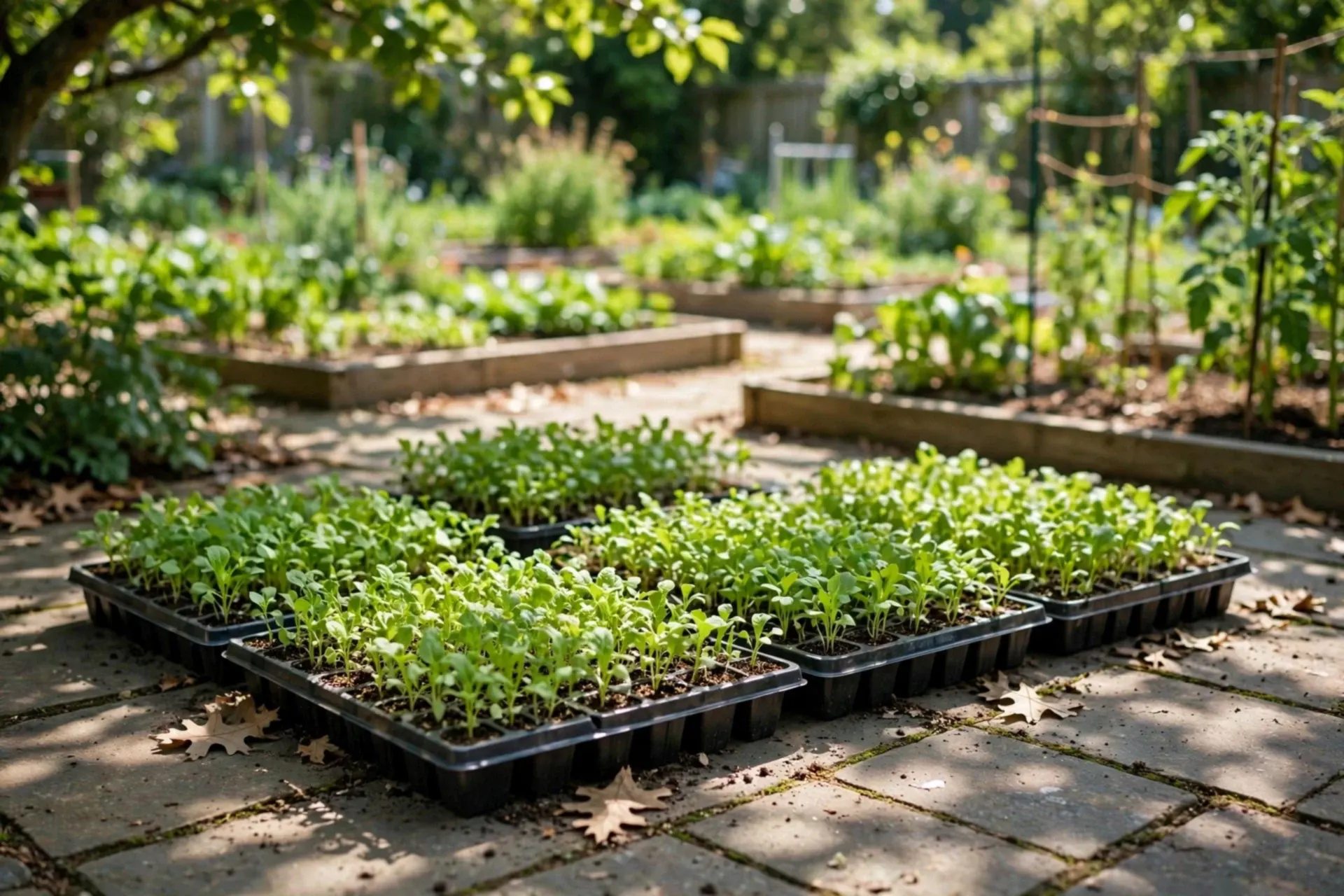
Indoor life is soft: no wind, no ultraviolet light, no cold nights. A seedling moved straight from the windowsill to the garden gets sunburned leaves, wind-whipped stems and a week of standing still in shock. Hardening off is the short training camp that prevents it — a week or so of increasing outdoor time while the plant builds tougher leaves and a thicker skin.
The schedule at a glance
- Days 1–2: 1–2 hours in full shade, sheltered from wind; back inside
- Days 3–4: 3–4 hours, with an hour or two of gentle morning sun
- Days 5–6: 5–6 hours, more direct sun; a light breeze is good training
- Days 7–8: most of the day in sun; in overnight if nights are mild enough for the plant
- Days 9–10: full days and nights outside — then transplant, ideally on a cloudy day or in the evening
Cloudy weather is a gift during hardening: on overcast days you can safely stretch the hours. On harsh, windy or very hot days, shorten them. The schedule is a ramp, not a contract.
Step 1 — Start a week before transplant day (use your dates)
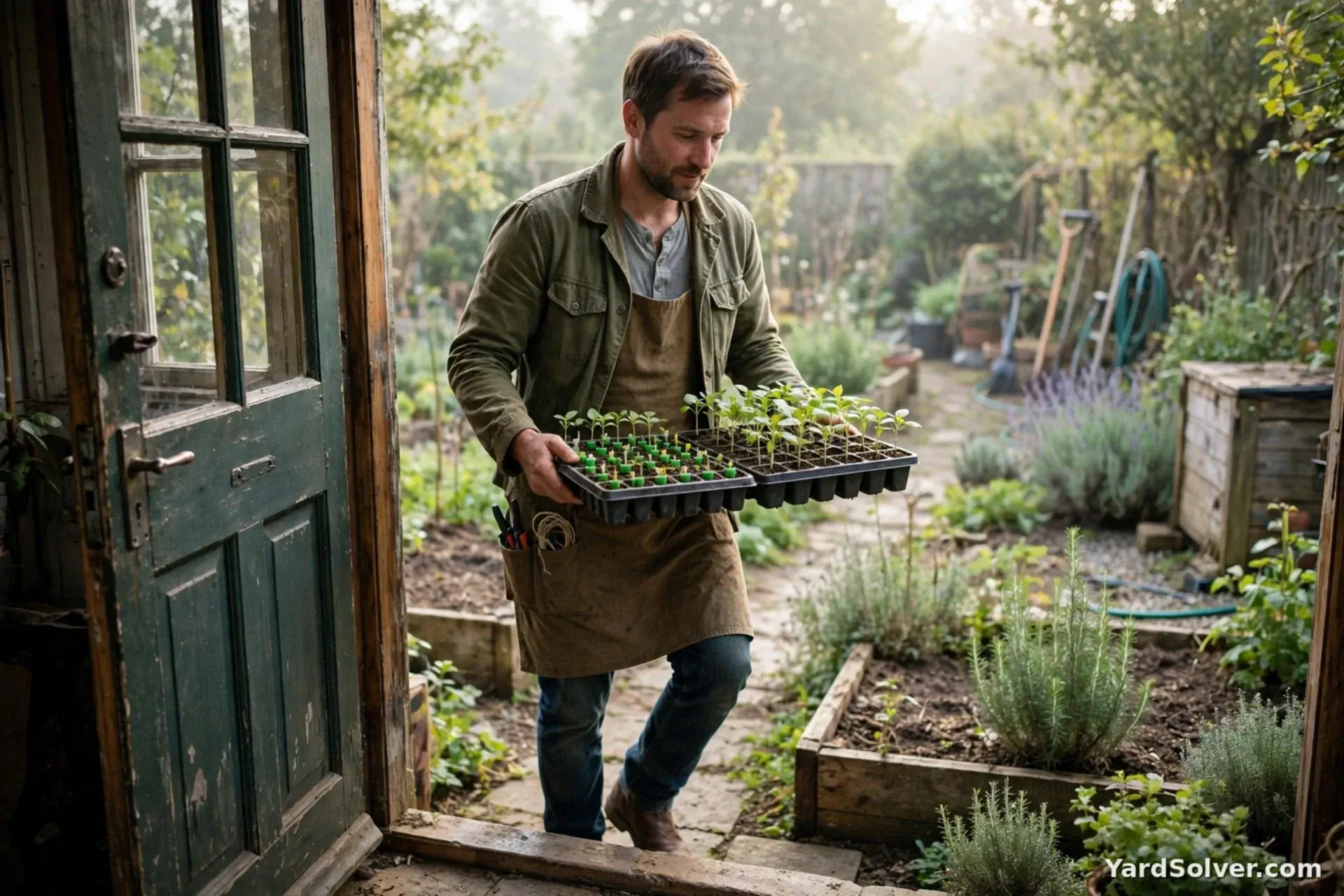
Count back 7–10 days from your planned transplant date — which comes from your frost dates on the Planting Calendar and the chart in When to Start Seeds Indoors. Water the trays well before their first outing; dry seedlings wilt fast outdoors.
Step 2 — Shade and shelter first, sun later
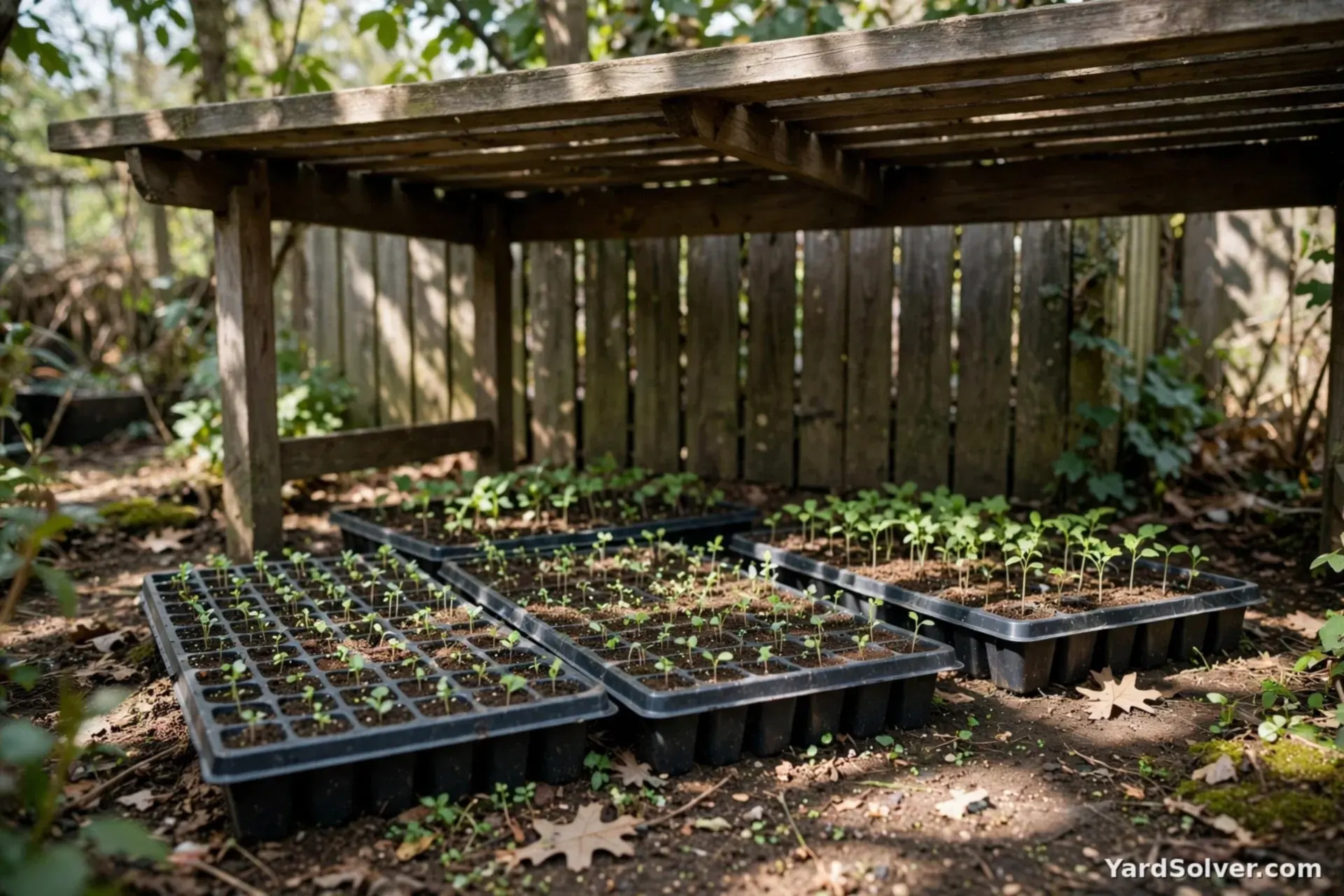
The biggest beginner error is day one in full sun. Begin in bright shade — under a table, on the north side of a wall, beneath a tree — where plants meet real air and temperature without ultraviolet. Morning sun only from day 3 or so; midday sun is the final exam, not the first lesson.
Step 3 — Watch water like a hawk
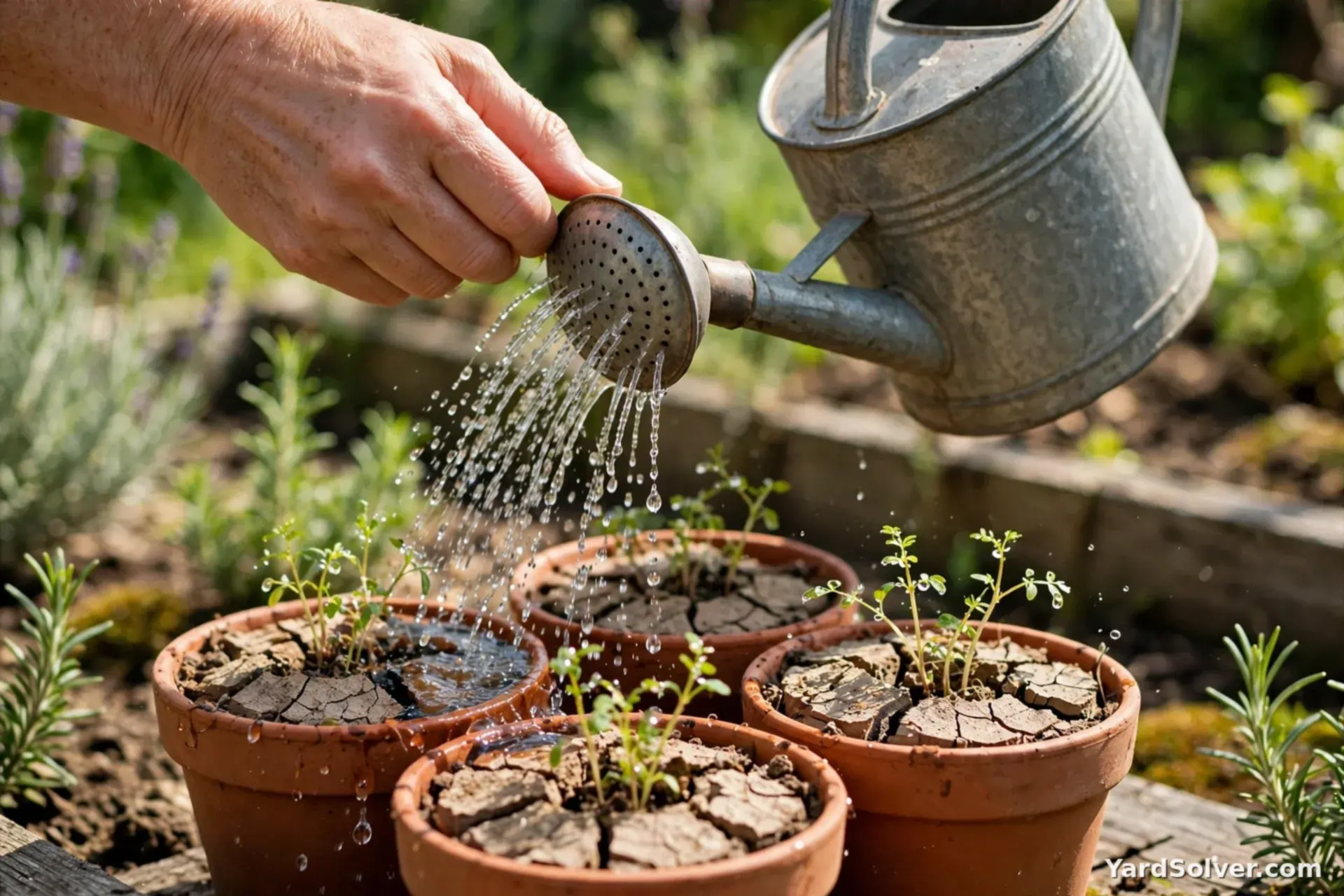
Small pots outdoors dry out in hours, especially in wind. Check moisture morning and evening during hardening week and water as needed — a wilted, dried-out seedling loses days of progress. This is the step where most hardening losses actually happen: not sun, but thirst.
Step 4 — Nights out only when the plant's minimum allows
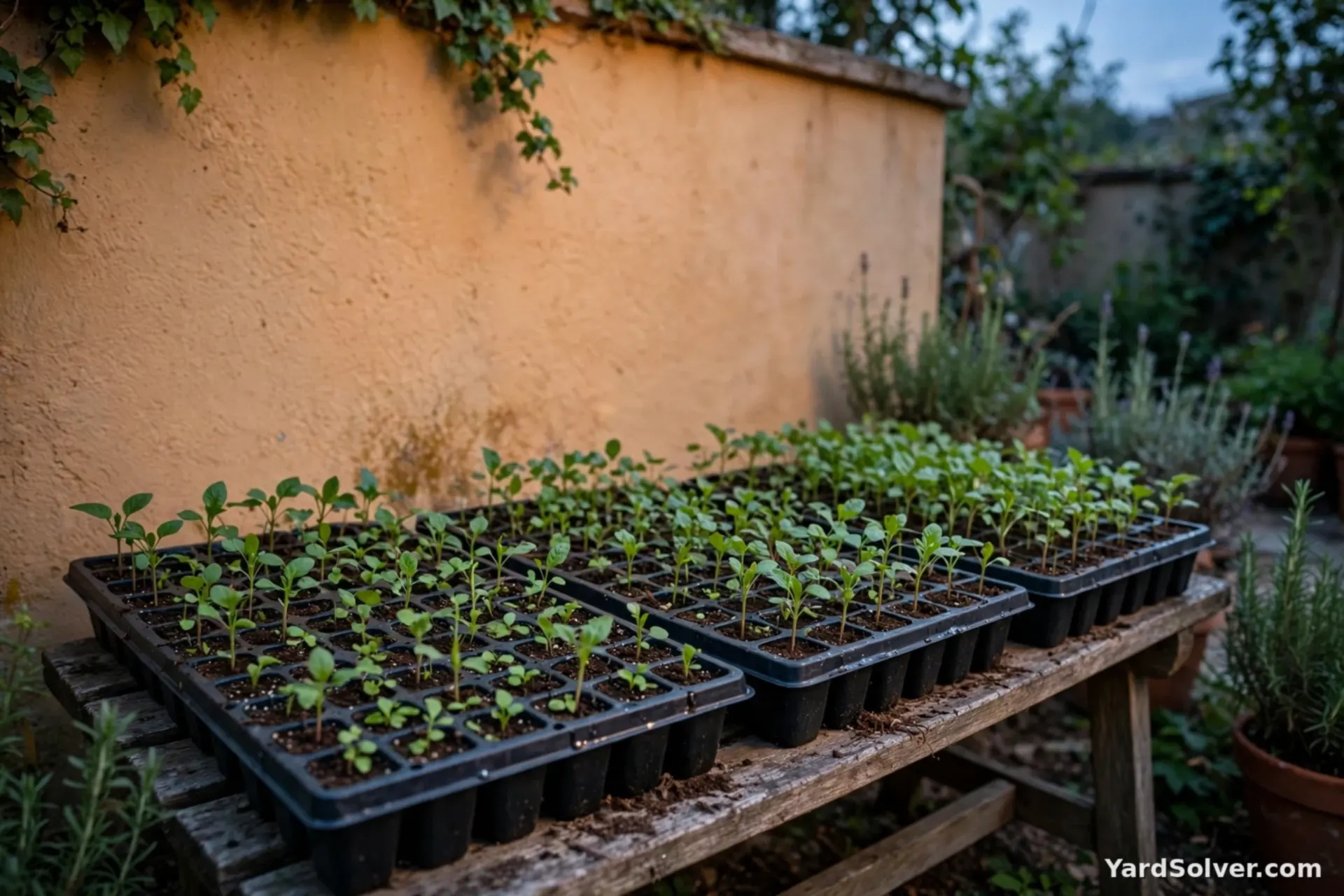
Hardy seedlings (onions, cabbage family, lettuce, peas) tolerate cool nights well. Tender ones — tomatoes, peppers, basil, cucumbers, squash — want nights consistently above about 50°F (10°C) before sleeping outside, and planting waits for your safer frost date regardless. One cold night can undo the whole camp for a tender plant. Keep frost protection cloth handy even after transplanting.
Step 5 — Transplant gently, water in, mulch
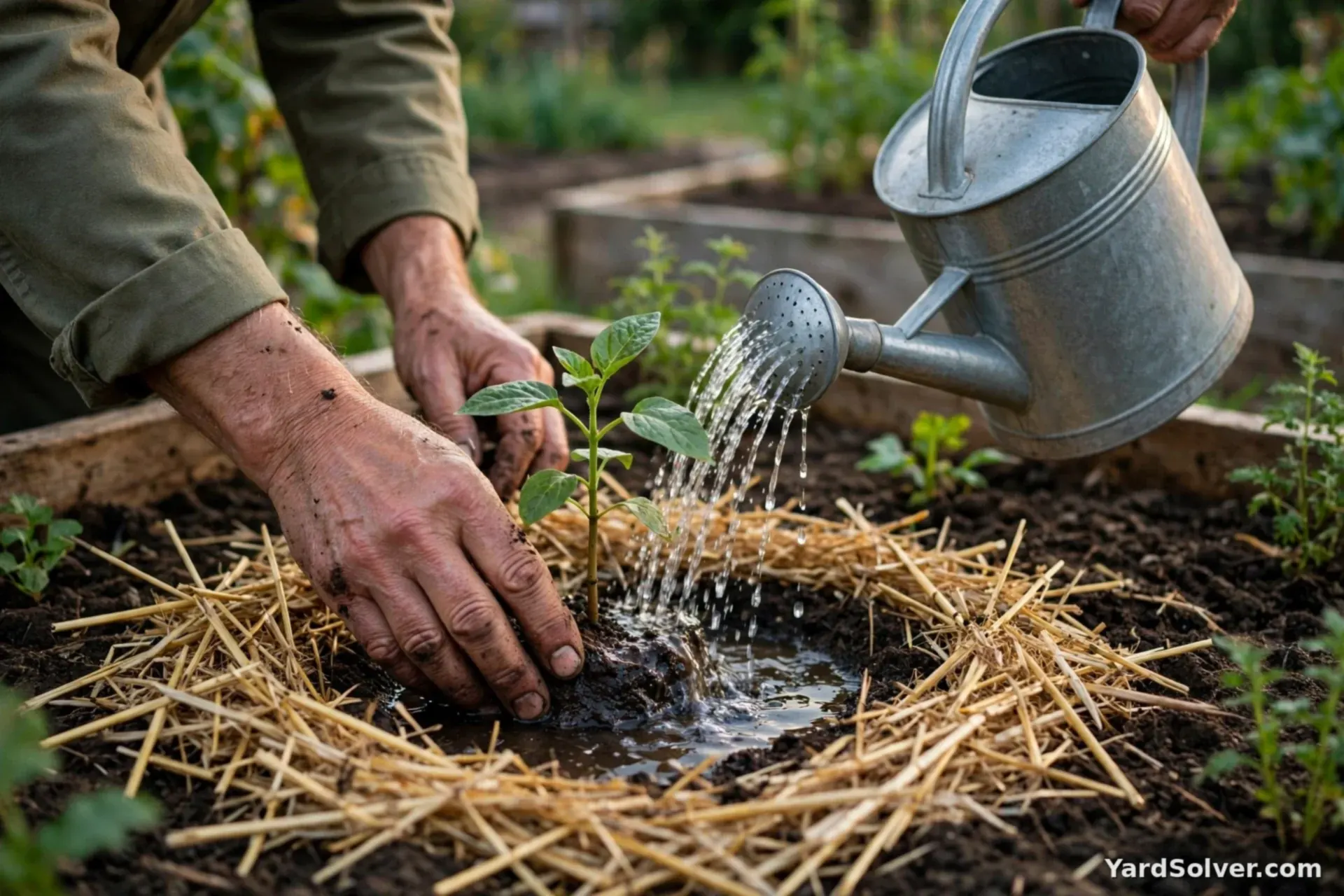
Transplant on a cloudy day or in the evening so the plant's first garden hours are kind ones. Set plants at the right spacing (Plant Spacing Calculator), water deeply into the planting hole, and mulch around — not against — the stems (Mulch Calculator). A few days of looking slightly thoughtful is normal; steady growth within the week means the camp worked.
Keep going
Before this: How to Start Tomato Seeds Indoors · Why Are My Seedlings Leggy?
Questions people ask
What happens if I skip hardening off?
Sunburned white patches, bad wilting, and a week or more of stalled growth while the plant regrows tougher leaves. The 7–10 days of training is always cheaper than the setback.
Can I harden off in 3–4 days?
Hardy plants in mild, cloudy weather can manage 4–5 days. Tender plants — tomatoes, peppers, basil, cucumbers — genuinely need the full week or more.
Should seedlings stay out overnight?
Only in the last few days, and only when nights are above the plant's minimum — about 50°F (10°C) for tomatoes and peppers. Check the forecast, not the calendar.
Comments & ratings
No comments yet.
Be the first to share your experience.