
Guides · Fruit · Published November 11, 2026
How to Overwinter a Fig Tree in a Cold Climate: Garage, Wrap or Bury

If you grow figs where winters are real, overwintering fig trees is the skill the whole hobby turns on. The tree itself is tougher than its reputation: the wood is the weak point, the roots are not, and a dormant tree asks for surprisingly little — no light, almost no water, just protection from the worst of the cold and wind. Pick the method that matches how your tree grows: a pot goes into the garage, a planted tree is caged and insulated where it stands, or laid down and buried the old way.
Three facts decide everything that follows. Fig wood takes damage roughly between 10 and 20 °F (-12 to -7 °C), depending on the variety and on how well the tree hardened off in fall. The roots are hardier than the branches, especially under soil. And nothing — no wrap, no move, no burial — happens until the tree is fully dormant, with its leaves down after the first frosts.
The numbers that matter
- Wood damage starts in the teens: exposed fig branches commonly take damage between about 10 and 20 °F — hardier varieties at the low end, tender ones sooner
- Roots outlast branches: insulated by soil, the root system survives cold that kills every branch above it — which is why "dead" figs so often regrow
- Dormancy first, always: leaves down after the first frosts, bare wood, no growth — only then wrap, move or bury
- A garage at 20–45 °F is ideal for pots: cold enough to keep the tree asleep, warm enough to protect roots in an exposed pot
Step 1 — Wait for dormancy
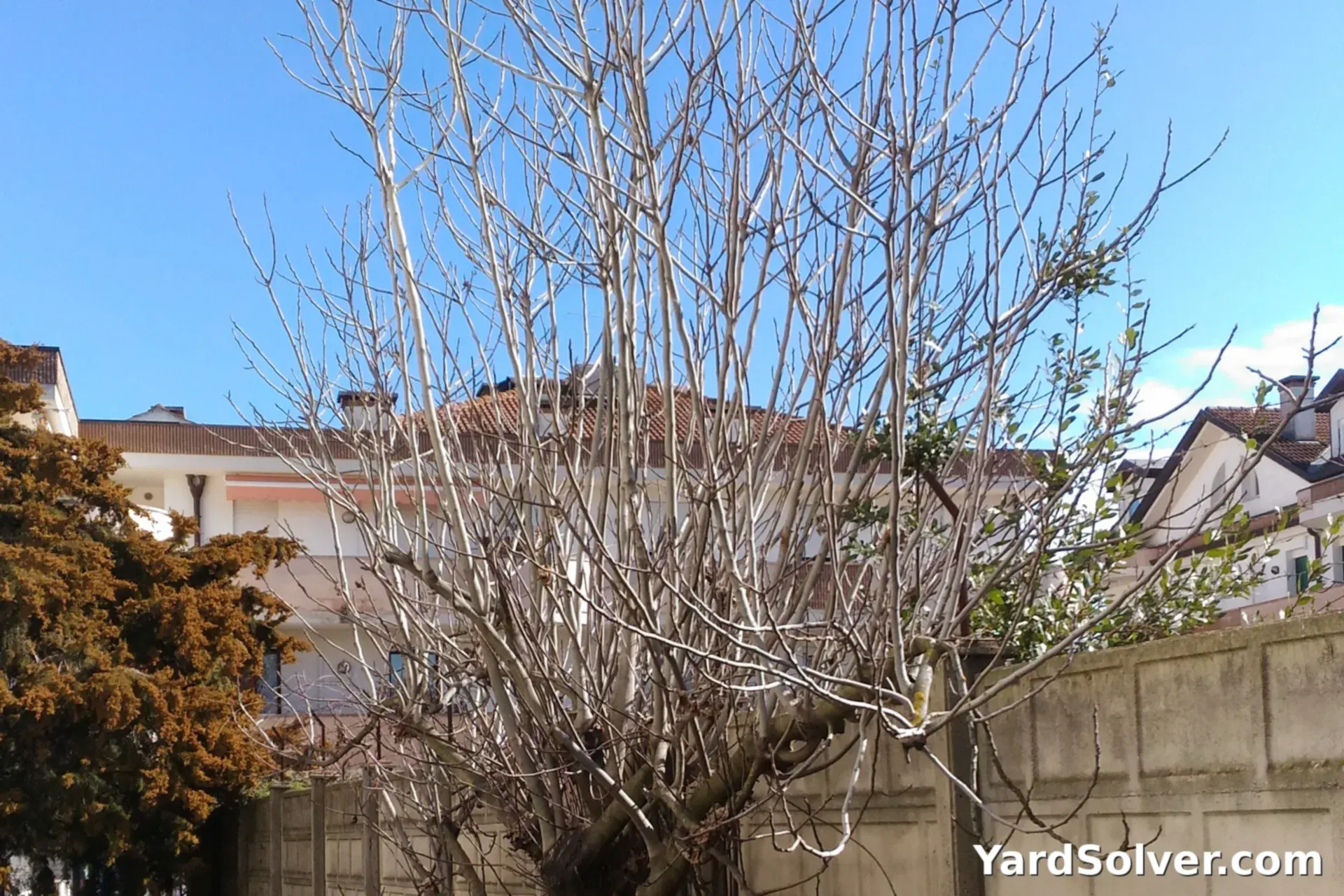
Do nothing until the tree itself tells you winter has started. A fig is ready to overwinter when the first frosts have knocked its leaves down and the bare branches stand fully dormant. That leaf drop matters: a tree still holding green leaves is still moving sap, and anything you do to it now — wrapping it, burying it, wheeling it into a dark garage — works against it.
Wrapping early is the classic mistake. A cover put on a leafy, still-awake tree traps warmth on sunny fall days and holds moisture against bark that is still active, and that warm, damp pocket is an invitation to mold and rot under the wrap. Wait for dormancy, even if it means a few anxious nights watching the forecast. A dormant fig shrugs off frosts that would have damaged it in leaf, and every method in this guide — garage, cage or trench — starts from this same point.
Step 2 — The garage method for potted figs

For a fig in a pot, the simplest reliable winter home is an unheated garage, basement or shed. You want a space that stays roughly between 20 and 45 °F (-7 to 7 °C) through winter: cold enough that the tree stays deeply asleep, warm enough that the roots in their exposed pot are not frozen solid for months on end. Darkness is fine — a dormant tree has no leaves and needs no light at all.
Wheel the pot in once the tree is dormant. Big fig pots are deceptively heavy when the soil is damp, so put the pot on a plant dolly before you need to move it, or slide it rather than lifting it — your back and the pot will both thank you. Set it out of the way, against an inside wall if your garage gets very cold, and leave it there. If you are choosing which tree to grow in a pot in the first place, the fig tree page covers varieties and pot culture in more detail.
Step 3 — Water barely all winter
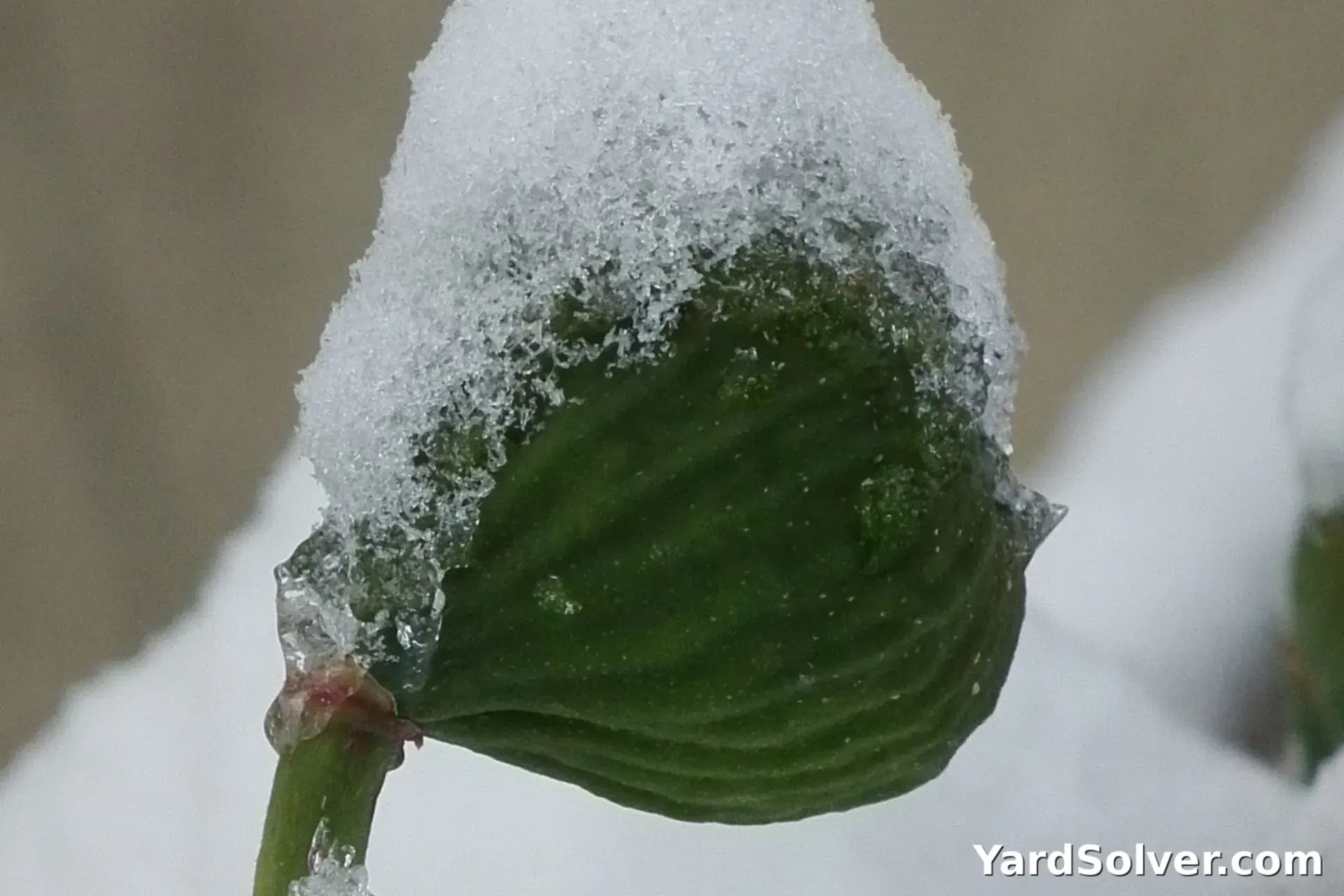
A dormant fig in a cold garage needs water, but only just. About once a month, check the soil and give the pot a modest drink — enough that the root ball never goes bone dry from top to bottom. Mark it on a calendar if you have to; monthly is easy to forget in the middle of winter, and a pot forgotten from November to April can dry out completely.
The bigger danger is the opposite. A cold, leafless tree uses almost no water, so soil that is kept wet sits cold and airless around the roots for weeks, and roots rot silently in it. You will not see the damage until spring, when the tree simply never wakes up. When in doubt, water less: slightly dry is recoverable, rotted roots are not. The same barely-water rule applies to in-ground trees under wrap or soil — winter rain and snowmelt do that job for you outdoors.
Step 4 — The cage-and-insulate method for in-ground trees

For a fig planted in the ground, the cage-and-insulate method is the workhorse of cold-climate growers. Once the tree is dormant, tie the branches gently in toward the trunk with soft ties so the tree takes up less room. Around it, build a cylinder of chicken wire or similar fencing, a little wider than the tied branches and as tall as the tree you mean to protect.
Fill the cage with dry leaves or straw, packed loosely around and through the branches — the insulation is the trapped air in that dry fill, so use material that goes in dry and keep it from matting down wet. Wrap burlap around the outside of the cage to hold everything in place, then cap the top with something waterproof: a board, a bucket, or a piece of plastic set like a little roof. Rain kept off the top is what keeps the fill dry, and dry fill is what keeps the wood alive. Work out leaf and straw cover for the rest of the bed with the Mulch Calculator, and for smaller trees and shrubs the same principles appear in How to Protect Young Trees in Winter.
Step 5 — The trench method
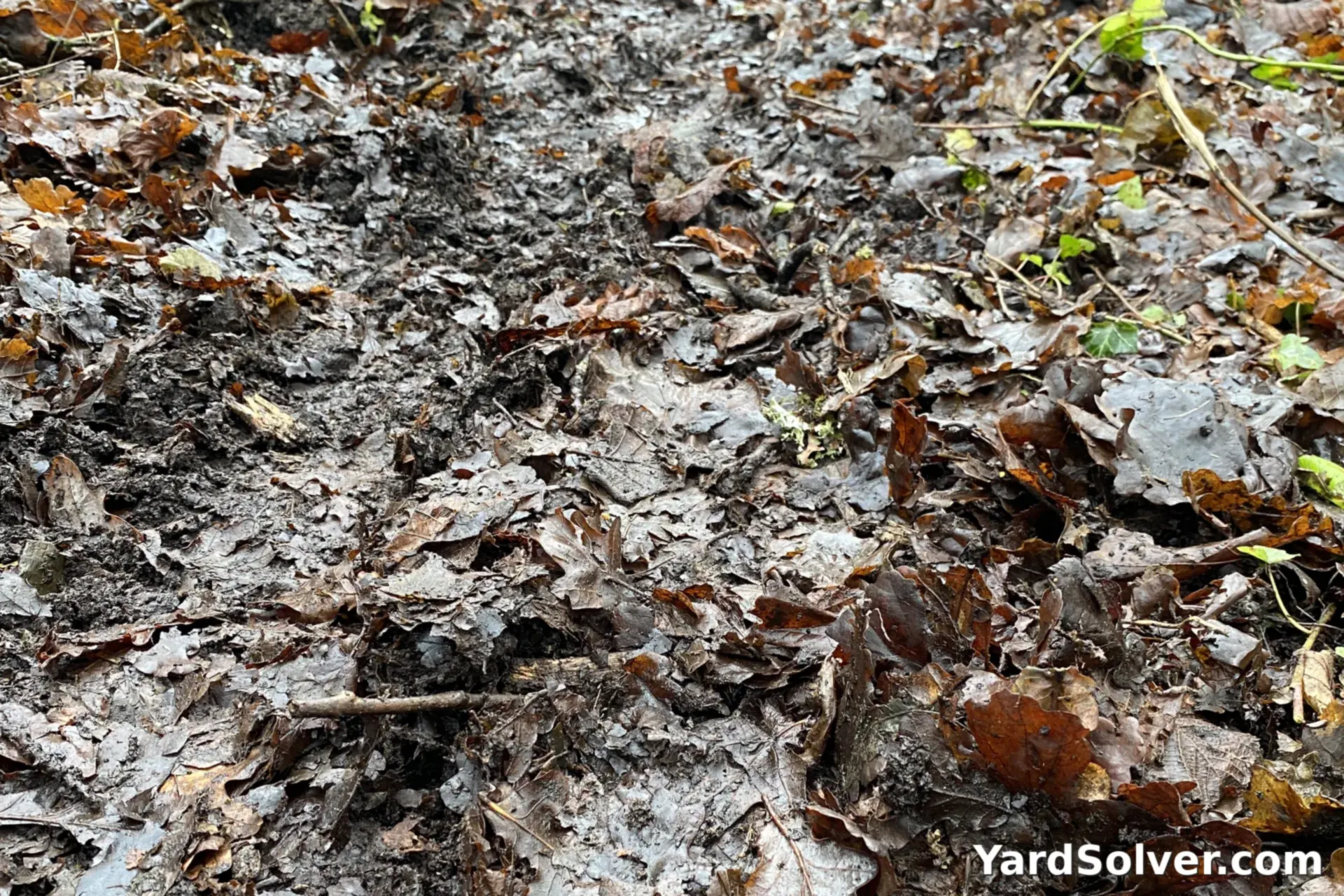
The oldest method is also the most protective: lay the tree down and let the earth itself insulate it. Dig a shallow trench alongside the tree — or, on level ground, simply plan to lay it flat where it stands. Loosen the roots on the side opposite the direction you will tip it, cutting or easing enough roots that the root ball can hinge over without snapping the trunk. Work slowly, in stages if the tree resists; a fig that has been tipped year after year learns to bend.
Once the tree is lying in the trench or flat on the ground, cover it with soil, then with a deep layer of leaves or straw over the top. It does not need a deep grave — the point is a solid blanket of soil and dry material between the wood and the winter air, not depth for its own sake. Branches held at soil level ride out temperatures that would kill the same wood standing upright in the wind, which is why this method has carried figs through winters in places where, on paper, figs should not survive at all.
Step 6 — Wake it up in spring
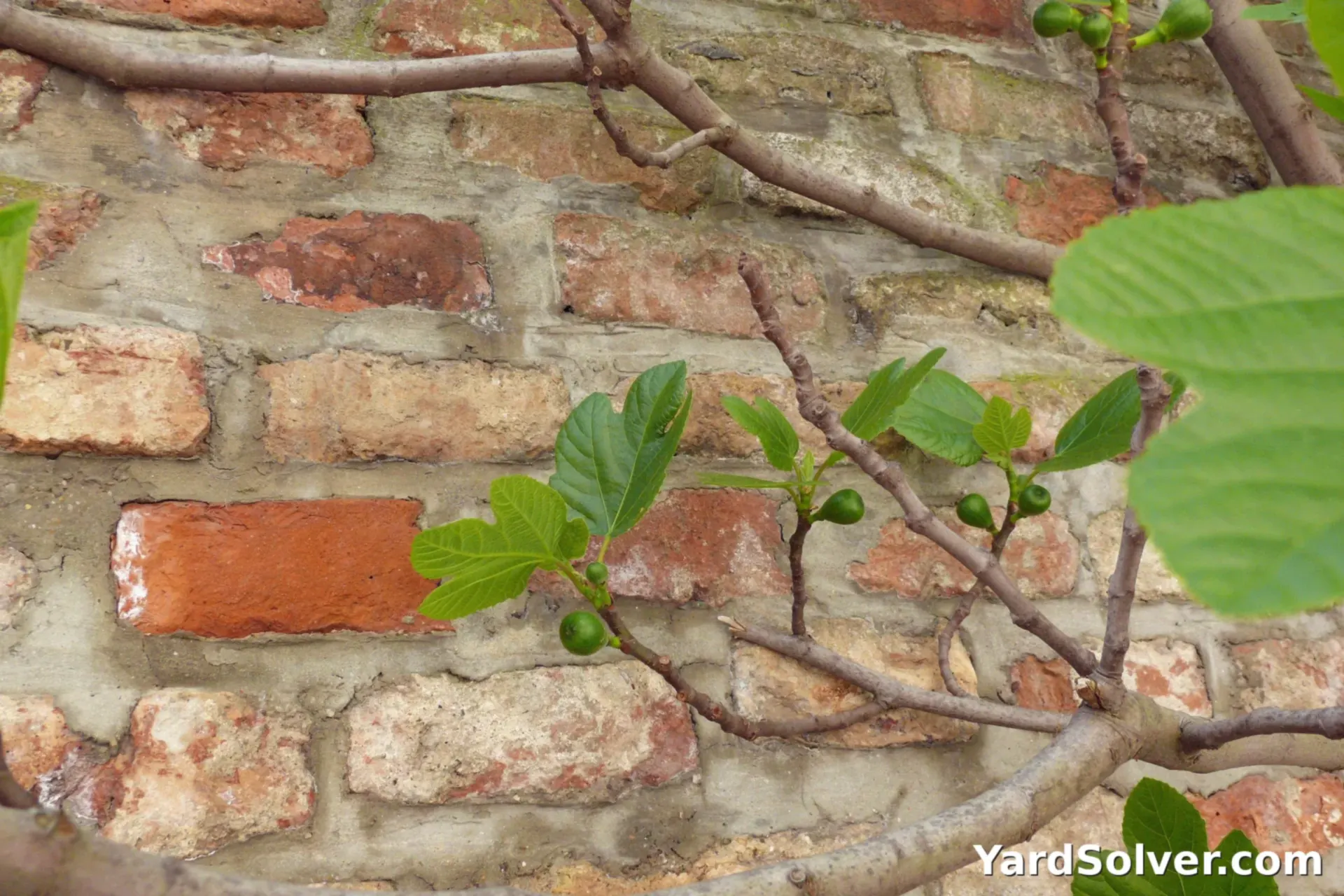
Spring uncovering is a process, not an event. Once the hardest frosts have passed, open things up in stages: take the waterproof cap and some fill off a caged tree first, stand a trenched tree back up, and wheel potted figs out on mild days before they move out for good. A tree uncovered all at once on one warm weekend is exposed exactly when it is softest, because late frosts zap new buds that have been coaxed awake by protection and sunshine together.
Then assess honestly. Check branch by branch for dieback — scratch the bark, look for green underneath, and prune away wood that is brown and brittle back to living tissue. And if the verdict looks grim, wait: a fig frozen to the ground very often regrows from its hardier roots once the soil warms. That regrowth is not a consolation prize. Chicago Hardy and similar varieties fruit on new wood, so a tree that starts spring as a stump can still crop the same year — one more reason northern growers pair this guide with grapes and other hardy fruit rather than giving up on fruit altogether.
Keep going
More winter fruit care: How to Prune Fruit Trees in Winter · plan the fruit garden in the Garden Planner. Figs in pots often winter beside their indoor cousin, the Fiddle Leaf Fig.
Questions people ask
What temperature kills a fig tree?
It depends on the variety and on how well the tree hardened off in fall. Exposed fig wood commonly takes damage somewhere between about 10 and 20 °F, and a hard freeze below that range can kill branches back to the roots. Roots, insulated by soil, are hardier than branches, which is why a tree that looks dead in spring often regrows from the base.
Does a dormant fig tree need light in winter?
No. A fully dormant fig — no leaves, no growth — does not need light, which is why a dark garage, basement or shed works for potted trees. Light only matters once growth starts in spring; move the tree into light as soon as buds swell and leaves appear.
How often do I water a fig in the garage?
About once a month, and only a little. Check the soil and give just enough water that the roots never go bone dry. A cold, dormant fig uses almost no water, and soil that stays wet in a cold garage rots roots far more often than dryness kills them.
My fig died back to the ground — is it dead?
Probably not. Wait before you dig it up: give the tree well into late spring, scratch a little bark near the base to look for green, and watch for shoots from the roots. Varieties that fruit on new wood, such as Chicago Hardy, can regrow from the roots and still give you figs the same season.
Comments & ratings
No comments yet.
Be the first to share your experience.