
Plant Library · Vegetables
🌿 How to Grow Burdock
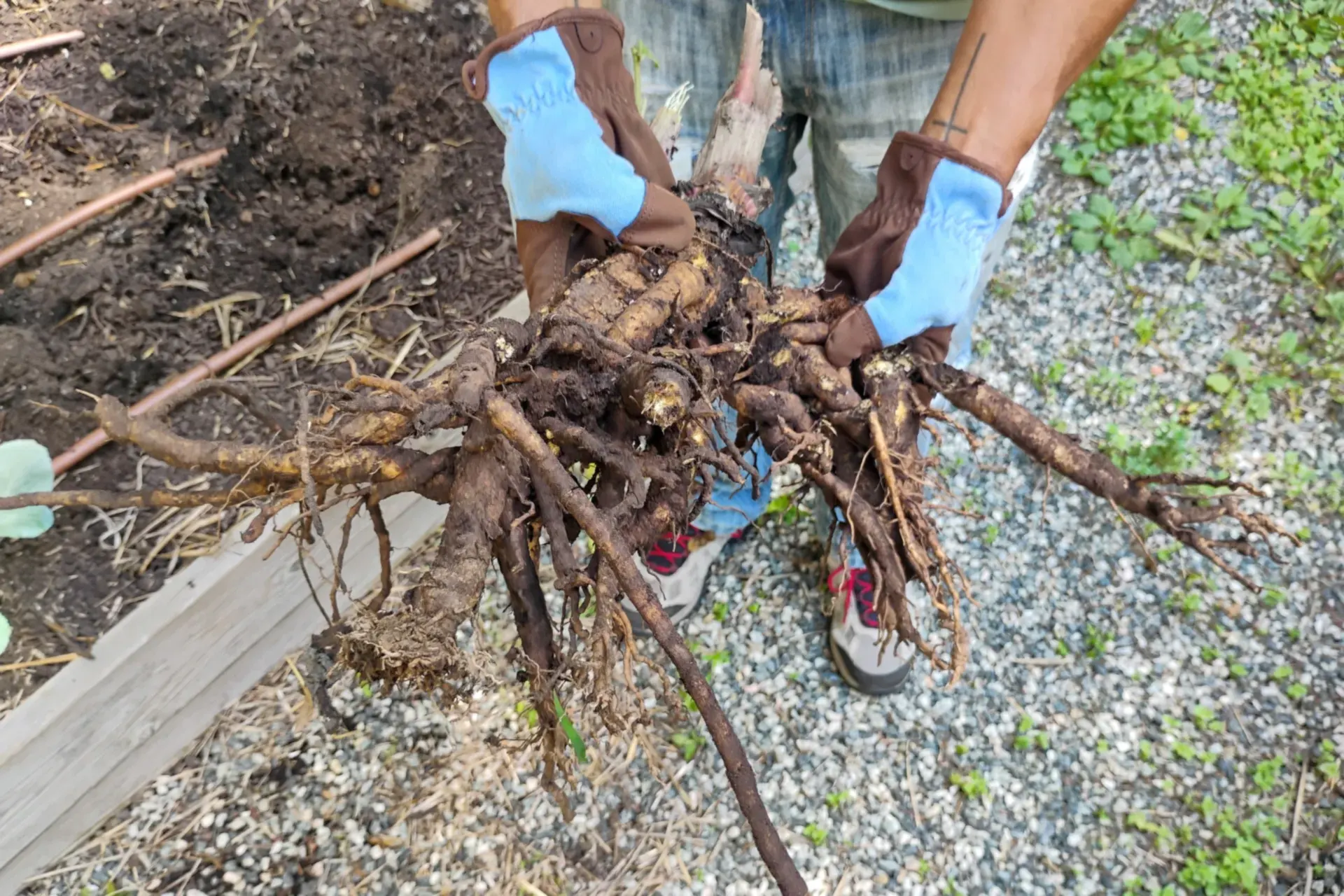
Burdock — gobo in Japanese cooking — is grown for its long, sweet, earthy root, a staple of Japanese and Korean kitchens. It needs 100–120 days and, above all, deep loose soil: 18–24 in of it, because the root grows straight down and forks or snaps in hard ground. Give it that depth and it is an easy, forgiving crop.
Grow Burdock with us — step by step
Everything for this plant is written step by step below — what to do, and exactly when. Read it through first if you like: you can grow it entirely on your own with that guide. Or start with us here — tell us your planting day and we lay out your personal schedule on this page, every next step on its own day, counted from your planting date. No guessing, no forgetting.
Step 1 — today: Sow Burdock today, 1/2 in deep, 4–6 in apart in rows 24 in apart, in deep loose soil — 18–24 in of it — and water in well.
Burdock at a glance
Sow indoors: 4 weeks before last frost
Spacing: 4–6 in · Seed depth: 1/2 in
Sun: Full sun to part shade
Water: Regular — deep soil must stay moist
Harvest: 100–120 days
Timing counts from your average last spring frost — get your own dates in the Planting Calendar. Guidance follows standard extension-service practice for Canada and the US.
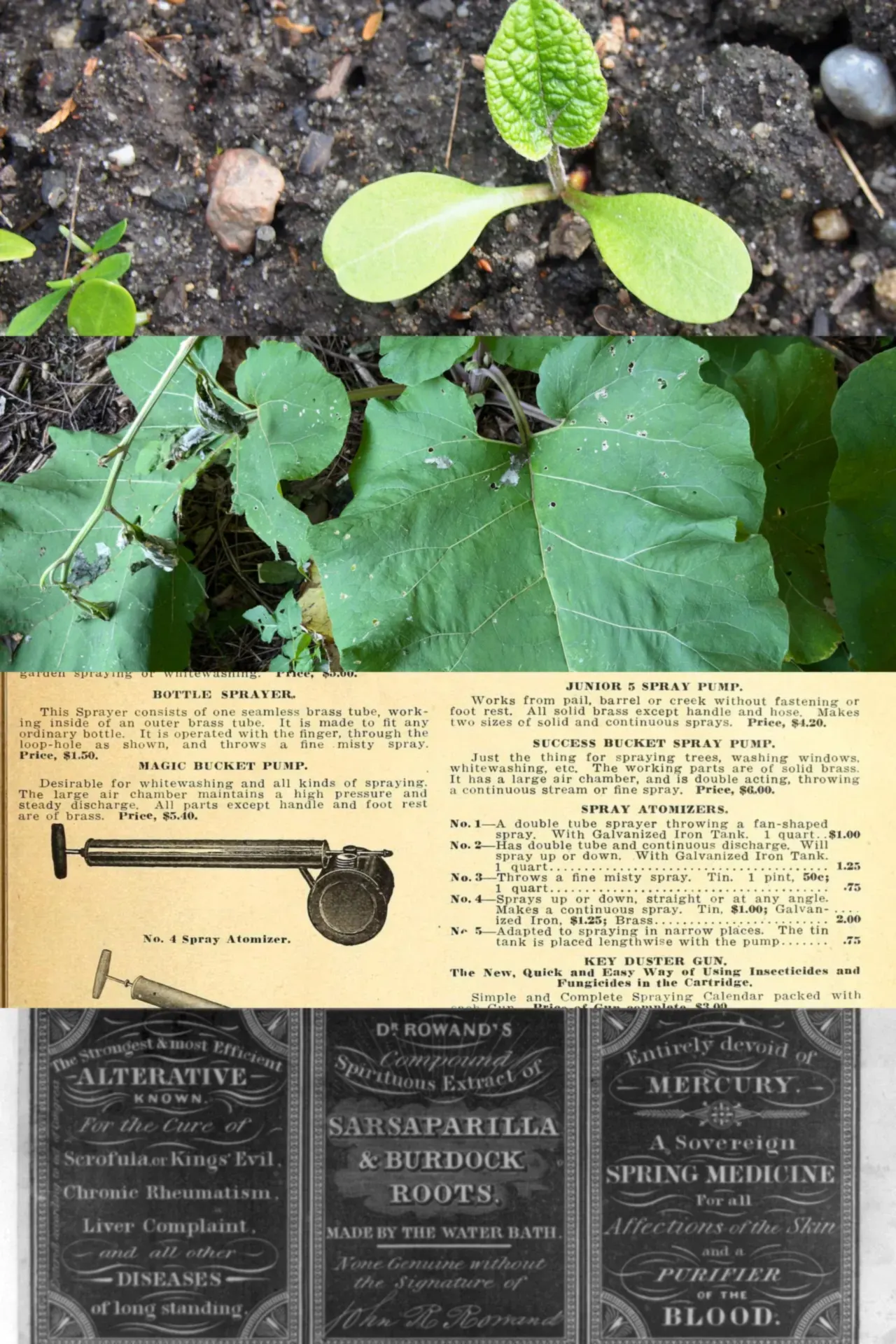
How to plant and grow burdock, step by step
Step 1 — Time it right
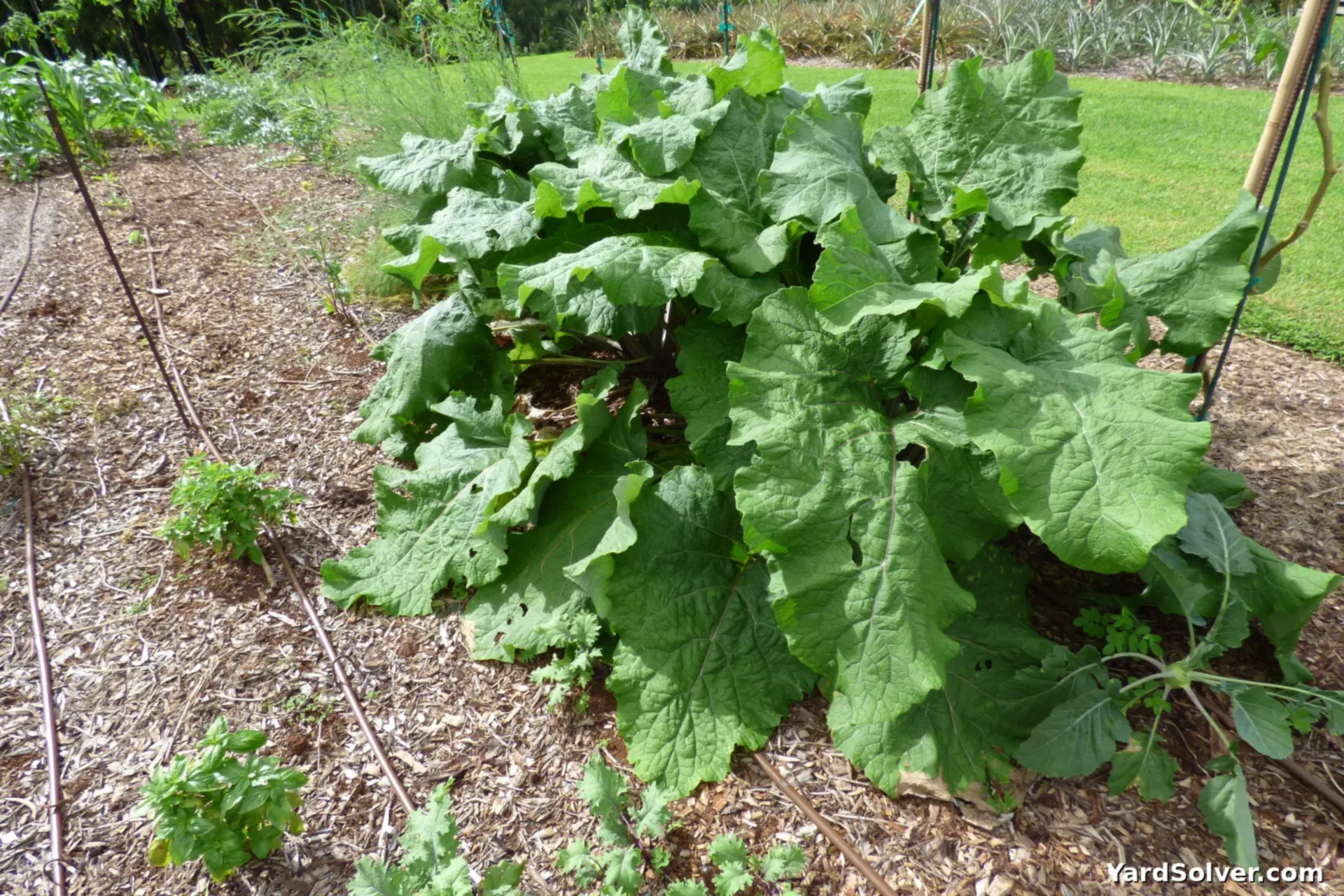
Direct sow 2–4 weeks before last frost — the seed tolerates cold — or start indoors 4 weeks before last frost. All dates count from your average last spring frost — the Planting Calendar turns them into real dates for your garden.
Step 2 — Prepare the spot
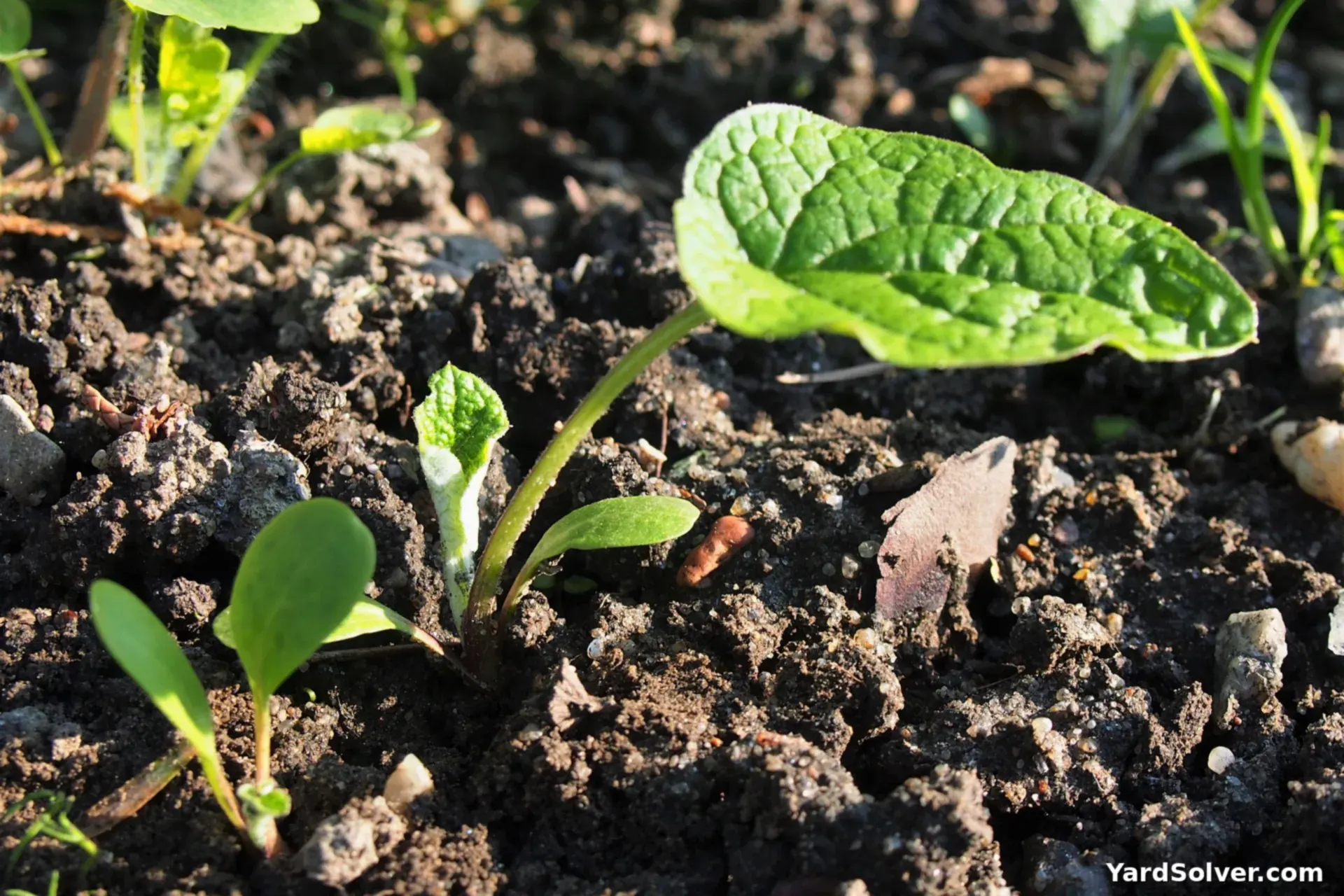
Sun: Full sun to part shade. Deep, loose, stone-free soil is the whole secret. In heavy or shallow soil, grow it in a tall raised bed or a deep container instead. Work out how much you need with the Garden Mix Calculator or the Raised Bed Soil Calculator.
Step 3 — Sow and plant out
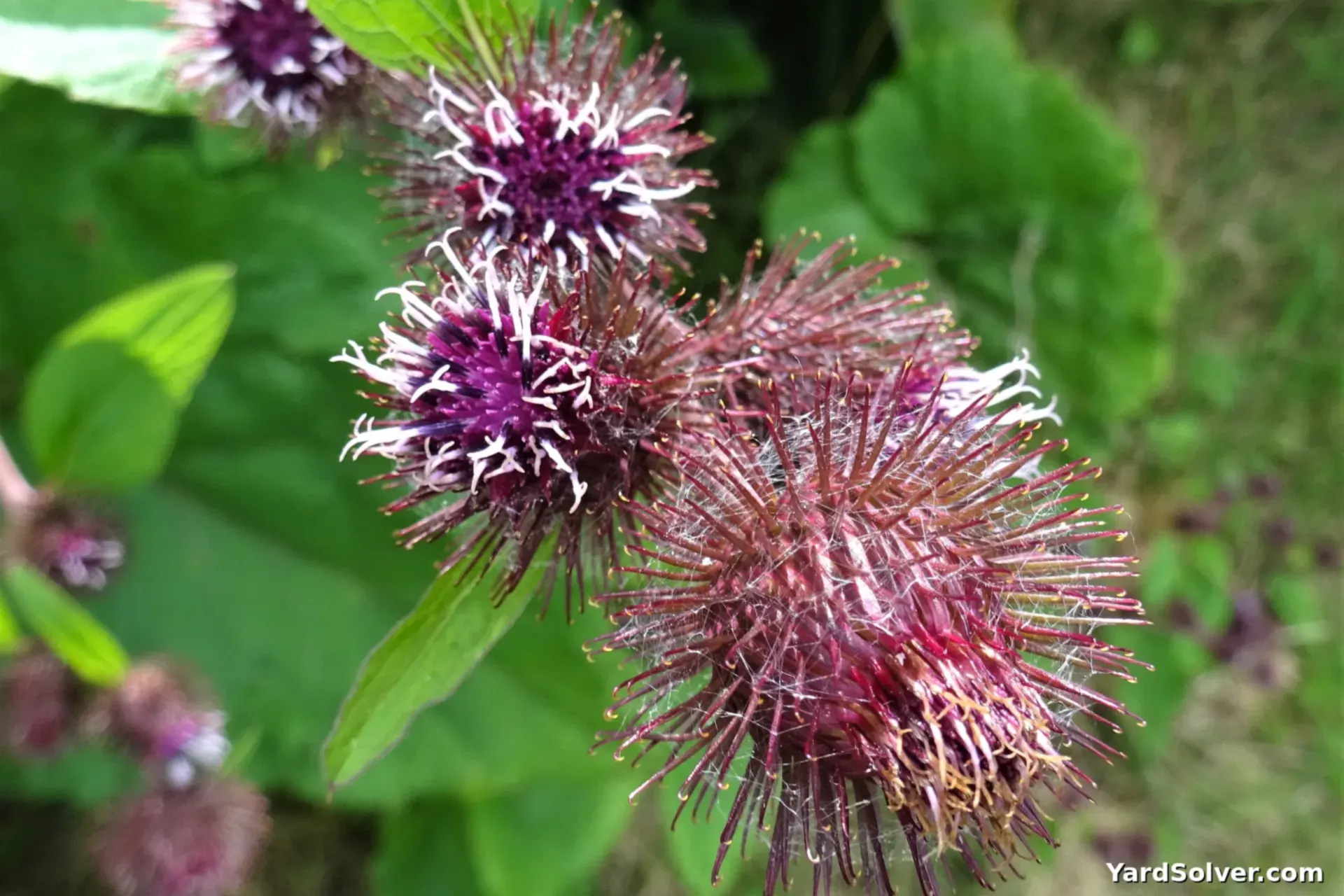
Sow 1/2 in deep, 4–6 in apart in rows 24 in apart. Thin to the final spacing once seedlings are a few inches tall. The Plant Spacing Calculator turns that spacing into plants-per-bed.
Step 4 — Water and feed
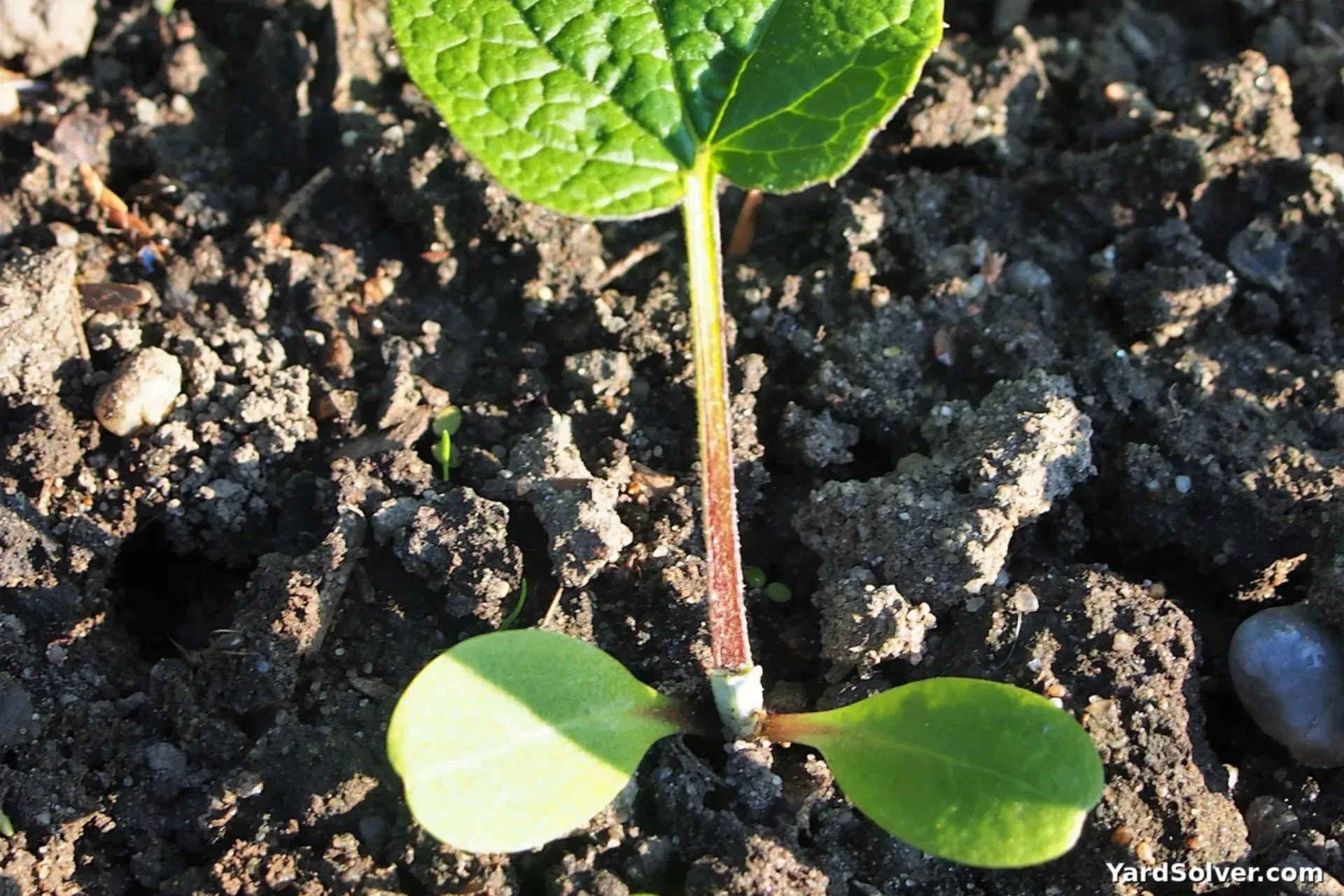
Water: Regular — deep soil must stay moist. Feed lightly — rich soil makes leafy tops and forked roots. Compost at planting is enough. The Fertilizer Calculator turns a bed size into the right amount.
Step 5 — Care and the problems to watch for
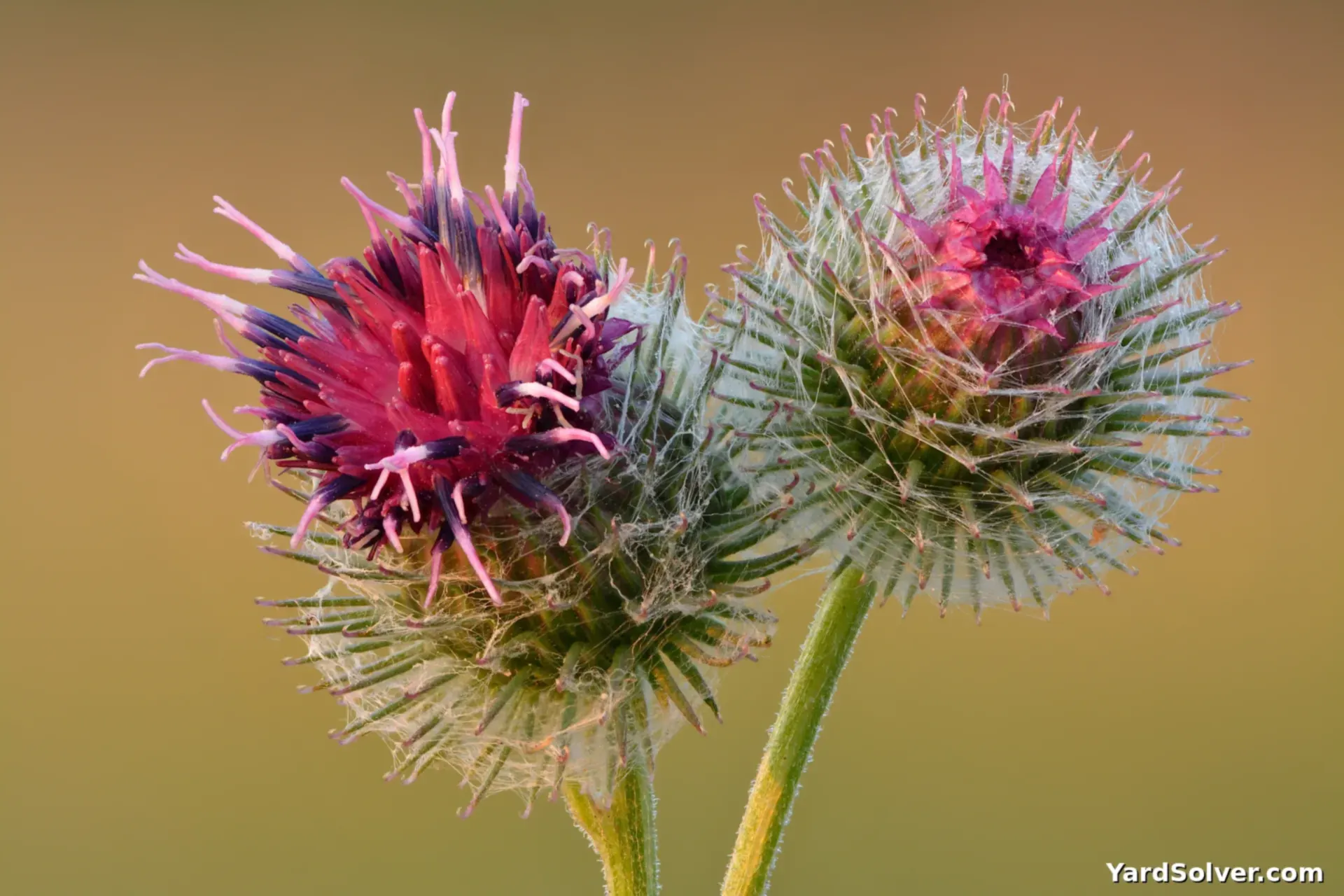
Forked roots — hard or stony soil makes roots split; the only fix is deeper, looser soil next time. Slugs — young leaves are a target in wet springs; hand-pick at night. Self-sowing — the burrs catch on clothes and pets; cut flower heads before they set seed.
Step 6 — Harvest
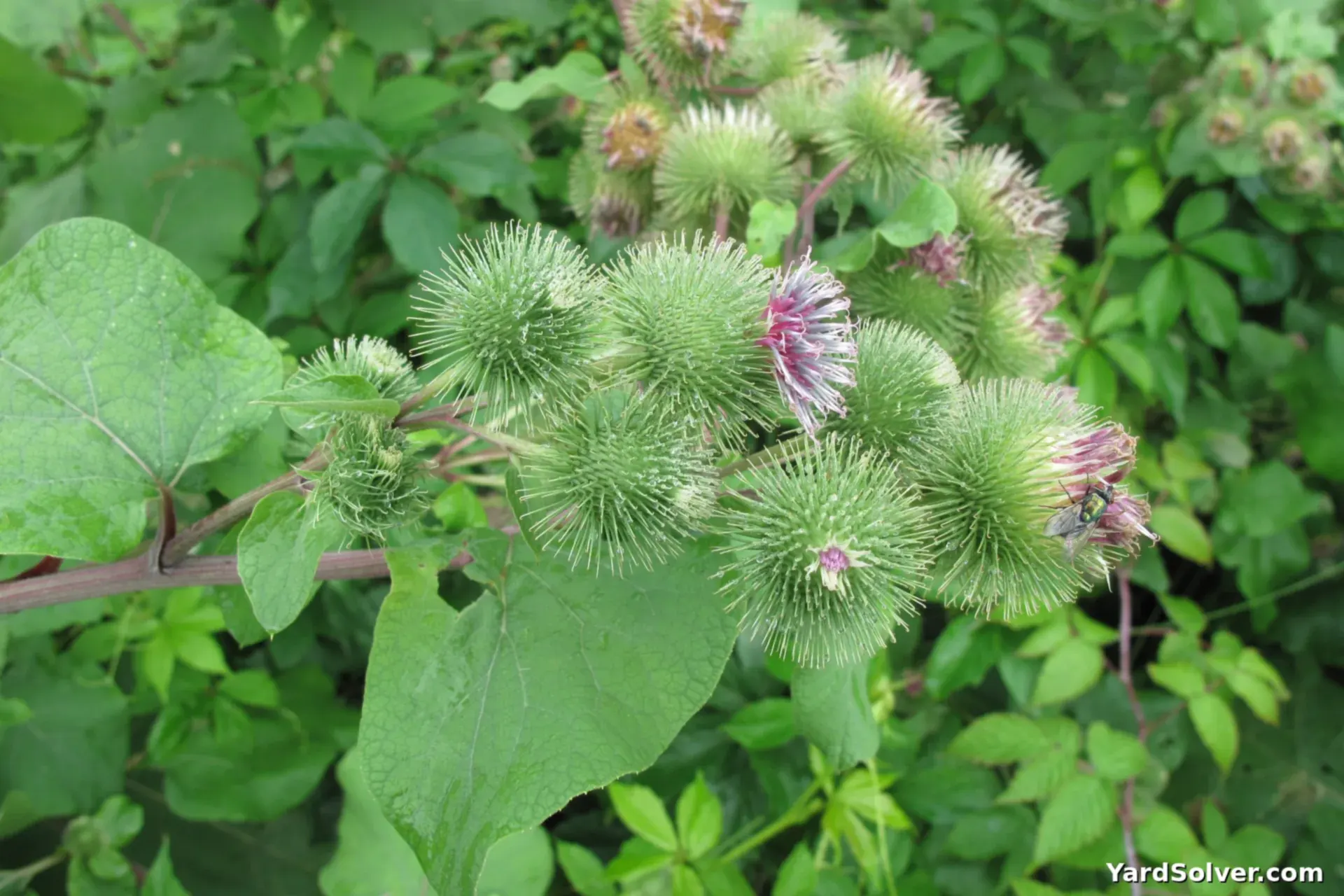
Ready in: 100–120 days. Loosen a wide circle with a fork first — the root is long and snaps easily — then pull gently and wash well.
📅 Your personal Burdock schedule
Counted from your planting day — not a generic calendar. Day 0 is the day the seed went in the ground or the young plant went out.
Varieties worth growing
| Variety | Colour | Why gardeners like it |
|---|---|---|
| Takinogawa Long | Brown | The classic Japanese long-root type, up to 3 ft in deep soil |
| Watanabe Early | Brown | A shorter, quicker root for shallower beds |
| Kurogawa | Brown | A slim, tender root, popular for home gardens |
| Gobo | Brown | The standard market type sold as gobo seed |
Good for you — and take care
Benefits
- A good source of fibre, inulin and potassium
- A classic of Japanese cooking — kinpira gobo
- Deep roots break up the soil for the next crop
- Very few pests bother it
Take care
- Burdock roots are long — harvest with a fork, loosening a wide circle first, or the root snaps.
- The burrs are the plant's seed — do not compost flower heads.
- Wash roots well and peel before cooking; the skin is bitter.
Problems to watch for
- Forked roots — hard or stony soil makes roots split; the only fix is deeper, looser soil next time.
- Slugs — young leaves are a target in wet springs; hand-pick at night.
- Self-sowing — the burrs catch on clothes and pets; cut flower heads before they set seed.
A little history — and one good fact
Burdock is native to Europe and Asia, and has been eaten in Japan for centuries, where it is called gobo and cooked in the sweet-savoury dish kinpira. The burrs that cling to clothing famously inspired the invention of Velcro.
Fun fact: The hook-and-loop fastener Velcro was invented after its creator studied burdock burrs stuck to his dog's fur.
Keep going
Guides: How to Harden Off Seedlings · How to Read a Seed Packet · How to Grow Burdock — the full guide
Calculators: Plant Spacing Calculator · Seed Calculator · Fertilizer Calculator · Garden Mix Calculator
Plan it: Garden Planner · Planting Calendar · Companion Planting Chart · Seed Box
Good companions: Carrot · Lettuce
← Back to the Plant Library · Get your personal planting dates
Questions people ask
When do I plant burdock?
Direct sow 2–4 weeks before last frost, or start indoors 4 weeks before last frost. The seed tolerates cold.
How far apart do I space burdock?
Space plants 4–6 in apart in rows 24 in apart, with seed sown 1/2 in deep. Sun: full sun to part shade.
When is burdock ready to harvest?
100–120 days after sowing. Loosen a wide circle with a fork first — the root is long and snaps easily.