
Guides · Seeds · Published November 11, 2026
How to Read a Seed Packet: Every Line Decoded
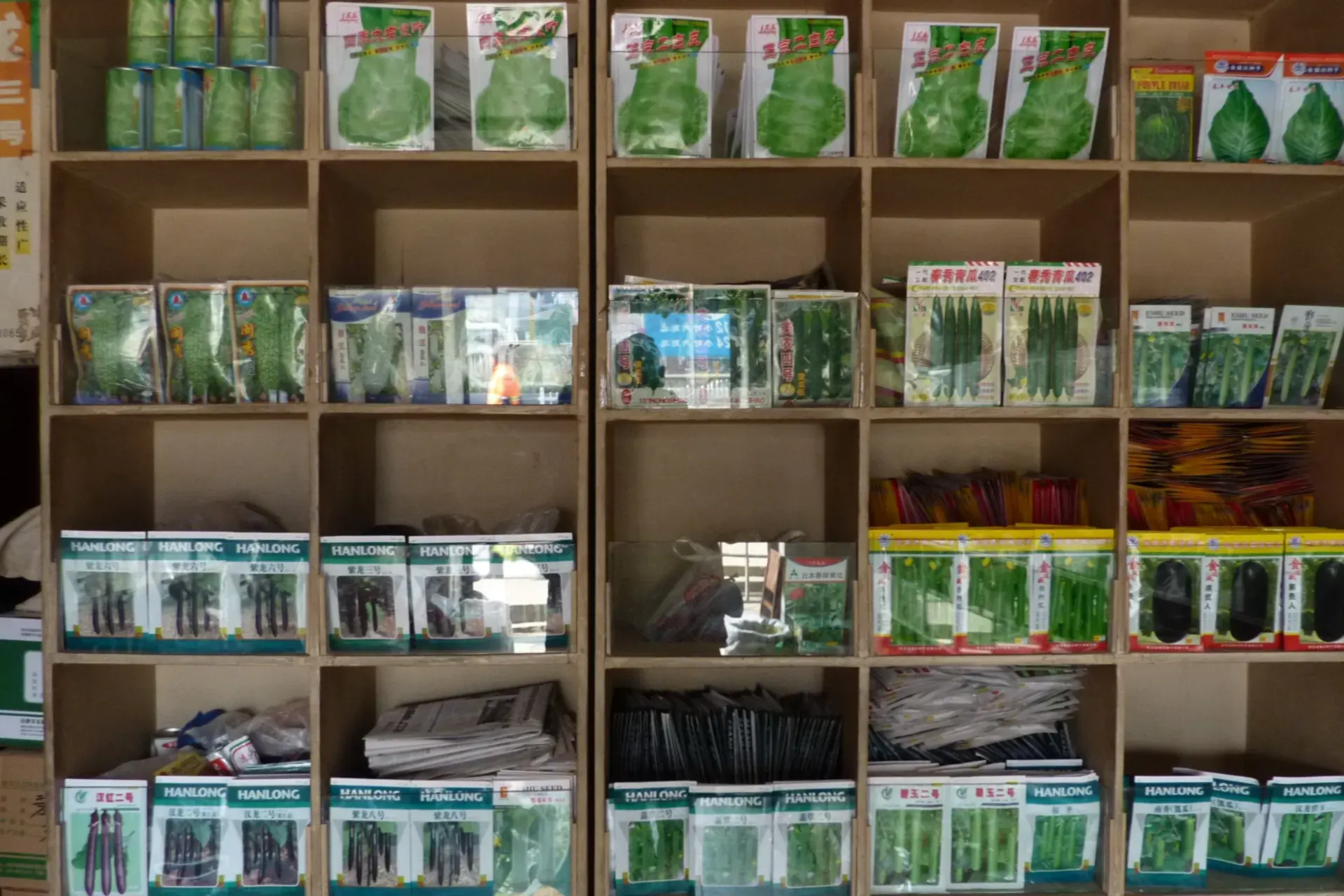
A seed packet is the whole instruction book for that variety — everything the grower who produced the seed knows about timing, depth, spacing and sprouting, printed on a few square inches of paper. The problem is that it is written in shorthand, in phrases like "DTM 68" and "thin to 12″" that assume you already speak the language. Most failed sowings are not bad seed or bad luck; they are a packet line read wrong, or never read at all. This guide walks one packet from front to back, line by line, in the order the lines appear — so by seed-ordering season, the shorthand reads like plain English.
What is actually on the packet
- Front: the plant, the variety name, whether it is annual, perennial or biennial — and the photograph
- Timing lines: when to start indoors, when to sow outside — all of it hanging off your two frost dates
- Days to maturity: the most misread number on the packet (Step 3 — it has two different starting points)
- Depth and spacing: two spacing numbers, not one, and a depth judged against the seed itself
- Germination lines: days to sprout, and the soil temperature the seed is waiting for
- Fine print: packed-for year, germination percentage, lot number, and the words heirloom, hybrid and open-pollinated
Step 1 — Start with the front: name, type, and the photograph
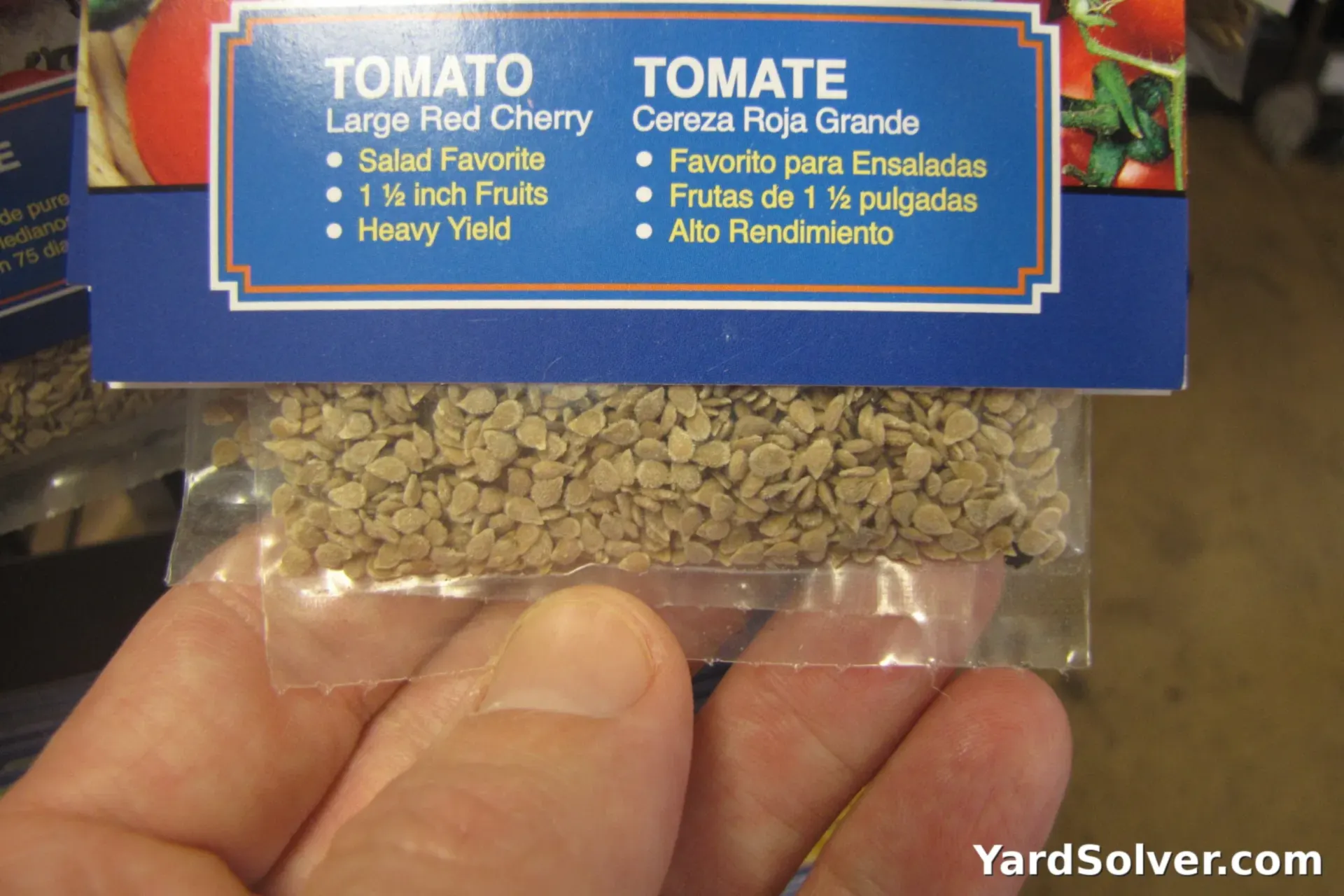
The front gives you the plant's common name and the variety name — 'Large Red Cherry', not just "tomato" — and the variety is what every other line on the packet describes, so shop by variety, not by vegetable. Look for the life-cycle word: annual (one season), perennial (comes back), or biennial (leaves the first year, flowers and seeds the second — parsleys and some foxgloves catch beginners out here). Then enjoy the photograph with the right expectations: it is the plant on its best day, grown by professionals, photographed at its peak. It is a portrait of the potential in the packet, not a promise about your bed. The honest information is on the back, and that is where we go next.
Step 2 — Decode the timing lines: everything hangs off your frost dates
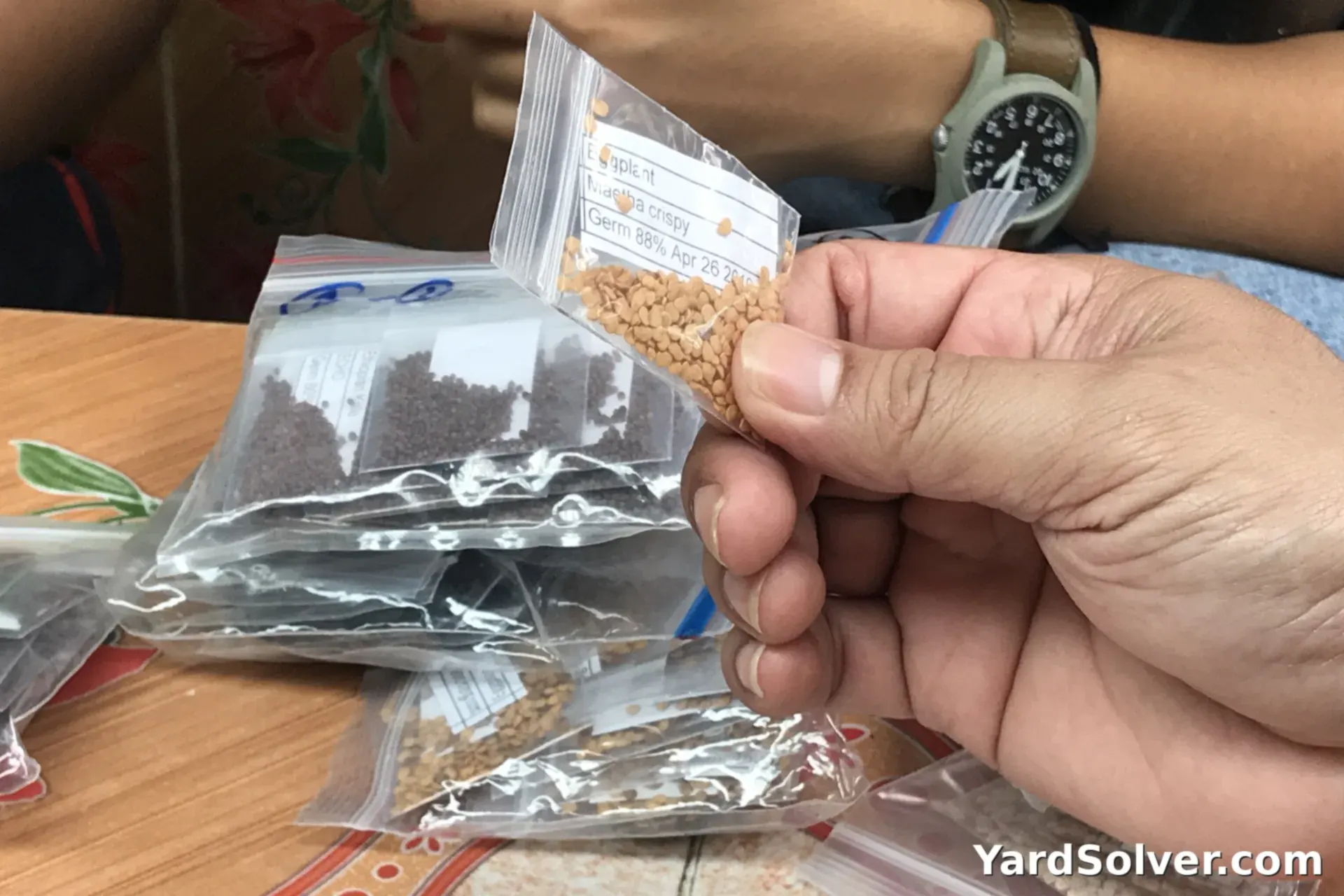
The timing lines come in a few standard phrases. "Sow after last frost" means the seed goes outdoors once frost is finished — it will not tolerate a frozen night as a seedling. "Start indoors 6–8 weeks before last frost" means count back that many weeks from your last frost date and sow under cover then, transplanting out when the frost risk passes. "Sow in fall" and "needs cold stratification" mean the seed expects winter and germinates after it. Notice what all of these have in common: the packet does not print a calendar date, because it cannot know yours. Every timing line hangs off YOUR two frost dates — your average last spring frost and first fall frost — so the first job with any packet is looking those dates up in the Planting Calendar and converting the packet's relative phrases into dates in your own diary. A packet read in a different climate zone than yours is still accurate — it is the conversion that moves.
Step 3 — Get days-to-maturity right: the classic trap
Here is the misunderstanding that disappoints more gardeners than any other line. "Days to maturity" starts counting from different events depending on how the crop is grown. For a crop you transplant — tomatoes, peppers, brassicas started indoors — the count starts at transplanting, not at sowing. A tomato variety marked 75 days needs roughly 75 days in the ground after it goes out, on top of the six to eight weeks it already spent indoors. For a direct-sown crop — beans, carrots, squash sown where they will grow — the count starts at germination. Compare the number against your season before you buy: your frost-free days (last spring frost to first fall frost) must cover the packet number plus a margin for picking — a 100-day melon in a 95-day season is a disappointment already printed on the packet, if you read it in time. Our tomato page shows the transplant counting worked through on a real variety. When in doubt in a short season, choose the smaller number — early varieties are bred exactly for this arithmetic.
Step 4 — Depth, and the two spacing numbers
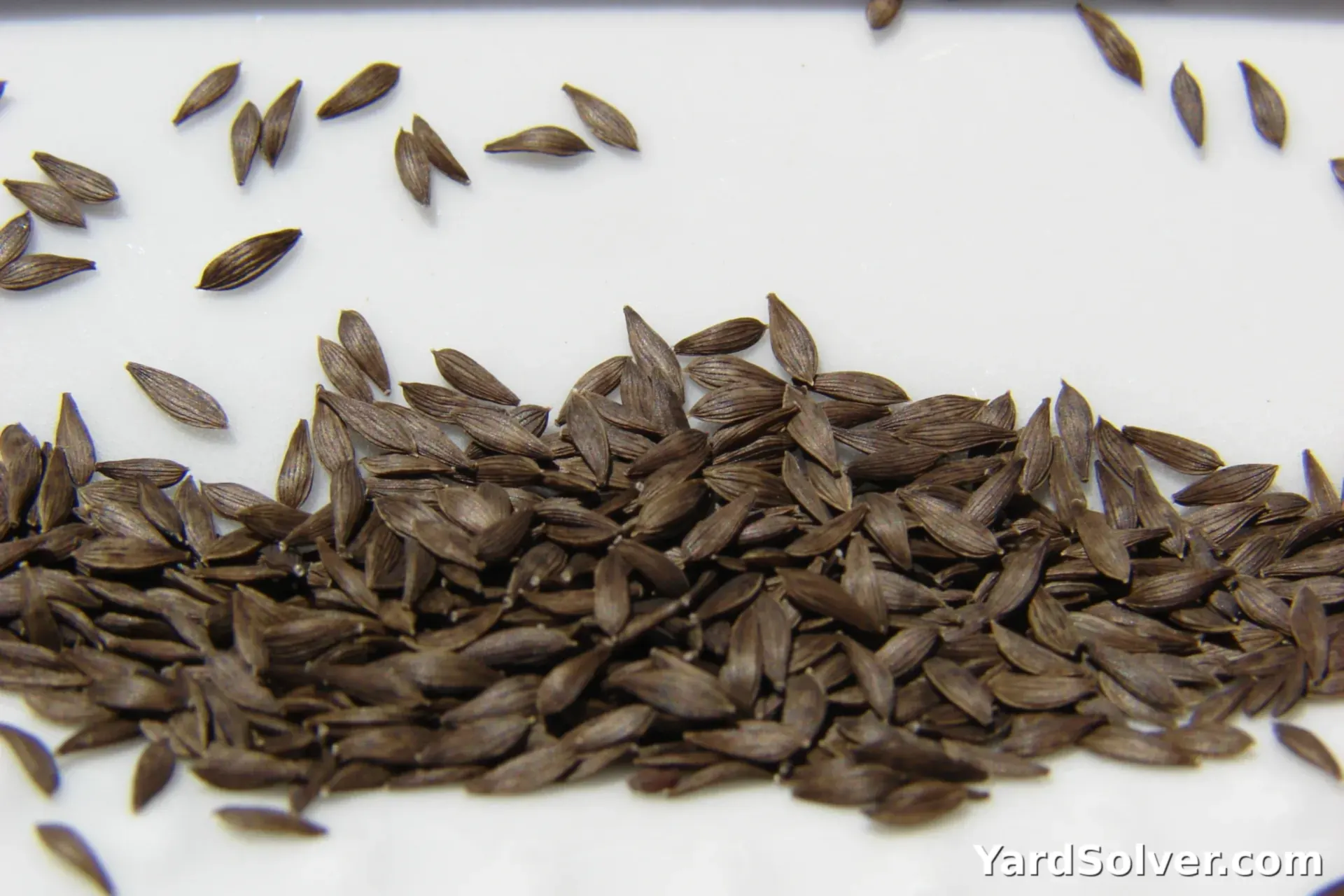
Spacing is printed as two numbers because sowing and growing are two different events. The first — "sow seeds 1 inch apart" — is how thickly to scatter, deliberately too thick, because not every seed comes up. The second — "thin to 12 inches" — is the final spacing each surviving plant needs, and thinning to it, however wasteful it feels, is what turns a crowded row of weaklings into strong plants. Skipping the thin is the most common spacing mistake there is. Depth follows one reliable rule when a packet is vague: sow about two to three times as deep as the seed is wide — a pea sits an inch or more down, a carrot seed barely a quarter inch. And read for the exception the rule cannot give you: some seed needs light to germinate — lettuce, celery and many flowers — and is sown on the surface and pressed in, not buried. The packet will say "sow on surface" or "needs light" when it applies. The Seed Calculator turns a bed's size and the packet's spacing into the number of seeds — and packets — the job actually needs.
Step 5 — The germination lines: seeds read soil, not air
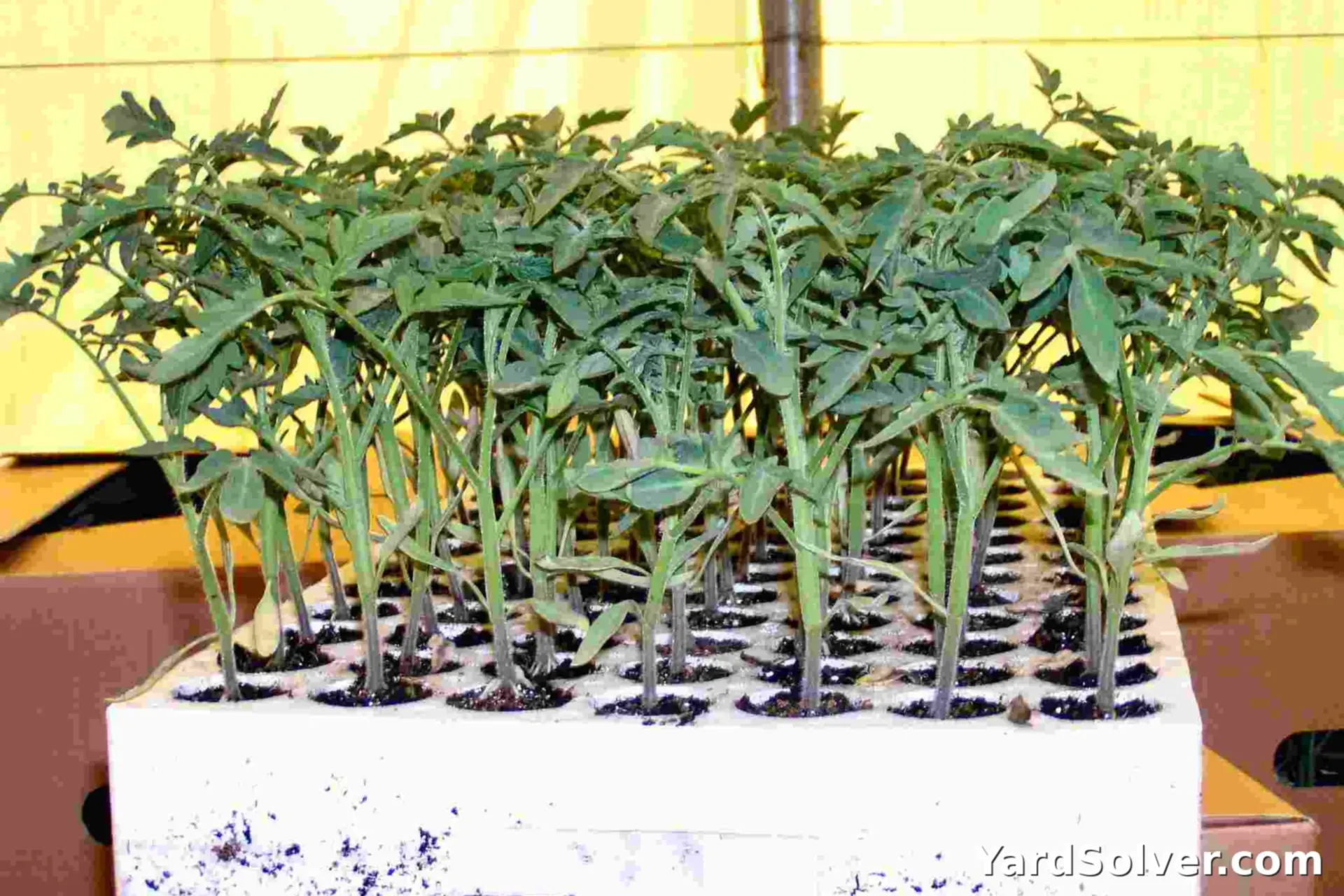
Two lines predict the wait between sowing and seeing green. Days to germination is the expected range at good conditions — and soil temperature is the condition: seeds read the temperature of the soil around them, not the air above it, and cold soil stretches every range. Tomato seed in 50 °F soil can sit for weeks; the same seed at 80 °F is up inside a week. So when a tray or row seems late, check the soil before blaming the seed — the full picture, crop by crop, is in our seed germination temperature chart, with the coldest, best and too-hot soil for 30 vegetables. Indoors, the practical fix is steady warmth — a heat mat or the top of the fridge — rather than a sunny windowsill that swings hot and cold. Outdoors, the fix is patience: sowing into soil that has genuinely warmed beats sowing early into soil that has not, almost every time.
Step 6 — Read the fine print: years, percentages and honest labels
The small type at the bottom is where the packet tells you about itself. "Packed for 2026" is the year the seed was packed and tested — not an expiry date. Seed loses vigour with age and poor storage, but last year's packet is usually fine, especially kept cool and dry; when a packet is older or has lived in a warm shed, run the paper-towel test in Are Old Seeds Still Good? before you rely on it. The germination percentage — "germ. 85%" — is the share that sprouted in the packer's test; sow a little thicker as the percentage falls. The lot number identifies the seed batch if a problem is ever traced. Then the three words worth knowing cold: heirloom — an old, open-pollinated variety kept for its qualities; open-pollinated — pollinated naturally, so seed you save grows true to the parent; hybrid (F1) — a deliberate cross of two parent lines, often more vigorous or uniform, but seed saved from it will not grow true. None of the three is a quality verdict — they are breeding descriptions, and good gardeners grow all three. Finally, "treated" seed has a fungicide coating (often brightly coloured) against soil rots: handle it with dry hands, wash after sowing, and never feed it to birds or anyone else.
Step 7 — Work one packet end to end, and write your dates on it
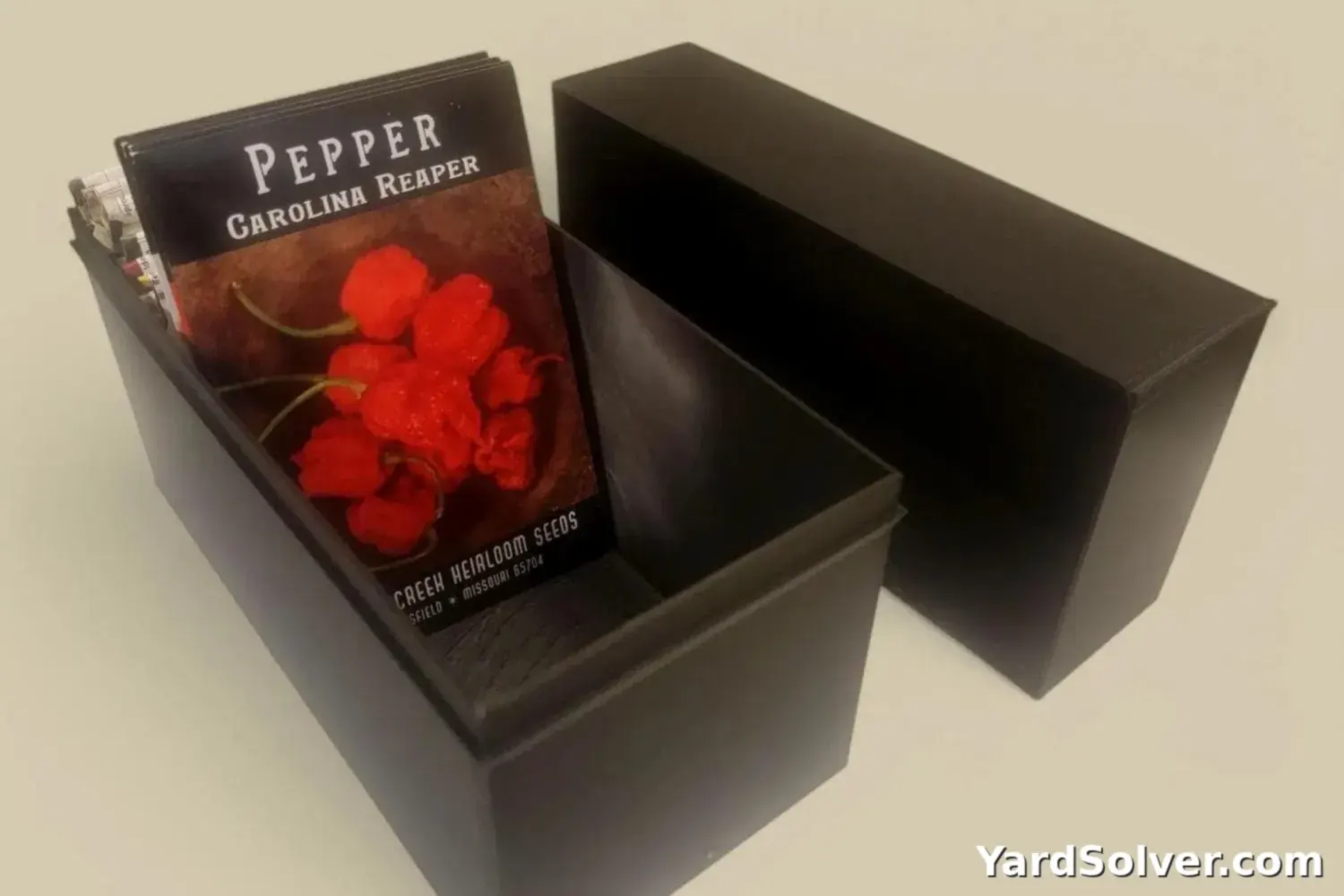
Finish the job the packet started: take one packet, work it line by line with this guide open, and then write your own dates on it — "start indoors March 20, out May 25" in your numbers, not the packet's relative phrases. Add the year you actually sowed it and how it did, and the packet becomes next year's shortcut as well as this year's instructions. File it upright in the seed box, cool and dry, with its label facing out — the system in My Seed Box is the one we use. Ten minutes with a pencil per packet, in ordering season when there is no weather to garden in anyway, is the cheapest insurance in the whole seed year — and your planting plan for everything else lives in the Garden Planner.
Keep going
Turn the packet into a calendar: When to Start Seeds Indoors · Storage that keeps seed alive: My Seed Box.
Questions people ask
What does "days to maturity" count from?
It depends on how the crop is grown. For transplants — tomatoes, peppers, anything started indoors — it counts from transplanting day, not from sowing; the indoor weeks come on top. For direct-sown crops like beans and carrots, it counts from germination. Check the number against your frost-free days before you buy.
Are last year's seeds still good?
Usually, yes. "Packed for" is the packing and testing year, not an expiry date, and most vegetable seed keeps well for two to five years stored cool, dry and dark. Vigour fades gradually rather than stopping at a date; for an older packet, test a sample on a damp paper towel and sow thicker if the germination count has fallen.
What's the difference between heirloom, hybrid and open-pollinated?
Open-pollinated seed is pollinated naturally, and seed saved from it grows true to the parent plant. Heirloom means an old open-pollinated variety that has been kept and handed down. Hybrid (F1) seed is a deliberate cross between two parent lines — often vigorous and uniform, but its saved seed will not grow true. None of the three is inherently better; they describe how the seed was bred.
Why does a packet give two spacing numbers?
Because sowing and growing are different moments. The first number is sowing spacing — deliberately thick, to allow for seeds that never come up. "Thin to" is the final spacing each plant needs to size up properly, and the extras are removed once the seedlings are growing. Skipping the thinning step is the most common reason a row stays crowded and weak.
Comments & ratings
No comments yet.
Be the first to share your experience.