
Plant Library · Vegetables
🌾 How to Grow Rice
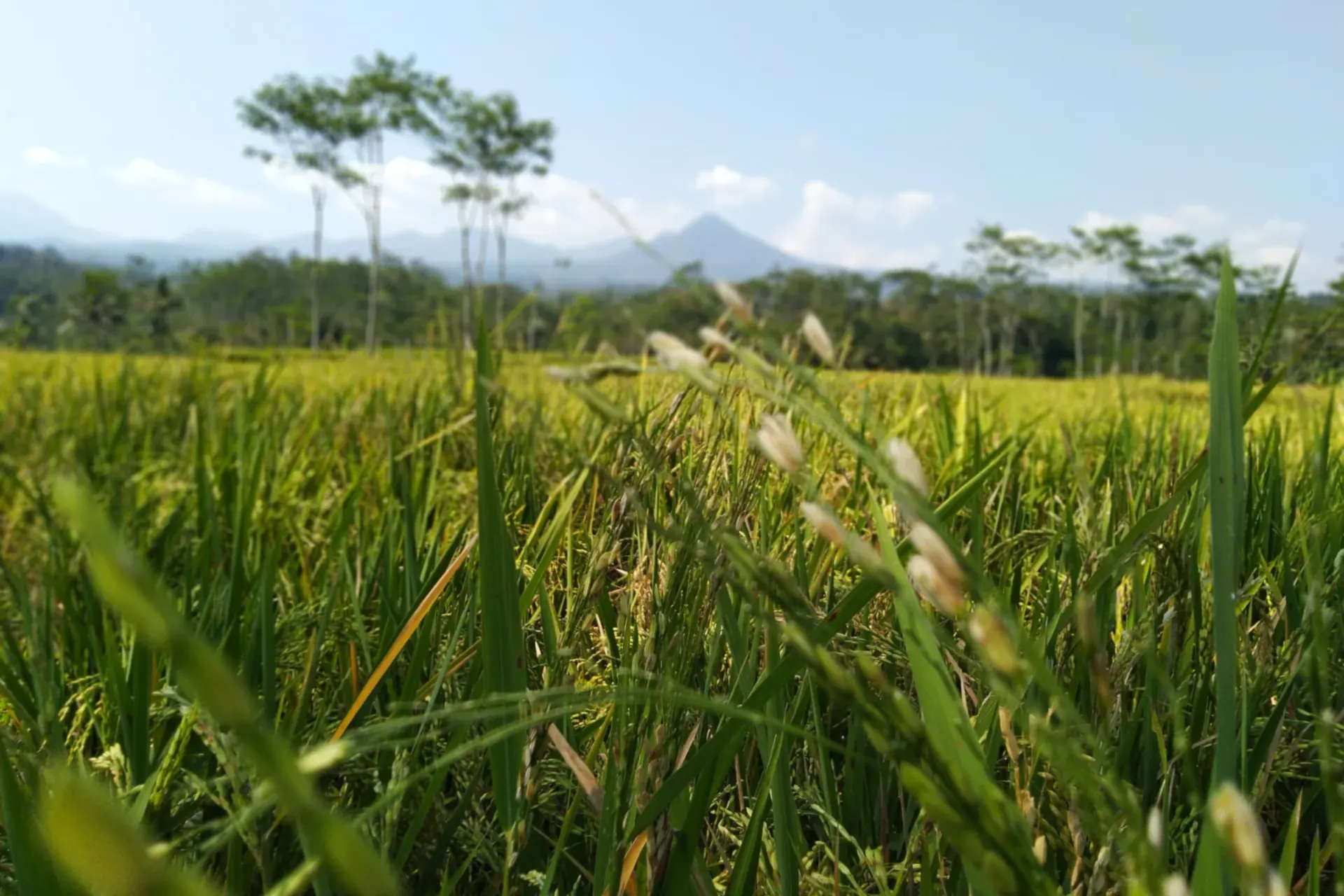
Rice at home is an experiment, not a staple harvest — and that is exactly the point. Short-season upland varieties, grown in buckets or a wet bed, can give you a small bowl of your own rice in 120–180 days. Start indoors 6–8 weeks before last frost, transplant after frost into wet soil, and keep it warm and wet all summer.
Grow Rice with us — step by step
Everything for this plant is written step by step below — what to do, and exactly when. Read it through first if you like: you can grow it entirely on your own with that guide. Or start with us here — tell us your planting day and we lay out your personal schedule on this page, every next step on its own day, counted from your planting date. No guessing, no forgetting.
Step 1 — today: Start your Rice today — soak seed in non-chlorinated water for 24–36 hours, then sow 1/2 in deep indoors, 6–8 weeks before last frost. Transplant out after frost into wet soil.
Rice at a glance
Sow indoors: 7 weeks before last frost
Move outside: 1 week after last frost
Spacing: 6–10 in · Seed depth: 1/2 in
Sun: Full sun
Water: Plenty — keep soil wet; paddy types need standing water
Harvest: 120–180 days
Timing counts from your average last spring frost — get your own dates in the Planting Calendar. Guidance follows standard extension-service practice for Canada and the US.
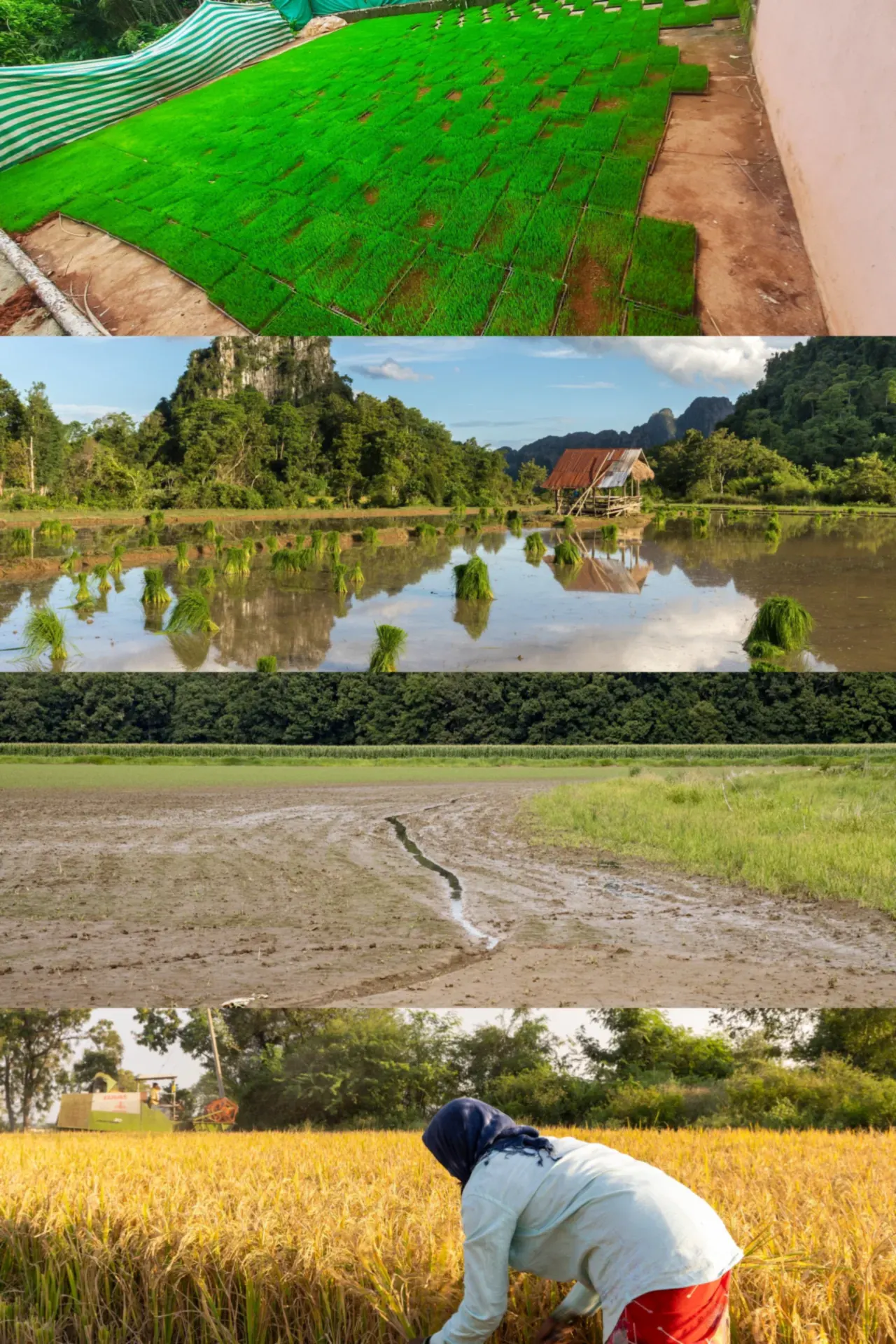
How to plant and grow rice, step by step
Step 1 — Time it right
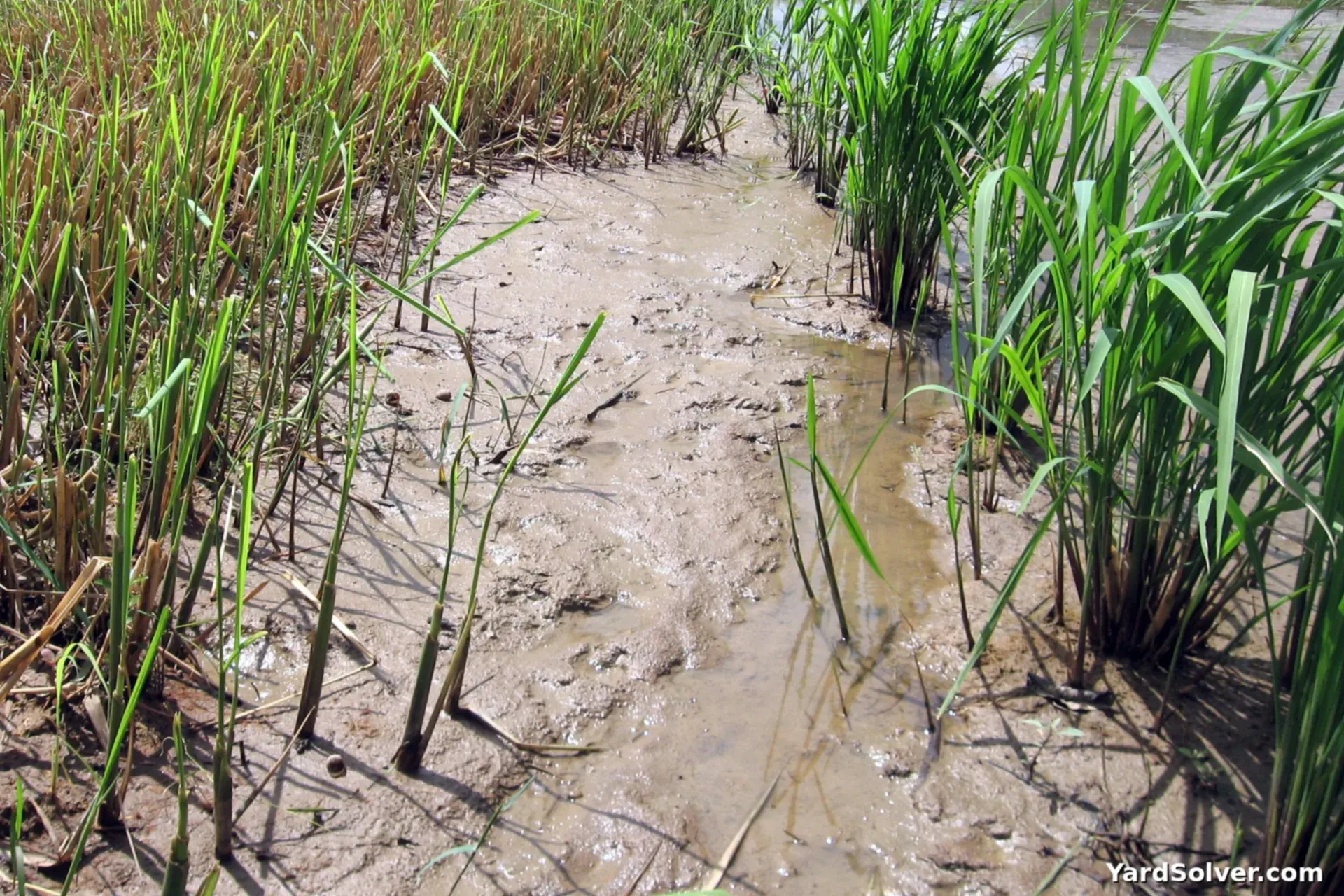
Start indoors 6–8 weeks before last frost; transplant after last frost into standing water or wet mud. In warm zones (10–12) you can direct sow. All dates count from your average last spring frost — the Planting Calendar turns them into real dates for your garden.
Step 2 — Prepare the spot
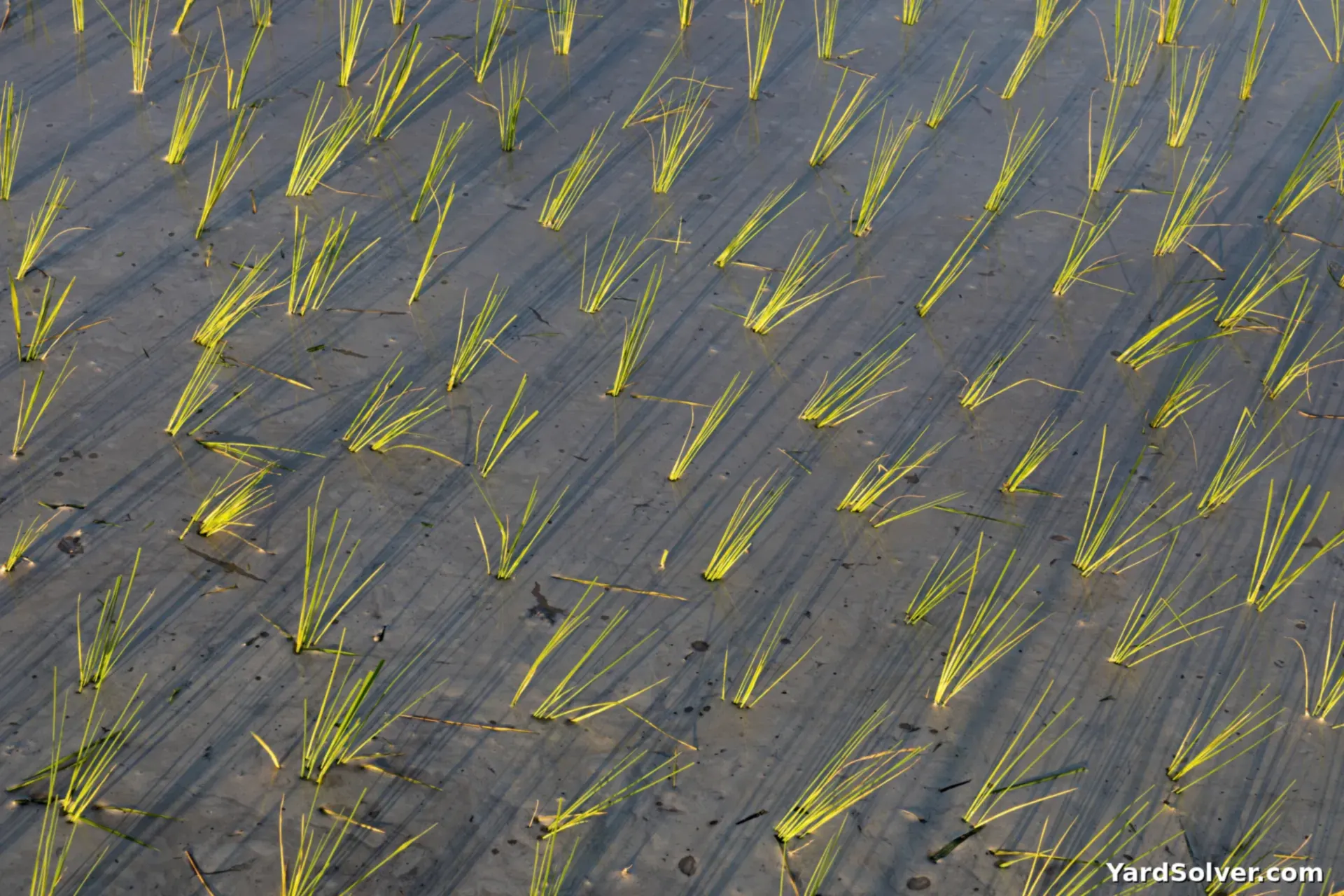
Sun: Full sun. Heavy clay or loamy soil that holds water — rice loves wet ground. In buckets, use rich potting mix with no drainage holes. Work out how much you need with the Garden Mix Calculator or the Raised Bed Soil Calculator.
Step 3 — Sow and plant out
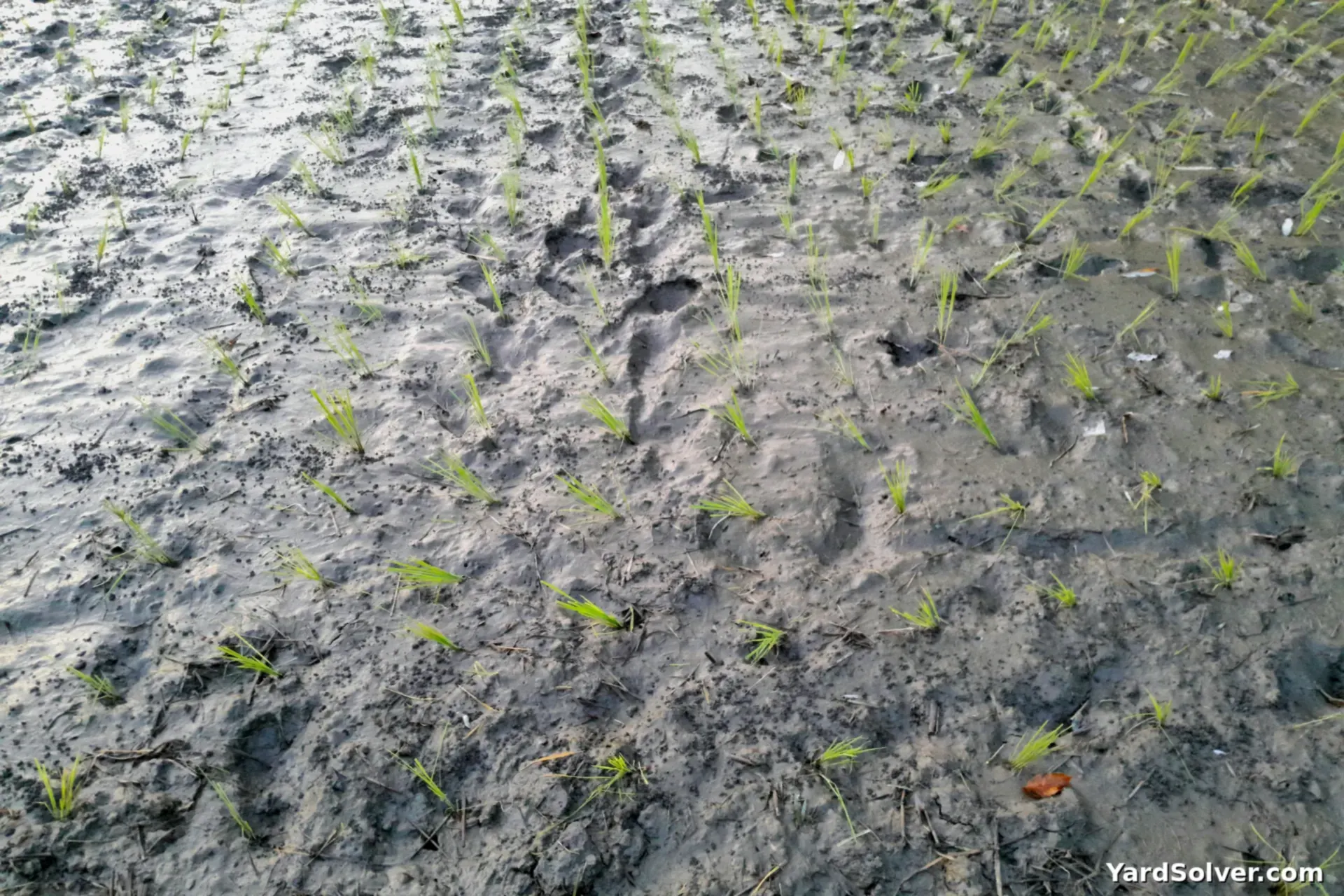
Soak seed in non-chlorinated water for 24–36 hours first, then sow 1/2 in deep. Space plants 6–10 in apart. The Plant Spacing Calculator turns that spacing into plants-per-bed.
Step 4 — Water and feed
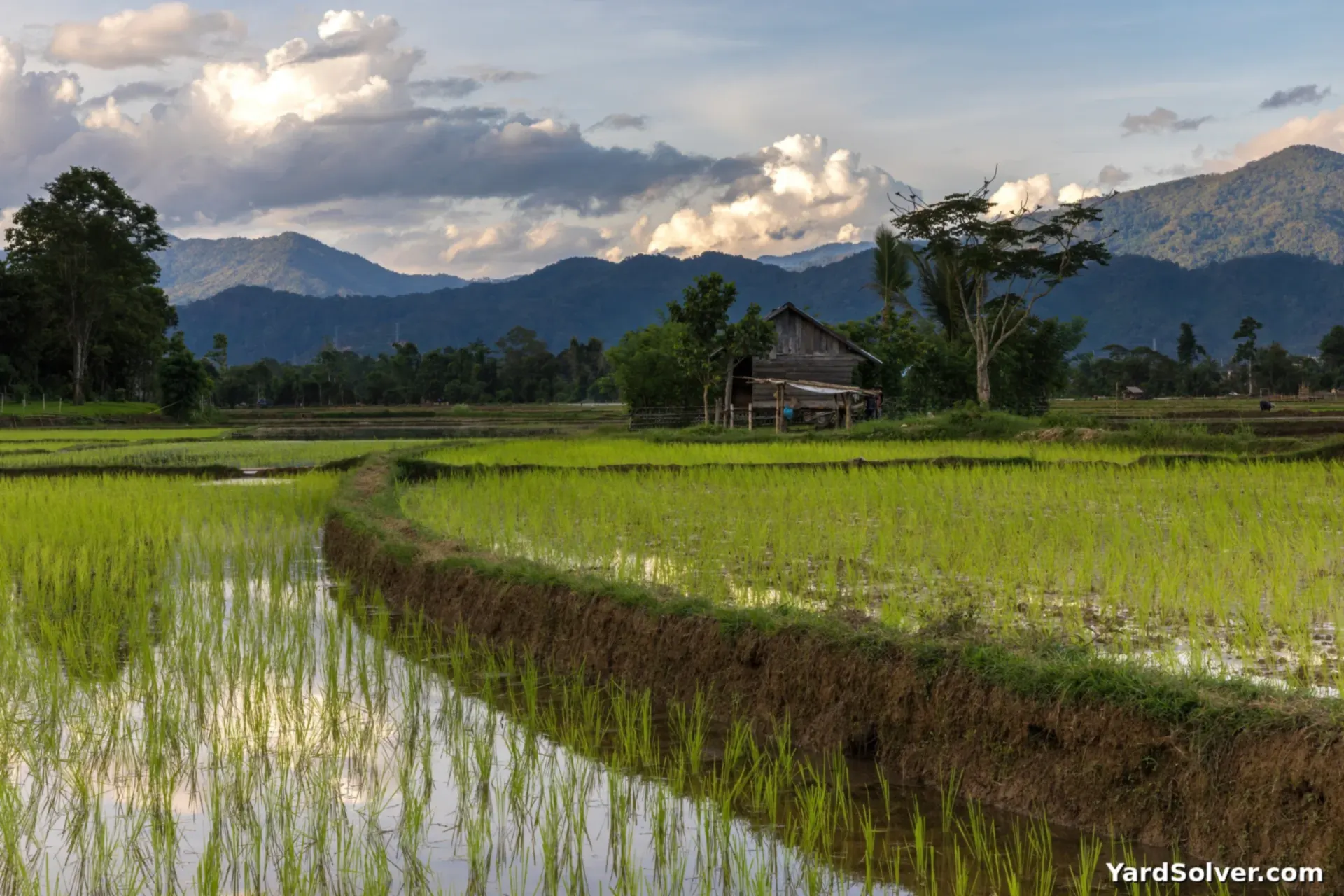
Water: Plenty — keep soil wet; paddy types need standing water. Feed with a balanced fertilizer once plants are growing strongly — rice is hungry in wet soil. The Fertilizer Calculator turns a bed size into the right amount.
Step 5 — Care and the problems to watch for
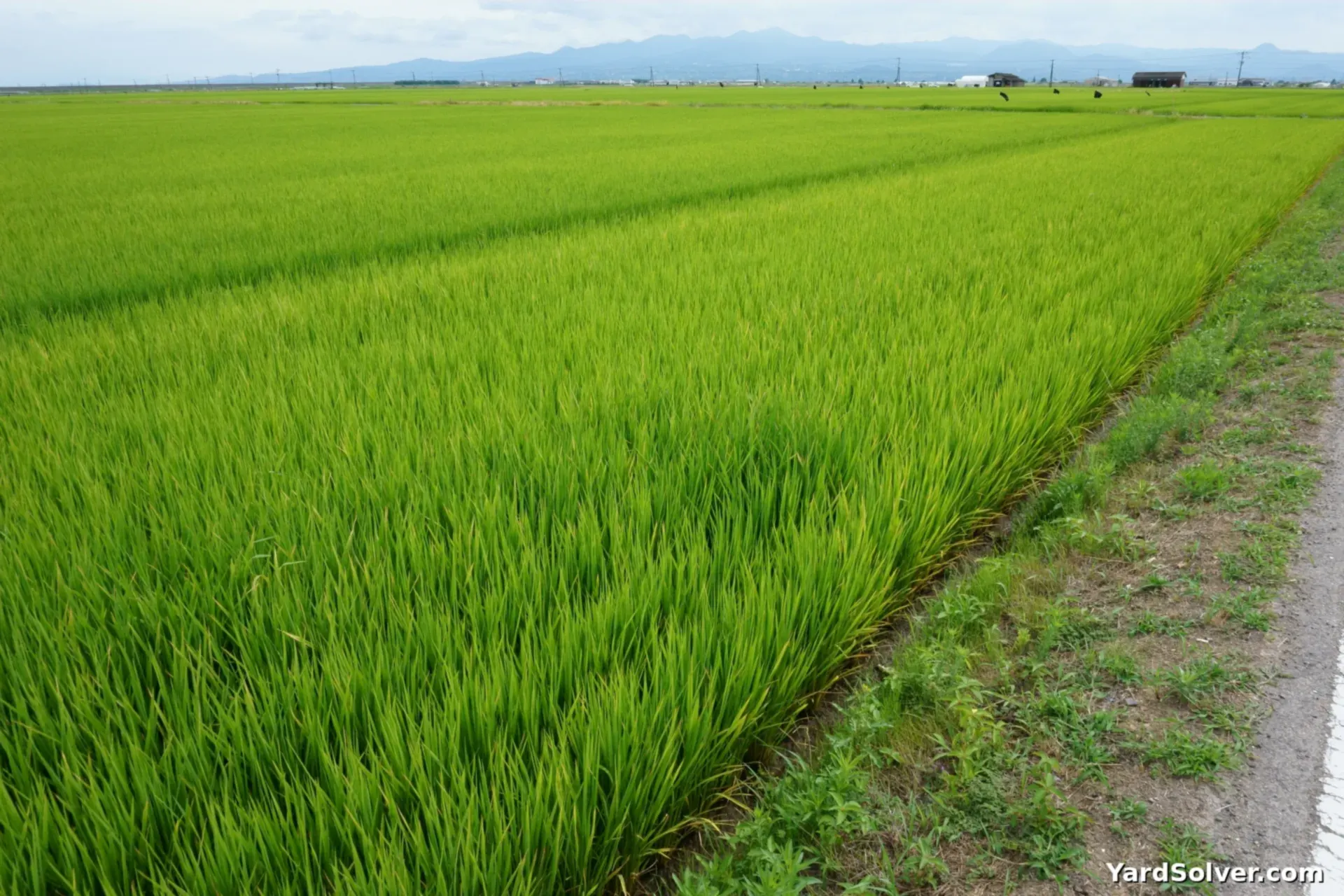
Cold — rice needs warmth all season; a cold snap stalls it badly. Weeds — rice does not compete well; keep the patch weed-free. Threshing — separating grain from husk by hand is slow work; a small harvest is a fun afternoon, not a farm.
Step 6 — Harvest
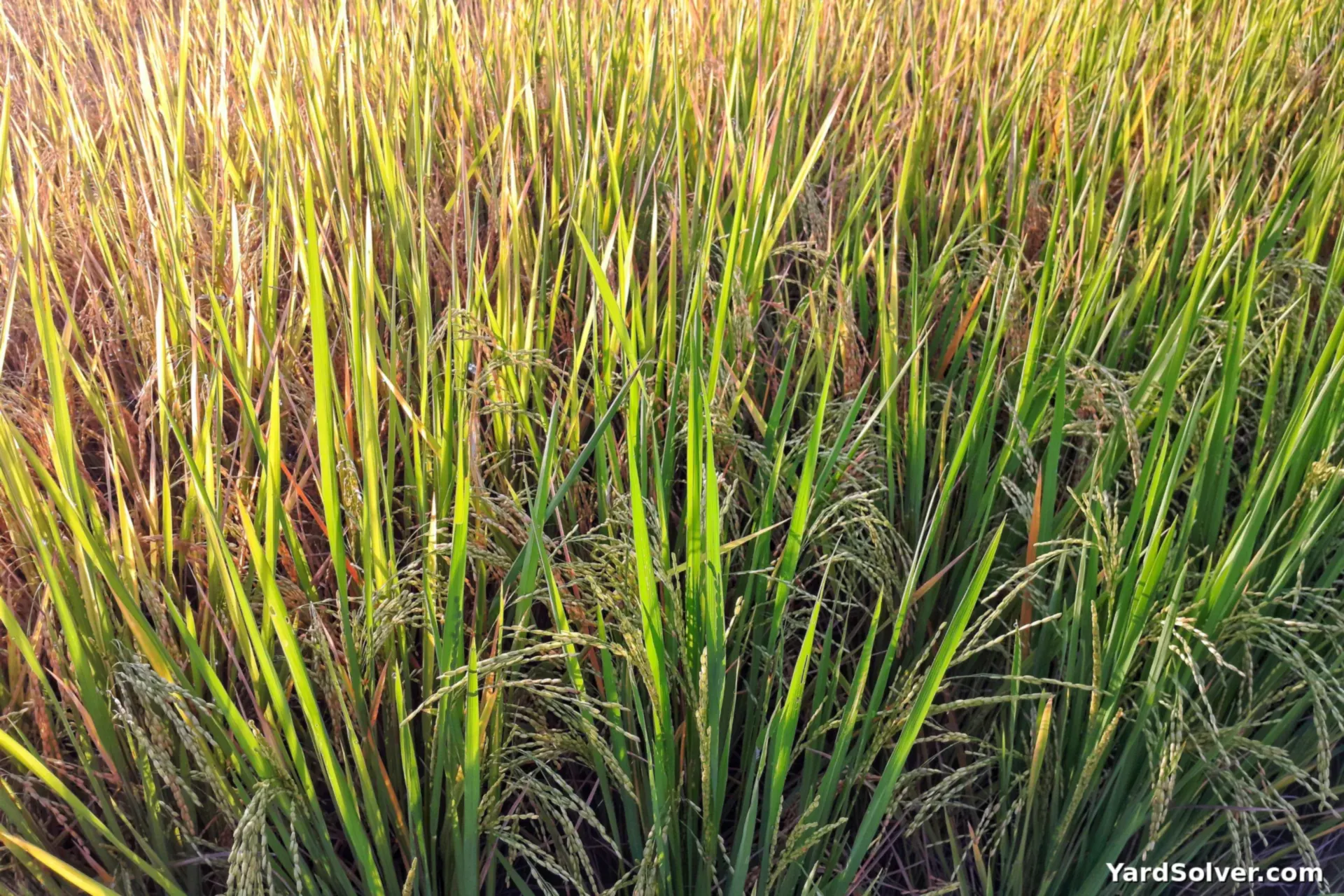
Ready in: 120–180 days. Cut the stalks when the grains are golden and dry, then thresh and hull by hand. Expect a bowl or two from a bucket — this is an experiment, and a lovely one.
📅 Your personal Rice schedule
Counted from your planting day — not a generic calendar. Day 0 is the day the seed went in the ground or the young plant went out.
Varieties worth growing
| Variety | Colour | Why gardeners like it |
|---|---|---|
| Duborskian | Brown | A short-season upland rice from Russia — about 115 days, the best first try in cool climates |
| Loto | Brown | An upland variety that grows to 3 ft and matures in about 110 days, even in Vermont |
| Hayayuki | Brown | A very short-season type for cool summers |
| Scarlett | Red | Known for its rich red grains — a beautiful novelty |
Good for you — and take care
Benefits
- A fascinating crop to grow with children
- Upland varieties need no flooding at all
- A small home harvest is deeply satisfying
- Teaches you exactly where food comes from
Take care
- Rice is a warm-season crop — in cold climates it is a bucket or greenhouse experiment, not a field crop.
- Expect a small harvest: a bucket of rice gives a bowl or two, not a sack.
- Hull the grain before eating — brown rice still has its bran, white rice is hulled and polished.
Problems to watch for
- Cold — rice needs warmth all season; a cold snap stalls it badly.
- Weeds — rice does not compete well; keep the patch weed-free.
- Threshing — separating grain from husk by hand is slow work; a small harvest is a fun afternoon, not a farm.
A little history — and one good fact
Rice has fed more people than any other crop in history. It was first grown in China over 9,000 years ago, and from there it spread across Asia and the world — today it is the staple food of more than half the world's people.
Fun fact: More than half the people on Earth eat rice every day — and a single bucket of it can teach a child more about food than a shelf of books.
Keep going
Guides: How to Harden Off Seedlings · How to Read a Seed Packet · How to Grow Rice — the full guide
Calculators: Plant Spacing Calculator · Seed Calculator · Fertilizer Calculator · Garden Mix Calculator
Plan it: Garden Planner · Planting Calendar · Companion Planting Chart · Seed Box
← Back to the Plant Library · Get your personal planting dates
Questions people ask
When do I plant rice?
Start indoors 6–8 weeks before last frost; transplant after last frost into wet soil. In warm zones you can direct sow.
How far apart do I space rice?
Space plants 6–10 in apart, with seed sown 1/2 in deep after a 24–36 hour soak. Sun: full sun.
When is rice ready to harvest?
120–180 days, depending on variety. Cut the stalks when the grains are golden and dry, then thresh and hull by hand.