
Plant Library · Vegetables
🎋 How to Grow Sugar Cane

Sugar cane is a tropical giant — a grass that grows 8–12 ft tall from stem cuttings, not seed, and stores sweet juice in its stalks. It takes 10–14 months to mature and is a perennial only in zones 9–11. In cold climates it is a container novelty: grow it in a big pot, bring it in before frost, and chew the sweet stalks.
Grow Sugar Cane with us — step by step
Everything for this plant is written step by step below — what to do, and exactly when. Read it through first if you like: you can grow it entirely on your own with that guide. Or start with us here — tell us your planting day and we lay out your personal schedule on this page, every next step on its own day, counted from your planting date. No guessing, no forgetting.
Step 1 — today: Plant your Sugar Cane setts today, laid 2–4 in deep, 12–18 in apart in rows 36–60 in apart, buds facing up, in rich moist soil — and water in well.
Sugar Cane at a glance
Sow outside: 1 week after last frost
Spacing: 12–18 in · Seed depth: 2–4 in
Sun: Full sun
Water: Plenty — keep well watered
Harvest: 10–14 months (perennial zones 9–11)
Timing counts from your average last spring frost — get your own dates in the Planting Calendar. Guidance follows standard extension-service practice for Canada and the US.
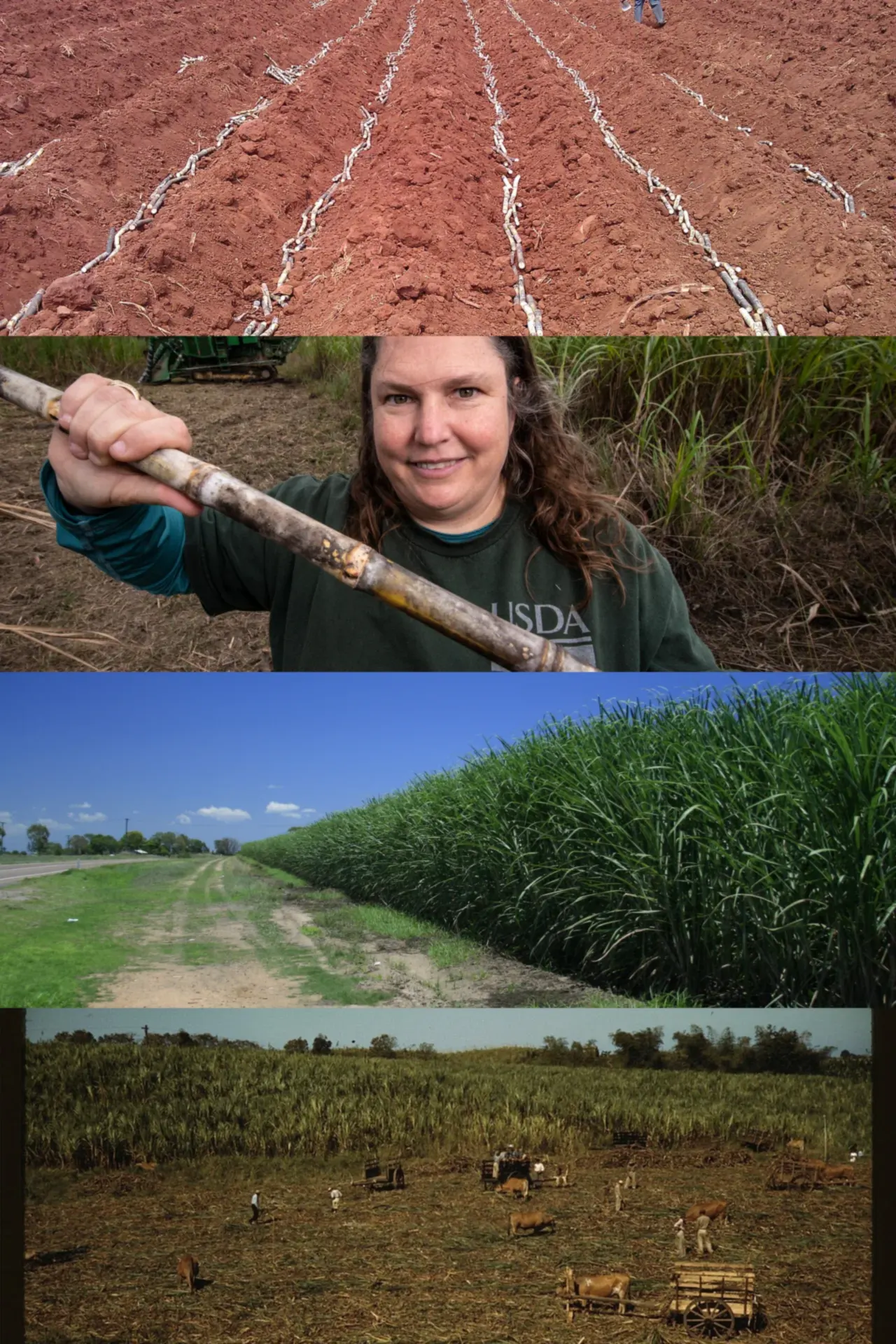
How to plant and grow sugar cane, step by step
Step 1 — Time it right
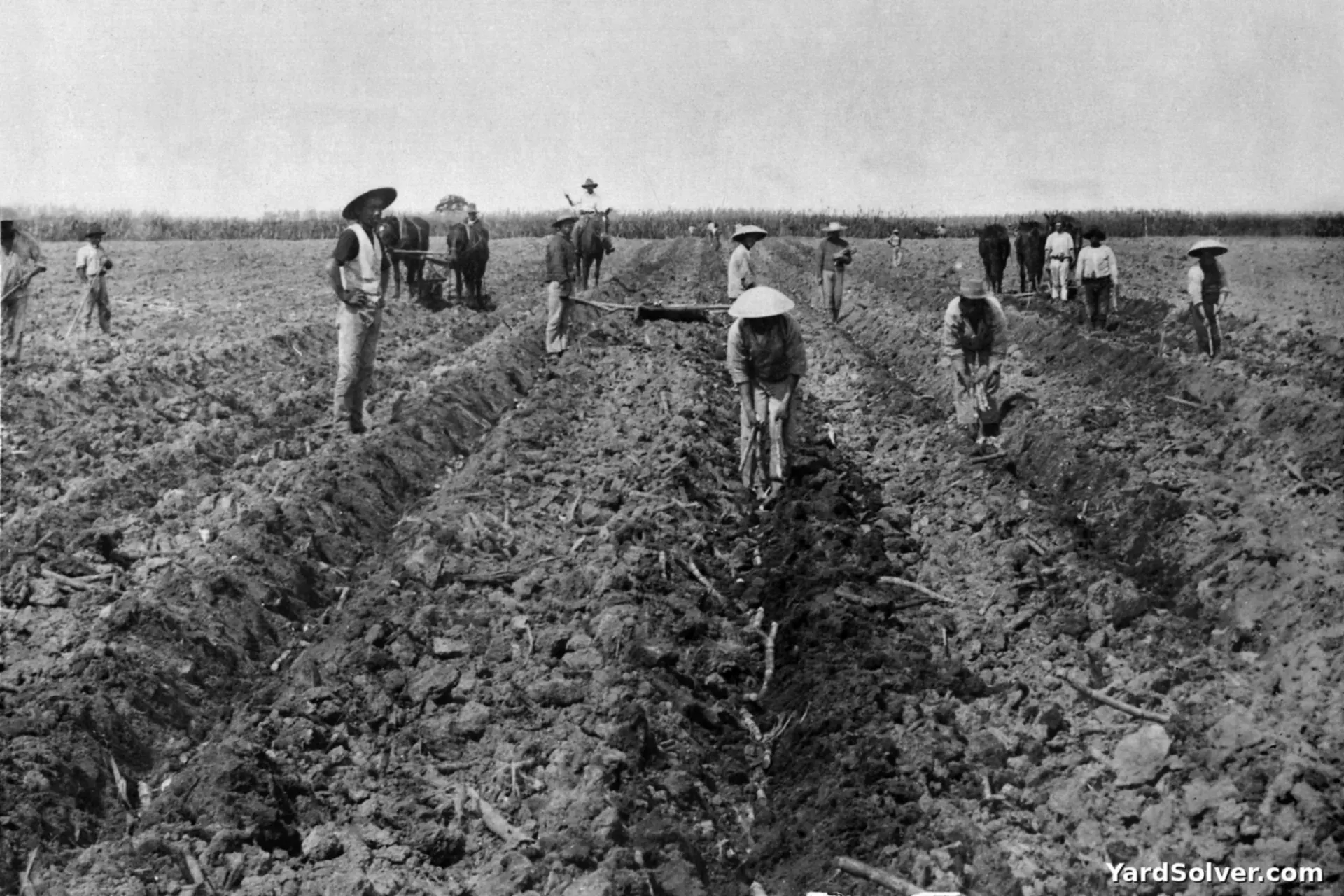
Plant stem cuttings (setts) after last frost, once the soil is warm. In the tropics, plant in fall. All dates count from your average last spring frost — the Planting Calendar turns them into real dates for your garden.
Step 2 — Prepare the spot
Sun: Full sun. Rich, moist, well-drained soil with plenty of compost. Sugar cane is hungry and thirsty. Work out how much you need with the Garden Mix Calculator or the Raised Bed Soil Calculator.
Step 3 — Sow and plant out
Lay 2–3 ft stem pieces (setts) in furrows 2–4 in deep, 12–18 in apart in rows 36–60 in apart, buds facing up. The Plant Spacing Calculator turns that spacing into plants-per-bed.
Step 4 — Water and feed
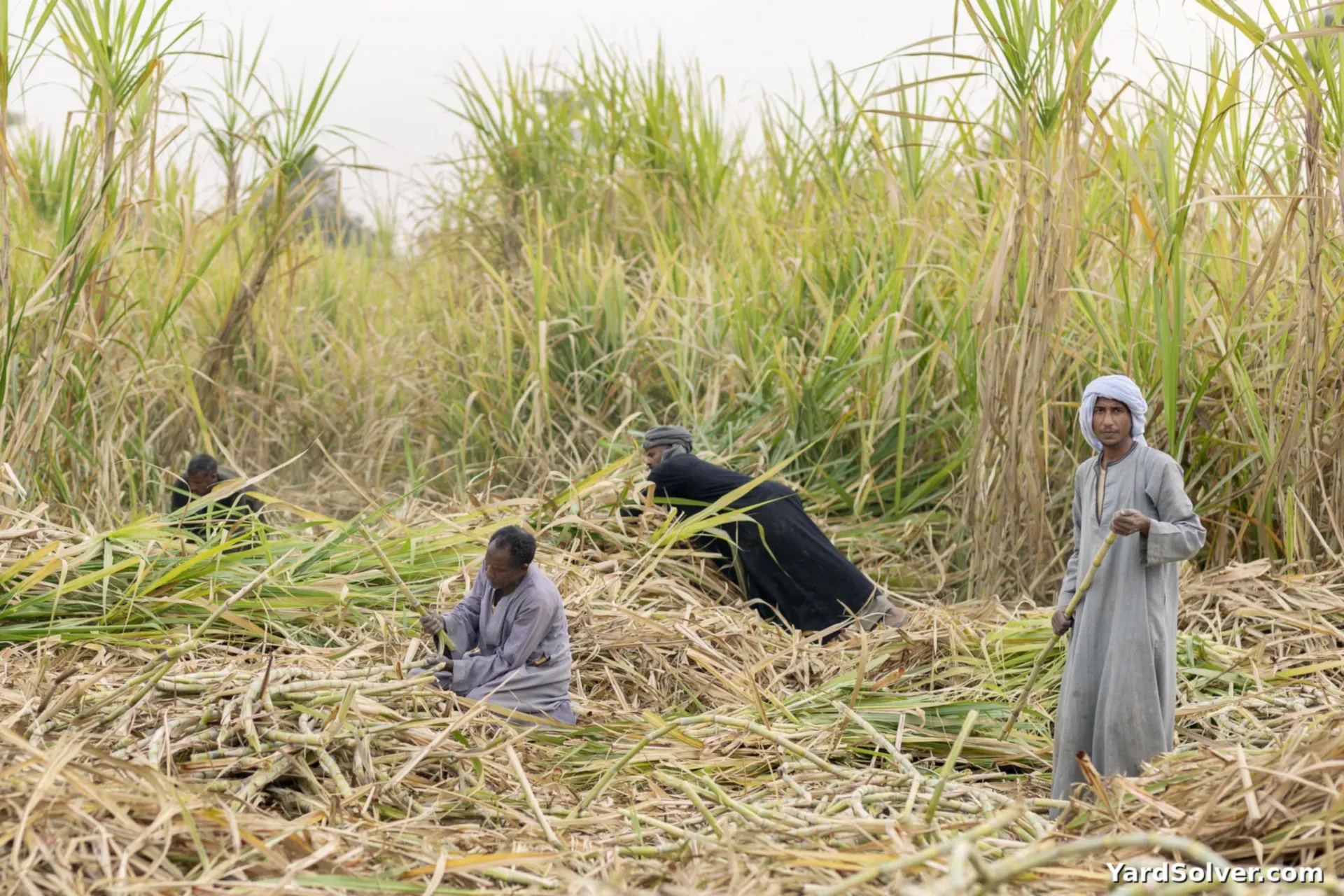
Water: Plenty — keep well watered. Feed monthly with a balanced fertilizer through the growing season — cane is one of the hungriest crops there is. The Fertilizer Calculator turns a bed size into the right amount.
Step 5 — Care and the problems to watch for
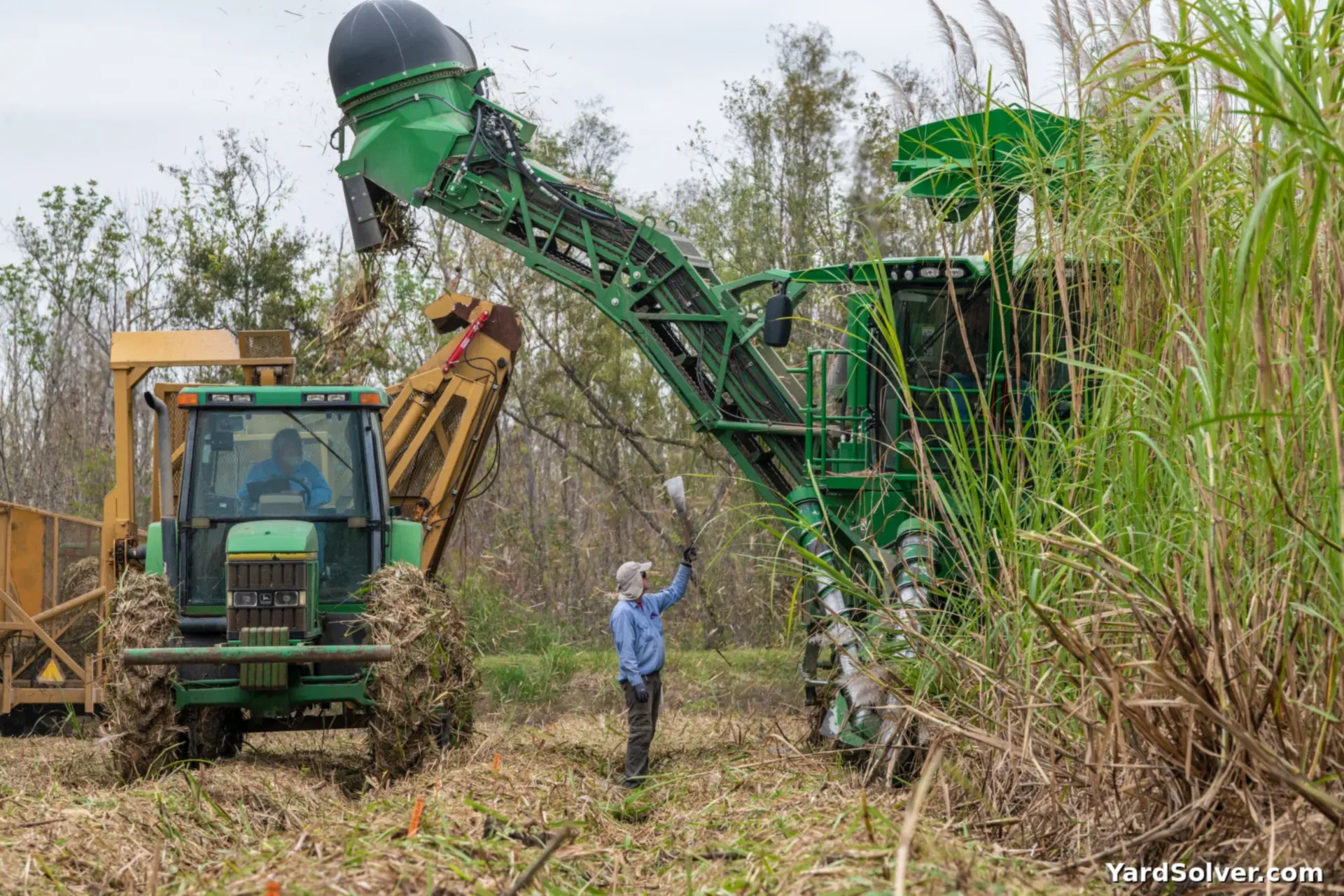
Frost — a single frost kills the tops; in cold climates, grow in a pot and bring it in. Wind — tall canes fall over; plant in a sheltered spot or stake them. Borer insects — in warm zones, borers tunnel the stalks; cut out affected canes.
Step 6 — Harvest
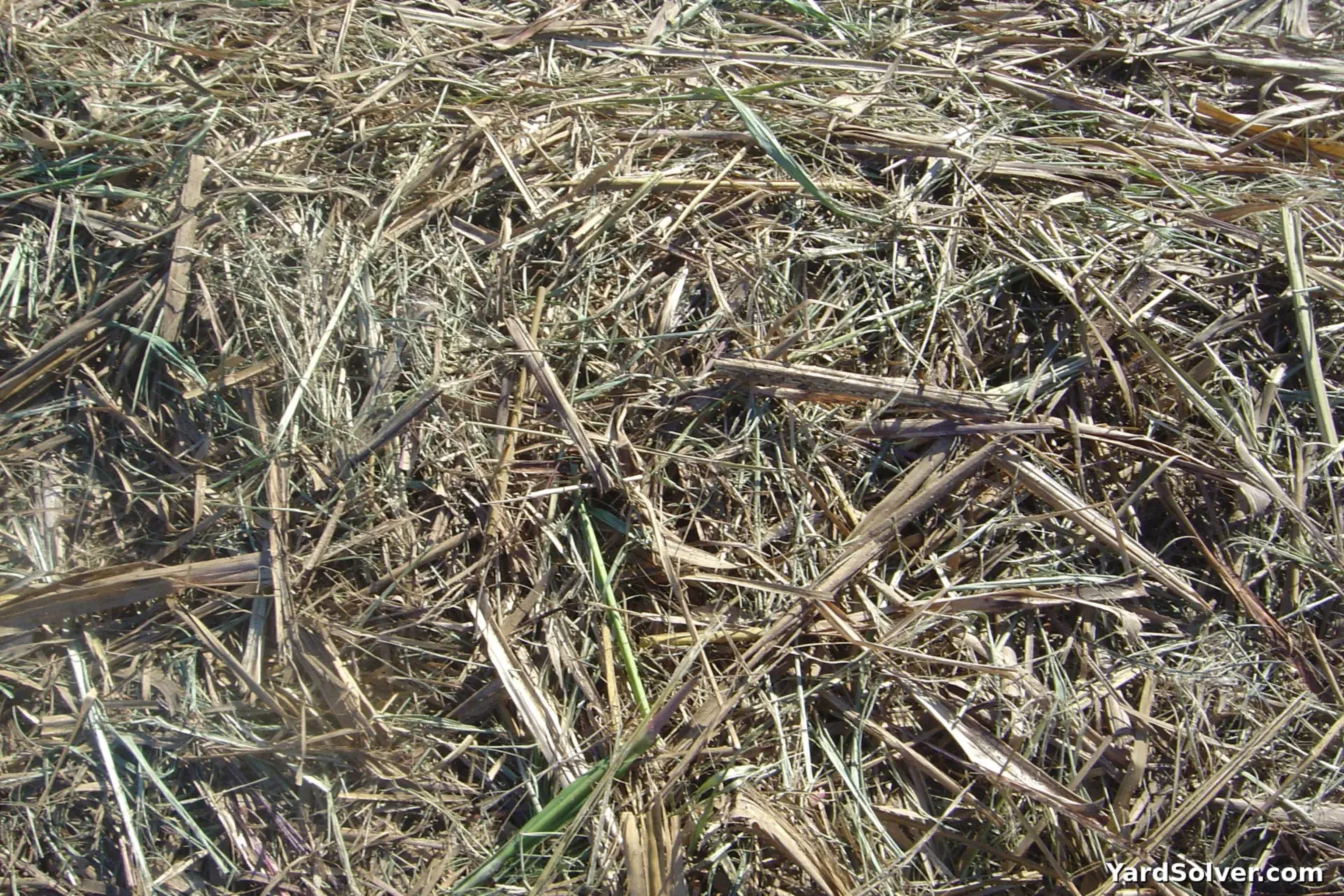
Ready in: 10–14 months (perennial zones 9–11). Cut stalks, peel, and chew for the sweet juice — spit out the fibre. In cold climates, enjoy it as a container novelty.
📅 Your personal Sugar Cane schedule
Counted from your planting day — not a generic calendar. Day 0 is the day the seed went in the ground or the young plant went out.
Varieties worth growing
| Variety | Colour | Why gardeners like it |
|---|---|---|
| Hawaiian Red | Red | A sweet, red-stemmed type popular for chewing |
| Louisiana Purple | Purple | A hardy type grown in the southern US |
| Hawaiian Yellow | Yellow | A sweet yellow-stemmed variety |
| Pele's Smoke | Dark purple | A striking dark variety for chewing |
Good for you — and take care
Benefits
- A sweet, chewy treat straight from the garden
- A dramatic tropical-looking plant
- Grows from stem cuttings — no seed needed
- A fun project for children
Take care
- Sugar cane is a tropical perennial — in Canada and the northern US it is a container plant, brought in before frost.
- The stalks are chewed for their sweet juice, not eaten whole — spit out the fibre.
- Do not expect to make sugar at home — that takes a mill and a lot of cane.
Problems to watch for
- Frost — a single frost kills the tops; in cold climates, grow in a pot and bring it in.
- Wind — tall canes fall over; plant in a sheltered spot or stake them.
- Borer insects — in warm zones, borers tunnel the stalks; cut out affected canes.
A little history — and one good fact
Sugar cane comes from New Guinea, where it was first grown thousands of years ago. It spread across Asia and was carried to the Americas by Columbus, where it became one of the great plantation crops — and, sadly, one tied to slavery. Today it is still one of the world's biggest crops.
Fun fact: Sugar cane is a grass — a close relative of corn and sorghum — and it can grow 12 ft tall in a single season.
Keep going
Guides: How to Harden Off Seedlings · How to Read a Seed Packet · How to Grow Sugar Cane — the full guide
Calculators: Plant Spacing Calculator · Seed Calculator · Fertilizer Calculator · Garden Mix Calculator
Plan it: Garden Planner · Planting Calendar · Companion Planting Chart · Seed Box
← Back to the Plant Library · Get your personal planting dates
Questions people ask
When do I plant sugar cane?
Plant stem cuttings (setts) after last frost, once the soil is warm. In the tropics, plant in fall.
How far apart do I space sugar cane?
Space setts 12–18 in apart in rows 36–60 in apart, laid 2–4 in deep. Sun: full sun.
When is sugar cane ready to harvest?
10–14 months after planting, in zones 9–11. In cold climates, grow it in a pot and chew the stalks as a novelty.