
Guides · Plant problems · Published November 1, 2026
How to Get Rid of Japanese Beetles
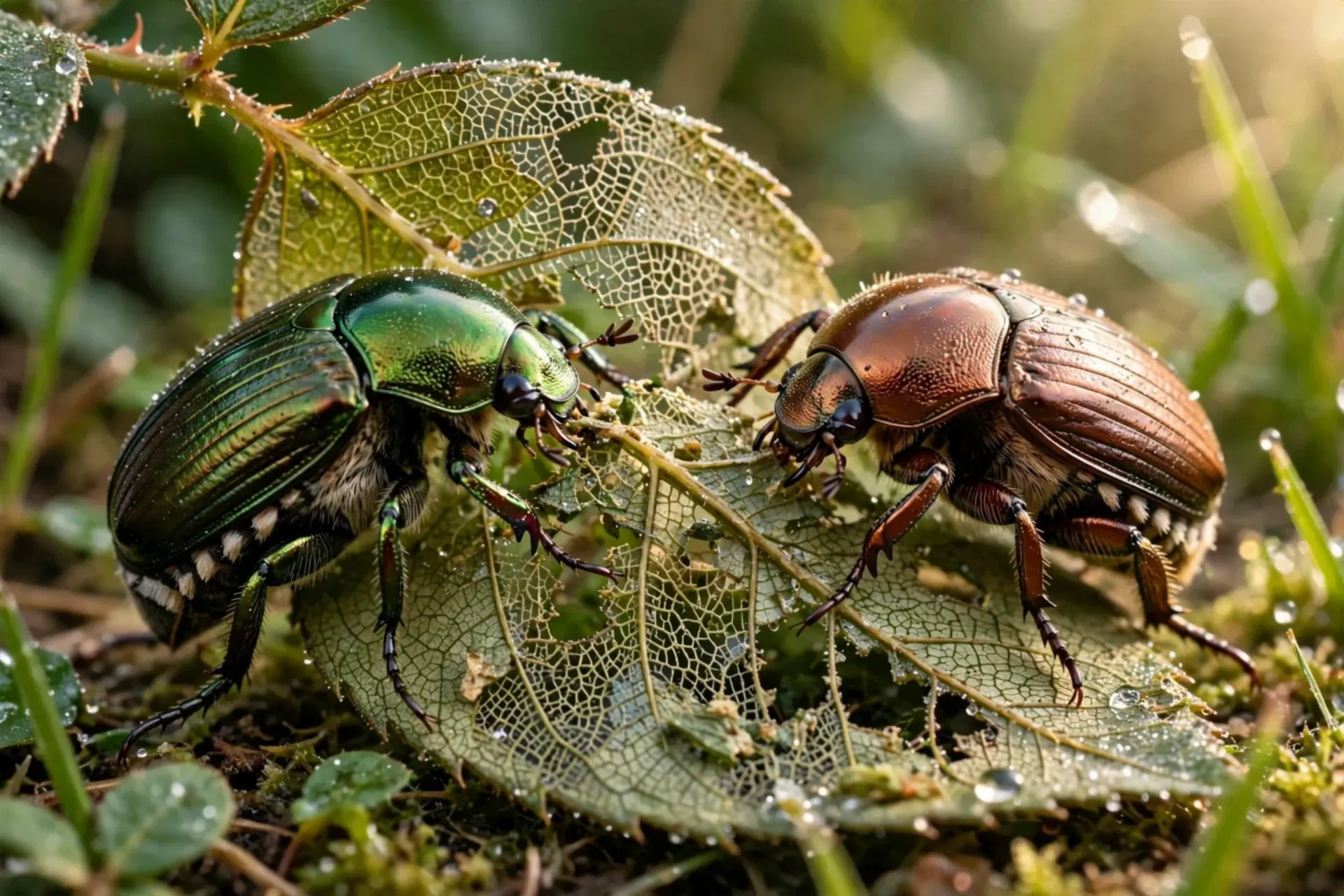
Japanese beetles arrive like a festival — metallic green and copper, in crowds, for about six weeks of summer — and leave lace where your rose, linden, basil and bean leaves were. Spraying the swarm in front of you is the least useful response. The control that actually compounds year over year works both halves of their life: adults knocked down daily during the flight, and grubs treated in the lawn where next summer's beetles are already growing.
Signs it is Japanese beetles (not something else)
- Skeletonized leaves: tissue eaten between the veins, leaving brown lace — on roses, lindens, birches, beans, basil, grapes
- The beetles themselves: about 1/2 inch (12 mm), metallic green head and thorax, copper-brown wing covers, five white tufts along each side
- Timing: adults fly late June through August in most of Canada and the northern US — a tight, predictable season
- Below ground: C-shaped white grubs in the lawn in spring and fall; patches of turf that roll back like carpet
Step 1 — Hand-pick into soapy water, morning and evening
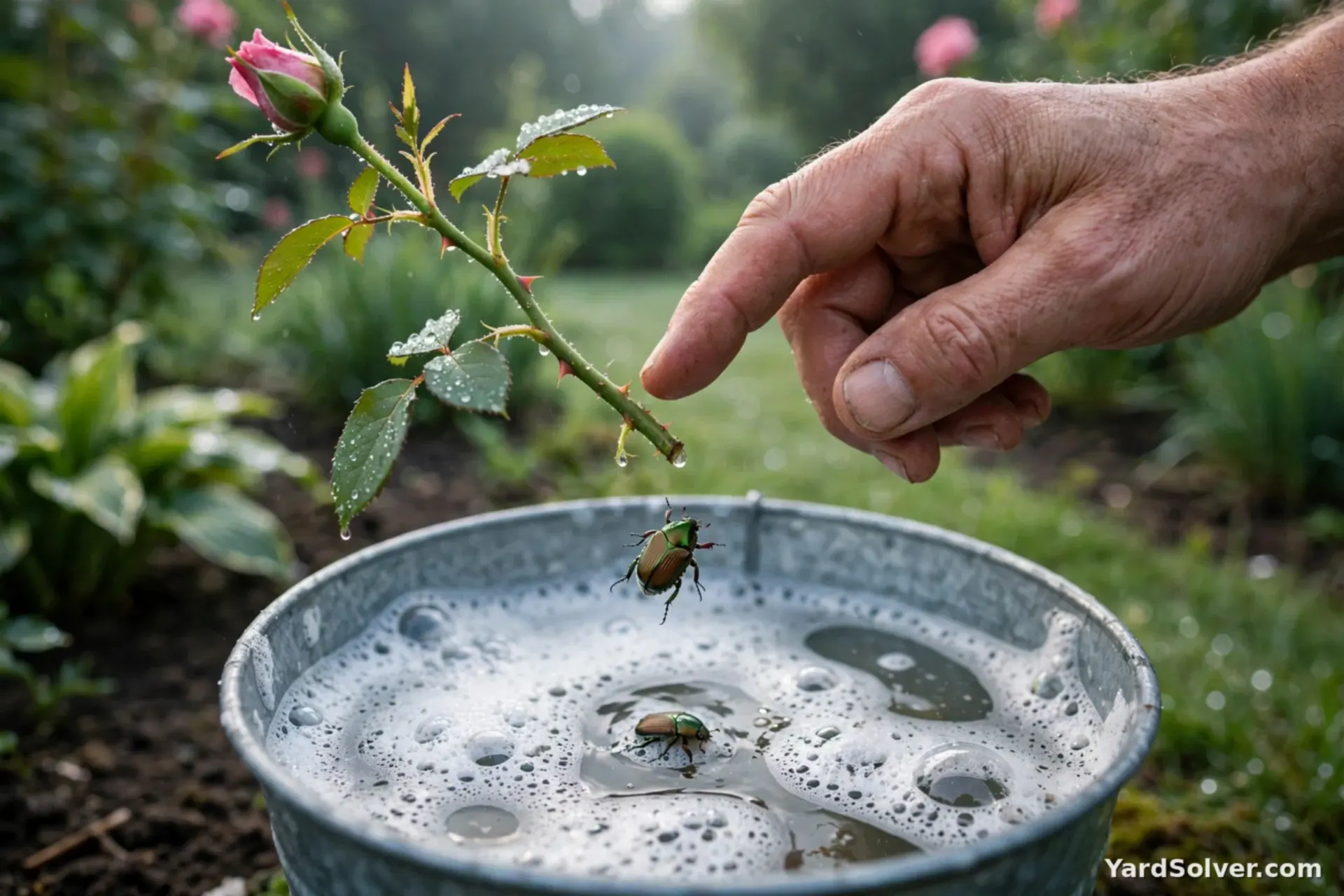
The single most effective adult control is a bucket of water with a squirt of soap and ten minutes of your morning. Japanese beetles are sluggish in cool weather and their escape reflex is to drop — hold the bucket under the cluster, tap the stem, and they fall in; the soap breaks the surface tension so they cannot climb out. Repeat in the evening. It feels endless in week one, but every beetle drowned is roughly 40 eggs that never reach your lawn, and gardens that do the daily round visibly peak and decline within a fortnight while unpicked gardens feed the full six weeks. Do the round before reaching for any spray.
Step 2 — Shield the plants they love most
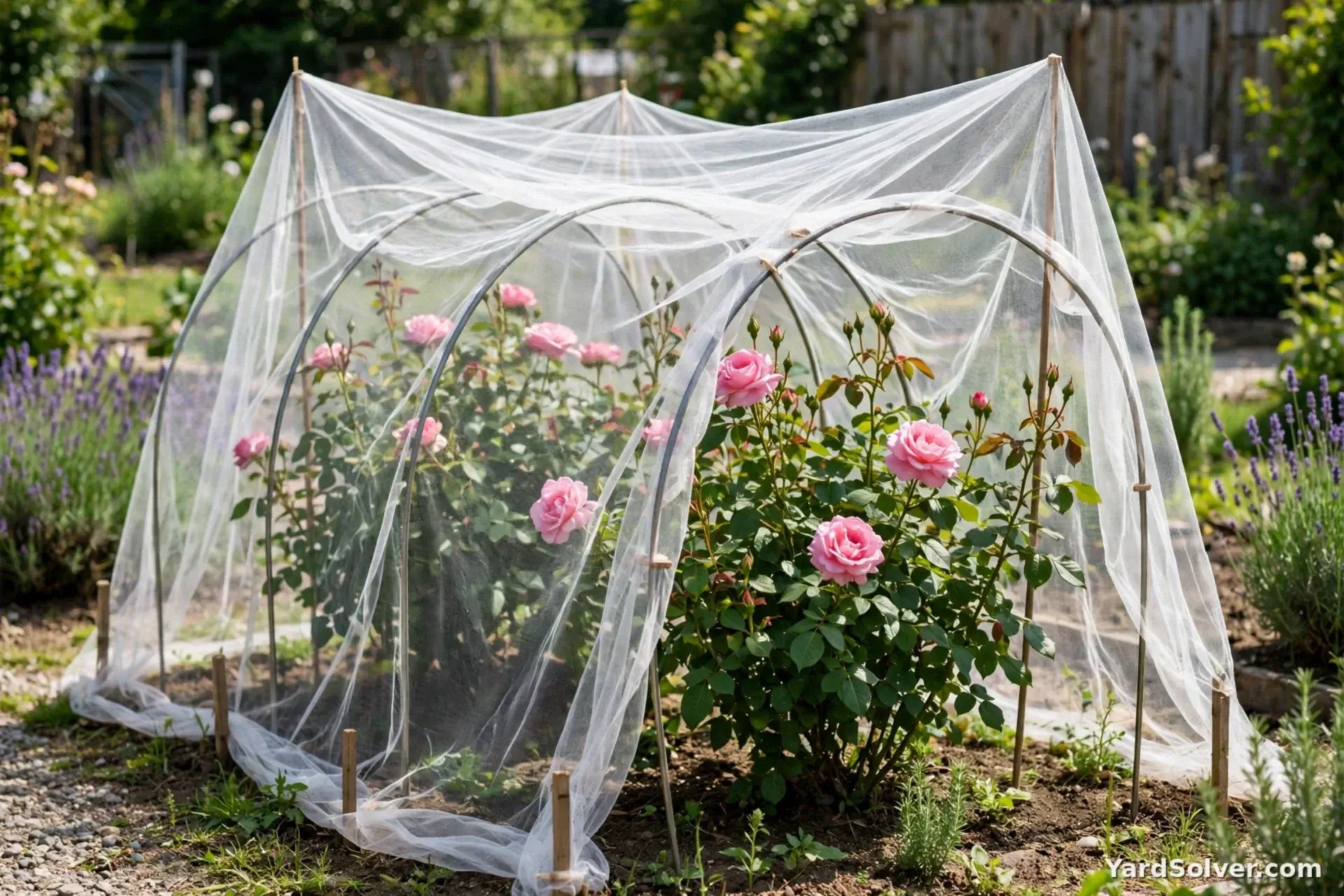
Beetles have a hit list — roses, lindens, birch, elm, grape, raspberry, basil, beans, okra — and during the peak flight weeks, fine insect netting or floating row cover over the top targets is honest, total protection. Drape it over hoops or a frame so it does not rest on the leaves (beetles feed through mesh that touches), and seal the edges. For fruiting plants that need pollinators, cover during the worst two to three weeks and uncover for flowering, or hand-pollinate under the net. One prized rose under netting often matters more than a whole border fought over daily — the same barrier logic as the deer netting in How to Keep Deer Out of the Garden.
Step 3 — Use traps correctly — or not at all
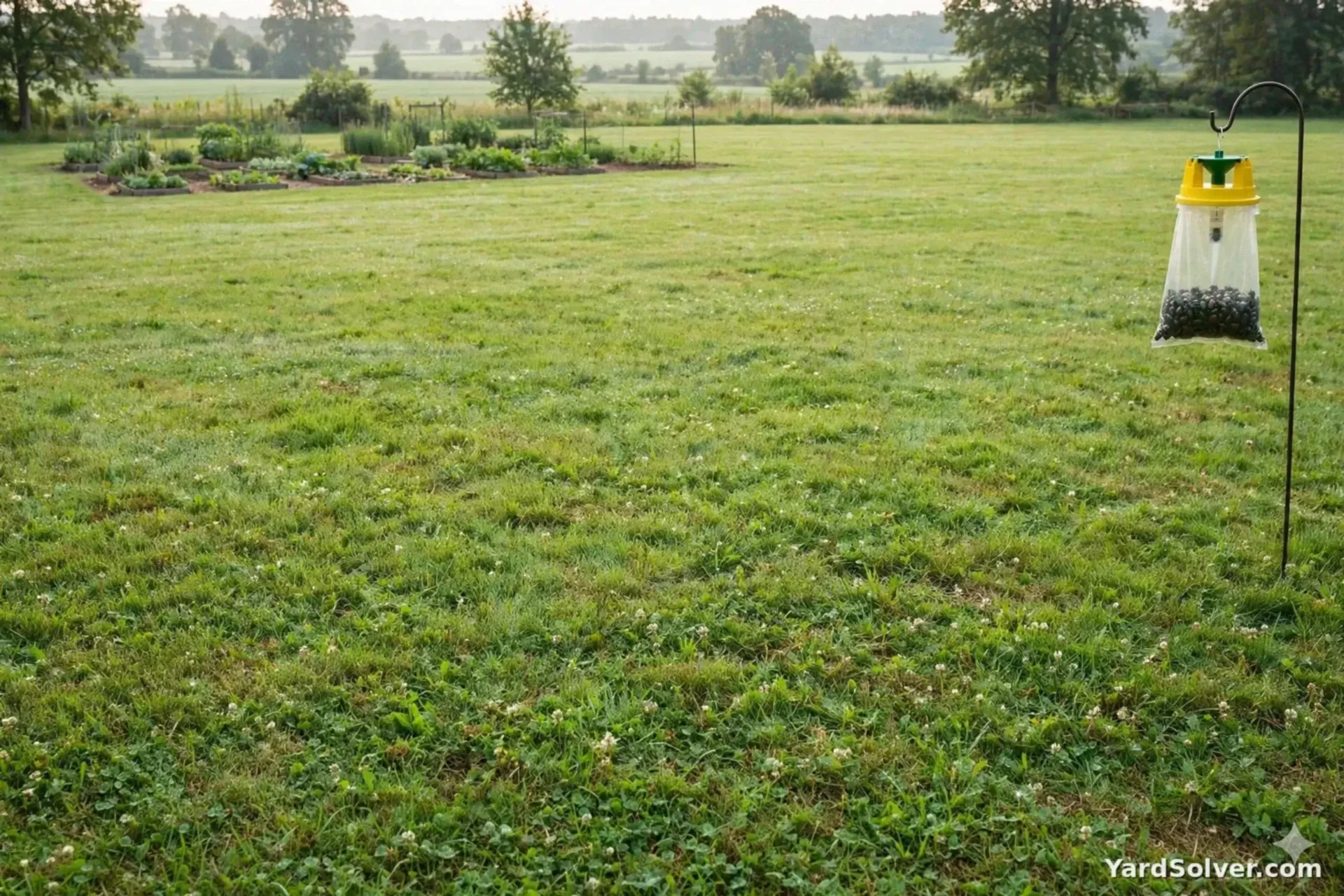
Bag traps with floral-and-pheromone lures catch beetles by the thousand — and attract far more than they catch. Placed beside your roses, a trap imports the neighbourhood's beetles to your garden. Research-backed placement is at least 30 feet (9 m) — better, several hundred feet on a large property — downwind and away from the plants you value, ideally as a community effort on big lots. On a typical suburban yard, the honest advice is to skip the trap entirely and spend the same money on netting and a bucket. Whatever you choose, never hang a fresh lure inside the garden itself.
Step 4 — Treat the grubs where they actually live
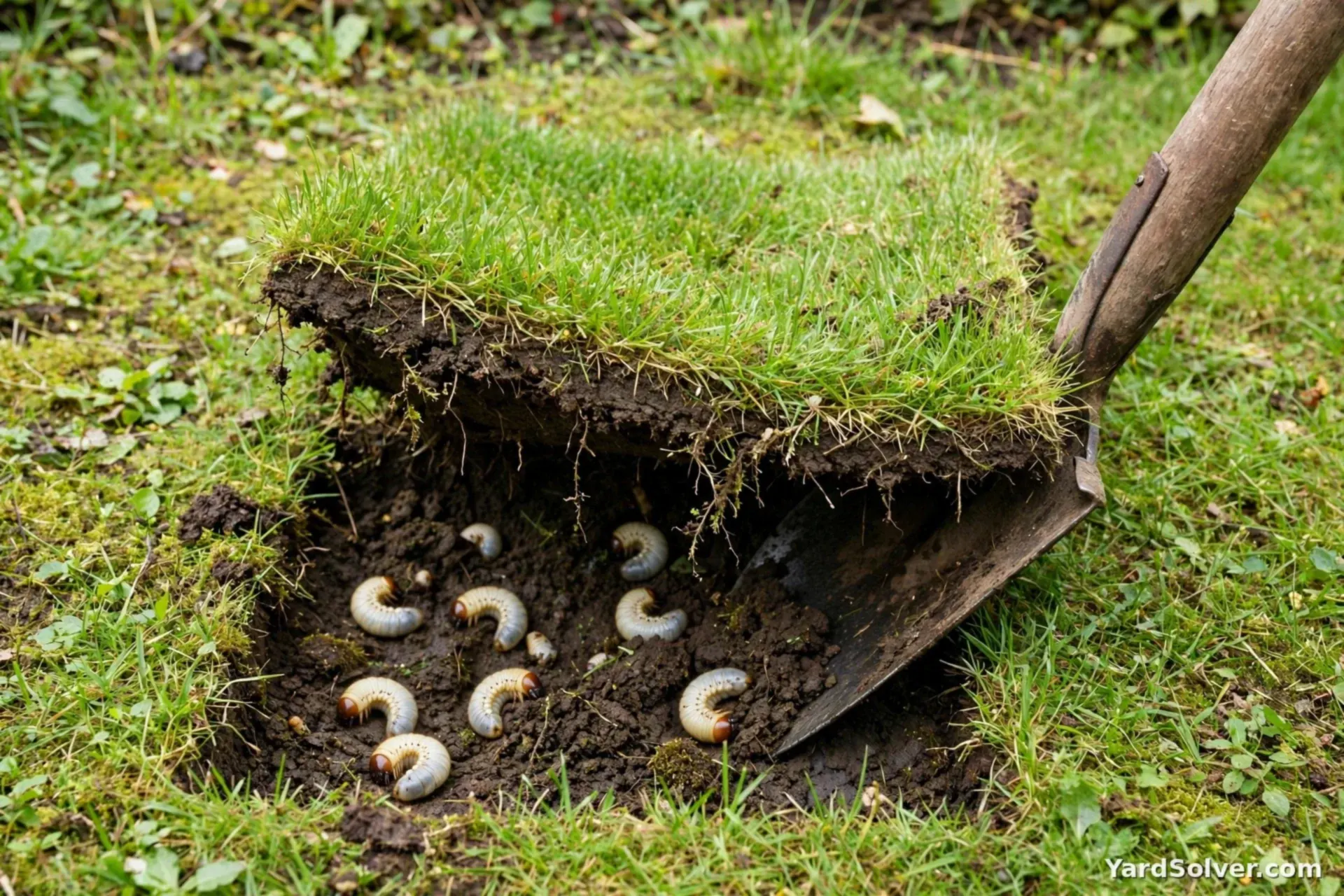
Adults lay eggs in lawn soil in mid-summer; the grubs hatch, feed on roots into fall, overwinter deep, feed again briefly in spring, and emerge as your June problem. Breaking that cycle is the long game. Milky spore (a bacterial disease specific to these grubs) is slow — it builds over 2–3 seasons — then persists for a decade or more. Beneficial nematodes (Heterorhabditis bacteriophora) and Bt galleriae products work the season you apply them, best on young grubs in late summer, watered in well. Whichever you choose, timing beats product: treat in late summer when grubs are small and near the surface. A lawn that comes up like loose carpet in spring is the visible symptom — and the refresh routine in How to Overseed Your Lawn repairs the damage afterwards.
Step 5 — Spray last, and spray carefully
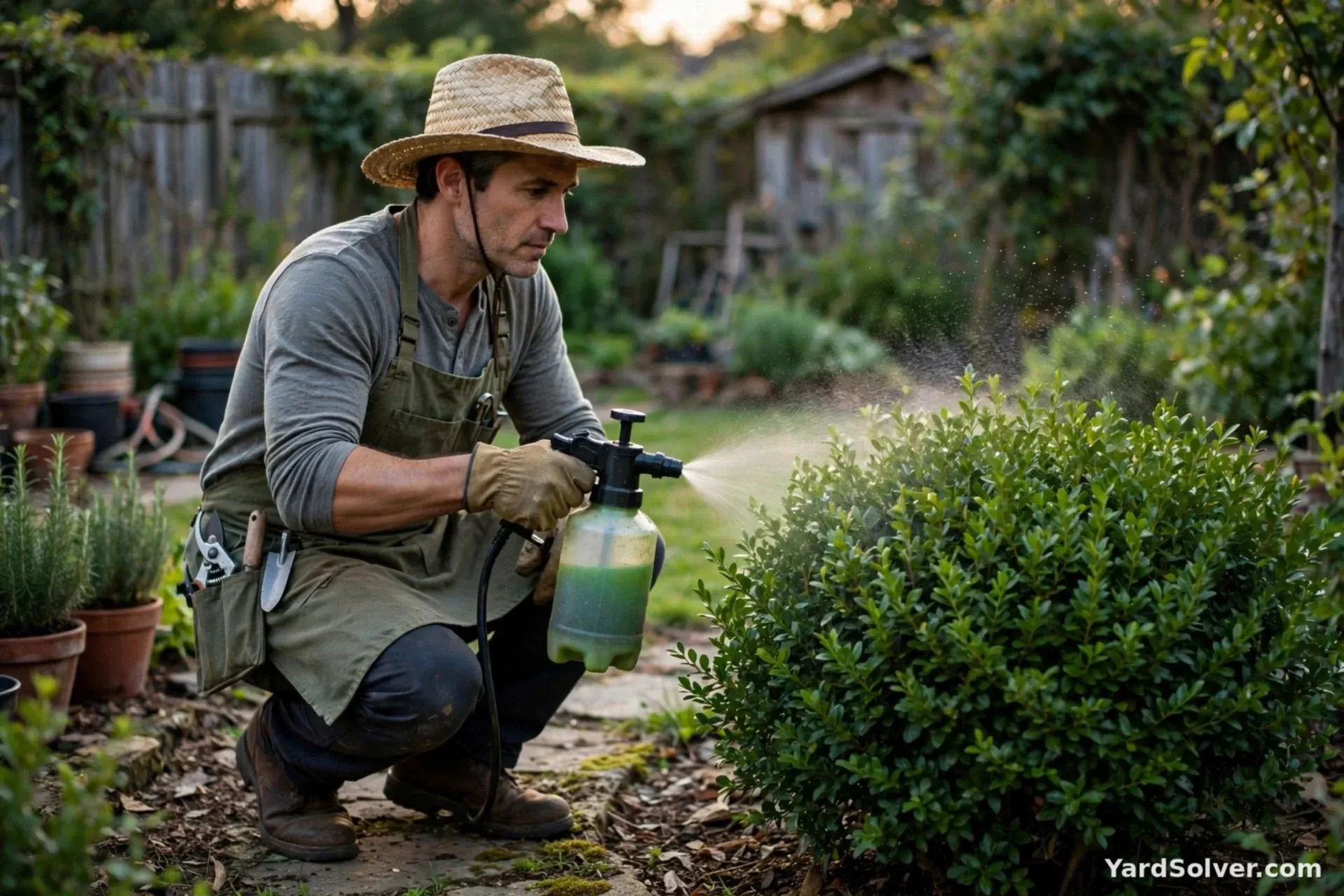
If numbers overwhelm picking and netting, neem and pyrethrin-based sprays knock beetles down on contact and neem discourages feeding for a few days — but both are broad-spectrum while wet, so the discipline matters more than the product: spray in the evening, when bees have gone home; never spray open flowers; and expect days, not weeks, of protection before re-treatment. Systemic insecticides on flowering trees like linden are the option to refuse — they move into the nectar of one of the most bee-visited trees in the garden. For most home gardens, steps 1–4 shrink the wave a little more each year until spraying stops being part of the conversation.
Keep going
Leaves being eaten but no beetles in sight? Work through What Is Eating My Plant Leaves? — the culprit may be nocturnal.
Lawns chewed from below and plants from above often arrive together: see also How to Get Rid of Aphids for the other summer swarm.
Questions people ask
Do Japanese beetle traps make the problem worse?
Beside the garden, yes — the lure pulls in more beetles than the bag can hold, and the overflow settles on your plants. Traps only earn their keep placed far downwind at the edge of a large property. On small lots, research and experience both say skip them.
When do Japanese beetles go away?
The adult flight lasts roughly six weeks — typically late June into August, peaking in July. Individual beetles live about 30–45 days. Damage stops when the flight ends, but the eggs they laid are already in your lawn, which is why the grub step matters.
Do Japanese beetles bite or sting?
No. They do not bite people or pets and carry no sting or disease risk to humans. Their entire threat is appetite: foliage skeletonized in summer, roots eaten by grubs in spring and fall.
Comments & ratings
No comments yet.
Be the first to share your experience.