
Guides · Lawn · Published November 1, 2026
How to Overseed Your Lawn
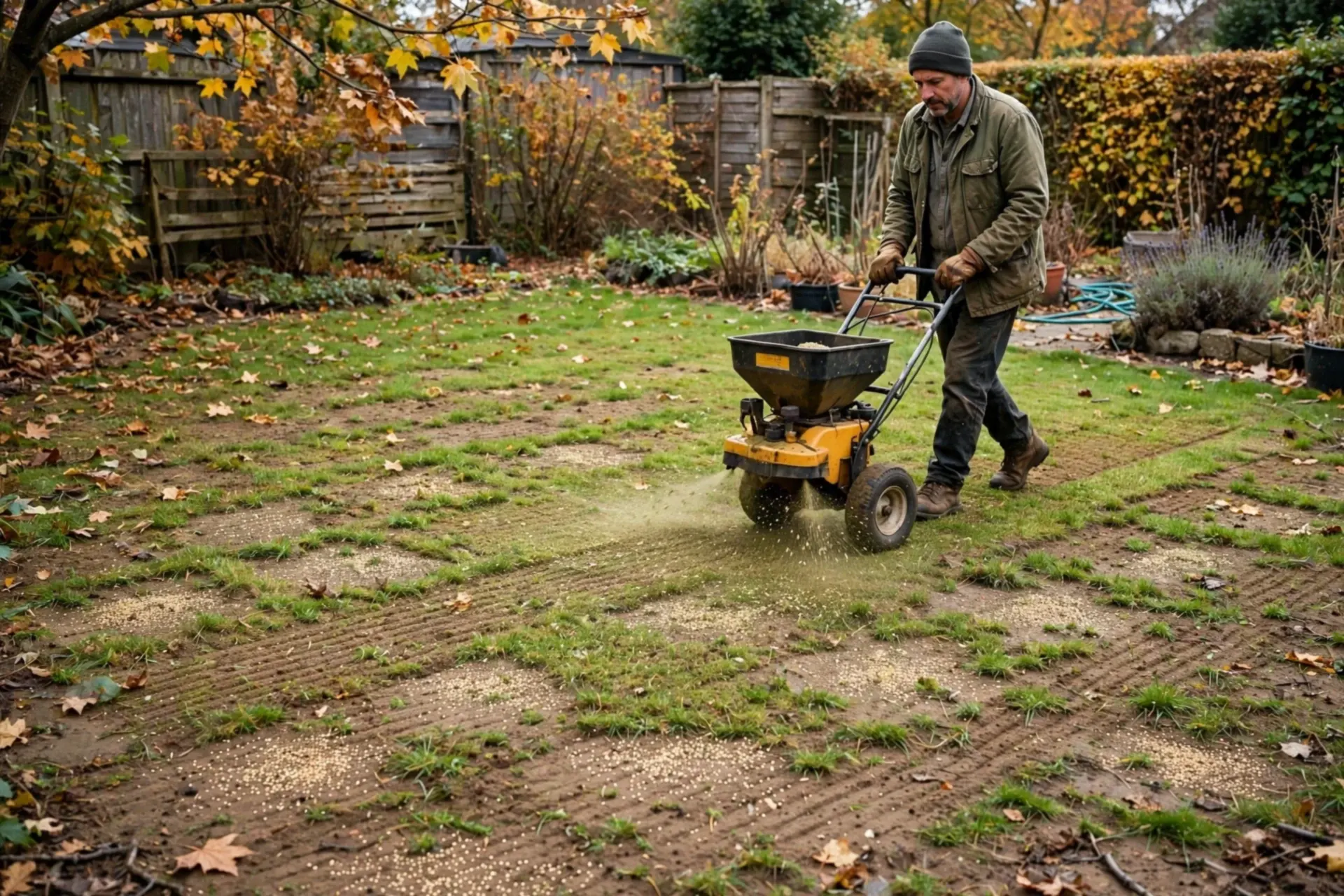
Overseeding is the cheapest lawn renovation there is — new grass seed spread over the existing lawn to thicken it — and its failure rate is a scandal, because the two things seed actually needs are free: contact with soil, and constant moisture until it roots. Do those two properly, in the right few weeks of the year, and a tired lawn comes back denser than the day it was laid. Skip them and you have fed the birds at boutique prices.
Before you spread: the timing rule
- Best window: late summer to early fall — soil is warm for fast germination, weeds are slowing, autumn rain helps; about 6–8 weeks before your first hard frost (check the Planting Calendar)
- Second choice: spring, once soil passes about 50°F (10°C) — workable, but you race crabgrass and summer heat
- Seed choice: match your region and light — sun-and-shade mixes for treed yards, fine fescues for dry shade, perennial ryegrass for fast cover and overseed blends
- What you need: mower, rake or dethatcher, seed, a spreader, thin top-dressing (compost or peat), hose and sprinkler
Step 1 — Mow low and rake the seedbed open
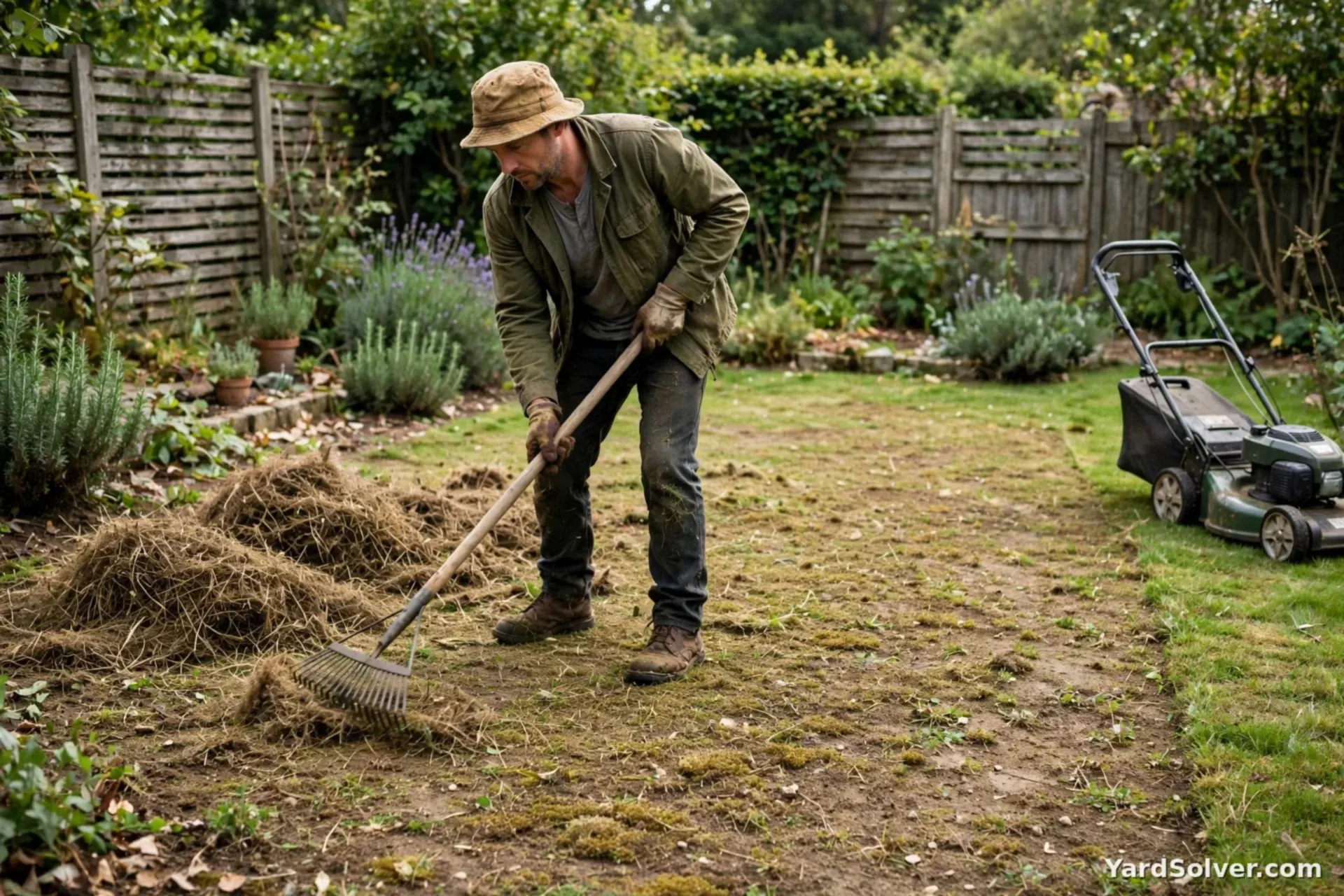
Cut the lawn shorter than usual — about 2 inches (5 cm) — and bag or rake off the clippings. Then rake the whole area firmly, and the thin patches aggressively: you are scratching the surface open so seed falls through the grass to the soil, not onto the thatch blanket where it dries and dies. Pull or dig out perennial weeds as you meet them (the fork work of How to Get Rid of Weeds Naturally). If the soil is compacted — water puddles, a screwdriver resists pushing in — core-aerate first or hire it done; seed on concrete-hard soil germinates into a car park. This prep is unglamorous and it is 50% of the result.
Step 2 — Spread seed at the overseeding rate
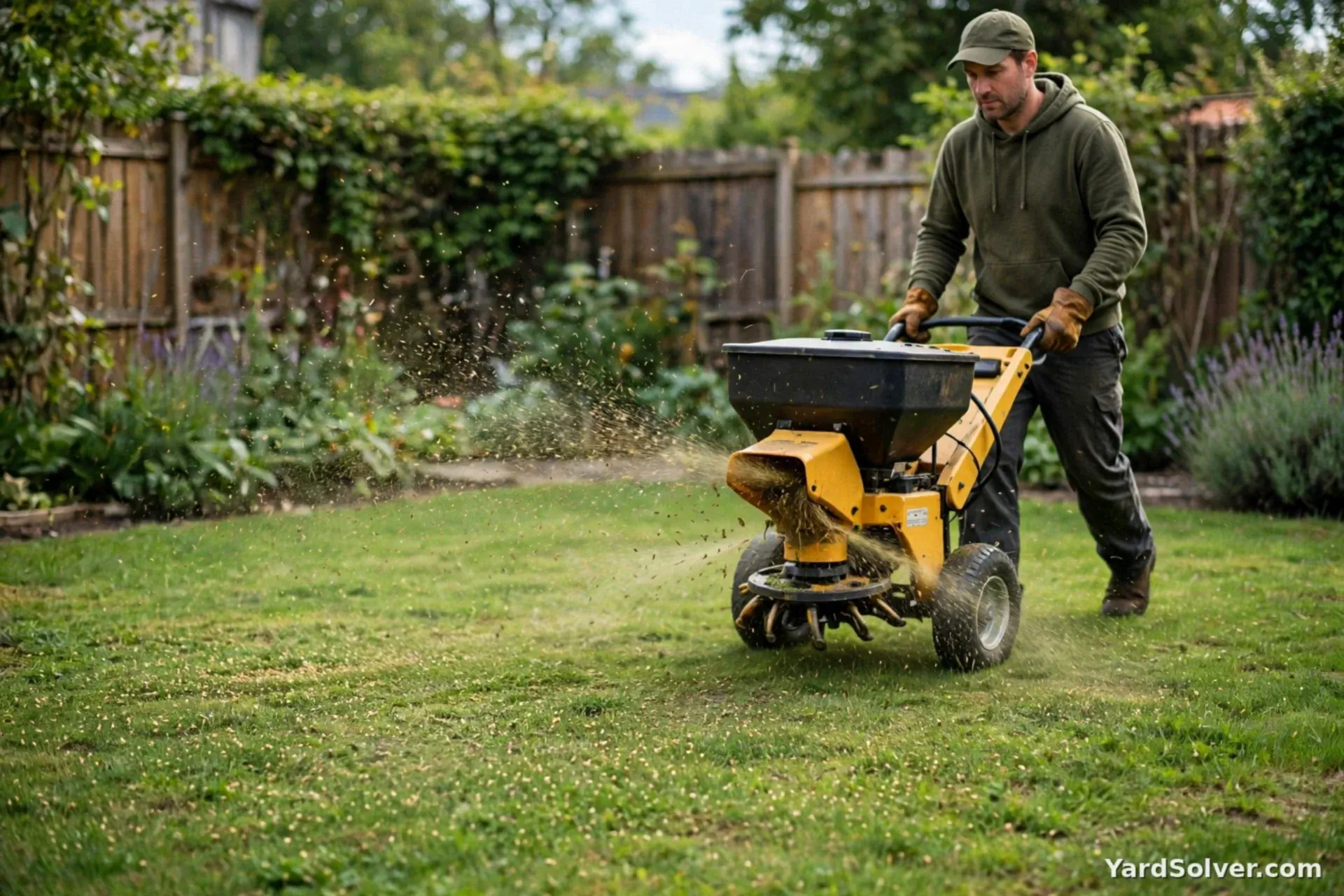
Overseeding uses roughly half the seed of a new lawn — typically 3–5 lb per 1,000 sq ft (1.5–2.5 kg per 100 m²) for common cool-season mixes, more on truly bare patches. The Seed Calculator turns your lawn's measurements into the exact bag count at the overseeding rate, which matters because both errors are common: too little seed leaves the weeds their gaps, too much makes seedlings compete into weakness. Spread in two passes at half rate, the second crossing the first at right angles, on a calm day. Seed the bare patches a touch heavier by hand and rake them in.
Step 3 — Top-dress thin and roll for contact
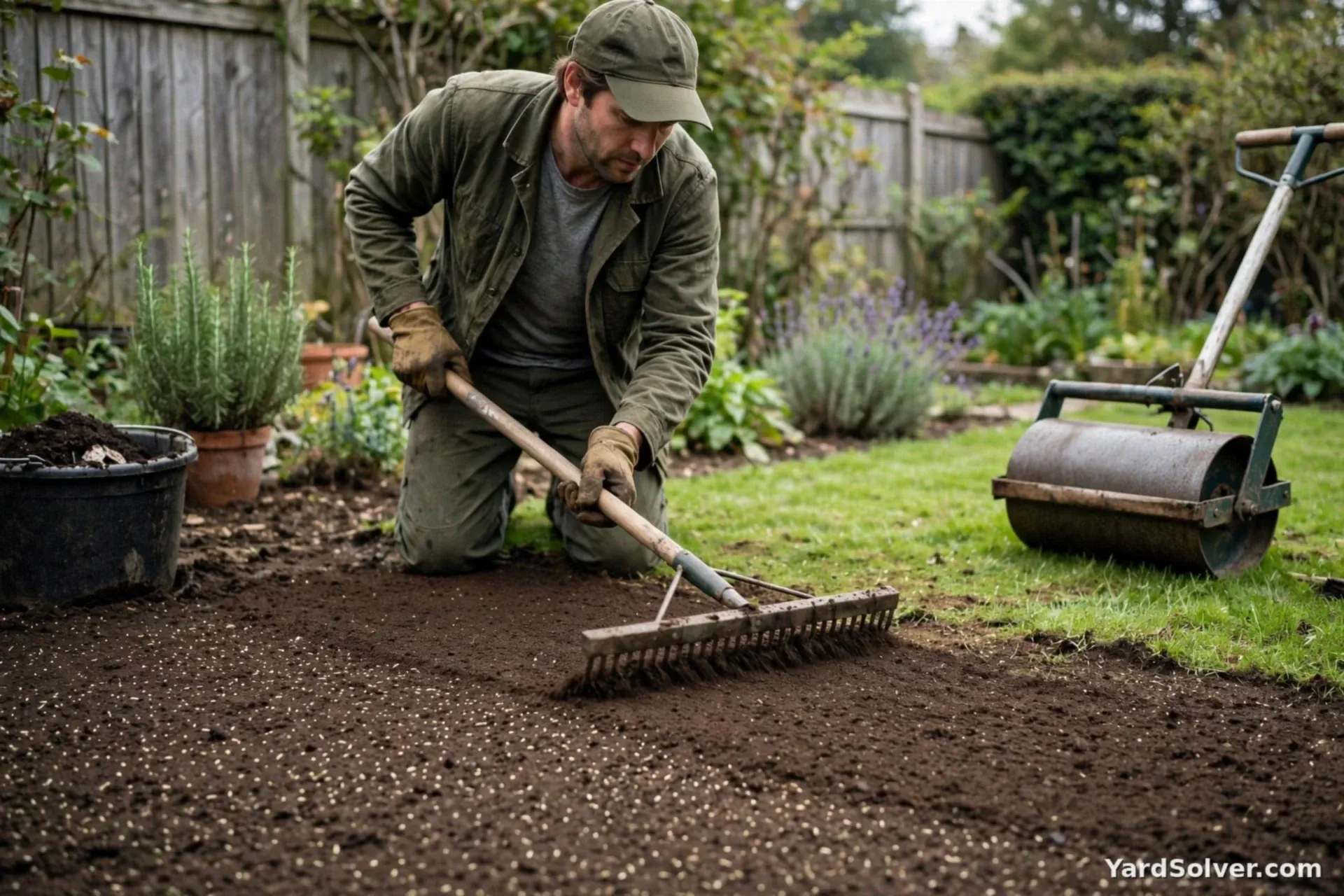
Cover the seed with a top-dressing no thicker than 1/4 inch (6 mm) — sifted compost is ideal (the finished product of How to Start Composting for Beginners), peat moss or fine topsoil work too; the Topsoil Calculator sizes the load. The dressing shades the seed, holds moisture against it, and hides it from birds. Then roll the lawn with a light roller — or walk it in systematically on small areas — so every seed is pressed into firm contact with damp soil. Seed-to-soil contact is the physical fact germination runs on; this step is where good overseeding is actually decided.
Step 4 — Keep it moist — the non-negotiable rule

From sowing until the new grass is established, the seeded layer must not dry out. That usually means light watering once or twice a day — just enough to keep the top half-inch dark and damp, 5–15 minutes per session depending on weather — rather than a weekly flood. A seed that germinates and then dries is dead, and most failed overseeding is exactly this sentence. Rain is a gift but not a schedule; check daily with a finger. Once seedlings reach about 2 inches (5 cm), taper gradually to the normal deep-and-infrequent pattern. Germination itself takes 5–10 days for ryegrass, 10–14 for bluegrass mixes, up to three weeks for fine fescues — patience is part of the watering plan.
Step 5 — First mows and the autumn finish
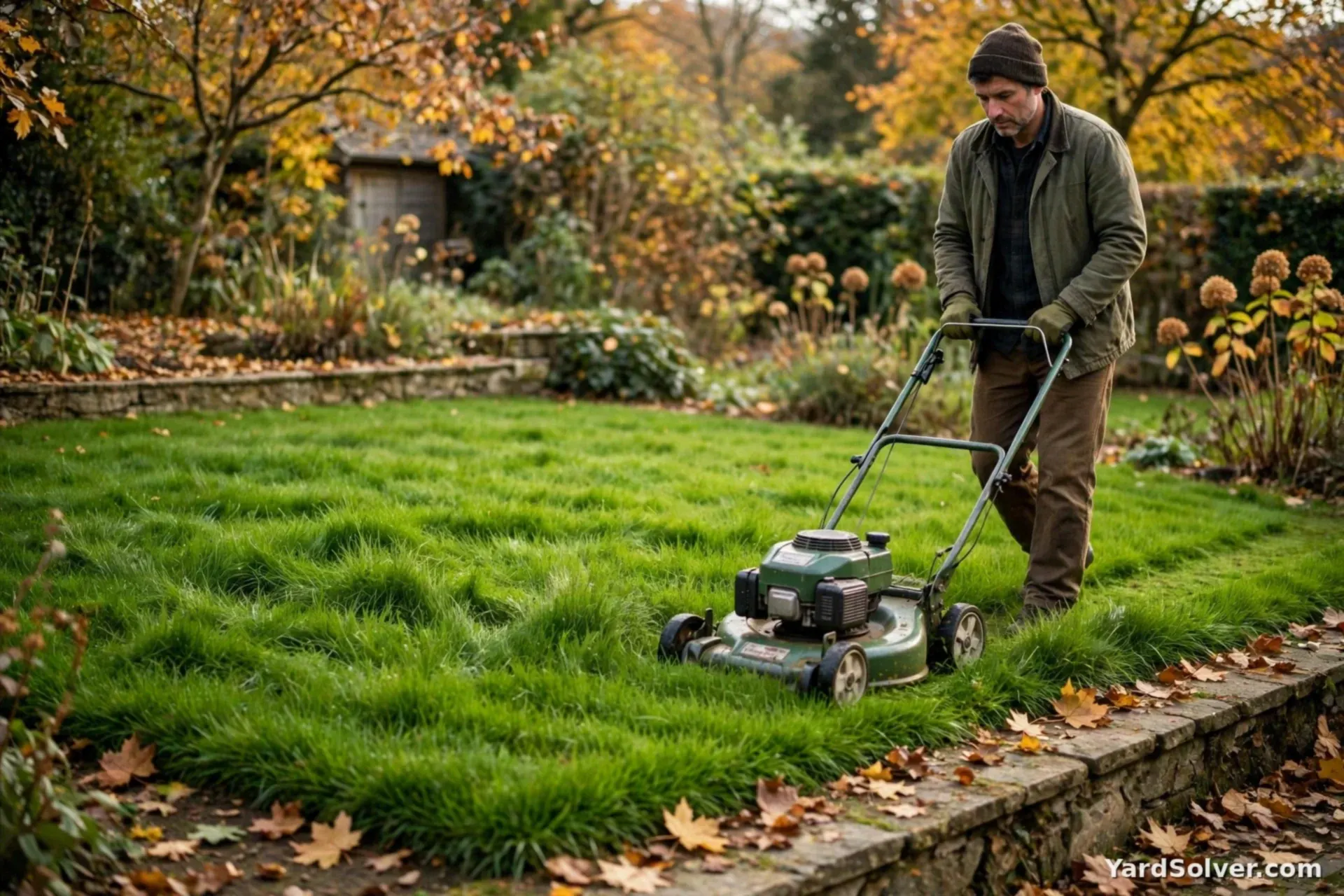
Let the new grass reach about 4 inches (10 cm) before its first cut, use a sharp blade (a dull one tears seedlings out by the roots), and take off no more than a third. Keep foot traffic light for the first month. Feed gently if your soil test calls for it, and leave the last autumn cut slightly longer going into winter. By the following spring the thickened lawn starts doing its own weed control — a dense sward is the standing answer to the crabgrass question, and thin spots that reappear get the same treatment next fall. The full seasonal frame for the lawn and garden together is in Putting Your Garden to Bed.
Keep going
Measuring the lawn for seed, soil or mulch? The Seed Calculator and Topsoil Calculator do the quantities in one pass.
Missed the fall window entirely? Dormant Seeding puts the seed down on cold winter soil instead — it sleeps through the freeze and sprouts first in spring.
Patches that are dead rather than thin may be grub damage — check the lawn half of How to Get Rid of Japanese Beetles.
Questions people ask
How long does grass seed take to grow?
Perennial ryegrass shows green in 5–10 days, most bluegrass mixes in 10–21 days, and fine fescues in between — all assuming the seed stays moist, which is the condition that decides everything. First mow is typically 3–5 weeks after sowing, when the new grass reaches about 4 inches.
Can I overseed in spring instead?
Yes, as the second-best window: sow once soil warms past about 50°F (10°C) and before summer heat. Spring overseeding fights two enemies fall seeding avoids — crabgrass germinating alongside, and young grass meeting July drought — so success leans harder on watering and a follow-up fall pass.
Should I remove dead grass before overseeding?
Remove the loose thatch and dead material from thin patches by firm raking so seed can reach soil — but the living lawn stays; that is the point of overseeding rather than reseeding. Bare dead patches larger than a dinner plate are treated as mini new lawns: loosen the soil, seed at the full rate, dress and water the same way.
Comments & ratings
No comments yet.
Be the first to share your experience.