
Guides · Planting calendars · Published November 15, 2026
What to Plant in November in Australia: Summer Vegetables by Climate Zone
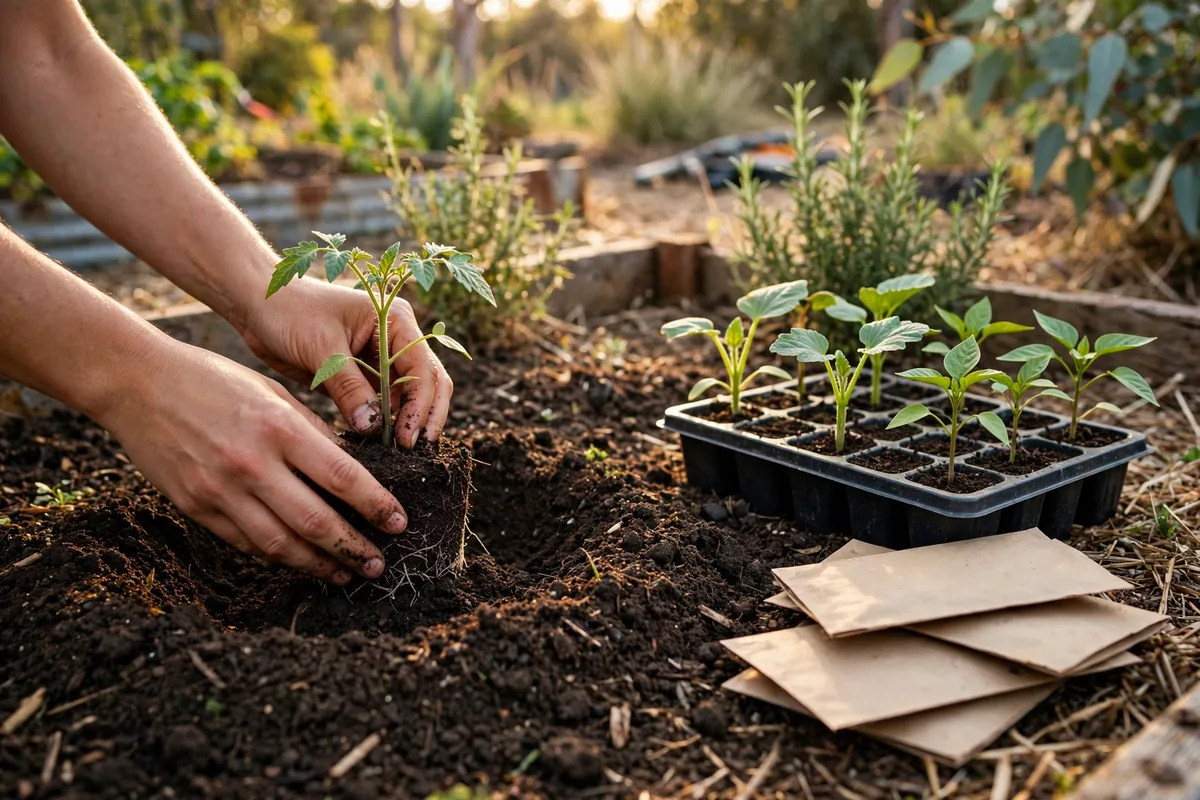
November in Australia is late spring with summer already visible from the doorstep — and for vegetable gardeners it is the last big planting push of the year. The warm-season crops that define the summer table still have time to establish before the fierce heat arrives: tomatoes, capsicum, zucchini, sweet corn, beans, pumpkin and melons all go in now across most of the country. But Australia is five climates wearing one flag, and what to plant in November in Australia depends entirely on which of them you garden in. This guide works zone by zone — tropical, subtropical, arid, warm temperate and cool temperate — in the metric measurements and flipped seasons this hemisphere actually uses.
Step 1 — Know your zone before you read any list
Australian planting advice fails when it pretends Cairns and Hobart share a calendar. Find yourself honestly: tropical (far north Queensland, Darwin, the Kimberley — wet season building), subtropical (Brisbane, coastal NSW and Queensland — warm and humid), arid (the interior — heat is the governing fact), warm temperate (Sydney, Perth, Adelaide — the classic Mediterranean-to-temperate band), and cool temperate (Melbourne, Canberra, Tasmania, the highlands — November is only just safe for the tender crops). The Planting Calendar on this site is region-aware: set it to Australia and it works from your hemisphere and zone rather than handing you a northern list upside down.
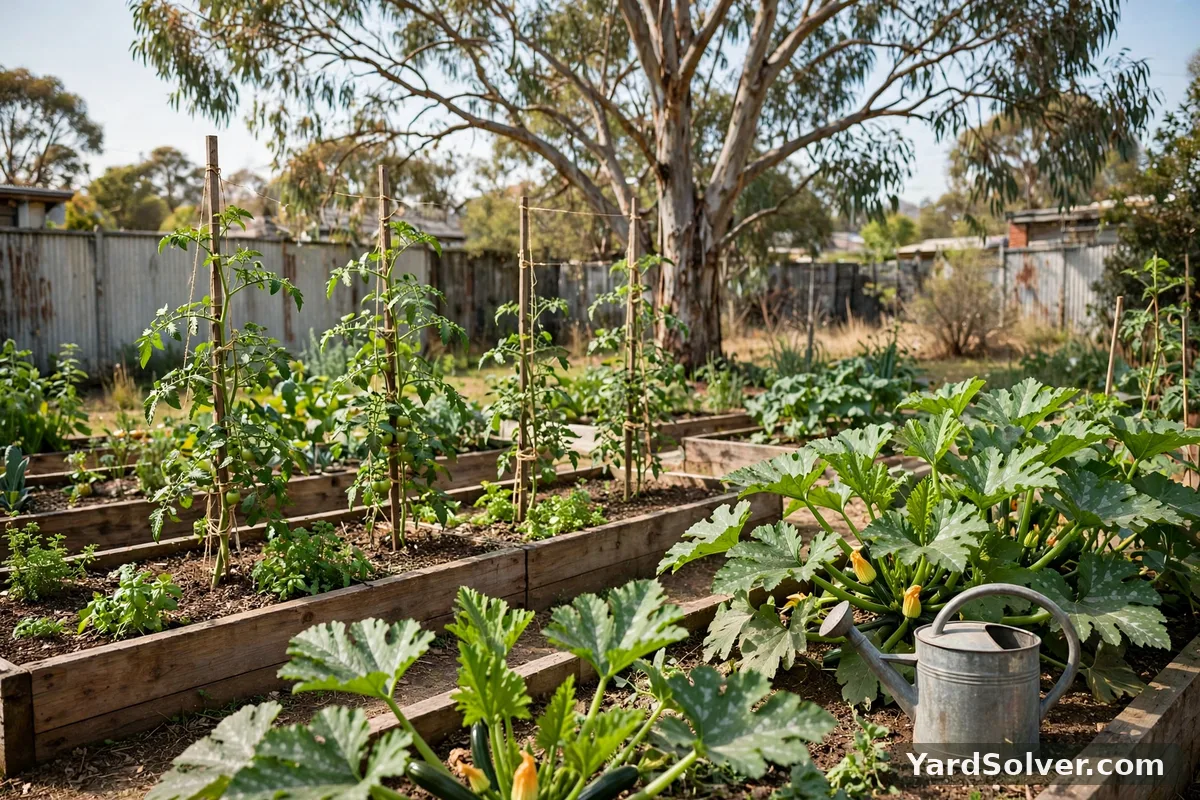
Step 2 — The November list, zone by zone
| Climate zone | Plant in November | Hold off / finished |
|---|---|---|
| Tropical | Sweet corn, zucchini, pumpkin, beans, capsicum, eggplant, okra, sweet potato, Asian greens for shade | Tomatoes are a dry-season crop here — November plantings fight wet-season disease |
| Subtropical | Tomatoes (last chance early in the month), capsicum, zucchini, sweet corn, beans, pumpkin, cucumber, melons, basil | Peas and broad beans are done; lettuce only under shade cloth from here |
| Arid | Melons, pumpkin, zucchini, sweet corn, beans — all with mulch and reliable water | Anything thirsty without irrigation; leafy greens until autumn |
| Warm temperate | The full summer set: tomatoes, capsicum, zucchini, sweet corn, beans, pumpkin, cucumber, melons, eggplant, basil | Garlic and peas finished months ago; carrots possible but slow in heat |
| Cool temperate | Tomatoes and capsicum now the frost risk has passed, zucchini, beans, sweet corn, pumpkin, cucumber | In frosty highlands, tender crops may still wait for late November |
Every crop named above has its own page in the Plant Library with spacing, feeding and harvest detail for your conditions — start with the tomato, zucchini, sweet corn and pumpkin pages, and the capsicum (pepper) page for the slowest of the summer set.
Step 3 — Stagger the fast crops, or harvest them all in one overwhelming week
Beans, sweet corn, zucchini and lettuce punish the gardener who plants the whole packet at once: they arrive together, in a glut, for a fortnight. Sow them in small batches every two to three weeks instead — a row of beans now, another at the start of December — and the harvest spreads across the summer. The Succession Sowing Calculator turns your last planting date into those staggered sowing dates automatically, working backwards from when summer heat or autumn cold ends the crop in your zone.
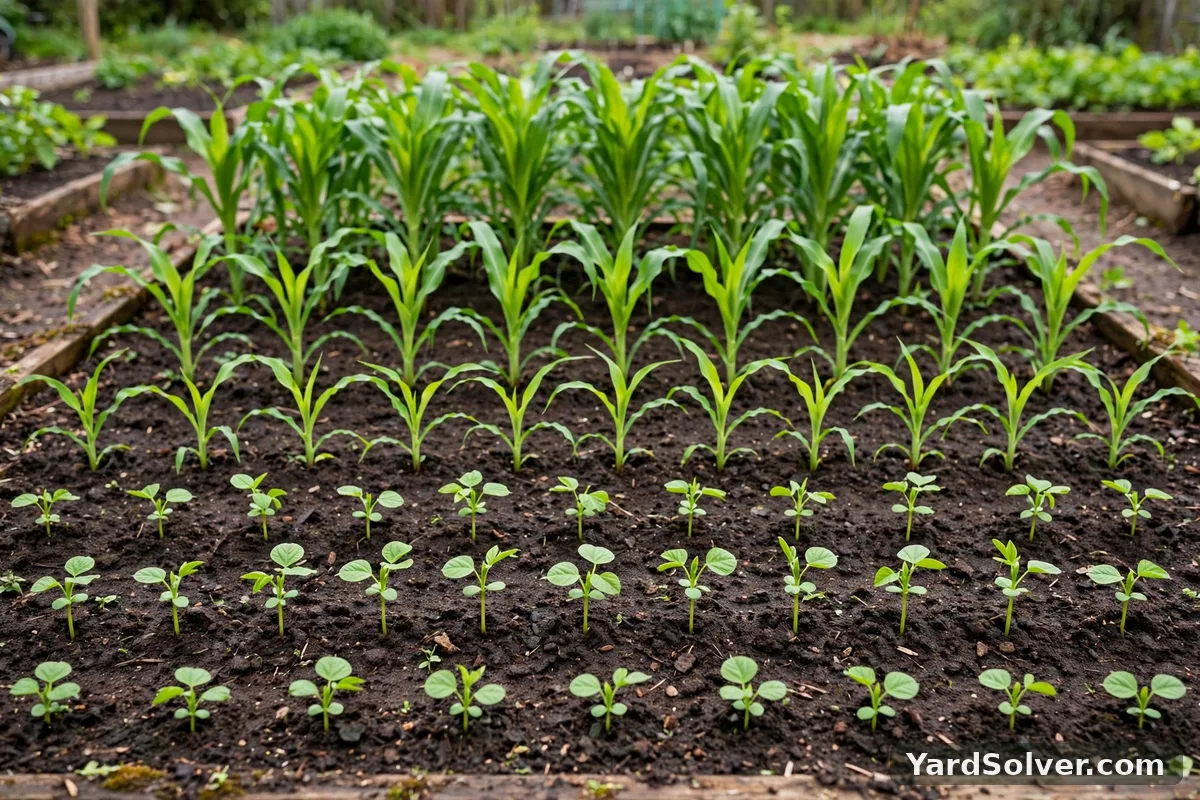
November plantings share one vulnerability: they meet December's heat as juveniles. Mulch every bed the day you plant it (7–10 cm in hot zones), water deeply rather than often, and have the shade cloth ready before the first 35 °C day rather than after it — the percentages and mounting method are in Shade Cloth for the Vegetable Garden.
A note for northern-hemisphere readers
If you have landed here from the US, Canada, the UK or Europe, this list is upside down for you on purpose — it is written for Australia's November, which is your May. Your own November list (garlic, broad beans, bare-root planting, winter greens under cover) lives in the Planting Calendar when it is set to your region, which is exactly what the region system is for.
Keep going
This monthly format continues: the Planting Calendar set to your Australian region carries December and the rest of summer with the same zone logic, so the series never leaves you guessing next month.
Planning the whole summer garden — beds, quantities and dates? The Garden Planner turns your space into a dated plan with a shopping list, in your hemisphere's seasons.
Questions people ask
Is November too late to plant tomatoes in Australia?
In warm temperate and subtropical zones, early November is the last comfortable window — plant established seedlings, not seed, and they will crop from mid-summer. In cool temperate zones November is the main planting month once frost risk passes. In the tropics, tomatoes are a dry-season (autumn-planted) crop instead.
What vegetables can I still plant in November in Melbourne?
Melbourne is cool temperate: November is prime time for tomatoes, capsicum, zucchini, beans, sweet corn, pumpkin and cucumber now that frost risk has passed. Keep frost cloth handy in elevated areas for a late cold snap in the first half of the month.
How do I stop summer plantings dying in the first heatwave?
Mulch 7–10 cm on planting day, water deeply in the morning, and have shade cloth (50% for most vegetables) mounted before the heat arrives rather than after. Young plants with shaded, moist soil survive heatwaves that kill unprotected plantings in an afternoon.
Comments & ratings
No comments yet.
Be the first to share your experience.