
Plant Library · Vegetables
🥒 How to Grow Bitter Melon
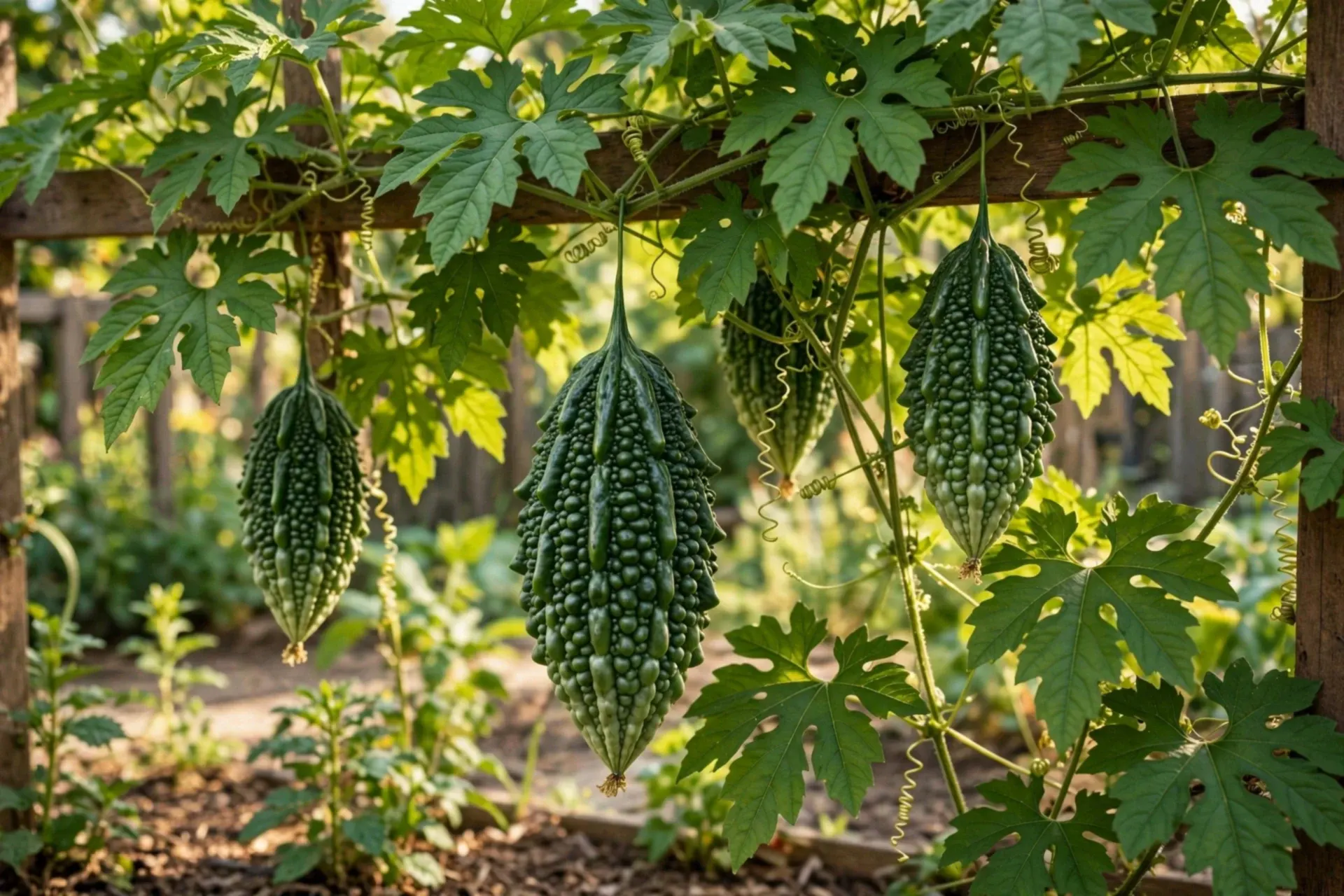
A tropical vine with a boldly bitter fruit: it needs a long, hot season, a trellis, and warm soil — sow indoors where summers are short, and pick the fruit green, before any orange shows. Bitter melon is a tropical vine grown across Asia for its warty, cucumber-like fruit, loved precisely for its bitterness. It needs real summer heat and a long season: start seed indoors in pots where summers are short, give the vines a trellis in your sunniest spot, and pick fruit while it is still green and firm.
Grow Bitter Melon with us — step by step
Everything for this plant is written step by step below — what to do, and exactly when. Read it through first if you like: you can grow it entirely on your own with that guide. Or start with us here — tell us your planting day and we lay out your personal schedule on this page, every next step on its own day, counted from your planting date. No guessing, no forgetting.
Step 1 — today: Plant out your young Bitter Melon plants today, spaced 12–18 in apart along a trellis, and water them in well. Warm soil and a hot wall behind them make all the difference.
Bitter Melon at a glance
Sow indoors: 4 weeks before last frost
Move outside: 3 weeks after last frost
Sow outdoors: 2 weeks after last frost
Spacing: 12–18 on a trellis in · Seed depth: 1/2 in
Sun: Full sun
Water: Regular and even — bitter melon dislikes drought
Harvest: 55–70 days after transplant
Timing counts from your average last spring frost — get your own dates in the Planting Calendar. Guidance follows standard extension-service practice for Canada and the US.
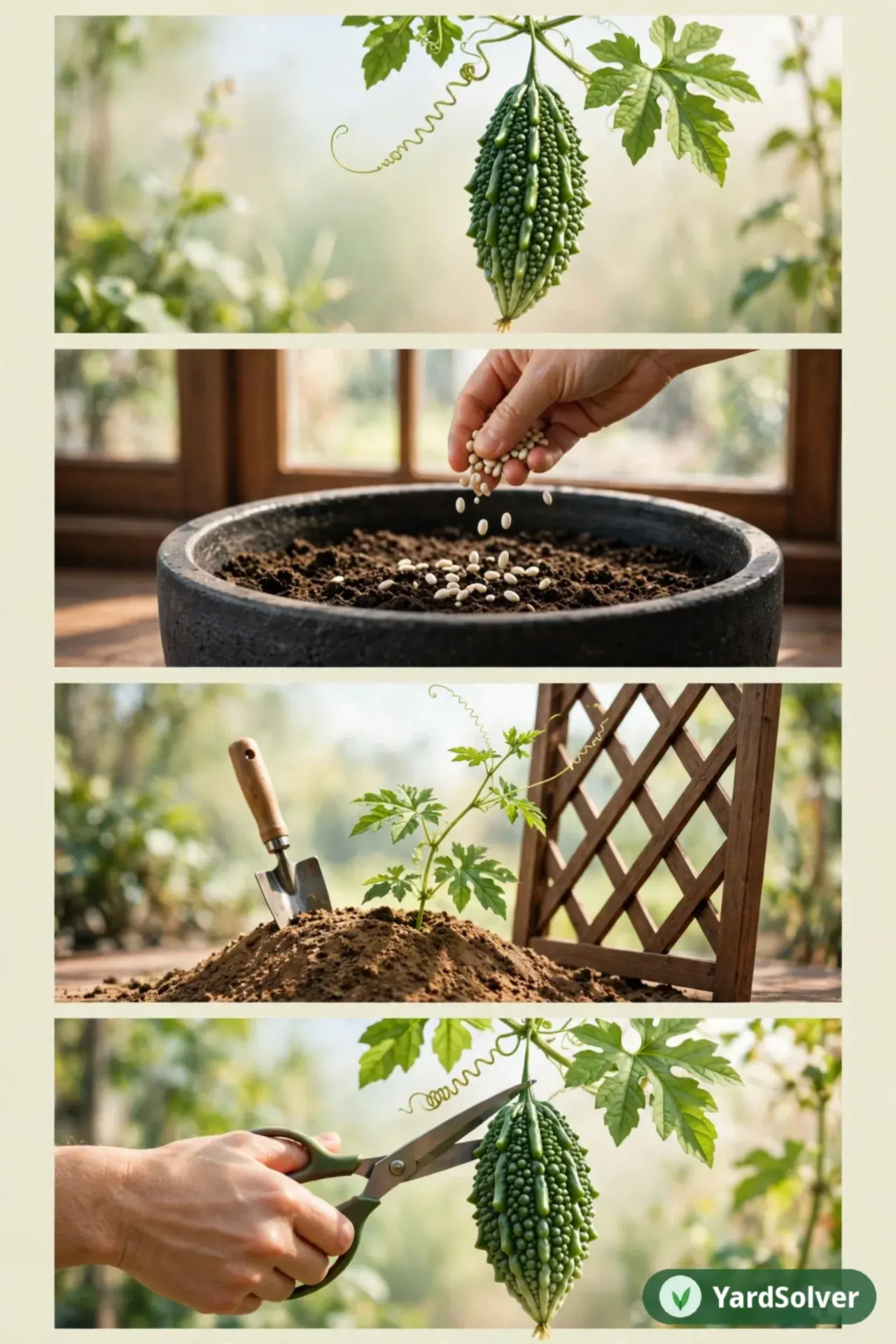
How to plant and grow bitter melon, step by step
Step 1 — Time it right
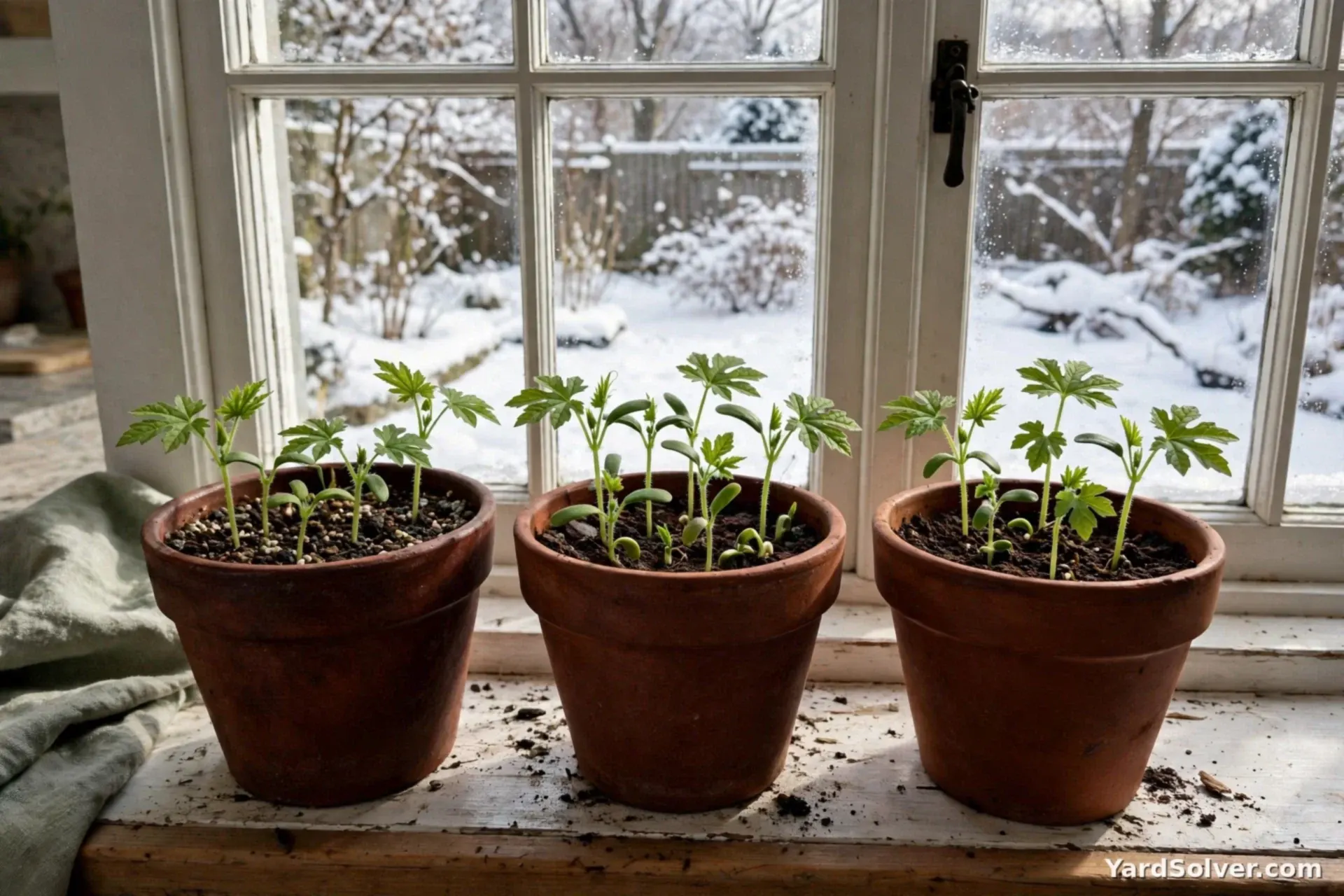
Sow indoors: 4 weeks before last frost; Move outside: 3 weeks after last frost; Sow outdoors: 2 weeks after last frost. All dates count from your average last spring frost — the Planting Calendar turns them into real dates for your garden. Bitter melon is a tropical vine grown across Asia for its warty, cucumber-like fruit, loved precisely for its bitterness. It needs real summer heat and a long season: start seed indoors in pots where summers are short, give the vines a trellis in your sunniest spot, and pick fruit while it is still green and firm.
Step 2 — Prepare the spot
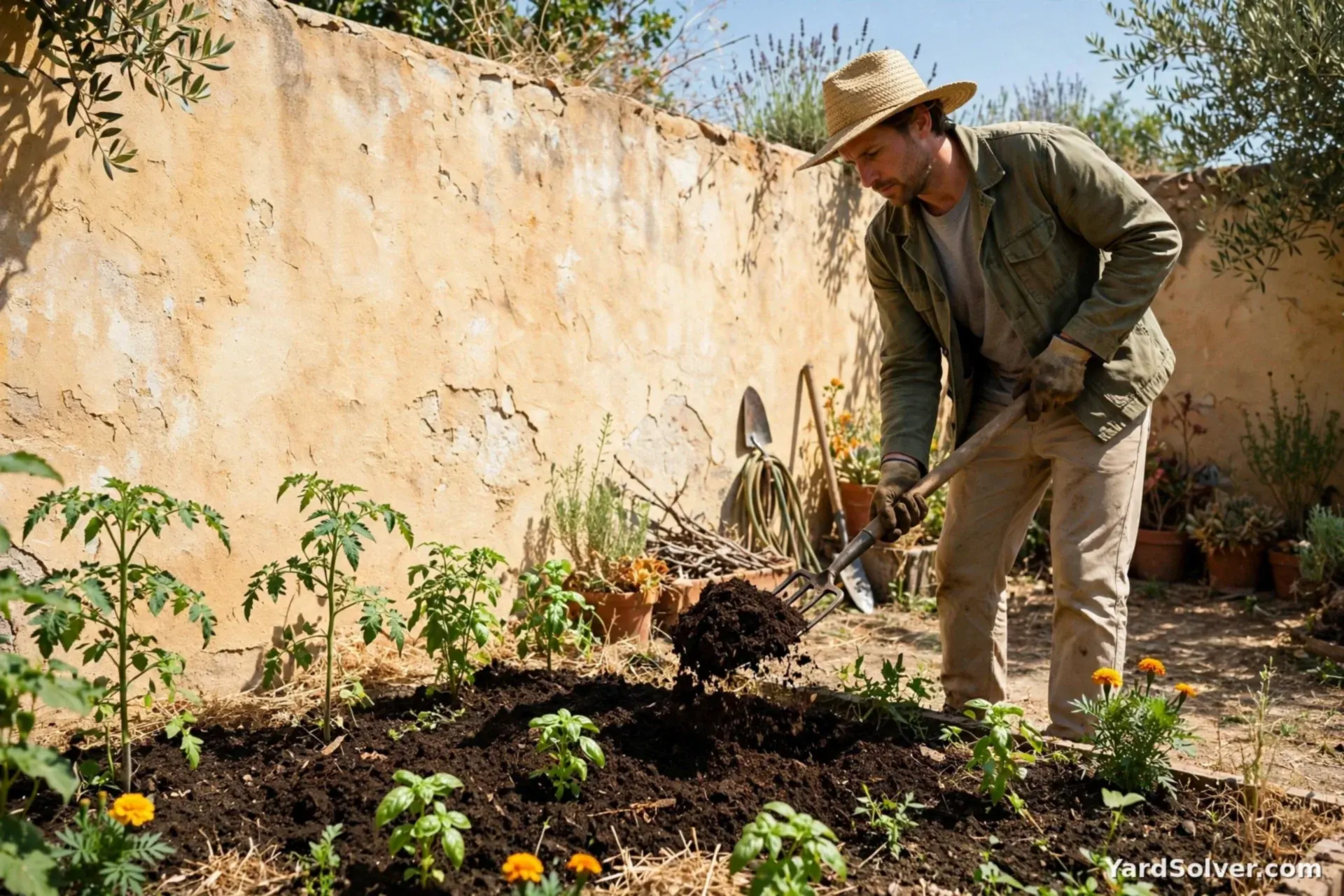
Sun: Full sun. Rich, warm, well-drained soil in the hottest spot you have — against a sun-baked wall is ideal; work in compost before planting. Work out how much you need with the Garden Mix Calculator or the Raised Bed Soil Calculator.
Step 3 — Sow and plant out
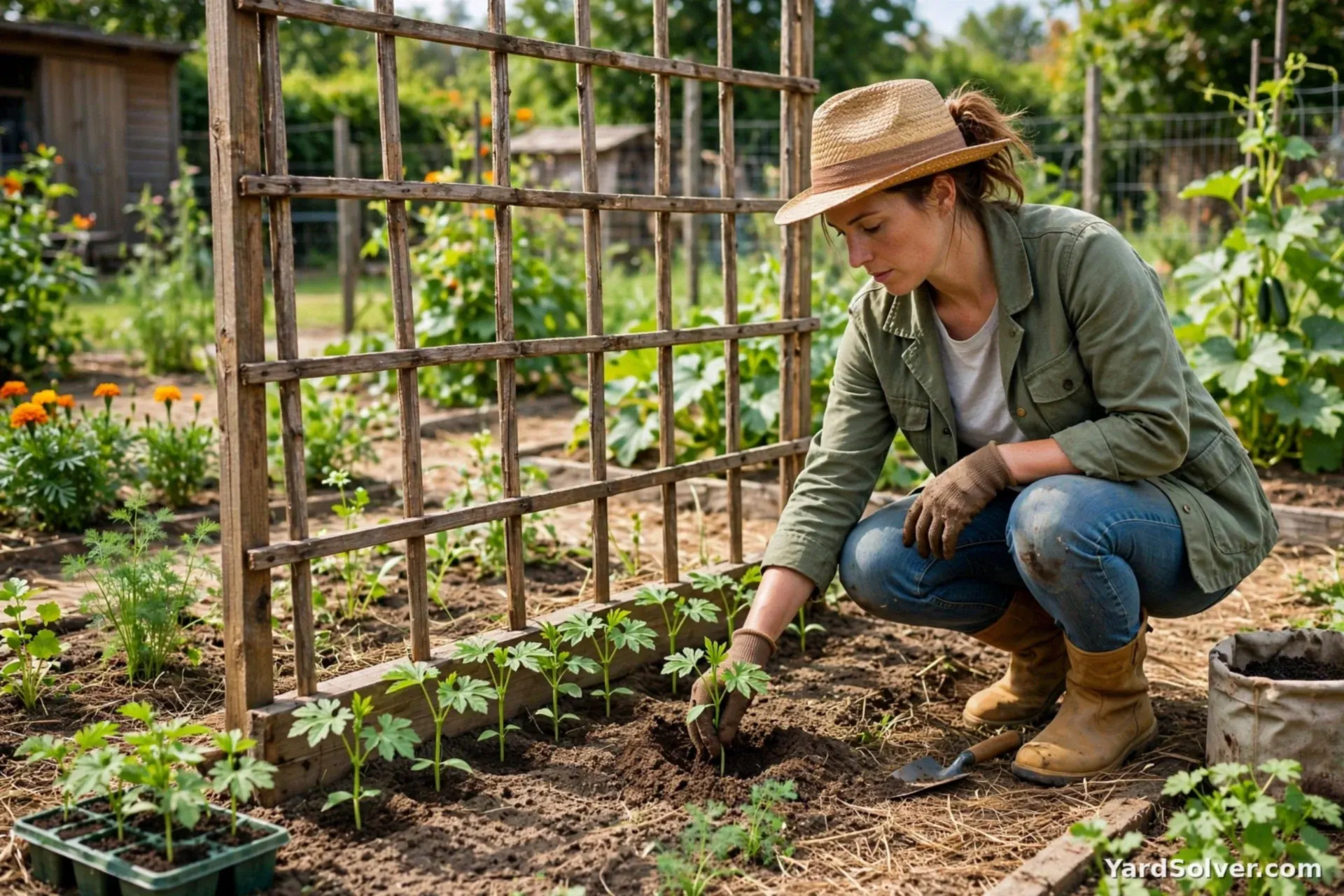
Start seed indoors 4 weeks before last frost, sowing 1/2 in deep in deep pots — nick the seed coat or soak seed overnight to speed sprouting, which can otherwise take 2–3 weeks. Harden seedlings off over 7–10 days (see How to Harden Off Seedlings) and move them outside 3 weeks after last frost, spaced 12–18 in apart along the trellis. In long-season gardens, direct sow 2 weeks after last frost instead. The Plant Spacing Calculator turns that spacing into plants-per-bed.
Step 4 — Water and feed
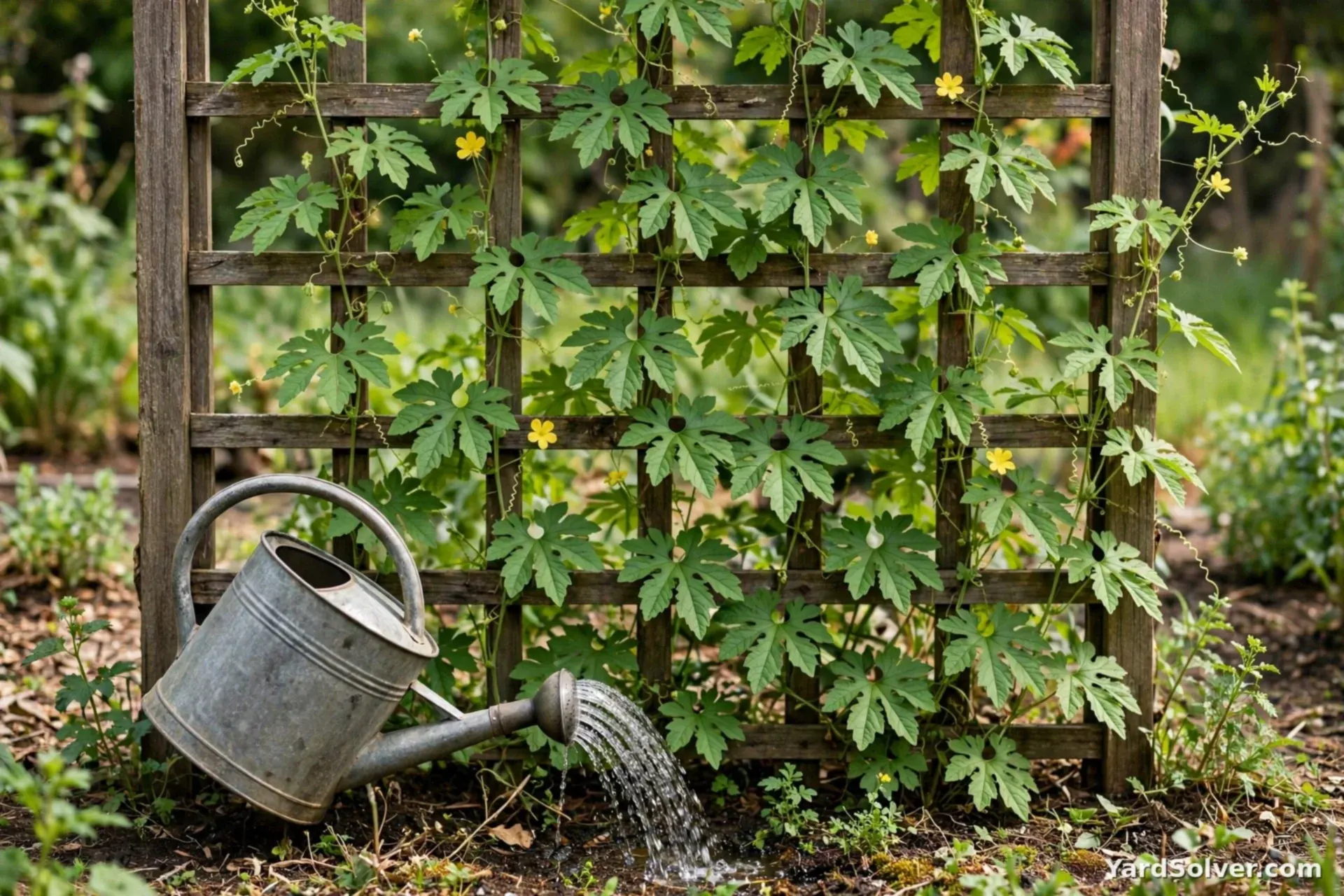
Water: Regular and even — bitter melon dislikes drought. First feed: around day 30 — Feed about a month after transplanting, once the vines are running — steady feed and water keep the fruit coming through the heat. The Fertilizer Calculator turns a bed size into the right amount.
Step 5 — Care and the problems to watch for
- Seed will not sprout — the seed coat is hard; nick it gently or soak overnight in warm water before sowing.
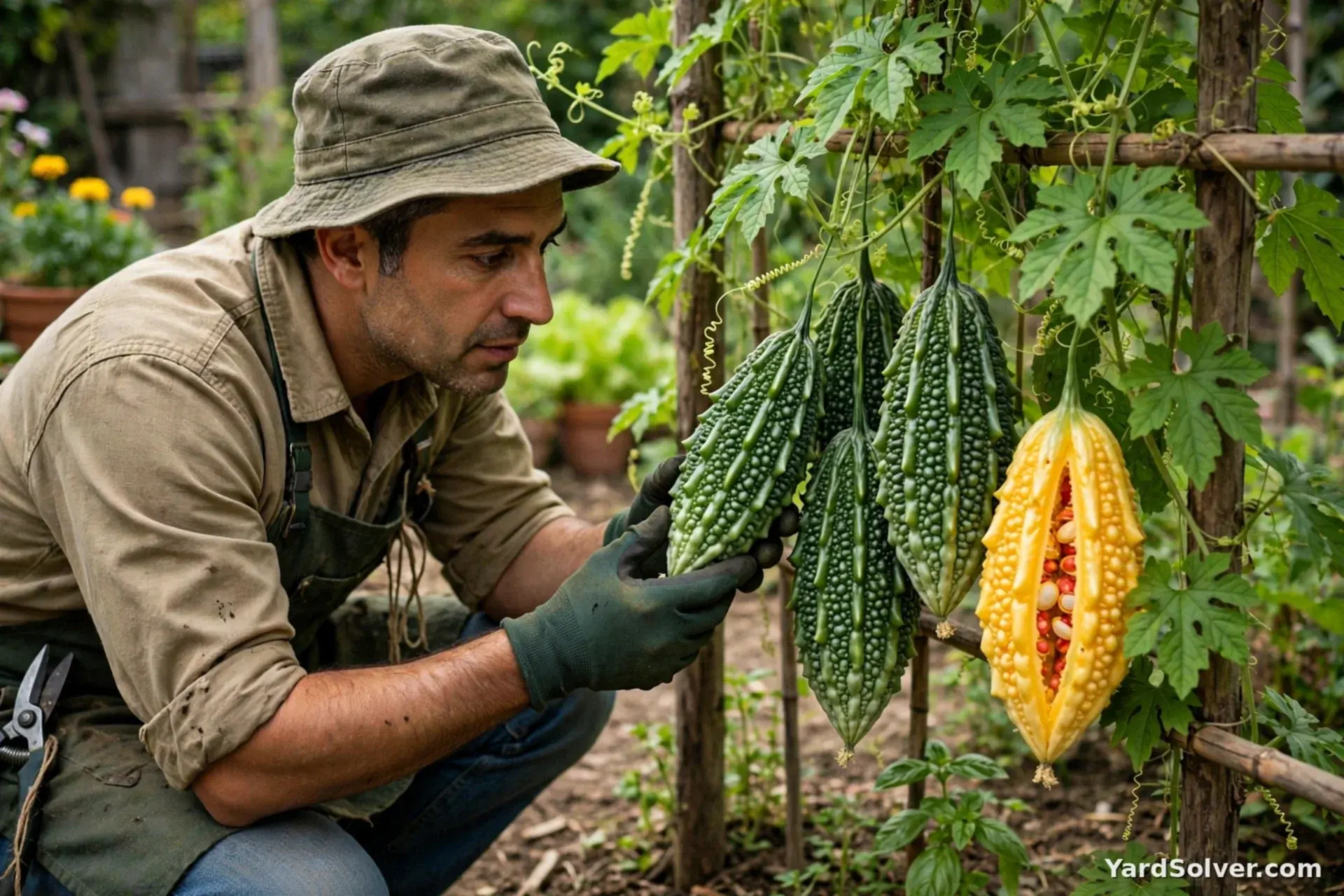
- Fruit turning yellow and splitting — picked too late; harvest green and firm, checking vines every two days in hot weather.
- Mostly male flowers at first — normal: female flowers (with a tiny fruit behind them) follow once vines are established.
Take care: Bitter melon is seriously bitter — that is the point, but if you are new to it, salt sliced fruit for 20 minutes and rinse before cooking to tame it.
Step 6 — Harvest
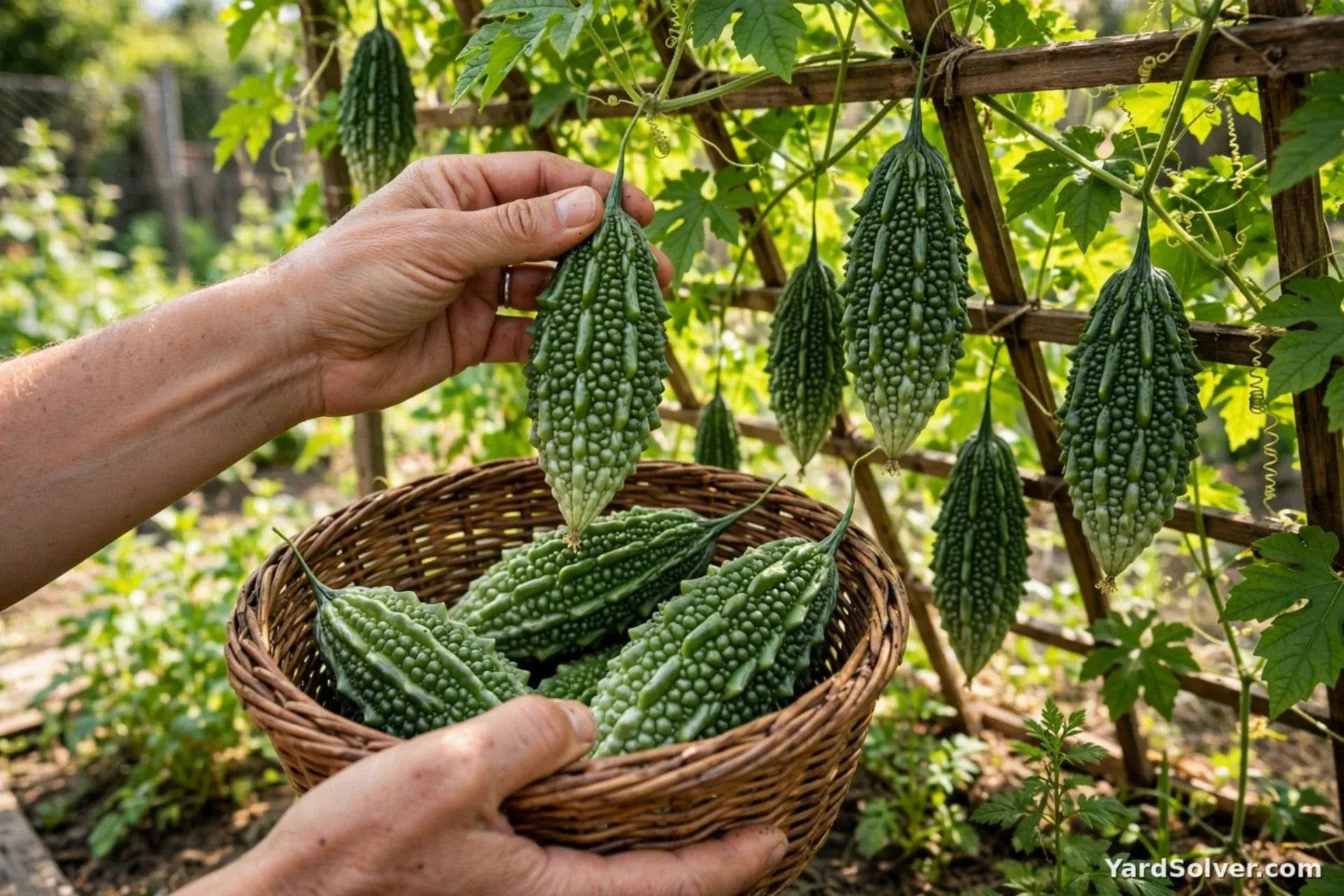
Ready in: 55–70 days after transplant. Pick fruit from about day 55 after transplant, green and firm; the vines keep producing in hot weather until the season cools.
📅 Your personal Bitter Melon schedule
Counted from your planting day — not a generic calendar. Day 0 is the day the seed went in the ground or the young plant went out.
Varieties worth growing
| Variety | Colour | Why gardeners like it |
|---|---|---|
| India Long | Green, heavily warty | The classic karela — deeply ridged, dark green and properly bitter |
| China Long | Pale green, smoother | A Chinese type — smoother skin and a slightly milder bite |
| Jyunpaku (White) | Creamy white | A Japanese white-fruited type — ornamental and a touch less sharp |
| Thai Green | Green | Small, very warty fruit borne heavily on vigorous vines |
| Ganlu | Pale green | A hybrid type grown for long, uniform fruit on trellises |
Good for you — and take care
Benefits
- Provides vitamin C and vitamin A
- Very low in calories
- A source of folate and potassium
- Long used in Asian food traditions — and studied by nutrition researchers for its bitter compounds
- The fruit is mostly water and fibre
Take care
- People who manage blood sugar with medication often ask about bitter melon — treat it as a food, not a medicine, and check with your clinician if you eat it in quantity
- Never eat the red seeds of split, overripe fruit
- The bitterness is natural and expected — do not serve it unannounced to guests expecting cucumber
A little history — and one good fact
Bitter melon is native to tropical Asia and has been grown in India and China for centuries — a staple of Ayurvedic and Chinese kitchens alike, where its bitterness is valued as much as its nutrition. Traders carried it to Africa and the Americas, where it naturalised in warm regions.
Fun fact: In Okinawa, bitter melon (goya) stir-fried with egg and tofu — goya chanpuru — is so beloved it has its own celebration day, May 8, Goya Day.
Keep going
Guides: How to Grow Cucumbers Vertically · How to Harden Off Seedlings · When to Start Seeds Indoors
Calculators: Plant Spacing Calculator · Seed Calculator · Fertilizer Calculator · Garden Mix Calculator
More vegetables: Cucumber · Bottle Gourd · Winter Squash
← Back to the Plant Library · Get your personal planting dates
Questions people ask
When do I plant bitter melon?
Count from your average last spring frost: sow indoors 4 weeks before last frost; move outside 3 weeks after last frost; sow outdoors 2 weeks after last frost. Bitter melon is a tropical vine grown across Asia for its warty, cucumber-like fruit, loved precisely for its bitterness. It needs real summer heat and a long season: start seed indoors in pots where summers are short, give the vines a trellis in your sunniest spot, and pick fruit while it is still green and firm.
How far apart do I space bitter melon?
Space plants 12–18 on a trellis in apart, with seed sown 1/2 in deep. Sun: full sun.
When is bitter melon ready to harvest?
55–70 days after transplant. A tropical vine with a boldly bitter fruit: it needs a long, hot season, a trellis, and warm soil — sow indoors where summers are short, and pick the fruit green, before any orange shows.