
Plant Library · Vegetables
🫘 How to Grow Lentils
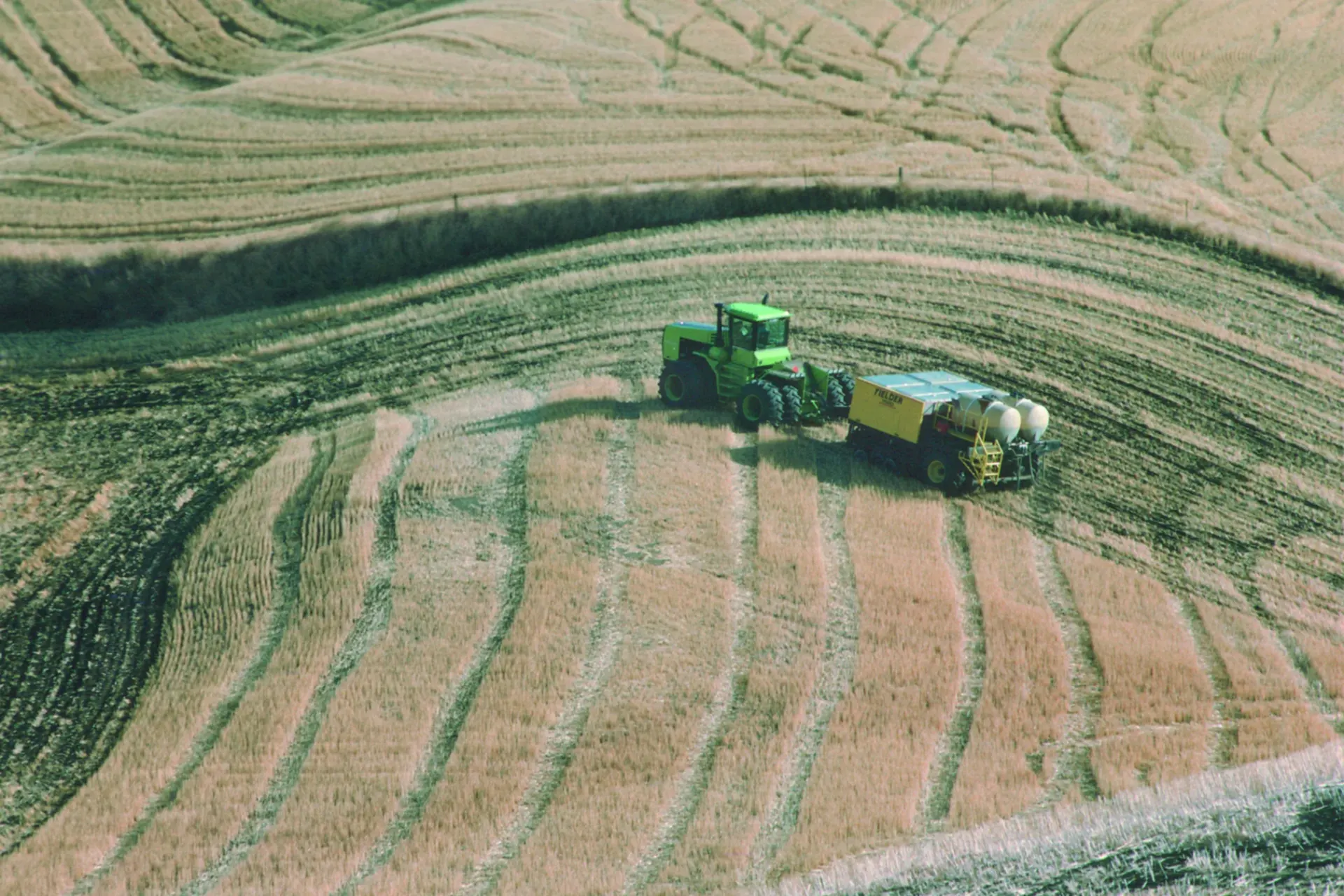
Lentils are a cool-season pulse — the same little lens-shaped seeds you cook — and they are one of the easiest protein crops a home gardener can grow. They tolerate light frost, thrive in poor dry soil where beans would fail, and need about 100–110 days from sowing to a dry harvest you thresh by hand.
Grow Lentils with us — step by step
Everything for this plant is written step by step below — what to do, and exactly when. Read it through first if you like: you can grow it entirely on your own with that guide. Or start with us here — tell us your planting day and we lay out your personal schedule on this page, every next step on its own day, counted from your planting date. No guessing, no forgetting.
Step 1 — today: Sow Lentils today, direct in the bed, 1 in deep and 1–2 in apart in rows 6–8 in apart, and water in gently. Sow dense — lentils grow as a close stand.
Lentils at a glance
Sow outside: 2 weeks before last frost
Spacing: 1–2 in · Seed depth: 1 in
Sun: Full sun
Water: Moderate — avoid wet leaves
Harvest: 100–110 days
Timing counts from your average last spring frost — get your own dates in the Planting Calendar. Guidance follows standard extension-service practice for Canada and the US.
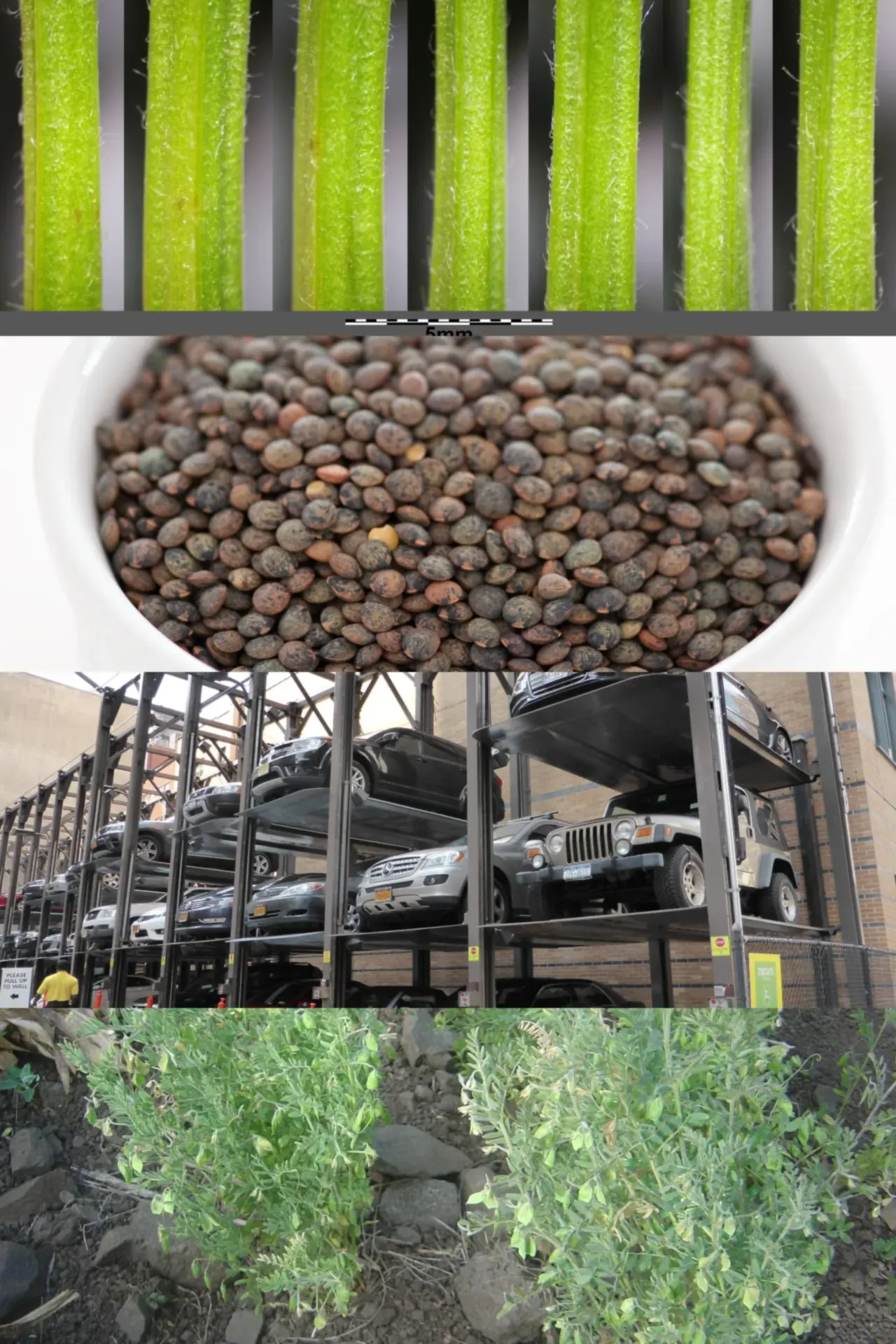
How to plant and grow lentils, step by step
Step 1 — Time it right
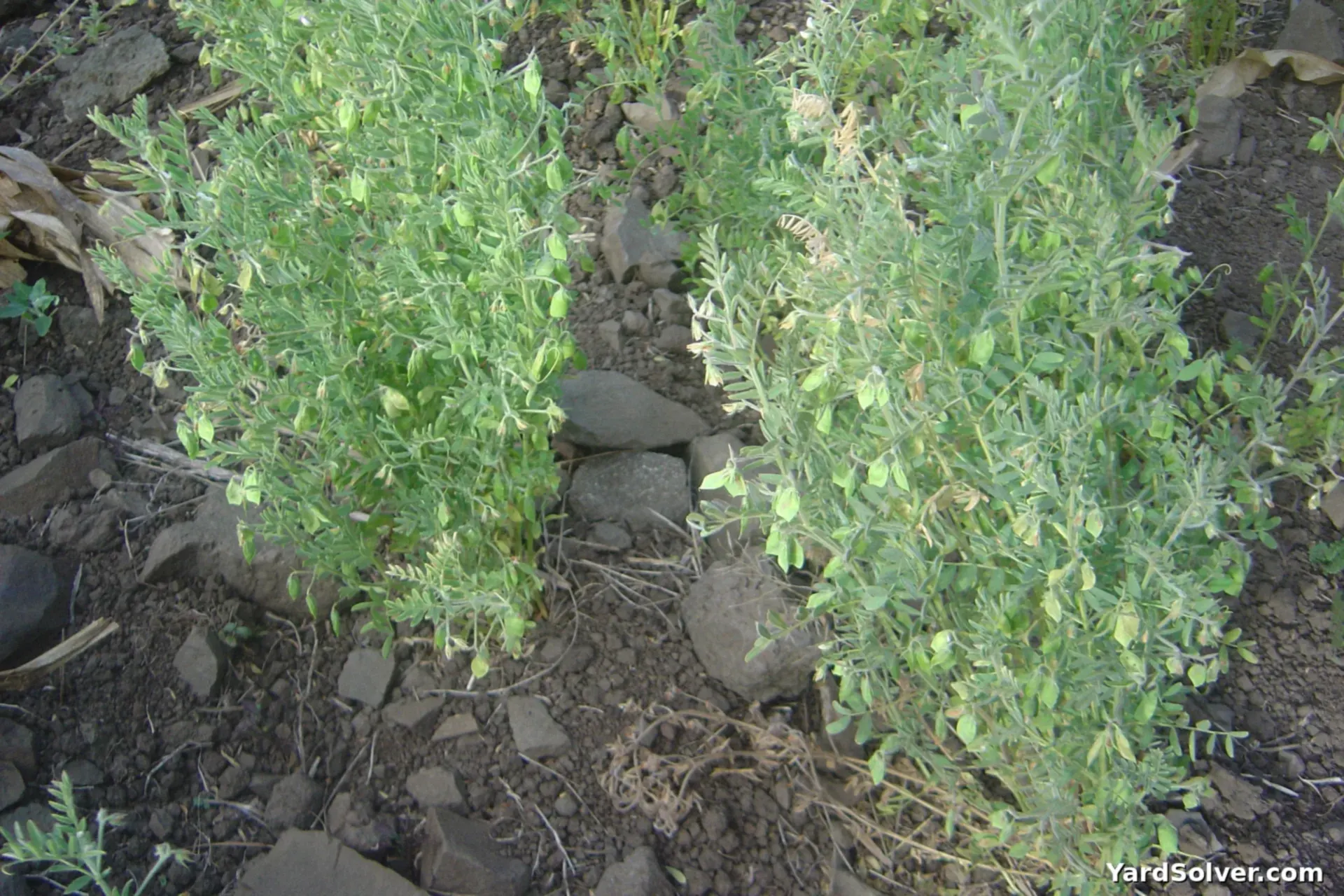
Direct sow 2–3 weeks before last frost. Lentils are cool-season and tolerate light frost. All dates count from your average last spring frost — the Planting Calendar turns them into real dates for your garden.
Step 2 — Prepare the spot
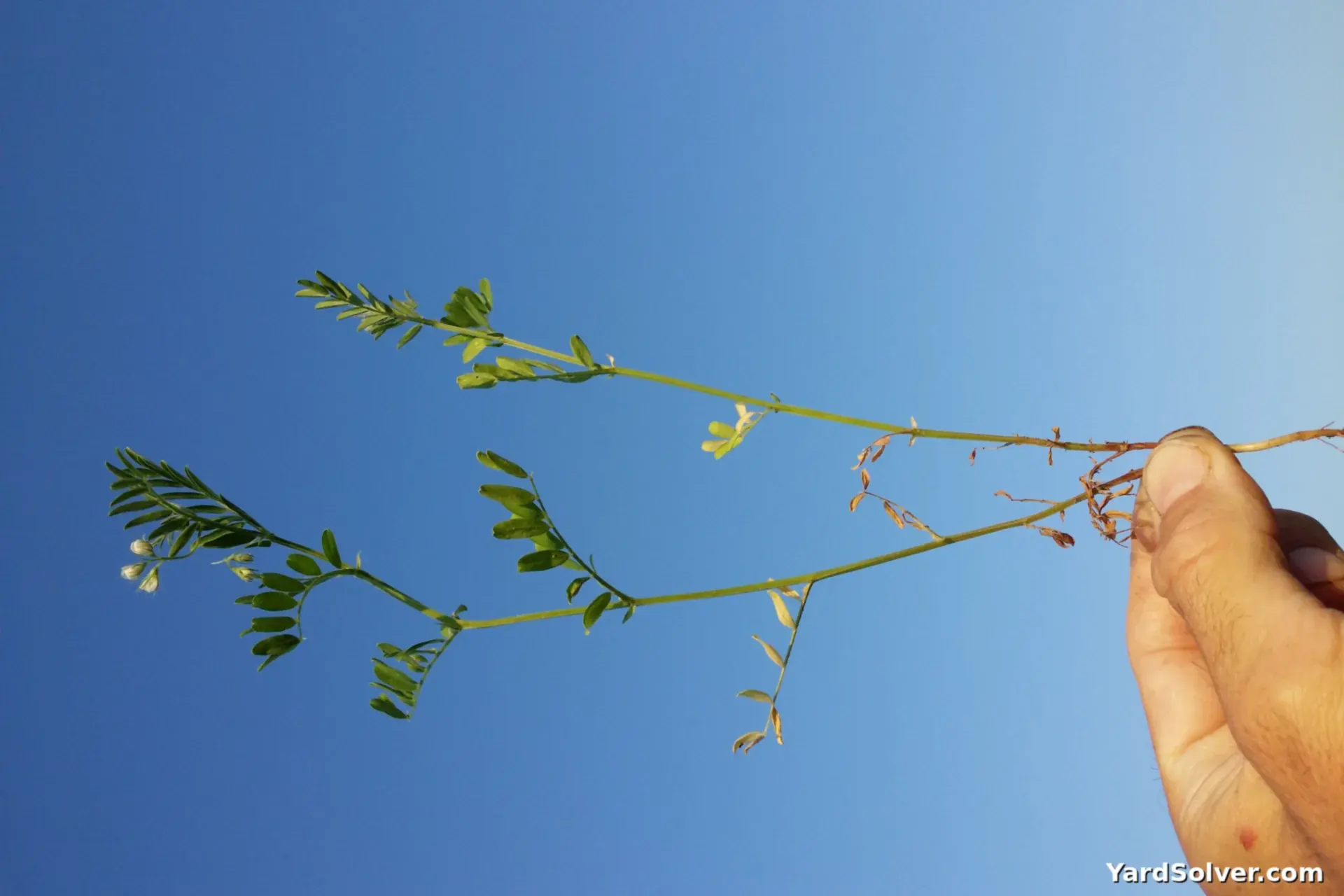
Sun: Full sun. Poor to average, well-drained soil is fine — lentils fix their own nitrogen and dislike rich, wet ground. Work out how much you need with the Garden Mix Calculator or the Raised Bed Soil Calculator.
Step 3 — Sow and plant out
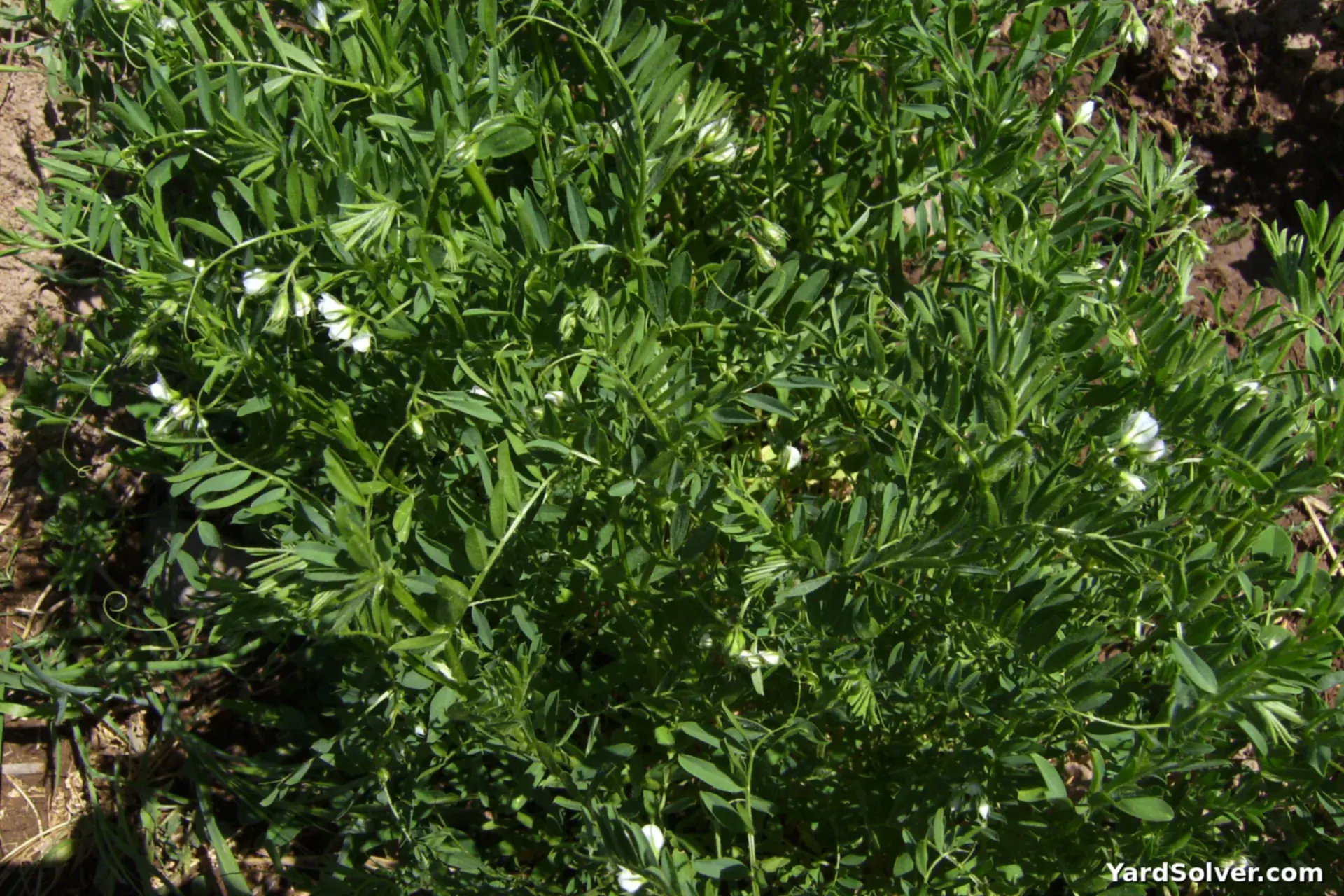
Sow 1 in deep, 1–2 in apart in rows 6–8 in apart. Sow densely; lentils are grown as a close stand, not as spaced plants. The Plant Spacing Calculator turns that spacing into plants-per-bed.
Step 4 — Water and feed
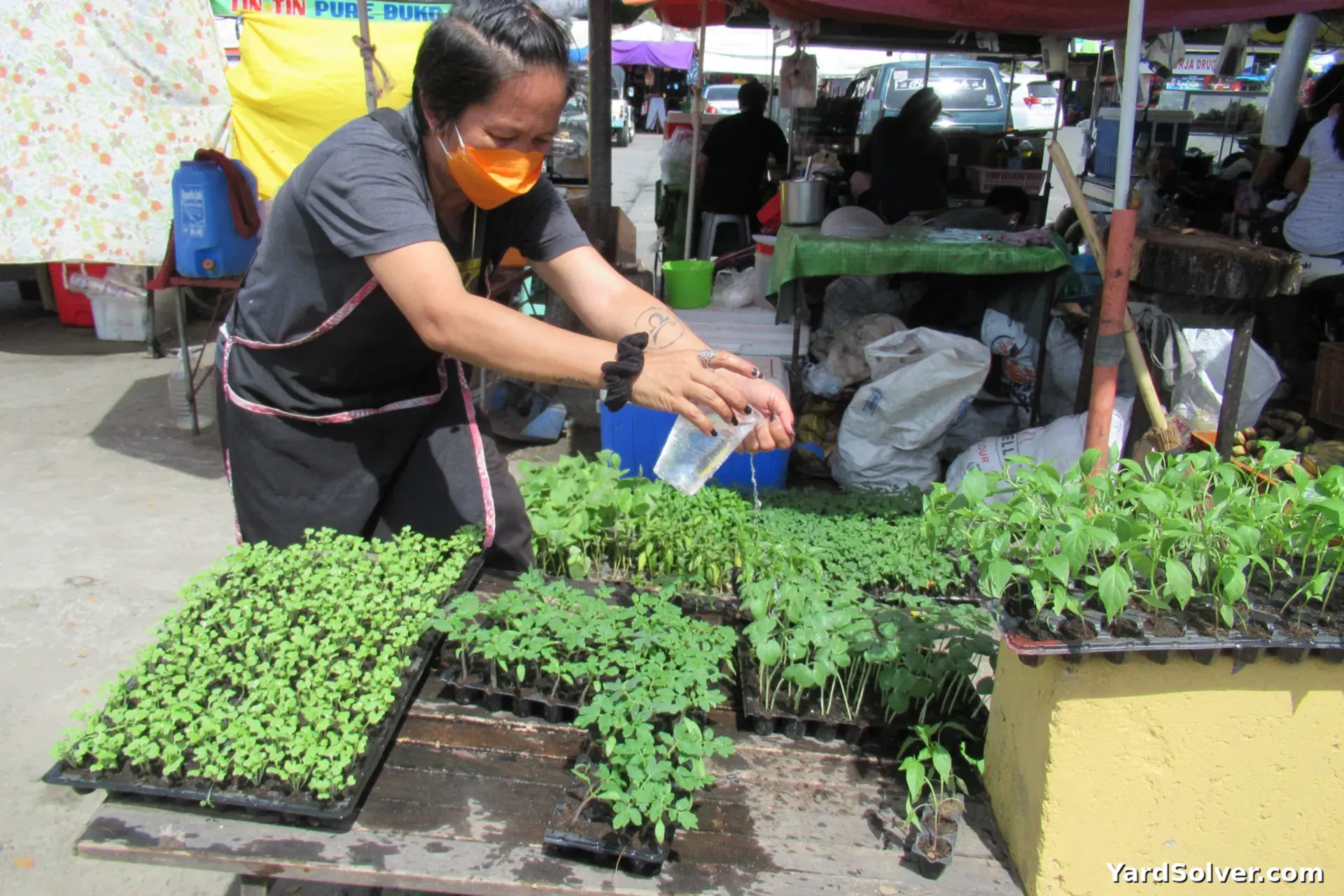
Water: Moderate — avoid wet leaves. Feed nothing — lentils make their own nitrogen. A little compost at sowing is plenty. The Fertilizer Calculator turns a bed size into the right amount.
Step 5 — Care and the problems to watch for
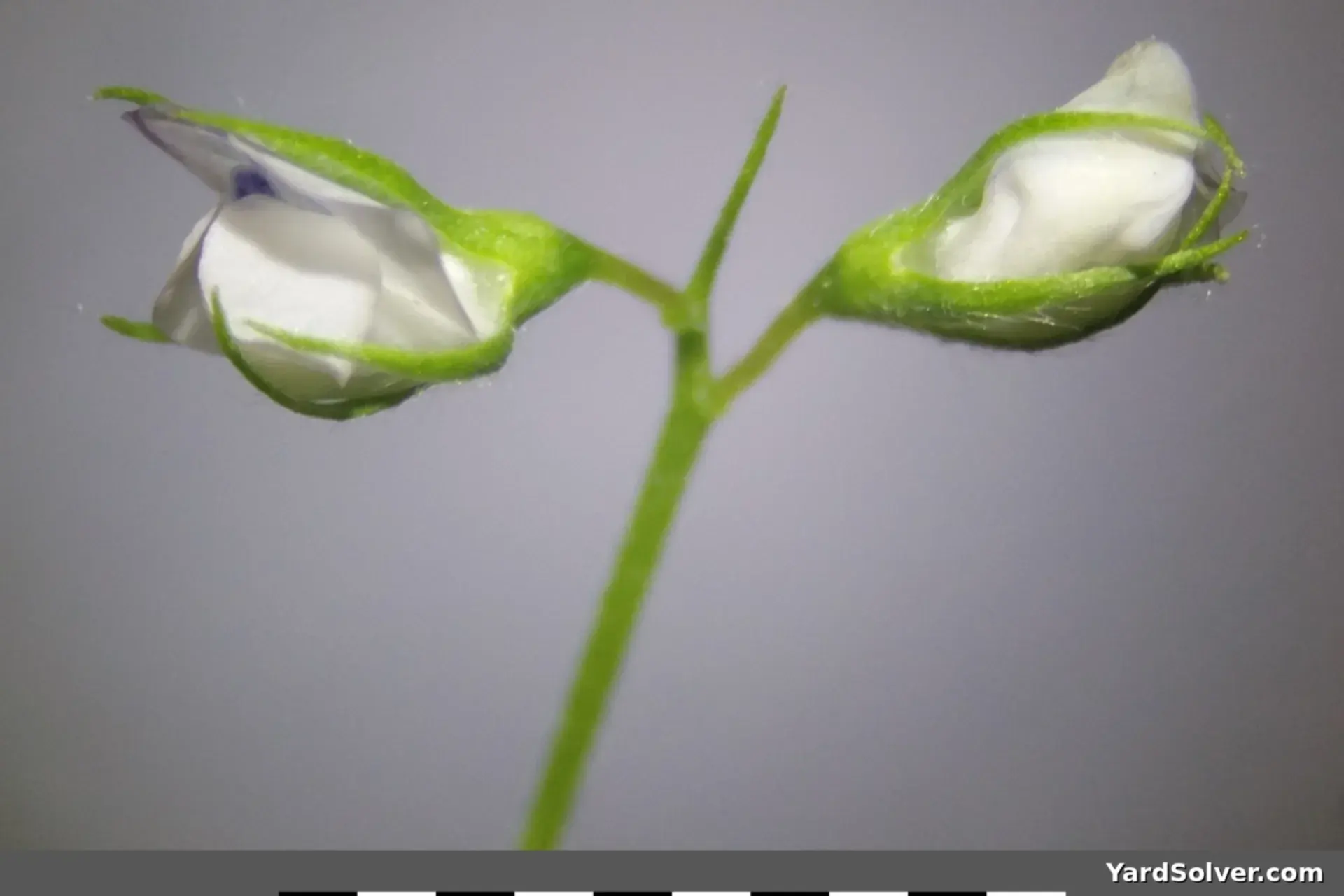
Root rot — wet soil rots the roots; grow in drained soil and never waterlog the bed. Aphids — they gather on the tips in warm weather; a jet of water knocks them off. Birds — they pick at the ripening pods; net the row once pods start to dry.
Step 6 — Harvest
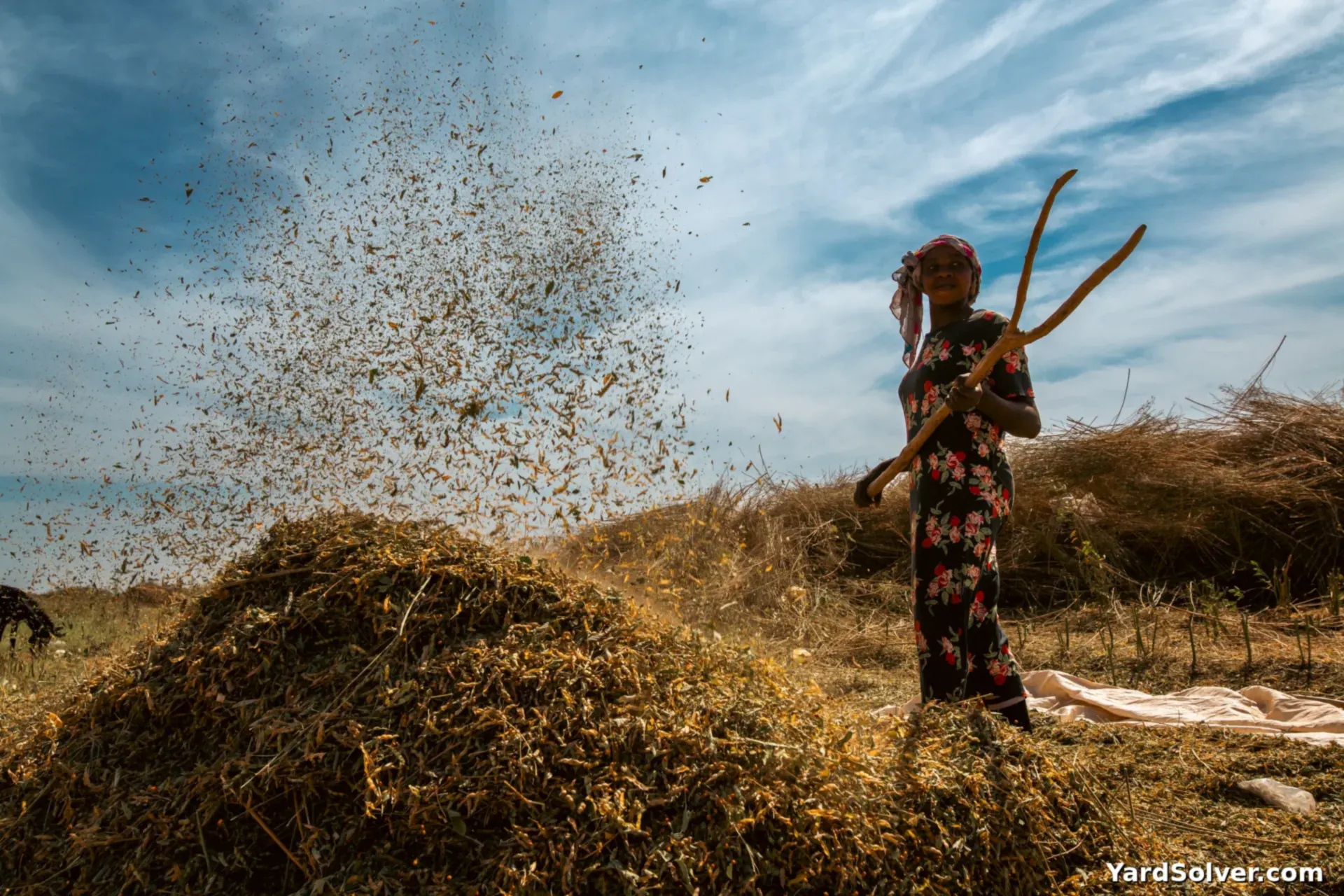
Ready in: 100–110 days. Wait until the pods rattle and the plants have turned brown, pull whole plants, dry them, then rub the pods over a sheet to thresh.
📅 Your personal Lentils schedule
Counted from your planting day — not a generic calendar. Day 0 is the day the seed went in the ground or the young plant went out.
Varieties worth growing
| Variety | Colour | Why gardeners like it |
|---|---|---|
| Brown | Brown | The everyday lentil — holds its shape in soups and stews |
| Green (Puy-style) | Green | Small, peppery lentils that stay firm when cooked |
| Red | Orange-red | Cooks soft and fast — the classic for dals and purées |
| Black (Beluga) | Black | Tiny, shiny lentils that look like caviar when cooked |
Good for you — and take care
Benefits
- One of the richest plant sources of protein and iron
- Grows in poor, dry soil where other crops fail
- Fixes nitrogen, feeding the next crop
- A dry harvest that stores for a year or more
Take care
- Lentils are harvested dry — wait until the pods rattle and the plants are brown before pulling.
- Thresh by rubbing the dried plants over a sheet, then winnow the chaff away.
- Do not eat lentils raw — always cook them.
Problems to watch for
- Root rot — wet soil rots the roots; grow in drained soil and never waterlog the bed.
- Aphids — they gather on the tips in warm weather; a jet of water knocks them off.
- Birds — they pick at the ripening pods; net the row once pods start to dry.
A little history — and one good fact
Lentils are one of the oldest crops in the world, grown in the Fertile Crescent for more than 9,000 years. They were a staple of the ancient world — lentil stew is one of the oldest recorded dishes — and today Canada is the world's biggest lentil grower.
Fun fact: Canada grows more lentils than any other country — most of them in Saskatchewan, where the dry prairie suits this drought-tough pulse.
Keep going
Guides: How to Harden Off Seedlings · How to Read a Seed Packet · How to Grow Lentils — the full guide
Calculators: Plant Spacing Calculator · Seed Calculator · Fertilizer Calculator · Garden Mix Calculator
Plan it: Garden Planner · Planting Calendar · Companion Planting Chart · Seed Box
Good companions: Carrot · Cucumber · Potato
Keep apart: Onion (sets) · Garlic — see the Companion Planting Chart for the full picture.
← Back to the Plant Library · Get your personal planting dates
Questions people ask
When do I plant lentils?
Direct sow 2–3 weeks before last frost. Lentils are cool-season and tolerate light frost.
How far apart do I space lentils?
Sow 1 in deep, 1–2 in apart in rows 6–8 in apart. Sun: full sun.
When are lentils ready to harvest?
100–110 days after sowing, when the pods rattle and the plants have turned brown. Pull whole plants and dry them.