
Plant Library · Flowers
🌸 How to Grow Lily
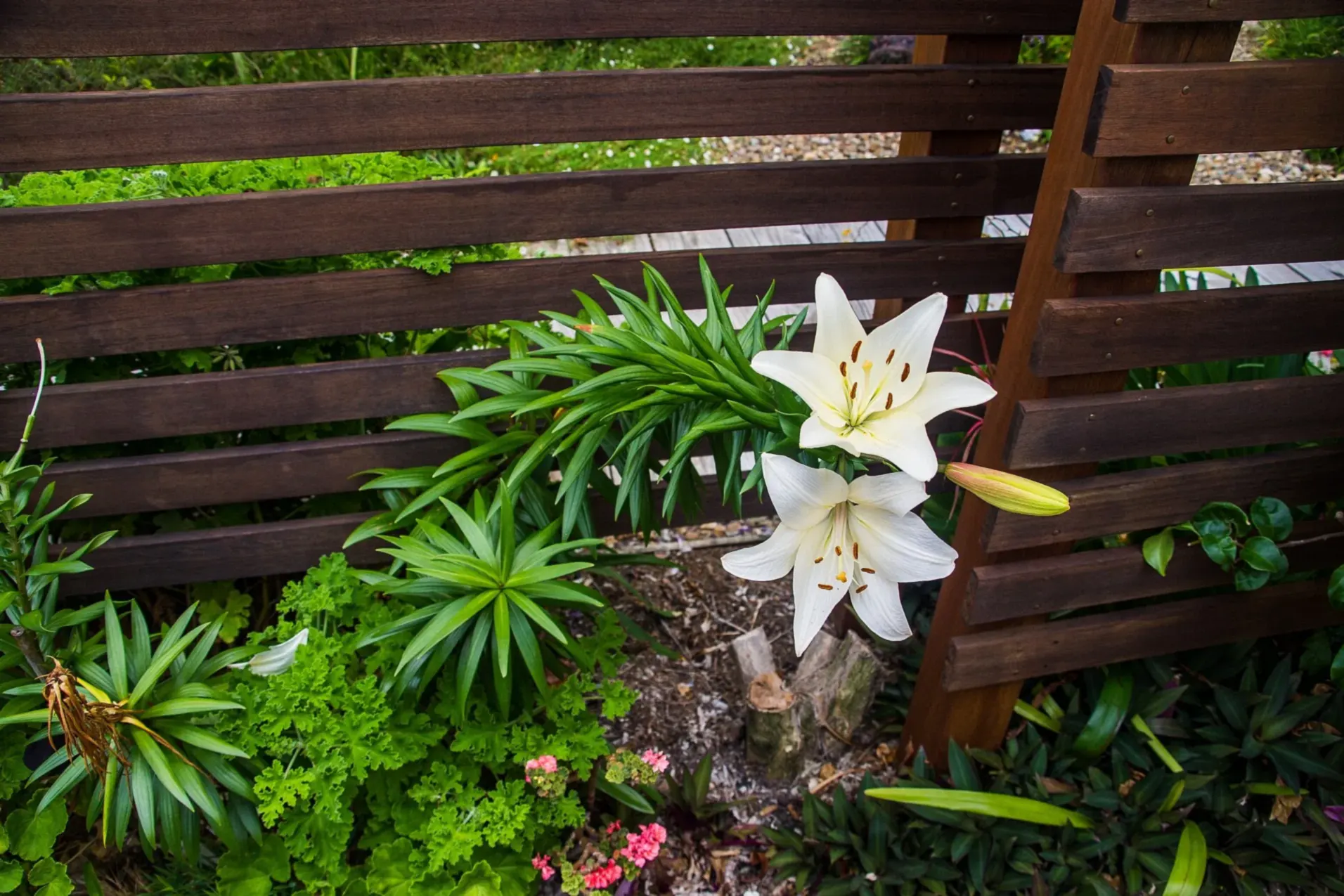
The flower florists build bouquets around — true lilies (Lilium) grow from scaly bulbs, flower once gloriously each summer in trumpets, stars and Turk's caps, and many carry a perfume you can smell down the garden. Plant bulbs deep in autumn, give them sun above and shade at the root, and guard them from one enemy: the scarlet lily beetle. One serious warning: lilies are lethally toxic to cats.
Grow Lily with us — step by step
Everything for this plant is written step by step below — what to do, and exactly when. Read it through first if you like: you can grow it entirely on your own with that guide. Or start with us here — tell us your planting day and we lay out your personal schedule on this page, every next step on its own day, counted from your planting date. No guessing, no forgetting.
Step 1 — today: Buy firm, plump lily bulbs in autumn and plant them the week they arrive — lily bulbs dry out in storage like no other bulb.
Lily at a glance
Plant out: Bulbs in autumn (or spring), planted deep
Sow outdoors: From seed takes 3–5 years — buy bulbs
Lift and divide: Every 3–4 years when flowering thins
Spacing · Depth: 12 in apart · 6 in deep
Sun: Full sun above, cool shaded roots
Water: Moderate and steady
Bloom: June to August by type; Asiatic first, Oriental last
Timing counts from your average last spring frost — get your own dates in the Planting Calendar. Guidance follows standard extension-service practice for Canada and the US.

How to plant and grow lily, step by step
Step 1 — Time it right
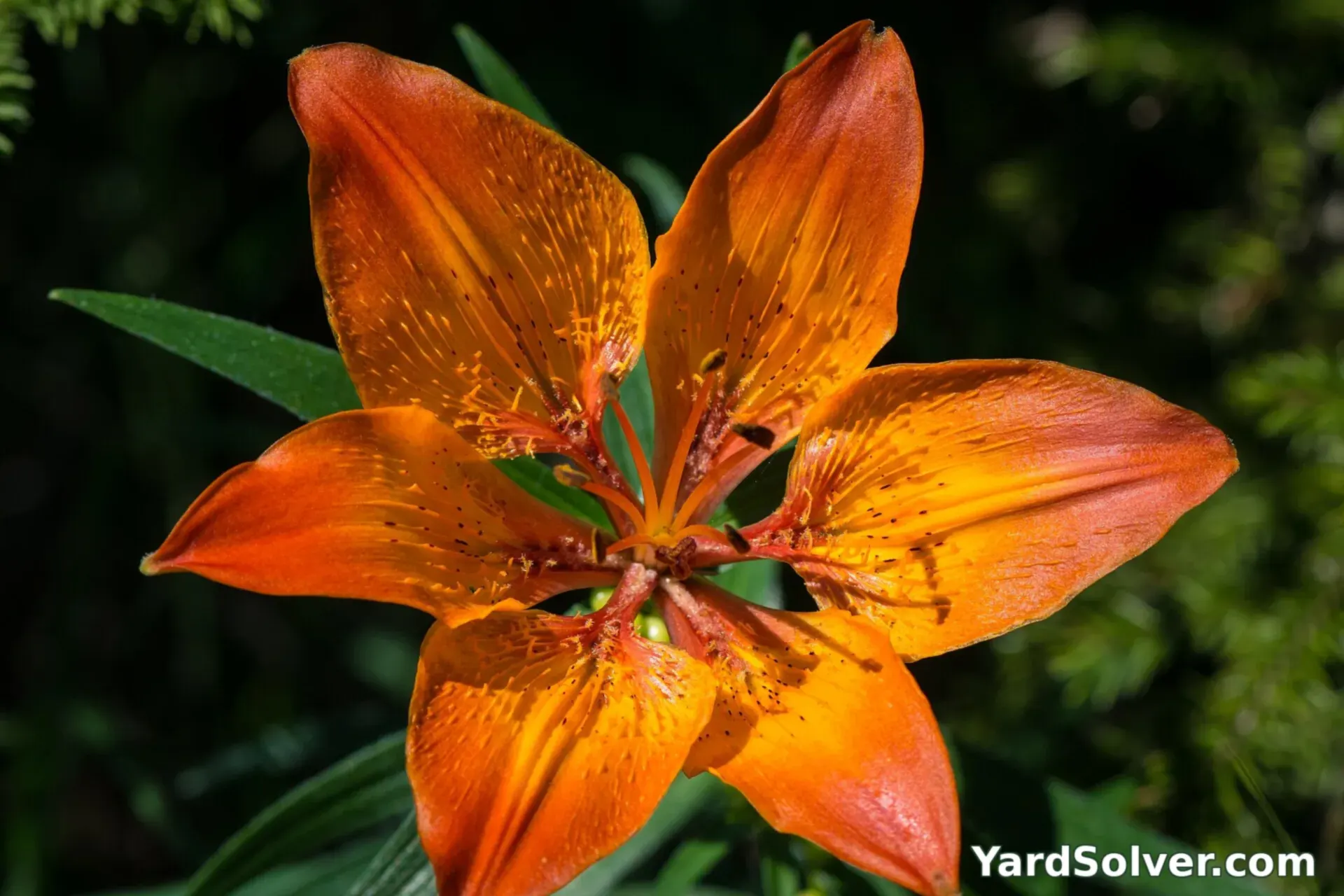
Plant out: bulbs in autumn — spring planting works but flowers smaller the first year; From seed: 3–5 years to flower — buy bulbs. All dates count from your average last spring frost — the Planting Calendar turns them into real dates for your garden. Lily bulbs have no papery tunic — they dry and shrivel in storage, so autumn bulbs go into the ground the week they arrive (spring-bought bulbs are planted at once too). Plant deep: lilies root from the stem above the bulb as well as below it, and depth keeps them cool and upright. Asiatic lilies bloom first (June), then trumpet and LA hybrids, then the fragrant Orientals in August.
Step 2 — Prepare the spot
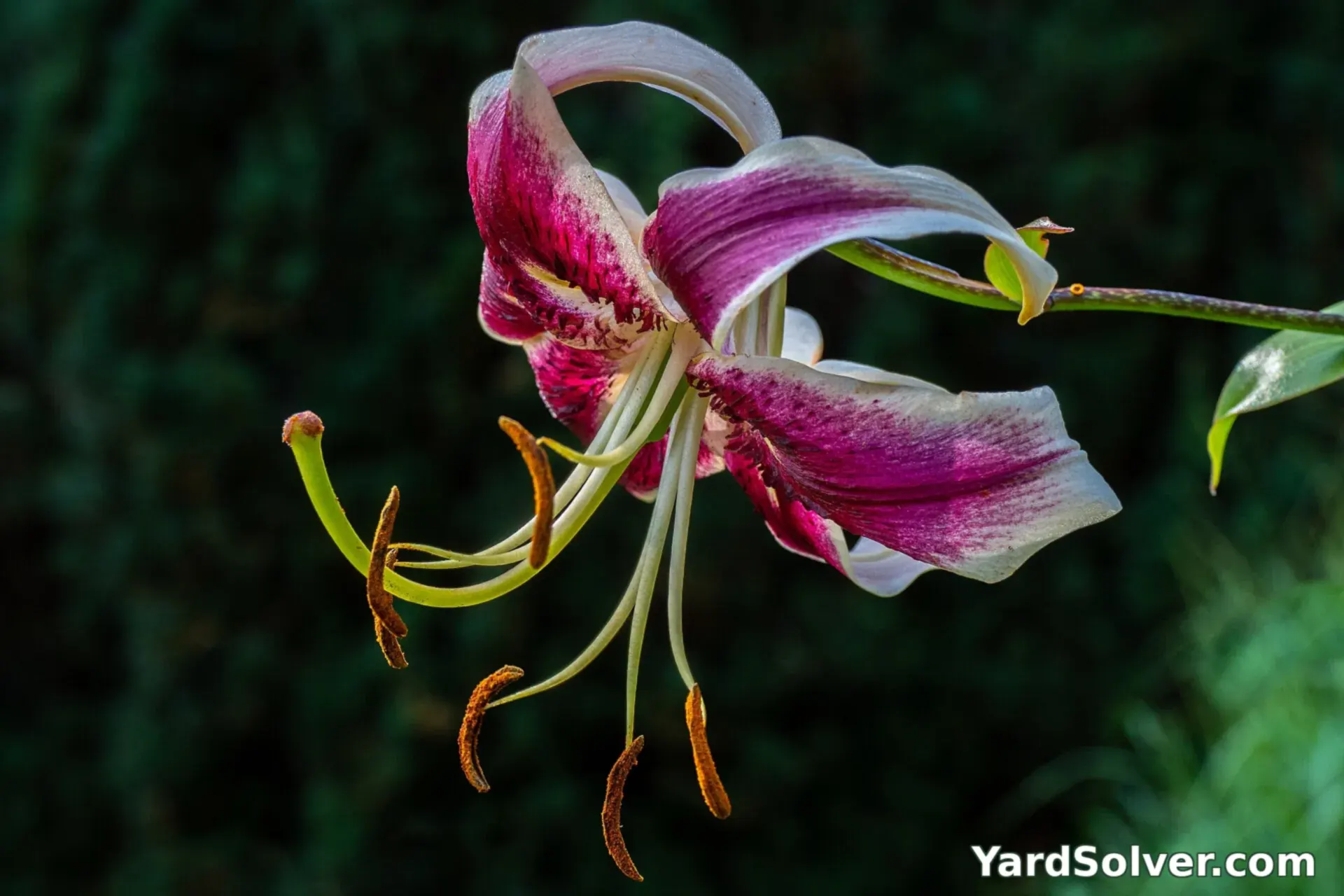
The old saying is exact: lilies want their heads in the sun and their feet in the shade — full sun for the flowers, cool roots beneath low companions or a mulch. Soil must drain freely: on heavy ground, dig deep and work in grit, and set each bulb on a handful of sharp sand. For a raised bed, the Raised Bed Soil Calculator counts the bags for you; mixing your own? The Garden Soil Calculator gives the compost-rich split to aim for.
Step 3 — Sow and plant out
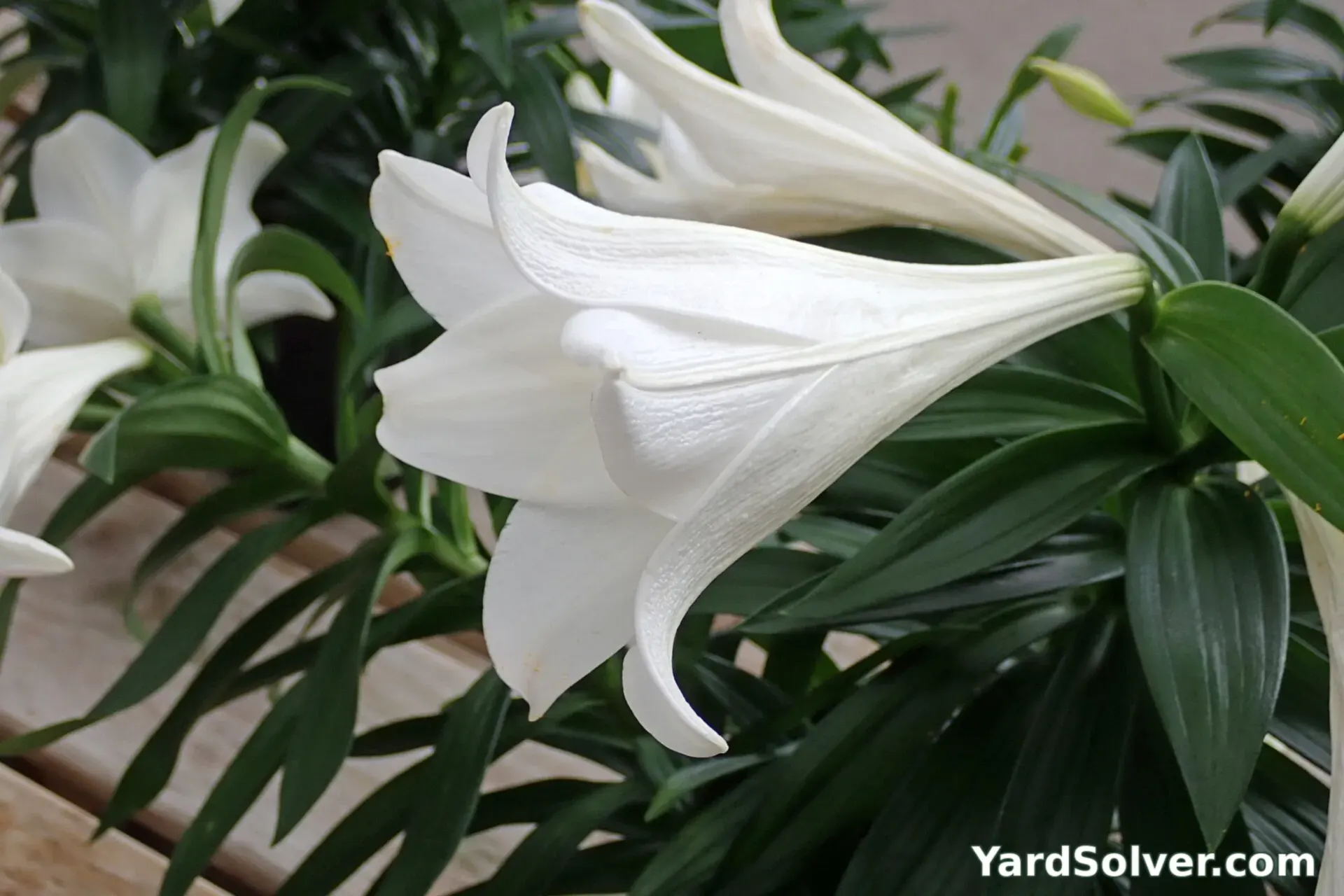
Plant bulbs 6 in deep (three times the bulb's height) and 12 in apart, pointed end up, and mark the spot — you'll forget by spring. The Plant Spacing Calculator turns your bed size into an exact plant count. Good neighbours: lilies thread up through the June border with delphiniums and roses; low plants at their feet give the shaded roots they want.
Step 4 — Water and feed

Water in dry spells during growth — lilies make their stem height and bud count on steady spring moisture. Feed with a balanced feed as shoots emerge and again at bud stage — the Fertilizer Calculator turns your bed size into exact amounts. A potash-rich feed after flowering builds the bulb for next year.
Step 5 — Care and the problems to watch for
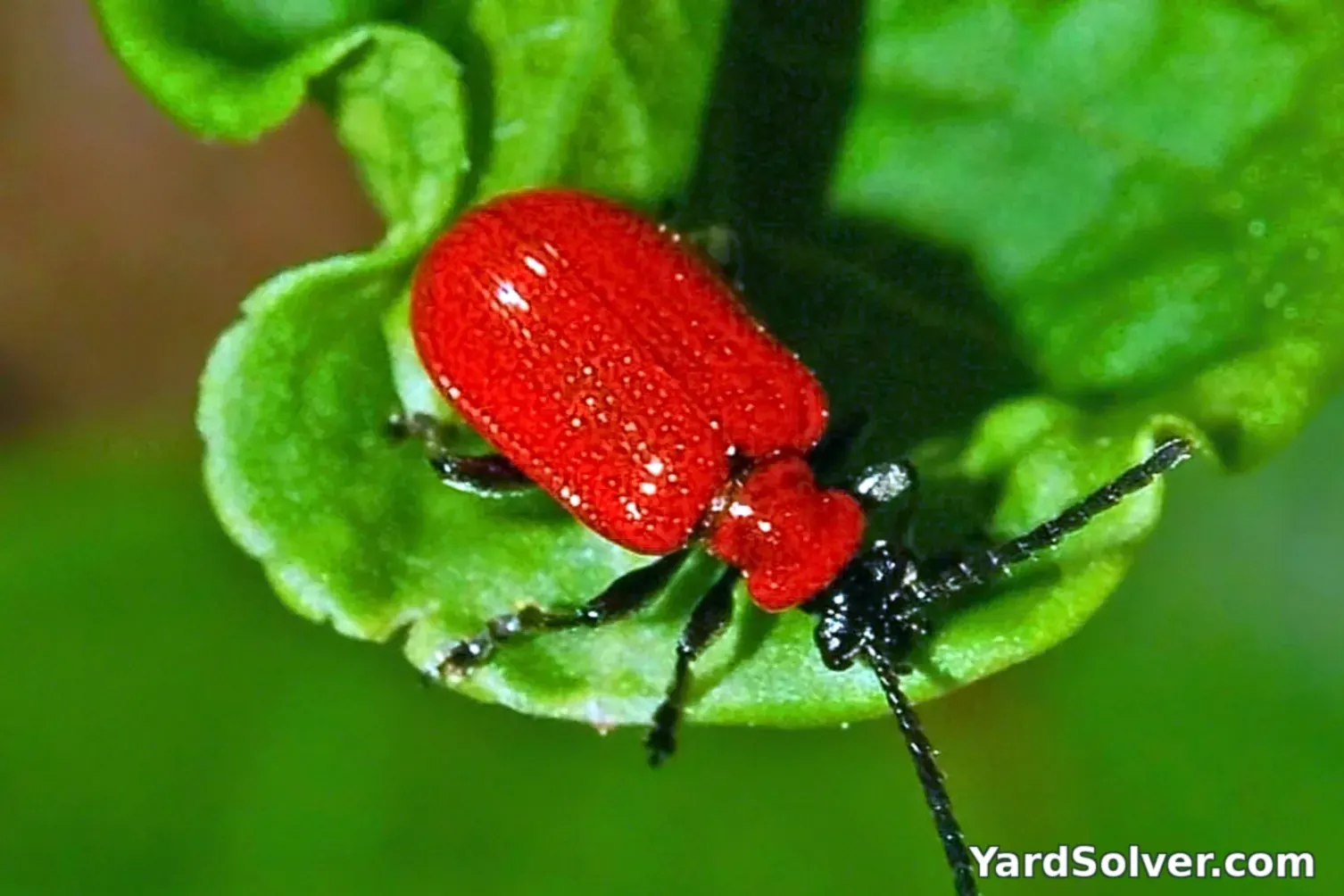
The scarlet lily beetle is the lily grower's war: pick the beautiful red adults off by hand from spring onward (they drop and play dead — hold a hand underneath), and wipe off the revolting grubs (they cover themselves in their own dung) from leaf undersides. Check fritillarias too — same beetle.
- Stems toppling — planted too shallow, or a tall Oriental in wind; stake discreetly at bud stage.
- Buds browning unopened — late frost or botrytis in a wet spell; remove affected buds.
- Fewer flowers each year — bulbs are crowded or starved; lift, divide and replant deep in autumn with feed.
Step 6 — Harvest
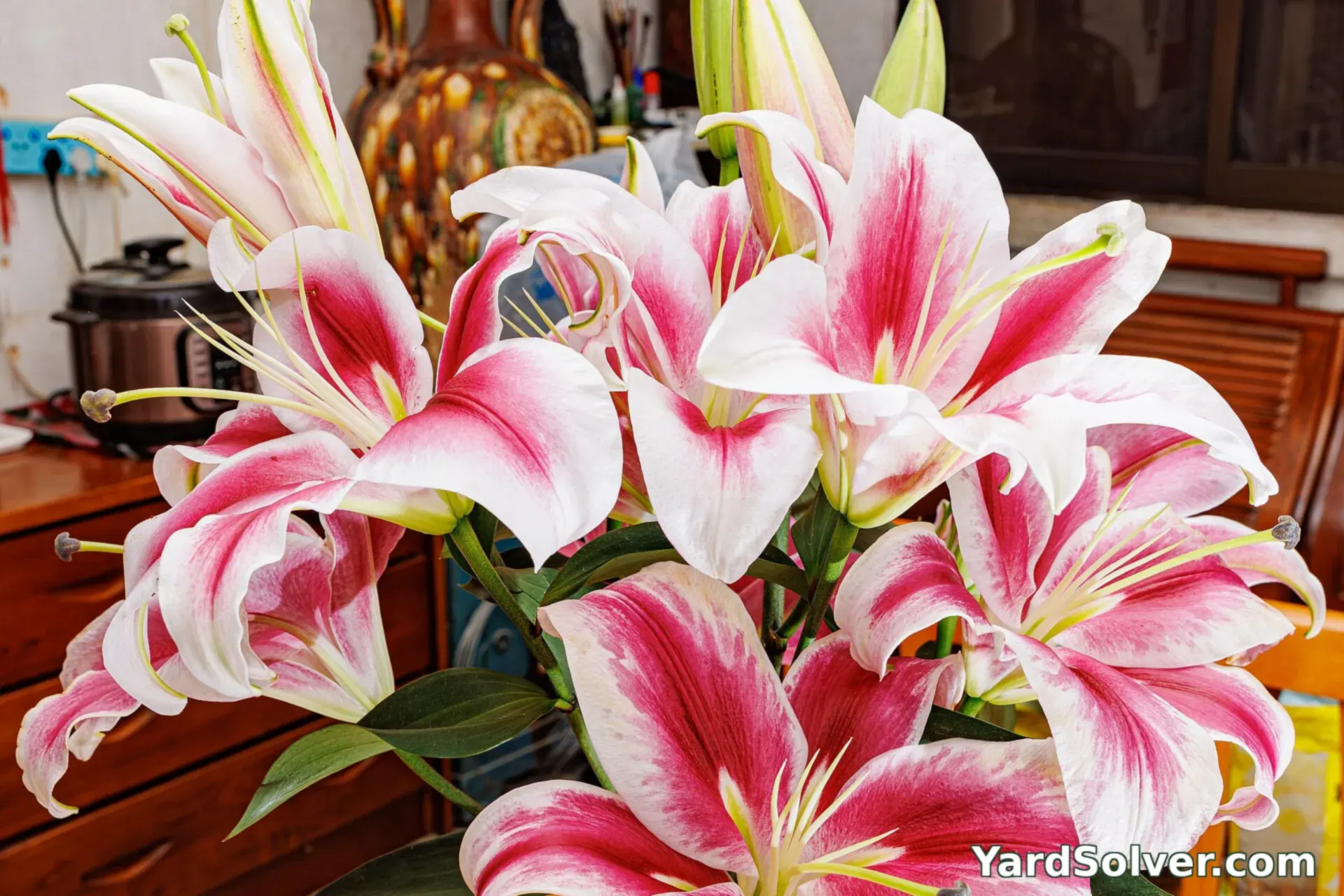
Cut lily stems when the lowest bud is coloured and just cracking — the rest open in the vase over two weeks. Remove the pollen anthers as flowers open (pollen stains fabric indelibly) and the vase life lengthens too. On the plant, snip off seed pods after flowering but leave the stem and leaves standing until they yellow — that green stem is next year's flower being paid for.
📅 Your personal Lily schedule
Counted from your planting day — not a generic calendar. Day 0 is the day the seed went in the ground or the young plant went out.
Varieties worth growing
| Variety | Colour | Why gardeners like it |
|---|---|---|
| Casa Blanca | White Oriental, huge perfume | The famous fragrant white — August evenings belong to it. |
| Stargazer | Pink-and-white Oriental | The florist's icon — upward-facing, heavily scented. |
| Regale | White trumpet, purple-backed | A hardy, easy species lily — the beginner's best start. |
Good for you — and take care
Benefits
- The grandest cut flower you can grow — one stem is a bouquet.
- Perfume (Orientals) that carries across the whole garden.
- A succession from June (Asiatics) to August (Orientals) from one bulb bed.
Take care
- LETHALLY toxic to cats — pollen, leaves, even vase water.
- The scarlet lily beetle needs hand-picking from spring.
- Bulbs dry out in storage — plant the week they arrive.
A little history — and one good fact
Lilium is one of the oldest cultivated flowers — lilies appear in Minoan frescoes 3,500 years old. The Madonna lily (L. candidum) symbolised purity across the Mediterranean world. The great modern expansion came when Asian and American species reached Western breeders in the 1800s–1900s and the Oriental and Asiatic hybrids exploded from them.
Fun fact: A lily 'bulb' is really a compressed stem wrapped in fleshy scales — which is why a single scale, pegged down in compost, can grow into a whole new bulb.
Keep going
Guides: Companion planting basics · Crop rotation basics · Pollinator garden guide
Calculators: Plant Spacing Calculator · Garden Mix Calculator · Fertilizer Calculator
More flowers: Tulip · Daffodil · Iris · Delphinium
← Back to the Plant Library · Get your personal planting dates
Questions people ask
Are lilies really that dangerous to cats?
Yes — lilies are one of the most serious plant poisons for cats. Eating any part, licking pollen off fur, or drinking vase water can cause acute kidney failure. The safe rule for cat households is simple: no true lilies (Lilium or daylilies) in the garden or the vase.
When do I plant lily bulbs?
Autumn is ideal, spring works — but always plant immediately on arrival, because the scaly bulbs have no protective skin and dry out fast. Plant 6 in deep, pointed end up, in free-draining soil.
How do I deal with lily beetles?
Hand-pick the scarlet adults from spring (they drop when disturbed — catch them from below), remove the dung-covered grubs from leaf undersides, and check plants weekly. Persistence wins; caught early, a planting stays clean.