
Guides · Growing Wisdom · Soil & Planning · Published November 11, 2026
Crop Rotation Basics: The Four-Year Plan That Keeps Soil Honest
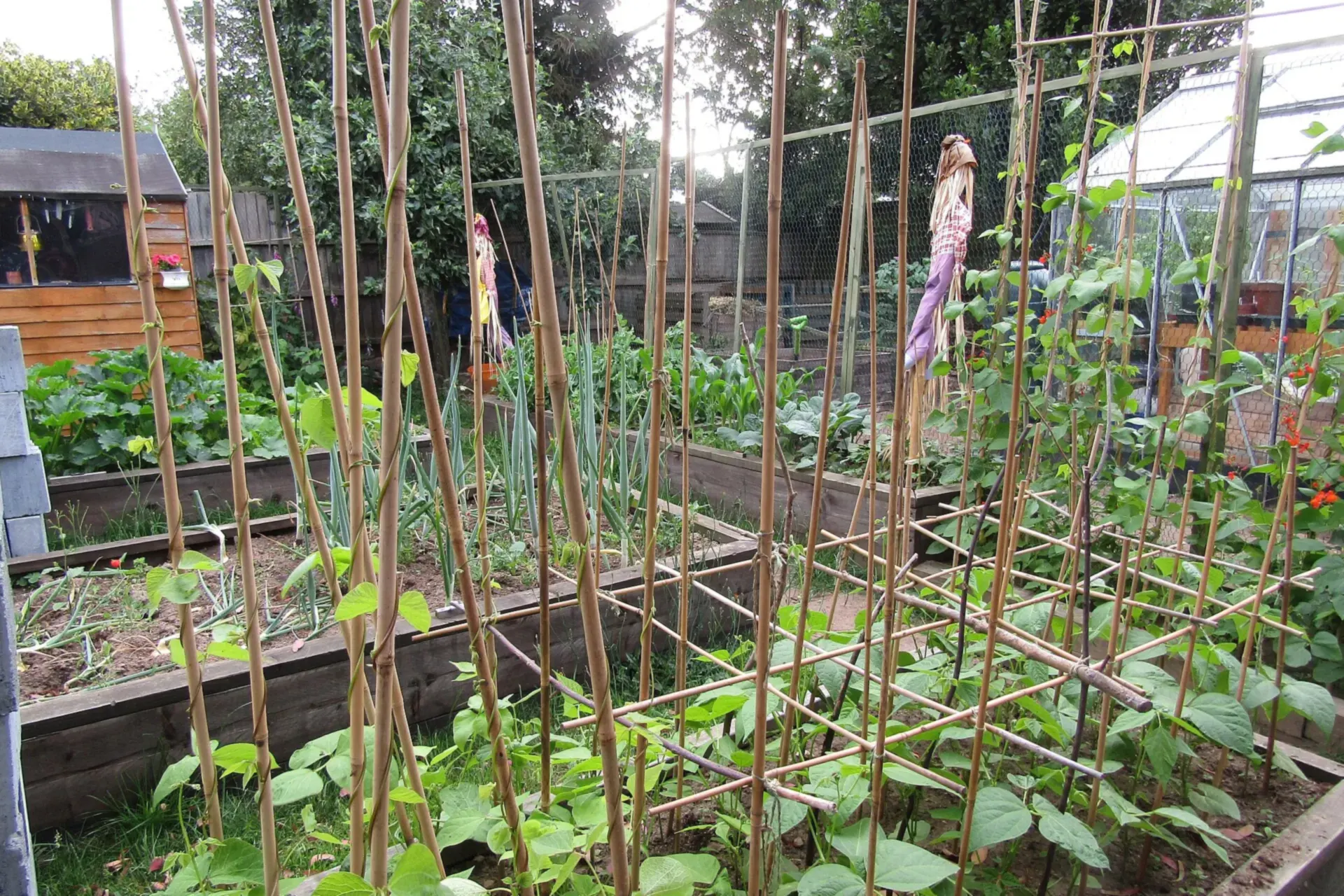
Crop rotation is the oldest trick in farming, and the simplest: never grow the same plant family in the same soil two years running. Do it, and three quiet miracles happen — soil diseases lose their host and starve, hungry crops follow generous ones that fed the soil, and each bed gets a rest from the specific nutrients one family drains. This guide gives you the families, the four-year cycle, and the tools to run it without a notebook full of regret.
Crop rotation at a glance
- The rule: same family, same bed — never in consecutive years. Three to four years apart is ideal.
- The families that matter: legumes, brassicas, nightshades, alliums, roots & umbels, cucurbits, and the rest.
- The classic order: legumes → brassicas → nightshades & cucurbits → roots & alliums → back to legumes.
- The tool: the free Crop Rotation Planner lays the cycle over your own beds.
Step 1 — Learn the families — plants are rotated by family, not by name
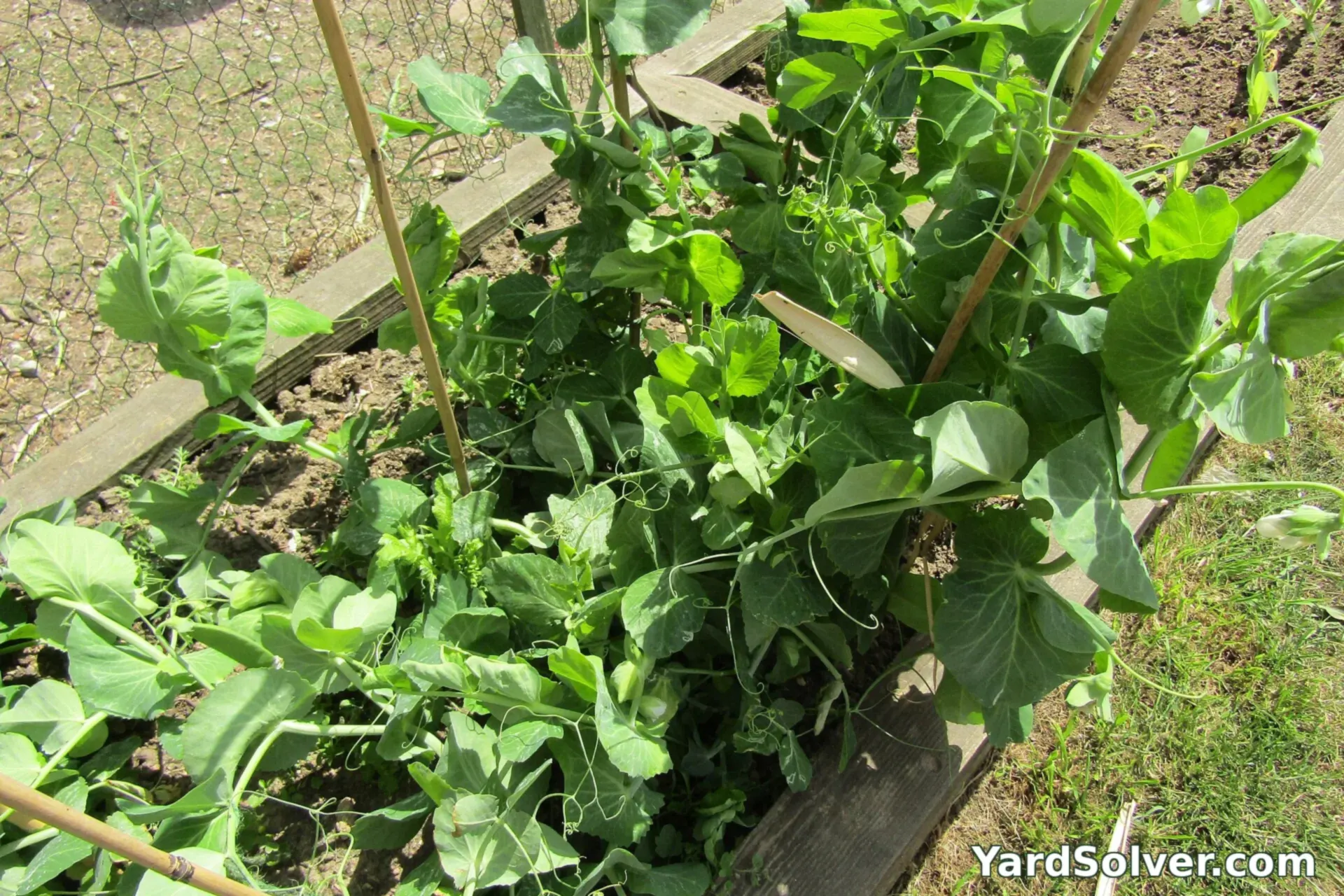
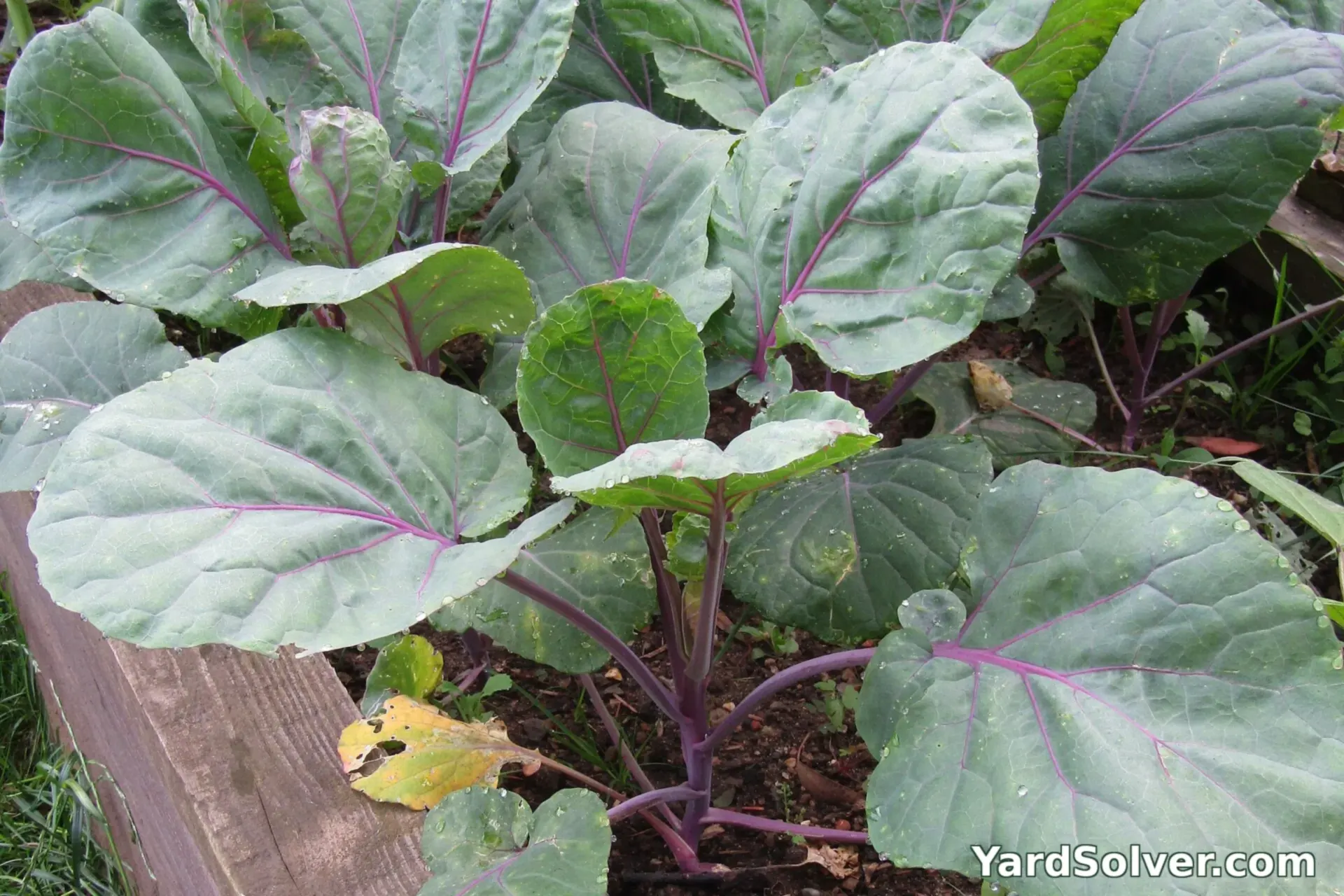
Rotation works because pests and soil diseases are family-loyal: the blight that haunts tomatoes also lives on potatoes and peppers (the nightshades), and clubroot follows every brassica from cabbage to kale. Memorise seven groups and you know the whole system: legumes (peas, beans), brassicas (cabbage family), nightshades (tomato, potato, pepper, eggplant), alliums (onion, garlic, leek), roots & umbels (carrot, parsnip, celery, parsley), cucurbits (squash, cucumber, melon), and the rest (sweet corn, lettuce, spinach, beets and chard — beets and chard are cousins, so rotate them together).
Step 2 — Divide the garden into rotation beds
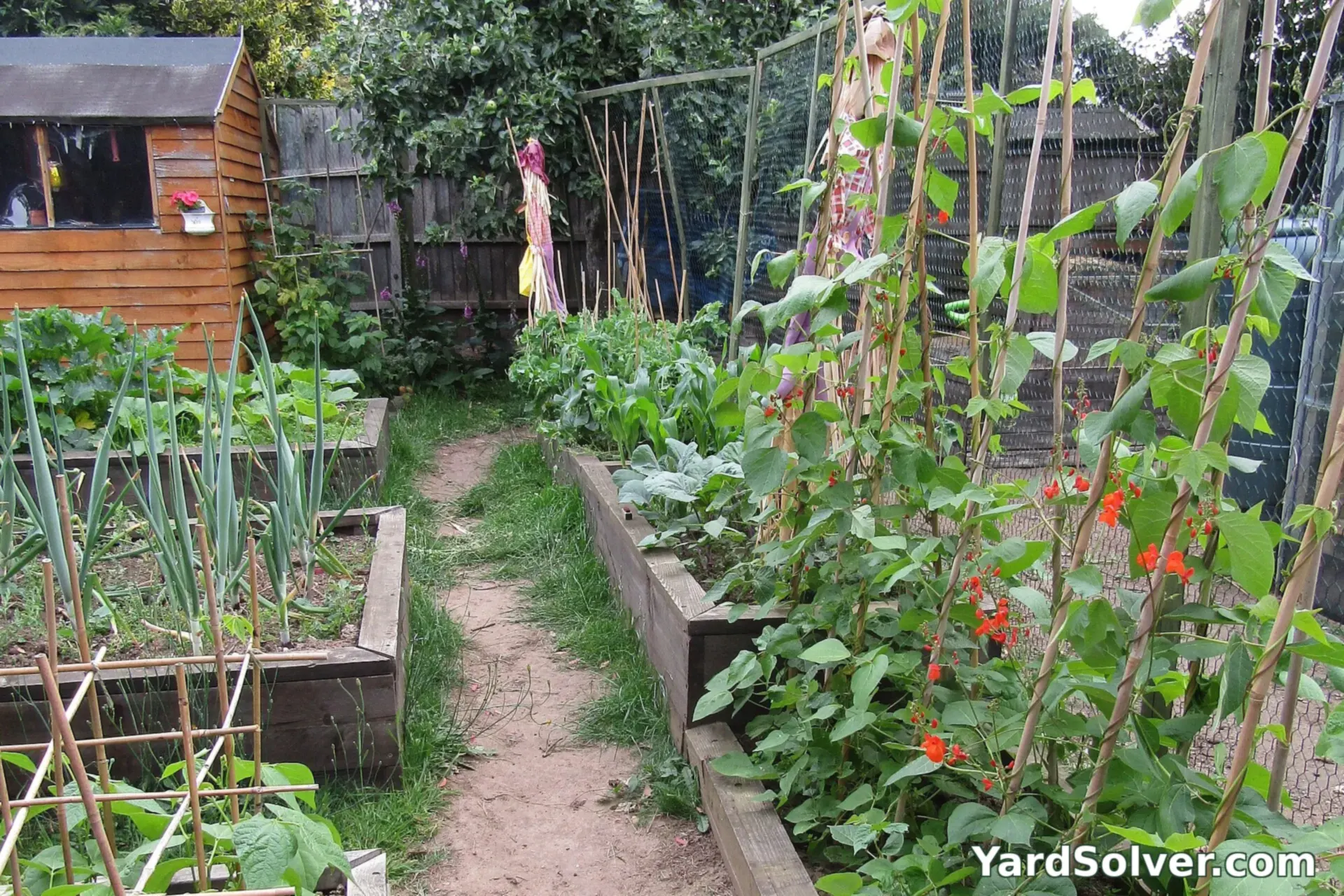
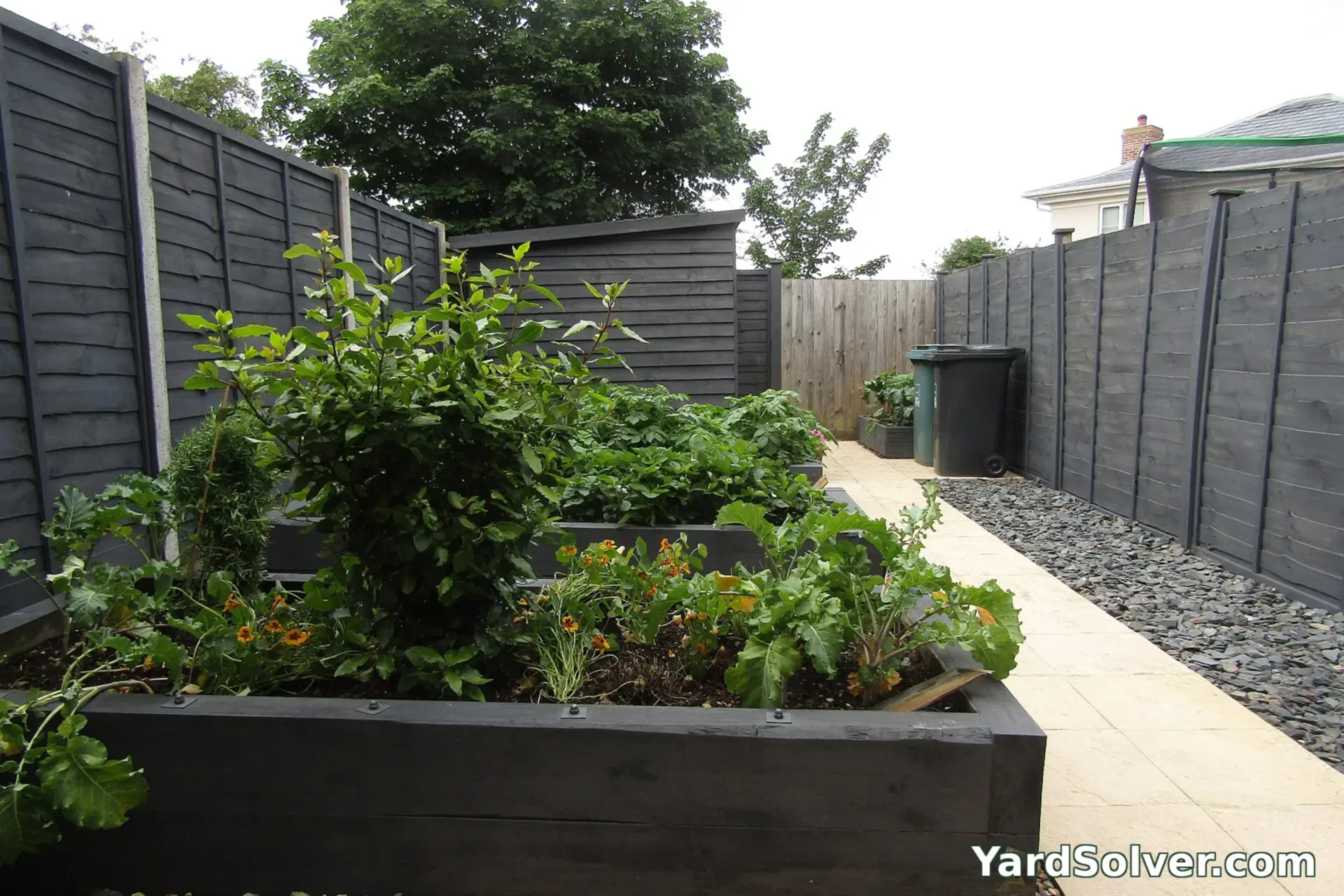
The cleanest setup is four beds (or four clear sections of one plot), one per rotation group, with the extras — cucurbits, corn and salads — slotted in where they fit best (cucurbits usually join the nightshade bed; salads and sweet corn can go almost anywhere and barely count). Sizing the beds comes first: run your beds through the Raised Bed Soil Calculator for the fill, and size new beds with the Garden Designer. One bed or twenty, the principle scales: what matters is that a family's new home each year is soil it hasn't touched in three.
Step 3 — Run the four-year cycle
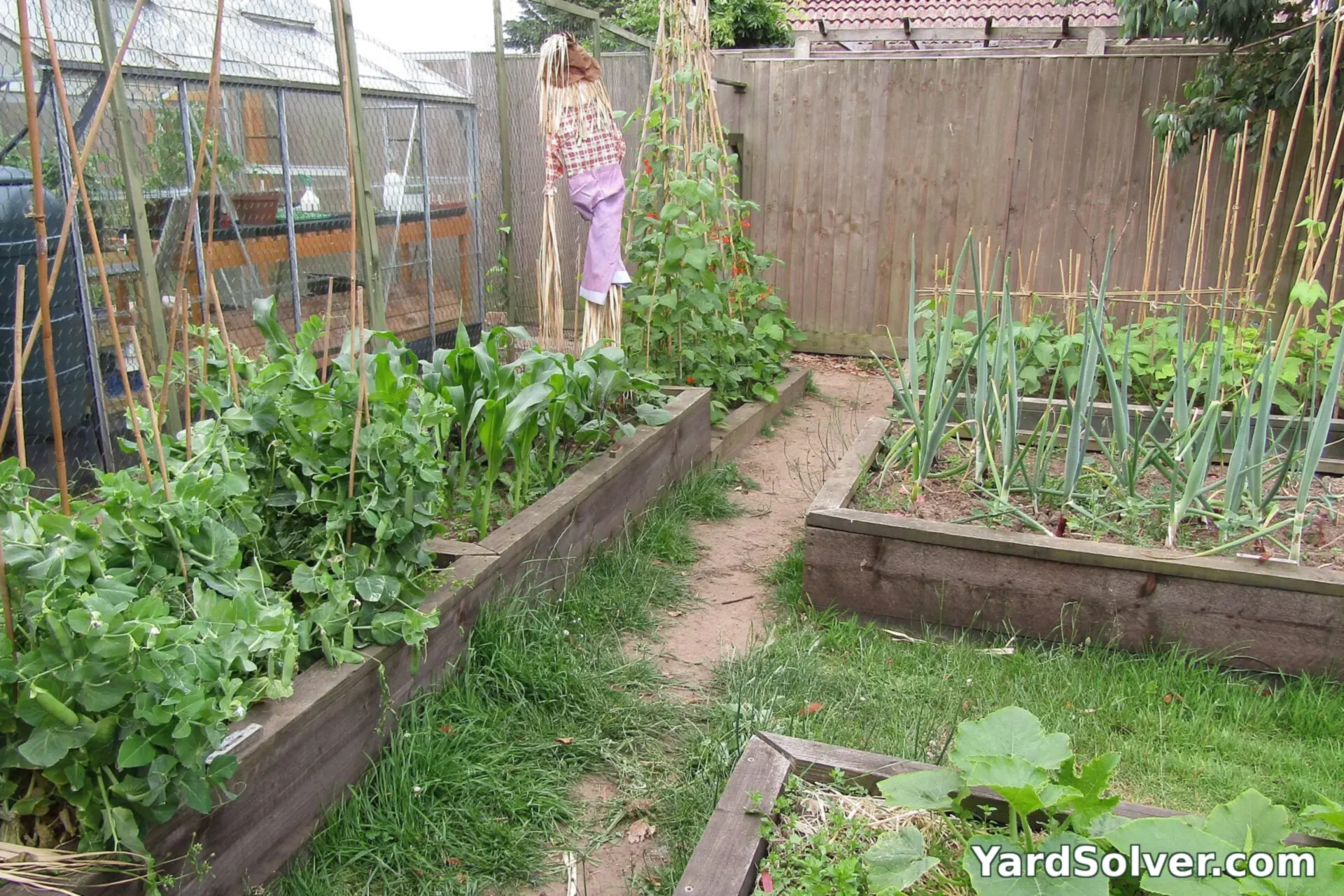
The classic order exploits what each family does to soil. Year 1 — Legumes: peas and beans fix nitrogen from the air and leave it in the soil. Year 2 — Brassicas: the hungriest feeders in the garden move in and spend that nitrogen (add compost for them — they still want more). Year 3 — Nightshades & cucurbits: moderate feeders follow, in soil where brassica diseases can't touch them. Year 4 — Roots & alliums: light feeders that dislike fresh richness finish the cycle and loosen the soil with their roots. Then legumes return to year-1 soil, four years rested from their own family. Lay your own beds onto this wheel with the Crop Rotation Planner — it is this cycle, turned into a picture of your garden.
Step 4 — Match the rotation to your frost dates and calendar
A rotation plan is drawn in winter and lived by the calendar: each spring, the family moves, and every sowing date moves with your frost dates, not the packet's optimism. The Planting Calendar converts your last spring frost into sowing and transplanting weeks for everything in the plan, and the Companion Planting Chart settles the second question rotation raises — once a family has its bed, which neighbours inside the bed help or hinder each other. Rotation decides the bed; companions decide the seating plan inside it.
Step 5 — Keep the record — future you is the whole point
Rotation fails in exactly one way: forgetting. Nobody remembers which bed held potatoes three years ago. Keep the record where you'll find it: print this year's plan with the button below and pin it in the shed, keep your seed stock listed in the Seed Box so sowing follows the plan, and note the one or two exceptions you made and why. Perfect rotation bent by a wet spring beats a perfect memory that never existed. The soil keeps the score either way — yields and disease pressure tell you within two seasons whether the wheel is turning.
Keep going
Plan it: Crop Rotation Planner · Planting Calendar · Companion Planting Chart · Seed Box
Read next: Companion planting basics · Succession planting guide · How to start composting
Questions people ask
What is the most important rule of crop rotation?
Never grow the same plant family in the same bed in consecutive years — three to four years between a family's visits is the ideal. Diseases and pests are family-loyal, so moving the family starves them, and different families balance what they take from and give to the soil.
My garden is tiny — can I still rotate?
Yes, in containers and by halves: rotate the big families (nightshades, brassicas, legumes) between your two or three best beds or largest pots with fresh compost, and let salads and herbs fill anywhere. Even a two-year gap helps; perfection is not the requirement.
Where do potatoes fit — and do they really clash with tomatoes?
Both are nightshades, so they share a rotation group and should never follow each other in the same bed — potato blight and tomato blight are the same disease wearing two coats. Keep them in the nightshade bed together, or in different beds the same year, but always move the pair as one family.
Comments & ratings
No comments yet.
Be the first to share your experience.