
Guides · Pollinators · Published November 3, 2026 · Updated November 8, 2026
Native Plants: Benefits, Regional Picks and How to Grow Them
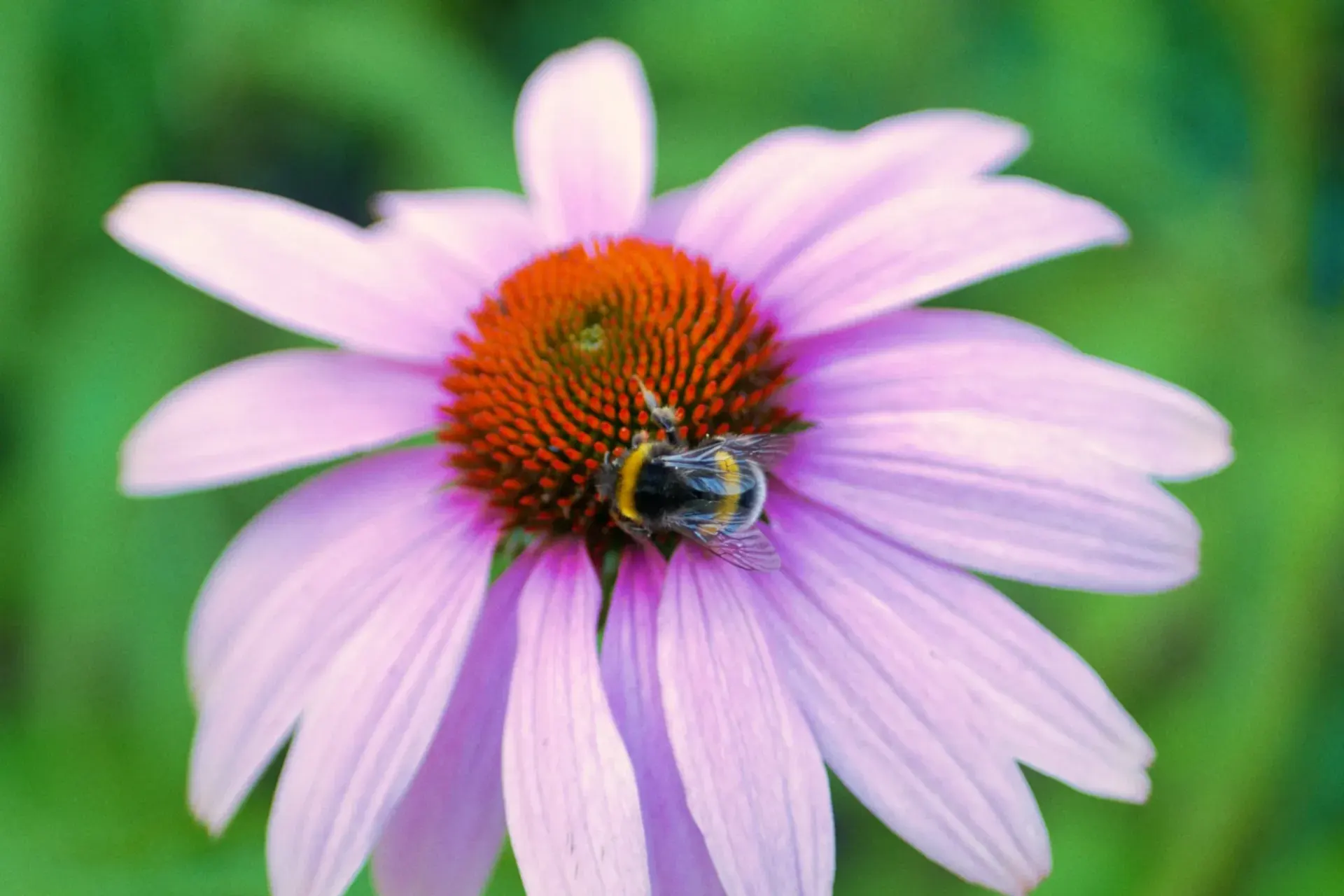
Native plants are having a moment, and for once the fashion rests on arithmetic. A plant that evolved in your region asks for your region's rainfall, shrugs at your winters, feeds the insects your vegetables quietly depend on, and — once its roots are down — mostly looks after itself. This guide covers the benefits honestly (including where the claims overshoot), how to choose species for where you actually live in the US or Canada, a regional starter list, and the first-year care that decides whether a native planting becomes the lowest-maintenance corner of the garden or an expensive lesson.
Why native plants, in one card
- Less work, honestly: regionally native plants, once established, need little water, no fertilizer programme and no spraying — they evolved for your weather
- A better vegetable harvest: the pollinator workforce that sets your cucumbers, squash and peppers lives on native flowers between vegetable blooms
- Water savings are real: many natives — echinacea, yarrow, sedum, hardy lavender — run drought-tolerant once their roots are down
- The rule that decides everything: "native" means native to your region — the starter lists below are split US and Canada for exactly that reason
Step 1 — The benefits — starting with your vegetables
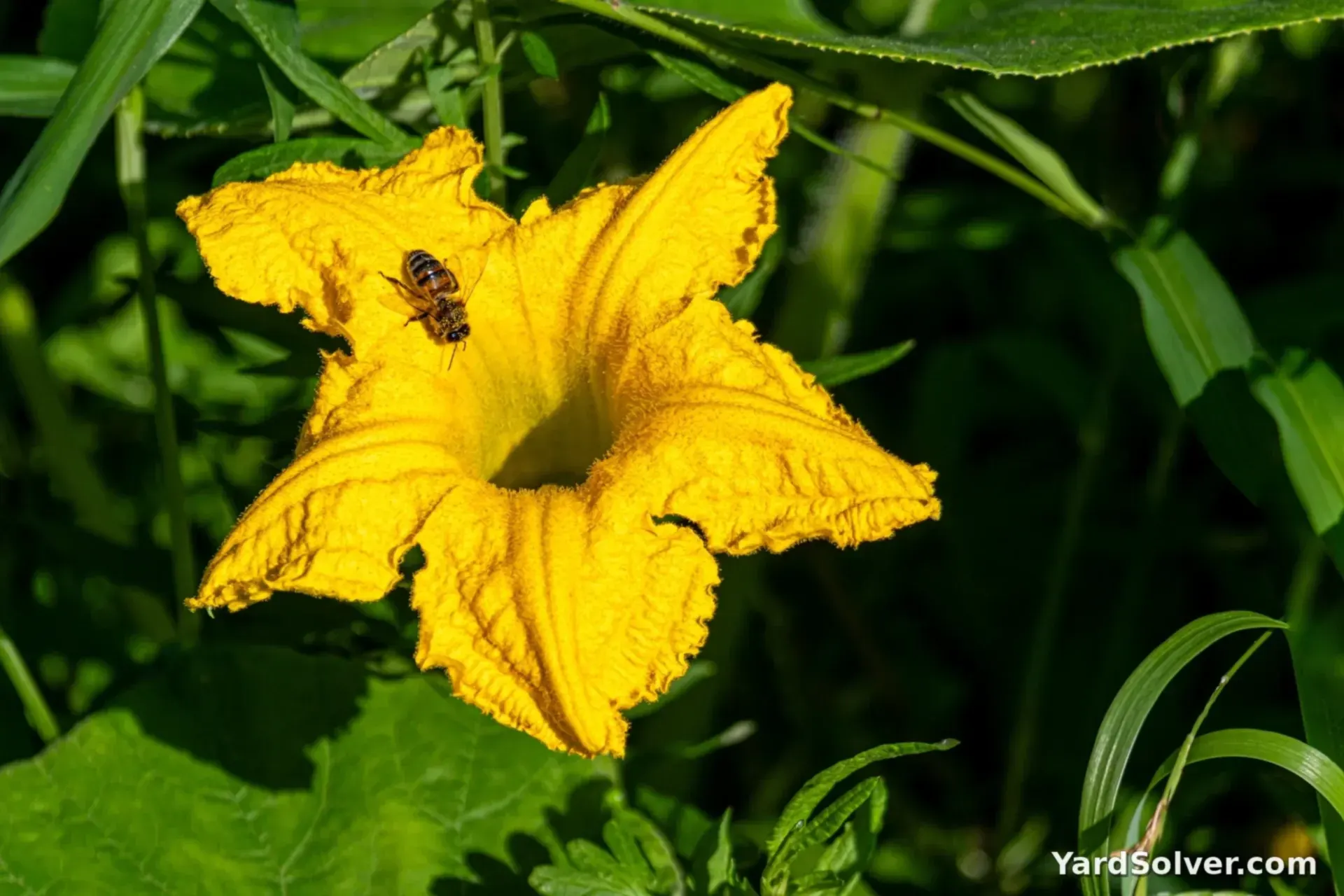
Start with the crops that cannot manage alone. Cucumbers, squash and pumpkins carry separate male and female flowers on the same plant, and pollen has to travel between them — in a bee's fur, or not at all. A female flower that gets no visit withers with its tiny fruit attached, which is why "my zucchini keep rotting at the tip" is so often a pollination story. Beyond the beds, the benefits stack up: natives feed specialist bees that cannot switch to ornamental imports; their deep roots hold soil and drink deep, which is why so many appear again in our Drought-Tolerant Plants guide; and a planting matched to local seasons blooms when local pollinators emerge — the menu opens exactly when the customers arrive.
The honest limit: native plants are not magic, and a poorly chosen native (right continent, wrong region — or a water-lover planted in dry sand) fails like anything else. The benefits belong to plants matched to your actual place and soil, which is what the next step is for.
Step 2 — Choose by region: the starter lists
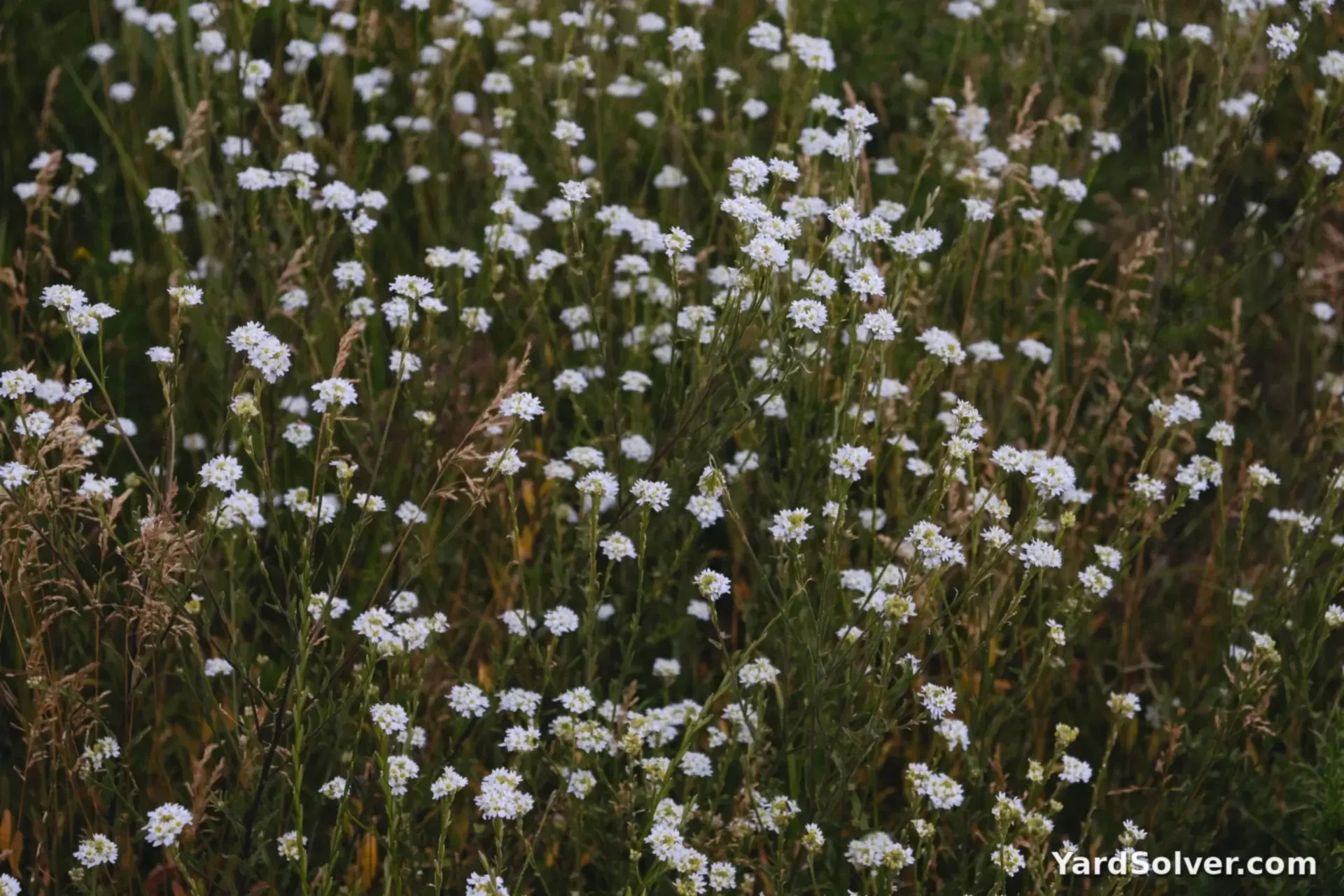
One sunny corner, planted densely, beats flowers sprinkled everywhere. The planting rules are succession — something blooming from early spring to fall, because bees eat in April and September too — and clumps of one species, which make a worthwhile stop on a foraging route. Favour straight species over double-flowered cultivars (doubled petals often block the nectar and pollen the plant is for), and mix flower shapes — flat landing pads alongside tubes and bells, because different bees carry different tongues. The regional shortlist below is a starting point to take to your native plant society or extension list, not a substitute for it:
| Region | Spring | Summer | Fall |
|---|---|---|---|
| Eastern US & Canada | Wild columbine, wild geranium | Bee balm, black-eyed Susan, anise hyssop | New England aster, goldenrod |
| Prairies & Great Plains | Pasque flower, prairie smoke | Purple coneflower (echinacea), blanket flower | Asters, goldenrod, little bluestem (grass) |
| West & Mountain | Penstemon, lupine | Blanket flower, Rocky Mountain bee plant | Rabbitbrush, asters |
| Pacific & West Coast | California poppy, lupine | Yarrow, California fuchsia | Goldenrod, asters |
All are widely native within their regions; confirm against your state/provincial list — ranges are wide and local ecotypes do best. Hardy perennials unless noted.
Step 3 — Add water and shelter, not just flowers
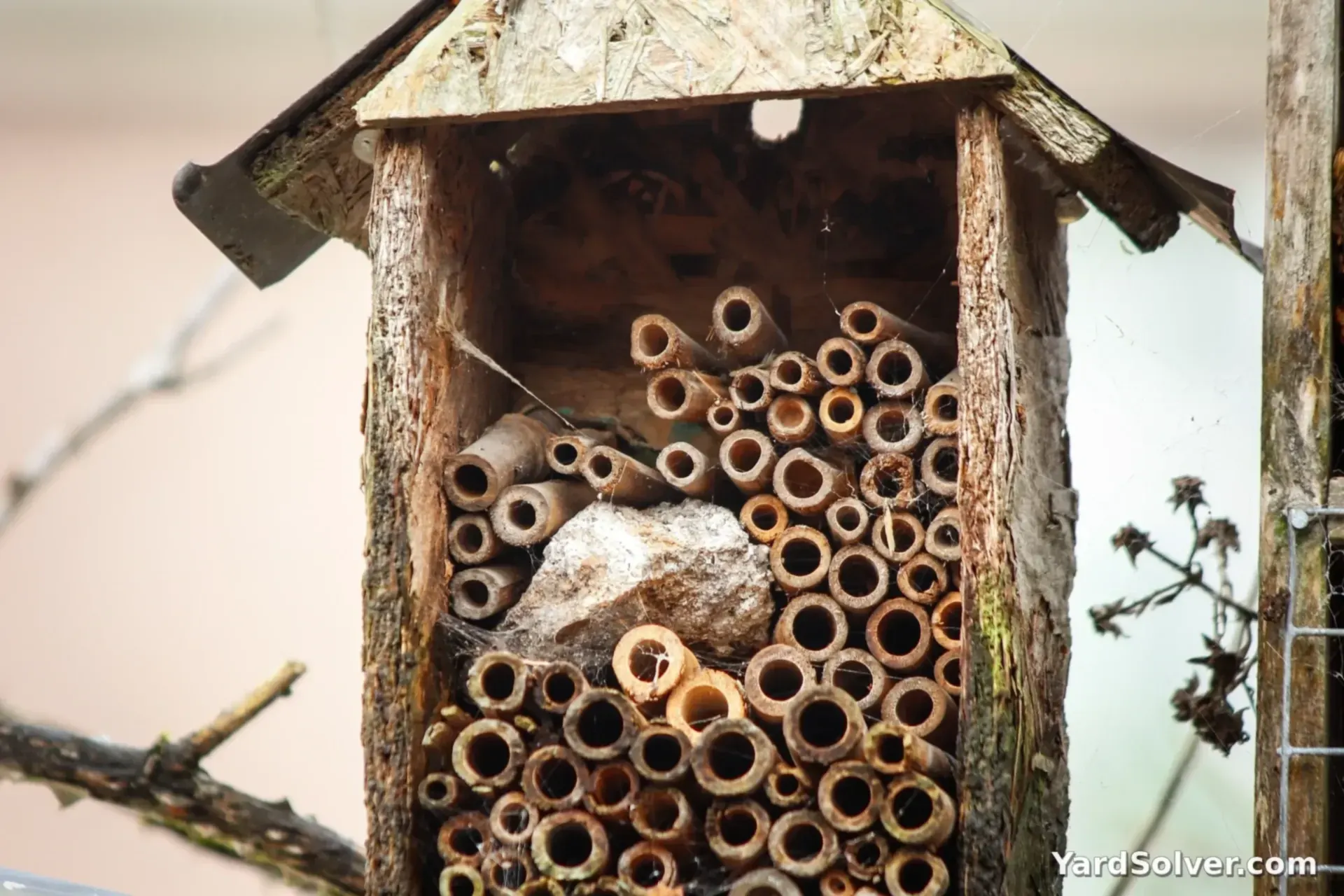
Flowers are the canteen; pollinators also need drink and housing. A shallow dish of water with stones breaking the surface is a landing strip, not a drowning pool — refresh it every few days. For housing, the biggest favour is doing less: most native bees nest alone in the ground, so leave one patch of bare, undisturbed soil at a bed edge, and let hollow stems stand through winter instead of cutting the corner flat in fall — they are next spring's nursery. A small unmown, unsprayed strip does more than any bought bee hotel. Gardeners building the corner into a new bed layout can place it with the Garden Planner — corners near the vegetable beds earn their keep fastest.
Step 4 — Garden gently: protect the workforce
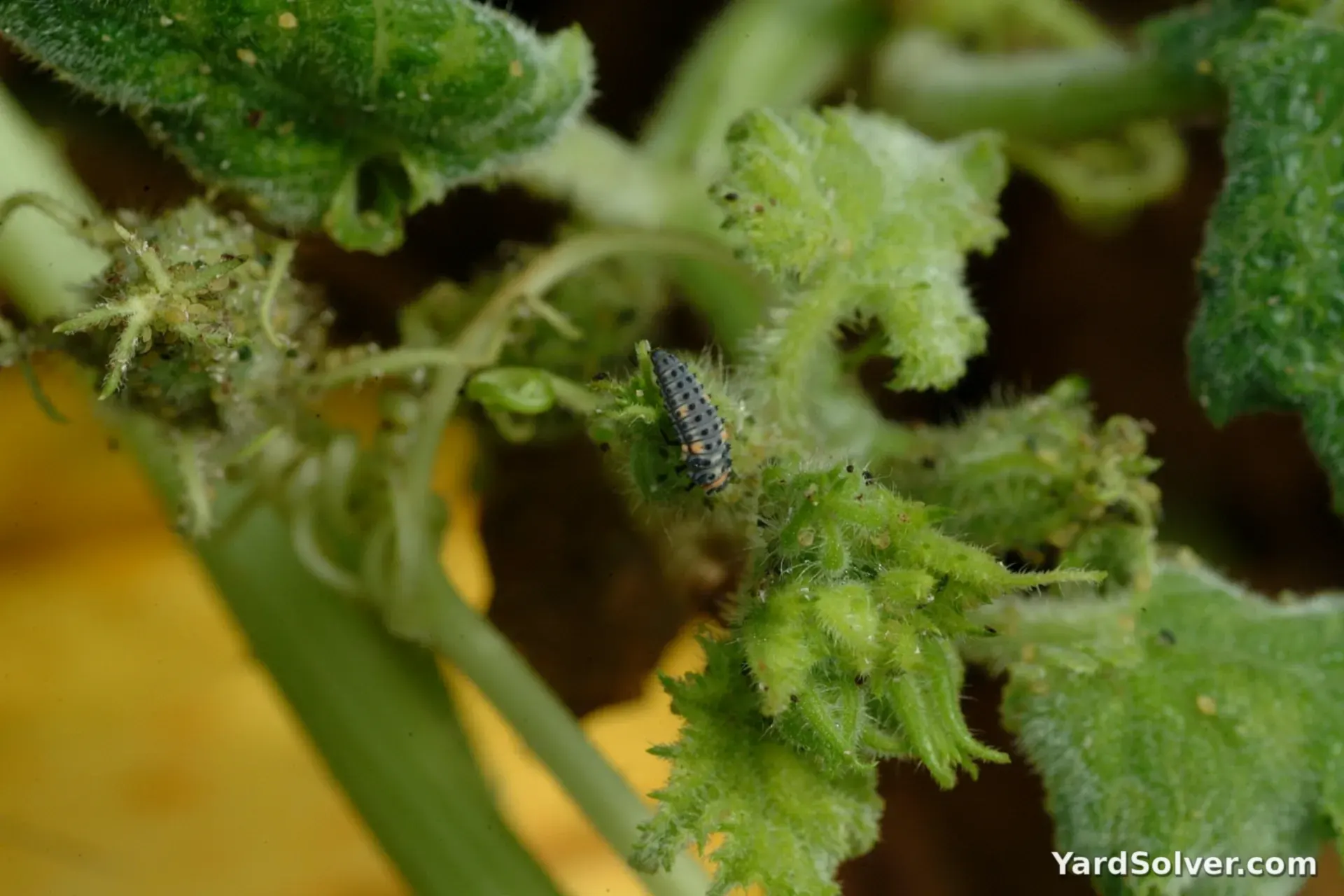
A pollinator corner next to a sprayed vegetable bed is a trap, not a refuge. Work the gentle routes first, in this order: tolerate a little damage, blast aphids off with water as in How to Get Rid of Aphids, hand-pick the big culprits as in How to Get Rid of Japanese Beetles, and let predators — ladybirds, lacewings, small wasps — do the patrolling. The whole system, in order, is Natural Pest Control Without Chemicals. The weed version of the same patience is in How to Get Rid of Weeds Naturally. If a spray cannot be avoided: never on open blooms, never on the corner itself, the most targeted option you have, applied at dusk when bees have gone home.
Step 5 — Buy like a local — and water the first year
Ask nurseries for the straight species native to your region, by name, and be suspicious of banner claims — a plant can be covered in bees at the nursery and still be wrong for your place, or a cultivar whose flowers feed nobody. Annual flower helpers like marigolds, nasturtiums and sunflowers earn their place feeding generalist bees and hoverflies while the perennials establish — just know they are helpers, not the native backbone.
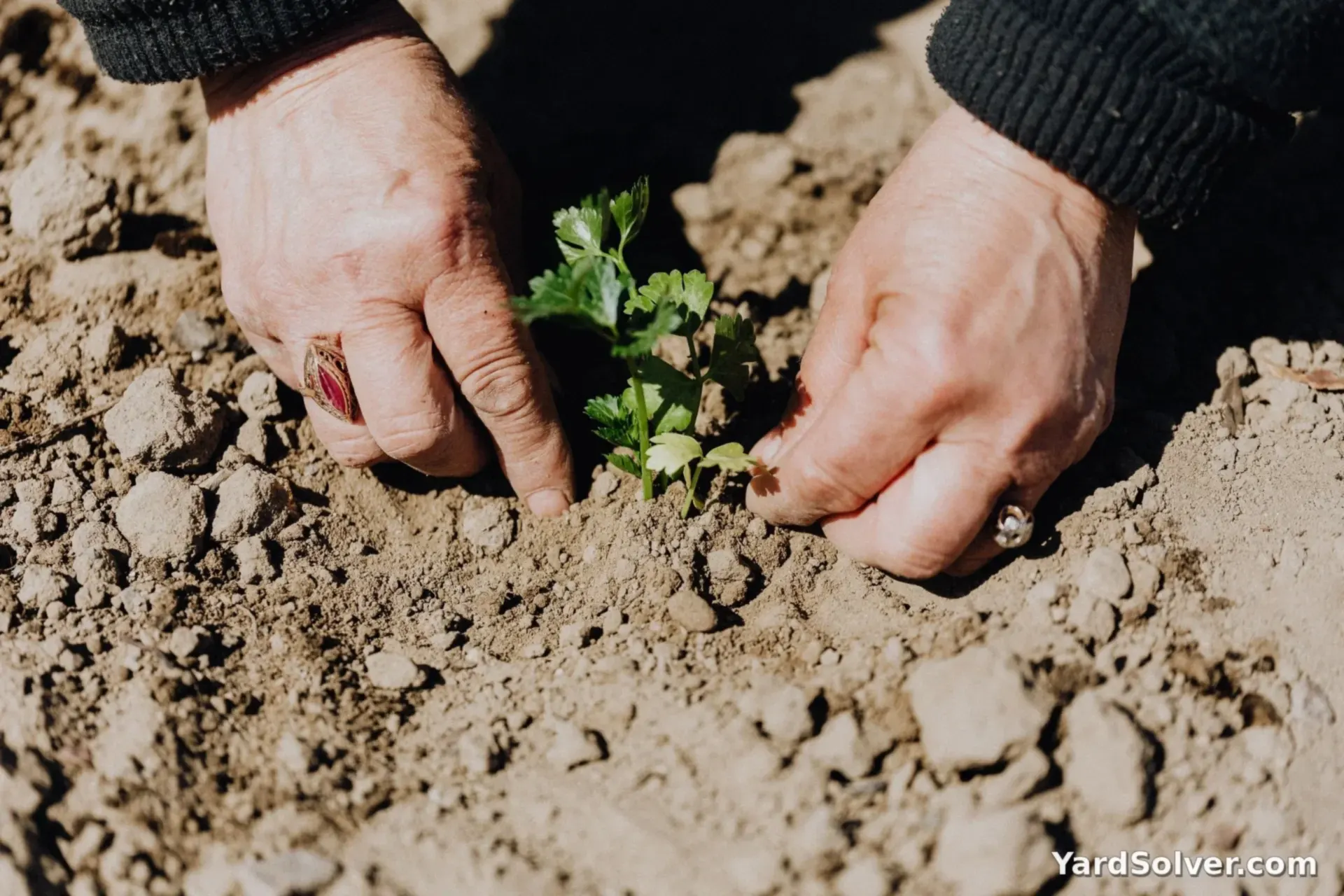
Then the care rule that decides success: water first-year natives like any new perennial — deeply, whenever the top inches dry — because their drought tolerance lives in roots that have not grown yet. Expect a perennial's pace: year one builds roots and looks modest, year two fills in, year three largely runs itself. Mulch the corner (keeping crowns clear) to hold that first-year moisture — amounts from the Mulch Calculator. That slow start buys a planting that feeds your workforce, and asks almost nothing of you, for years.
Keep going
Flowers with a second job inside the beds: Companion Planting Basics and the full Companion Planting Chart.
Planning where the corner fits: The Garden Planner maps beds, edges and corners. The drought side of the family: Drought-Tolerant Plants.
Questions people ask
Are native plants really lower maintenance?
Once established, yes — with one honest condition. A plant evolved for your region's rainfall, soil and winters needs little extra water, no fertilizer routine and far less pest attention than an exotic that is homesick. The condition is the first year: new native plants need regular watering while their roots establish, exactly like any other perennial. The low-maintenance years are earned in year one.
Will a pollinator corner bring stinging insects next to my vegetables?
Far fewer than gardeners fear. Most native bees are solitary and non-aggressive — interested in flowers, not people — and a bumblebee working your squash blossoms is doing a job nothing else can do for you.
I bought a packet labelled wildflower mix — is that native?
Often not: many mixes contain species from other continents, and some spread aggressively outside their home range. Read the packet's species list and check it against your region — a local native plant society's list is the safest reference.
How do I know which plants are native to my area?
Start with your state or provincial native plant society and extension service — both publish regional lists and often run sales of local-ecotype plants. The starter lists in this guide are regional starting points (eastern, prairie, western and Pacific), not universal answers: 'native' is a claim about a place, and the place decides.
Comments & ratings
No comments yet.
Be the first to share your experience.