
Plant Library · Fruits
🟥 How to Grow Lingonberry
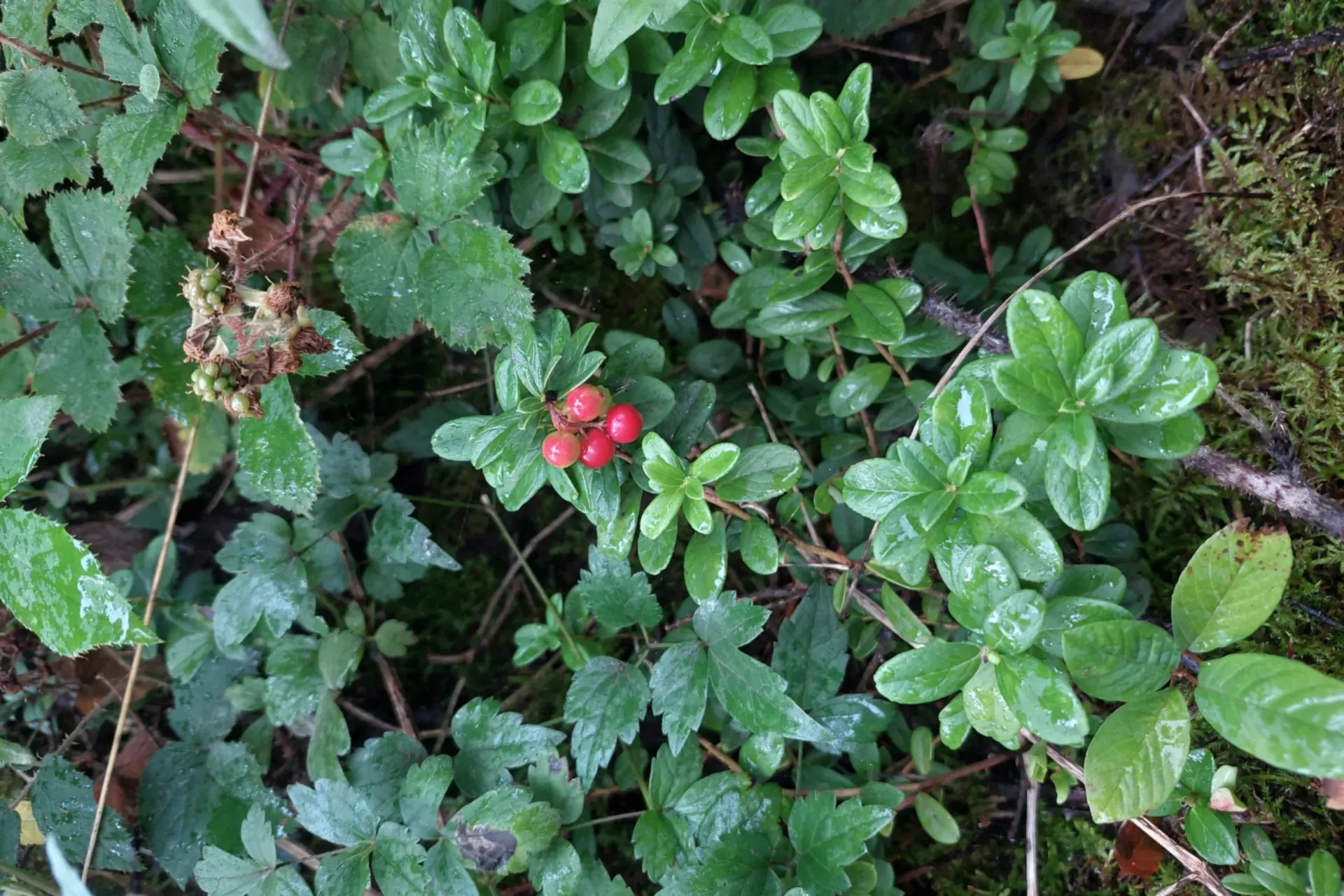
Lingonberries are a low evergreen ground cover — 12–18 in tall — that carpets acid soil with glossy leaves and tart red berries, the classic Scandinavian jam berry. They need acid soil (pH 4.3–5.2), steady moisture, and patience: the first real crop comes in year 2–3, and a well-grown patch can crop twice in a long season.
Grow Lingonberry with us — step by step
Everything for this plant is written step by step below — what to do, and exactly when. Read it through first if you like: you can grow it entirely on your own with that guide. Or start with us here — tell us your planting day and we lay out your personal schedule on this page, every next step on its own day, counted from your planting date. No guessing, no forgetting.
Step 1 — today: Plant your Lingonberries today, 12–18 in apart at nursery depth in acid soil (pH 4.3–5.2), water in and mulch with pine needles or bark.
Lingonberry at a glance
Spacing: 12–18 in in · Seed depth: As in the pot
Sun: Full sun to part shade
Water: Regular — keep evenly moist
Harvest: First berries in year 2–3
Timing counts from your average last spring frost — get your own dates in the Planting Calendar. Guidance follows standard extension-service practice for Canada and the US.
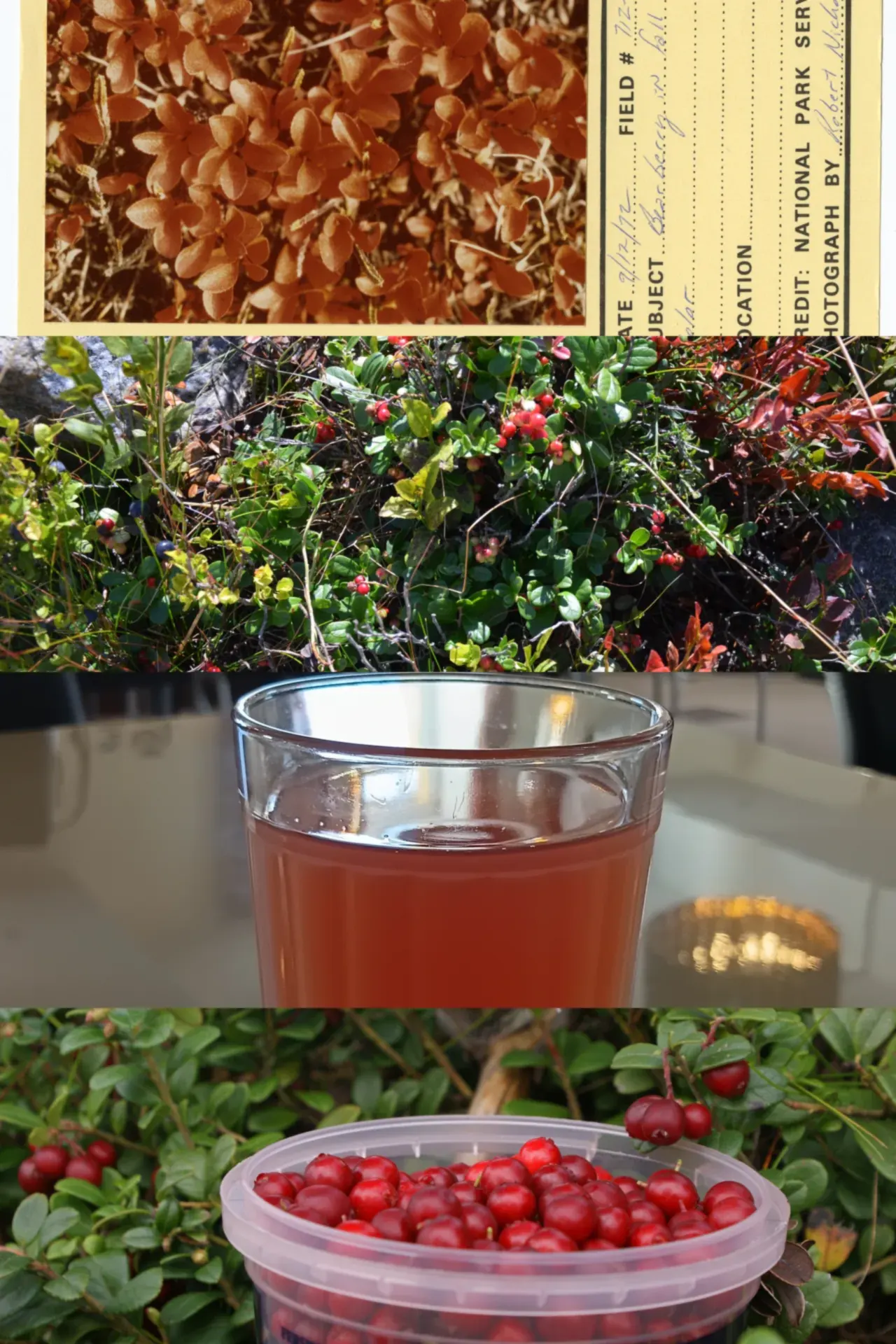
How to plant and grow lingonberry, step by step
Step 1 — Time it right

Plant in spring or early fall, in prepared acid soil. Lingonberries are very hardy — zone 2–3 tough — but dislike hot, humid summers.
Step 2 — Prepare the spot

Sun: Full sun to part shade. Acid (pH 4.3–5.2), peaty, moist but drained soil — the same bed a blueberry loves. Work out how much you need with the Garden Mix Calculator or the Raised Bed Soil Calculator.
Step 3 — Plant it
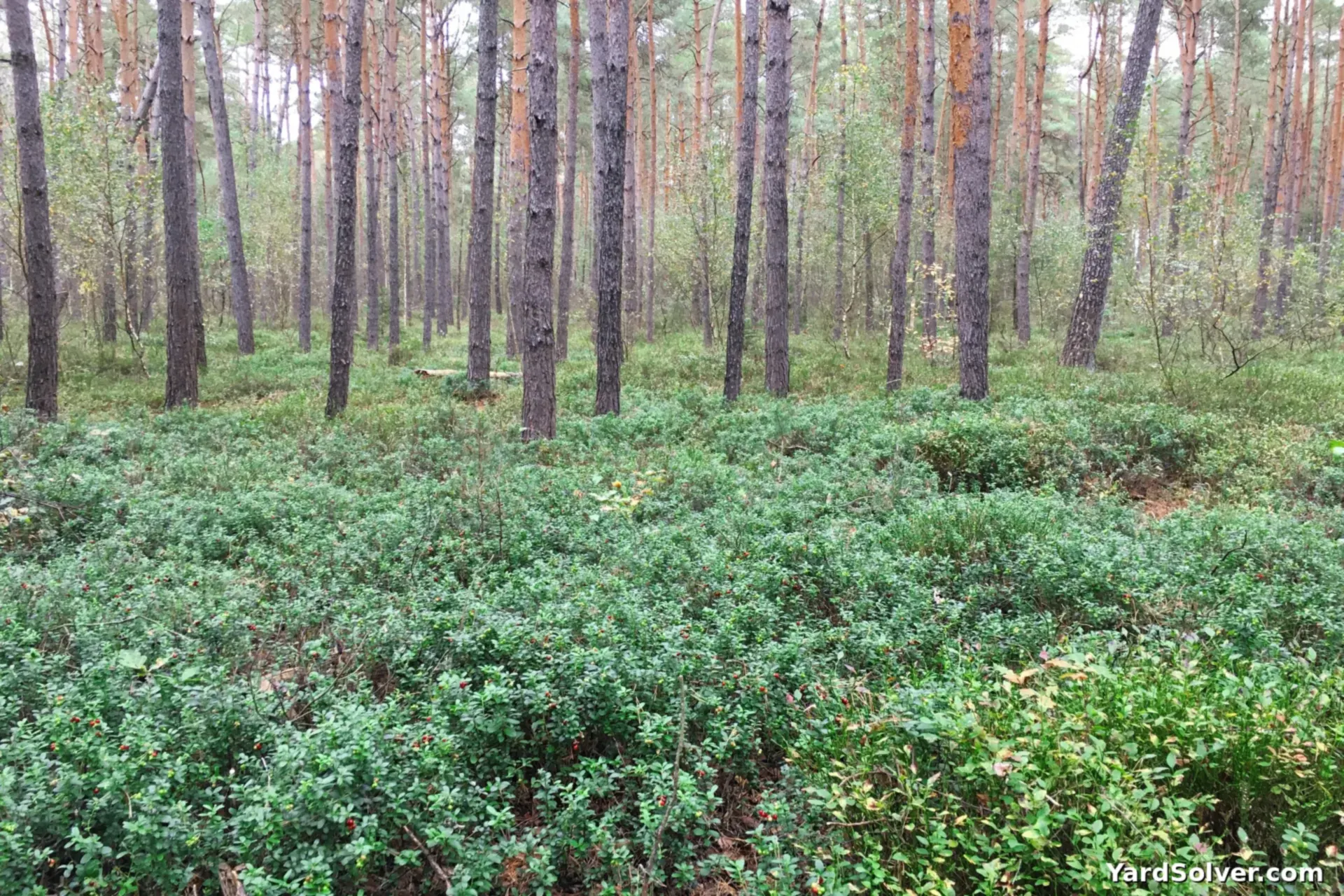
Set plants 12–18 in apart at nursery depth, water in with rainwater if tap water is alkaline, and mulch with pine needles or bark. The Plant Spacing Calculator turns that spacing into plants-per-bed.
Step 4 — Water and feed
Water: Regular — keep evenly moist. Feed very lightly with an acid-loving fertilizer — lingonberries are light feeders. The Fertilizer Calculator turns a bed size into the right amount.
Step 5 — Care and the problems to watch for
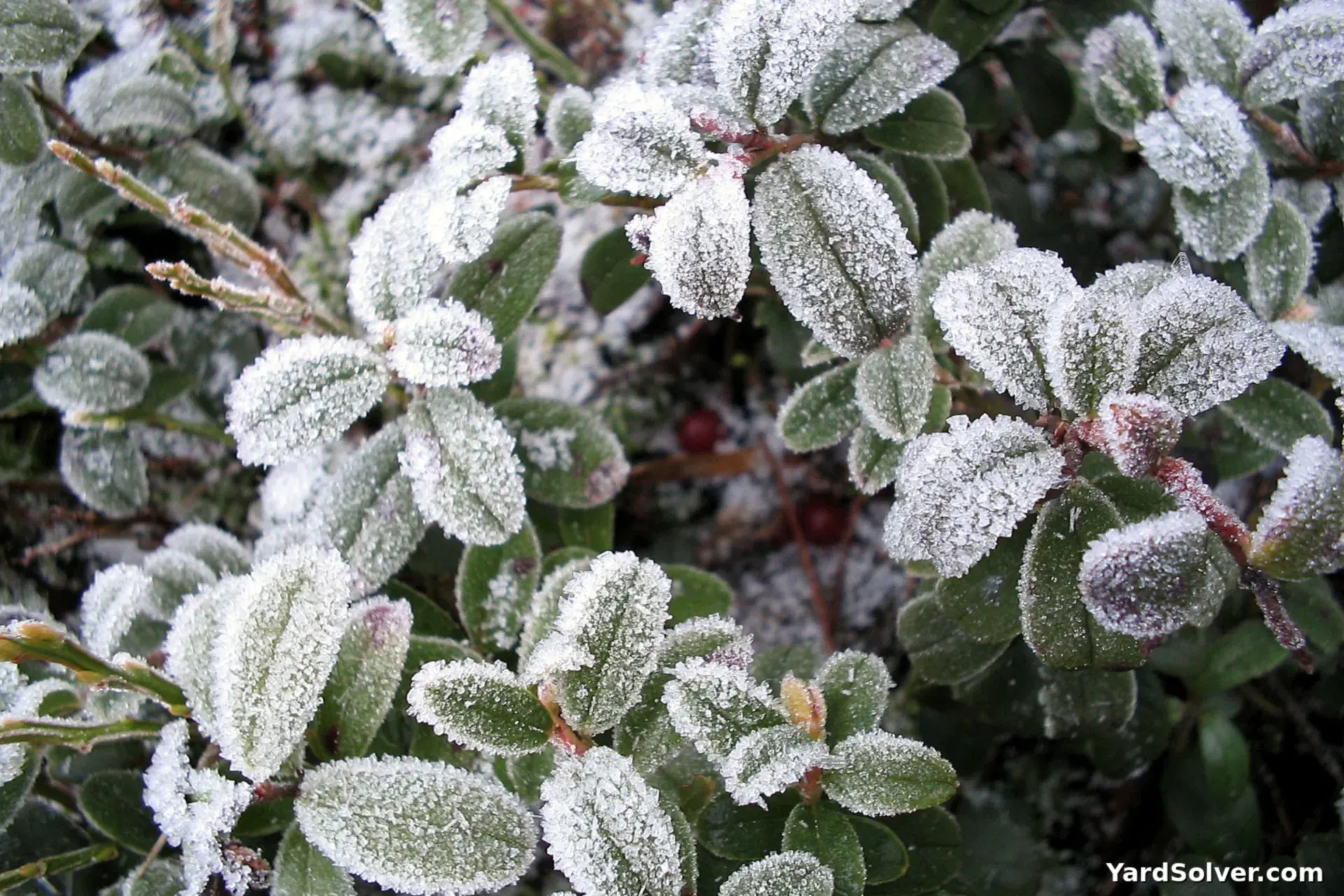
Wrong pH — in soil above pH 5.2 the plants yellow and stall; test first and acidify with sulfur. Hot summers — lingonberries sulk in heat and humidity; afternoon shade helps. Drying out — shallow roots need steady moisture.
Step 6 — Harvest
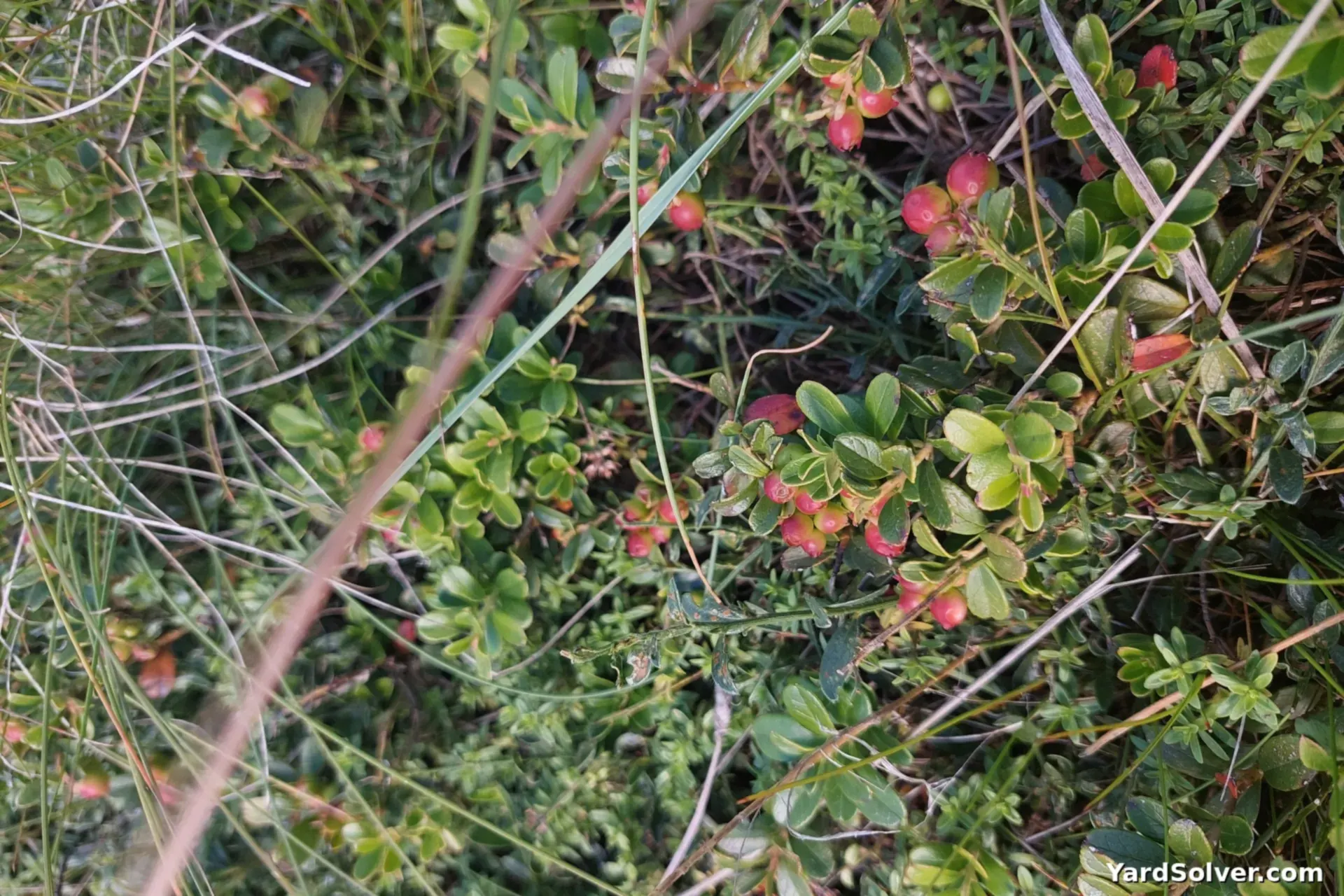
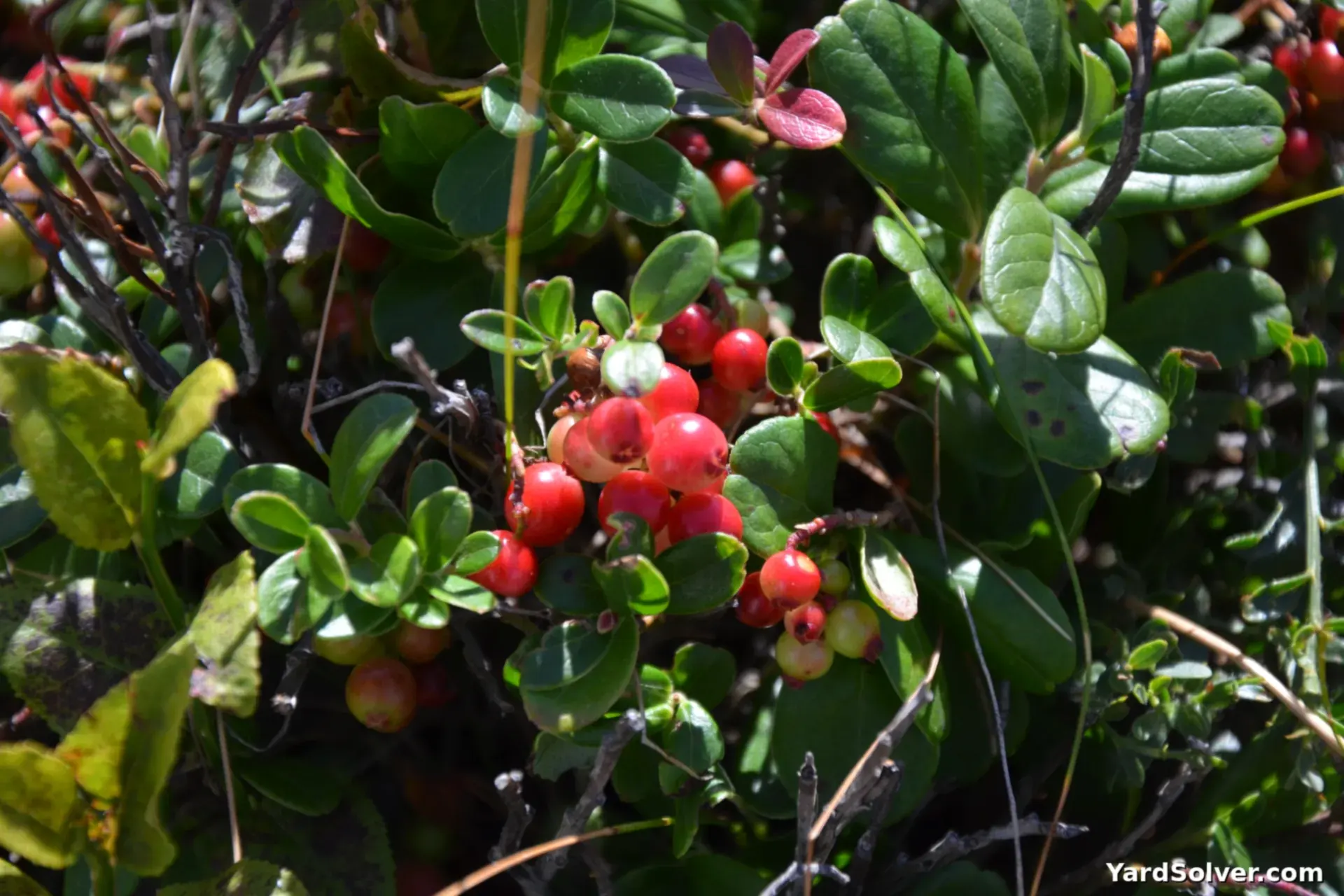
First berries in year 2–3. Pick when fully red — and for the sweetest berries, wait until after the first light frosts.
📅 Your personal Lingonberry schedule
Counted from your planting day — not a generic calendar. Day 0 is the day the seed went in the ground or the young plant went out.
Varieties worth growing
| Variety | Colour | Why gardeners like it |
|---|---|---|
| Koralle | Red | The main commercial variety — two crops a year |
| Red Pearl | Red | Large berries on vigorous plants |
| Erntekrone | Red | Heavy crops, bred in Germany |
| Linnea | Red | A compact variety for small patches |
Good for you — and take care
Benefits
- A beautiful evergreen ground cover that fruits
- Berries make the classic Scandinavian jam
- Extremely cold-hardy
- Can crop twice in a long season
Take care
- Lingonberries need acid soil — pH 4.3–5.2 — test before planting.
- Water with rainwater where tap water is alkaline.
- Berries sweeten after a light frost — harvest late for the best flavour.
Problems to watch for
- Wrong pH — in soil above pH 5.2 the plants yellow and stall; test first and acidify with sulfur.
- Hot summers — lingonberries sulk in heat and humidity; afternoon shade helps.
- Drying out — shallow roots need steady moisture.
A little history — and one good fact
Lingonberries grow wild across the forests of Scandinavia and northern Europe, where they are picked by the basketful every fall — lingonberry jam with meatballs is Sweden's signature. The plant is a close cousin of the cranberry and blueberry.
Fun fact: In Sweden, lingonberry picking is a national pastime — the forests are open to everyone under the right of allemansrätten, the freedom to roam.
Keep going
Guides: How to Harden Off Seedlings · How to Read a Seed Packet
Calculators: Plant Spacing Calculator · Seed Calculator · Fertilizer Calculator · Garden Mix Calculator
Plan it: Garden Planner · Planting Calendar · Companion Planting Chart · Seed Box
Good companions: Blueberry
← Back to the Plant Library · Get your personal planting dates
Questions people ask
When do I plant lingonberries?
Plant in spring or early fall, in prepared acid soil (pH 4.3–5.2). Lingonberries are extremely cold-hardy.
How far apart do I space lingonberries?
Space plants 12–18 in apart. Sun: full sun to part shade, with steady moisture.
When will my lingonberries fruit?
First berries in year 2–3. Berries sweeten after a light frost — harvest late for the best flavour.