
Plant Library · Flowers
🌸 How to Grow Nasturtium
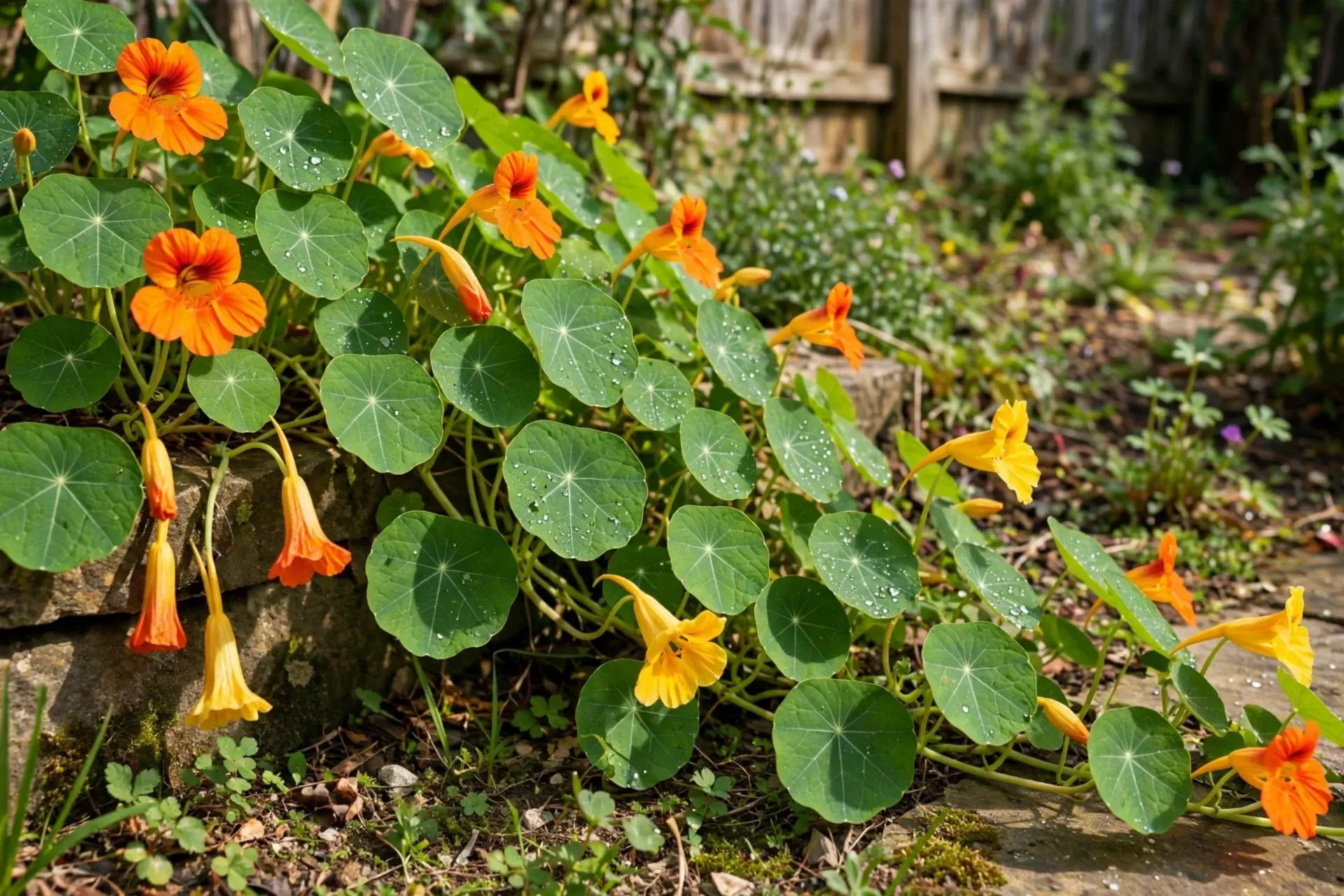
Edible flowers and leaves with a peppery bite; rich soil gives leaves instead of blooms, so do not overfeed. Nasturtiums are warm-season annuals: direct sow around your last frost into lean, unfertilized soil, and expect flowers from about 50 to 60 days.
Grow Nasturtium with us — step by step
Everything for this plant is written step by step below — what to do, and exactly when. Read it through first if you like: you can grow it entirely on your own with that guide. Or start with us here — tell us your planting day and we lay out your personal schedule on this page, every next step on its own day, counted from your planting date. No guessing, no forgetting.
Step 1 — today: Sow your Nasturtium seeds today: 1/2 in deep, spaced 8–12 in apart, in full sun to part shade. Water the row in well and keep it moist while seeds sprout.
Nasturtium at a glance
Sow outdoors: at last frost
Spacing: 8–12 in · Seed depth: 1/2 in
Sun: Full sun to part shade
Water: Light — thrives on lean soil
Harvest: Flowers from about 50–60 days
Timing counts from your average last spring frost — get your own dates in the Planting Calendar. Guidance follows standard extension-service practice for Canada and the US.
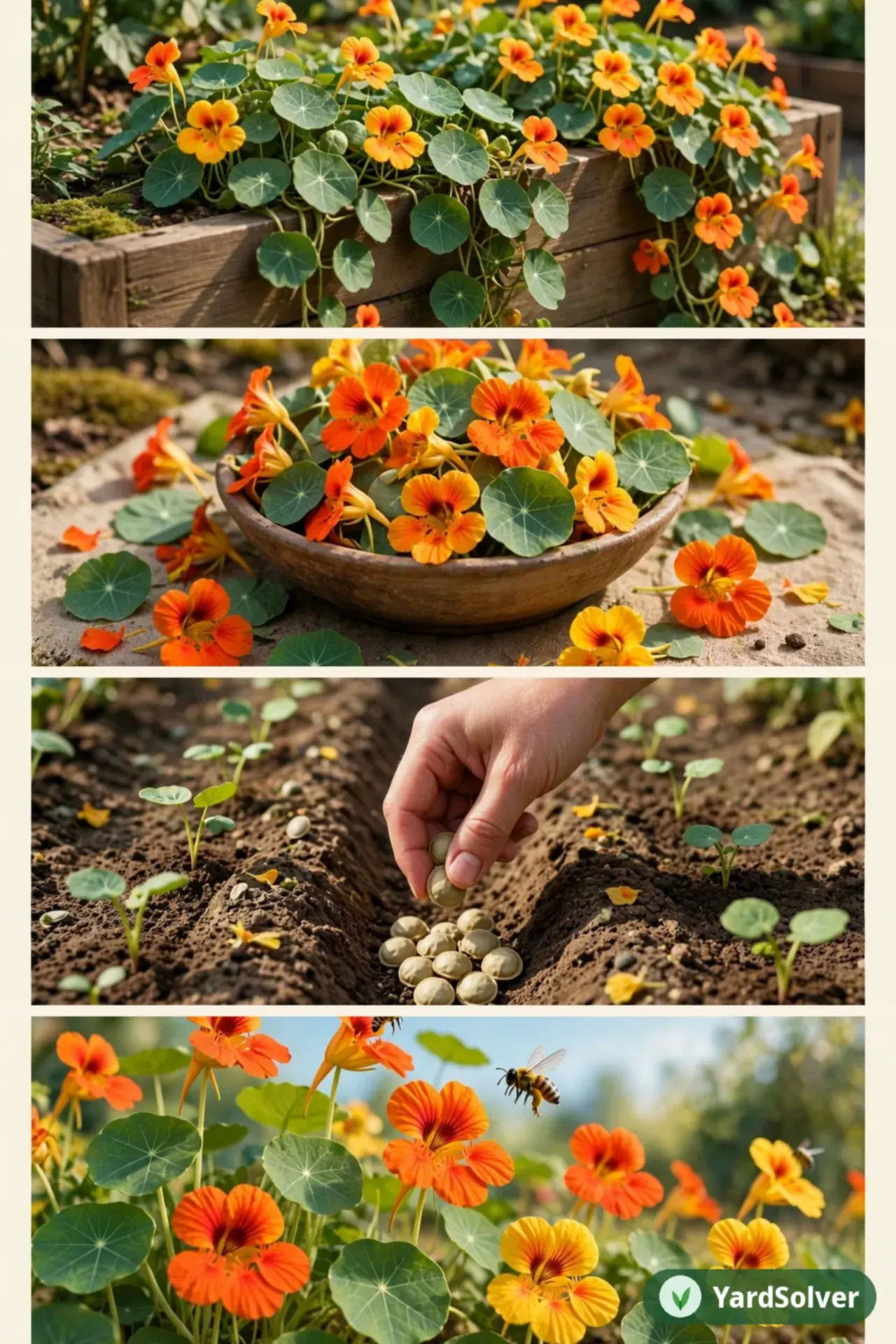
How to plant and grow nasturtium, step by step
Step 1 — Time it right
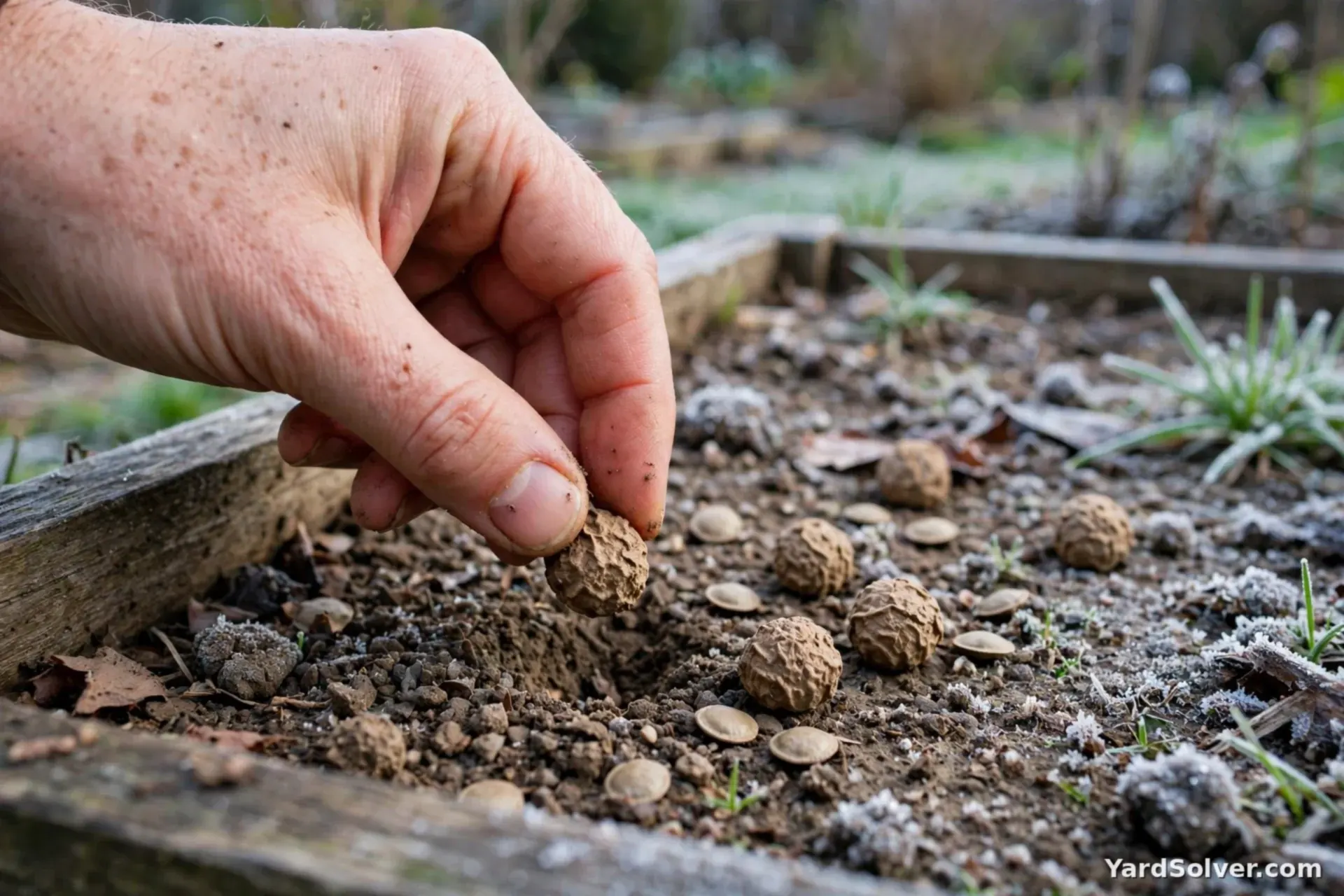
Sow outdoors: at last frost. All dates count from your average last spring frost — the Planting Calendar turns them into real dates for your garden. Nasturtiums are warm-season annuals: direct sow around your last frost into lean, unfertilized soil, and expect flowers from about 50 to 60 days.
Step 2 — Prepare the spot
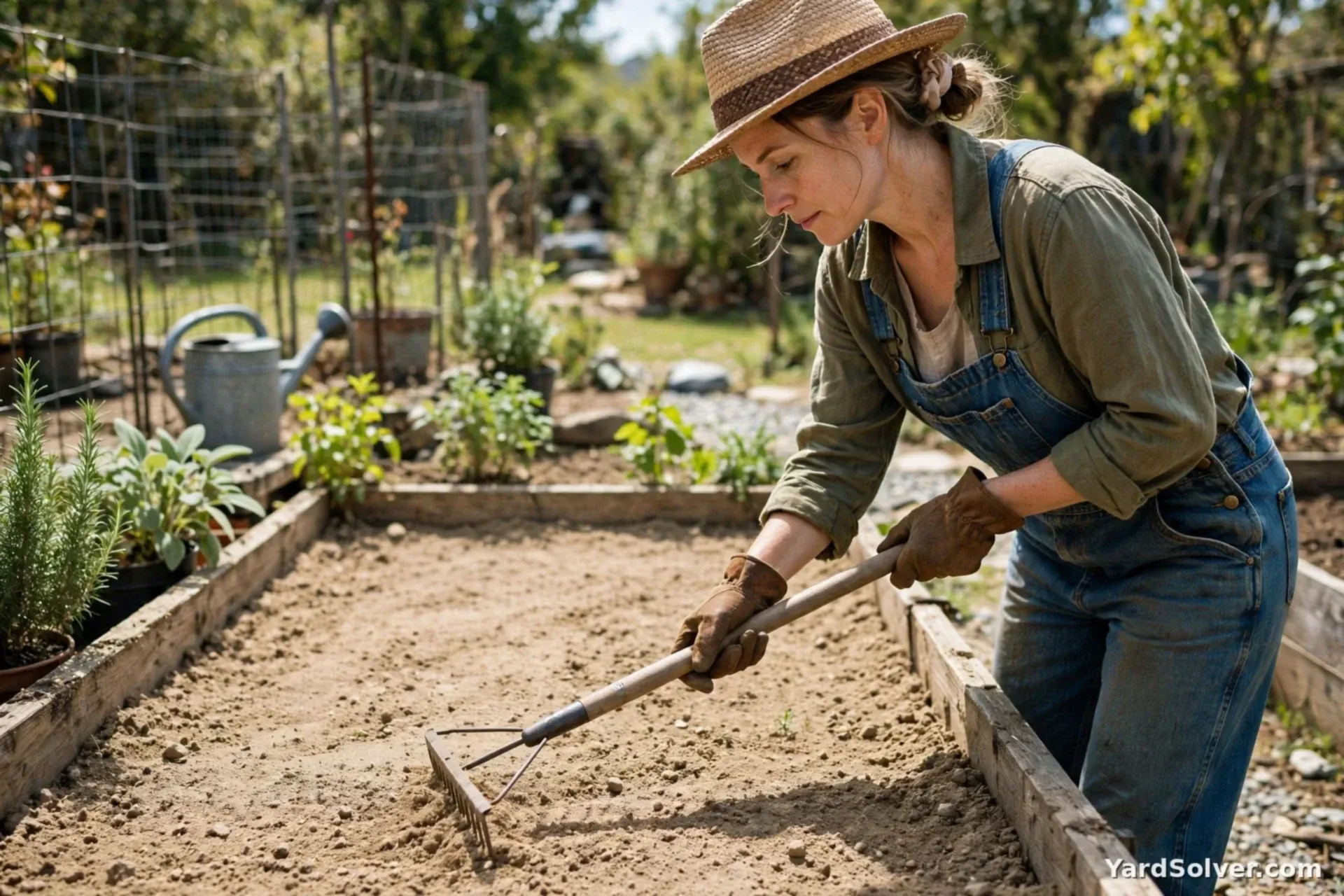
Sun: Full sun to part shade. Average garden soil, well drained. Most flowers resent being overfed; compost at planting time is enough. Work out how much you need with the Garden Mix Calculator or the Raised Bed Soil Calculator.
Step 3 — Sow and plant out
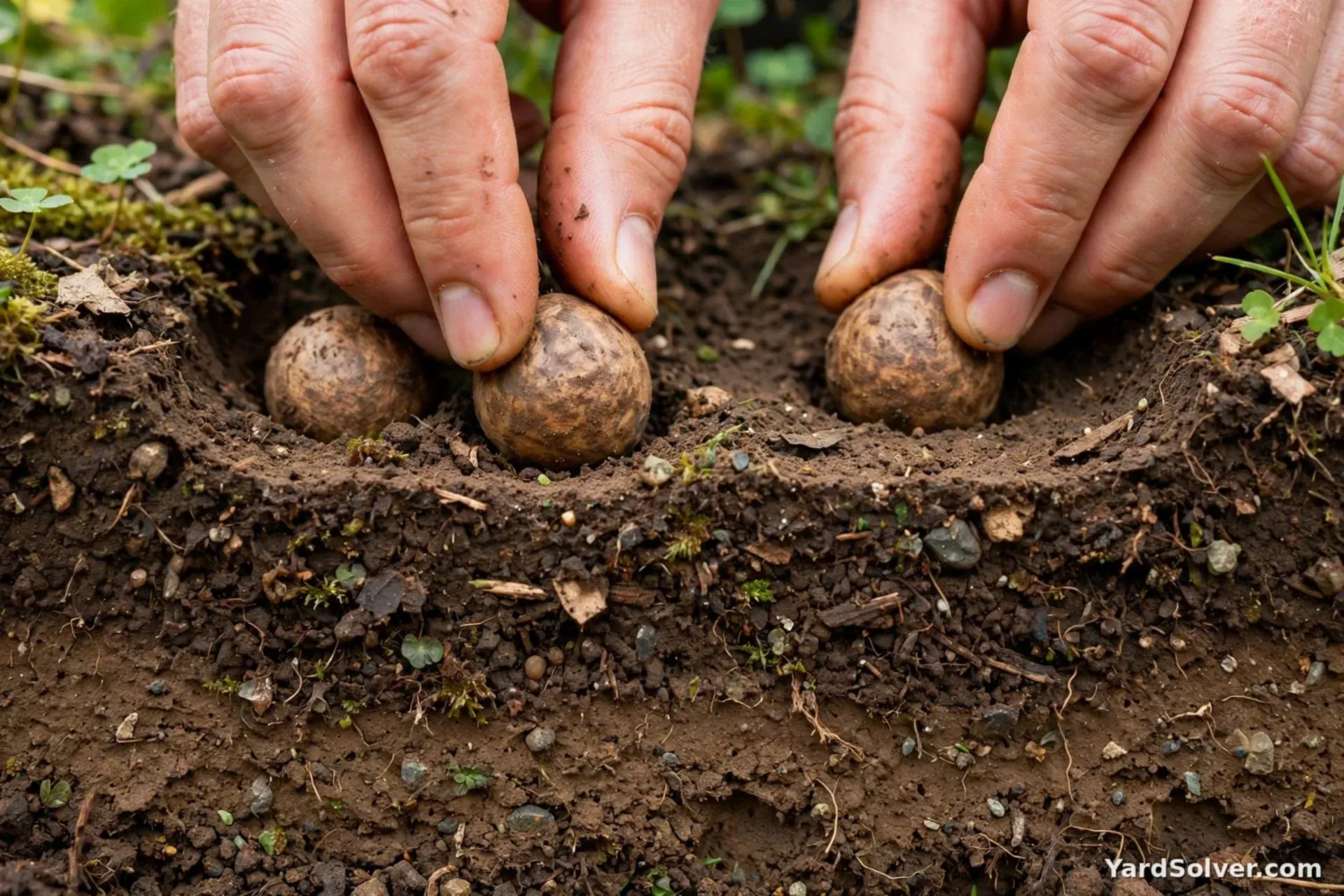
Sow directly where they will grow, at last frost, 1/2 in deep and 8–12 in apart (thin seedlings to that spacing once they are up). The Seed Calculator works out how much seed a bed needs.
Step 4 — Water and feed
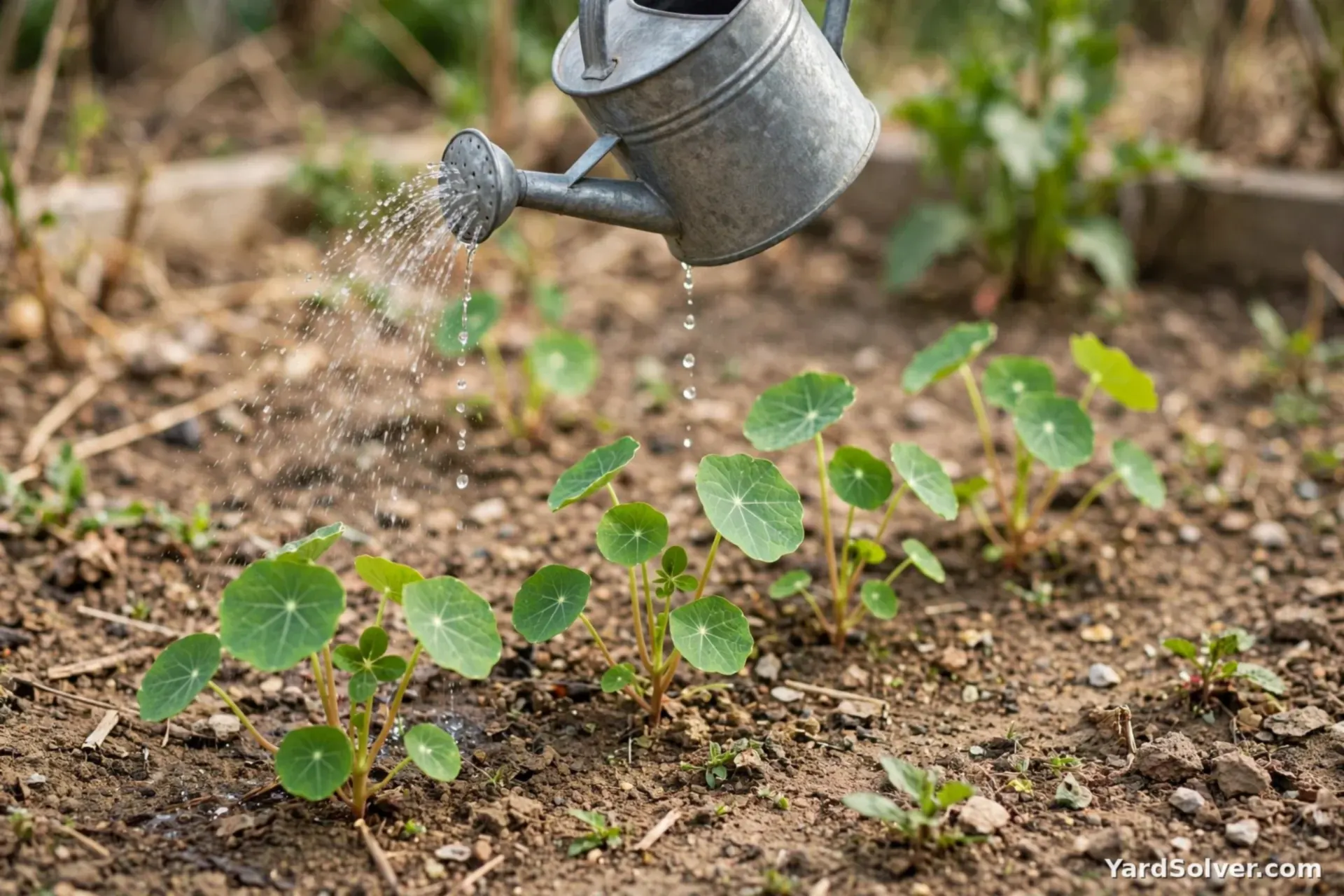
Water: Light — thrives on lean soil. The Fertilizer Calculator turns a bed size into the right amount.
Step 5 — Care and the problems to watch for
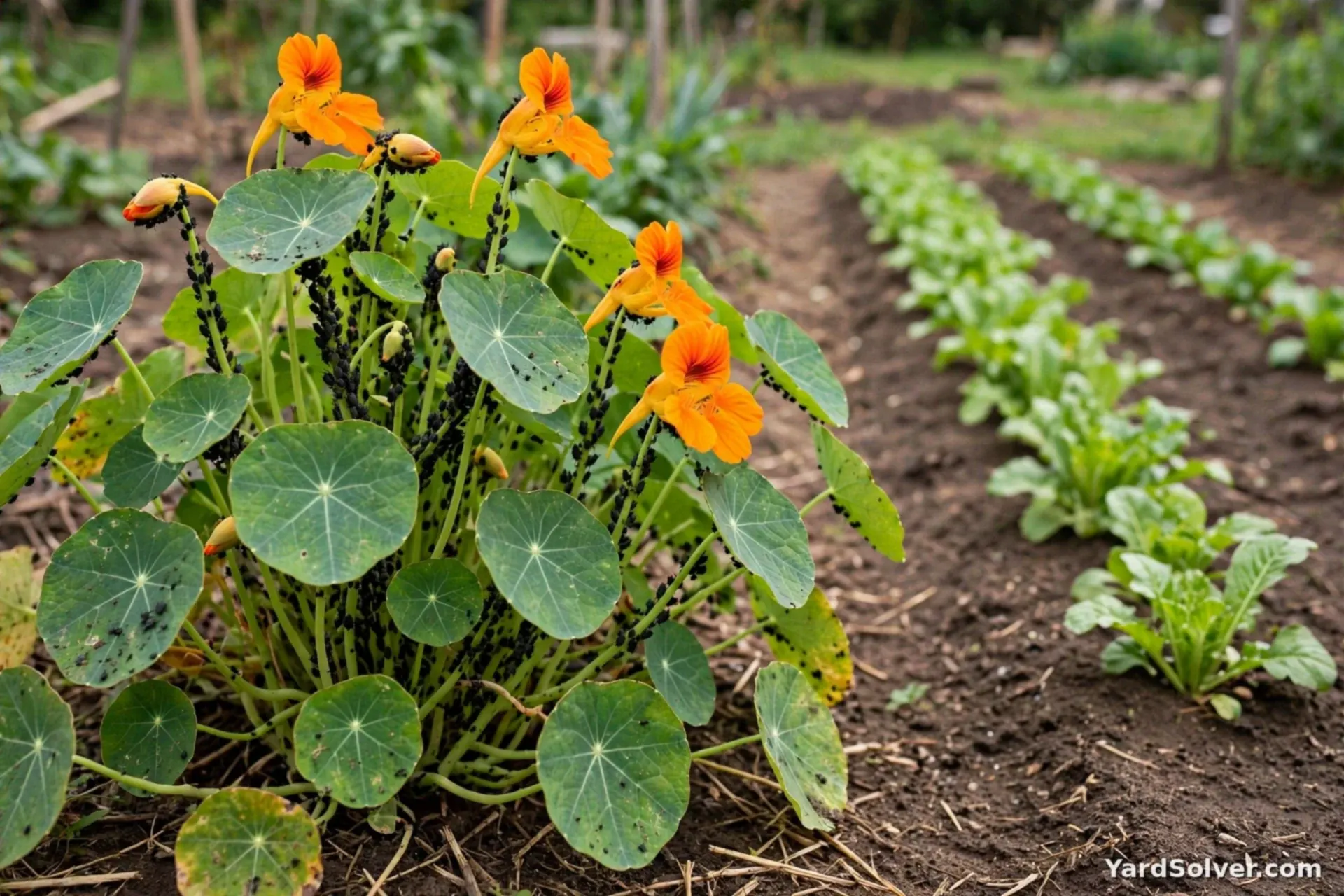
- Aphids — nasturtiums attract them on purpose (a trap crop); leave them as a decoy or rinse off.
- Cabbage white caterpillars — they like nasturtium leaves too; pick off.
- Too-rich soil — all leaves, no flowers; nasturtiums flower best in poor soil.
Take care: Rich soil or fertilizer gives you a mound of leaves and hardly any flowers — do not overfeed this plant. Eat only flowers and leaves from plants you grew yourself without sprays, and in normal salad amounts — large quantities can upset some stomachs.
Step 6 — Harvest
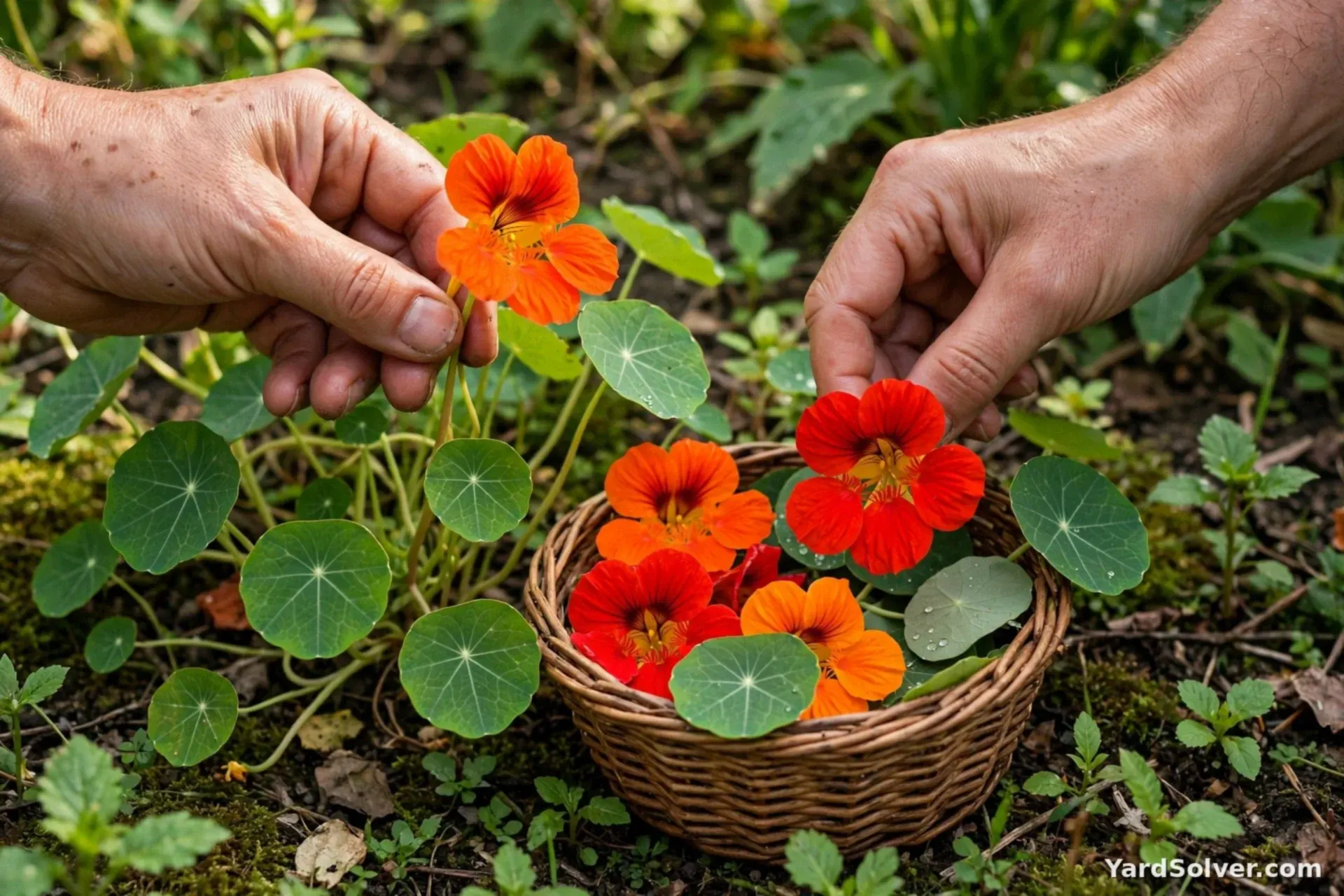
Ready in: Flowers from about 50–60 days. Flowers come from about day 50 to 60 — the blooms and leaves are edible with a peppery bite.
📅 Your personal Nasturtium schedule
Counted from your planting day — not a generic calendar. Day 0 is the day the seed went in the ground or the young plant went out.
Varieties worth growing
| Variety | Colour | Why gardeners like it |
|---|---|---|
| Alaska | Orange, red and yellow | Cream-splashed variegated leaves even before the flowers start |
| Empress of India | Deep red | Dark blue-green leaves set off velvety crimson flowers |
| Jewel Mix | Mixed red, orange and yellow | A tidy mounding mix for beds and window boxes |
| Whirlybird | Mixed colours | Flowers held facing upward above the leaves instead of hiding under them |
| Gleam | Mixed colours, trailing | A trailing type for hanging baskets and walls |
Good for you — and take care
Benefits
- Flowers and leaves are edible, with a peppery bite like watercress for salads
- The leaves and flowers provide some vitamin C
- Blooms draw in bees and hoverflies, which help the whole garden
- Aphids often prefer nasturtiums, so gardeners use them as a decoy plant to protect vegetables
- Thrives in poor soil where fussier flowers fail, so it flowers with almost no feeding
Take care
- Rich soil or fertilizer gives you a mound of leaves and hardly any flowers — do not overfeed this plant
- Eat only flowers and leaves from plants you grew yourself without sprays, and in normal salad amounts — large quantities can upset some stomachs
A little history — and one good fact
Nasturtiums come from the Andes mountains of South America and reached European gardens in the 1500s. Their peppery leaves reminded early gardeners of watercress, which is how they got a name borrowed from the watercress family. Gardeners have loved them ever since as one of the easiest flowers to grow — and one of the few you can eat.
Fun fact: During wartime rationing in Britain, pickled nasturtium seeds were eaten in place of capers and nicknamed 'poor man's capers'.
Keep going
Guides: Companion Planting Basics · Best Vegetables for a Small Garden · When to Start Seeds Indoors
Calculators: Plant Spacing Calculator · Seed Calculator · Garden Mix Calculator
More flowers: Marigold · Sunflower
← Back to the Plant Library · Get your personal planting dates
Questions people ask
When do I plant nasturtium?
Count from your average last spring frost: sow outdoors at last frost. Nasturtiums are warm-season annuals: direct sow around your last frost into lean, unfertilized soil, and expect flowers from about 50 to 60 days.
How far apart do I space nasturtium?
Space plants 8–12 in apart, with seed sown 1/2 in deep. Sun: full sun to part shade.
When is nasturtium ready to harvest?
Flowers from about 50–60 days. Edible flowers and leaves with a peppery bite; rich soil gives leaves instead of blooms, so do not overfeed.