
Plant Library · Vegetables
🌱 How to Grow Persian Cress
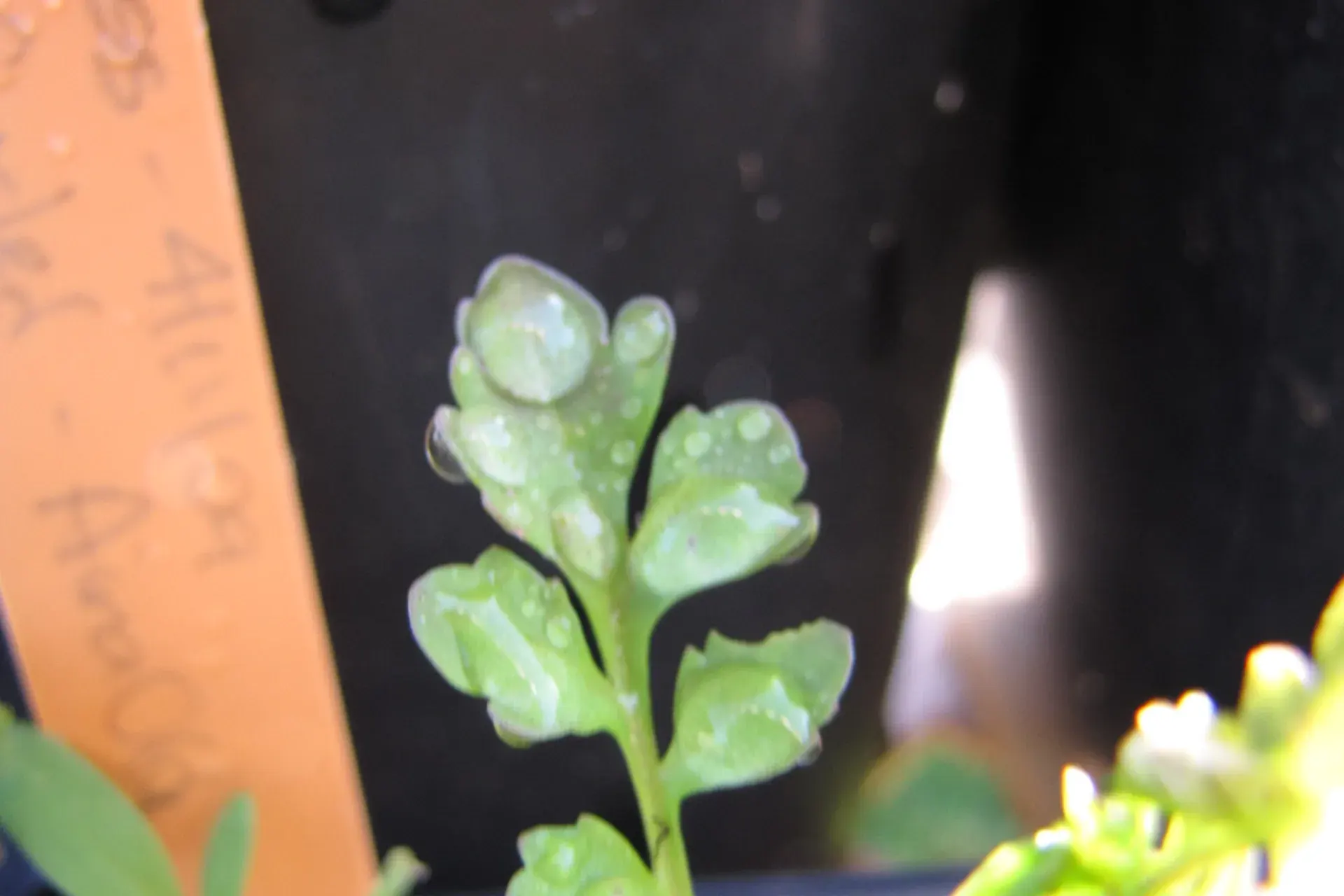
Persian cress is garden cress — Lepidium sativum — grown for its peppery baby leaves, one of the fastest crops there is: sow it and you can be eating it in 20–30 days. It is a cool-season annual, best in spring and again in late summer, and it bolts fast in heat, so sow little and often rather than all at once.
Grow Persian Cress with us — step by step
Everything for this plant is written step by step below — what to do, and exactly when. Read it through first if you like: you can grow it entirely on your own with that guide. Or start with us here — tell us your planting day and we lay out your personal schedule on this page, every next step on its own day, counted from your planting date. No guessing, no forgetting.
Step 1 — today: Sow Persian Cress today, broadcast thinly and covered very lightly, 1/4 in deep, and keep the bed moist. Thin to 2–4 in apart once seedlings are an inch or two tall.
Persian Cress at a glance
Sow outside: 2 weeks before last frost
Spacing: 2–4 in · Seed depth: 1/4 in
Sun: Full sun to part shade
Water: Regular — keep moist; bolts in heat
Harvest: 20–30 days (baby leaf)
Timing counts from your average last spring frost — get your own dates in the Planting Calendar. Guidance follows standard extension-service practice for Canada and the US.
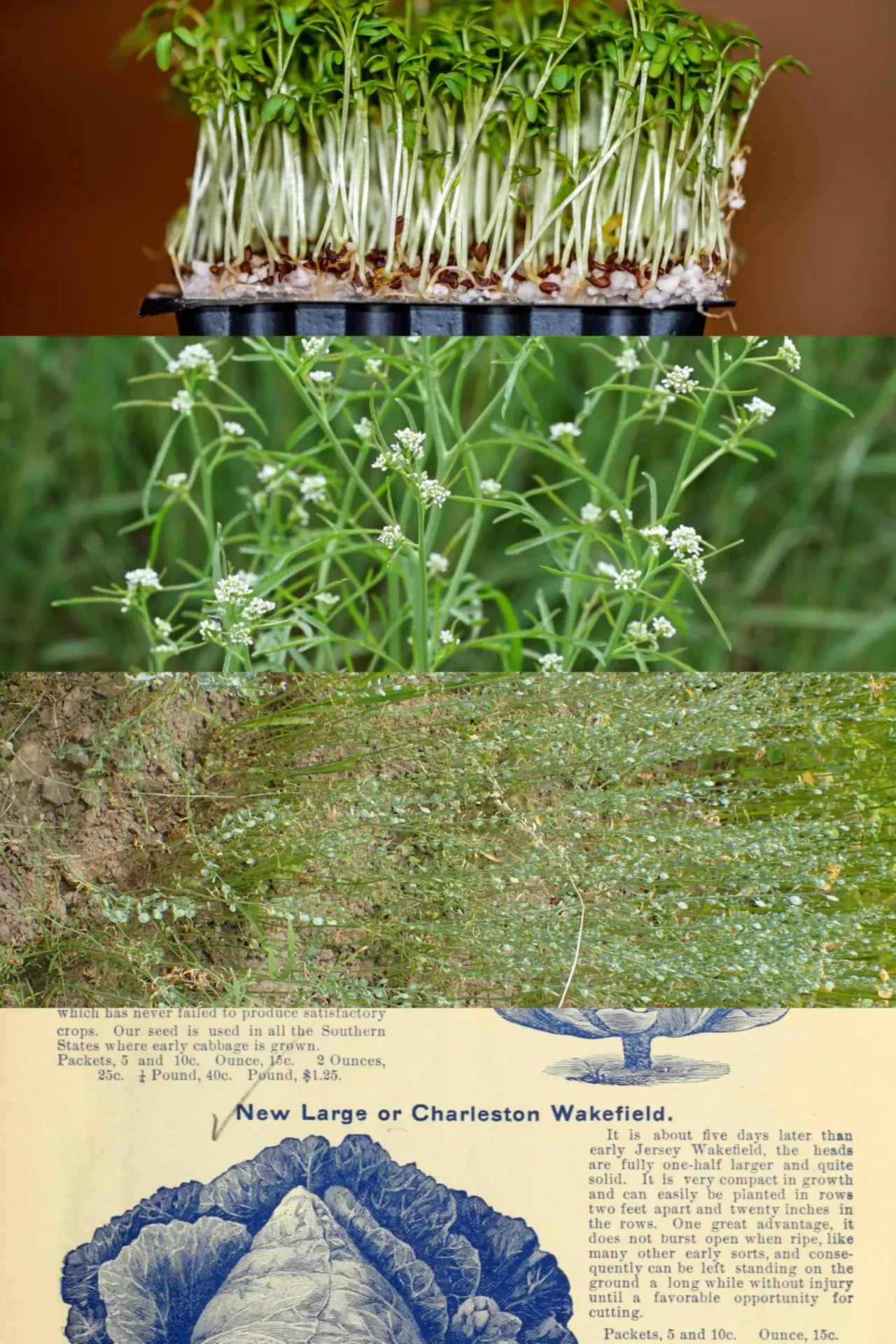
How to plant and grow persian cress, step by step
Step 1 — Time it right
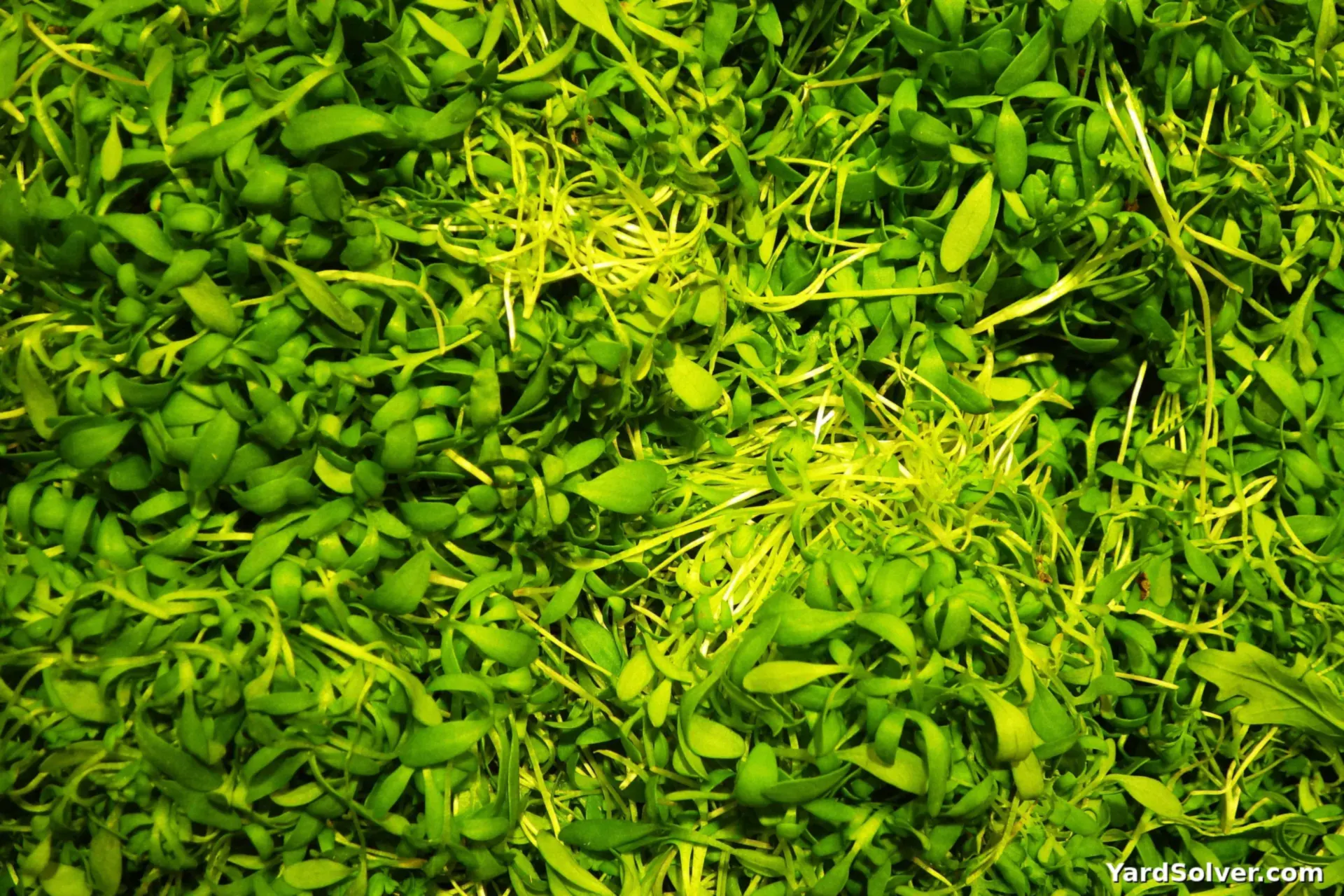
Direct sow from 2 weeks before last frost, in succession every 2 weeks. It germinates in 2–7 days in cool soil and bolts fast in heat. All dates count from your average last spring frost — the Planting Calendar turns them into real dates for your garden.
Step 2 — Prepare the spot
Sun: Full sun to part shade. Any moist, fertile soil in sun or light shade. A small patch — a square foot or two — gives plenty of cress. Work out how much you need with the Garden Mix Calculator or the Raised Bed Soil Calculator.
Step 3 — Sow and plant out
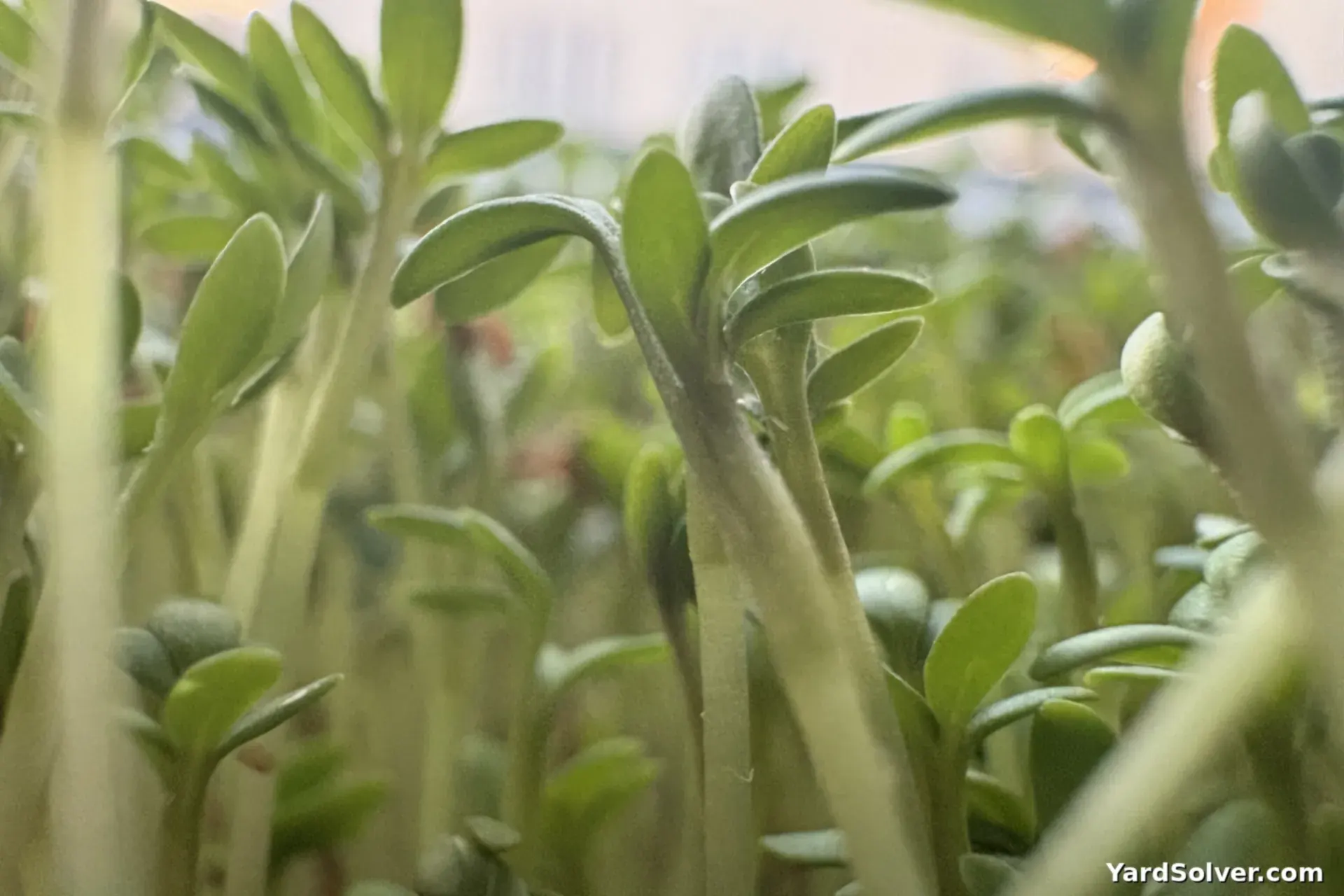
Broadcast seed thinly and cover very lightly, 1/4 in deep. Thin seedlings to 2–4 in apart once they are an inch or two tall. The Plant Spacing Calculator turns that spacing into plants-per-bed.
Step 4 — Water and feed
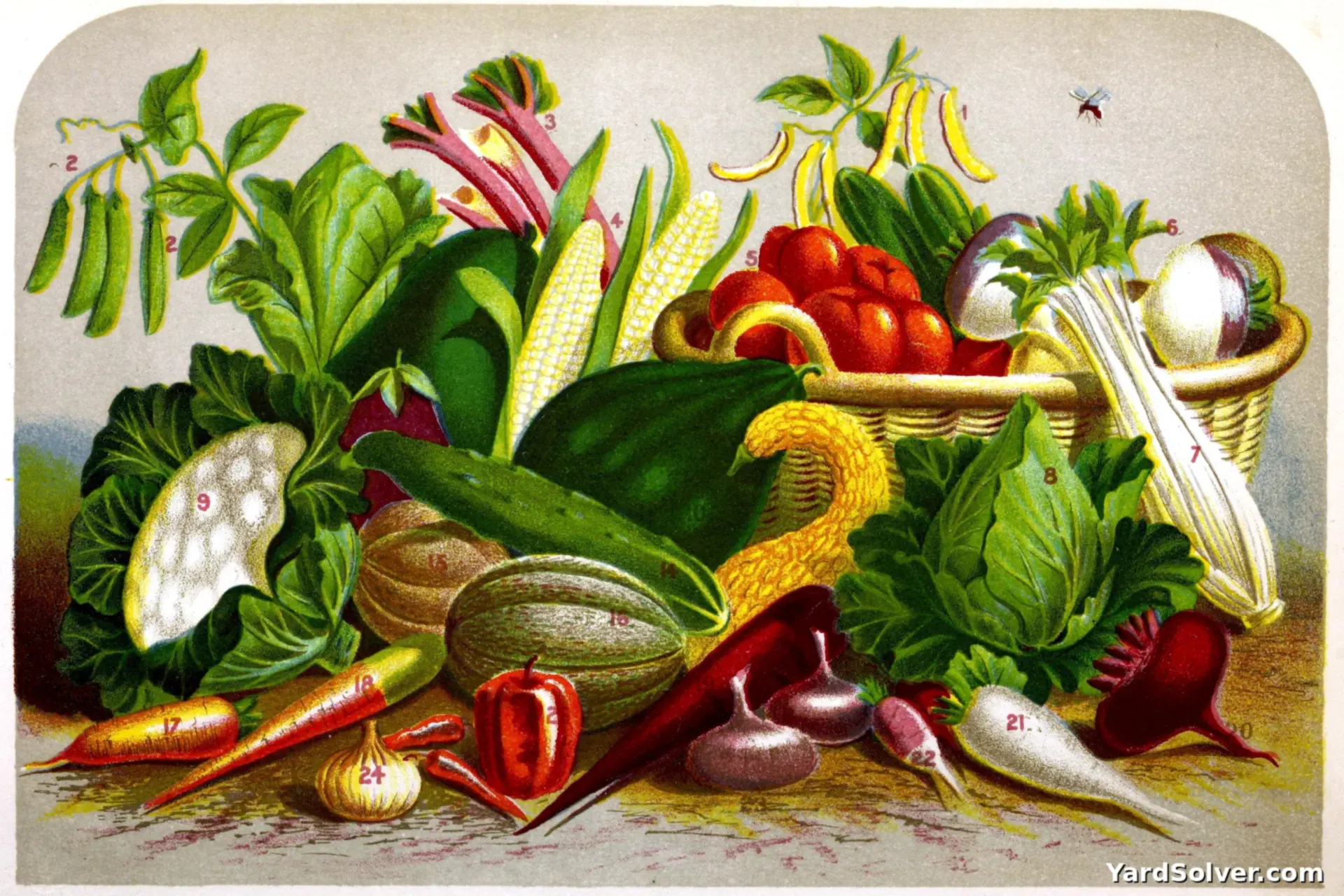
Water: Regular — keep moist; bolts in heat. Feed nothing — a fast leafy crop in good soil needs no fertilizer. The Fertilizer Calculator turns a bed size into the right amount.
Step 5 — Care and the problems to watch for
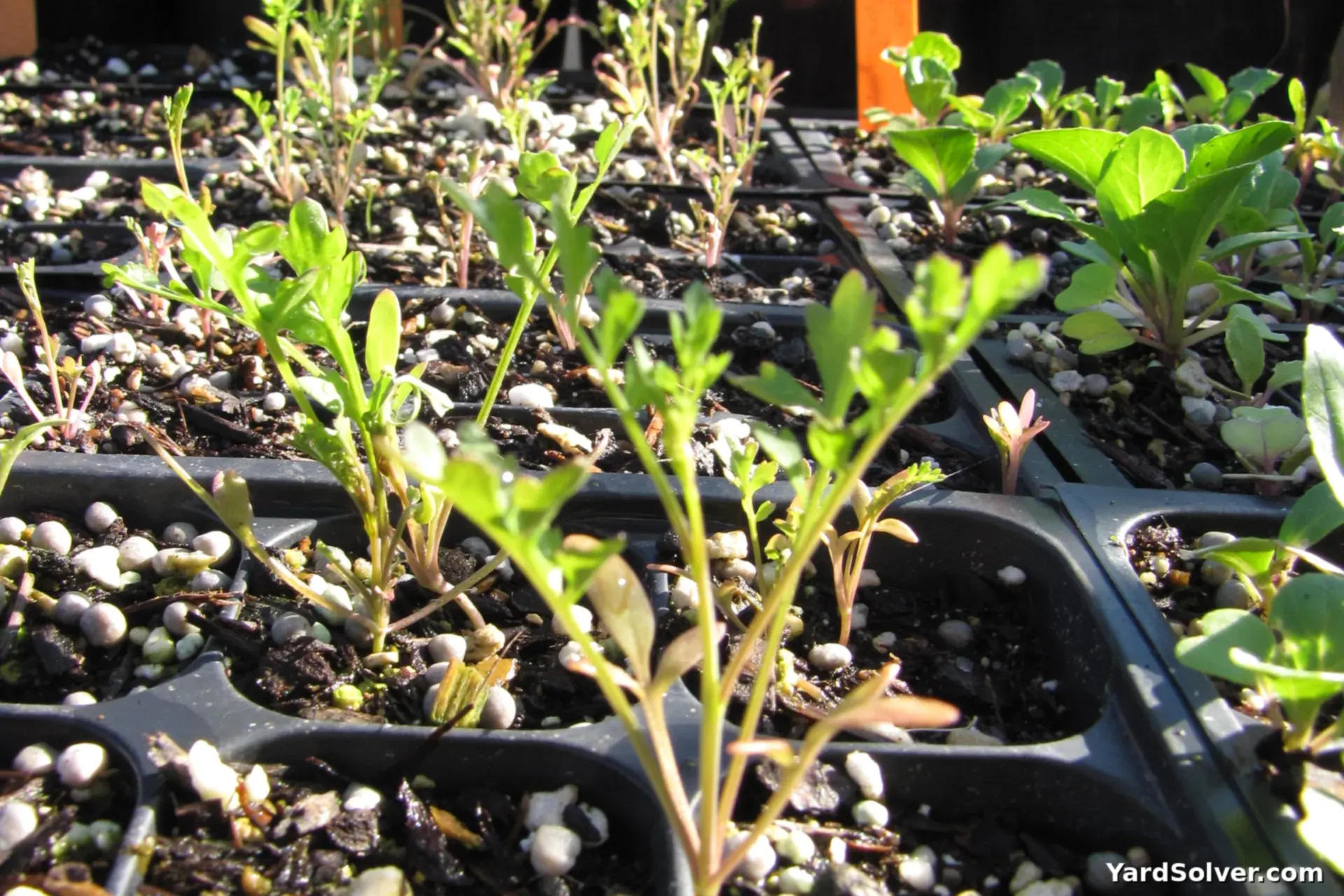
Bolting — heat makes it flower and turn bitter; sow in cool seasons and give afternoon shade. Flea beetles — tiny holes in leaves; cover with fine mesh if they appear. Drying out — cress needs steady moisture; a dry bed goes bitter fast.
Step 6 — Harvest
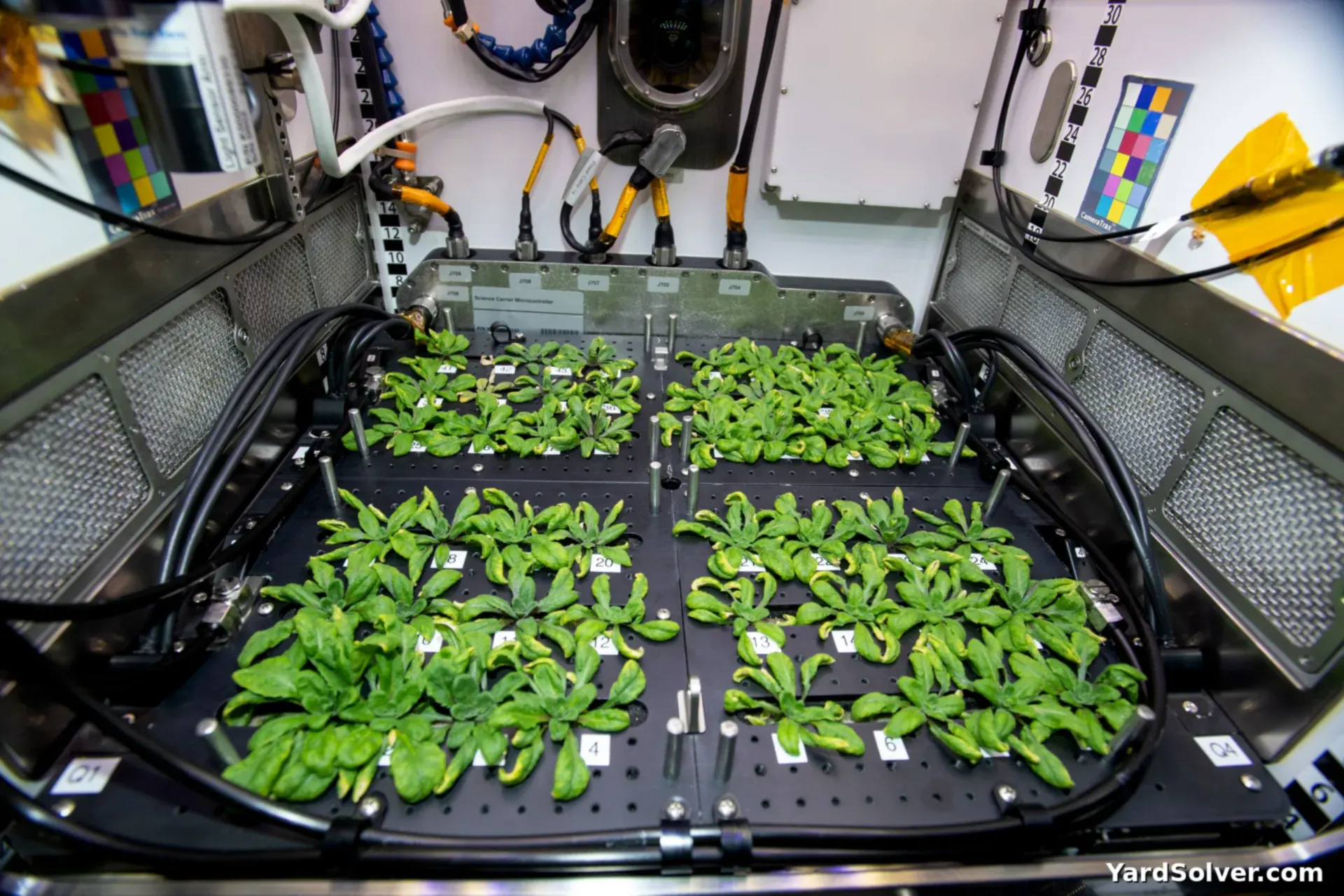
Ready in: 20–30 days (baby leaf). Cut leaves at 2–3 in tall for the best peppery flavour — leave a few leaves and it regrows in about a week.
📅 Your personal Persian Cress schedule
Counted from your planting day — not a generic calendar. Day 0 is the day the seed went in the ground or the young plant went out.
Varieties worth growing
| Variety | Colour | Why gardeners like it |
|---|---|---|
| Persian | Green | The classic type — fine, peppery leaves, grown for salads and garnish |
| Curly Cress | Green | Frilly leaves with a sharper bite |
| Broad-Leaved | Green | Wider, oval leaves, good for soups |
| Garden Cress | Green | The standard type — quick, peppery, and nearly foolproof |
Good for you — and take care
Benefits
- One of the fastest crops — ready in 20–30 days
- Rich in vitamin C, vitamin K and iron
- A peppery flavour that lifts salads and sandwiches
- Grows in a tiny space — a windowsill tray works too
Take care
- Pick leaves when they are 2–3 in tall for the best peppery flavour.
- Cut-and-come-again: leave a few leaves and it regrows in about a week.
- Do not let it dry out — dry cress turns bitter.
Problems to watch for
- Bolting — heat makes it flower and turn bitter; sow in cool seasons and give afternoon shade.
- Flea beetles — tiny holes in leaves; cover with fine mesh if they appear.
- Drying out — cress needs steady moisture; a dry bed goes bitter fast.
A little history — and one good fact
Garden cress comes from Egypt and the Middle East, and was cultivated in Persia around 400 BC — hence the name Persian cress. It spread to the gardens of India, Syria, Greece and Egypt, and has been a salad green for thousands of years.
Fun fact: Garden cress can be harvested in as little as two weeks after sowing — it is one of the fastest vegetables in the world.
Keep going
Guides: How to Harden Off Seedlings · How to Read a Seed Packet · How to Grow Persian Cress — the full guide
Calculators: Plant Spacing Calculator · Seed Calculator · Fertilizer Calculator · Garden Mix Calculator
Plan it: Garden Planner · Planting Calendar · Companion Planting Chart · Seed Box
Good companions: Radish · Lettuce · Carrot
← Back to the Plant Library · Get your personal planting dates
Questions people ask
When do I plant Persian cress?
Direct sow from 2 weeks before last frost, in succession every 2 weeks. It germinates in 2–7 days in cool soil.
How far apart do I space Persian cress?
Thin seedlings to 2–4 in apart, with seed sown 1/4 in deep. Sun: full sun to part shade.
When is Persian cress ready to harvest?
20–30 days after sowing, when leaves are 2–3 in tall. Cut-and-come-again: it regrows in about a week.