
Plant Library · Fruits
🟪 How to Grow Plum Tree
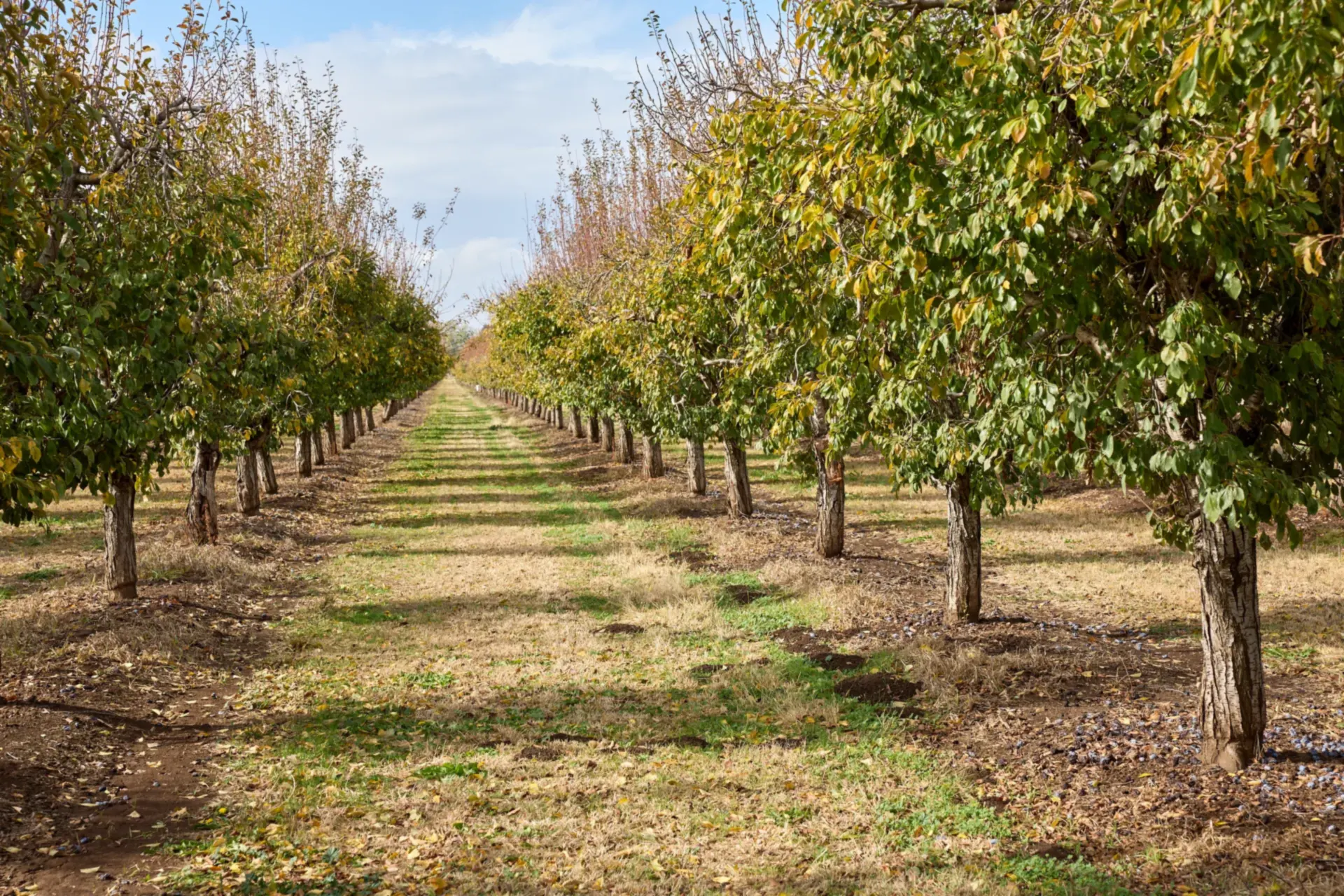
Plums split into two families: European plums — the prune and gage types — which are often self-fertile, and Japanese plums, larger and juicier, which usually need a partner tree. Both grow to 15–25 ft, fruit in 3–6 years, and crop so heavily that thinning the fruitlets is the difference between big sweet plums and a broken branch.
Grow Plum Tree with us — step by step
Everything for this plant is written step by step below — what to do, and exactly when. Read it through first if you like: you can grow it entirely on your own with that guide. Or start with us here — tell us your planting day and we lay out your personal schedule on this page, every next step on its own day, counted from your planting date. No guessing, no forgetting.
Step 1 — today: Plant your Plum Tree today: dig a hole twice as wide as the root ball, set the graft union 2–3 in above the soil line, backfill, water deeply and mulch. Full sun, drained soil.
Plum Tree at a glance
Spacing: 15–25 ft in · Seed depth: As in the pot
Sun: Full sun
Water: Regular, deep, especially while young
Harvest: First fruit in 3–6 years
Timing counts from your average last spring frost — get your own dates in the Planting Calendar. Guidance follows standard extension-service practice for Canada and the US.
How to plant and grow plum tree, step by step
Step 1 — Time it right
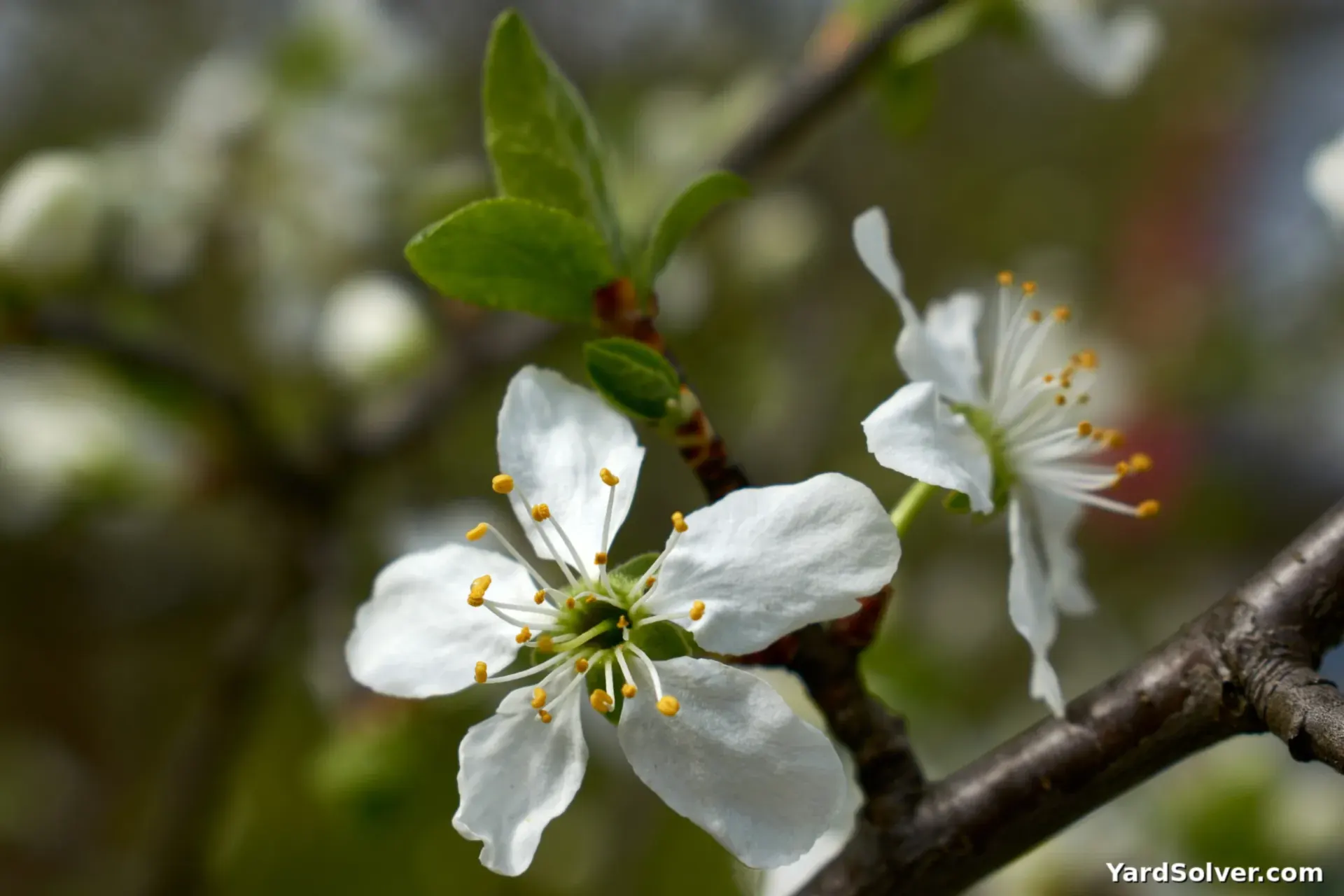
Plant bare-root trees in early spring, or container trees in spring or fall. Plums bloom early — a sheltered spot helps the blossom dodge frost.
Step 2 — Prepare the spot
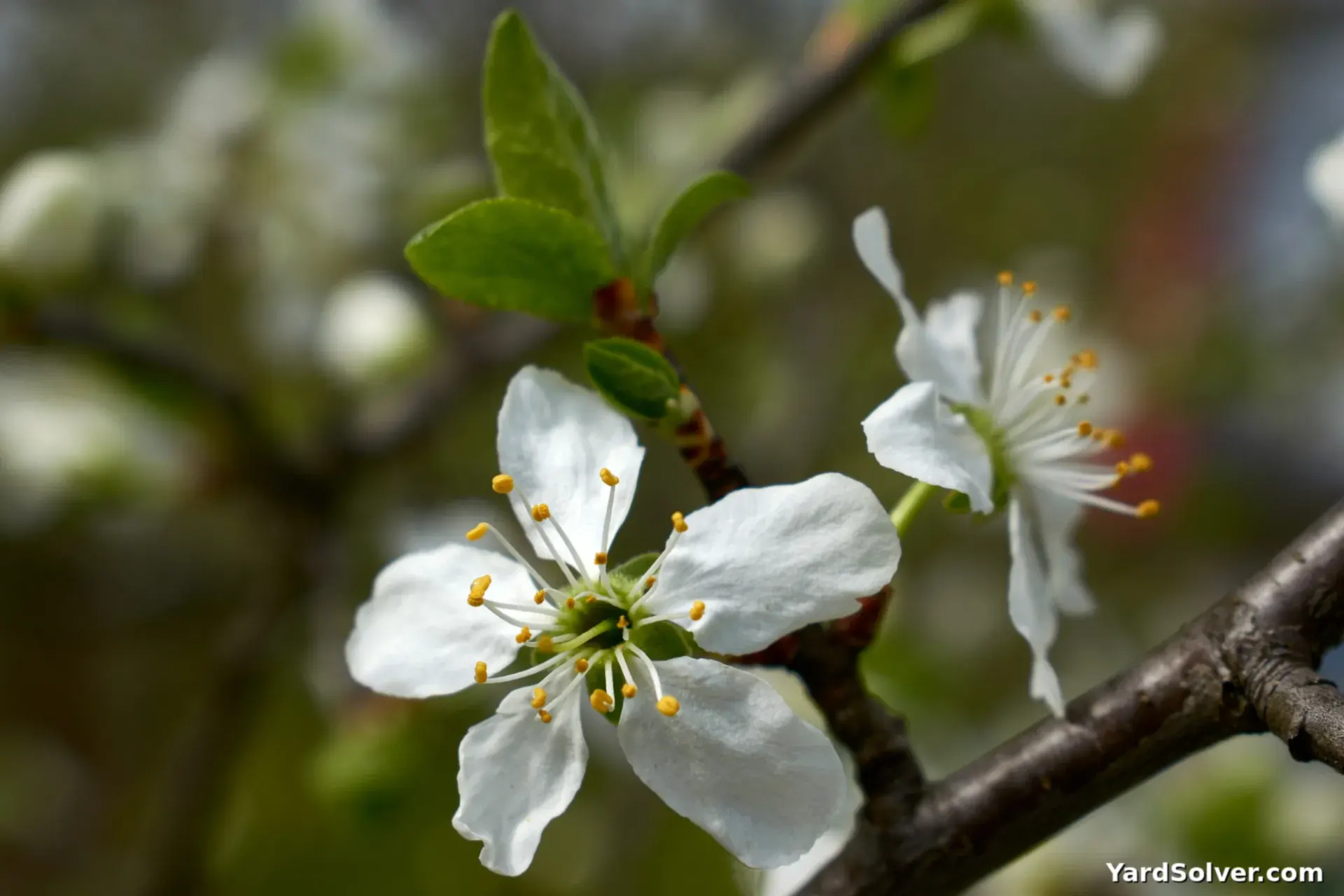
Sun: Full sun. Well-drained loam in full sun. Plums tolerate slightly heavier soil than peaches but not waterlogging. Work out how much soil you need with the Garden Mix Calculator or the Raised Bed Soil Calculator.
Step 3 — Plant it
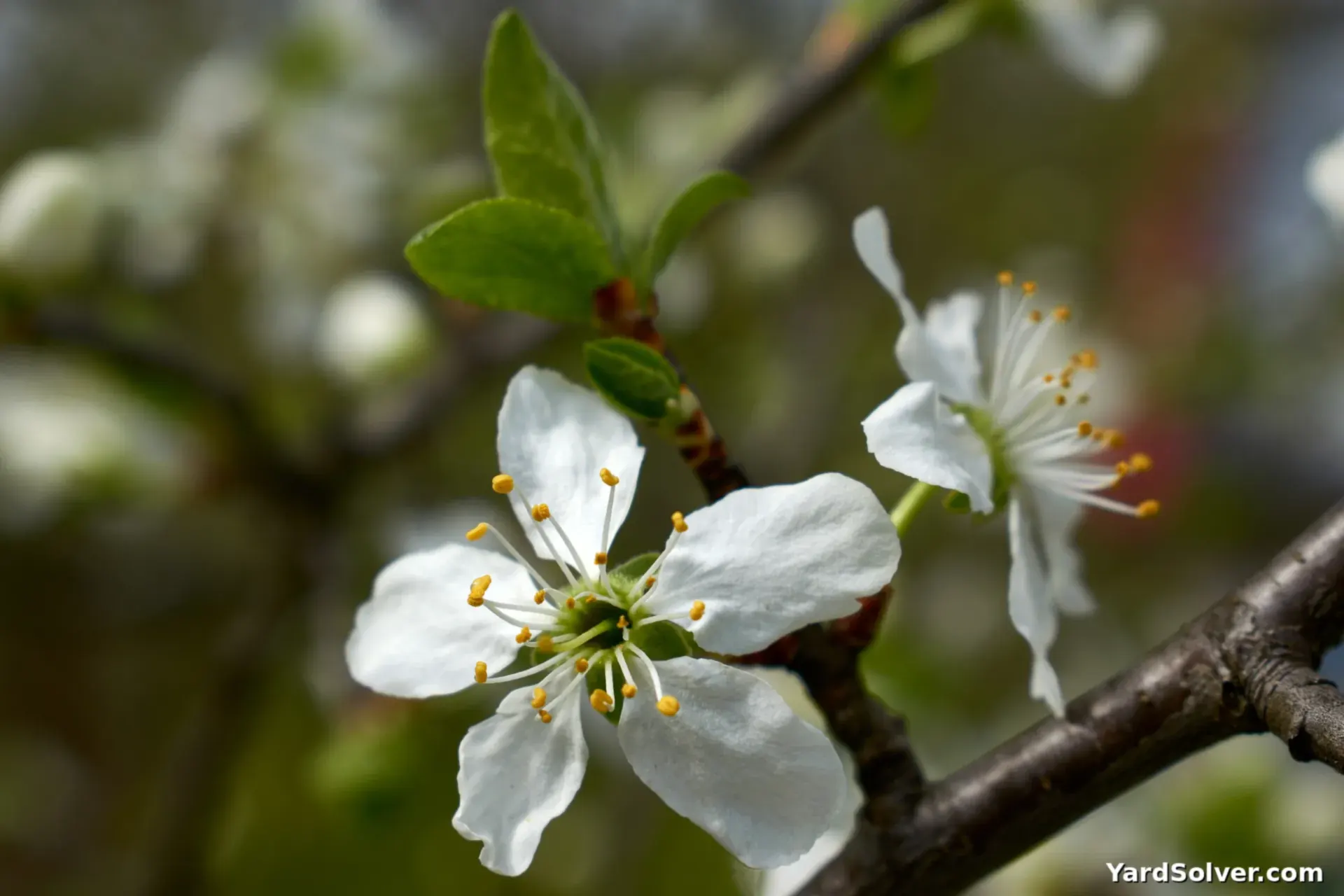
Dig a hole twice as wide as the root ball, set the graft union 2–3 in above the soil line, backfill, water deeply and mulch. The Plant Spacing Calculator turns that spacing into trees-per-plot.
Step 4 — Water and feed
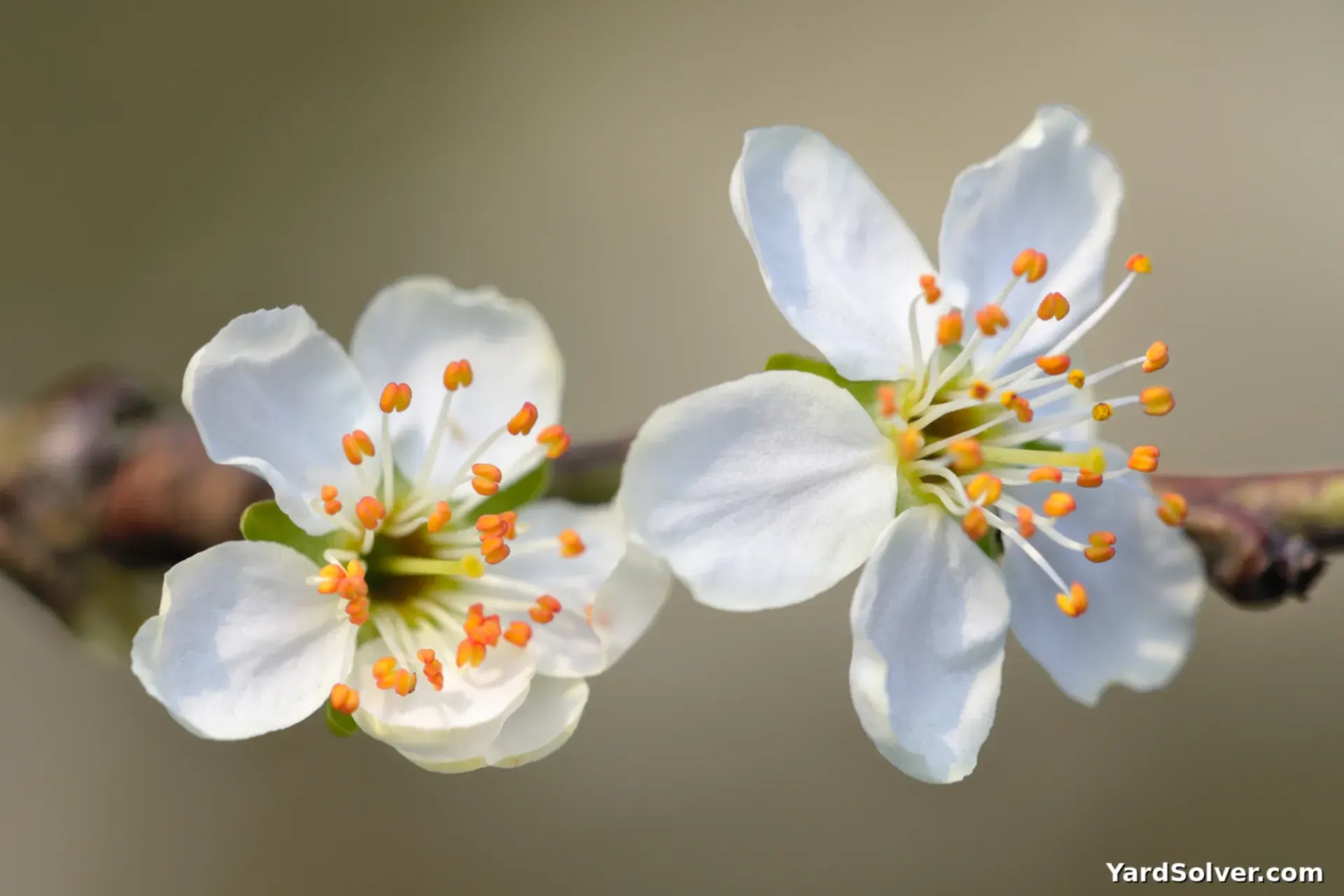
Water: Regular, deep, especially while young. Feed in spring with a balanced fertilizer, modestly. A yearly compost mulch helps the shallow roots. The Fertilizer Calculator turns a plot size into the right amount.
Step 5 — Care and the problems to watch for
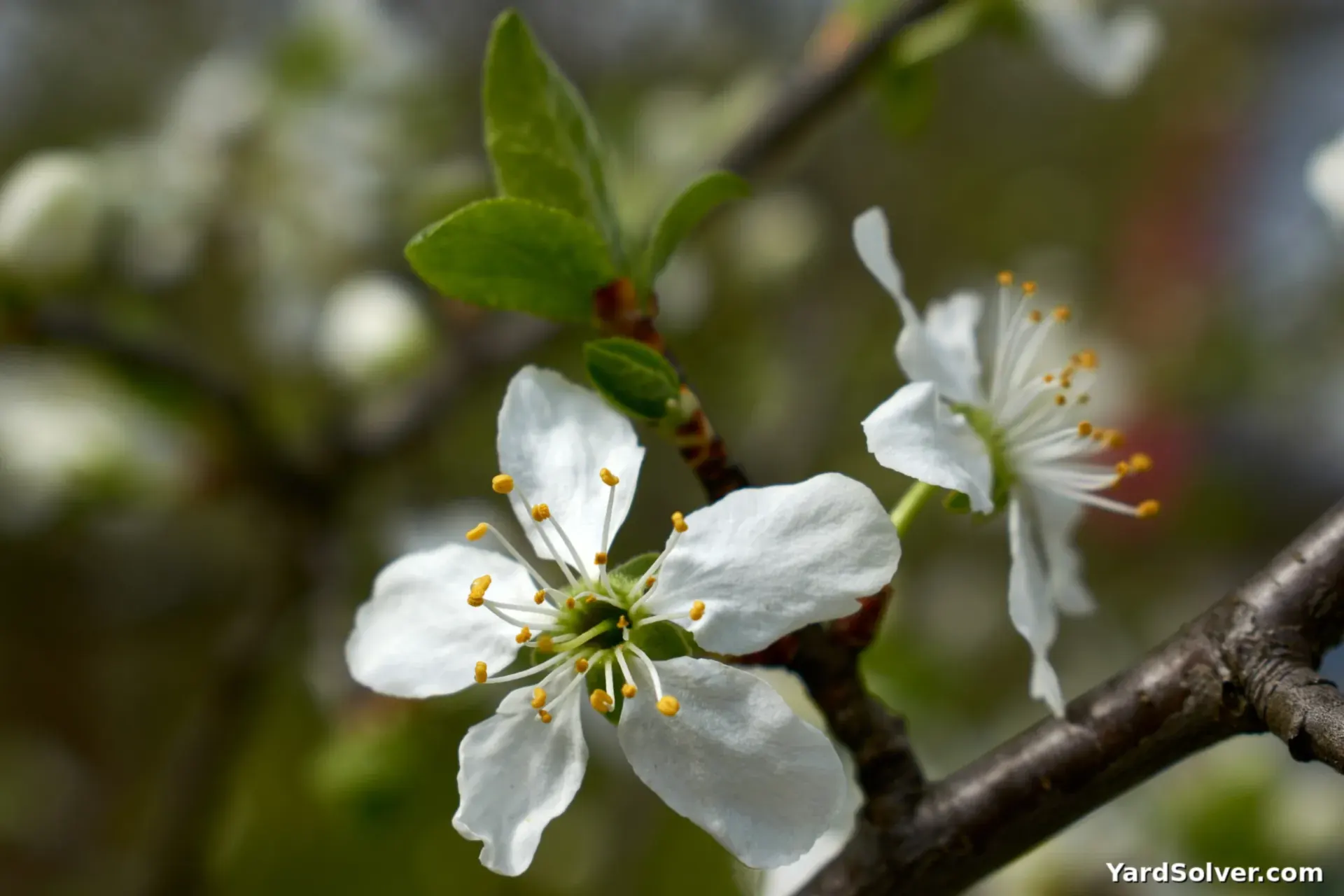
Plum pocket — hollow, swollen fruitlets in spring; remove and destroy them. Black knot — black swollen lumps on branches (common on European types); prune out well below the knot in winter. Aphids — they curl the new leaves; a strong jet of water or a ladybird population handles most.
Step 6 — Harvest
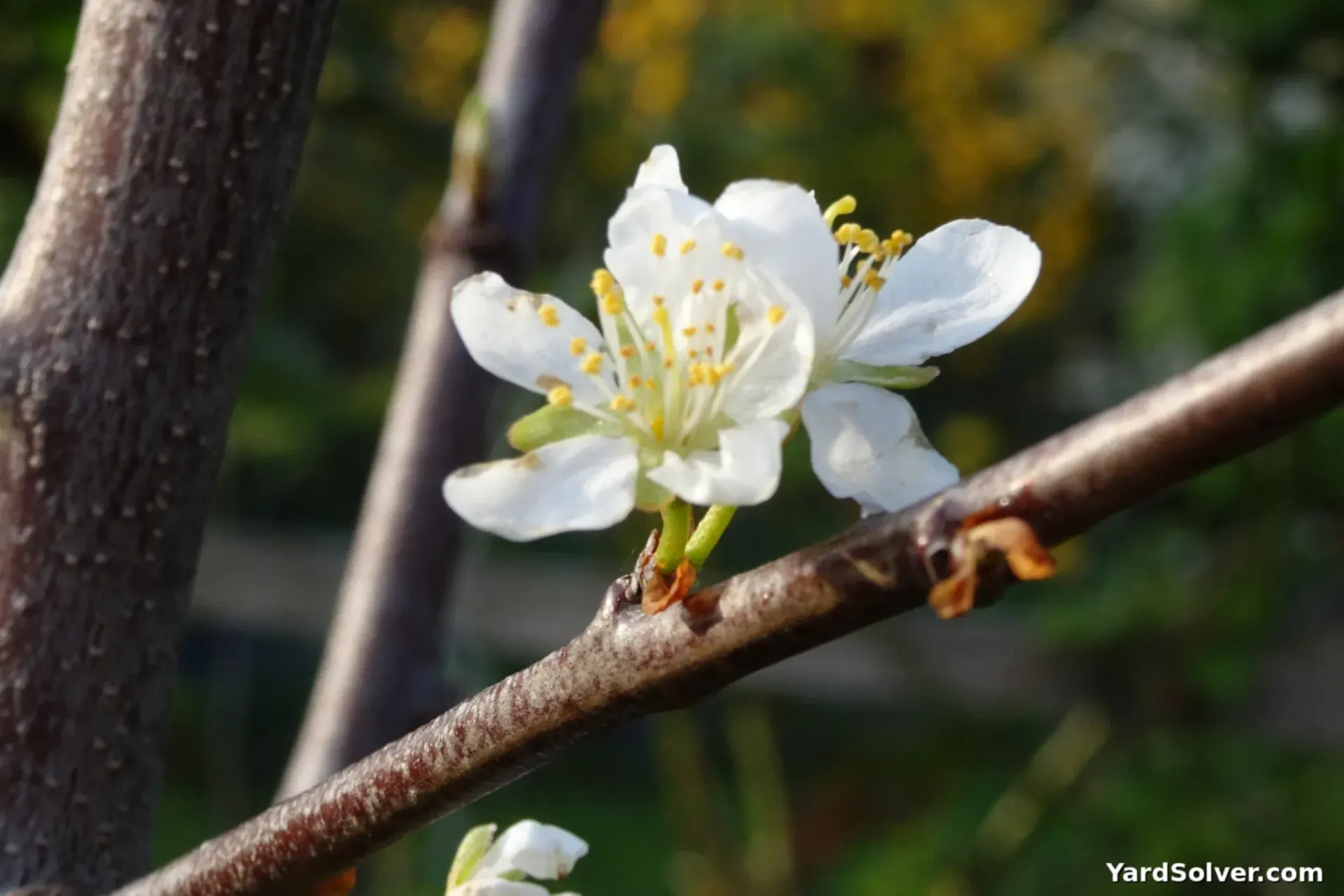
First fruit in 3–6 years. Pick when the fruit is fully coloured and gives slightly — prune-plums can hang longer and dry on the tree in hot summers.
📅 Your personal Plum Tree schedule
Counted from your planting day — not a generic calendar. Day 0 is the day the seed went in the ground or the young plant went out.
Varieties worth growing
| Variety | Colour | Why gardeners like it |
|---|---|---|
| Stanley | Purple-blue | A European prune-plum, self-fertile and reliable |
| Santa Rosa | Red-purple | The famous Japanese plum — juicy, needs a partner |
| Mount Royal | Blue | A very hardy European plum for cold winters |
| Green Gage | Green | The old French gage — small, green and honey-sweet |
Good for you — and take care
Benefits
- European types are often self-fertile
- Prolific — a small tree gives baskets of fruit
- Eat fresh, dry as prunes, or cook
- Blossom feeds early bees
Take care
- Thin fruitlets to one every 3–4 in — plums overcrop wildly otherwise.
- Japanese plums need a partner; European plums often fruit alone.
- Prune in summer after harvest to lower disease risk.
Problems to watch for
- Plum pocket — hollow, swollen fruitlets in spring; remove and destroy them.
- Black knot — black swollen lumps on branches (common on European types); prune out well below the knot in winter.
- Aphids — they curl the new leaves; a strong jet of water or a ladybird population handles most.
A little history — and one good fact
Plums have been grown since Roman times — Pliny listed varieties two thousand years ago. European plums came from the Caucasus region; Japanese plums were bred in China and refined in Japan, then carried to California in the 1800s.
Fun fact: Prunes are simply dried plums — and in France, the famous Agen prunes come from a single variety, the Prune d'Ente.
Keep going
Guides: How to Harden Off Seedlings · How to Read a Seed Packet
Calculators: Plant Spacing Calculator · Seed Calculator · Fertilizer Calculator · Garden Mix Calculator
Plan it: Garden Planner · Planting Calendar · Companion Planting Chart · Seed Box
Good companions: Garlic · Chives
More fruit trees: Cherry Tree · Peach Tree · Apple Tree
← Back to the Plant Library · Get your personal planting dates
Questions people ask
When do I plant a plum tree?
Plant bare-root trees in early spring, or container trees in spring or fall. A sheltered spot helps the early blossom.
How far apart do I space plum trees?
Japanese plums 15–20 ft, European plums 18–25 ft. Sun: full sun.
When will my plum tree fruit?
First fruit in 3–6 years. European plums are often self-fertile; Japanese plums usually need a partner.