
Guides · Plant problems · Published November 3, 2026
Chemical Pesticides, Explained Honestly
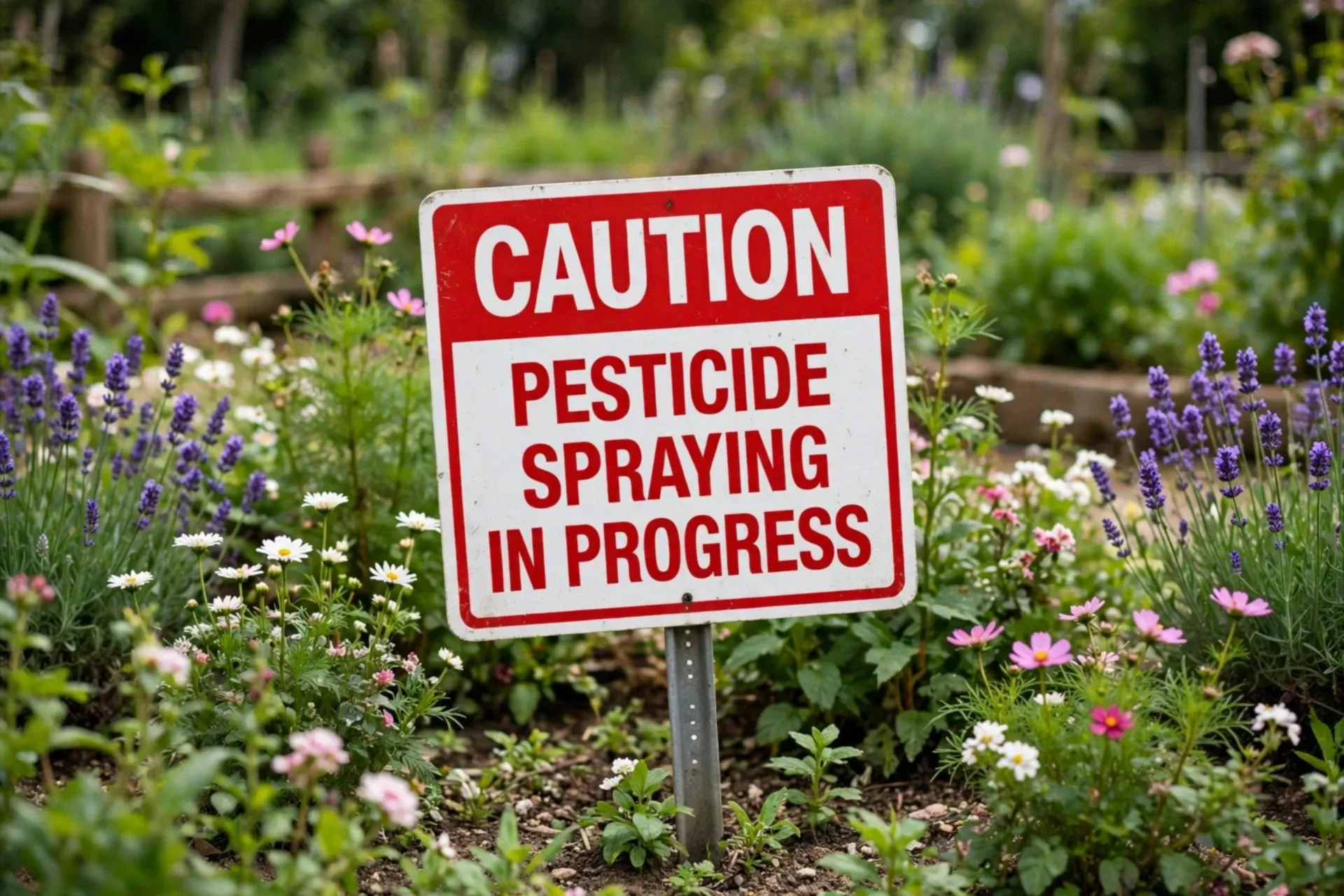
Most writing about synthetic pesticides is either selling them or frightening you off them. This page does neither. It explains what these products actually are, how the main classes work, when gardeners reasonably reach for them, and the safety rules that are not optional. YardSolver's own default is prevention first — our organic pest control system stops most problems before any spray is needed. But when prevention falls short and a crop is genuinely at stake, an informed choice beats both panic and blind trust. Here is the information, straight.
The honest basics
- The label is the law: crop, rate, timing and safety gear are all specified there — it is a legal document, not a suggestion
- Contact vs systemic: contact products kill what they touch; systemics are absorbed and move inside the plant
- The pre-harvest interval is real: the days between spraying and eating are part of the product's safety case
- Bees never meet it wet: never spray open blooms, never spray in wind, spray at dusk if at all
- Rules vary by place: products legal in one country, province or state are restricted in others — check yours
- Measure like fertilizer: double the dose is not double the effect; it is double the residue and the risk
Step 1 — What these products actually are
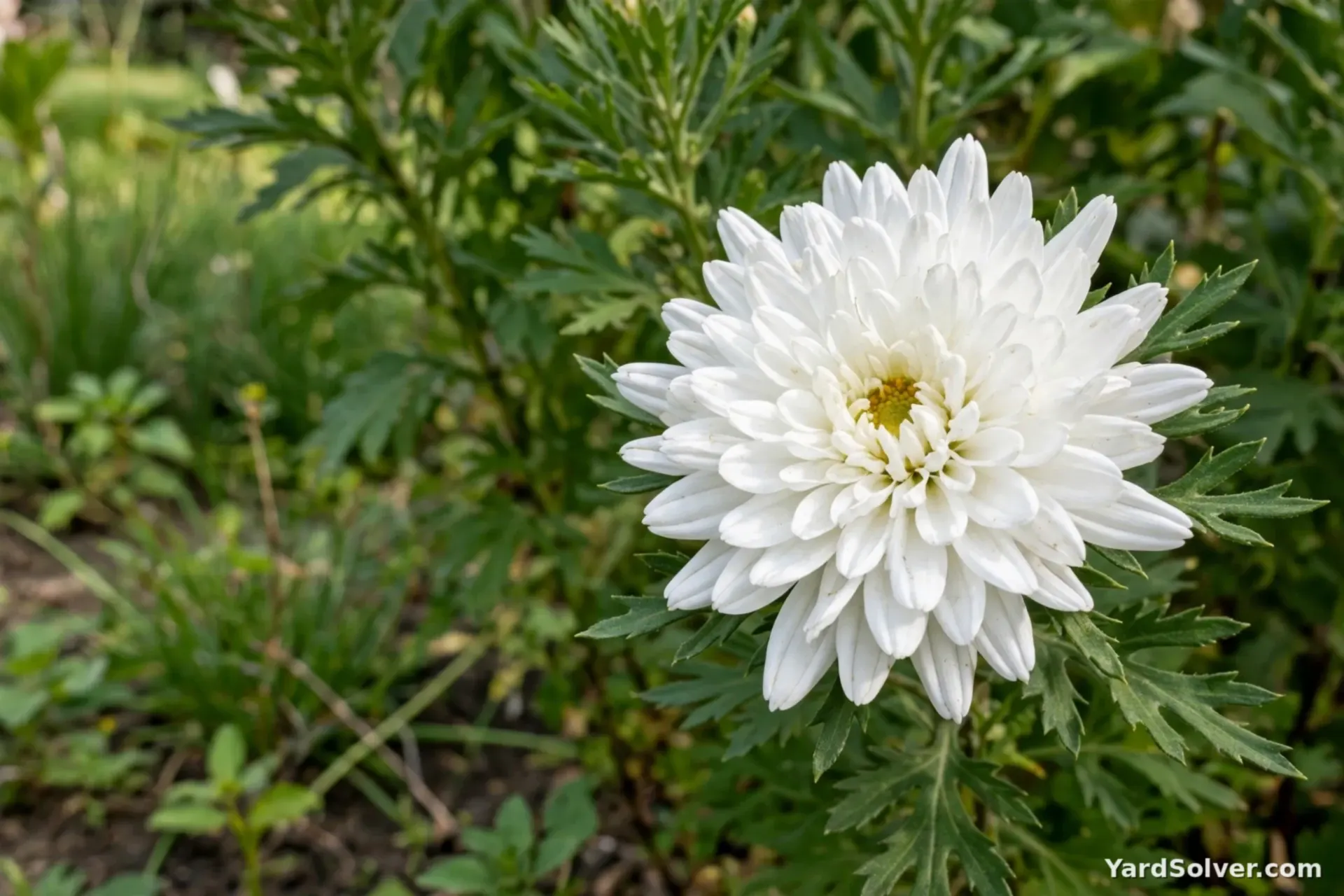
Two distinctions explain most of the shelf. Contact insecticides kill insects they land on and leave a short-lived residue on the leaf surface; miss the insect and you have mostly missed the point. Systemic insecticides are absorbed by roots or leaves and travel inside the plant, so insects feeding anywhere on it are exposed — effective, but also why they raise harder questions about pollinators visiting treated plants later. The chemistry families matter too. Pyrethrin is a natural chrysanthemum extract that breaks down within hours; pyrethroids are synthetic copies built to last days, which makes them more persistent in the garden and in water. Some widely used products sit between the stools: spinosad and Bt are produced by bacteria, are sold to organic growers in many places, and are still pesticides with labels and limits — "biologically derived" does not mean harmless to everything. Neonicotinoids, a systemic family, are the most contested: they are effective and convenient, and they are restricted or banned for many uses in parts of Canada, the UK and EU and some US states because of pollinator evidence. None of this makes any class "good" or "bad" in the abstract — it makes them different tools with different staying power, targets and trade-offs.
Step 2 — When gardeners reach for them
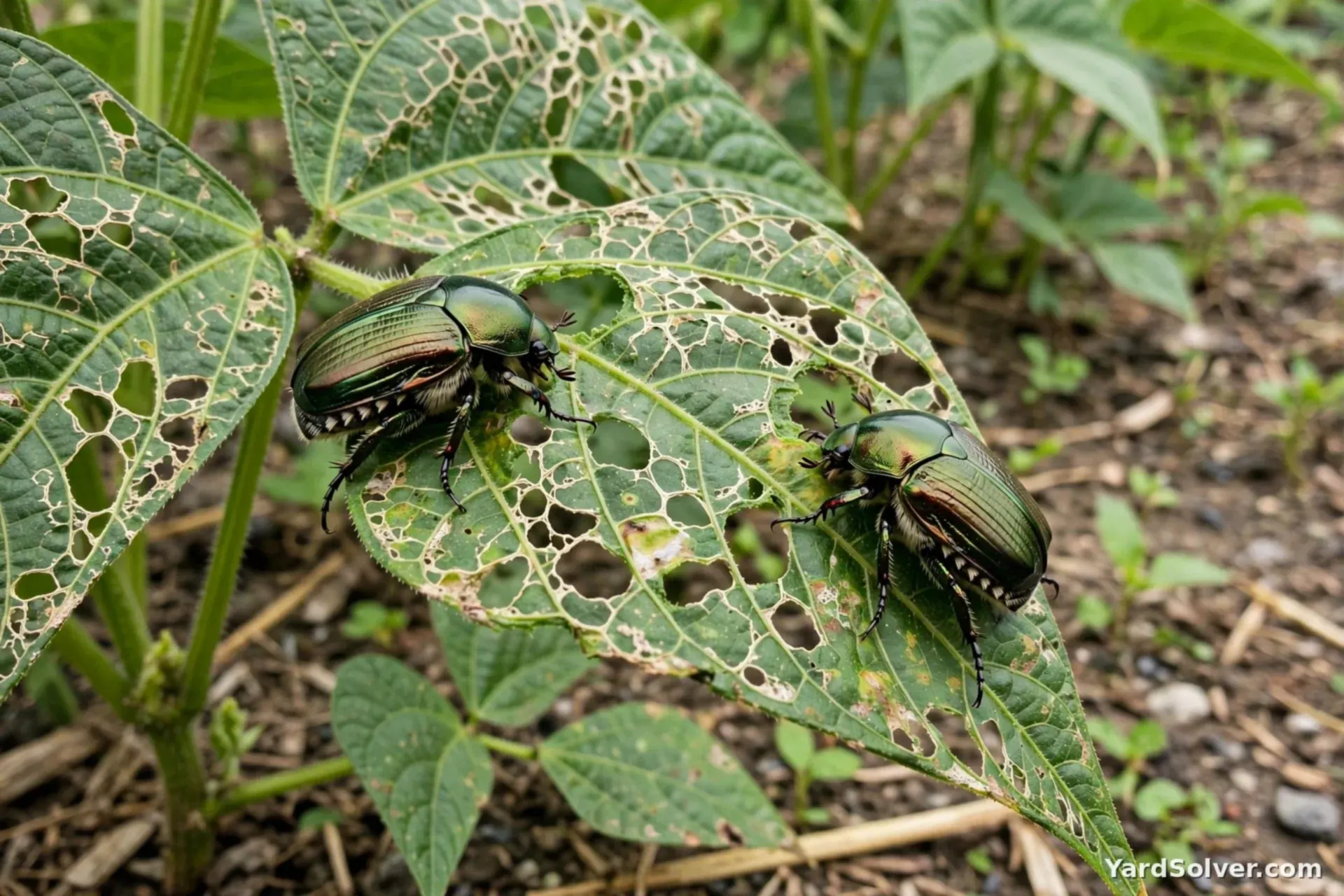
Honestly, the pattern looks like this: prevention and gentle methods handle the ordinary season, and synthetics appear when something outruns them — a Japanese beetle invasion strip-mining a bean row faster than a bucket can keep up, a cabbage crop being skeletonised days before harvest, an invasive pest with no local predators. That is a defensible use: a named pest, a real threshold crossed, a crop actually at stake. The indefensible pattern is the calendar spray — treating on schedule whether anything is there or not. It wastes money, breeds resistant pests, and harms the beneficial insects that were doing free work for you, which is why so many gardeners who spray routinely end up spraying forever. Tomatoes and cabbages are the crops people spray most, and both reward the boring work first: rotation, mesh covers and airflow mean most seasons never reach this decision at all. If you do reach it, the remaining steps are the difference between a tool and a hazard.
Step 3 — The label is the law
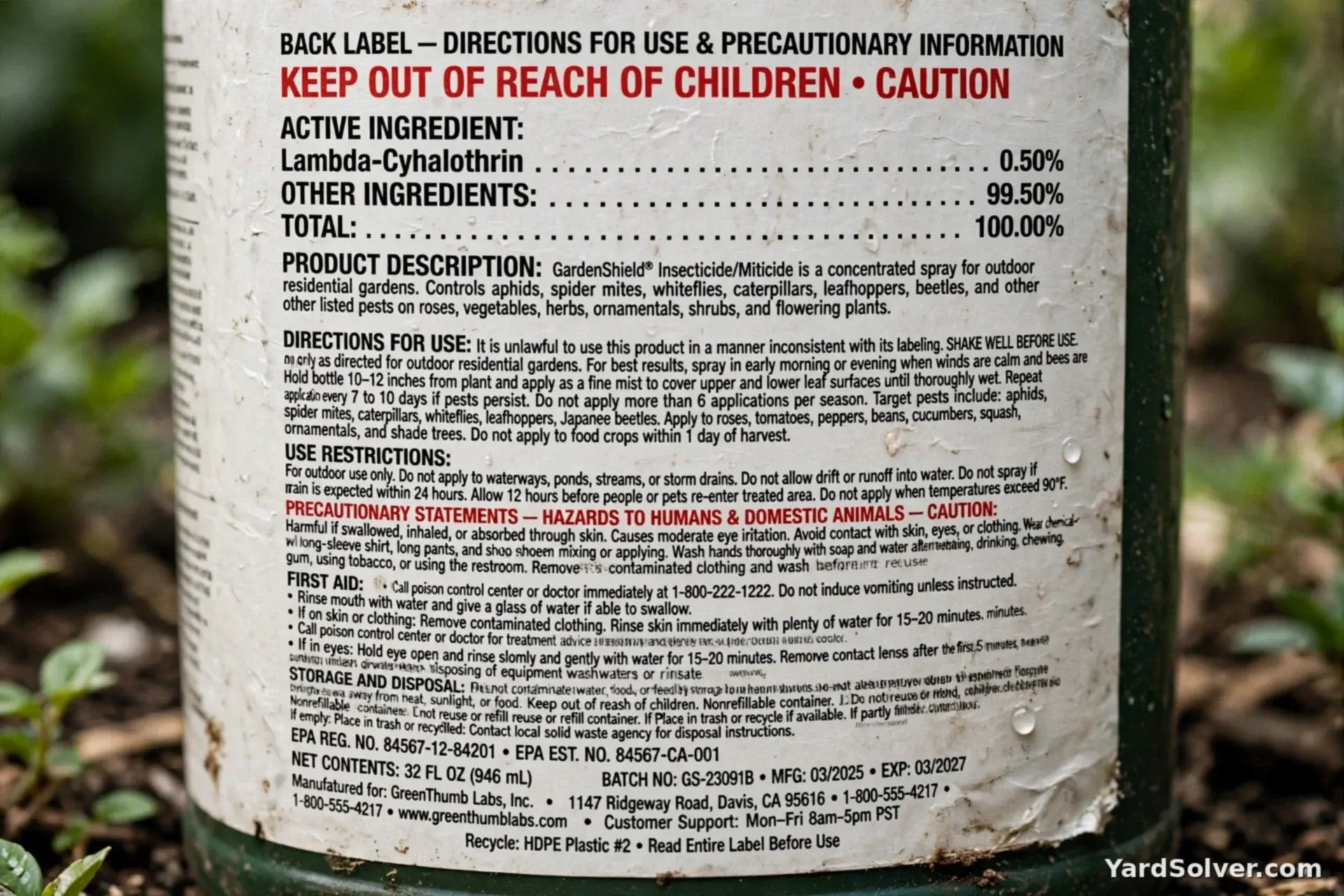
A pesticide label is not marketing copy; in most countries it has legal force, and it answers the questions that decide safety. Which crops? A product registered for ornamentals may not be used on vegetables, full stop. What rate? The mixing rate is set by testing, not optimism — the same discipline as measuring fertilizer with the Fertilizer Calculator applies here: more is not stronger, it is just more residue and more runoff. How long before harvest? The pre-harvest interval (PHI) is printed as a number of days per crop. It is calculated so residues decline to the levels regulators accept, and picking inside it steps outside the safety case entirely. How often, and how much per season? Maximum application counts exist because resistance and residue build with repetition. If the label does not name your crop or your pest, the honest answer is that this product is not for this job — put it back and choose one that does, or go back to the prevention system for that crop.
Step 4 — Protect bees, water and everything you are not aiming at
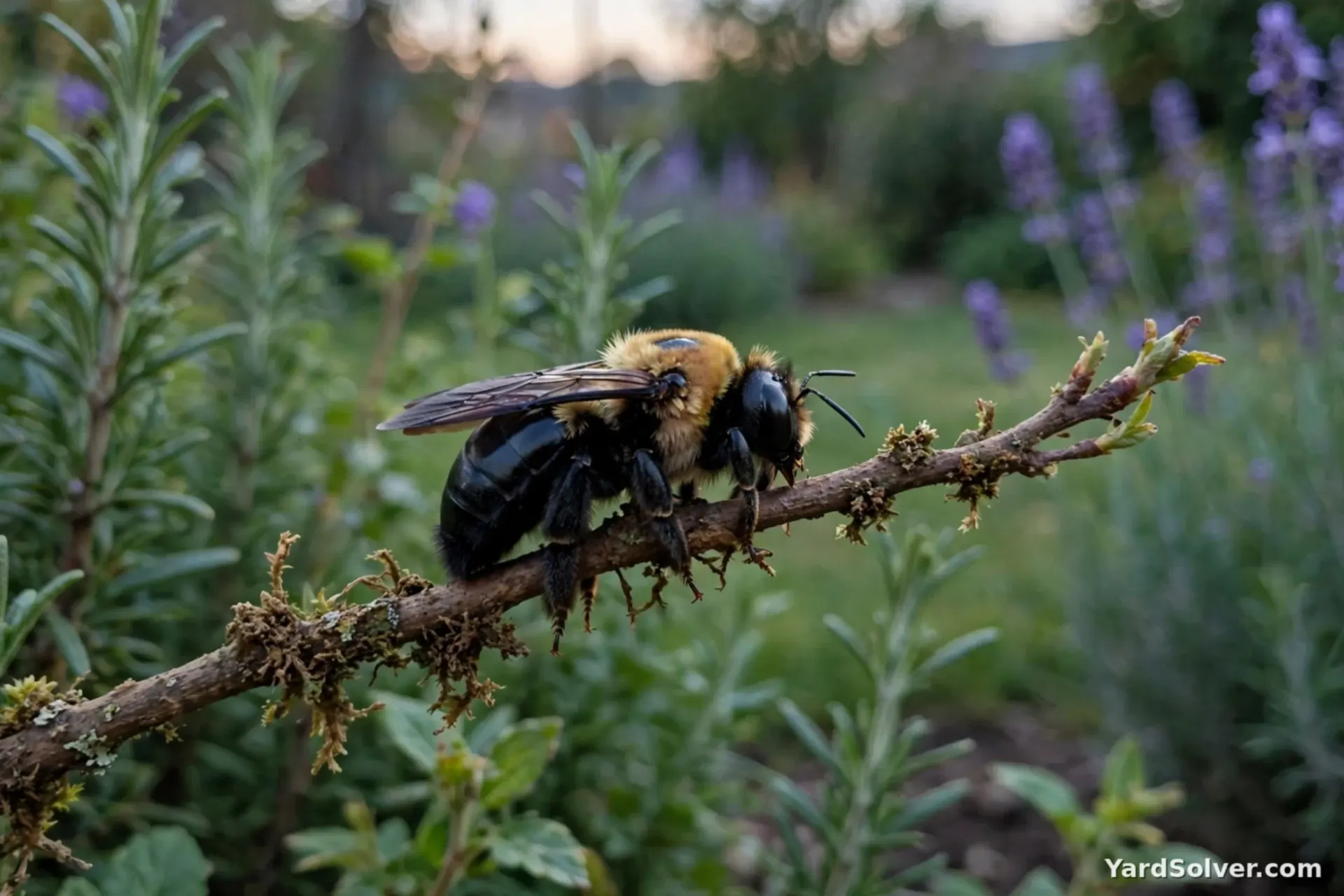
Most pesticide harm in home gardens is not from the product — it is from drift and timing. The rules are simple and absolute. Never spray open flowers, and if a crop is in bloom, wait or choose another method; this is the single biggest pollinator protection there is, and it is why our pollinator guide and this page tell the same story from opposite ends. Spray at dusk, when bees have gone home and the application can dry overnight before they return. Never spray in wind — drift carries product onto flowers, water and the neighbour's garden — and avoid spraying before heavy rain, which washes it into soil and drains. Keep it off water: many insecticides, pyrethroids especially, are extremely toxic to fish and aquatic insects at tiny concentrations, so ponds, streams and even garden water features get a wide buffer. Spot-treat, don't blanket: spray the affected plants, not the whole bed. Spacing plants properly — the Plant Spacing Calculator again — reduces how much of the garden ever needs treating in the first place. Followed together, these rules cut non-target harm to a small fraction of careless use.
Step 5 — Handle, store and dispose of it like it matters
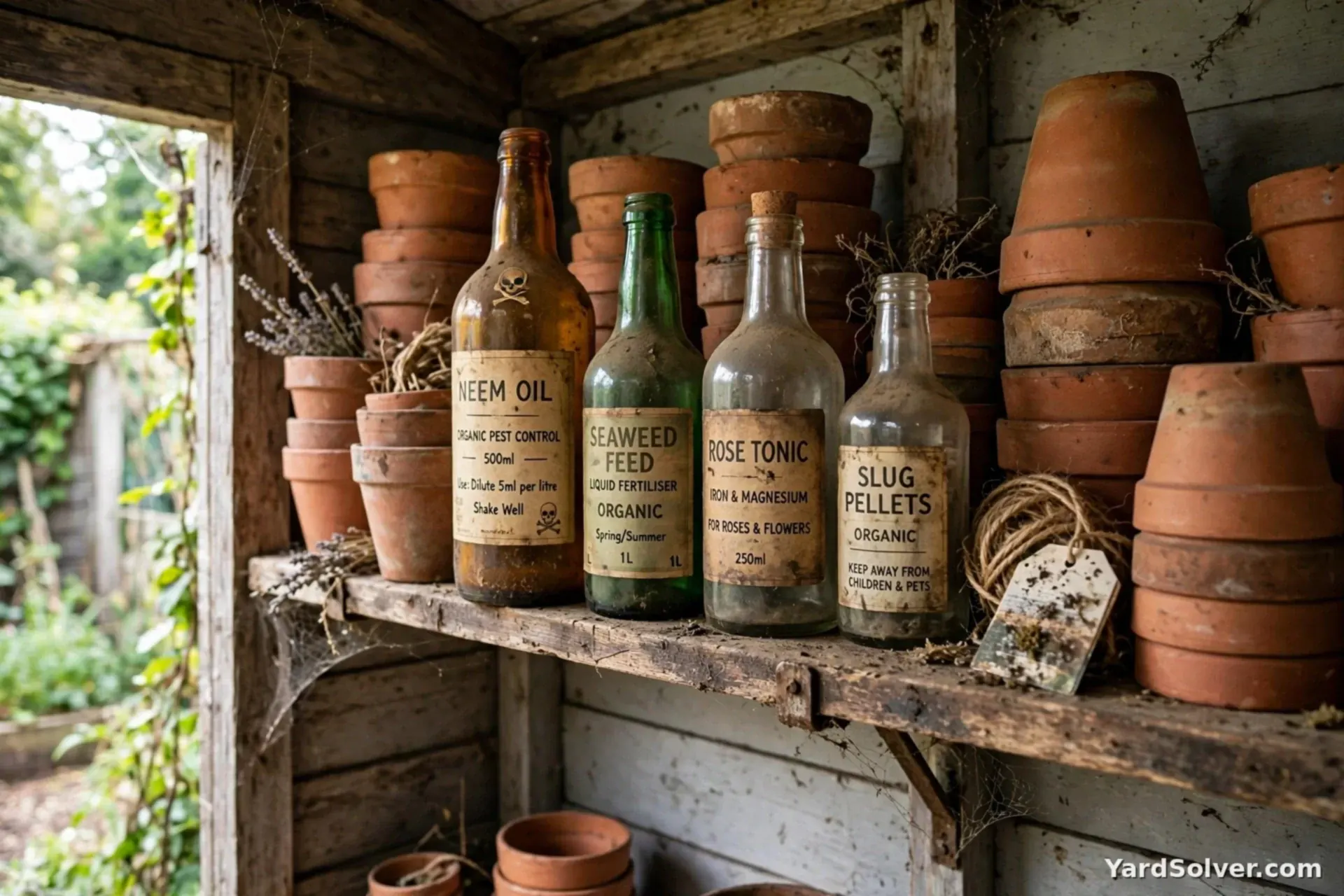
The last set of rules is household, not horticultural. Wear what the label says — typically gloves, long sleeves and eye protection while mixing, because concentrates are the strongest form you will ever handle. Measure the concentrate properly with a dedicated measure, never kitchen utensils, and mix only what you will use that day; leftover mixed spray has no safe shelf life. Store in the original labelled container, upright, locked or on a high shelf away from children, pets and food — and never, under any circumstances, decant into a drink bottle, which remains one of the commonest causes of accidental poisoning. Dispose of leftovers and empties as your local rules direct — many municipalities run hazardous-waste collections for exactly this; concentrate never goes down a drain or into household rubbish unless the label explicitly allows it. Finally, keep a simple note of what you used, where, and when: it makes pre-harvest intervals easy to honour, and if a plant reacts badly you will know why. Treated with this much respect, these products are tools. Treated casually, they are the risk their critics describe.
Keep going
The other half of the pair: Organic Pest Control — the prevention-first system that makes sprays the exception. Protect the workforce: Native Plants for Pollinators.
Measure everything properly: Fertilizer Calculator · Plant Spacing Calculator.
Questions people ask
Are chemical pesticides safe to use on vegetables?
They can be used on the crops named on the product label, at the label rate, if you respect the pre-harvest interval — the number of days the label requires between spraying and eating. That interval exists so residues fall to the levels regulators set. A product not labelled for a crop, or a harvest picked inside the interval, is outside the safety system entirely.
What is the difference between pyrethrin and pyrethroids?
Pyrethrin is a natural extract of chrysanthemum flowers that breaks down within hours in sunlight. Pyrethroids are synthetic copies engineered to last days instead of hours, which makes them more persistent — and more of a concern for bees and water life if they drift. Similar names, very different staying power.
Are garden pesticides legal everywhere?
No. Rules vary by country and often by region or state. Several products sold freely in one place are banned or restricted in parts of Canada, the UK and EU, and some US states — neonicotinoid insecticides are the best-known example. Check the rules where you garden before buying, and never assume another gardener's rules are yours.
Comments & ratings
No comments yet.
Be the first to share your experience.