
Guides · Plant problems · Published November 3, 2026 · Updated November 8, 2026
Natural Pest Control Without Chemicals: The Prevention-First System
Natural pest control without chemicals is not a spray recipe — it is an order of operations. Most pest advice starts at the spray shelf; working gardens start somewhere quieter: with plants that were never stressed, beds that were never crowded, and covers that went on before the insects arrived. This page is the whole system in the order experienced growers actually use it — identify, prevent, block, remove, recruit allies, and only then reach for a product. It also ties together our pest guides, which each go deep on one problem, and states the honest limits of the organic products at the end: nothing here is a miracle, and that is the point. A system of small, honest advantages beats one dramatic spray.
The system, in the order that works
- Identify first: most garden insects are harmless, and many are working for you. Never treat an insect you have not named
- Prevention does the heavy lifting: soil health, honest spacing, crop rotation, watering at the base
- Barriers beat battles: row cover, collars and netting stop pests without touching them
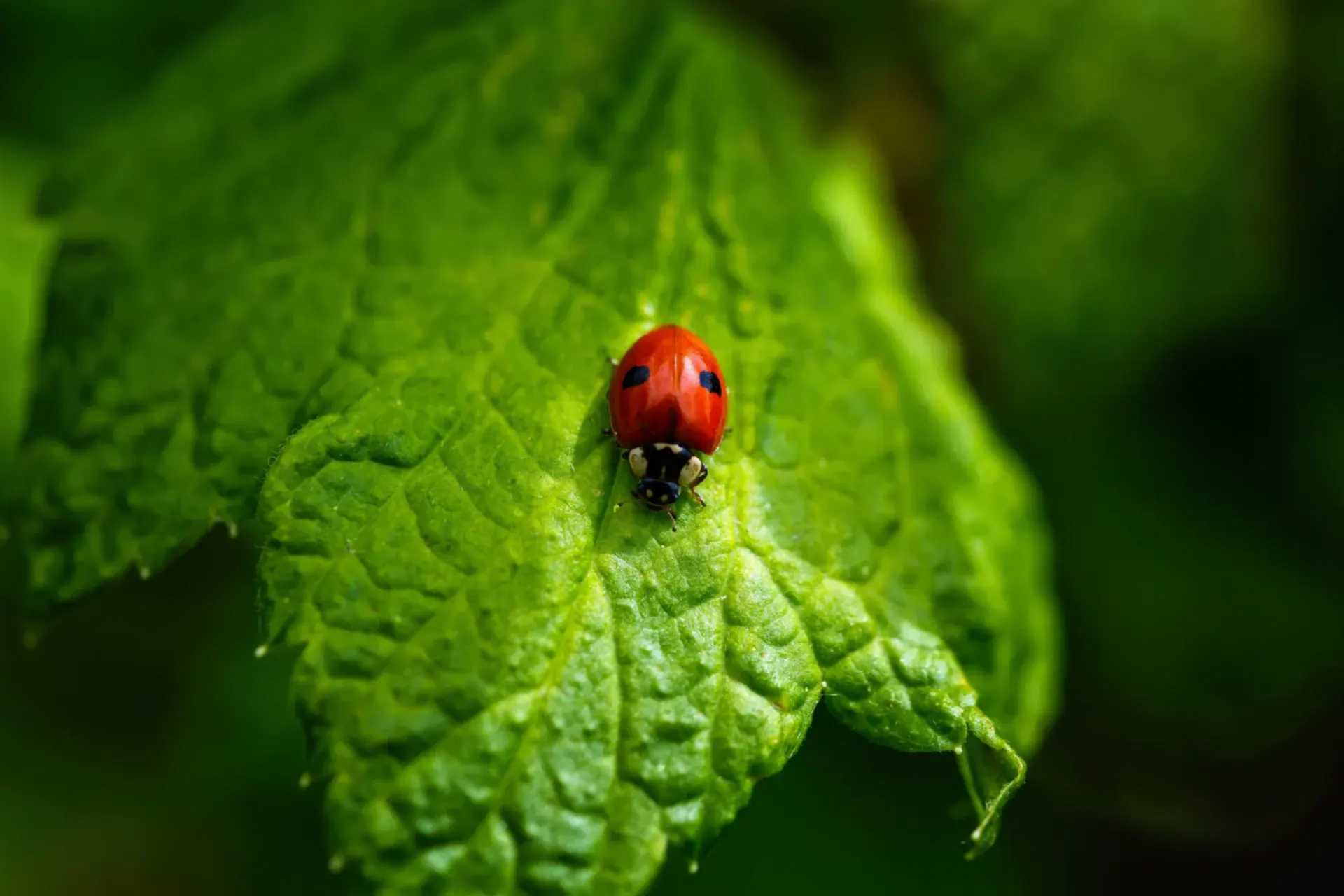
- Allies are free labour: ladybirds, hoverflies, lacewings, ground beetles and birds — feed them flowers and they patrol daily
- Products last, honestly: neem, Bt, insecticidal soap and diatomaceous earth each do one narrow job well — the last step states the limits plainly
Step 1 — Identify before you act
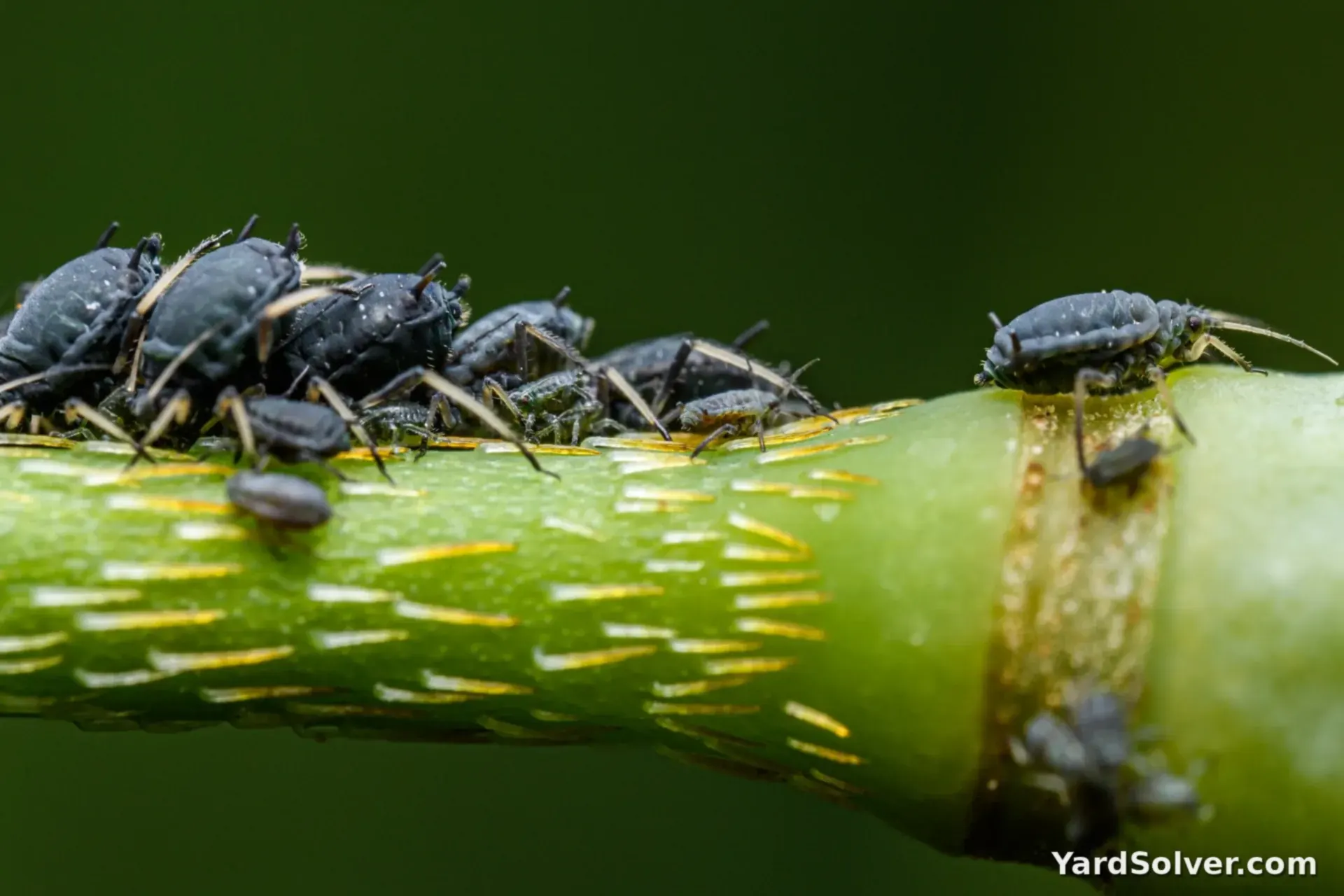
Turn the leaf over before you reach for anything. Undersides are where aphids cluster, caterpillars hide and eggs are laid. Then ask two questions: what is it, and how much damage is it actually doing? A cabbage with three holes grows on fine; a seedling being skeletonised does not. Set a threshold — most established vegetables tolerate losing a modest share of leaf without the harvest noticing. Start with What Is Eating My Plant Leaves?, which reads hole shapes like evidence, and check whether the "pest" is even a pest: the fierce-looking ladybird larva and the hoverfly maggot are aphid-eaters, and spraying either is paying to remove your own workforce. Note that some problems blamed on insects are diseases or stress — the lacy white dusting of powdery mildew, for instance, is a fungus, and no insect treatment touches it.
Step 2 — Prevention: the step that does the most work
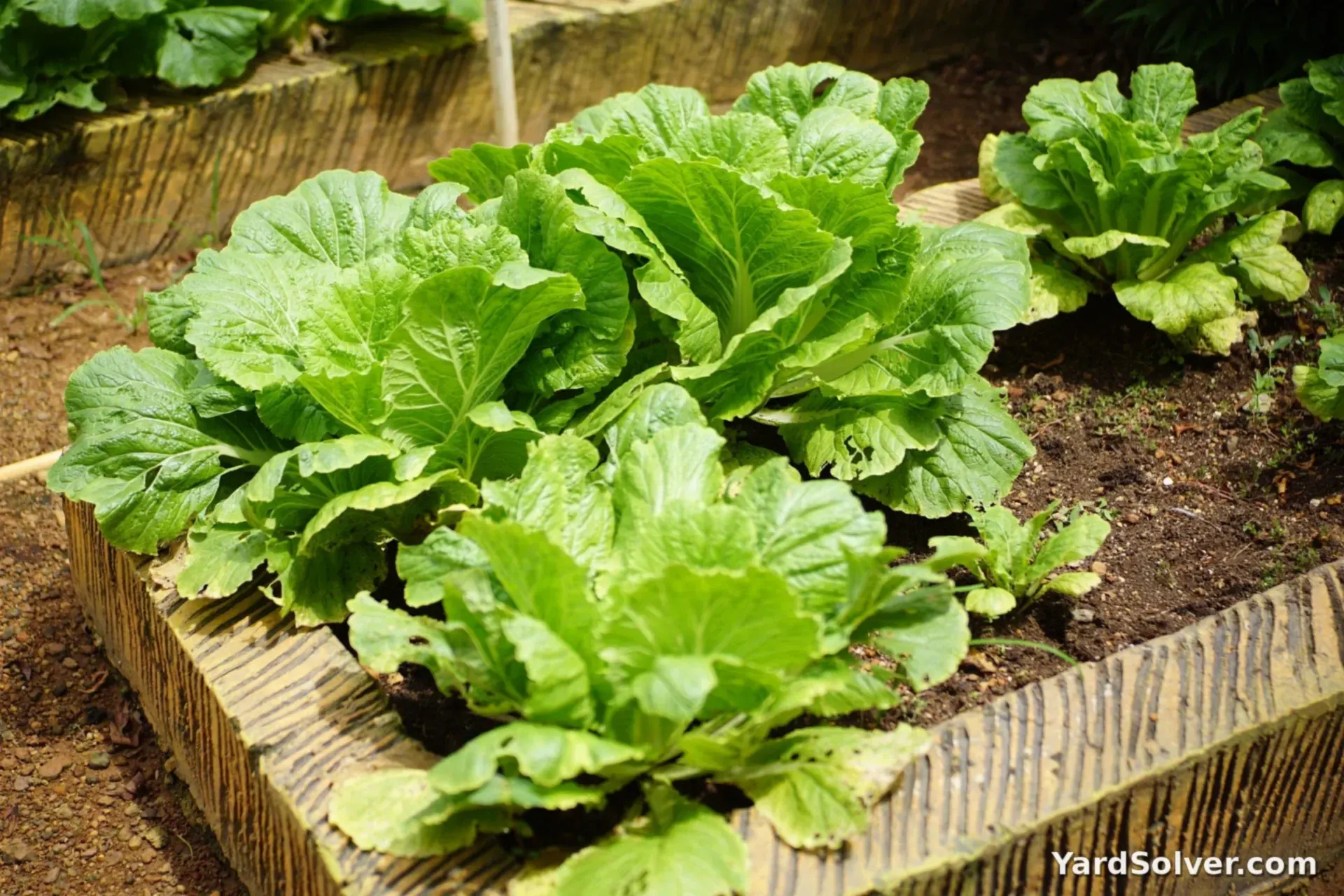
Pests find weak plants the way wasps find jam. Four habits remove most of the attraction. Soil first: steady nutrition from compost-grown soil produces plants that shrug off nibbling; soft, over-fertilised growth is aphid candy. Spacing: air between plants dries leaves quickly and slows both mildew and the spread of colonies — space with the Plant Spacing Calculator rather than hope. Rotation: many pests and diseases overwinter in the soil where their host grew; moving families each year starves them out — plan it with the Crop Rotation Helper. Water at the base: dry leaves discourage fungal disease and make the surface a hostile desert for slugs. Add the tidy habits — clearing spent crops promptly, and not composting diseased plants — and companion planting as a nudge on top, with its full pairings table in the Companion Planting Chart: herbs and flowers that confuse pests and feed allies help at the margins, but the four habits above are the foundation they stand on.
Step 3 — Barriers: block them before they land
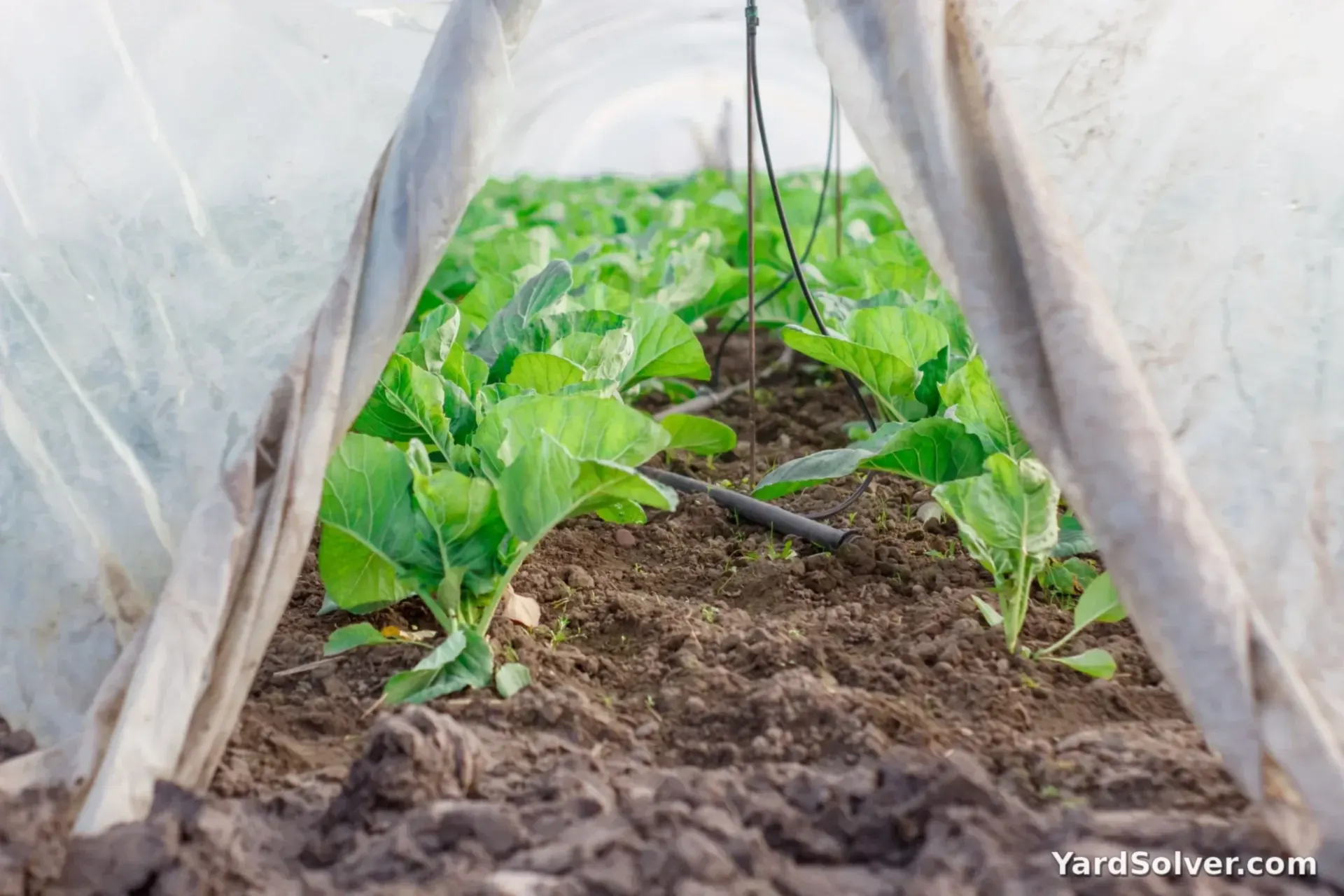
The most reliable organic control is a physical one. Fine insect mesh or row cover, laid over hoops from the day of planting, keeps cabbage white butterflies, carrot flies and flea beetles off entirely — most brassica caterpillar problems simply never happen under mesh. Weight the edges so nothing creeps under, and lift it only for weeding. Collars — a simple ring of cardboard or a cut pot pushed into the soil around a transplant — stop cutworms felling seedlings overnight. Netting protects fruit from birds when it is taut and checked daily. Barriers have one honest cost: mesh also keeps pollinators out, so remove it from any crop that needs insects to set fruit once flowering starts. Everything under a barrier stays spray-free by definition, which is why experienced growers reach for mesh before any bottle.
Step 4 — Hands, water and traps: removal with no collateral
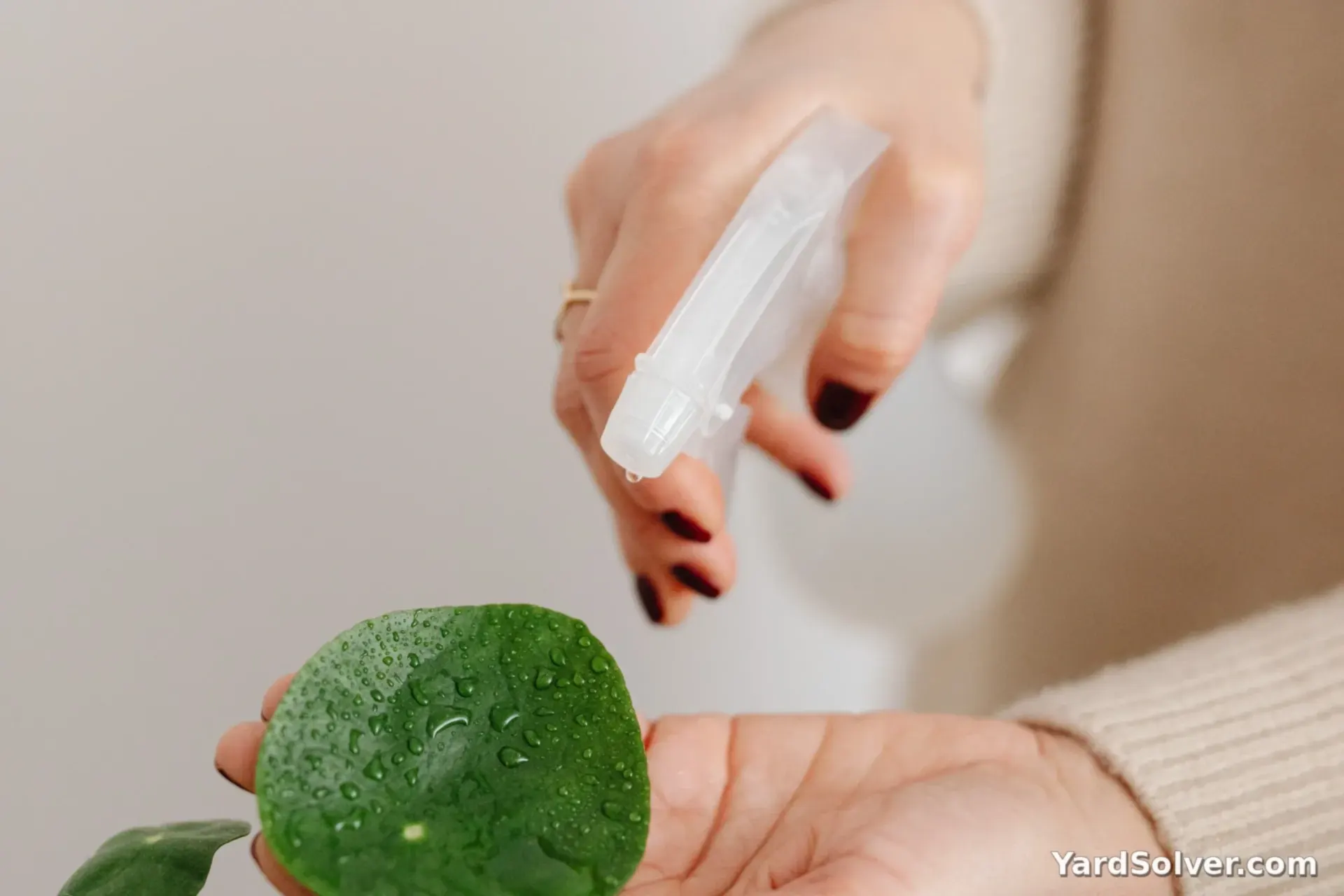
For the pests that do arrive, removal is surgical. Hand-picking handles every large, slow pest — caterpillars, slugs at dusk, and beetles: the Japanese beetle routine of a morning bucket of soapy water genuinely dents local numbers, because a removed beetle attracts no reinforcements. A hard jet of water knocks aphids off stems; they rarely climb back, and repeating every few days breaks the colony — the technique is detailed in How to Get Rid of Aphids. Traps are for monitoring as much as catching: yellow sticky cards show you whether fungus gnats are building up indoors, and beer traps take some slugs — though for slugs, evening patrols and habitat changes do the heavier work. And keep a patch of tolerance: a sacrificial row of nasturtiums drawing aphids away from beans, or a few chewed leaves on a plant you were thinning anyway, are the system working.
Step 5 — Gentle products, used honestly
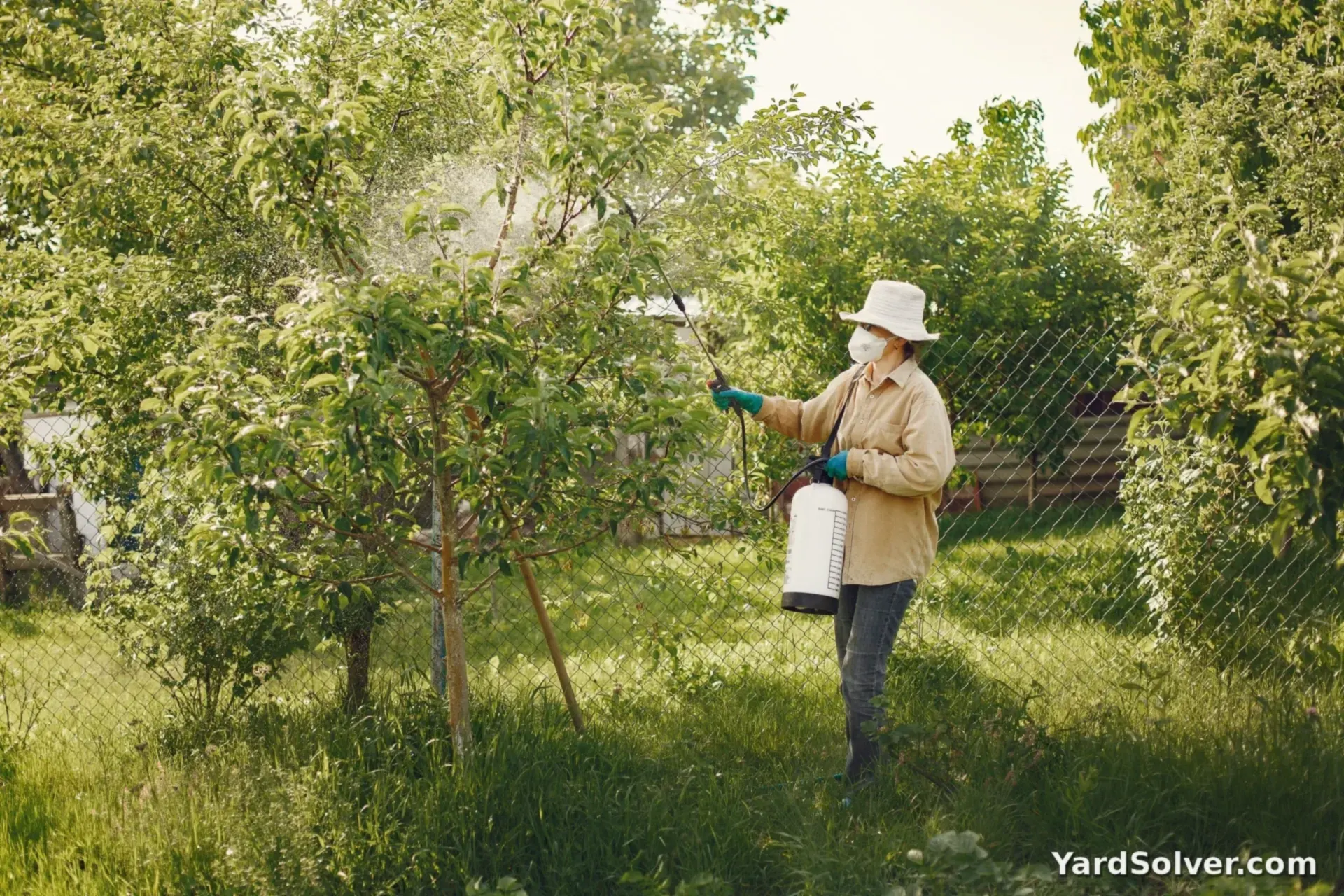
When a problem is named, spreading, and past your threshold, a few products earn their shelf space — each with real limits. Bt (Bacillus thuringiensis) is a naturally occurring bacterium sold as a spray: young caterpillars that eat treated leaves stop feeding and die within a day or two. It is remarkably specific — harmless to bees, birds, pets and you — but it does nothing to beetles or aphids, washes off in rain, and works only if the caterpillar actually eats it. Neem (from the neem tree seed) mainly stops insects feeding and disrupts their growth rather than killing on contact; the full mixing and timing method is in our Neem Oil Spray guide. It can also harm beneficial insects it lands on, so it goes on at dusk, aimed at the affected foliage only, and never onto open flowers — bees must never meet it wet. Diatomaceous earth is a powder of fossil shells that damages soft-bodied insects' outer coating on contact; it works only while dry, is non-selective (it can harm beneficials that walk through it), and the food-grade dust should not be breathed in or puffed onto blooms. Insecticidal soap — the homemade version is in How to Make Insecticidal Soap Spray — kills soft-bodied insects it directly coats, has no lasting effect once dry, and can scorch foliage applied in hot sun. A word of honesty about the whole shelf: "organic" and "natural" are not synonyms for harmless or chemical-free — these are real pesticides with real effects, which is exactly why they sit at Step 5. Read every label, follow local rules for any product, and treat these as the last step of the system — the season you need them least is the season the first four steps were done well.
Solve a specific problem
Each of these goes deep on one problem, in the same prevention-first order:
- Aphids — water blasts, allies, and when (if ever) to spray
- Fungus gnats — the indoor seedling pest, fixed mostly by watering less
- Japanese beetles — the morning bucket routine and the trap debate, honestly
- Slugs — patrols, habitat, and barriers that outwork beer
- Powdery mildew — a fungus, not a bug: airflow and early treatment
- Deer — fencing facts and repellent realism
- Weeds, naturally — mulch and timing instead of bottles
- What is eating my plant leaves? — read the holes, name the culprit
Keep going
Build the ally habitat: Native Plants for Pollinators · The planting patterns: Companion Planting Basics and the full Companion Planting Chart.
Plan next year's defence: Crop Rotation Helper.
Questions people ask
What is the most effective natural pest control without chemicals?
Prevention, and it is not close. Healthy soil, correct spacing for airflow, crop rotation and row covers stop most problems before they start. Gardens that skip prevention and reach straight for sprays — even organic ones — end up fighting the same pests all season. Barriers and hand removal come next; sprays are the last resort, not the system.
Is neem oil safe for bees and pollinators?
Only if it never touches them. Neem can harm bees and other beneficial insects when sprayed directly on them or onto open flowers. Apply in the evening when bees have gone home, target only the affected foliage, and never spray blooms. The risk drops a great deal once the application has dried.
Do organic sprays kill pests instantly?
Most do not, and expecting that causes overuse. Bt works only when young caterpillars eat treated leaves, over a day or two. Neem mainly stops feeding and growth rather than knocking insects down on contact. Diatomaceous earth works slowly and stops working when wet. Slow and specific is the honest trade for gentle.
Comments & ratings
No comments yet.
Be the first to share your experience.