
Guides · Plant problems · Published November 3, 2026
Garden Remedies Fact-Check: Epsom Salt, Baking Soda, Vinegar & Milk Spray
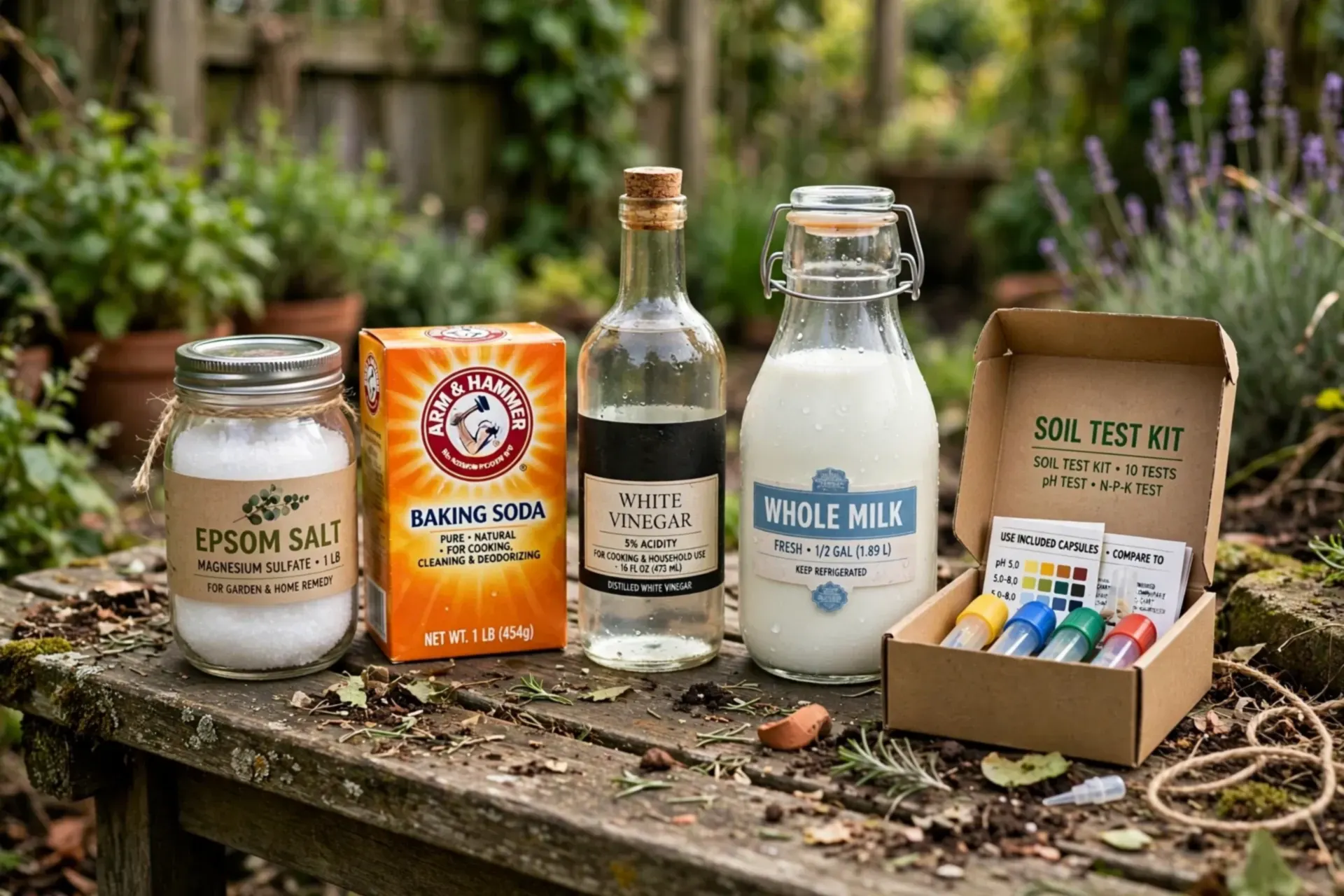
Every gardener has heard them, usually from someone whose grandfather swore by them: Epsom salt fixes everything, vinegar kills weeds dead, baking soda cures fungus, milk feeds tomatoes. Folklore like this survives because each remedy contains a small, real effect wrapped in a large, false promise — and because nobody enjoys being told their grandfather was wrong. He was not entirely wrong, and that is the interesting part. This page checks all four fairly: the claim, the narrow truth inside it, and the harm that hides in the gap between the two. No mockery, no miracle claims — and one habit at the end that outperforms all four.
The verdicts, in one card
- Epsom salt: a real magnesium source with almost no real-world job — most soils have enough, and excess magnesium can block calcium
- Baking soda: a genuine preventive against powdery mildew spores — not a cure, and its sodium accumulates in soil
- Vinegar: burns whatever green tissue it touches, weeds and flowers alike — roots survive, so perennial weeds return
- Milk spray: modest, mixed evidence as a mildew preventive — the calcium-fertilizer story told about it is folklore
- The common thread: none of these knows what your soil actually lacks. A soil test does
Step 1 — Epsom salt: a real nutrient with almost no job to do
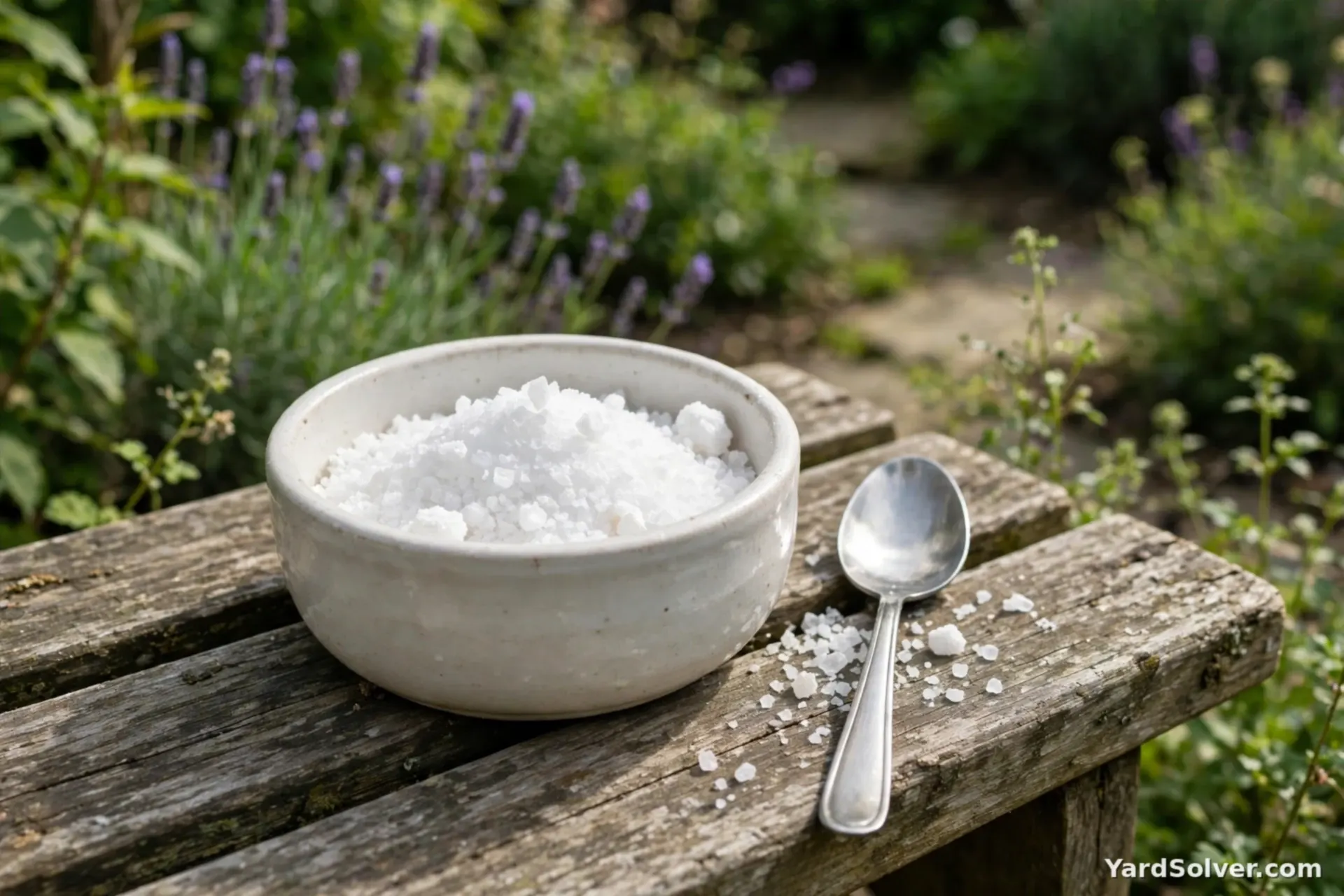
The claim: Epsom salt makes tomatoes sweeter, peppers more productive, roses bloom harder and — the big one — cures blossom end rot. The narrow truth: Epsom salt is magnesium sulfate, and magnesium is a genuine plant nutrient. If a soil test shows a real magnesium deficiency, Epsom salt corrects it. The problem: that "if" does the heavy lifting. Most garden soils carry adequate magnesium, so the usual application feeds a nutrient the plant already has — and nutrients compete. Extra magnesium can interfere with calcium uptake, which is why the blossom-end-rot claim is worse than useless: as our blossom end rot guide explains, that black sunken patch on tomatoes and peppers is a calcium-delivery problem driven by uneven watering, and dosing magnesium can deepen it. Verdict: a legitimate remedy for one tested deficiency, marketed by folklore as a tonic for everything. If your plants look hungry, the Fertilizer Calculator plus a soil test will name the nutrient actually missing.
Step 2 — Baking soda: a real preventive with a sodium bill attached
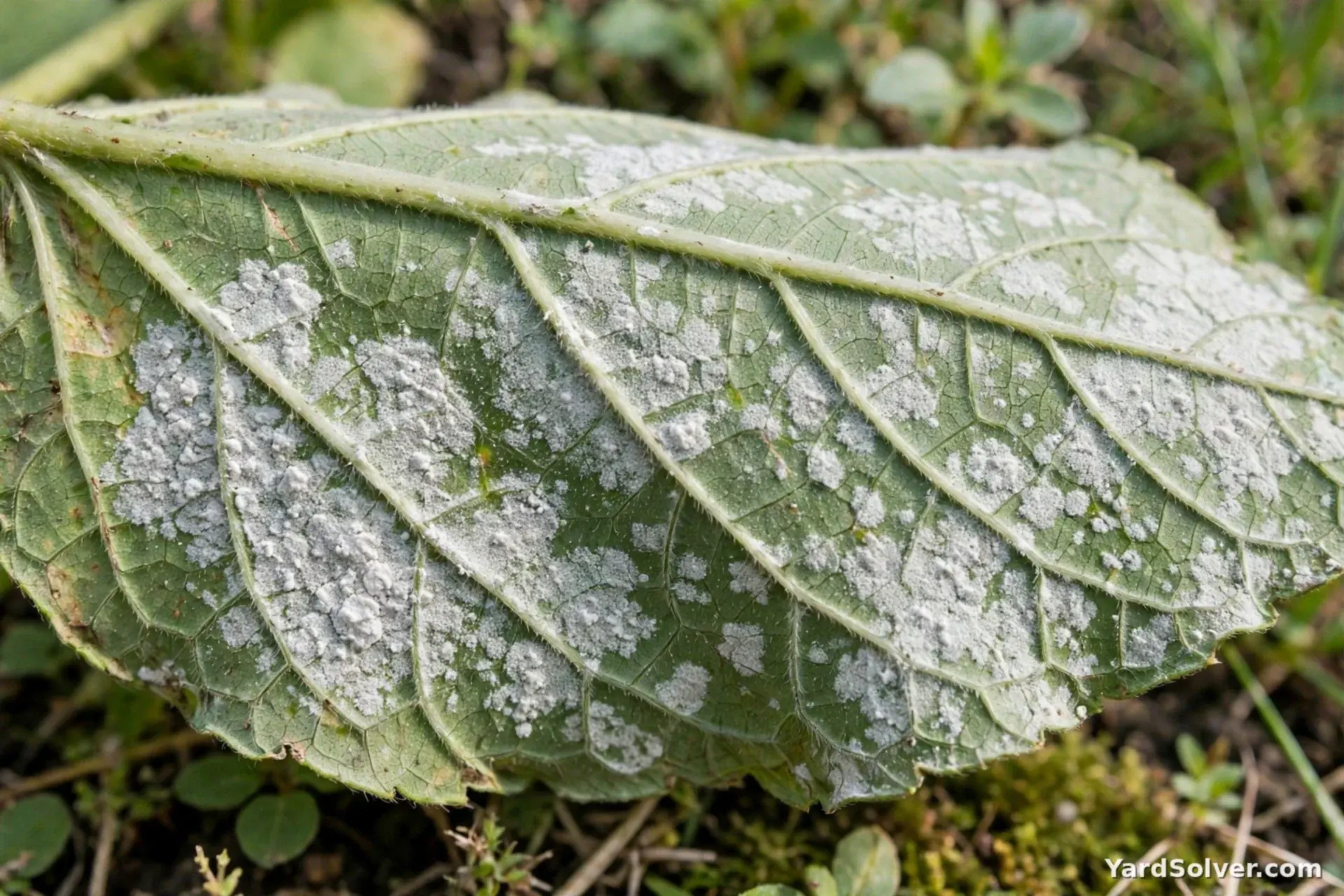
The claim: baking soda spray cures powdery mildew and black spot. The narrow truth: this is the strongest of the four. Bicarbonate raises the pH of the leaf surface, and mildew spores genuinely struggle to germinate on it — so a mild solution (roughly a tablespoon per gallon of water, with a drop of soap as a spreader) sprayed early and repeated can slow new mildew infections on mildew magnets like zucchini and cucumber. The limits: it suppresses spores; it does not cure leaves already coated white, and it will not rescue a plant drowning in infection — for that, start with How to Get Rid of Powdery Mildew and its airflow-first approach. And there is a bill: sodium bicarbonate leaves sodium behind, and season after season of spraying loads soil with it, damaging structure and roots. Too-strong mixes also scorch leaves. Verdict: a fair preventive, used early, used sparingly — and its refined cousin, potassium bicarbonate, exists precisely because it does the same job without the sodium.
Step 3 — Vinegar: a real burner that cannot tell a weed from a rose
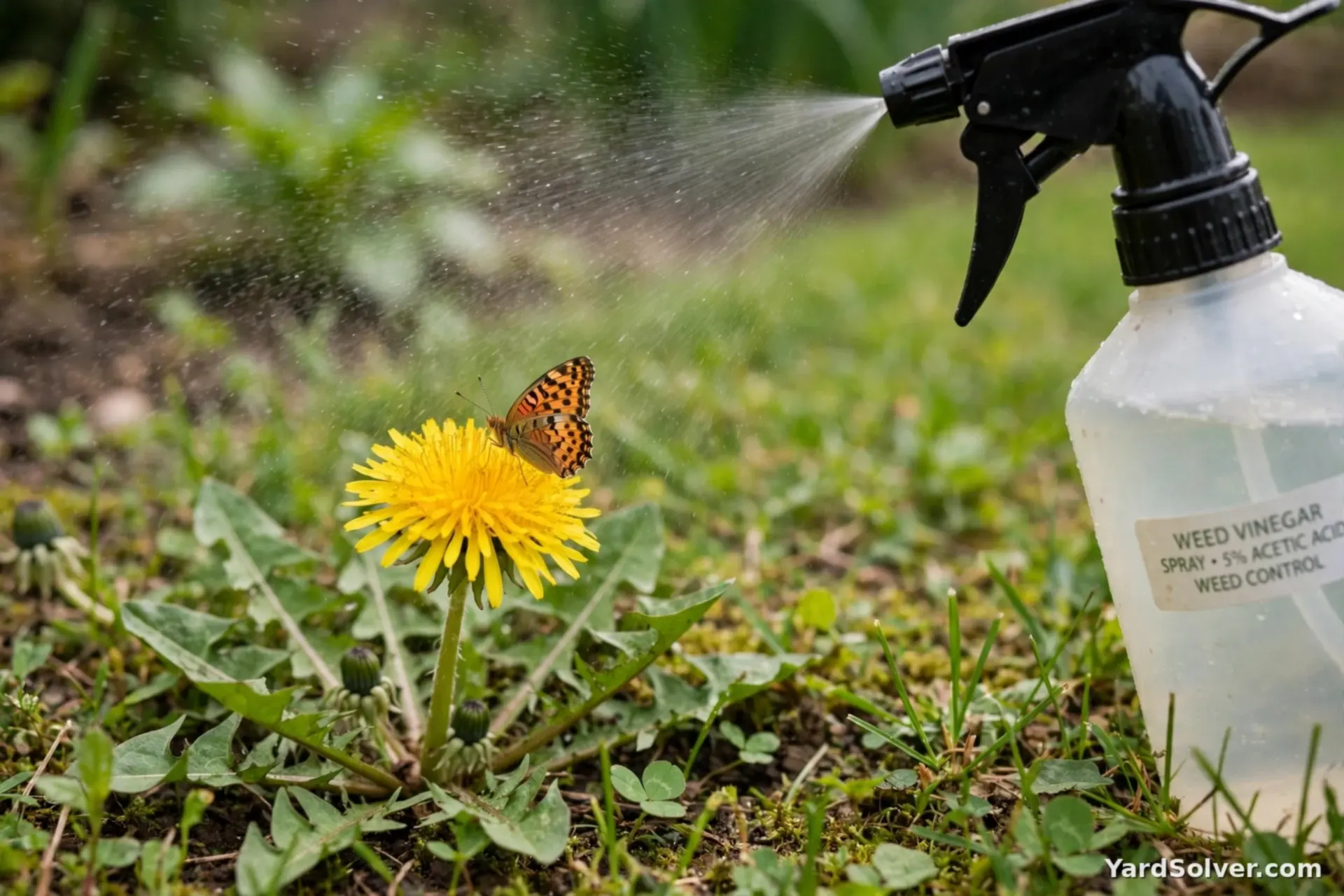
The claim: vinegar is a natural, safe weedkiller that replaces chemicals. The narrow truth: acetic acid really does burn green tissue on contact — spray a weed on a hot still day and the top growth collapses within hours, which looks exactly like success. The problem: it is a burn, not a kill. Vinegar does not travel into roots, so anything with a real root system — dandelions, bindweed, thistles, grass — regrows, sometimes within the week. Meanwhile it is entirely non-selective: drift scorches lawn and border plants with the same enthusiasm, repeated use acidifies the surface and roughs up the soil life beneath it, and the strong "horticultural" vinegars sold for the purpose are corrosive enough to be a genuine eye and skin hazard — stronger, ironically, than some of the products people buy it to avoid. It has one honest niche: weeds in paving cracks where regrowth is easy to re-burn and nothing valued is in range. For actual beds, mulch and timing deliver the lasting result vinegar only performs.
Step 4 — Milk spray: modest evidence, oversized story
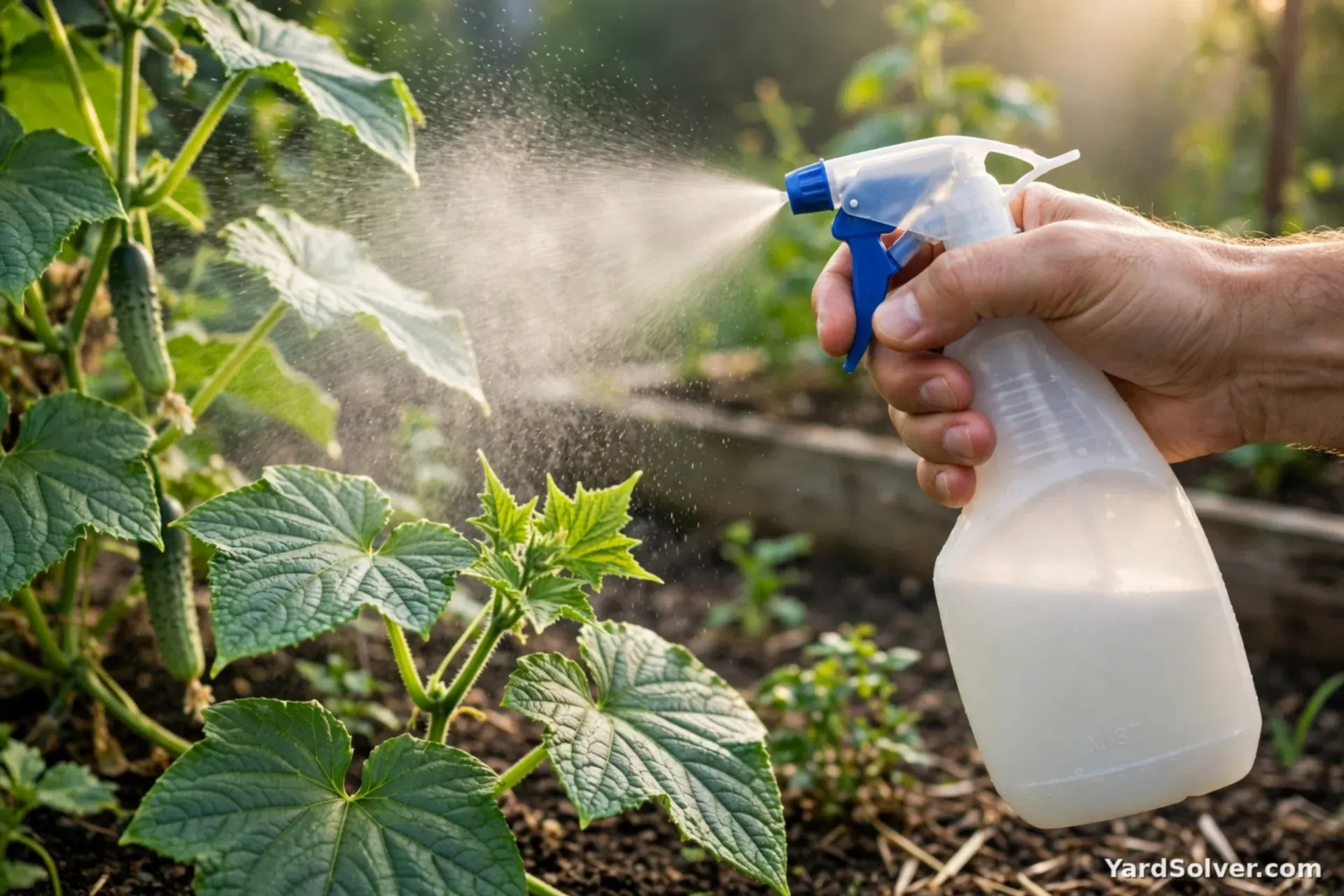
The claim: milk spray prevents powdery mildew, feeds plants calcium, and generally does vegetables good. The narrow truth: the mildew part has genuine, if mixed, research behind it — diluted milk (commonly one part milk to two or three parts water) sprayed weekly on cucumbers and zucchini has reduced powdery mildew in several trials, possibly because milk proteins react in sunlight and discourage the fungus. Results vary and it is, again, a preventive for early use, sitting in the same honest tier as baking soda. The folklore: the calcium story does not survive arithmetic — a spray bottle of diluted milk delivers a trivial amount of calcium to foliage, which is not how plants take up calcium anyway, and it will not prevent blossom end rot (see Step 1 for the remedy that also fails there). The practical costs are small but real: sour-milk smell on a warm day, and residue that can feed sooty-looking moulds if overdone. Verdict: a harmless, occasionally helpful mildew preventive with a mythology problem — use it for the leaf, never believe it for the soil.
Step 5 — Test, don't guess: the habit that beats all four
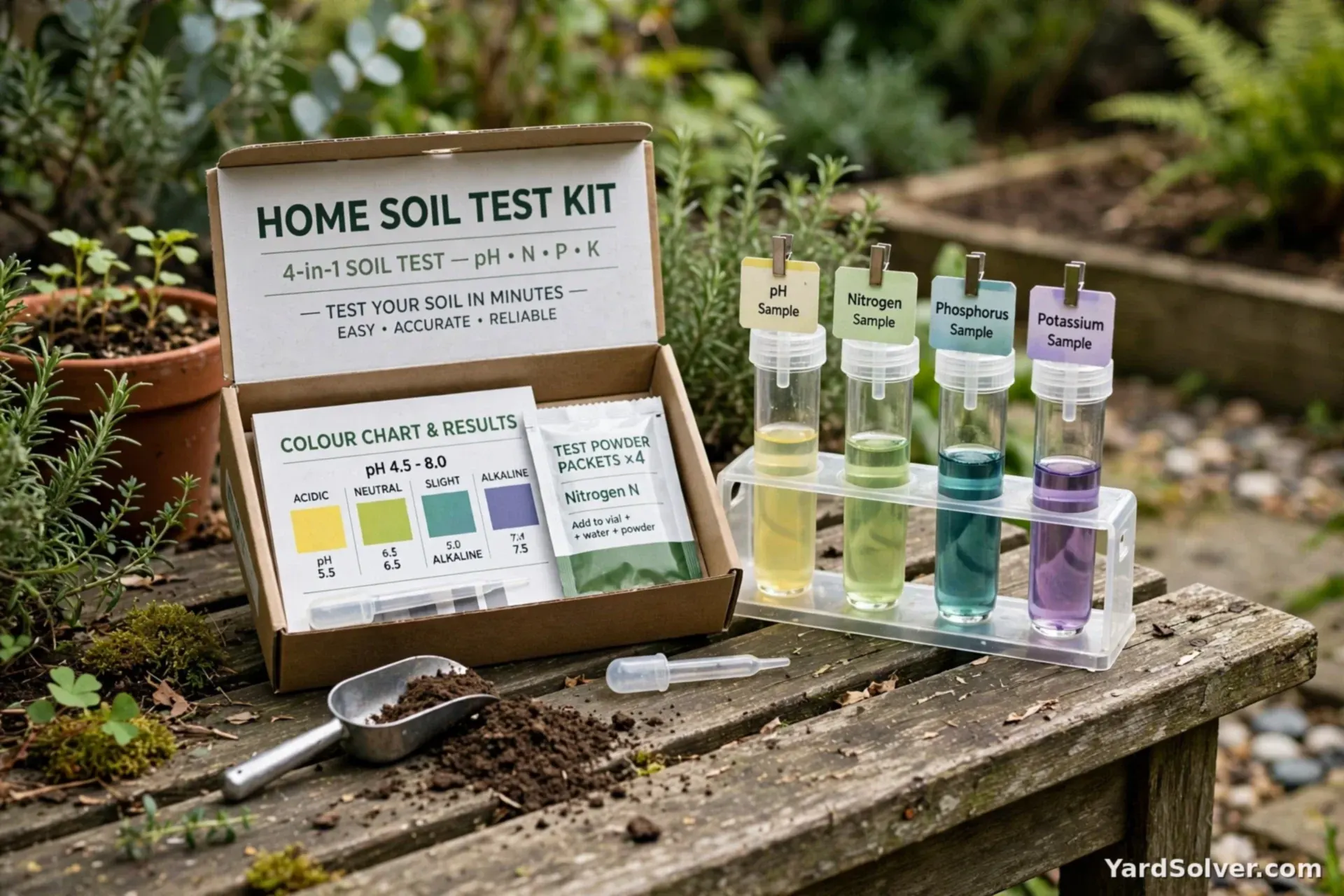
Notice what all four remedies share: each assumes a diagnosis nobody made. Epsom salt assumes magnesium is missing; vinegar assumes the weed is the whole problem; soda and milk assume the fungus arrived before you did. Sometimes the guess lands. Often the plant's real trouble is water rhythm, airflow or a pH that locks nutrients away — and no kitchen remedy touches any of those. Testing your soil costs less than a season of folklore and answers the actual question: pH, the main nutrients, and whether anything is genuinely deficient. If the pH is off, the fix is measured too — the Lime Calculator turns a test result into an amount, the same way the Fertilizer Calculator turns a real deficiency into a dose. Keep the soda for early mildew, keep the vinegar for the patio cracks, and retire the rest to the kitchen, where all four are genuinely excellent. Your grandfather's instinct — use what is at hand — was right. Testing first is simply that instinct with better information.
Keep going
The Plant Doctor follows these same verdicts — it names the likely problem before suggesting any remedy. The thesis, as a habit: How to Test Your Garden Soil · The Epsom-salt trap, in full: Blossom End Rot on Tomatoes.
Weeds without the burn: How to Get Rid of Weeds Naturally · Measure the real fix: Fertilizer Calculator.
Questions people ask
Does Epsom salt fix blossom end rot?
No — and it can make it worse. Blossom end rot is a calcium-delivery problem, usually caused by uneven watering, not a magnesium shortage. Epsom salt is magnesium sulfate; adding magnesium where calcium is already struggling lets magnesium compete with calcium uptake. The fixes that work are steady watering and mulch, as our blossom end rot guide sets out.
Is vinegar a safe and effective weedkiller?
It is a real contact burner and a poor weedkiller. Vinegar scorches the top growth it touches — including your plants and lawn, since it cannot tell them apart — but perennial weeds regrow from roots it never reaches. Strong horticultural vinegar is also genuinely hazardous to skin and eyes. Mulch and timely hoeing beat it for lasting control.
Does baking soda cure powdery mildew?
It does not cure an established infection, but it is not pure folklore either: bicarbonate makes the leaf surface hostile to mildew spores, so sprayed early and repeatedly it can slow new infections. It will not undo leaves already coated, and overuse loads the soil with sodium — a preventive with limits, not a cure.
Comments & ratings
No comments yet.
Be the first to share your experience.