
Guides · Raised Bed Soil · Published November 8, 2026
How Much Soil Do I Need for a Raised Garden Bed?
How much soil for a raised bed comes down to three numbers — length, width and depth — yet it is the question almost every new bed builder gets wrong, usually by one expensive trip to the store too few or too many. This page gives you the worked answers for the standard bed sizes at every common depth, in cubic feet, cubic yards and bag counts, then the mix to fill it with. The short version for the most popular bed of all: a 4×8 bed filled 12 inches deep needs 32 cubic feet of soil — about 1.19 cubic yards, or 16 bags of 2 cu ft. Building the bed itself first? Start with How to Build a Raised Bed, then come back here to fill it.
The short answers
- 4×8 bed, 12 in deep: 32 cu ft · 1.19 cu yd · 16 bags (2 cu ft) or 22 bags (1.5 cu ft)
- 4×4 bed, 12 in deep: 16 cu ft · 0.59 cu yd · 8 bags (2 cu ft) or 11 bags (1.5 cu ft)
- 2×8 bed, 12 in deep: 16 cu ft · 0.59 cu yd · 8 bags (2 cu ft) or 11 bags (1.5 cu ft)
- The formula: length (ft) × width (ft) × depth (ft) = cubic feet; divide by 27 for cubic yards
- Always round bags up — and expect fresh soil to settle an inch or two after the first waterings
Skip the maths — use the raised bed soil calculator
Type in your bed's length, width and soil depth and the Raised Bed Soil Calculator gives you cubic feet, cubic yards and the bag count for your local bag sizes — for one bed or a whole row of them — with a printable shopping list. Every number in the table below came out of the same formula the calculator uses, so use whichever is quicker: read your bed off the chart, or run your exact measurements through the tool.
Step 1 — Measure the inside of the bed, not the outside
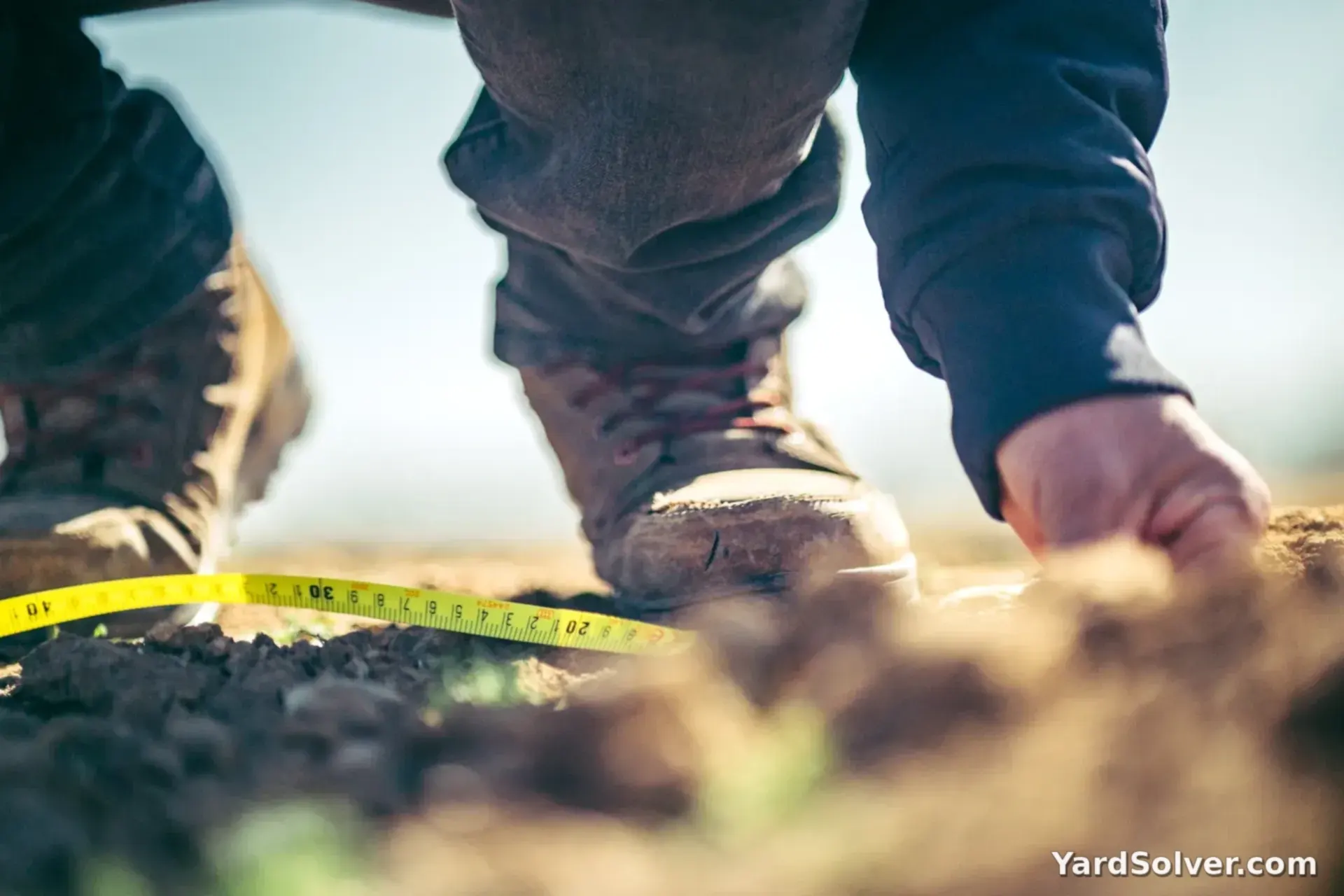
Soil occupies the space inside the boards, and boards have thickness. A bed sold as 4×8 and built from standard 2× lumber (1.5 inches thick) actually holds soil in a space about 45 × 93 inches — which works out to 29.1 cubic feet at 12 inches deep, not 32. That difference is two bags of soil you did not need to buy. So measure inside edge to inside edge, and measure depth from the ground to the level the soil will actually sit — most gardeners fill to about an inch below the rim so water and mulch stay put.
How deep should that fill be? Over open ground, 6 inches is the working minimum for leafy greens, because roots carry on into the soil beneath. Eight to ten inches covers most vegetables comfortably. Give root crops — carrots, parsnips, potatoes — a full 12 inches, and treat 12 inches as the minimum for any bed sitting on concrete, patio slabs or compacted subsoil, where roots have nowhere deeper to go. Deeper beds (18 inches and up) are mostly about gardening without bending; Step 4 and the questions at the bottom cover how to fill them without filling your whole budget.
Step 2 — Run the numbers: length × width × depth
The full method is a single multiplication: length × width × depth, all in feet (so 12 inches of depth is 1 ft, 8 inches is 0.67 ft). Worked once, for the classic 4×8 bed at 12 inches: 4 × 8 × 1 = 32 cubic feet. Divide by 27 to get cubic yards for a bulk order: 32 ÷ 27 = 1.19 cu yd. For bags, divide by the bag size and always round up: 32 ÷ 2 = 16 bags of 2 cu ft, 32 ÷ 1.5 = 21.3, so 22 bags of 1.5 cu ft, or 32 bags of 1 cu ft. (In Canada, bags are usually labelled in litres — 1 cu ft is about 28.3 L, so a 25 L bag is roughly 0.88 cu ft. The calculator handles litres for you.)
Here is the same maths already done for the standard beds. Bag counts are rounded up to whole bags, and volumes use the nominal bed size — if you measured inside dimensions in Step 1, your true figure will be a little lower, which simply leaves you a spare bag for topping up:
| Bed size | Soil depth | Cubic feet | Cubic yards | Bags · 1 cu ft | Bags · 1.5 cu ft | Bags · 2 cu ft |
|---|---|---|---|---|---|---|
| 4×4 ft | 6 in | 8.0 | 0.30 | 8 | 6 | 4 |
| 4×4 ft | 8 in | 10.7 | 0.40 | 11 | 8 | 6 |
| 4×4 ft | 10 in | 13.3 | 0.49 | 14 | 9 | 7 |
| 4×4 ft | 12 in | 16.0 | 0.59 | 16 | 11 | 8 |
| 4×4 ft | 18 in | 24.0 | 0.89 | 24 | 16 | 12 |
| 4×8 ft | 6 in | 16.0 | 0.59 | 16 | 11 | 8 |
| 4×8 ft | 8 in | 21.3 | 0.79 | 22 | 15 | 11 |
| 4×8 ft | 10 in | 26.7 | 0.99 | 27 | 18 | 14 |
| 4×8 ft | 12 in | 32.0 | 1.19 | 32 | 22 | 16 |
| 4×8 ft | 18 in | 48.0 | 1.78 | 48 | 32 | 24 |
| 4×10 ft | 6 in | 20.0 | 0.74 | 20 | 14 | 10 |
| 4×10 ft | 8 in | 26.7 | 0.99 | 27 | 18 | 14 |
| 4×10 ft | 10 in | 33.3 | 1.23 | 34 | 23 | 17 |
| 4×10 ft | 12 in | 40.0 | 1.48 | 40 | 27 | 20 |
| 4×10 ft | 18 in | 60.0 | 2.22 | 60 | 40 | 30 |
| 4×12 ft | 6 in | 24.0 | 0.89 | 24 | 16 | 12 |
| 4×12 ft | 8 in | 32.0 | 1.19 | 32 | 22 | 16 |
| 4×12 ft | 10 in | 40.0 | 1.48 | 40 | 27 | 20 |
| 4×12 ft | 12 in | 48.0 | 1.78 | 48 | 32 | 24 |
| 4×12 ft | 18 in | 72.0 | 2.67 | 72 | 48 | 36 |
| 2×8 ft | 6 in | 8.0 | 0.30 | 8 | 6 | 4 |
| 2×8 ft | 8 in | 10.7 | 0.40 | 11 | 8 | 6 |
| 2×8 ft | 10 in | 13.3 | 0.49 | 14 | 9 | 7 |
| 2×8 ft | 12 in | 16.0 | 0.59 | 16 | 11 | 8 |
| 2×8 ft | 18 in | 24.0 | 0.89 | 24 | 16 | 12 |
One honest adjustment: loose soil settles. After the first few deep waterings the level typically drops an inch or two as air gaps collapse, so if you are buying bags anyway, one or two extra bags held back for topping up is money well spent — and it is exactly what the spare from measuring inside dimensions gives you. Several beds to fill, or an in-ground area to cover with topsoil instead? The Topsoil Calculator runs the same volume maths for lawns and landscape beds.
Step 3 — Choose your raised bed soil mix

Volume is only half the answer — the other half is what the volume is made of. Two mixes cover almost every raised bed. The classic is Mel's Mix from square-foot gardening: one-third compost, one-third peat moss (or coco coir), one-third coarse vermiculite or perlite. For our 32 cu ft bed that is about 10.7 cu ft of each. The everyday alternative, closer to what most bagged raised-bed soils contain, is roughly 60% topsoil, 30% compost, 10% aeration (perlite, pumice or rice hulls) — for 32 cu ft, about 19.2 cu ft topsoil, 9.6 cu ft compost and 3.2 cu ft of aeration material. Either way, each part earns its place: compost feeds the plants and the soil life, the topsoil or peat/coir gives body and holds moisture, and the aeration fraction keeps the mix from packing into a brick after a wet month.
Buying a ready-made raised-bed mix in bags? Then the mix is decided for you — just match the bag count from Step 2. Mixing your own from bulk ingredients, a topsoil calculation for the base fraction keeps the order straight. And when an established bed needs refreshing rather than filling, How to Refresh Raised Bed Soil covers the top-up routine instead of a full refill.
Step 4 — Bags or a bulk load? The honest cost picture
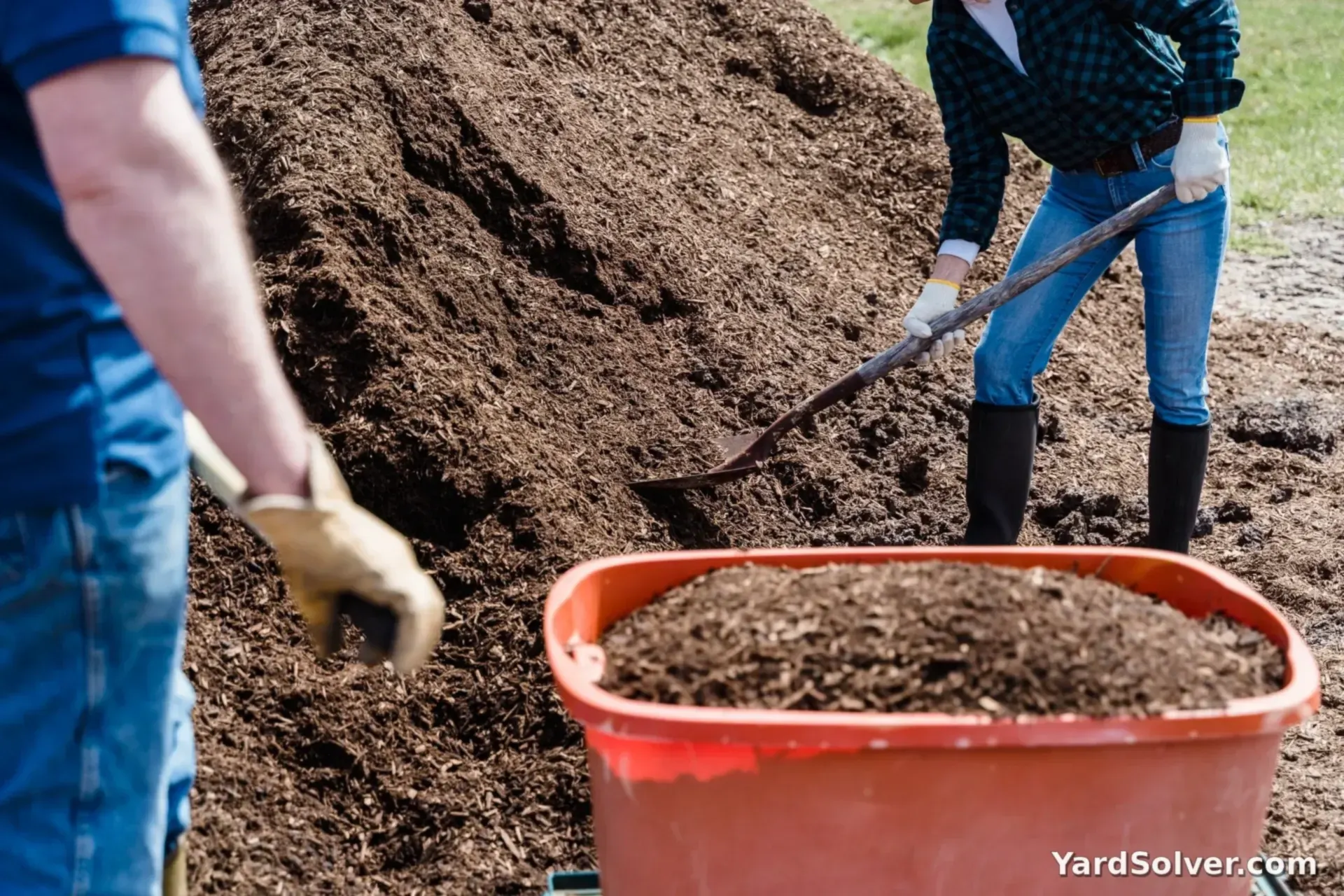
Prices vary too much by town and season for any honest page to quote them, but the shape of the decision is the same everywhere. Bags win on convenience for a single small bed: no delivery fee, no pile on the driveway, no leftover mountain, and the mix is consistent from bag to bag. Bulk wins on unit cost once you need roughly a cubic yard or more — that is any 4×8 bed at 12 inches, or two smaller beds — provided the delivery fee and any minimum-load rule at your local yard do not eat the saving, and you have somewhere for a truck to tip a yard of soil. Two cautions with bulk: quality varies more than bagged brands, so look at the load (or a sample) before it is tipped if you can, and a bulk "garden soil" sometimes carries weed seeds that screened bagged mixes do not. Filling several beds at once? Add the volumes together first — the Raised Bed Soil Calculator has a bed-count field that does exactly that and prints one combined shopping list.
For very deep beds there is a third option: filler first. In a bed 18 inches deep or more, the bottom third can be untreated logs, branches, straw or leaves, with the full soil mix on top — the plants only ever root in the top layer, and you buy a third less mix. Expect that bed to settle more in year one as the filler compresses, and top it up with compost each season. Plan the planting itself while the soil settles: our Raised Bed Garden Layout guide shows exactly how many vegetables a filled 4×8, 4×4 or 2×8 bed can hold.
Keep going
New to raised beds entirely? Raised Bed Gardening for Beginners walks the whole first season, and How to Build a Raised Bed covers the carpentry.
Once the bed is full, decide what goes where with the Raised Bed Garden Layout plans and the Vegetable Plant Spacing Chart — or lay the whole thing out in the Garden Planner.
Questions people ask
How much soil does a 4×8 raised bed need?
Filled 12 inches deep, a 4×8 bed needs 32 cubic feet of soil — about 1.19 cubic yards. In bags that is 32 bags of 1 cu ft, 22 bags of 1.5 cu ft, or 16 bags of 2 cu ft. At 8 inches deep the same bed needs 21.3 cubic feet (about 0.79 cubic yards).
How deep should the soil in a raised bed be?
Six inches is the working minimum for leafy greens over open ground, because roots can continue into the soil below. Eight to ten inches suits most vegetables, and 12 inches is the safe depth for root crops like carrots and parsnips — and for any bed sitting on concrete, patio slabs or heavily compacted ground, where roots cannot go deeper.
How many cubic feet are in a cubic yard?
There are 27 cubic feet in one cubic yard. Bulk soil is sold by the cubic yard and bagged soil by the cubic foot, so divide your cubic-foot answer by 27 before ordering a bulk load — a 4×8 bed filled 12 inches deep is 32 cubic feet, which is 1.19 cubic yards.
Can I fill the bottom of a deep raised bed with branches and logs?
Yes — in beds 18 inches deep or more, filling the bottom third with untreated logs, branches, straw or leaves is a common, sound practice. Put the full soil mix on top, and expect the bed to settle more than usual in the first year as the filler compresses and breaks down; top up with compost each season.
Why has the soil level in my raised bed dropped?
Fresh soil is full of air gaps. After the first few thorough waterings it compacts and settles, and over the season the organic matter in the mix slowly decomposes. A drop of an inch or two in the first year is normal — rake the surface level and top up with compost, which feeds the bed at the same time.
Comments & ratings
No comments yet.
Be the first to share your experience.