
Guides · Houseplants · Published November 11, 2026
How to Increase Humidity for Houseplants: What Actually Works
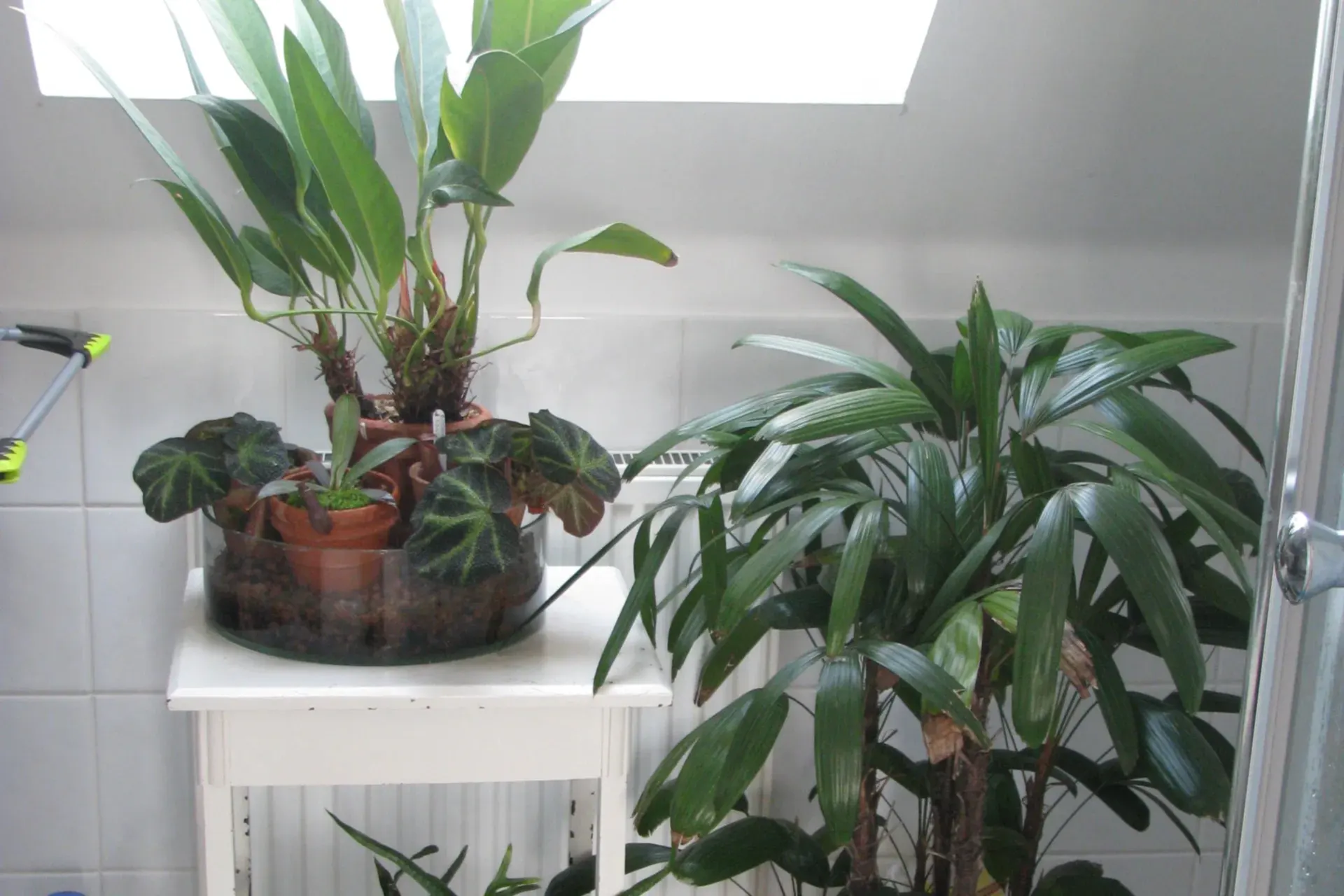
Dry winter air is the quiet houseplant problem: heated homes commonly run at 10–20% relative humidity, while most tropical houseplants are happiest at 40–50% or more. The internet's favourite fix, misting, is close to useless — it wets leaves for a few minutes and changes the room not at all. Here is what actually works, in the order to try it, starting with measuring so you know whether you have a problem at all.
Humidity methods, honestly rated
| Method | What it really does |
|---|---|
| Humidifier | Raises the whole room — the reliable fix |
| Grouping plants | Small local boost from shared transpiration |
| Pebble tray | Small boost right at the plant |
| Humid room / cloche | Strong — but only for one plant |
| Misting | Minutes only — not a humidity method |
Step 1 — Measure before you fix
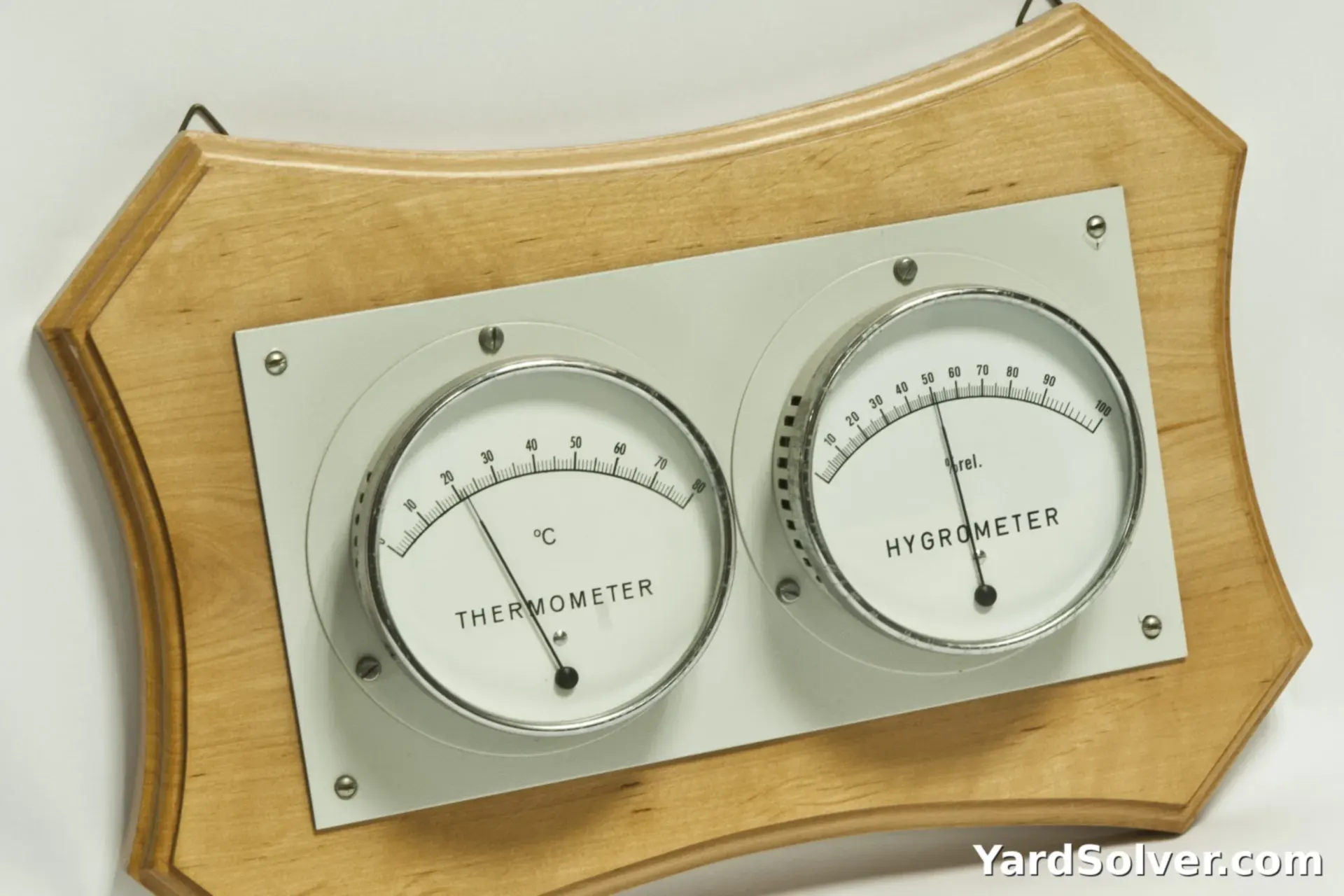
Guessing is how people end up misting three times a day and wondering why nothing changes. A cheap hygrometer — the small digital kind sold for a few dollars — tells you the actual relative humidity where your plants sit. Heated winter homes commonly run at 10–20% relative humidity, far below the 40–50% most tropical houseplants prefer. Measure first, in the room where the plants live, over a couple of days.
Your plants also report dry air themselves: crispy leaf edges, brown tips on thin-leaved plants, buds that drop before opening, and spider mites, which thrive in dry conditions. A fern-like calathea shows dry air early and honestly. If the meter reads over 40% and the plants look fine, you do not have a humidity problem — check watering and light before changing anything.
Step 2 — Move plants out of the dry zones

The driest air in any home sits right where the heat comes out. A plant on top of or directly beside a heat register or radiator sits in a stream of hot, dry air every time the heating runs, and no tray or sprayer will keep up with that. Move plants a few feet away from registers, radiators and fireplaces, and out of the path of forced-air vents.
Cold is the other edge of the trap. Leaves pressed against cold window glass on a winter night can chill and damage, and the gap between glass and curtain is often the coldest spot in the room. Give plants a little clearance from the glass itself. Often this one move — out of the heat stream, off the cold glass — fixes mild brown-tip problems on its own.
Step 3 — Group plants together
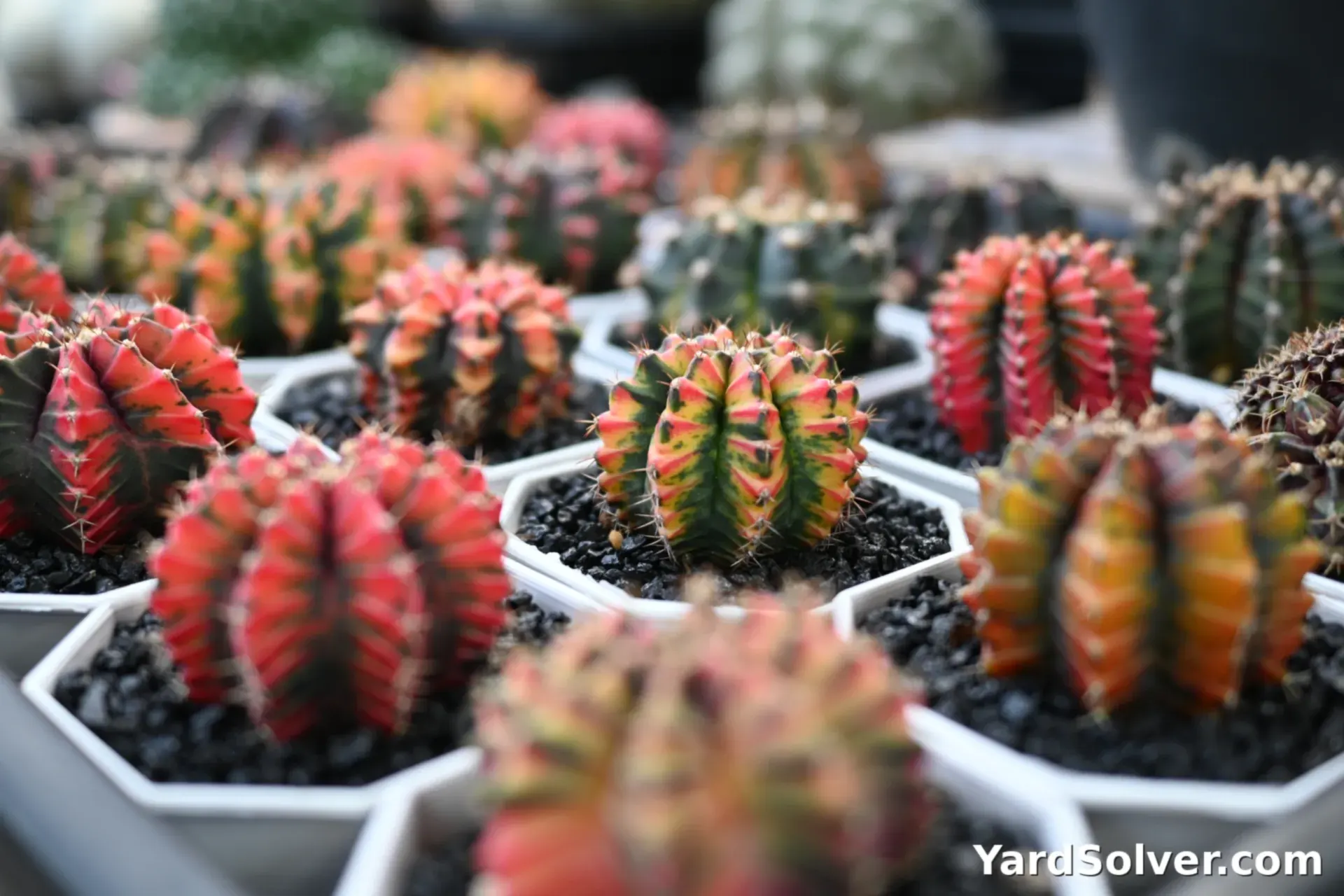
Plants release water vapour from their leaves as they transpire. One plant alone loses that moisture to the whole room, but a group of plants clustered together shares it — the air in and just above the group stays measurably more humid than the rest of the room. It is a small, local boost, not a room fix, but it costs nothing and it works all day.
Group by need: put the humidity-lovers — ferns, calathea, orchids and young tropical plants — together in your best light, and let tougher plants like a monstera take the drier spots. Keep a little air space between pots so leaves are not pressed together; still, stagnant air invites pests and mildew, which is the opposite of what you want.
Step 4 — Set up pebble trays properly
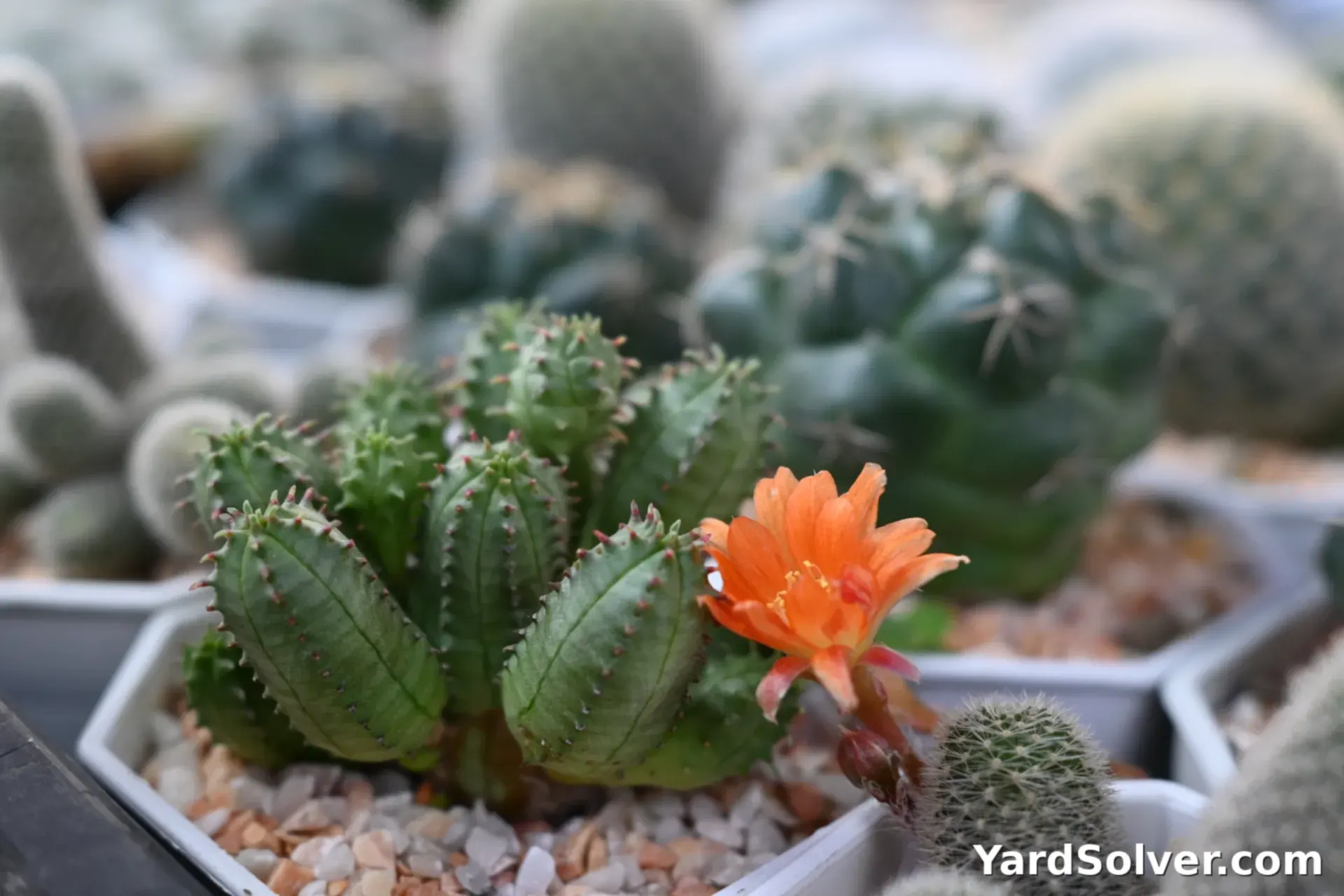
A pebble tray is a wide, shallow tray filled with pebbles and water, with the pot standing on top. As the water evaporates off the large wet surface, it raises humidity in the small zone right at the plant. Set up wrong, it does nothing — or worse, it waterlogs the plant. The water level must stay below the top of the pebbles, and the pot sits on the pebbles, never standing in water.
Top the tray up as it dries and rinse the pebbles now and then so they do not grow slime. Expect a modest local effect — a few points of humidity right around the plant. That is genuinely useful for one fussy plant, such as an orchid on a windowsill, but a tray will not change the reading across the room, and it is honest to say so.
Step 5 — Give the fussiest plants a humid room or a roof
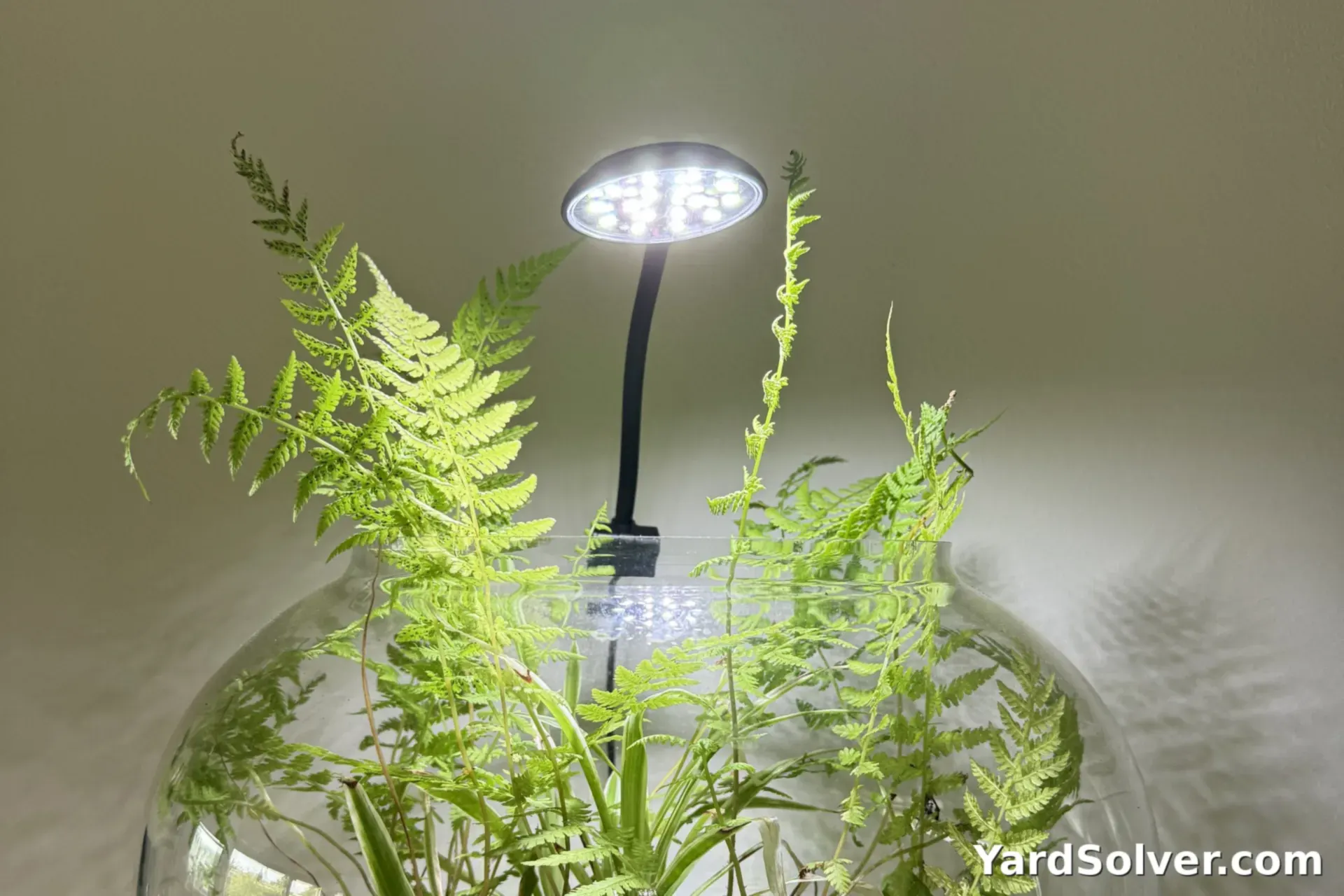
Bathrooms and kitchens run more humid than living rooms and bedrooms because of showers, baths and cooking. A fussy plant that fits on a bright bathroom shelf gets a humidity boost every day for free. Light is the catch — a humid but dark bathroom helps nothing — so this only works where there is a real window or strong light.
For a single small plant, a roof works even better: a glass cloche, a terrarium, or even a clear cover traps the plant's own transpired moisture and holds humidity high and steady right around it. Vent a cloche briefly if condensation runs down the glass all day — constant wet leaves invite rot. If a plant still sulks after all this, run it through the Plant Doctor before blaming humidity alone.
Step 6 — Run a humidifier for the real fix
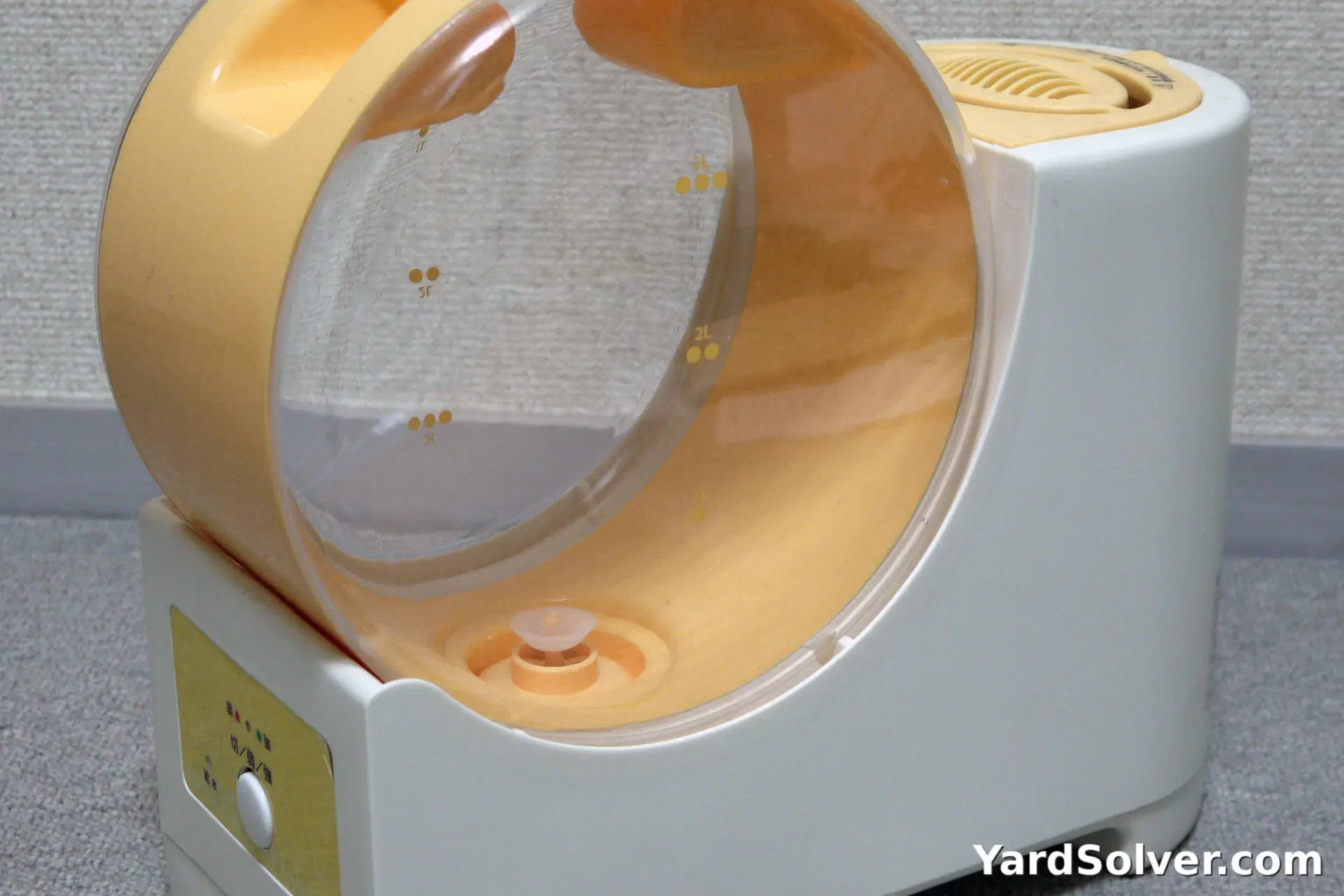
When the meter says the room is at 15% and you have a collection of tropical plants, one method actually fixes the room: a humidifier. It is the reliable fix because it adds water to all the air, not just the inch around a leaf. Place it near — not on top of — the plant group, so the moist air drifts through the leaves, and aim for 40–50% relative humidity on your hygrometer.
Two honest cautions. First, keep the room under 60%: the EPA advises keeping indoor humidity below 60% to discourage mold growth, and plants do not need more than 50%. Second, clean the humidifier weekly, following its manual — a dirty tank grows mold and bacteria and blows them into the room. Rinse it, descale it, and let it dry between refills when you can. Done that way, a humidifier ends the winter brown-tip season for good.
Keep going
Next reads: Winter Houseplant Pests · Overwatered Plant Rescue · Lay out your winter plant corner in the Garden Planner.
Questions people ask
What humidity do houseplants actually need?
Most tropical houseplants are happiest at 40–50% relative humidity or a little above. Many tolerate the 30% range, but below that you start seeing crispy leaf edges, brown tips and bud drop. Heated winter homes often run at just 10–20%, which is why winter is when the trouble starts.
Does misting raise humidity?
Only for a few minutes. The water on the leaves and in the air right around the plant evaporates quickly, and the room's humidity barely changes. Misting is fine as a way to clean leaves, but it is not a humidity method — a humidifier, grouping and pebble trays do the real work.
Do pebble trays work?
Yes, within limits. A pebble tray raises humidity in the small zone right around the plant as water evaporates off the wet pebbles — a modest local boost, not a room fix. Set it up right: water below the top of the pebbles, and the pot sitting on the pebbles, never in the water.
Can indoor humidity be too high?
Yes. Sustained indoor humidity above about 60% encourages mold growth, which is why the EPA advises keeping indoor humidity under 60%. For plants, the sweet spot is 40–50% — comfortably above dry winter air and safely below the mold zone.
Comments & ratings
No comments yet.
Be the first to share your experience.