
Guides · Growing Wisdom · Planning · Published November 11, 2026
Succession Planting: Small Sowings, All Season Long
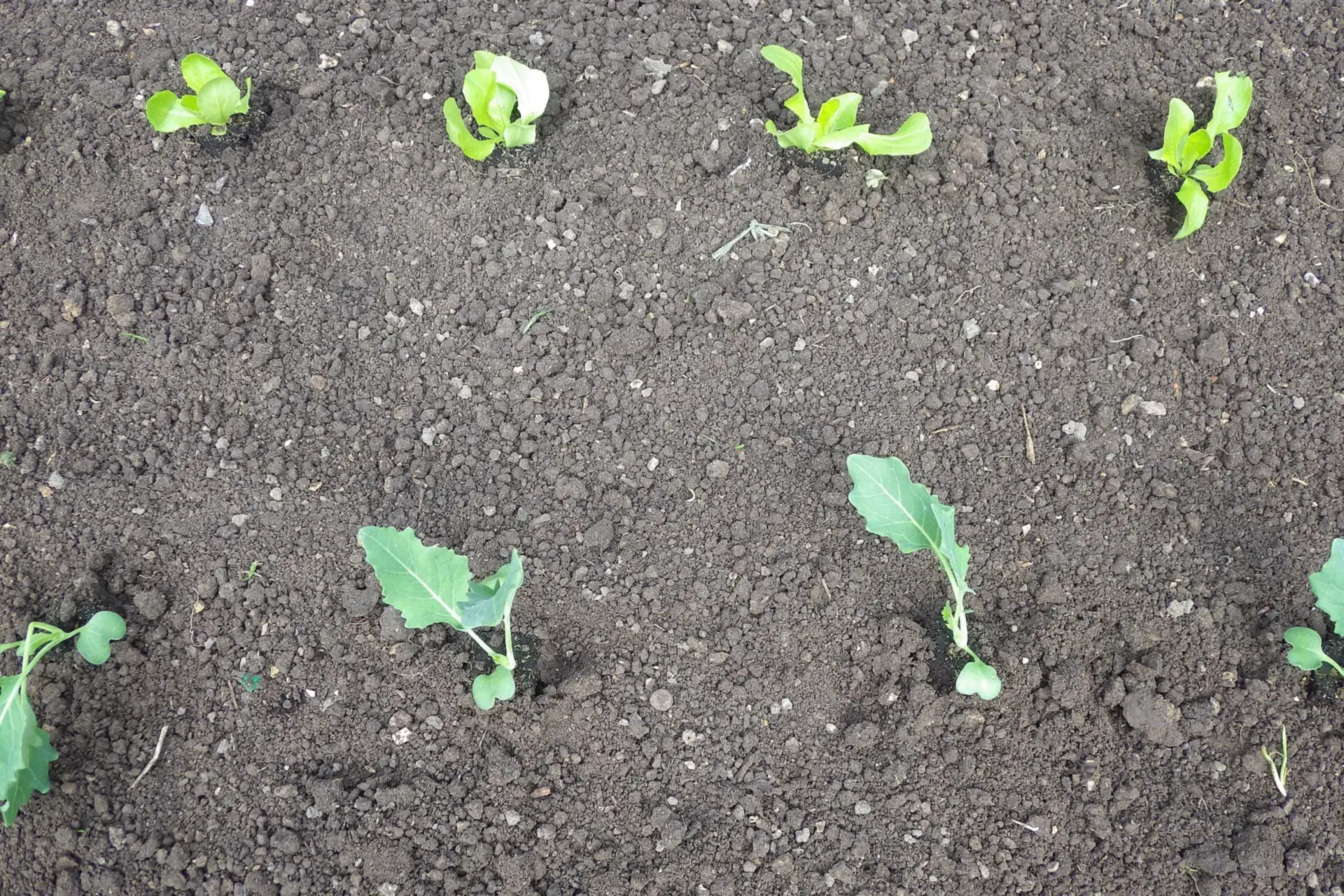
Every beginner knows the heartbreak: forty lettuces ready in the same week, then a lettuce desert for two months. Succession planting is the cure — sow a short row every week or two instead of the whole packet at once, and the harvest arrives as a steady stream sized to your kitchen. This guide gives the method, the intervals for the fast crops that reward it most, and the calculator that turns your first sowing into a season of dated reminders.
Succession planting at a glance
- The rule: sow a little, often — a short row every 7–14 days beats a whole packet at once.
- The best subjects: radish, lettuce, spinach, peas, bush beans, carrots, beets, cilantro.
- The last sowing: count back from your first autumn frost by the crop's days-to-harvest, plus two weeks.
- The tool: the free Succession Sowing Calculator dates every repeat sowing for you.
Step 1 — Understand the glut — why one big sowing fails
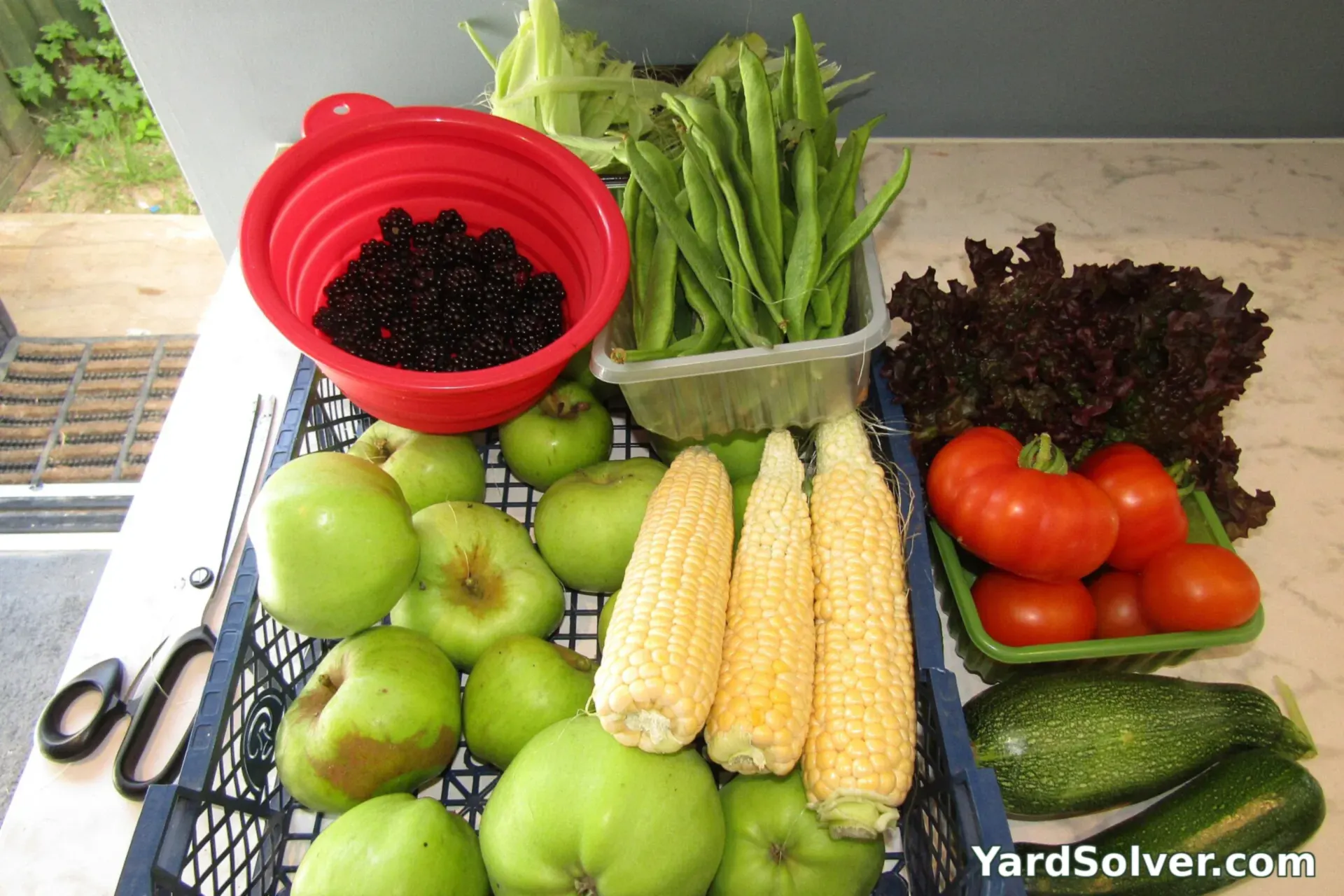
A packet of lettuce holds two hundred seeds, and sown together they do exactly what they're told: grow together, ripen together, and bolt together. A household eats perhaps three lettuces a week — the other thirty-seven become compost and a lesson. Succession planting flips the arithmetic: sow a tenth of the packet every ten days, and you harvest three lettuces a week for five months. The same seed, the same bed — just spread across time. The fast crops are the classic subjects: radishes, lettuce, peas and bush beans, with carrots, beets, spinach and cilantro close behind.
Step 2 — Set your interval — and sow the first batch
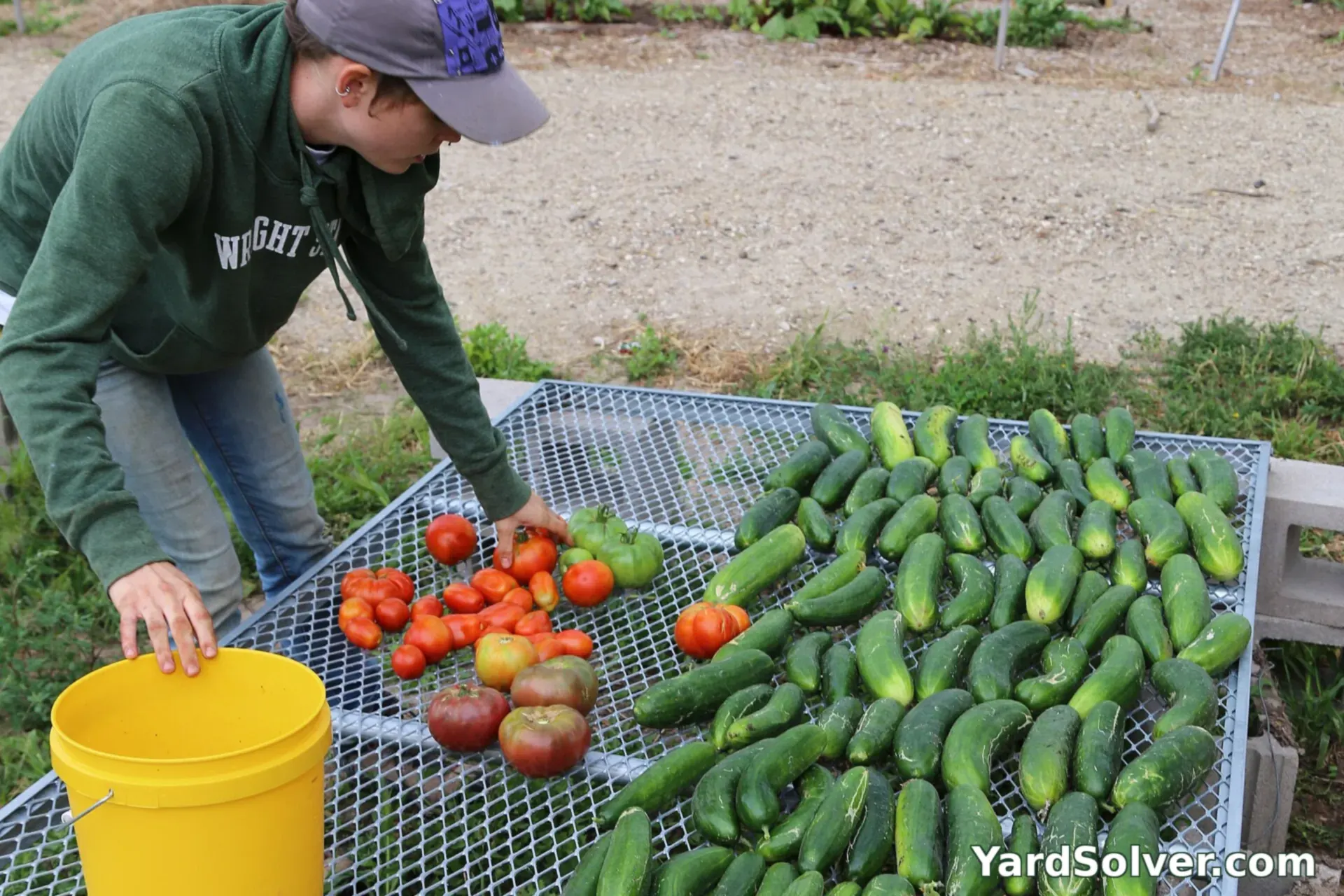
Pick the interval by how fast the crop runs and how fast you eat it: radishes and lettuce every 10–14 days, spinach every 10 days in spring, bush beans every 2–3 weeks, peas every 2 weeks in early spring, carrots every 3 weeks. Sow the first batch as early as the crop allows — and write the date on the label. That label is the metronome: when the previous row is up and growing, the next row is due. The Succession Sowing Calculator does the counting for you: give it your first sowing date and the crop, and it prints every repeat date of the season, matched to how many your household actually eats.
Step 3 — Keep the rhythm — and fill the gaps as crops finish

The rhythm is the whole method: same day-ish, same-sized sowing, all season. And succession has a second gear — relay planting: as one crop finishes, its space immediately takes the next. The spring peas come out in June and bush beans go into the very soil the same day; the garlic bed of July becomes the autumn spinach bed. Keep the bed map honest with the Planting Calendar, and remember the rotation rule while you relay — the guide to crop rotation basics keeps families moving between beds year to year while succession keeps them flowing within the season.
Step 4 — Beat the heat — succession through the hard middle of summer

Midsummer is where succession plans go to die: lettuce seed refuses to germinate in hot soil (it goes dormant above about 77 °F), spinach bolts on sight of a long day, and cilantro flowers if you look at it. The fixes are old and work: sow summer batches in the shade of tall crops (the north side of the bean row), chill lettuce seed in the fridge overnight and sow in the evening into watered drills, switch to heat-bred varieties ('Jericho' lettuce, 'Evergreen' bunching types), and lean on the crops that love heat — beans and beets carry the mid-season stream while the cool crops rest until August. The Companion Planting Chart shows which tall neighbours shade without competing.
Step 5 — Know when to stop — the last-sowing calculation
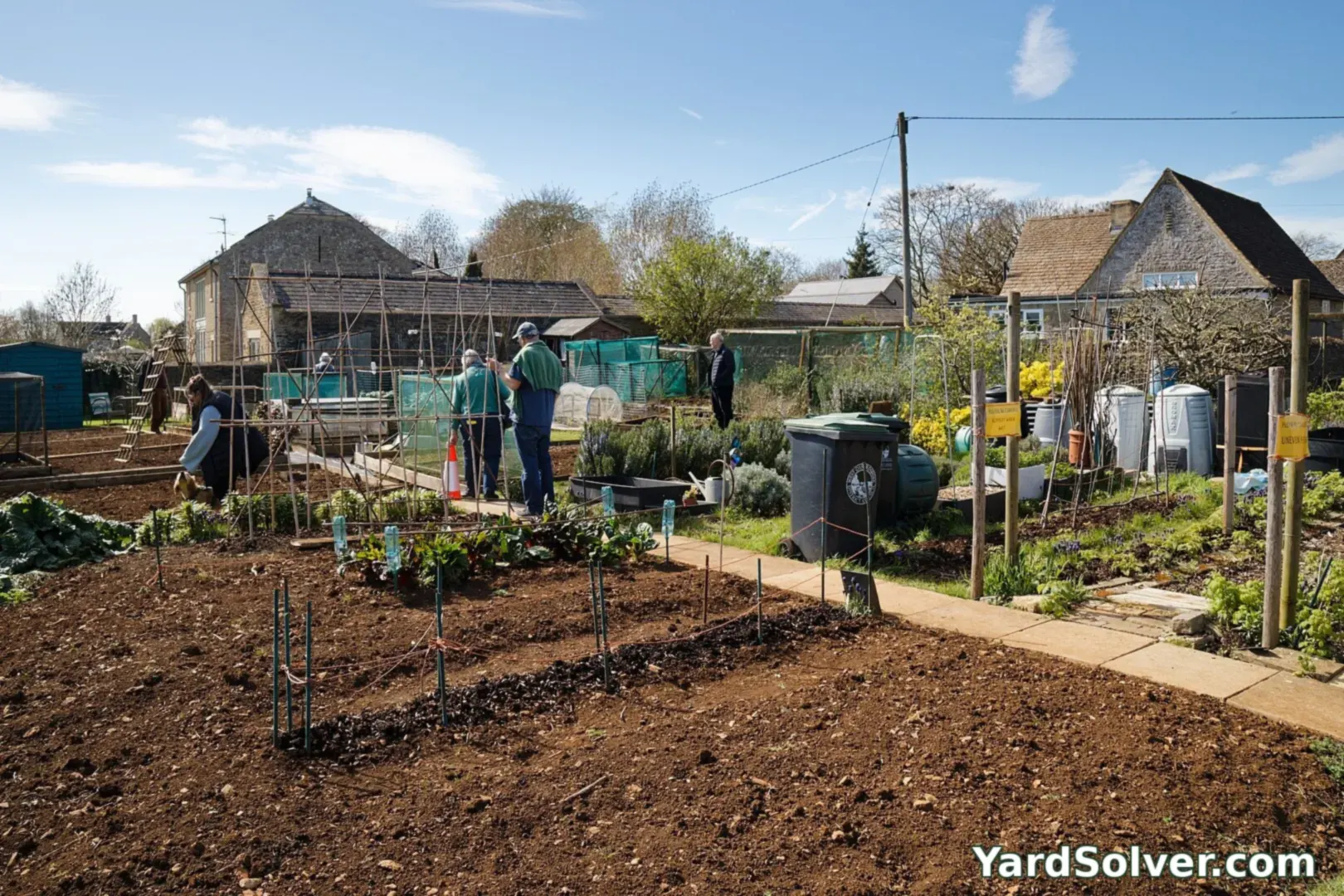
Every succession has a final sowing, and missing it by two weeks means seedlings killed mid-promise. The formula: first autumn frost date − days to harvest − 14 days (the fortnight covers autumn's slowing light). For radish that's a generous late window; for bush beans it's the honest end of July in many gardens. Then the baton passes to the overwinterers: autumn-sown spinach, broad beans and garlic close the year. Check your dates against your own frost data on the Planting Calendar, keep your seed stock straight in the Seed Box, and next spring the rhythm restarts with the first radish row.
Keep going
Plan it: Succession Sowing Calculator · Planting Calendar · Companion Planting Chart · Seed Box
Read next: Crop rotation basics · Companion planting basics · How to grow microgreens indoors
The succession stars: Radish · Lettuce · Peas · Green Beans
Questions people ask
How often should I sow lettuce for a continuous supply?
Every 10–14 days, a short row or a dozen plants at a time — sized to what your household eats in a fortnight. In high summer, sow in shade and use heat-tolerant varieties; the rhythm matters more than the exact day.
What is the difference between succession planting and crop rotation?
Succession planting spreads one crop's sowings across a season so the harvest comes steadily. Crop rotation moves plant families between beds across years so diseases starve and soil rests. They work together: rotation picks the bed, succession paces the sowings inside it.
When is the last sowing of the year?
Count back from your first autumn frost: subtract the crop's days-to-harvest and another two weeks for autumn's slow light. Radishes forgive late sowings; bush beans don't — their last sowing is often late July in cool climates.
Comments & ratings
No comments yet.
Be the first to share your experience.