
Plant Library · Vegetables
🫘 How to Grow Green Beans
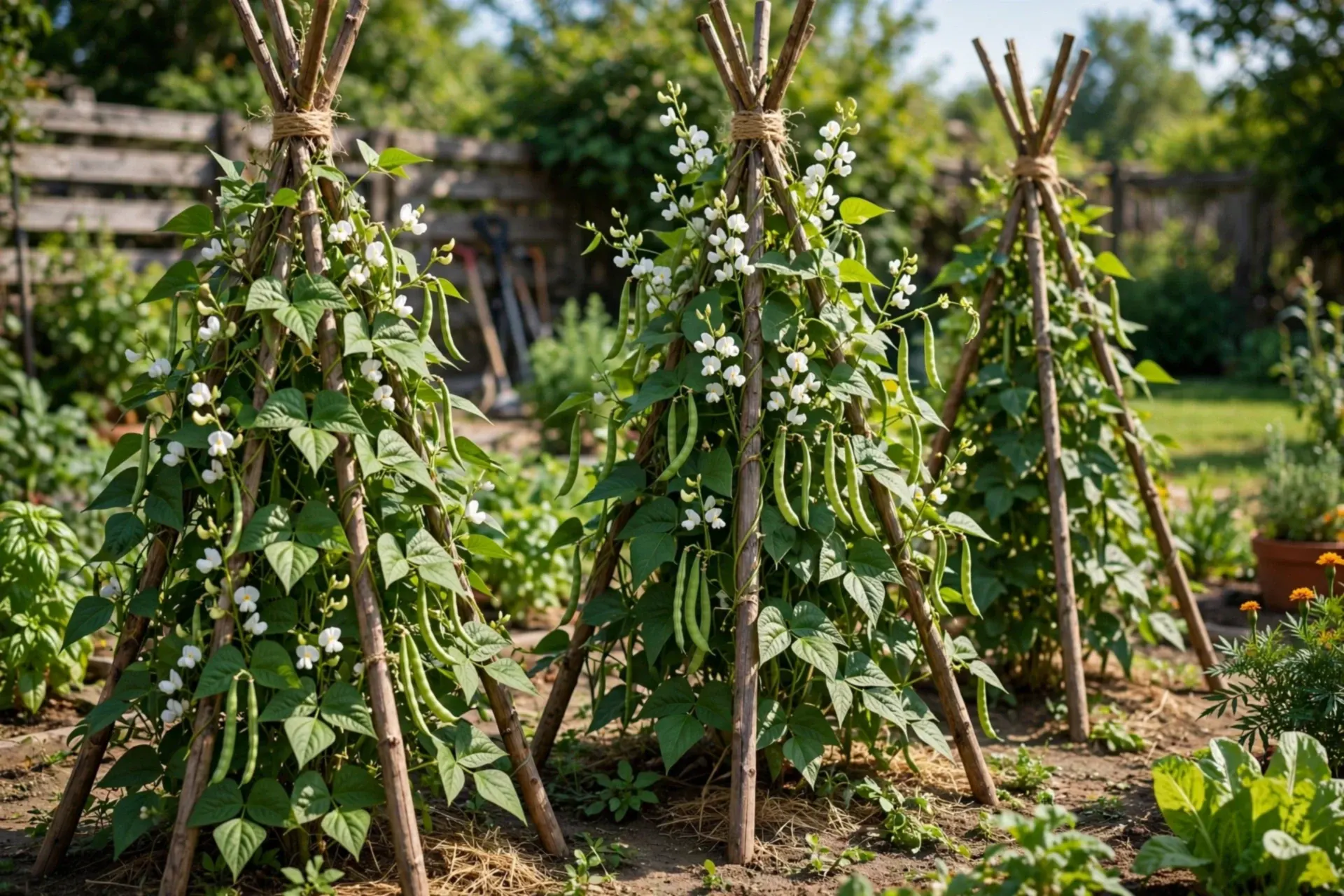
Sow a short row every 2 weeks for a longer harvest. Beans are a warm-season crop: direct sow about a week after your last frost, then sow a short row every 2 weeks to keep the harvest coming.
Grow Green Beans with us — step by step
Everything for this plant is written step by step below — what to do, and exactly when. Read it through first if you like: you can grow it entirely on your own with that guide. Or start with us here — tell us your planting day and we lay out your personal schedule on this page, every next step on its own day, counted from your planting date. No guessing, no forgetting.
Step 1 — today: Sow your Green Beans seeds today: 1 in deep, spaced 4–6 in apart, in full sun. Water the row in well and keep it moist while seeds sprout.
Green Beans at a glance
Sow outdoors: 1 week after last frost
Spacing: 4–6 in · Seed depth: 1 in
Sun: Full sun
Water: Regular
Harvest: 50–60 days
Timing counts from your average last spring frost — get your own dates in the Planting Calendar. Guidance follows standard extension-service practice for Canada and the US.
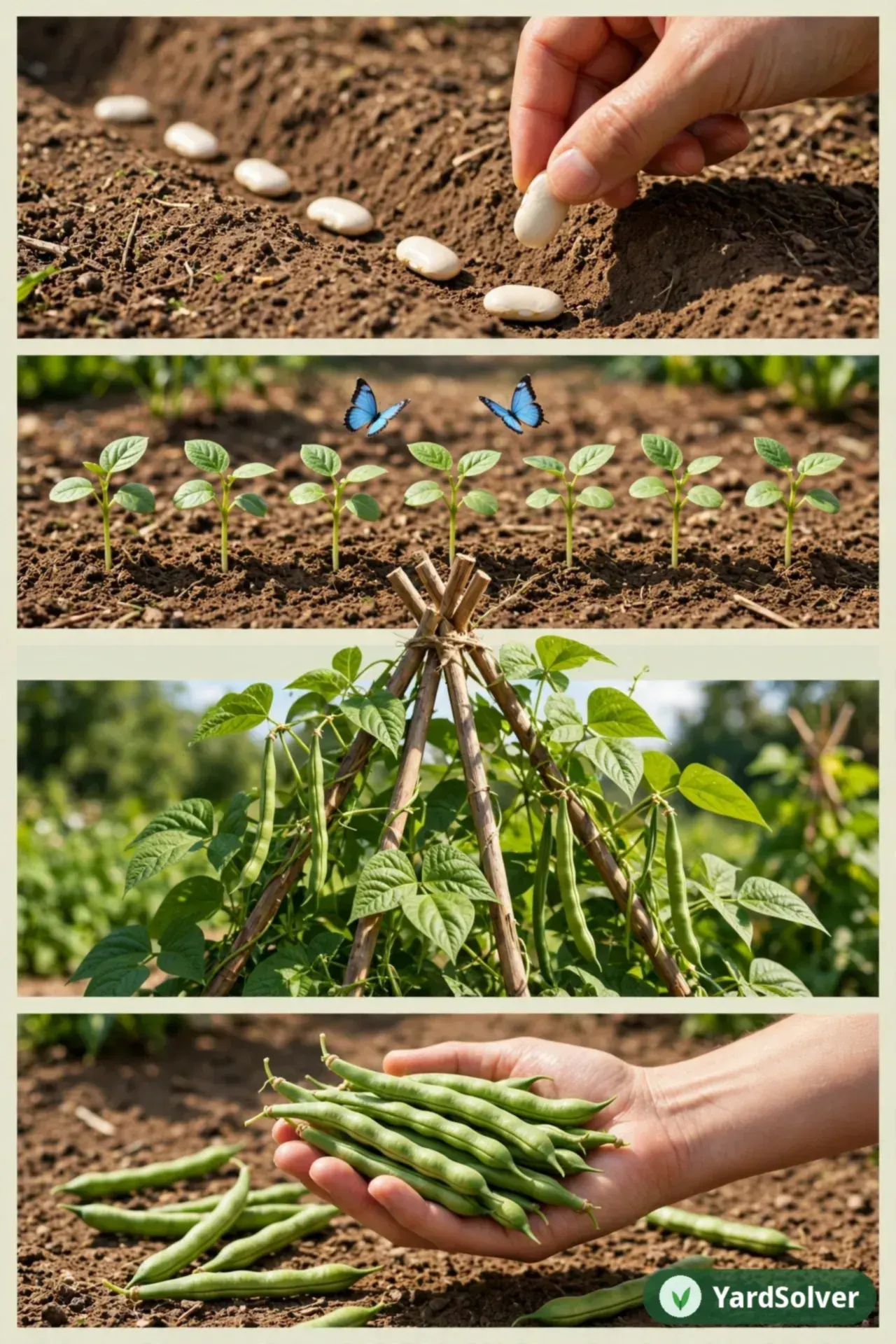
How to plant and grow green beans, step by step
Step 1 — Time it right
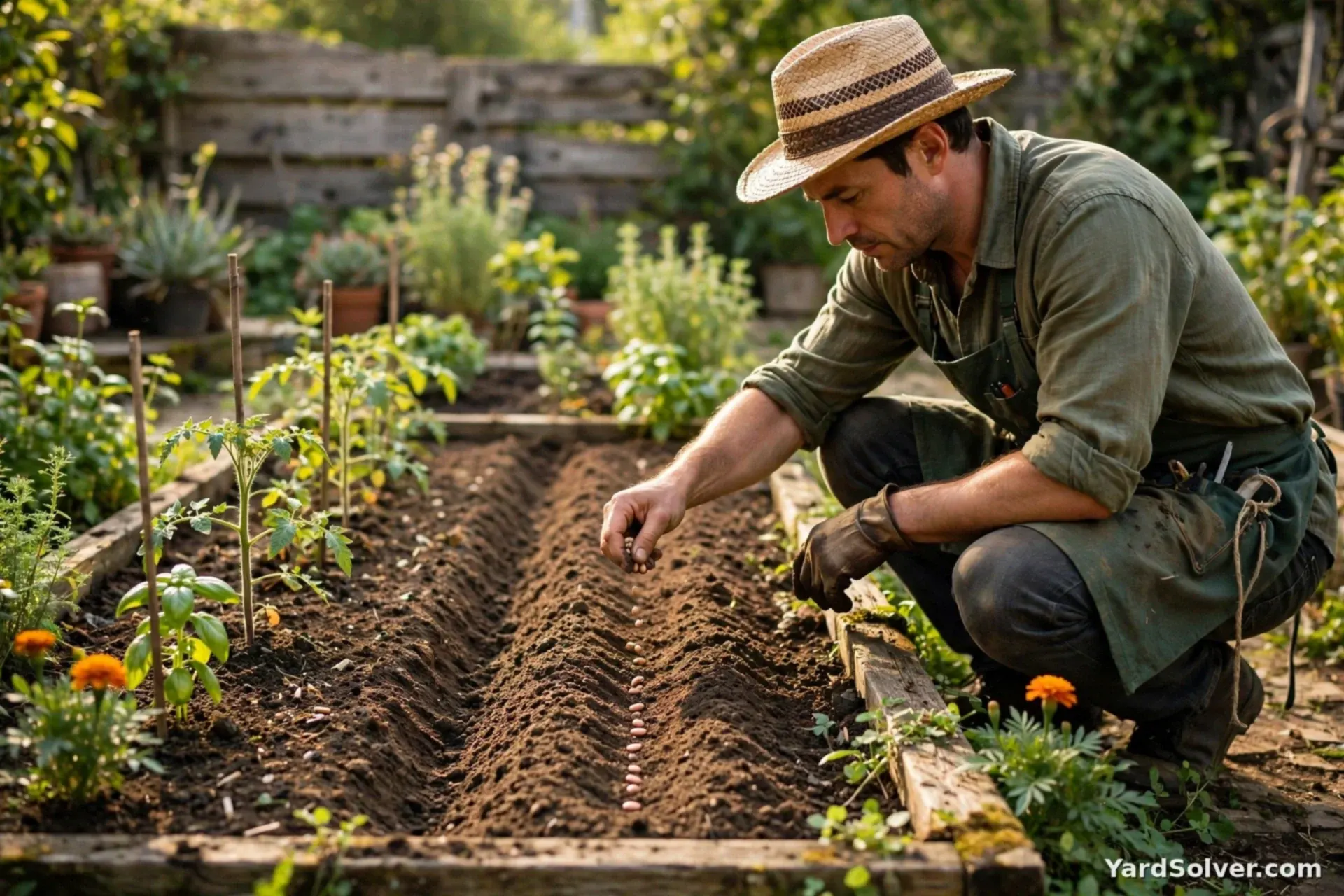
Sow outdoors: 1 week after last frost. All dates count from your average last spring frost — the Planting Calendar turns them into real dates for your garden. Beans are a warm-season crop: direct sow about a week after your last frost, then sow a short row every 2 weeks to keep the harvest coming.
Step 2 — Prepare the spot
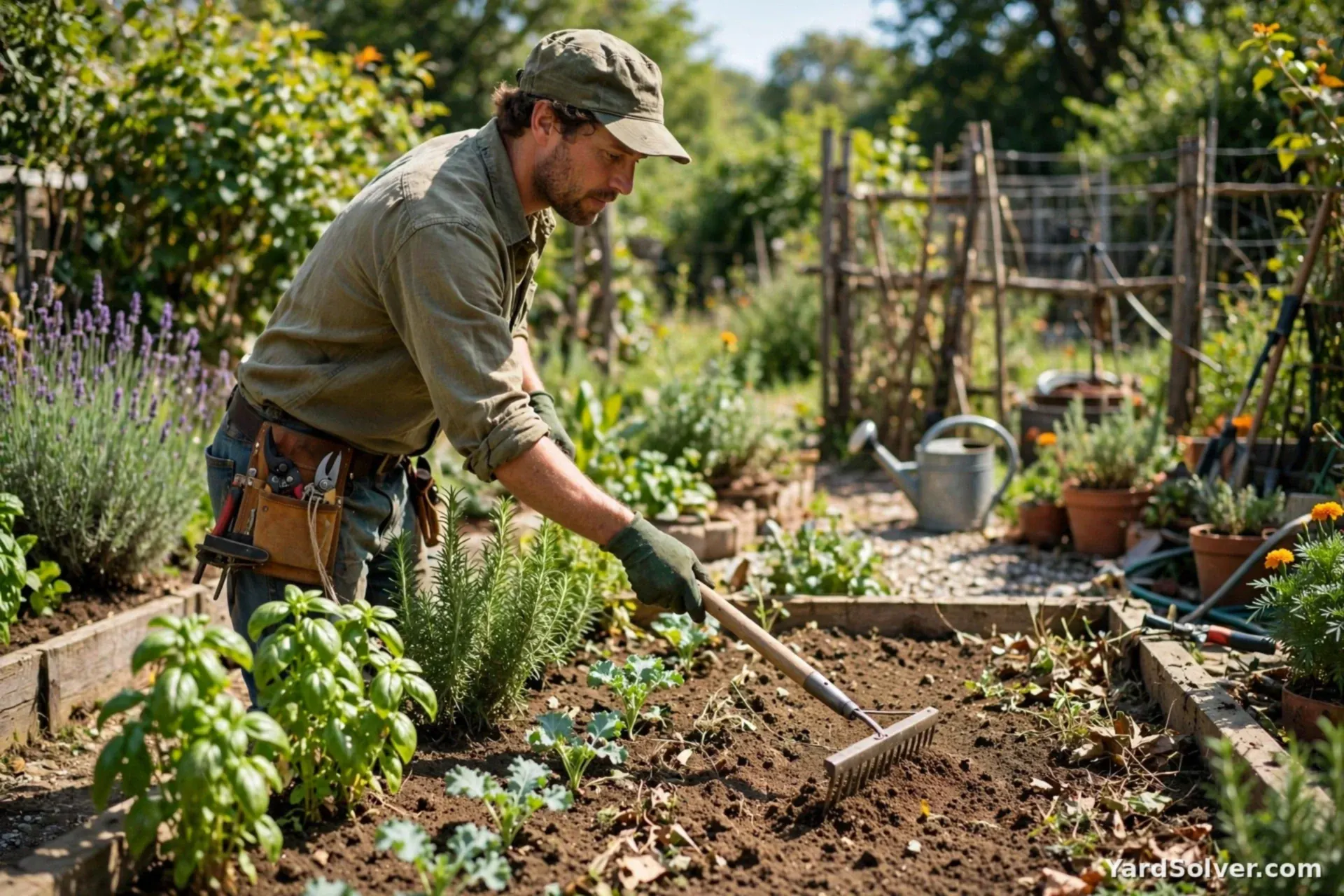
Sun: Full sun. Average soil is genuinely fine — beans and peas make much of their own nitrogen with their roots. Too much fertilizer grows leaves instead of pods. Work out how much you need with the Garden Mix Calculator or the Raised Bed Soil Calculator.
Step 3 — Sow and plant out
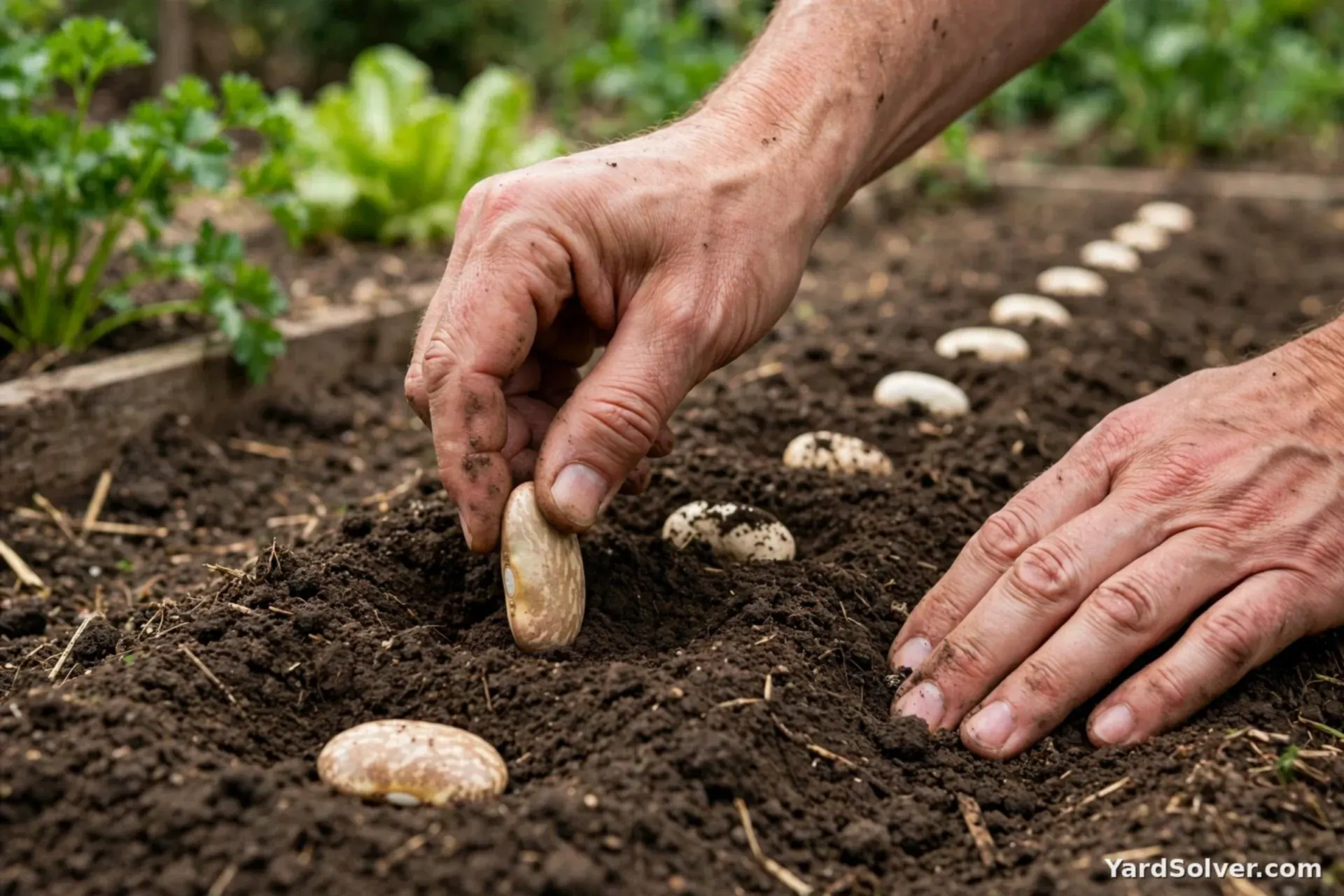
Sow directly where they will grow, 1 week after last frost, 1 in deep and 4–6 in apart (thin seedlings to that spacing once they are up). The Seed Calculator works out how much seed a bed needs.
Step 4 — Water and feed
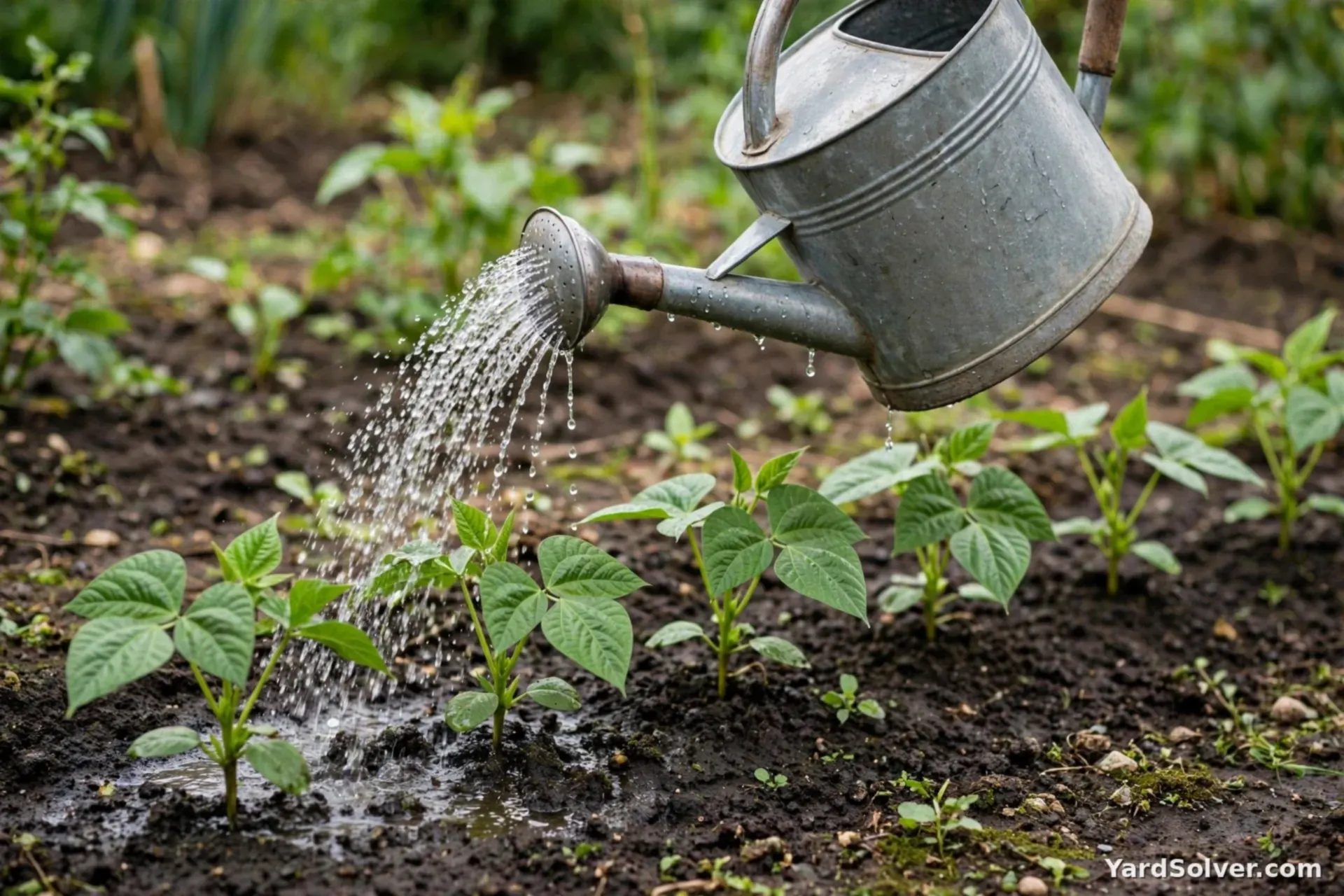
Water: Regular. The Fertilizer Calculator turns a bed size into the right amount.
Step 5 — Care and the problems to watch for
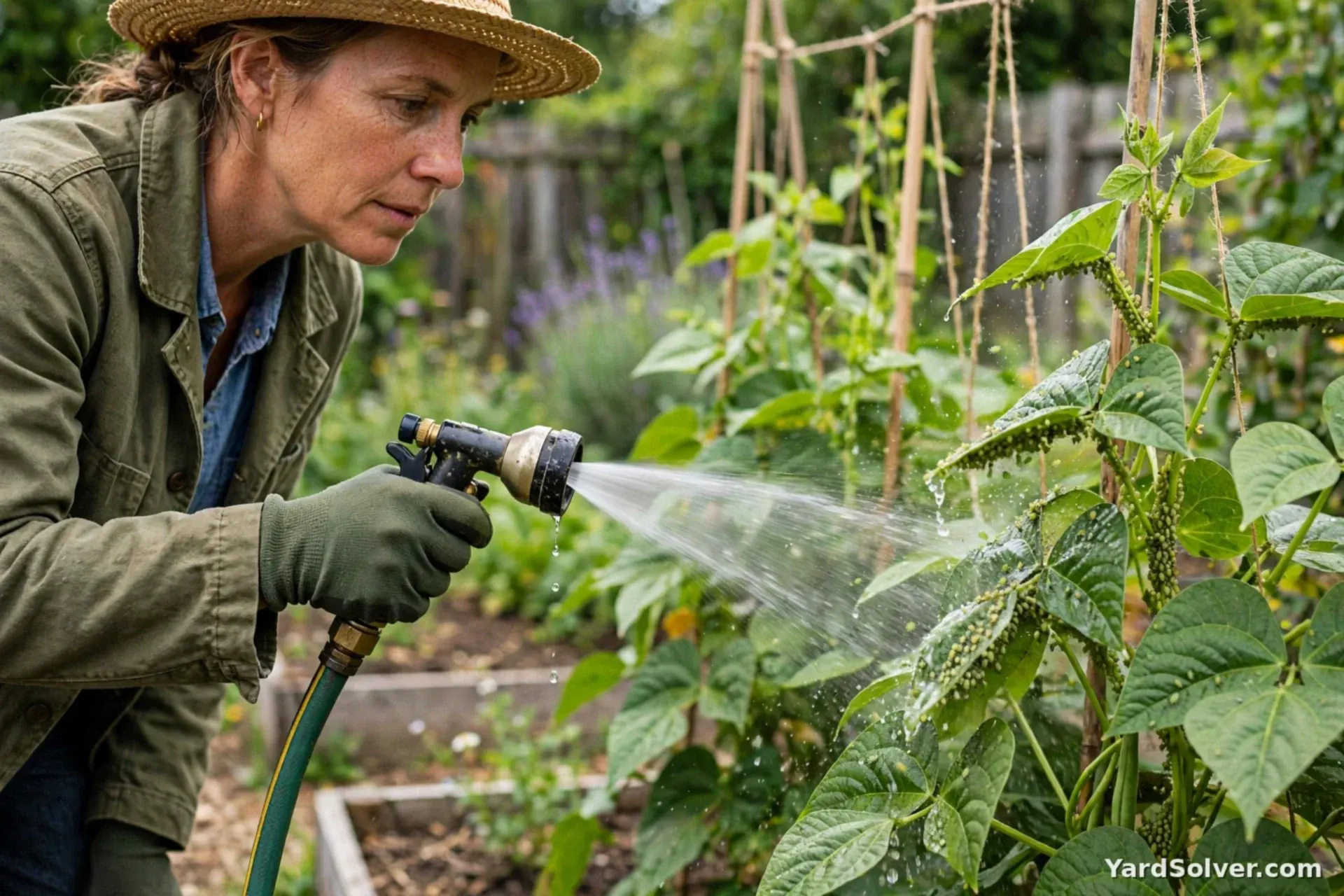
- Bean beetles and aphids — check leaf undersides and pick or spray off with water.
- Rust — orange-brown spots on leaves in wet weather; avoid overhead watering.
- Poor pod set in heat waves — pods return when nights cool.
Take care: Eat beans cooked, not raw — raw common beans contain natural lectins that cooking destroys. Some people find beans cause gas until their stomach gets used to them.
Step 6 — Harvest
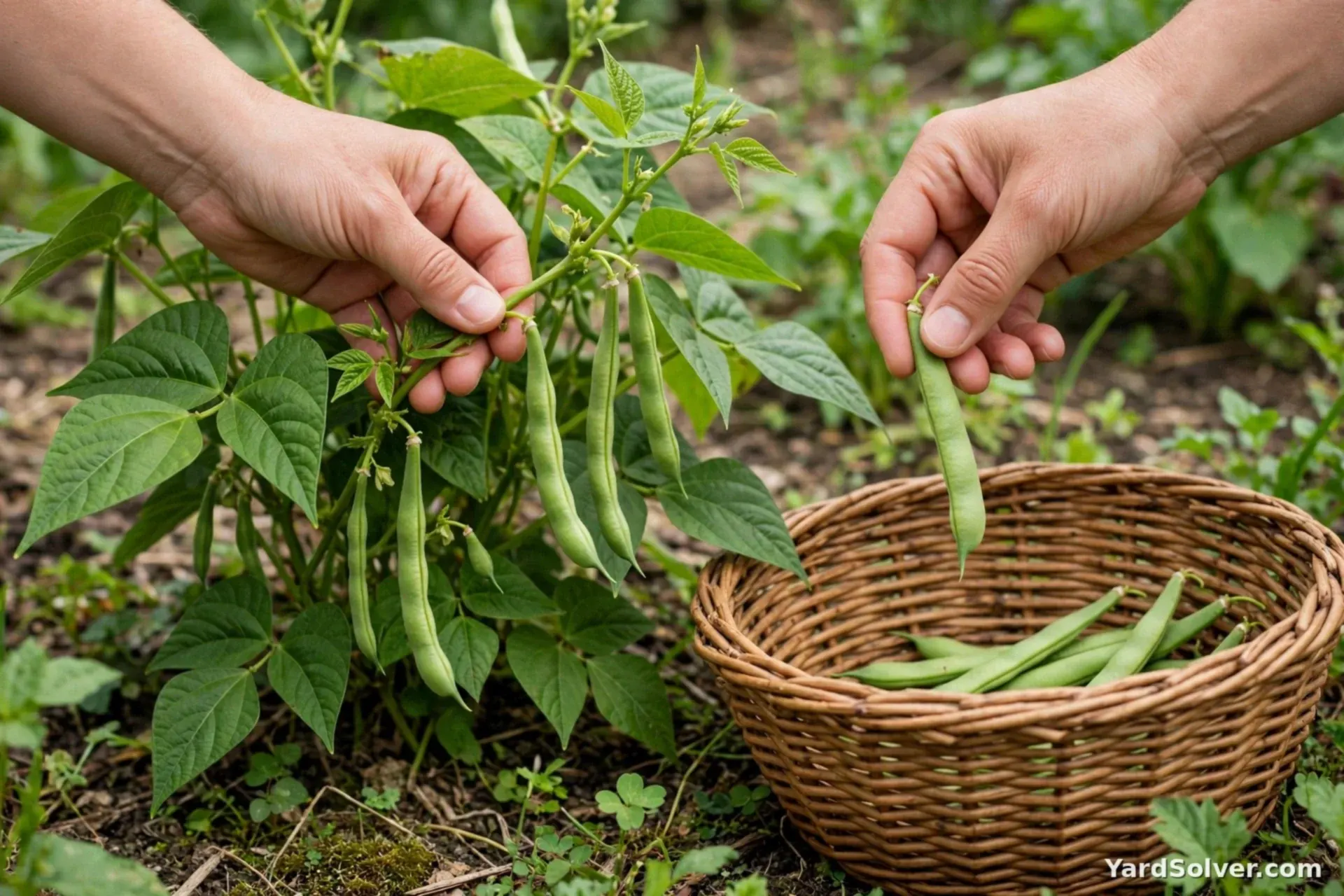
Ready in: 50–60 days. Harvest runs from about day 50 to 60 — pick pods young and crisp every couple of days.
📅 Your personal Green Beans schedule
Counted from your planting day — not a generic calendar. Day 0 is the day the seed went in the ground or the young plant went out.
Varieties worth growing
| Variety | Colour | Why gardeners like it |
|---|---|---|
| Provider | Green | A bush bean that sprouts well even in cool soil and crops early |
| Blue Lake | Green | The classic canning bean — straight, stringless pods (pole and bush forms exist) |
| Kentucky Wonder | Green | A pole bean that climbs tall and yields heavily all season |
| Royal Burgundy | Purple | Purple pods that magically turn green in the cooking pot — easy for kids to spot and pick |
| Dragon Tongue | Cream with purple streaks | A flat-podded bush bean with a rich flavour, eaten fresh or shelled |
Good for you — and take care
Benefits
- Provides fibre that supports good digestion
- A source of plant protein for a vegetable
- Provides vitamin C and vitamin K
- Provides folate, important for growing bodies
- Low in calories and contains almost no fat
Take care
- Eat beans cooked, not raw — raw common beans contain natural lectins that cooking destroys
- Some people find beans cause gas until their stomach gets used to them
A little history — and one good fact
Green beans come from the common bean, a plant first grown in the Americas thousands of years ago. Indigenous farmers in Mexico and Central America grew beans together with corn and squash — the famous 'Three Sisters' — because each plant helps the others. Beans reached Europe in the 1500s and spread from there around the whole world.
Fun fact: Green beans are simply unripe bean pods — leave them on the plant and the seeds inside swell and dry into the kind of beans used in soups and chili.
Keep going
Guides: When to Start Seeds Indoors · How to Prepare Garden Soil in Spring · How to Harden Off Seedlings
Calculators: Plant Spacing Calculator · Seed Calculator · Garden Mix Calculator
More vegetables: Tomato · Pepper · Cucumber
← Back to the Plant Library · Get your personal planting dates
Questions people ask
When do I plant green beans?
Count from your average last spring frost: sow outdoors 1 week after last frost. Beans are a warm-season crop: direct sow about a week after your last frost, then sow a short row every 2 weeks to keep the harvest coming.
How far apart do I space green beans?
Space plants 4–6 in apart, with seed sown 1 in deep. Sun: full sun.
When is green beans ready to harvest?
50–60 days. Sow a short row every 2 weeks for a longer harvest.