
Plant Library · Vegetables
🌾 How to Grow Amaranth
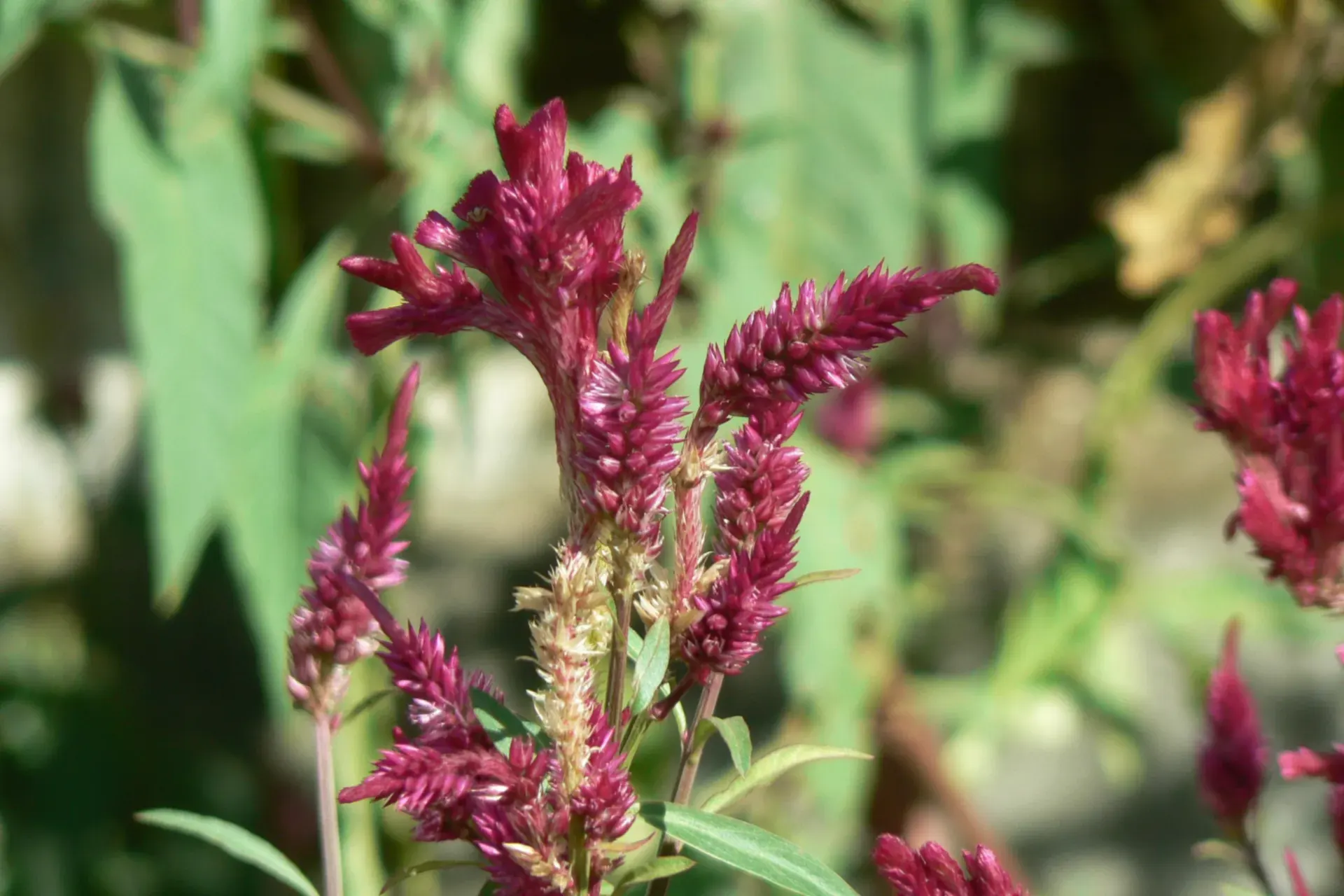
Amaranth is two crops in one plant. The young leaves cook like spinach and are ready in 30–45 days, and if you let the plants grow tall, the feathery seed heads ripen into grain in 90–110 days. It is heat-loving, drought-tolerant once established, and happy in poor soil where fussy vegetables sulk.
Grow Amaranth with us — step by step
Everything for this plant is written step by step below — what to do, and exactly when. Read it through first if you like: you can grow it entirely on your own with that guide. Or start with us here — tell us your planting day and we lay out your personal schedule on this page, every next step on its own day, counted from your planting date. No guessing, no forgetting.
Step 1 — today: Sow Amaranth today, direct in warm soil, seed barely covered, and water gently. Thin to 6 in for leaves or 10–12 in for grain once seedlings are up.
Amaranth at a glance
Sow outside: At last frost
Spacing: 10–12 in · Seed depth: 0 in
Sun: Full sun
Water: Moderate — drought-tolerant once established
Harvest: 30–45 days (leaves); 90–110 days (grain)
Timing counts from your average last spring frost — get your own dates in the Planting Calendar. Guidance follows standard extension-service practice for Canada and the US.
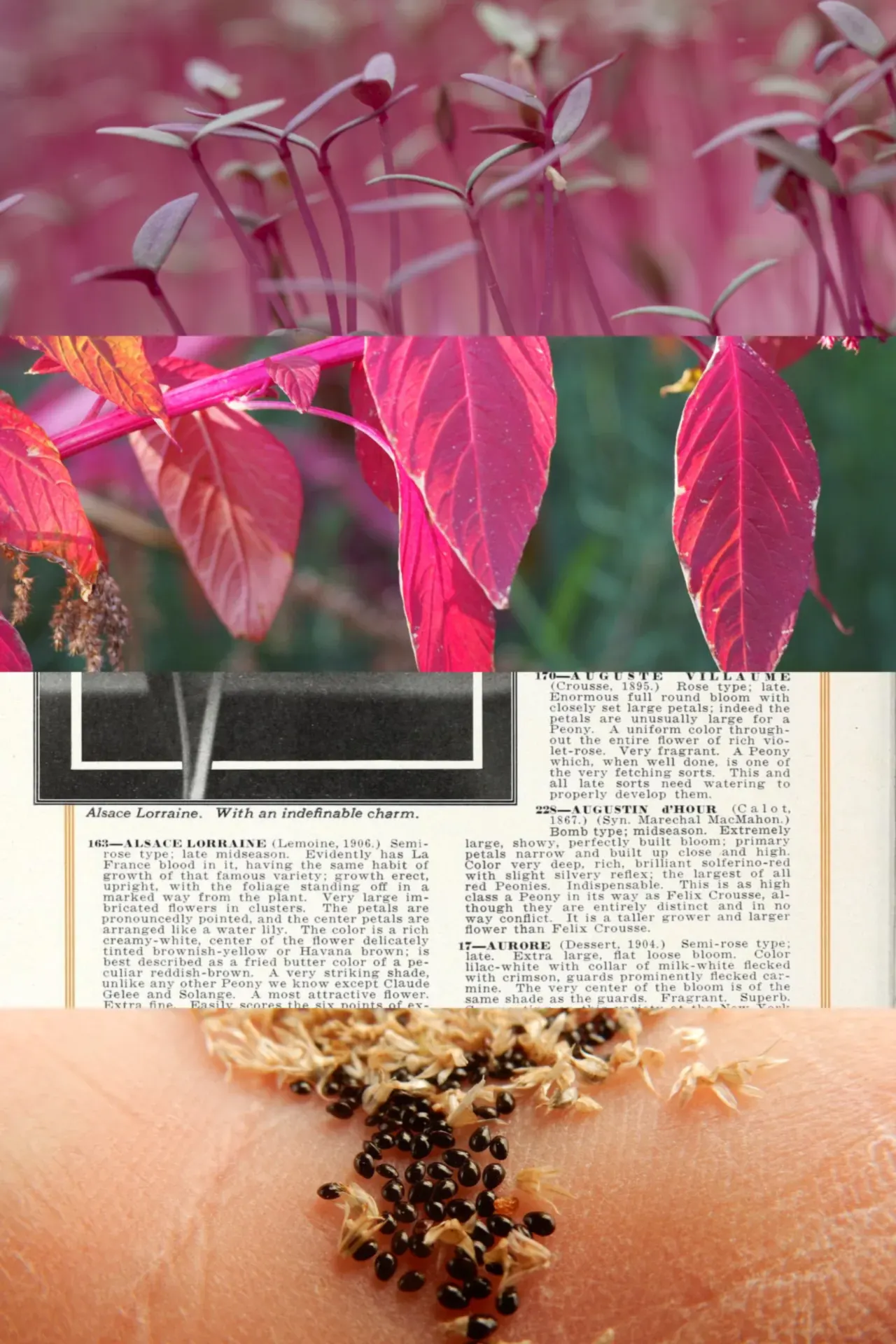
How to plant and grow amaranth, step by step
Step 1 — Time it right
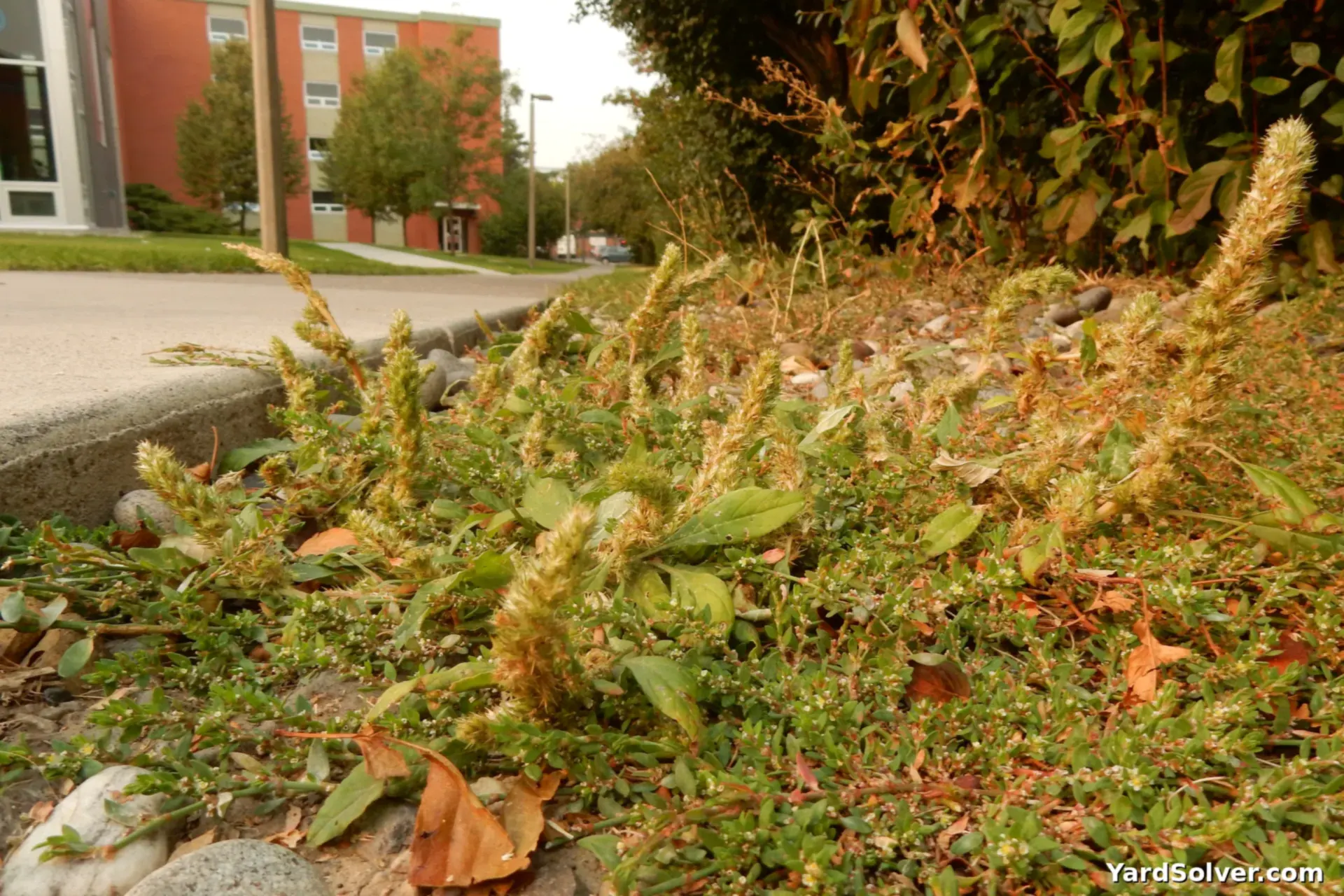
Direct sow after last frost, when the soil is warm. The seed is tiny — barely cover it, or it will not sprout. All dates count from your average last spring frost — the Planting Calendar turns them into real dates for your garden.
Step 2 — Prepare the spot
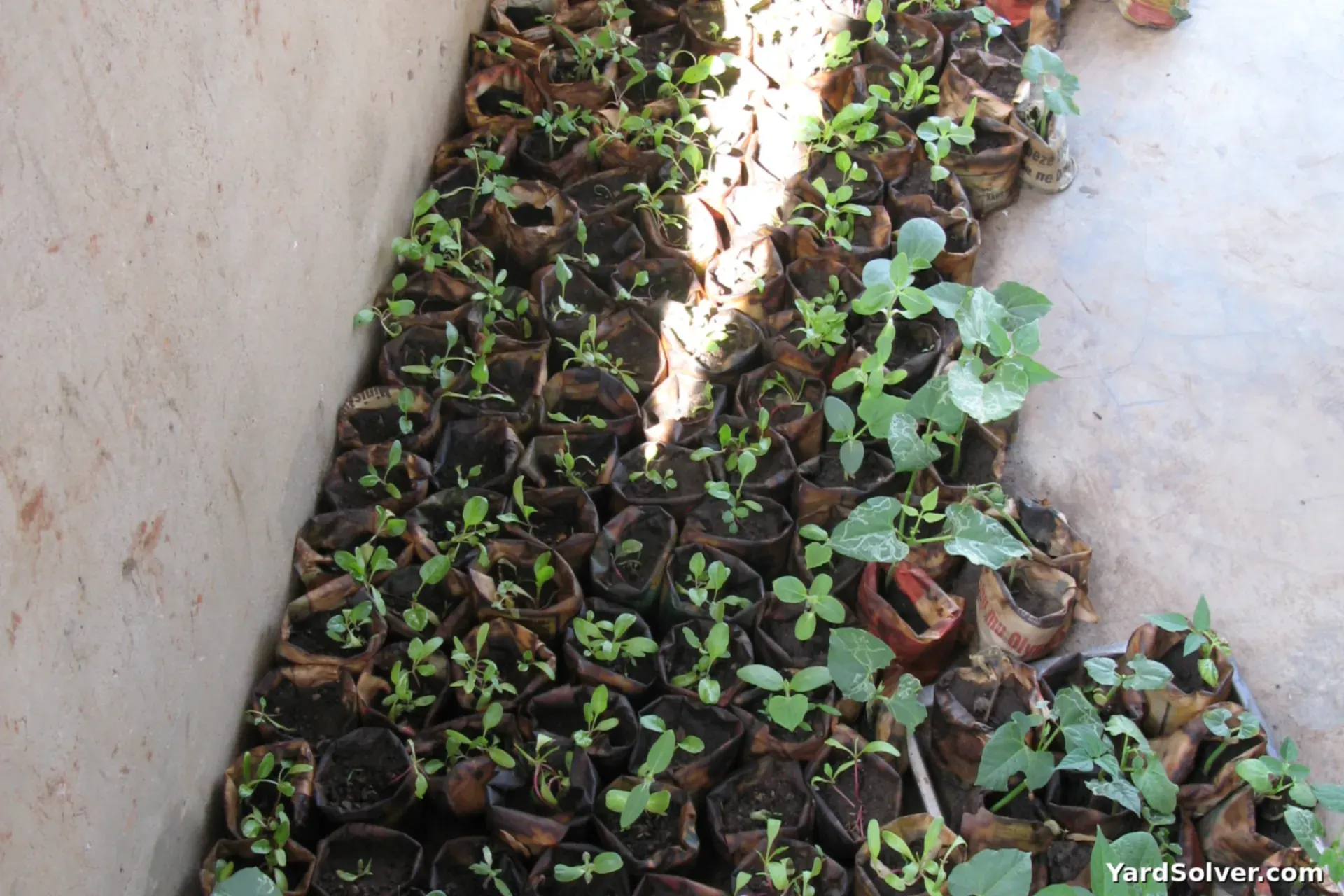
Sun: Full sun. Any well-drained soil, even a poor one — amaranth is famously unfussy. A little compost helps the leaves stay tender. Work out how much you need with the Garden Mix Calculator or the Raised Bed Soil Calculator.
Step 3 — Sow and plant out
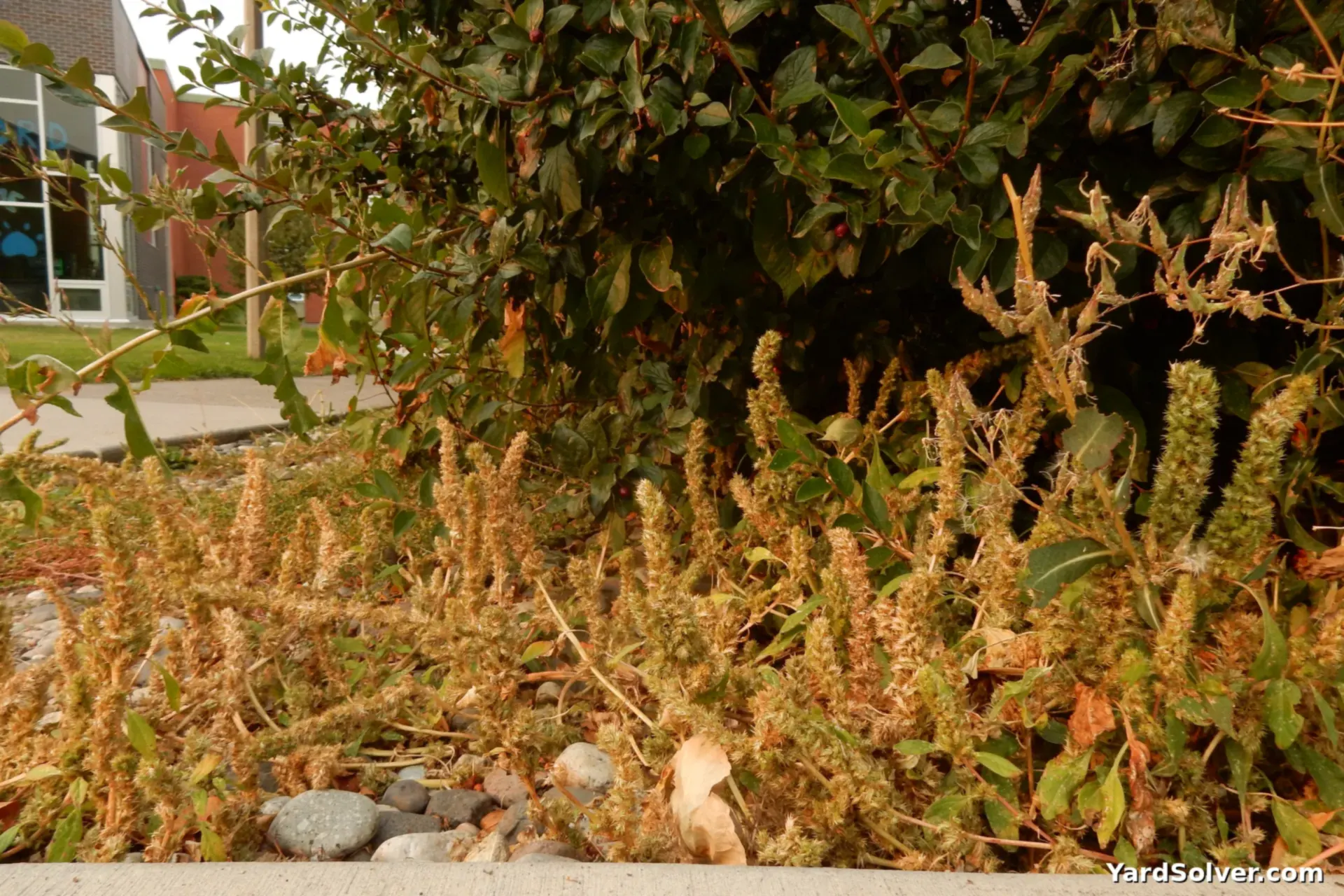
Sow on the surface and press in, barely covered. Thin leaf types to 6 in apart, grain types to 10–12 in. The Plant Spacing Calculator turns that spacing into plants-per-bed.
Step 4 — Water and feed
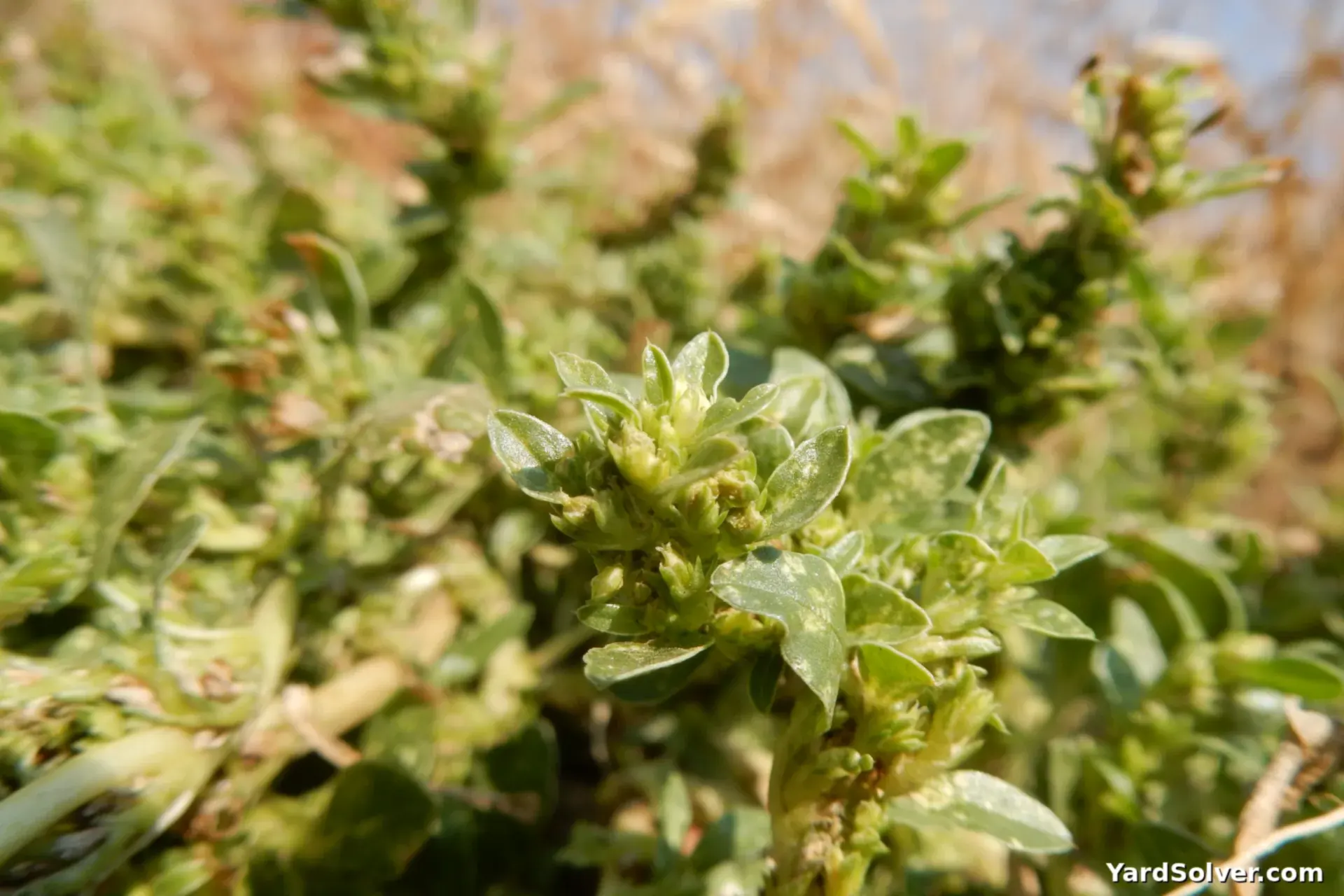
Water: Moderate — drought-tolerant once established. Feed little or not at all — too much nitrogen makes weak, leafy plants that fall over. The Fertilizer Calculator turns a bed size into the right amount.
Step 5 — Care and the problems to watch for
Aphids — they gather on the tender tips; a strong jet of water knocks them off. Flea beetles — small holes in leaves early on; the plants usually outgrow them. Self-sowing — one plant left to seed will scatter hundreds; deadhead what you do not want.
Step 6 — Harvest
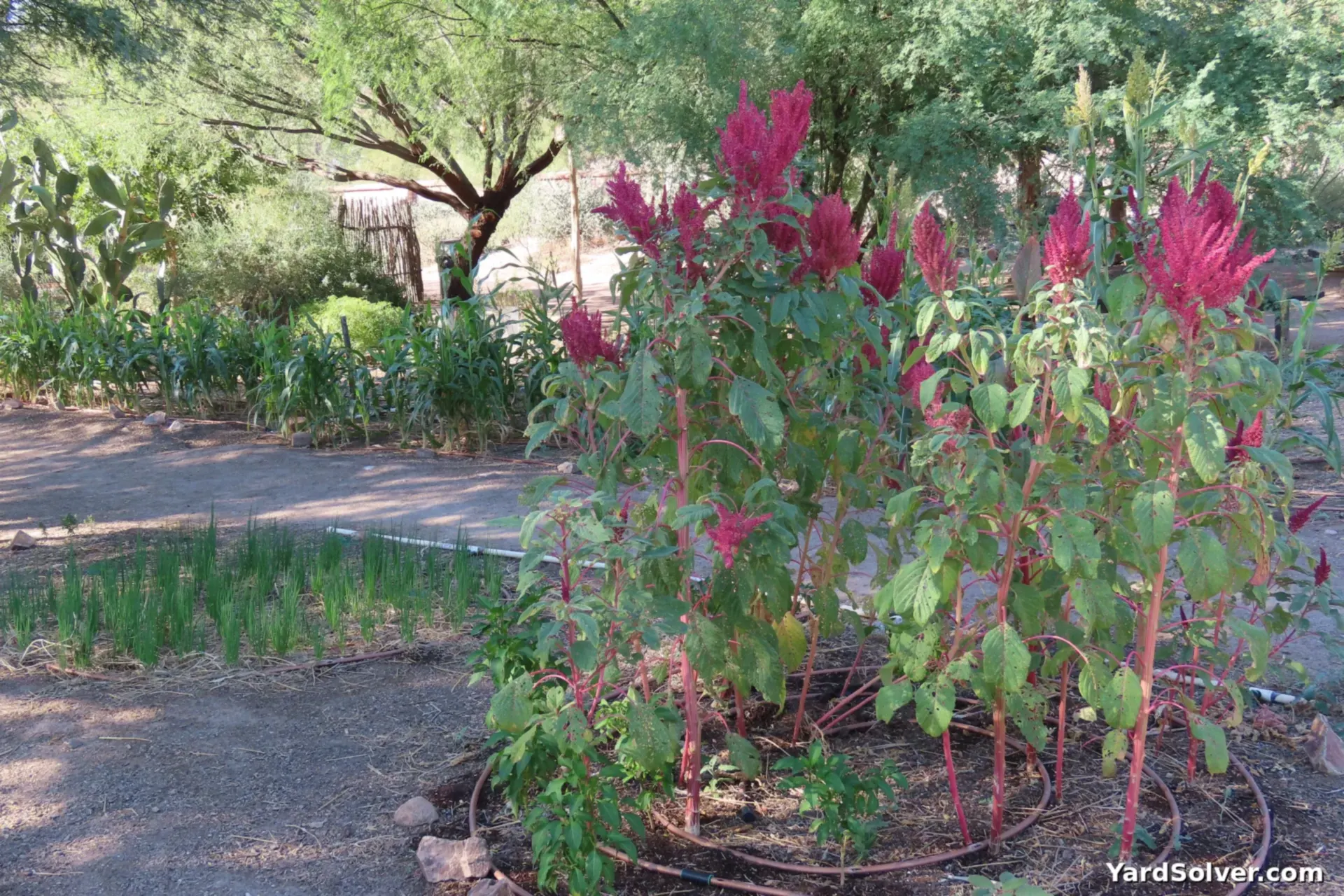
Ready in: 30–45 days (leaves); 90–110 days (grain). Pick young leaves like spinach, and cut seed heads when dry, rubbing the seed out over a sheet.
📅 Your personal Amaranth schedule
Counted from your planting day — not a generic calendar. Day 0 is the day the seed went in the ground or the young plant went out.
Varieties worth growing
| Variety | Colour | Why gardeners like it |
|---|---|---|
| Red Garnet | Red | Deep-red leaves and stems, grown mostly for greens |
| Golden Giant | Green-gold | The classic grain type — tall plants with huge golden seed heads |
| Love-Lies-Bleeding | Crimson | Grown for its dramatic trailing flower tassels as well as leaves |
| Hopi Red Dye | Red | A traditional variety used for dye as well as food |
Good for you — and take care
Benefits
- Leaves are rich in iron, calcium and vitamin C
- The grain is a complete protein with all essential amino acids
- Drought-tolerant and heat-proof once established
- Grows well in poor soil where other crops struggle
Take care
- Amaranth leaves are eaten like spinach — cook them, do not eat large amounts raw.
- If you grow it for grain, the seed heads need a dry spell to ripen and thresh cleanly.
- Keep it away from paths — tall types reach 5–6 ft and lean.
Problems to watch for
- Aphids — they gather on the tender tips; a strong jet of water knocks them off.
- Flea beetles — small holes in leaves early on; the plants usually outgrow them.
- Self-sowing — one plant left to seed will scatter hundreds; deadhead what you do not want.
A little history — and one good fact
Amaranth was a staple grain of the Aztecs, who grew it for thousands of years in Mexico and Central America. The Spanish suppressed it after the conquest, but it survived in village gardens and is now grown worldwide as both a leafy green and a grain.
Fun fact: One amaranth plant can produce up to 100,000 seeds — and the leaves are ready to eat in about a month.
Keep going
Guides: How to Harden Off Seedlings · How to Read a Seed Packet · How to Grow Amaranth — the full guide
Calculators: Plant Spacing Calculator · Seed Calculator · Fertilizer Calculator · Garden Mix Calculator
Plan it: Garden Planner · Planting Calendar · Companion Planting Chart · Seed Box
Good companions: Sweet Corn · Onion (sets) · Tomato
← Back to the Plant Library · Get your personal planting dates
Questions people ask
When do I plant amaranth?
Direct sow after last frost, when the soil is warm. The seed is tiny — barely cover it.
How far apart do I space amaranth?
Space plants 10–12 in apart for grain, or thin to 6 in for leaf harvests. Sun: full sun.
When is amaranth ready to harvest?
Leaves in 30–45 days; grain in 90–110 days, when the seed heads are dry and the seed rubs out easily.