
Plant Library · Vegetables
🌿 How to Grow Artichoke
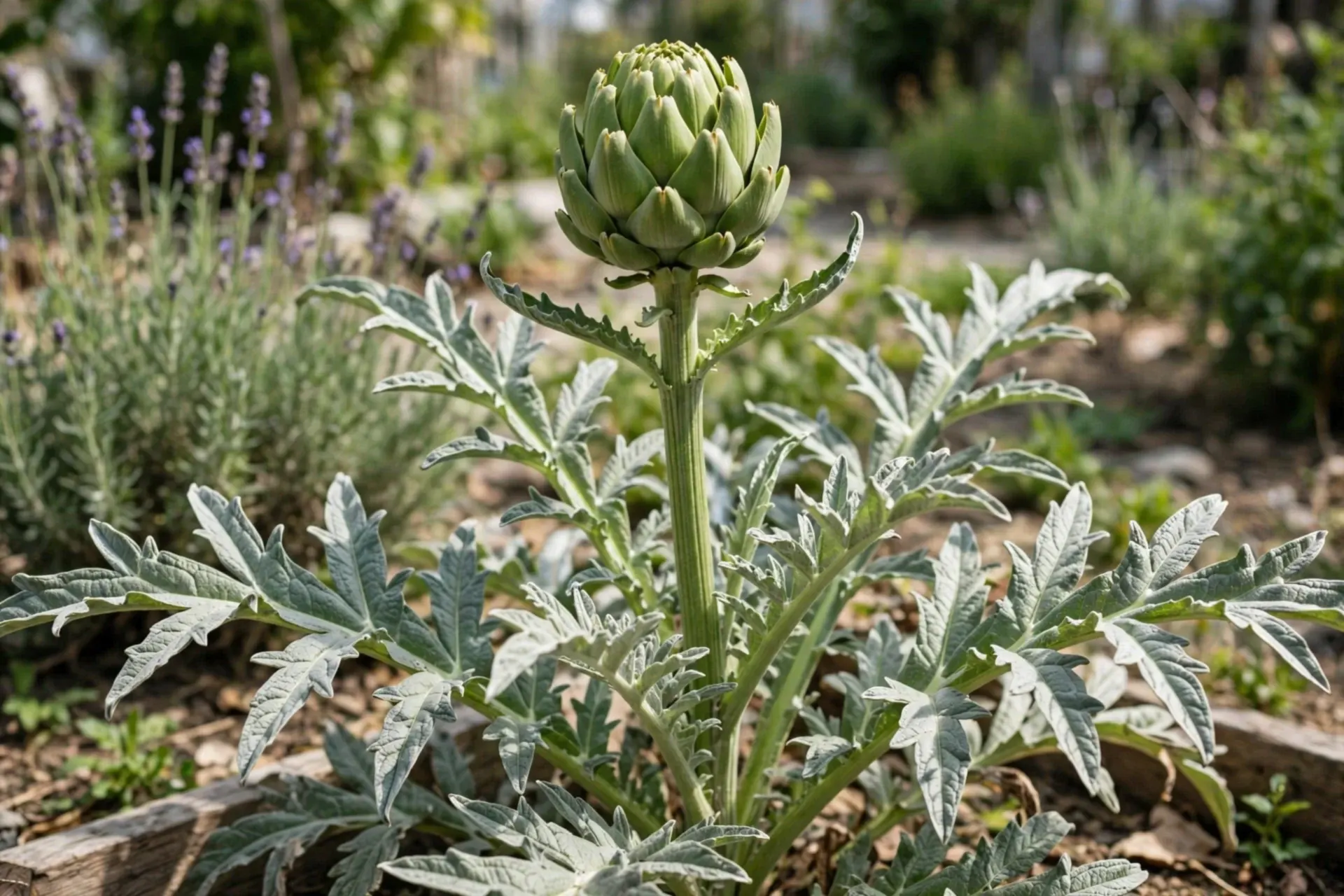
A big, handsome plant: grown as an annual in cold gardens (with a chilly spell so buds form) and as a perennial where winters are mild. Artichokes are a warm-season crop with a twist: start seeds indoors about 9 weeks before your last frost and transplant about 1 week after it — in cold gardens the young plants also need a spell of cool (not freezing) weather to persuade them to bud the same year.
Grow Artichoke with us — step by step
Everything for this plant is written step by step below — what to do, and exactly when. Read it through first if you like: you can grow it entirely on your own with that guide. Or start with us here — tell us your planting day and we lay out your personal schedule on this page, every next step on its own day, counted from your planting date. No guessing, no forgetting.
Step 1 — today: Plant out your young Artichoke plants today (hardened off first), spaced 36–48 in apart, and water them in deeply. Starting from seed instead? Sow indoors now, 1/4 in deep, and this same schedule counts from transplant day.
Artichoke at a glance
Sow indoors: 9 weeks before last frost
Move outside: 1 week after last frost
Spacing: 36–48 in · Seed depth: 1/4 in
Sun: Full sun
Water: Deep and regular
Harvest: 85–100 days after transplant
Timing counts from your average last spring frost — get your own dates in the Planting Calendar. Guidance follows standard extension-service practice for Canada and the US.
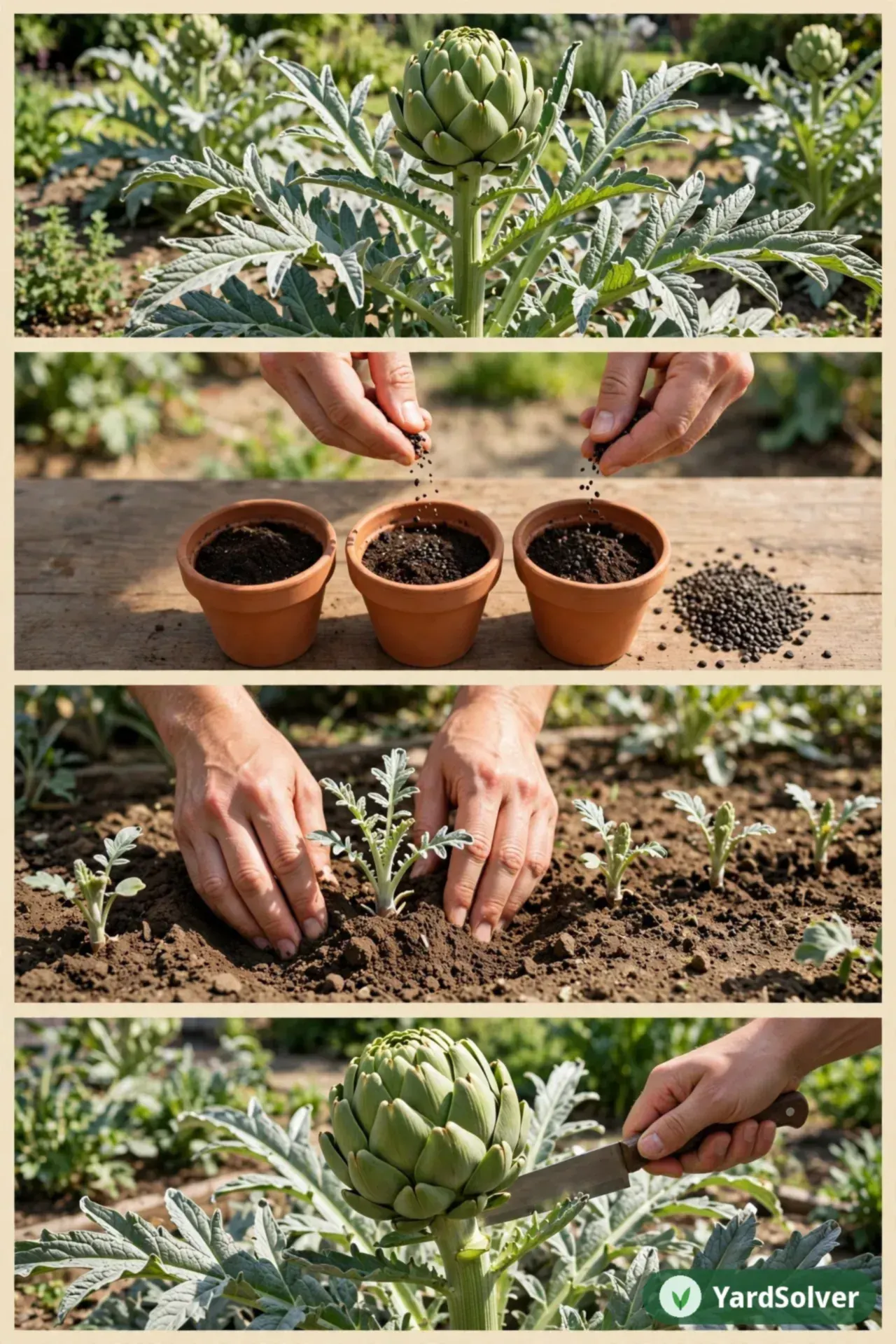
How to plant and grow artichoke, step by step
Step 1 — Time it right
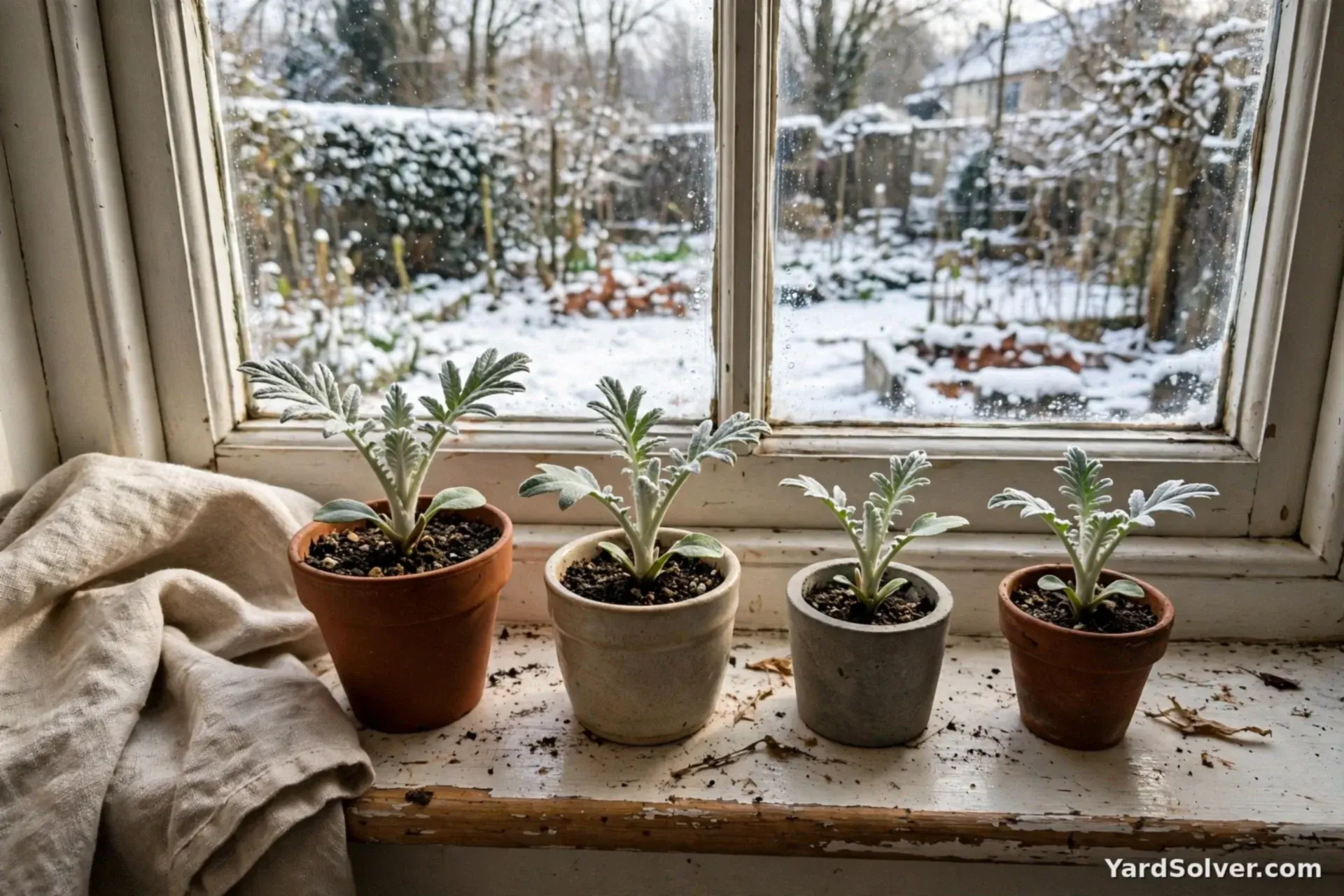
Sow indoors: 9 weeks before last frost; Move outside: 1 week after last frost. All dates count from your average last spring frost — the Planting Calendar turns them into real dates for your garden. Artichokes are a warm-season crop with a twist: start seeds indoors about 9 weeks before your last frost and transplant about 1 week after it — in cold gardens the young plants also need a spell of cool (not freezing) weather to persuade them to bud the same year.
Step 2 — Prepare the spot
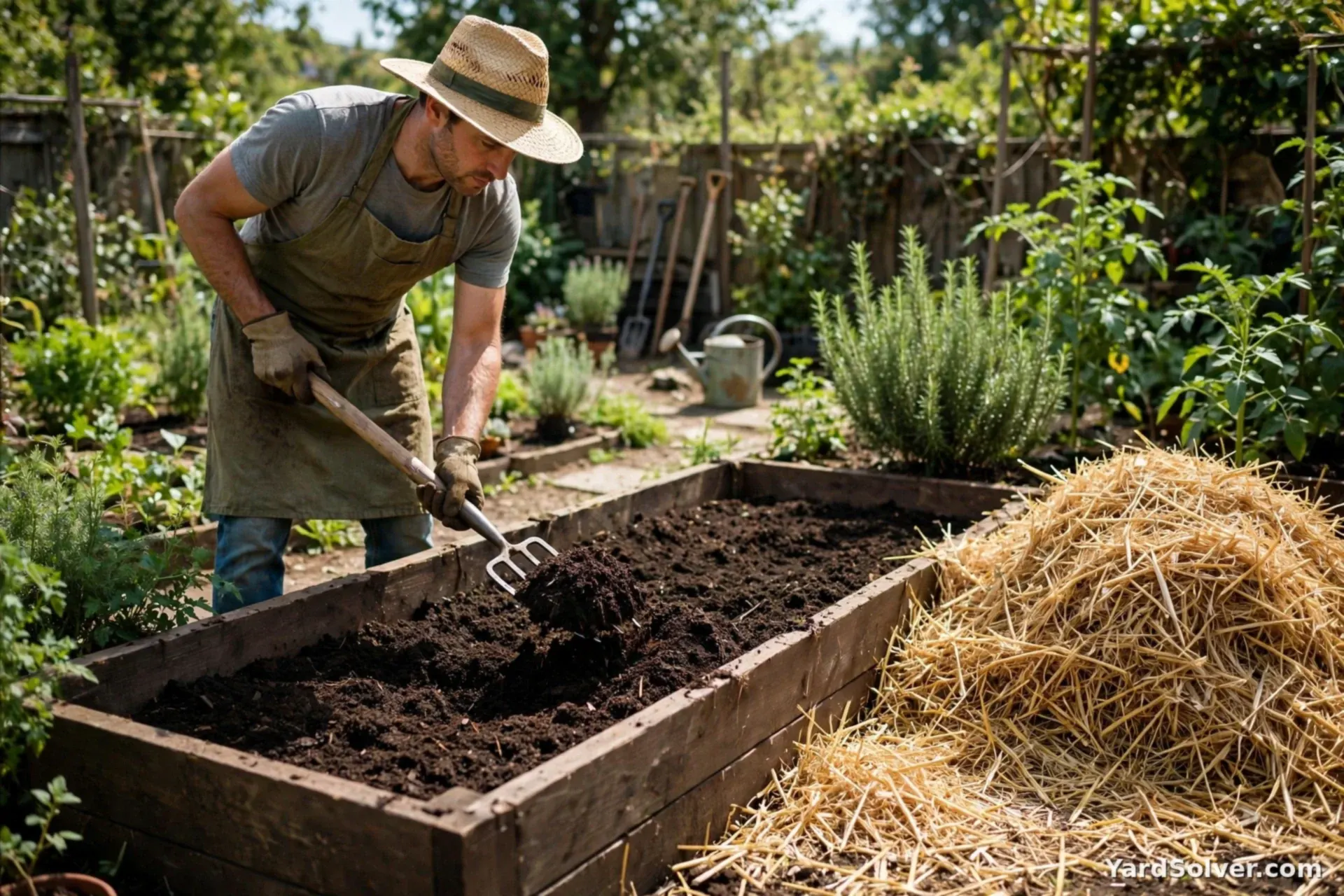
Sun: Full sun. Deep, rich soil with plenty of compost worked in before planting — artichokes are big, hungry plants that resent poor ground. Mulch thickly to hold the moisture in. Work out how much you need with the Garden Mix Calculator or the Raised Bed Soil Calculator.
Step 3 — Sow and plant out
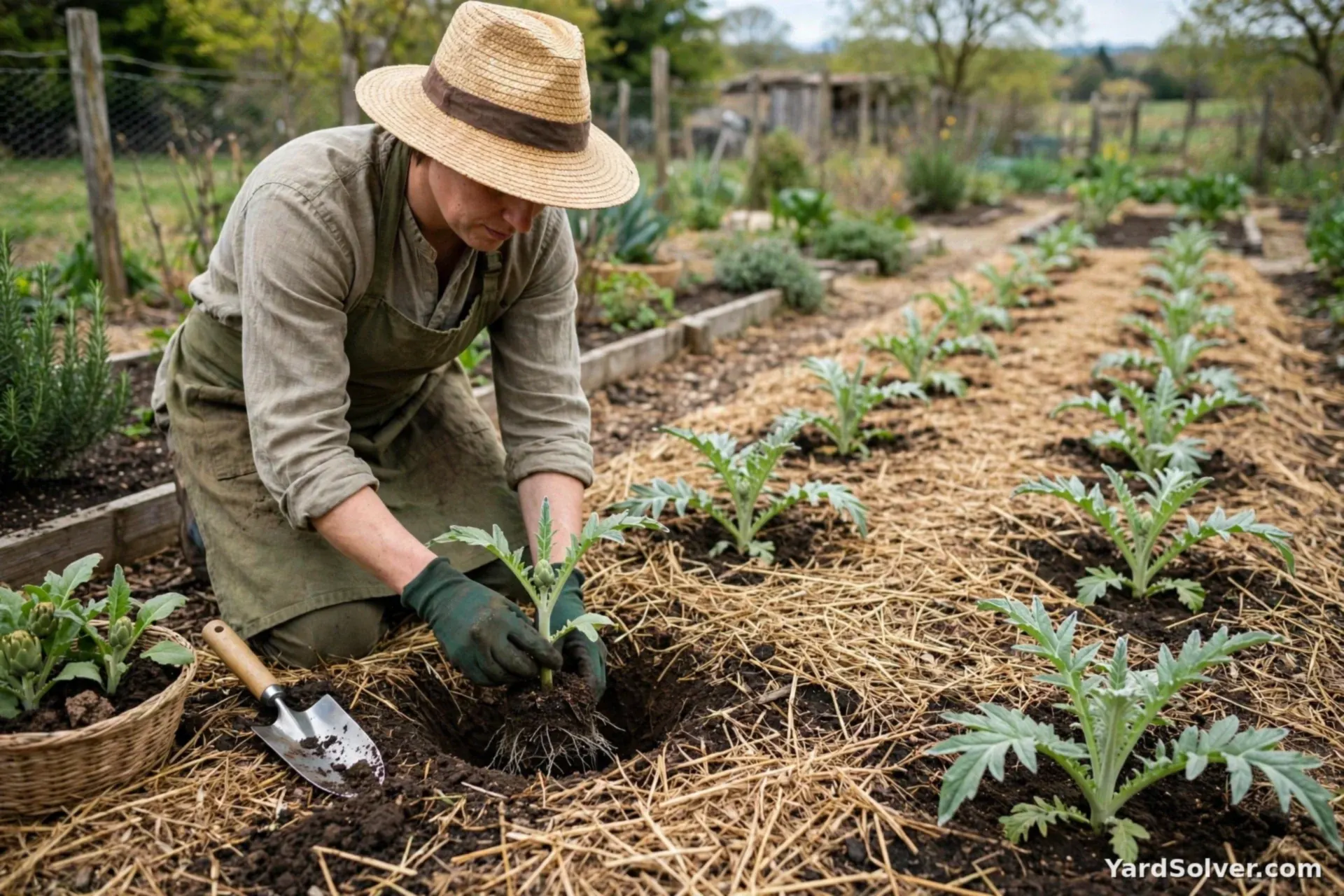
Start seed indoors 9 weeks before last frost, sowing 1/4 in deep. Grow seedlings on in strong light, then harden them off over 7–10 days (see How to Harden Off Seedlings) and move them outside 1 week after last frost, spaced 36–48 in apart. The Plant Spacing Calculator turns that spacing into plants-per-bed.
Step 4 — Water and feed
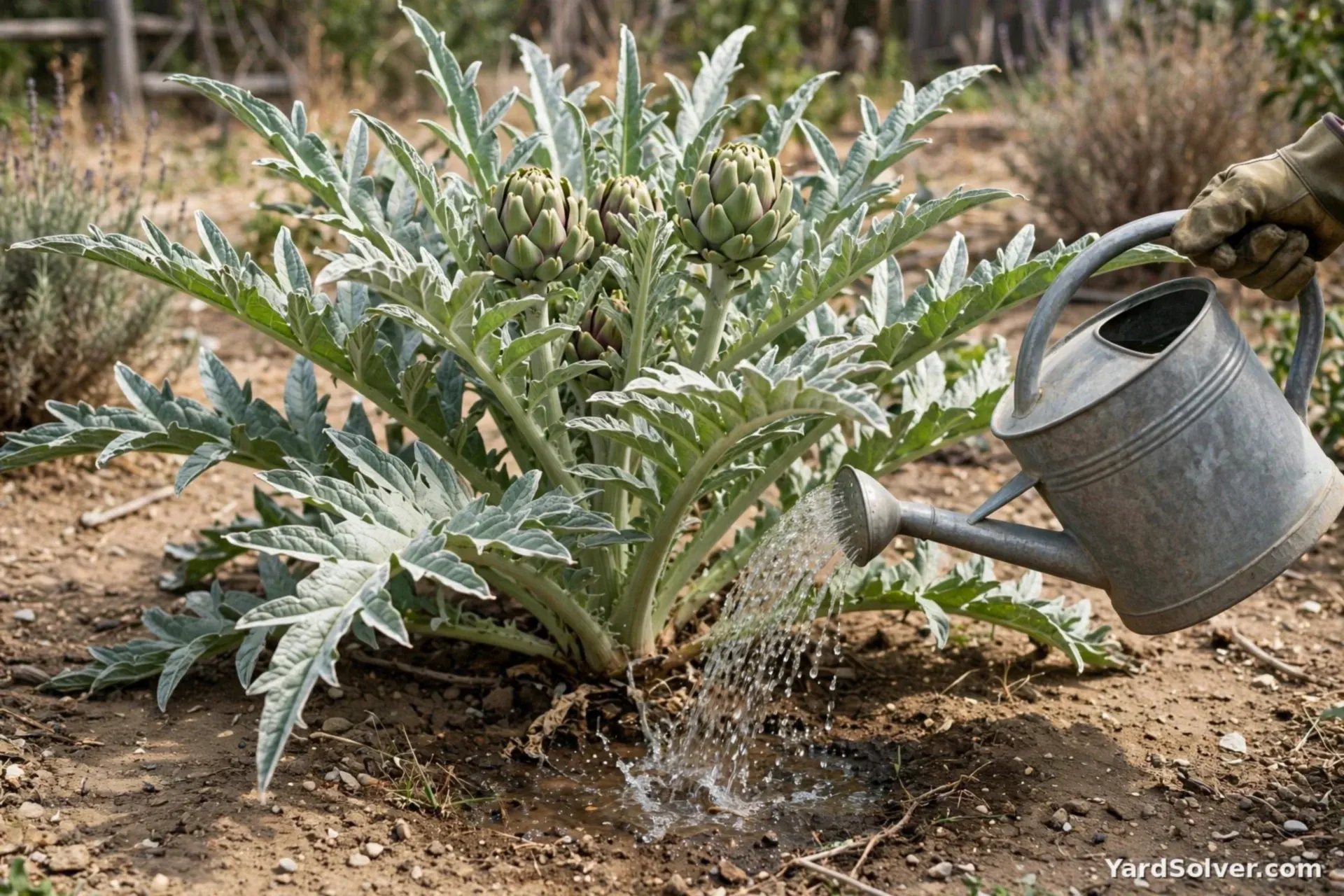
Water: Deep and regular. First feed: around day 40 — Artichokes are hungry, thirsty plants — feed about six weeks after transplanting and water deeply in dry spells. The Fertilizer Calculator turns a bed size into the right amount.
Step 5 — Care and the problems to watch for
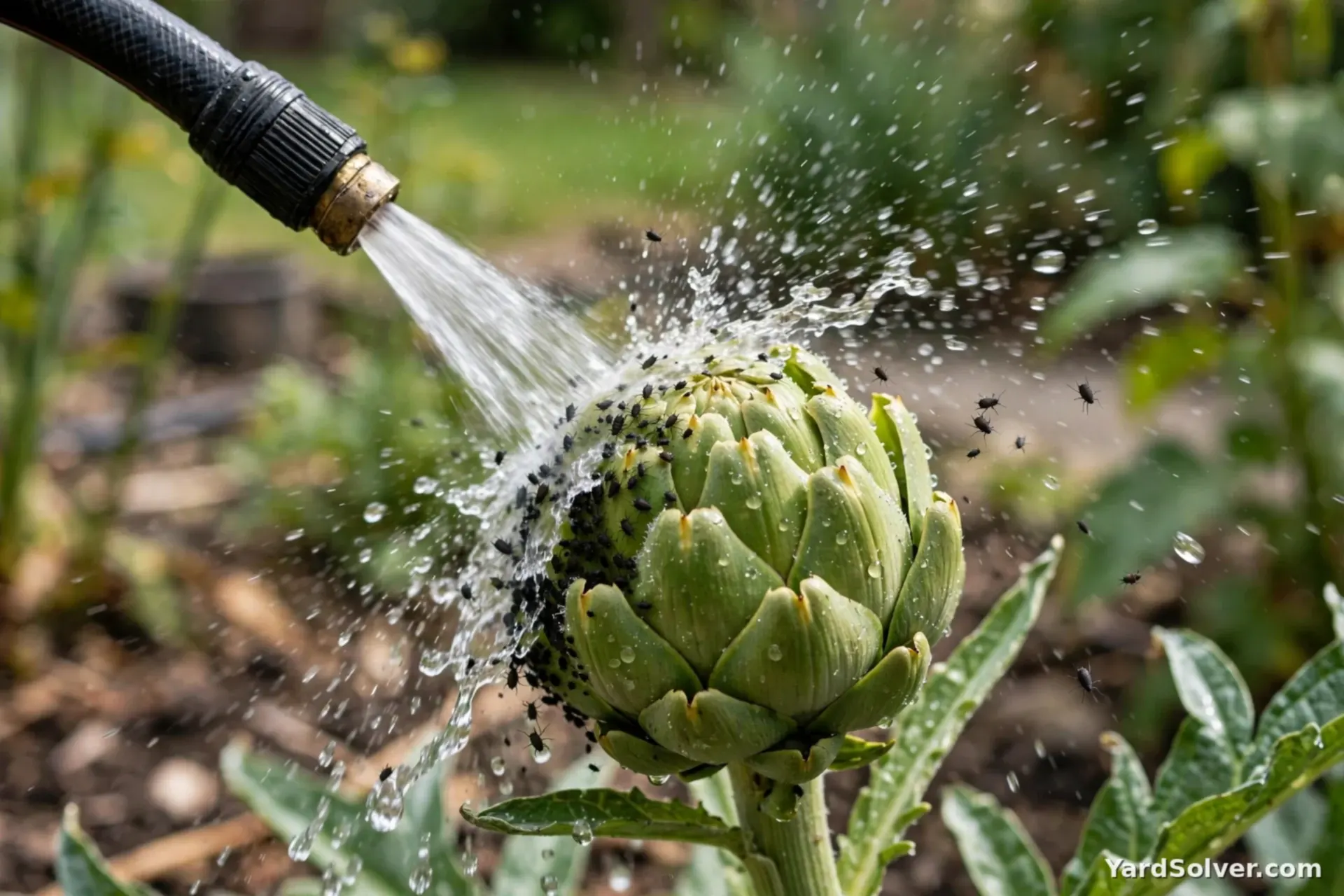
- Aphids and black fly — they cluster on buds and stems; blast them off with water or wipe them away.
- Buds opening into flowers — they were left too long; cut buds while the scales are still tight.
- Crown rot in wet winter soil — in cold areas, cut plants down in fall and mulch the crowns thickly, or treat the plant as an annual.
Take care: If you are allergic to ragweed, marigolds or chrysanthemums, artichoke is in the same family — take care with first tastes.
Step 6 — Harvest
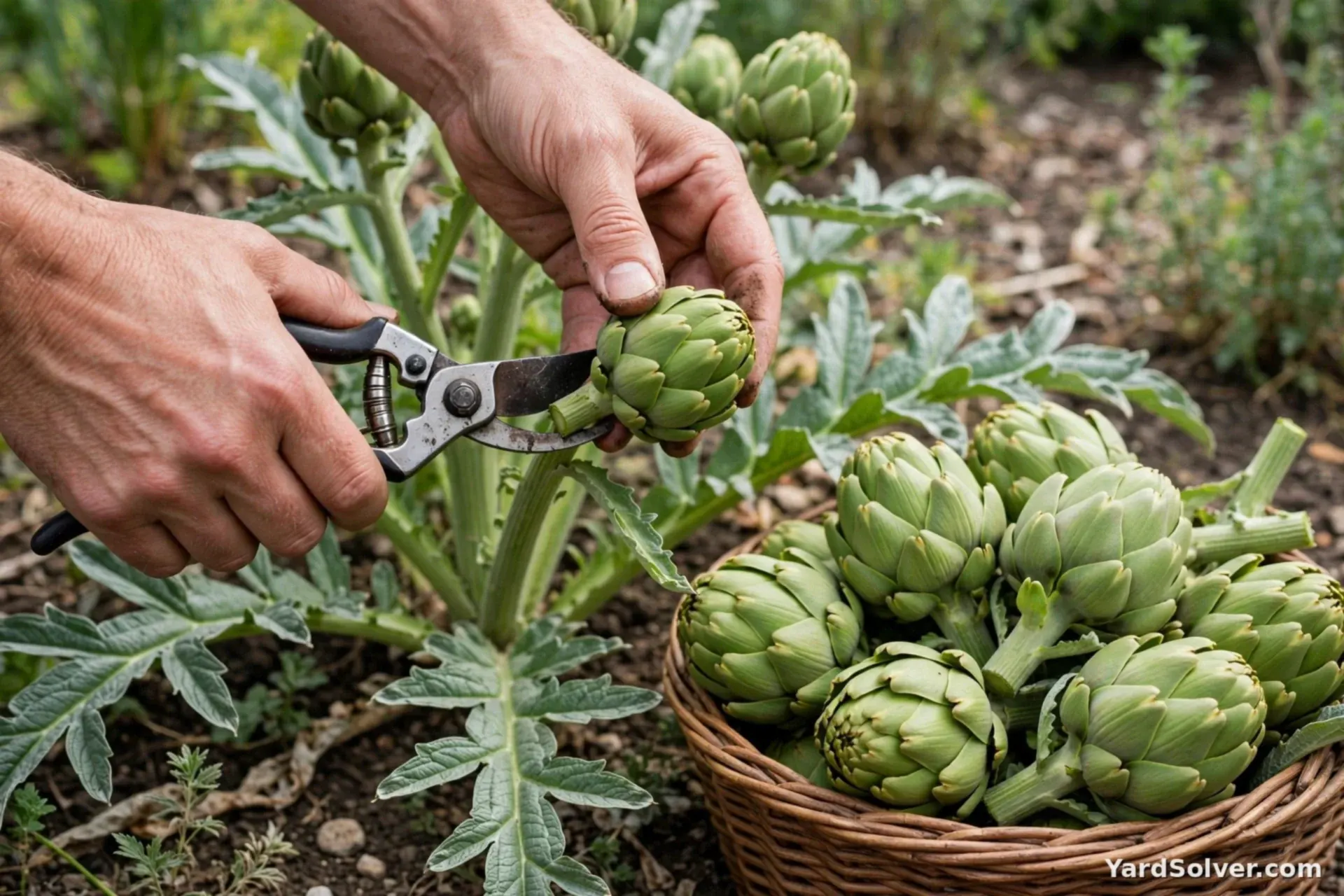
Ready in: 85–100 days after transplant. Harvest runs from about day 85 to 100 after transplant — cut buds while they are tight and green, with an inch or two of stem.
📅 Your personal Artichoke schedule
Counted from your planting day — not a generic calendar. Day 0 is the day the seed went in the ground or the young plant went out.
Varieties worth growing
| Variety | Colour | Why gardeners like it |
|---|---|---|
| Green Globe | Green | The classic globe — big, tender buds and the standard for home gardens |
| Imperial Star | Green | Bred to bud in its first year from seed — the cold-garden choice |
| Violetto | Purple | An Italian type with violet-tinged buds, pretty enough for the flower border |
| Emerald | Green | Nearly thornless plants, easier to handle at harvest |
| Big Heart | Green | Extra-large buds on strong plants where summers are long |
Good for you — and take care
Benefits
- Provides fibre that supports good digestion
- A source of vitamin C and folate
- Provides potassium
- Traditionally valued for digestion — its pleasant bitterness comes from a compound called cynarin
- Low in calories for its size
Take care
- Artichokes can cause gas and bloating in some people — start with a small serving
- People allergic to the daisy family (ragweed, marigold, chrysanthemum) may react to artichoke
- Eat buds fresh or keep them in the fridge — they darken and toughen within days
A little history — and one good fact
The globe artichoke was developed around the Mediterranean from the wild cardoon — growers, probably in Sicily and North Africa, selected plants with huge, tender flower buds. It was a luxury in Renaissance Italy and France before gardeners everywhere took it up.
Fun fact: The part you eat is an unopened flower bud — leave one on the plant and it opens into a spectacular violet thistle flower as wide as your hand.
Keep going
Guides: When to Start Seeds Indoors · How to Harden Off Seedlings · How to Get Rid of Aphids
Calculators: Plant Spacing Calculator · Seed Calculator · Fertilizer Calculator · Garden Mix Calculator
More vegetables: Eggplant · Pepper · Tomato
← Back to the Plant Library · Get your personal planting dates
Questions people ask
When do I plant artichoke?
Count from your average last spring frost: sow indoors 9 weeks before last frost; move outside 1 week after last frost. Artichokes are a warm-season crop with a twist: start seeds indoors about 9 weeks before your last frost and transplant about 1 week after it — in cold gardens the young plants also need a spell of cool (not freezing) weather to persuade them to bud the same year.
How far apart do I space artichoke?
Space plants 36–48 in apart, with seed sown 1/4 in deep. Sun: full sun.
When is artichoke ready to harvest?
85–100 days after transplant. A big, handsome plant: grown as an annual in cold gardens (with a chilly spell so buds form) and as a perennial where winters are mild.