
Plant Library · Vegetables
How to Grow Beets
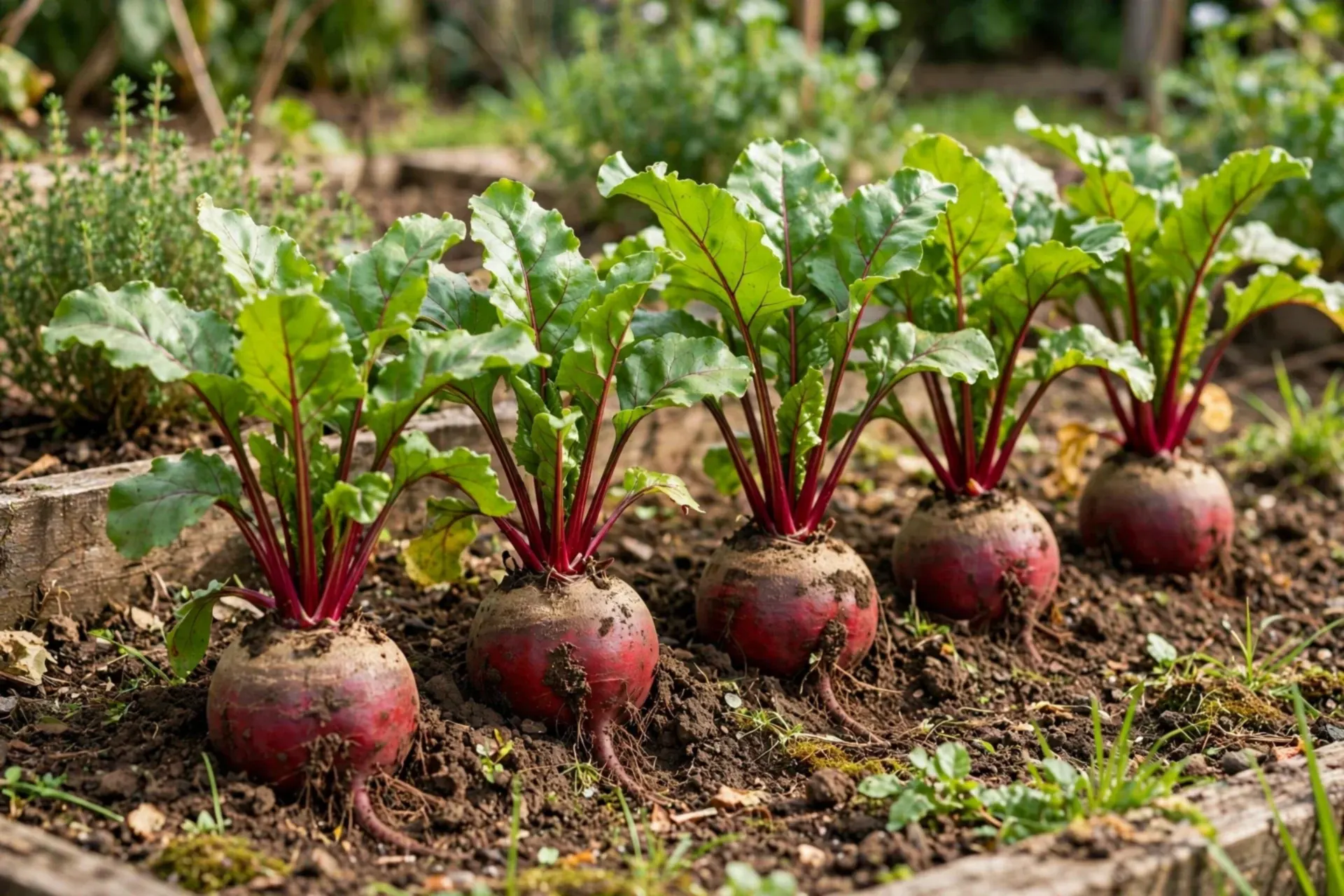
Each 'seed' is a cluster — thin seedlings so roots can swell. Beets are a cool-season crop: direct sow about 3 weeks before your last frost, and thin the seedlings so the roots have room to swell — each beet 'seed' is really a cluster that sprouts several plants.
Grow Beets with us — step by step
Everything for this plant is written step by step below — what to do, and exactly when. Read it through first if you like: you can grow it entirely on your own with that guide. Or start with us here — tell us your planting day and we lay out your personal schedule on this page, every next step on its own day, counted from your planting date. No guessing, no forgetting.
Step 1 — today: Sow your Beets seeds today: 1/2 in deep, spaced 2–4 in apart, in full sun. Water the row in well and keep it moist while seeds sprout.
Beets at a glance
Sow outdoors: 3 weeks before last frost
Spacing: 2–4 in · Seed depth: 1/2 in
Sun: Full sun
Water: Even moisture
Harvest: 55–65 days
Timing counts from your average last spring frost — get your own dates in the Planting Calendar. Guidance follows standard extension-service practice for Canada and the US.
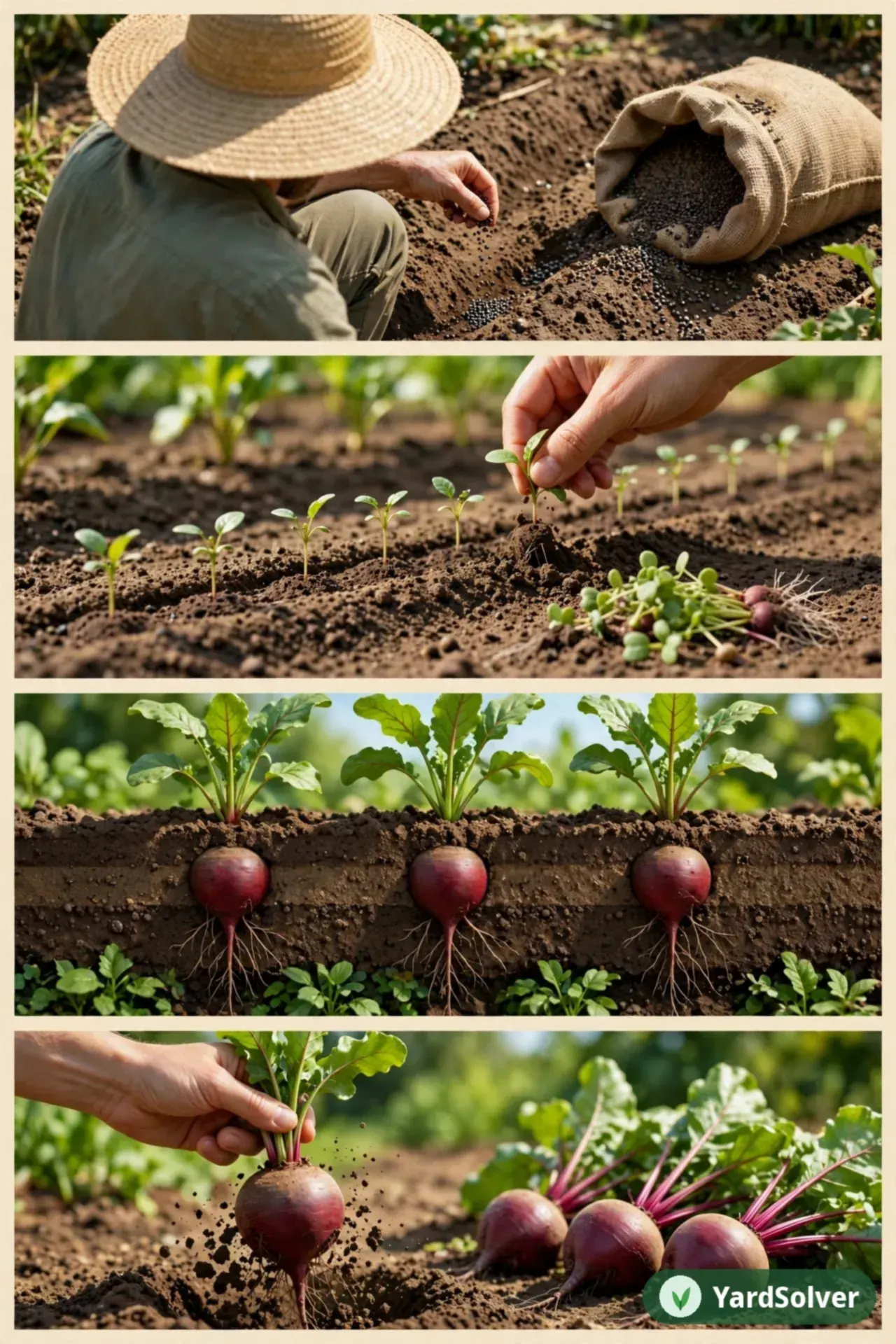
How to plant and grow beets, step by step
Step 1 — Time it right
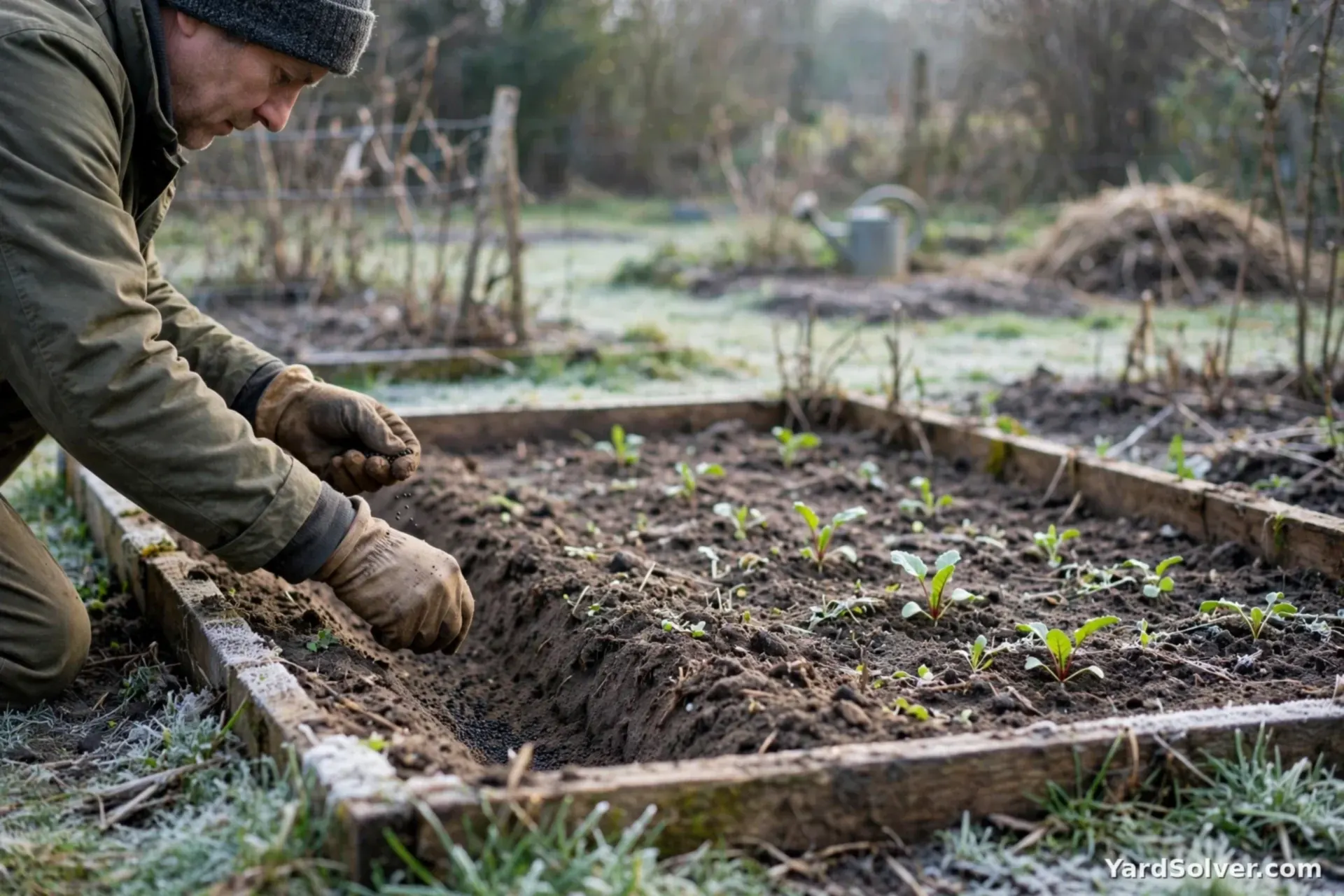
Sow outdoors: 3 weeks before last frost. All dates count from your average last spring frost — the Planting Calendar turns them into real dates for your garden. Beets are a cool-season crop: direct sow about 3 weeks before your last frost, and thin the seedlings so the roots have room to swell — each beet 'seed' is really a cluster that sprouts several plants.
Step 2 — Prepare the spot
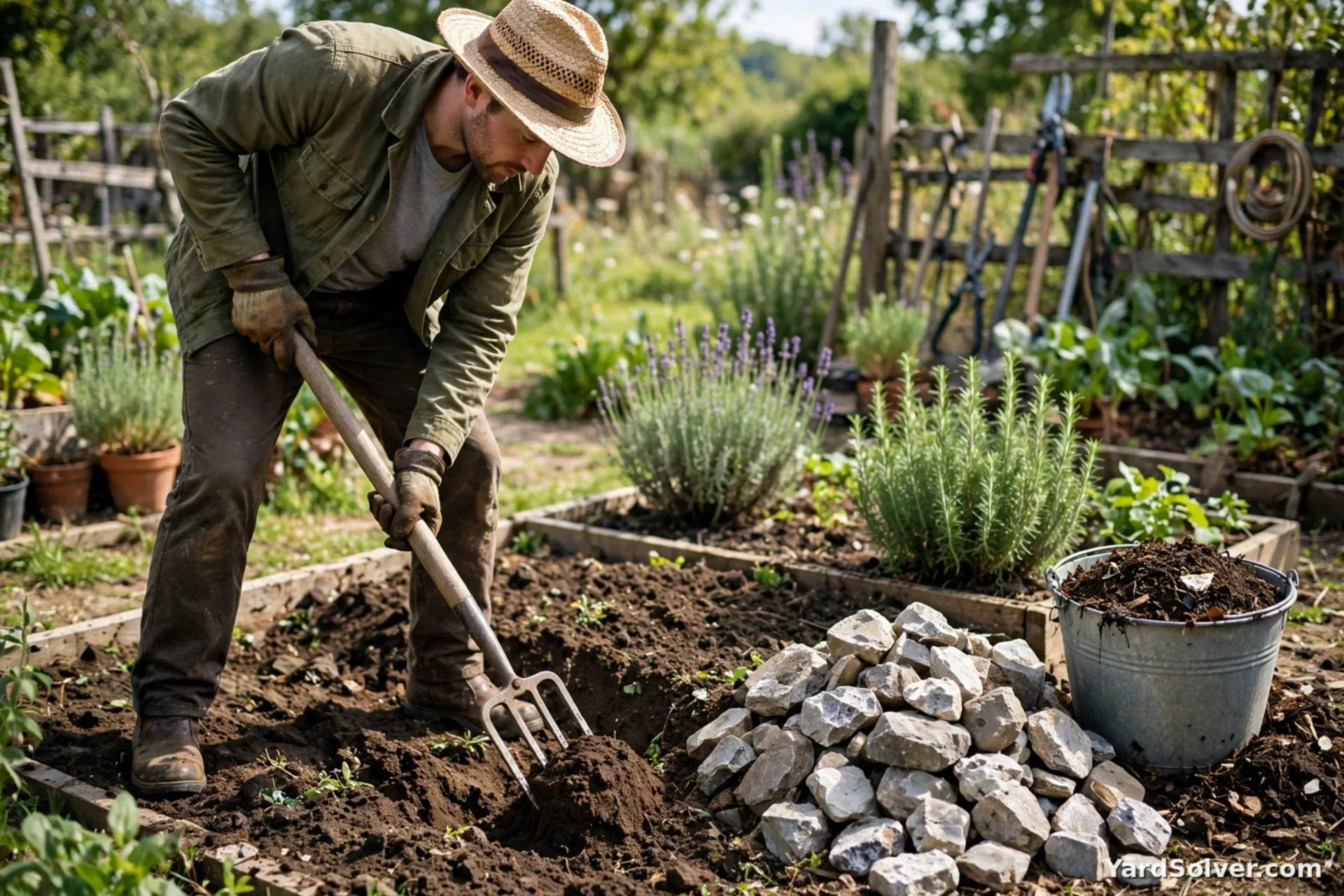
Sun: Full sun. Loose, stone-free soil is the whole secret for root crops — dig it over, pick out stones, and work in compost (never fresh manure, which forks roots). Depth and drainage matter more than feeding. Work out how much you need with the Garden Mix Calculator or the Raised Bed Soil Calculator.
Step 3 — Sow and plant out
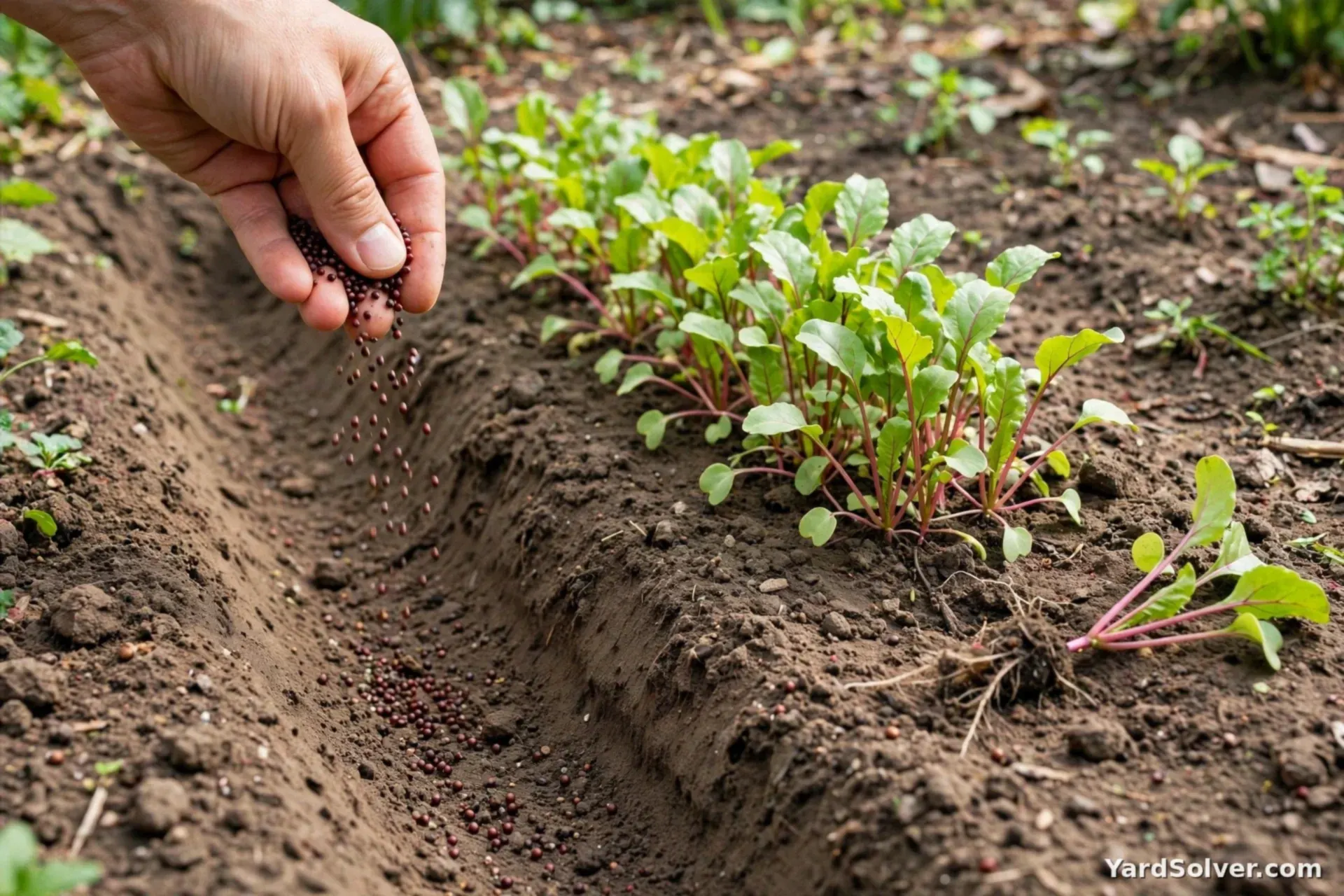
Sow directly where they will grow, 3 weeks before last frost, 1/2 in deep and 2–4 in apart (thin seedlings to that spacing once they are up). The Seed Calculator works out how much seed a bed needs.
Step 4 — Water and feed
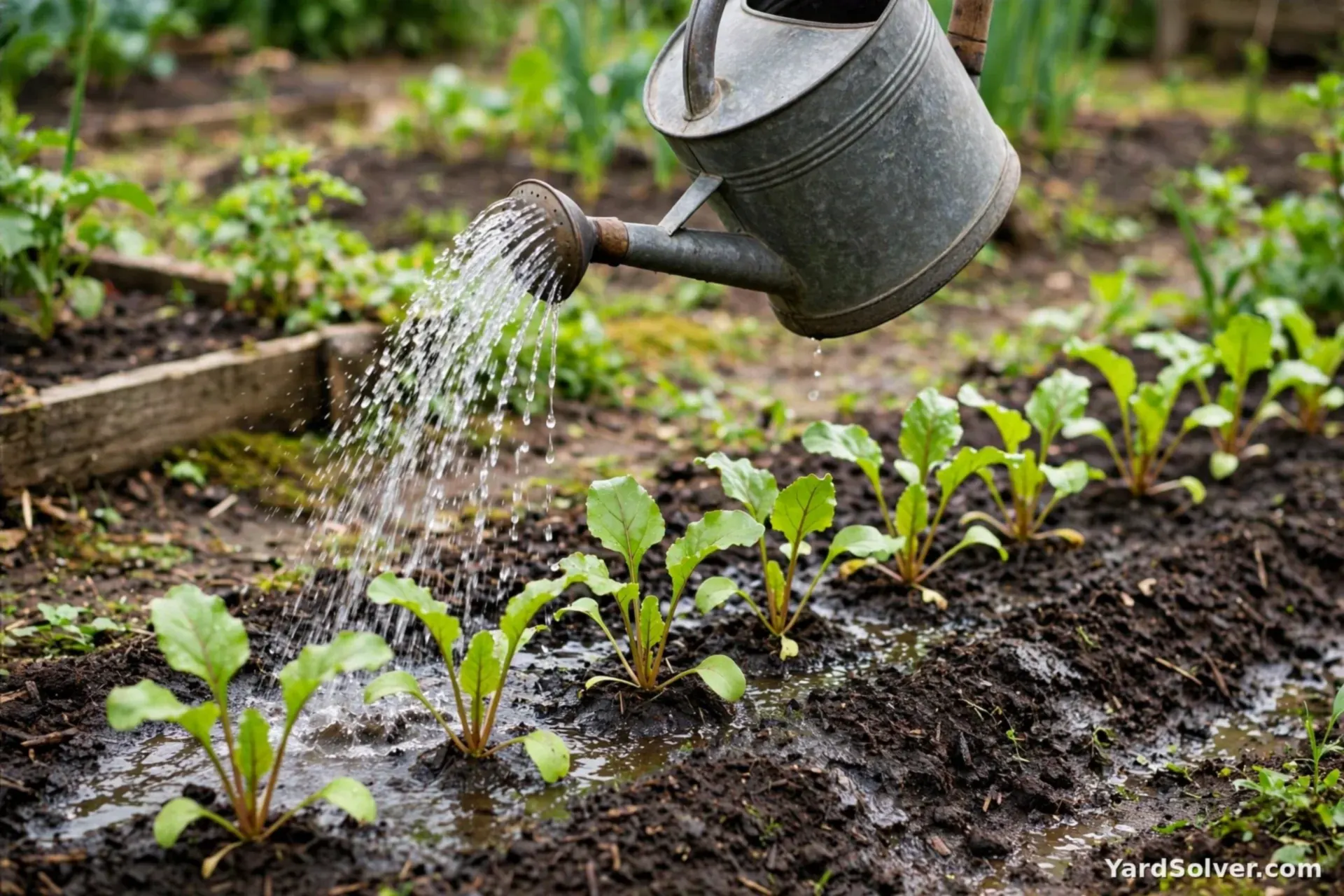
Water: Even moisture. The Fertilizer Calculator turns a bed size into the right amount.
Step 5 — Care and the problems to watch for
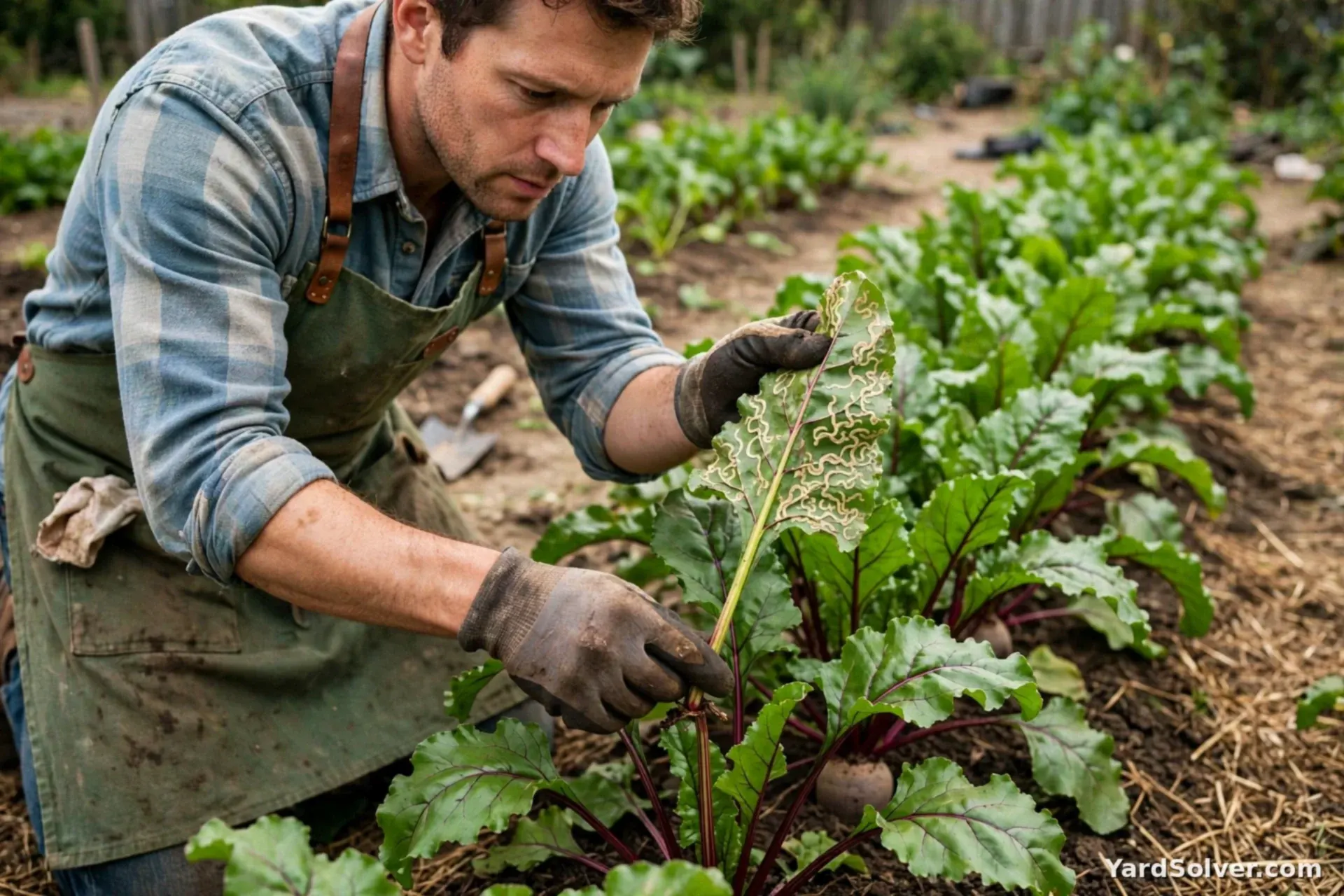
- Leaf miners — tunnels in the leaves; the roots are unaffected, remove bad leaves.
- Scabby, corky roots — from dry spells; keep moisture even.
- Bolting in a cold spring — sow a little later if seedlings were chilled.
Take care: Beets can turn urine and stools pink or red for a day — it looks alarming but is harmless. Beets are high in oxalates, so people who are prone to kidney stones are often advised to limit them. Beets contain more natural sugar than most vegetables, so people counting sugars treat them accordingly.
Step 6 — Harvest
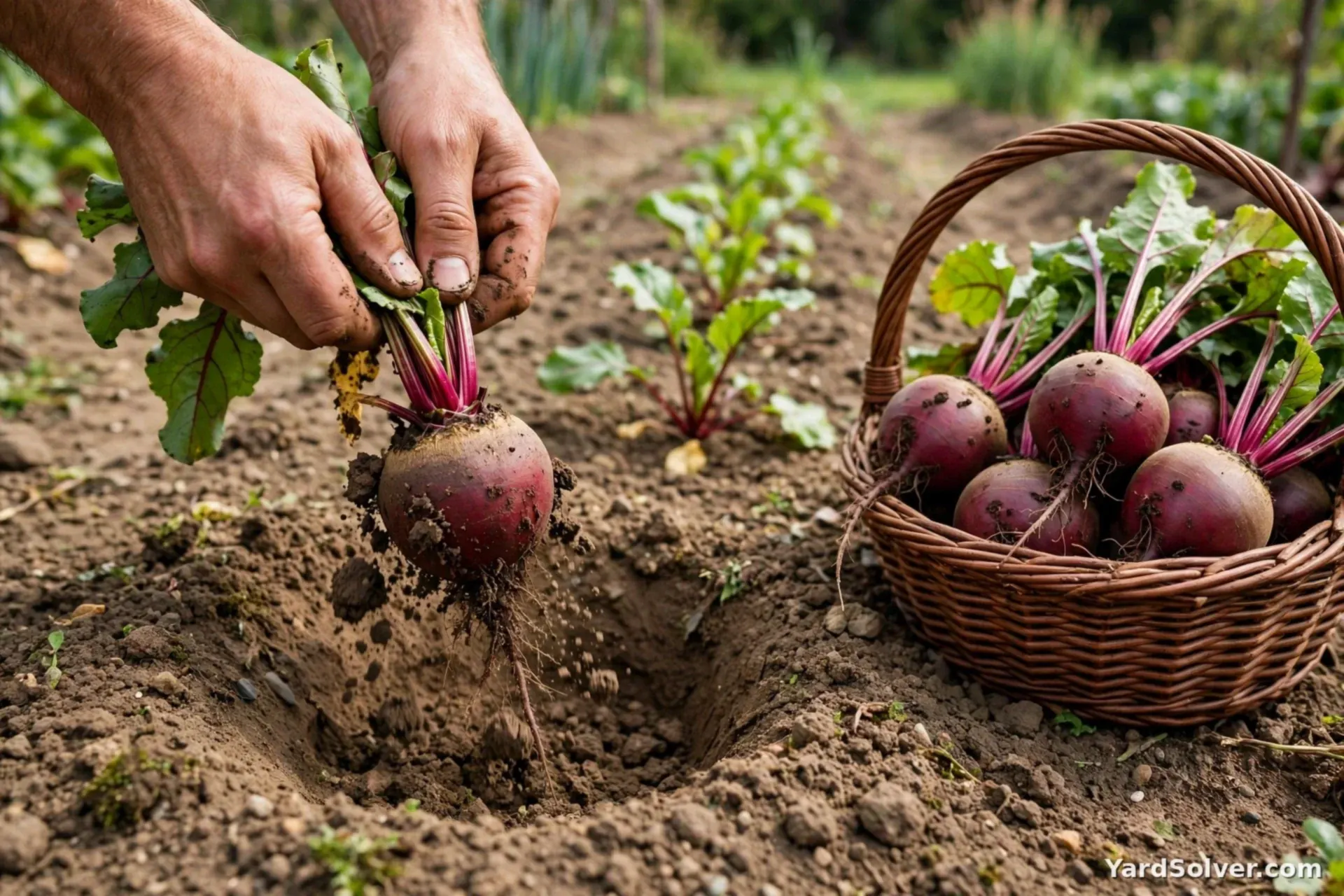
Ready in: 55–65 days. Harvest runs from about day 55 to 65 — pull roots at golf-ball to tennis-ball size, and cook the thinnings' leaves like spinach.
📅 Your personal Beets schedule
Counted from your planting day — not a generic calendar. Day 0 is the day the seed went in the ground or the young plant went out.
Varieties worth growing
| Variety | Colour | Why gardeners like it |
|---|---|---|
| Detroit Dark Red | Deep red | The standard garden beet — round roots, reliable for fresh eating and canning |
| Bull's Blood | Red with dark red leaves | Grown as much for its beautiful dark leaves as for the roots |
| Golden | Golden yellow | Sweet and mild, and it does not stain hands and boards red |
| Chioggia | Red with white rings inside | An Italian heirloom with candy-stripe rings when sliced |
| Cylindra | Deep red | Long, carrot-shaped roots that slice into even rounds |
Good for you — and take care
Benefits
- A good source of folate, important for growing bodies
- Provides manganese and potassium
- Good source of fibre, and the tops are edible greens too
- Contains natural nitrates and pigments that nutrition scientists continue to study
- Low in calories with an earthy, sweet taste
Take care
- Beets can turn urine and stools pink or red for a day — it looks alarming but is harmless
- Beets are high in oxalates, so people who are prone to kidney stones are often advised to limit them
- Beets contain more natural sugar than most vegetables, so people counting sugars treat them accordingly
A little history — and one good fact
Beets come from the sea beet, a wild plant of Mediterranean and European coasts. The ancient Romans grew beets mainly for their leaves, and the swollen sweet roots we eat today were bred later in Europe. A cousin of the garden beet, the sugar beet, went on to become one of the world's main sources of sugar.
Fun fact: Beetroot is such a strong natural dye that its juice has long been used to colour foods — and eating a lot of it can turn your pee pink, a harmless effect with its own name: beeturia.
Keep going
Guides: When to Start Seeds Indoors · How to Prepare Garden Soil in Spring · How to Harden Off Seedlings
Calculators: Plant Spacing Calculator · Seed Calculator · Garden Mix Calculator
More vegetables: Tomato · Pepper · Cucumber
← Back to the Plant Library · Get your personal planting dates
Questions people ask
When do I plant beets?
Count from your average last spring frost: sow outdoors 3 weeks before last frost. Beets are a cool-season crop: direct sow about 3 weeks before your last frost, and thin the seedlings so the roots have room to swell — each beet 'seed' is really a cluster that sprouts several plants.
How far apart do I space beets?
Space plants 2–4 in apart, with seed sown 1/2 in deep. Sun: full sun.
When is beets ready to harvest?
55–65 days. Each 'seed' is a cluster — thin seedlings so roots can swell.