
Plant Library · Vegetables
🫛 How to Grow Black-Eyed Peas
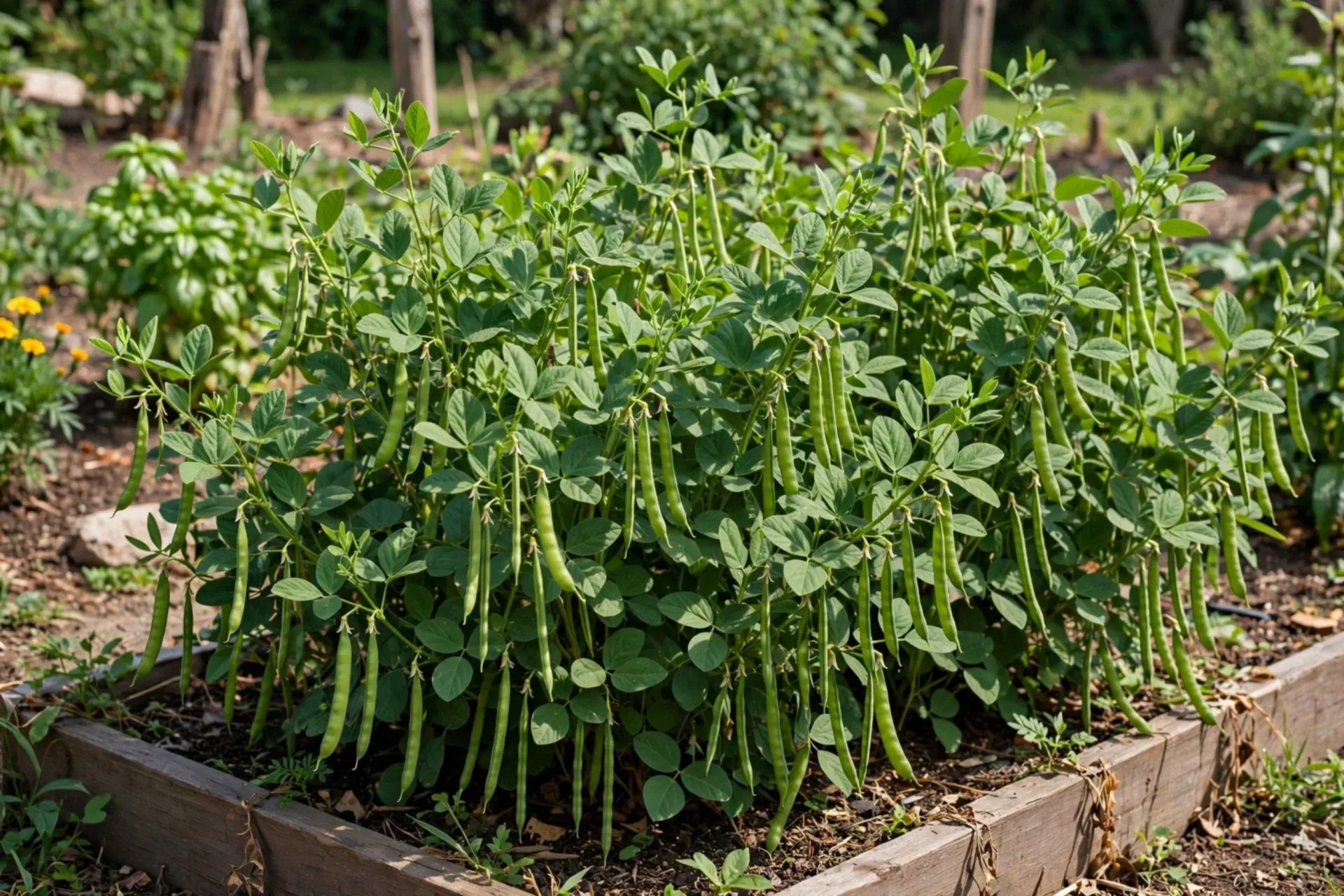
Not a true pea but a cowpea from West Africa: a southern heat lover that shrugs off drought and poor soil, and crops when almost everything else has given up in the heat. Black-eyed peas are cowpeas, not peas — a crop carried from West Africa that became the bean of the American South. They ask for heat and forgive drought: sow after the soil is properly warm, then mostly leave them alone. Pick pods fresh for shelling, or let them dry on the plant for storage beans.
Grow Black-Eyed Peas with us — step by step
Everything for this plant is written step by step below — what to do, and exactly when. Read it through first if you like: you can grow it entirely on your own with that guide. Or start with us here — tell us your planting day and we lay out your personal schedule on this page, every next step on its own day, counted from your planting date. No guessing, no forgetting.
Step 1 — today: Sow Black-Eyed Pea seed today where the plants will grow, 1 in deep, and water the row in well. After that, they mostly look after themselves.
Black-Eyed Peas at a glance
Sow outdoors: 2 weeks after last frost
Spacing: 4–6 in · Seed depth: 1 in
Sun: Full sun
Water: Light once established — one of the most drought-tolerant crops in the garden
Harvest: 60–90 days
Timing counts from your average last spring frost — get your own dates in the Planting Calendar. Guidance follows standard extension-service practice for Canada and the US.
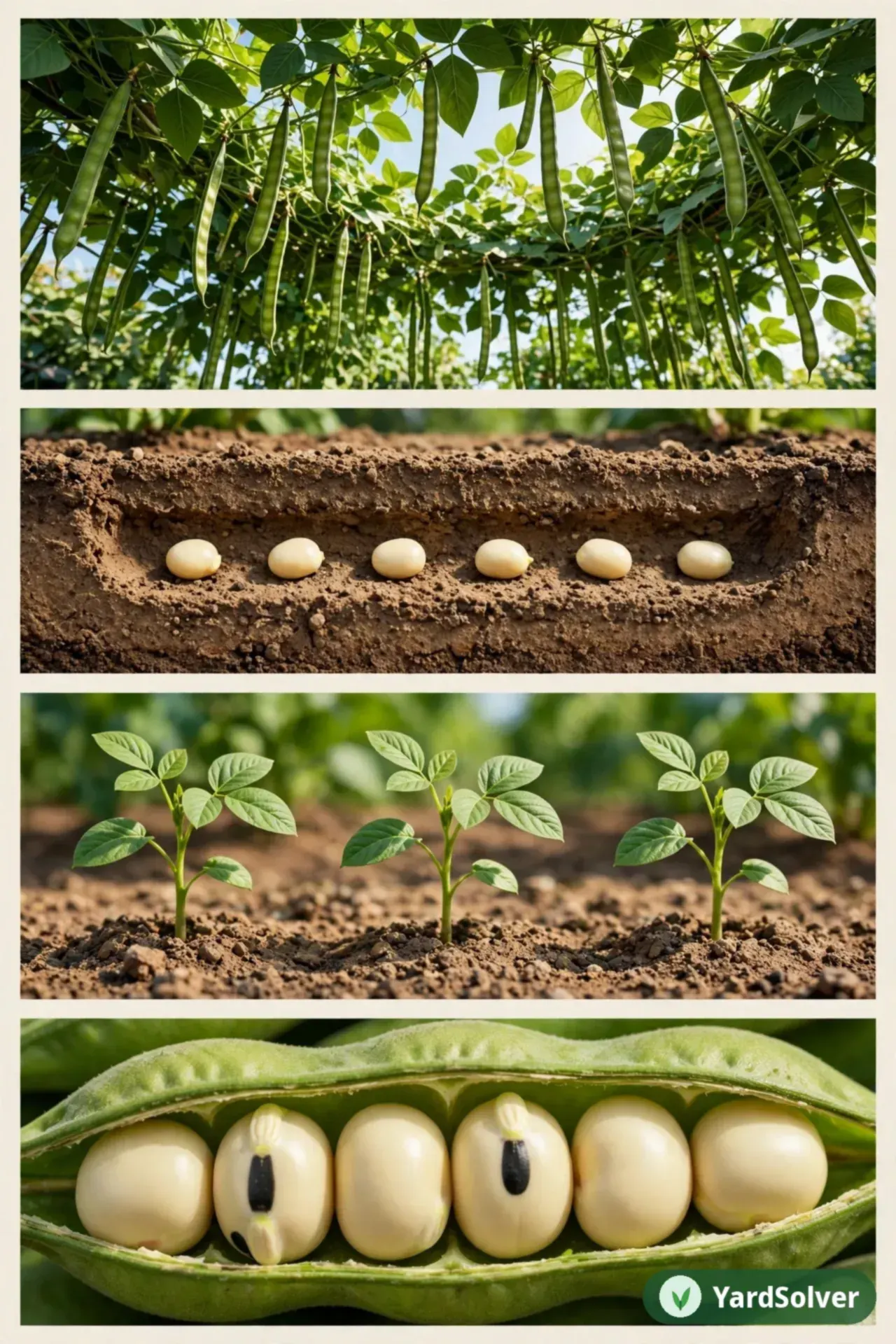
How to plant and grow black-eyed peas, step by step
Step 1 — Time it right
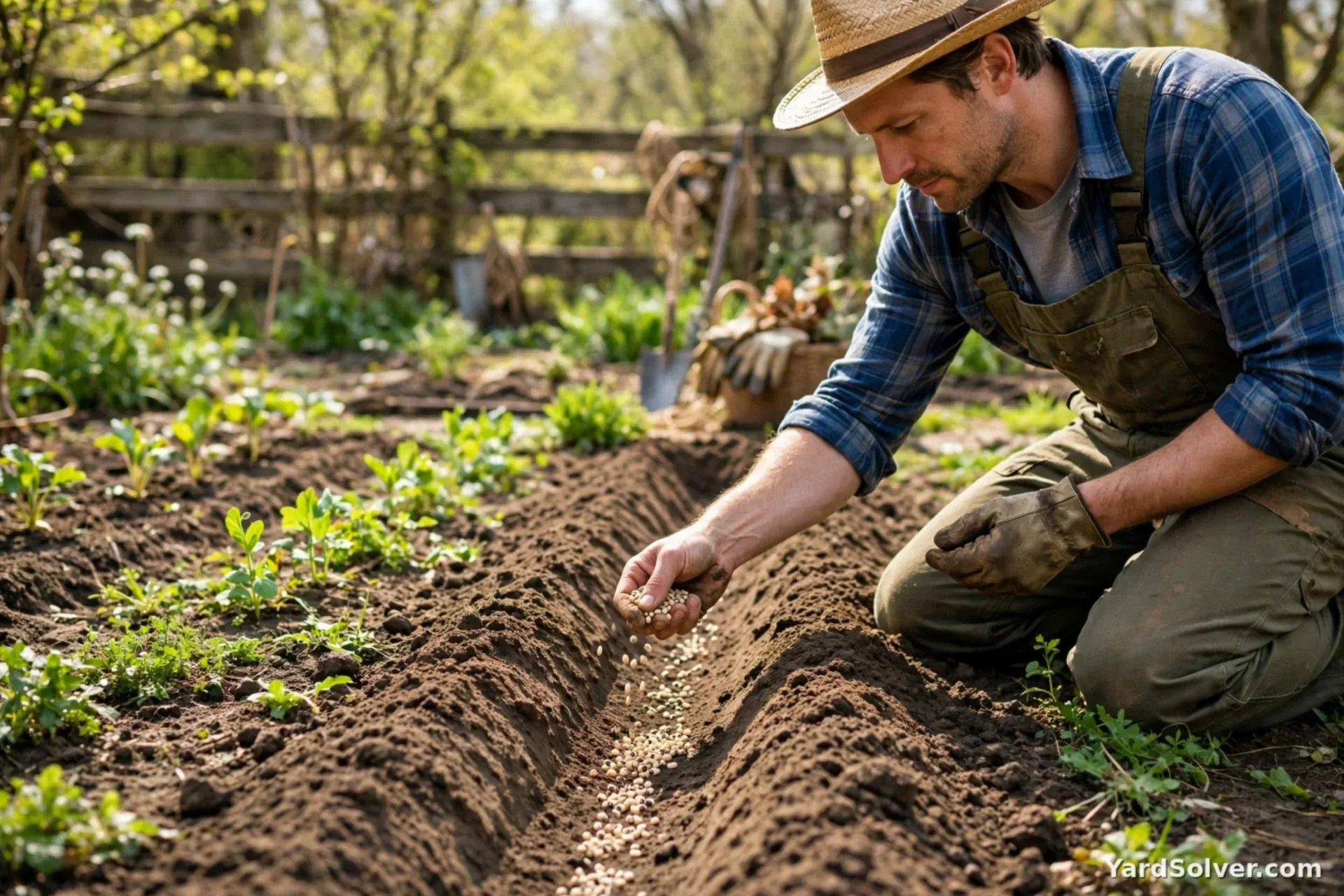
Sow outdoors: 2 weeks after last frost. All dates count from your average last spring frost — the Planting Calendar turns them into real dates for your garden. Black-eyed peas are cowpeas, not peas — a crop carried from West Africa that became the bean of the American South. They ask for heat and forgive drought: sow after the soil is properly warm, then mostly leave them alone. Pick pods fresh for shelling, or let them dry on the plant for storage beans.
Step 2 — Prepare the spot
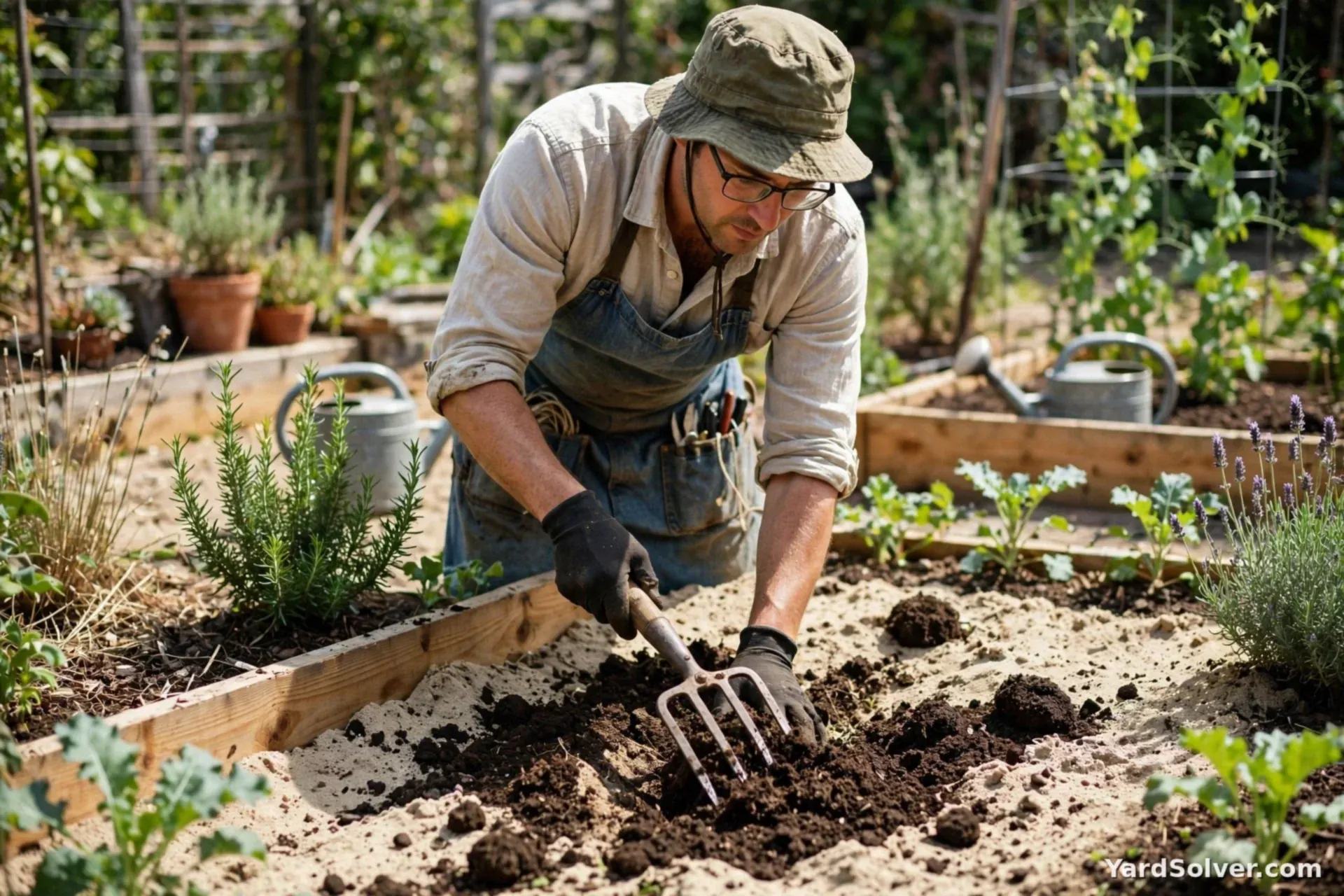
Sun: Full sun. Almost any soil, even poor and sandy — cowpeas evolved for tough ground; just work in a little compost and give them drainage. Work out how much you need with the Garden Mix Calculator or the Raised Bed Soil Calculator.
Step 3 — Sow and plant out
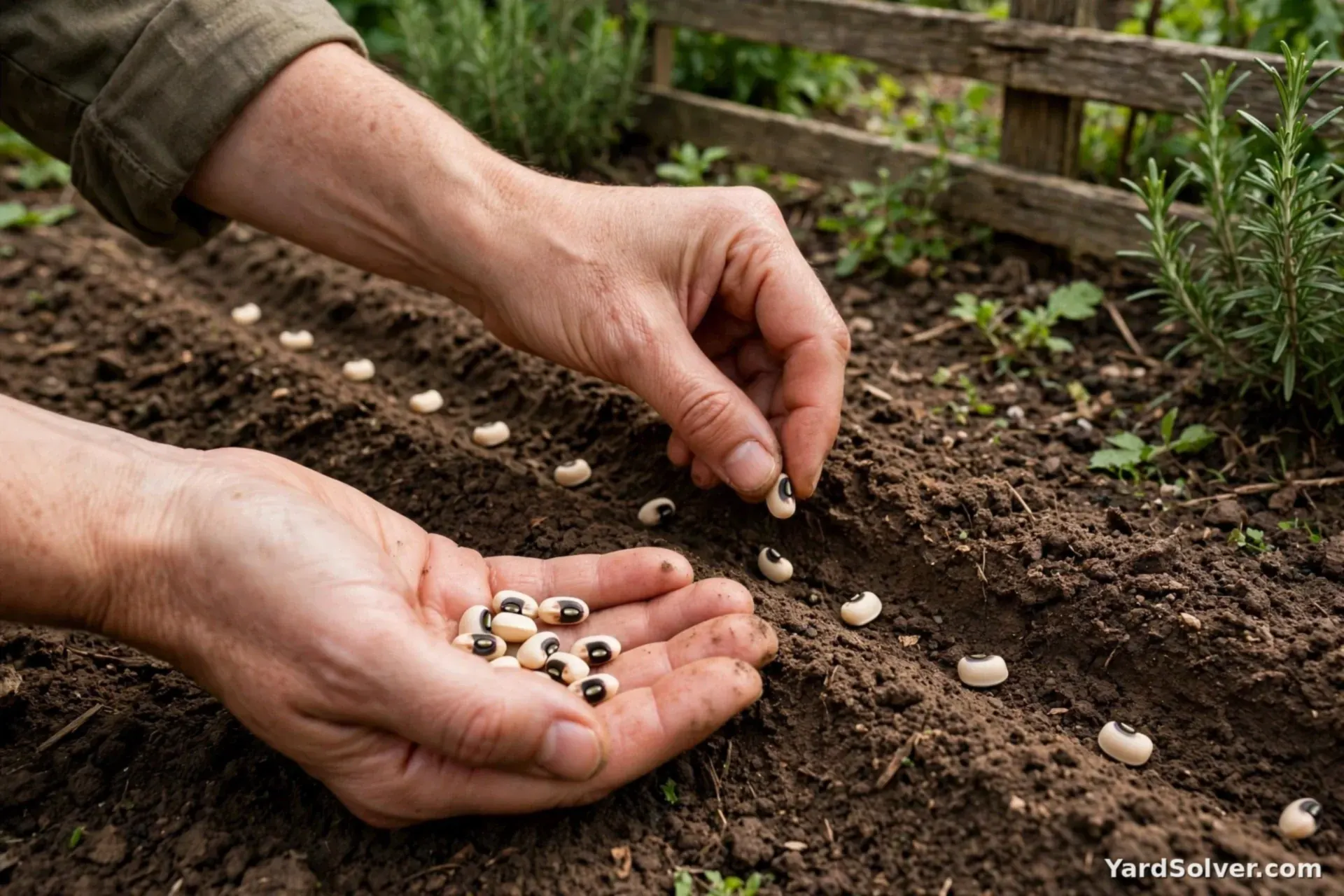
Sow directly where they will grow, 2 weeks after last frost, 1 in deep and 4–6 in apart. The Seed Calculator works out how much seed a bed needs. Bush types stand alone; vining types appreciate a fence or trellis to scramble up.
Step 4 — Water and feed
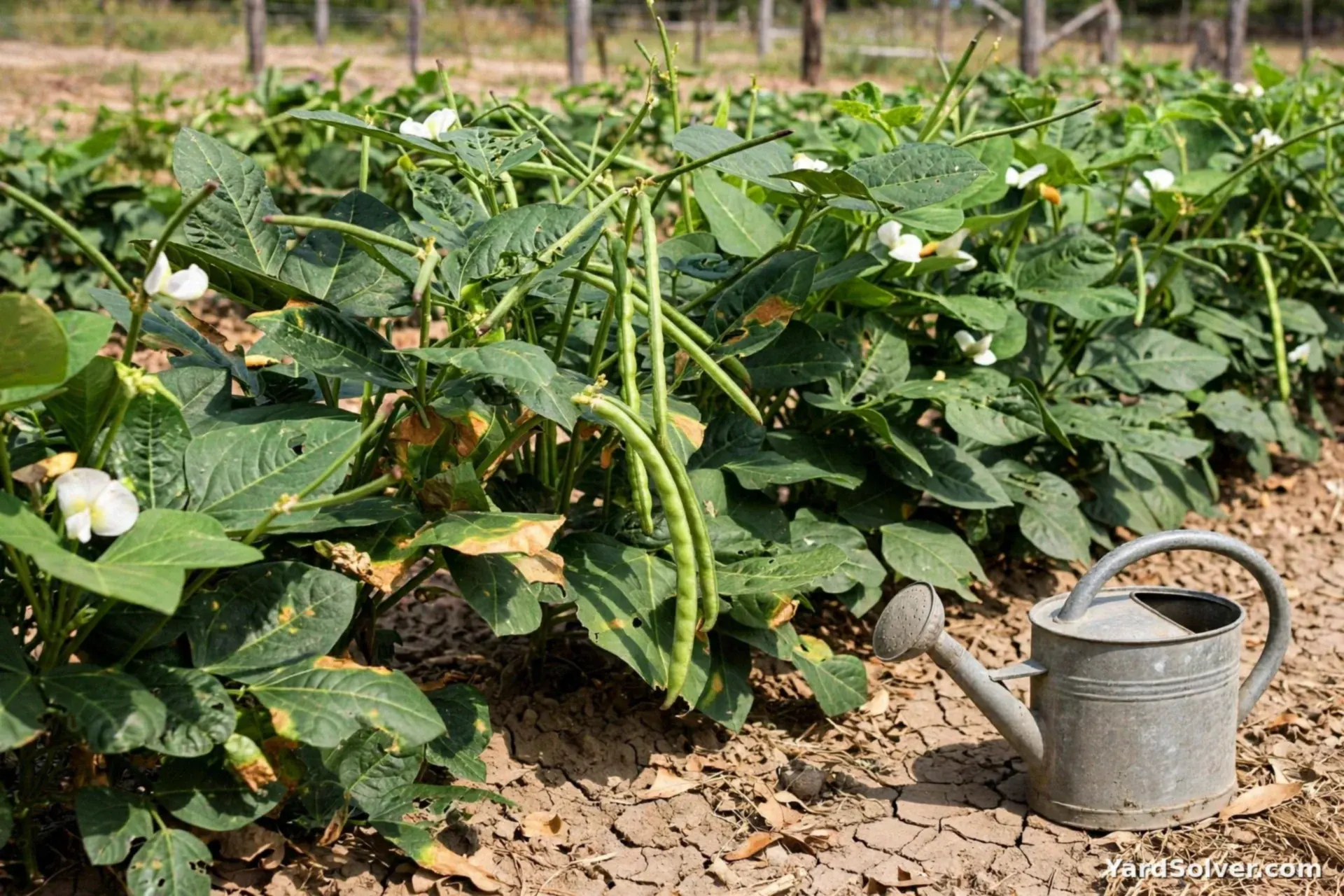
Water: Light once established — one of the most drought-tolerant crops in the garden. The Fertilizer Calculator turns a bed size into the right amount.
Step 5 — Care and the problems to watch for
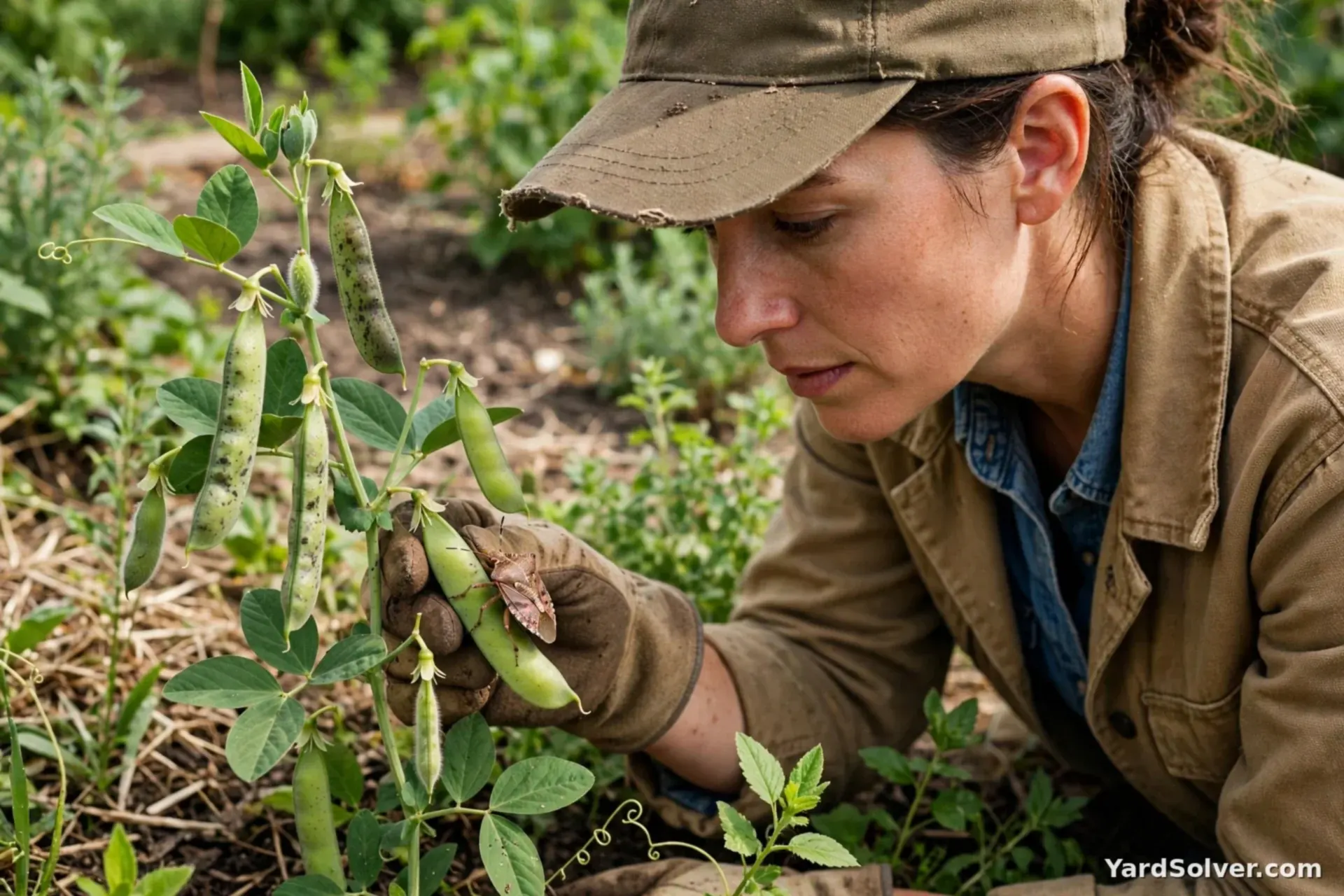
- Lush leaves but no pods — soil too rich or too much nitrogen feed; cowpeas fruit best on lean ground.
- Pods marked and beans stained — stink bugs feeding on young pods; pick promptly and often.
- Plants stalled in spring — soil was too cold; black-eyed peas are sown last, into warm ground, never early.
Take care: Fresh-shelled black-eyed peas cook fast — no overnight soak needed — but dried ones should be soaked and cooked thoroughly like other dry beans.
Step 6 — Harvest
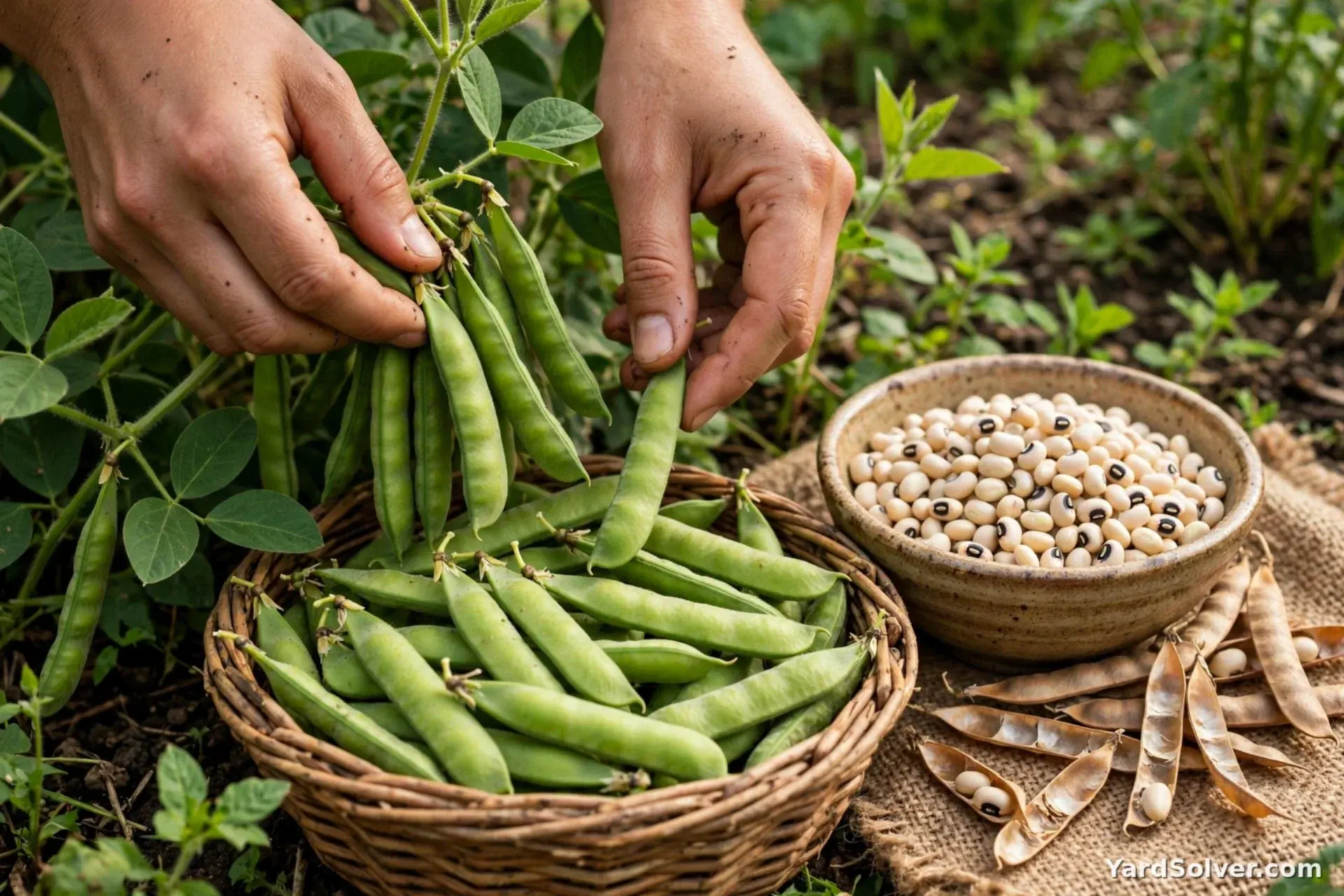
Ready in: 60–90 days. For fresh eating, pick from about day 60 as pods plump; for dry beans, wait until pods are tan and rattling, then shell and store.
📅 Your personal Black-Eyed Peas schedule
Counted from your planting day — not a generic calendar. Day 0 is the day the seed went in the ground or the young plant went out.
Varieties worth growing
| Variety | Colour | Why gardeners like it |
|---|---|---|
| California Blackeye No. 5 | Cream, black eye | The standard black-eyed pea — dependable, heavy yields of classic peas |
| Pinkeye Purple Hull | Cream, pink eye | A southern favourite that shells easily and colours its cooking water pink |
| Lady Cream | Small, pale cream | Tiny, sweet peas that need no soaking and cook in minutes |
| Mississippi Silver | Pale, silvery pods | A crowder type — peas packed so tightly in the pod they flatten against each other |
| Texas Cream 40 | Cream | A bush type bred for gardens — compact plants, generous pods |
Good for you — and take care
Benefits
- Provides plant protein and fibre together
- A source of folate, iron and magnesium
- Very filling — a staple crop in many food traditions
- The plants fix nitrogen and improve the soil
- Dried peas store for a year or more with no processing
Take care
- Cook dried black-eyed peas thoroughly, like all dry beans
- People with a legume allergy should be cautious, as with other beans
- Start with modest servings if beans are new to you — the fibre takes getting used to
A little history — and one good fact
Cowpeas were domesticated in West Africa over 5,000 years ago and travelled to the Americas in the 1600s and 1700s, becoming the field pea of the southern US. Black-eyed peas cooked with greens and pork became the New Year's Day dish Hoppin' John, eaten for luck.
Fun fact: Legend says black-eyed peas earned their luck after the American Civil War, when fields of cowpeas — dismissed as animal feed — fed families through a hungry winter.
Keep going
Guides: Why Are My Bean Leaves Turning Yellow? · Putting Your Garden to Bed · Companion Planting Basics
Calculators: Plant Spacing Calculator · Seed Calculator · Fertilizer Calculator · Garden Mix Calculator
More vegetables: Lima Beans · Green Beans · Yardlong Beans
← Back to the Plant Library · Get your personal planting dates
Questions people ask
When do I plant black-eyed peas?
Count from your average last spring frost: sow outdoors 2 weeks after last frost. Black-eyed peas are cowpeas, not peas — a crop carried from West Africa that became the bean of the American South. They ask for heat and forgive drought: sow after the soil is properly warm, then mostly leave them alone. Pick pods fresh for shelling, or let them dry on the plant for storage beans.
How far apart do I space black-eyed peas?
Space plants 4–6 in apart, with seed sown 1 in deep. Sun: full sun.
When is black-eyed peas ready to harvest?
60–90 days. Not a true pea but a cowpea from West Africa: a southern heat lover that shrugs off drought and poor soil, and crops when almost everything else has given up in the heat.