
Plant Library · Vegetables
🫘 How to Grow Lima Beans
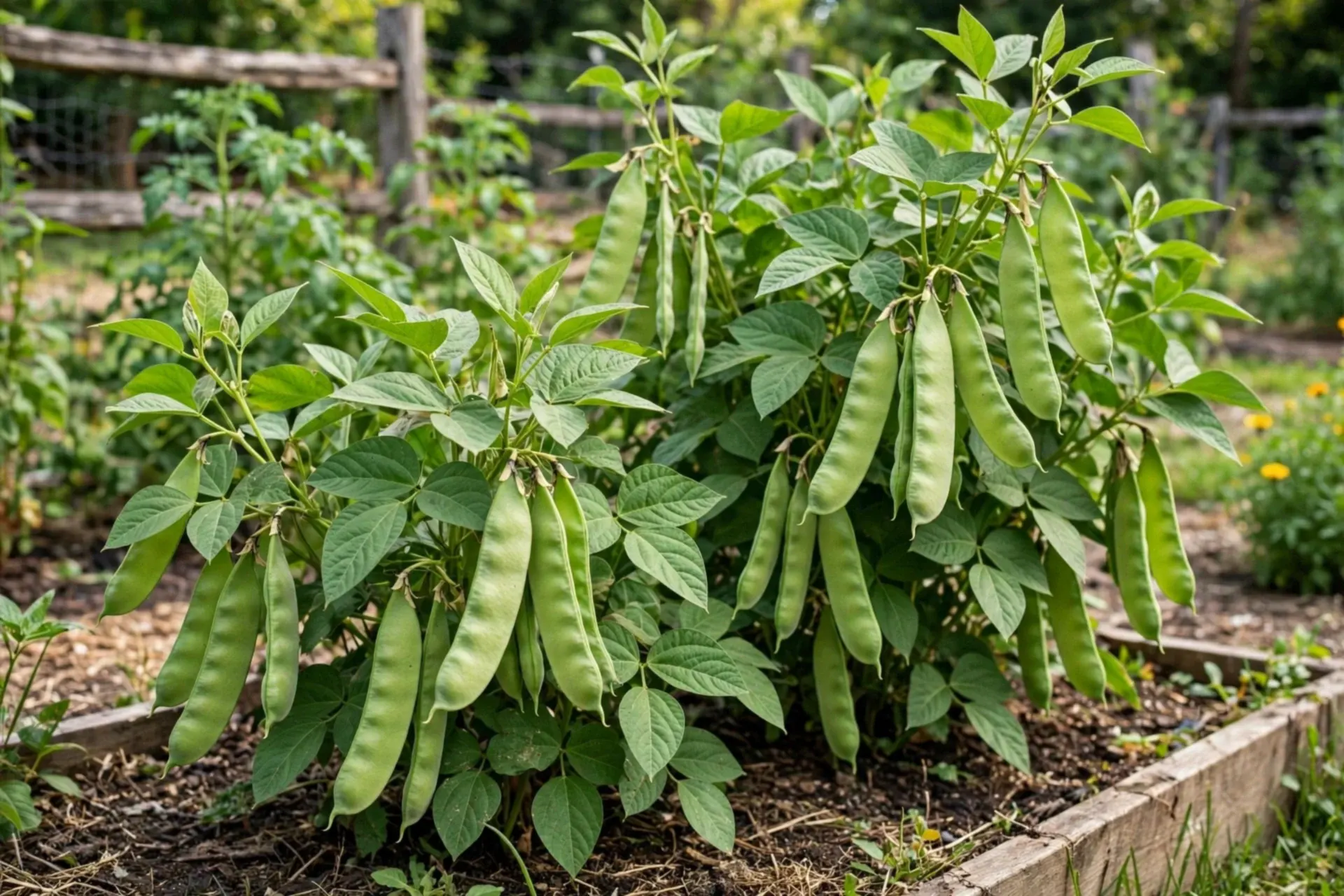
The heat-loving bean: lima seed rots in cold soil faster than any other bean, so sow it last of all, into genuinely warm ground — then it crops steadily through the hottest weeks. Lima beans ask for one thing above all: warm soil. Their big seeds rot quickly in cold, wet ground, so hold off sowing until about 2 weeks after your last frost, when the soil feels warm to the hand. From then on they are steady, heat-loving plants that crop when green beans have given up.
Grow Lima Beans with us — step by step
Everything for this plant is written step by step below — what to do, and exactly when. Read it through first if you like: you can grow it entirely on your own with that guide. Or start with us here — tell us your planting day and we lay out your personal schedule on this page, every next step on its own day, counted from your planting date. No guessing, no forgetting.
Step 1 — today: Sow Lima Bean seed today where the plants will grow, 1–1 1/2 in deep with the eye of the seed facing down, and water in well. Warm soil is everything for this bean.
Lima Beans at a glance
Sow outdoors: 2 weeks after last frost
Spacing: 4–6 in · Seed depth: 1–1 1/2 in
Sun: Full sun
Water: Regular, especially at flowering and pod set
Harvest: 65–85 days
Timing counts from your average last spring frost — get your own dates in the Planting Calendar. Guidance follows standard extension-service practice for Canada and the US.
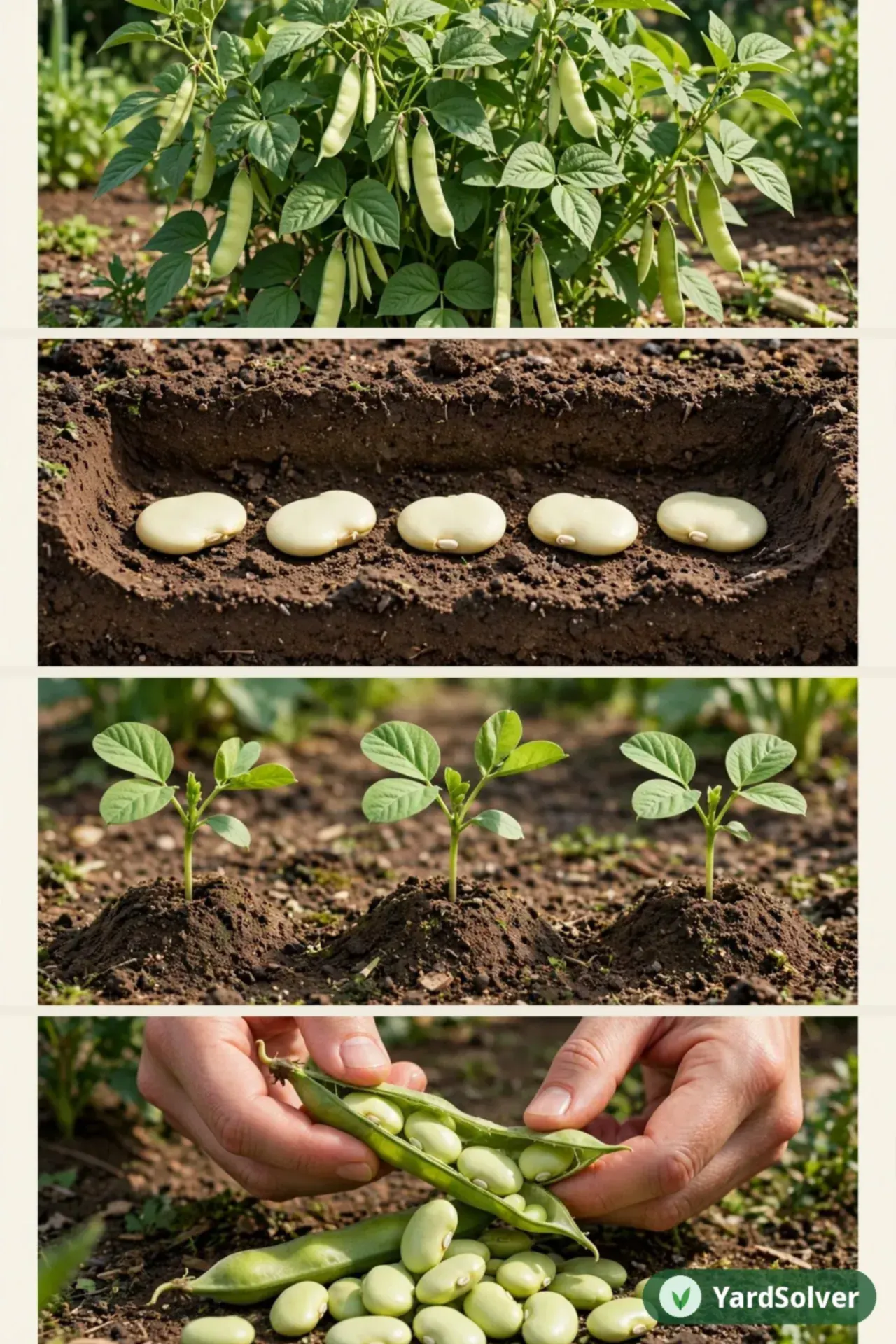
How to plant and grow lima beans, step by step
Step 1 — Time it right
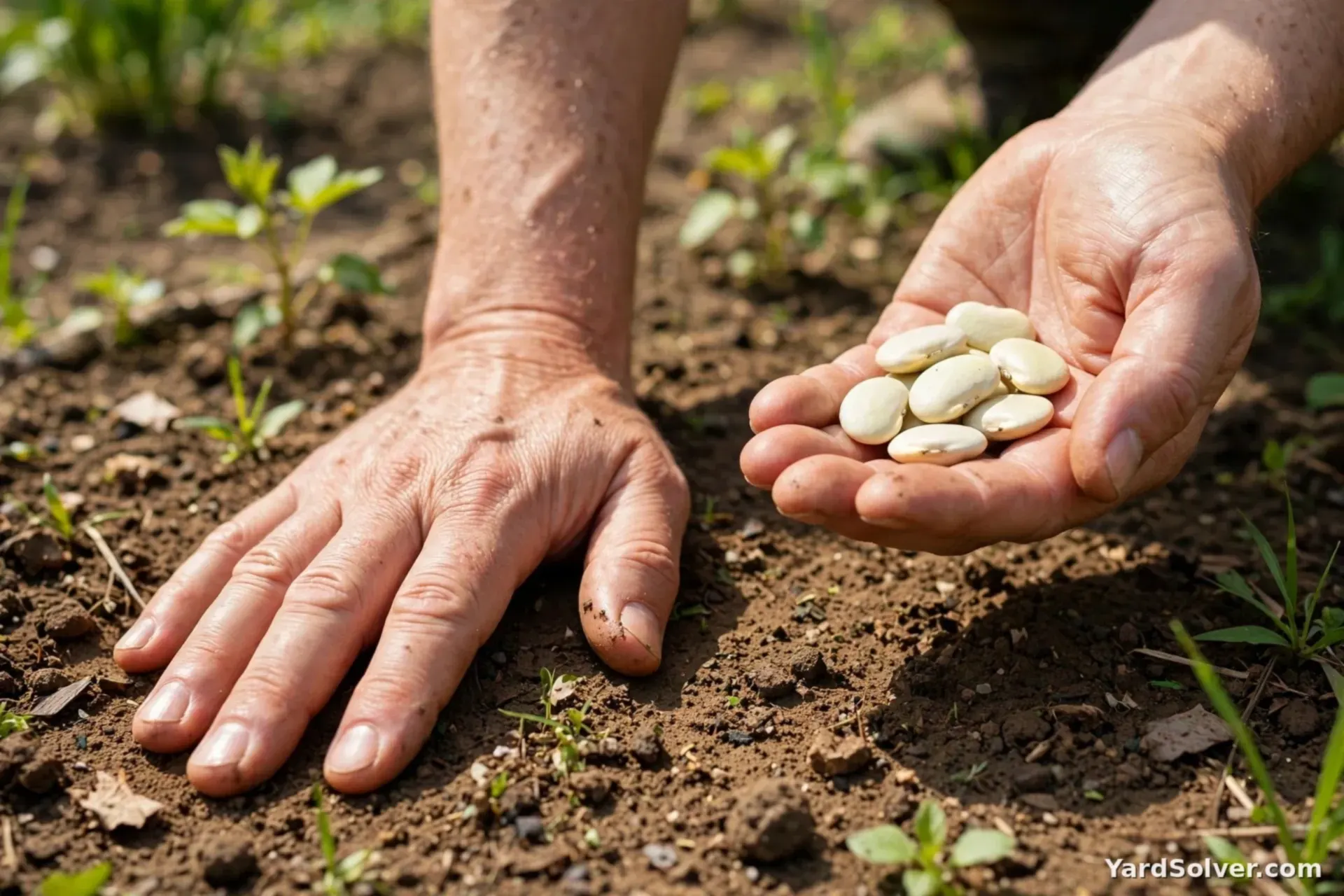
Sow outdoors: 2 weeks after last frost. All dates count from your average last spring frost — the Planting Calendar turns them into real dates for your garden. Lima beans ask for one thing above all: warm soil. Their big seeds rot quickly in cold, wet ground, so hold off sowing until about 2 weeks after your last frost, when the soil feels warm to the hand. From then on they are steady, heat-loving plants that crop when green beans have given up.
Step 2 — Prepare the spot
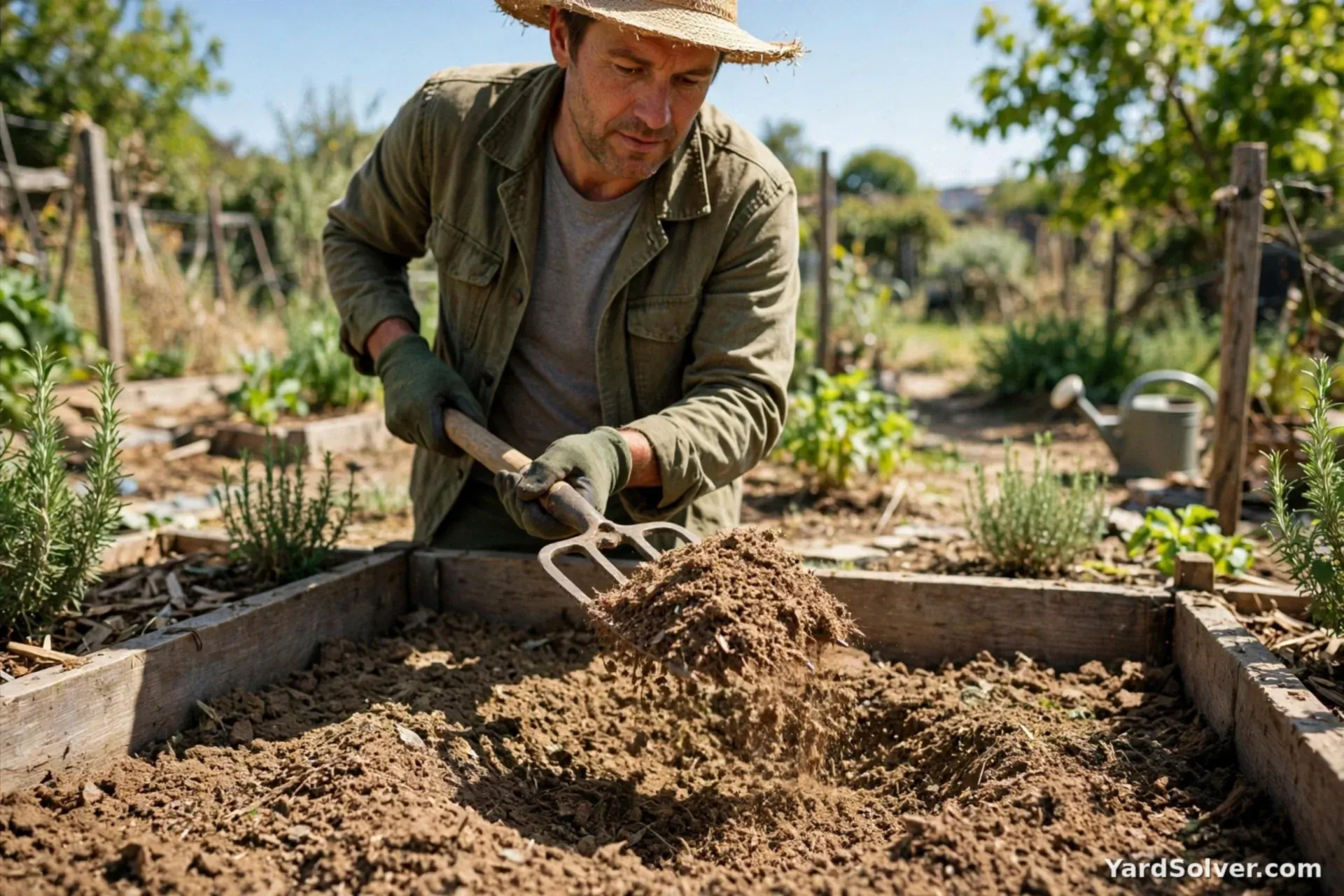
Sun: Full sun. Well-drained soil that warms up quickly in spring — heavy, cold, wet ground is the one place limas sulk; work in compost to lighten it. Work out how much you need with the Garden Mix Calculator or the Raised Bed Soil Calculator.
Step 3 — Sow and plant out
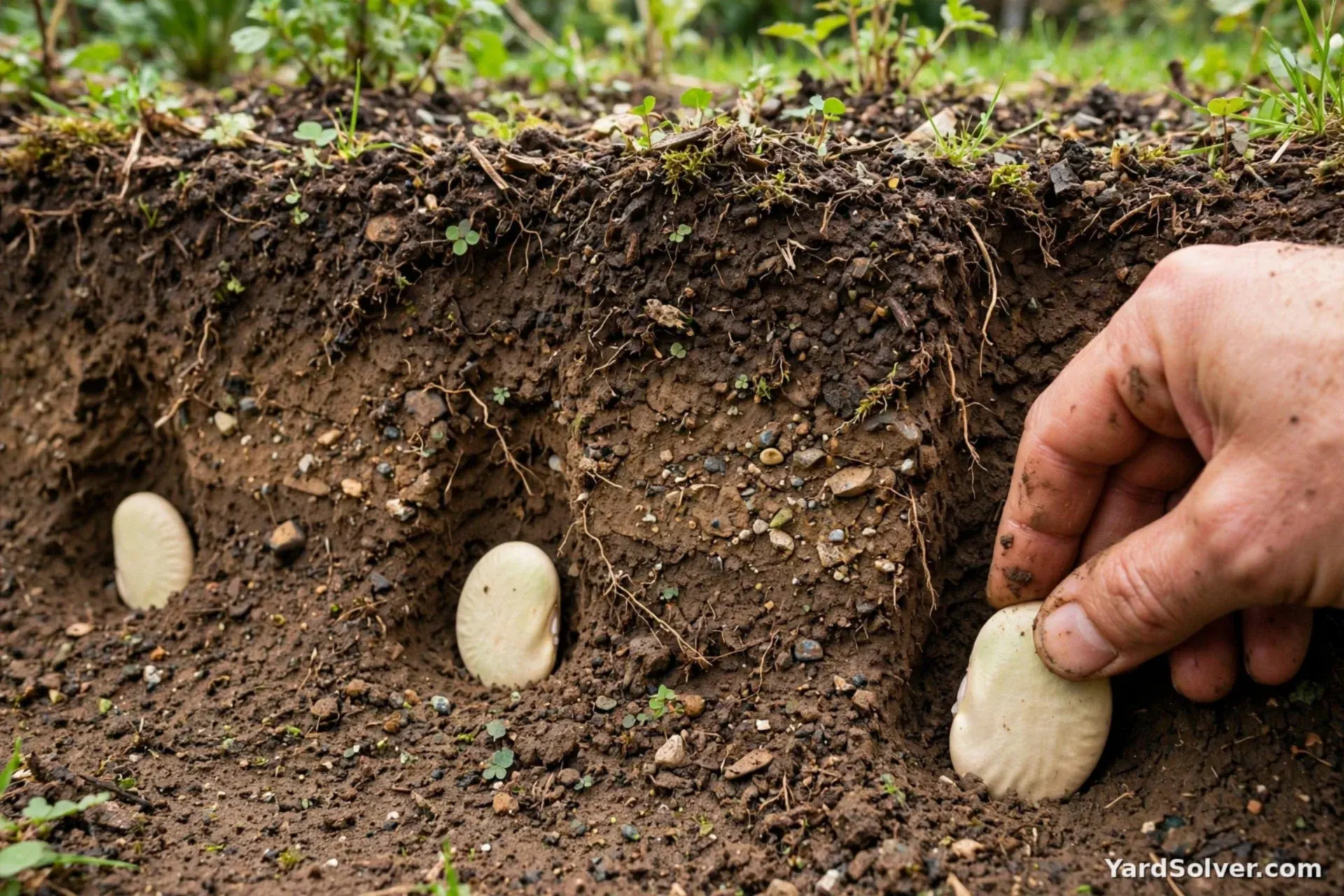
Sow directly where they will grow, 2 weeks after last frost, 1–1 1/2 in deep and 4–6 in apart. The Seed Calculator works out how much seed a bed needs. Bush types need no support; pole limas need a trellis or poles to climb.
Step 4 — Water and feed
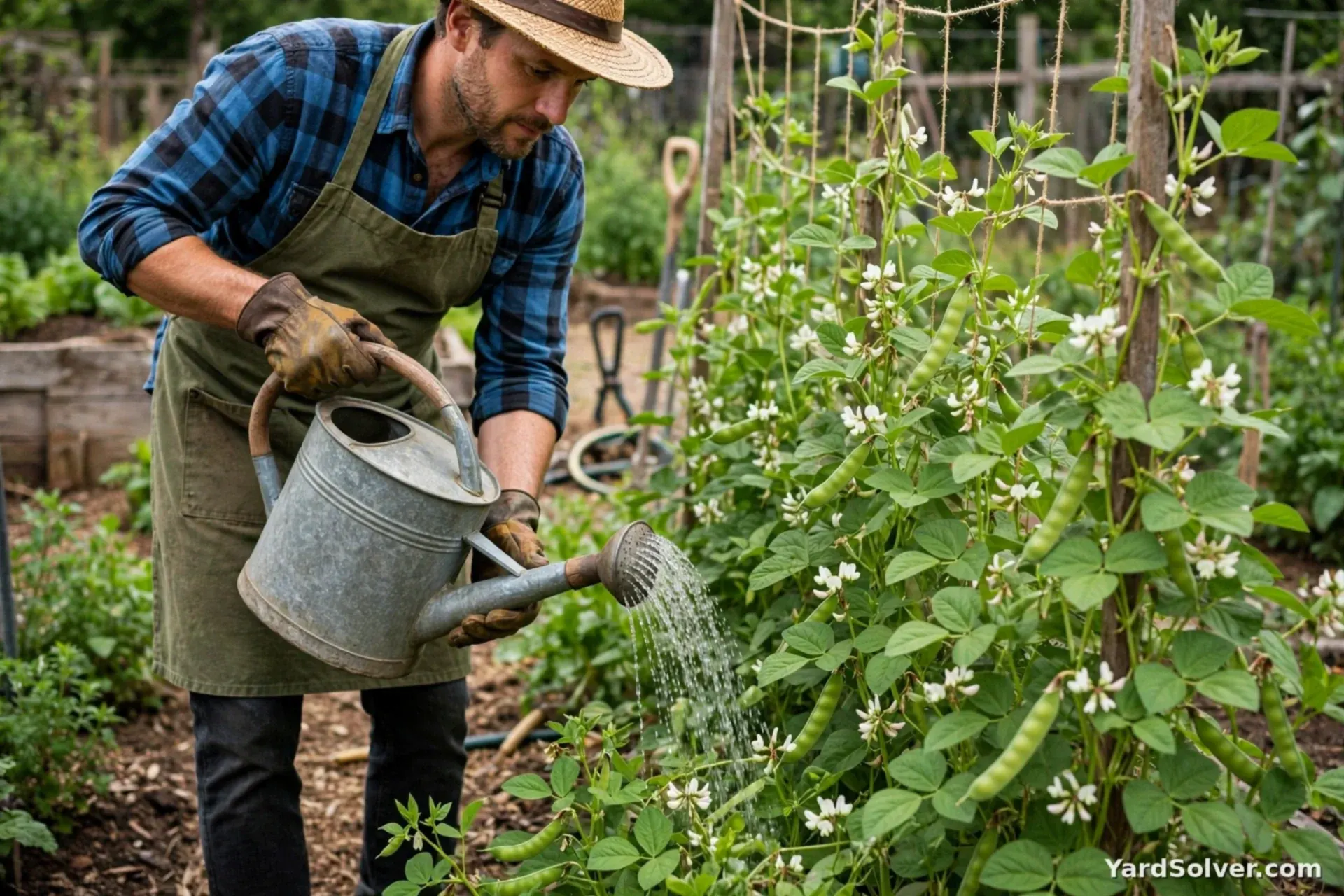
Water: Regular, especially at flowering and pod set. The Fertilizer Calculator turns a bed size into the right amount.
Step 5 — Care and the problems to watch for
- Seed rotted before sprouting — soil too cold or wet; limas are the last bean to sow, never the first.
- Flowers but few pods — hot nights above all make limas drop blossom; keep watering and wait for a cooler spell.
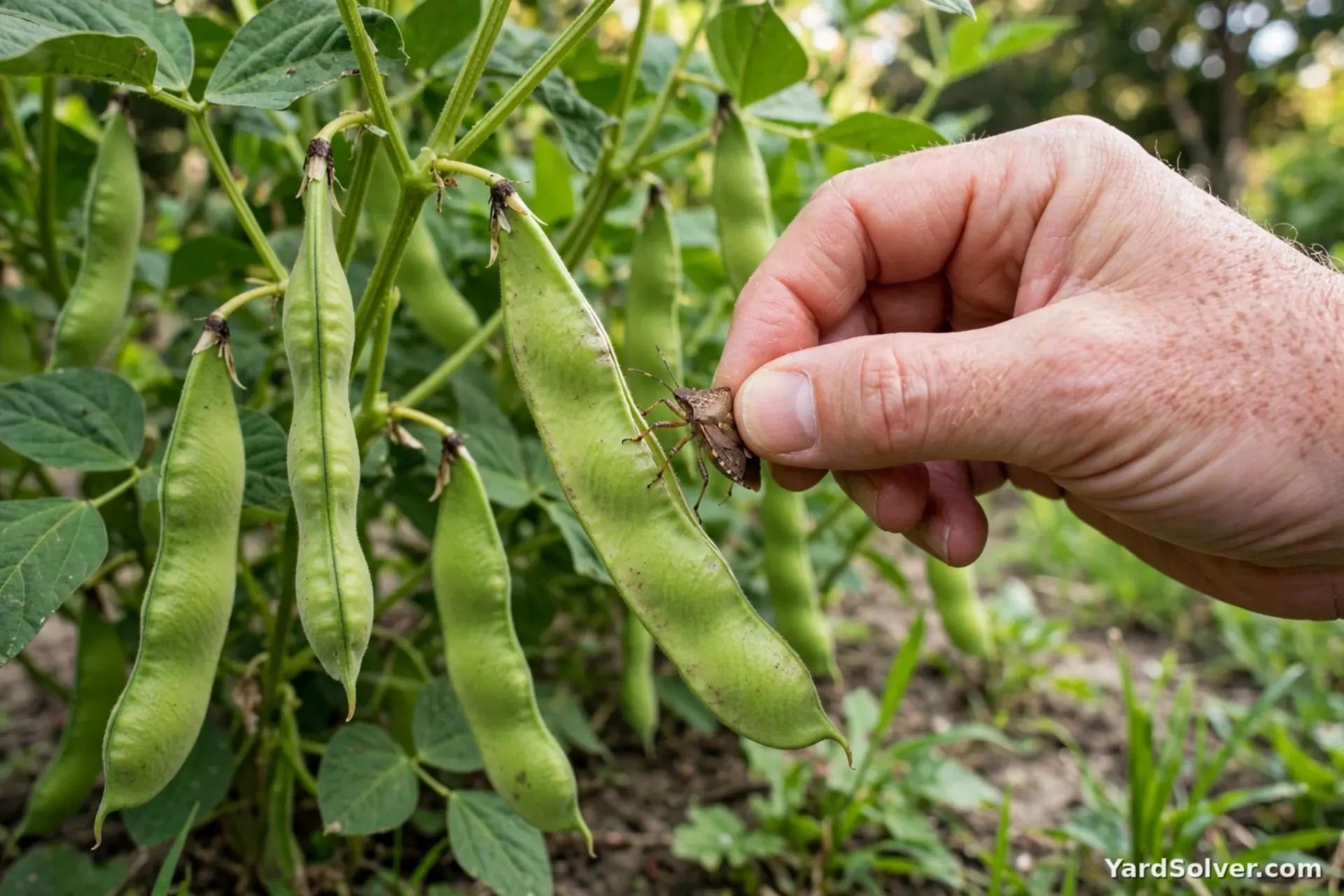
- Stink bugs and pod borers — small marks and spoiled beans inside pods; pick pods promptly and remove damaged ones.
Take care: Never eat lima beans raw or undercooked — cooking destroys the natural compounds in raw limas that can make you ill.
Step 6 — Harvest
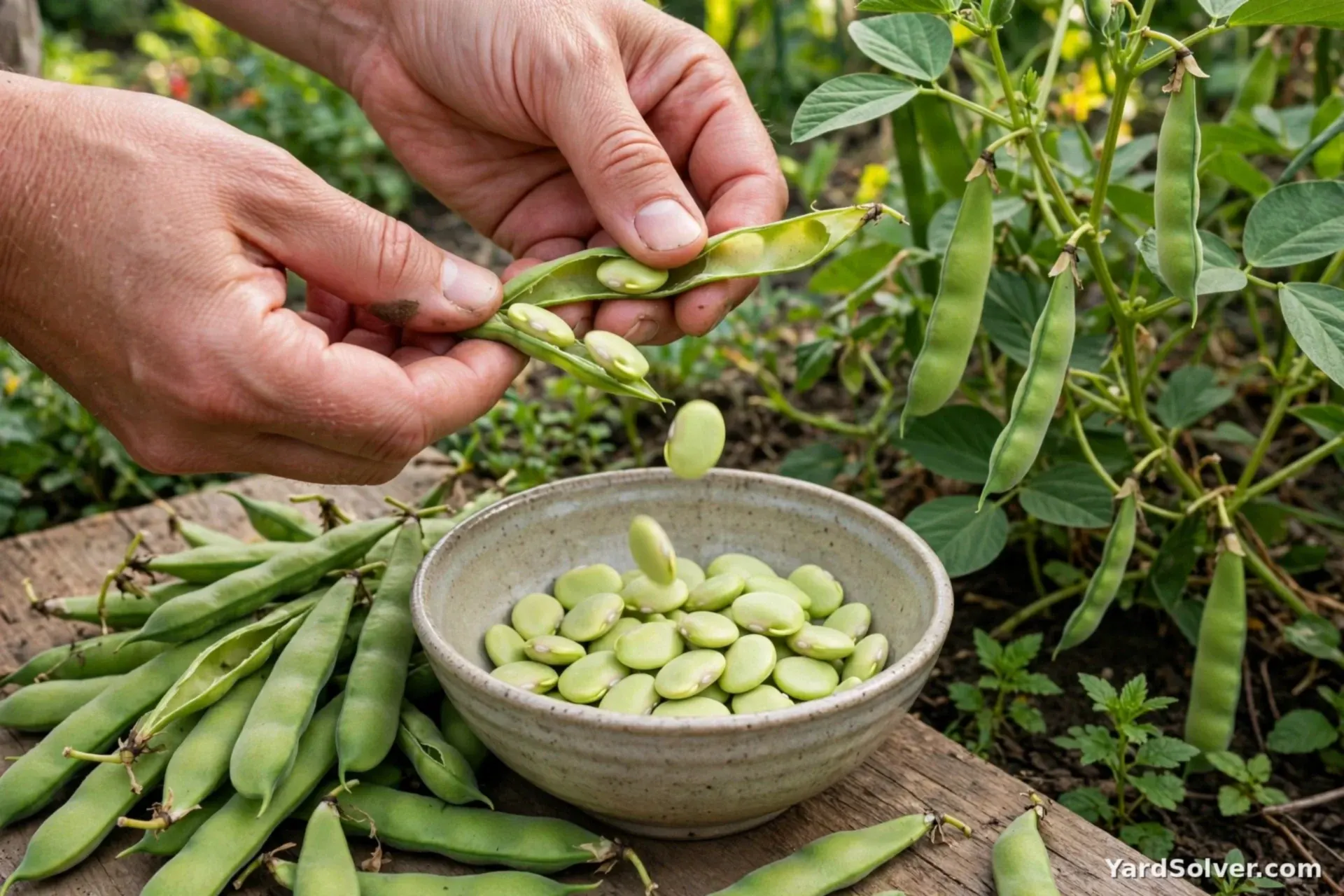
Ready in: 65–85 days. Pick pods from about day 65 once the beans feel plump through the pod; shell them the same day for the sweetest flavour.
📅 Your personal Lima Beans schedule
Counted from your planting day — not a generic calendar. Day 0 is the day the seed went in the ground or the young plant went out.
Varieties worth growing
| Variety | Colour | Why gardeners like it |
|---|---|---|
| Fordhook 242 | Pale green | The classic bush lima — the flavour standard, reliable in northern gardens |
| Henderson Bush | Pale green | A small-seeded baby lima from the 1880s — early and dependable |
| King of the Garden | Pale green | A pole lima with big pods and beans — needs a trellis and a long season |
| Christmas Lima | Cream and burgundy | A beautiful heirloom pole type, chestnut-flavoured, with speckled beans |
| Jackson Wonder | Buff, purple-speckled | A bush lima bred for heat and drought in southern gardens |
Good for you — and take care
Benefits
- Provides plant protein and fibre in the same serving
- A source of iron, magnesium and folate
- Very filling for a vegetable — a true staple crop
- Low in fat
- The plants fix nitrogen in the soil as they grow
Take care
- Always cook lima beans thoroughly — never eat them raw
- People with a legume allergy should check with their doctor before eating limas
- Start with modest servings if beans are new to you — the fibre takes getting used to
A little history — and one good fact
Lima beans were domesticated in South America thousands of years ago — the name comes from Lima, Peru, where Spanish ships first loaded them. Big-seeded and small-seeded types travelled the world separately, becoming the butter beans of the American South and staples as far away as Madagascar.
Fun fact: Archaeologists have found lima beans in Peruvian sites dated to thousands of years BC — and the beans appear painted on Moche pottery.
Keep going
Guides: Why Are My Bean Leaves Turning Yellow? · Companion Planting Basics · How to Set Up Drip Irrigation
Calculators: Plant Spacing Calculator · Seed Calculator · Fertilizer Calculator · Garden Mix Calculator
More vegetables: Green Beans · Black-Eyed Peas · Edamame
← Back to the Plant Library · Get your personal planting dates
Questions people ask
When do I plant lima beans?
Count from your average last spring frost: sow outdoors 2 weeks after last frost. Lima beans ask for one thing above all: warm soil. Their big seeds rot quickly in cold, wet ground, so hold off sowing until about 2 weeks after your last frost, when the soil feels warm to the hand. From then on they are steady, heat-loving plants that crop when green beans have given up.
How far apart do I space lima beans?
Space plants 4–6 in apart, with seed sown 1–1 1/2 in deep. Sun: full sun.
When is lima beans ready to harvest?
65–85 days. The heat-loving bean: lima seed rots in cold soil faster than any other bean, so sow it last of all, into genuinely warm ground — then it crops steadily through the hottest weeks.