
Plant Library · Fruits
🫒 How to Grow Gooseberry
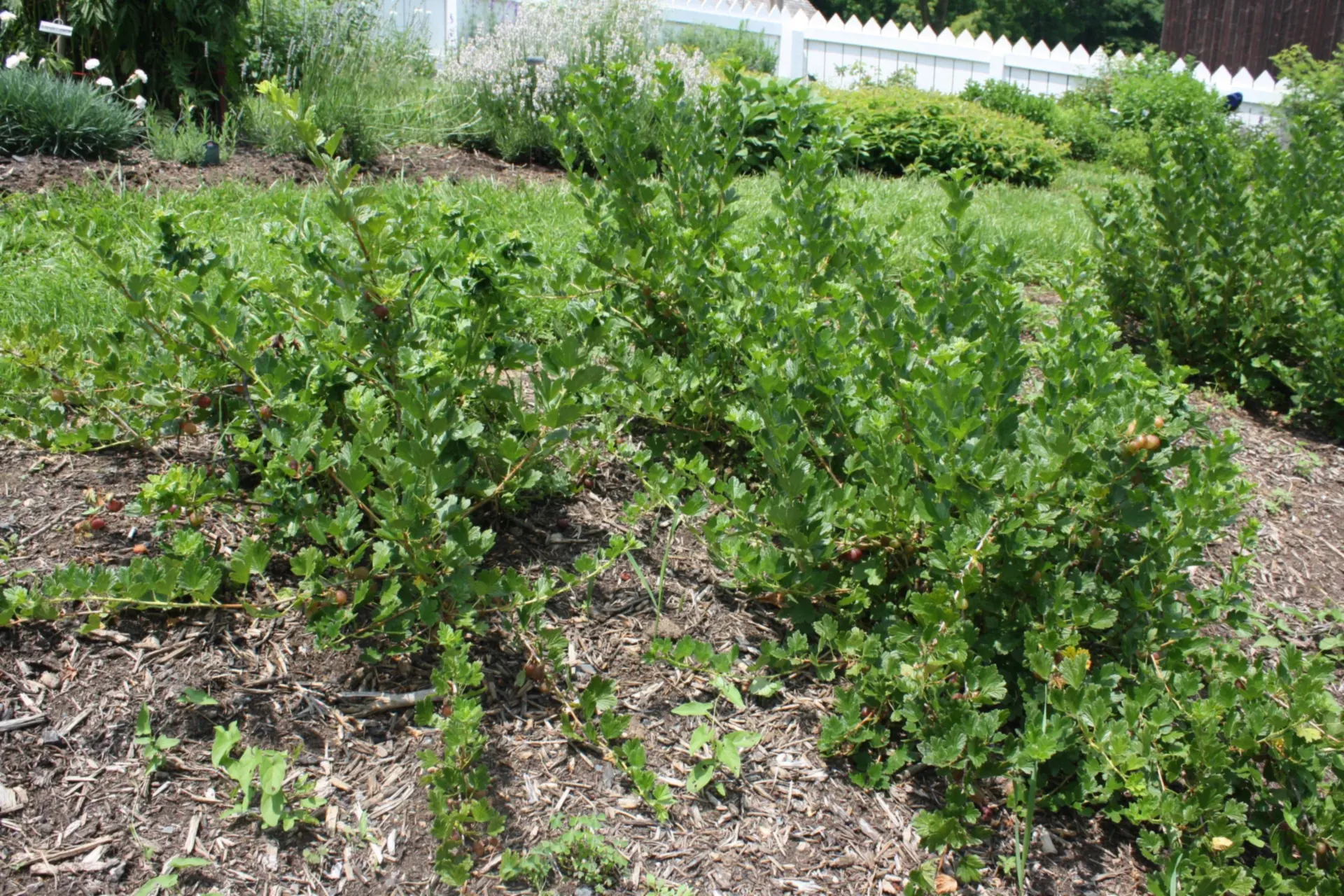
Gooseberries are hardy, self-fertile bushes — one bush is enough — with tart, translucent berries that cook into some of the finest pies and fools in the world. Bushes grow 4–5 ft, fruit from year 2, and shrug off cold winters. Like their cousins the currants, they can host white pine blister rust, so check local rules before planting.
Grow Gooseberry with us — step by step
Everything for this plant is written step by step below — what to do, and exactly when. Read it through first if you like: you can grow it entirely on your own with that guide. Or start with us here — tell us your planting day and we lay out your personal schedule on this page, every next step on its own day, counted from your planting date. No guessing, no forgetting.
Step 1 — today: Plant your Gooseberries today, 4–5 ft apart at nursery depth, in rich drained soil — check local blister-rust rules first — water in and mulch.
Gooseberry at a glance
Spacing: 4–5 ft in · Seed depth: As in the pot
Sun: Full sun to part shade
Water: Regular — keep evenly moist
Harvest: First berries in year 2
Timing counts from your average last spring frost — get your own dates in the Planting Calendar. Guidance follows standard extension-service practice for Canada and the US.
How to plant and grow gooseberry, step by step
Step 1 — Time it right
Plant bare-root bushes in early spring or fall. Gooseberries leaf out early — plant promptly in spring.
Step 2 — Prepare the spot
Sun: Full sun to part shade. Rich, well-drained soil in sun or part shade. Cool, mulched roots suit them best. Work out how much soil you need with the Garden Mix Calculator or the Raised Bed Soil Calculator.
Step 3 — Plant it
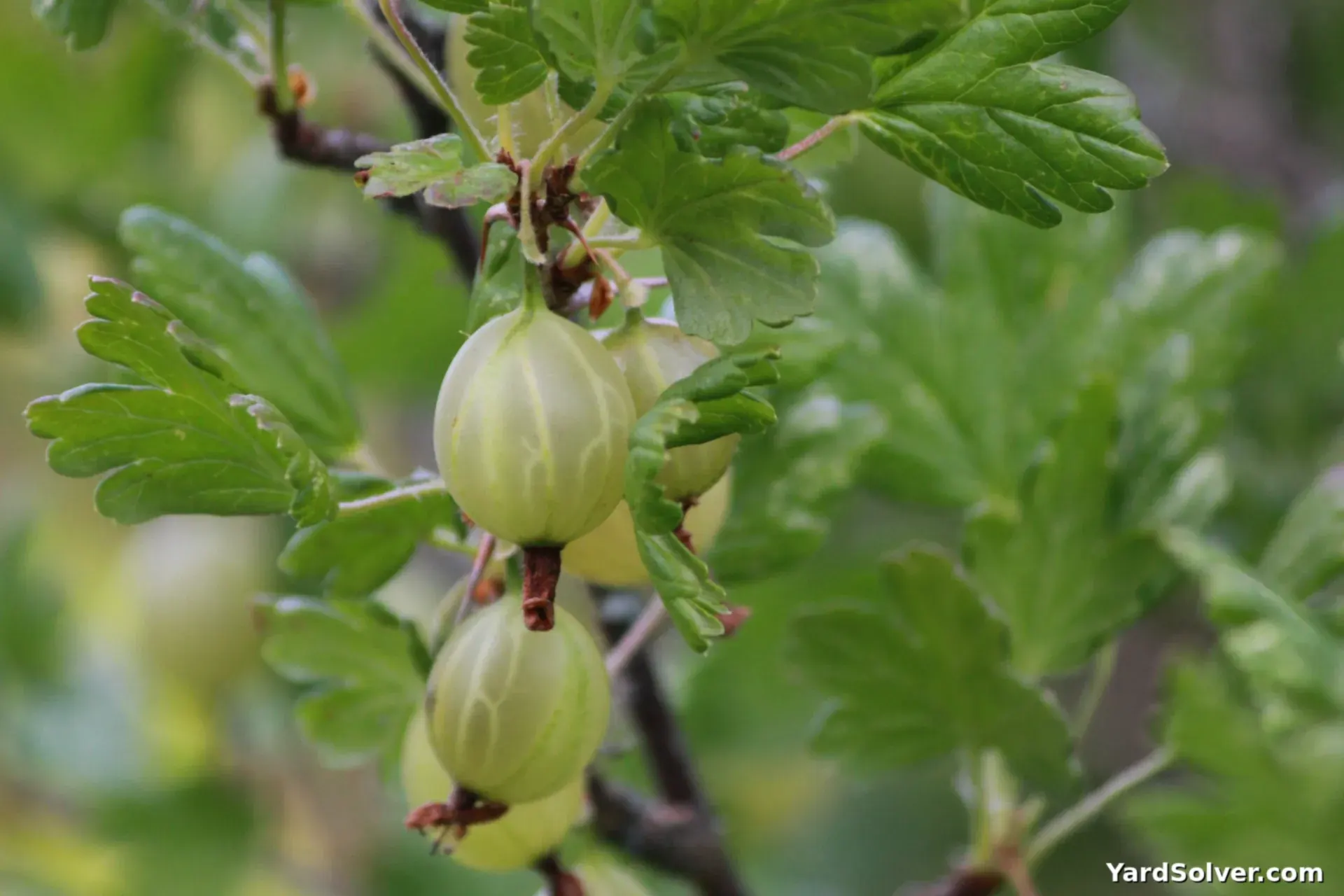
Set bushes 4–5 ft apart at the depth they grew in the nursery, water in and mulch — keeping mulch off the stems. The Plant Spacing Calculator turns that spacing into bushes-per-row.
Step 4 — Water and feed

Water: Regular — keep evenly moist. Feed in spring with a balanced fertilizer — gooseberries are hungry feeders, especially for potash. The Fertilizer Calculator turns a bed size into the right amount.
Step 5 — Care and the problems to watch for
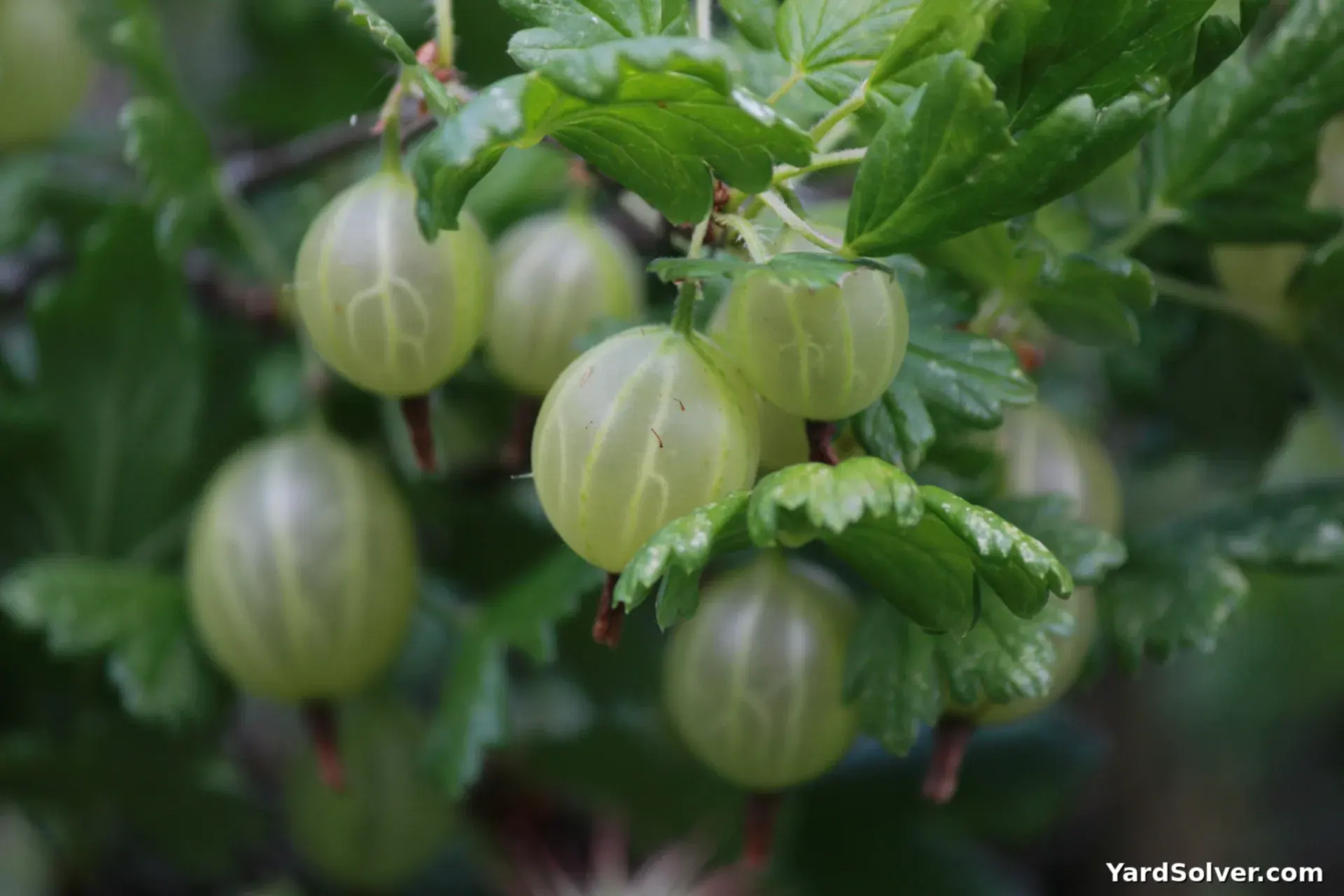
American gooseberry mildew — white film on berries and leaves; prune for airflow and choose resistant varieties. Sawfly — caterpillars can strip a bush fast; check leaf edges in spring. Blister rust — gooseberries share the currant family's rust risk; check local rules.
Step 6 — Harvest
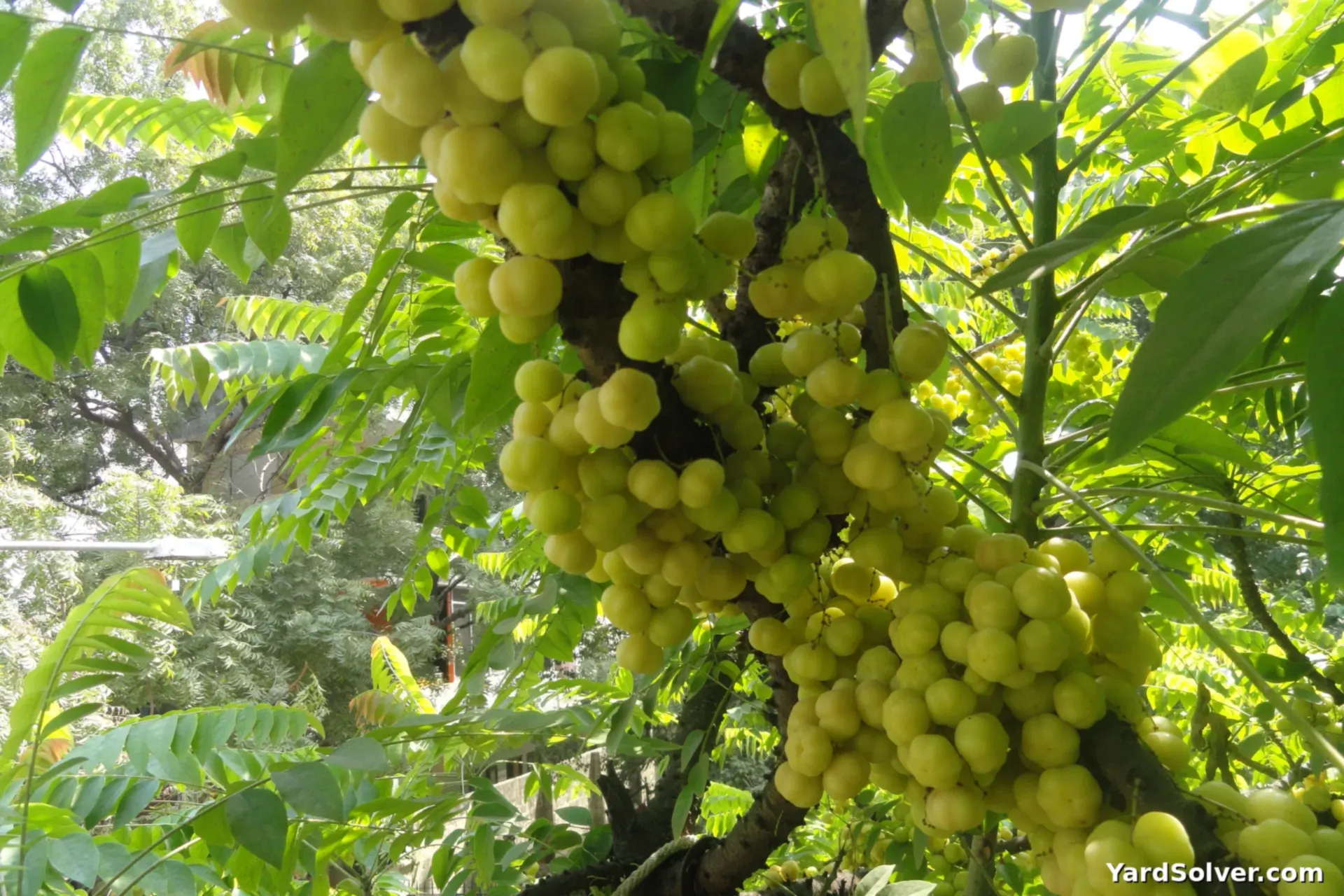
First berries in year 2. Pick under-ripe for pies and jam, and let a few ripen fully for eating fresh — they turn sweet and translucent.
📅 Your personal Gooseberry schedule
Counted from your planting day — not a generic calendar. Day 0 is the day the seed went in the ground or the young plant went out.
Varieties worth growing
| Variety | Colour | Why gardeners like it |
|---|---|---|
| Invicta | Green | The famous mildew-resistant variety — heavy crops |
| Hinnonmaki Red | Red | Sweet red berries, hardy and reliable |
| Pixwell | Pink | Nearly thornless — bred for North American gardens |
| Captivator | Red | A thornless-ish, mildew-resistant red type |
Good for you — and take care
Benefits
- Self-fertile — one bush fruits alone
- Very hardy — shrugs off cold winters
- Berries for pies, fools, jam and wine
- Crops from year 2
Take care
- Check local rules — gooseberries can host white pine blister rust, like currants.
- Thin berries in late spring for a smaller crop of much bigger fruit.
- Mind the thorns — prune with gloves.
Problems to watch for
- American gooseberry mildew — white film on berries and leaves; prune for airflow and choose resistant varieties.
- Sawfly — caterpillars can strip a bush fast; check leaf edges in spring.
- Blister rust — gooseberries share the currant family's rust risk; check local rules.
A little history — and one good fact
Gooseberries were a Victorian obsession in England, where gooseberry clubs competed to grow the biggest berry — some reached the size of a hen's egg. They fell out of fashion in North America during the blister-rust bans and are now quietly coming back.
Fun fact: Victorian gooseberry clubs in England competed for the heaviest berry — the record berries were as big as a small apple.
Keep going
Guides: How to Harden Off Seedlings · How to Read a Seed Packet
Calculators: Plant Spacing Calculator · Seed Calculator · Fertilizer Calculator · Garden Mix Calculator
Plan it: Garden Planner · Planting Calendar · Companion Planting Chart · Seed Box
Good companions: Garlic
More berries: Currants · Strawberry · Raspberry
← Back to the Plant Library · Get your personal planting dates
Questions people ask
When do I plant gooseberries?
Plant bare-root bushes in early spring or fall. Check local rules first — gooseberries can host white pine blister rust.
How far apart do I space gooseberries?
Space bushes 4–5 ft apart. Sun: full sun to part shade.
When will my gooseberries fruit?
First berries in year 2. Gooseberries are self-fertile — one bush is enough.