
Plant Library · Fruits
⚫ How to Grow Currants
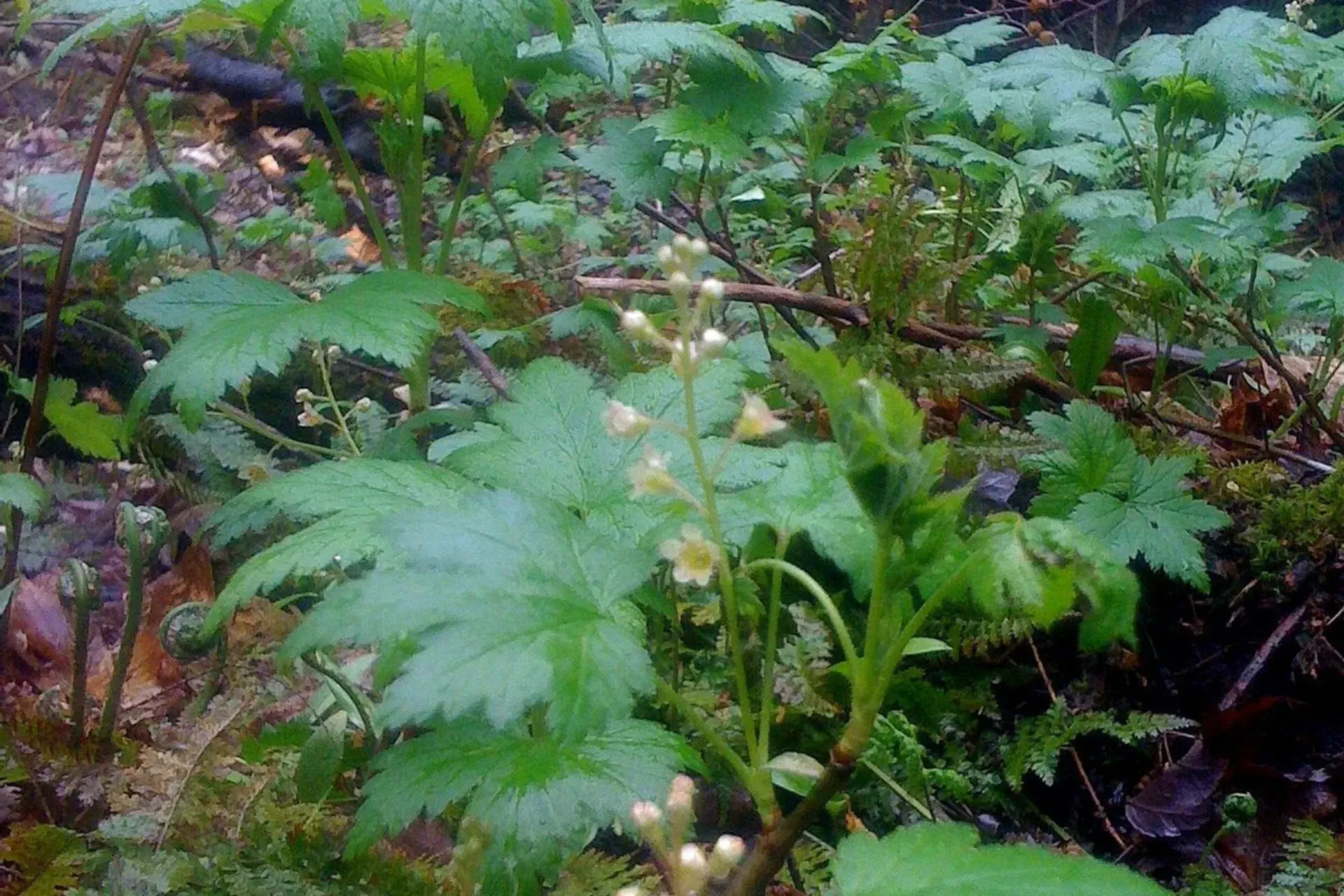
Currants are the shade-tolerant fruit: red, white and black currants all crop happily in part shade where most fruit sulks. Bushes grow 4–6 ft, fruit from year 2, and one bush gives bowls of jewel-bright berries for jellies, cordials and baking. One caution: currants can host white pine blister rust, and some areas restrict planting them — check local rules first.
Grow Currants with us — step by step
Everything for this plant is written step by step below — what to do, and exactly when. Read it through first if you like: you can grow it entirely on your own with that guide. Or start with us here — tell us your planting day and we lay out your personal schedule on this page, every next step on its own day, counted from your planting date. No guessing, no forgetting.
Step 1 — today: Plant your Currants today, 4–6 ft apart, slightly deeper than they grew in the nursery, in rich moist soil — check local blister-rust rules first — water in and mulch.
Currants at a glance
Spacing: 4–6 ft in · Seed depth: As in the pot
Sun: Full sun to part shade
Water: Regular — keep evenly moist
Harvest: First berries in year 2
Timing counts from your average last spring frost — get your own dates in the Planting Calendar. Guidance follows standard extension-service practice for Canada and the US.
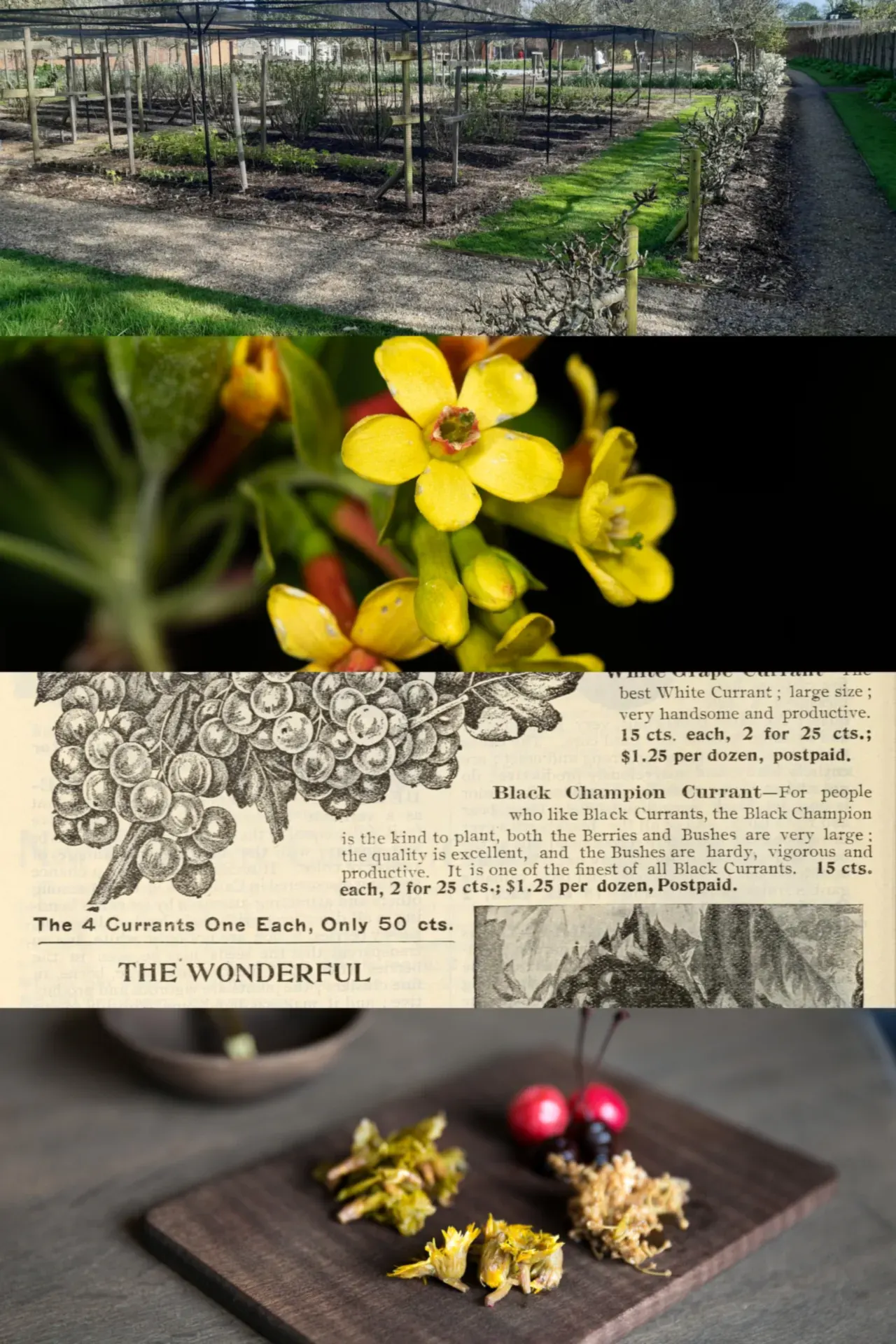
How to plant and grow currants, step by step
Step 1 — Time it right
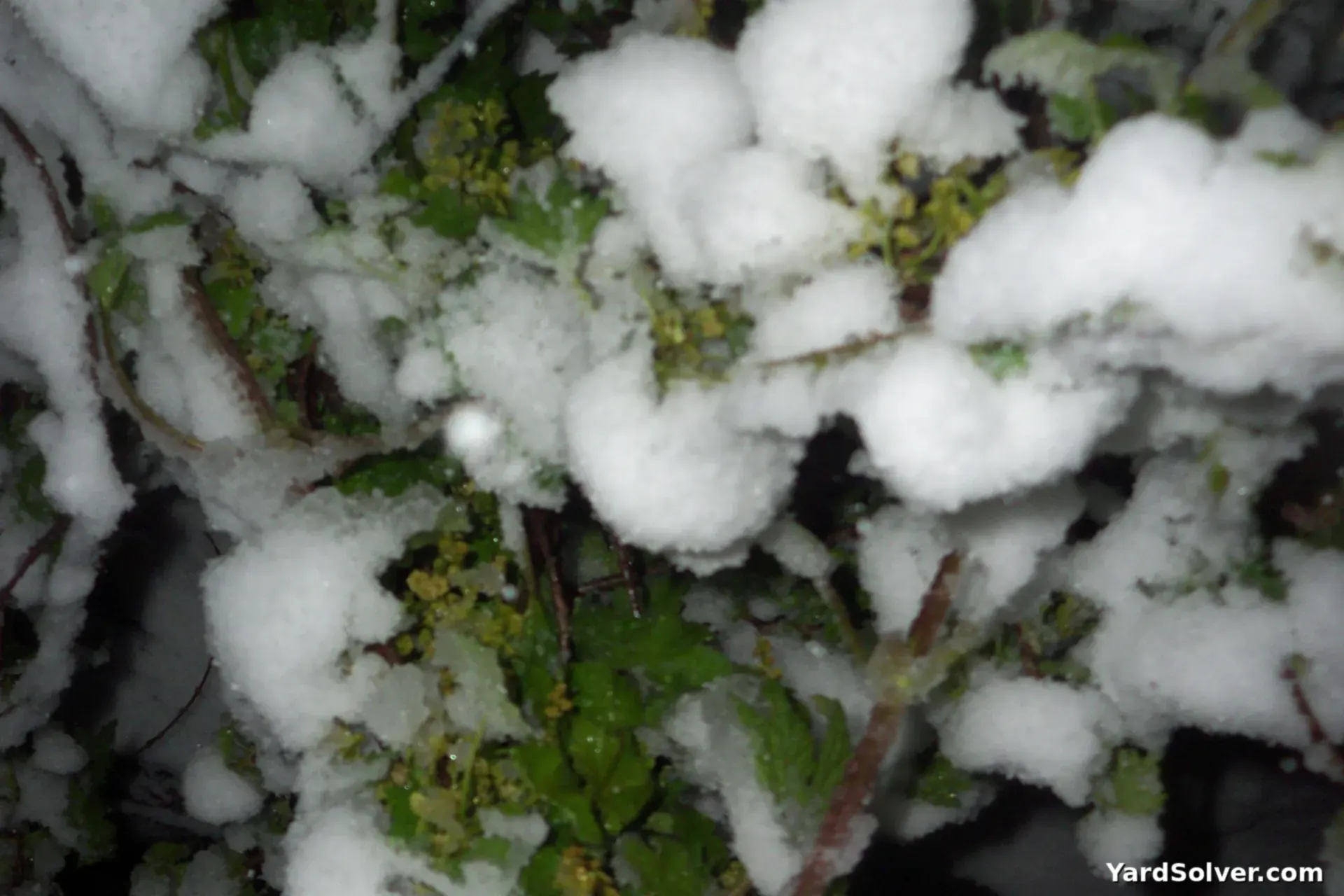
Plant bare-root bushes in early spring or fall — currants leaf out early, so do not delay spring planting.
Step 2 — Prepare the spot
Sun: Full sun to part shade. Rich, moist, well-drained soil. Currants are fine in part shade and prefer cool roots — mulch well. Work out how much soil you need with the Garden Mix Calculator or the Raised Bed Soil Calculator.
Step 3 — Plant it
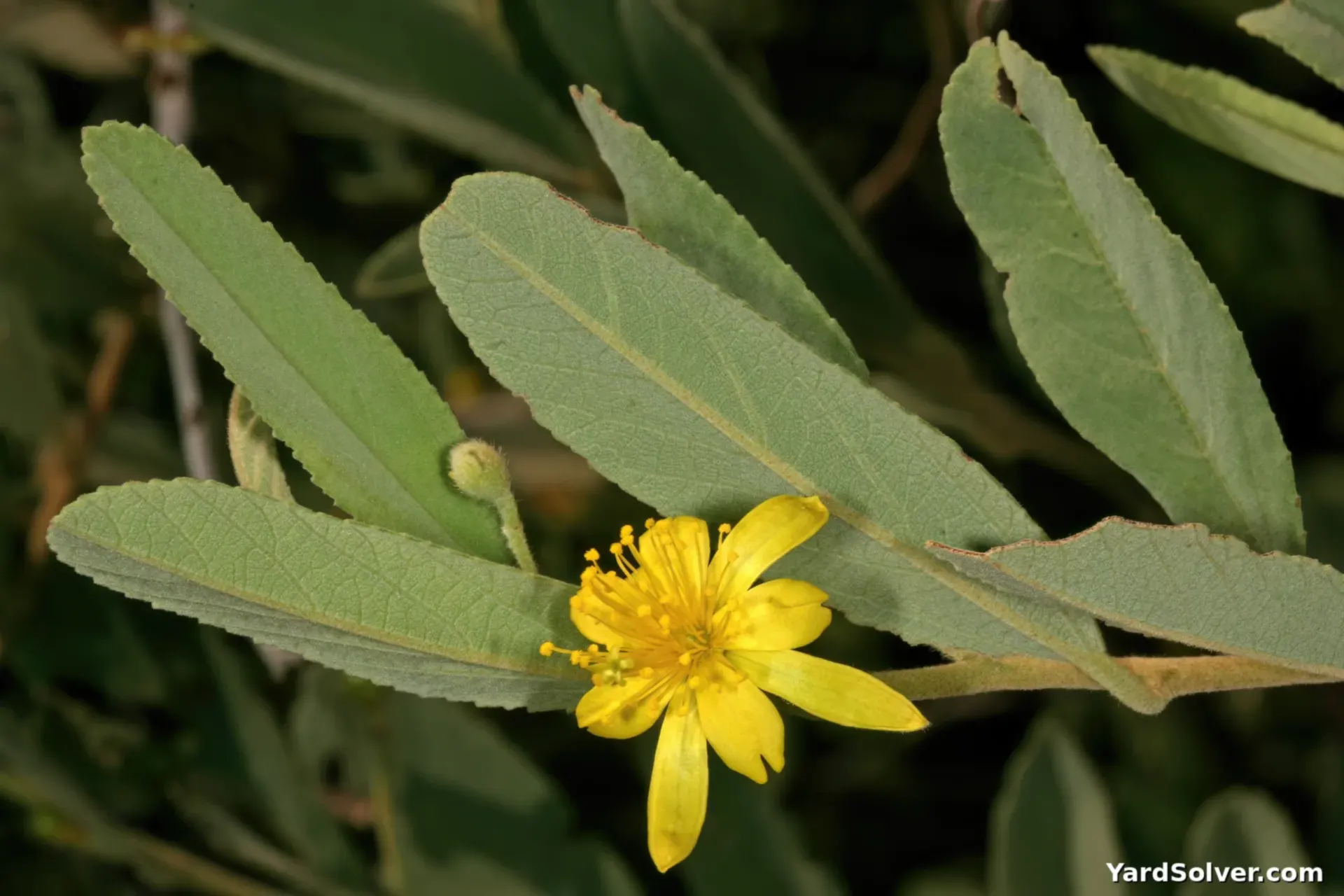
Set bushes 4–6 ft apart, slightly deeper than they grew in the nursery to encourage new shoots from the base. The Plant Spacing Calculator turns that spacing into bushes-per-row.
Step 4 — Water and feed
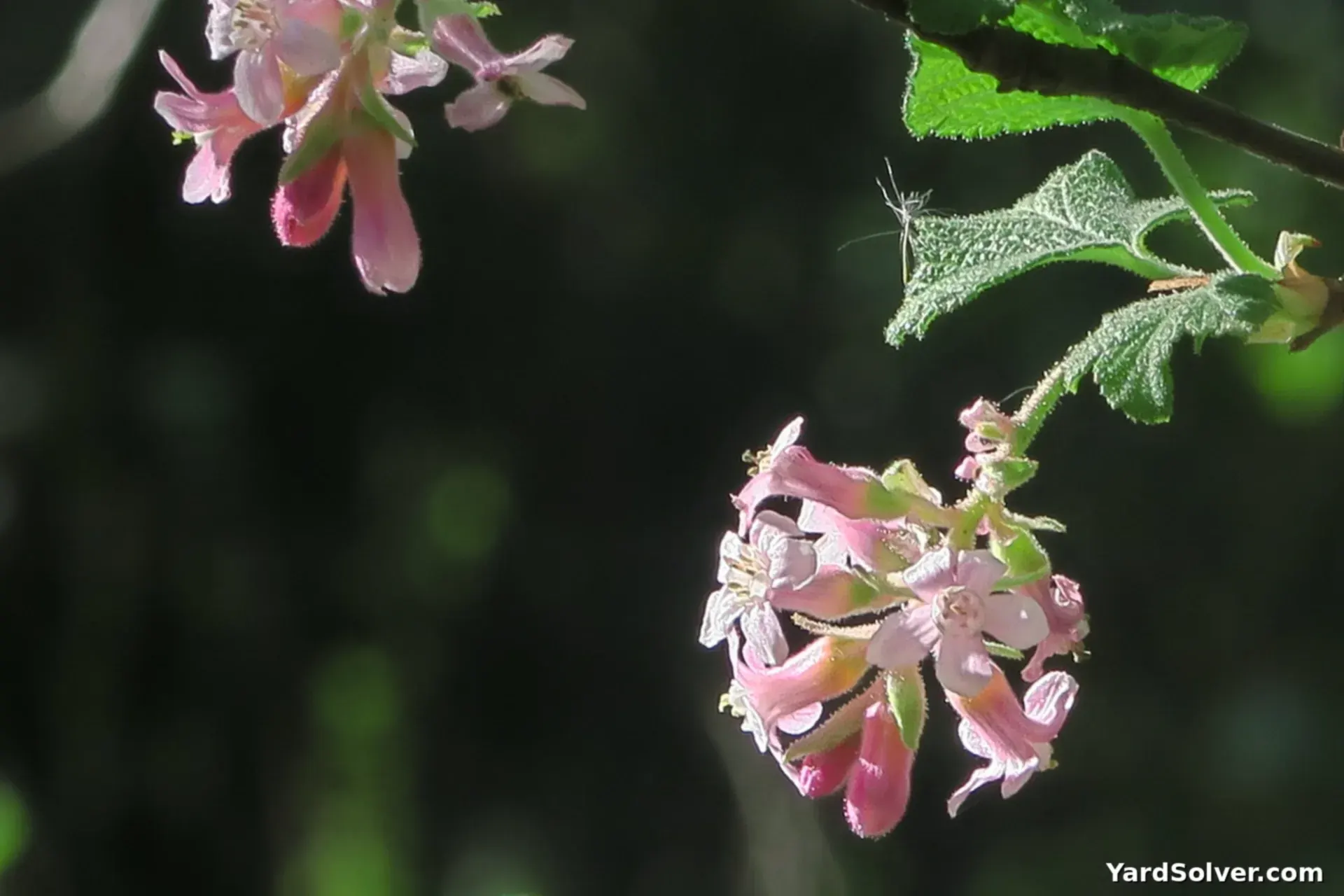
Water: Regular — keep evenly moist. Feed in spring with a balanced fertilizer and mulch with compost — currants are hungry bushes. The Fertilizer Calculator turns a bed size into the right amount.
Step 5 — Care and the problems to watch for
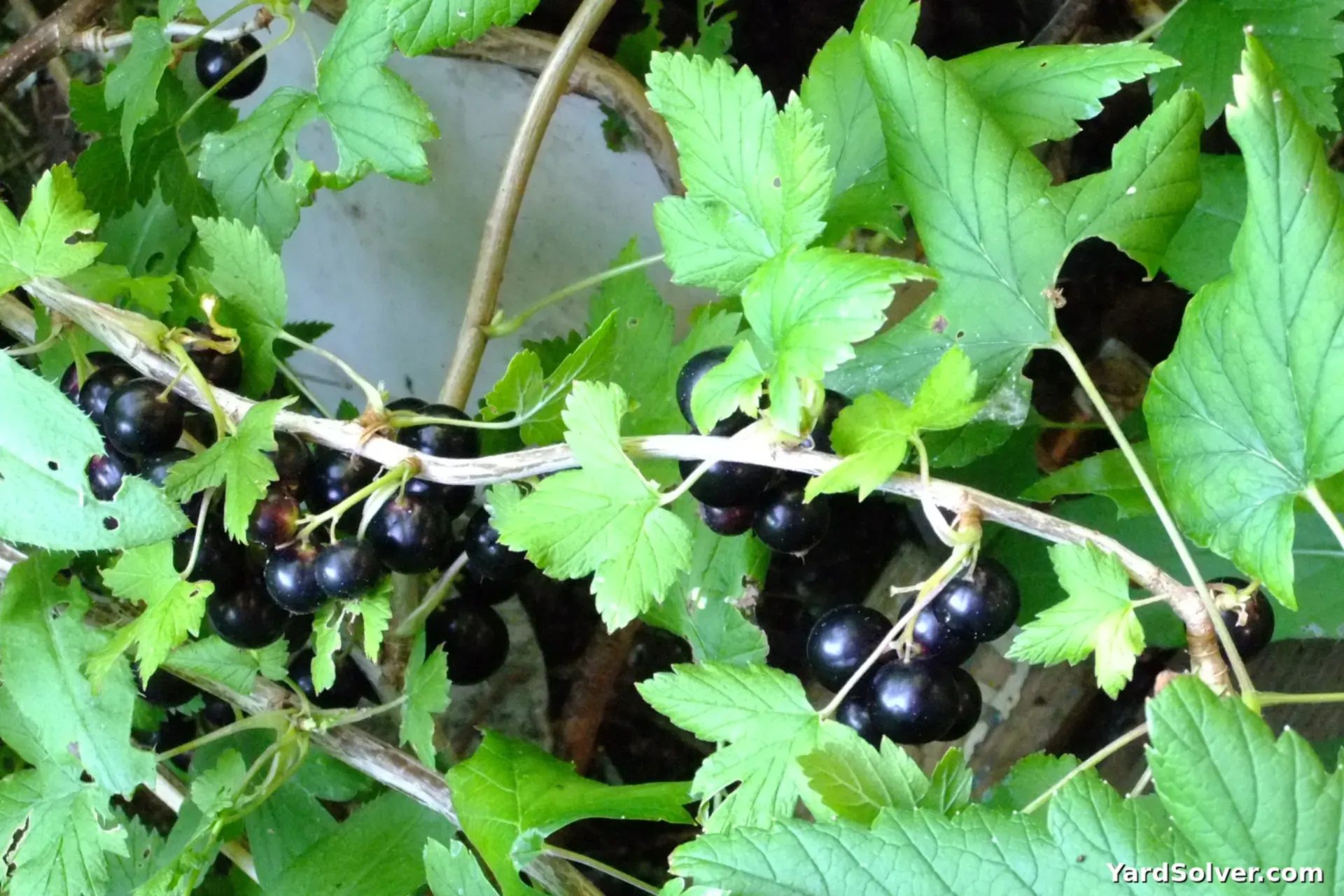
White pine blister rust — currants can carry it to pine trees; some areas ban or restrict currants — check before planting. Sawfly — caterpillars can strip a bush in days; check leaf edges in spring and pick them off. Powdery mildew — white film on leaves; prune for airflow and choose resistant varieties.
Step 6 — Harvest
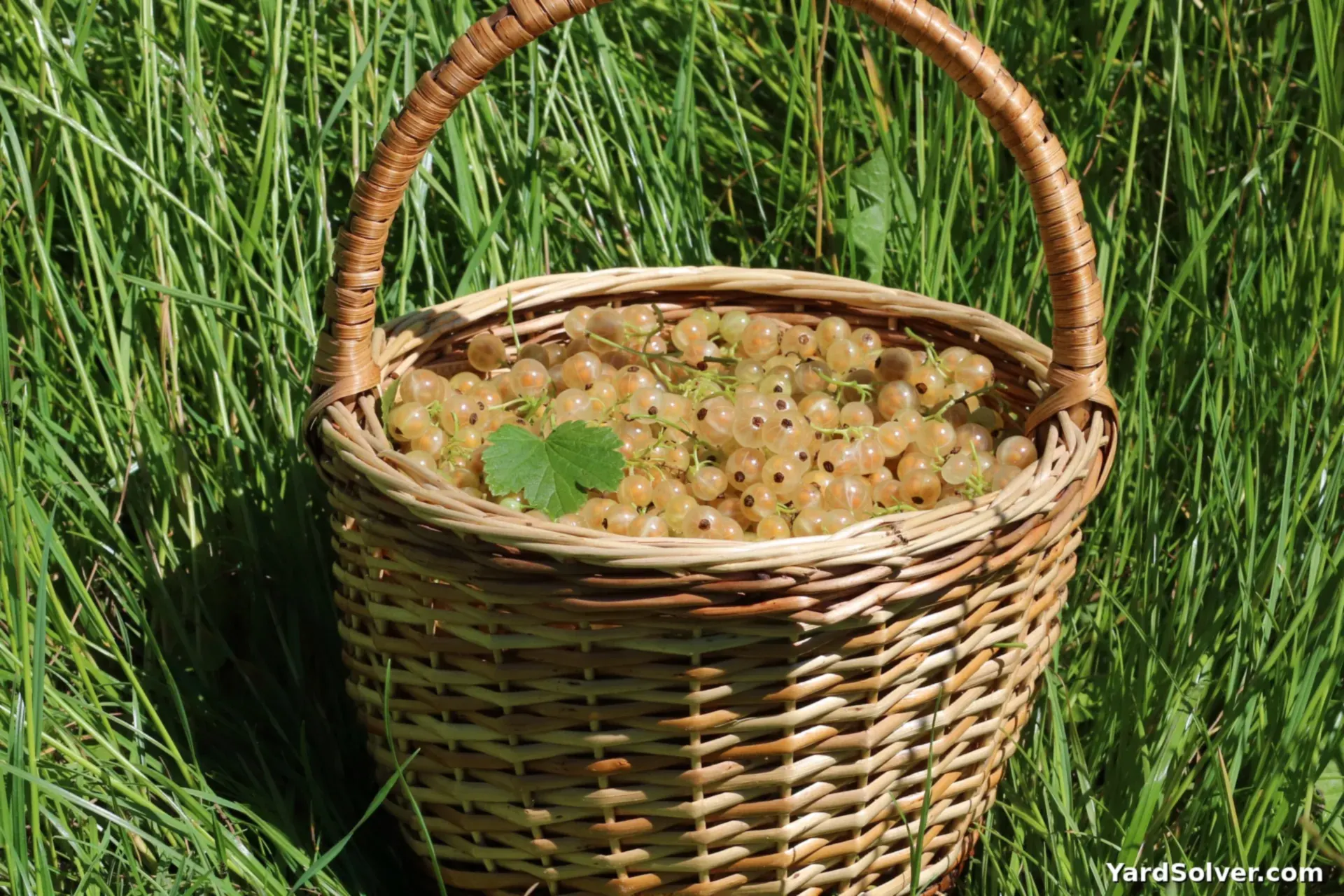
First berries in year 2. Pick whole trusses when every berry is ripe and translucent — currants on a truss ripen together.
📅 Your personal Currants schedule
Counted from your planting day — not a generic calendar. Day 0 is the day the seed went in the ground or the young plant went out.
Varieties worth growing
| Variety | Colour | Why gardeners like it |
|---|---|---|
| Red Lake | Red | The classic red currant — heavy crops, reliable |
| Ben Connan | Black | A compact black currant with big berries |
| White Imperial | White | Sweet, translucent white currants — the mildest |
| Titania | Black | Bred for mildew and rust resistance |
Good for you — and take care
Benefits
- Crops in part shade — rare for a fruit
- Black currants are exceptionally rich in vitamin C
- Heavy yields from a small bush
- Berries freeze and preserve beautifully
Take care
- Check local rules — currants host white pine blister rust and are restricted in some places.
- Prune out a third of the oldest wood each winter to keep the bush young.
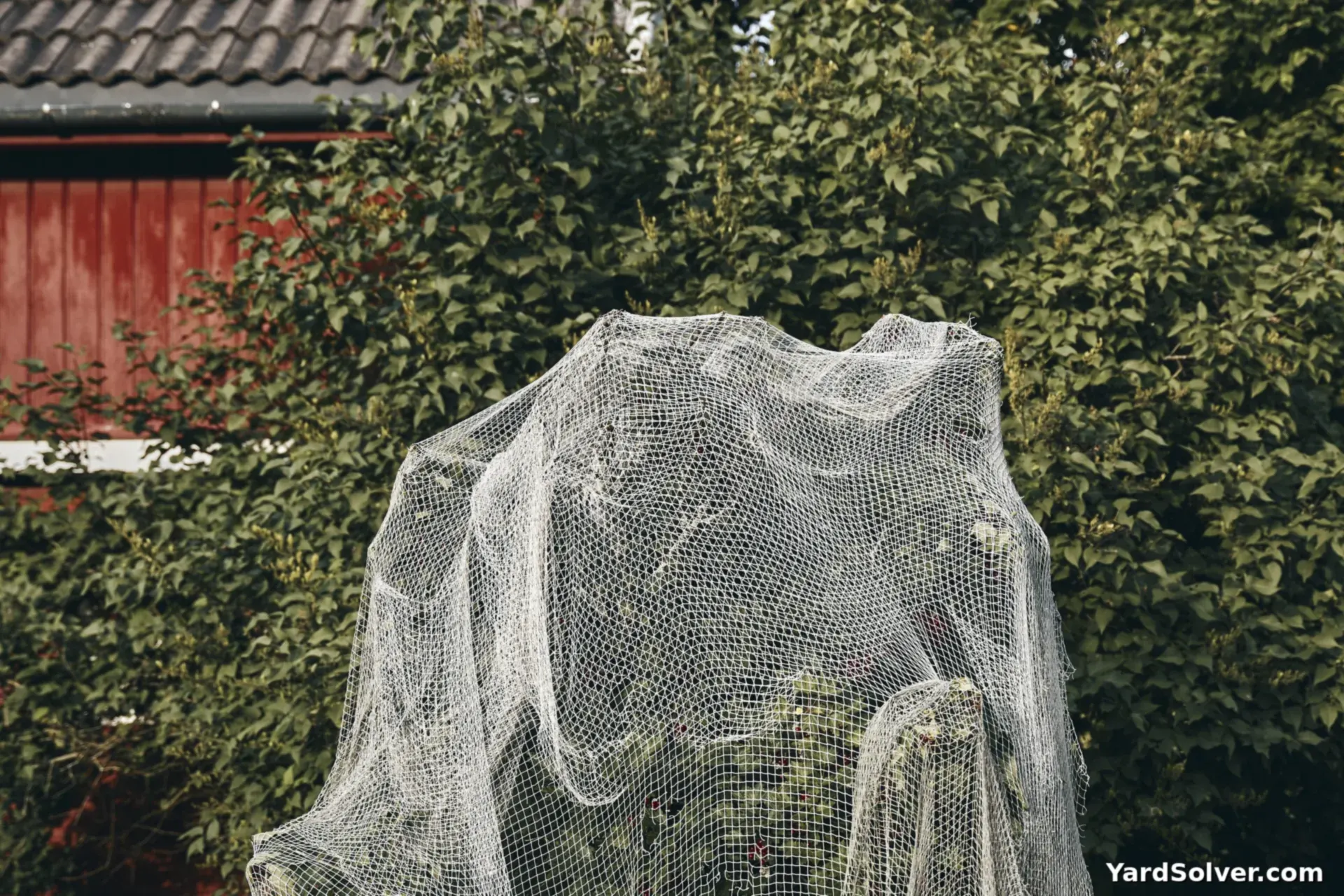
- Net the bushes as berries colour — birds love currants.
Problems to watch for
- White pine blister rust — currants can carry it to pine trees; some areas ban or restrict currants — check before planting.
- Sawfly — caterpillars can strip a bush in days; check leaf edges in spring and pick them off.
- Powdery mildew — white film on leaves; prune for airflow and choose resistant varieties.
A little history — and one good fact
Currants have been grown in northern Europe for centuries — black currants in monastery gardens as medicine, red currants for the table. In the early 1900s they were banned in much of the US over blister rust; the federal ban lifted in 1966, but some state rules remain.
Fun fact: Black currants have about four times the vitamin C of oranges, weight for weight.
Keep going
Guides: How to Harden Off Seedlings · How to Read a Seed Packet
Calculators: Plant Spacing Calculator · Seed Calculator · Fertilizer Calculator · Garden Mix Calculator
Plan it: Garden Planner · Planting Calendar · Companion Planting Chart · Seed Box
Good companions: Garlic
More berries: Gooseberry · Raspberry · Blackberry
← Back to the Plant Library · Get your personal planting dates
Questions people ask
When do I plant currants?
Plant bare-root bushes in early spring or fall. Check local rules first — currants host white pine blister rust and are restricted in some areas.
How far apart do I space currants?
Space bushes 4–6 ft apart. Sun: full sun to part shade.
When will my currants fruit?
First berries in year 2, with full crops from year 3. Net the bushes as berries colour — birds love currants.