
Plant Library · Flowers
🌺 How to Grow Hibiscus
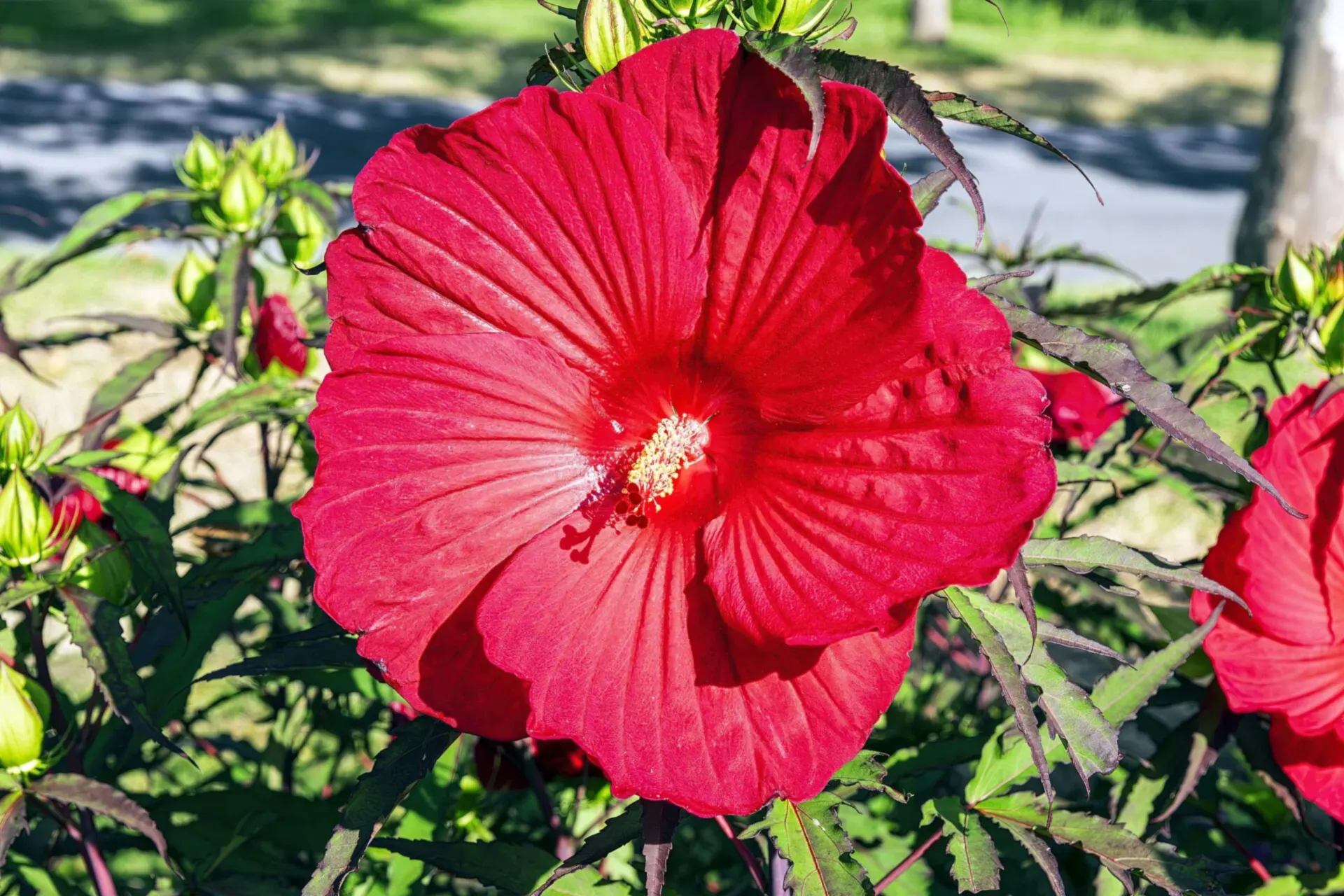
Dinner-plate flowers on a hardy shrub — or tropical trumpets in a pot: two hibiscus, two gardens. This page covers both: hardy hibiscus (Hibiscus moscheutos), a herbaceous perennial that dies back in winter and erupts to 4–5 ft with plate-sized blooms in zones 5–9, and tropical hibiscus (H. rosa-sinensis), the pot plant for patios that winters indoors. The culture overlaps more than you'd think: sun, water, and food, generously.
Grow Hibiscus with us — step by step
Everything for this plant is written step by step below — what to do, and exactly when. Read it through first if you like: you can grow it entirely on your own with that guide. Or start with us here — tell us your planting day and we lay out your personal schedule on this page, every next step on its own day, counted from your planting date. No guessing, no forgetting.
Step 1 — today: Buy a hardy hibiscus plant in spring for the ground, or a tropical one for the patio pot — and don't panic when the hardy one is last to leaf out.
Hibiscus at a glance
Plant out: Spring, as bought plants (hardy) or after frost (tropical, in pots)
Move indoors: Tropical types before first frost
Sow indoors: 8 weeks before last frost — hardy hibiscus from seed
Spacing: 42 in apart for hardy hibiscus; one per large pot for tropical
Sun: Full sun
Water: Generous — hardy hibiscus is a swamp plant by birth
Bloom: July to September; each flower lasts a day or two, in succession
Timing counts from your average last spring frost — get your own dates in the Planting Calendar. Guidance follows standard extension-service practice for Canada and the US.
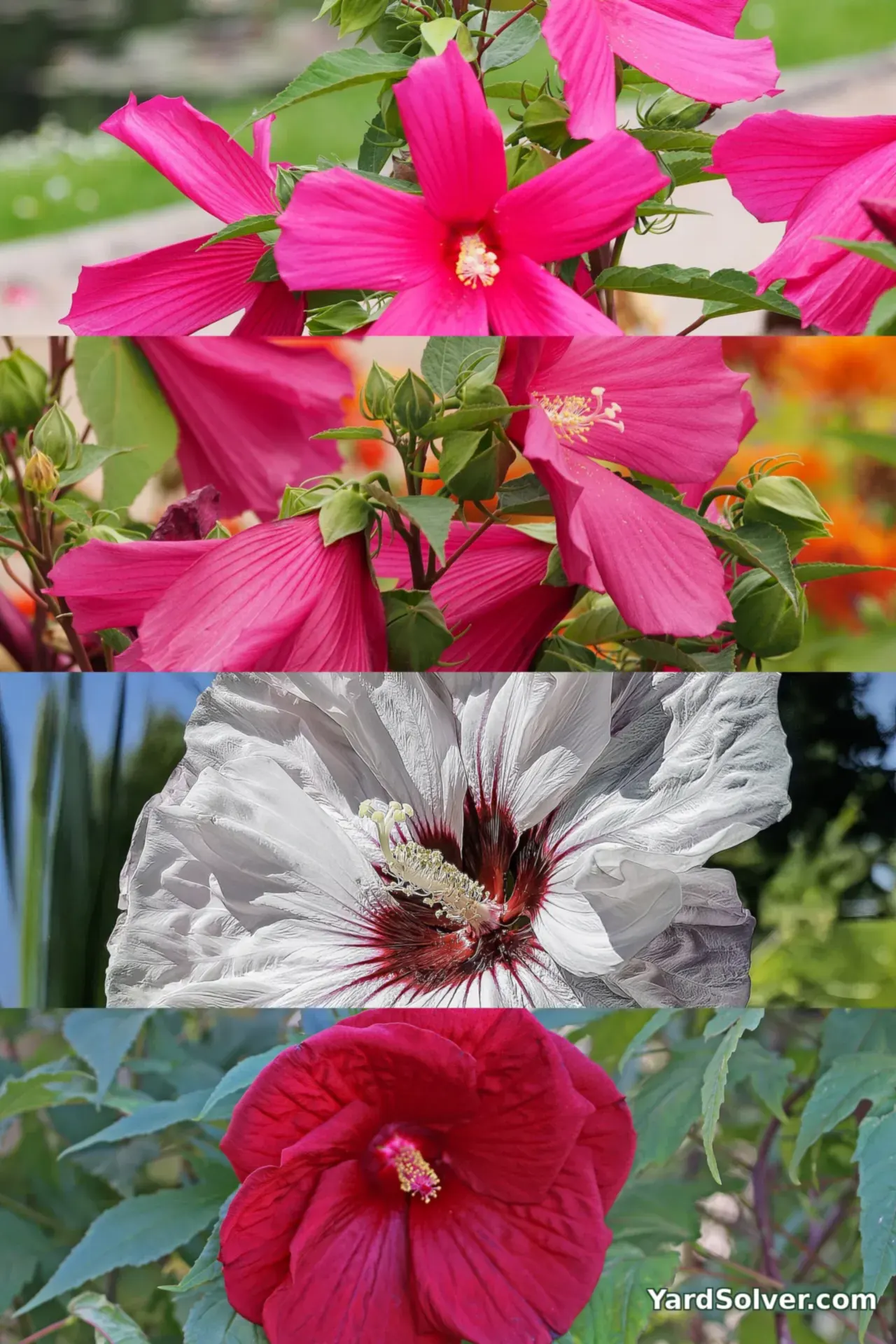
How to plant and grow hibiscus, step by step
Step 1 — Time it right
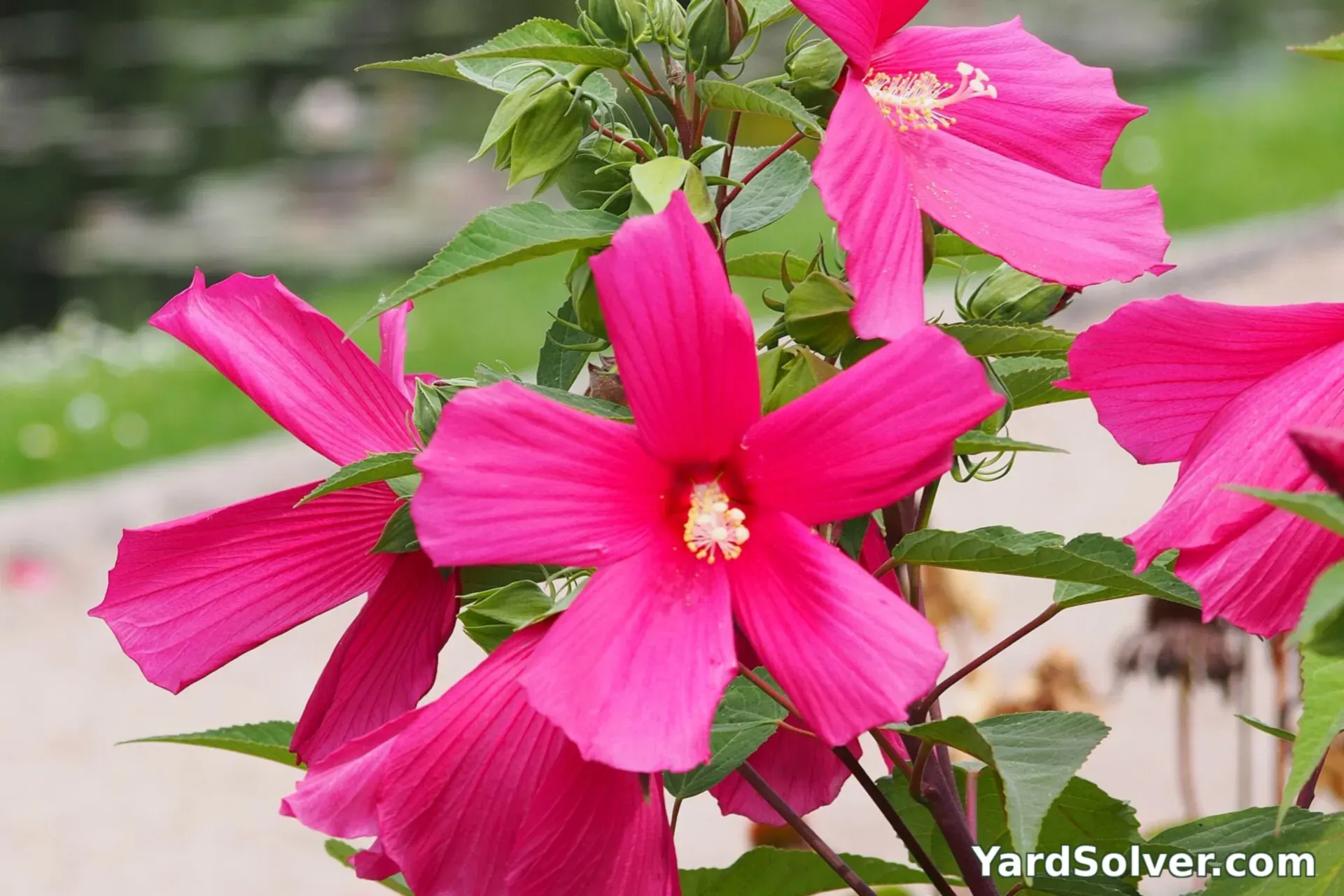
Plant out: in spring, as bought plants — hardy hibiscus into the ground, tropical into pots after frost; Sow indoors: 8 weeks before last frost for hardy types from seed. All dates count from your average last spring frost — the Planting Calendar turns them into real dates for your garden. Hardy hibiscus is famously the last perennial to emerge — shoots may not show until late May, and many a good plant has been dug up as 'dead' in April. Mark its spot in autumn. Tropical hibiscus is planted into pots after frost and grows as a patio shrub all summer. Seed of hardy types germinates readily warm (nick and soak it first), flowering in year two.
Step 2 — Prepare the spot
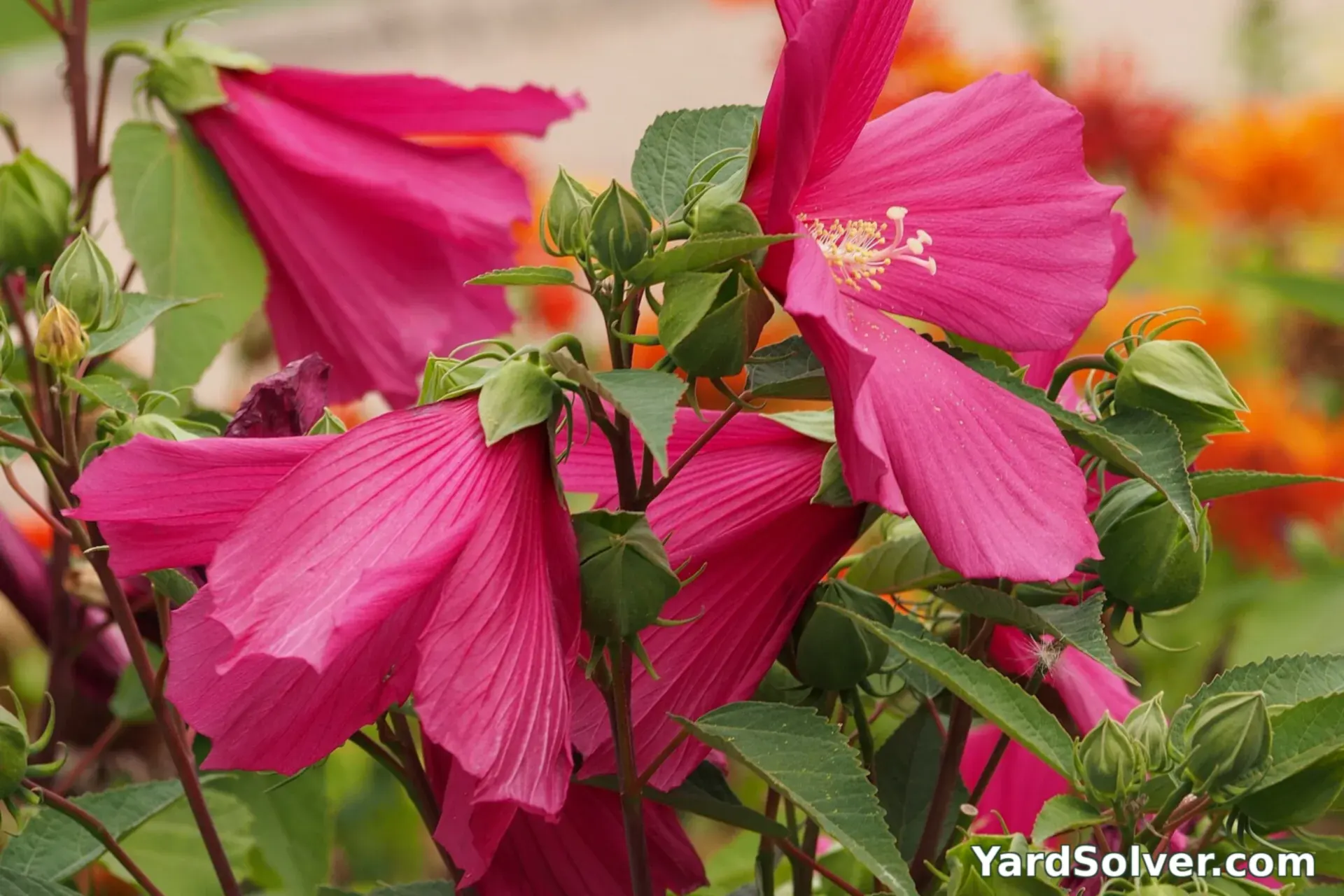
Hardy hibiscus grows wild in sunny marshes — give it rich, moisture-retentive soil in full sun, and it tolerates genuinely wet ground that would kill most perennials. Dig in deep compost before planting. Tropical types want the same richness in their pots, with drainage. For a raised bed, the Raised Bed Soil Calculator counts the bags for you; mixing your own? The Garden Soil Calculator gives the compost-rich split to aim for.
Step 3 — Sow and plant out
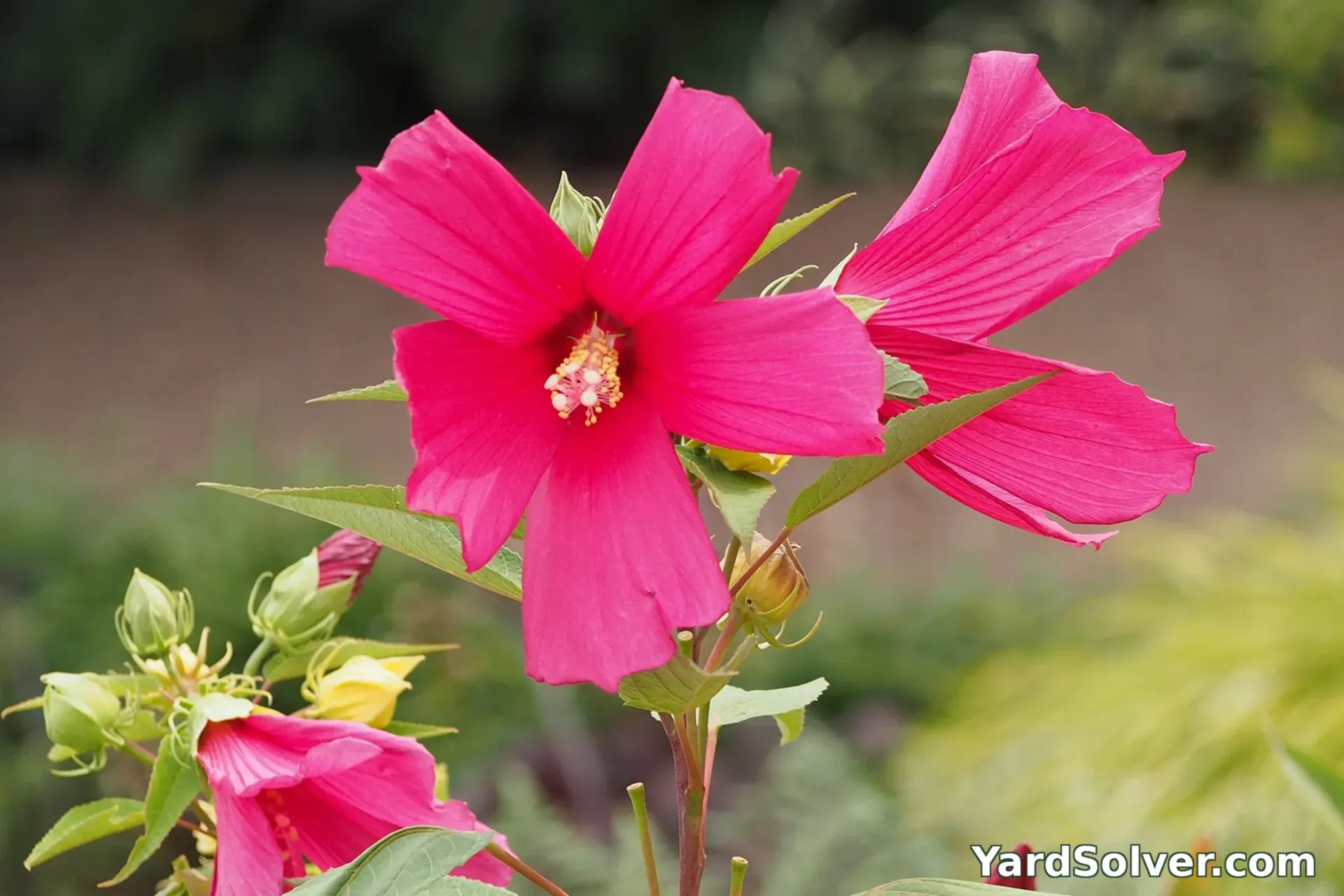
Set hardy plants 42 in apart, crown at soil level, and water in lavishly. The Plant Spacing Calculator turns your bed size into an exact plant count. Good neighbours: hardy hibiscus anchors the late-summer border with joe-pye weed, flowering as the spring perennials finish — put it where its late start won't leave a spring gap, behind early plants that hide the bare spot.
Step 4 — Water and feed
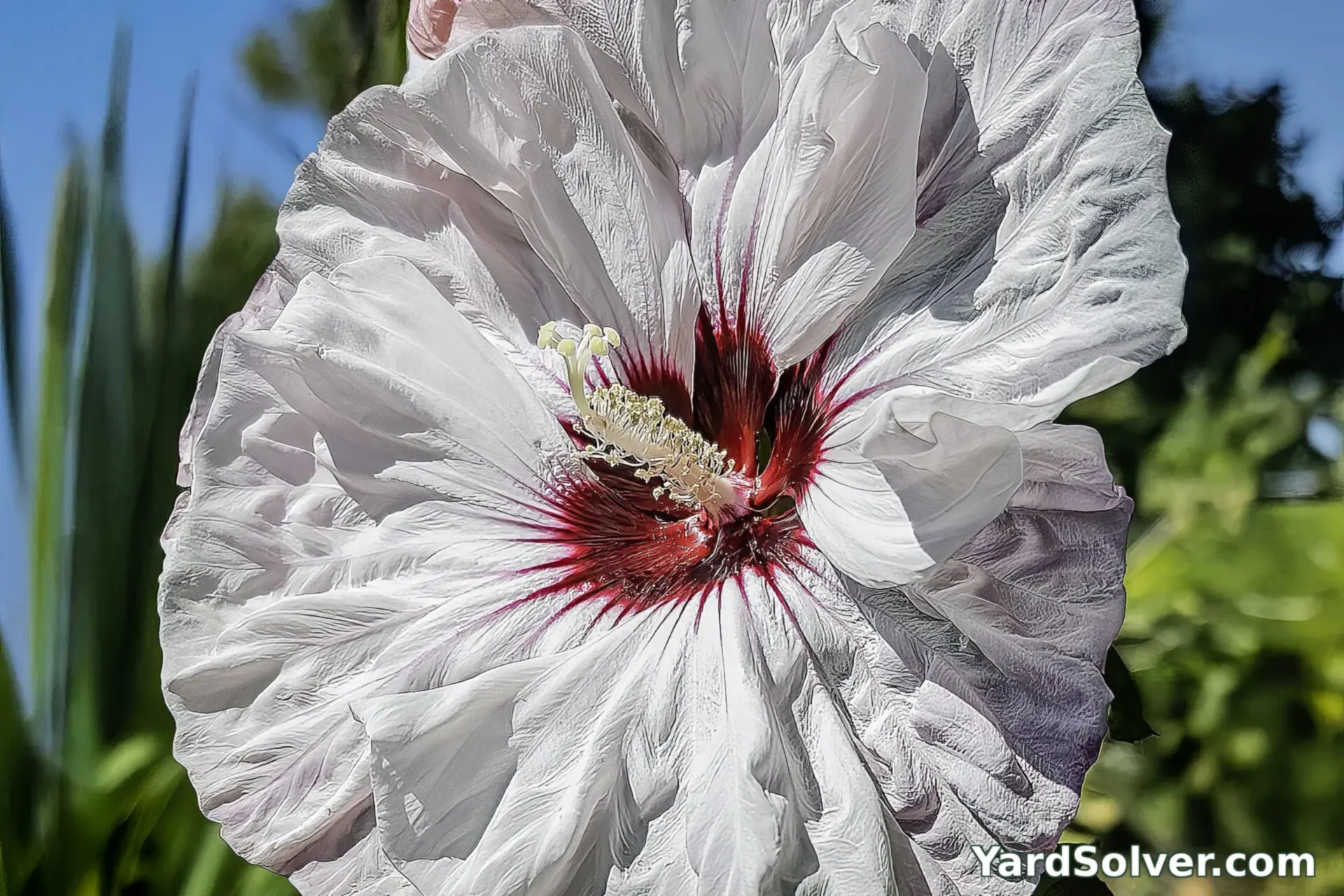
Water hardy hibiscus deeply in any dry week of summer; tropical pots may drink daily in heat. Feed both generously — a balanced feed in spring and again in early summer for the hardy type, weekly liquid feed for tropical pots — the Fertilizer Calculator turns your bed size into exact amounts. These are hungry, thirsty, fast-growing plants and they show it when short-changed.
Step 5 — Care and the problems to watch for
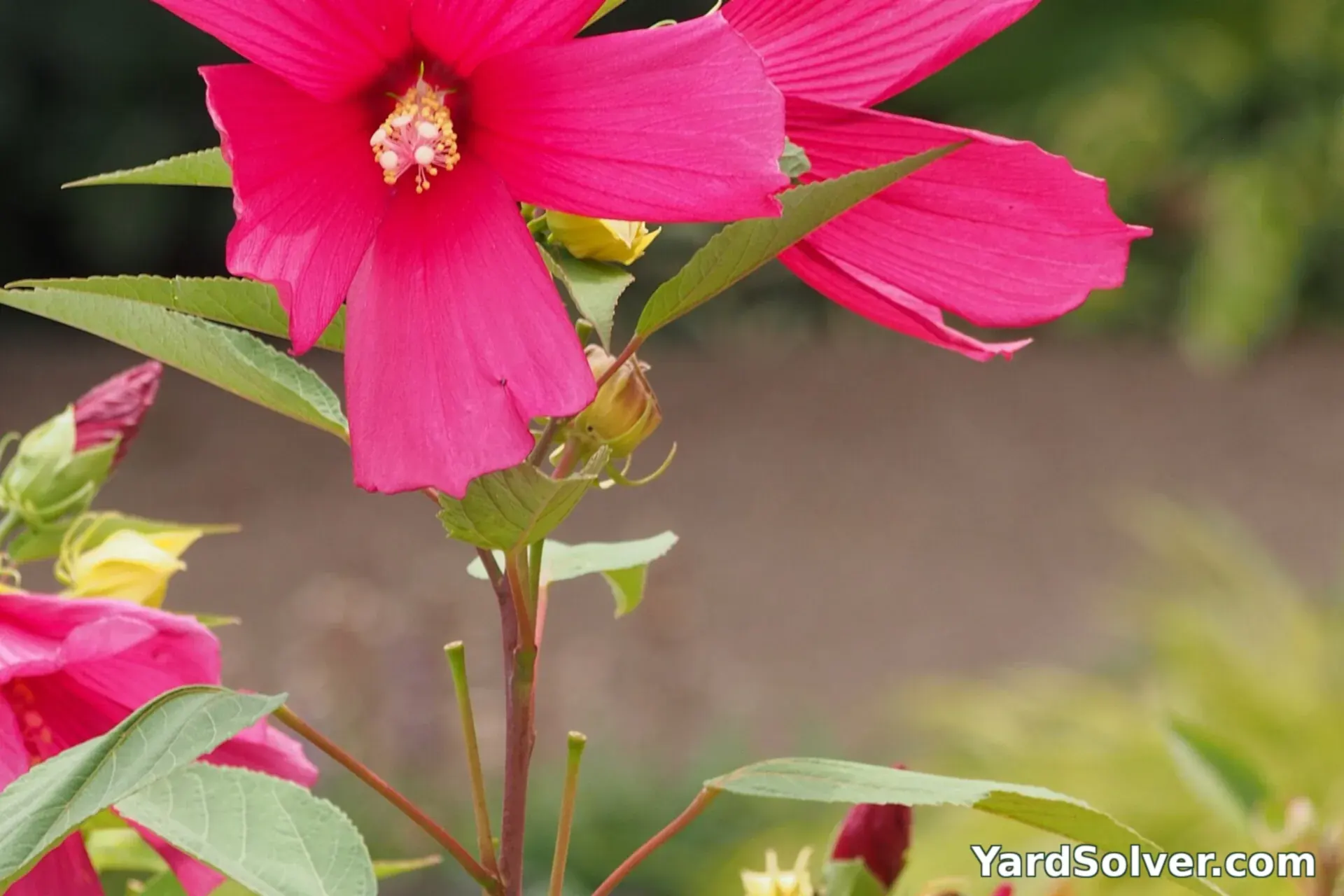
Hardy hibiscus needs no pruning beyond cutting the dead stems down after frost (leave them standing until spring if you like winter structure and a reminder of the spot).
- Japanese beetles and sawfly larvae — the foliage pests in some regions; pick off larvae, and accept some lace-making.
- Bud drop on tropical pots — drought or a sudden move; steady the water and leave the pot be.
- No growth by late May — normal! Wait until June before declaring a hardy hibiscus dead.
Step 6 — Harvest
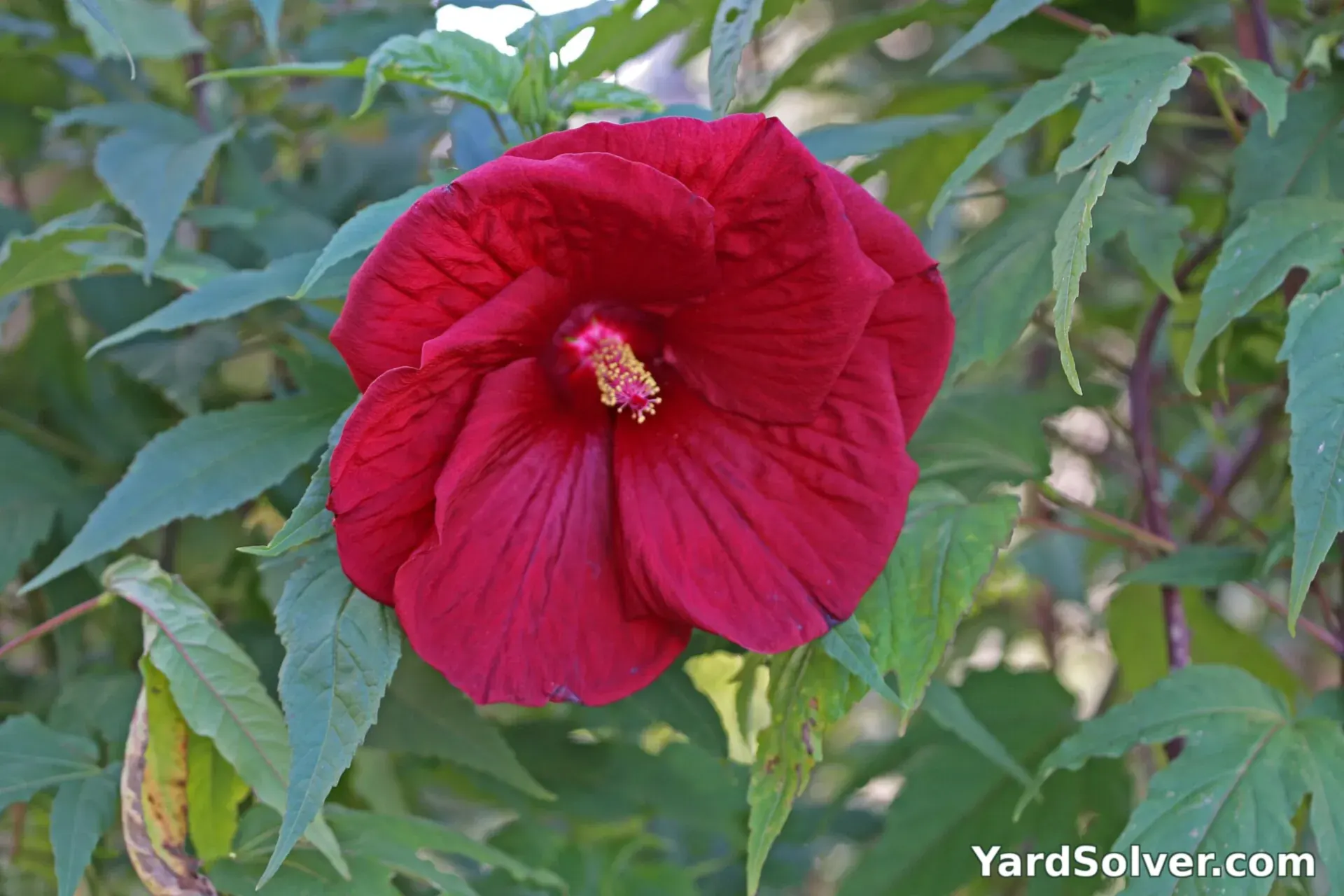
Hibiscus blooms last a day or two on the plant and less cut — pick them in the morning and float them in a shallow bowl for the day's decoration. The real harvest is the spectacle: a hardy hibiscus in August, carrying a dozen open plates at once, stops visitors mid-sentence. Save seed from hardy plants if you like — seedlings vary charmingly.
📅 Your personal Hibiscus schedule
Counted from your planting day — not a generic calendar. Day 0 is the day the seed went in the ground or the young plant went out.
Varieties worth growing
| Variety | Colour | Why gardeners like it |
|---|---|---|
| Luna series | Huge plates, compact 3 ft | Hardy moscheutos types in pink, red and white swirls — the modern standard. |
| Kopper King | Copper-red leaves, pink plates | Hardy type with dramatic dark foliage all season. |
| President (tropical) | Classic red trumpets | The archetypal tropical hibiscus for pots — single red, endlessly flowering. |
Good for you — and take care
Benefits
- The biggest flowers in the hardy garden — up to 10 in across.
- Hardy types laugh at wet soil that kills other perennials.
- Two months of tropical spectacle from July to September.
Take care
- Hardy hibiscus emerges very late — never dig it up in spring impatience.
- Thirsty and hungry — short rations show immediately.
- Tropical types must winter indoors in cold climates.
A little history — and one good fact
Hardy hibiscus is a North American swamp native; tropical hibiscus is China's rose, carried around the tropics as the universal patio flower and Hawaii's state bloom (the yellow native H. brackenridgei). Breeders crossed the hardy species in the 20th century to produce the dinner-plate hybrids — tropical looks, temperate winters.
Fun fact: A hardy hibiscus can grow five feet and flower in a single season from a crown that showed nothing above ground until late May — the whole plant is rebuilt from scratch every summer.
Keep going
Guides: Companion planting basics · Pollinator garden guide · Crop rotation basics
Calculators: Plant Spacing Calculator · Garden Mix Calculator · Fertilizer Calculator
More flowers: Joe-Pye Weed · Bird of Paradise · Hollyhock · Rose
← Back to the Plant Library · Get your personal planting dates
Questions people ask
Why is my hardy hibiscus not growing in spring?
It is almost certainly still asleep — hardy hibiscus is one of the last perennials to emerge, often not until late May or even June in cool districts. Mark the spot in autumn, be patient, and never dig to check before June.
What is the difference between hardy and tropical hibiscus?
Hardy hibiscus (H. moscheutos) is a herbaceous perennial for zones 5–9 that dies back to the crown each winter and regrows with plate-sized flowers. Tropical hibiscus (H. rosa-sinensis) is an evergreen shrub for zones 10+ or pots that must winter indoors.
How big do hardy hibiscus flowers get?
The modern hybrids carry flowers 8–10 in across — genuine dinner plates. The plant itself reaches 3–5 ft in a single summer from the ground up.