
Plant Library · Flowers
🌼 How to Grow Jasmine
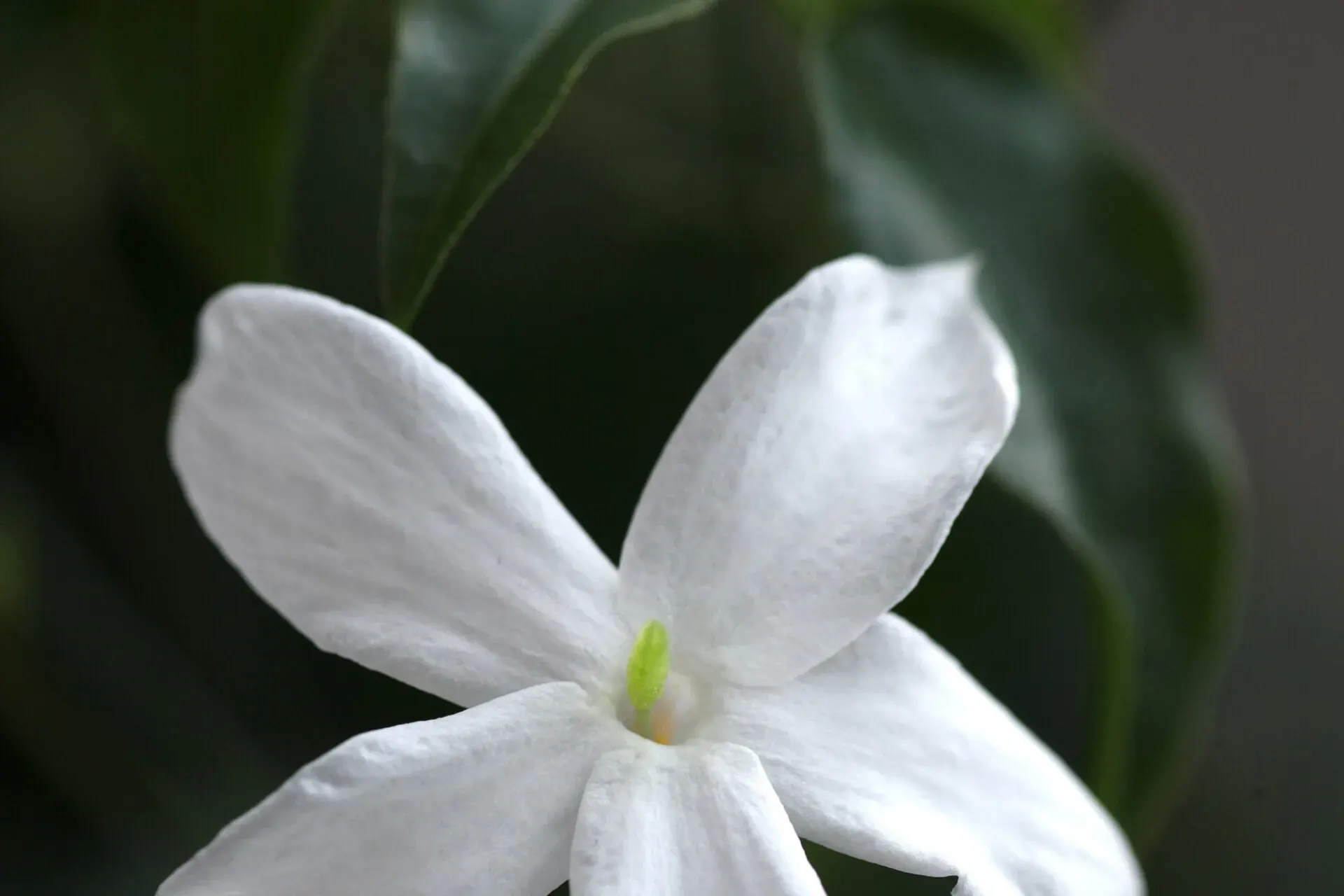
Perfume you plant once and smell for decades — jasmine is the scent climber. Two plants share the name in gardens: common jasmine (Jasminum officinale), a hardy-ish twining climber with white summer stars for zones 7–10, and winter jasmine (J. nudiflorum), leafless yellow bells on January stems. Confusingly, 'star jasmine' is Trachelospermum, a different plant entirely. This page covers the true jasmines: sun, warmth, and a wall to bless.
Grow Jasmine with us — step by step
Everything for this plant is written step by step below — what to do, and exactly when. Read it through first if you like: you can grow it entirely on your own with that guide. Or start with us here — tell us your planting day and we lay out your personal schedule on this page, every next step on its own day, counted from your planting date. No guessing, no forgetting.
Step 1 — today: Buy a jasmine plant in spring — common jasmine for summer scent, winter jasmine for January colour — and give it the warmest wall you own.
Jasmine at a glance
Plant out: Spring, as bought plants, against a warm wall or support
Move indoors: Tender jasmines come in before frost
Sow outdoors: From seed is slow and unreliable — buy plants or layer stems
Spacing: One plant covers 10–15 ft of wall; plant 60 in apart for a run
Sun: Full sun for common jasmine; winter jasmine tolerates shade
Water: Moderate — regular while establishing
Bloom: June to September (common); January to March (winter jasmine)
Timing counts from your average last spring frost — get your own dates in the Planting Calendar. Guidance follows standard extension-service practice for Canada and the US.
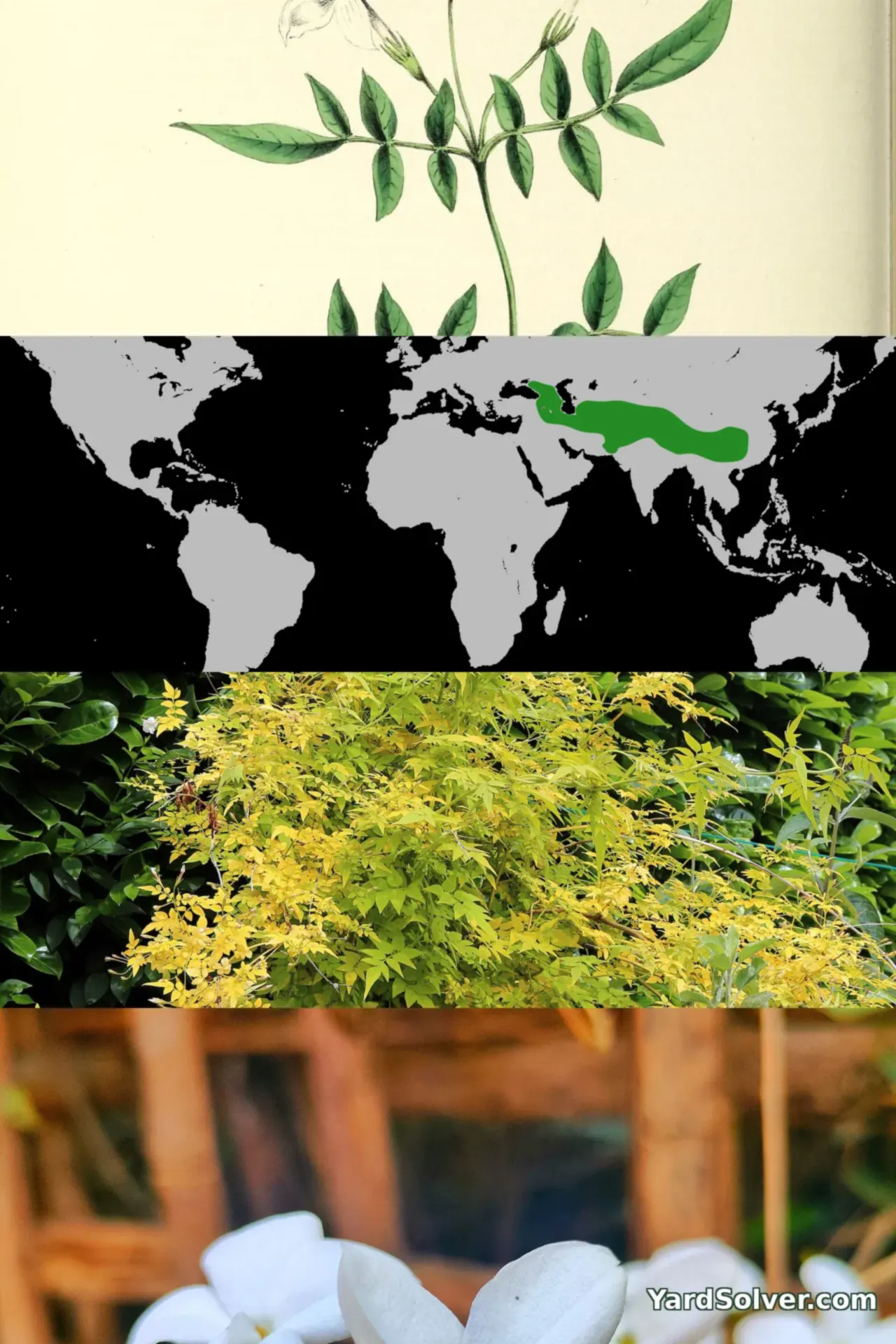
How to plant and grow jasmine, step by step
Step 1 — Time it right
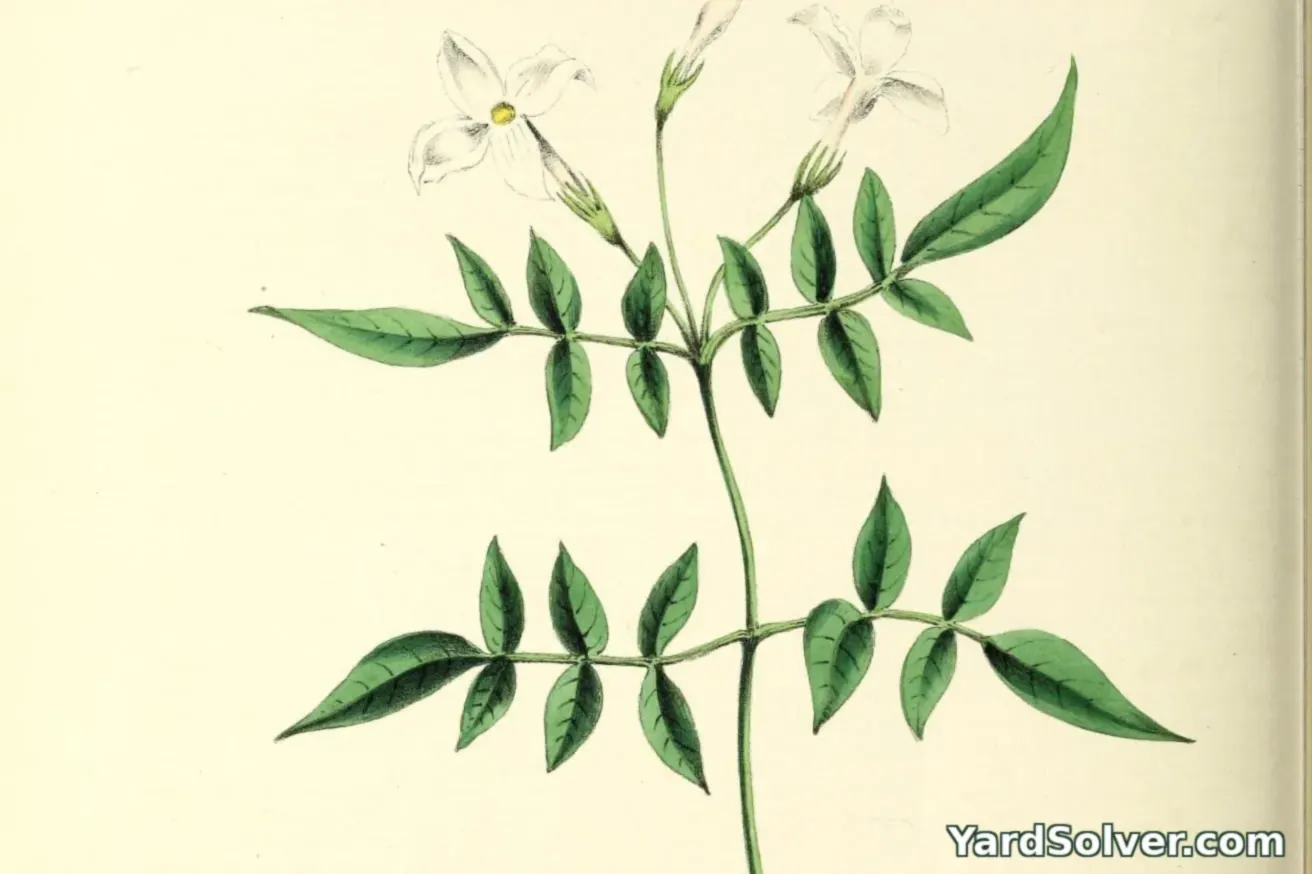
Plant out: in spring, as bought plants, against a warm support; From seed: not practical — layering is the gardener's propagation. All dates count from your average last spring frost — the Planting Calendar turns them into real dates for your garden. Jasmine is bought as a plant — seed is a breeder's path, slow and untrue. Spring is the planting season. Common jasmine (officinale) is hardy to about zone 7 with a warm wall; colder gardens grow it in a big pot that winters under cover. Winter jasmine is far tougher (zone 6) and needs no scent to justify itself — it flowers on bare stems in the year's darkest weeks.
Step 2 — Prepare the spot

Give common jasmine your warmest, sunniest, most sheltered wall — it flowers on ripened wood, and cold winds undo the ripening. Soil: fertile and well-drained, enriched with compost. Fix wires or trellis before planting; jasmine twines around supports but a young plant needs its stems spread and tied to start the coverage. For a raised bed, the Raised Bed Soil Calculator counts the bags for you; mixing your own? The Garden Soil Calculator gives the compost-rich split to aim for.
Step 3 — Sow and plant out
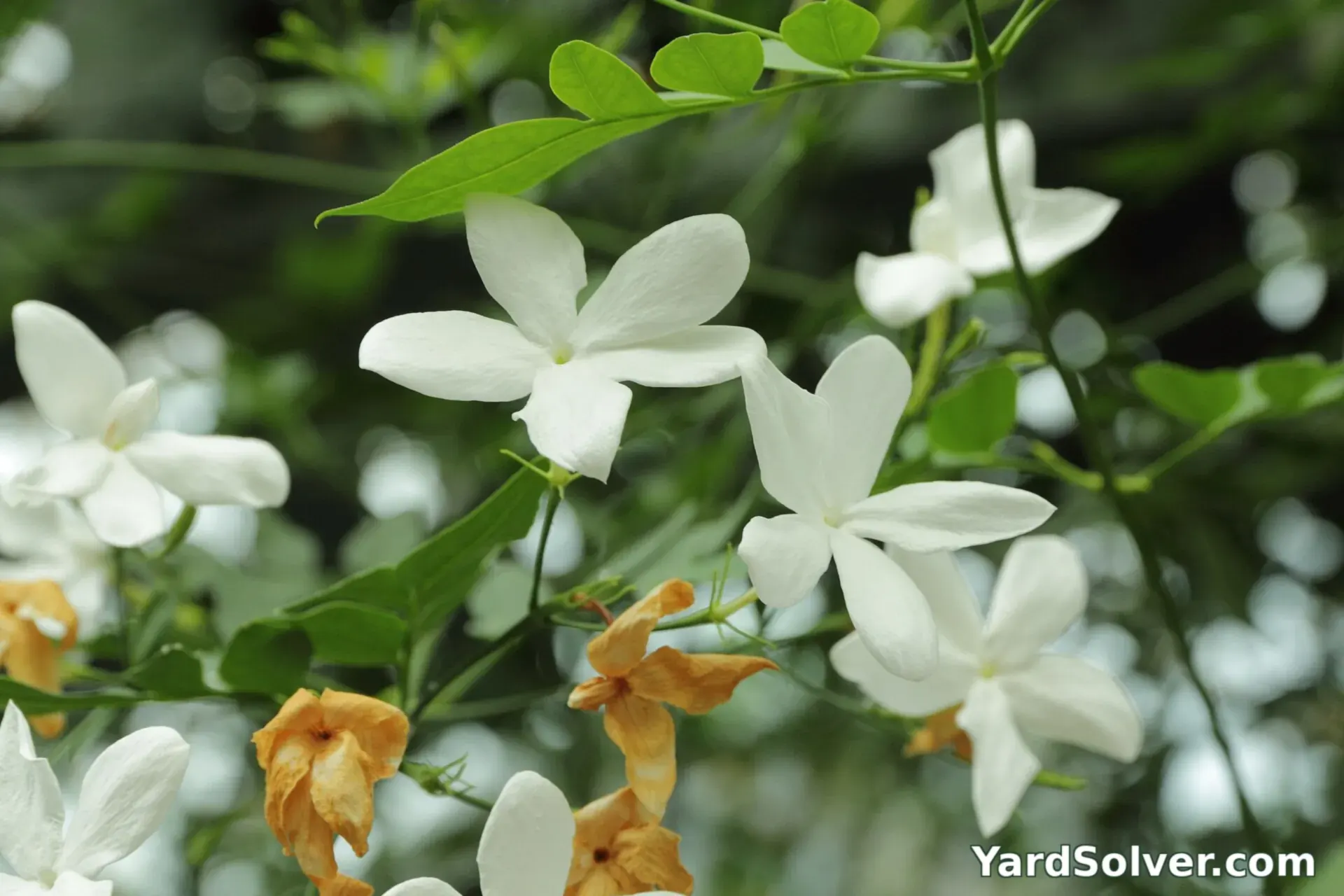
Plant 18 in away from the wall base (the ground at a wall's foot is the driest in the garden), lean the cane toward the wires, and tie the stems in a fan. The Plant Spacing Calculator turns your bed size into an exact plant count. Space multiple plants 60 in apart for a continuous run. Good neighbours: jasmine over a doorway with roses is the classic cottage pairing — the rose flowers, then the jasmine perfumes the evening.
Step 4 — Water and feed
Water regularly through the first two summers — the wall-foot dryness zone is real. Once established, common jasmine tolerates dry spells well. Feed in spring with a balanced feed, and pot plants fortnightly in summer — the Fertilizer Calculator turns your bed size into exact amounts. A high-potash feed in late summer helps ripen the wood that carries next year's buds.
Step 5 — Care and the problems to watch for
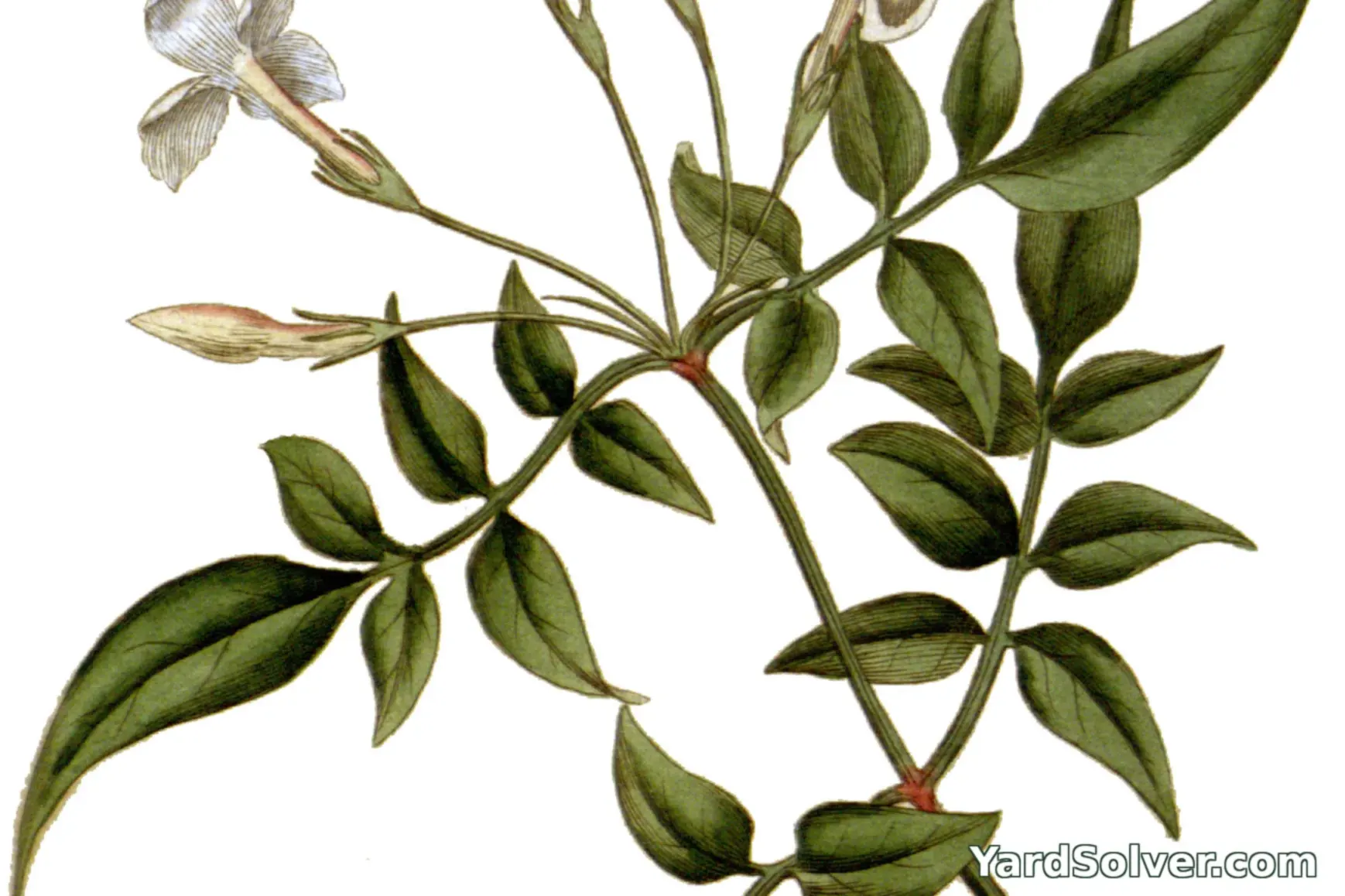
Prune common jasmine right after flowering: thin out old and tangled stems, tie in the strong new ones — it flowers on this year's ripened growth, so winter pruning is safe but spring tidying shouldn't remove the framework. Winter jasmine: prune after its winter flowering, cutting flowered stems back to strong buds.
- No flowers — usually shade, unripened wood (cold spot), or over-feeding with nitrogen pushing leaves. Move to sun or feed potash.
- Stems dying back in winter — cold damage at the limit of hardiness; cut to live wood in spring, it regrows strongly.
- Sooty leaves — scale insects on indoor or sheltered plants; wipe and prune out the worst.
Step 6 — Harvest
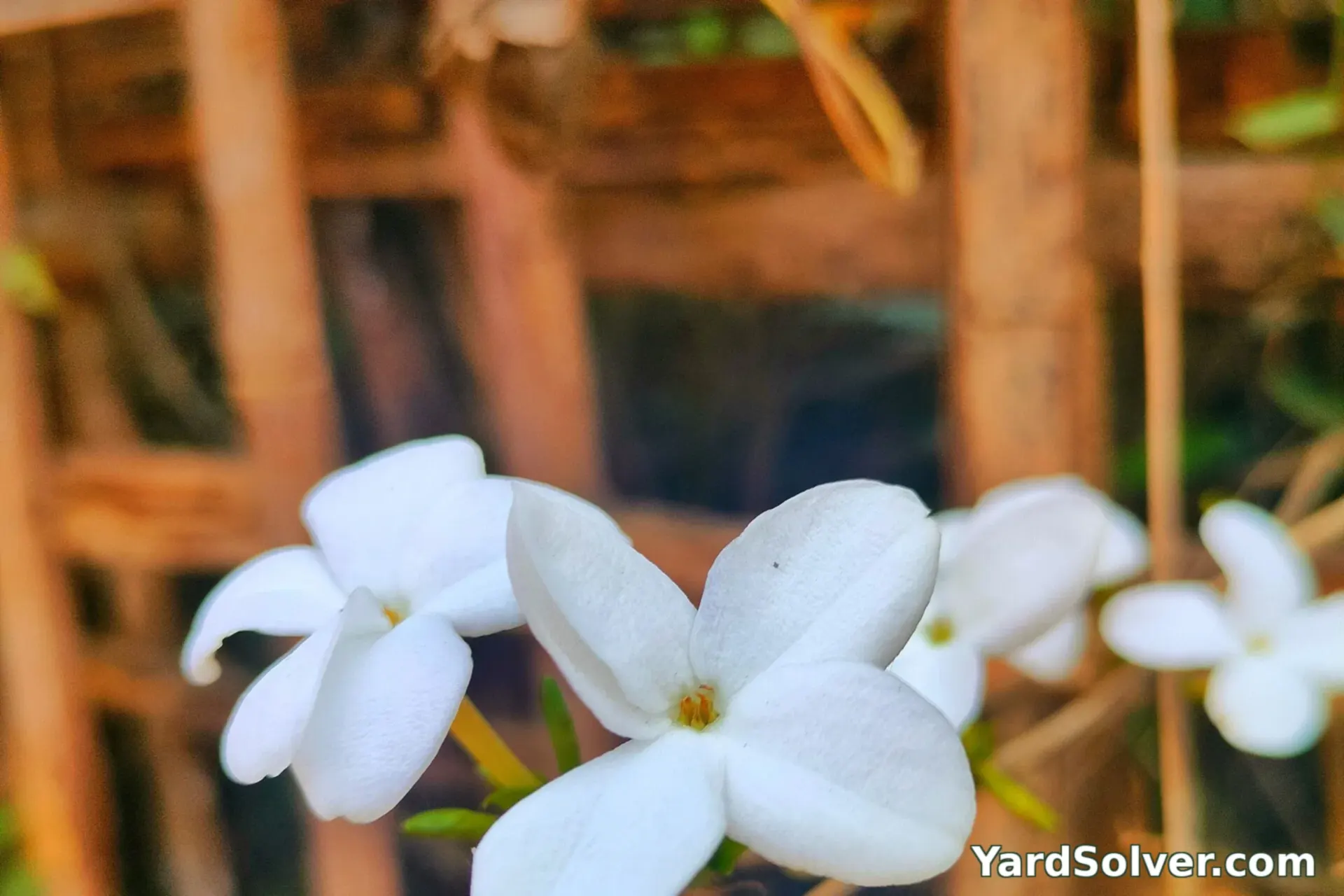
Pick jasmine flowers at dusk, just as they open, when the scent is strongest — float them in a bowl, or dry them for scenting tea the home way (layer with dry tea leaves overnight). The vine itself asks little for its decades of perfume: an annual tidy and a spring feed. Layer a low stem in a pot of compost any summer and you'll have a rooted plant to give away by autumn.
📅 Your personal Jasmine schedule
Counted from your planting day — not a generic calendar. Day 0 is the day the seed went in the ground or the young plant went out.
Varieties worth growing
| Variety | Colour | Why gardeners like it |
|---|---|---|
| Common Jasmine (officinale) | White stars, supreme scent | The species itself — hardy to zone 7 on a warm wall, flowering June to September. |
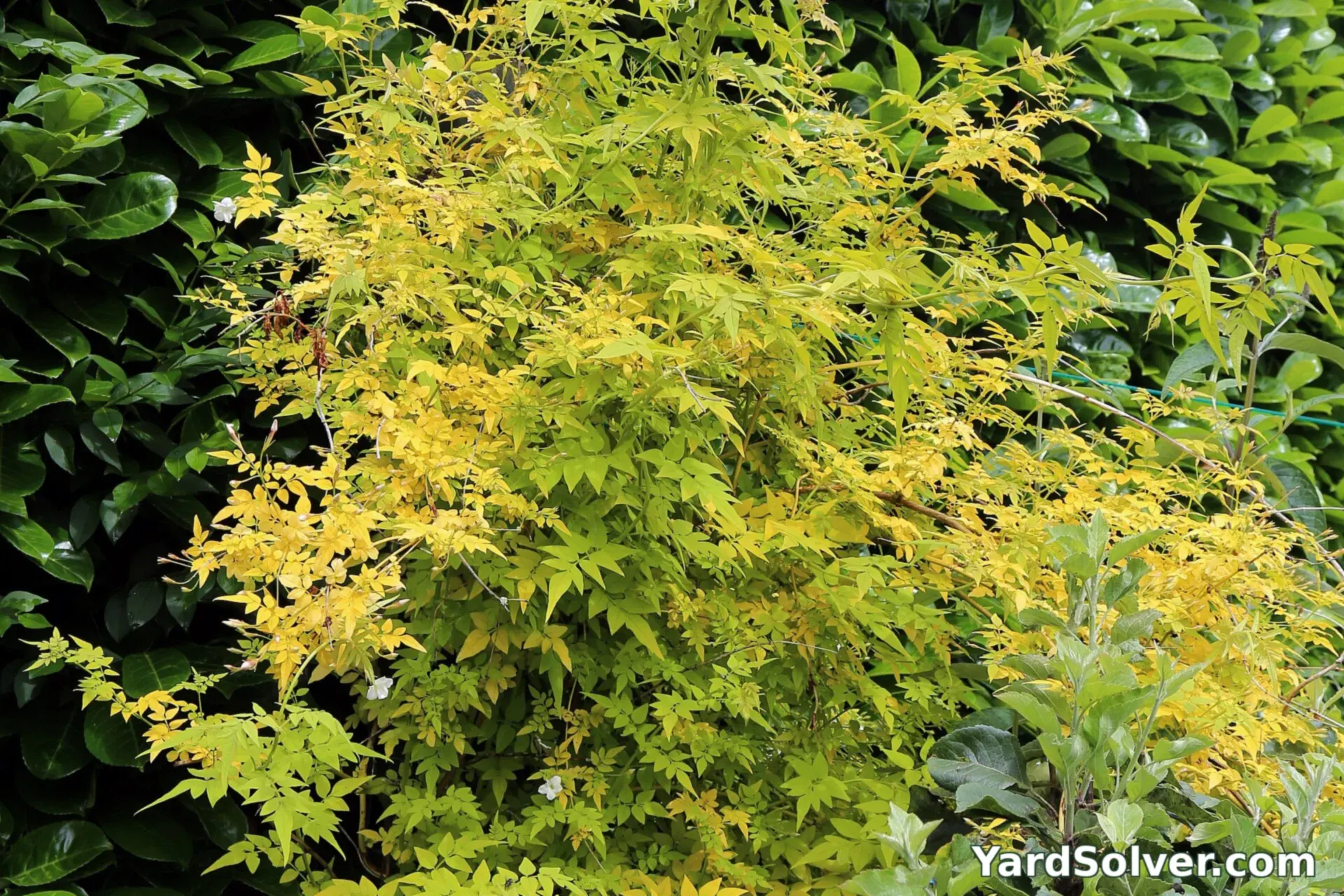
| Fiona Sunrise | Golden-yellow leaves | A variegated common jasmine that glows even out of flower. |
| Winter Jasmine (nudiflorum) | Yellow bells, midwinter | Not scented — but flowers on bare stems from January, in shade if needed. |
Good for you — and take care
Benefits
- Evening perfume that carries across a whole garden.
- A climber for decades — plant once, enjoy for a generation.
- Two seasons covered: summer scent (common) and midwinter flowers (winter).
Take care
- Needs a warm, sunny, sheltered wall to flower well in cool districts.
- Buy by Latin name — poisonous namesakes share the common name.
- Tie in new stems — a neglected jasmine becomes a tangled thicket.
A little history — and one good fact
Jasminum officinale travelled from Persia and the Himalayas along the silk routes; its name comes from the Persian 'yasmin', gift from God. It became the perfume flower of Grasse in France, where tons of flowers are still picked at dawn for the world's great scents — and the traditional flower of Damascus, whose old name is the City of Jasmine.
Fun fact: Jasmine flowers release their scent most strongly at night — they are pollinated by night-flying moths, and the perfume peaks exactly when the moths fly.
Keep going
Guides: Companion planting basics · Pollinator garden guide · Crop rotation basics
Calculators: Plant Spacing Calculator · Garden Mix Calculator · Fertilizer Calculator
More flowers: Rose · Clematis · Gardenia
← Back to the Plant Library · Get your personal planting dates
Questions people ask
Why isn't my jasmine flowering?
Usually: not enough sun or warmth to ripen the wood, or too much nitrogen feed making leaves instead of buds. Give it the warmest wall you have, feed potash in late summer, and prune only after flowering.
Is jasmine hardy in my garden?
Common jasmine is hardy to about zone 7, and further with a very warm wall — below that, grow it in a pot and winter it under cover. Winter jasmine is hardier (zone 6) and flowers in midwinter instead of summer.
Jasmine or star jasmine — are they the same?
No. Star jasmine is Trachelospermum jasminoides — an excellent evergreen climber with jasmine-like scent, but not a true jasmine. True jasmine is Jasminum. Check the Latin name on the label when you buy.