
Plant Library · Flowers
🤍 How to Grow Gardenia
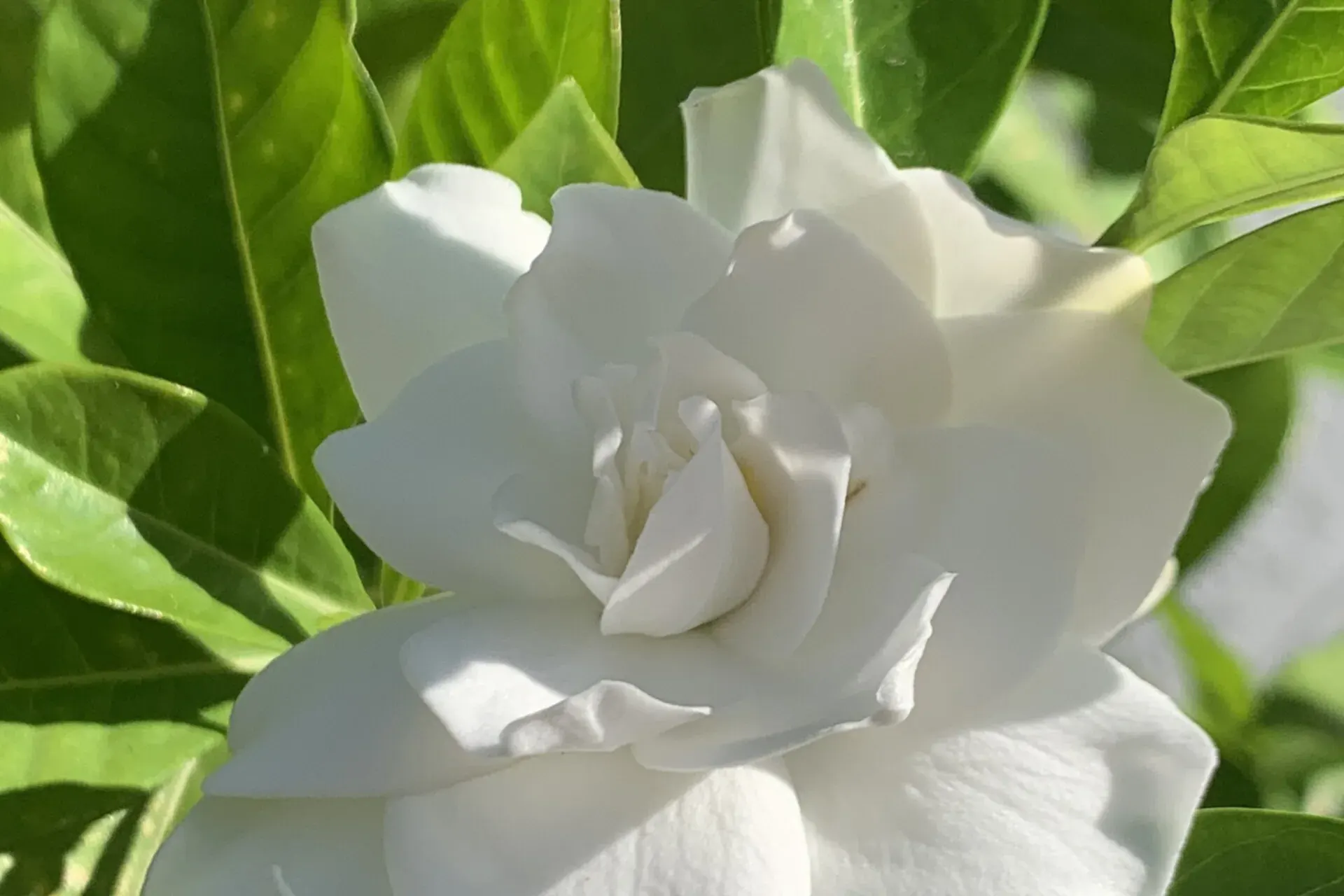
The most perfumed flower in the garden — creamy rosettes with a scent that stops conversations. Gardenia (Gardenia jasminoides) is an evergreen shrub for warm climates (zones 8–11) or a cherished pot plant elsewhere. It is famously particular: acid soil, steady moisture, humidity, and water that isn't hard. Meet its terms and one plant perfumes a whole terrace in June.
Grow Gardenia with us — step by step
Everything for this plant is written step by step below — what to do, and exactly when. Read it through first if you like: you can grow it entirely on your own with that guide. Or start with us here — tell us your planting day and we lay out your personal schedule on this page, every next step on its own day, counted from your planting date. No guessing, no forgetting.
Step 1 — today: Buy the healthiest, glossiest gardenia you can find in spring — this plant rewards a strong start like few others.
Gardenia at a glance
Plant out: Spring, as a bought plant — in acid soil
Move indoors: Before frost below zone 8; a bright, humid room
Sow outdoors: From seed is slow and unreliable — buy plants
Spacing: One per large pot, or 36 in in the ground in warm zones
Sun: Bright light to part shade — morning sun is perfect
Water: Regular — evenly moist, ideally with rainwater
Bloom: Late spring to summer; buds drop if the plant is moved or parched
Timing counts from your average last spring frost — get your own dates in the Planting Calendar. Guidance follows standard extension-service practice for Canada and the US.
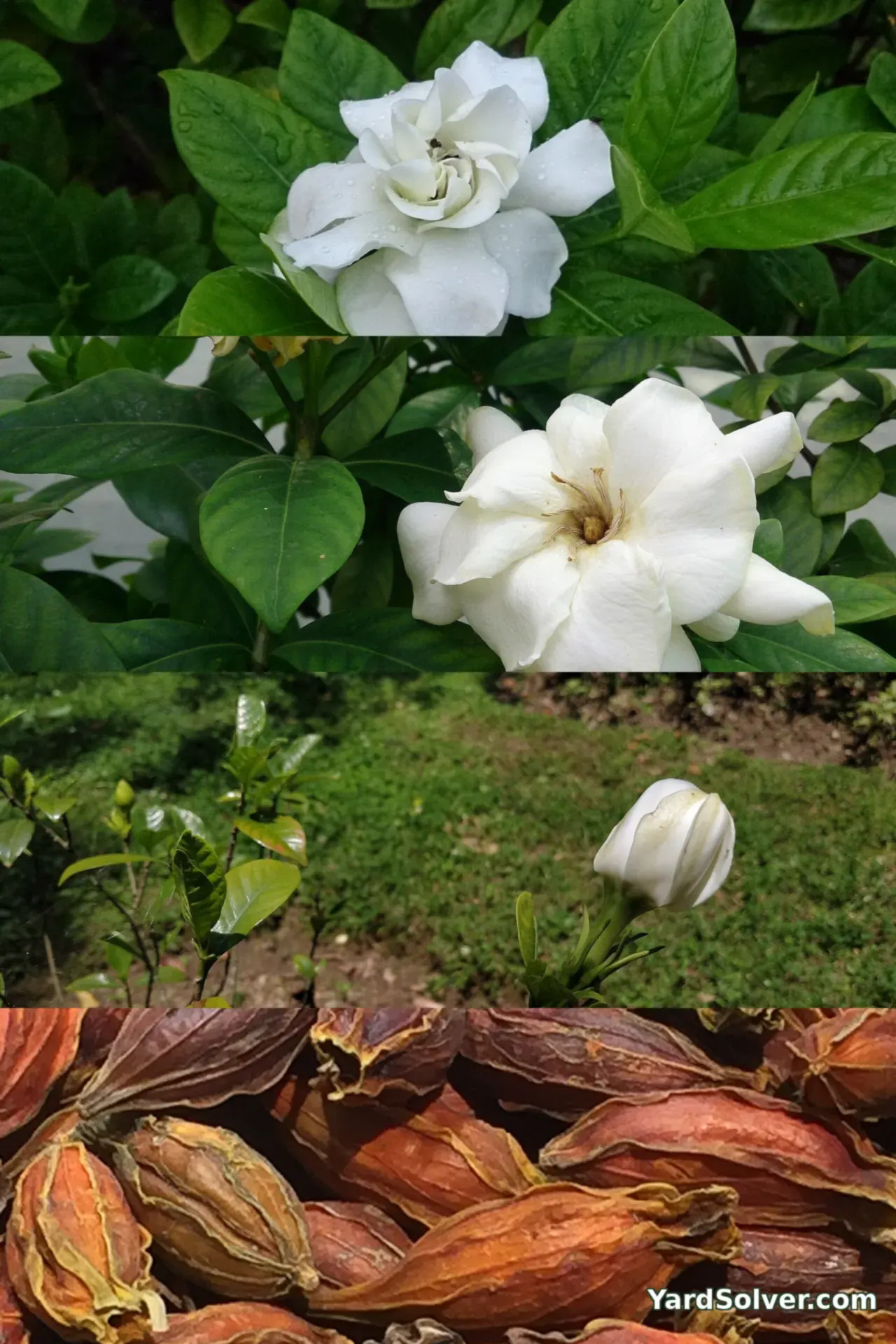
How to plant and grow gardenia, step by step
Step 1 — Time it right
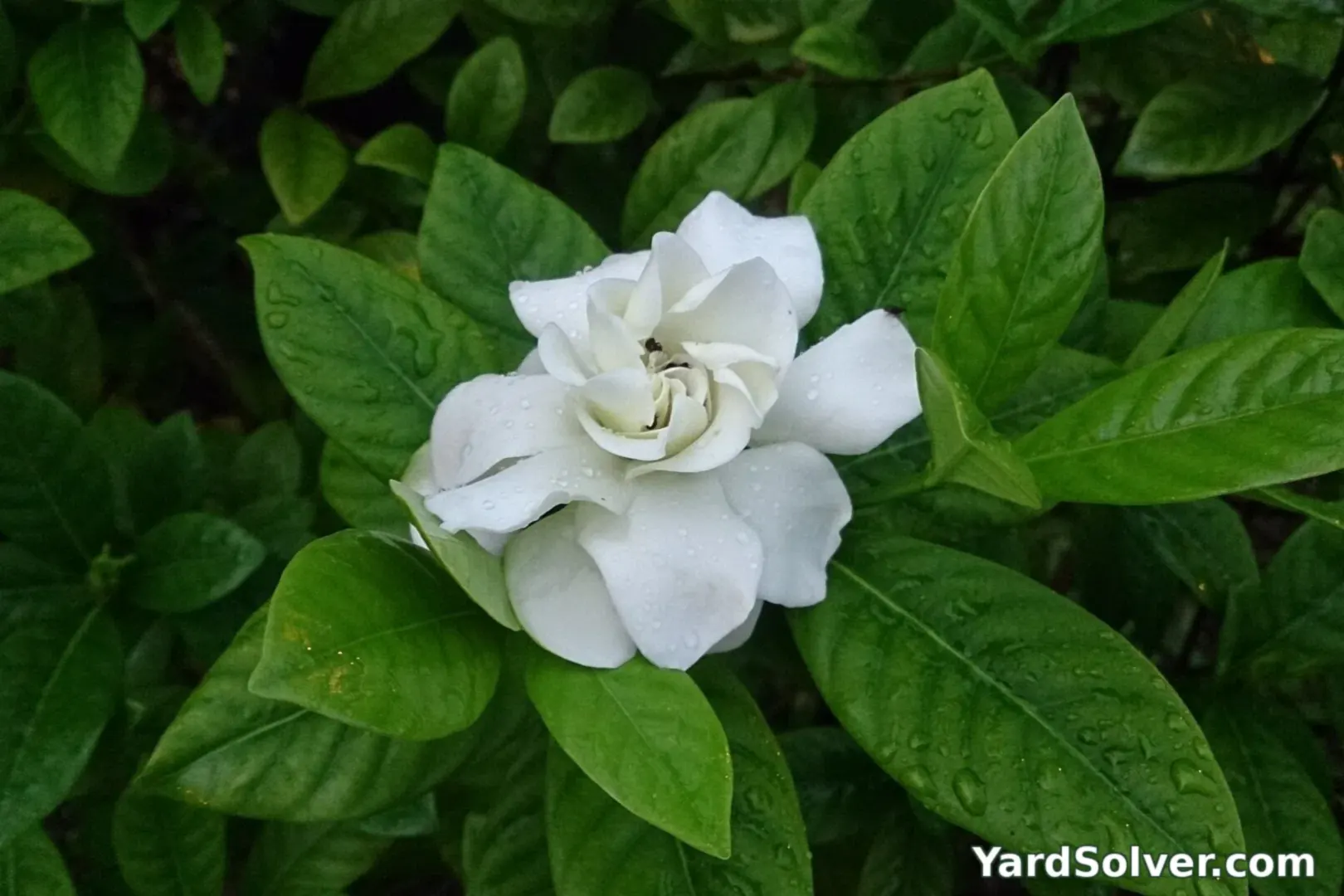
Plant out: in spring, as a bought plant, into acid soil or a pot of ericaceous compost; From seed: not practical. All dates count from your average last spring frost — the Planting Calendar turns them into real dates for your garden. Gardenias are bought, not sown. Spring is the moment: plants are in growth, and summer flowering follows. In zones 8–11 they live outdoors as shrubs; everywhere else they're pot plants with a summer terrace season and a winter indoors. The famous fussiness is mostly three things — acidity, steady moisture, and not being moved once buds set.
Step 2 — Prepare the spot
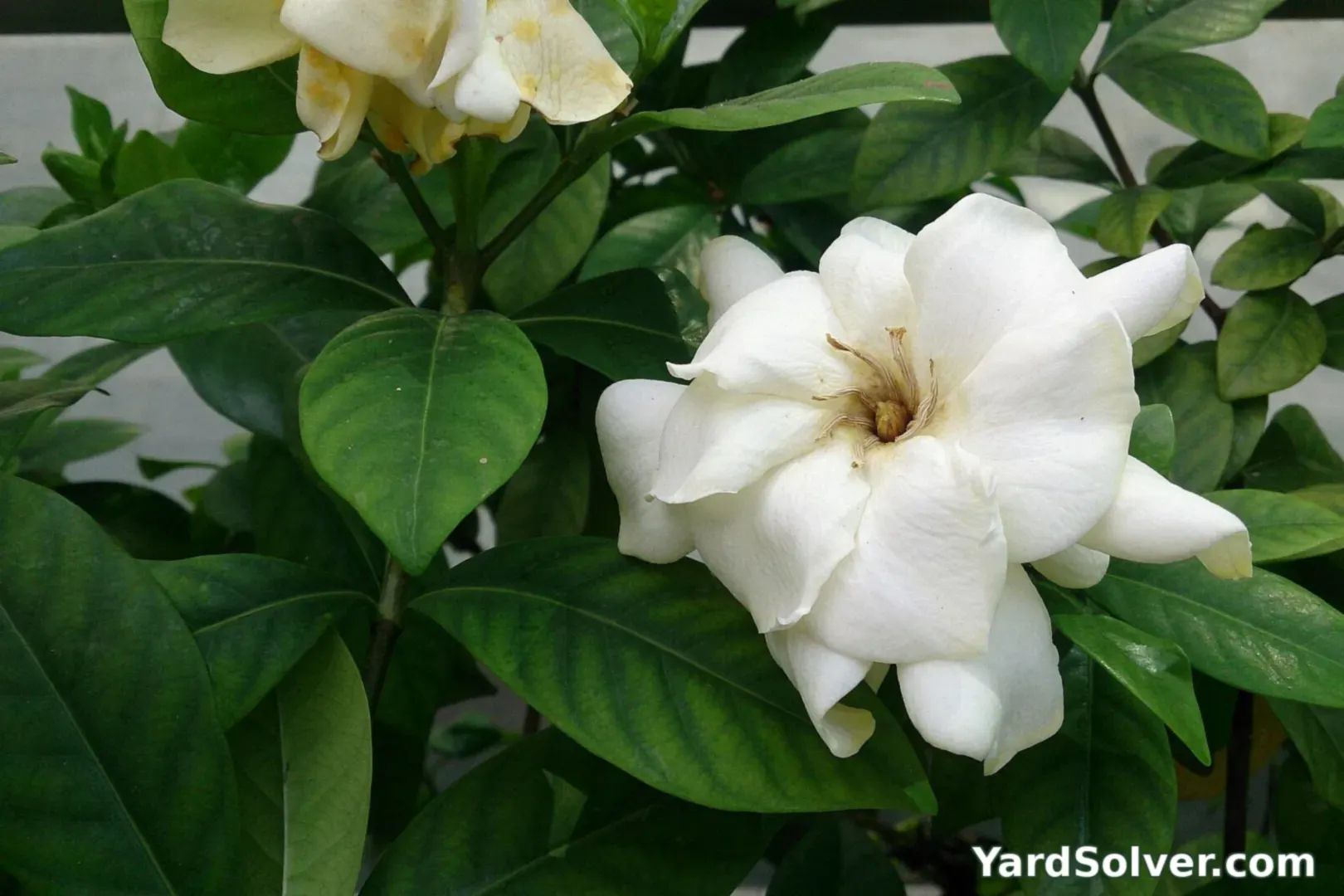
Gardenia demands acid soil (pH 5.0–6.0): in pots, use ericaceous compost; in the ground in warm zones, plant where the soil is naturally acid or heavily amended with acidic organic matter. Hard tap water is its slow enemy — collect rainwater for it if your tap runs alkaline. Position: bright light or morning sun, sheltered, and humid if you can manage it. For a raised bed, the Raised Bed Soil Calculator counts the bags for you; mixing your own? The Garden Soil Calculator gives the compost-rich split to aim for.
Step 3 — Sow and plant out
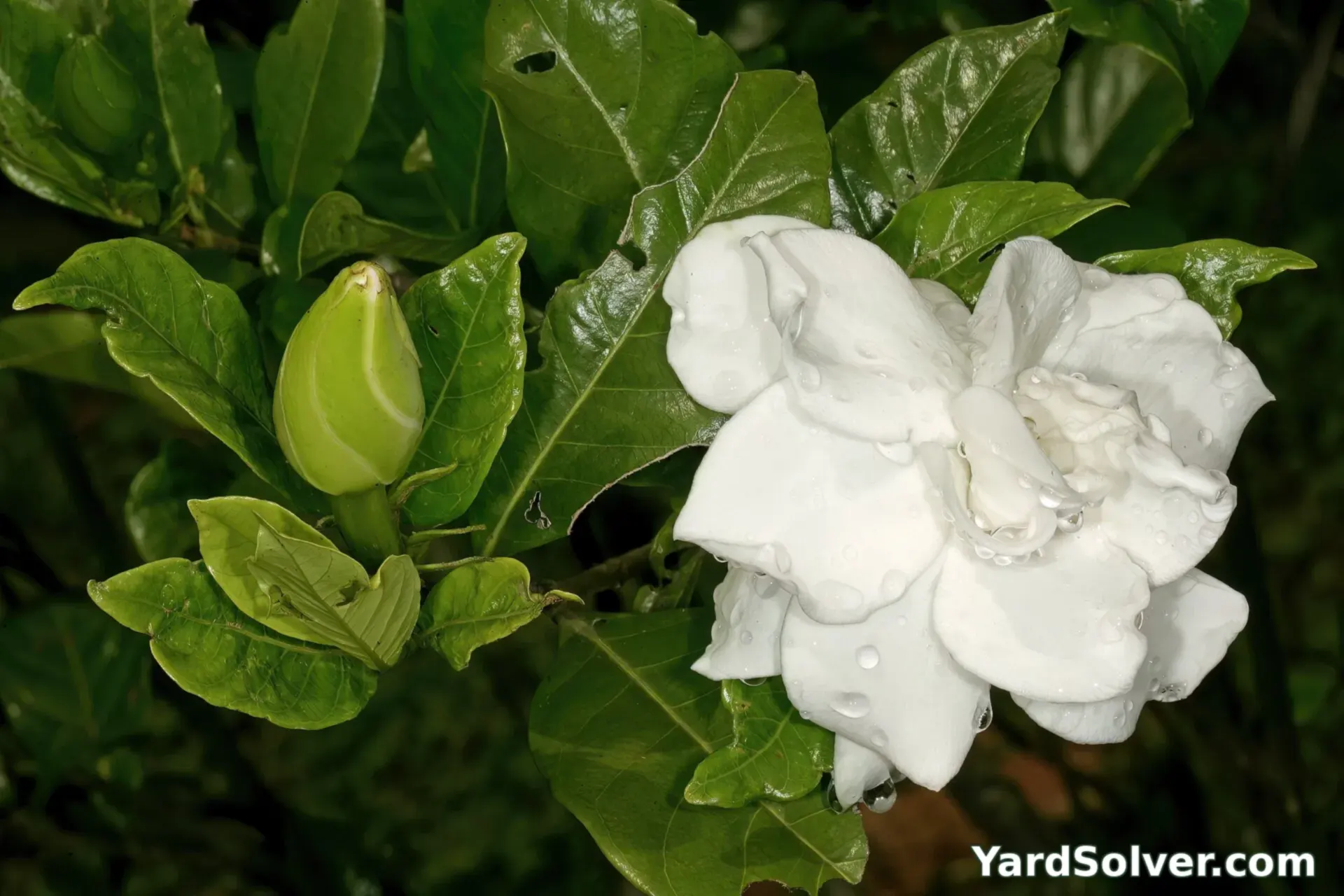
Set the plant at its nursery depth in a pot one size up (36 in spacing in the ground in warm zones), firm in, and water with rainwater. The Plant Spacing Calculator turns your bed size into an exact plant count. Once buds form, mark the pot's orientation and don't rotate or move it — bud drop is the gardenia's protest against change. Good neighbours: it shares its acid tastes with hydrangeas and azaleas in the ericaceous bed.
Step 4 — Water and feed
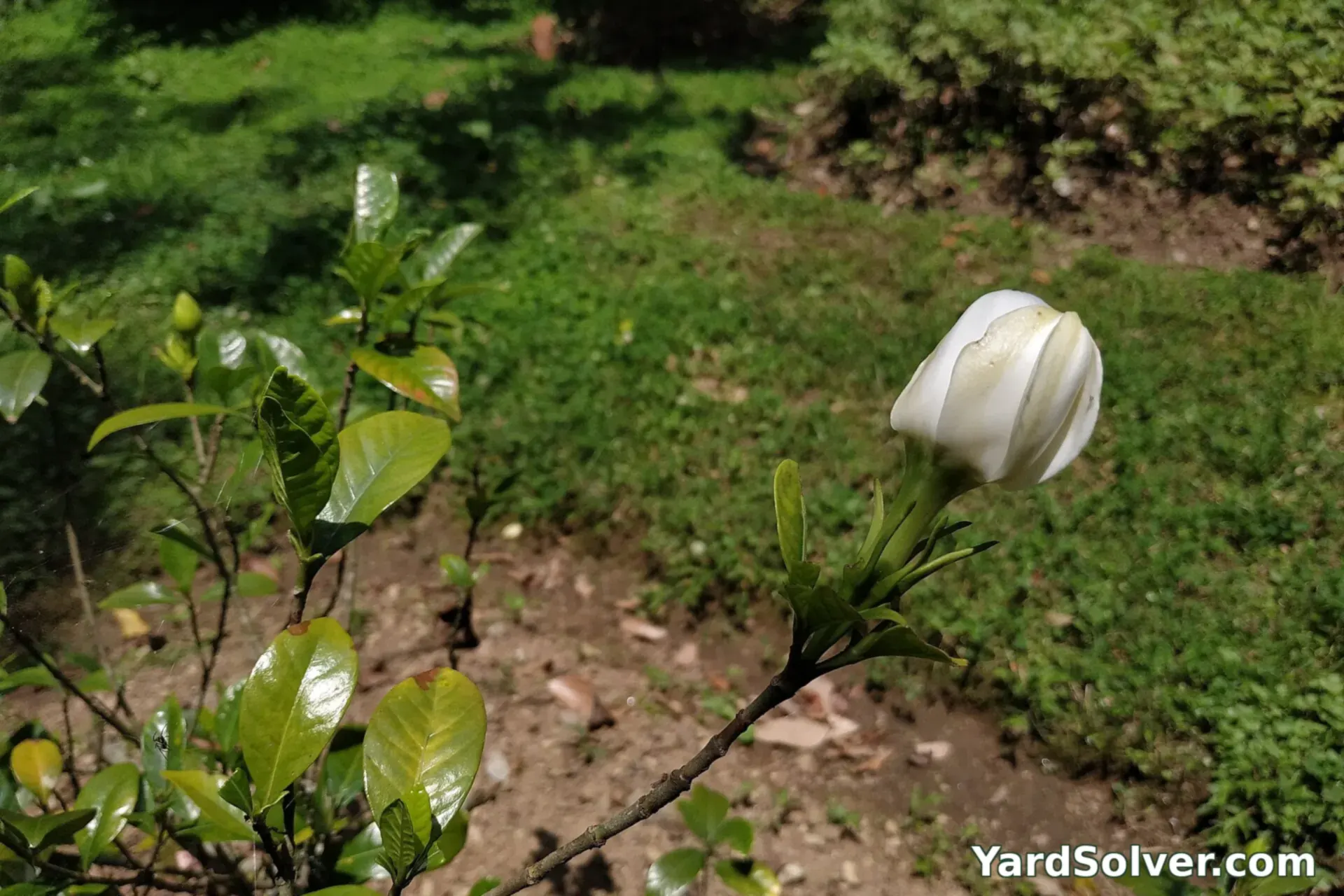
Keep the compost evenly moist — never soggy, never bone dry. Feed every two weeks in spring and summer with a fertilizer for acid-loving plants (the yellowing-leaf cure is usually iron, locked away by alkaline water or compost) — the Fertilizer Calculator turns your bed size into exact amounts. Mist the leaves in dry indoor air, or stand the pot on a tray of wet pebbles.
Step 5 — Care and the problems to watch for
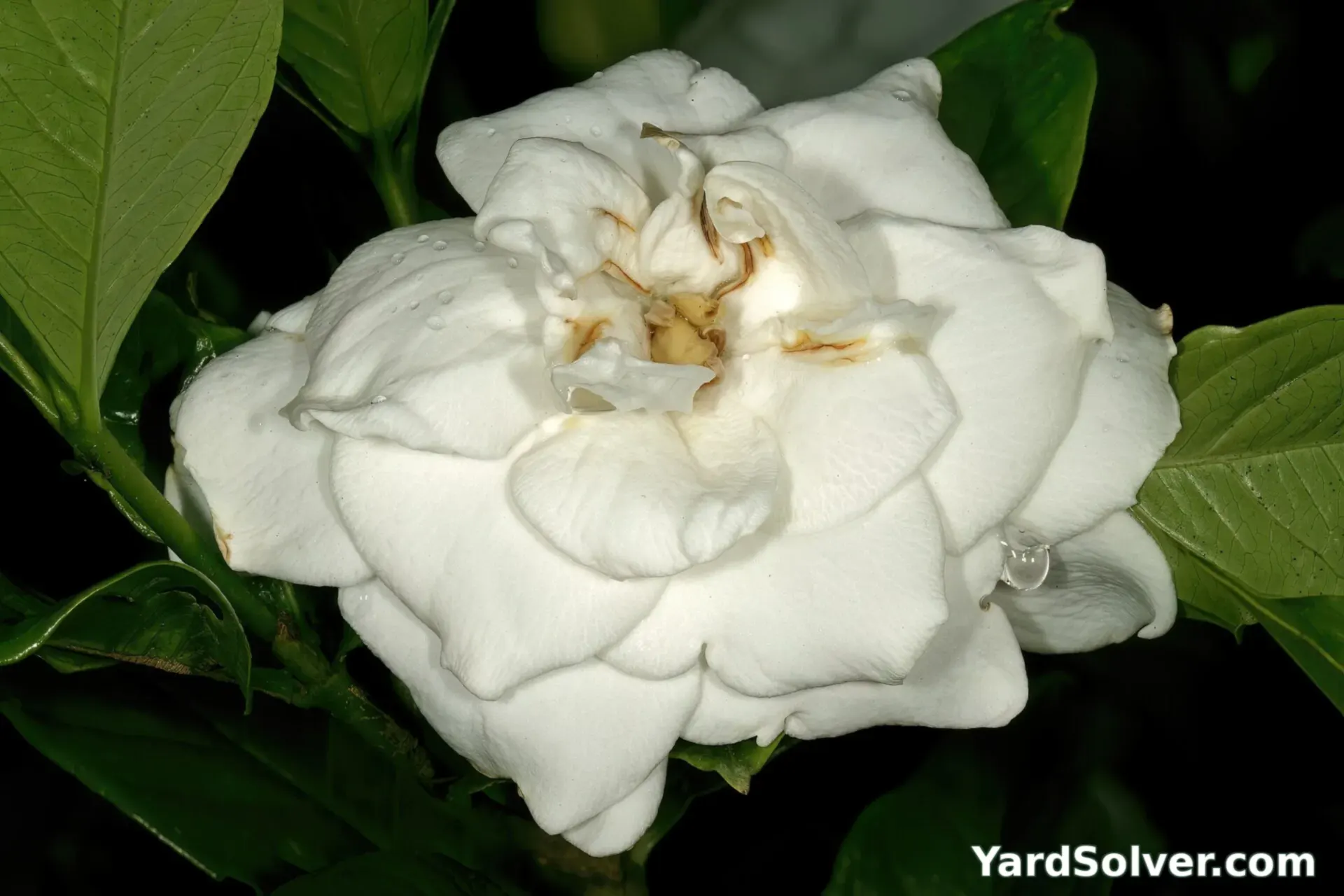
Prune lightly right after flowering to keep the shape; gardenias flower on the current season's growth, so spring pruning costs flowers.
- Buds dropping unopened — the famous protest: moved pot, dry air, drought, or a cold draught. Settle the plant and leave it alone.
- Yellow leaves, green veins — iron chlorosis from alkaline water/compost; switch to rainwater and acid feed.
- Whitefly and scale — the indoor pests; wipe leaves and shower the plant regularly.
Step 6 — Harvest
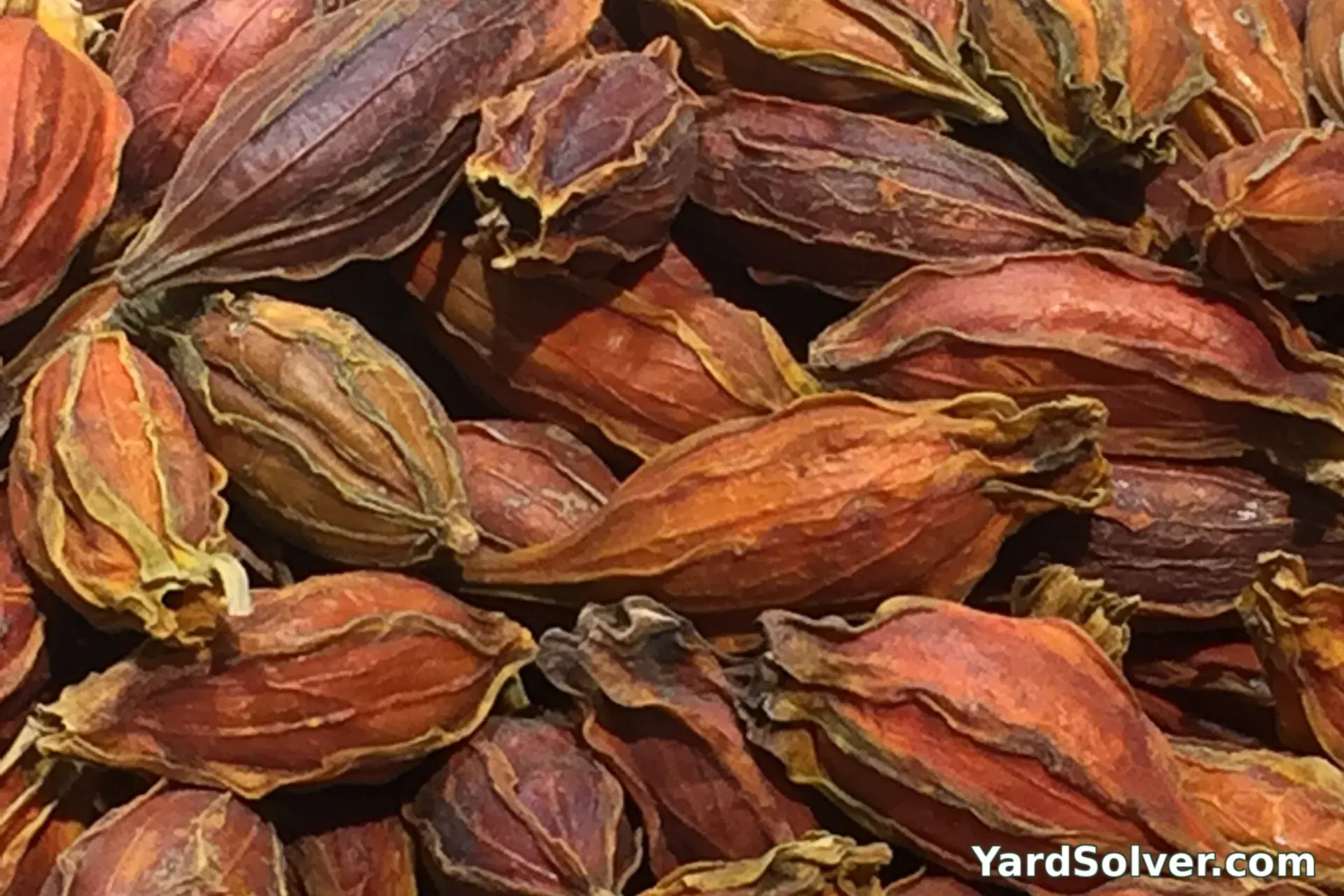
Cut flowers just as they open and float them in a shallow bowl — a single bloom perfumes a room for two or three days, the traditional way to enjoy gardenia indoors. On the plant, snip spent flowers away promptly; they brown on the bush and spoil the picture. The glossy evergreen leaves carry the plant's beauty through the flowerless months.
📅 Your personal Gardenia schedule
Counted from your planting day — not a generic calendar. Day 0 is the day the seed went in the ground or the young plant went out.
Varieties worth growing
| Variety | Colour | Why gardeners like it |
|---|---|---|
| August Beauty | Double white, reblooming | A garden variety that flowers again in late summer — the warm-climate favourite. |
| Veitchii | Double, compact | The florist's gardenia — bred for pots and winter forcing. |
| Kleim's Hardy | Single, extra cold-tolerant | The hardiest gardenia — single flowers, surviving into zone 7 with shelter. |
Good for you — and take care
Benefits
- Perfume beyond description — one bloom scents a room or a terrace.
- Glossy evergreen foliage that looks expensive all year.
- Cut flowers float beautifully and perfume for days.
Take care
- Acid soil and soft water are non-negotiable — alkaline conditions yellow it.
- Buds drop if the pot is moved, turned, or allowed to dry.
- Indoor winters need humidity — dry central heating is its enemy.
A little history — and one good fact
Gardenia came from China and was named for the Scottish-American naturalist Alexander Garden. It became the corsage flower of the Jazz Age — Billie Holiday wore gardenias in her hair after burning her forehead with a curling iron and covering it with the flowers, making the look her signature.
Fun fact: Gardenia scent is so prized — and the flower so reluctant to yield its oil — that almost all 'gardenia perfume' is a perfumer's reconstruction from other ingredients.
Keep going
Guides: Companion planting basics · Pollinator garden guide · Crop rotation basics
Calculators: Plant Spacing Calculator · Garden Mix Calculator · Fertilizer Calculator
More flowers: Jasmine · Hydrangea · Bird of Paradise
← Back to the Plant Library · Get your personal planting dates
Questions people ask
Why do my gardenia buds drop off?
Bud drop is the plant's protest against change or stress: a moved or turned pot, dry air, drought at the roots, or cold draughts. Settle the plant in one bright spot, keep it evenly moist and humid, and don't rotate it while buds are set.
Why are my gardenia leaves yellow with green veins?
Iron chlorosis — the iron is in the soil but locked away by alkalinity. Water with rainwater instead of hard tap water and feed with a fertilizer made for acid-loving plants; new growth should come back green.
Can gardenia grow outside all year?
In zones 8–11 yes, in acid soil with shelter. 'Kleim's Hardy' pushes the limit into zone 7. Elsewhere, gardenia is a pot plant: terrace in summer, bright humid room in winter.