
Plant Library · Vegetables
🥔 How to Grow Jicama
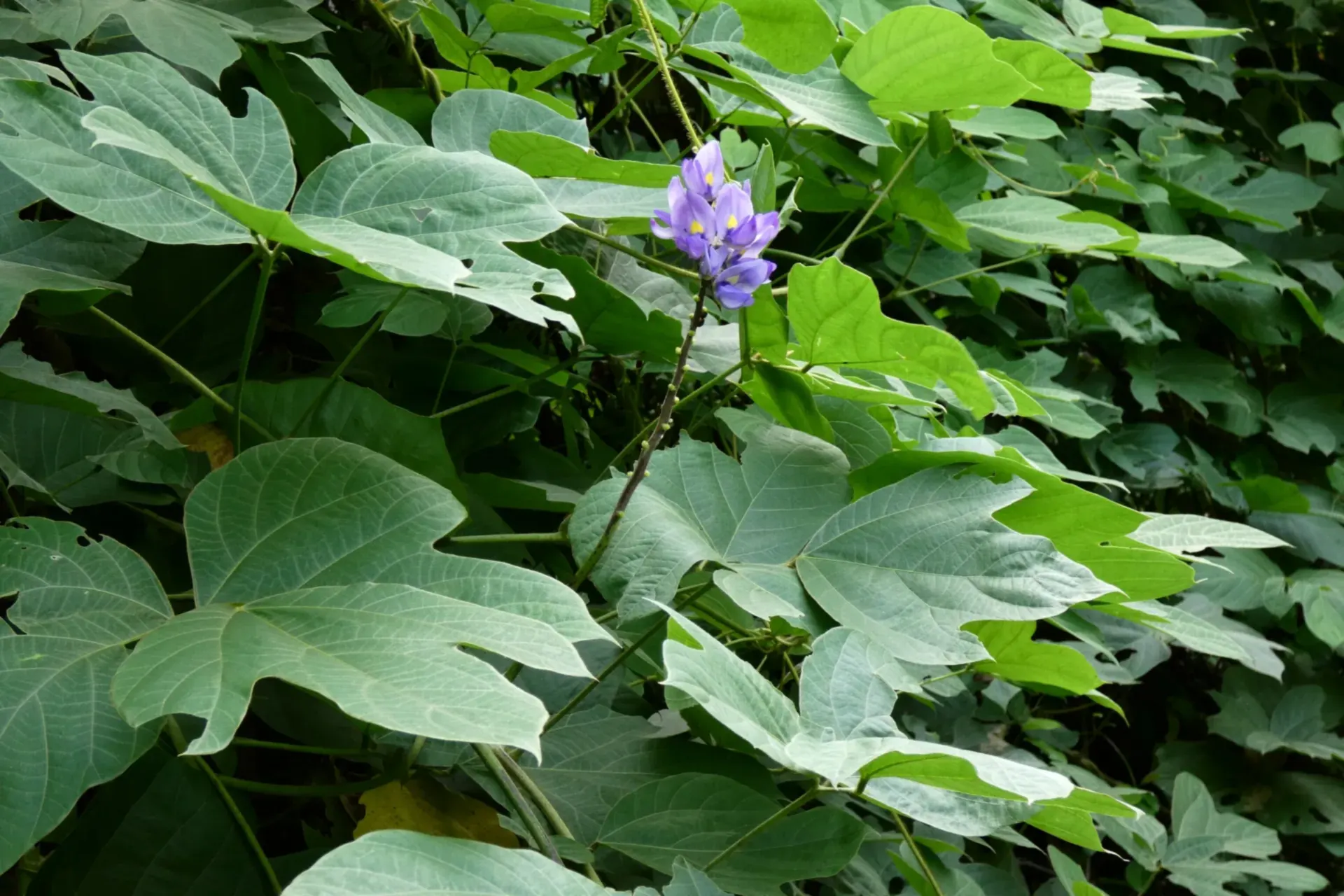
Jicama is a vine from Mexico that grows a crisp, sweet, juicy root — like a cross between an apple and a water chestnut — eaten raw in salads and slaws. It needs 120–150 frost-free days, so in cold climates you must start indoors 8–10 weeks before last frost and give it a long, hot summer.
Grow Jicama with us — step by step
Everything for this plant is written step by step below — what to do, and exactly when. Read it through first if you like: you can grow it entirely on your own with that guide. Or start with us here — tell us your planting day and we lay out your personal schedule on this page, every next step on its own day, counted from your planting date. No guessing, no forgetting.
Step 1 — today: Transplant your young Jicama plants today, 8–12 in apart along a trellis in full sun, once all frost danger has passed, and water them in deeply.
Jicama at a glance
Sow indoors: 9 weeks before last frost
Move outside: 2 weeks after last frost
Spacing: 8–12 in · Seed depth: 1 in
Sun: Full sun
Water: Regular — keep evenly moist
Harvest: 120–150 frost-free days
Timing counts from your average last spring frost — get your own dates in the Planting Calendar. Guidance follows standard extension-service practice for Canada and the US.
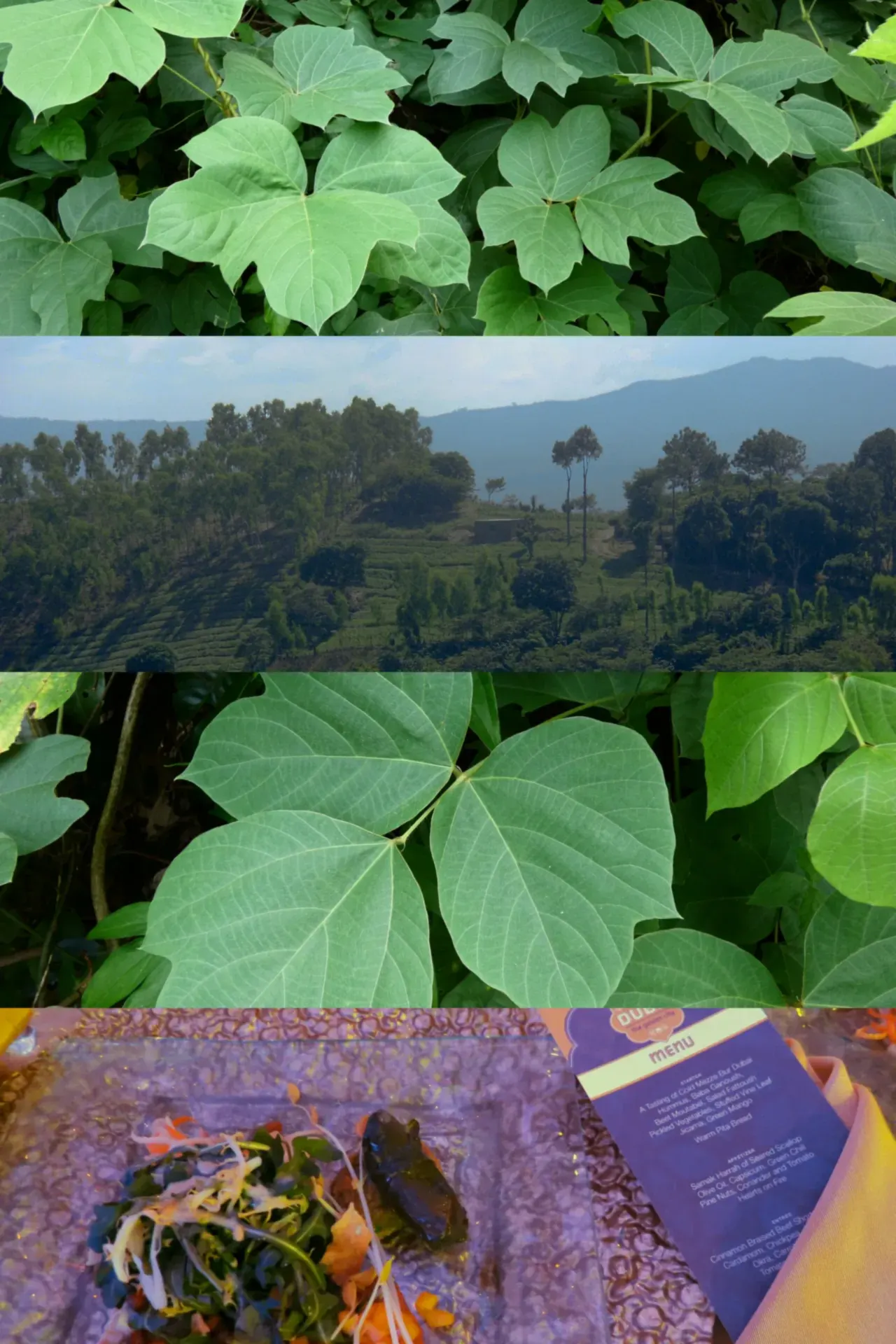
How to plant and grow jicama, step by step
Step 1 — Time it right
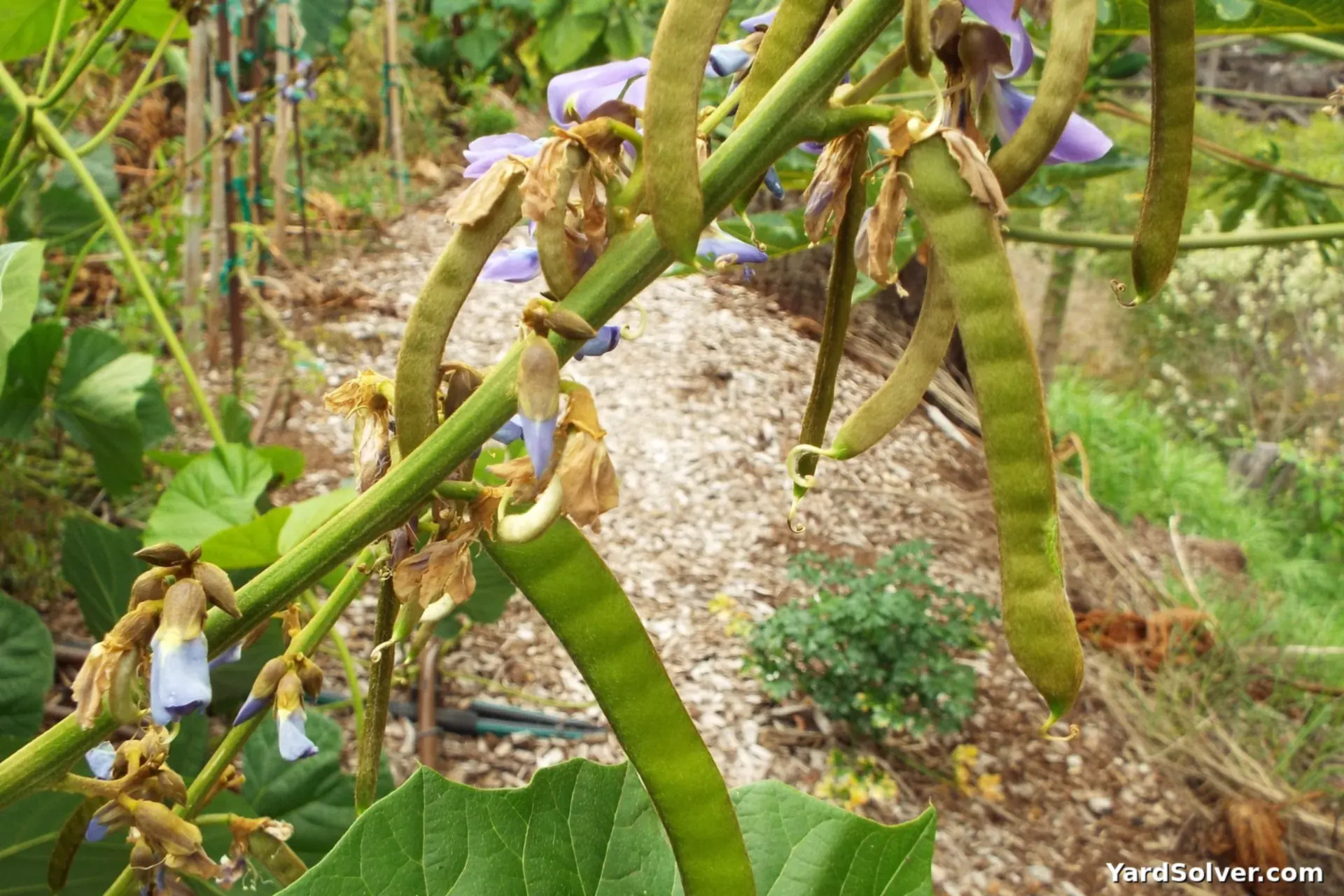
Start indoors 8–10 weeks before last frost; transplant out after last frost, once the soil is warm. Needs a long frost-free season. All dates count from your average last spring frost — the Planting Calendar turns them into real dates for your garden.
Step 2 — Prepare the spot
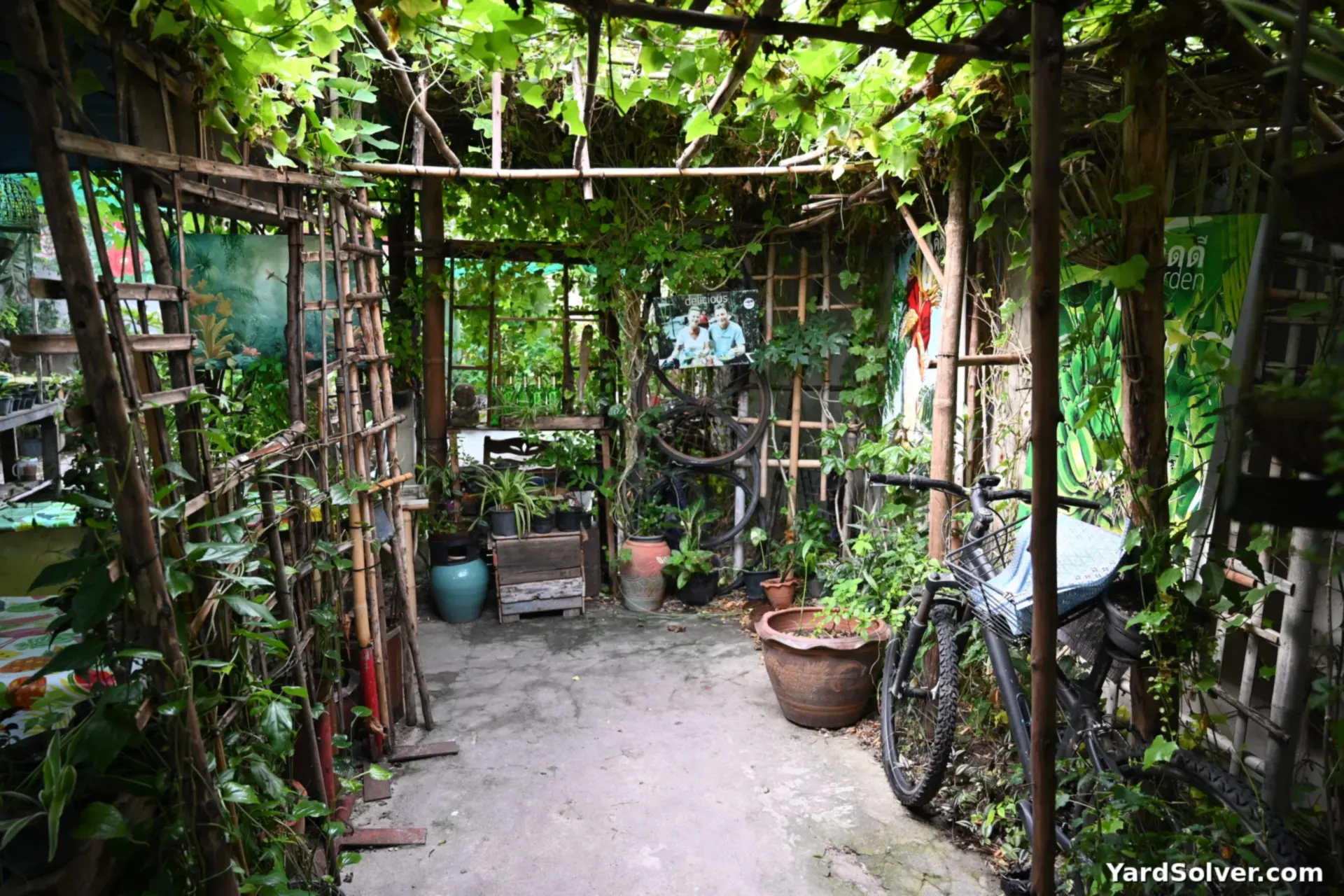
Sun: Full sun. Rich, well-drained soil with compost, in full sun. The vine climbs, so give it a trellis or fence. Work out how much you need with the Garden Mix Calculator or the Raised Bed Soil Calculator.
Step 3 — Sow and plant out
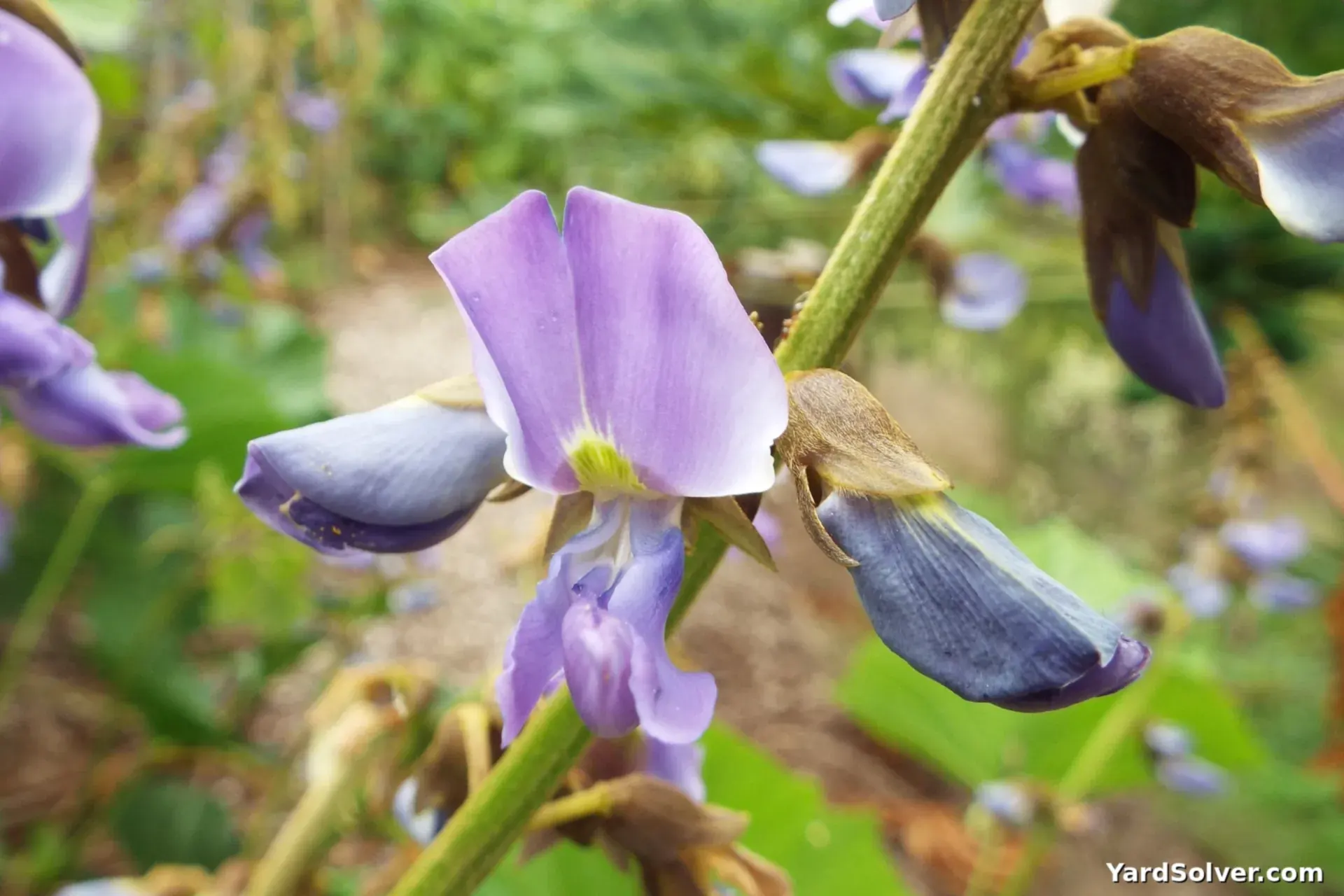
Sow 1 in deep indoors. Move plants out 8–12 in apart along a trellis once all frost danger has passed. The Plant Spacing Calculator turns that spacing into plants-per-bed.
Step 4 — Water and feed
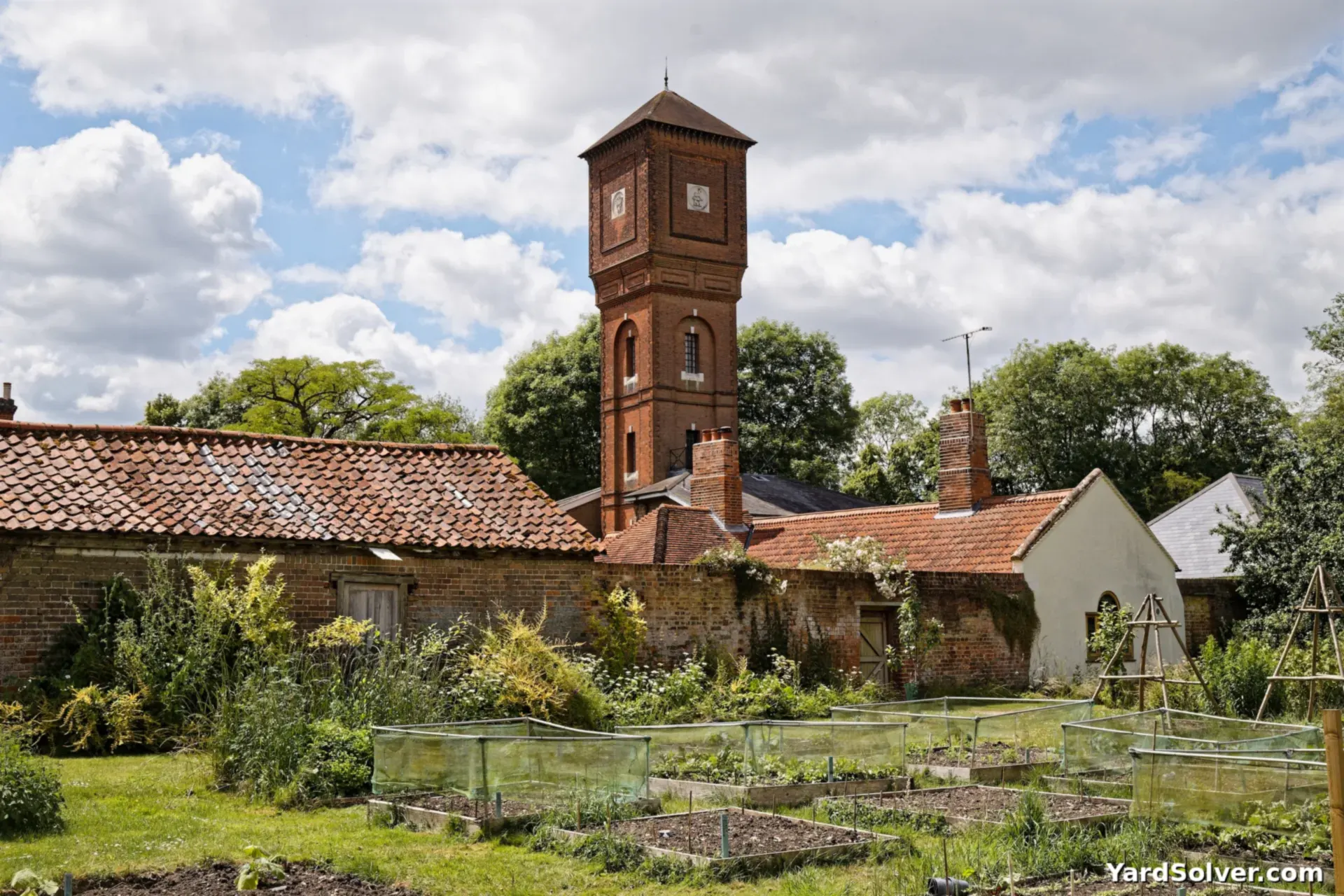
Water: Regular — keep evenly moist. Feed monthly with a balanced fertilizer — the vine is vigorous and hungry through the summer. The Fertilizer Calculator turns a bed size into the right amount.
Step 5 — Care and the problems to watch for
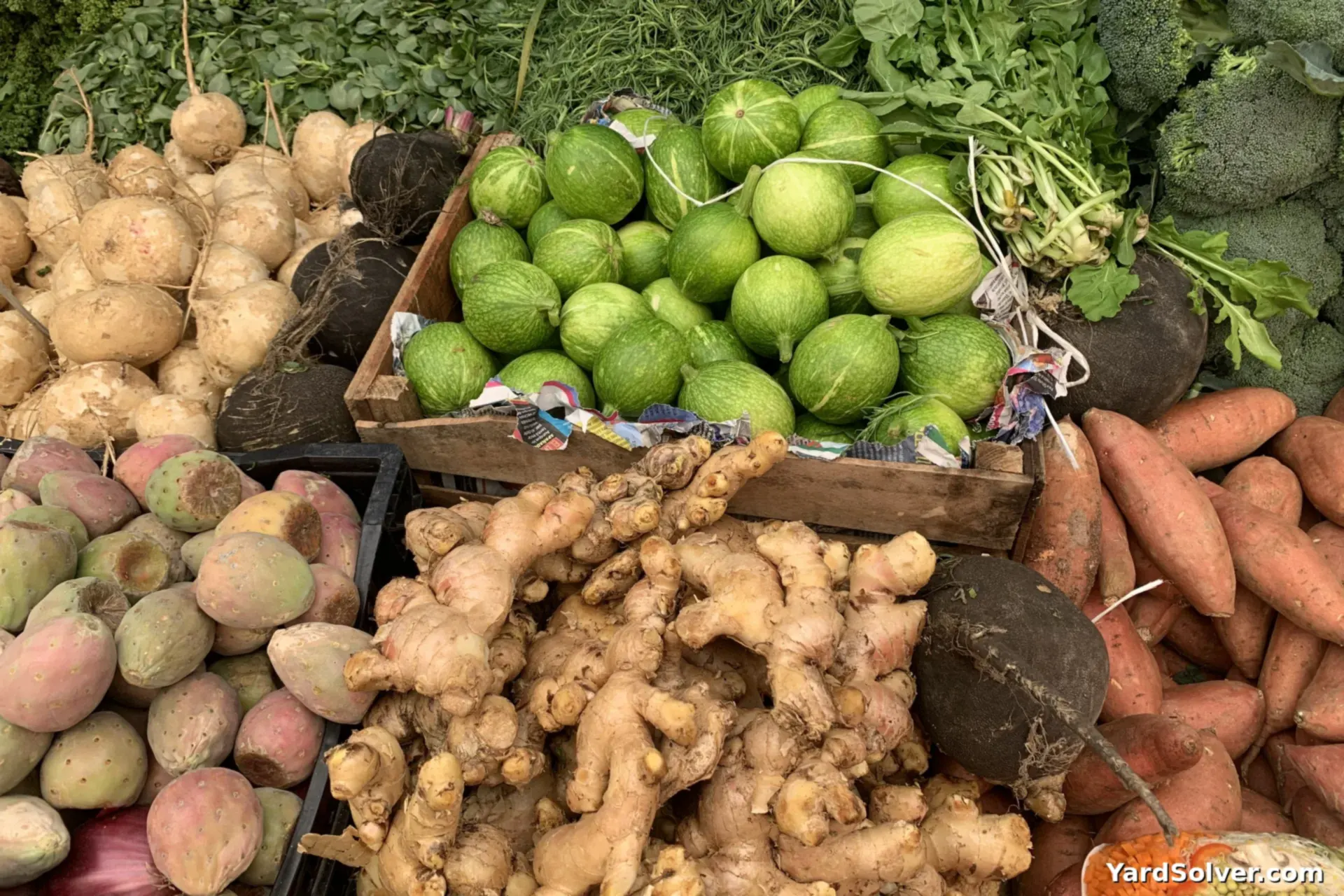
Short season — the most common failure; start indoors early and choose a short-season variety. Frost — a single frost kills the vine; harvest before the first fall frost. Slugs — young plants are a target; hand-pick at night.
Step 6 — Harvest
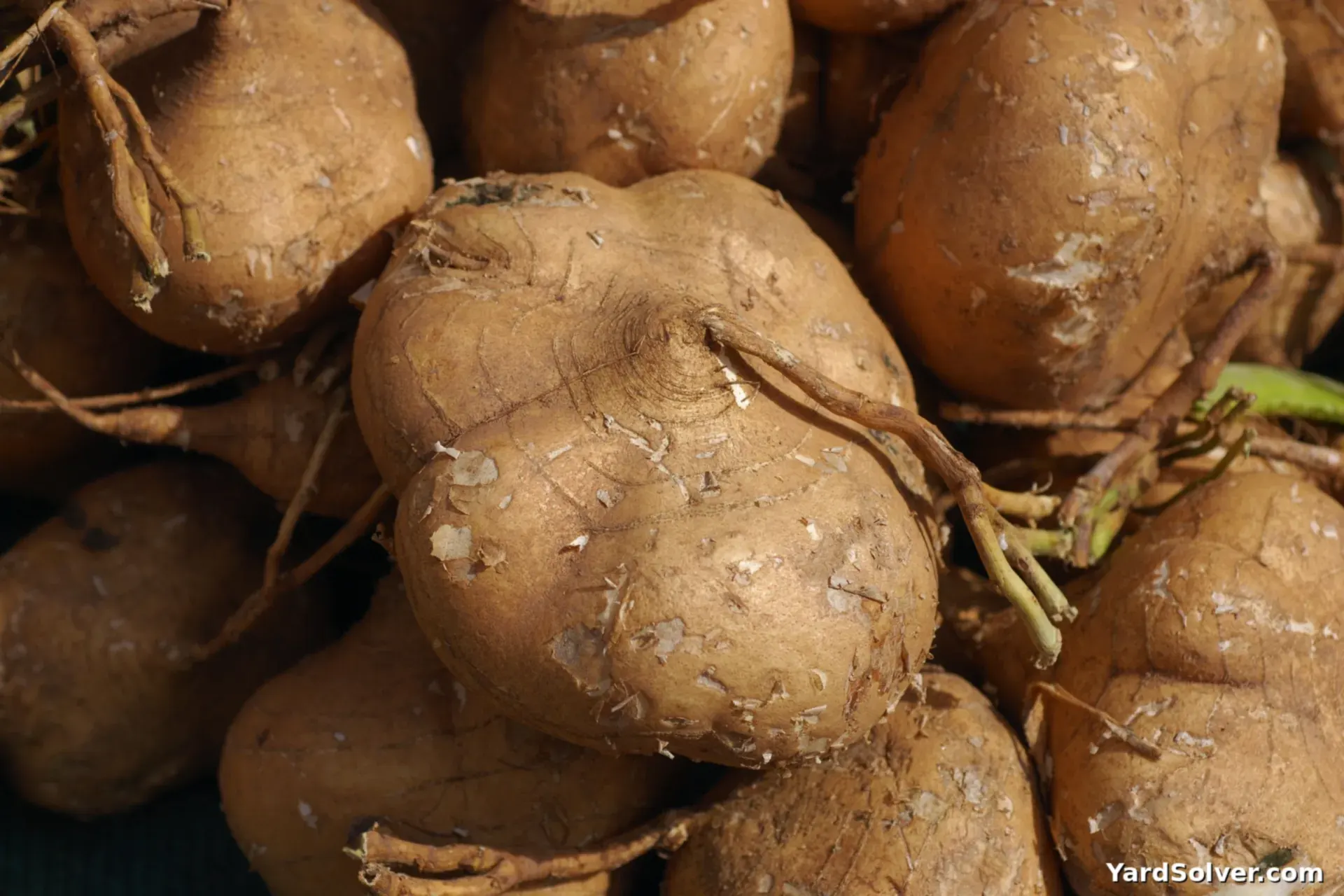
Ready in: 120–150 frost-free days. Dig roots before the first fall frost, even if they are small — frost ruins them. Peel the brown skin before eating.
📅 Your personal Jicama schedule
Counted from your planting day — not a generic calendar. Day 0 is the day the seed went in the ground or the young plant went out.
Varieties worth growing
| Variety | Colour | Why gardeners like it |
|---|---|---|
| Jicama | Brown | The standard type — large crisp roots in a long season |
| San Juan | Brown | A shorter-season type, the better pick for cold climates |
| Agua Dulce | Brown | A sweet, juicy variety popular in Mexico |
| Pachyrhizus erosus | Brown | The species name — the true jicama, not the yard-long bean |
Good for you — and take care
Benefits
- Crisp, sweet and very low in calories
- A good source of vitamin C, fibre and potassium
- Keeps for weeks in a cool place after harvest
- Eaten raw — no cooking needed
Take care
- Only the root is eaten — the leaves, stems, flowers and seeds are not edible, and the seeds are toxic.
- Harvest before frost, even if roots are small — frost ruins them.
- Peel the brown skin before eating; the white flesh is the part you want.
Problems to watch for
- Short season — the most common failure; start indoors early and choose a short-season variety.
- Frost — a single frost kills the vine; harvest before the first fall frost.
- Slugs — young plants are a target; hand-pick at night.
A little history — and one good fact
Jicama comes from Mexico and Central America, where it has been grown for centuries and is sold by street vendors with lime and chilli. Spanish traders carried it to the Philippines, and from there it spread across Asia.
Fun fact: Jicama is also called the Mexican yam bean — but only the root is eaten; its seeds are toxic.
Keep going
Guides: How to Harden Off Seedlings · How to Read a Seed Packet · How to Grow Jicama — the full guide
Calculators: Plant Spacing Calculator · Seed Calculator · Fertilizer Calculator · Garden Mix Calculator
Plan it: Garden Planner · Planting Calendar · Companion Planting Chart · Seed Box
Good companions: Sweet Corn · Green Beans
← Back to the Plant Library · Get your personal planting dates
Questions people ask
When do I plant jicama?
Start indoors 8–10 weeks before last frost; transplant out after last frost, once the soil is warm.
How far apart do I space jicama?
Space plants 8–12 in apart along a trellis, with seed sown 1 in deep. Sun: full sun.
When is jicama ready to harvest?
120–150 frost-free days. Dig roots before the first fall frost, even if they are small.