
Plant Library · Herbs
🌿 How to Grow Lovage
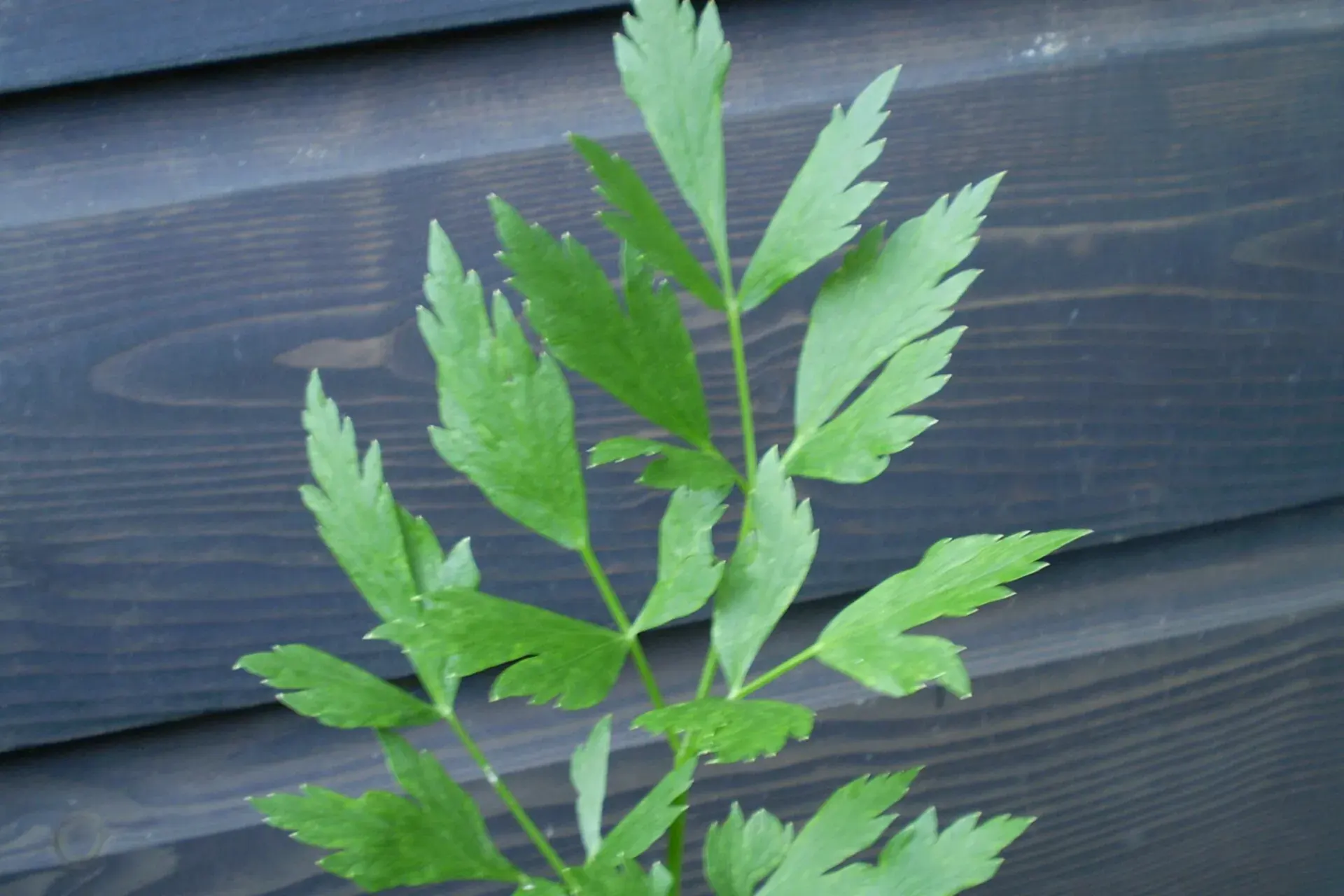
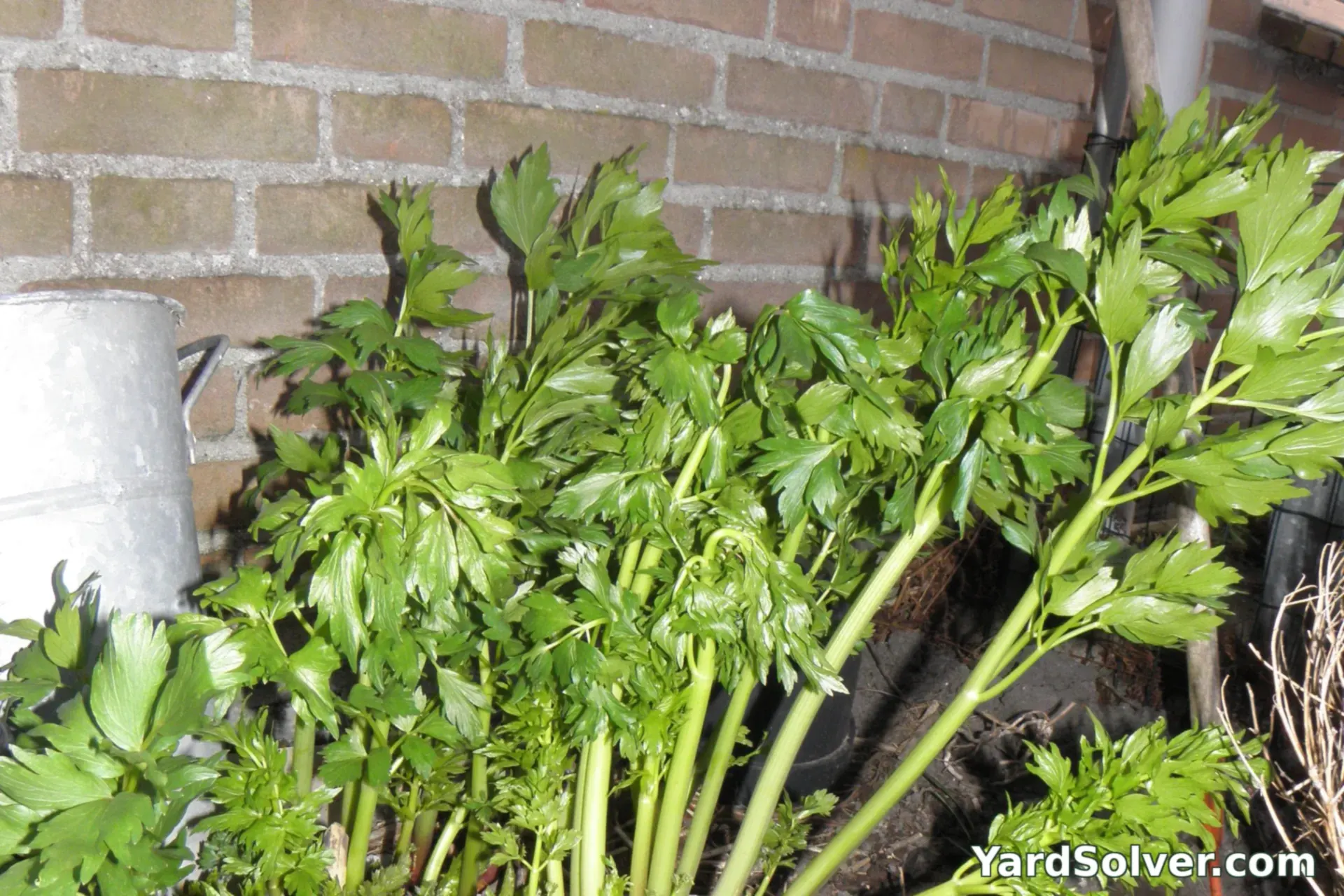
Celery flavour on a plant the size of a small tree — one lovage plant supplies a whole neighbourhood. Lovage (Levisticum officinale) is a giant hardy perennial: plant it once at the back of the border and harvest celery-flavoured leaves, stems and seed for a decade. Gardeners are warned in every book, and it is true: one plant is enough.
Grow Lovage with us — step by step
Everything for this plant is written step by step below — what to do, and exactly when. Read it through first if you like: you can grow it entirely on your own with that guide. Or start with us here — tell us your planting day and we lay out your personal schedule on this page, every next step on its own day, counted from your planting date. No guessing, no forgetting.
Step 1 — today: Sow fresh lovage seed indoors in spring — old seed is usually dead seed — or buy one young plant and be done for a decade.
Lovage at a glance
Sow indoors: 6 weeks before last frost — from fresh seed
Move outside: 1 week after last frost
Sow outdoors: In late summer, where fresh seed can ripen and fall
Spacing: One plant per garden — 30 in from anything else
Sun: Full sun to part shade
Water: Regular — a thirsty giant when growing fast
Harvest: Leaves from year 1; main cuts from year 2
Timing counts from your average last spring frost — get your own dates in the Planting Calendar. Guidance follows standard extension-service practice for Canada and the US.
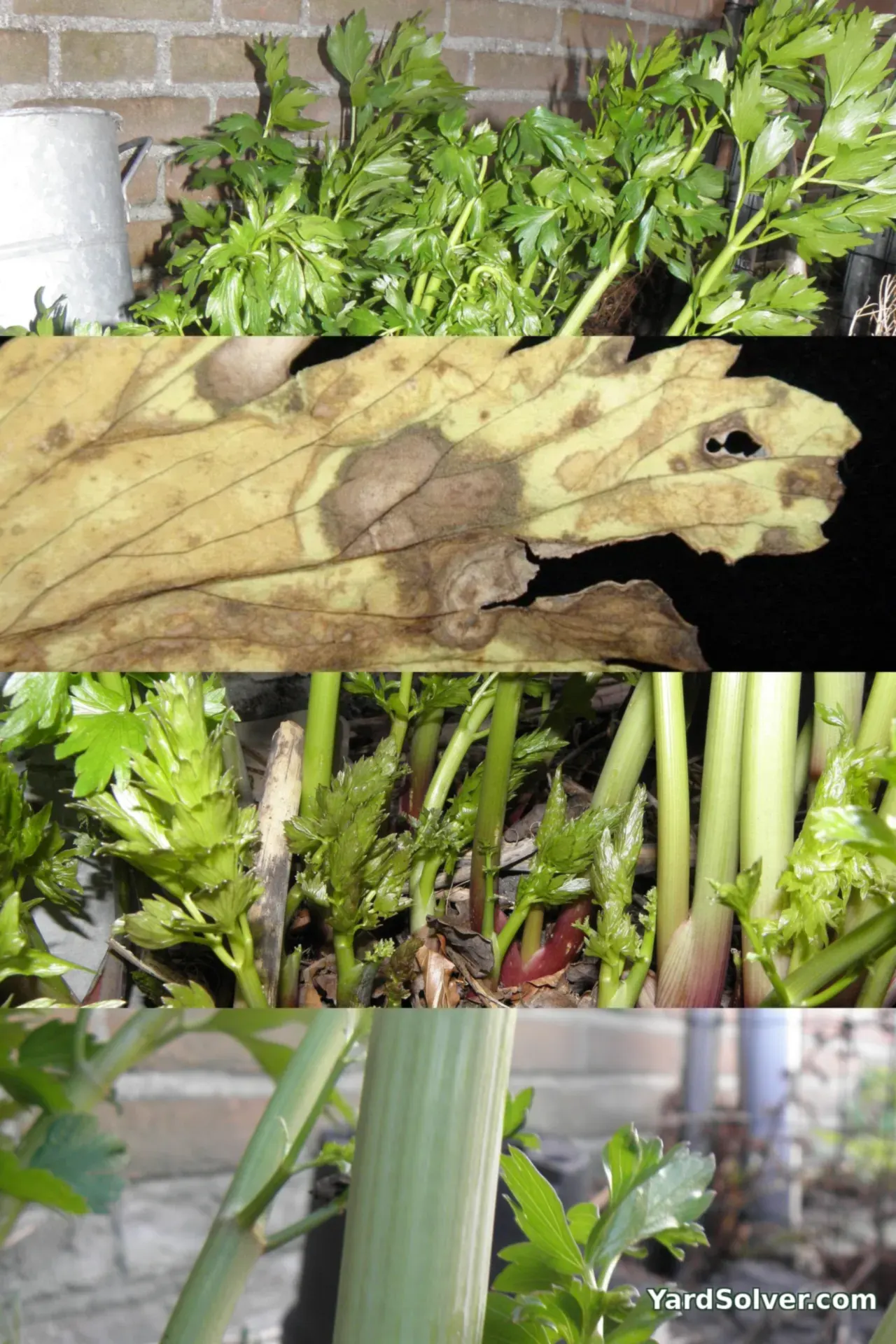
How to plant and grow lovage, step by step
Step 1 — Time it right
Sow indoors: 6 weeks before last frost, from fresh seed; Move outside: 1 week after last frost; Sow outdoors: best in late summer, sowing seed the moment it ripens. All dates count from your average last spring frost — the Planting Calendar turns them into real dates for your garden. Lovage is a hardy perennial (zones 4–8) with one famous quirk: its seed must be fresh. Seed sown the summer it ripens germinates freely; packet seed a year old often gives nothing. Gardeners either sow in late summer where the plant will grow, start fresh seed indoors in spring, or simply buy one plant — the honest recommendation, since one plant is all anyone needs.
Step 2 — Prepare the spot
Site lovage like the tree-sized perennial it becomes: at the back of a border, beside a compost heap, or in a corner where 6 ft of summer height is an asset. It loves deep, rich, moisture-holding soil — dig in a barrow of compost or manure before planting, because a lovage plant can occupy the spot for ten years. For a raised bed, the Raised Bed Soil Calculator counts the bags for you; mixing your own? The Garden Soil Calculator gives the compost-rich split to aim for.
Step 3 — Sow and plant out
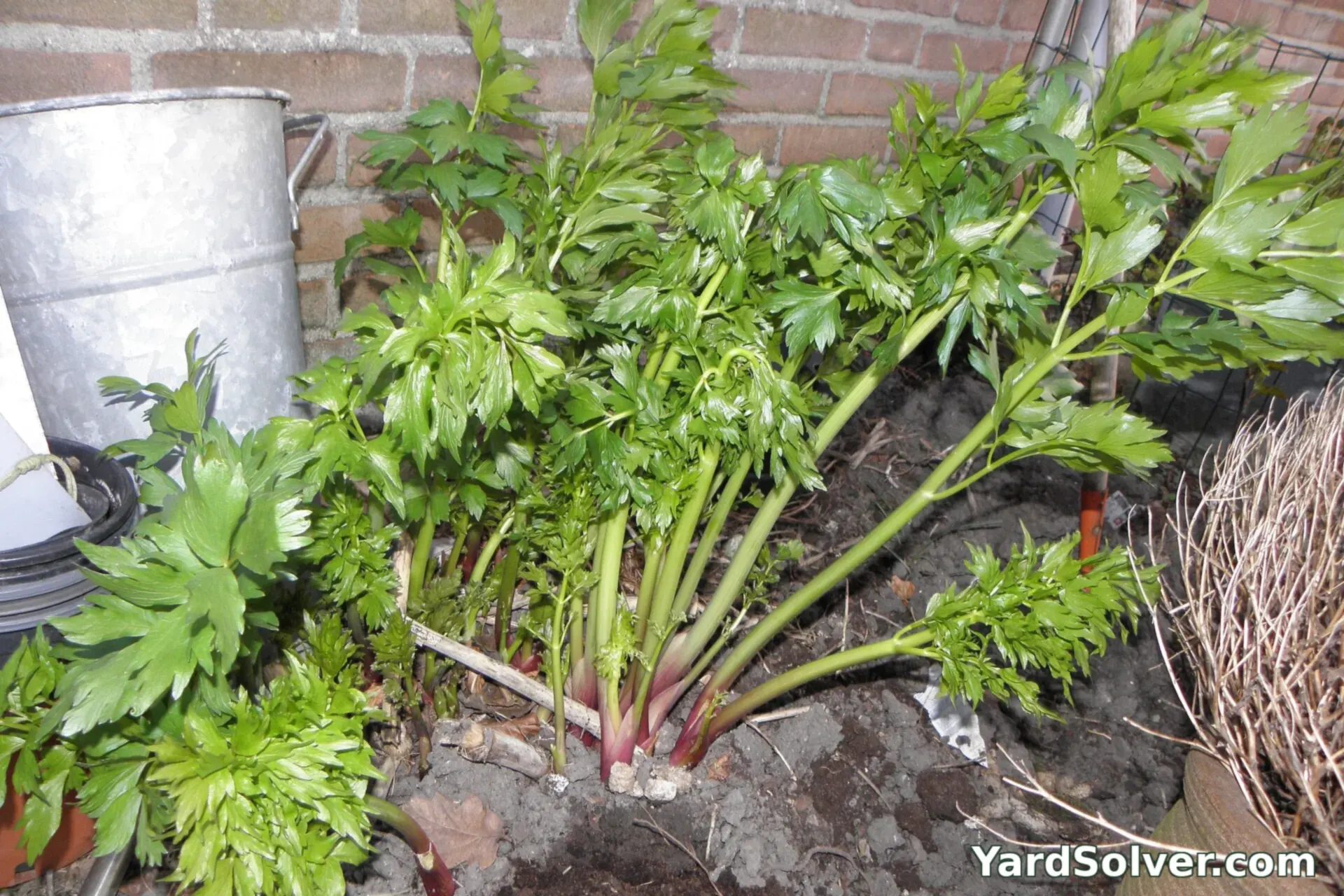
Plant out at 30 in spacing from its nearest neighbours — and honestly, one plant per garden. The Plant Spacing Calculator turns your bed size into an exact plant count. Water in deeply and mulch. Good neighbours: lovage is a generous companion whose flowers feed beneficial insects across the garden, and its shade is welcome over lettuce in high summer — but never plant anything small on its sunny side.
Step 4 — Water and feed
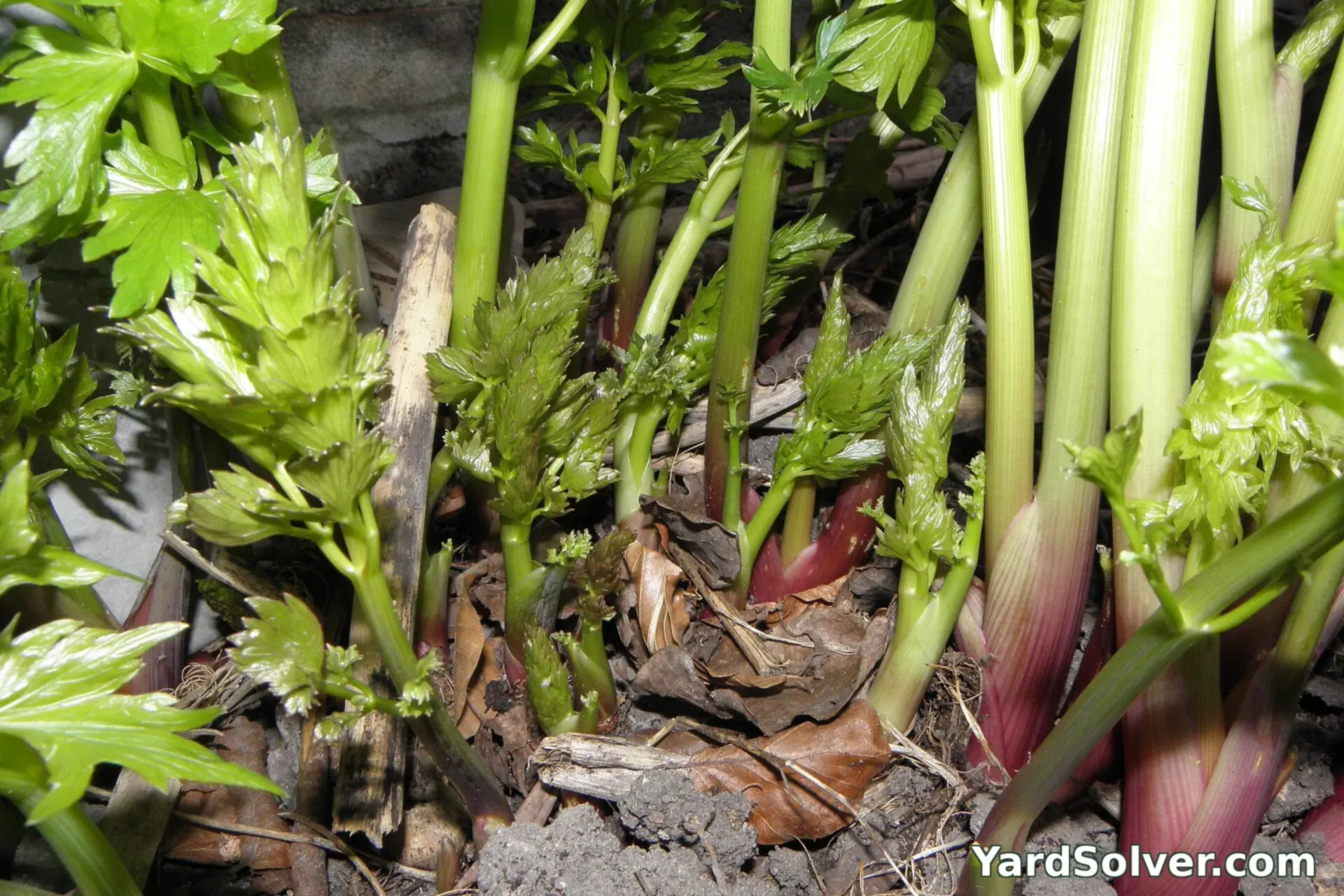
Water young plants regularly, and give the established giant a deep weekly soak in drought — that much leaf transpires a lot. A spring mulch of compost or manure is its annual feed; on poor soil, one balanced feed in spring keeps it lush — the Fertilizer Calculator turns your bed size into exact amounts.
Step 5 — Care and the problems to watch for
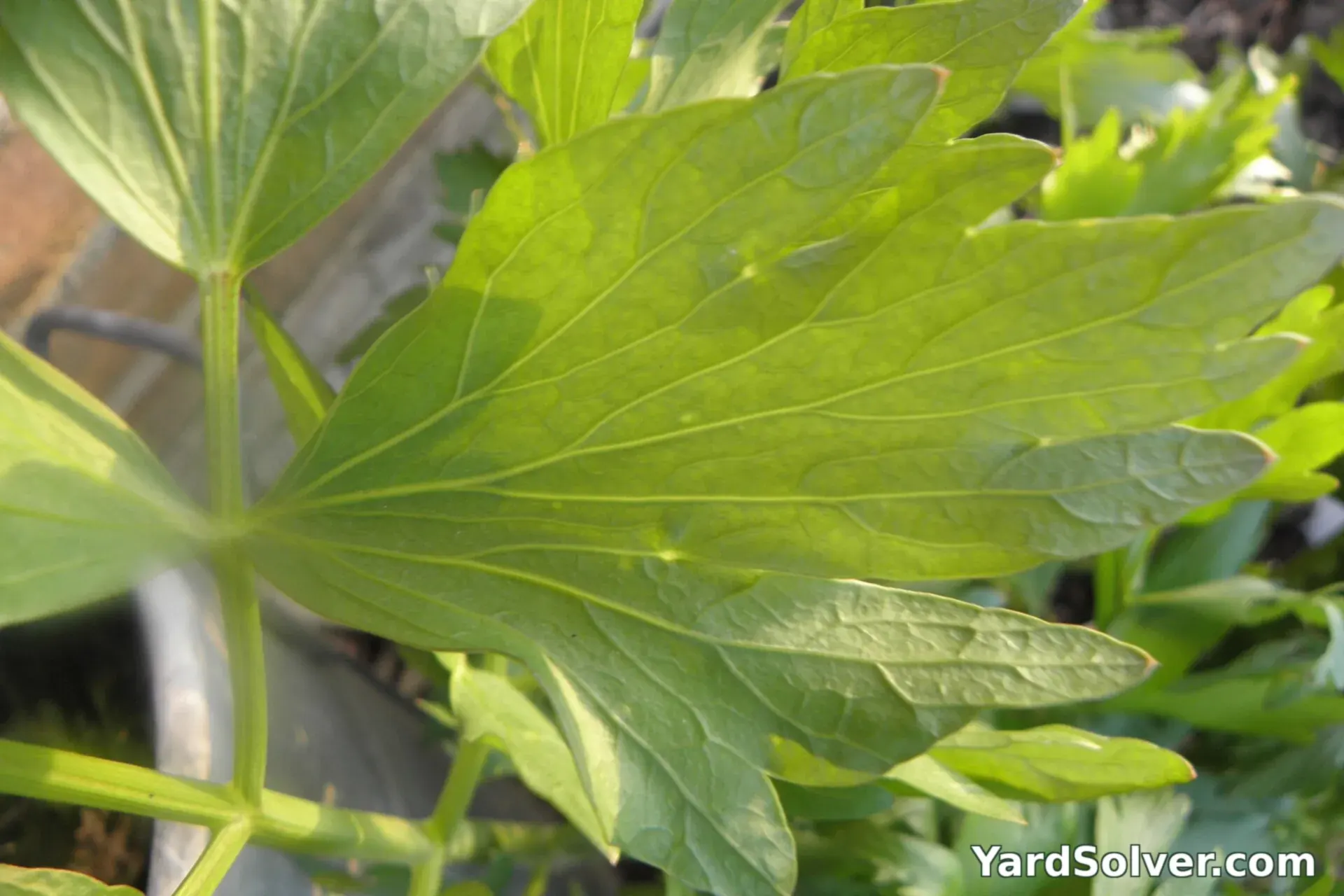
For leaves, cut the flowering stems out as they rise in early summer — the plant stays leafy months longer. For seed, let one stem ripen. Plants are best renewed by dividing the crown every 4–5 years in spring.
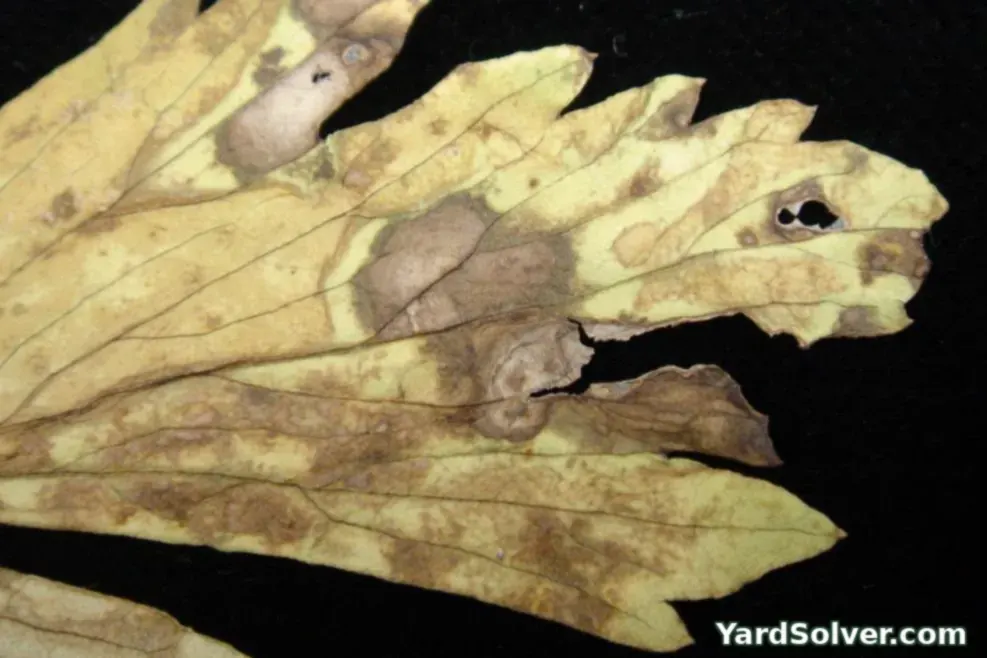
- Leaf miners tunnelling in leaves — celery fly's larvae; pick off mined leaves and the plant outgrows them.
- Yellowing lower leaves — usually just the giant shading itself; strip them away.
- Whole plant wilting in drought — deep roots or not, it wants a real drink; soak it and it recovers overnight.
Step 6 — Harvest
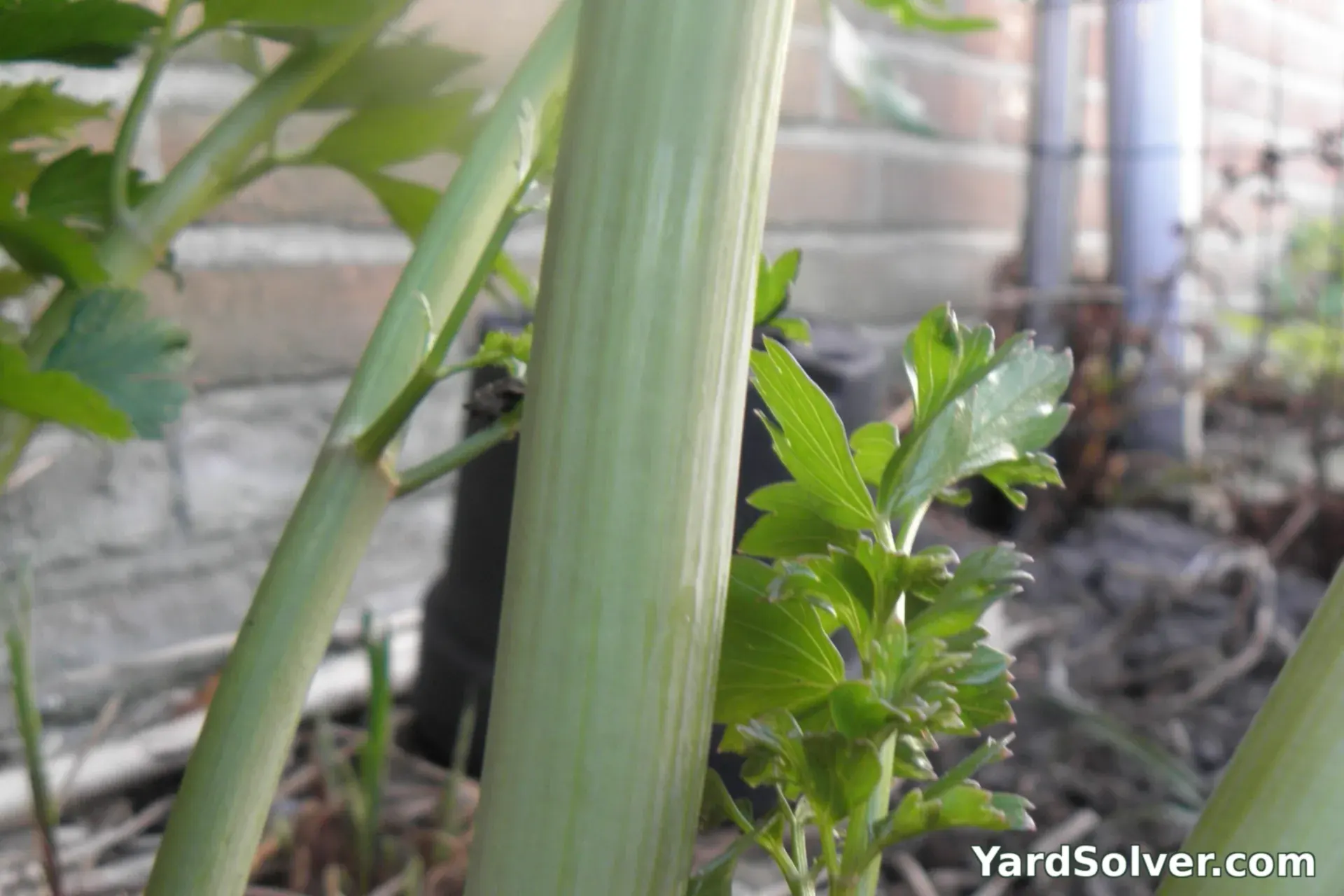
Pick outer leaves from year one, sparingly until the plant is established, then freely from year two. Use leaves fresh in soups, stocks and potato salads — start with a tablespoon where you'd use a celery stalk; the flavour is potent. Hollow stems make rustic drinking straws for tomato juice, a party trick with history. Blanch and freeze leaves in cubes for winter; let one stem ripen seed for spice use and sowing.
📅 Your personal Lovage schedule
Counted from your planting day — not a generic calendar. Day 0 is the day the seed went in the ground or the young plant went out.
Varieties worth growing
| Variety | Colour | Why gardeners like it |
|---|---|---|
| Common lovage | Glossy green, huge | Levisticum officinale — the species itself; every garden lovage is essentially this plant. |
| Variegated lovage | Cream-edged leaves | A rare variegated form — slower and smaller, grown for looks in herb collections. |
| Scottish lovage (relative) | Dark green, compact | Ligusticum scoticum — a smaller coastal cousin with a milder, parsley-celery flavour. |
Good for you — and take care
Benefits
- Celery flavour without growing celery — for soups, stocks, salads and stews.
- One plant supplies leaves, stems and seed for a decade or more.
- Umbel flowers are a magnet for beneficial insects.
Take care
- It is enormous — 6 ft tall and 3 ft wide; site it like a shrub, not an herb.
- Seed must be fresh; year-old packets rarely germinate.
- Strong herb — normal cooking amounts are fine; avoid medicinal doses in pregnancy.
A little history — and one good fact
Lovage grew in Roman gardens (its name may come from Liguria, the Italian region) and became a monastic staple — medieval monks valued it as a cure-all and a soup herb. It travelled to America in colonial seed kits and anchored old-fashioned herb gardens beside the door, where a leaf could be grabbed for the pot.
Fun fact: In parts of Europe lovage was a love charm — girls wore sprigs of it when meeting suitors, which may say more about medieval optimism than botany.
Keep going
Guides: Companion planting basics · Crop rotation basics · How to dry herbs
Calculators: Plant Spacing Calculator · Garden Mix Calculator · Fertilizer Calculator
More herbs: Celery · Parsley · Fennel
← Back to the Plant Library · Get your personal planting dates
Questions people ask
How big does lovage get?
Big — typically 5–6 ft tall and about 3 ft across by early summer, on rich soil. Plant it at the back of a border or in its own corner; it will shade out anything small planted beside it.
Why didn't my lovage seed germinate?
Age is the usual reason: lovage seed loses viability within about a year. Sow seed fresh — ideally the summer it ripens — or buy a young plant, which is what most gardeners do.
What does lovage taste like?
Intensely of celery, with parsley and a hint of yeast extract — a little flavours a whole soup pot. Use a few leaves where a recipe uses a celery stalk, and build up to your taste.