
Plant Library · Vegetables
🥬 How to Grow Mustard Greens
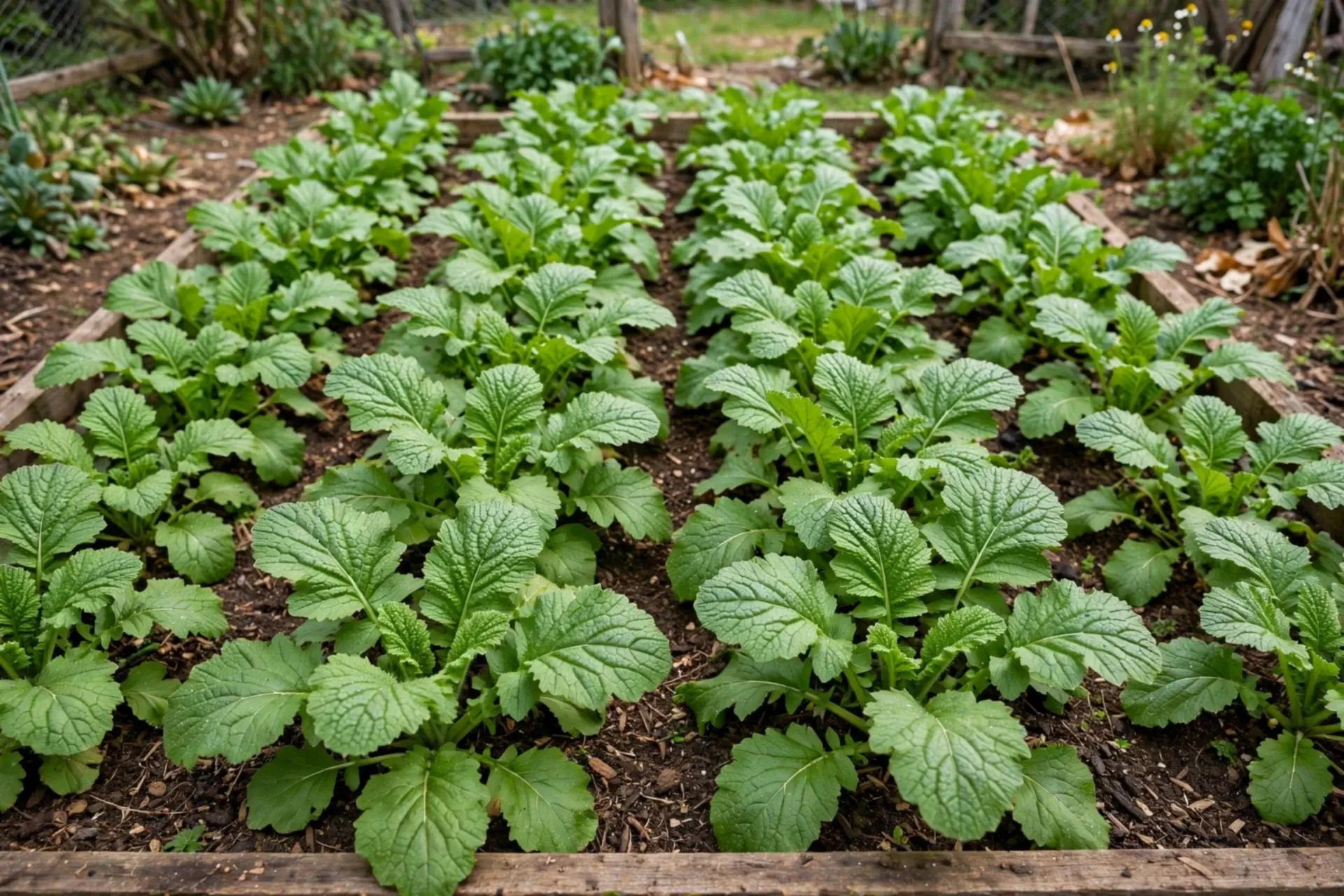
Fast, peppery leaves that thrive in cool weather — sow little and often in spring, and again in late summer; hot weather turns the leaves fiery and sends plants to seed. Mustard greens are one of the quickest leafy crops you can grow: sow the seed where the plants will grow, keep the bed moist, and you can be cutting leaves in about a month. The flavour is mildest in cool weather and sharpens as the soil warms, so spring and late-summer sowings taste best.
Grow Mustard Greens with us — step by step
Everything for this plant is written step by step below — what to do, and exactly when. Read it through first if you like: you can grow it entirely on your own with that guide. Or start with us here — tell us your planting day and we lay out your personal schedule on this page, every next step on its own day, counted from your planting date. No guessing, no forgetting.
Step 1 — today: Sow Mustard Greens seed today where the plants will grow, 1/4 in deep in short rows, and water the row in well. Sow a little every two weeks for a steady supply.
Mustard Greens at a glance
Sow outdoors: 3 weeks before last frost
Spacing: 6–8 in · Seed depth: 1/4 in
Sun: Full sun to part shade
Water: Keep evenly moist
Harvest: 30–45 days
Timing counts from your average last spring frost — get your own dates in the Planting Calendar. Guidance follows standard extension-service practice for Canada and the US.
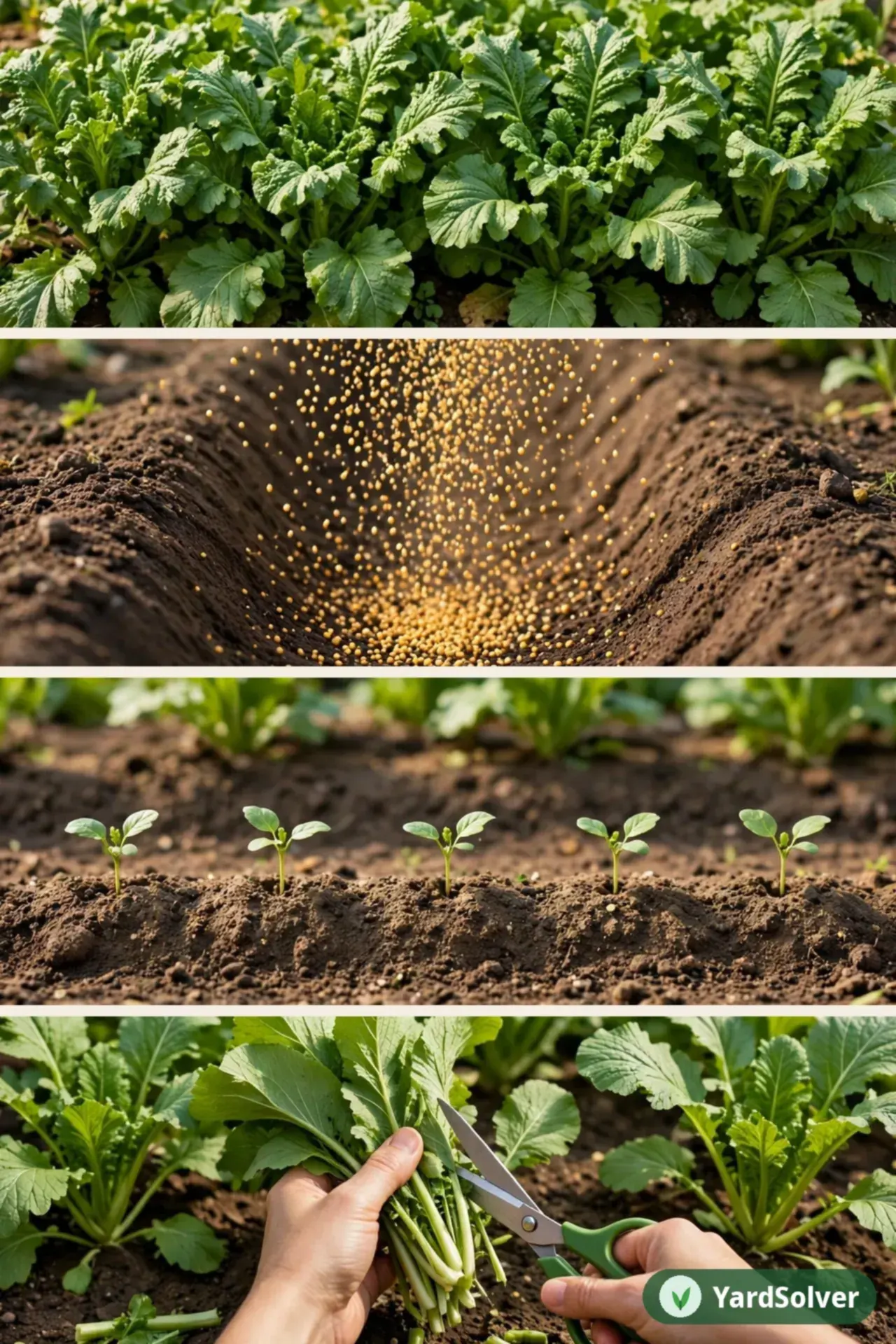
How to plant and grow mustard greens, step by step
Step 1 — Time it right
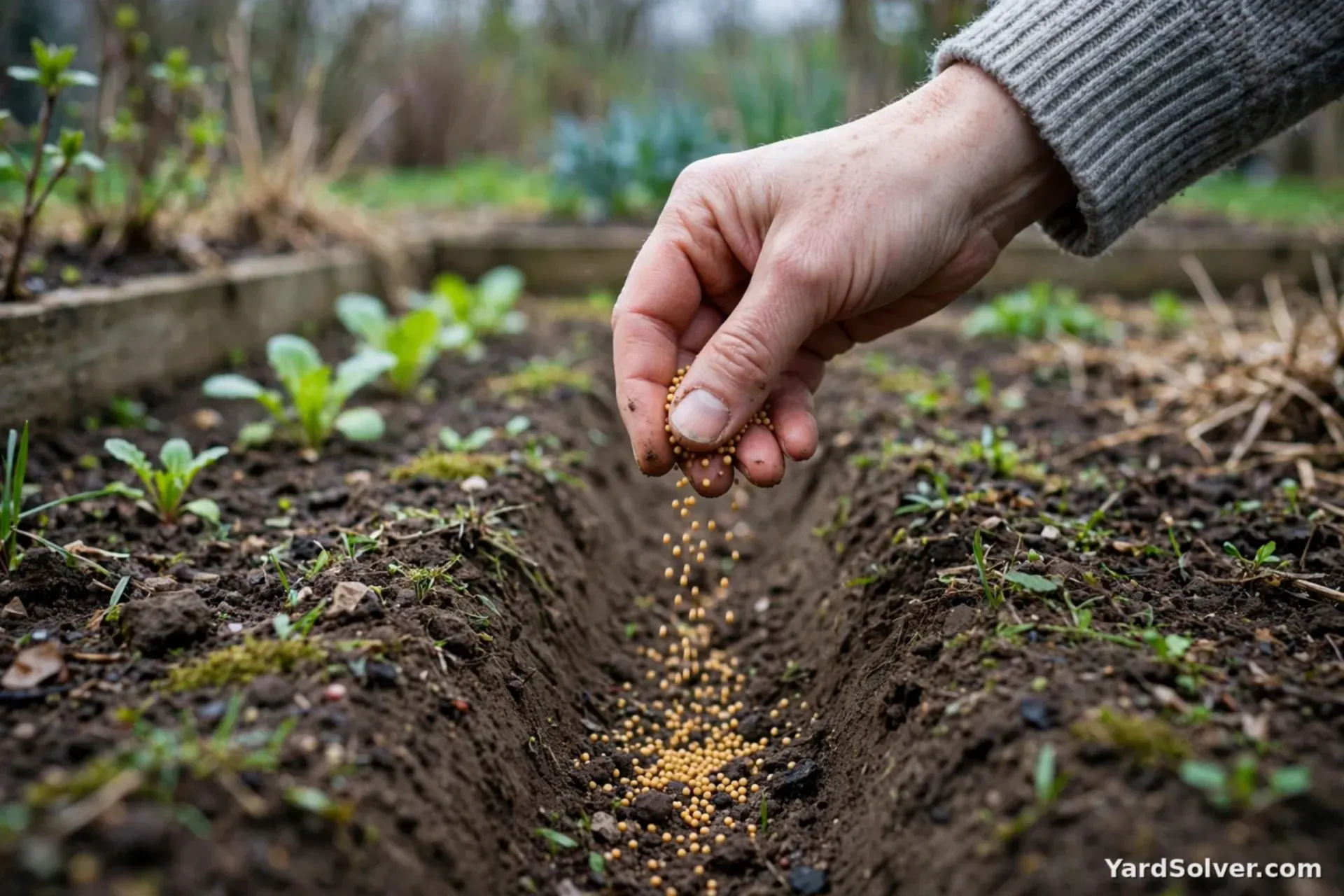
Sow outdoors: 3 weeks before last frost. All dates count from your average last spring frost — the Planting Calendar turns them into real dates for your garden. Mustard greens are one of the quickest leafy crops you can grow: sow the seed where the plants will grow, keep the bed moist, and you can be cutting leaves in about a month. The flavour is mildest in cool weather and sharpens as the soil warms, so spring and late-summer sowings taste best.
Step 2 — Prepare the spot
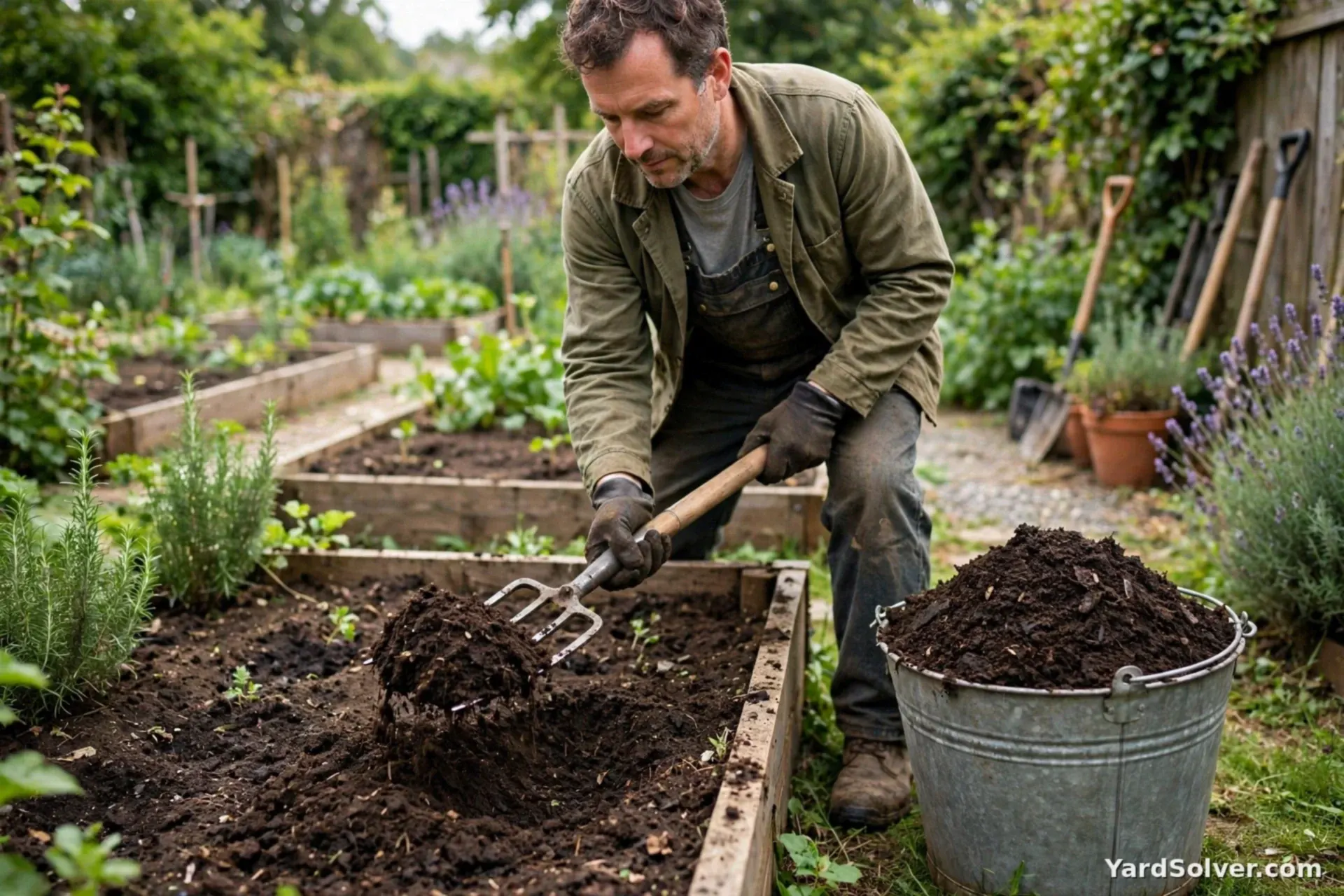
Sun: Full sun to part shade. Any decent garden soil suits them; work in compost before sowing so the fast leaves have nitrogen to grow on. Work out how much you need with the Garden Mix Calculator or the Raised Bed Soil Calculator.
Step 3 — Sow and plant out
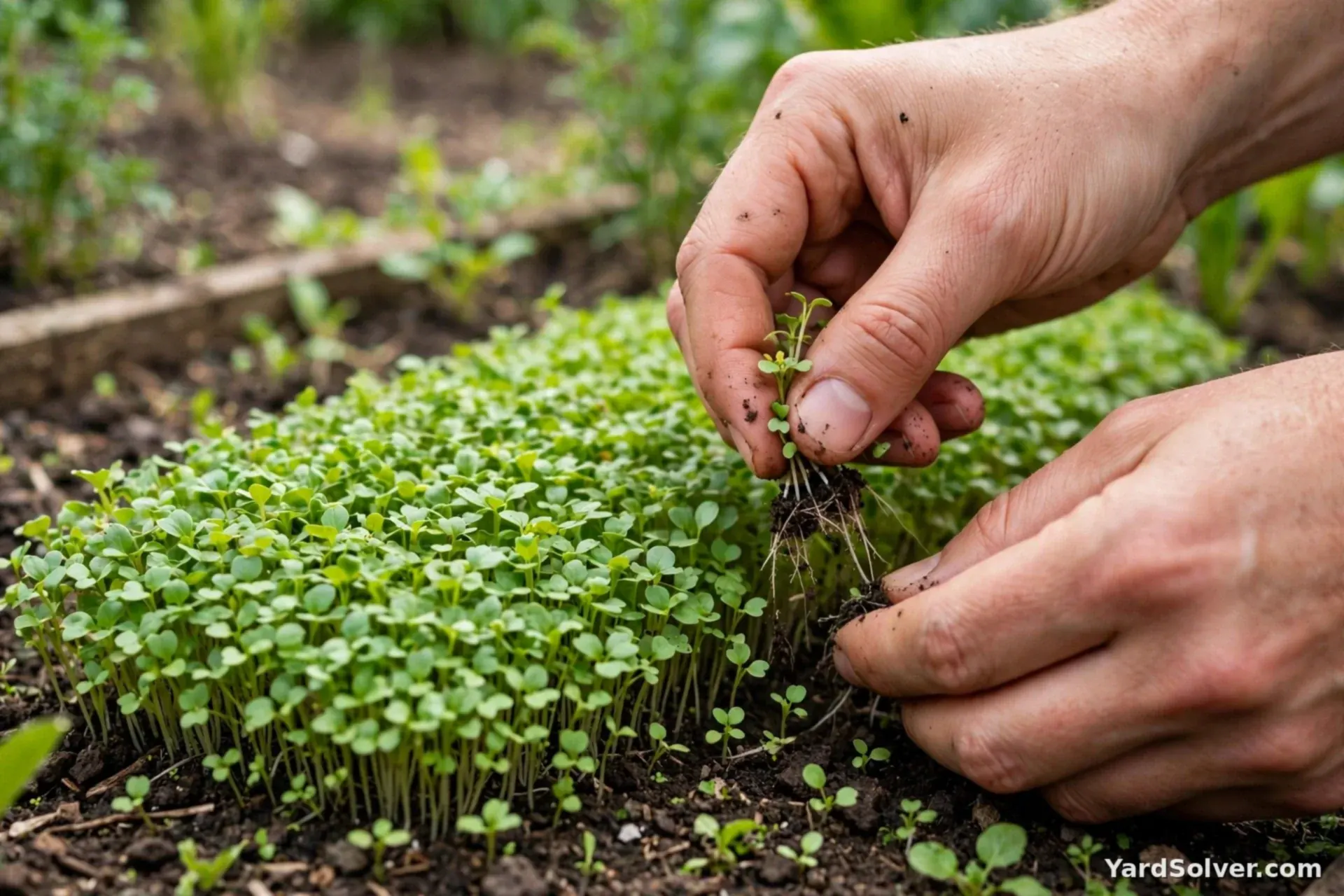
Sow directly where they will grow, 3 weeks before last frost, 1/4 in deep and 6–8 in apart (thin seedlings to that spacing once they are up). The Seed Calculator works out how much seed a bed needs. Sow a short row every 2 weeks for a steady supply instead of one long row that bolts all at once.
Step 4 — Water and feed
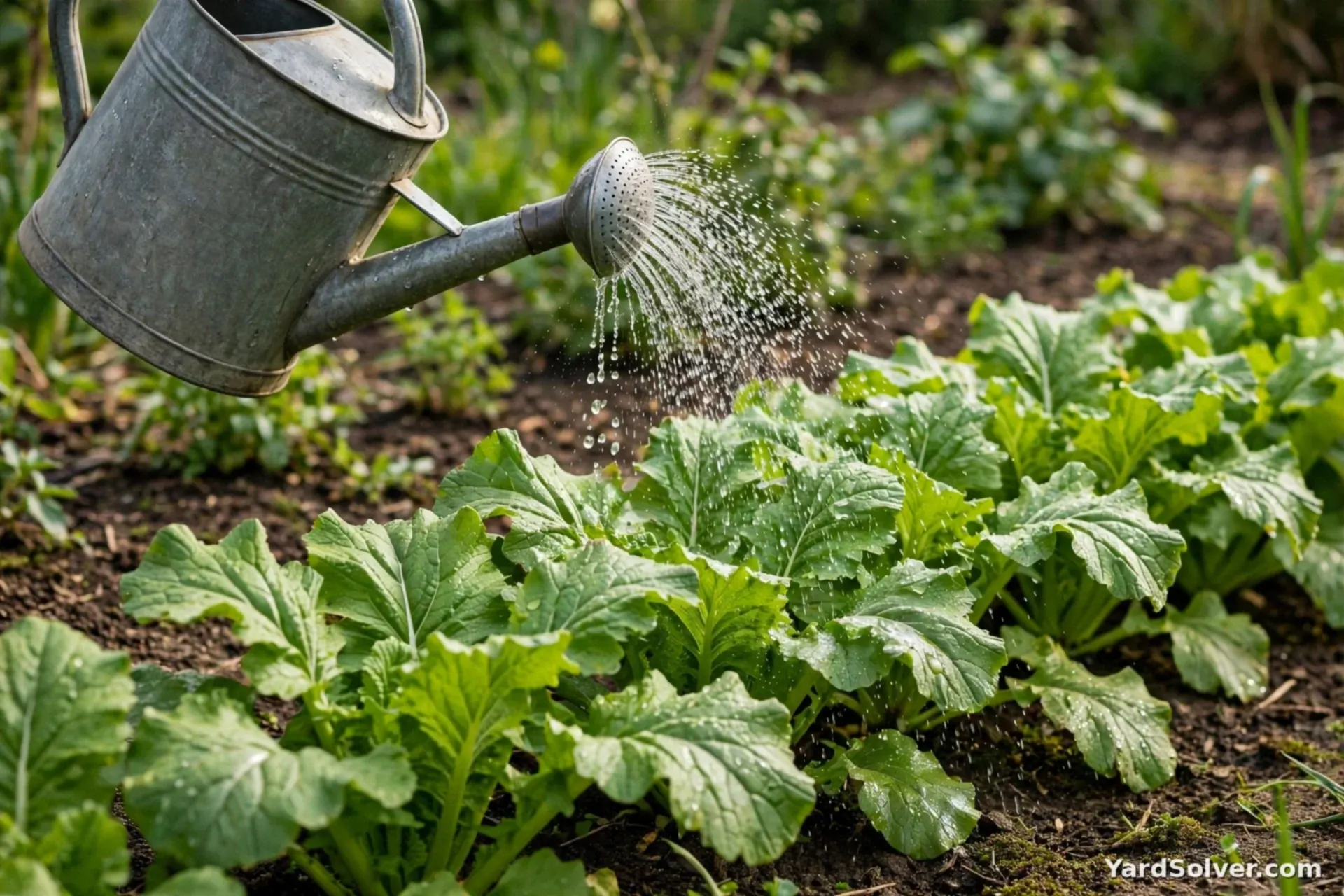
Water: Keep evenly moist. The Fertilizer Calculator turns a bed size into the right amount.
Step 5 — Care and the problems to watch for
- Bolting — plants shoot up to flower in warm weather and leaves turn bitter; sow in cool seasons and cut promptly.
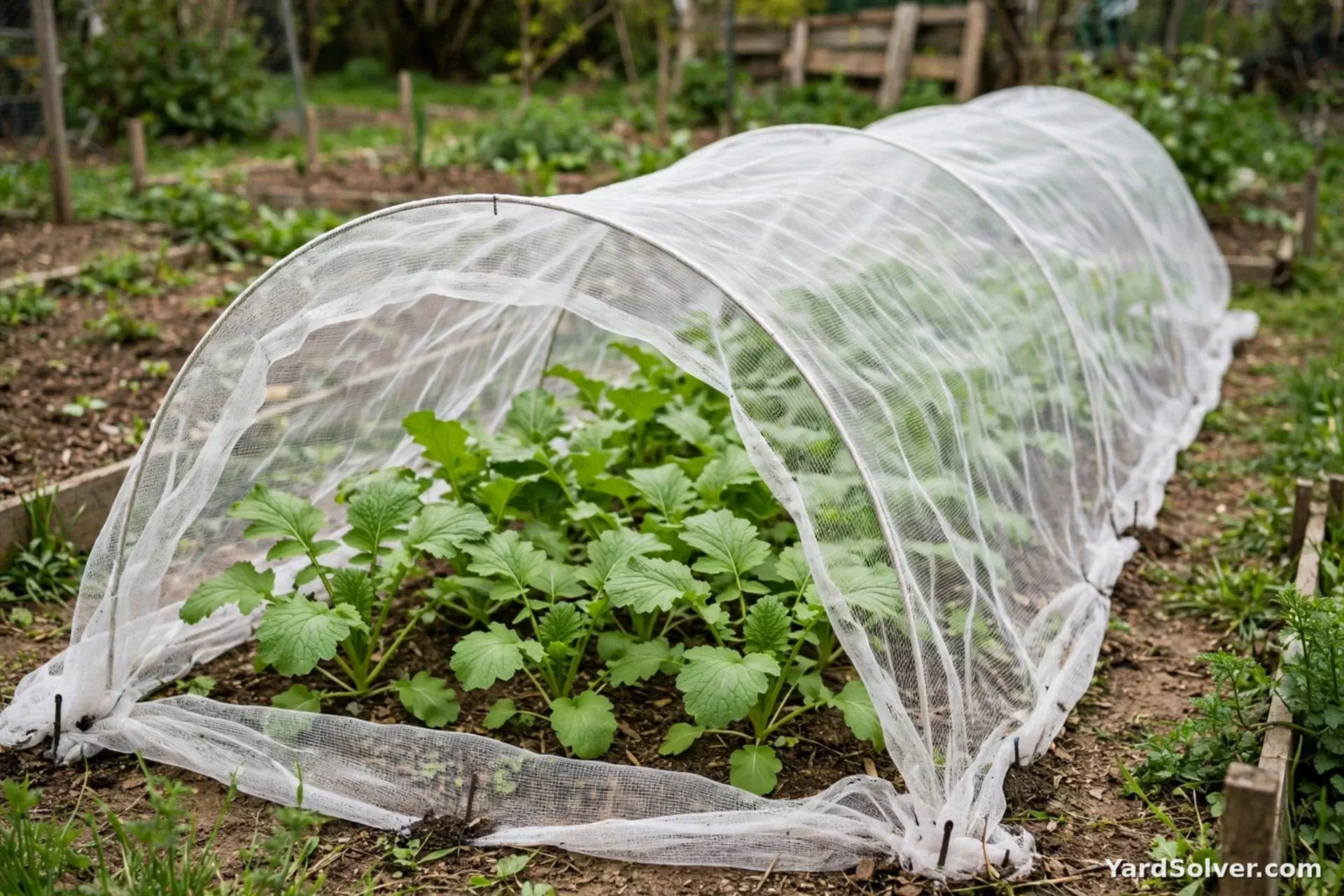
- Flea beetles — tiny shot-holes in the leaves; cover the row with insect mesh from sowing.
- Aphids — clusters on the soft growth; blast them off with a strong jet of water.
Take care: Mustard greens are peppery by nature — if you have a sensitive stomach, eat them cooked rather than raw and in modest servings at first.
Step 6 — Harvest
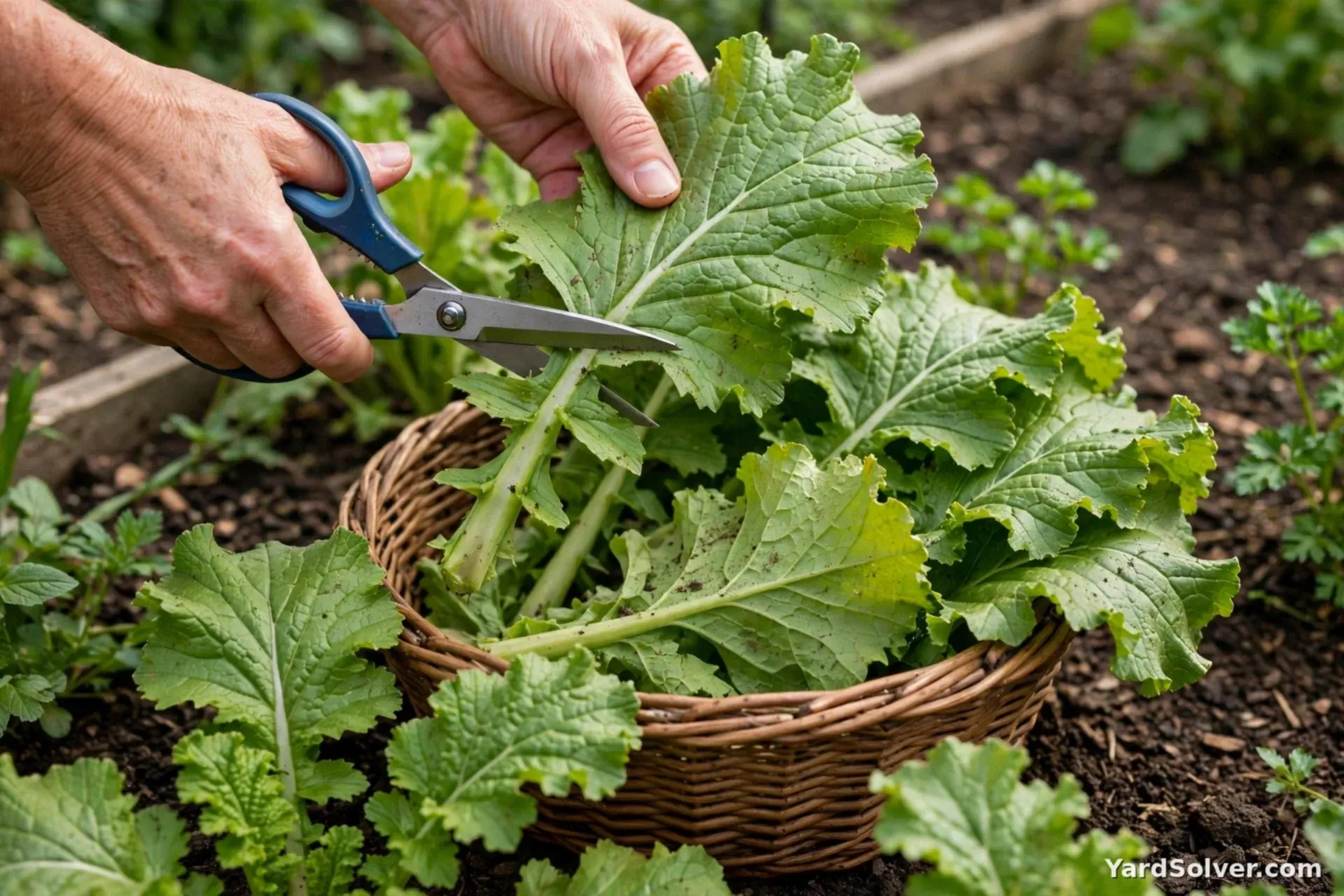
Ready in: 30–45 days. Cut outer leaves from about day 30, or pull whole young plants; once flower stalks rise, the leaves are past their best.
📅 Your personal Mustard Greens schedule
Counted from your planting day — not a generic calendar. Day 0 is the day the seed went in the ground or the young plant went out.
Varieties worth growing
| Variety | Colour | Why gardeners like it |
|---|---|---|
| Florida Broadleaf | Deep green | The classic cooking green — big, smooth leaves that simmer down sweet and mild |
| Southern Giant Curled | Green, frilled | Frilly leaves with a real mustard bite; slow to bolt for a mustard green |
| Red Giant | Purple-red | Japanese type with burgundy leaves — striking in salads and stir-fries |
| Green Wave | Bright green | Very frilled, very hot — for growers who like the full mustard fire |
| Tendergreen | Pale green | Milder and tender, actually a mustard-spinach — good for beginners |
Good for you — and take care
Benefits
- Provides vitamin K, which helps blood clot normally
- A source of vitamins A and C
- Provides folate and calcium
- Very low in calories for a big serving
- One of the cruciferous vegetables, a family nutrition researchers take a keen interest in
Take care
- The peppery bite comes from natural mustard oils — cook them if raw leaves feel harsh
- People who take blood thinners: mustard greens are rich in vitamin K, so keep servings steady rather than suddenly large
- Wash leaves well — low-growing greens pick up soil grit
A little history — and one good fact
Mustard greens come from Brassica juncea, a mustard plant bred in Asia over thousands of years — grown in the Himalayan foothills and in China for its leaves, stems and seed. The plant travelled widely, becoming a staple green of southern US cooking and of Punjabi kitchens, where it is simmered into sarson ka saag.
Fun fact: The same plant gives us mustard seed for the condiment — let a few leaf plants flower and set seed and you can harvest both crops from one sowing.
Keep going
Guides: Why Is My Lettuce Bolting? · How to Get Rid of Aphids · Companion Planting Basics
Calculators: Plant Spacing Calculator · Seed Calculator · Fertilizer Calculator · Garden Mix Calculator
More vegetables: Arugula · Kohlrabi · Collards
← Back to the Plant Library · Get your personal planting dates
Questions people ask
When do I plant mustard greens?
Count from your average last spring frost: sow outdoors 3 weeks before last frost. Mustard greens are one of the quickest leafy crops you can grow: sow the seed where the plants will grow, keep the bed moist, and you can be cutting leaves in about a month. The flavour is mildest in cool weather and sharpens as the soil warms, so spring and late-summer sowings taste best.
How far apart do I space mustard greens?
Space plants 6–8 in apart, with seed sown 1/4 in deep. Sun: full sun to part shade.
When is mustard greens ready to harvest?
30–45 days. Fast, peppery leaves that thrive in cool weather — sow little and often in spring, and again in late summer; hot weather turns the leaves fiery and sends plants to seed.