
Plant Library · Vegetables
🥬 How to Grow Collards
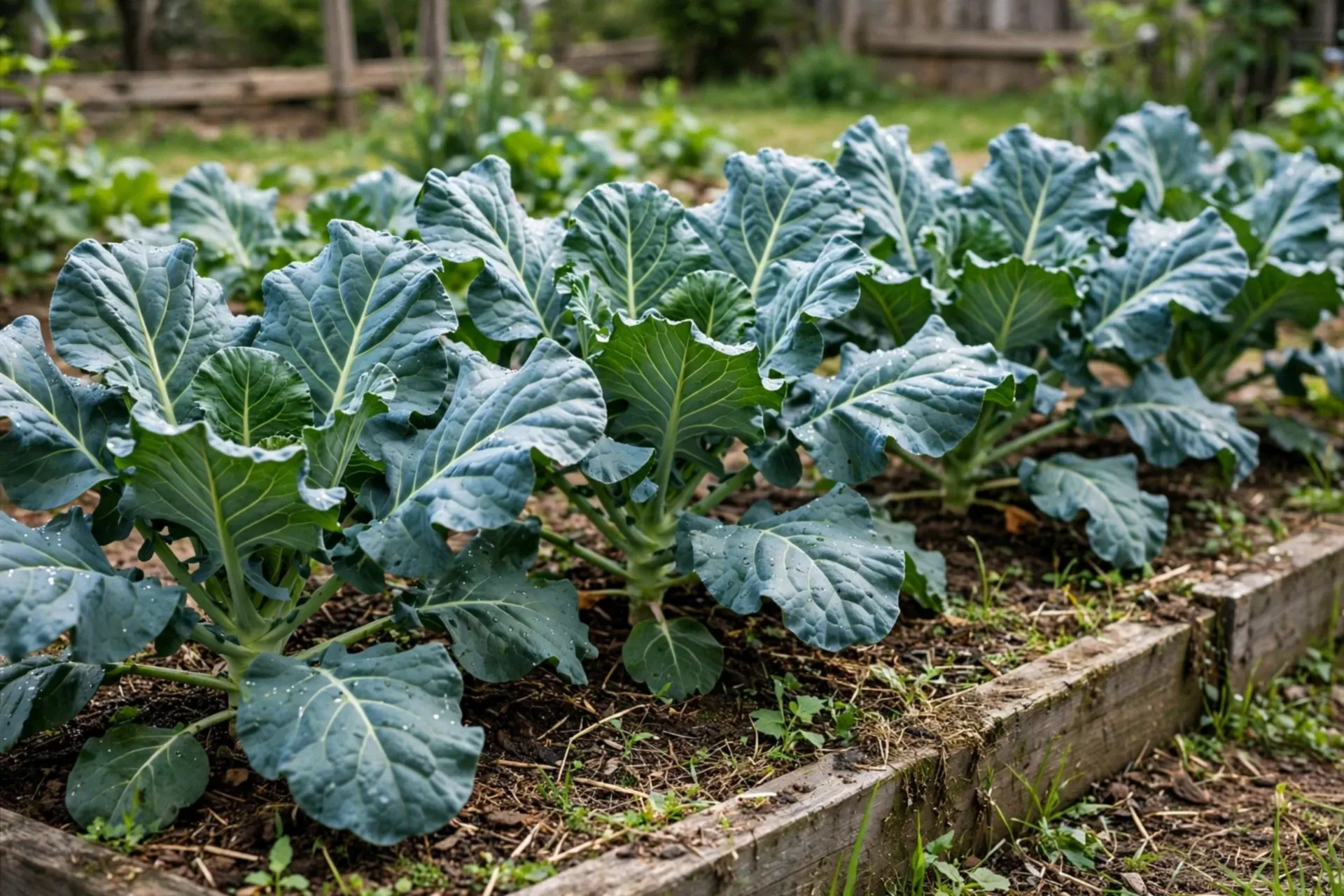
The hardiest of the leafy greens: collards shrug off summer heat and sweeten after frost — pick the outer leaves and the plant keeps giving. Collards are a cool-season, extremely hardy crop: start indoors about 6 weeks before your last frost and transplant about 2 weeks before it, or direct sow about 2 weeks before it — in mild areas they grow almost year-round.
Grow Collards with us — step by step
Everything for this plant is written step by step below — what to do, and exactly when. Read it through first if you like: you can grow it entirely on your own with that guide. Or start with us here — tell us your planting day and we lay out your personal schedule on this page, every next step on its own day, counted from your planting date. No guessing, no forgetting.
Step 1 — today: Plant out your young Collards plants today (hardened off first), spaced 18–24 in apart, and water them in well. Starting from seed instead? Sow indoors now, 1/4 in deep, and this same schedule counts from transplant day.
Collards at a glance
Sow indoors: 6 weeks before last frost
Move outside: 2 weeks before last frost
Sow outdoors: 2 weeks before last frost
Spacing: 18–24 in · Seed depth: 1/4 in
Sun: Full sun
Water: Regular
Harvest: 55–70 days
Timing counts from your average last spring frost — get your own dates in the Planting Calendar. Guidance follows standard extension-service practice for Canada and the US.
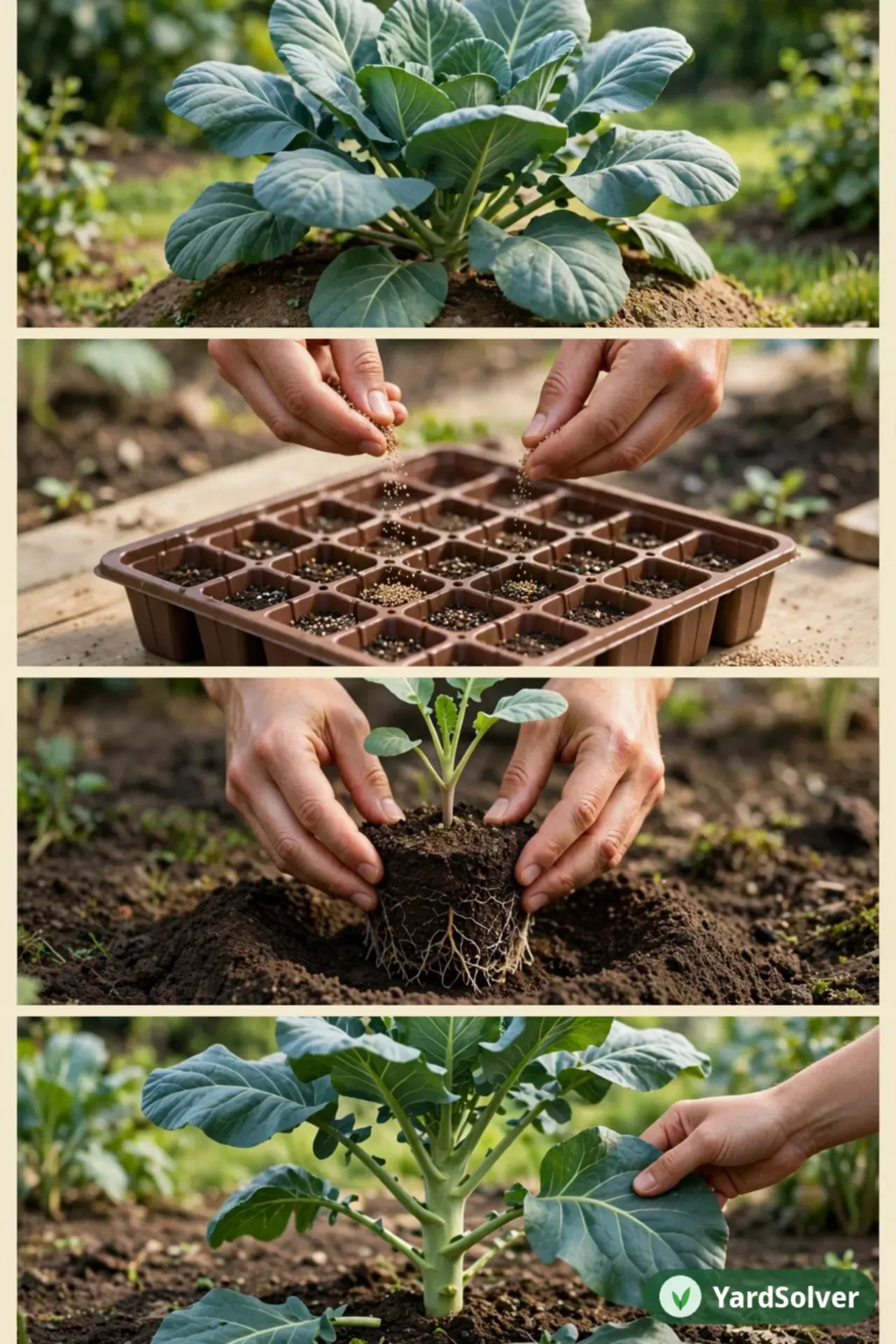
How to plant and grow collards, step by step
Step 1 — Time it right
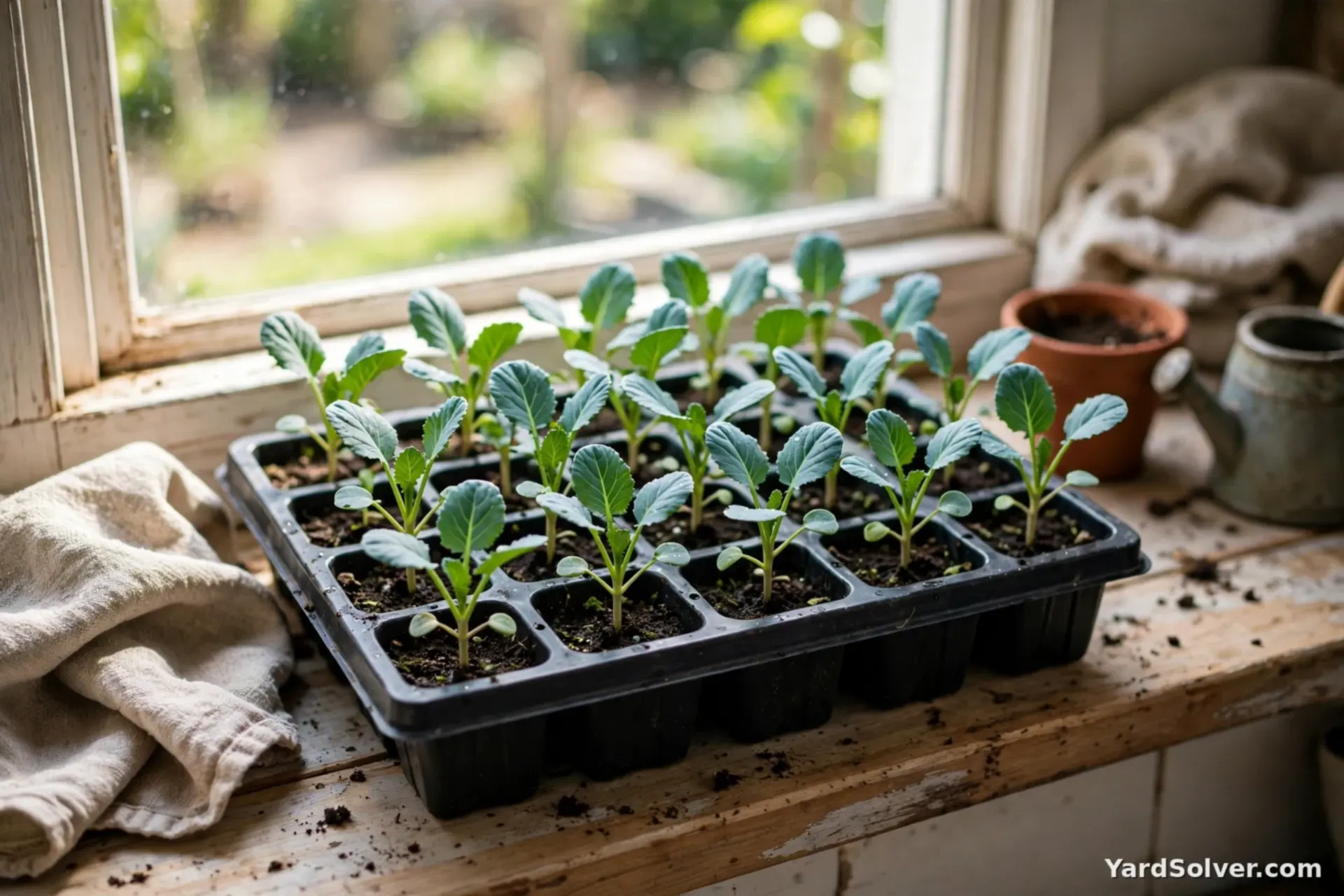
Sow indoors: 6 weeks before last frost; Move outside: 2 weeks before last frost; Sow outdoors: 2 weeks before last frost. All dates count from your average last spring frost — the Planting Calendar turns them into real dates for your garden. Collards are a cool-season, extremely hardy crop: start indoors about 6 weeks before your last frost and transplant about 2 weeks before it, or direct sow about 2 weeks before it — in mild areas they grow almost year-round.
Step 2 — Prepare the spot
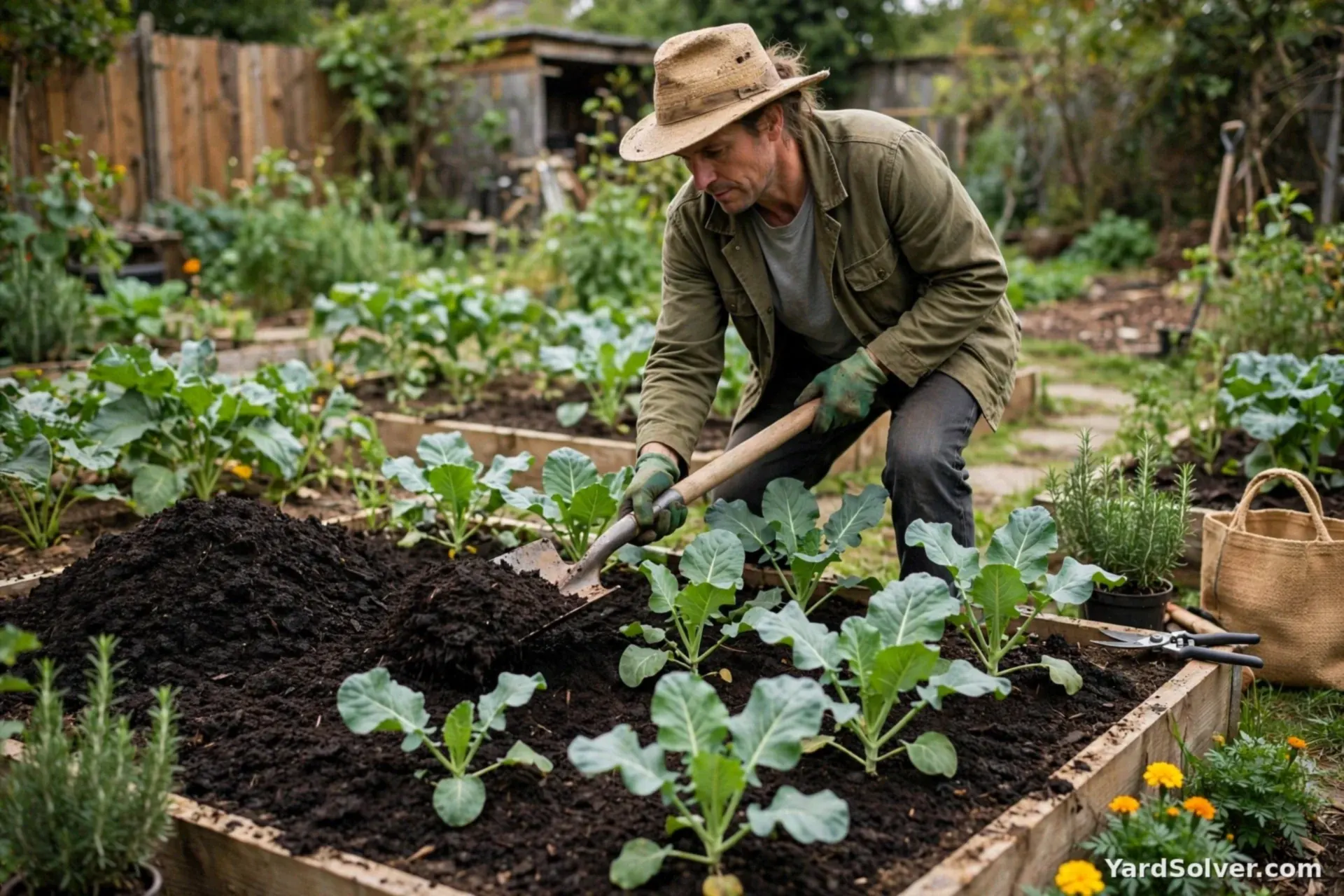
Sun: Full sun. Rich soil with plenty of compost — collards are hungry, leafy plants. They tolerate poorer ground better than most brassicas, but feed and water are what make big, tender leaves. Work out how much you need with the Garden Mix Calculator or the Raised Bed Soil Calculator.
Step 3 — Sow and plant out
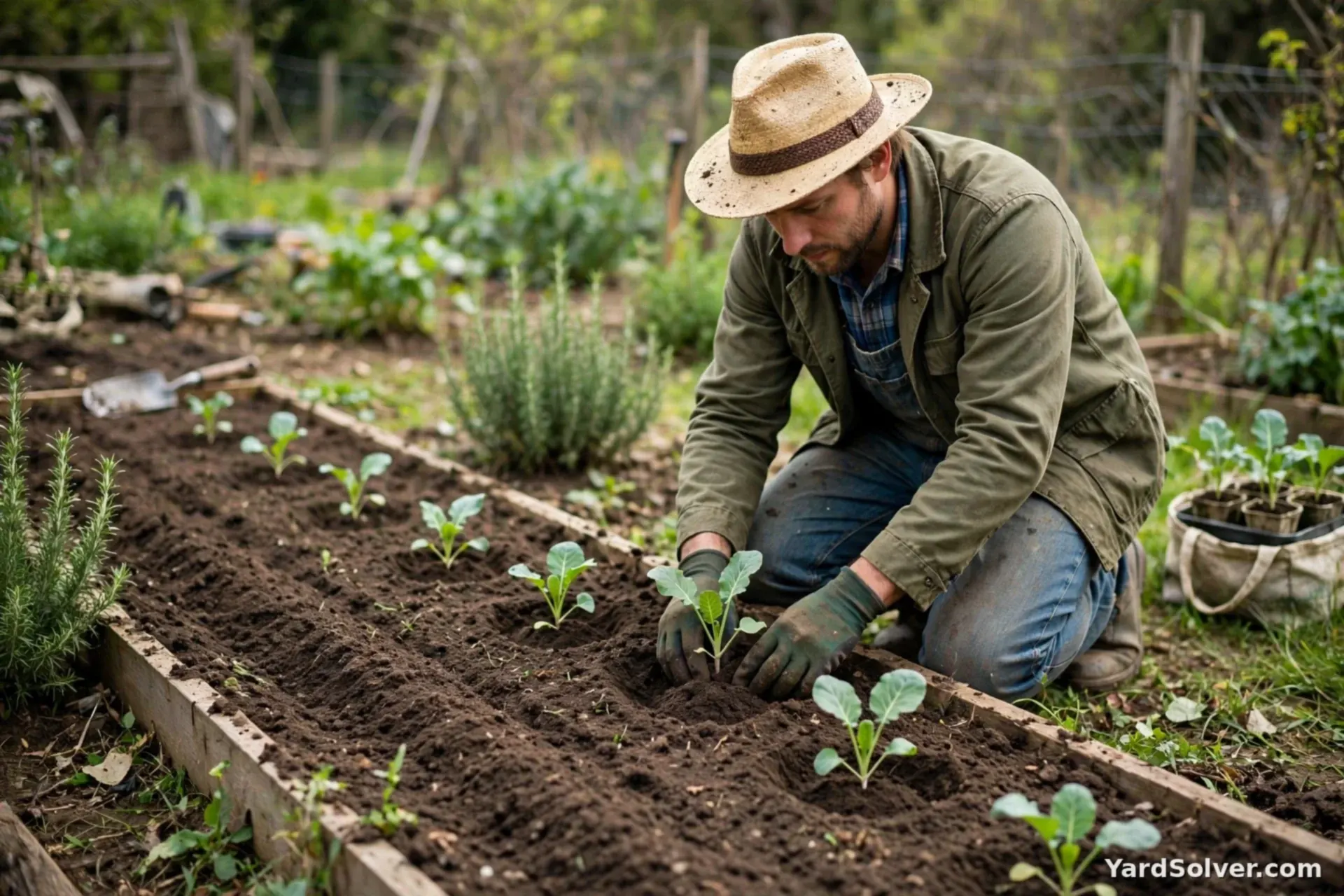
Start indoors 6 weeks before last frost at 1/4 in deep, or sow outdoors 2 weeks before last frost; plants finish spaced 18–24 in apart. Harden off indoor-started plants before they move out for good.
Step 4 — Water and feed
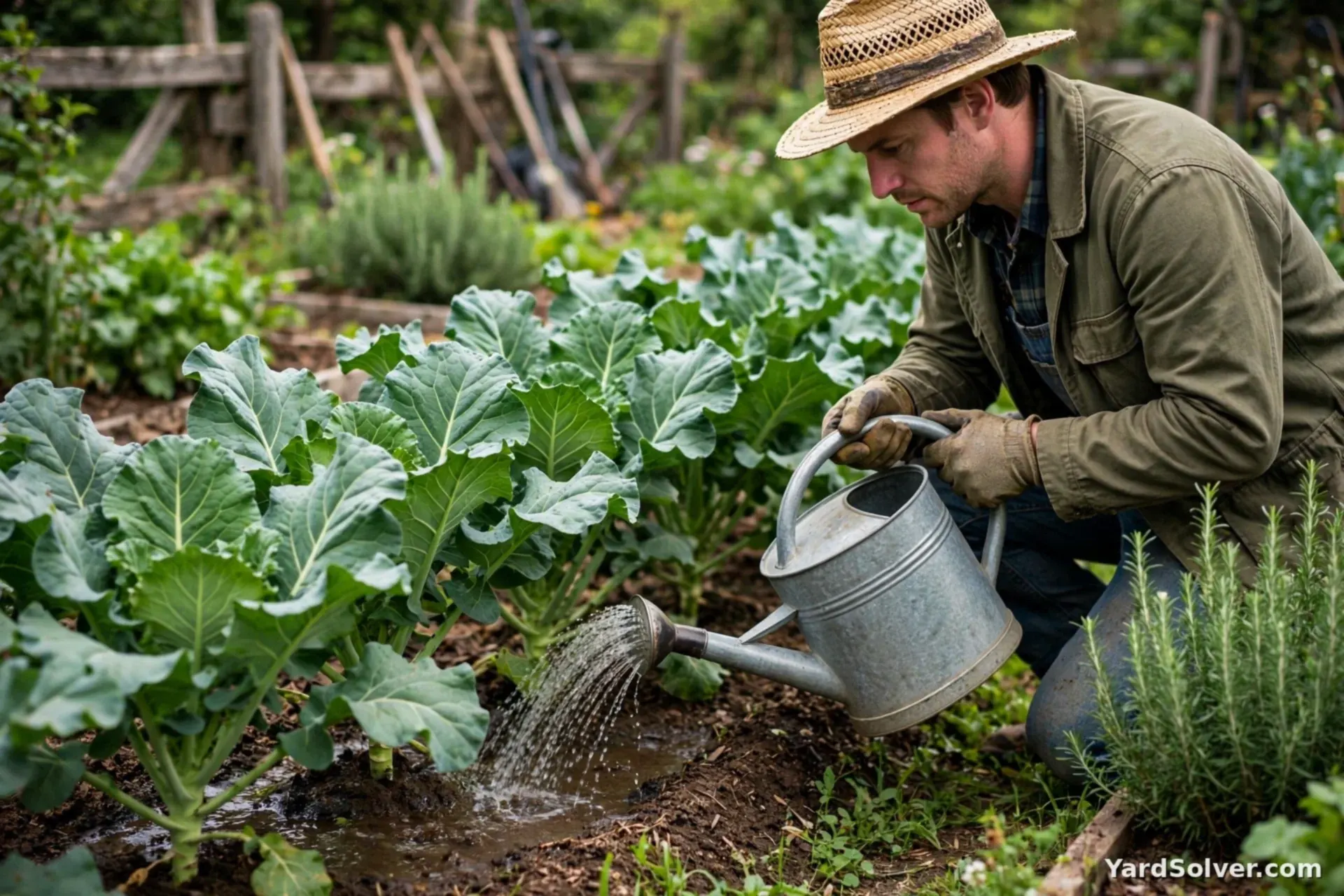
Water: Regular. First feed: around day 35 — Collards are all leaves — a nitrogen-rich feed about five weeks in keeps the big leaves coming. The Fertilizer Calculator turns a bed size into the right amount.
Step 5 — Care and the problems to watch for
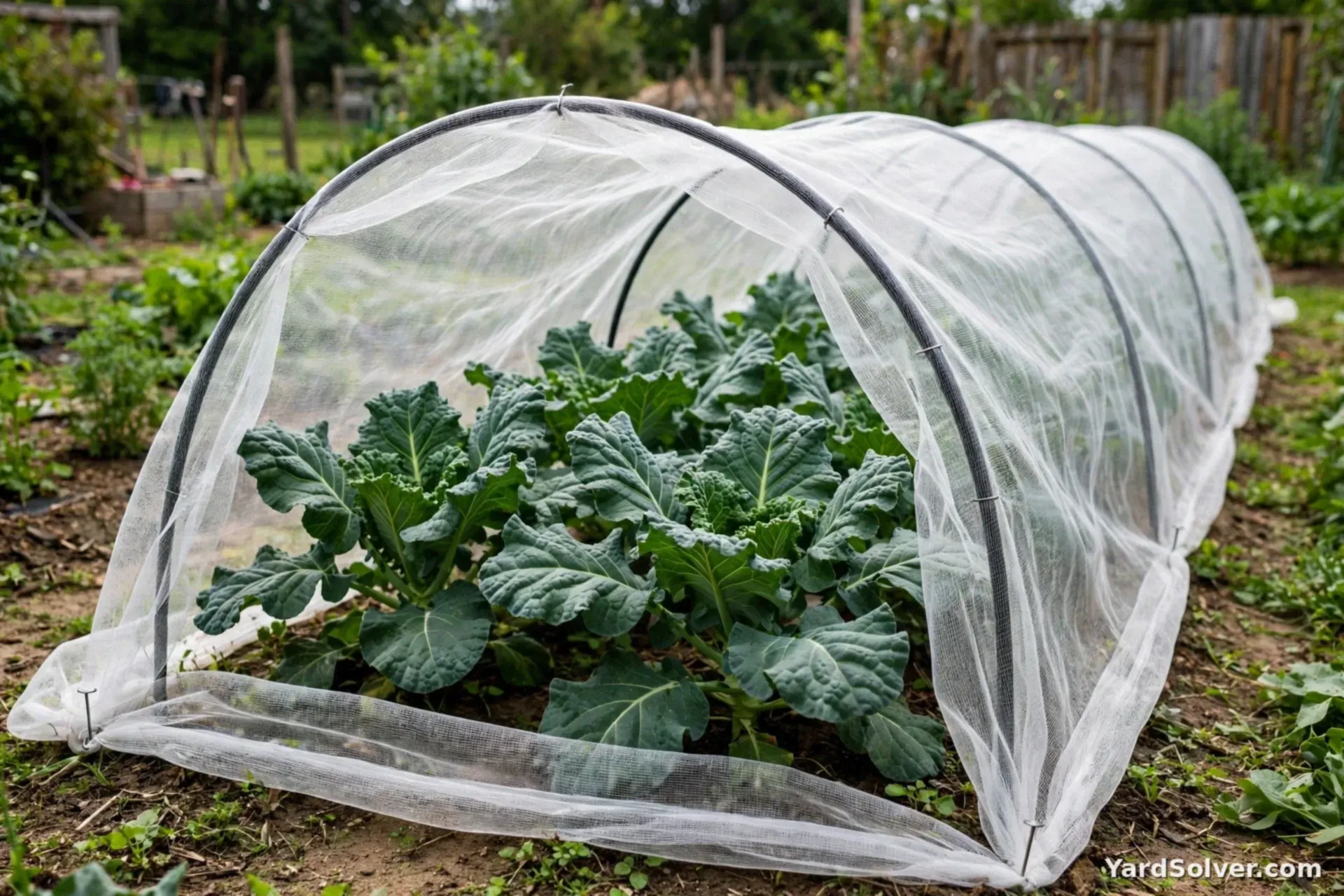
- Cabbage worms and harlequin bugs — check leaf undersides; cover with insect mesh and pick bugs off by hand.
- Tough, bitter leaves — usually heat and drought; water deeply and pick younger leaves.
- Yellowing lower leaves — the plant is hungry; feed with a nitrogen-rich fertilizer.
Take care: Collards are rich in vitamin K — people on blood thinners should keep servings steady and mention big changes to their doctor.
Step 6 — Harvest
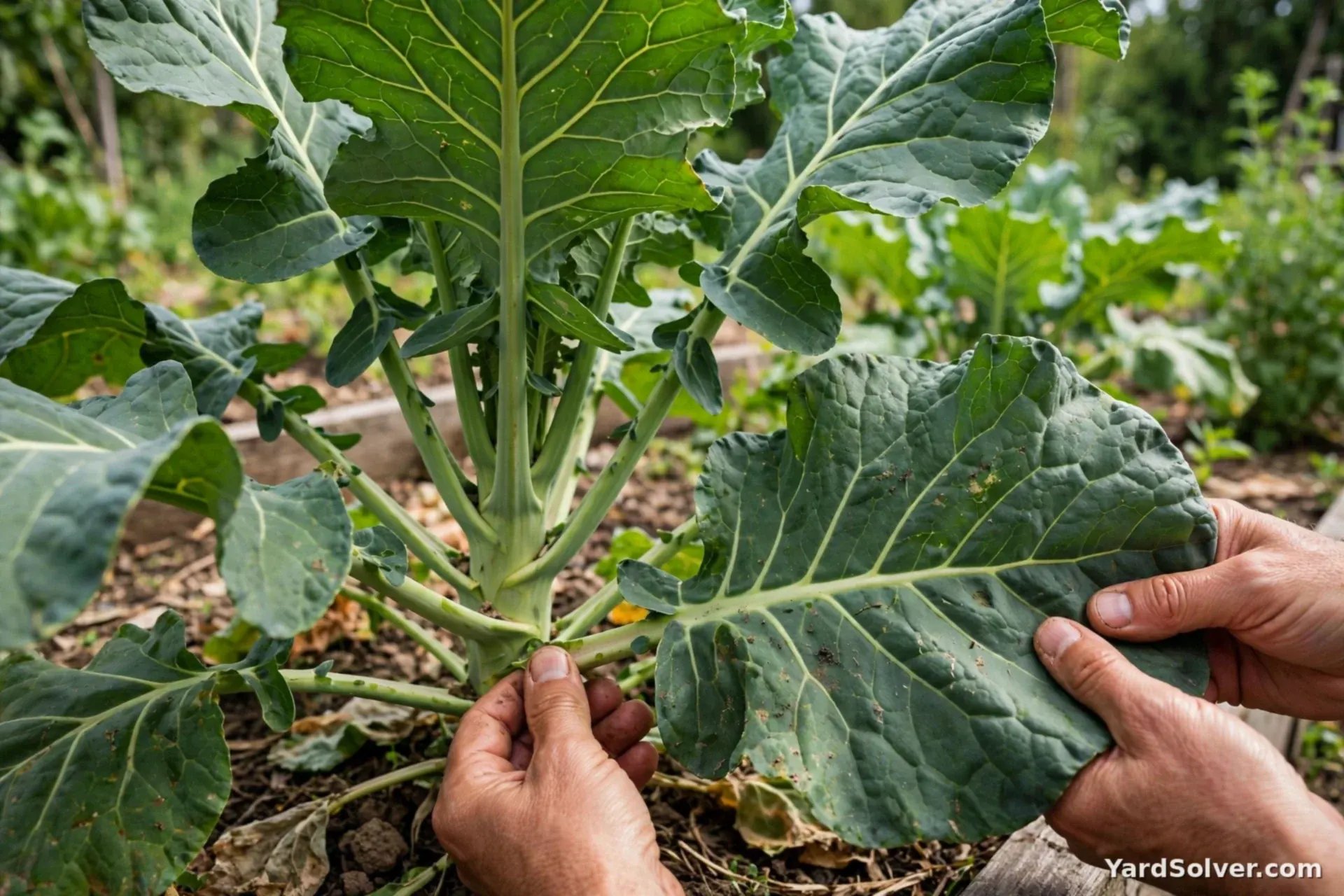
Ready in: 55–70 days. Harvest runs from about day 55 to 70 — pick the lowest, oldest leaves first and the centre keeps producing for months.
📅 Your personal Collards schedule
Counted from your planting day — not a generic calendar. Day 0 is the day the seed went in the ground or the young plant went out.
Varieties worth growing
| Variety | Colour | Why gardeners like it |
|---|---|---|
| Georgia Southern | Blue-green | The classic Southern heirloom — big, smooth leaves and real heat tolerance |
| Champion | Dark green | Compact plants that resist bolting and hold well in the garden |
| Vates | Blue-green | Cold-hardy and slow to bolt — the fall grower's choice |
| Tiger | Green | A fast hybrid with uniform, tender leaves |
| Morris Heading | Green | Forms a loose head like a cabbage — an old North Carolina favourite |
Good for you — and take care
Benefits
- Provides a lot of vitamin K and vitamin A
- A source of vitamin C and folate
- Provides calcium — unusual for a vegetable
- Provides fibre that supports good digestion
- Very low in calories
Take care
- People who take blood thinners: collards are rich in vitamin K, so keep portions steady
- Cooking softens the strong flavour — young leaves are the mildest raw
- Wash leaves well — the big leaves catch soil and hide insects
A little history — and one good fact
Collards are among the oldest cultivated brassicas — leafy, non-heading greens were eaten around the eastern Mediterranean over 2,000 years ago. They travelled to the American South, where they became a cornerstone of Southern cooking, traditionally simmered low and slow.
Fun fact: In the US South, collard greens with black-eyed peas are the classic New Year's Day plate — the greens are said to stand for folding money in the year ahead.
Keep going
Guides: How to Get Rid of Aphids · How to Protect Plants from Frost · When to Start Seeds Indoors
Calculators: Plant Spacing Calculator · Seed Calculator · Fertilizer Calculator · Garden Mix Calculator
More vegetables: Kale · Cabbage · Turnip
← Back to the Plant Library · Get your personal planting dates
Questions people ask
When do I plant collards?
Count from your average last spring frost: sow indoors 6 weeks before last frost; move outside 2 weeks before last frost; sow outdoors 2 weeks before last frost. Collards are a cool-season, extremely hardy crop: start indoors about 6 weeks before your last frost and transplant about 2 weeks before it, or direct sow about 2 weeks before it — in mild areas they grow almost year-round.
How far apart do I space collards?
Space plants 18–24 in apart, with seed sown 1/4 in deep. Sun: full sun.
When is collards ready to harvest?
55–70 days. The hardiest of the leafy greens: collards shrug off summer heat and sweeten after frost — pick the outer leaves and the plant keeps giving.