
Plant Library · Vegetables
🥬 How to Grow Kohlrabi
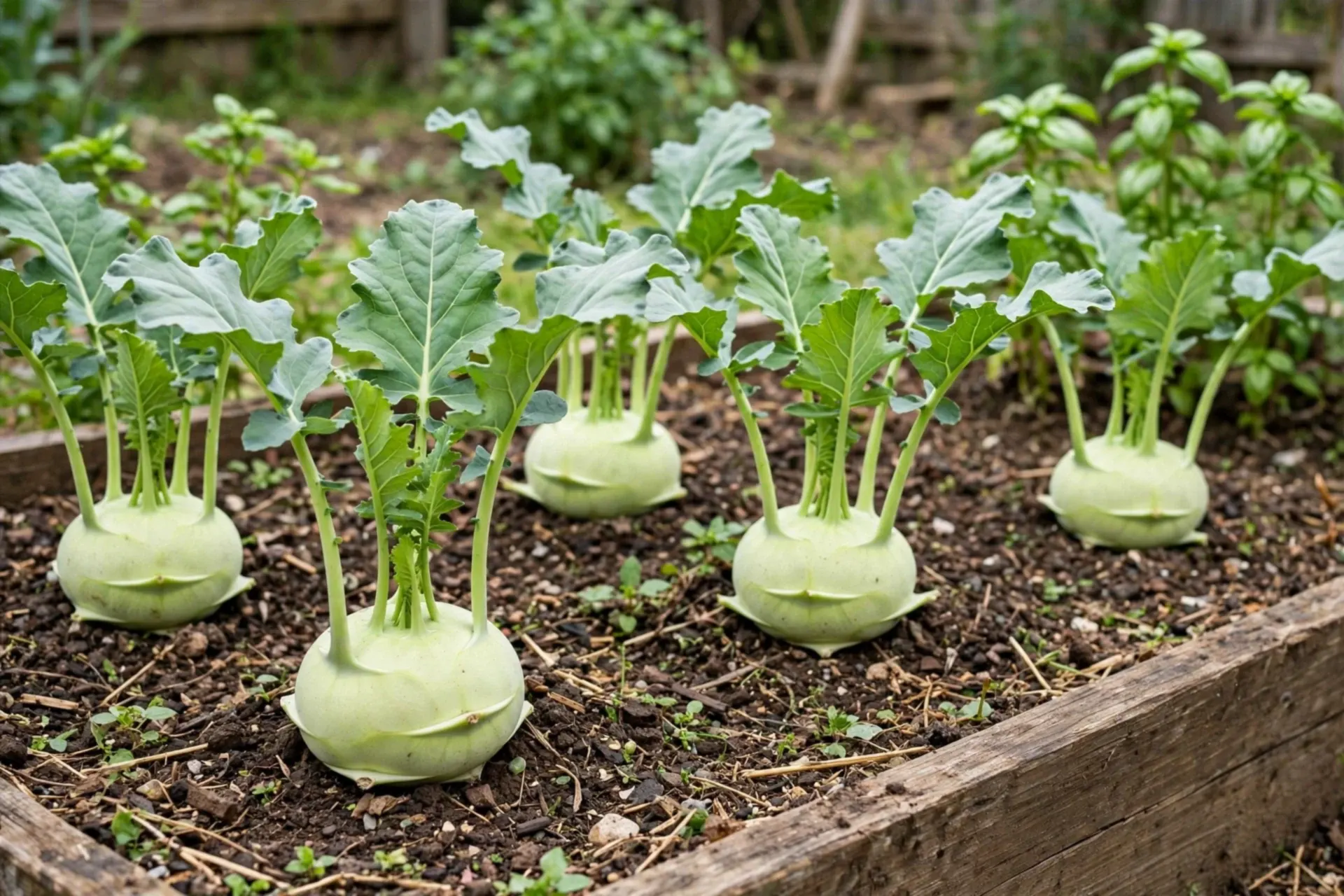
Pick it young — at golf-ball to tennis-ball size; left too long, kohlrabi turns woody and strong. Kohlrabi is a cool-season crop: start indoors about 6 weeks before your last frost and transplant about 2 weeks before it, or direct sow about 2 weeks before it — steady growth in cool weather makes the sweetest, tenderest bulbs.
Grow Kohlrabi with us — step by step
Everything for this plant is written step by step below — what to do, and exactly when. Read it through first if you like: you can grow it entirely on your own with that guide. Or start with us here — tell us your planting day and we lay out your personal schedule on this page, every next step on its own day, counted from your planting date. No guessing, no forgetting.
Step 1 — today: Plant out your young Kohlrabi plants today (hardened off first), spaced 6–9 in apart, and water them in well. Starting from seed instead? Sow indoors now, 1/4 in deep, and this same schedule counts from transplant day.
Kohlrabi at a glance
Sow indoors: 6 weeks before last frost
Move outside: 2 weeks before last frost
Sow outdoors: 2 weeks before last frost
Spacing: 6–9 in · Seed depth: 1/4 in
Sun: Full sun
Water: Keep evenly moist so the bulbs swell without splitting
Harvest: 45–60 days
Timing counts from your average last spring frost — get your own dates in the Planting Calendar. Guidance follows standard extension-service practice for Canada and the US.
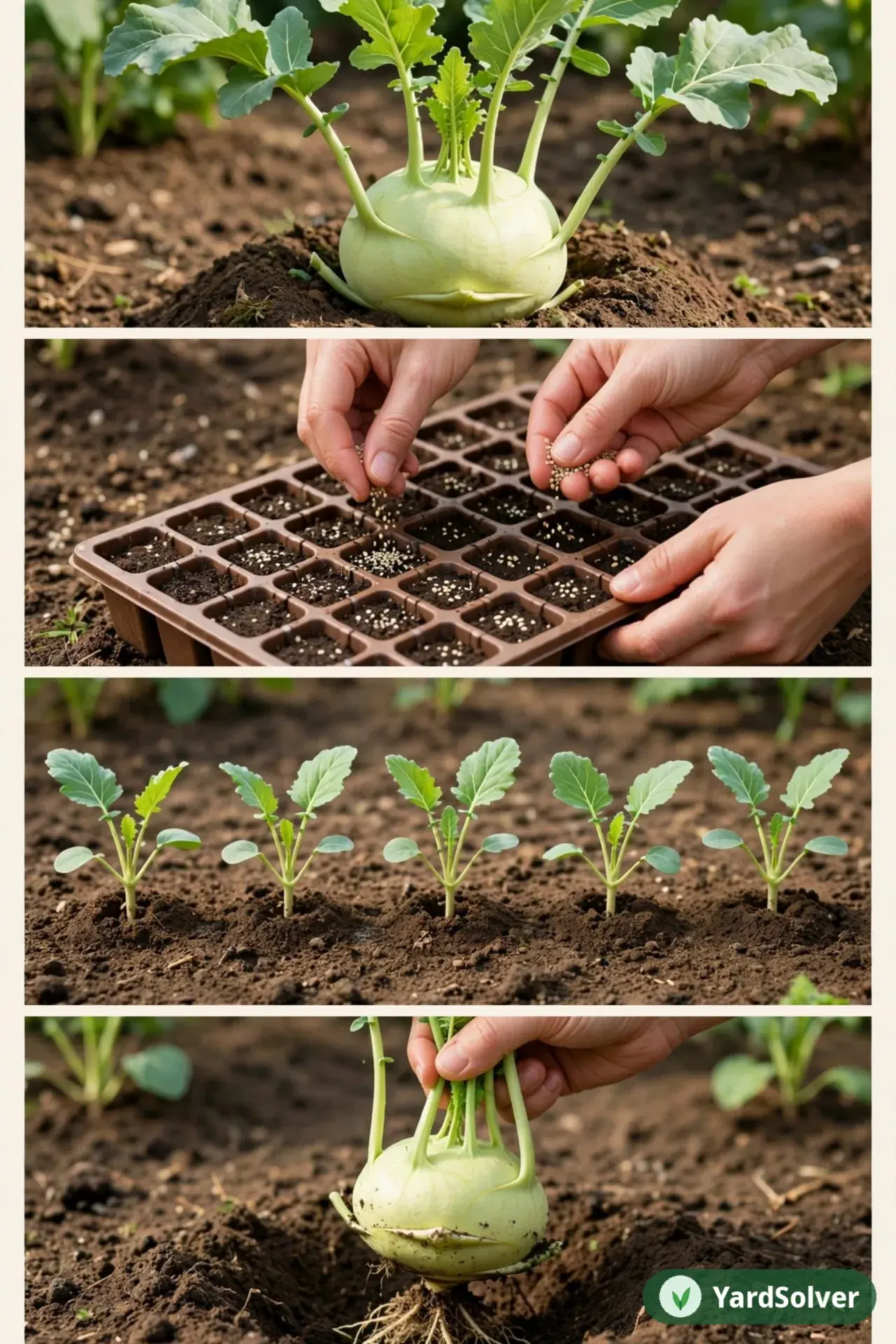
How to plant and grow kohlrabi, step by step
Step 1 — Time it right
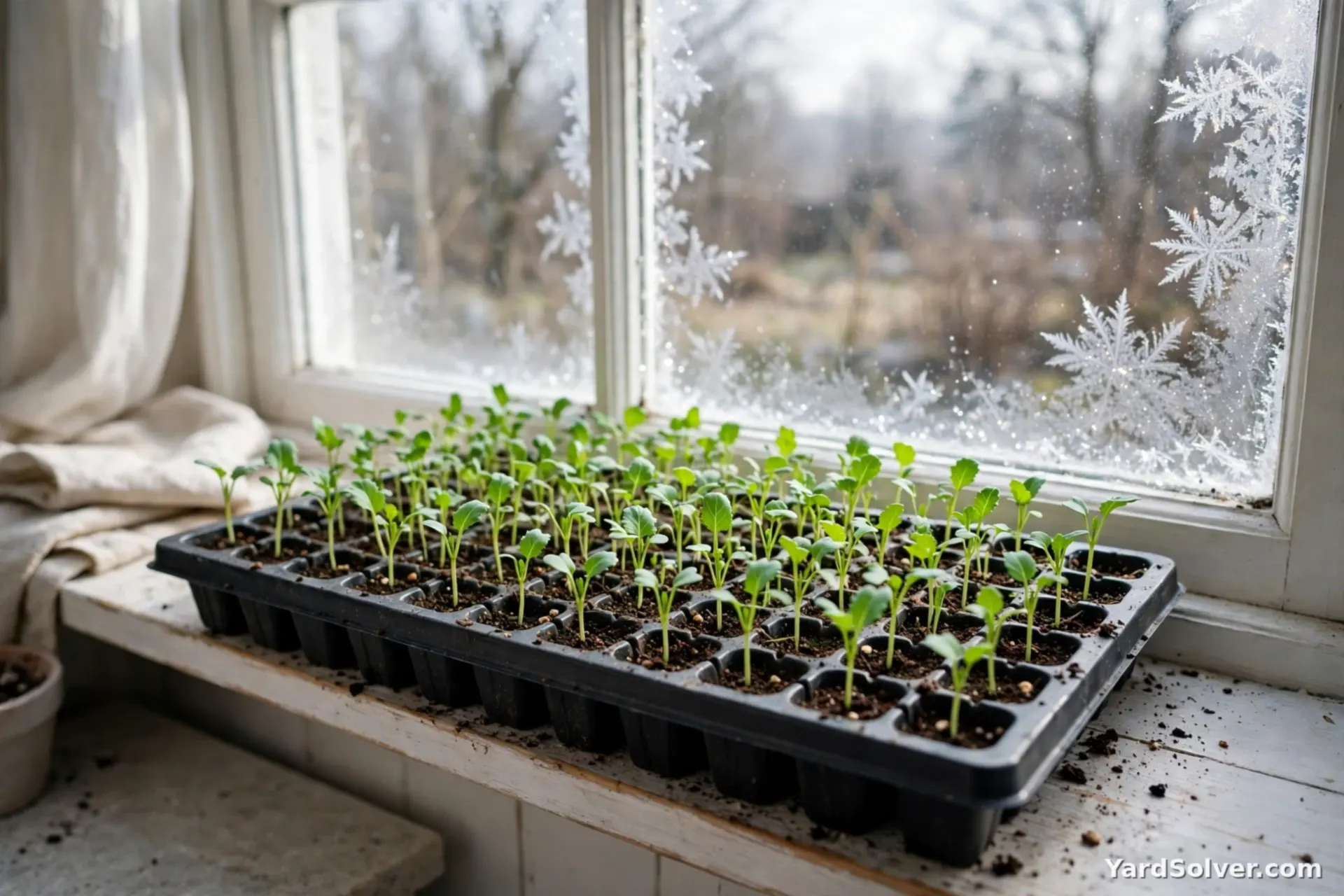
Sow indoors: 6 weeks before last frost; Move outside: 2 weeks before last frost; Sow outdoors: 2 weeks before last frost. All dates count from your average last spring frost — the Planting Calendar turns them into real dates for your garden. Kohlrabi is a cool-season crop: start indoors about 6 weeks before your last frost and transplant about 2 weeks before it, or direct sow about 2 weeks before it — steady growth in cool weather makes the sweetest, tenderest bulbs.
Step 2 — Prepare the spot
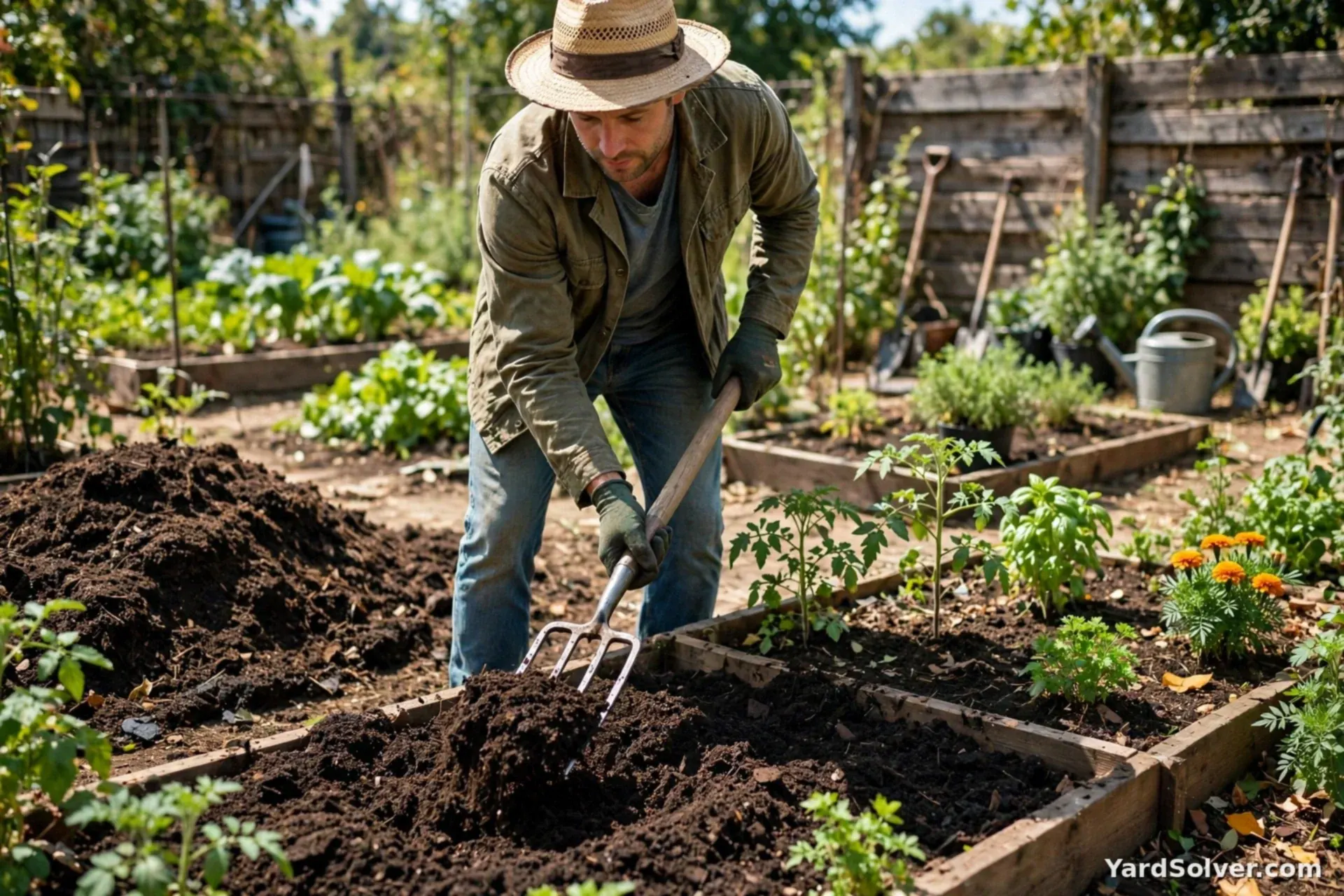
Sun: Full sun. Rich soil with compost worked in before planting, and moisture held steady — kohlrabi grows fast, and any check in growth shows up as a tough, woody bulb. Work out how much you need with the Garden Mix Calculator or the Raised Bed Soil Calculator.
Step 3 — Sow and plant out
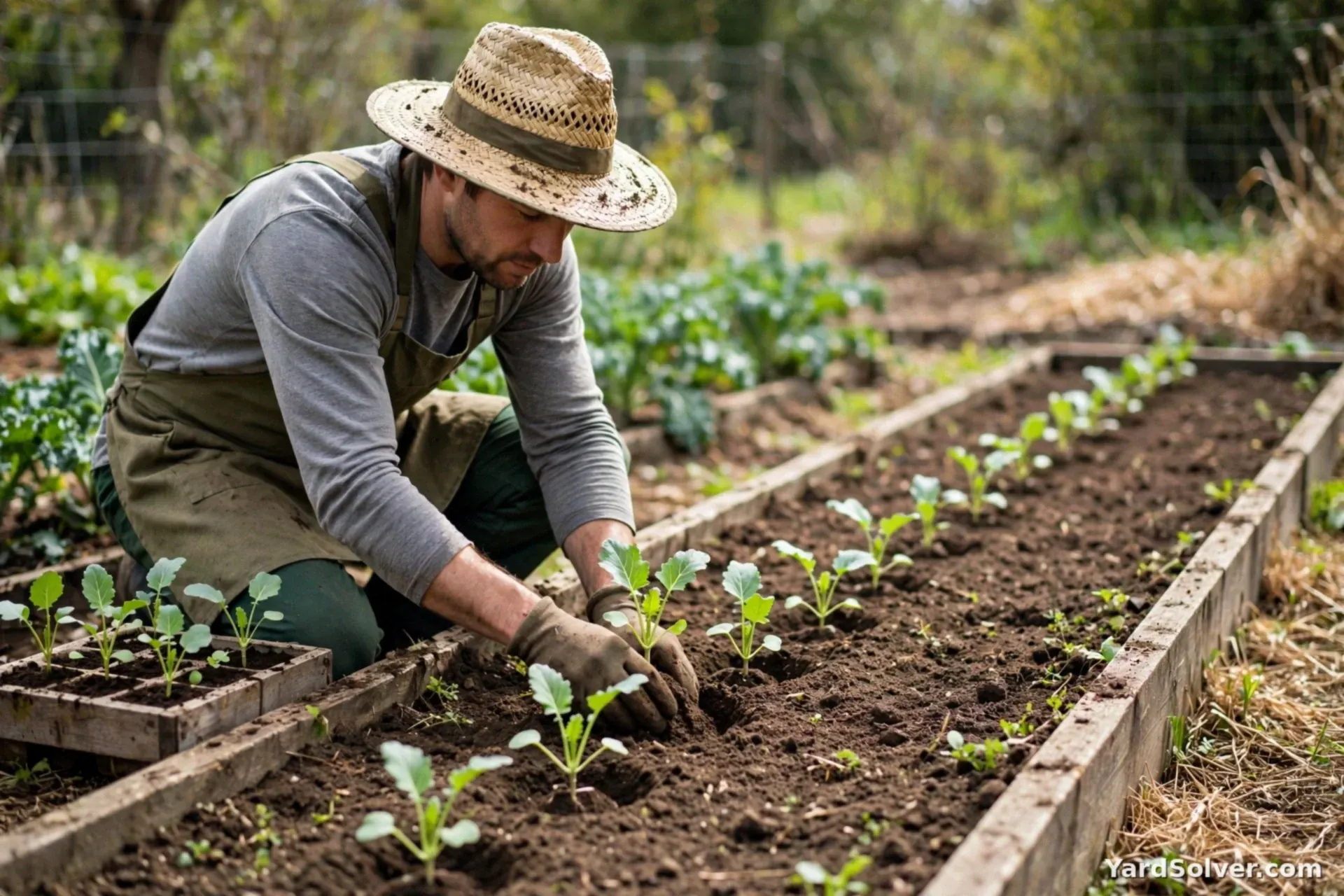
Start indoors 6 weeks before last frost at 1/4 in deep, or sow outdoors 2 weeks before last frost; plants finish spaced 6–9 in apart. Harden off indoor-started plants before they move out for good.
Step 4 — Water and feed
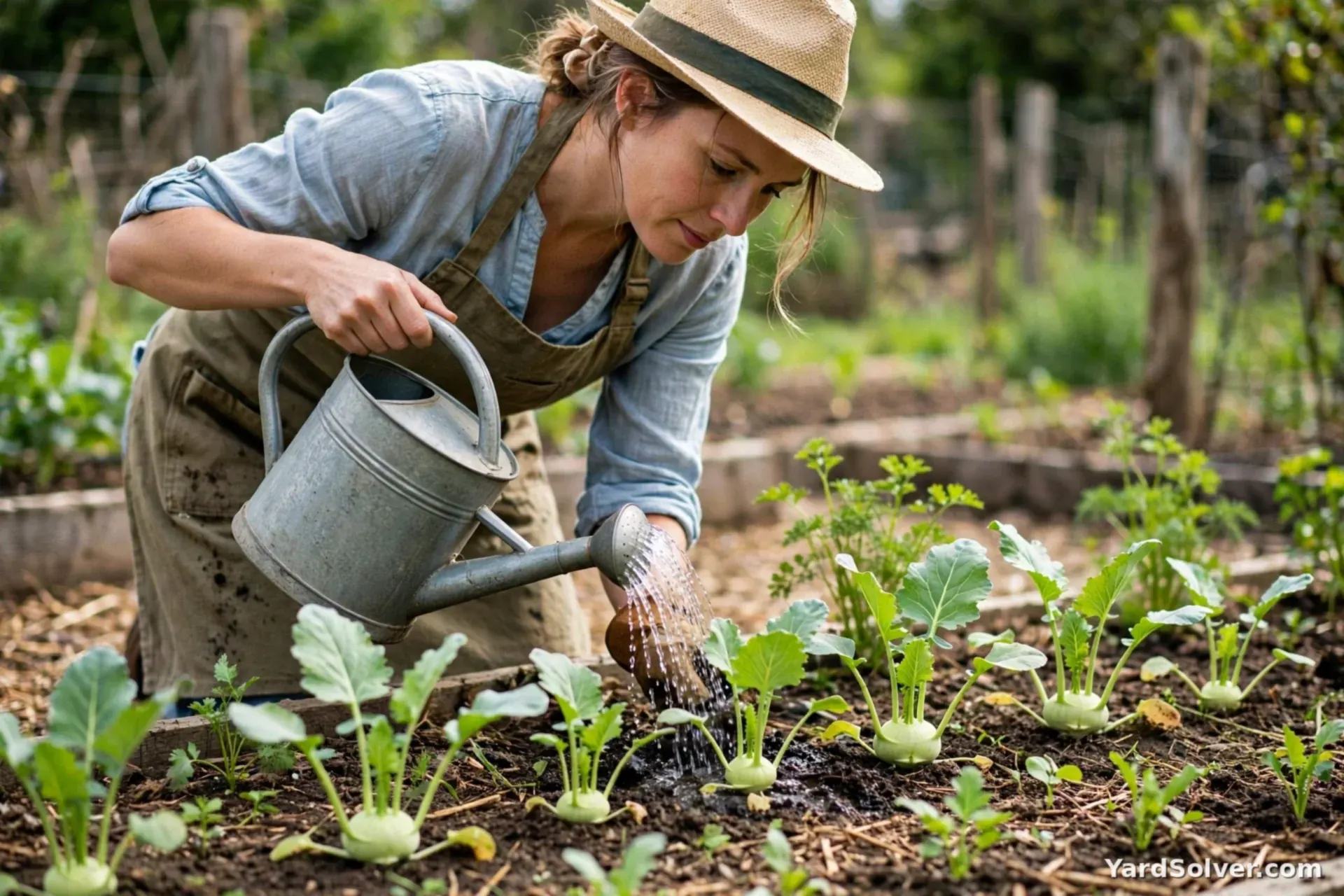
Water: Keep evenly moist so the bulbs swell without splitting. The Fertilizer Calculator turns a bed size into the right amount.
Step 5 — Care and the problems to watch for
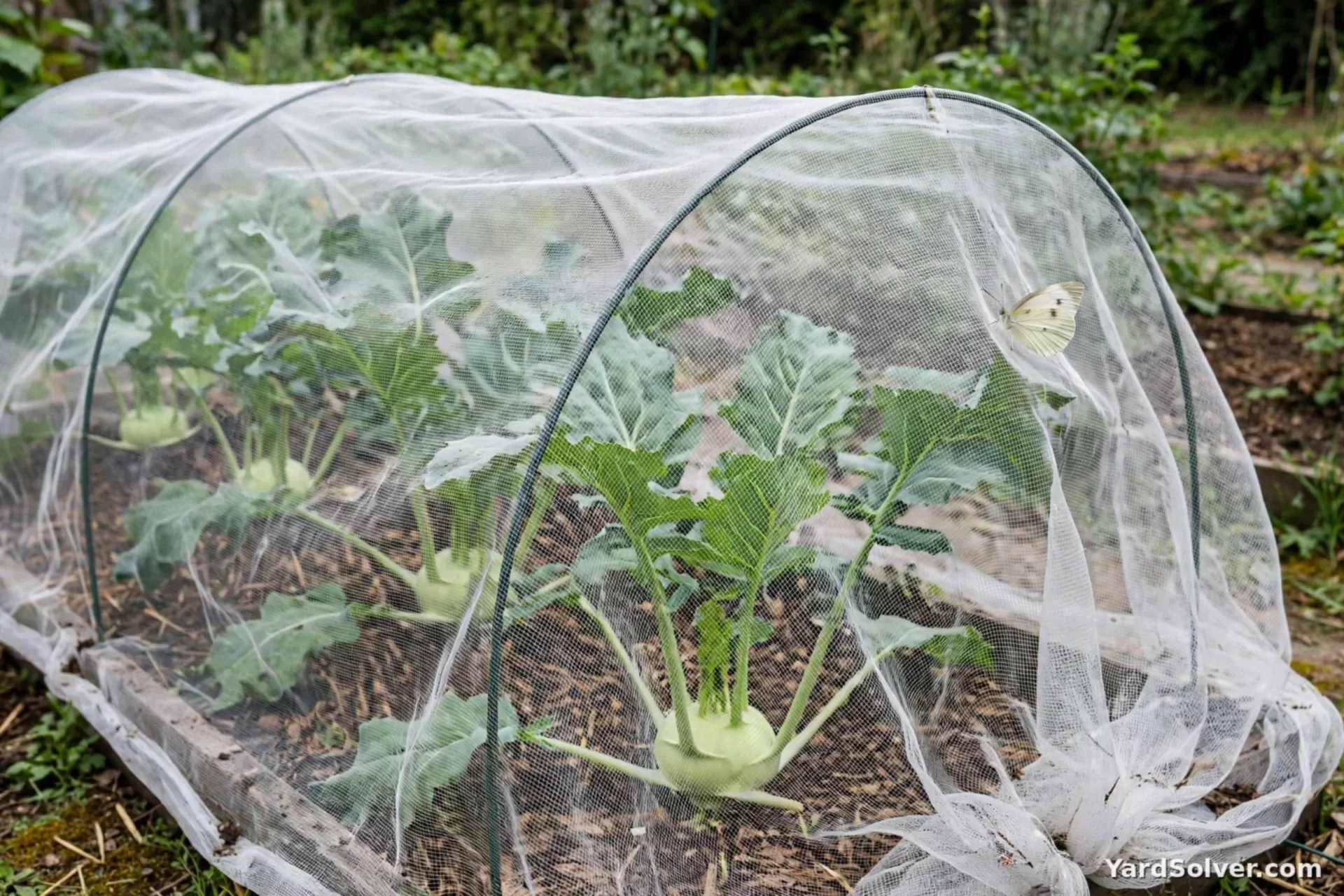
- Split bulbs — from uneven watering; keep the moisture steady while bulbs swell.
- Woody texture — simply left too long; pick at 2–3 inches wide.
- Cabbage white caterpillars — cover with insect mesh and check leaf undersides.
Take care: Kohlrabi is a brassica — generous servings can cause gas until your stomach adjusts.
Step 6 — Harvest
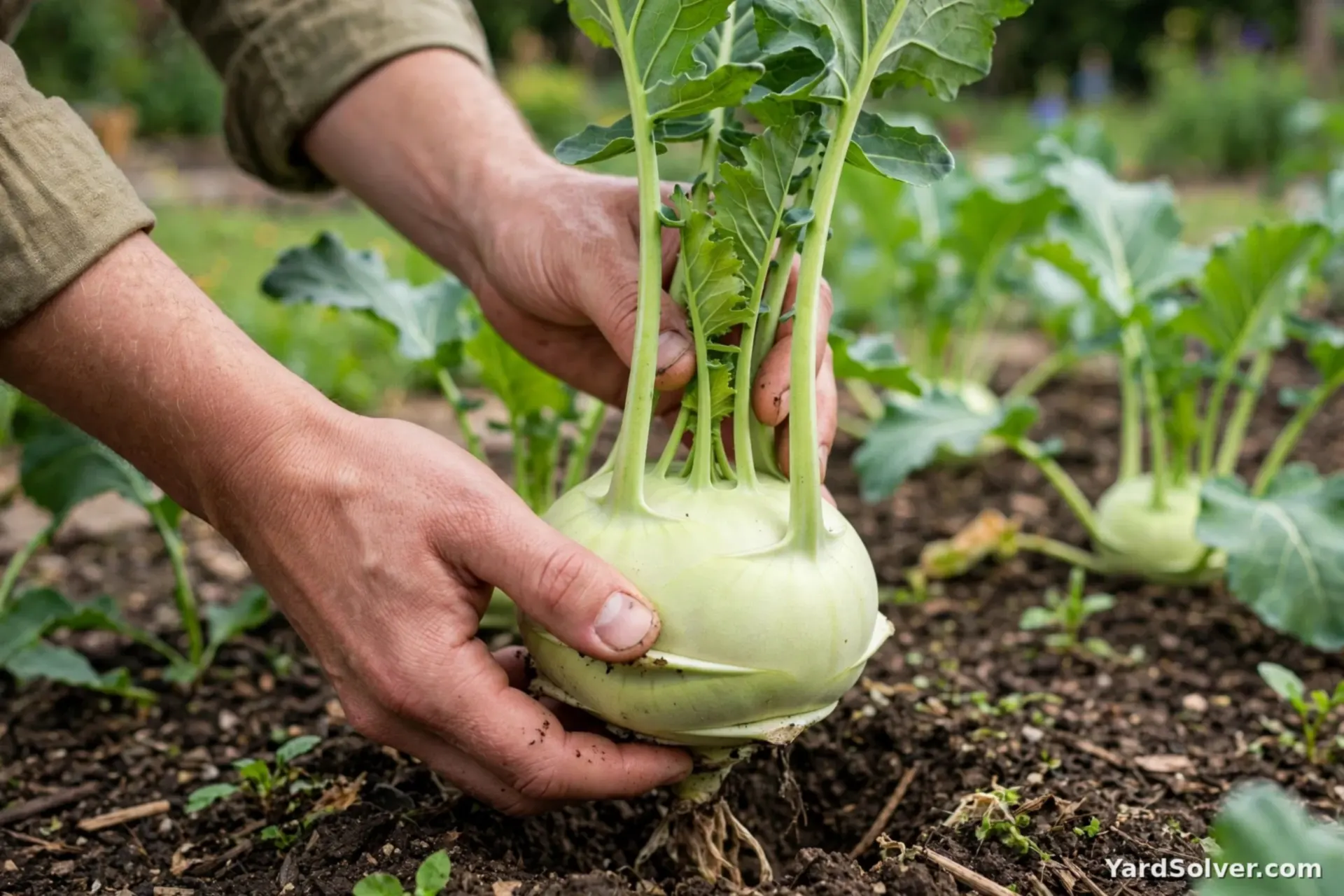
Ready in: 45–60 days. Harvest runs from about day 45 to 60 — pick when the swollen stem is about 2 to 3 inches wide; bigger is not better with kohlrabi.
📅 Your personal Kohlrabi schedule
Counted from your planting day — not a generic calendar. Day 0 is the day the seed went in the ground or the young plant went out.
Varieties worth growing
| Variety | Colour | Why gardeners like it |
|---|---|---|
| Early White Vienna | Pale green | The classic early kohlrabi — tender bulbs ready fast |
| Early Purple Vienna | Purple | Purple skin over crisp white flesh — most of the colour is in the skin |
| Kolibri | Purple | A quick, uniform hybrid that stays tender |
| Kossak | Pale green | A giant that can size up hugely yet stay tender — good for storing |
| Superschmelz | Pale green | A German giant type, sweet and buttery when cooked |
Good for you — and take care
Benefits
- A rich source of vitamin C
- Provides potassium and vitamin B6
- Provides fibre that supports good digestion
- Low in calories
- One of the cruciferous vegetables, a family linked with many health studies
Take care
- Generous servings can cause gas and bloating
- People who take blood thinners: kohlrabi contains vitamin K, so keep servings steady
- Peel older bulbs thickly — the skin toughens with size
A little history — and one good fact
Kohlrabi was bred in northern Europe a few hundred years ago from the same wild cabbage as kale and cauliflower — its name is German: Kohl, cabbage, and Rübe, turnip. It is a staple in German and northern Indian cooking, and an unfair mystery to many other gardeners.
Fun fact: The round bulb is not a root at all — it is a swollen stem that grows above the ground.
Keep going
Guides: When to Start Seeds Indoors · How to Harden Off Seedlings · How to Get Rid of Aphids
Calculators: Plant Spacing Calculator · Seed Calculator · Fertilizer Calculator · Garden Mix Calculator
More vegetables: Turnip · Bok Choy · Radish
← Back to the Plant Library · Get your personal planting dates
Questions people ask
When do I plant kohlrabi?
Count from your average last spring frost: sow indoors 6 weeks before last frost; move outside 2 weeks before last frost; sow outdoors 2 weeks before last frost. Kohlrabi is a cool-season crop: start indoors about 6 weeks before your last frost and transplant about 2 weeks before it, or direct sow about 2 weeks before it — steady growth in cool weather makes the sweetest, tenderest bulbs.
How far apart do I space kohlrabi?
Space plants 6–9 in apart, with seed sown 1/4 in deep. Sun: full sun.
When is kohlrabi ready to harvest?
45–60 days. Pick it young — at golf-ball to tennis-ball size; left too long, kohlrabi turns woody and strong.