
Plant Library · Vegetables
🥕 How to Grow Parsnip
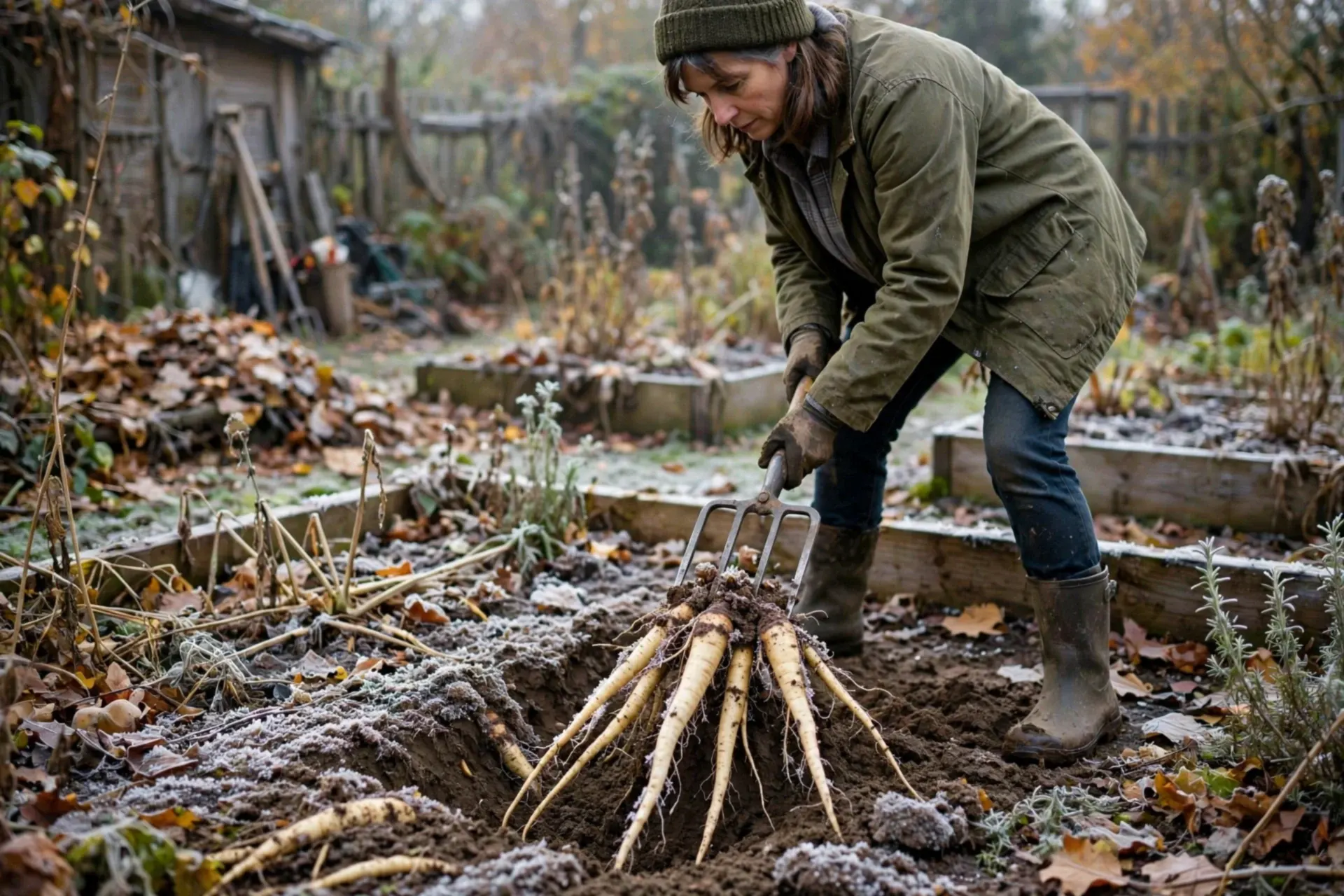
Very slow to sprout (3–4 weeks) and slow to size up — a patience crop; sweetest after frost. Parsnips are a patience crop: direct sow about 3 weeks before your last frost into deep, loose soil, keep the seed bed moist through their slow 3 to 4 week sprouting, and expect harvest in 100 to 120 days — they taste sweetest after a frost.
Grow Parsnip with us — step by step
Everything for this plant is written step by step below — what to do, and exactly when. Read it through first if you like: you can grow it entirely on your own with that guide. Or start with us here — tell us your planting day and we lay out your personal schedule on this page, every next step on its own day, counted from your planting date. No guessing, no forgetting.
Step 1 — today: Sow your Parsnip seeds today: 1/2 in deep, spaced 2–4 in apart, in full sun. Water the row in well and keep it moist while seeds sprout.
Parsnip at a glance
Sow outdoors: 3 weeks before last frost
Spacing: 2–4 in · Seed depth: 1/2 in
Sun: Full sun
Water: Keep the seed bed moist until sprouting
Harvest: 100–120 days
Timing counts from your average last spring frost — get your own dates in the Planting Calendar. Guidance follows standard extension-service practice for Canada and the US.
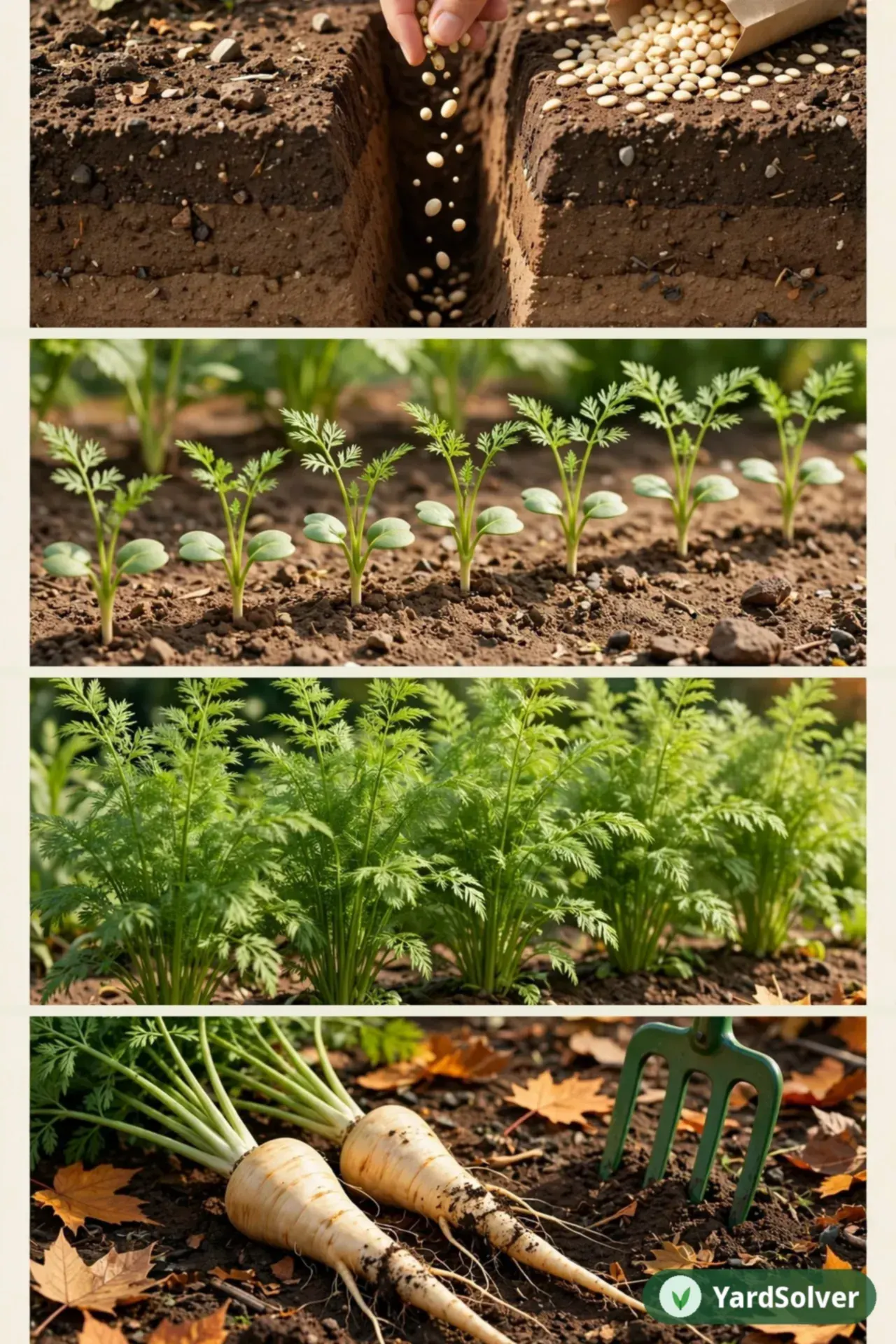
How to plant and grow parsnip, step by step
Step 1 — Time it right
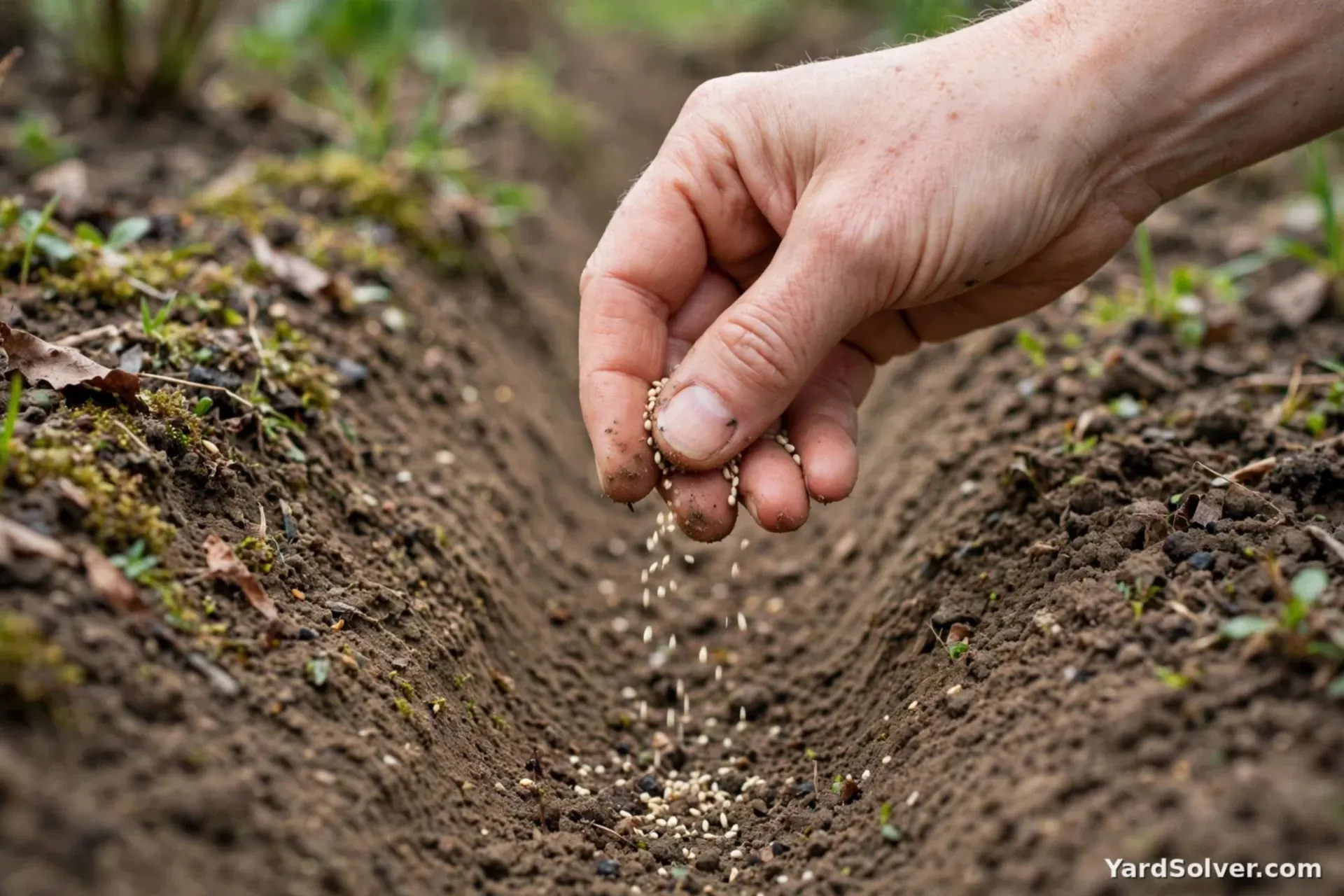
Sow outdoors: 3 weeks before last frost. All dates count from your average last spring frost — the Planting Calendar turns them into real dates for your garden. Parsnips are a patience crop: direct sow about 3 weeks before your last frost into deep, loose soil, keep the seed bed moist through their slow 3 to 4 week sprouting, and expect harvest in 100 to 120 days — they taste sweetest after a frost.
Step 2 — Prepare the spot
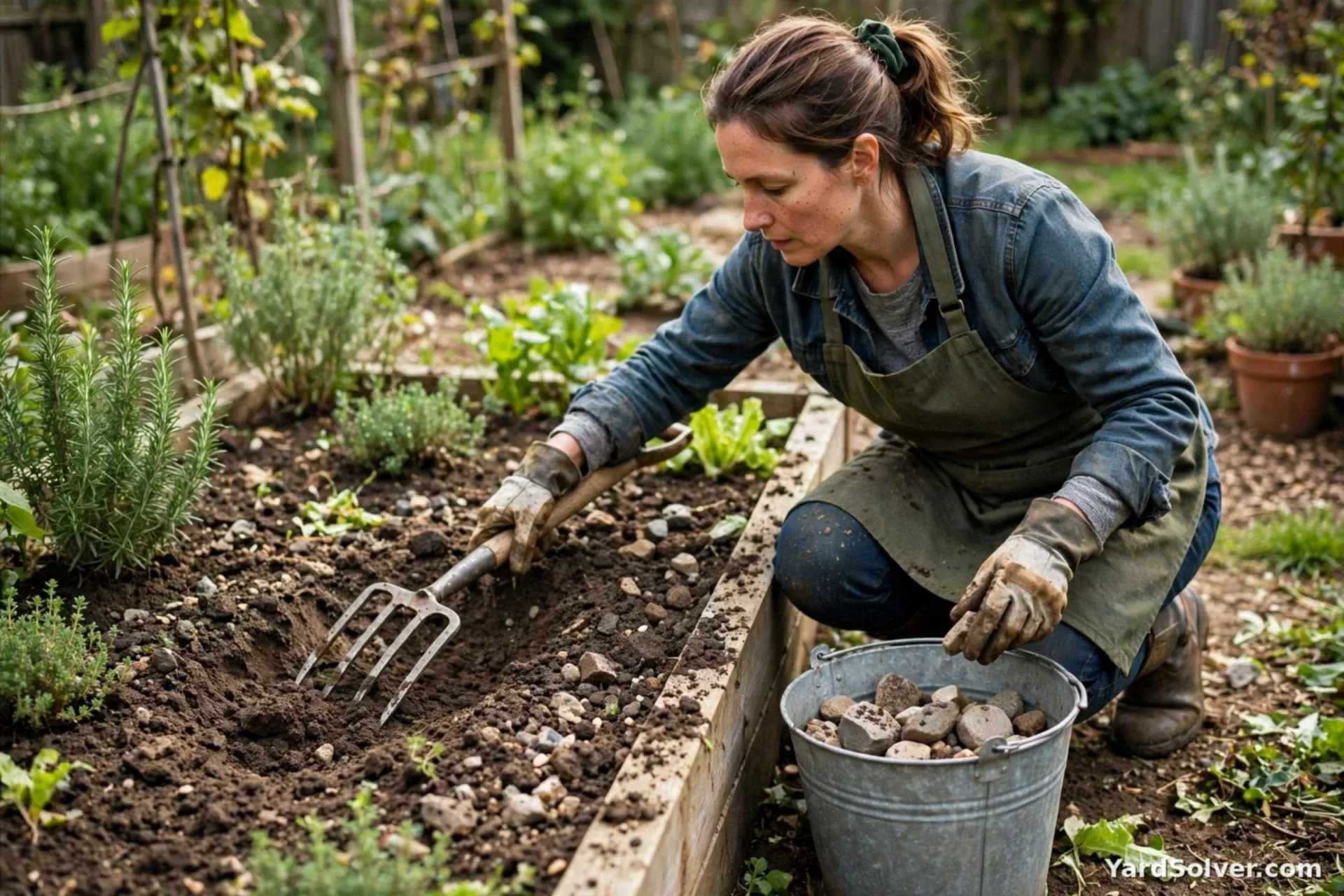
Sun: Full sun. Loose, stone-free soil is the whole secret for root crops — dig it over, pick out stones, and work in compost (never fresh manure, which forks roots). Depth and drainage matter more than feeding. Work out how much you need with the Garden Mix Calculator or the Raised Bed Soil Calculator.
Step 3 — Sow and plant out
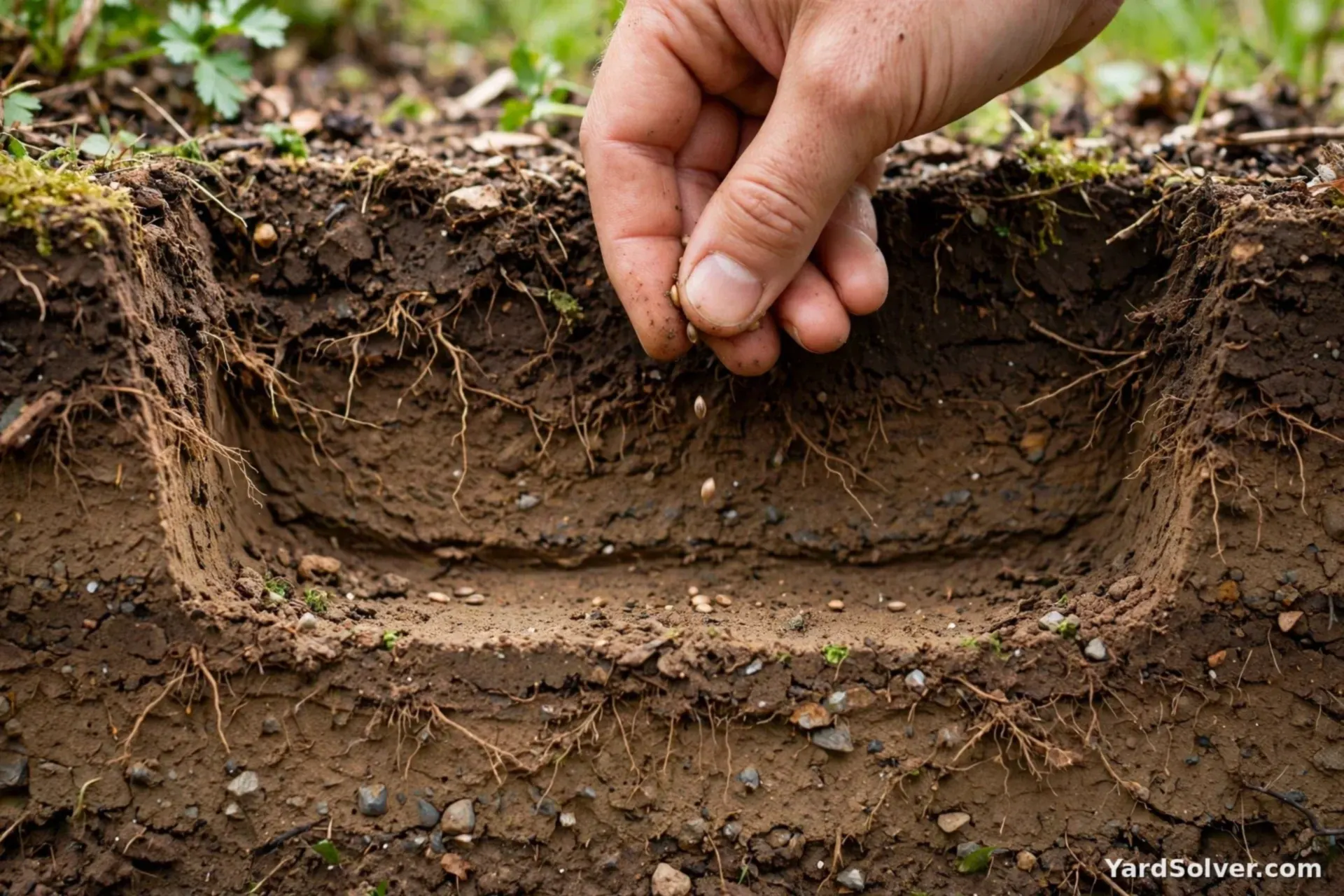
Sow directly where they will grow, 3 weeks before last frost, 1/2 in deep and 2–4 in apart (thin seedlings to that spacing once they are up). The Seed Calculator works out how much seed a bed needs.
Step 4 — Water and feed
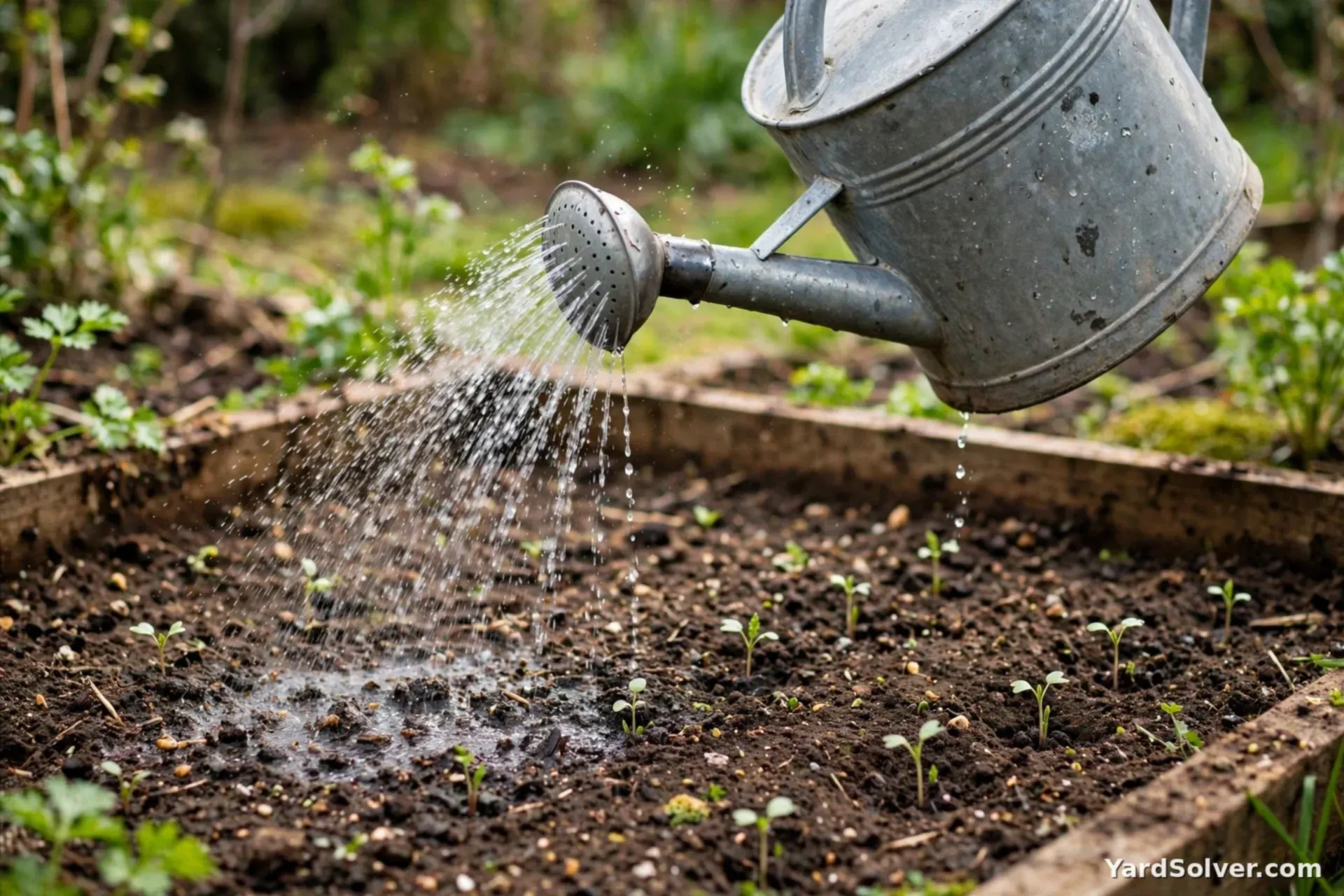
Water: Keep the seed bed moist until sprouting. The Fertilizer Calculator turns a bed size into the right amount.
Step 5 — Care and the problems to watch for
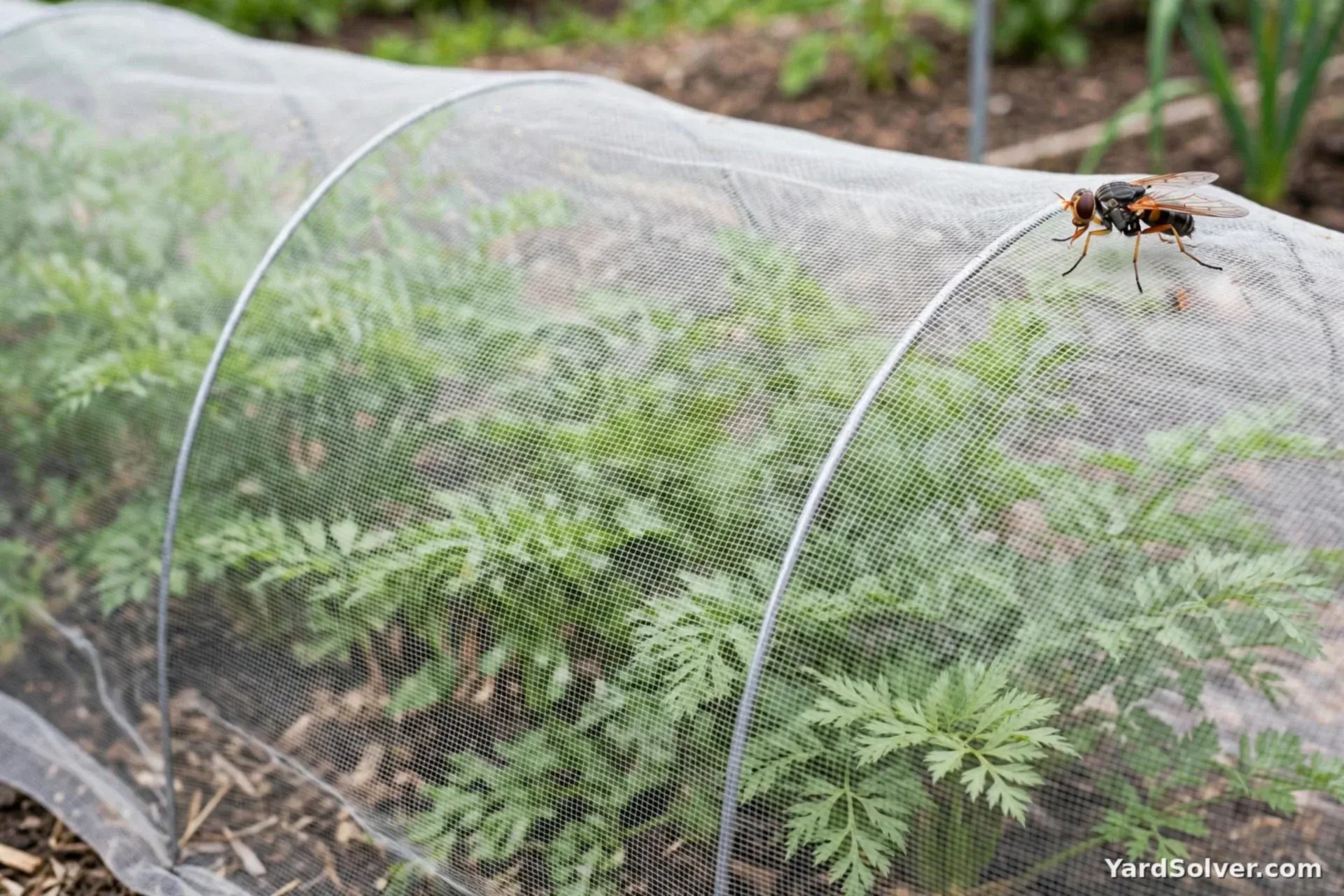
- Parsnip canker — rusty patches on the root shoulder; choose resistant varieties and rotate beds.
- Carrot fly can also attack parsnips — mesh helps.
- Slow, patchy germination — sow fresh seed every year; parsnip seed does not keep.
Take care: Parsnip leaf sap can irritate the skin of some people, especially in strong sunshine — wear gloves when handling lots of foliage. Only eat parsnips you grew or bought as food — wild look-alike roots can be dangerous, so never forage them.
Step 6 — Harvest
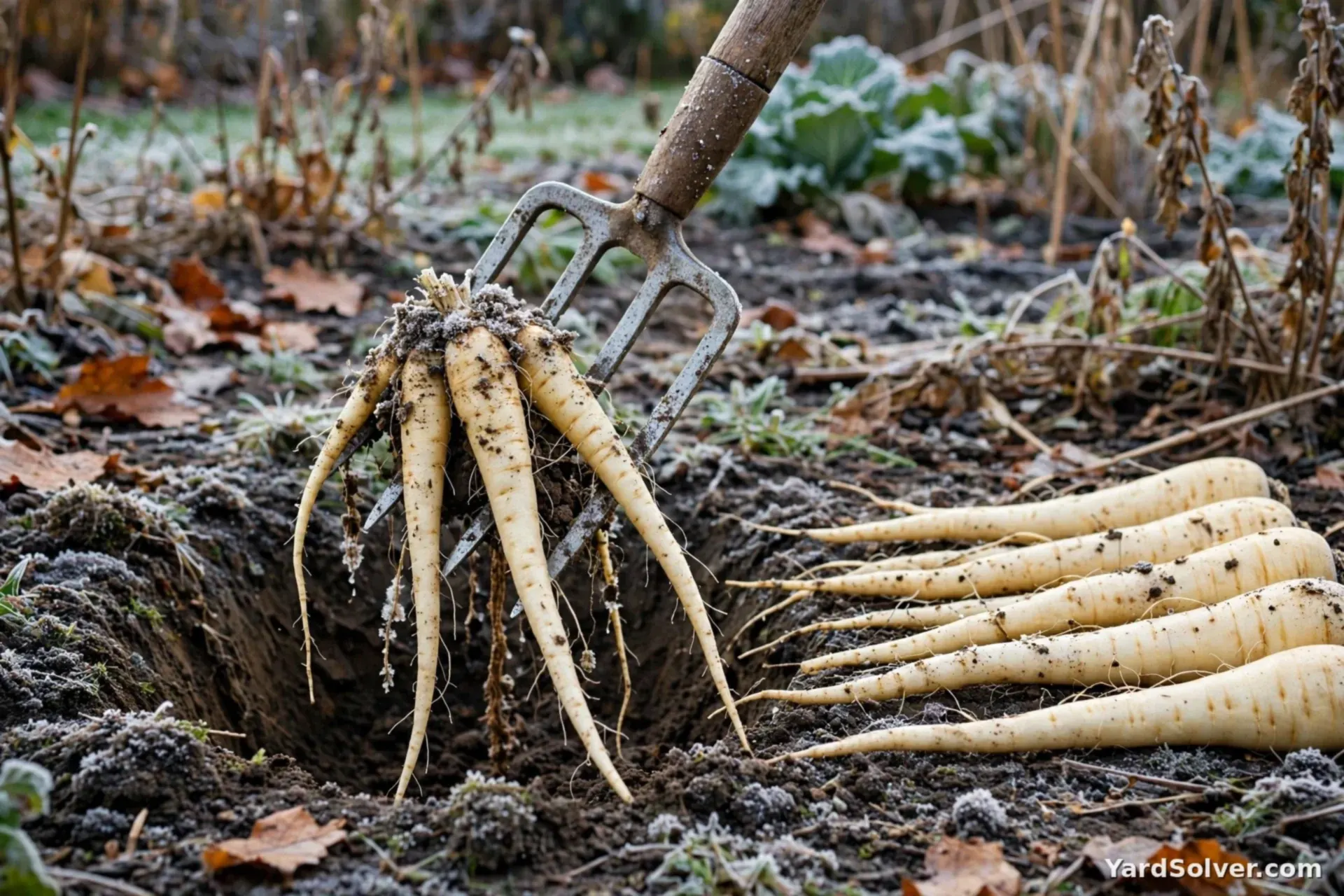
Ready in: 100–120 days. Harvest runs from about day 100 to 120 — they taste sweetest after a frost, so leave some in the ground for winter.
📅 Your personal Parsnip schedule
Counted from your planting day — not a generic calendar. Day 0 is the day the seed went in the ground or the young plant went out.
Varieties worth growing
| Variety | Colour | Why gardeners like it |
|---|---|---|
| Hollow Crown | Creamy white | The old standard — long roots with a hollow crown at the top |
| Gladiator | White | A vigorous hybrid with smooth, canker-resistant roots |
| Harris Model | White | Long, slim, smooth roots with a clean shape |
| All America | White | A dependable type with wide shoulders and sweet flesh |
| Tender and True | Creamy white | Bred for flavour — sweet, tender roots with little core |
Good for you — and take care
Benefits
- A good source of fibre for good digestion
- Provides vitamin C and potassium
- Provides folate and vitamin K
- Naturally sweet, so it adds flavour without added sugar
- Provides manganese and natural plant antioxidants
Take care
- Parsnip leaf sap can irritate the skin of some people, especially in strong sunshine — wear gloves when handling lots of foliage
- Only eat parsnips you grew or bought as food — wild look-alike roots can be dangerous, so never forage them
A little history — and one good fact
Parsnips come from Europe and western Asia, where the wild plant still grows along roadsides. The Romans grew and prized them, and through the Middle Ages the parsnip was Europe's main sweet root — even used as a sweetener before sugar was common. Potatoes later took its place at the table, but parsnips kept their fans wherever winters are cold.
Fun fact: Parsnips sweeten themselves: cold weather turns their starch into sugar, so a parsnip dug after the first frosts tastes noticeably sweeter than one dug in early fall.
Keep going
Guides: When to Start Seeds Indoors · How to Prepare Garden Soil in Spring · How to Harden Off Seedlings
Calculators: Plant Spacing Calculator · Seed Calculator · Garden Mix Calculator
More vegetables: Salsify · Pepper · Cucumber
← Back to the Plant Library · Get your personal planting dates
Questions people ask
When do I plant parsnip?
Count from your average last spring frost: sow outdoors 3 weeks before last frost. Parsnips are a patience crop: direct sow about 3 weeks before your last frost into deep, loose soil, keep the seed bed moist through their slow 3 to 4 week sprouting, and expect harvest in 100 to 120 days — they taste sweetest after a frost.
How far apart do I space parsnip?
Space plants 2–4 in apart, with seed sown 1/2 in deep. Sun: full sun.
When is parsnip ready to harvest?
100–120 days. Very slow to sprout (3–4 weeks) and slow to size up — a patience crop; sweetest after frost.