
Plant Library · Vegetables
🥕 How to Grow Salsify
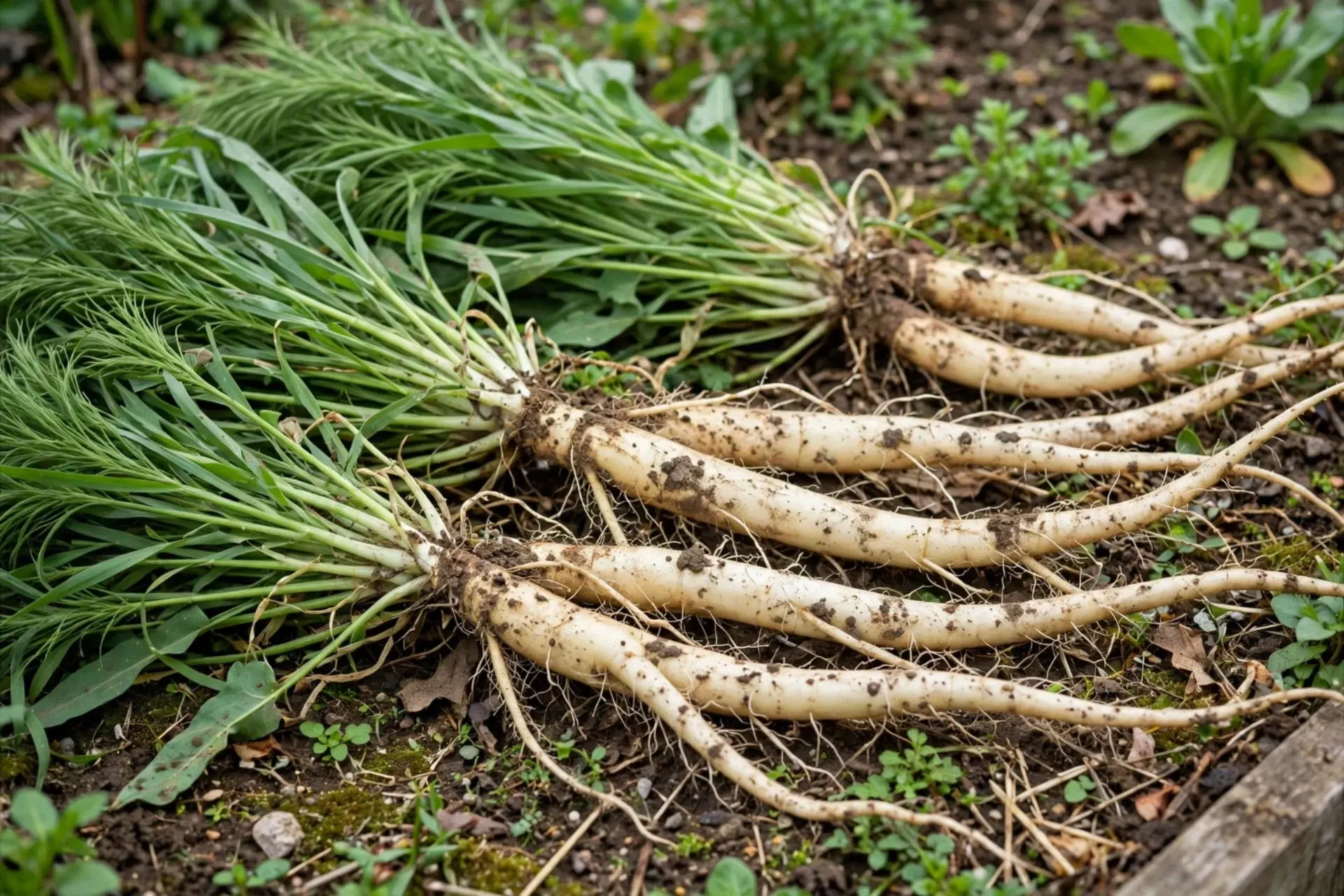
An old-fashioned root with a delicate oyster-like flavour: slow to sprout, slow to grow, and sweetest after frost — sow fresh seed in deep, stone-free soil and give it the whole season. Salsify — the oyster plant — is grown for its long, pale, parsnip-like root, whose delicate flavour cooks up faintly like oysters. Like parsnip, it is in no hurry: sow in spring in deep, loose soil, always with fresh seed, because salsify seed loses its sparkle after a year.
Grow Salsify with us — step by step
Everything for this plant is written step by step below — what to do, and exactly when. Read it through first if you like: you can grow it entirely on your own with that guide. Or start with us here — tell us your planting day and we lay out your personal schedule on this page, every next step on its own day, counted from your planting date. No guessing, no forgetting.
Step 1 — today: Sow Salsify seed today where the roots will grow, 1/2 in deep, and water the row in well. Mark the row — the grass-like seedlings are easy to weed out by mistake.
Salsify at a glance
Sow outdoors: 3 weeks before last frost
Spacing: 2–4 in · Seed depth: 1/2 in
Sun: Full sun
Water: Keep the seed bed moist until sprouting
Harvest: 100–120 days
Timing counts from your average last spring frost — get your own dates in the Planting Calendar. Guidance follows standard extension-service practice for Canada and the US.
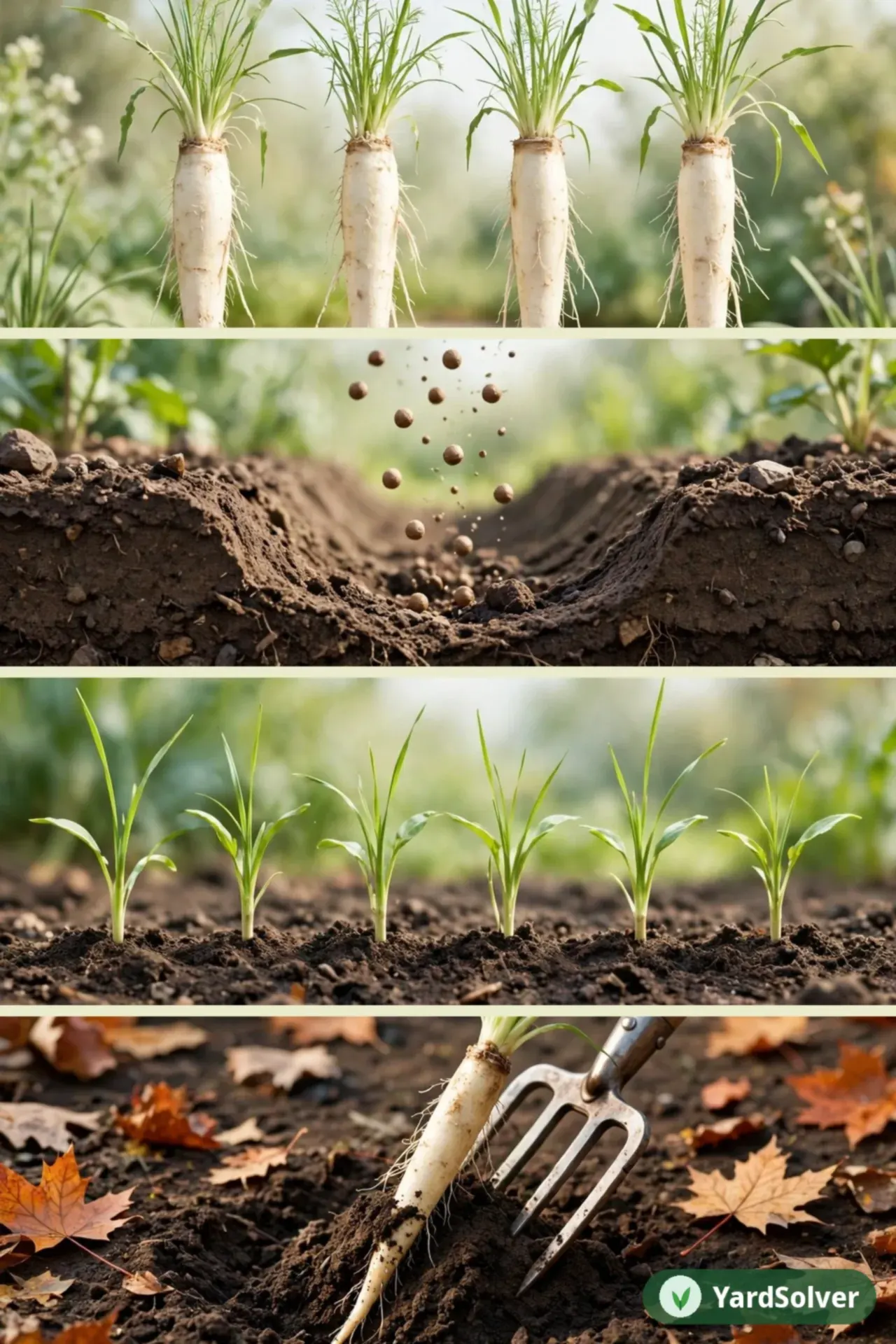
How to plant and grow salsify, step by step
Step 1 — Time it right
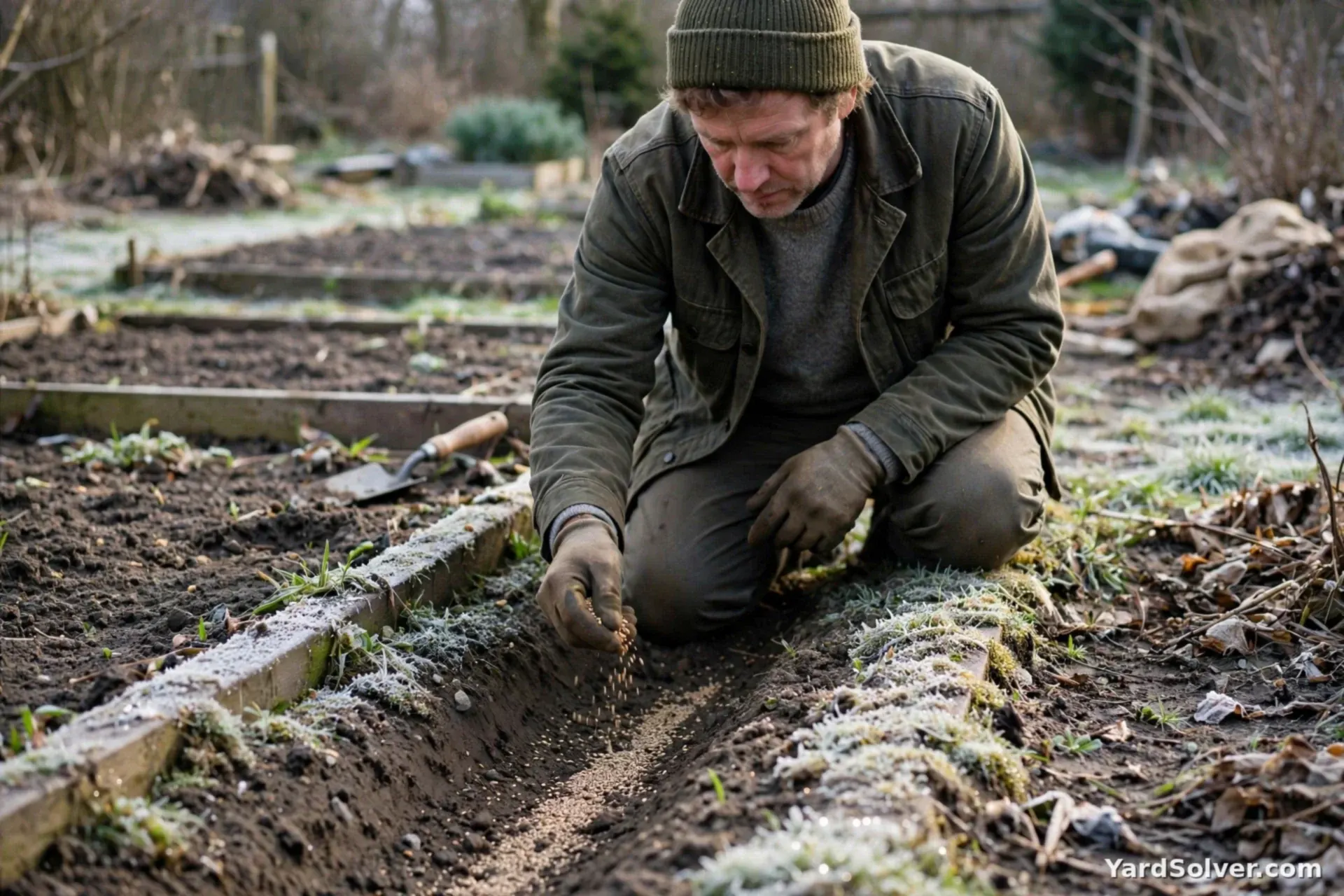
Sow outdoors: 3 weeks before last frost. All dates count from your average last spring frost — the Planting Calendar turns them into real dates for your garden. Salsify — the oyster plant — is grown for its long, pale, parsnip-like root, whose delicate flavour cooks up faintly like oysters. Like parsnip, it is in no hurry: sow in spring in deep, loose soil, always with fresh seed, because salsify seed loses its sparkle after a year.
Step 2 — Prepare the spot
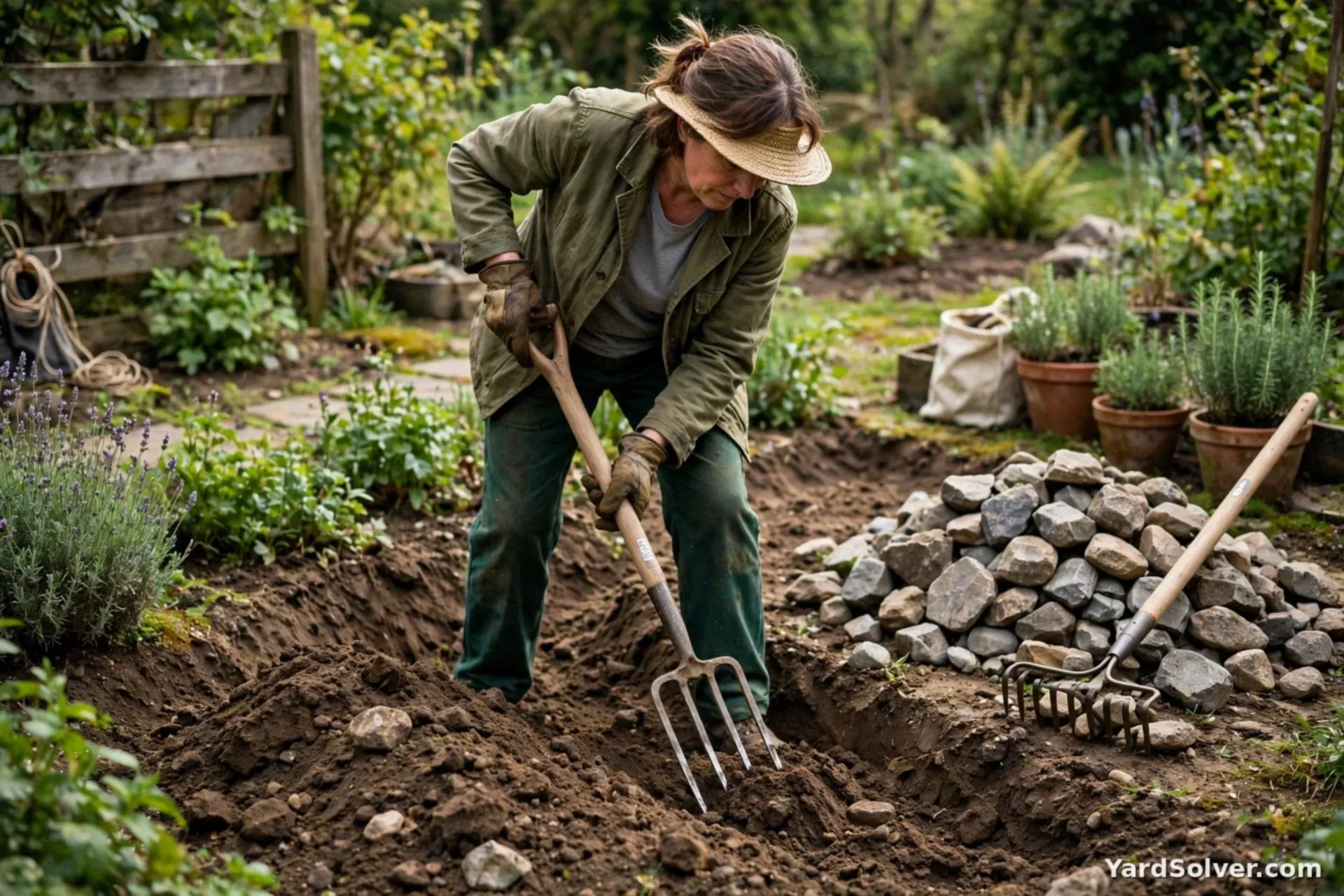
Sun: Full sun. Deep, loose, stone-free soil — the same treatment as parsnips: fork it over deeply and rake out stones, or the long roots fork and stunt. Work out how much you need with the Garden Mix Calculator or the Raised Bed Soil Calculator.
Step 3 — Sow and plant out
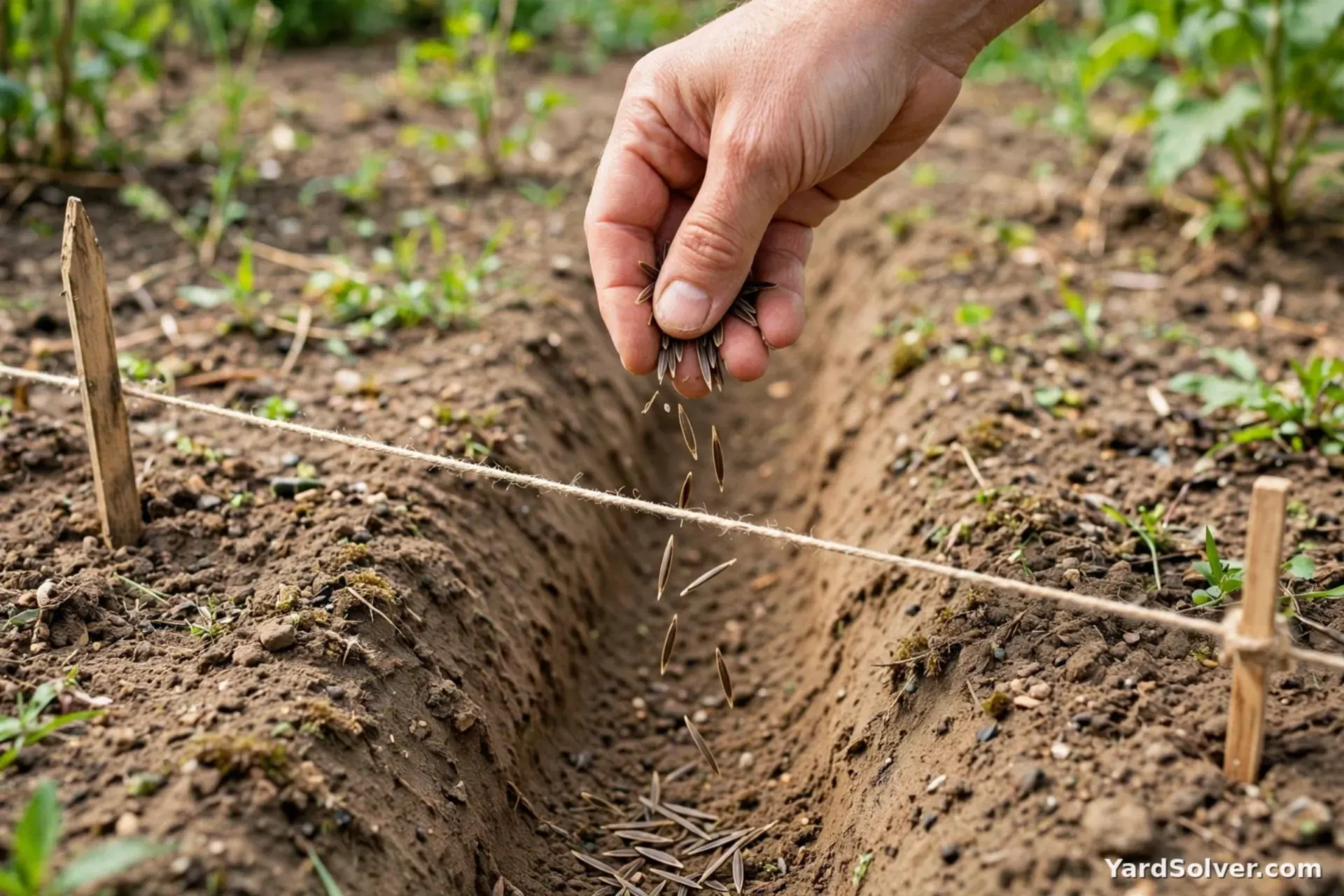
Sow directly where they will grow, 3 weeks before last frost, 1/2 in deep and 2–4 in apart (thin seedlings to that spacing once they are up). The Seed Calculator works out how much seed a bed needs. Salsify hates being moved, so it is always direct-sown.
Step 4 — Water and feed
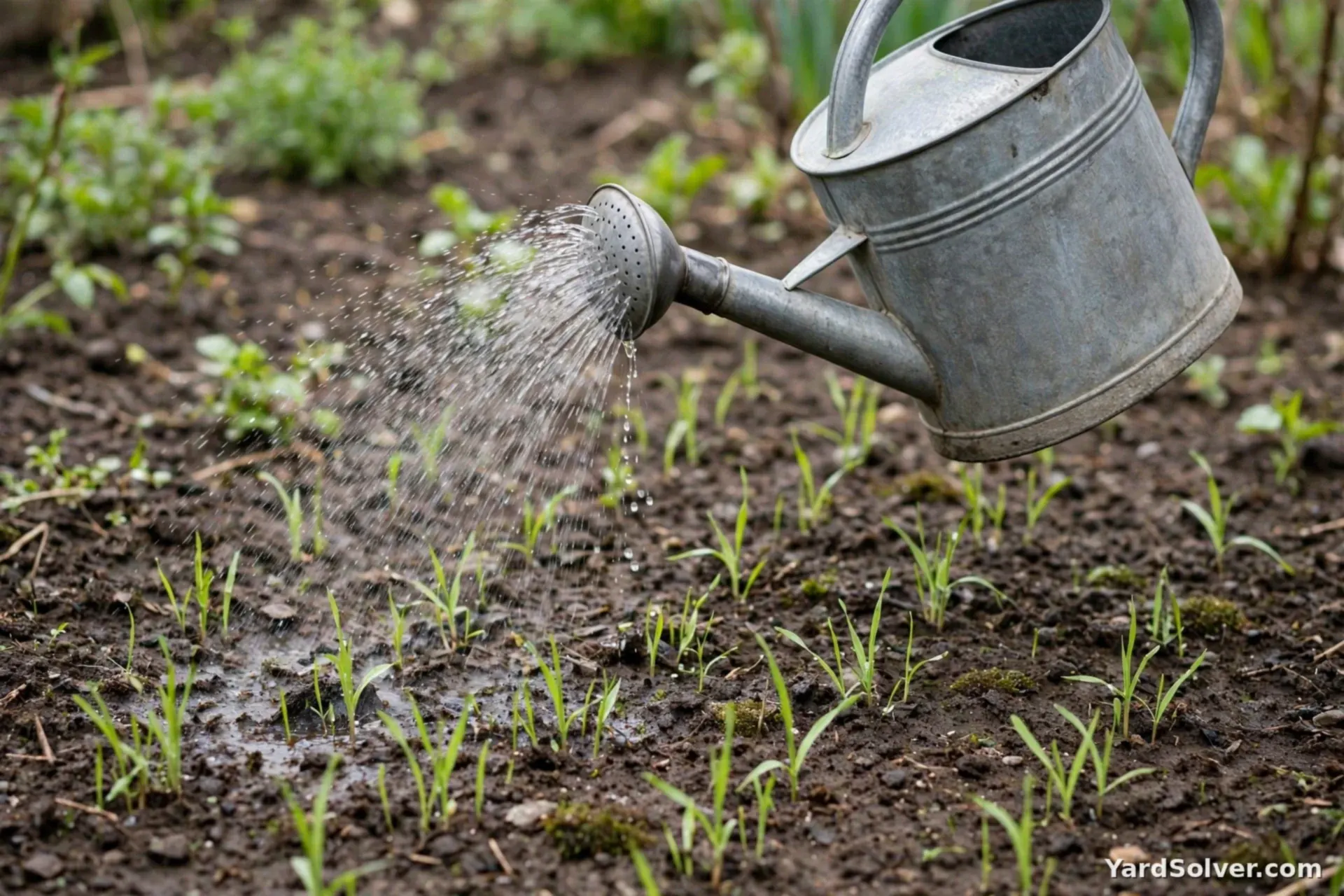
Water: Keep the seed bed moist until sprouting. The Fertilizer Calculator turns a bed size into the right amount.
Step 5 — Care and the problems to watch for
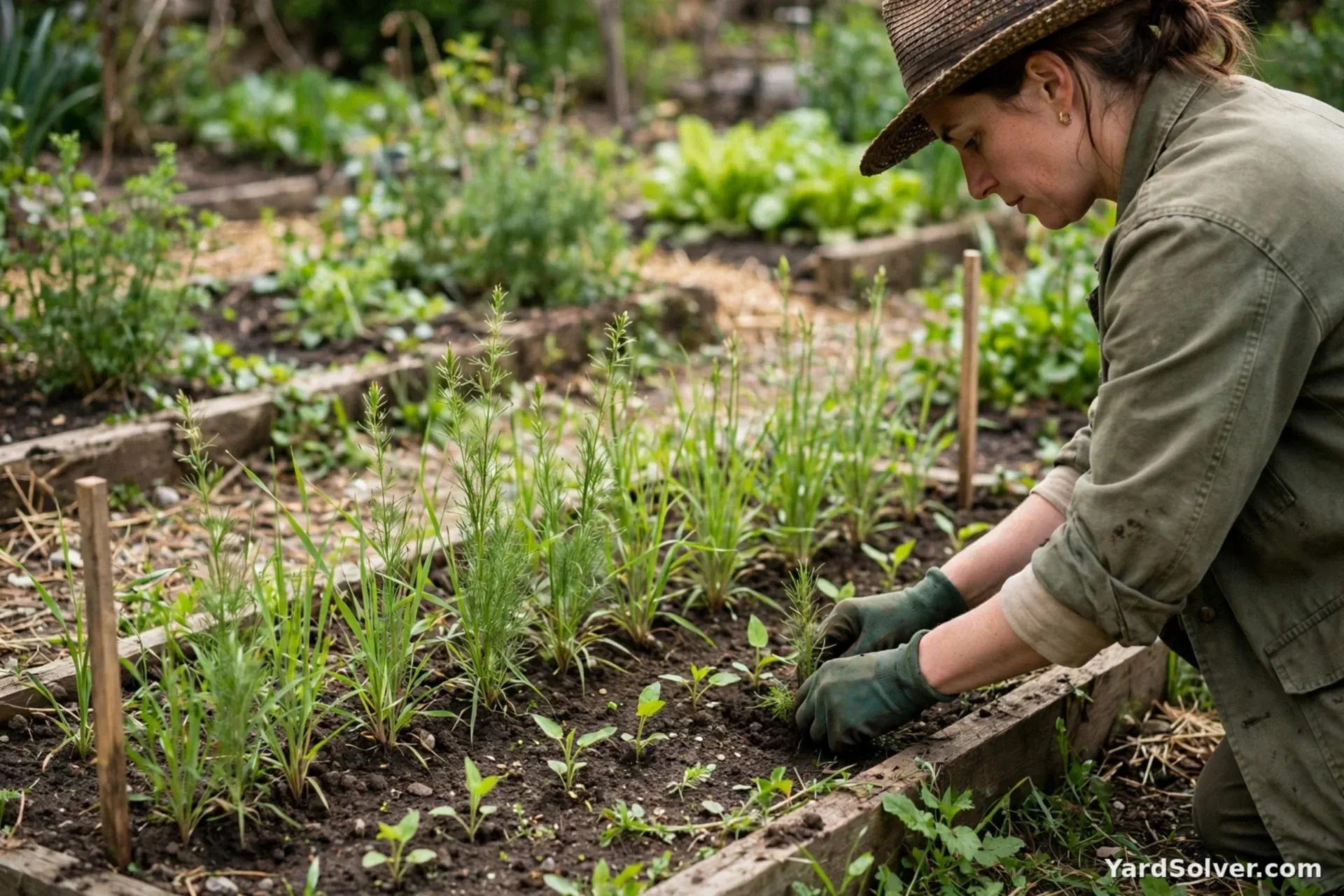
- Poor sprouting — usually old seed; salsify seed is only reliable for about a year, so buy fresh each spring.
- Forked roots — stones or fresh manure in the bed; keep the soil deep, loose and stone-free.
- Grassy seedlings weeded out by mistake — mark both ends of the row and weed by hand until the ferny true leaves show.
Take care: Scrub and peel salsify after cooking if you can — the skin slips off easily once boiled, and the flesh stays whiter.
Step 6 — Harvest
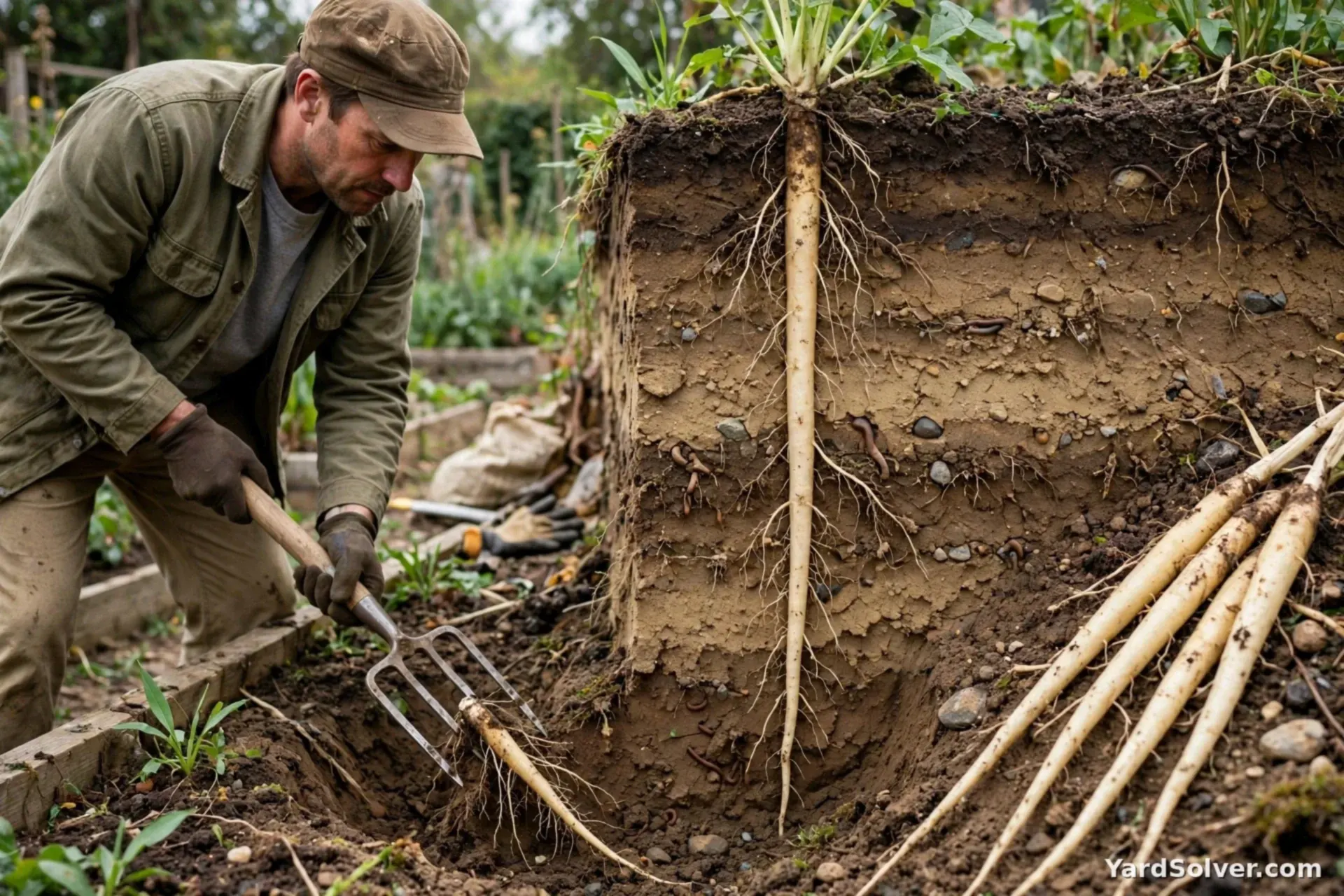
Ready in: 100–120 days. Dig roots from about day 100, working a fork deep beside the row; in mild gardens roots can overwinter in the ground and be dug as needed.
📅 Your personal Salsify schedule
Counted from your planting day — not a generic calendar. Day 0 is the day the seed went in the ground or the young plant went out.
Varieties worth growing
| Variety | Colour | Why gardeners like it |
|---|---|---|
| Mammoth Sandwich Island | Creamy white | The classic salsify — long, smooth roots with the delicate oyster-like flavour |
| Purple Salsify | Pale root, lilac flowers | The wild form of the same plant — roots plus edible flower buds and spring shoots |
| Scorzonera Duplex | Black skin, white flesh | Black salsify, the close cousin — sweet roots that overwinter in the ground beautifully |
| Scorzonera Russian Giant | Black skin, white flesh | A hardy black salsify that shrugs off cold winters |
| Unnamed Garden Seed | Creamy white | Some catalogues sell simple un-named seed — fine for a first try, as freshness matters more than the name |
Good for you — and take care
Benefits
- Provides inulin, a fibre that feeds good gut bacteria
- A source of fibre that supports good digestion
- Low in calories for a root vegetable
- Contains potassium, which helps maintain normal blood pressure
- One of the few roots whose flavour improves after frost
Take care
- Peel or scrub well — the thin skin holds soil
- The milky sap can darken cut flesh — drop pieces into water with a squeeze of lemon as you prep
- Introduce inulin-rich roots gradually if you rarely eat them — they can cause wind at first
A little history — and one good fact
Salsify was a fashionable root in Tudor and Stuart England, grown in kitchen gardens and sold in London markets, before falling out of favour as potatoes and carrots took over. Mediterranean cooks never gave it up, and it is still a winter staple in France and Italy.
Fun fact: The flavour really does recall oysters — Victorian cookbooks serve salsify fried in batter as vegetable oysters for meatless days.
Keep going
Guides: Why Are My Carrots Forked? · Putting Your Garden to Bed · How to Prepare Garden Soil in Spring
Calculators: Plant Spacing Calculator · Seed Calculator · Fertilizer Calculator · Garden Mix Calculator
More vegetables: Parsnip · Carrot · Rutabaga
← Back to the Plant Library · Get your personal planting dates
Questions people ask
When do I plant salsify?
Count from your average last spring frost: sow outdoors 3 weeks before last frost. Salsify — the oyster plant — is grown for its long, pale, parsnip-like root, whose delicate flavour cooks up faintly like oysters. Like parsnip, it is in no hurry: sow in spring in deep, loose soil, always with fresh seed, because salsify seed loses its sparkle after a year.
How far apart do I space salsify?
Space plants 2–4 in apart, with seed sown 1/2 in deep. Sun: full sun.
When is salsify ready to harvest?
100–120 days. An old-fashioned root with a delicate oyster-like flavour: slow to sprout, slow to grow, and sweetest after frost — sow fresh seed in deep, stone-free soil and give it the whole season.